About Hatta Island Wall
Hatta Island Wall is a premier dive site in the Banda Sea, renowned for its dramatic underwater topography and rich biodiversity. This vertical wall plunges deep into the abyss, offering an exhilarating experience for advanced divers. The site is a hotspot for pelagic action, with regular sightings of schooling barracuda and a dedicated hammerhead shark cleaning station, making it a key destination during the region's hammerhead migration season. The wall itself is adorned with pristine hard coral formations, creating a vibrant ecosystem that supports a wide array of reef fish and invertebrates. While the deeper sections cater to advanced divers seeking pelagic encounters, the shallower parts of Hatta Island also feature beautiful coral gardens suitable for less experienced divers or macro photography enthusiasts. Positioned within the remote Banda Sea, Hatta Island is part of the famed Ring of Fire, where volcanic activity contributes to nutrient-rich waters and unique underwater landscapes. This isolation helps maintain the exceptional health and diversity of its marine life. Diving here typically occurs via liveaboard, as it is off the beaten path, ensuring uncrowded dive experiences. Conditions at Hatta Island Wall can be challenging, with strong currents possible, especially at deeper depths. This makes it an ideal location for experienced divers who can navigate these conditions to witness the spectacular marine aggregations the site is known for. Visibility is often excellent, ranging from 25 to 40 meters, particularly during the peak diving season, offering clear views of the expansive wall and its inhabitants.
Highlights
Vertical wall diveHammerhead shark cleaning stationMassive barracuda schoolsPristine hard coral formationsDeep drop-offsPelagic encountersLarge sponges
Season calendar
Best months to dive here
Jan
Feb
Mar
Apr
May
Jun
Jul
Aug
Sep
Oct
Nov
Dec
Excellent
Good
Dive site facts: Hatta Island Wall
- Depth
- 10–40 m
- Typical dive
- 12–25 m, 50–60 min
- Current
- Moderate to Strong
- Visibility
- 25–40 m
- Water temperature
- 26–29°C
- Entry
- Tender / Negative entry
- Level
- Advanced
- Dive type
- Wall, pelagic, coral garden
- Region / port
- Banda Sea
- Coordinates
- -4.6267, 129.7583
Conditions & Currents
Currents at Hatta Island Wall can range from moderate to strong, particularly at deeper depths and along the vertical wall. Advanced divers accustomed to drift diving are best suited for this site, as current hooks may be essential. Entry is typically via tender for a negative entry, allowing divers to quickly descend and manage the current.
Marine life & sighting chances

Hammerhead shark
October-November · common
Barracuda
common
Fusilier
common
Trevally
occasional
Grouper
occasional
Triggerfish
occasional
Snapper
occasional
Butterflyfish
occasional
Eagle ray
occasional
Seahorse
rare
Nudibranch
rare
Reef shark
occasional
Napoleon wrasse
rareDive profile & how the dive runs
Diving Hatta Island Wall typically begins with a tender drop-off directly onto the vertical reef face. Divers will descend along the wall, often utilizing a negative entry to quickly reach depth and manage any prevailing currents. The dive progresses along the wall, exploring its various crevices and overhangs where smaller reef inhabitants reside, while also keeping an eye on the blue for pelagic species like hammerheads and barracudas, especially near the cleaning station. Depths can range from 10 meters down to 40 meters or more for experienced divers seeking deeper encounters. The turn point is usually dictated by air consumption and no-decompression limits, after which divers gradually ascend, following the contours of the wall into shallower coral gardens. The safety stop is performed at 5 meters, often in the calmer, shallower sections of the reef, providing an opportunity for macro observation before surfacing.
Underwater photography
Hatta Island Wall offers diverse photographic opportunities, from wide-angle shots of the expansive coral wall and schooling pelagics to macro subjects in its shallower sections. For capturing the dramatic wall and potential hammerhead encounters, a wide-angle lens is essential. Consider using strobes to bring out the vibrant colors of the hard corals and to properly expose fast-moving subjects in the blue. When photographing schooling barracuda or pelagics, try to shoot upwards to capture their silhouettes against the light. For macro photography in the reef's sheltered areas, a macro lens and focus light will be beneficial for nudibranchs and seahorses. Maintaining excellent buoyancy control is crucial given the potential for strong currents and the need to avoid contact with the pristine coral formations.
Combine with nearby dive sites
- Gunung Api Lava Flow
Unique volcanic formations and banded sea snakes.
- Nusa Laut Corner
Current-swept point with schooling hammerheads and eagle rays.
- Run Island Wall
Dramatic wall dive with hard coral terraces.
- Banda Besar South Wall
Hard coral reefs leading to soft coral and sea fan walls.
- Pulau Pisang
Healthy, species-rich reefs ideal for beginners.
Getting there & logistics
Accessing Hatta Island Wall typically involves flying into Pattimura Airport (AMQ) in Ambon, which serves as the primary embarkation point for Banda Sea liveaboards. From Ambon, travelers transfer to their liveaboard vessel, which then undertakes multi-day itineraries, often 7 to 10 nights, exploring various sites in the Banda Sea. Liveaboard trips are the only practical way to dive this remote region. While there are minimal local fees for foreign visitors in Banda Neira, these are generally negligible and are often covered within liveaboard packages. Itineraries frequently combine Banda Sea diving with other Indonesian destinations like Raja Ampat or Triton Bay, offering a comprehensive exploration of Indonesia's richest dive areas.
Safety & environment
Diving at Hatta Island Wall, particularly with its potential for strong currents and deep sections, necessitates careful planning and adherence to safety protocols. Divers should have appropriate advanced certifications and experience with drift dives. A dive computer is essential, and Enriched Air Nitrox is highly recommended for extended bottom times, especially on repetitive deep wall dives. The nearest recompression chamber is located in Ambon, but evacuation from Hatta Island can be lengthy and complex due to the remote nature of the Banda Sea. Comprehensive dive insurance, covering medical emergencies and evacuation, is therefore strongly advised. Always follow your dive guide's instructions regarding current conditions and dive profiles to ensure a safe and enjoyable experience.
Who it suits — and who it doesn't
Suited for
- Advanced divers
- Pelagic enthusiasts
- Wall diving specialists
- Liveaboard travelers
- Experienced drift divers
Less suited for
- Beginner divers
- Divers without current experience
- Those prone to seasickness (due to liveaboard travel)
- Divers seeking easy shore access
- Those without advanced certification
FAQ
Hatta Island Wall FAQ
What kind of marine life can I expect to see at Hatta Island Wall?
Hatta Island Wall is known for its pelagic encounters, including schooling hammerhead sharks, especially during their migration season. You can also expect to see massive schools of barracuda, various reef fish like fusiliers, trevally, groupers, triggerfish, and snappers, as well as occasional sightings of eagle rays and even rare Napoleon wrasse.
What are the typical dive conditions at Hatta Island Wall?
Dive conditions at Hatta Island Wall can be challenging. Currents range from moderate to strong, particularly at deeper depths along the vertical wall. Visibility is generally excellent, often between 25 to 40 meters, and water temperatures average 26–29°C. Divers should be prepared for drift diving and may need current hooks.
Is Hatta Island Wall suitable for all diving levels?
Hatta Island Wall is primarily recommended for advanced divers due to its depth, potential for strong currents, and the need for experience with wall and drift diving. While some shallower areas might be suitable for less experienced divers, the main highlights, such as the hammerhead cleaning station and deep pelagic encounters, require advanced skills.
When is the best time to dive Hatta Island Wall for hammerhead sharks?
The peak season for encountering hammerhead sharks at Hatta Island Wall and throughout the Banda Sea is during October and November. The Banda Sea's overall dive season, which offers excellent conditions and marine life, runs from September to December, with a secondary season from March to May.
How do I get to Hatta Island Wall?
Hatta Island Wall is located in the remote Banda Sea and is best accessed via liveaboard. Divers typically fly into Pattimura Airport (AMQ) in Ambon, Indonesia, which serves as the main departure point for liveaboard trips exploring the Banda Sea and its surrounding islands. These liveaboard itineraries usually last between 7 and 10 nights.
Why dive Hatta Island Wall from a liveaboard?
Hatta Island Wall is one of Banda Sea's signature dive sites. A liveaboard sleeps you on the water and puts you in the water for three to four guided dives per day, including dawn and night dives that day-boat operators rarely offer. You skip the daily commute back to port and reach quieter, less-crowded sites in the same region on a single trip.
Below are the liveaboards that include Hatta Island Wall on their Banda Sea itineraries.
Liveaboards diving Hatta Island Wall
These liveaboards may visit Hatta Island Wall on selected itineraries — the exact dive sites depend on departure, weather and conditions.
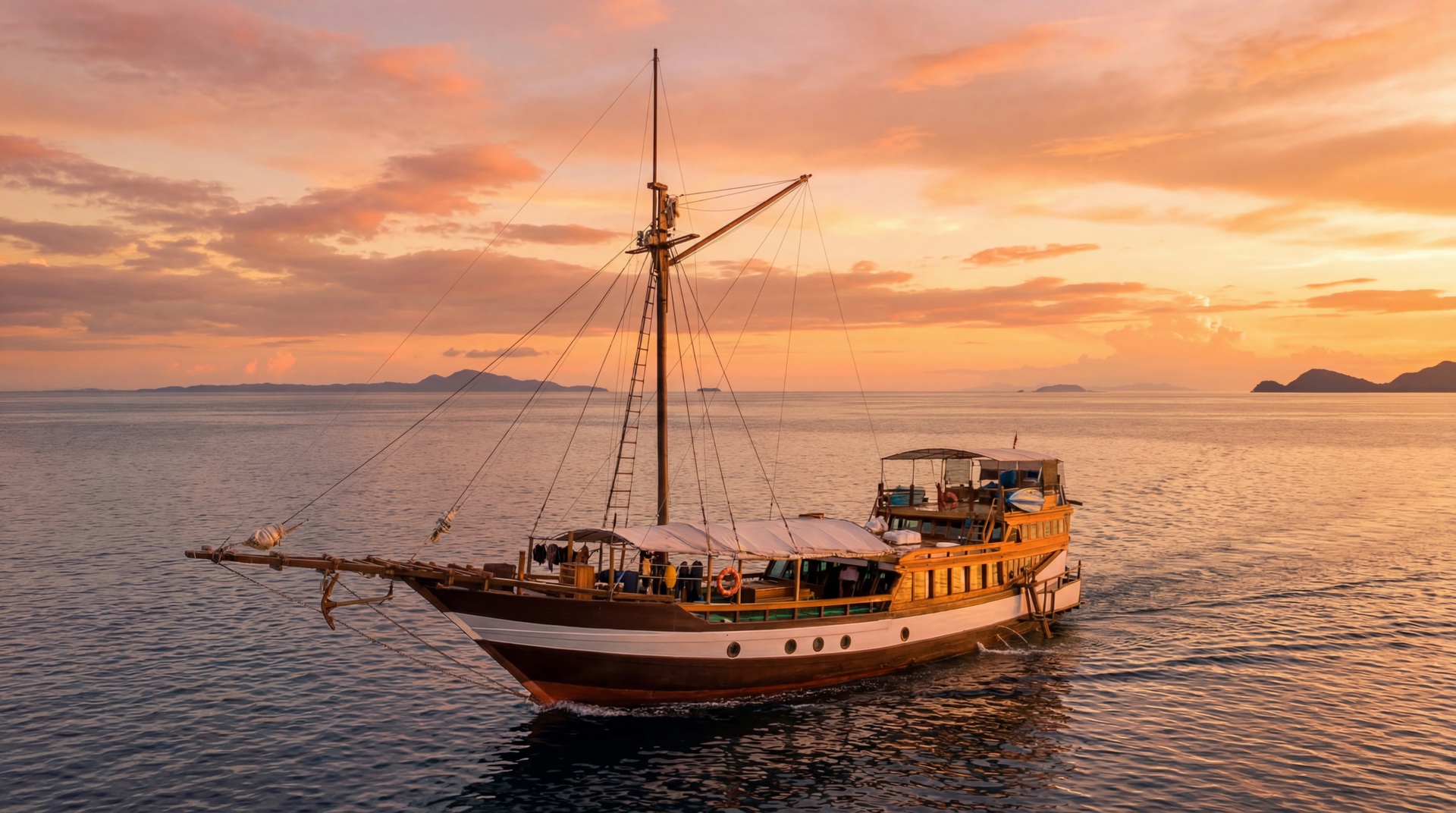
Wellenreng
Indonesia
9 guests25 m
$423/day
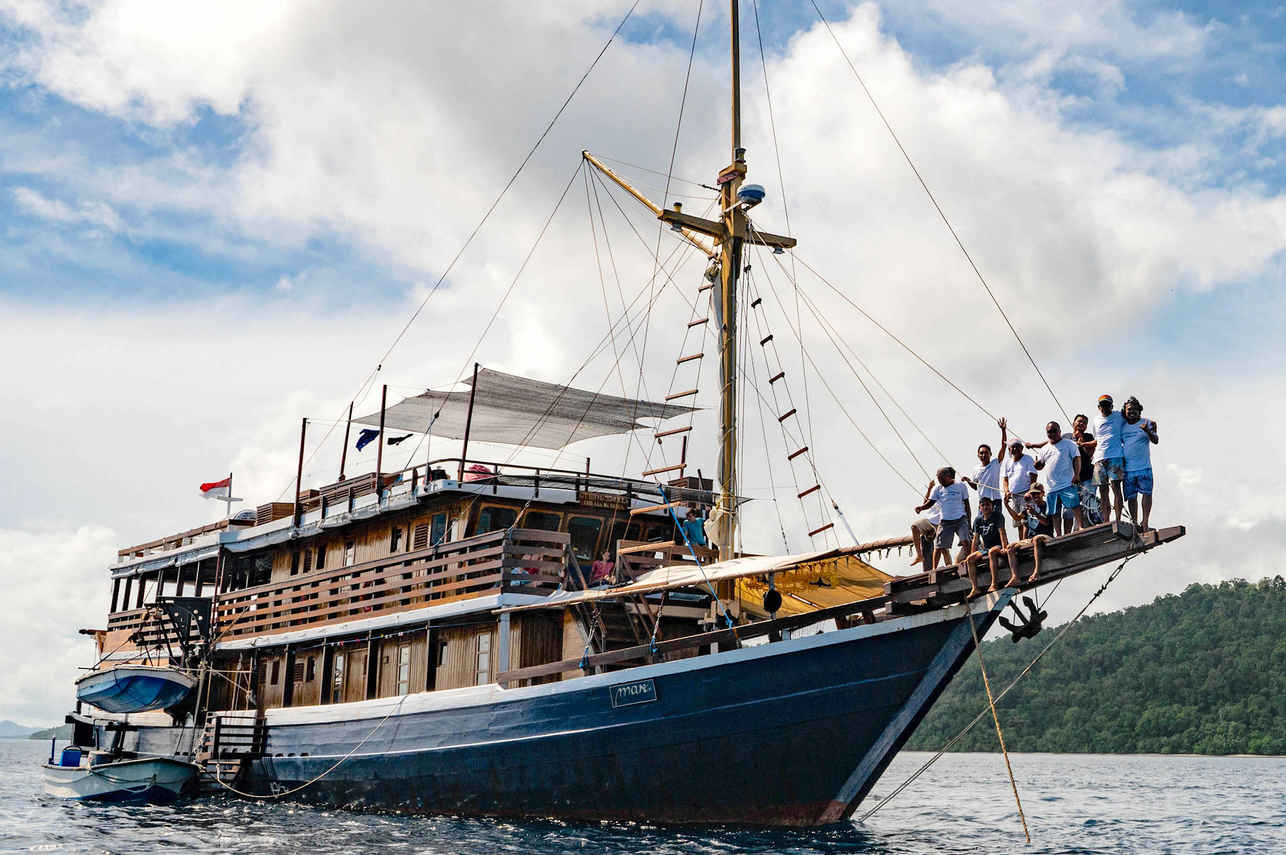
Mari
Indonesia
14 guests32.2 m
$320/day
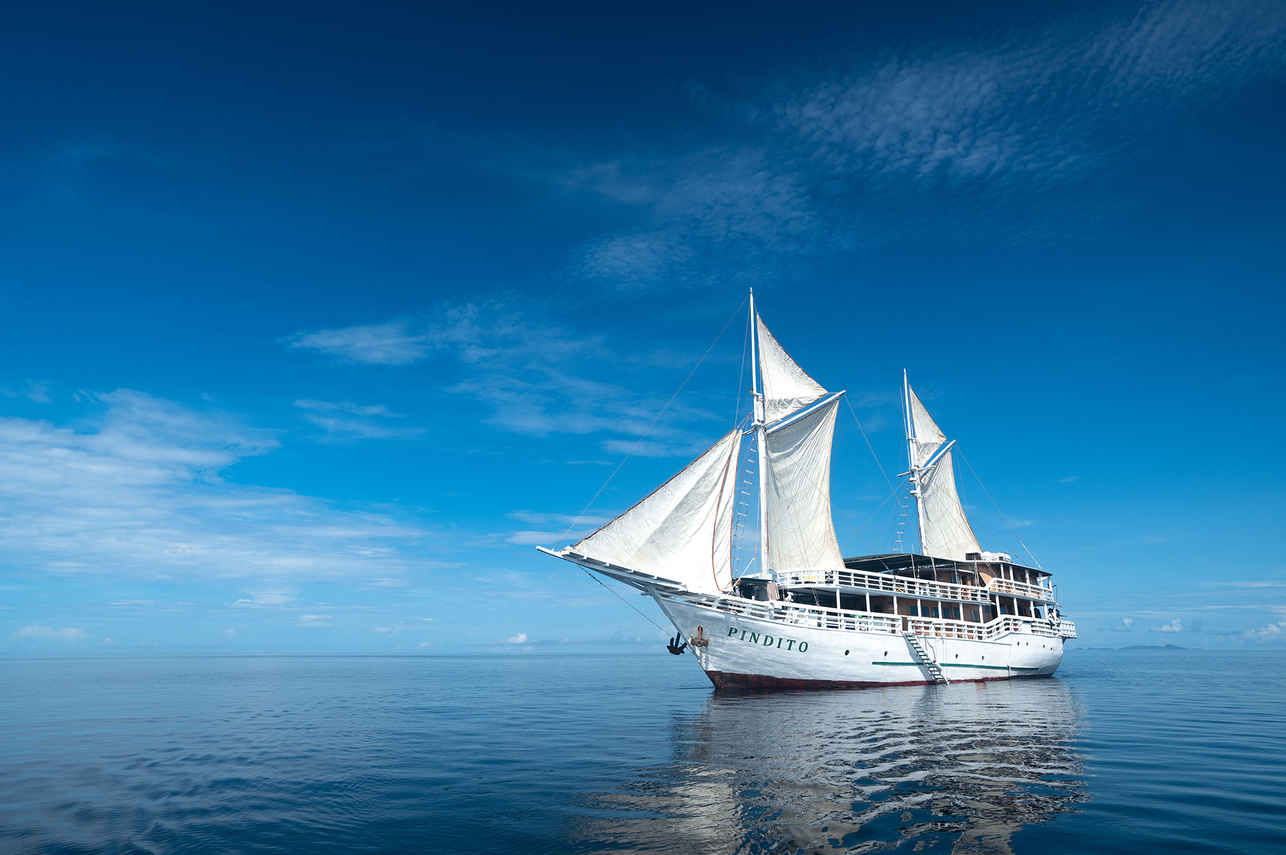
Pindito
Indonesia
16 guests37.79 m
$533/day
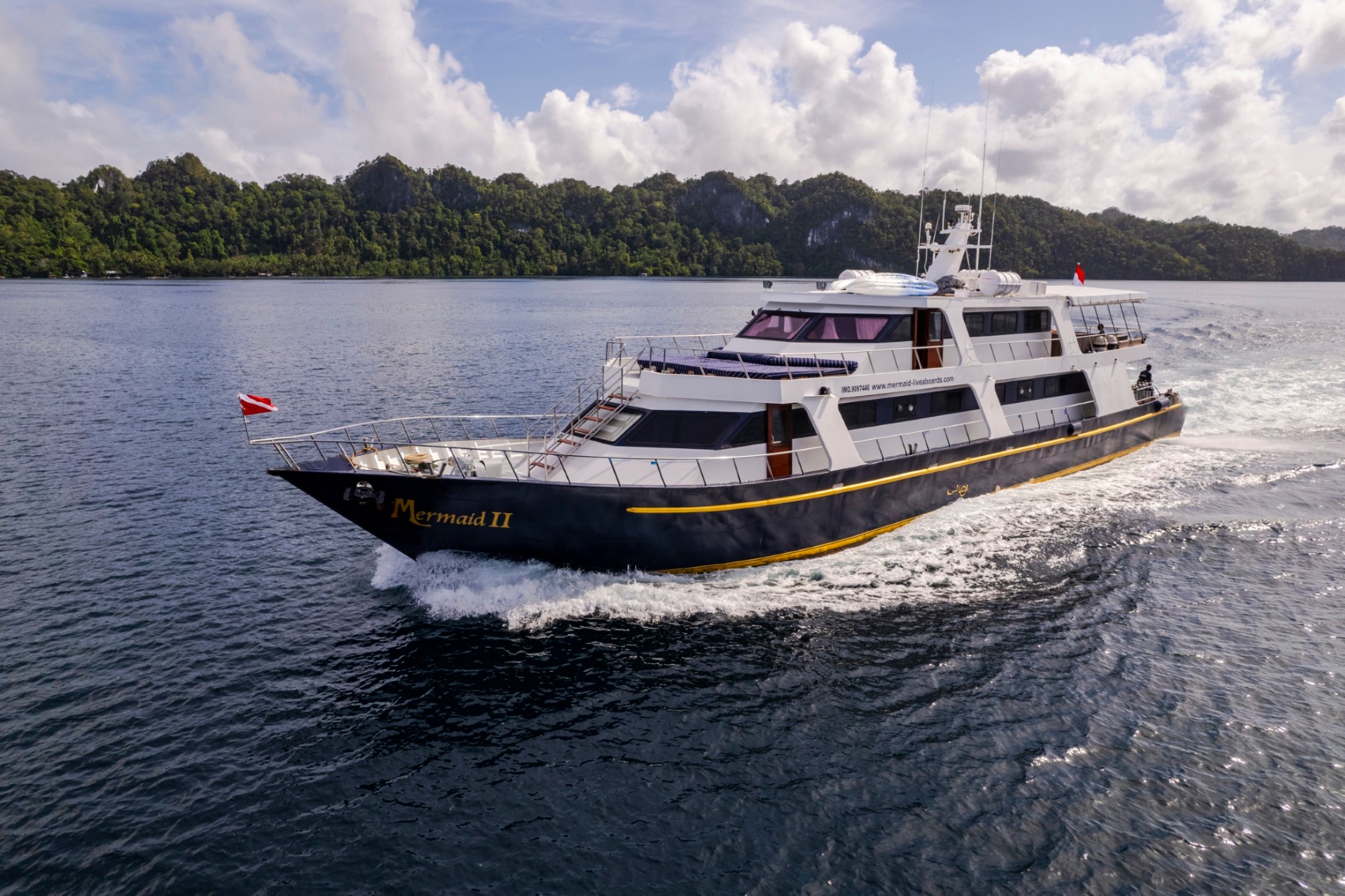
Mermaid II
Komodo, Indonesia
18 guests
$388/day
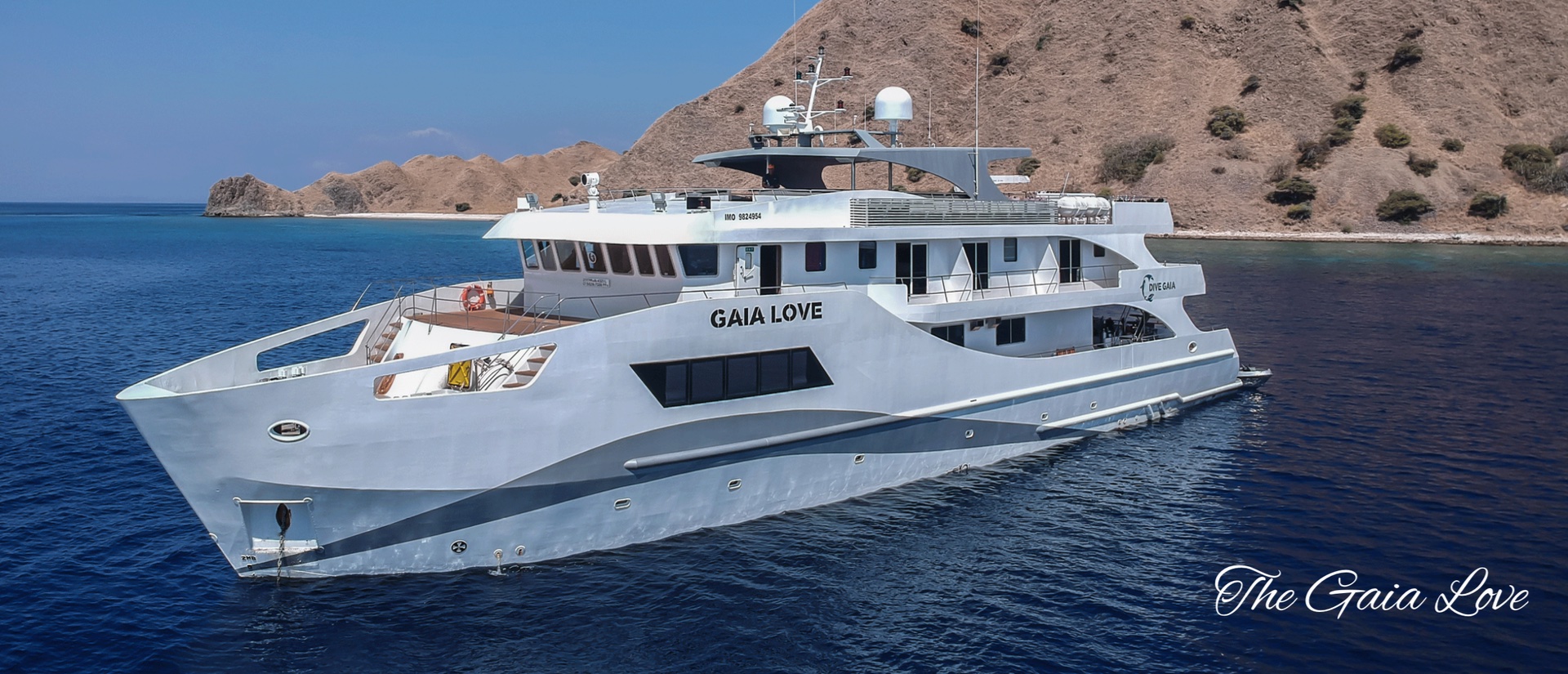
Gaia Love
Alor
20 guests
$554/day
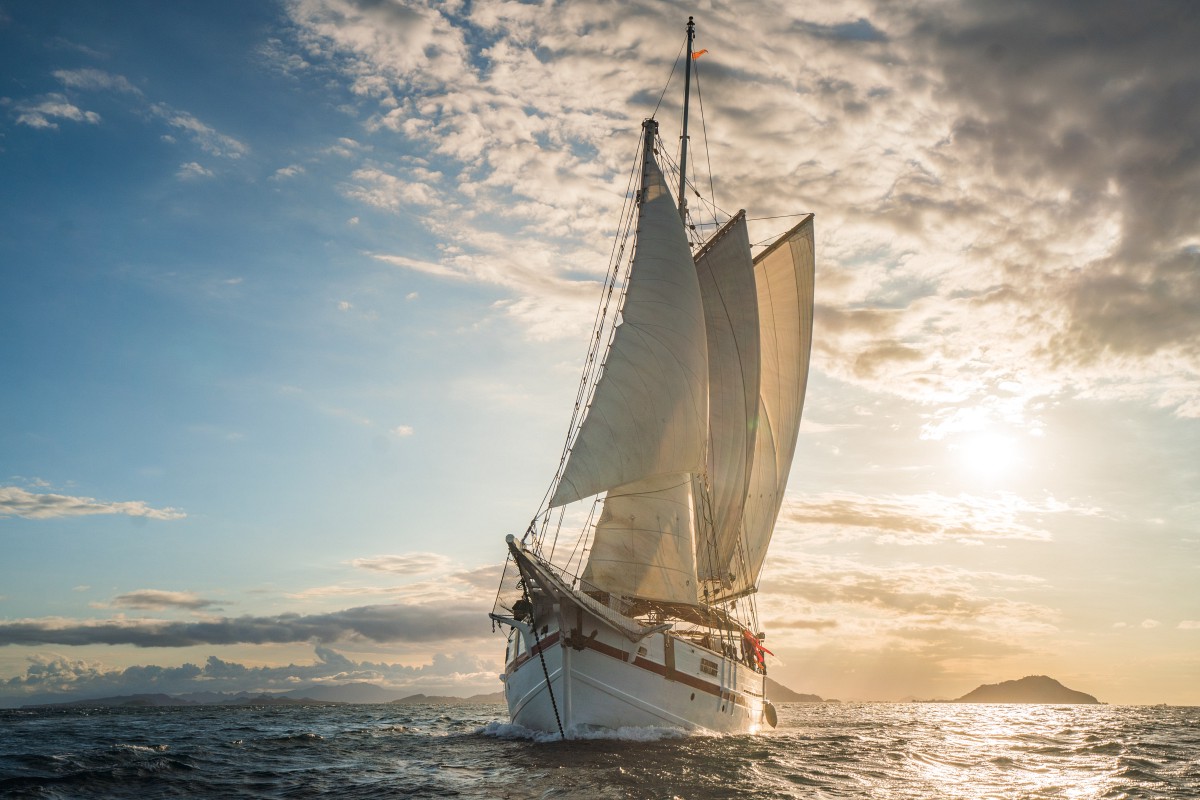
Emperor Raja Laut
Raja Ampat, Indonesia
12 guests31 m
$423/day
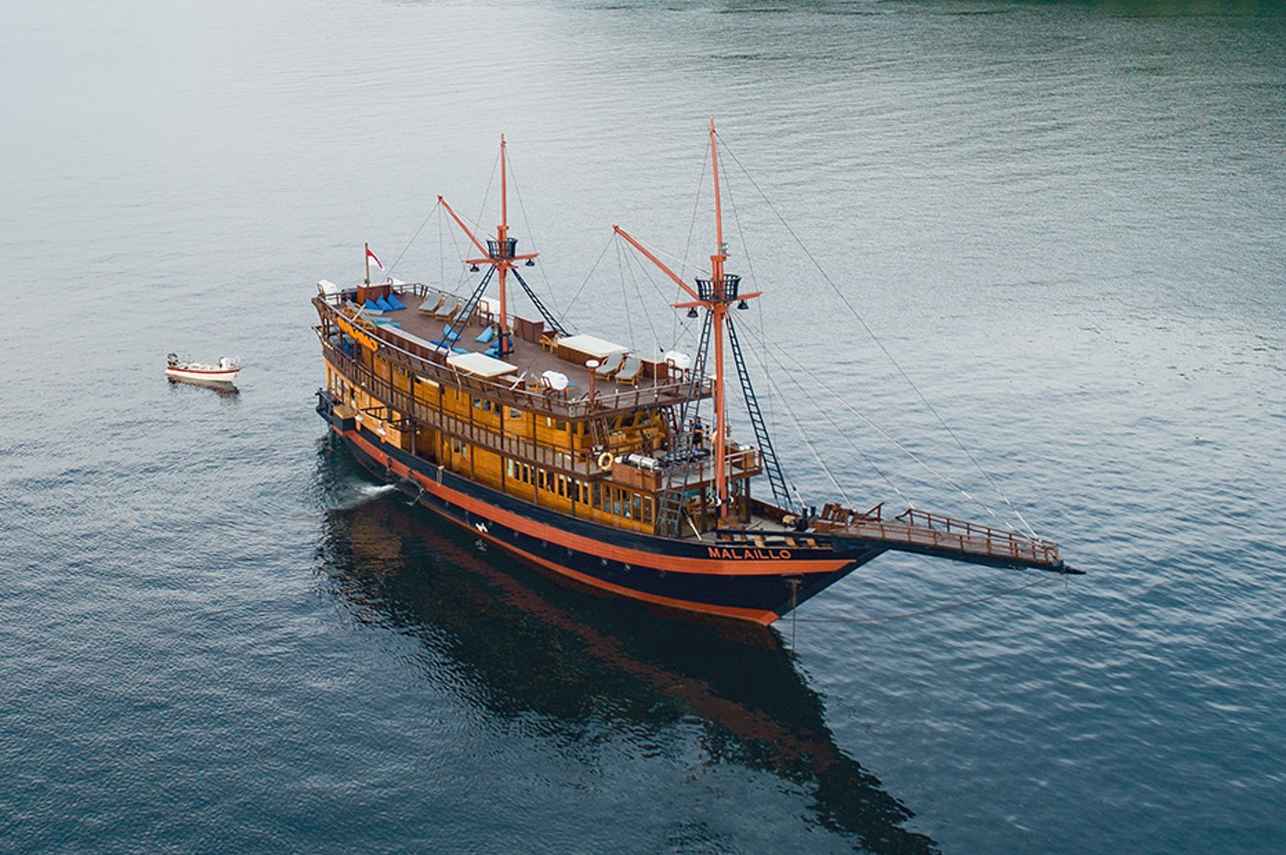
Malaillo
Indonesia
14 guests45.57 m
$409/day
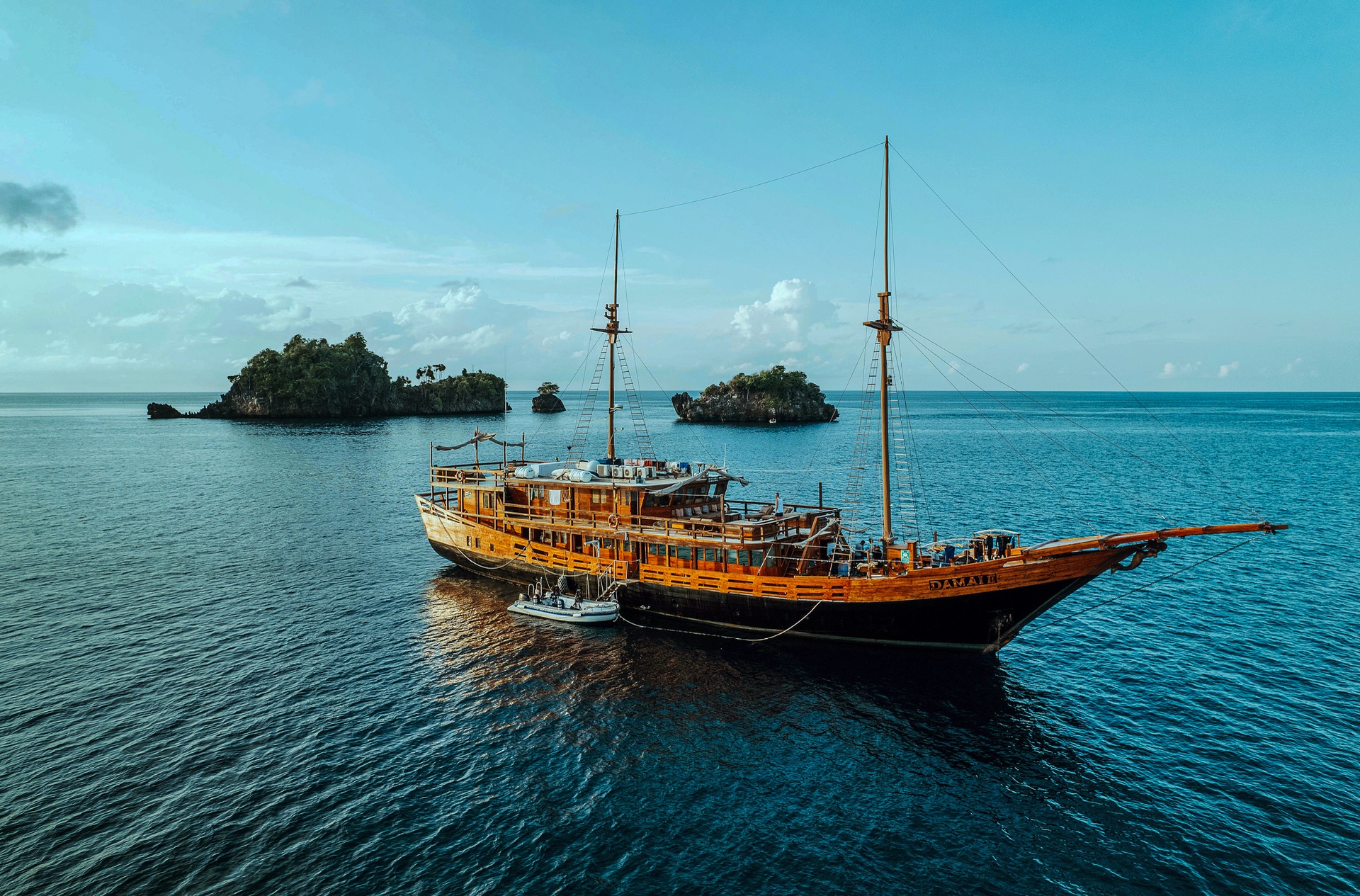
Damai II
Komodo, Indonesia
14 guests
$441/day
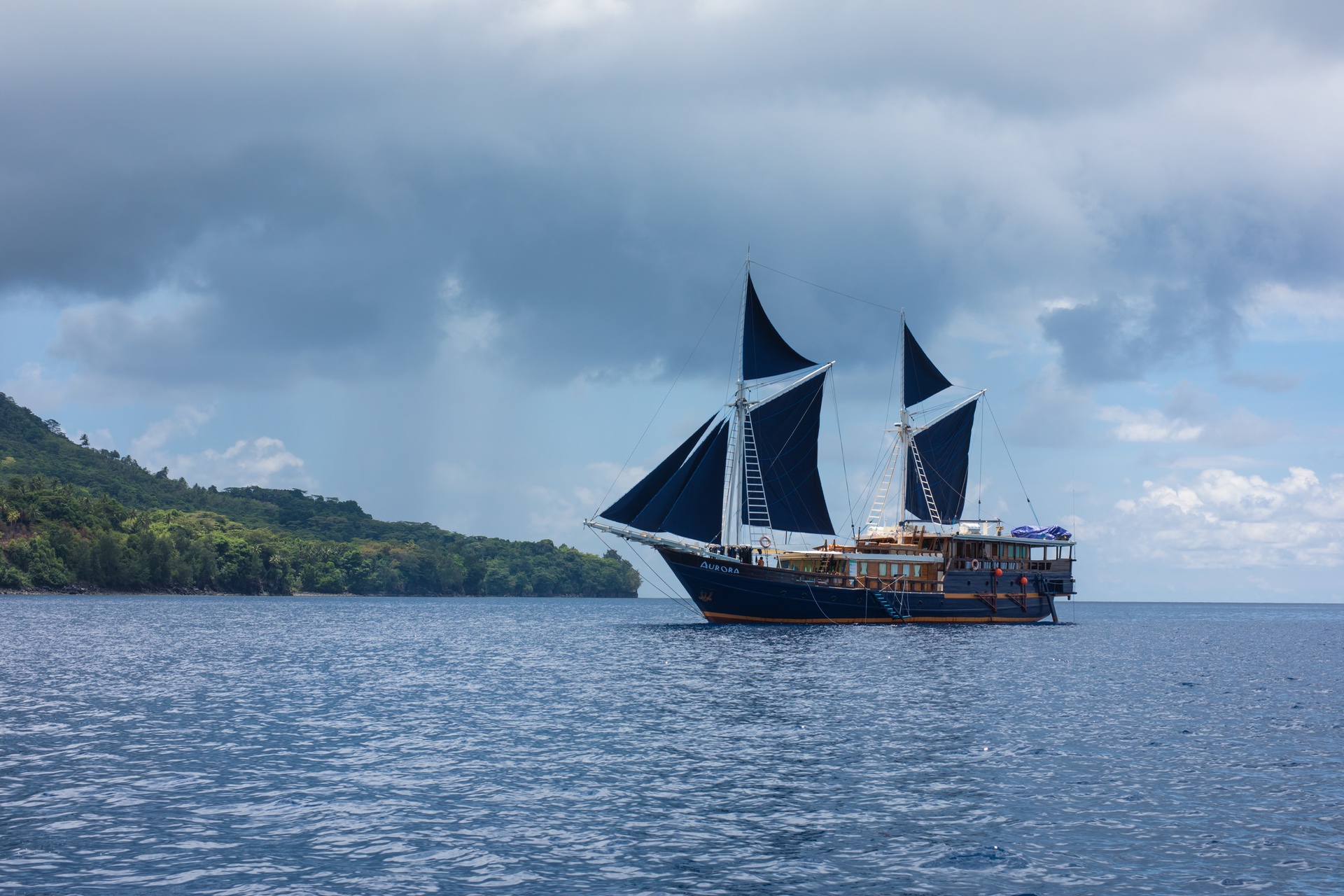
DUNE Aurora
Indonesia
18 guests
$344/day
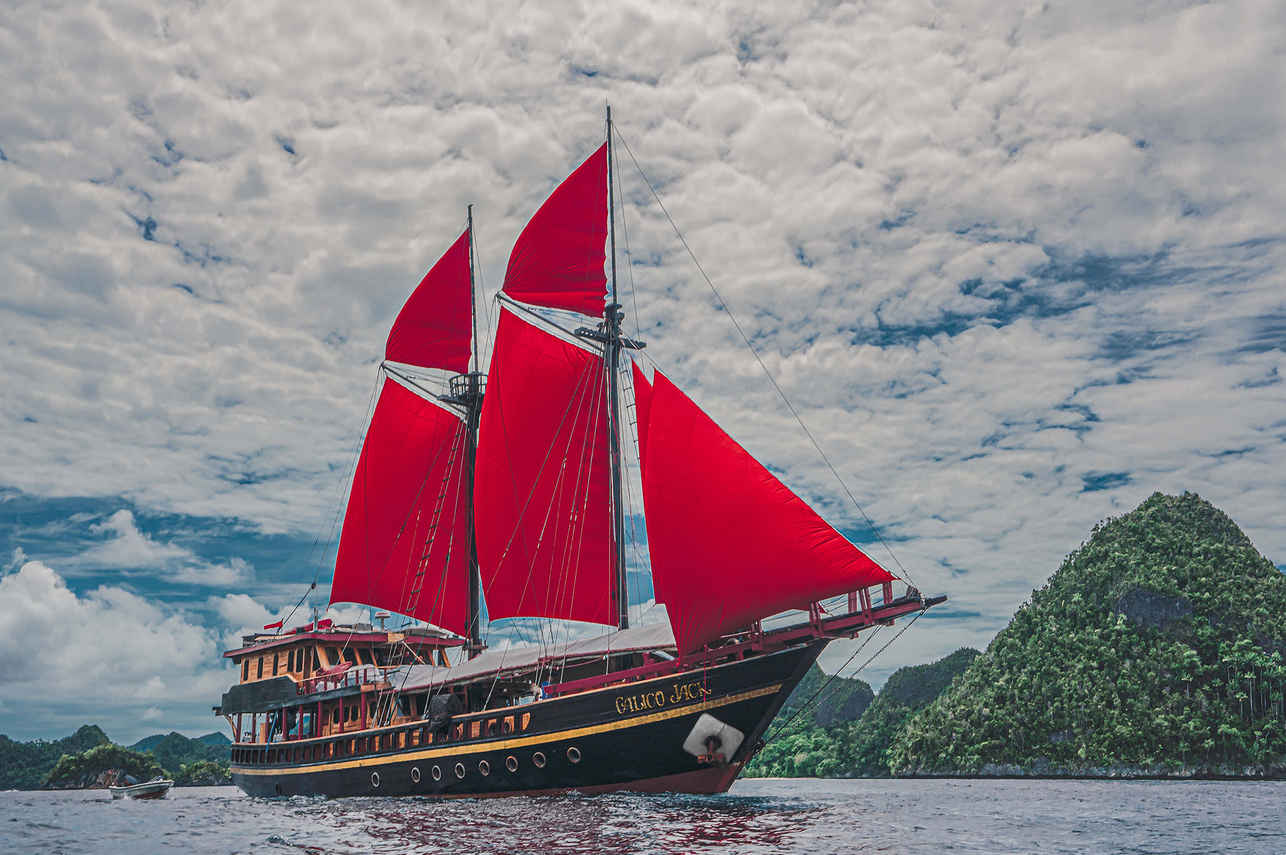
Calico Jack
Indonesia
10 guests30 m
$398/day
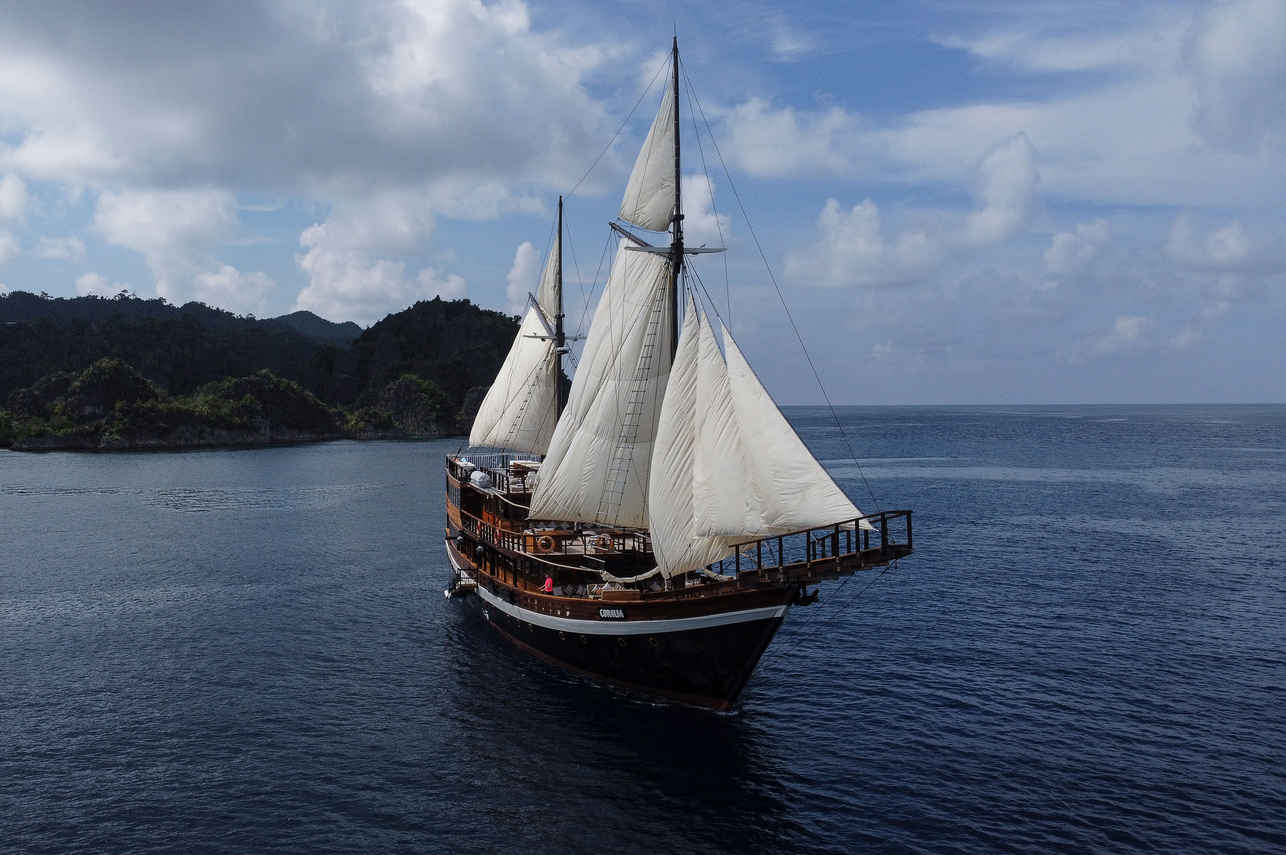
Coralia
Indonesia
16 guests48 m
$591/day
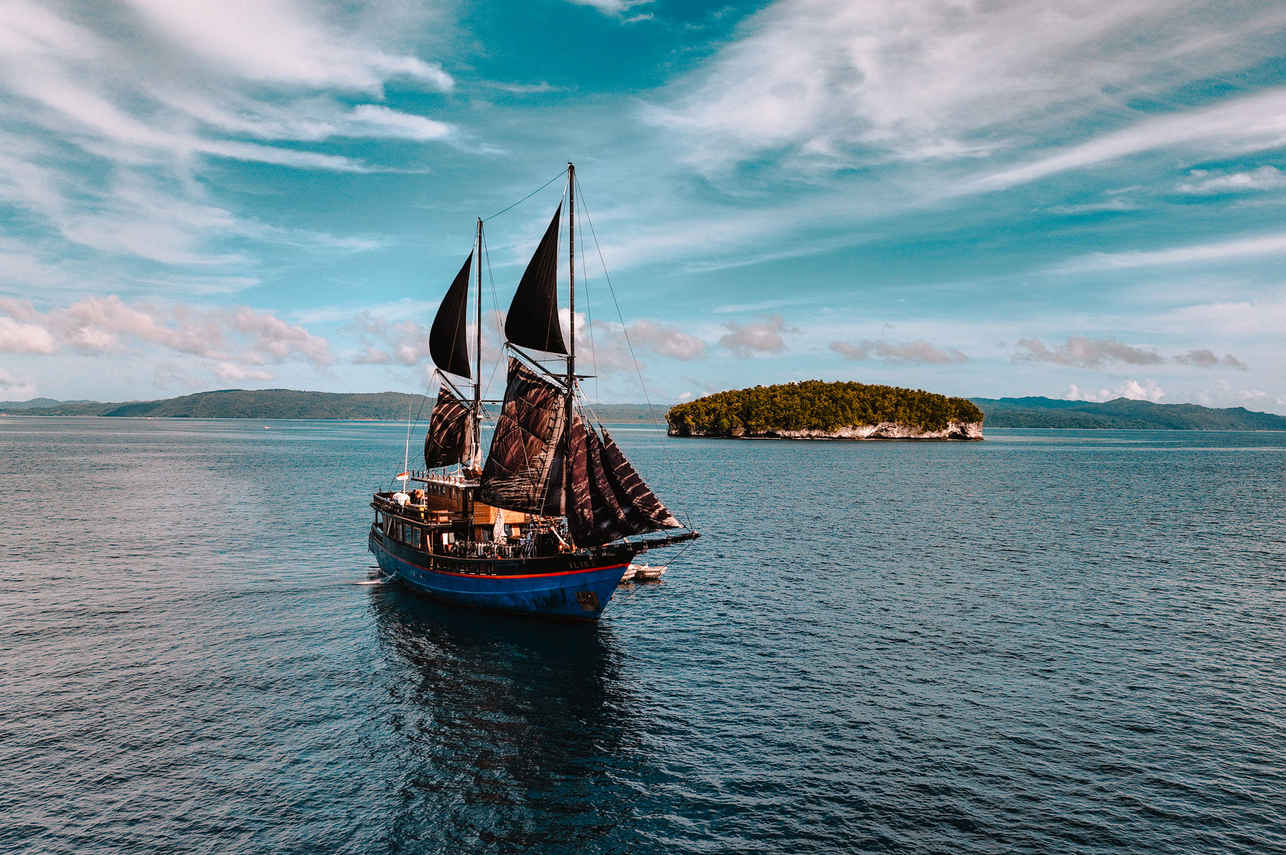
Ilike
Indonesia
16 guests40 m
$350/day
Dive sites similar to Hatta Island Wall
Same character, same waters — six more sites divers love for the exact same reasons.Compare seasons, access and liveaboard routes — then pick the site that fits your trip best.
© Esri — Maxar, Earthstar, GIS
Big La Laguna
Philippines
Big La Laguna is a beach community situated on the western edge of the Sabang Peninsula, a popular dive region on Mindoro Island, Philippines.
- Suitable for
- Intermediate
- Current
- Moderate
- Access
- Dayboat
- Depth
- 5–35 m
- Theme
- Reef / Wall
© Esri — Maxar, Earthstar, GIS
Rusa Pinnacle
Alor
Rusa Pinnacle is a challenging yet highly rewarding dive site situated in the Alor archipelago, part of Indonesia's East Nusa Tenggara.
- Suitable for
- Advanced
- Current
- Strong
- Access
- Liveaboard only
- Depth
- 6–30 m
- Theme
- Reef
Lipah Bay is situated on Bali's northeast coast within the Amed area, nestled against the dramatic backdrop of Gunung Agung.
- Suitable for
- Beginner
- Current
- Mild
- Access
- Liveaboard or dayboat
- Depth
- 5–30 m
- Theme
- Reef / Drift
© Esri — Maxar, Earthstar, GIS
Tangked Cave
Bali
Tangked Cave, sometimes referred to as Tangked Taked Shark Cave, is an advanced dive site situated in the open ocean off Bali's southeastern coast.
- Suitable for
- Advanced
- Current
- Moderate
- Access
- Liveaboard or dayboat
- Depth
- 15–40 m
- Theme
- Cave & cavern / Reef
© Esri — Maxar, Earthstar, GIS
Schools Out
Alor
Schools Out in Alor offers divers an exceptional encounter with healthy coral reefs and a rich variety of marine species.
- Suitable for
- Intermediate
- Current
- Mild
- Access
- Liveaboard only
- Depth
- 20–30 m
- Theme
- Reef
© Esri — Maxar, Earthstar, GIS
Batununggul
Bali
Batununggul, also known as Suana or Batumulapan by some operators, is a dynamic wall and sloping reef dive site situated on the eastern side of Nusa Penida, Bali.
- Suitable for
- Advanced
- Current
- Strong
- Access
- Liveaboard or dayboat
- Depth
- 10–40 m
- Theme
- Wall