About Banda Besar South Wall
Banda Besar South Wall is located in the heart of the Banda Islands, part of Indonesia's remote Ring of Fire archipelago. This region, known as the Maluku or Spice Islands, boasts dramatic volcanic landscapes and an untouched marine ecosystem due to its isolation. The dive site offers a pristine wall adorned with vibrant corals and sponges that thrive in the nutrient-rich currents of the Banda Sea. The topography features steep drop-offs characteristic of volcanic islands, plunging into deep waters. Visibility here is consistently excellent, often exceeding 20 meters, allowing divers to appreciate the extensive coral growth and diverse fish populations along the wall. The site is a testament to the Coral Triangle's biodiversity, showcasing an incredible array of hard and soft corals. Marine life at Banda Besar South Wall is prolific, ranging from small reef fish to pelagic species attracted by the deep-water upwellings. While hammerhead sharks are a draw to the wider Banda Sea, this site primarily offers encounters with schooling reef fish, turtles, and various macro life among the corals. The vibrant ecosystem supports a thriving community of invertebrates and smaller predators. Visiting this site typically involves liveaboard expeditions, as land-based options are extremely limited in the Banda Sea. Dives are generally drift dives along the wall, requiring good buoyancy control to navigate the currents and enjoy the expansive underwater scenery. The remote location ensures minimal human interference, preserving the site's natural beauty and allowing for a truly immersive dive experience.
Highlights
Pristine coral wallExcellent visibilityAbundant reef fishGiant barrel spongesUntouched marine ecosystemRemote diving experienceVaried coral formations
Season calendar
Best months to dive here
Jan
Feb
Mar
Apr
May
Jun
Jul
Aug
Sep
Oct
Nov
Dec
Excellent
Good
Off-Season
Sep – Nov (Sep–Nov)
Calmest seas and best visibility (25–30m). Hammerhead shark schools at their largest. Whale shark sightings increase. All liveaboard operators running Banda Sea expeditions.
Mar – May & Aug (Mar–May, Aug)
Transitional weather with generally good conditions. Visibility 18–25m. Fewer boats operating but still excellent diving.
Jun – Jul & Dec – Feb (Dec–Feb, Jun–Jul)
Monsoon brings rough seas, strong currents, and reduced visibility. Most operators do not run Banda Sea trips. Not recommended for diving.
Dive site facts: Banda Besar South Wall
- Depth
- 5–30+ m
- Current
- Moderate to strong
- Visibility
- 20–40 m
- Water temperature
- 25–28°C
- Entry
- Tender / negative entry
- Level
- Advanced Open Water Diver, current experience helpful
- Dive type
- Wall, drift, pelagic
- Region / port
- Banda Sea / Ambon
- Coordinates
- -4.5583, 129.8917
Conditions & Currents
Currents at Banda Besar South Wall can range from mild to strong, typical for sites in the Banda Sea, which is influenced by lunar cycles and passages between islands. While many areas are sheltered, divers should expect the possibility of drift diving conditions, particularly along exposed sections of the wall or around seamounts. The upwelling of nutrient-rich waters associated with these currents attracts diverse marine life, making current awareness crucial for enjoying pelagic encounters. Entry is usually a negative entry from a tender to quickly descend and avoid surface currents, and exit often involves surfacing away from the wall to be picked up by the tender. Visibility typically remains excellent, but strong currents can sometimes stir up plankton, which, while reducing clarity slightly, also signals the presence of larger feeders.
Marine life & sighting chances

Hawksbill sea turtle
occasional
Olive sea snake
occasional
Schooling fusilier
common

Barracuda
occasional
Giant trevally
occasional
Hammerhead shark
September-November · rare
Napoleon wrasse
occasional
Nudibranch
occasional
Sea fan
common
Barrel sponge
common
Surgeonfish
commonDive profile & how the dive runs
A typical dive at Banda Besar South Wall begins with a negative entry from the liveaboard's tender directly onto the wall, quickly descending to an initial depth of 15-20 meters. Divers then drift along the vibrant coral-covered wall, observing various reef fish and occasional pelagics. The dive progresses along the reef contour, often gradually ascending to shallower depths around 10-12 meters as air consumption dictates. Large sea fans and barrel sponges are prominent features along the route. The turn point is flexible, determined by current direction, air supply, and bottom time. The safety stop is typically conducted in the sheltered shallows near the wall or mid-water, depending on conditions, before surfacing for tender pick-up, often a short distance from the initial entry point.
Underwater photography
Banda Besar South Wall offers fantastic opportunities for wide-angle photography, especially with its expansive coral walls, massive sponges, and potential for pelagic encounters. A fisheye lens or a wide-angle rectilinear lens is highly recommended to capture the grand scale of the reef. Due to the excellent visibility and frequent sunlight penetration, strobes are essential to bring out the true colors of the corals and marine life, even in broad daylight. Consider using dual strobes for even lighting and to reduce backscatter. Be mindful of buoyancy, especially during drift dives, to avoid damaging the pristine corals and to maintain stable shots. For macro subjects like nudibranchs or smaller reef inhabitants, a dedicated macro lens will be beneficial, focusing on the intricate details within the coral crevices.
Combine with nearby dive sites
- Banda Neira Jetty
Banda Neira Jetty offers a distinct dive experience in the Banda Sea, contrasting with the region's usual strong currents and pelagic…
- Gunung Api Lava Flow
Gunung Api Lava Flow is a truly unique dive site found in the Banda Sea, specifically located around the volcanic island of Gunung Api.
- Hatta Island Wall
Hatta Island Wall is a premier dive site in the Banda Sea, renowned for its dramatic underwater topography and rich biodiversity.
- Run Island Wall
Run Island Wall, off the barely 3km-sized island of Run in the Banda Sea, presents a quintessential Banda Sea diving experience.
- Sonegat Channel
The Sonegat Channel is a unique dive site located in the heart of the Banda Islands, nestled between Banda Neira and the active Gunung Api…
Getting there & logistics
Access to Banda Besar South Wall, like most of the Banda Sea, is primarily via liveaboard trips. Flights typically arrive at Ambon's Pattimura International Airport (AMQ) or Maumere (MOF) or Sorong (SOQ) for longer, multi-destination itineraries. Liveaboards usually depart from and return to Ambon. Trip lengths vary, commonly ranging from 10 to 16 days, combining the Banda Islands with other regions like Raja Ampat, Alor, or the Forgotten Islands. Guests are usually transferred from the airport to the liveaboard. National park fees and port fees are generally not included in the liveaboard price. Ensure you clarify the specific domestic flight requirements for your chosen itinerary, as some routes may involve transfers between multiple airports within Indonesia.
Safety & environment
Diving in the remote Banda Sea requires a high degree of self-sufficiency and awareness. The nearest recompression chamber is in Makassar, making emergency evacuations lengthy and complex. Comprehensive dive insurance, including coverage for emergency medical treatment and evacuation, is absolutely mandatory for all divers. While liveaboards are equipped with first aid and oxygen, serious medical issues necessitate immediate transfer to land. Site-specific hazards at Banda Besar South Wall include strong, unpredictable currents, which demand good buoyancy control and experience with drift diving. Always follow your dive guide's instructions, maintain close proximity to your buddy, and carry a surface marker buoy (SMB) for all dives. Given the remoteness, adhering to safe diving practices is paramount to ensure a safe and enjoyable experience.
Who it suits — and who it doesn't
Suited for
- Experienced divers comfortable with currents
- Divers seeking pristine coral reefs
- Underwater photographers (wide-angle)
- Liveaboard enthusiasts
- Divers interested in pelagic encounters
Less suited for
- Beginner divers
- Divers uncomfortable with drift dives
- Divers prone to seasickness on open ocean crossings
- Those without comprehensive dive insurance
- Divers expecting only macro photography opportunities
FAQ
Banda Besar South Wall FAQ
What is the best time of year to dive Banda Besar South Wall?
The prime diving seasons for Banda Besar South Wall and the wider Banda Sea are from April to May and again from August to October. During these periods, you'll experience calmer seas, optimal visibility, and comfortable weather conditions, enhancing your dive experience significantly. These windows also offer the best chances for pelagic sightings throughout the region.
Are there strong currents at Banda Besar South Wall?
Yes, currents at Banda Besar South Wall can range from mild to strong, typical of the Banda Sea's dynamic environment. These currents are often nutrient-rich and attract diverse marine life, making for exciting drift dives. Divers should have experience with currents and good buoyancy control to safely navigate the site and enjoy the rich underwater scenery.
What kind of marine life can I expect to see at Banda Besar South Wall?
Banda Besar South Wall boasts a rich diversity of marine life, from vibrant reef fish to occasional pelagic visitors. You can expect to see schooling fusiliers, various species of turtles like hawksbills, and impressive hard and soft coral formations. While hammerheads are more common at specific seamounts, this wall offers abundant reef inhabitants and large invertebrates like barrel sponges and sea fans.
How do I get to Banda Besar South Wall?
Accessing Banda Besar South Wall is almost exclusively done via liveaboard, as it's part of the remote Banda Sea archipelago. Most liveaboard trips start or end in Ambon (AMQ), with other common embarkation/disembarkation points including Maumere (MOF) or Sorong (SOQ) for extended itineraries. You'll need to arrange domestic flights to these departure cities in Indonesia.
Is Banda Besar South Wall suitable for new divers?
Banda Besar South Wall is generally more suited for experienced divers due to the potential for strong currents and its remote location. While there might be calmer sections, the overall dive profile can be challenging for beginners. Advanced Open Water Diver certification and prior experience with drift diving are highly recommended to fully enjoy and safely navigate this site.
Why dive Banda Besar South Wall from a liveaboard?
Banda Besar South Wall is one of Banda Sea's signature dive sites. A liveaboard sleeps you on the water and puts you in the water for three to four guided dives per day, including dawn and night dives that day-boat operators rarely offer. You skip the daily commute back to port and reach quieter, less-crowded sites in the same region on a single trip.
Below are the liveaboards that include Banda Besar South Wall on their Banda Sea itineraries.
Liveaboards diving Banda Besar South Wall
These liveaboards may visit Banda Besar South Wall on selected itineraries — the exact dive sites depend on departure, weather and conditions.
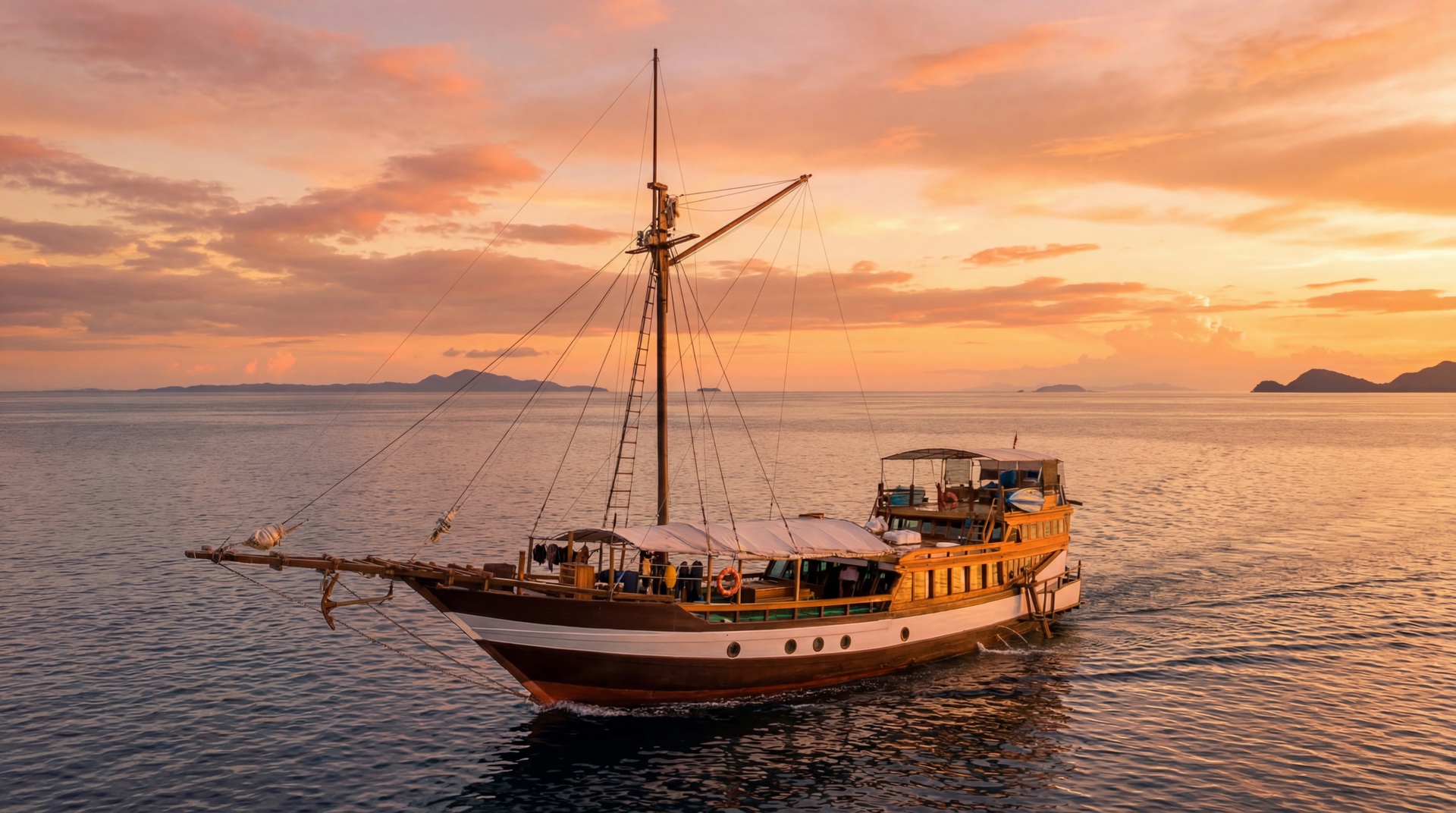
Wellenreng
Indonesia
9 guests25 m
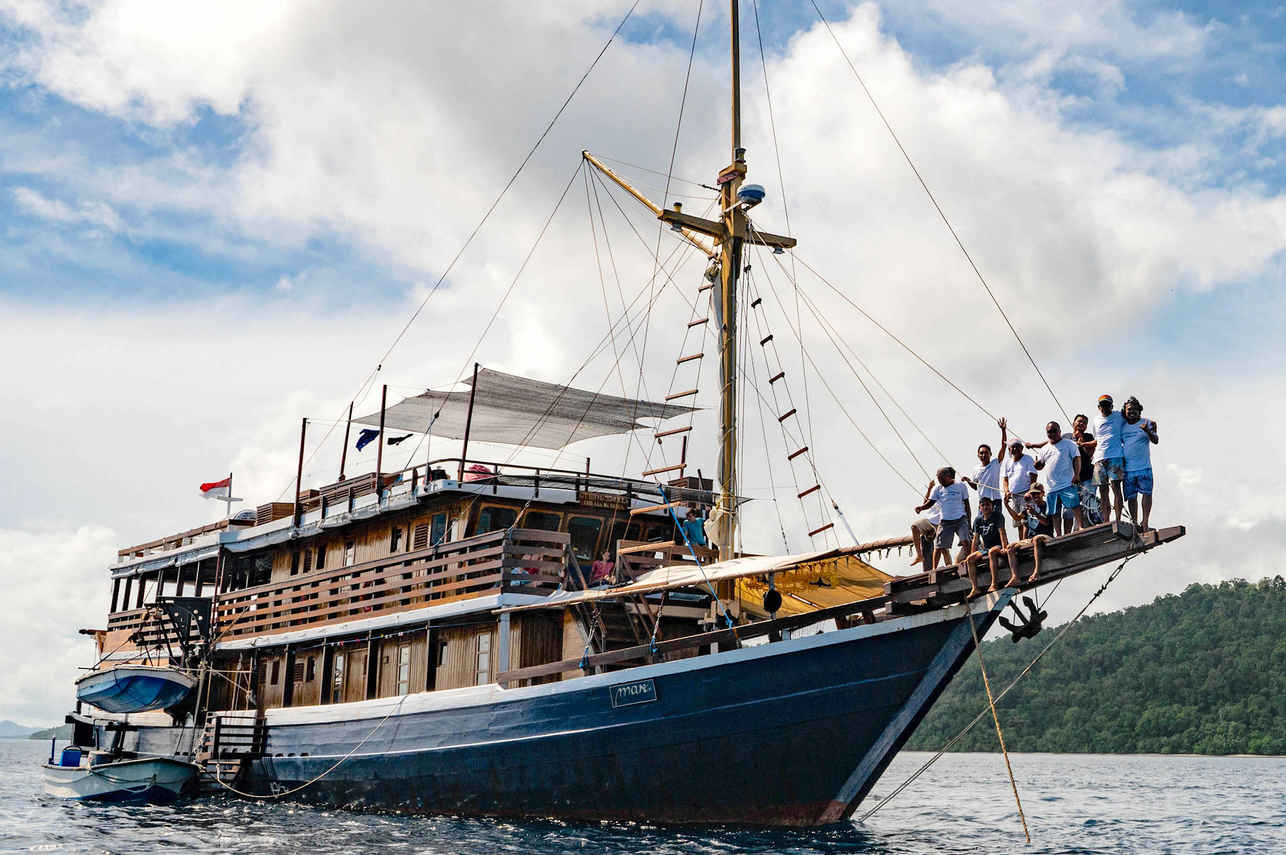
Mari
Indonesia
14 guests32 m
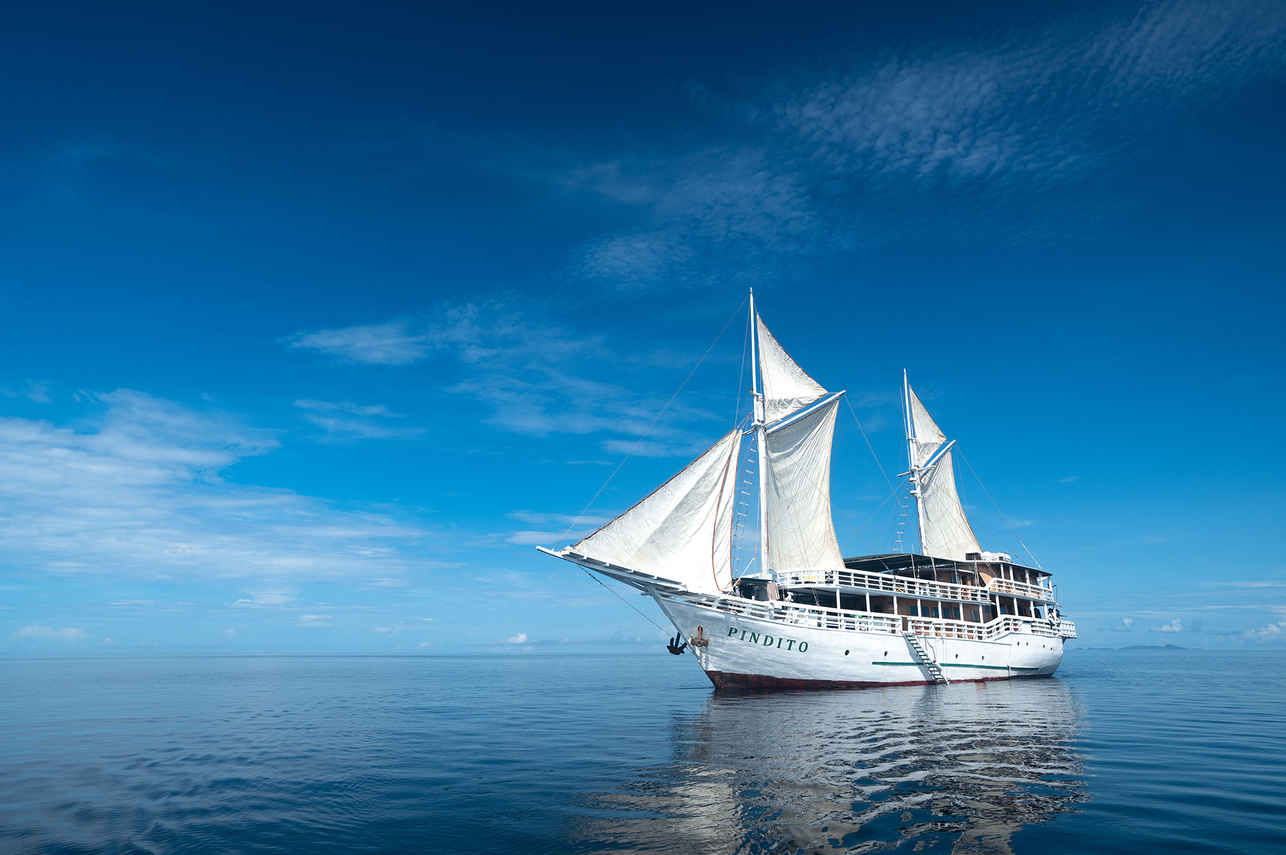
Pindito
Indonesia
16 guests38 m
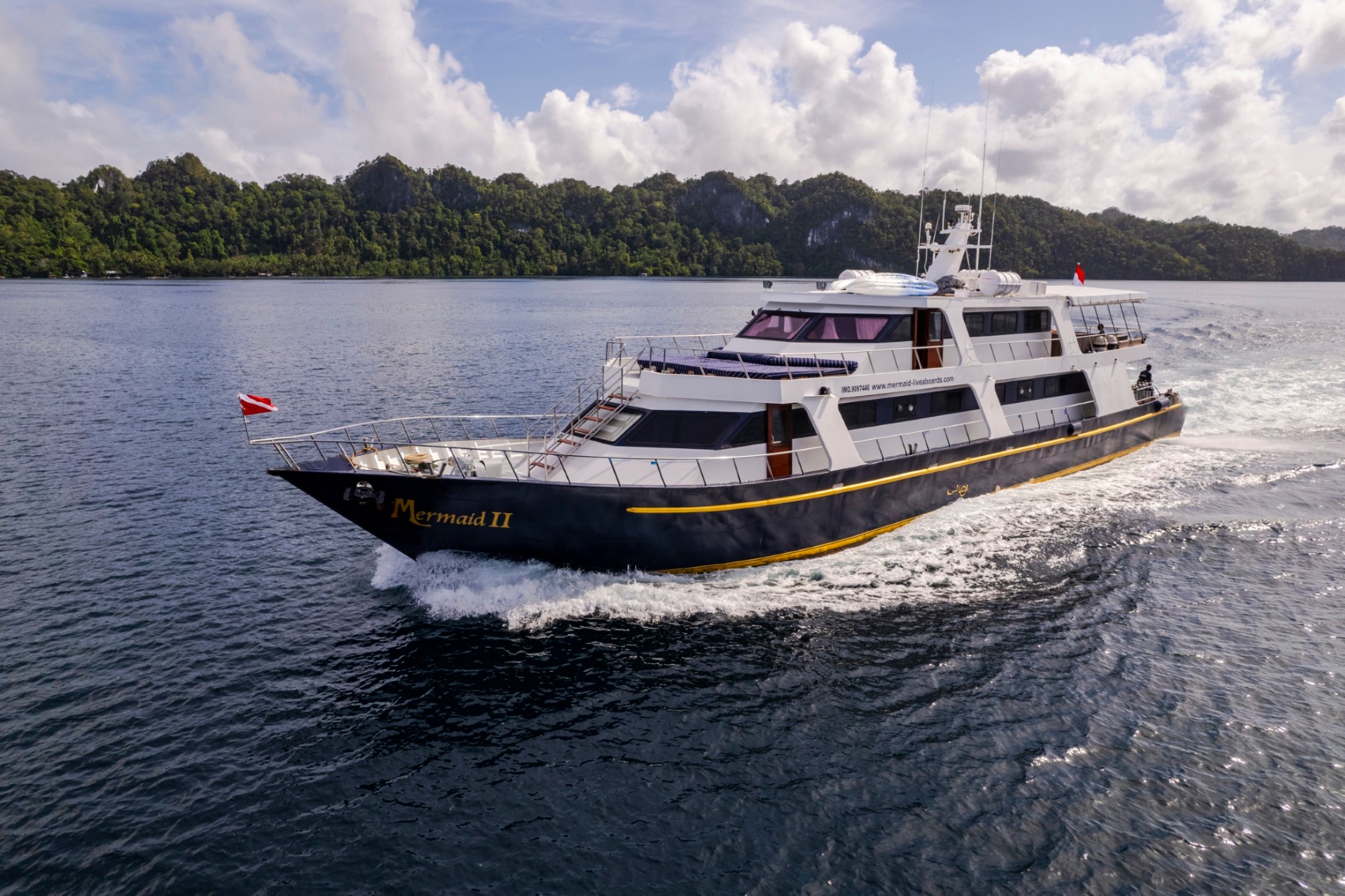
Mermaid II
Komodo, Indonesia
18 guests
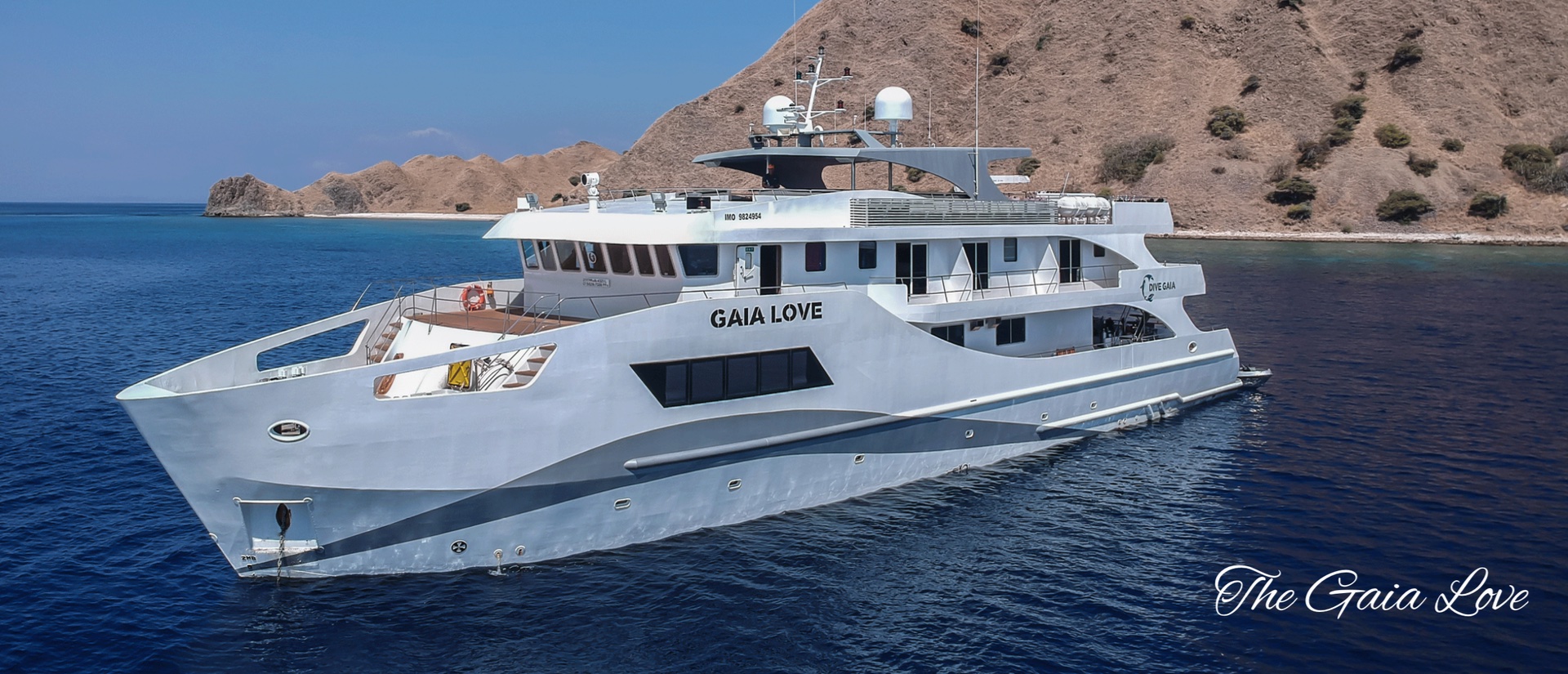
Gaia Love
Alor
20 guests
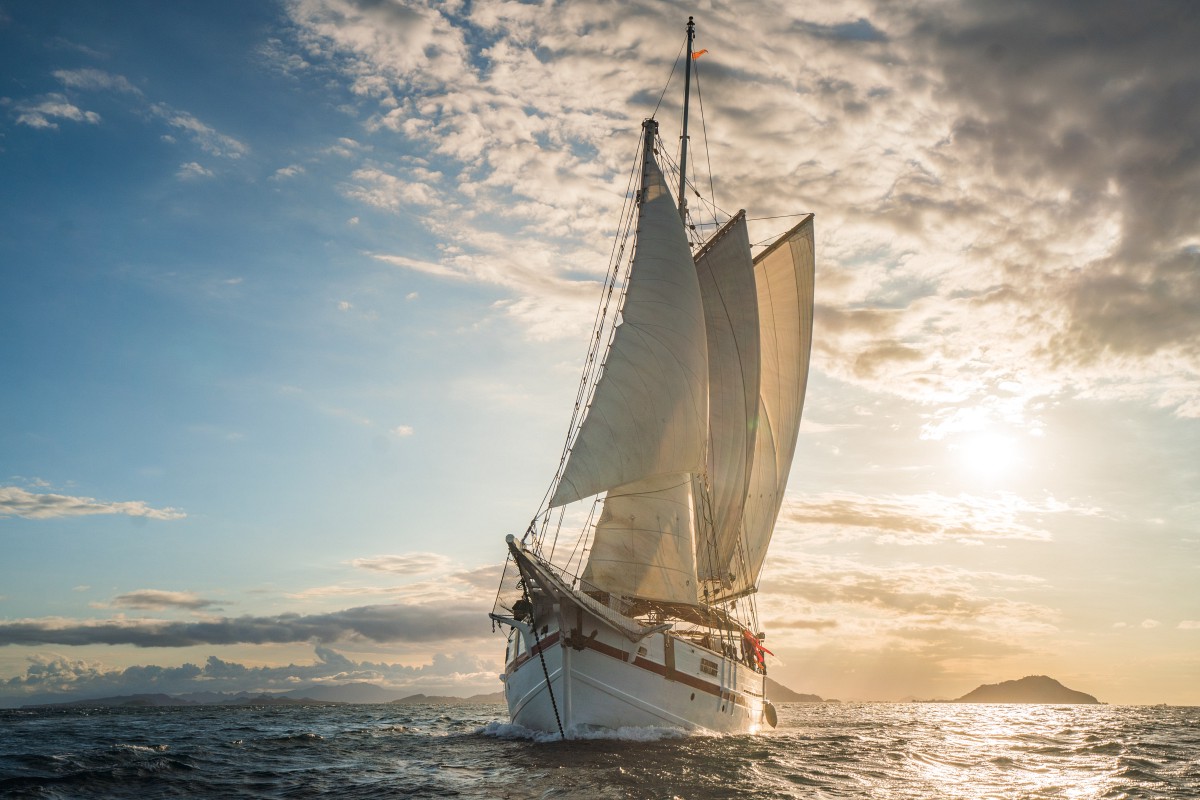
Emperor Raja Laut
Raja Ampat, Indonesia
12 guests31 m
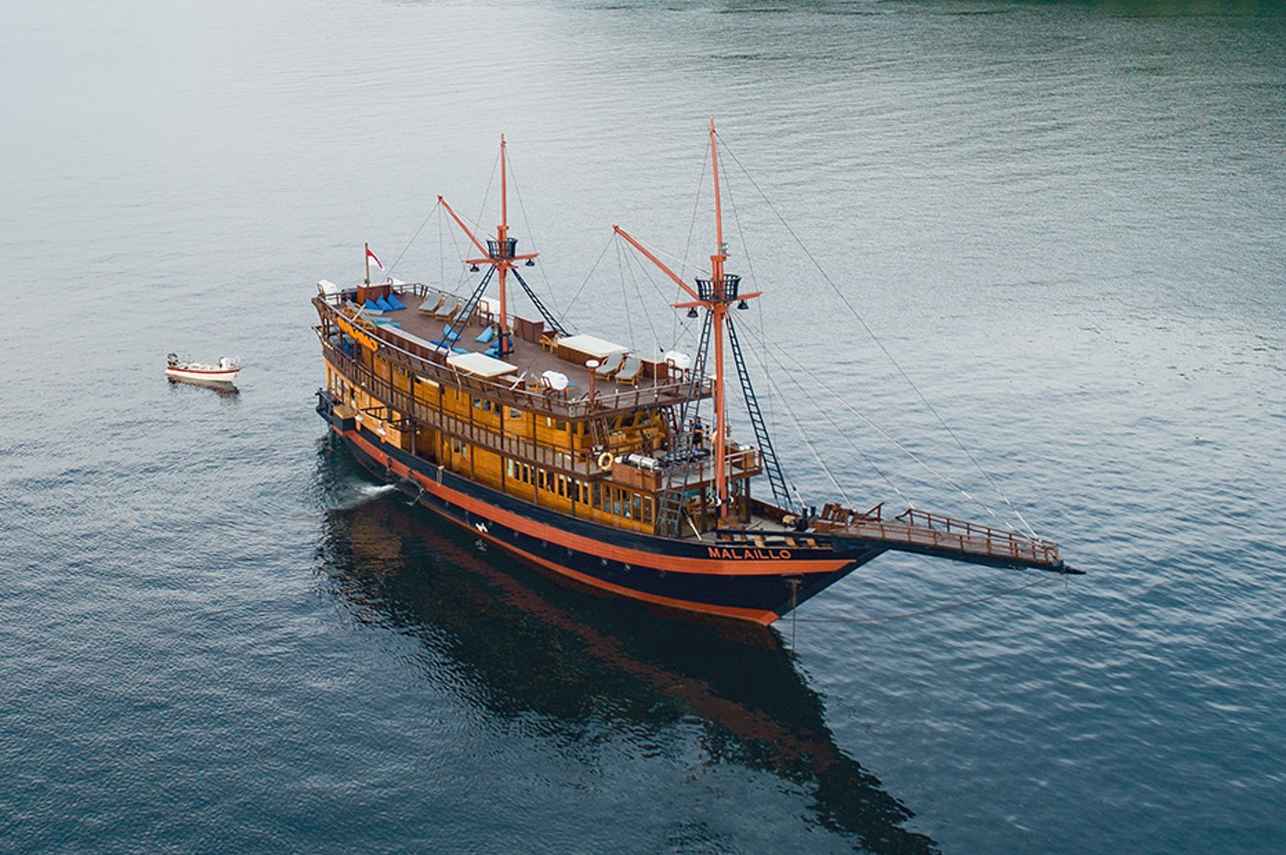
Malaillo
Indonesia
14 guests46 m
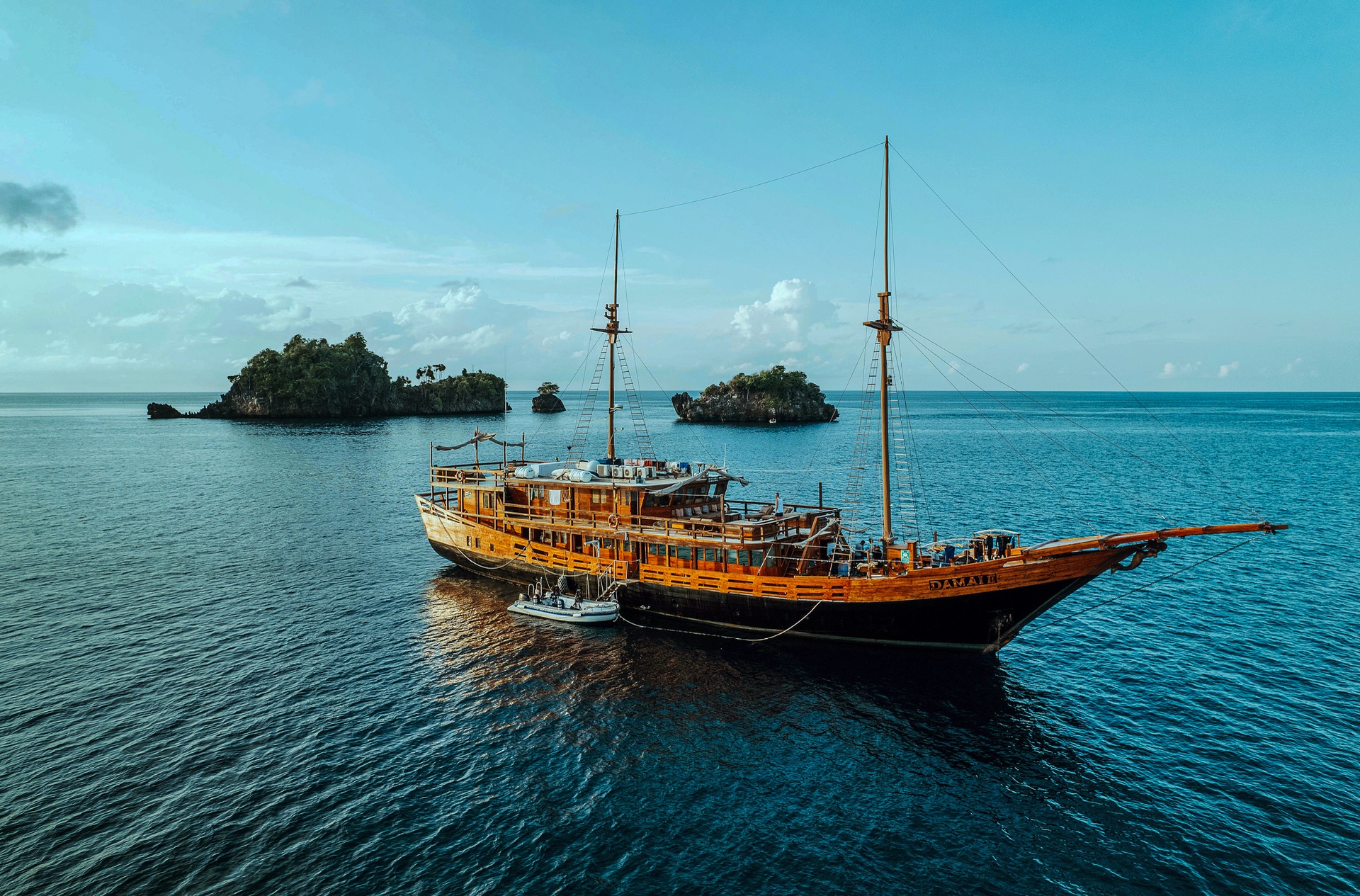
Damai II
Komodo, Indonesia
14 guests
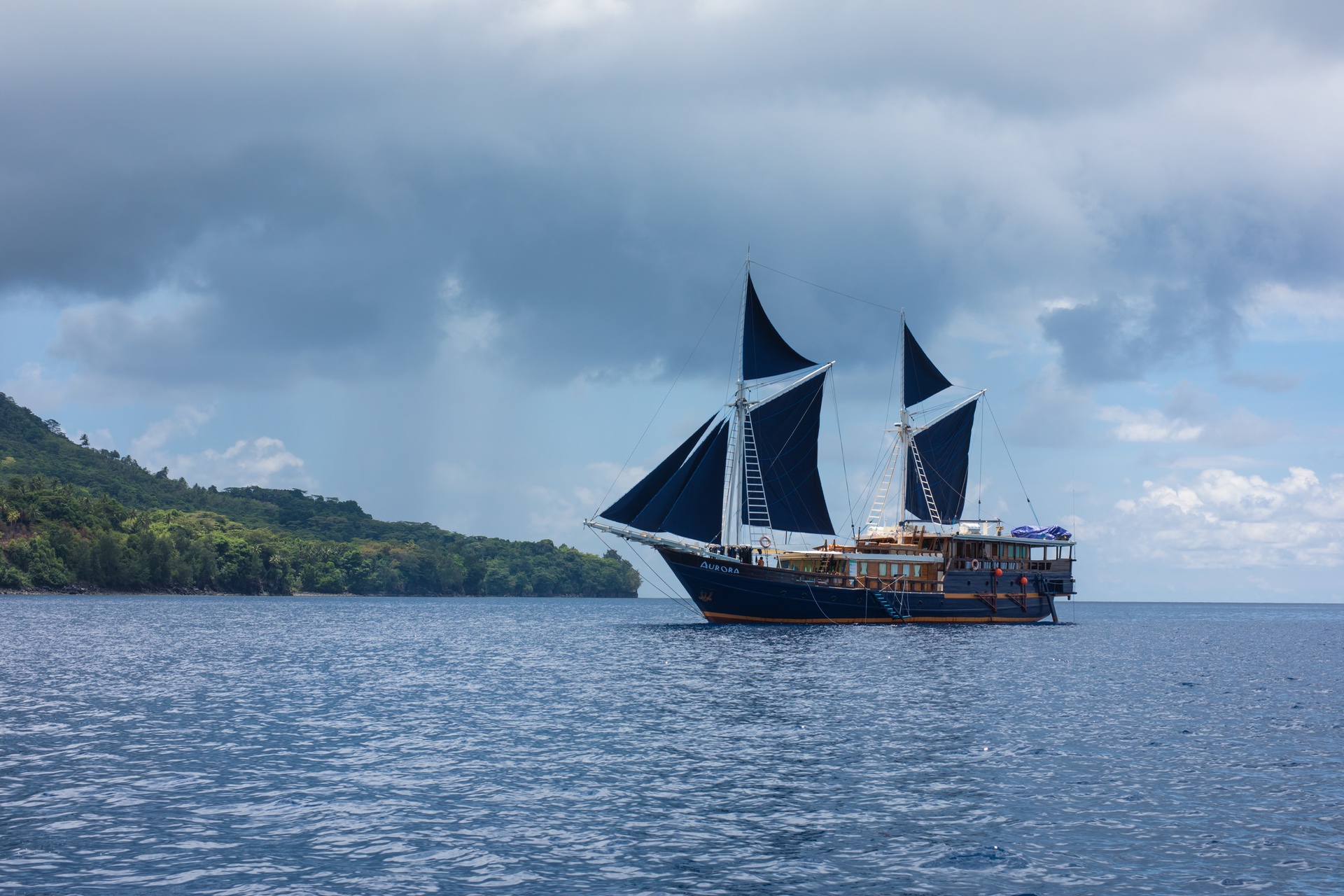
DUNE Aurora
Indonesia
18 guests
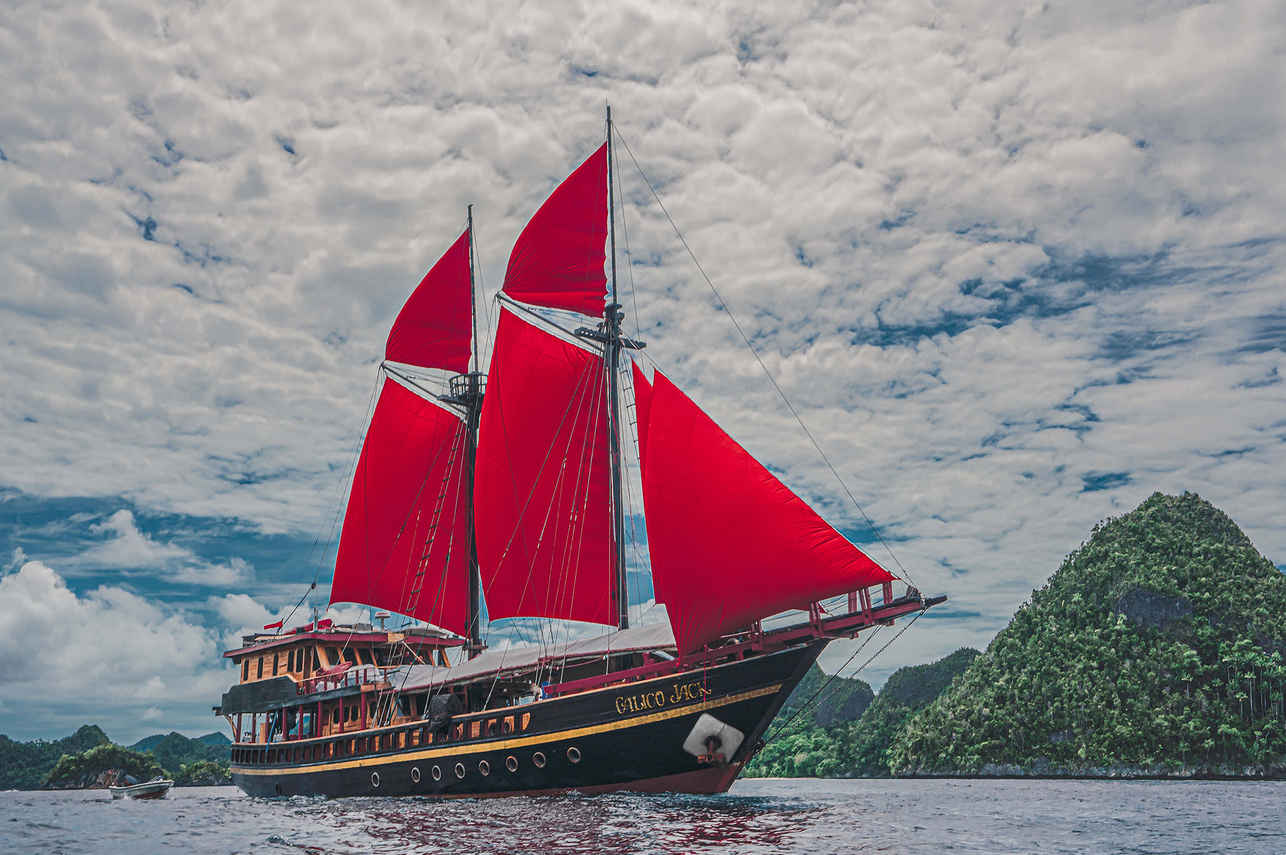
Calico Jack
Indonesia
10 guests30 m
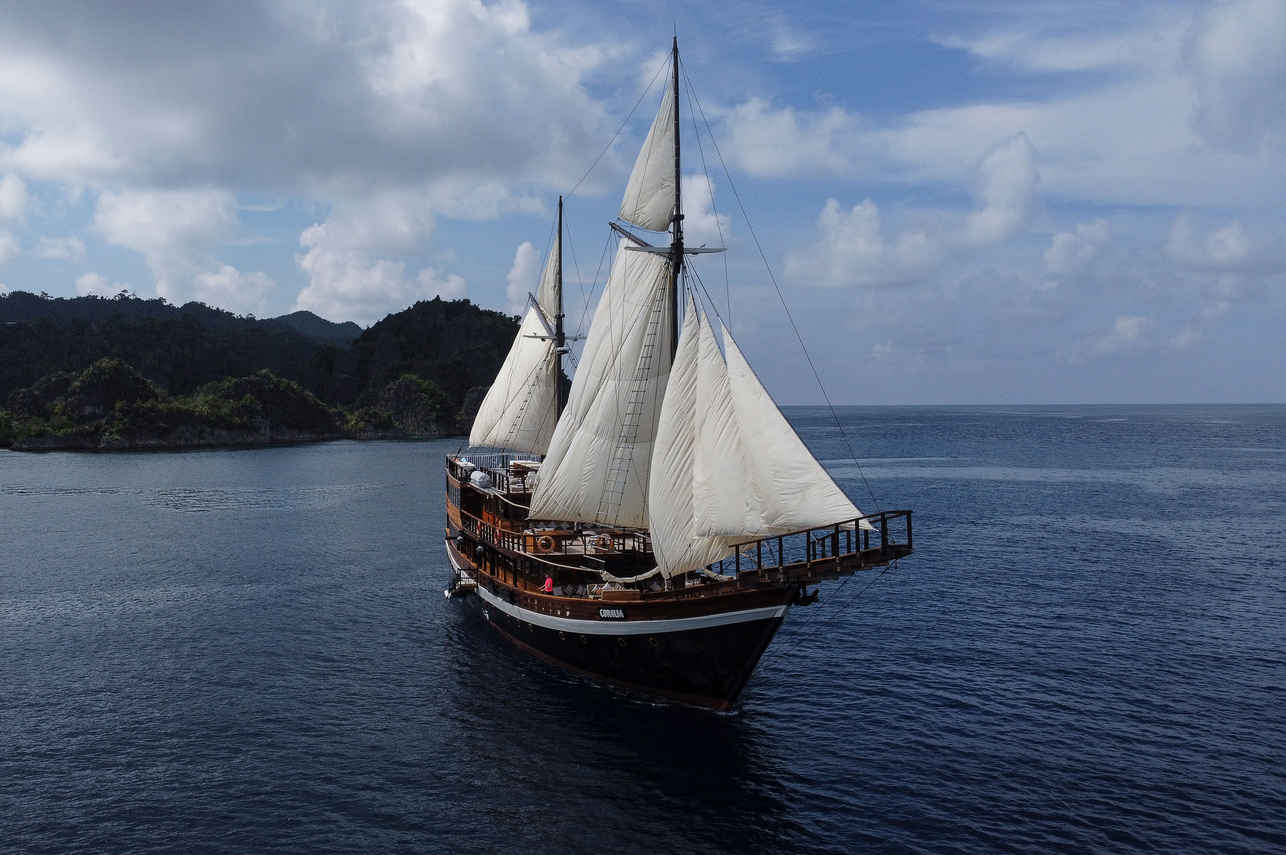
Coralia
Indonesia
16 guests48 m
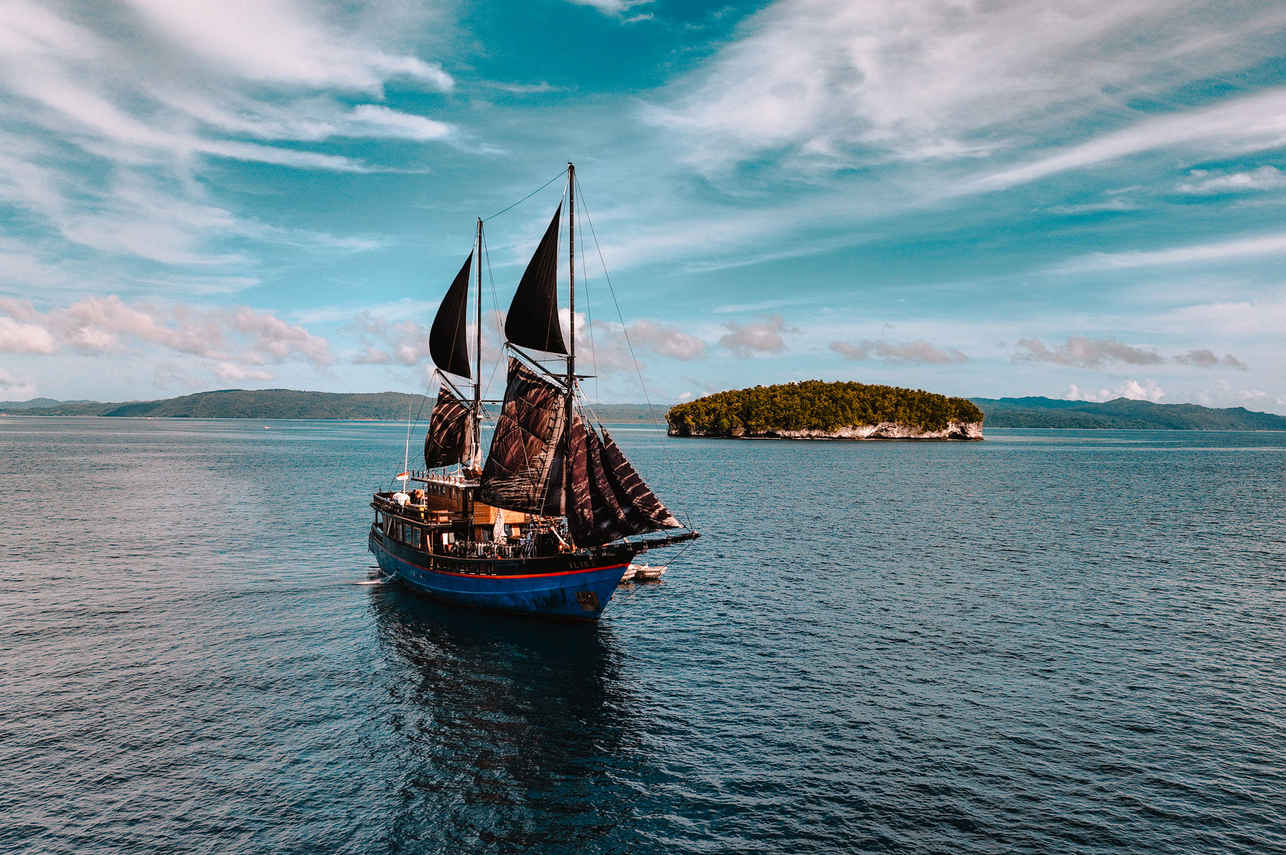
Ilike
Indonesia
16 guests40 m
Dive sites similar to Banda Besar South Wall
Same character, same waters — six more sites divers love for the exact same reasons.Compare seasons, access and liveaboard routes — then pick the site that fits your trip best.
Abila is a notable dive site located within the Alor Islands Marine Park, an area celebrated for its rich marine biodiversity due to its position in the Coral Triangle.
- Suitable for
- Beginner
- Current
- Mild
- Access
- Liveaboard only
- Depth
- —
- Theme
- Reef
© Esri — Maxar, Earthstar, GIS
Adonara Channel
Alor
Adonara Channel stands as one of Alor's most iconic dive sites, celebrated for its dynamic currents and exceptionally rich biodiversity.
- Suitable for
- Advanced
- Current
- Strong
- Access
- Liveaboard or dayboat
- Depth
- 10–40 m
- Theme
- Drift / Wall
© Esri — Maxar, Earthstar, GIS
Adonara Wall
Indonesia
Adonara is an Indonesian island dive site, renowned for its vibrant underwater topography characterized by submerged seamounts.
- Suitable for
- Intermediate
- Current
- Strong
- Access
- Liveaboard or dayboat
- Depth
- 5–35 m
- Theme
- Seamount / Wall
© Esri — Maxar, Earthstar, GIS
Agnay Fish Sanctuary
Philippines
Agnay Fish Sanctuary is nestled in a sheltered bay near the village of Agnay in Romblon, a province celebrated for its rich marine biodiversity.
- Suitable for
- Beginner
- Current
- Mild
- Access
- Dayboat
- Depth
- 9–18 m
- Theme
- Reef
© Esri — Maxar, Earthstar, GIS
Ai Island Reef
Banda Sea
Ai Island Reef, nestled within the Banda Sea, offers a remarkable diving experience characterized by its rich marine biodiversity and varied underwater topography.
- Suitable for
- Beginner
- Current
- Strong
- Access
- Liveaboard only
- Depth
- 3–30 m
- Theme
- Reef / Seamount
© Esri — Maxar, Earthstar, GIS
Akitsushima
Philippines
The Akitsushima is a distinguished World War II Japanese seaplane tender, sunk in September 1944 during an American air raid in Coron Bay, Palawan.
- Suitable for
- Advanced
- Current
- Strong
- Access
- Dayboat
- Depth
- 22–38 m
- Theme
- Wreck