About Anchor Wreck
The Anchor Wreck is a celebrated dive site located off Menjangan Island, within the protected West Bali National Park. While the wreck itself consists only of a large anchor from a 19th-century wooden boat, the site is primarily known for its spectacular wall and the rich diversity of marine life it supports. This area offers a unique experience compared to other Bali dive locations like Tulamben or Nusa Penida, focusing on pristine and relaxed scuba diving conditions. The underwater landscape transitions from dramatic vertical walls and coral-covered slopes to shallow reefs. Depths at Anchor Wreck range from 4 to 40 meters, making it accessible for various certification levels depending on conditions. The site features extensive gorgonians, sponges, and healthy coral growth along its walls, often teeming with schooling fish. Its location within a national park ensures well-preserved conditions and excellent visibility. Divers here can expect to encounter a wide array of marine species, from tiny macro subjects to larger pelagics, especially when currents are present. The site is a favorite for underwater photographers due to its scenic walls and diverse inhabitants. Its protected status helps maintain the healthy coral ecosystems and marine populations, offering consistent and rewarding dives. Entry is typically a boat dive, with conditions varying from calm to potentially strong currents, which influence the selection of the dive profile. The relaxed atmosphere and rich biodiversity make Anchor Wreck a must-visit for those seeking high-quality underwater exploration in a sheltered environment.
Highlights
Spectacular wall divingRich pelagic actionHistoric 19th-century anchorHealthy coral ecosystemsGorgonian sea fansWest Bali National ParkExcellent visibility
Season calendar
Best months to dive here
Jan
Feb
Mar
Apr
May
Jun
Jul
Aug
Sep
Oct
Nov
Dec
Excellent
Good
Dive site facts: Anchor Wreck
- Depth
- 4–40 m
- Current
- None to sometimes strong
- Visibility
- 15–40 m (dry season)
- Water temperature
- 28–30°C
- Entry
- Boat dive
- Level
- All levels (conditions dependent)
- Dive type
- Wall, slope, coral garden, wreck (anchor)
- Region / port
- Menjangan Island, West Bali
- Coordinates
- 8.6311° S, 115.3939° E
Conditions & Currents
Currents at Anchor Wreck can range from none to sometimes strong, dictating how the site is dived and which areas are explored. When moderate to strong currents are present, the site truly comes alive, attracting larger marine life such as trevallies, barracuda, and reef sharks. Dive guides will select the best approach based on daily conditions to ensure safety and an optimal experience, as the site can be adapted for different current strengths. Visibility is generally excellent, often exceeding 20 meters, though it can drop to 10-15 meters during the rainy season due to mainland runoff. Water temperatures are consistently warm, typically between 28°C and 30°C, though they may cool with depth or strong upwellings. Boat entry is standard, with briefings tailored to the day's conditions and expected current flow, ensuring divers are prepared for potential drift or specific entry/exit str
Marine life & sighting chances
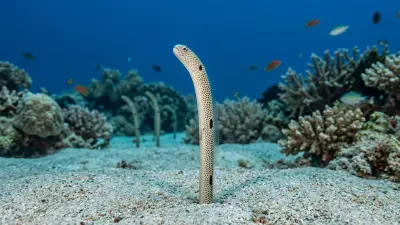
Garden eels
occasional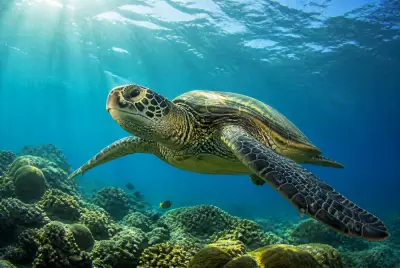
Turtles
occasional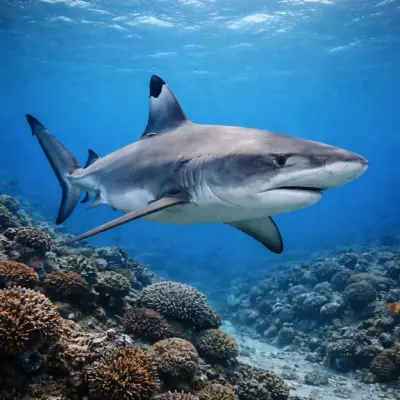
Reef sharks
occasional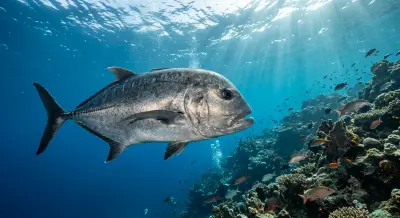
Giant trevallies
occasional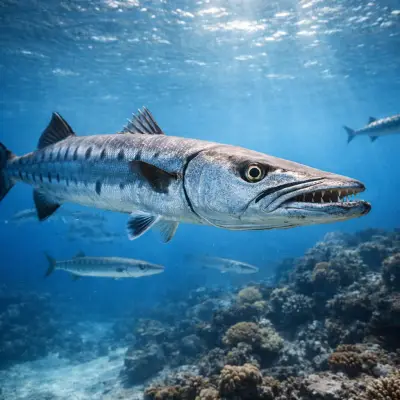
Barracuda
occasional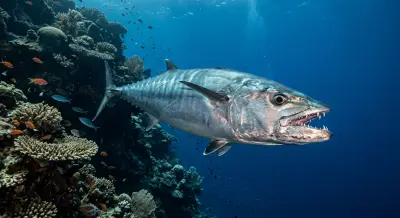
Tuna
occasional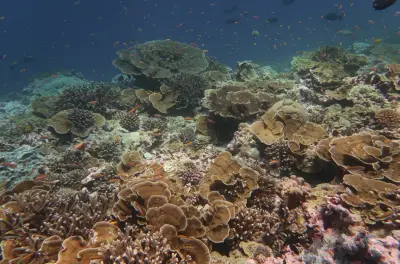
Schooling fish
common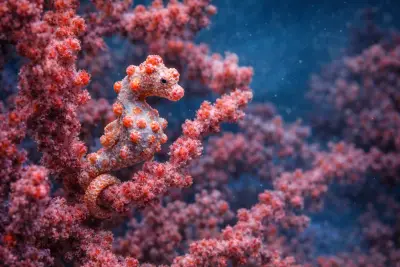
Pygmy seahorse
occasional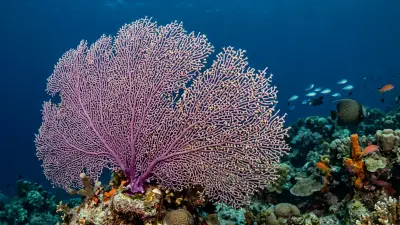
Gorgonians
common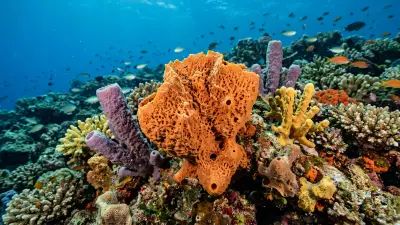
Sponges
commonDive profile & how the dive runs
Dives at Anchor Wreck typically begin near the large anchor, which rests in relatively shallow water. From this point, divers follow the dramatic wall that descends to depths of up to 40 meters. The route often involves exploring the vibrant coral growth, large gorgonians, and sponges adorning the wall. Depending on the current, the dive can be a drift along the wall, observing pelagic species in the blue. As the dive progresses, shallower sections are explored, providing opportunities for macro sightings among the healthy reef. The turn point is determined by air consumption and current conditions, ensuring a gradual ascent. The safety stop is typically conducted in the shallower coral gardens, offering a calm and colorful environment for decompression and further marine life observation.
Underwater photography
Anchor Wreck offers exceptional opportunities for both wide-angle and macro photography. For wide-angle shots, a fisheye or wide-angle lens is ideal to capture the dramatic walls covered in large gorgonians and sponges, as well as schooling fish or larger pelagics in the blue. External strobes are highly recommended to bring out the true colors of the corals and marine life, especially at deeper sections of the wall. For macro enthusiasts, keen eyes will spot pygmy seahorses and other small invertebrates nestled within the corals. Buoyancy control is paramount to avoid damaging the delicate corals on the wall. When photographing marine life, maintain a respectful distance and avoid disturbing natural behaviors, especially with potential pelagic encounters.
Combine with nearby dive sites
Getting there & logistics
Diving Anchor Wreck is typically part of a dive trip to Menjangan Island, which is located within the West Bali National Park. Access to Menjangan Island is usually via day boats from dive centers located in Pemuteran or other areas in North-West Bali. Trips often include multiple dives around Menjangan's various sites, sometimes combined with other nearby locations. The closest major airport is Denpasar (DPS). Dive packages usually cover boat transfers, guides, tanks, and weights. Visitors should confirm any national park fees or permits required for diving within the protected area, as these are often included in package prices but worth verifying. Liveaboard options are less common for this specific area, with day trips being the primary mode of access.
Safety & environment
For diving at Anchor Wreck, robust safety protocols are crucial given the potential for strong currents and deeper wall sections. Divers should ensure their insurance covers recreational diving, including emergency evacuation and recompression chamber treatments. The nearest recompression chamber is located in Denpasar, requiring significant travel time in case of a dive emergency. Divers are advised to carry a surface marker buoy (SMB) and know how to deploy it, especially during drift dives or if surfacing away from the boat. It is essential to dive with an experienced local guide familiar with the site's variable currents and topography. Adherence to dive plans, monitoring air consumption, and maintaining excellent buoyancy control are key to a safe and enjoyable dive, respecting the marine environment of the national park.
Who it suits — and who it doesn't
Suited for
- Experienced divers comfortable with currents
- Underwater photographers seeking diverse subjects
- Divers interested in dramatic wall topography
- Nature lovers valuing protected marine environments
- Those seeking pelagic encounters
Less suited for
- Absolute beginners without current experience
- Divers prone to seasickness in choppier conditions
- Individuals seeking wreck penetration (only an anchor remains)
- Divers who prefer purely calm, current-free environments
FAQ
Anchor Wreck FAQ
What is the 'Anchor Wreck' exactly?
The Anchor Wreck dive site is named for a large, historic anchor believed to be from a 19th-century wooden boat. It is not a complete shipwreck suitable for penetration. The site's primary appeal lies in the spectacular coral wall and the abundant marine life that thrives around it, rather than the anchor itself.
Are there strong currents at Anchor Wreck?
Currents at Anchor Wreck can vary from very mild to occasionally strong. The presence of currents often brings in larger pelagic species, making for exciting drift dives. Dive operators will assess conditions daily and select dive plans appropriate for the prevailing currents and diver experience levels.
What kind of marine life can I expect to see here?
Anchor Wreck is rich in biodiversity. You can expect to see large gorgonian sea fans, various sponges, and schooling reef fish along the wall. Depending on currents, encounters with pelagic species like reef sharks, barracuda, and giant trevallies are also possible, alongside smaller creatures like pygmy seahorses.
Is Anchor Wreck suitable for beginner divers?
The site can be adapted for various skill levels depending on current conditions. While certified divers of all levels can enjoy it on calm days, those with limited experience in currents may find it challenging when conditions are stronger. It's best to consult with your dive center regarding daily conditions and your comfort level.
How do I get to the Anchor Wreck dive site?
Anchor Wreck is located off Menjangan Island in West Bali National Park. Access is typically by day boat from dive centers, most commonly out of Pemuteran or other nearby coastal towns. Dive packages usually include boat transfers as part of the excursion to Menjangan Island.
Why dive Anchor Wreck from a liveaboard?
Anchor Wreck is one of Bali's signature dive sites. A liveaboard sleeps you on the water and puts you in the water for three to four guided dives per day, including dawn and night dives that day-boat operators rarely offer. You skip the daily commute back to port and reach quieter, less-crowded sites in the same region on a single trip.
Below are the liveaboards that include Anchor Wreck on their Bali itineraries.
Liveaboards diving Anchor Wreck
These liveaboards may visit Anchor Wreck on selected itineraries — the exact dive sites depend on departure, weather and conditions.
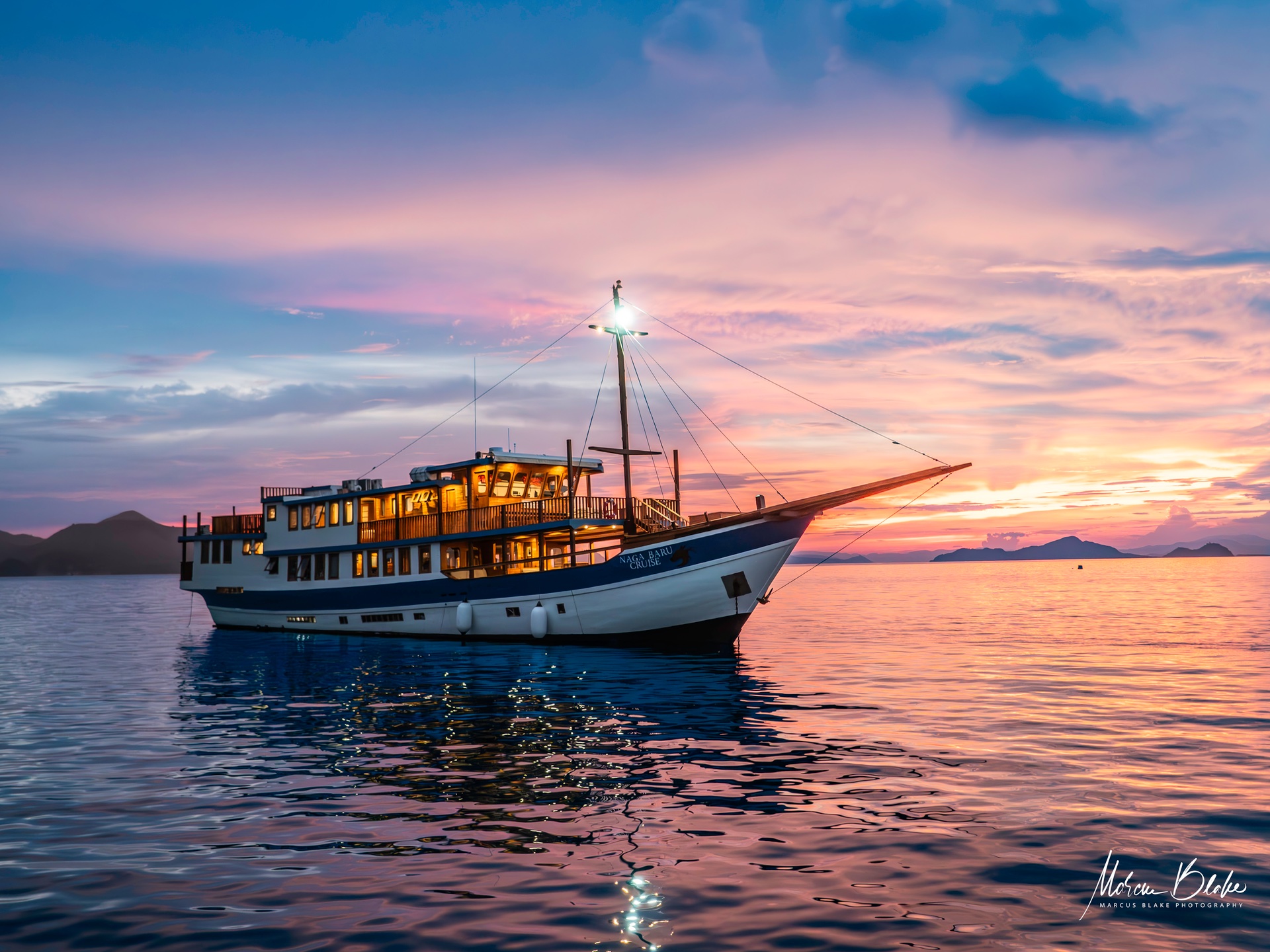
Naga Biru
Indonesia
12 guests40 m
$274/day
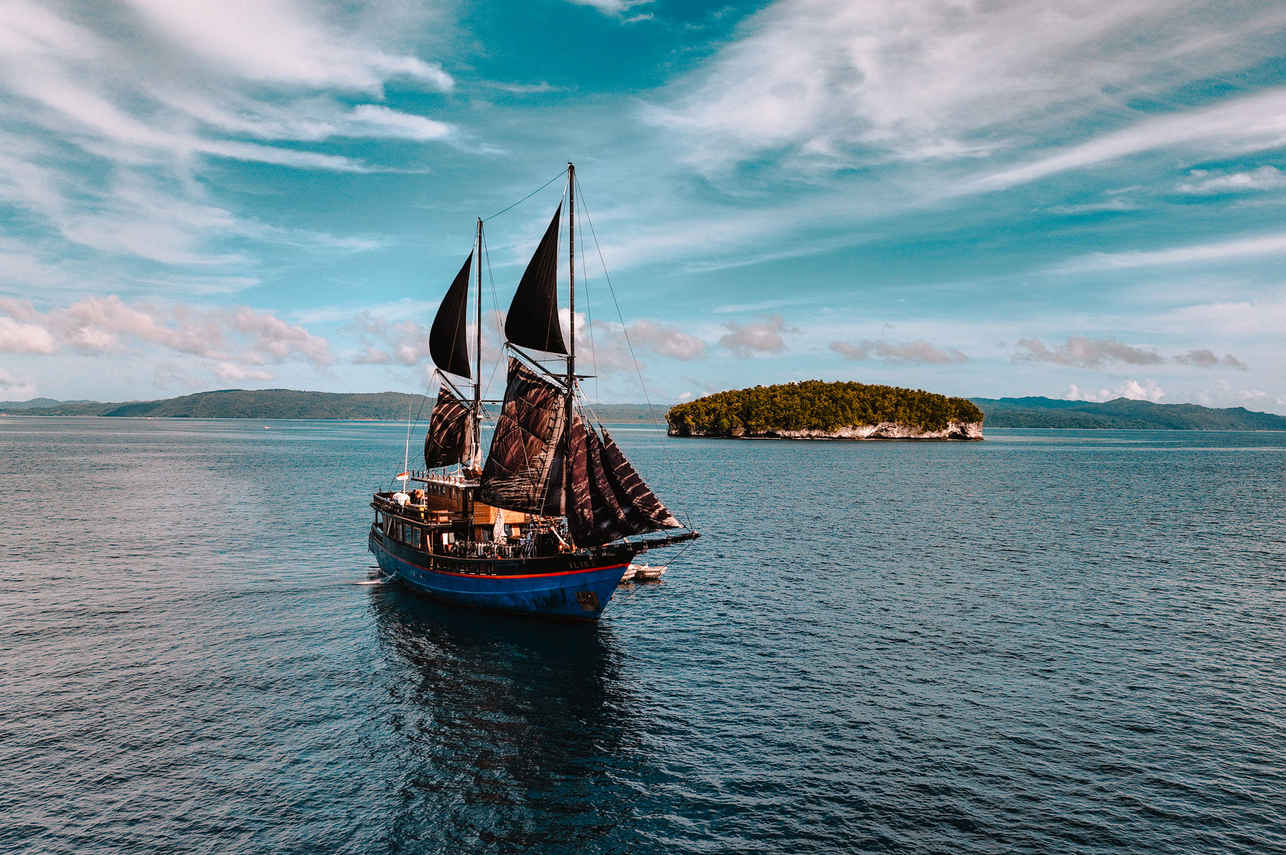
Ilike
Indonesia
16 guests40 m
$298/day
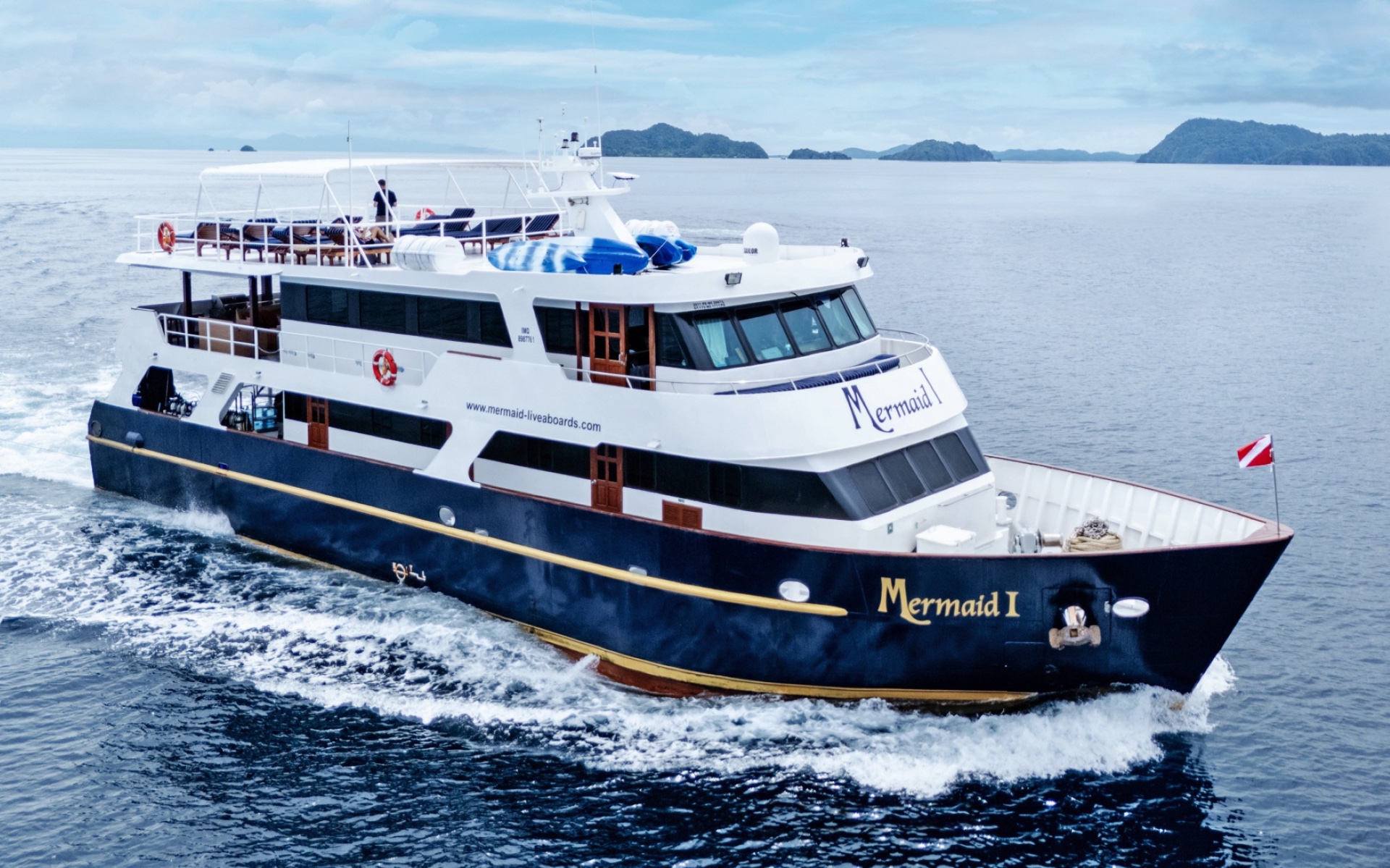
Mermaid I
Alor
15 guests28 m
$372/day
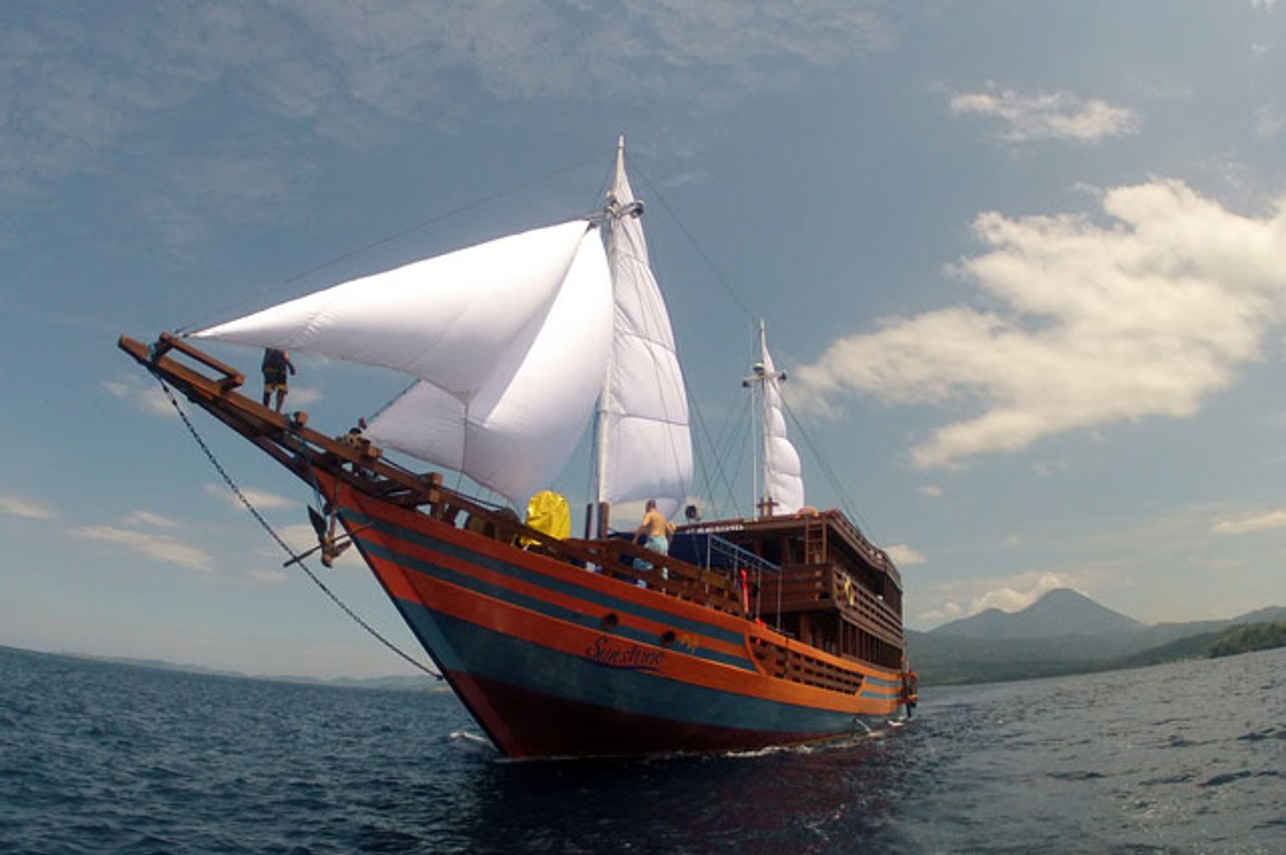
Sunshine Liveaboard
Indonesia
10 guests31 m
$191/day
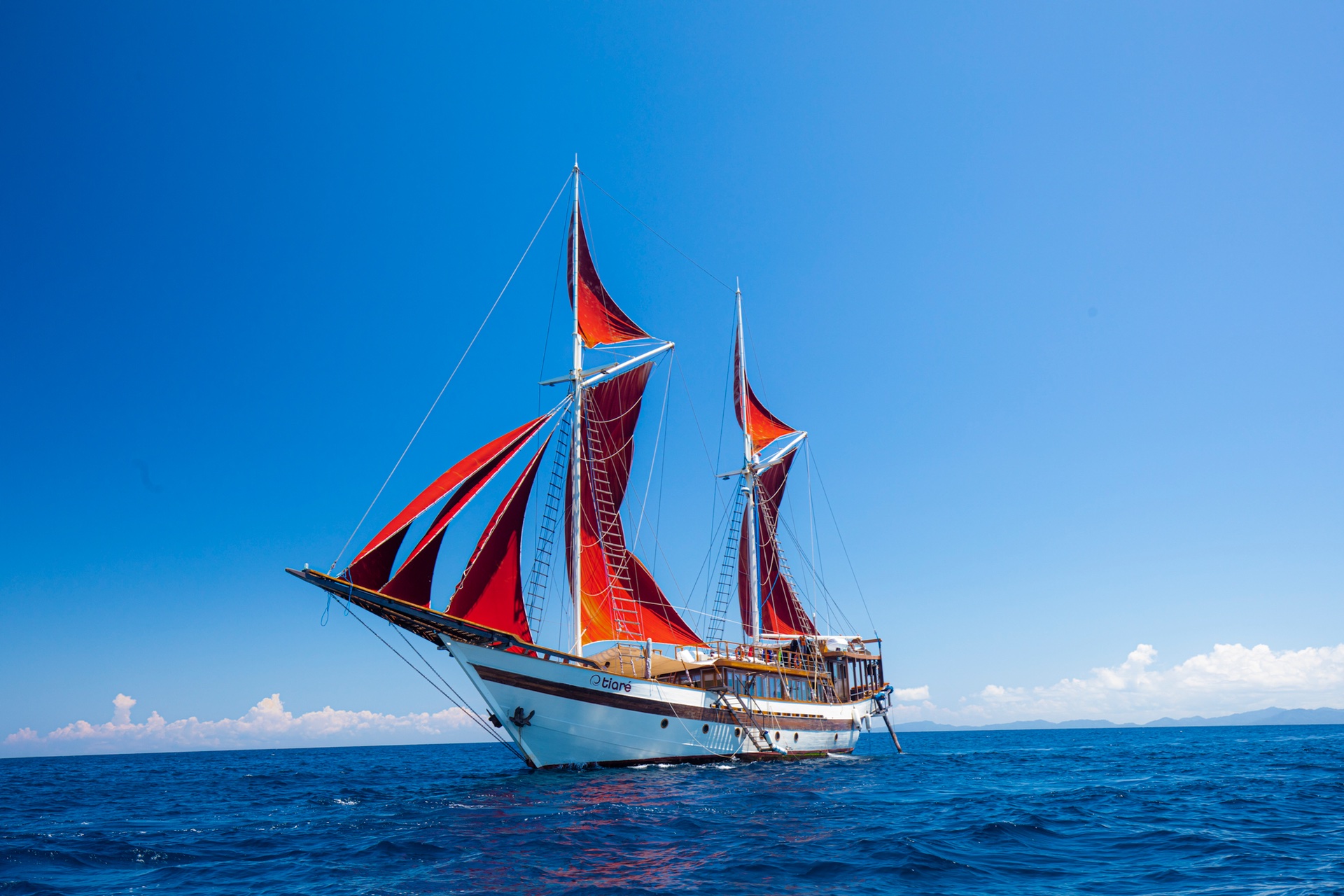
Tiare Cruise
Indonesia
12 guests36.5 m
$419/day
Dive sites similar to Anchor Wreck
Same character, same waters — six more sites divers love for the exact same reasons.Compare seasons, access and liveaboard routes — then pick the site that fits your trip best.
© Esri — Maxar, Earthstar, GIS
Batununggul
Bali
Batununggul, also known as Suana or Batumulapan by some operators, is a dynamic wall and sloping reef dive site situated on the eastern side of Nusa Penida, Bali.
- Suitable for
- Advanced
- Current
- Strong
- Access
- Liveaboard or dayboat
- Depth
- 10–40 m
- Theme
- Wall
Lipah Bay is situated on Bali's northeast coast within the Amed area, nestled against the dramatic backdrop of Gunung Agung.
- Suitable for
- Beginner
- Current
- Mild
- Access
- Liveaboard or dayboat
- Depth
- 5–30 m
- Theme
- Reef / Drift
© Esri — Maxar, Earthstar, GIS
Gili Tepekong
Bali
Gili Tepekong is one of three volcanic islets situated off the coast of Amuk Bay, near Padang Bai and Candidasa in East Bali.
- Suitable for
- Advanced
- Current
- Strong
- Access
- Liveaboard or dayboat
- Depth
- 10–40 m
- Theme
- Cave & cavern / Drift
Puri Jati, often referred to as PJ, is located on Bali's north coast near Lovina, on the outskirts of Seririt village.
- Suitable for
- Intermediate
- Current
- No current
- Access
- Shore / dayboat
- Depth
- 6–12 m
- Theme
- Reef
© Esri — Maxar, Earthstar, GIS
Japanese Wreck
Bali
The Japanese Wreck is a compelling dive site located in Banyuning Bay, just off the beach in Amed, Bali.
- Suitable for
- Beginner
- Current
- Moderate
- Access
- Shore / dayboat
- Depth
- 6–12 m
- Theme
- Wreck / Reef
© Esri — Maxar, Earthstar, GIS
Dream Wall
Bali
Dream Wall is one of Menjangan Island's premier dive sites, located within the protected West Bali National Park marine area.
- Suitable for
- Beginner
- Current
- Mild
- Access
- Dayboat
- Depth
- 10–60 m
- Theme
- Wall / Reef