About Malibu Point
Malibu Point in Nusa Penida is a premier dive site renowned for its abundant pelagic marine life and impressive underwater topography. Positioned southeast of Bali, this site is a drift dive along a steep slope that plunges to approximately 20 meters, characterized by substantial table corals and large bommies. It's particularly famous for attracting large marine species, including various sharks, tunas, and rays, making it a thrilling location for divers seeking big fish encounters. Malibu Point is considered one of Bali’s best dive sites, offering exceptional opportunities to spot blacktip and whitetip reef sharks, trevally, rainbow runners, and schooling fusiliers. Occasionally, lucky divers might even encounter whale sharks or the elusive thresher shark. Beyond the large pelagics, the reef sustains a diverse ecosystem of smaller, fascinating creatures. Divers can find frogfish, numerous nudibranch species, and leaf scorpionfish nestled within the corals, alongside moray eels. Water temperatures typically range from 20°C to 28°C, with visibility often between 20 to 40 meters, though conditions can fluctuate with weather and currents. This site is also recognized as a place to potentially spot Mola Mola, especially during the cooler water months from July to September. Malibu Point is generally recommended for advanced divers due to the potential for strong currents, which are common in this open-ocean exposed area of Nusa Penida. These currents, while challenging, are also responsible for bringing in the rich nutrients that support the site's vibrant marine life. Dive briefings emphasize drift procedures and safety protocols for navigating these conditions. The combination of its dramatic underwater landscape and the consistent presence of large marine animals makes Malibu Point a highlight for experienced divers exploring the Nusa Penida Marine Park.
Highlights
Mola Mola encountersDramatic wall divingLarge fan coralsPelagic speciesThrilling drift
Season calendar
Best months to dive here
Jan
Feb
Mar
Apr
May
Jun
Jul
Aug
Sep
Oct
Nov
Dec
Good
Dive site facts: Malibu Point
- Depth
- 5–40+ m
- Typical dive
- 15–30 m, 40–50 min
- Current
- Strong, unpredictable drift
- Visibility
- 15–30 m
- Water temperature
- 18–29 °C
- Entry
- Tender / Negative entry
- Level
- Advanced, drift experience essential
- Dive type
- Drift, wall, reef
- Region / port
- Nusa Penida, Bali
- Coordinates
- -8.735, 115.45
Conditions & Currents
Malibu Point is characterized by strong and often unpredictable currents due to its location in the Indonesian Throughflow. Divers should anticipate significant drift and potentially powerful undertows, requiring excellent buoyancy control and advanced drift diving experience. Conditions can vary greatly with tides; the best diving often occurs around slack tide, just before, during, and after high tide, when currents are less intense. Cold water upwellings are common, especially during the Mola Mola season (July-October), leading to water temperatures that can drop to 23°C or even lower, despite average surface temperatures of 27-30°C elsewhere. Visibility is generally good, ranging from 15-30 meters, but can be reduced during the rainy season. Entry is typically a negative entry from a tender, with the dive boat following the divers for a safe exit.
Marine life & sighting chances

Oceanic Sunfish
July-October · occasional
Giant Trevally
common
Tuna
common
Reef Sharks
occasional
Barracuda
common
Eagle Ray
occasional
Napolean Wrasse
occasional
Schools of Jacks
common
Hard corals
common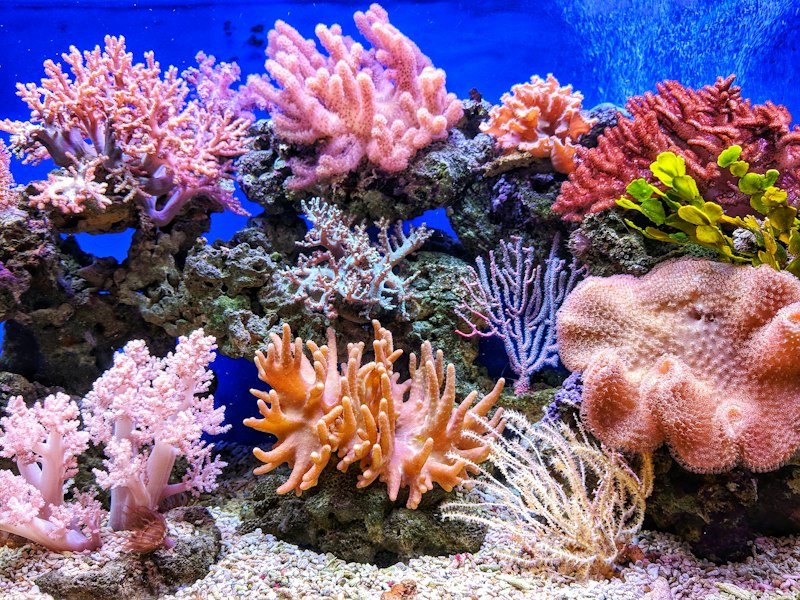
Soft corals
common
Nudibranchs
occasional
Pygmy Seahorse
rareDive profile & how the dive runs
Diving Malibu Point usually begins with a negative entry to quickly descend and avoid being swept away by the strong surface currents. Divers follow the coral slope, which gently deepens before transitioning into a dramatic wall. The route is primarily a drift dive, with the current dictating the direction and speed of travel along the reef. Divers maintain a depth suitable for observing marine life while conserving air and managing the current. Typical depths range from 15 to 30 meters, where schools of pelagics and vibrant reef life are abundant. The dive concludes with a safety stop completed while drifting, with the dive boat positioning itself downstream for a safe pick-up. Due to the dynamic conditions, constant communication with the dive guide and careful monitoring of depth and air are crucial.
Underwater photography
Malibu Point offers excellent opportunities for both wide-angle and macro photography, though the strong currents require careful planning. For wide-angle shots, consider capturing the expansive coral walls and schooling pelagics like jacks and barracuda; a fisheye or wide rectilinear lens is ideal. Be prepared for rapid changes in position due to the drift, making stable camera handling paramount. For macro subjects, the reef provides critters like nudibranchs and small reef fish, but strong currents can make steady focusing challenging. External strobes are highly recommended for bringing out the true colors of the corals and marine life, especially at deeper sections of the wall. Maintain excellent buoyancy to avoid contact with the fragile reef and to secure stable shots in current.
Combine with nearby dive sites
- Crystal Bay
Known for Mola Mola sightings during season and cold water
- Sental
Another Nusa Penida site with strong currents and pelagic potential
- SD Point
A drift dive site offering diverse reef life and strong currents
- Toyapakeh Wall
A steep wall dive with rich corals and pelagic activity
- Gamat Bay
Offers a sheltered bay with reef and macro life, sometimes experiencing currents
Getting there & logistics
Access to Malibu Point is typically via day trip boats from Sanur or Padang Bai on mainland Bali, or directly from Nusa Penida. Sanur, located on the southeast coast of Bali, is the closest port, making for the most affordable and efficient transfers. Trips from Sanur often depart early, around 6:30 AM, and return in the mid-afternoon. If staying on Nusa Penida, dive trips to Malibu Point are generally more cost-effective and have slightly later starts. No specific permits beyond standard dive tour fees are usually required. Dive operators commonly combine Malibu Point with other Nusa Penida sites like Crystal Bay or Sental to create multi-dive itineraries, offering a varied experience of the region's underwater topography and marine life.
Safety & environment
Malibu Point's strong and unpredictable currents demand a high level of diver proficiency and careful adherence to dive guide instructions. It is crucial to have recent experience with drift diving and excellent buoyancy control. Always dive with a surface marker buoy (SMB) and know how to deploy it, as drift dives often involve boat pick-ups away from the initial entry point. The nearest recompression chamber is in Denpasar, Bali, requiring significant travel time from Nusa Penida by boat and then by land. Therefore, robust dive insurance covering emergency medical evacuation and recompression treatment is not just recommended, but essential. Always conduct a thorough buddy check and verify all equipment is secure to prevent loss in strong currents.
Who it suits — and who it doesn't
Suited for
- Advanced divers with drift experience
- Divers seeking pelagic encounters
- Underwater photographers with wide-angle setups
- Enthusiasts of strong current diving
- Divers comfortable with cold water upwellings
Less suited for
- Beginner divers or those new to currents
- Divers with poor buoyancy control
- Individuals prone to seasickness (due to potential swells)
- Photographers exclusively focused on static macro subjects
- Divers without comprehensive dive insurance
FAQ
Malibu Point FAQ
What kind of currents can I expect at Malibu Point?
Malibu Point is known for its strong and often unpredictable currents, typical of the Nusa Penida area. These currents can create exhilarating drift dives but require advanced diving skills and experience. Dive operators usually plan dives around the tides to mitigate the strongest flows, but divers should always be prepared for dynamic conditions.
Is Malibu Point suitable for beginner divers?
No, Malibu Point is generally not recommended for beginner divers. The strong, often unpredictable currents and potential for cold water upwellings make it a challenging site. It is best suited for advanced divers who have significant experience with drift diving and excellent buoyancy control.
What marine life is commonly seen at Malibu Point?
Malibu Point is rich in diverse marine life, including large schools of reef fish, giant trevallies, tuna, and barracuda. Occasional sightings of reef sharks, eagle rays, and Napoleon wrasse occur. During the Mola Mola season (July to October), there is a chance to encounter the elusive oceanic sunfish.
What is the water temperature like at Malibu Point?
While surface water temperatures in Bali typically range from 27-30°C, Malibu Point often experiences cold water upwellings, particularly during the Mola Mola season (July-October). These upwellings can cause temperatures to drop significantly, sometimes as low as 18-23°C. A 5mm wetsuit or thicker exposure protection is often recommended.
How do I get to Malibu Point for diving?
Most divers access Malibu Point via day trip boats from Sanur or Padang Bai on mainland Bali, or directly from dive operators based on Nusa Penida. Sanur is a popular departure point due to its proximity and the availability of numerous dive centers. Trips usually involve a fast boat ride to the dive site.
When is the best time to see Mola Mola at Malibu Point?
The prime season for Mola Mola (oceanic sunfish) sightings around Nusa Penida, including Malibu Point, is typically from July to October. During these months, colder, nutrient-rich waters come closer to the surface, attracting these deep-dwelling fish. While sightings are never guaranteed, this period offers the highest probability.
Why dive Malibu Point from a liveaboard?
Malibu Point is one of Bali's signature dive sites. A liveaboard sleeps you on the water and puts you in the water for three to four guided dives per day, including dawn and night dives that day-boat operators rarely offer. You skip the daily commute back to port and reach quieter, less-crowded sites in the same region on a single trip.
Below are the liveaboards that include Malibu Point on their Bali itineraries.
Liveaboards diving Malibu Point
These liveaboards may visit Malibu Point on selected itineraries — the exact dive sites depend on departure, weather and conditions.
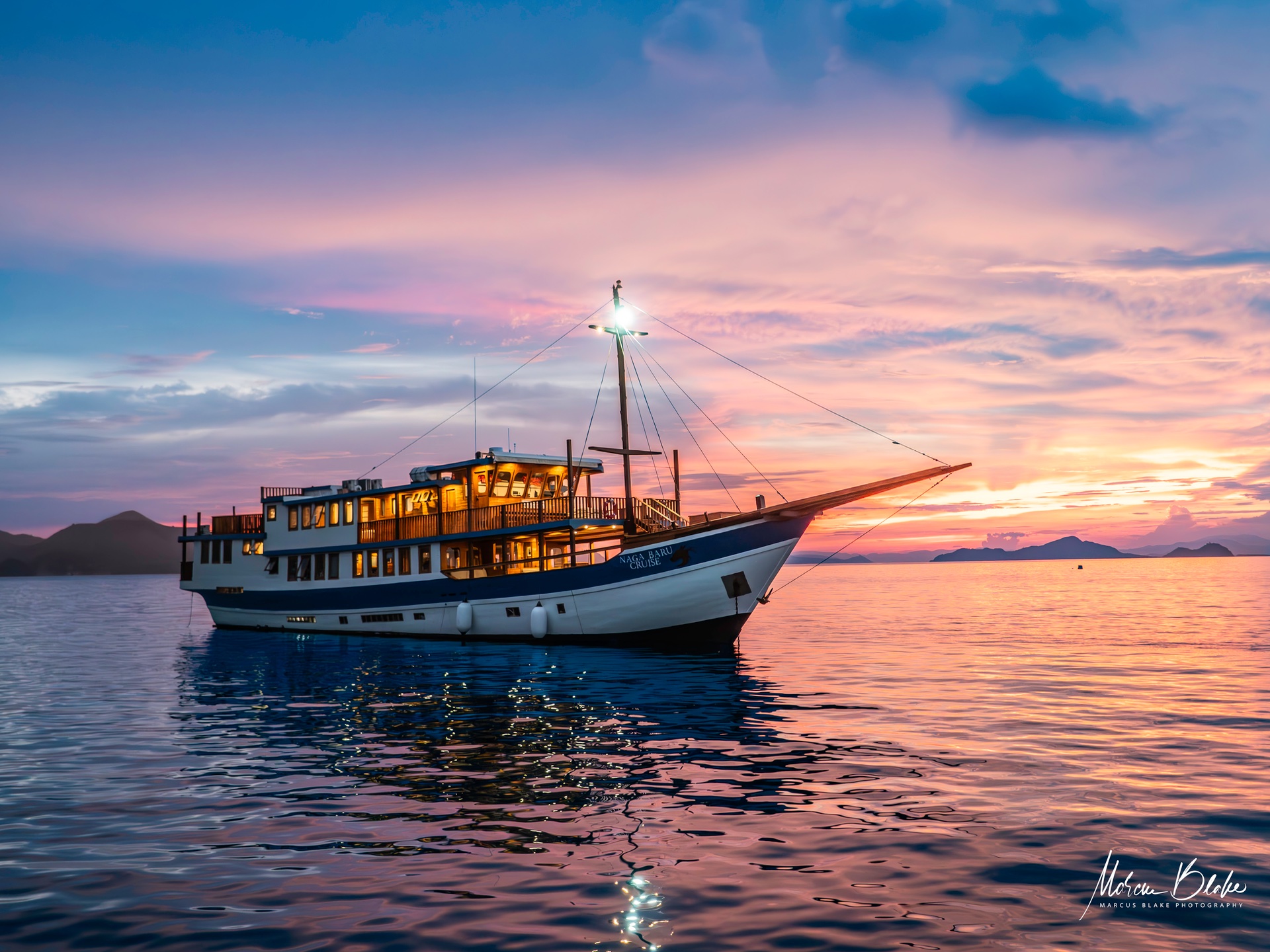
Naga Biru
Indonesia
12 guests40 m
$273/day
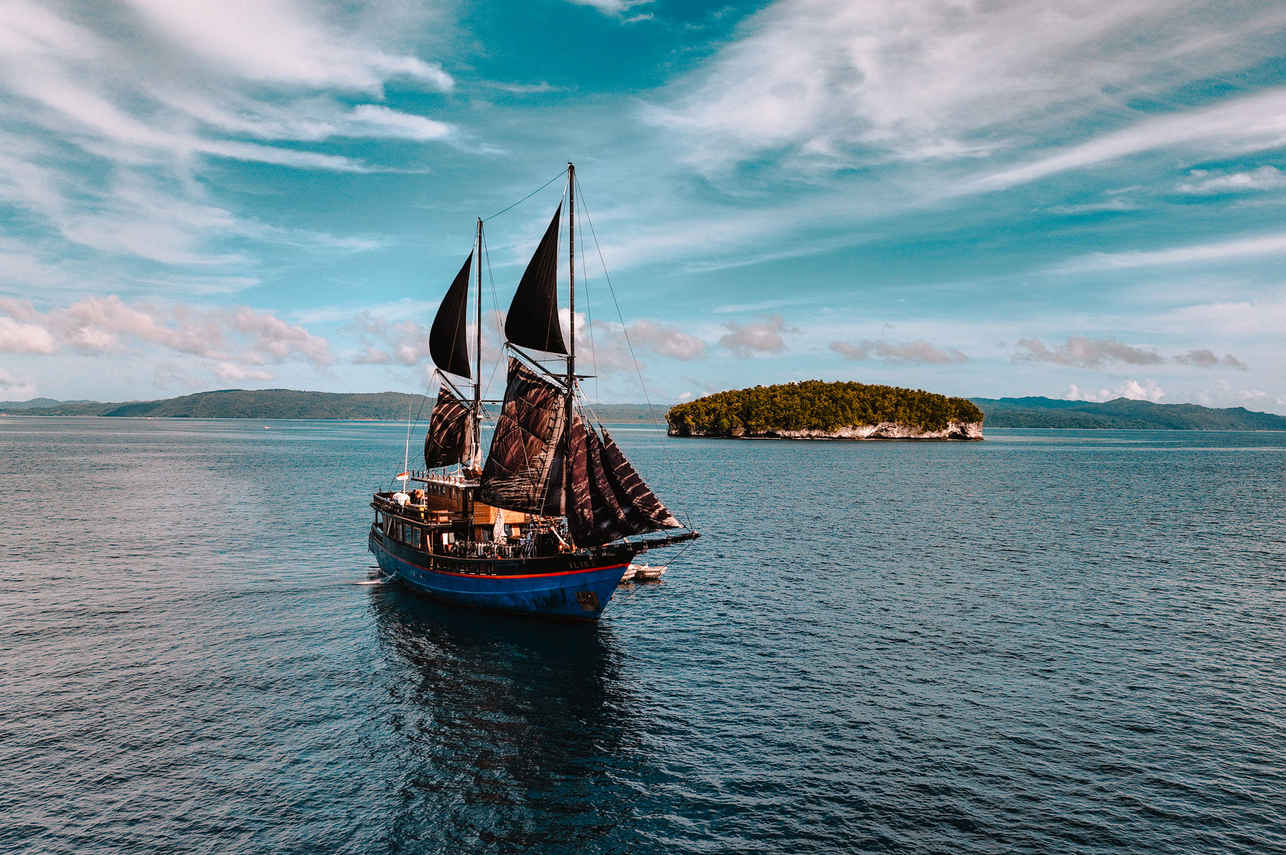
Ilike
Indonesia
16 guests40 m
$350/day
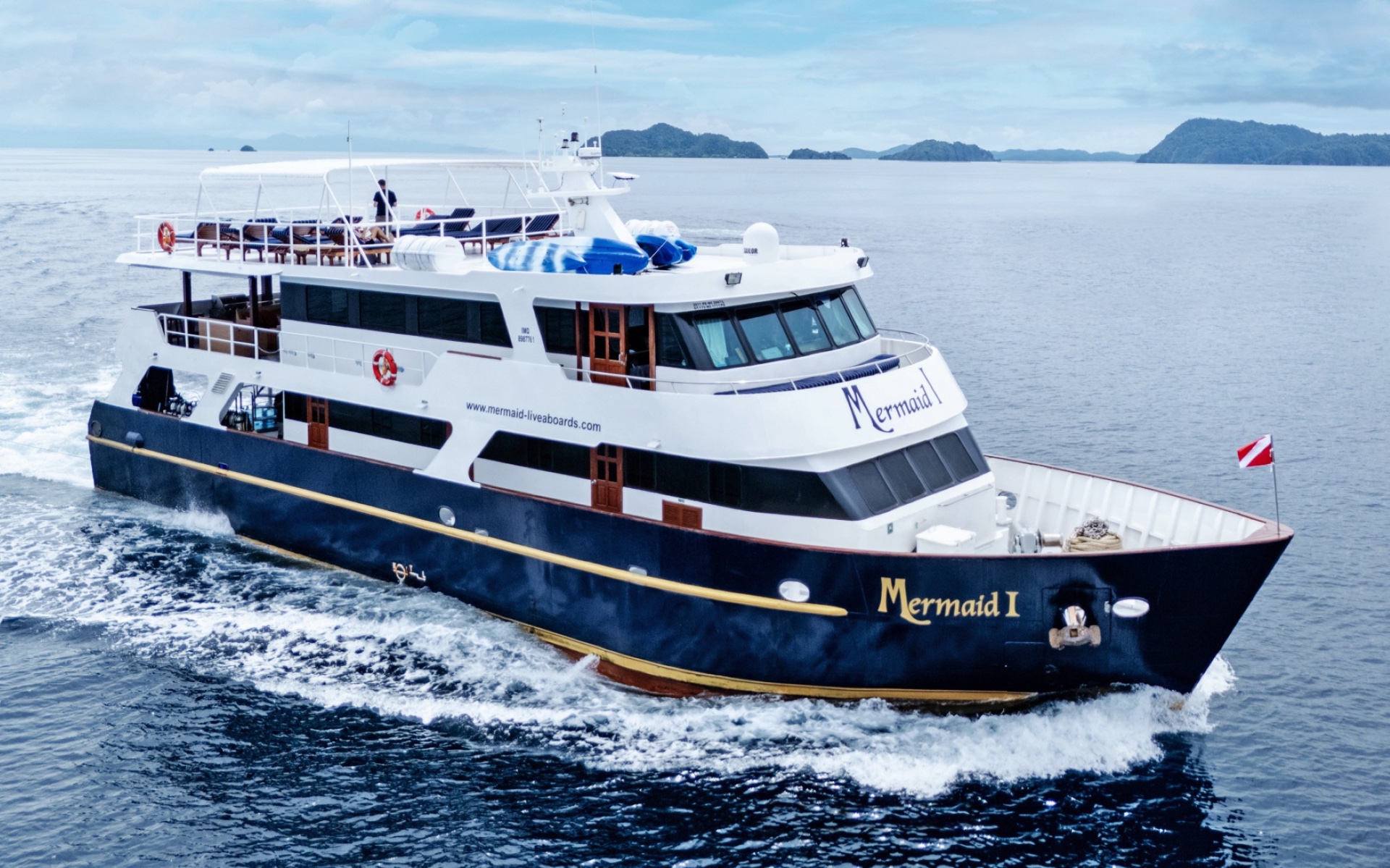
Mermaid I
Alor
15 guests28 m
$478/day
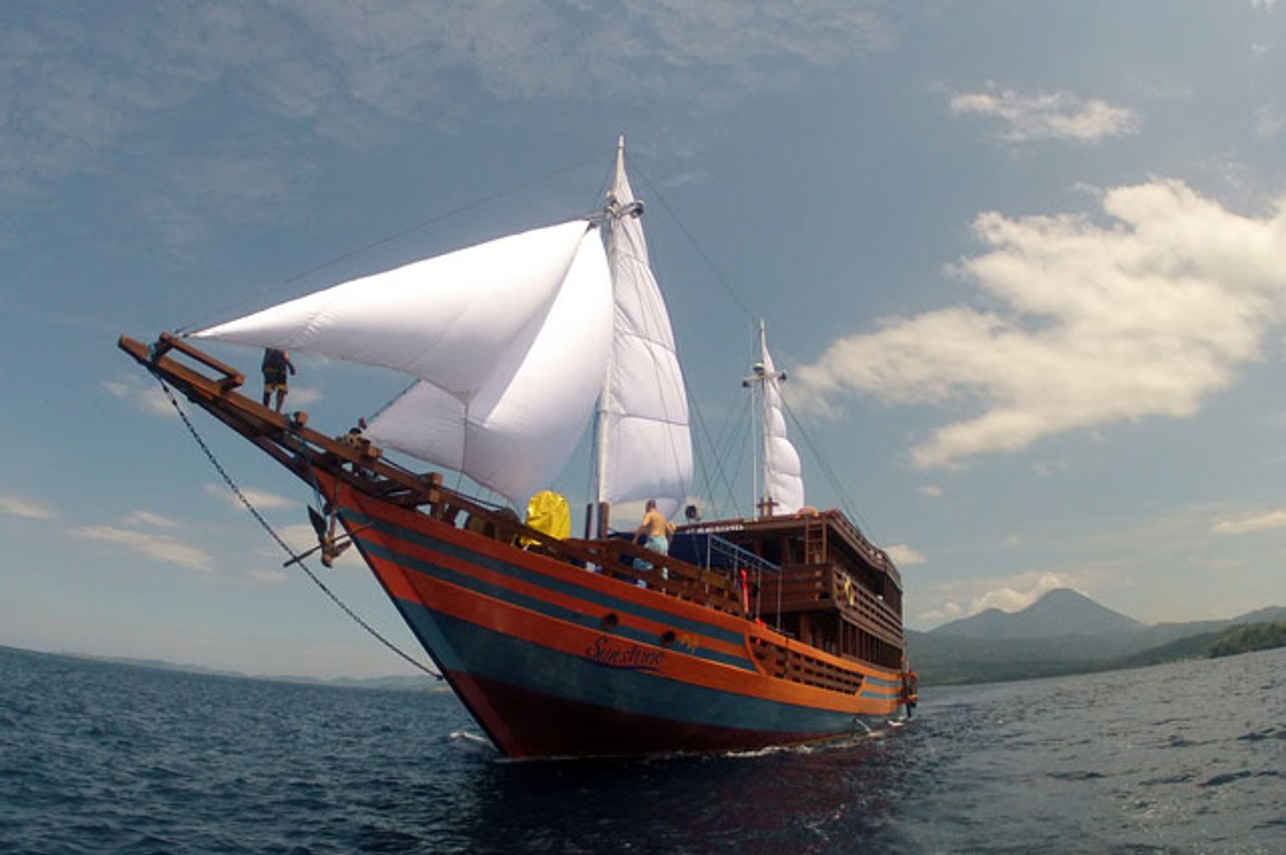
Sunshine Liveaboard
Indonesia
10 guests31 m
$191/day
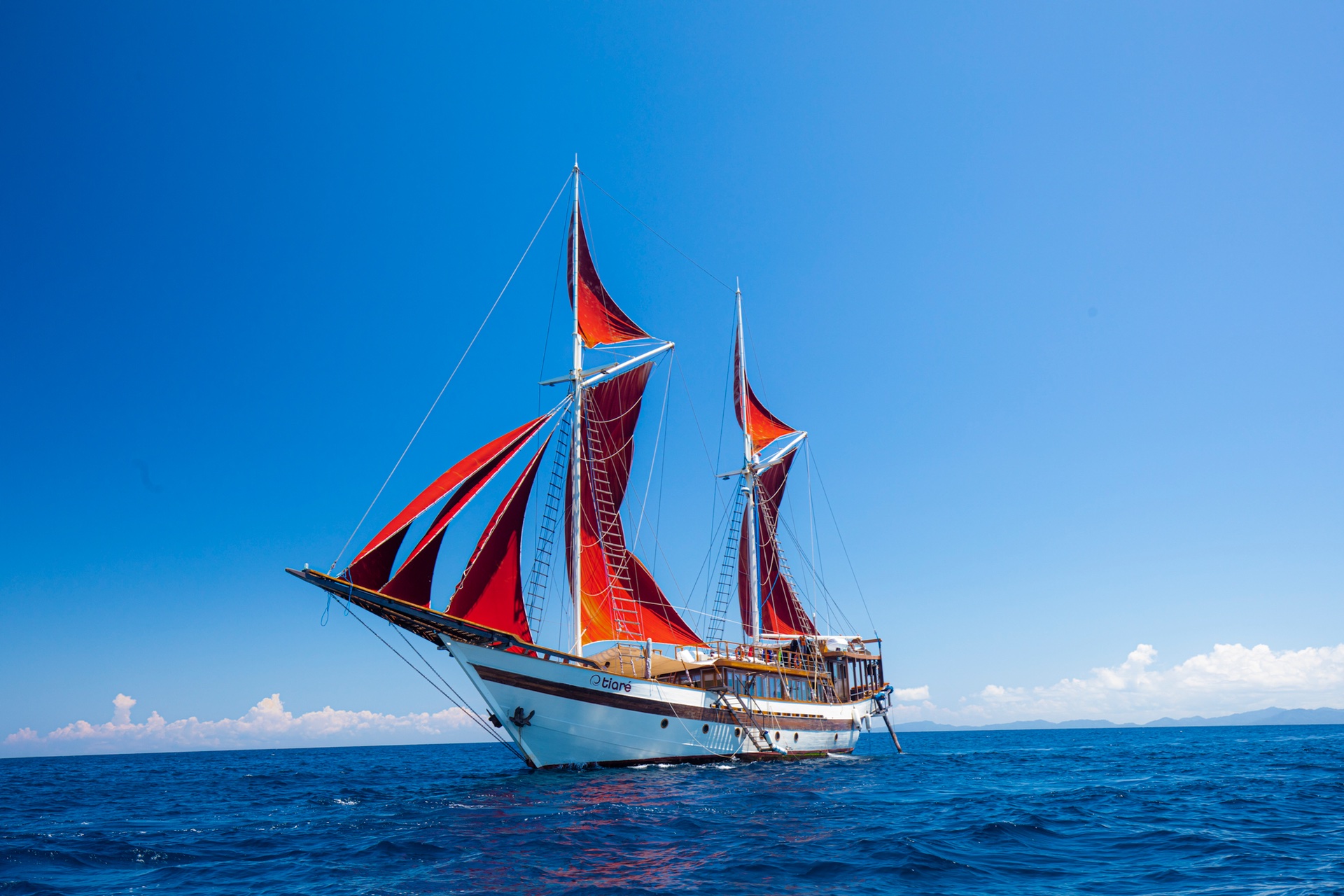
Tiare Cruise
Indonesia
12 guests36.5 m
$473/day
Dive sites similar to Malibu Point
Same character, same waters — six more sites divers love for the exact same reasons.Compare seasons, access and liveaboard routes — then pick the site that fits your trip best.
Lipah Bay is situated on Bali's northeast coast within the Amed area, nestled against the dramatic backdrop of Gunung Agung.
- Suitable for
- Beginner
- Current
- Mild
- Access
- Liveaboard or dayboat
- Depth
- 5–30 m
- Theme
- Reef / Drift
© Esri — Maxar, Earthstar, GIS
Gili Tepekong
Bali
Gili Tepekong is one of three volcanic islets situated off the coast of Amuk Bay, near Padang Bai and Candidasa in East Bali.
- Suitable for
- Advanced
- Current
- Strong
- Access
- Liveaboard or dayboat
- Depth
- 10–40 m
- Theme
- Cave & cavern / Drift
Puri Jati, often referred to as PJ, is located on Bali's north coast near Lovina, on the outskirts of Seririt village.
- Suitable for
- Intermediate
- Current
- No current
- Access
- Shore / dayboat
- Depth
- 6–12 m
- Theme
- Reef
© Esri — Maxar, Earthstar, GIS
Japanese Wreck
Bali
The Japanese Wreck is a compelling dive site located in Banyuning Bay, just off the beach in Amed, Bali.
- Suitable for
- Beginner
- Current
- Moderate
- Access
- Shore / dayboat
- Depth
- 6–12 m
- Theme
- Wreck / Reef
© Esri — Maxar, Earthstar, GIS
Dream Wall
Bali
Dream Wall is one of Menjangan Island's premier dive sites, located within the protected West Bali National Park marine area.
- Suitable for
- Beginner
- Current
- Mild
- Access
- Dayboat
- Depth
- 10–60 m
- Theme
- Wall / Reef