About Crystal Bay
Nestled on the western coast of Nusa Penida, Crystal Bay is celebrated for its exceptionally clear waters and diverse underwater ecosystem. This site presents a unique underwater topography featuring two shallow reefs, located on either side of the bay, which begin at depths of 5-8 meters and gradually descend to merge with a broad sandy channel. These reefs host an abundance of xenia soft corals and staghorn patches on the right side, while the left side is characterized by multiple coral bommies, crevices, and overhangs, creating varied exploration opportunities. A prominent feature within the bay is a large limestone island with distinctive rock formations, beneath which lies a steep coral reef that serves as a Mola Mola cleaning station. The bay’s main draw is the elusive Mola Alexandrini, or ocean sunfish, especially during the colder months from August to October when they ascend from deeper waters for cleaning. Beyond molas, the site teems with other marine life, from garden eels and cuttlefish in the sandy areas to schools of barracuda, lionfish, and a variety of reef fish, octopuses, and nudibranchs among the corals. While conditions can be challenging due to its location within a channel, proper dive planning during specific tidal conditions ensures an enjoyable experience, mitigating strong currents. The site's unique blend of shallow and deeper areas, along with its rich biodiversity, makes it suitable for both novice and experienced divers looking for an exciting underwater adventure.
Highlights
Mola Mola cleaning stationsCrystal-clear visibilityDiverse coral formationsAbundant macro lifeSteep sloping reefMushroom-shaped coral bommieSchools of barracuda
Season calendar
Best months to dive here
Jan
Feb
Mar
Apr
May
Jun
Jul
Aug
Sep
Oct
Nov
Dec
Excellent
Good
Apr – Nov (Apr–Nov)
The dry season brings calm seas, 25–30m+ visibility, and strong currents that attract mantas, sharks, and pelagics to Komodo. Alor offers pristine reef diving with 20–40m visibility. Bali's Nusa Penida delivers Mola Mola encounters from July to October. Water temperatures range from 24–28°C — a 3mm or 5mm wetsuit is recommended.
Dec – Mar (Oct–Apr)
Raja Ampat peaks during the wet season with calmer seas, plankton-rich waters attracting manta rays, and excellent biodiversity. Water is a warm 28–30°C with 15–25m visibility. The Banda Sea opens its rare expedition window from September to December, with hammerhead sharks and pristine seamounts. Lembeh Strait offers world-class muck diving year-round. A 3mm wetsuit is sufficient.
Dive site facts: Crystal Bay
- Depth
- 5–50 m+
- Typical dive
- 19 m, ~42 min
- Current
- Mild to strong, can have down currents
- Visibility
- 15–30 m
- Water temperature
- 18–29°C
- Entry
- Boat
- Level
- Intermediate to Advanced, current experience recommended
- Dive type
- Reef, drift, Mola Mola cleaning station
- Region / port
- Nusa Penida, Bali
- Coordinates
- -8.7123, 115.4889
Conditions & Currents
Currents at Crystal Bay are variable and can be challenging due to its location within a channel, often necessitating careful planning around tidal conditions. During slack tide, the waters are typically calm, making it suitable for less experienced divers. However, strong currents are possible, particularly at deeper sections, and can include powerful down currents. The presence of thermoclines is common during the Mola Mola season, where water temperatures can drop significantly. Visibility generally remains excellent, often reaching 20-30 meters, but can be affected by swell or surge. Always dive with an experienced local guide who can navigate the site's dynamic conditions effectively, ensuring both safety and an enjoyable dive experience.
Marine life & sighting chances

Oceanic Sunfish
July-October · occasional
Cuttlefish
occasional
Garden Eels
common
Flounder
occasional
Lionfish
common
Octopus
occasional
Mantis Shrimp
occasional
Scorpionfish
occasional
Stonefish
occasional
Nudibranchs
common
Big-eye Barracuda
occasional
Marble Ray
rare
Hawksbill Sea Turtle
common
Dive profile & how the dive runs
Dives at Crystal Bay typically commence with a boat drop into the bay, where the entry point is chosen based on prevailing currents. The dive often starts by exploring the shallow reef areas on either side, which begin at 5-8 meters and are rich in coral life and macro subjects. Divers then typically follow the sloping reef, which descends into a sandy channel at greater depths. A common route involves heading towards the prominent mushroom-shaped coral bommie, which rises from 9 meters to 2 meters below the surface, offering an ideal spot for a safety stop amidst vibrant marine activity. Mola Mola cleaning stations are found on the deeper slopes beneath the limestone island. The turn point is determined by air consumption, no-decompression limits, and current conditions, always ensuring a safe ascent and a final safety stop in the shallower, calm waters of the bay.
Underwater photography
Crystal Bay offers diverse photographic opportunities, from wide-angle shots of coral gardens and potential Mola Mola encounters to macro photography of nudibranchs and smaller critters. For wide-angle, a rectilinear lens is ideal to capture the expansive reef formations, schools of fish, and the sheer scale of any Mola Mola. During Mola Mola season, be prepared for potential thermoclines and lower light conditions at depth, so strobes are highly recommended to bring out vibrant colors. For macro enthusiasts, a dedicated macro lens will yield stunning results of the abundant nudibranchs, mantis shrimp, and other small marine life hiding in crevices and soft corals. Buoyancy control is paramount to avoid disturbing the fragile coral and sandy bottoms, ensuring clear shots and respectful interaction with the environment. Ethical photography practices, such as maintaining a respectful distance from Mola Molas and not harassing marine life for a shot, are essential.
Combine with nearby dive sites
- Manta Point Nusa Penida
Famous for regular sightings of Manta Rays.
- SD Point
Known for its diverse coral collection and potential for drift dives.
- The Cauldron
Offers thrilling drift diving with strong currents and pelagic sightings.
- USAT Liberty Wreck
A world-class shipwreck in Tulamben, accessible from Nusa Penida via day trip.
Getting there & logistics
Access to Crystal Bay is typically by boat, a short 10-15 minute ride from dive centers on Nusa Penida or Lembongan. Most divers travel to Nusa Penida from Bali, usually taking a fast boat from Sanur or Padang Bai. Day trips from Bali are common, though longer stays on Nusa Penida allow for more extensive exploration. While there are no specific marine park fees mentioned for Crystal Bay itself, divers should inquire about any general fees for the Nusa Penida area. Dive trips are often combined with other Nusa Penida sites like Manta Point to maximize the chances of pelagic encounters.
Safety & environment
Diving at Crystal Bay requires careful attention to safety due to potentially strong and unpredictable currents, including down currents. Divers should always carry a surface marker buoy (SMB) and know how to deploy it. It is crucial to dive with a reputable local guide who understands the site's conditions and can adapt the dive plan accordingly. Divers should possess adequate experience, particularly with currents, or be accompanied by an instructor if less experienced. Insurance covering dive accidents and medical emergencies is highly recommended, as the nearest recompression chamber is in Denpasar, Bali. Evacuation to Denpasar involves a boat transfer and then land transport, which can take several hours depending on sea conditions.
Who it suits — and who it doesn't
Suited for
- Experienced divers comfortable with currents
- Underwater photographers
- Mola Mola enthusiasts (during season)
- Divers seeking diverse reef topography
- Macro lovers
Less suited for
- Absolute beginners without current experience
- Divers prone to seasickness (due to potential swell)
- Those unwilling to dive in cooler waters (during Mola Mola season)
- Divers who prefer purely calm, current-free sites
FAQ
Crystal Bay FAQ
What is the best time to see Mola Mola at Crystal Bay?
The prime season for Mola Mola sightings at Crystal Bay is from July to October, with peak probability in August and September. During these months, colder deep-ocean currents bring these magnificent sunfish closer to the surface for cleaning.
How cold does the water get at Crystal Bay?
During the Mola Mola season, from July to October, water temperatures at Crystal Bay can drop significantly, ranging from 18-24°C (64-75°F). A 5mm wetsuit or a 3mm wetsuit with a hood is recommended for comfort during these cooler periods.
Are the currents at Crystal Bay always strong?
Currents at Crystal Bay can be highly variable. While slack tide offers calm conditions, strong currents and even down currents are possible, especially in deeper sections and during specific tidal conditions. It is essential to dive with an experienced local guide who is familiar with the daily conditions.
What kind of marine life can I expect besides Mola Mola?
Crystal Bay boasts a rich variety of marine life beyond the Mola Mola. You can frequently spot cuttlefish, garden eels, lionfish, octopus, mantis shrimp, and numerous species of nudibranchs. Schools of big-eye barracuda, various reef fish, and occasional marble rays also inhabit the area.
Is Crystal Bay suitable for beginner divers?
Crystal Bay can be suitable for beginners during slack tide when currents are mild. However, due to the potential for strong currents and thermoclines, it is generally recommended for intermediate to advanced divers, or beginners diving under direct supervision with an experienced local instructor.
Why dive Crystal Bay from a liveaboard?
Crystal Bay is one of Indonesia's signature dive sites. A liveaboard sleeps you on the water and puts you in the water for three to four guided dives per day, including dawn and night dives that day-boat operators rarely offer. You skip the daily commute back to port and reach quieter, less-crowded sites in the same region on a single trip.
Below are the liveaboards that include Crystal Bay on their Indonesia itineraries.
Liveaboards diving Crystal Bay
These liveaboards may visit Crystal Bay on selected itineraries — the exact dive sites depend on departure, weather and conditions.
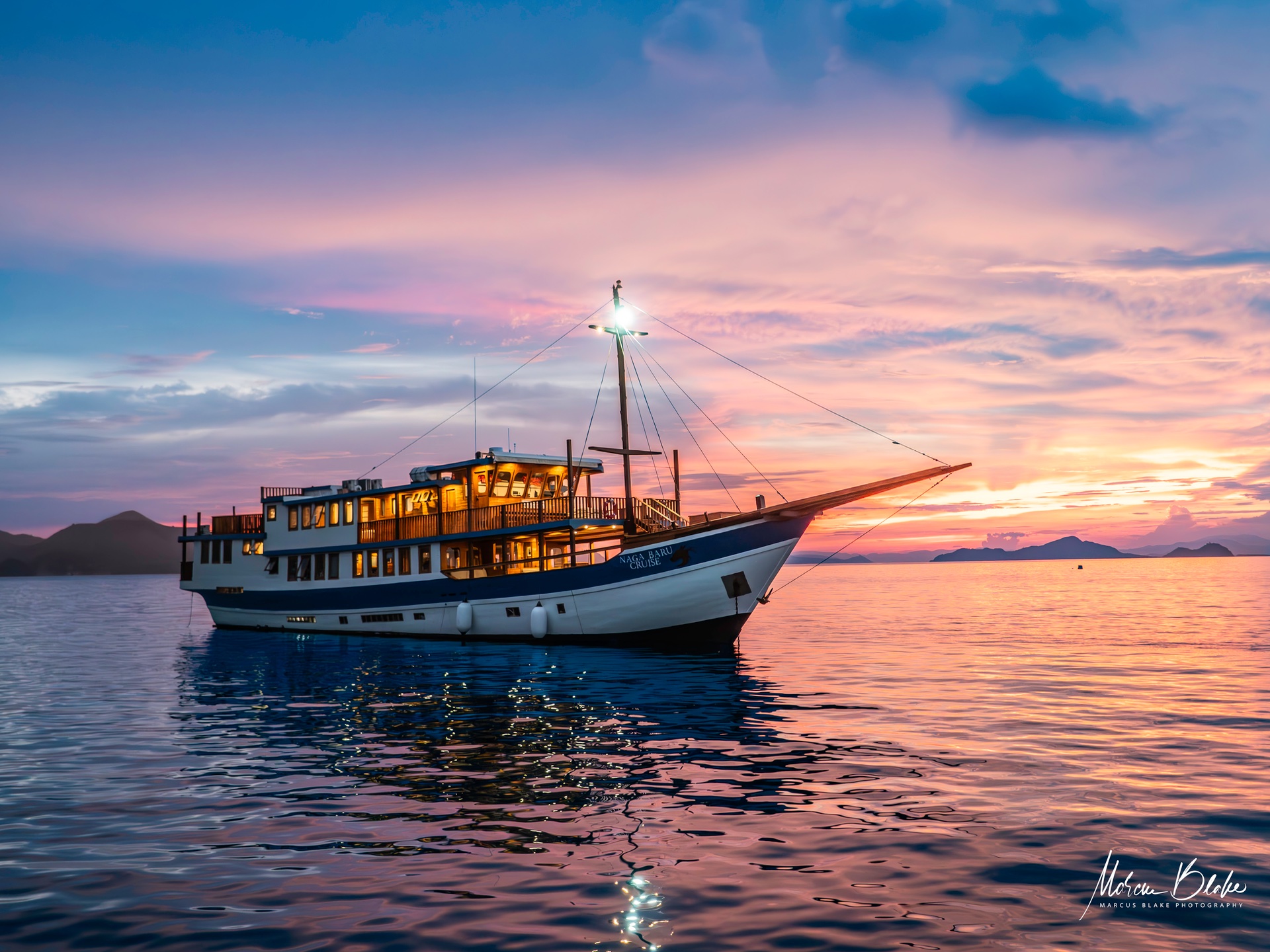
Naga Biru
Indonesia
12 guests40 m
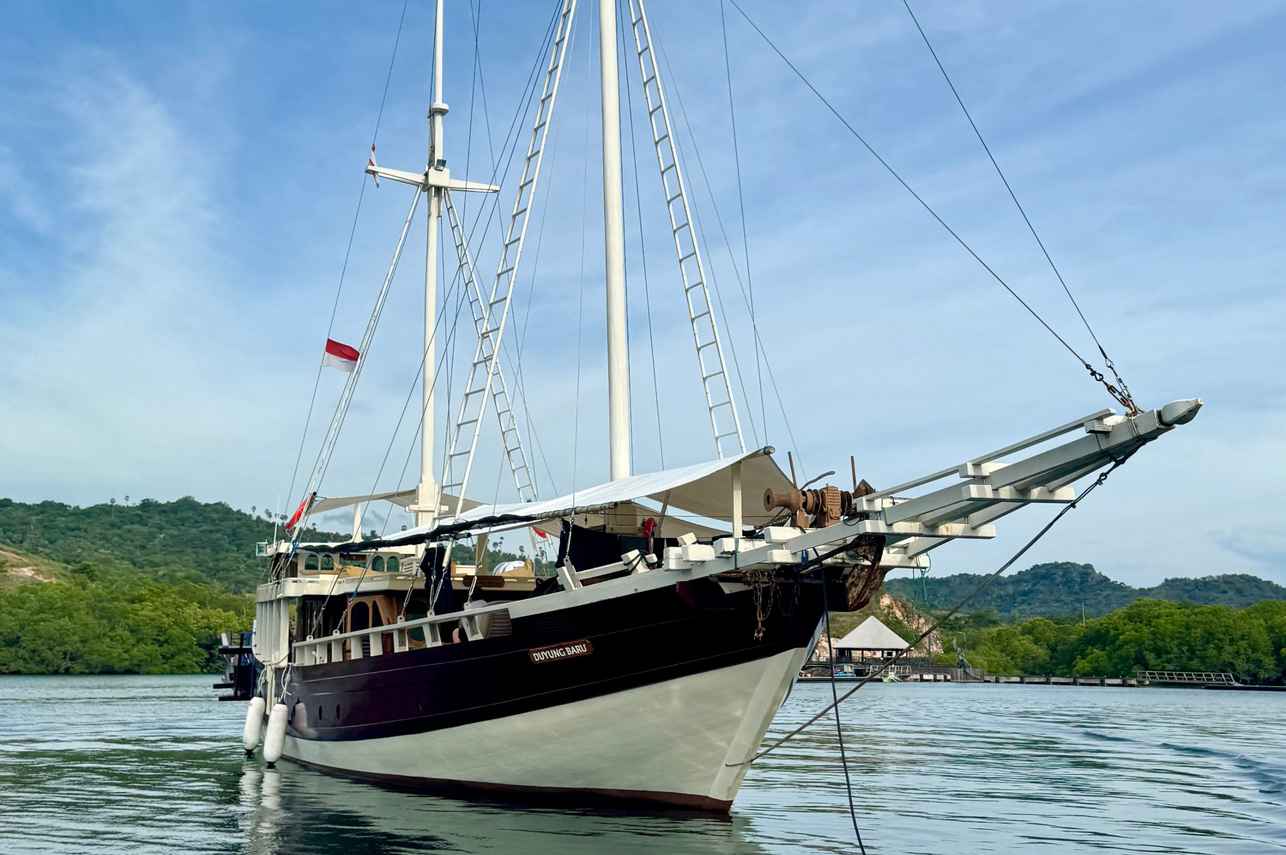
Ecopro Duyung Baru
Indonesia
6 guests27 m
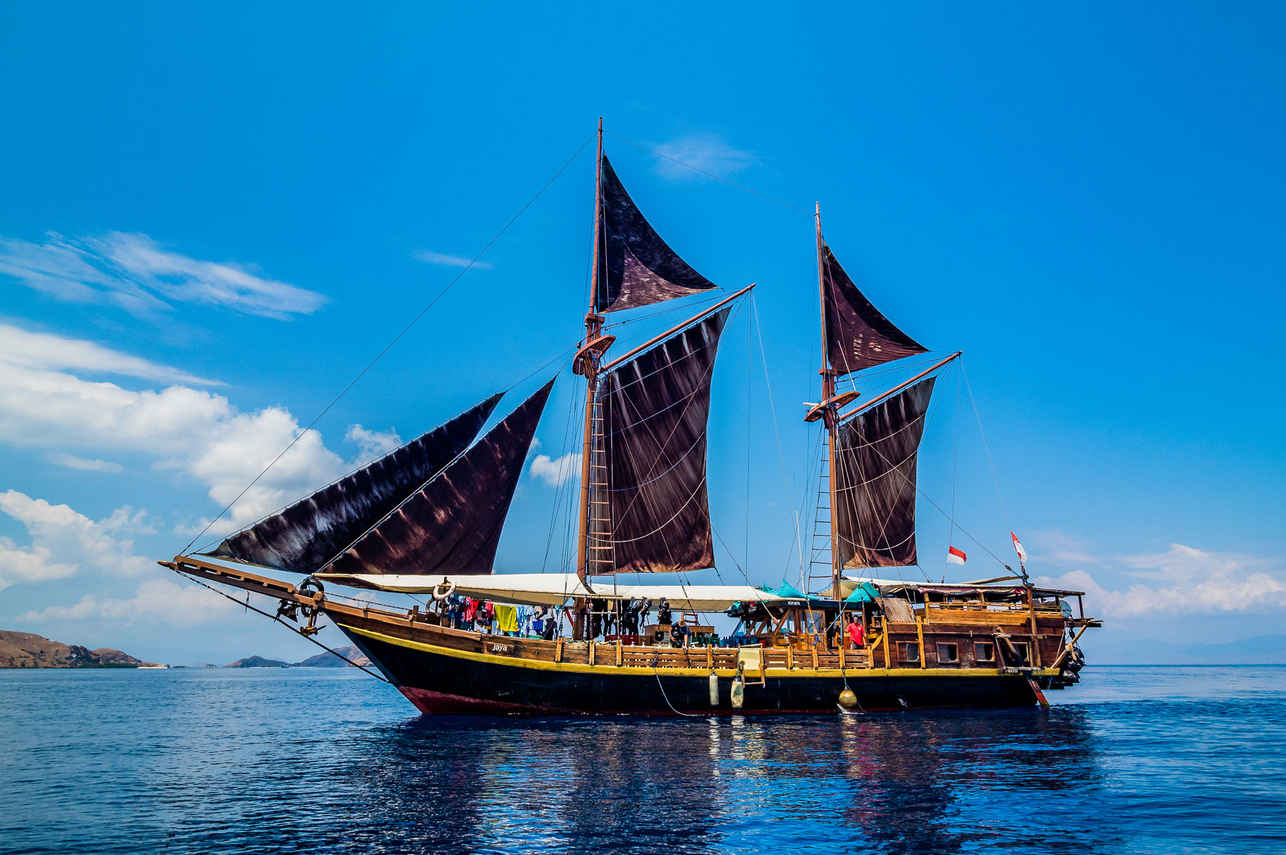
Jaya
Indonesia
14 guests23 m
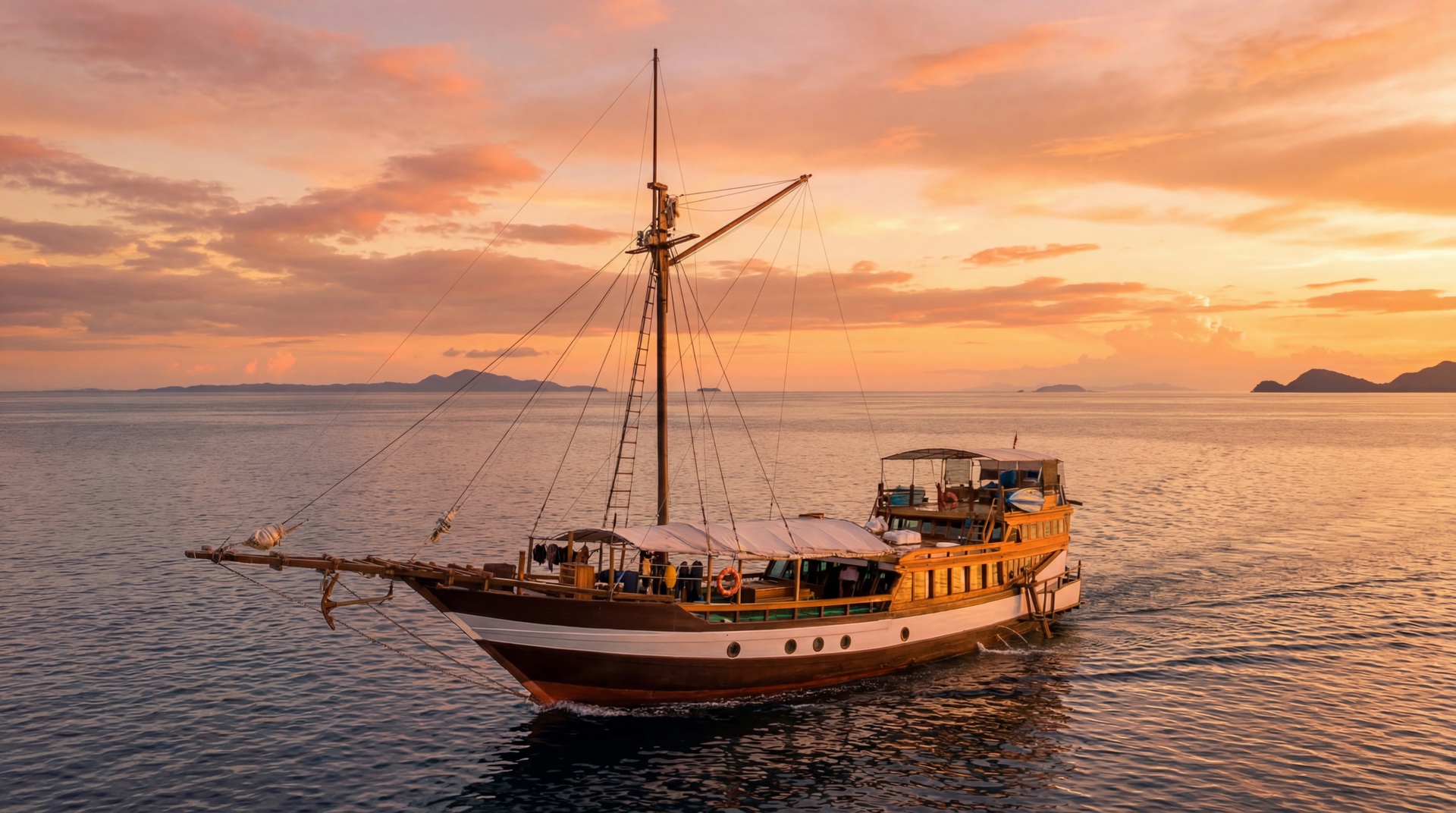
Wellenreng
Indonesia
9 guests25 m
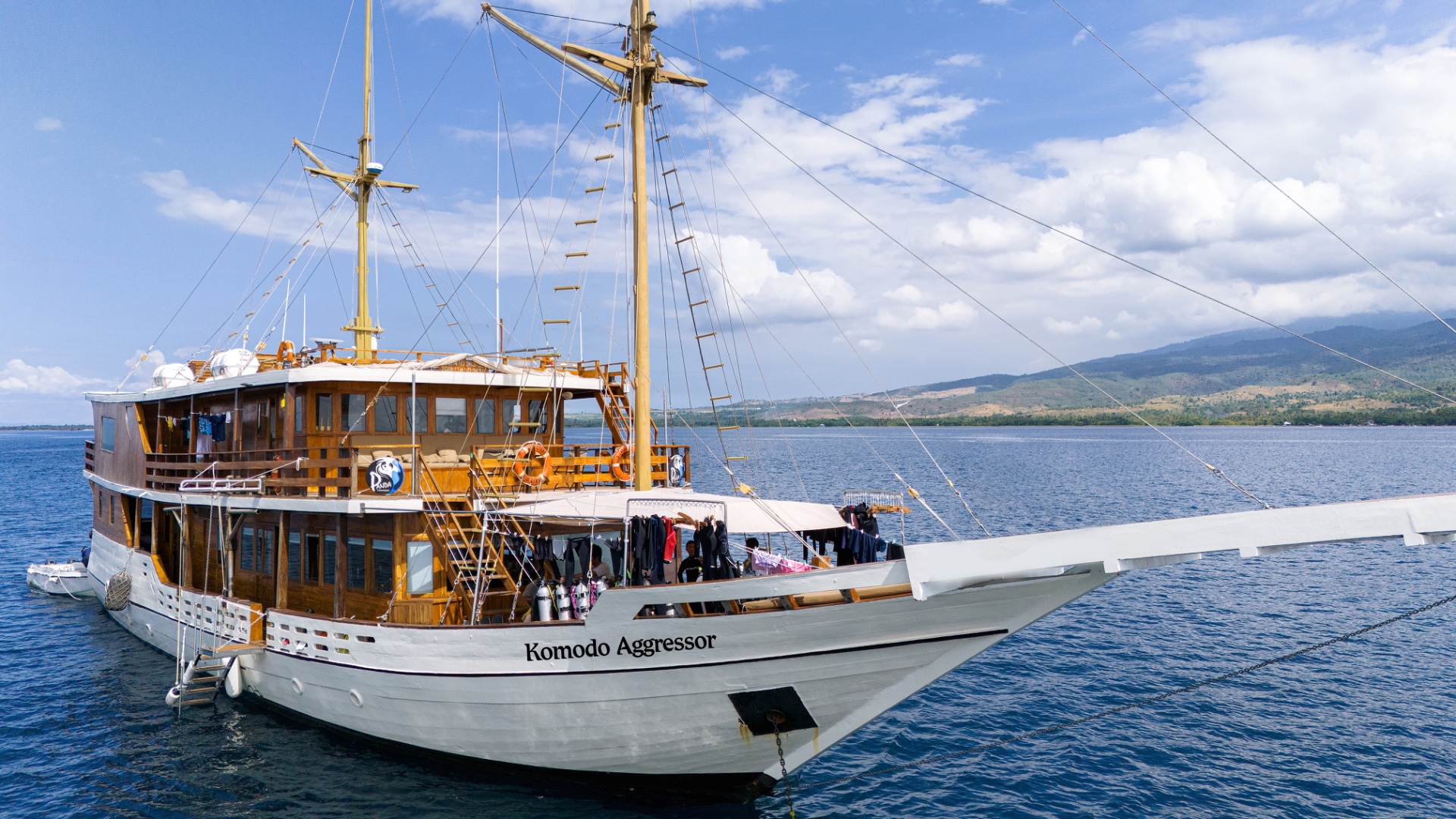
Komodo Aggressor
Komodo, Indonesia
16 guests29 m
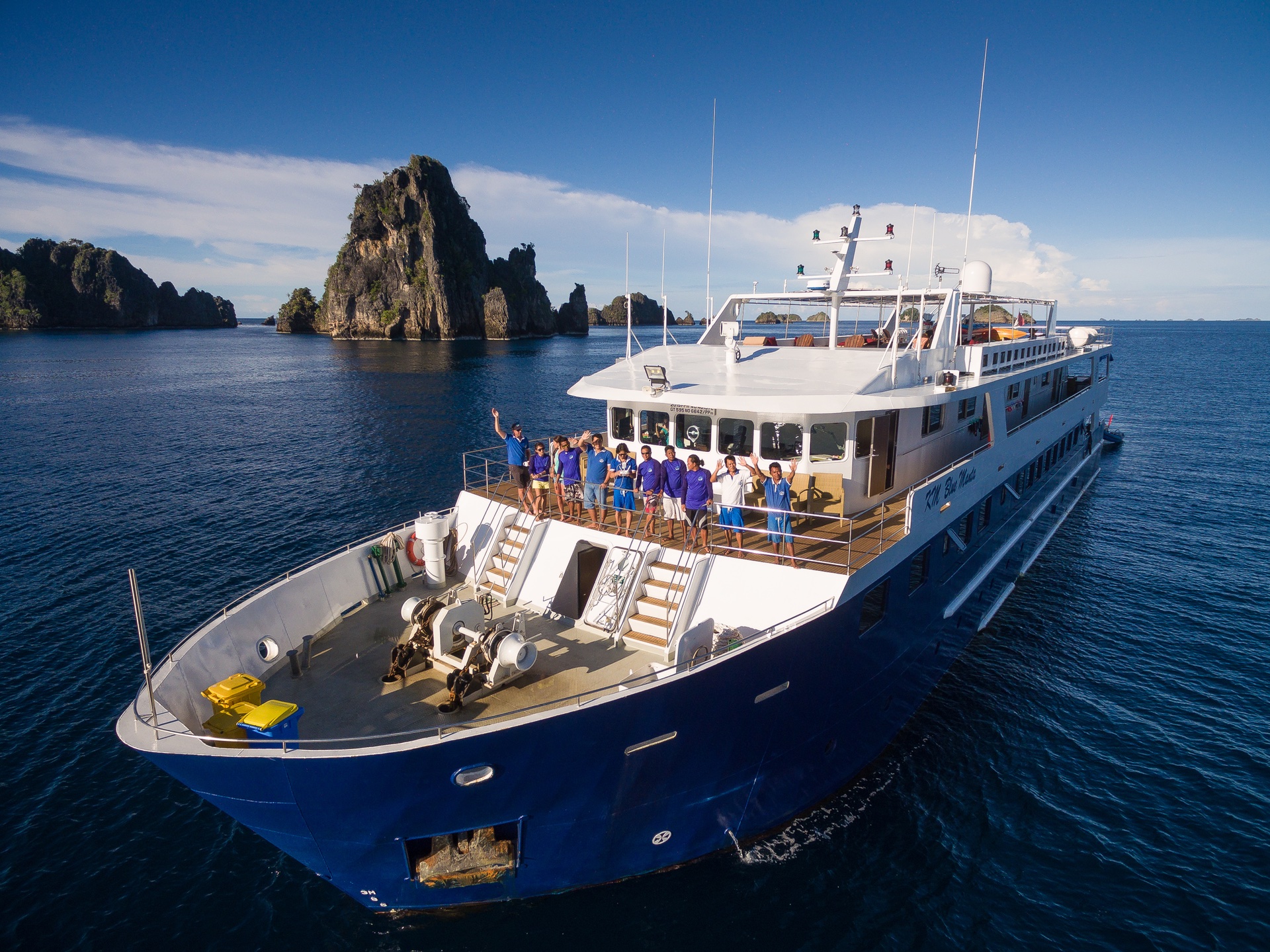
Blue Manta
Indonesia
20 guests45 m
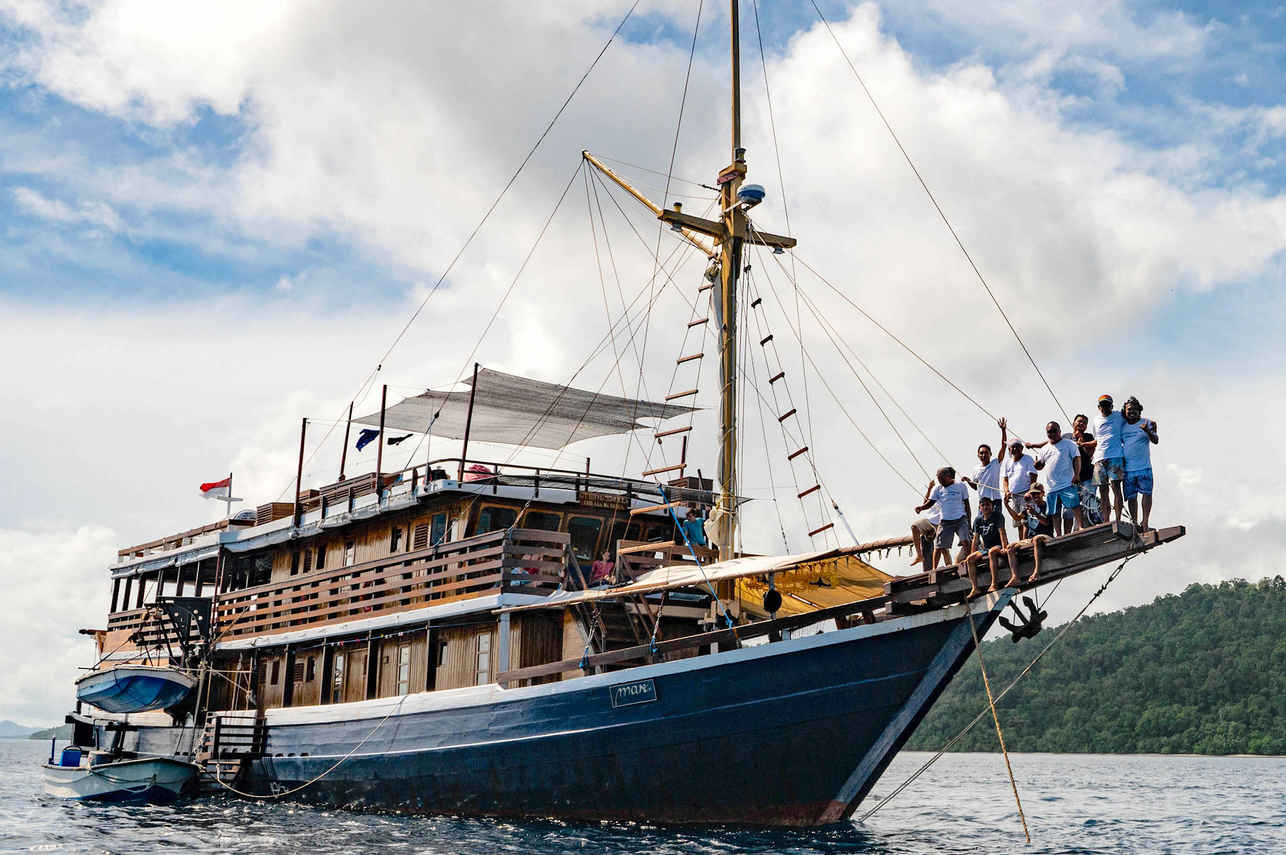
Mari
Indonesia
14 guests32 m
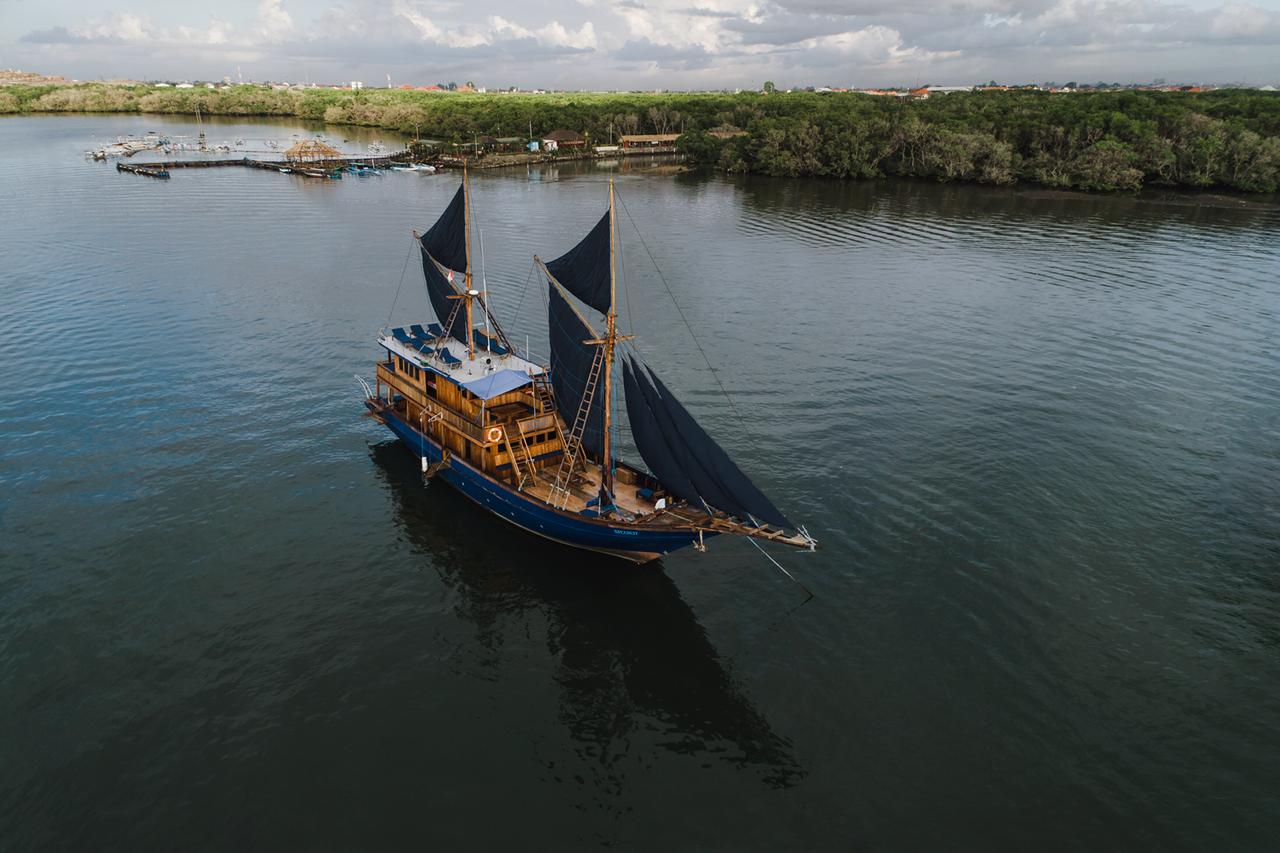
Situju7
Komodo, Indonesia
10 guests33 m
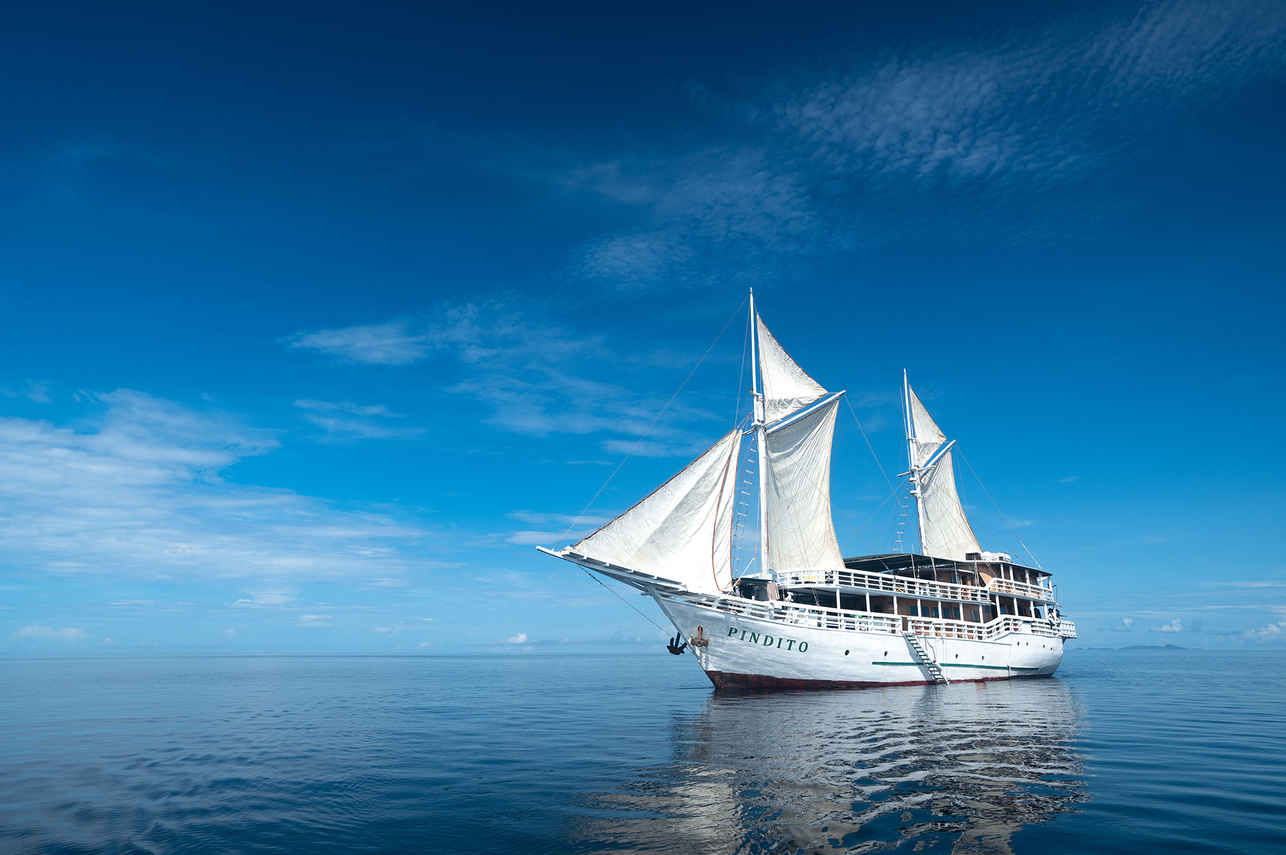
Pindito
Indonesia
16 guests38 m
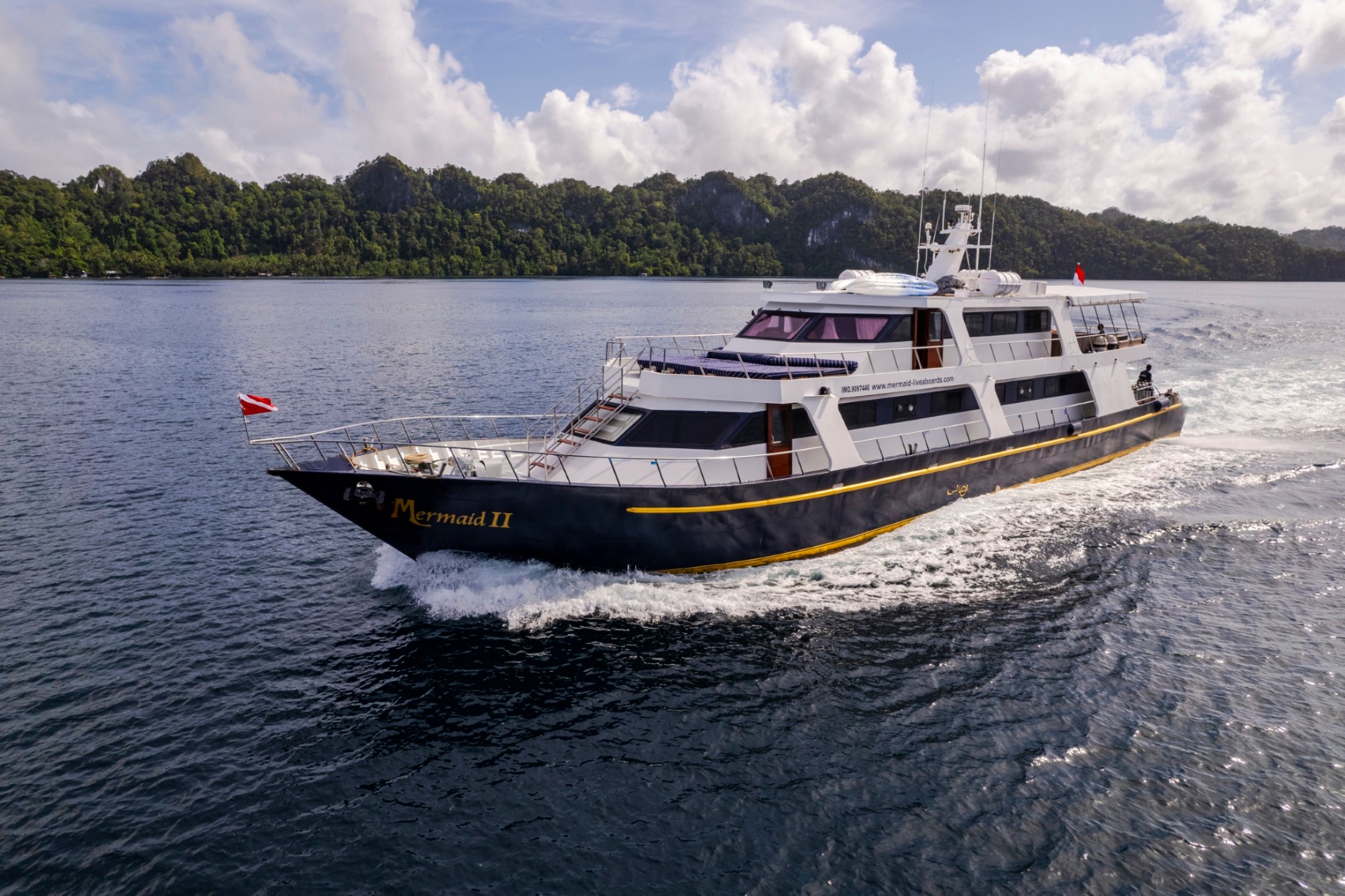
Mermaid II
Komodo, Indonesia
18 guests
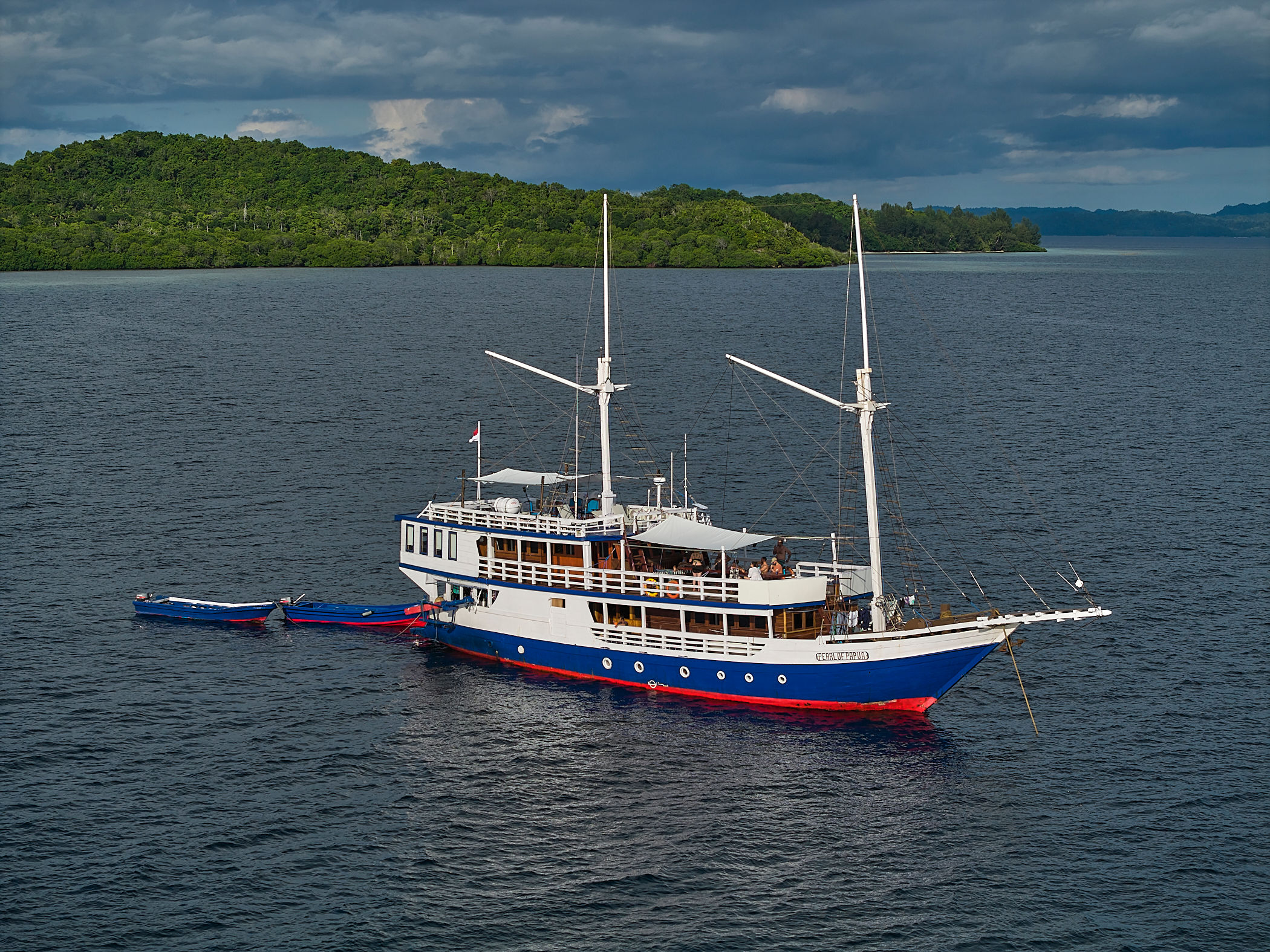
Pearl of Papua
Raja Ampat, Indonesia
14 guests30 m
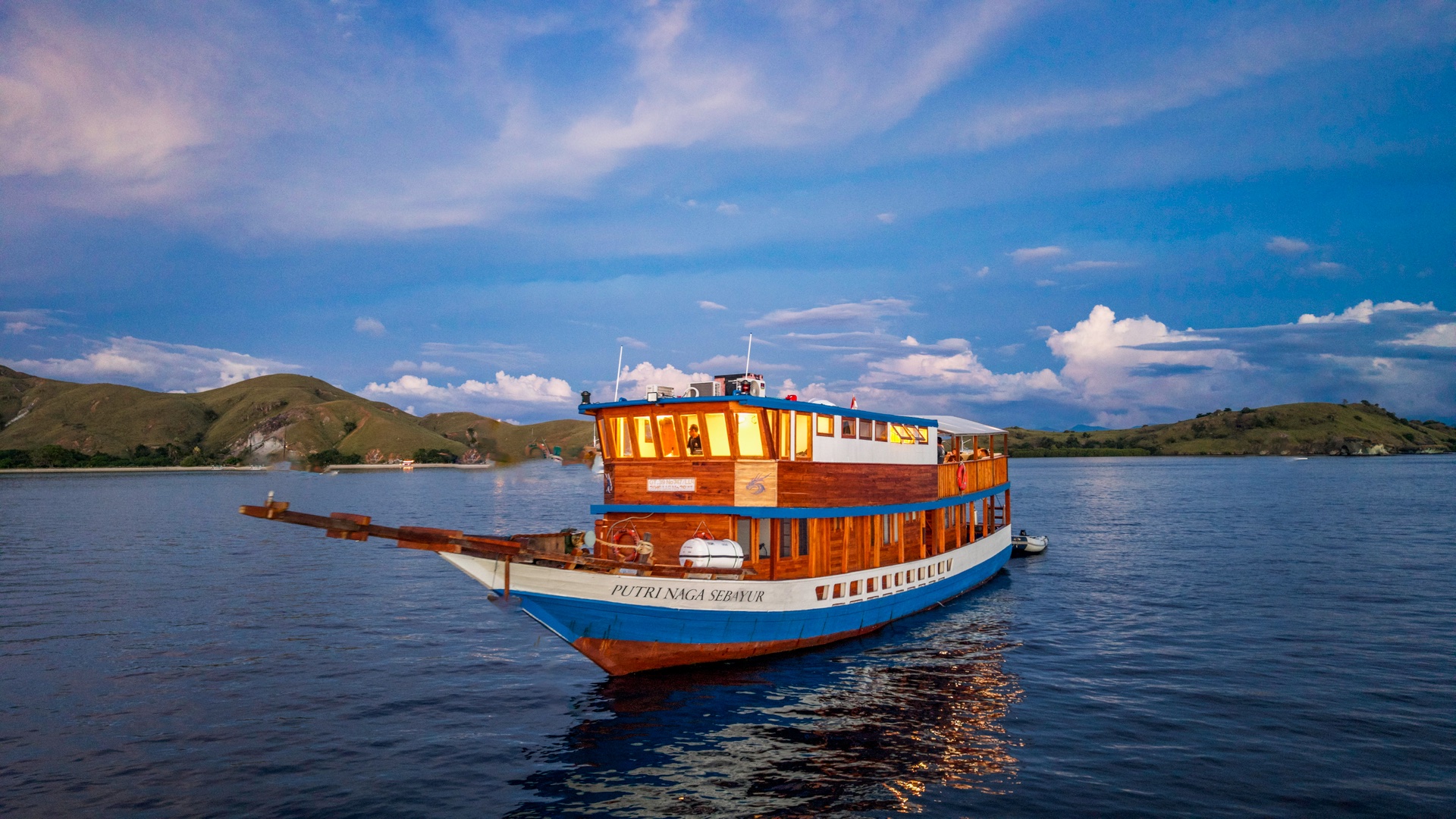
Putri Naga
Komodo, Indonesia
6 guests25 m
Dive sites similar to Crystal Bay
Same character, same waters — six more sites divers love for the exact same reasons.Compare seasons, access and liveaboard routes — then pick the site that fits your trip best.
Abila is a notable dive site located within the Alor Islands Marine Park, an area celebrated for its rich marine biodiversity due to its position in the Coral Triangle.
- Suitable for
- Beginner
- Current
- Mild
- Access
- Liveaboard only
- Depth
- —
- Theme
- Reef
© Esri — Maxar, Earthstar, GIS
Adonara Channel
Alor
Adonara Channel stands as one of Alor's most iconic dive sites, celebrated for its dynamic currents and exceptionally rich biodiversity.
- Suitable for
- Advanced
- Current
- Strong
- Access
- Liveaboard or dayboat
- Depth
- 10–40 m
- Theme
- Drift / Wall
© Esri — Maxar, Earthstar, GIS
Adonara Wall
Indonesia
Adonara is an Indonesian island dive site, renowned for its vibrant underwater topography characterized by submerged seamounts.
- Suitable for
- Intermediate
- Current
- Strong
- Access
- Liveaboard or dayboat
- Depth
- 5–35 m
- Theme
- Seamount / Wall
© Esri — Maxar, Earthstar, GIS
Agnay Fish Sanctuary
Philippines
Agnay Fish Sanctuary is nestled in a sheltered bay near the village of Agnay in Romblon, a province celebrated for its rich marine biodiversity.
- Suitable for
- Beginner
- Current
- Mild
- Access
- Dayboat
- Depth
- 9–18 m
- Theme
- Reef
© Esri — Maxar, Earthstar, GIS
Ai Island Reef
Banda Sea
Ai Island Reef, nestled within the Banda Sea, offers a remarkable diving experience characterized by its rich marine biodiversity and varied underwater topography.
- Suitable for
- Beginner
- Current
- Strong
- Access
- Liveaboard only
- Depth
- 3–30 m
- Theme
- Reef / Seamount
© Esri — Maxar, Earthstar, GIS
Akitsushima
Philippines
The Akitsushima is a distinguished World War II Japanese seaplane tender, sunk in September 1944 during an American air raid in Coron Bay, Palawan.
- Suitable for
- Advanced
- Current
- Strong
- Access
- Dayboat
- Depth
- 22–38 m
- Theme
- Wreck