About Manta Point Nusa Penida
Manta Point, located on the southwest coast of Nusa Penida near Bali, stands out as a premier global destination for encountering majestic manta rays. This site is particularly significant for its role as a feeding and cleaning ground for reef mantas, making it a reliable spot for divers and snorkelers alike. The topography primarily consists of a flat, rocky plateau that gradually deepens, with an average maximum depth between 14 to 18 meters. Shallower areas feature large boulders that form dramatic backdrops and occasional swim-throughs. The most crucial features are the numerous manta cleaning stations, with the main one starting at about 9 meters and ascending to 3 meters below the surface. Beyond the plateau, the reef transitions into sandy slopes, defining the natural boundaries of the site. Manta rays are the main attraction, with a high likelihood of sightings (85-90%) throughout the year as they utilize the cleaning stations for extended periods daily. Beyond these graceful giants, divers can also spot blue-spotted stingrays burying themselves in the sand, bamboo sharks, and nudibranchs. Occasionally, lucky divers might even encounter Mola Mola or whale sharks, further enriching the marine biodiversity. Conditions at Manta Point can be influenced by wind and swell due to its open ocean exposure, leading to moderate to strong currents. Divers need good buoyancy control to navigate these conditions. The site is accessible for certified divers, with action often concentrated in the shallower depths (1-12 meters), making it suitable for both diving and snorkeling. Visibility typically ranges from 10-15 meters, even with plankton-rich waters that attract the mantas.
Highlights
Reef manta ray cleaning stationsLarge boulder swim-throughsBlue-spotted stingray encountersOccasional Mola Mola sightingsBamboo shark encountersPlankton-rich feeding grounds
Season calendar
Best months to dive here
Jan
Feb
Mar
Apr
May
Jun
Jul
Aug
Sep
Oct
Nov
Dec
Excellent
Good
Dive site facts: Manta Point Nusa Penida
- Depth
- 0–30 m
- Typical dive
- 10–15 m, 40–60 min
- Current
- Moderate to strong
- Visibility
- 10–25 m
- Water temperature
- 18–30°C
- Entry
- Boat / negative entry
- Level
- Open Water Diver
- Dive type
- Cleaning station, pelagic, reef
- Region / port
- Nusa Penida, Bali
- Coordinates
- -8.7234, 115.5178
Conditions & Currents
Manta Point is situated in an area exposed to open ocean currents, which can range from moderate to strong. These currents are crucial for bringing in the plankton that attracts the manta rays, but they also mean divers must be prepared for dynamic conditions. Currents can shift directions quickly and run along the reef or push up from depth, necessitating good buoyancy control and awareness. Although visibility is generally good, plankton blooms, which are intensified by these currents, can sometimes reduce it, making for a 'milky' appearance in the water. Operators typically employ negative or quick descents and provide thorough briefings on drift procedures and SMB use. Divers should always follow their guide's instructions closely, as conditions can change rapidly with tidal shifts.
Marine life & sighting chances

Reef manta ray
Year-round · common
Oceanic sunfish
July to October · occasional
Whitetip reef shark
occasional
Eagle ray
occasional
Blue-spotted stingray
occasional
Hawksbill turtle
occasional
Octopus
occasional
Moray eel
occasional
Lionfish
occasional
Barracuda
occasional
Trevally
occasional
Snapper
occasionalDive profile & how the dive runs
Dives at Manta Point typically begin with a negative or quick descent upon arrival, as currents can be present. Divers usually descend to depths between 10 and 15 meters, where the manta cleaning stations are located on the sloping reef. The dive profile involves either drifting gently along the reef or finding a stable position near a cleaning station to observe the mantas. Groups are often positioned where mantas naturally travel, maximizing encounters while minimizing disturbance. Mantas can approach within close range, circling repeatedly. The dive continues as long as bottom time and air consumption permit, with an average duration of 40 to 60 minutes. Safety stops are conducted as usual before ascending to the surface for pickup by the dive boat.
Underwater photography
Manta Point offers exceptional opportunities for wide-angle photography, especially given the frequent, close-range encounters with reef mantas. A fisheye or wide-angle lens (e.g., 8-15mm or 16-35mm equivalent) is highly recommended to capture the full wingspan of the mantas and the surrounding reef scape. While natural light can be sufficient in shallower depths and good visibility, strobes will help bring out colors and add definition, particularly for capturing the mantas' distinct undersides. Practice good buoyancy to avoid stirring up sediment or impacting the delicate coral, especially around cleaning stations. Approach mantas slowly and avoid sudden movements; let them come to you for the best, most respectful shots. Given the potential for cooler water, consider a wetsuit that allows for longer, more comfortable dives to maximize photo opportunities.
Combine with nearby dive sites
- Manta Alley
A different manta site, located in Komodo National Park, known for oceanic mantas and stronger currents.
- Manta Alley South
Manta Alley South, nestled in the southern reaches of Komodo National Park, stands out as a premier destination for manta ray encounters.
- SD Point
SD Point is a renowned dive site located on the northern coast of Nusa Penida, Indonesia, celebrated for its spectacular drift dives and…
- The Cauldron
The Cauldron, also known as The Shotgun, is a world-class dive site located in the northern reaches of Komodo National Park.
- Crystal Bay
Known for Oceanic Sunfish (Mola Mola) during season.
- Karang Makassar
Karang Makassar, widely known as Manta Point, offers one of Komodo National Park's most reliable manta ray encounters.
Getting there & logistics
Most divers access Manta Point through day trips from Sanur on mainland Bali, or directly from Nusa Penida itself. The nearest international airport is Denpasar (DPS). Transfers from accommodation in South Bali to the Sanur fast boat harbor are typically included in day trip packages. A two-dive trip from Sanur generally costs around 170 USD and lasts from 6:30 AM to 2-3 PM. Diving directly from Nusa Penida is often more affordable, around 100 USD for two dives, starting later and finishing earlier. While specific park fees are not universally mentioned, most dive operators will include any necessary local fees. Many itineraries combine a dive at Manta Point with another site like Crystal Bay.
Safety & environment
Diving at Manta Point requires careful consideration of current conditions. Operators prioritize diver safety, and trips may be called off if swells exceed 4m or currents are deemed unsafe. Divers should be comfortable in potentially strong currents and practice good buoyancy control to avoid contact with the reef. A minimum Open Water certification is usually required, with Advanced Open Water recommended due to depth and current variability. Given the site's exposure to the open ocean, motion sickness remedies may be advisable for boat transfers. Divers should ensure they have adequate dive insurance. The nearest recompression chamber is in Sanglah Hospital, Denpasar, Bali. In case of emergency, evacuation to Bali would be necessary, highlighting the importance of comprehensive insurance and adherence to dive plan limits.
Who it suits — and who it doesn't
Suited for
- Open Water certified divers seeking manta ray encounters
- Underwater photographers focusing on wide-angle pelagic subjects
- Divers comfortable with moderate to strong currents
- Snorkelers hoping to see mantas from the surface
- Divers interested in cleaning station behavior
Less suited for
- Divers uncomfortable with potential cold water temperatures
- Beginners with no experience in currents
- Divers who prefer purely macro photography
- Those who dislike boat travel on potentially choppy seas
FAQ
Manta Point Nusa Penida FAQ
When is the best time to see manta rays at Manta Point Nusa Penida?
Manta Point is renowned for its year-round manta ray sightings, making it a reliable destination throughout the year. However, for a balance of calmer conditions and warm water, the months of April to June are often recommended. The low season, from November to April, also brings warmer water and fewer crowds, potentially leading to more intimate manta encounters.
How deep are the manta cleaning stations at Manta Point?
The primary manta cleaning stations at Manta Point are typically located at depths between 10 and 15 meters (30-50 feet). This relatively shallow depth makes the site accessible for Open Water certified divers and provides excellent natural light for photography and observation. While the site itself goes deeper, most of the action with the mantas occurs in this shallower range.
Can snorkelers see manta rays at Manta Point?
Yes, Manta Point is an excellent site for snorkelers to encounter manta rays. Much of the manta activity, particularly around the cleaning stations, occurs in the upper water column, often within the first 12 meters (40 feet) of the surface. Visibility is generally good, allowing snorkelers to enjoy clear views of the mantas gracefully gliding below.
What are the water temperatures like at Manta Point?
Water temperatures at Manta Point can vary significantly depending on the season. During the low season (November to April), temperatures are comfortably warm, ranging from 27°C to 30°C. However, during the Mola Mola season (June to October), cold upwellings from the Indian Ocean can cause temperatures to drop, sometimes as low as 18°C, necessitating thicker wetsuits.
How do I get to Manta Point Nusa Penida?
Manta Point is typically accessed via boat. Most divers either take a day trip from Sanur on mainland Bali, which includes fast boat transfers, or depart directly from Nusa Penida if they are staying on the island. Day trips usually involve a combination of land transfers, fast boat rides, and then local dive boats to reach the site. Operators in Sanur and Nusa Penida offer comprehensive packages.
What skill level is required to dive at Manta Point?
Manta Point is generally suitable for Open Water certified divers due to the relatively shallow depths of the main manta action. However, because the site is exposed to open ocean currents that can sometimes be moderate to strong, experience with currents and good buoyancy control are beneficial. Some operators may recommend Advanced Open Water certification for added comfort and safety, particularly if conditions are challenging.
Why dive Manta Point Nusa Penida from a liveaboard?
Manta Point Nusa Penida is one of Indonesia's signature dive sites. A liveaboard sleeps you on the water and puts you in the water for three to four guided dives per day, including dawn and night dives that day-boat operators rarely offer. You skip the daily commute back to port and reach quieter, less-crowded sites in the same region on a single trip.
Below are the liveaboards that include Manta Point Nusa Penida on their Indonesia itineraries.
Liveaboards diving Manta Point Nusa Penida
These liveaboards may visit Manta Point Nusa Penida on selected itineraries — the exact dive sites depend on departure, weather and conditions.
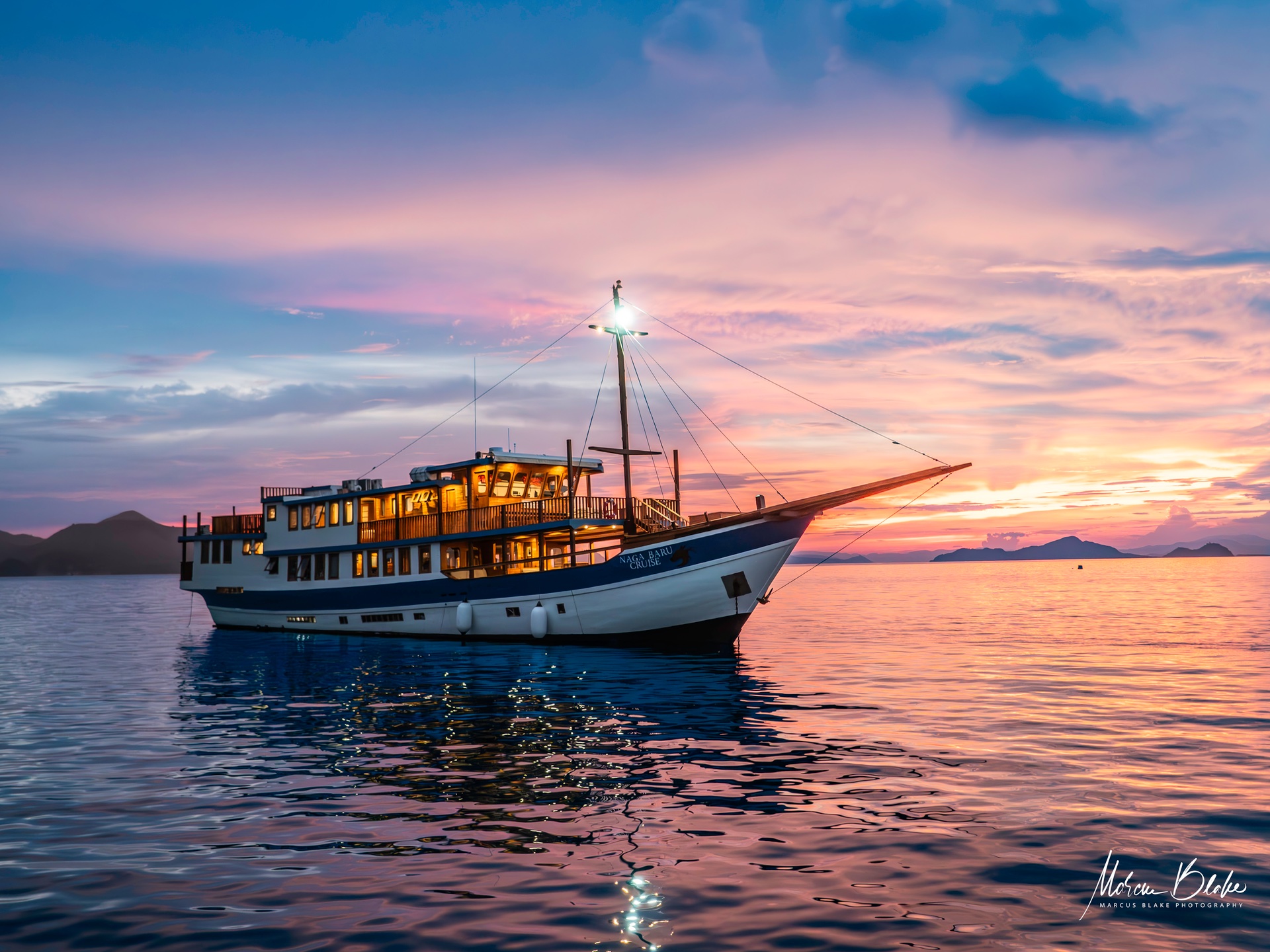
Naga Biru
Indonesia
12 guests40 m
$273/day
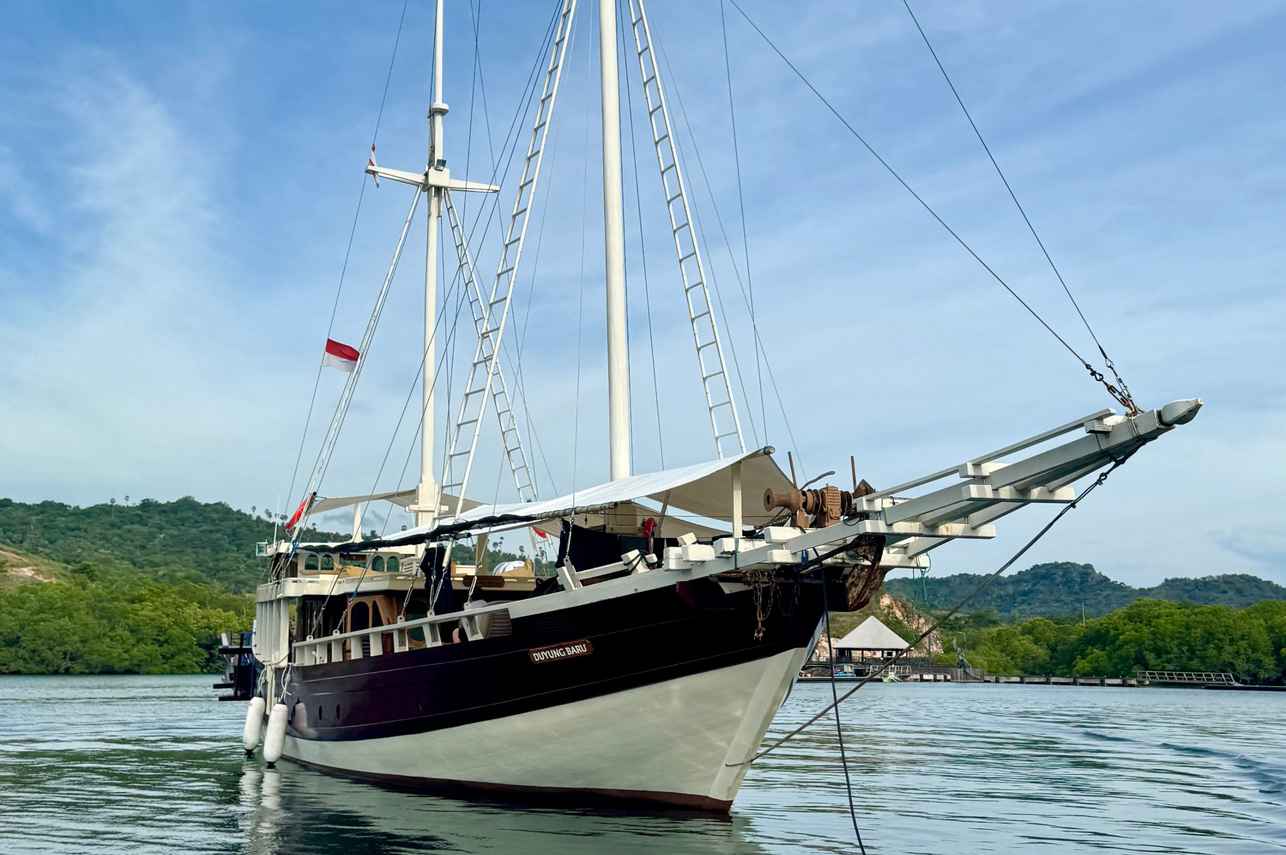
Ecopro Duyung Baru
Indonesia
6 guests27 m
$361/day
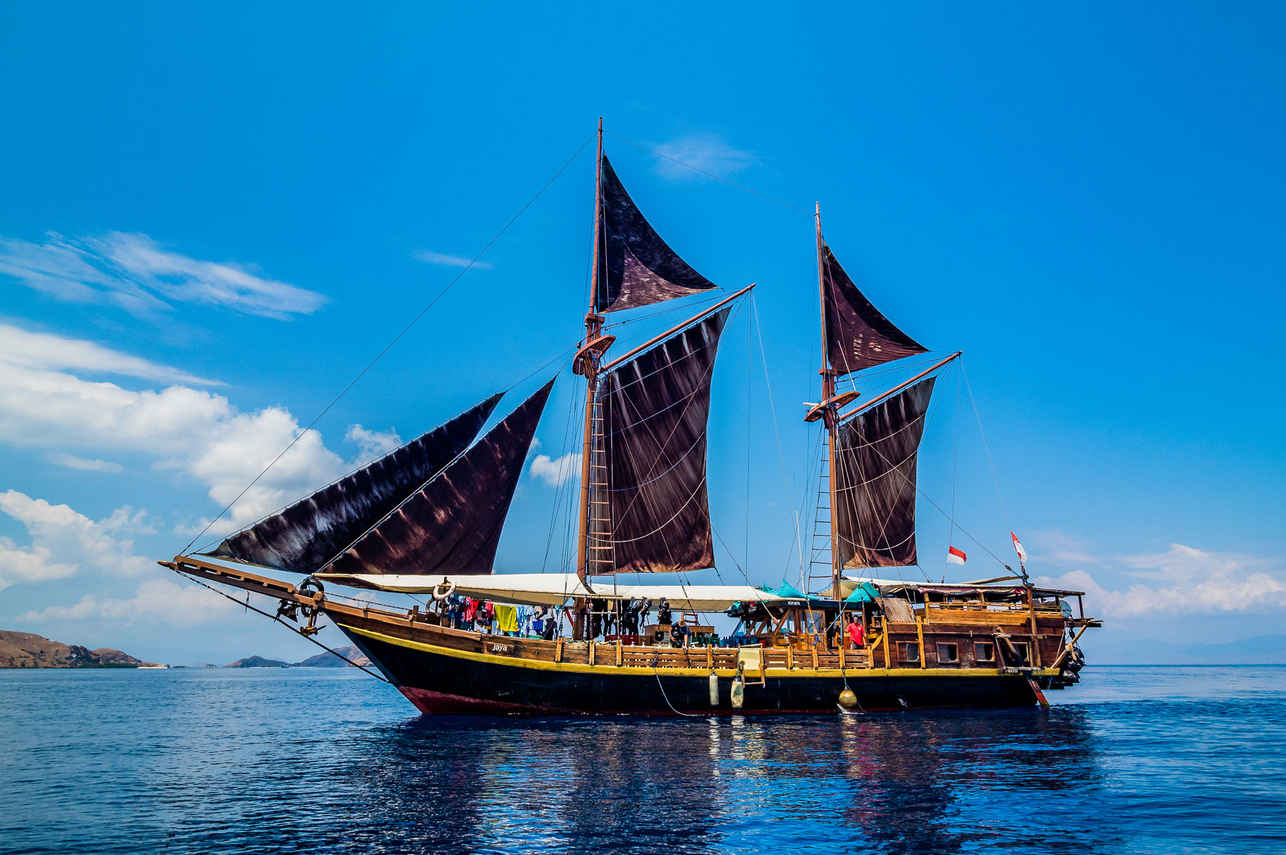
Jaya
Indonesia
14 guests23 m
$280/day
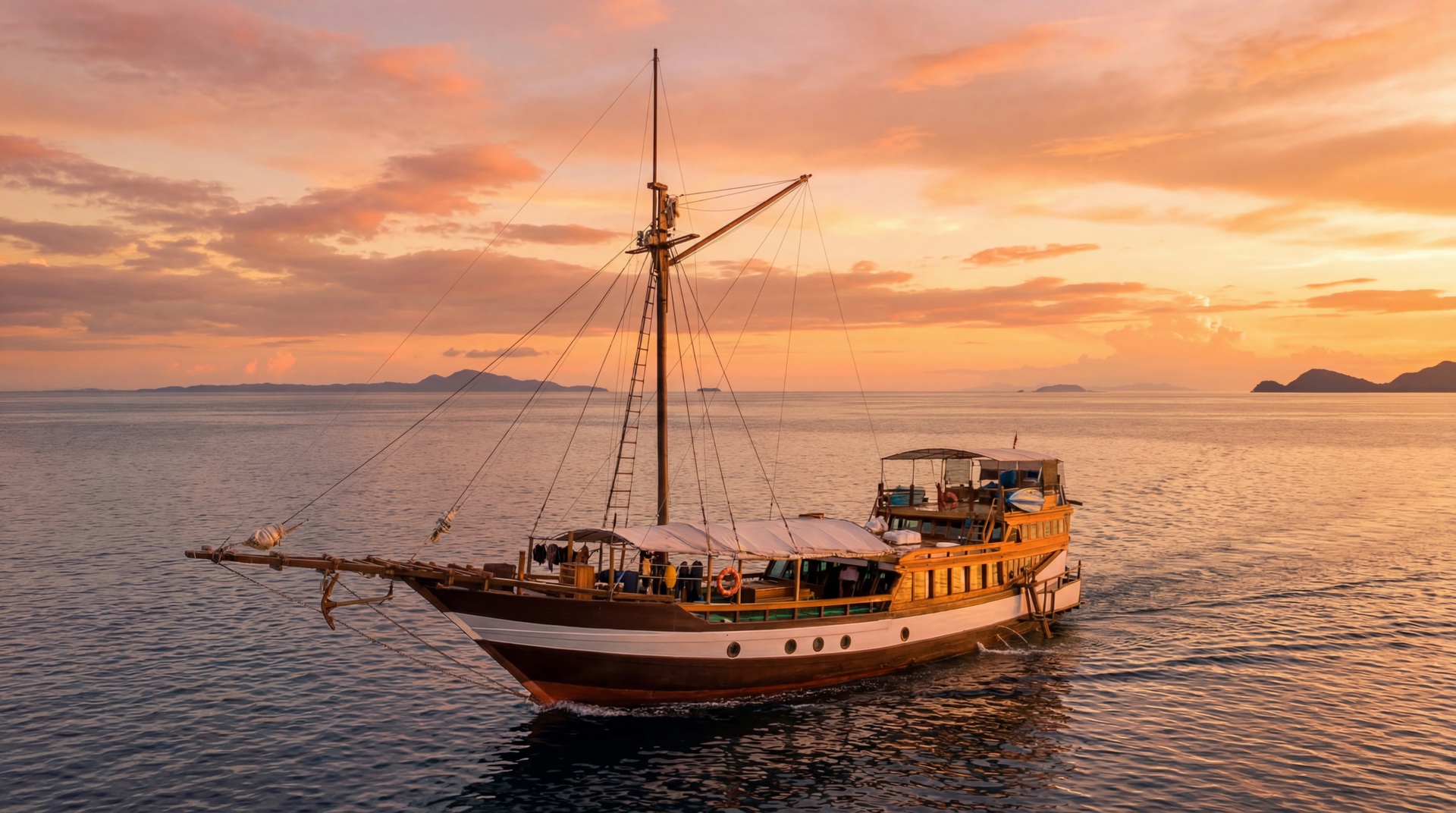
Wellenreng
Indonesia
9 guests25 m
$427/day
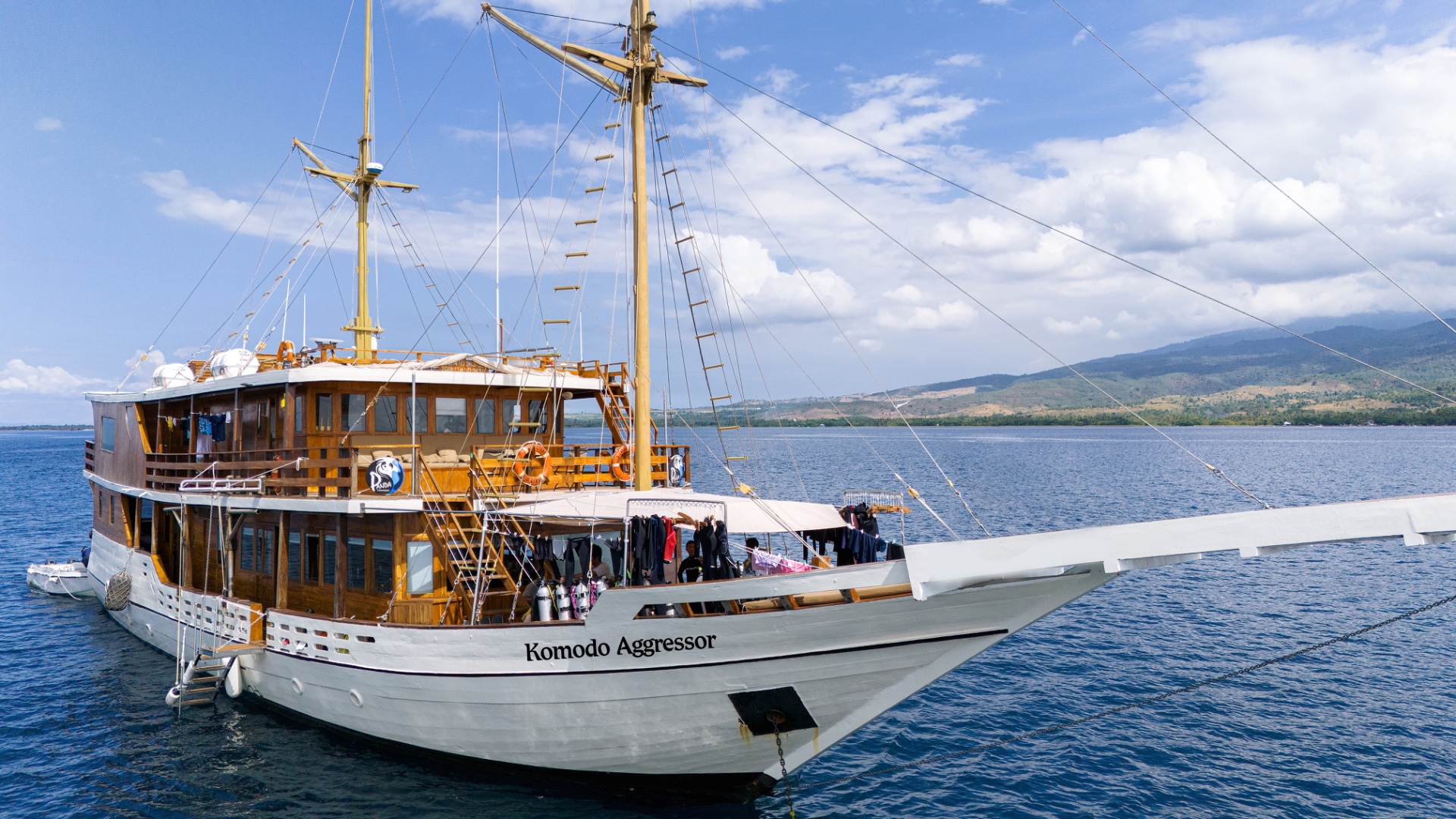
Komodo Aggressor
Komodo, Indonesia
16 guests29 m
$312/day
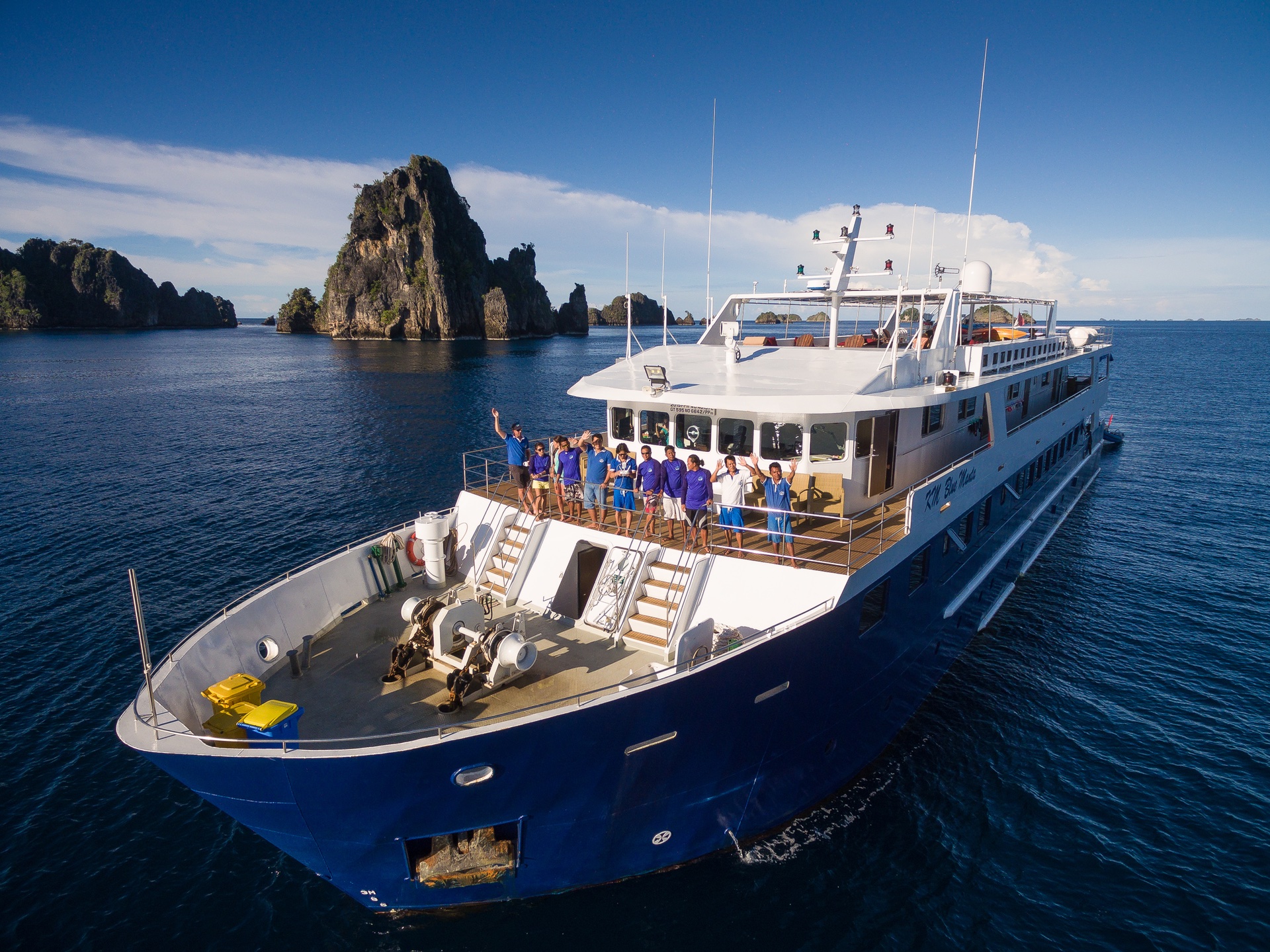
Blue Manta
Indonesia
20 guests45 m
$482/day
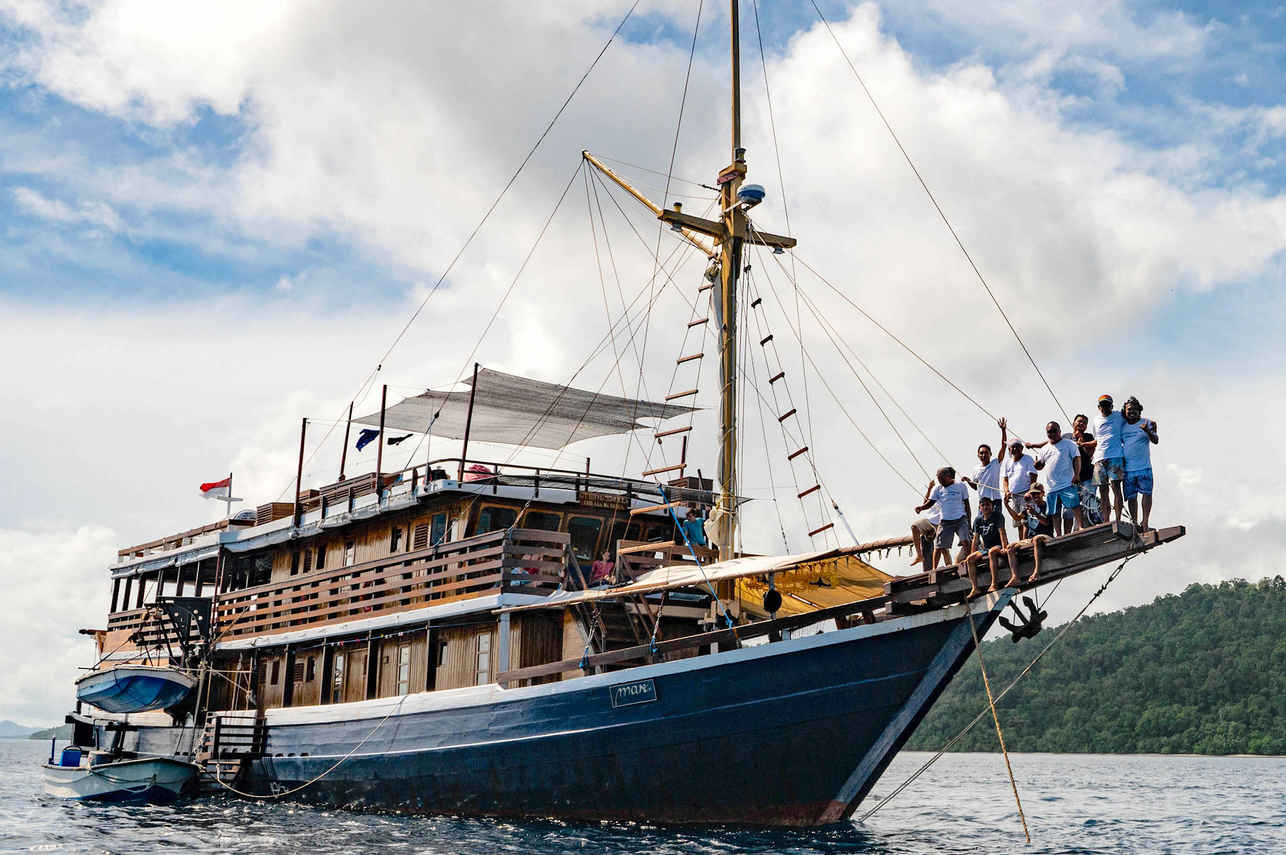
Mari
Indonesia
14 guests32.2 m
$328/day
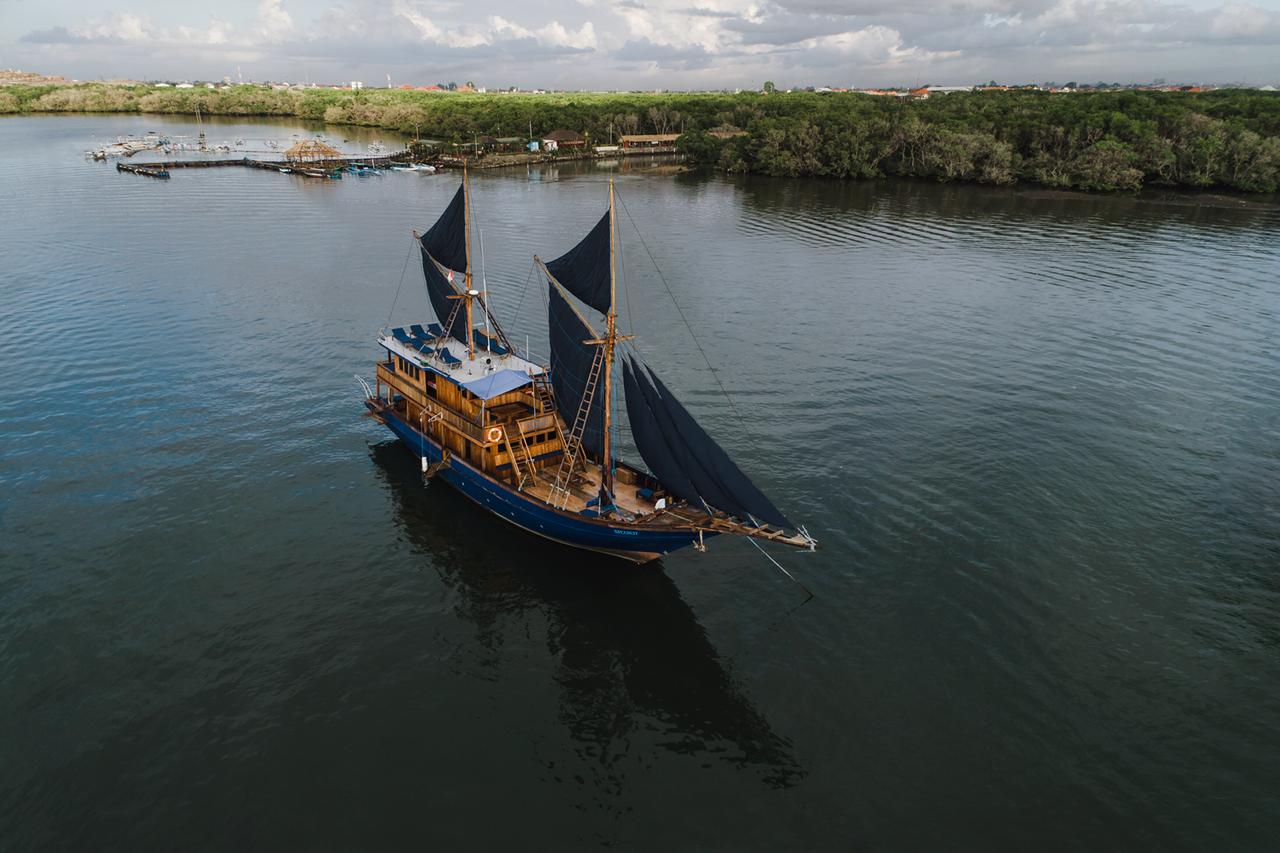
Situju7
Komodo, Indonesia
10 guests32.7 m
$362/day
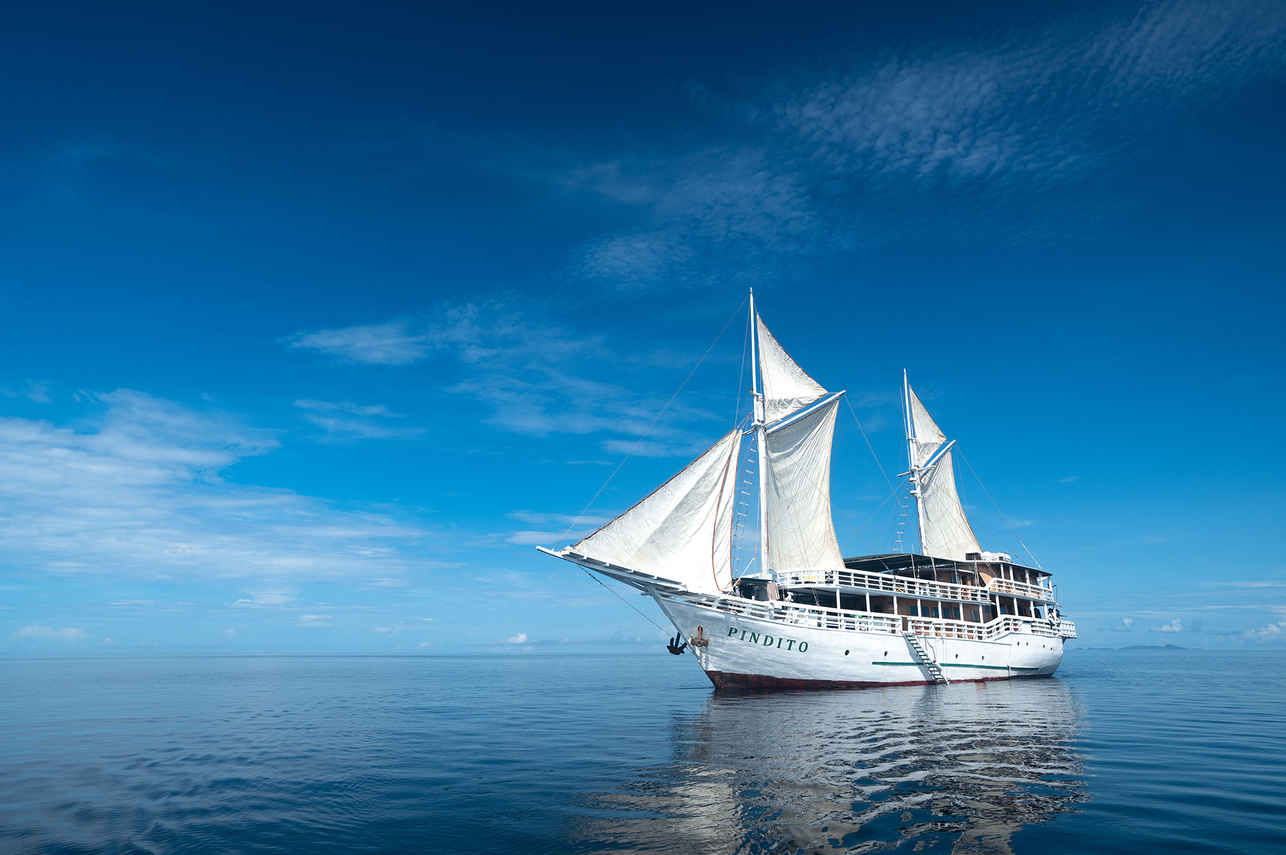
Pindito
Indonesia
16 guests37.79 m
$533/day
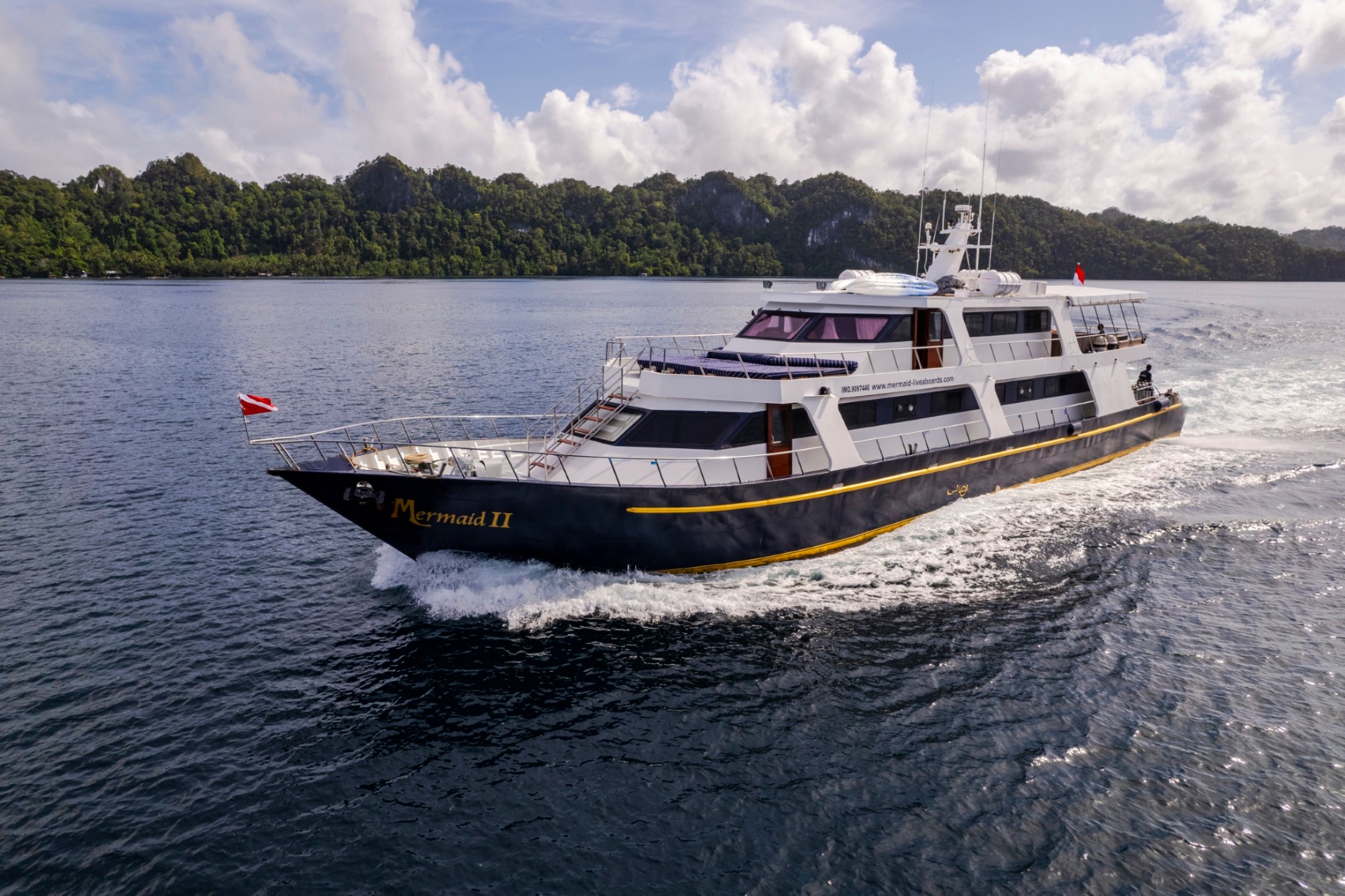
Mermaid II
Komodo, Indonesia
18 guests
$391/day
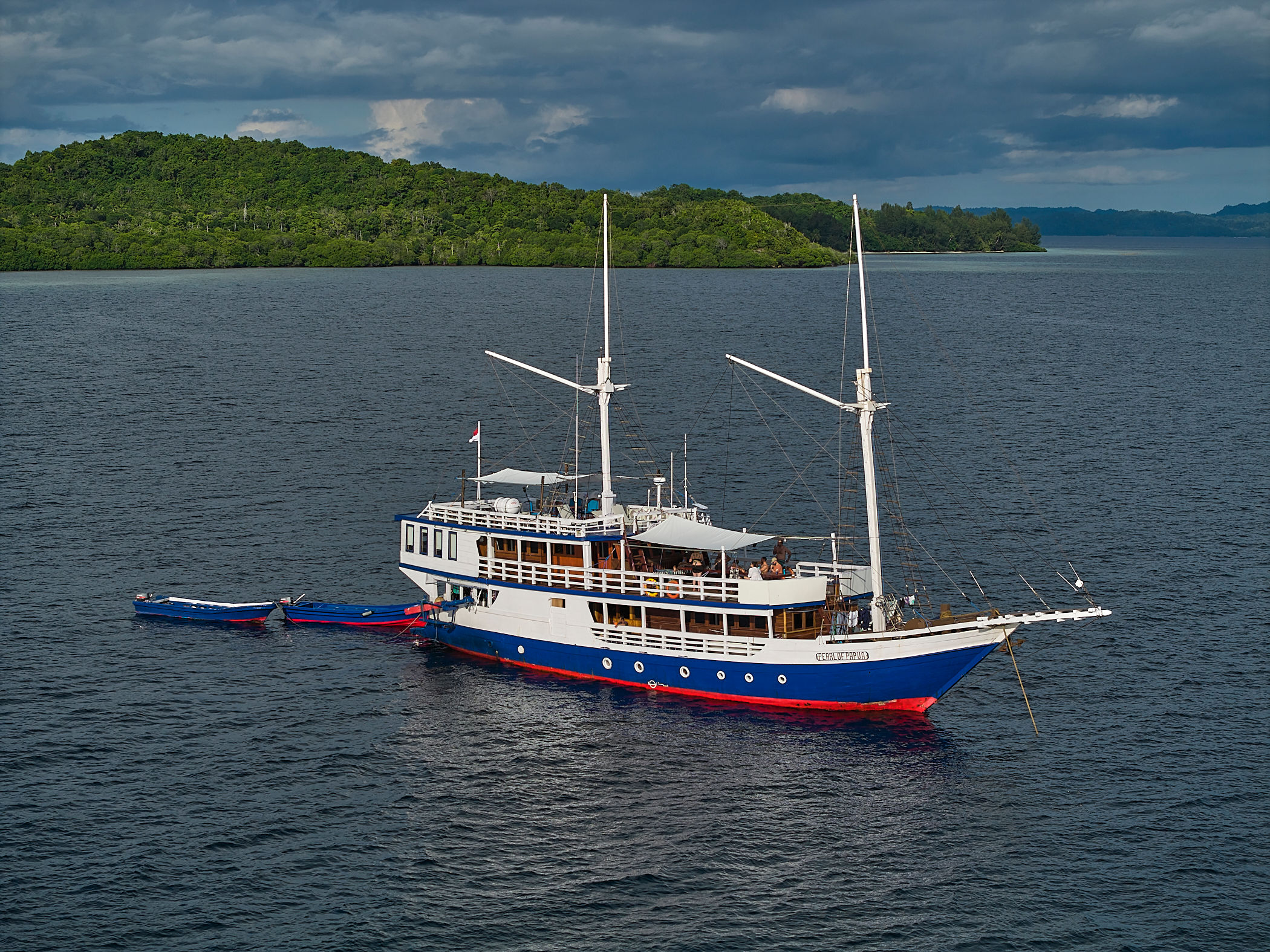
Pearl of Papua
Raja Ampat, Indonesia
14 guests30 m
$303/day
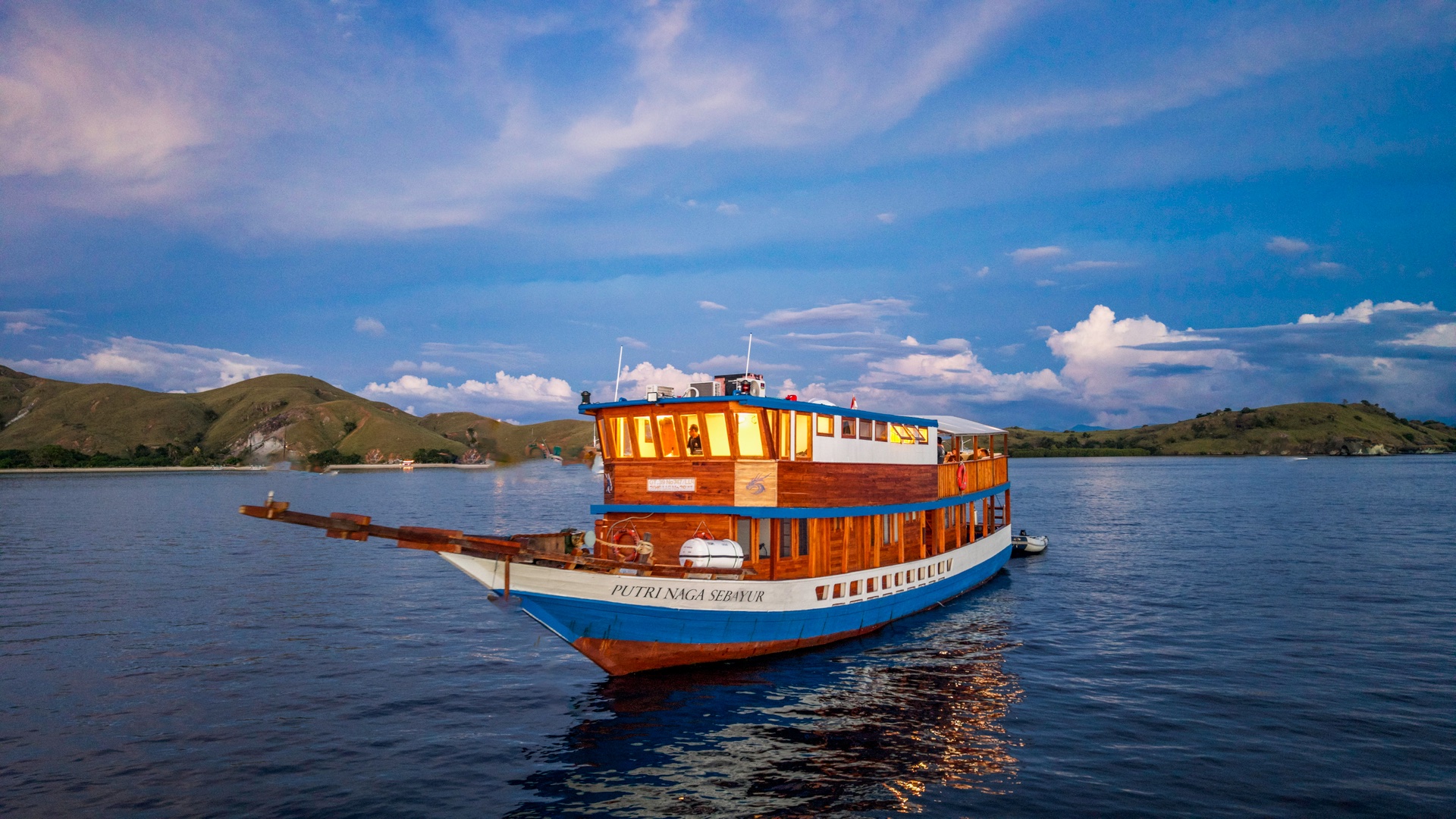
Putri Naga
Komodo, Indonesia
6 guests25 m
Dive sites similar to Manta Point Nusa Penida
Same character, same waters — six more sites divers love for the exact same reasons.Compare seasons, access and liveaboard routes — then pick the site that fits your trip best.
© Esri — Maxar, Earthstar, GIS
Mawali Wreck
Indonesia
The Mawali Wreck, a Japanese cargo ship, rests on its side in the Lembeh Strait, off the northern coast of Sulawesi.
- Suitable for
- Advanced
- Current
- Mild
- Access
- Liveaboard only
- Depth
- 25–40 m
- Theme
- Wreck / Reef
Aljui Bay, located in Raja Ampat's remote northern reaches, was discovered as a premier snorkeling and diving destination by chance in 2011. This bay, situated within the broader…
- Suitable for
- Beginner
- Current
- Mild
- Access
- Liveaboard only
- Depth
- ≤ 20 m
- Theme
- Reef
Babylon is a captivating dive site located in the Alor Sea, renowned for its exceptional visibility and vibrant marine ecosystem.
- Suitable for
- Intermediate
- Current
- Strong
- Access
- Liveaboard or dayboat
- Depth
- 3–20 m
- Theme
- Reef / Wall
Wakatobi, an acronym for the islands of Wangi-Wangi, Kaledupa, Tomia, and Binongko, lies in Southeast Sulawesi, Indonesia, at the heart of the Coral Triangle.
- Suitable for
- Beginner
- Current
- No current
- Access
- Liveaboard only
- Depth
- 5–30 m
- Theme
- Wall / Reef
© Esri — Maxar, Earthstar, GIS
Cornucopia
Indonesia
Cornucopia, aptly named the 'horn of plenty,' is celebrated as Wakatobi's most spectacular wall dive, offering a diverse and nutrient-rich underwater environment.
- Suitable for
- Intermediate
- Current
- Mild
- Access
- Liveaboard only
- Depth
- 5–40 m
- Theme
- Reef
© Esri — Maxar, Earthstar, GIS
Raymond’s Point
Indonesia
Raymond's Point is a distinguished dive site located south of Mike's Point within the Bunaken National Marine Park, renowned for its dramatic vertical wall.
- Suitable for
- Advanced
- Current
- Strong
- Access
- Dayboat
- Depth
- 5–35 m
- Theme
- Reef / Wall