About Karang Makassar
Karang Makassar, widely known as Manta Point, offers one of Komodo National Park's most reliable manta ray encounters. This extended underwater plateau, characterized by a sand and rubble channel between Komodo and Rinca, is a crucial feeding and cleaning ground for both reef manta rays (Mobula alfredi) and occasionally oceanic mantas (Mobula birostris). While the coral architecture is sparse compared to other Komodo sites, the consistent manta activity, including their graceful circling over cleaning stations and distinctive barrel-rolling, defines the dive experience. The site primarily consists of a gently sloping bottom of rubble and sand, interspersed with scattered coral clusters and sponge patches that serve as vital cleaning stations. Divers typically explore the area between 8 and 18 meters, often as a drift dive that capitalizes on the prevailing currents to move along these cleaning stations. This unique topography attracts a diverse array of marine life beyond mantas, such as eagle rays, reef sharks, and schooling fish, while macro enthusiasts can discover nudibranchs and shrimp gobies within the rubble. Manta sightings are frequent by global standards, particularly from April through November, although activity can be observed year-round. Variability in plankton blooms, tidal phases, and water temperature influences manta behavior and visibility. Patient divers who maintain position or drift slowly are often rewarded with close interactions, making it an exceptional site for observing these giants in their natural habitat. Most divers access Karang Makassar from Labuan Bajo, either via day boats or liveaboard itineraries, which frequently combine it with other central or northern park sites. The site's conditions are generally suitable for newly certified divers under supervision, especially during mild current days, though strong currents require good buoyancy control and awareness.
Highlights
Reef manta ray encountersCleaning station observationsGentle drift divingEagle rays and reef sharksKomodo National Park
Season calendar
Best months to dive here
Jan
Feb
Mar
Apr
May
Jun
Jul
Aug
Sep
Oct
Nov
Dec
Good
Dive site facts: Karang Makassar
- Depth
- 5–18 m
- Typical dive
- 8–18 m
- Current
- Mild to strong drift
- Visibility
- 10–20 m
- Water temperature
- 26–29°C
- Entry
- Live drop / Tender
- Level
- Open Water and up, drift discipline
- Dive type
- Drift, pelagic, macro
- Night dive
- Not typical
- Region / port
- Komodo National Park
- Coordinates
- -8.6234, 119.4812
Conditions & Currents
Karang Makassar is typically dived as a drift, with current strength varying from mild to occasionally strong depending on tidal phases and moon cycles. Divers enter up-current and allow the flow to carry them along the plateau, observing cleaning stations. Good buoyancy control and awareness of current direction are essential, particularly when conditions pick up, though the site often remains accessible for less experienced divers under supervision. Visibility ranges from 10 to 20 meters, but can decrease when plankton levels are high, which paradoxically can indicate increased manta feeding activity. There is generally no significant thermocline within the main diving depth.
Marine life & sighting chances

Reef Manta Ray
April–November · common
Giant Oceanic Manta Ray
occasional
Blacktip Reef Shark
occasional
Whitetip Reef Shark
occasional
Eagle Ray
occasional
Green Turtle
occasional
Hawksbill Turtle
occasional
Moray Eel
occasional
Bumphead Parrotfish
occasional
Wrasse
commonFlasher Wrasse
occasional
Shrimp Goby
occasional
Nudibranch
occasional
Octopus
rareDive profile & how the dive runs
Diving Karang Makassar usually begins with a live drop from the boat up-current. Divers descend to the shallow plateau, typically maintaining a depth between 8 and 15 meters, where the manta cleaning stations are concentrated. The dive progresses as a drift along the reef, allowing the current to carry divers past various coral bommies and rubble patches where mantas often gather. Guide direction is crucial here to position divers optimally for manta encounters without disturbing the animals. The turn point is determined by current strength and air consumption. The safety stop is usually performed in the blue, either tethered to the guide or in open water, before surfacing for boat pickup down-current.
Underwater photography
Karang Makassar is a prime location for wide-angle photography, focusing on its signature manta rays. A fisheye or wide-angle lens is ideal for capturing the majestic animals and their interactions around cleaning stations. Given the relatively shallow depth and potential for bright conditions, consider using strobes or video lights to fill in shadows and enhance color, especially when shooting into the sun. Patience is key; position yourself calmly near cleaning stations, avoiding chasing the mantas, and let them approach you. For macro enthusiasts, the rubble areas hold hidden gems like nudibranchs and shrimp gobies, requiring a macro lens and careful buoyancy to avoid stirring up sand.
Combine with nearby dive sites
- Batu Bolong
Known for vibrant coral and reef sharks, offering a contrasting reef experience.
- The Cauldron
A thrilling drift dive with strong currents and pelagic encounters.
- Manta Alley
A different manta site in the south of Komodo, with colder, richer waters and potentially larger aggregations.
- Tatawa Kecil
Nearby site known for its beautiful corals and abundant fish life.
- Castle Rock
A seamount attracting large pelagic species with strong currents.
Getting there & logistics
Most divers travel to Komodo National Park via Labuan Bajo, Flores (LBJ airport), which serves as the primary gateway. From Labuan Bajo, Karang Makassar is accessible by both daily dive boats and liveaboard vessels, typically requiring a 90-minute to two-hour surface journey on a fast boat. It's often included in itineraries that explore the central and northern parts of Komodo National Park. Liveaboard trips can range from 3 to 10 days, offering more comprehensive access to various dive sites, including those further south. A Komodo National Park entrance and diving permit is required, usually covered by the dive operator.
Safety & environment
Diving at Karang Makassar, like many Komodo sites, requires adherence to careful safety protocols due to variable currents. Always follow your dive guide's instructions for entry, drift trajectory, and boat pickup. Maintain excellent buoyancy to avoid contact with the fragile cleaning stations and the sand. The nearest recompression chamber is in Denpasar, Bali, necessitating robust evacuation procedures. Comprehensive dive insurance, including coverage for emergency medical and evacuation costs, is highly recommended. Always carry a surface marker buoy (SMB) and know how to deploy it, especially during drift dives where surfacing away from the boat is possible.
Who it suits — and who it doesn't
Suited for
- New divers with good buoyancy control
- Drift dive enthusiasts
- Manta ray photographers
- Snorkelers (on calm days)
- Divers seeking reliable pelagic encounters
Less suited for
- Divers seeking pristine coral gardens
- Divers with poor buoyancy control in currents
- Divers who expect guaranteed manta sightings
- Divers uncomfortable with drift diving
- Macro-focused photographers prioritizing reef terrain
FAQ
Karang Makassar FAQ
Is Karang Makassar the same place as Manta Point?
Yes, Karang Makassar is the official name for the dive site commonly known as Manta Point. It refers to the extended rubble and sand plateau where manta rays are frequently observed. The name "Manta Point" is widely used in marketing and by dive guides due to the site's primary attraction.
How deep is diving at Karang Makassar?
Diving at Karang Makassar typically takes place in shallow to moderate depths, with most of the manta activity occurring between 8 and 18 meters. The site is a relatively shallow plateau, making it accessible for divers of various experience levels, though good buoyancy control is always essential.
When am I most likely to see manta rays in Komodo?
While manta rays can be seen year-round in Komodo, sightings at Karang Makassar are generally most consistent from April through November. These months often coincide with optimal plankton blooms and more stable water conditions, increasing the frequency of manta ray visits to their cleaning stations.
Is Manta Point suitable for beginner divers?
Manta Point (Karang Makassar) is often suitable for newly certified divers, especially when currents are mild. It is typically a drift dive, so comfort with currents and good buoyancy control are important. Beginners should always dive under professional supervision and receive a thorough briefing on conditions.
What if we do not see mantas on the dive?
While Karang Makassar is known for frequent manta sightings, they are wild animals, and encounters are never guaranteed. If mantas are absent, the site still offers other marine life such as eagle rays, reef sharks, and schooling fish. The bottom also holds macro subjects like nudibranchs and shrimp gobies for observant divers.
What kind of terrain is found at Karang Makassar?
Karang Makassar consists primarily of a gently sloping plateau of sand and coral rubble. It is interspersed with scattered coral clusters, sponge patches, and rocky outcrops that function as manta cleaning stations. This unique terrain is what attracts the large pelagic species to the area.
Why dive Karang Makassar from a liveaboard?
Karang Makassar is one of Indonesia's signature dive sites. A liveaboard sleeps you on the water and puts you in the water for three to four guided dives per day, including dawn and night dives that day-boat operators rarely offer. You skip the daily commute back to port and reach quieter, less-crowded sites in the same region on a single trip.
Below are the liveaboards that include Karang Makassar on their Indonesia itineraries.
Liveaboards diving Karang Makassar
These liveaboards may visit Karang Makassar on selected itineraries — the exact dive sites depend on departure, weather and conditions.
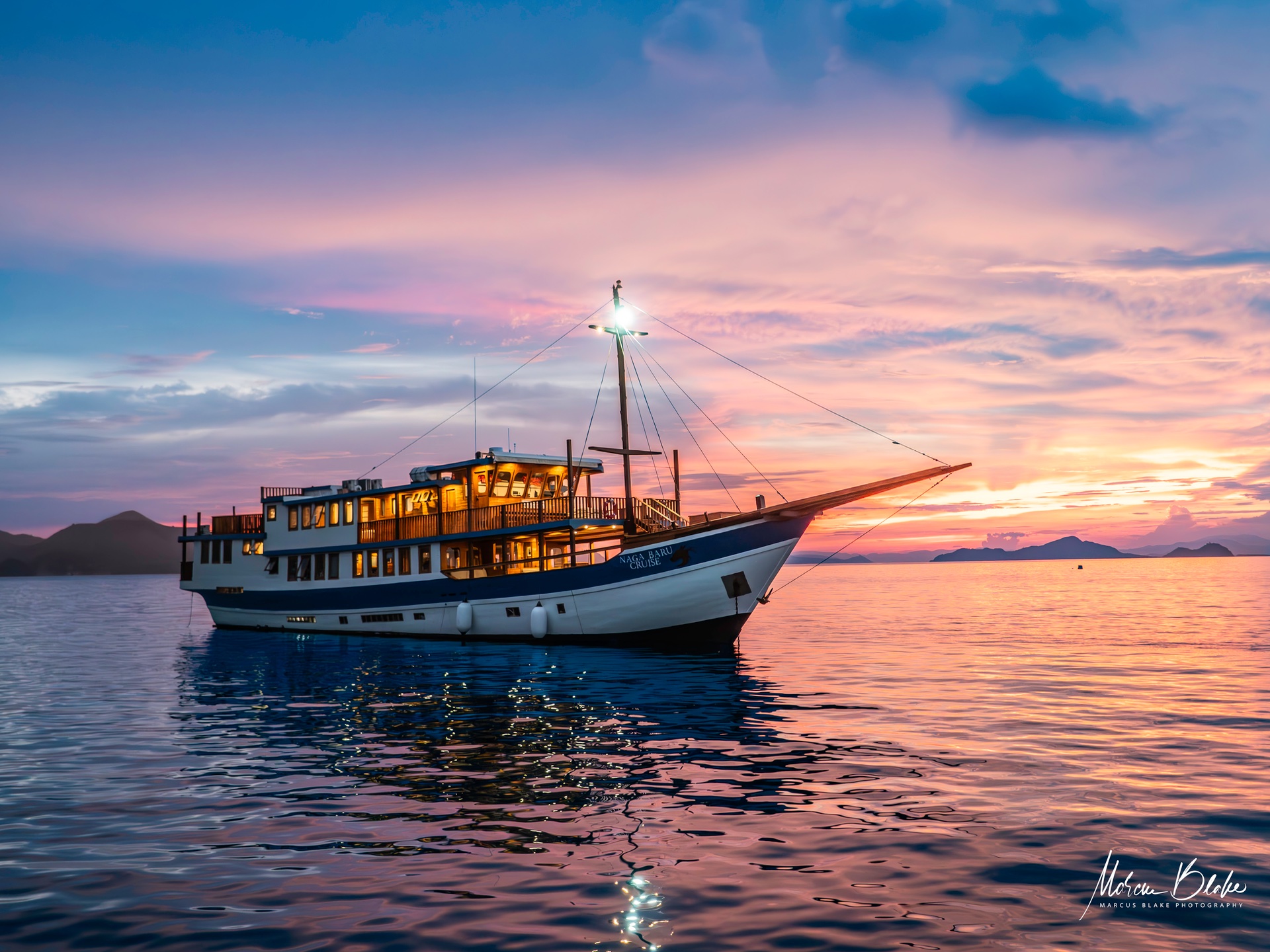
Naga Biru
Indonesia
12 guests40 m
$272/day
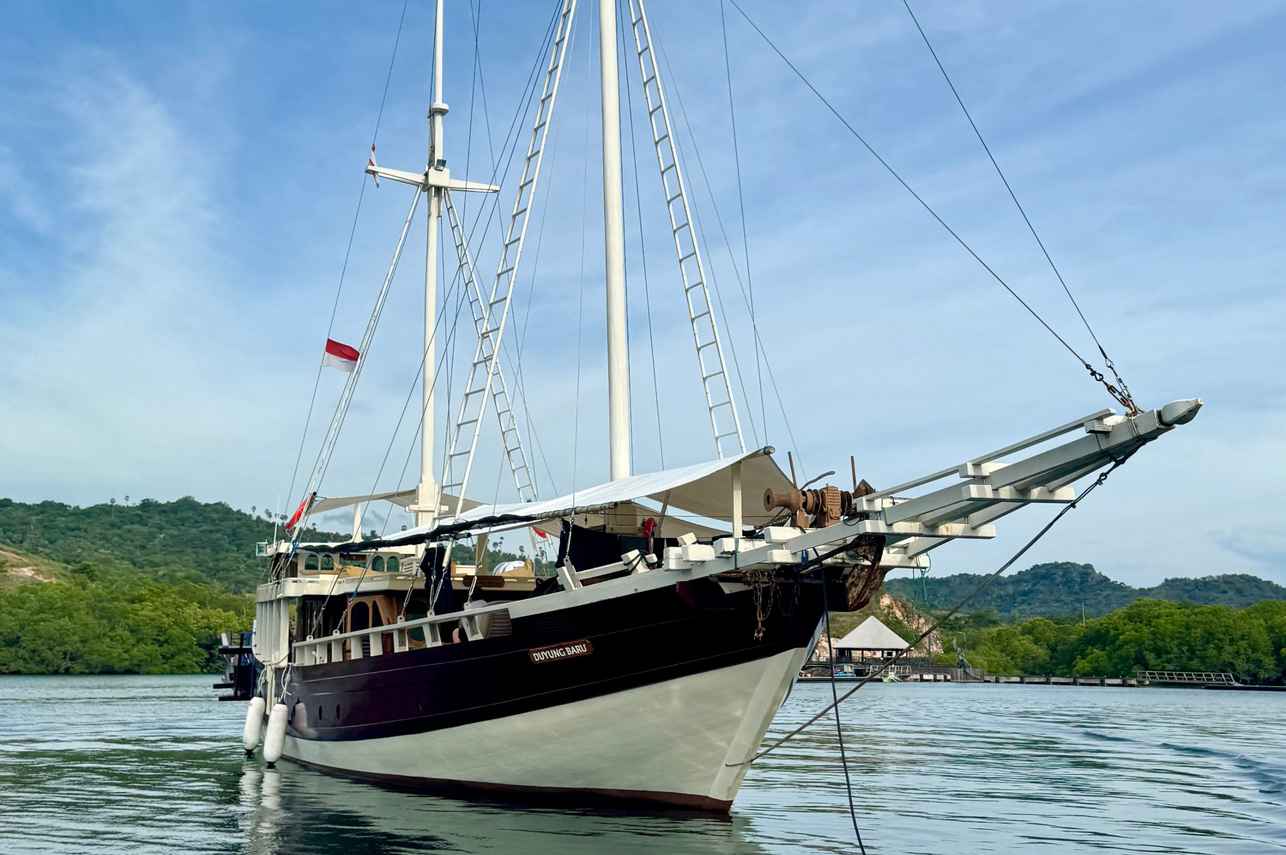
Ecopro Duyung Baru
Indonesia
6 guests27 m
$361/day
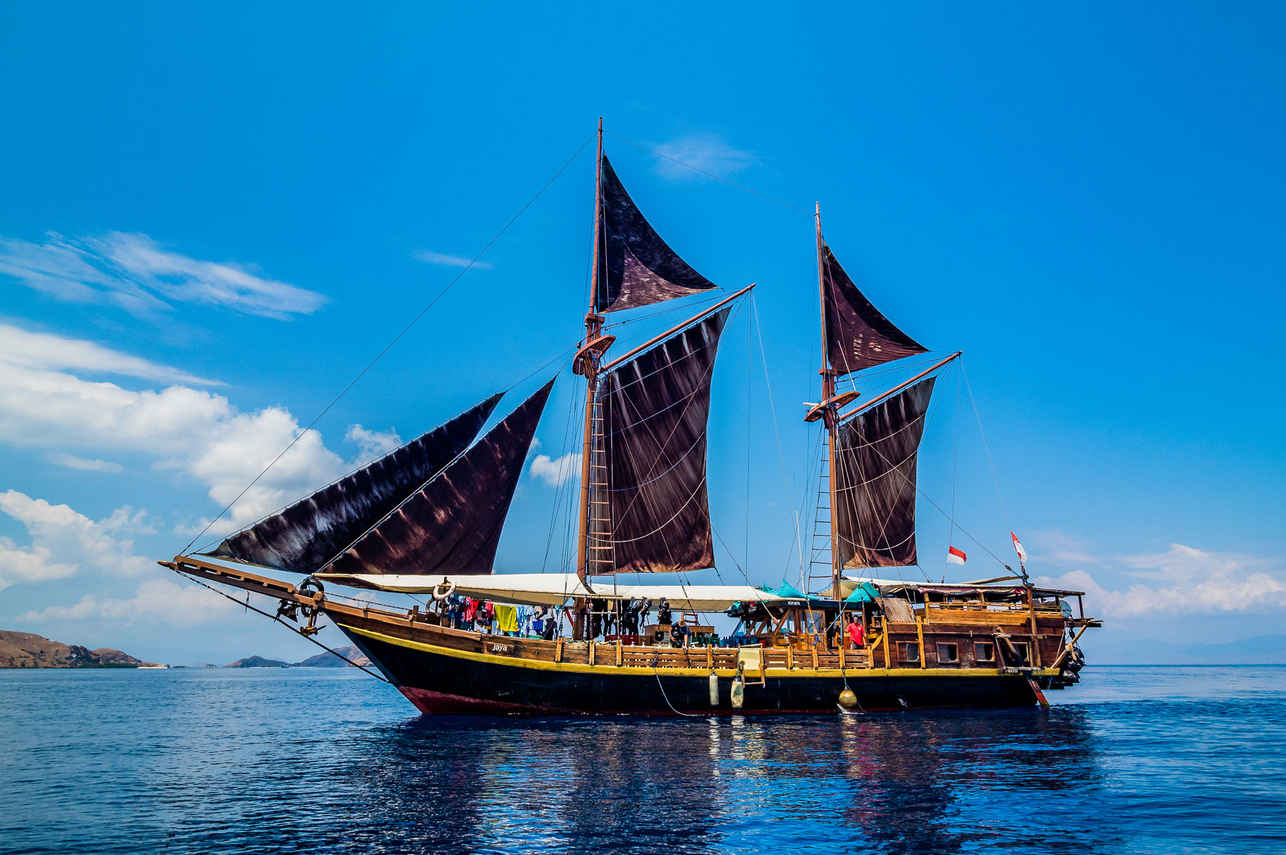
Jaya
Indonesia
14 guests23 m
$280/day
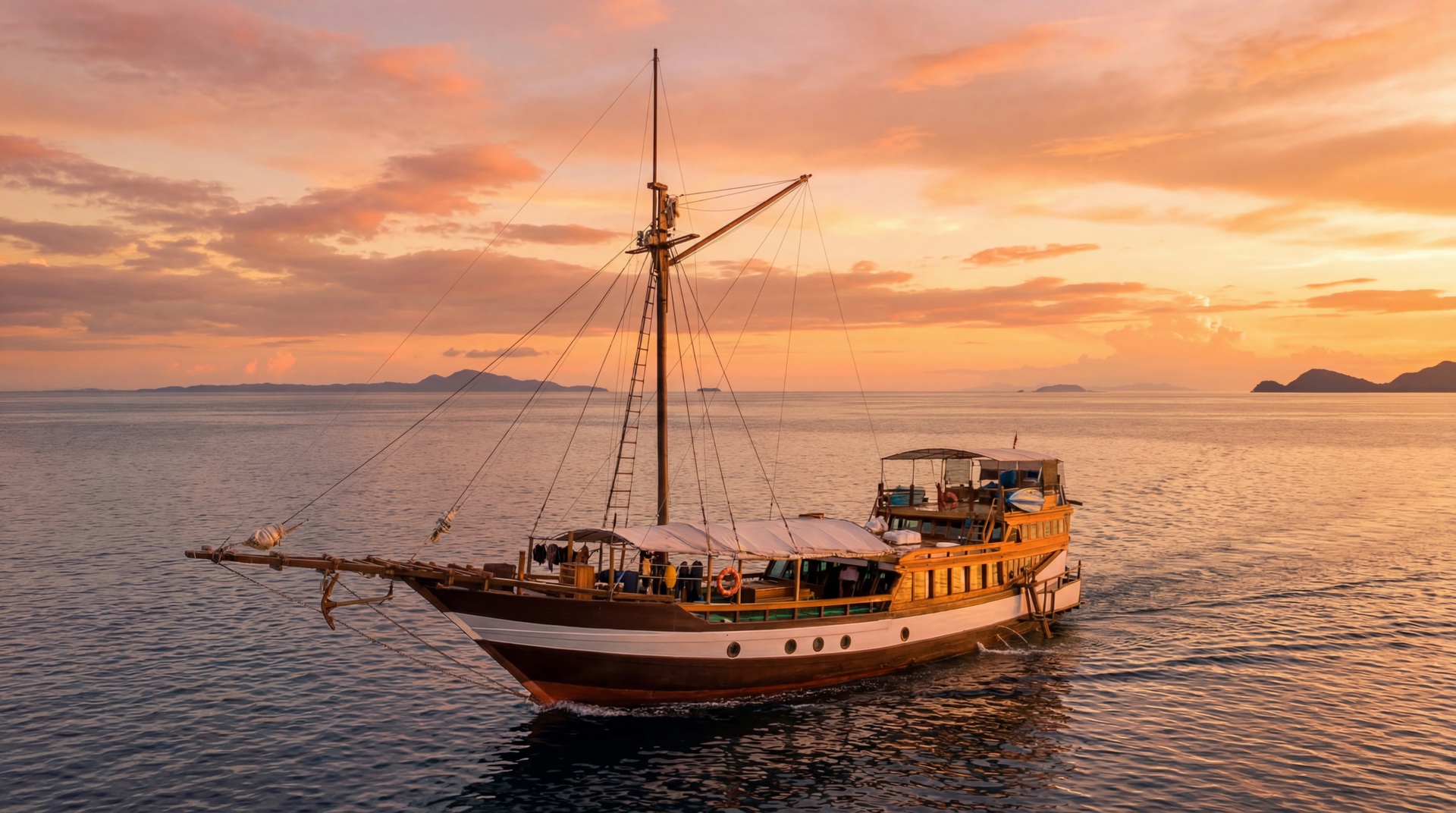
Wellenreng
Indonesia
9 guests25 m
$425/day
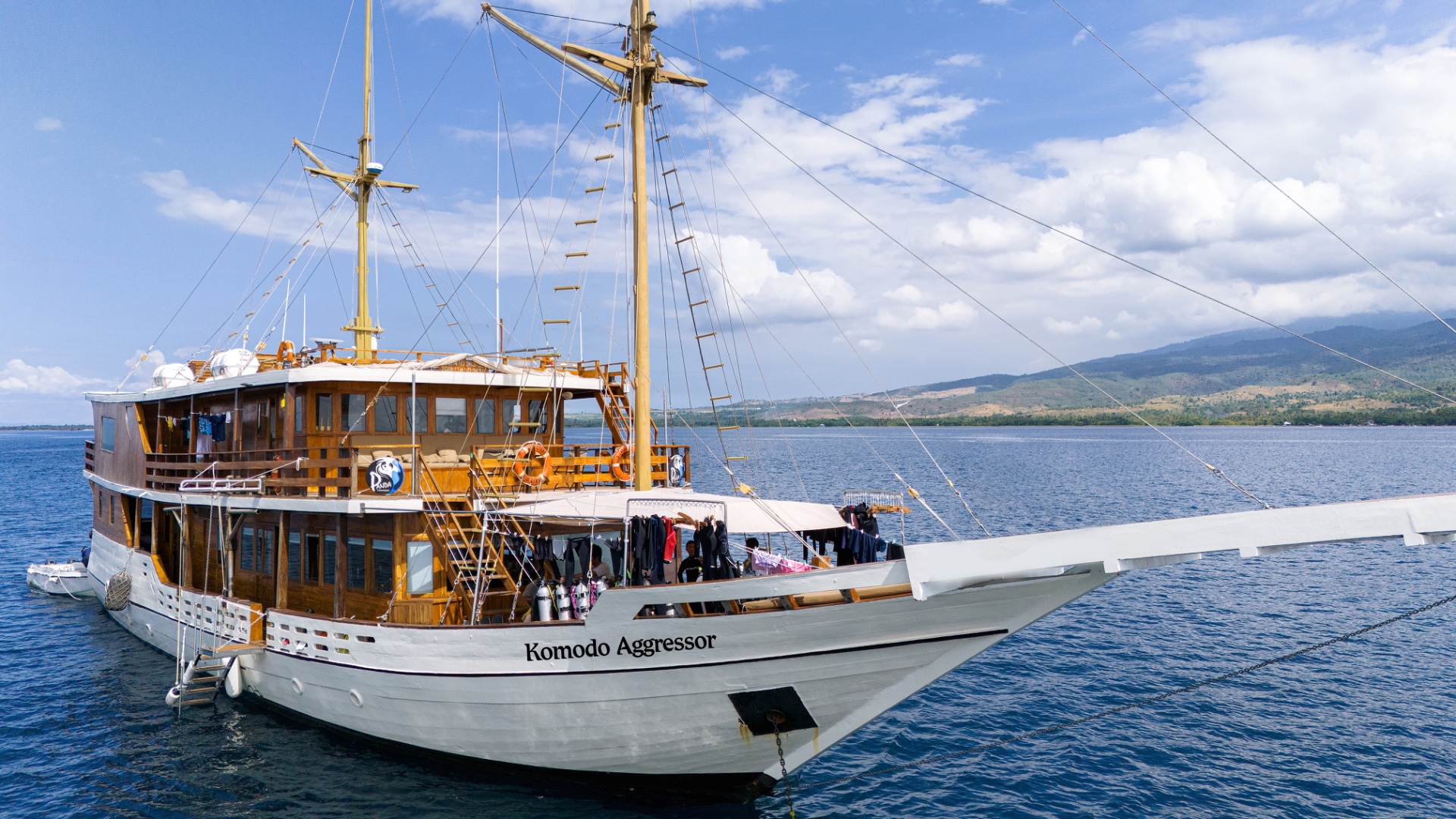
Komodo Aggressor
Komodo, Indonesia
16 guests29 m
$312/day
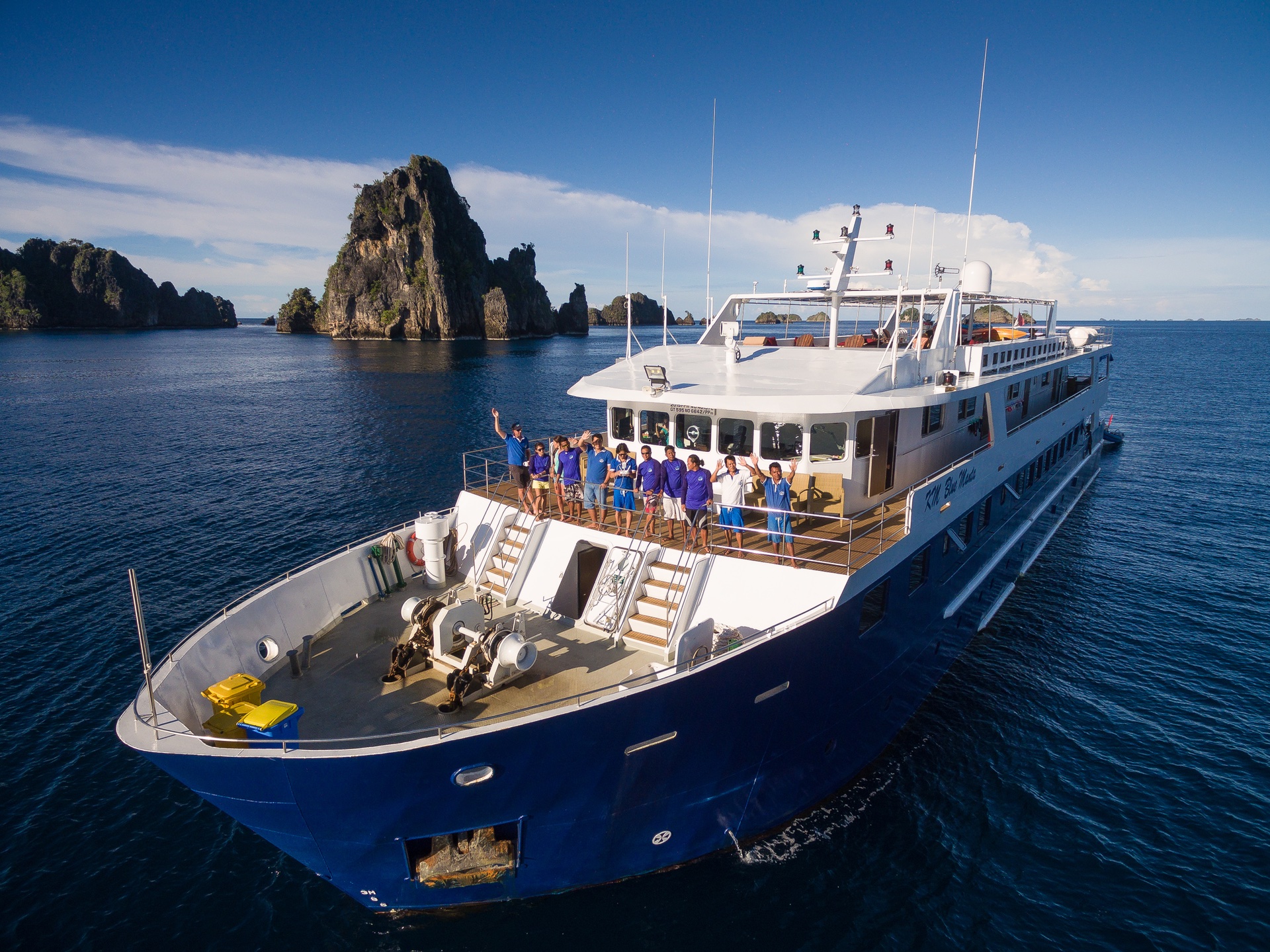
Blue Manta
Indonesia
20 guests45 m
$482/day
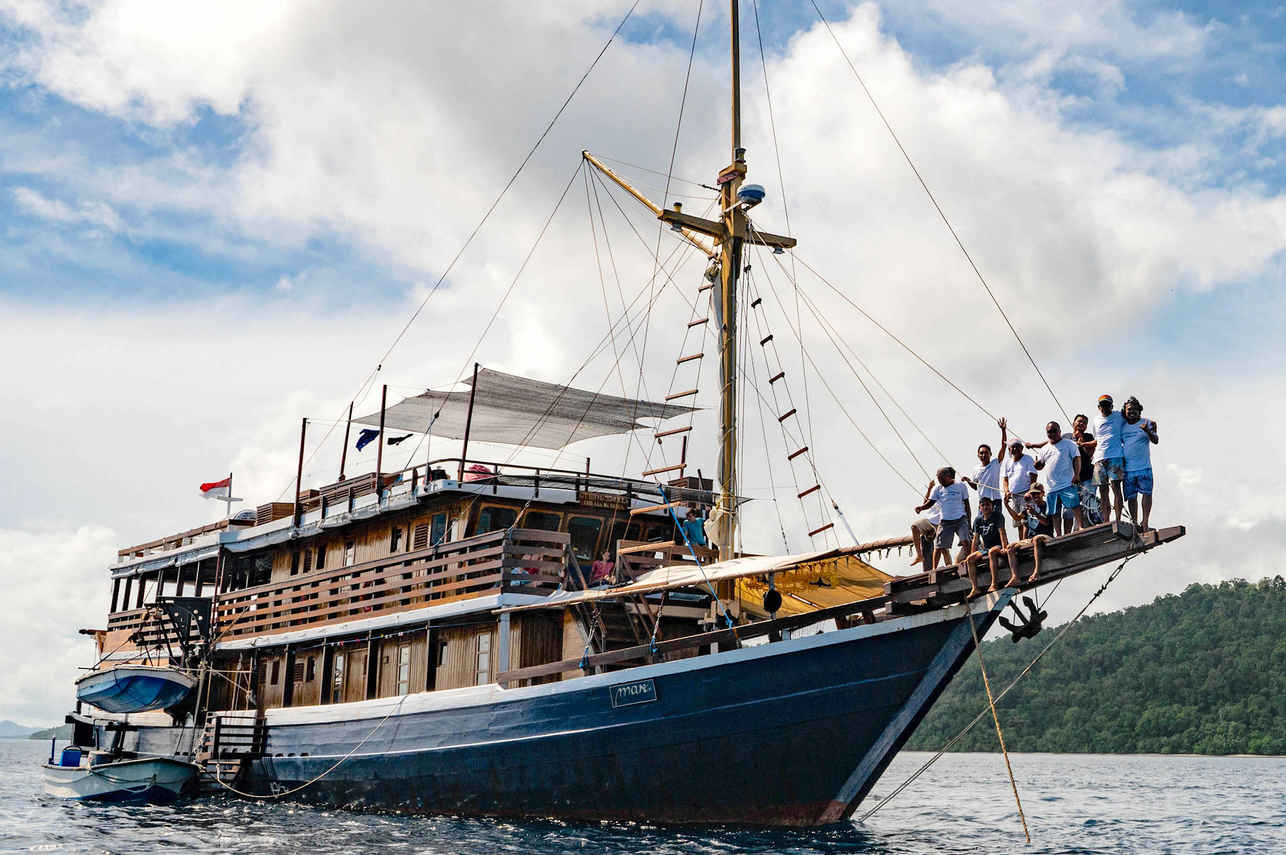
Mari
Indonesia
14 guests32.2 m
$321/day
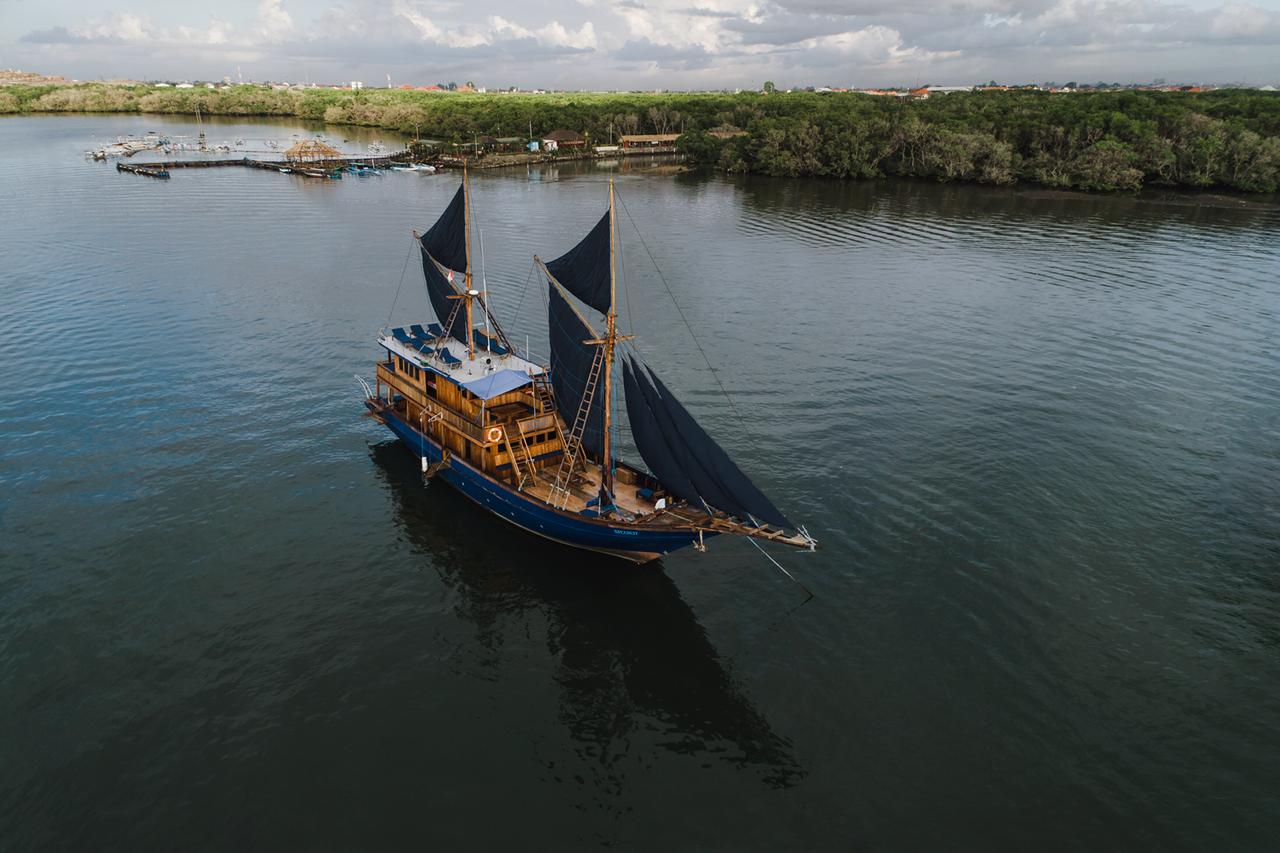
Situju7
Komodo, Indonesia
10 guests32.7 m
$362/day
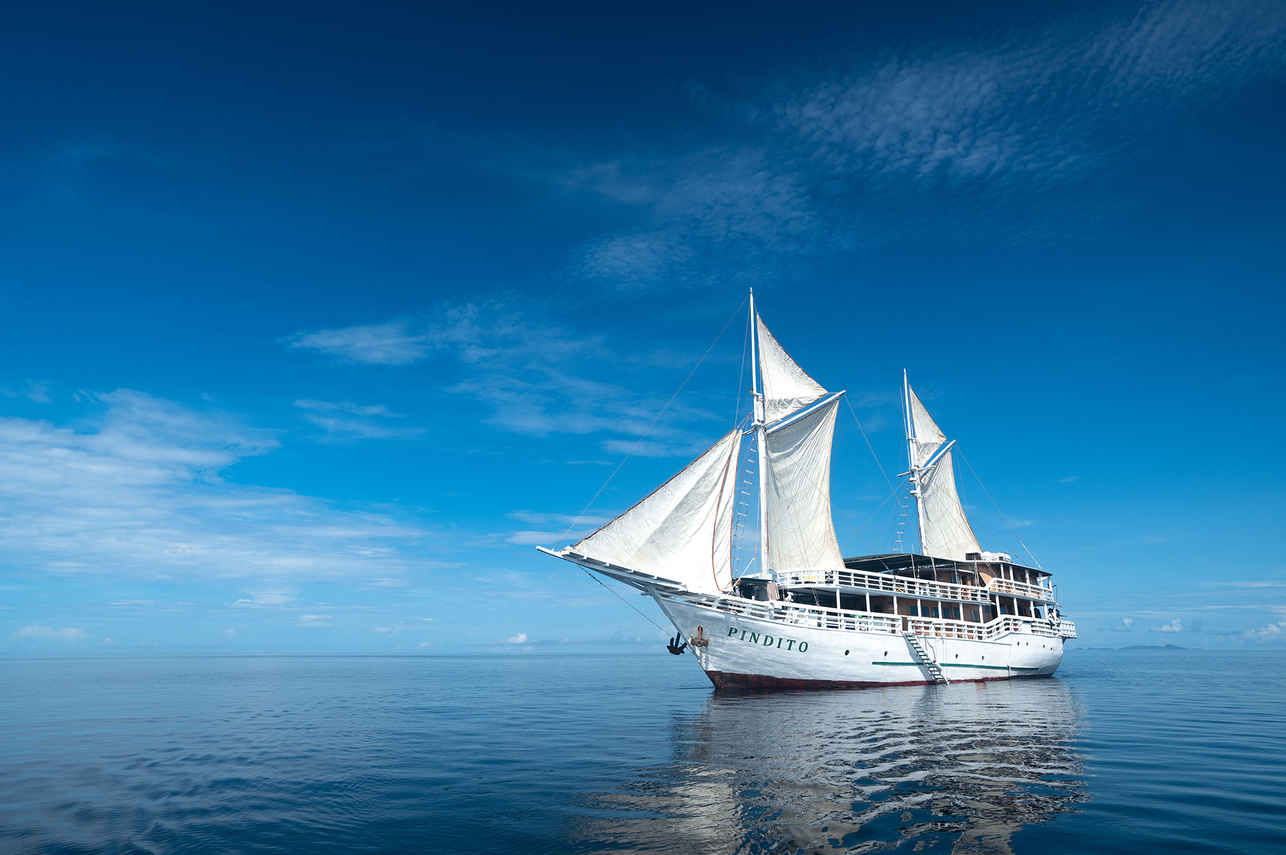
Pindito
Indonesia
16 guests37.79 m
$533/day
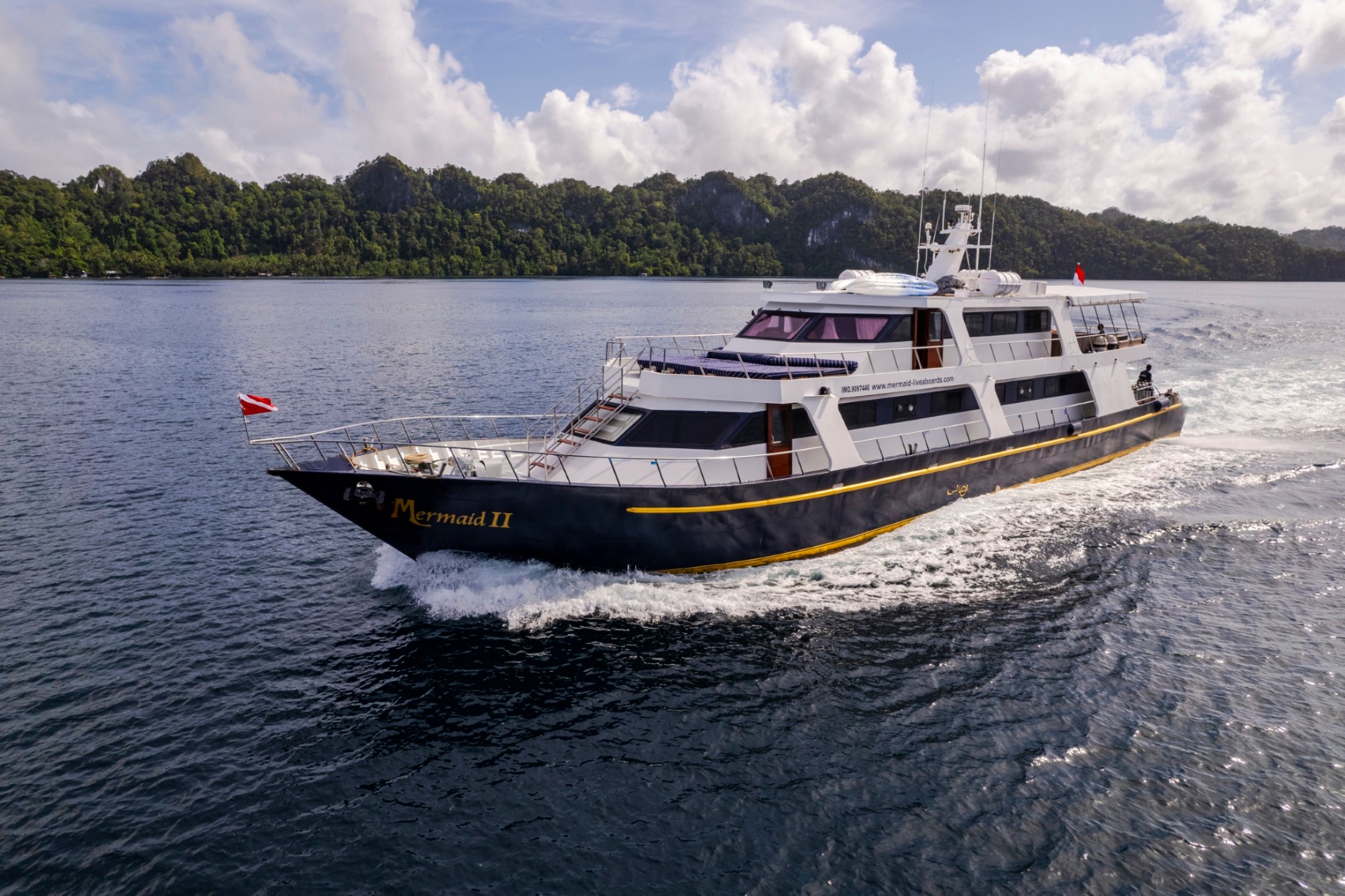
Mermaid II
Komodo, Indonesia
18 guests
$389/day
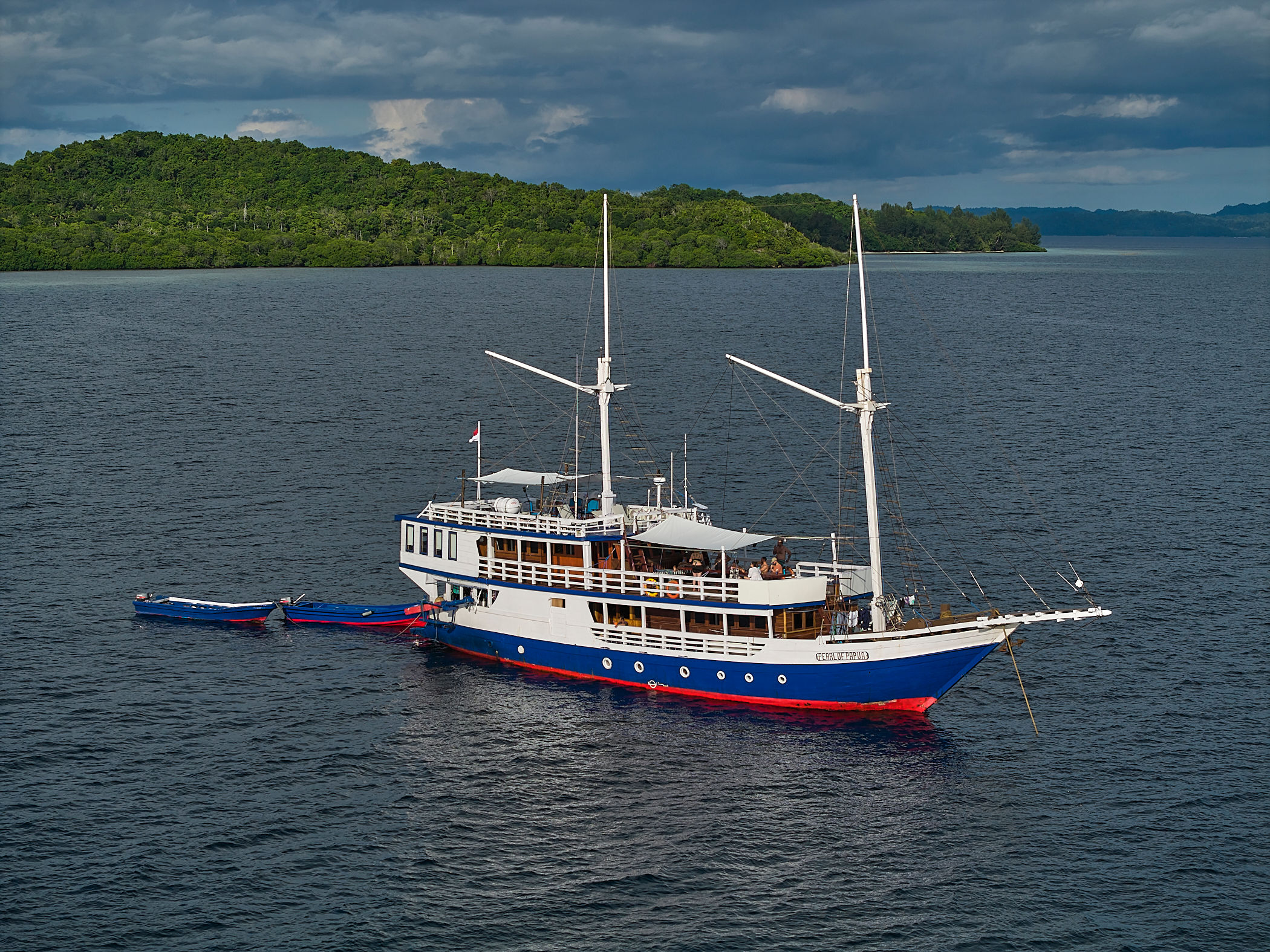
Pearl of Papua
Raja Ampat, Indonesia
14 guests30 m
$303/day
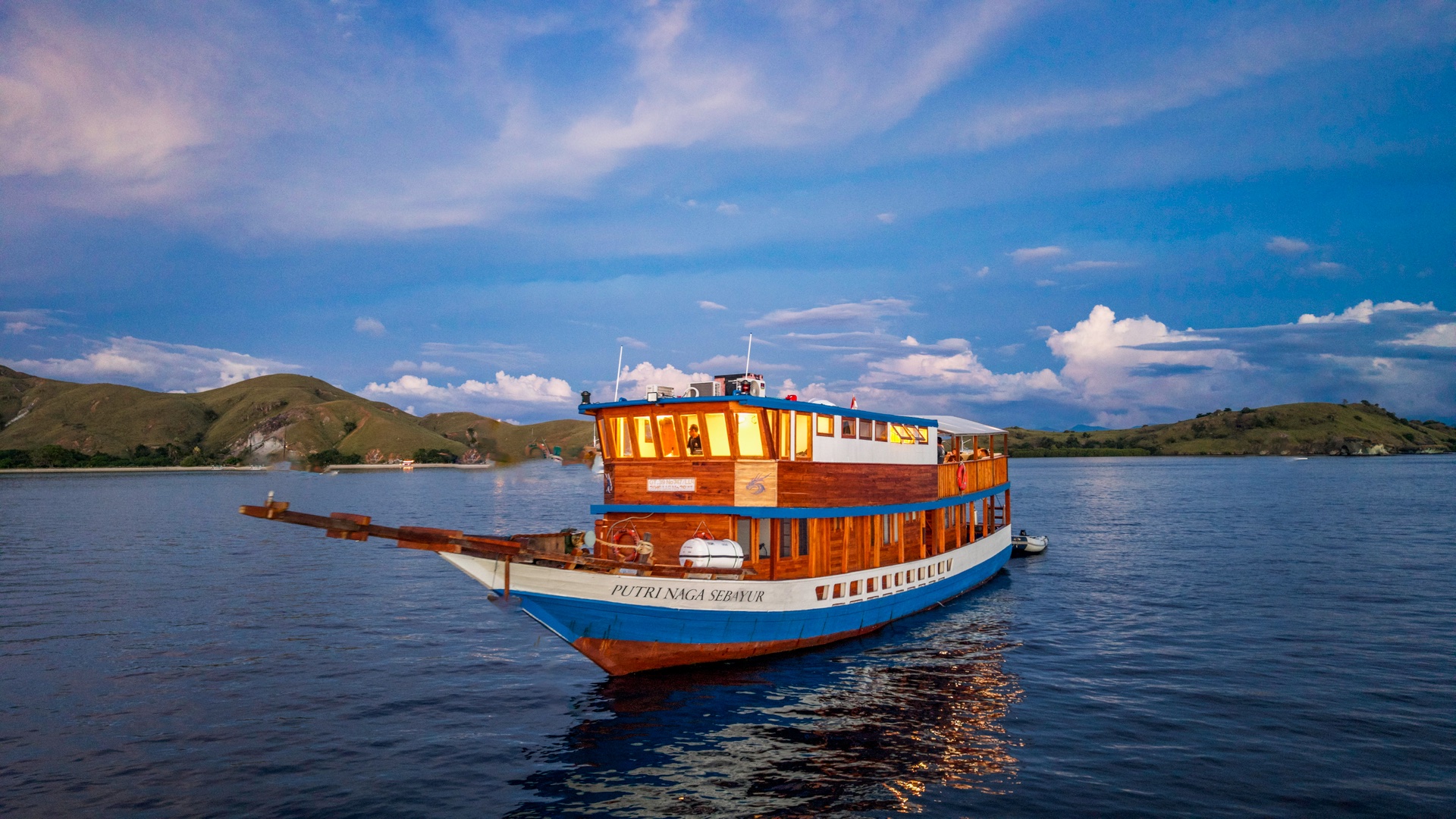
Putri Naga
Komodo, Indonesia
6 guests25 m
Dive sites similar to Karang Makassar
Same character, same waters — six more sites divers love for the exact same reasons.Compare seasons, access and liveaboard routes — then pick the site that fits your trip best.
© Esri — Maxar, Earthstar, GIS
Manado Tua
Indonesia
Manado Tua, or 'Old Manado,' is one of five islands that form the Bunaken Marine Park, a celebrated marine protected area in North Sulawesi, Indonesia.
- Suitable for
- Intermediate
- Current
- Moderate
- Access
- Dayboat
- Depth
- 5–80 m
- Theme
- Wall / Drift
© Esri — Maxar, Earthstar, GIS
Melissa Garden
Indonesia
Melissa Garden stands out as one of Raja Ampat's most spectacular dive sites, celebrated for its expansive and pristine coral gardens.
- Suitable for
- Intermediate
- Current
- Moderate
- Access
- Liveaboard only
- Depth
- 5–25 m
- Theme
- Reef / Drift
© Esri — Maxar, Earthstar, GIS
Raymond’s Point
Indonesia
Raymond's Point is a distinguished dive site located south of Mike's Point within the Bunaken National Marine Park, renowned for its dramatic vertical wall.
- Suitable for
- Advanced
- Current
- Strong
- Access
- Dayboat
- Depth
- 5–35 m
- Theme
- Reef / Wall
© Esri — Maxar, Earthstar, GIS
Kakaban Jellyfish Lake
Indonesia
Kakaban Jellyfish Lake is a unique marine lake located on Kakaban Island, part of the Derawan Archipelago in East Kalimantan, Indonesia.
- Suitable for
- Advanced
- Current
- Strong
- Access
- Dayboat
- Depth
- 5–30 m
- Theme
- Wall / Drift
© Esri — Maxar, Earthstar, GIS
Shark Close
Indonesia
Shark Close is an exhilarating dive site in the Indonesian portion of Borneo, renowned for its strong currents and abundant marine life.
- Suitable for
- Advanced
- Current
- Strong
- Access
- Liveaboard or dayboat
- Depth
- 5–25 m
- Theme
- Channel / Drift
© Esri — Maxar, Earthstar, GIS
Big Fish Country
Indonesia
Big Fish Country, located in the Derawan Islands of East Kalimantan, is a renowned dive site where nutrient-rich waters from the Celebes Sea converge, creating an exceptional hub for large marine life.
- Suitable for
- Advanced
- Current
- Ripping
- Access
- Liveaboard only
- Depth
- 20–30 m
- Theme
- Reef / Wall