About Manta Alley South
Manta Alley South, nestled in the southern reaches of Komodo National Park, stands out as a premier destination for manta ray encounters. This site is celebrated for its consistent aggregations of both reef and oceanic manta rays, drawn by the potent currents that funnel plankton-rich waters through the area. The unique underwater topography features cleaning stations where mantas gracefully hover, allowing smaller fish to remove parasites, offering divers unparalleled observation opportunities. The diving here is characterized by dynamic conditions, with cooler water temperatures and strong currents that contribute to exceptional marine biodiversity. Depths typically range from 5 to 30 meters, accommodating various experience levels, though current experience is highly beneficial. Beyond the iconic mantas, the vibrant reefs teem with diverse marine life, from schooling fish to various macro critters, making every dive a rich visual experience. The southern Komodo region experiences optimal diving conditions during the wet season, from December to March, when the cooler upwellings enhance visibility and manta activity. Liveaboards often prioritize this area during these months, offering multiple dives at Manta Alley to maximize manta encounters. Respectful diving practices are paramount here to ensure the welfare of the mantas and the preservation of their critical habitats.
Highlights
Manta ray cleaning stationsFeeding aggregationsReef manta rays (Mobula alfredi)Oceanic manta rays (Mobula birostris)Strong current actionCooler, nutrient-rich waterDiverse reef ecosystem
Season calendar
Best months to dive here
Jan
Feb
Mar
Apr
May
Jun
Jul
Aug
Sep
Oct
Nov
Dec
Excellent
Good
Dive site facts: Manta Alley South
- Depth
- 5–25 m
- Typical dive
- 12–25 m, 45–60 min
- Current
- Moderate to strong
- Visibility
- 15–30 m
- Water temperature
- 21–25°C (70–78°F)
- Entry
- Tender / negative entry
- Level
- Advanced Open Water Diver with current experience
- Dive type
- , Reef
- Night dive
- Uncommon, conditions dependent
- Region / port
- South Komodo National Park
- Coordinates
- -8.6789, 119.4978
Conditions & Currents
Manta Alley South is known for its significant currents, which are a primary draw for the abundant manta rays. These currents can range from moderate to strong, making drift diving a common practice here. Divers should be prepared for potential downcurrents and turbulent conditions, particularly around underwater topography. Entry is typically by tender, often as a negative entry to quickly descend and avoid surface currents. The strong water flow is rich in nutrients, which contributes to the site's high biodiversity and excellent visibility, although thermoclines bringing cooler water are frequent. Due to the dynamic conditions, advanced diving skills and experience with currents are highly recommended, and divers must stay close to their guides and maintain excellent buoyancy control.
Marine life & sighting chances

Reef Manta Ray
Year-round, peak Dec-Mar · common
Oceanic Manta Ray
Year-round, peak Dec-Mar · occasional
Giant Trevally
occasional
Napoleon Wrasse
occasional
Reef Shark
occasional
Wrasse (cleaner species)
common
Green Sea Turtle
rare

Barracuda
occasionalDive profile & how the dive runs
Diving Manta Alley South typically begins with a negative entry from a tender, as currents can be strong at the surface. Upon descent, divers aim for the main reef structure, often settling near known cleaning stations at depths between 10 and 20 meters. The dive then proceeds as a drift, guided by the current along the reef edge or through a channel, following the plankton-rich water where mantas aggregate. Key observation points include coral bommies and plateaus where mantas hover for cleaning. The dive often continues at a leisurely pace, allowing ample time for manta encounters. Turnaround is usually dictated by air consumption or the end of the productive current line, with the safety stop conducted in shallower, more sheltered areas if available, or as a controlled drift in the blue. The dive generally concludes with a surface marker buoy deployment and pickup by the tender.
Underwater photography
Manta Alley South offers outstanding wide-angle photography opportunities, primarily for capturing manta rays. A wide-angle lens (e.g., 8-15mm fisheye or 16-35mm rectilinear) is essential to frame these large subjects. Given the strong currents and potential for lower natural light in cooler, plankton-rich waters, powerful strobes are highly recommended to illuminate mantas and bring out reef colors. Focus on maintaining a low profile near cleaning stations, settling on the bottom a respectful distance away to avoid disturbing the mantas. When shooting feeding aggregations, anticipate mantas approaching from various directions in the current. Be mindful of your buoyancy and position to avoid kicking up sediment or impeding manta movements. Using a fast shutter speed can help freeze the action in dynamic current conditions.
Combine with nearby dive sites
- Manta Alley
A broader area encompassing multiple manta-rich spots, often combined in itineraries.
- The Cauldron
A thrilling channel dive known for its bowl-shaped topography and fast-flowing water.
- Karang Makassar
Another renowned manta cleaning and feeding station in Komodo National Park.
- SD Point
Known for drift diving, healthy corals, and diverse reef fish.
- Tatawa Kecil
Features stunning coral gardens and strong currents, attracting pelagic species.
Getting there & logistics
Access to Manta Alley South primarily occurs via liveaboard charters departing from Labuan Bajo on Flores Island, Indonesia. Labuan Bajo (LBJ) has an international airport with connections from major Indonesian hubs like Denpasar (Bali) and Jakarta. Liveaboard itineraries typically range from 3 to 10 days, with longer trips more likely to reach the southern sites including Manta Alley, especially during the December to March season. A Komodo National Park permit is mandatory for all divers, which liveaboard operators usually arrange and include in the trip cost. Due to its remote location and reliance on specific seasonal conditions for optimal manta sightings, Manta Alley is rarely visited on single-day excursions and is best experienced as part of a comprehensive liveaboard journey through Komodo's southern dive areas.
Safety & environment
Diving at Manta Alley South requires adherence to strict safety protocols due to strong and unpredictable currents. Divers must be proficient in drift diving techniques, including efficient use of negative entry and safety stops. Always dive with a surface marker buoy (SMB) and a reef hook. The nearest recompression chamber is in Denpasar, Bali, necessitating robust evacuation plans for any serious incidents. Comprehensive dive insurance, covering emergency medical care and evacuation, is highly advisable. Divers should maintain excellent buoyancy control to avoid damaging sensitive coral cleaning stations or disturbing mantas. Always follow your guide's instructions, especially regarding manta interaction etiquette, such as keeping a respectful distance and avoiding direct approaches, to ensure both diver and marine life safety.
Who it suits, and who it doesn't
Suited for
- Advanced Open Water divers with current experience
- Experienced drift divers
- Wide-angle photographers
- Manta ray enthusiasts
- Liveaboard guests seeking remote dive sites
Less suited for
- Beginner divers or Open Water certified
- Divers uncomfortable with strong currents
- Macro-focused photographers
- Those prone to seasickness in choppy conditions
- Divers seeking easy, calm dives
FAQ
Manta Alley South FAQ
What makes Manta Alley South a good spot for mantas?
Manta Alley South is exceptional due to strong currents bringing nutrient-rich, plankton-filled waters from the Indian Ocean. This abundant food source, combined with the presence of multiple cleaning stations, creates an ideal environment for both reef and oceanic mantas to feed and be cleaned regularly. The site's dynamic conditions consistently attract large aggregations of these majestic creatures.
What is the best time of year to see mantas at Manta Alley South?
The peak season for manta sightings at Manta Alley South is typically from December to March. During these months, cooler water temperatures and increased plankton concentrations, driven by seasonal upwellings, draw mantas to the area in greater numbers. While mantas can be seen year-round, these months offer the highest probability of frequent and prolonged encounters.
Are the currents strong at Manta Alley South?
Yes, Manta Alley South is renowned for its strong and often unpredictable currents. These currents are a crucial factor in attracting manta rays but also necessitate a higher level of diving experience. Divers should be comfortable with drift diving, negative entries, and maintaining good buoyancy in dynamic water conditions to safely enjoy this site.
What type of manta rays can be seen here?
Manta Alley South hosts both species of manta rays: the smaller reef manta (Mobula alfredi) and the larger oceanic manta (Mobula birostris). Divers often get to observe both species as they frequent the feeding grounds and cleaning stations. The site is one of the few places in Komodo where encounters with oceanic mantas are relatively common.
What kind of dive gear is recommended for Manta Alley South?
Given the cooler water temperatures (often 21-25°C), a 5mm wetsuit or layering with a 3mm and hooded vest is recommended for comfort. Due to strong currents, a reef hook, surface marker buoy (SMB), and a whistle are essential safety items. For photography, a wide-angle lens with powerful strobes is ideal to capture the mantas and the vibrant reef.
Why dive Manta Alley South from a liveaboard?
Manta Alley South is one of Indonesia's signature dive sites. A liveaboard sleeps you on the water and typically offers several guided dives per day (the exact number depends on the vessel and itinerary), including dawn and night dives that day-boat operators rarely offer. You skip the daily commute back to port and reach quieter, less-crowded sites in the same region on a single trip.
Liveaboards diving Manta Alley South
These liveaboards may visit Manta Alley South on selected itineraries, the exact dive sites depend on departure, weather and conditions.
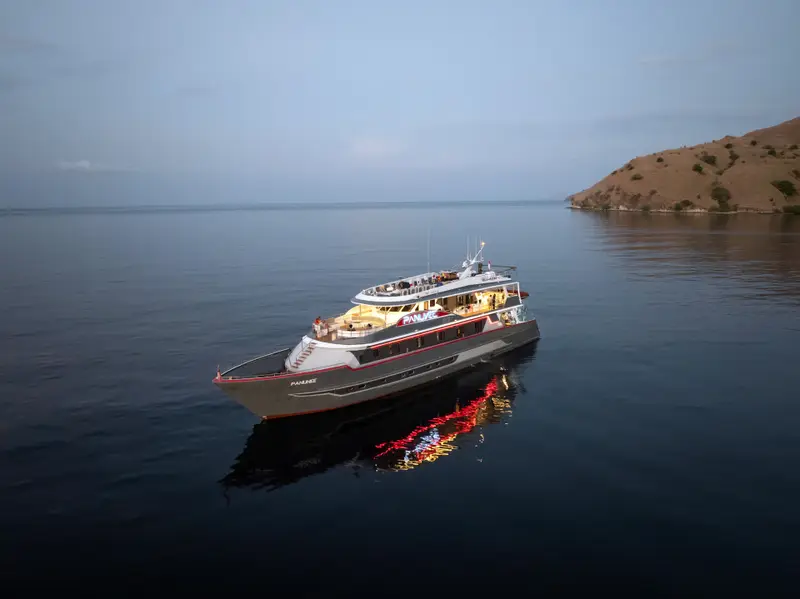
Panunee
Indonesia
18 guests38 m
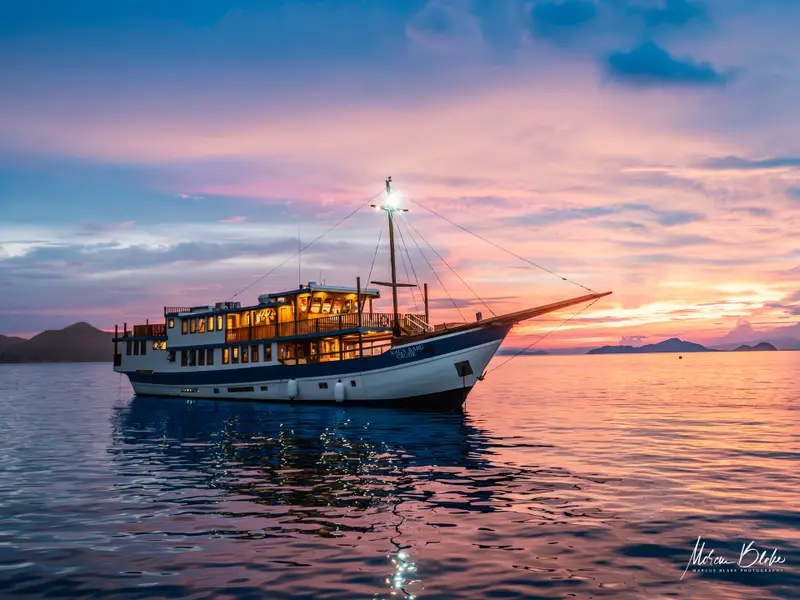
Naga Biru
Indonesia
12 guests40 m
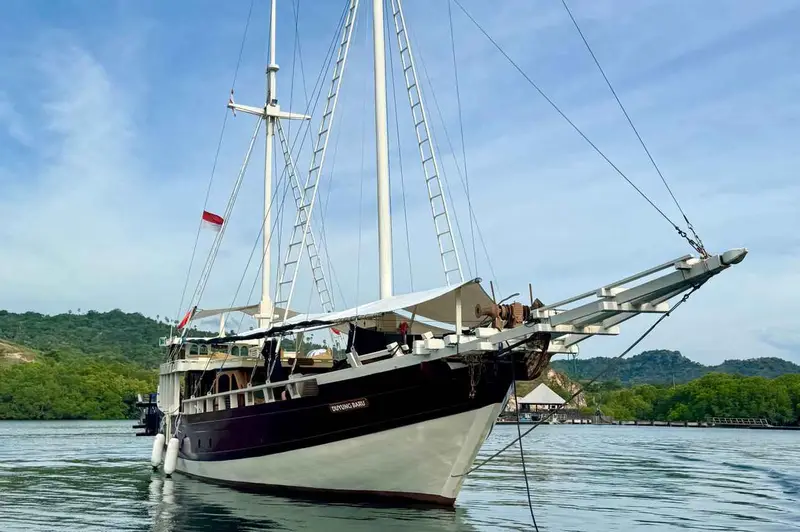
Ecopro Duyung Baru
Indonesia
6 guests27 m
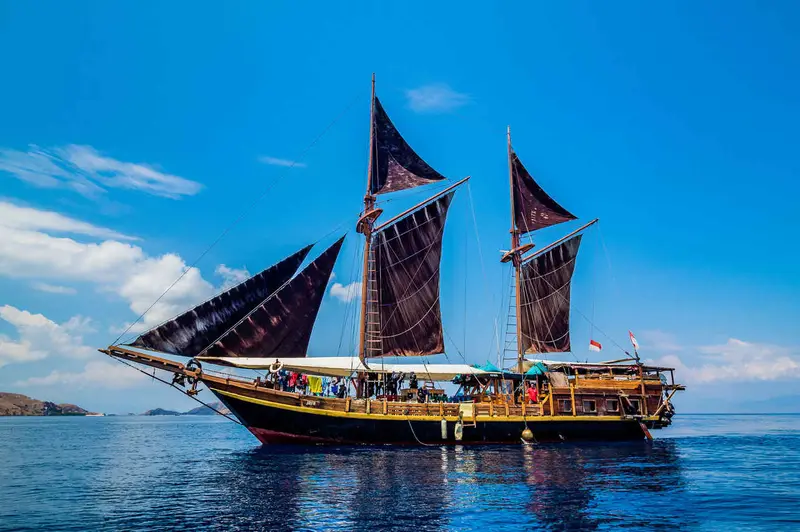
Jaya
Indonesia
14 guests23 m
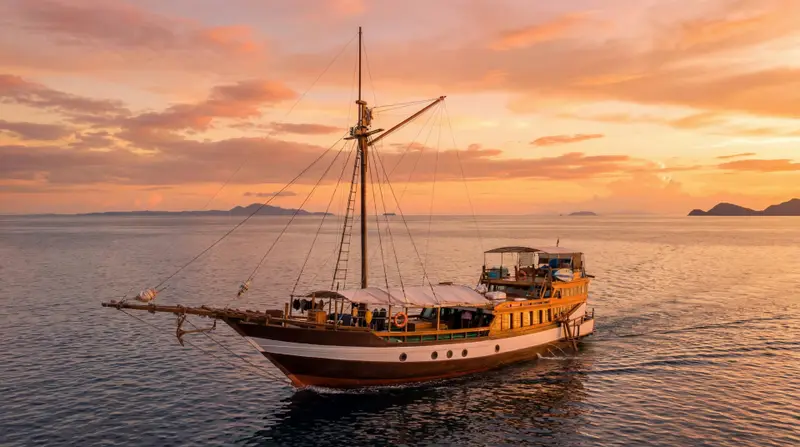
Wellenreng
Indonesia
9 guests25 m

Komodo Aggressor
Komodo, Indonesia
16 guests29 m
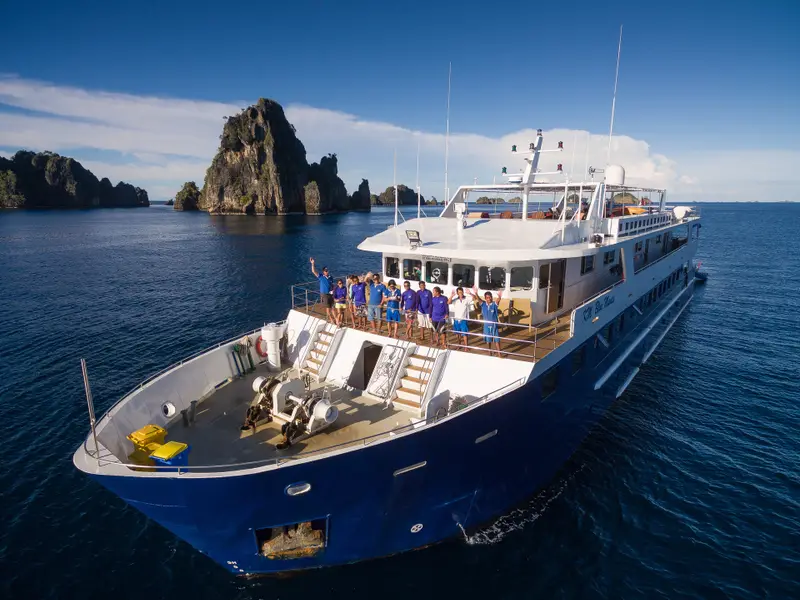
Blue Manta
Indonesia
20 guests45 m
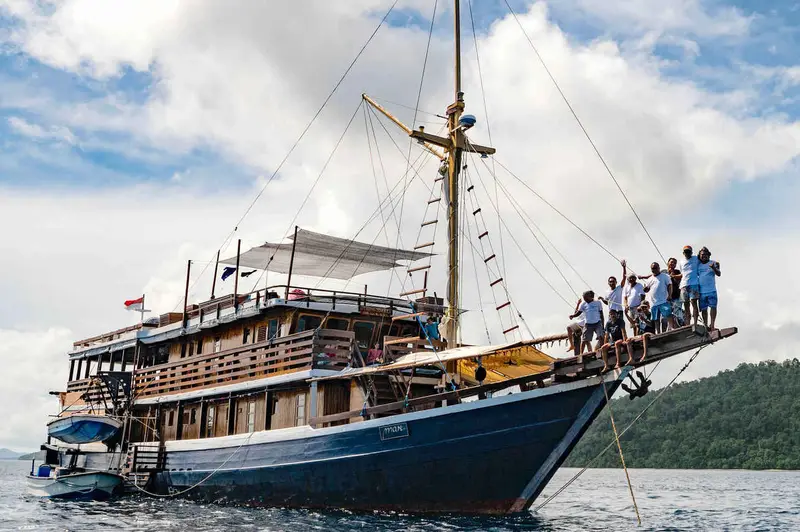
Mari
Indonesia
14 guests32 m
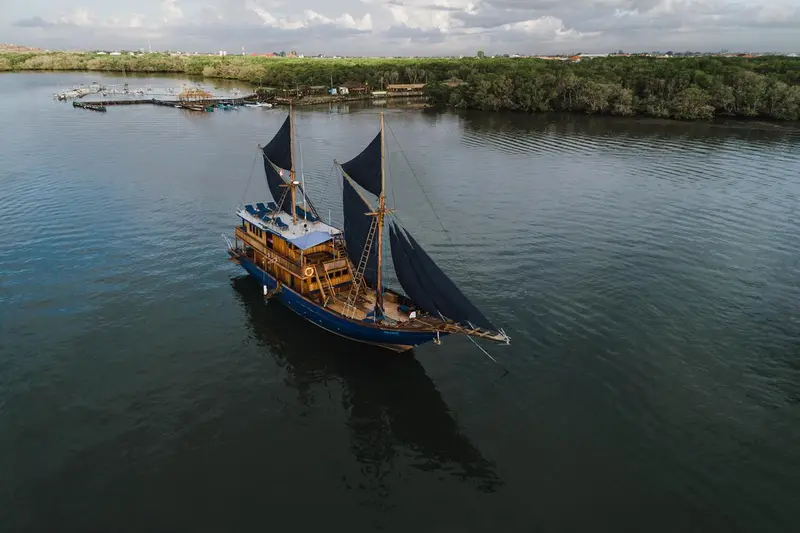
Situju7
Komodo, Indonesia
10 guests33 m
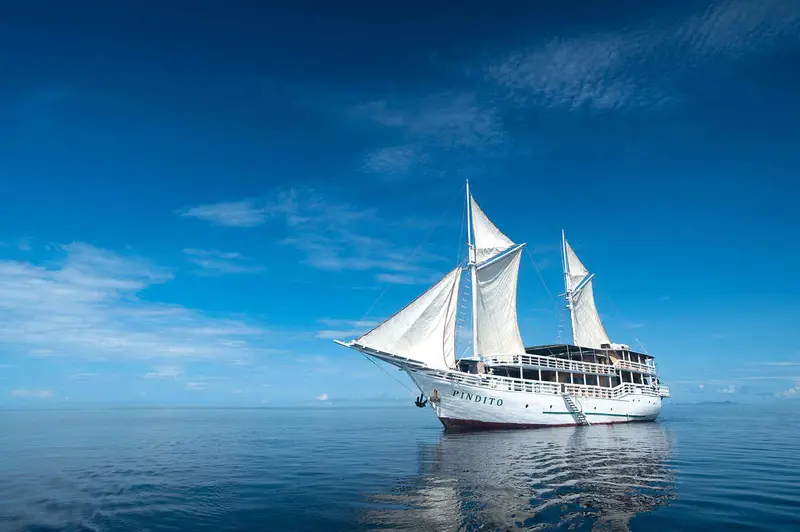
Pindito
Indonesia
16 guests38 m
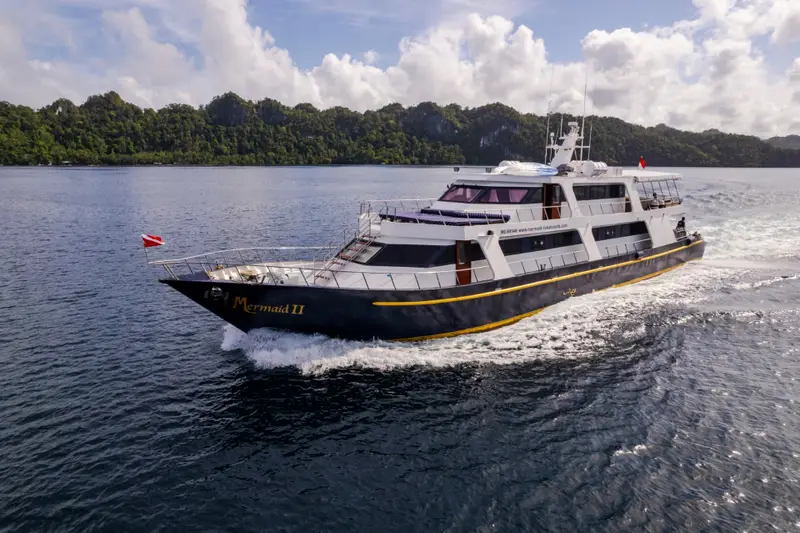
Mermaid II
Komodo, Indonesia
18 guests
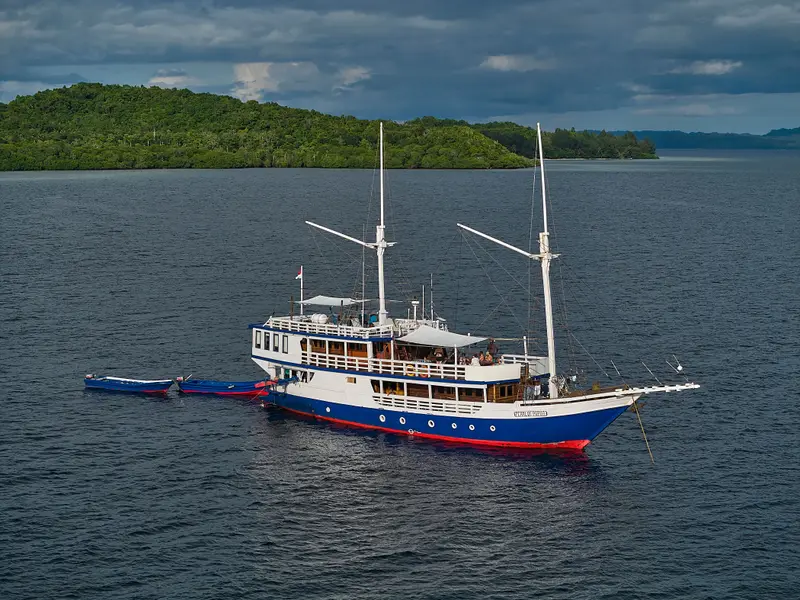
Pearl of Papua
Raja Ampat, Indonesia
14 guests30 m
Dive sites similar to Manta Alley South
Same character, same waters, six more sites divers love for the exact same reasons.Compare seasons, access and liveaboard routes, then pick the site that fits your trip best.
Aladin is a prominent dive site located within the Apo Reef Natural Park in the Philippines, distinguished by its extensive reef and dramatic wall topography.
- Suitable for
- Intermediate
- Current
- Mild
- Access
- Liveaboard only
- Depth
- 4–40 m
- Theme
- Reef / Wall
The Alam Anda House Reef is situated in the northeast of Bali, away from the more heavily trafficked tourist zones.
- Suitable for
- Intermediate
- Current
- Mild
- Access
- Liveaboard or dayboat
- Depth
- 5–50 m
- Theme
- Reef
Alcatraz is a renowned dive site in Alor, celebrated for its unique underwater garden of pink soft coral trees that stretch several meters high from the sandy seabed.
- Suitable for
- Intermediate
- Current
- Mild
- Access
- Liveaboard only
- Depth
- 24–30 m
- Theme
- Reef
The Alma Jane is a prominent artificial reef and wreck dive located off Puerto Galera in the Philippines, intentionally sunk to enhance marine biodiversity and provide a unique diving experience.
- Suitable for
- Intermediate
- Current
- Mild
- Access
- Dayboat
- Depth
- 25–30 m
- Theme
- Wreck / Reef
© EsriMaxar, Earthstar, GIS
Anchor Wreck
Bali
The Anchor Wreck is a celebrated dive site located off Menjangan Island, within the protected West Bali National Park.
- Suitable for
- Intermediate
- Current
- Moderate
- Access
- Dayboat
- Depth
- 4–40 m
- Theme
- Wall / Reef
© EsriMaxar, Earthstar, GIS
Andy’s Bus Stop
Alor
Andy's Bus Stop is an exceptional wall dive located in the southern part of Alor, renowned for its stunning and dense coral coverage.
- Suitable for
- Intermediate
- Current
- Moderate
- Access
- Liveaboard only
- Depth
- 8–30 m
- Theme
- Reef / Drift