About Andy’s Bus Stop
Andy's Bus Stop is an exceptional wall dive located in the southern part of Alor, renowned for its stunning and dense coral coverage. The reef is blanketed in a kaleidoscope of colours, making it a truly immersive experience for divers. This site is particularly celebrated for its prolific anthias population, which create a living, breathing tapestry over the reef. While the vibrant reef life is captivating, the dive also offers opportunities for encounters with larger marine species. Divers should regularly scan the open water for pelagic action, as hunting giant trevallies, tuna, and Napoleon wrasse are occasionally spotted patrolling the wall. The currents in Alor are a consistent feature, influencing the marine biodiversity and offering dynamic drift dives. Conditions at sites like Andy's Bus Stop can be more robust, especially around new and full moon phases, which can enhance the chances of pelagic encounters. However, planning dives around the half-moon phase generally offers milder conditions. This site caters to divers seeking healthy coral ecosystems and the thrill of potential pelagic sightings, making it a highlight in Alor's diverse underwater landscape. It exemplifies the rich blend of reef and pelagic life that characterises diving in this region.
Highlights
Spectacular coral wallDense coral coverageAbundant anthiasPotential pelagic encountersHunting giant trevalliesTuna sightingsNapoleon wrasse
Season calendar
Best months to dive here
Jan
Feb
Mar
Apr
May
Jun
Jul
Aug
Sep
Oct
Nov
Dec
Excellent
Good
Dive site facts: Andy’s Bus Stop
- Depth
- 8–30 m
- Current
- Moderate to strong
- Visibility
- 15–40 m
- Water temperature
- 26–30 °C
- Entry
- Boat
- Level
- Intermediate
- Dive type
- Wall, coral garden, pelagic
- Region / port
- Alor, East Nusa Tenggara
- Coordinates
- 8.4410° S, 124.5760° E
Conditions & Currents
Diving at Andy's Bus Stop, like many Alor sites, is significantly influenced by tidal movements in the Pantar Strait. Currents can range from mild to strong, depending on lunar phases; new and full moons typically bring more robust currents, which are ideal for drift diving and attracting larger pelagic species. Conversely, half-moon phases offer generally calmer conditions. Visibility at this wall site can range from 15 metres during the rainy season up to an impressive 40 metres in the dry season, although this can vary. Water temperatures are pleasantly warm, averaging 27-29°C, but cooler thermoclines, especially in southern Alor, may necessitate a 5mm wetsuit. Divers should be proficient in current management and maintain excellent buoyancy due to the wall topography and healthy coral ecosystems.
Marine life & sighting chances
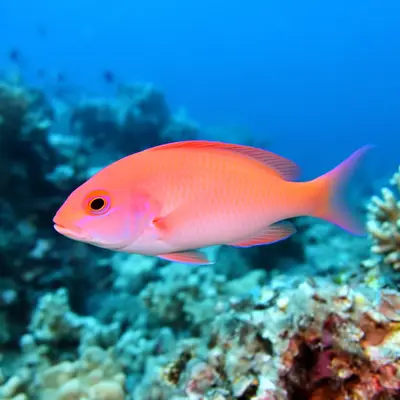
Anthias
common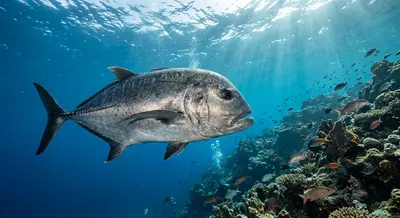
Giant Trevally
occasional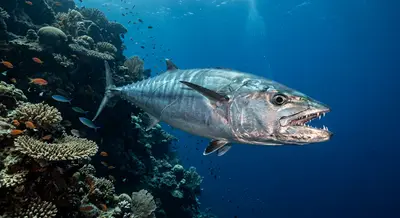
Tuna
occasional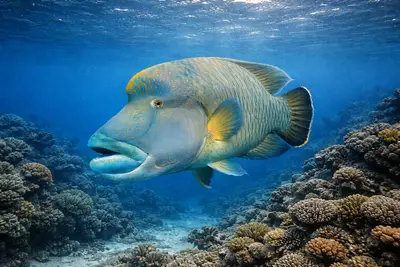
Napoleon Wrasse
occasional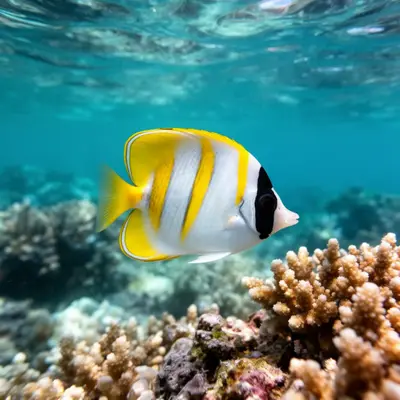
Butterflyfish
common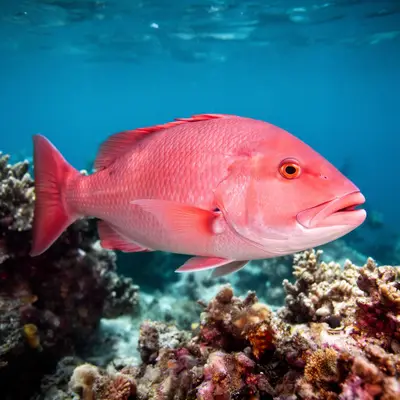
Snapper
common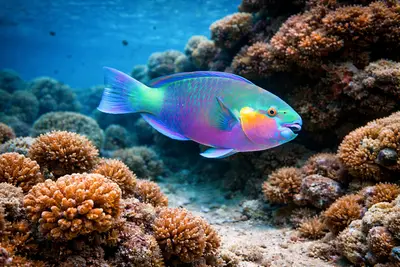
Humphead Parrotfish
occasional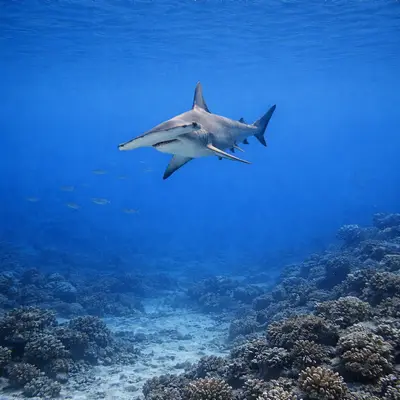
Hammerhead Sharks
September-November · rare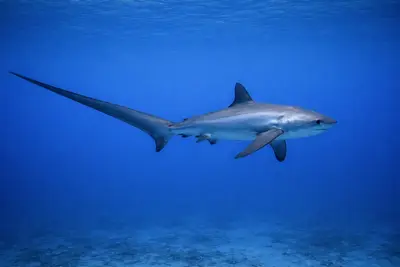
Thresher Sharks
October-November · rare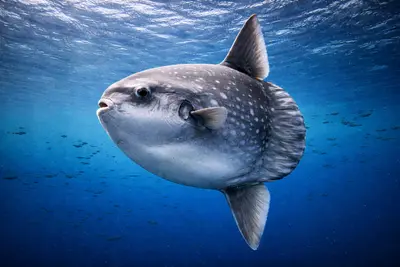
Mola Mola
September-October · rare
Dolphins
occasionalDive profile & how the dive runs
Your dive at Andy's Bus Stop typically begins with a boat entry directly onto the top of the wall. Upon descent, you will follow the vibrant coral wall, which extends from approximately 8 meters down to 30 meters or more. The route involves a gentle drift along the wall, allowing you to observe the dense coral growth and prolific anthias population. Maintain good buoyancy to avoid contact with the pristine corals. Keep a keen eye on the blue water, as pelagic species such as giant trevallies, tuna, and Napoleon wrasse may pass by. The dive progresses along the wall, often turning back towards the boat or continuing as a drift depending on current conditions. Your safety stop will be conducted in the shallower sections of the wall, usually between 5-7 meters, where you can further enjoy the reef activity before ascending to the surface.
Underwater photography
For capturing the vibrant reef scenes at Andy's Bus Stop, a wide-angle lens is ideal to encompass the expansive coral coverage and schooling anthias. Given the potential for pelagic encounters in the blue, this lens choice will also serve well for opportunistic shots of larger fish. For macro enthusiasts, there are intricate details within the corals, but the primary draw here is wide-angle. External strobes are recommended to bring out the true colours of the reef, especially deeper on the wall, and to properly expose fast-moving pelagics. Maintaining excellent buoyancy is crucial to avoid damaging the healthy corals and to position yourself effectively for shots, particularly when currents are present. Be mindful of your fin kicks and respect the marine life by observing from a distance.
Combine with nearby dive sites
- Bama Wall
A steep drop-off across the Pantar Strait, known for healthy corals and schooling fish.
- Wolang Cavern
Features two caverns with diverse creatures and an exit to a colorful soft coral wall.
- Cathedral
Located in South Alor, known for pristine coral coverage, a swim-through, and cooler thermoclines.
- Yellow Corner
Also known as Current Alley, famous for strong currents and pelagic encounters.
- Crucifixion
A steep reef slope transforming into a vertical wall with pinnacles for fish action.
Getting there & logistics
Alor is located in the province of East Nusa Tenggara, accessible via Alor Mali Airport (ARD). Divers typically fly into Kupang (KOE) or Bali (DPS) and then take a connecting domestic flight to Alor. Most liveaboards and dive resorts, such as Alor Tanapi Dive Resort in Sebanjar, West Alor, offer convenient speedboat access to Andy's Bus Stop and over 40 other sites within a 30-45 minute radius. Typical dive trips often combine sites around Alor, Pura, Pantar, Ternate, Buaya, and Treweng islands, making for varied itineraries from macro to pelagic diving. There are marine park fees that contribute to conservation efforts. Trip lengths vary, but liveaboard charters exploring the Alor Archipelago often span 7 to 10 nights.
Safety & environment
Diving in Alor, including at Andy's Bus Stop, requires an understanding of potentially strong and dynamic currents. Divers should always be mindful of tidal movements and plan dives accordingly, especially around new and full moon phases. The nearest recompression chamber is likely in Bali or Makassar, making evacuation a complex and time-consuming process. Comprehensive dive insurance, covering emergency medical care and evacuation, is therefore essential. Divers should maintain excellent buoyancy control to protect the pristine coral reefs and avoid accidental contact. Always dive with a reputable operator whose team is experienced with local conditions, and ensure your dive computer, alternate air source, and surface signaling devices are in good working order. Listen carefully to your dive guide's briefing regarding current direction, entry, and exit procedures.
Who it suits — and who it doesn't
Suited for
- Experienced divers comfortable with currents
- Divers seeking vibrant coral walls
- Photographers with wide-angle setups
- Those interested in pelagic encounters
- Divers looking for uncrowded, pristine reefs
Less suited for
- Beginner divers without current experience
- Divers with poor buoyancy control
- Those who prefer very calm, current-free dives
- Individuals without appropriate dive insurance
FAQ
Andy’s Bus Stop FAQ
What kind of marine life can I expect at Andy's Bus Stop?
Andy's Bus Stop is known for its incredible coral coverage and dense populations of anthias, which create a stunning visual spectacle on the wall. In addition to these vibrant reef fish, divers often spot hunting giant trevallies, tuna, and Napoleon wrasse patrolling the blue. While not guaranteed, the site offers good potential for larger pelagic encounters.
Are the currents strong at Andy's Bus Stop?
Currents at Andy's Bus Stop can range from moderate to strong, influenced by the powerful tidal movements in the Pantar Strait. Conditions are typically stronger during new and full moon phases, which can make for dynamic drift dives. Around the half-moon, currents are generally milder, offering a more relaxed experience. It is best suited for divers comfortable with current management.
What is the visibility like at this dive site?
Visibility at Andy's Bus Stop is generally excellent, reflecting Alor's reputation for clear waters. During the dry season (June to October), visibility can reach an impressive 40 meters. Even during the rainy season, it typically remains good, around 15-20 meters. These conditions allow for clear views of the vibrant corals and marine life.
What type of diving is Andy's Bus Stop best for?
Andy's Bus Stop is primarily a wall dive, renowned for its extensive and healthy coral gardens. It's an excellent site for wide-angle photography due to the vast coral landscapes and schooling fish. Additionally, it offers good opportunities for pelagic encounters, making it a thrilling dive for those hoping to see larger species in the blue.
What wetsuit thickness is recommended for Andy's Bus Stop?
The water temperature in Alor averages 27-29°C, making a 3mm wetsuit generally sufficient for comfort. However, Andy's Bus Stop is located in South Alor, where cooler thermoclines can be present at depth. Therefore, a 5mm wetsuit is recommended for this site, particularly for divers who are sensitive to colder water or plan longer dives.
Why dive Andy’s Bus Stop from a liveaboard?
Andy’s Bus Stop is one of Alor's signature dive sites. A liveaboard sleeps you on the water and puts you in the water for three to four guided dives per day, including dawn and night dives that day-boat operators rarely offer. You skip the daily commute back to port and reach quieter, less-crowded sites in the same region on a single trip.
Below are the liveaboards that include Andy’s Bus Stop on their Alor itineraries.
Liveaboards diving Andy’s Bus Stop
These liveaboards may visit Andy’s Bus Stop on selected itineraries — the exact dive sites depend on departure, weather and conditions.
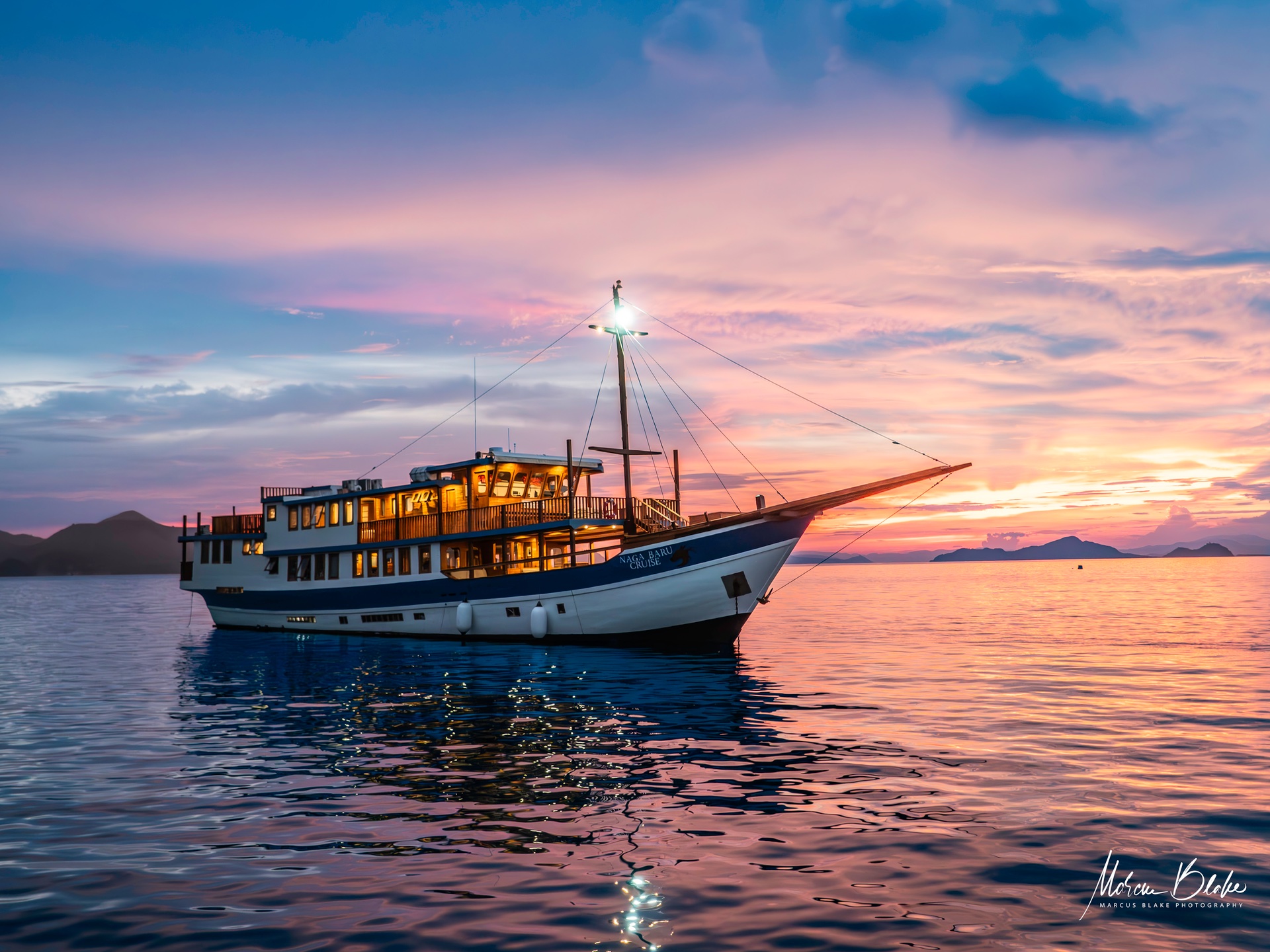
Naga Biru
Indonesia
12 guests40 m
$273/day
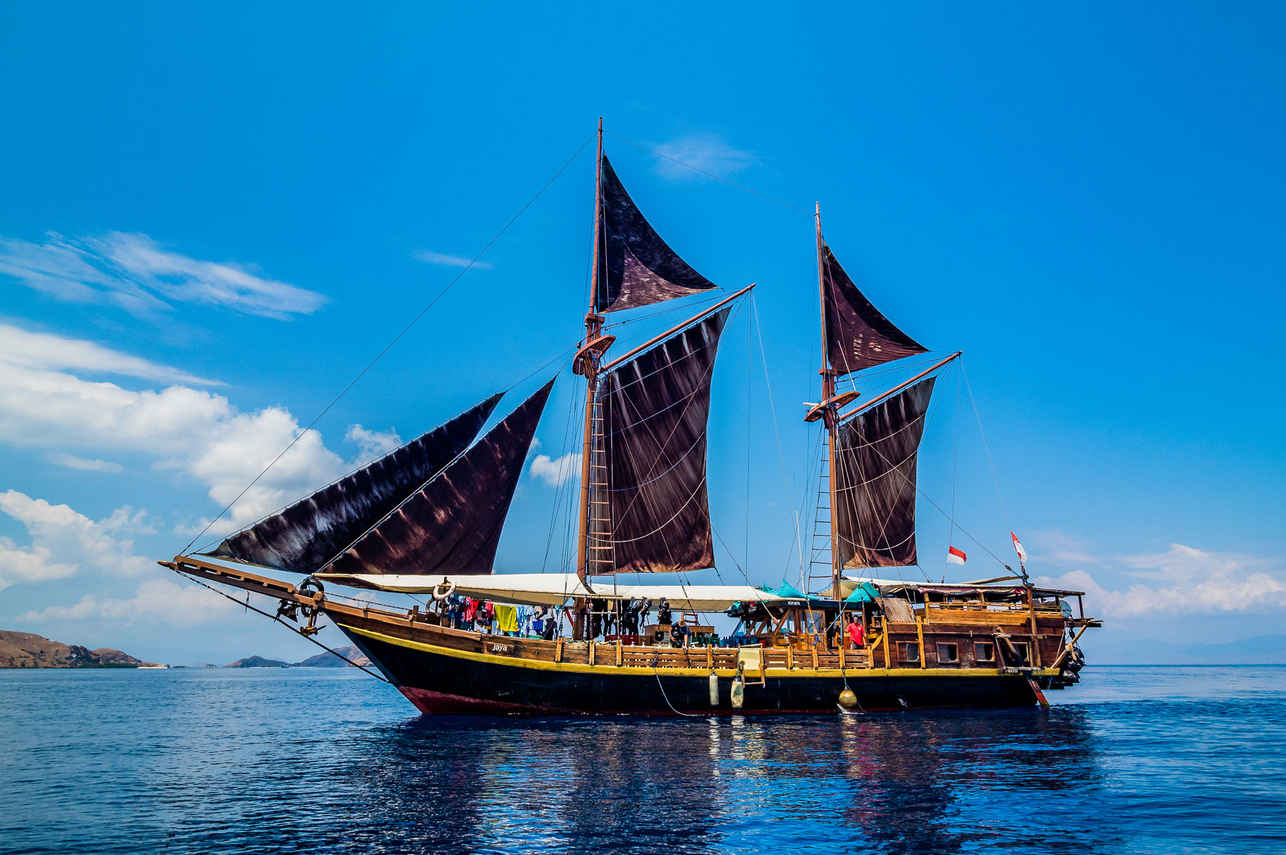
Jaya
Indonesia
14 guests23 m
$280/day
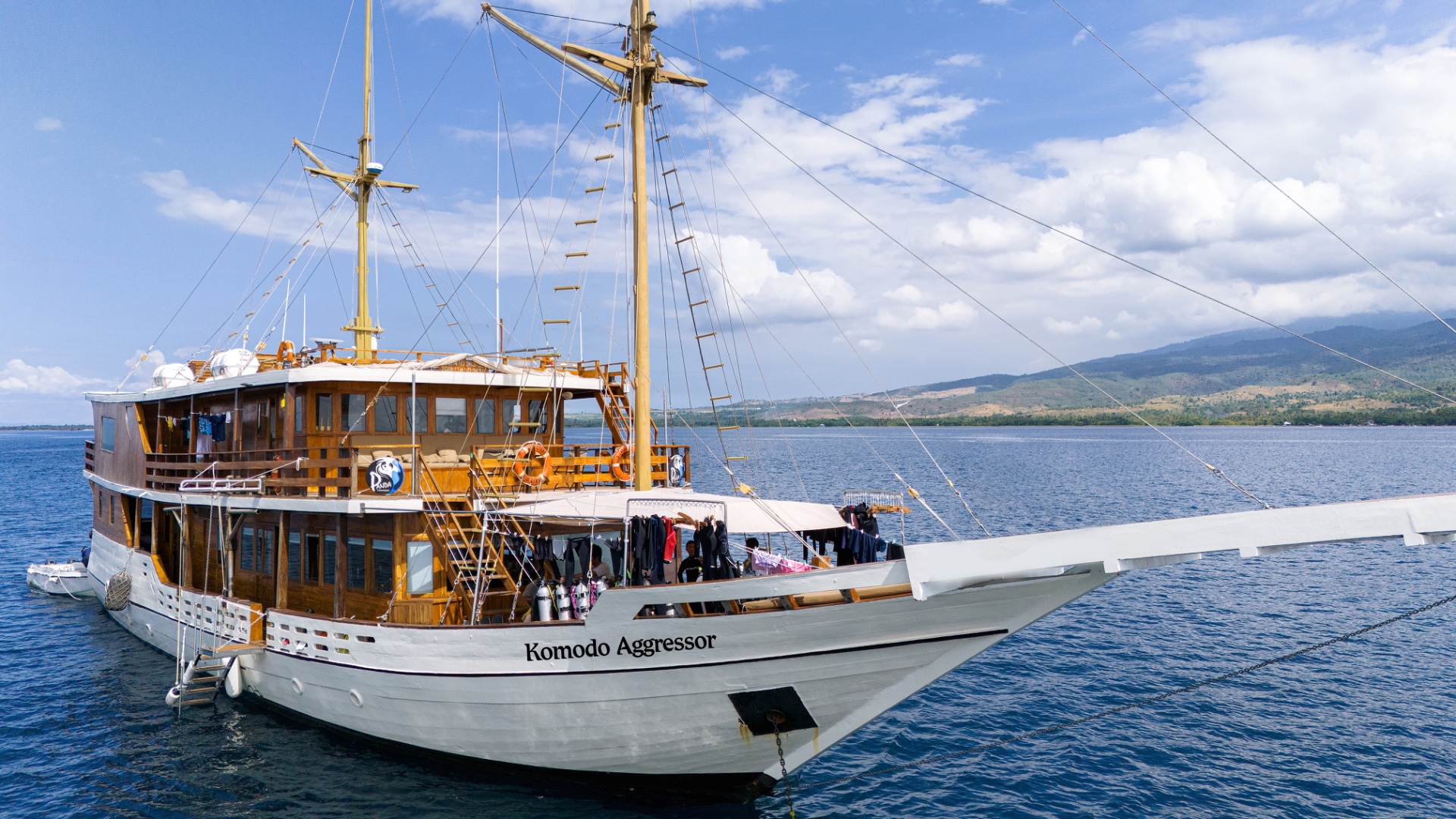
Komodo Aggressor
Komodo, Indonesia
16 guests29 m
$312/day
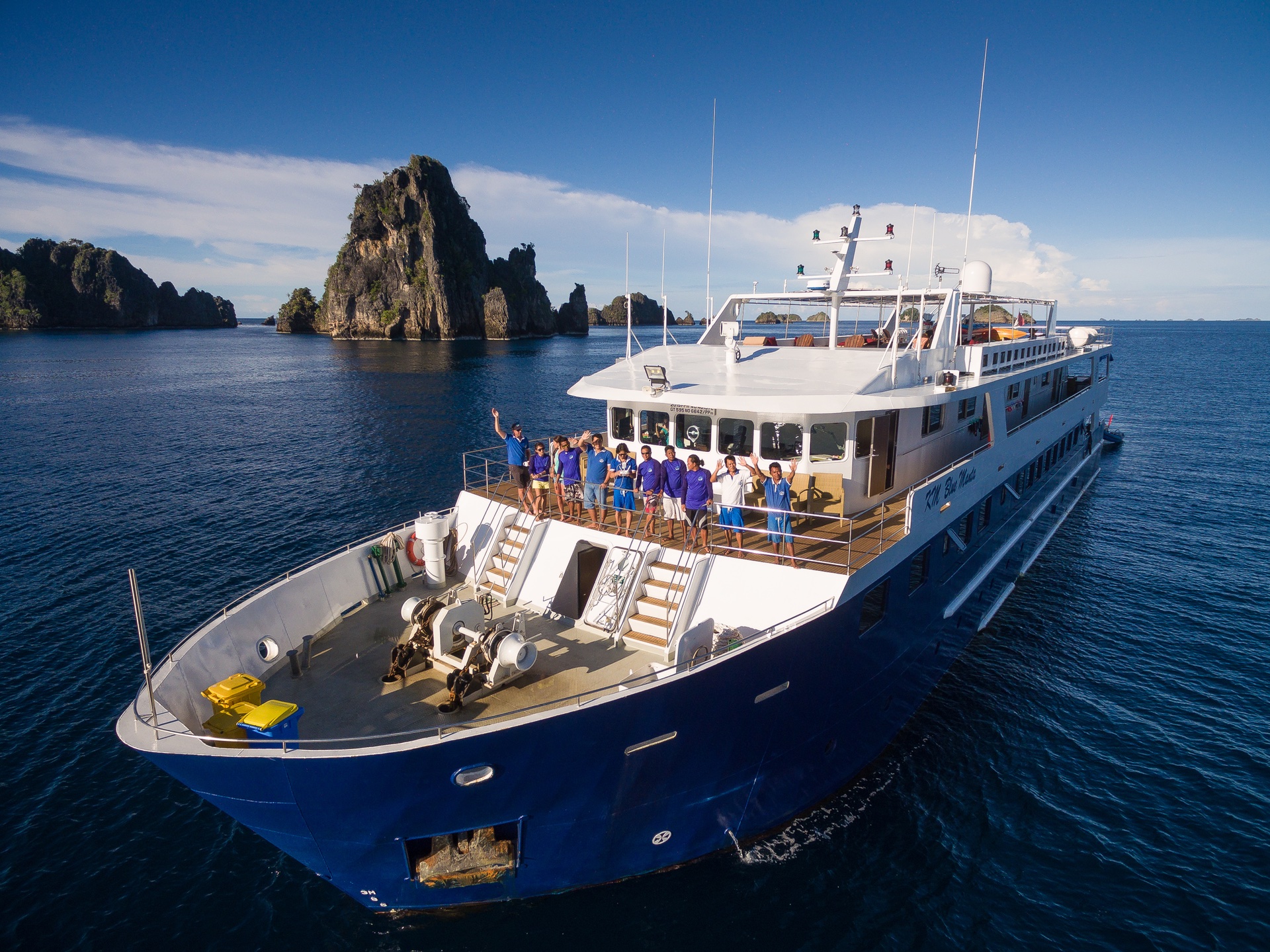
Blue Manta
Indonesia
20 guests45 m
$488/day
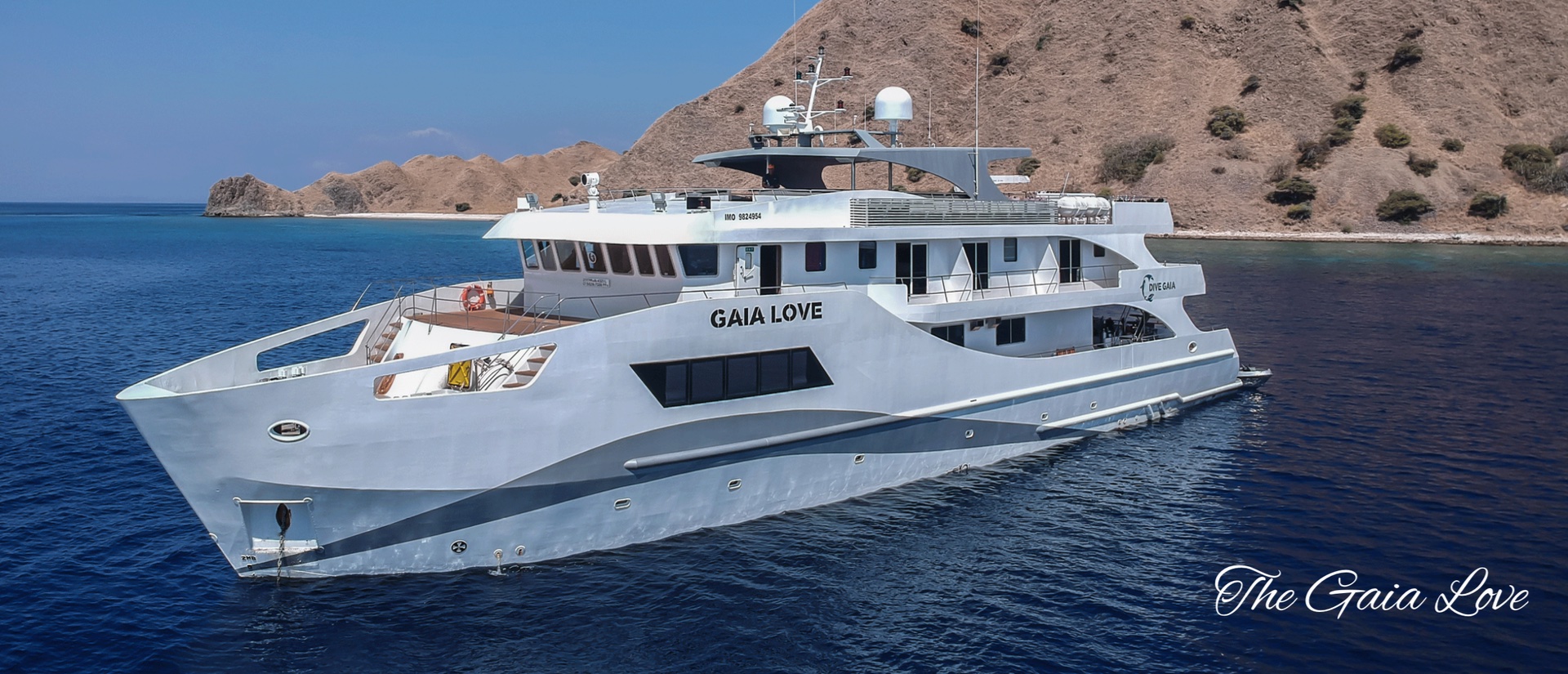
Gaia Love
Alor
20 guests
$554/day
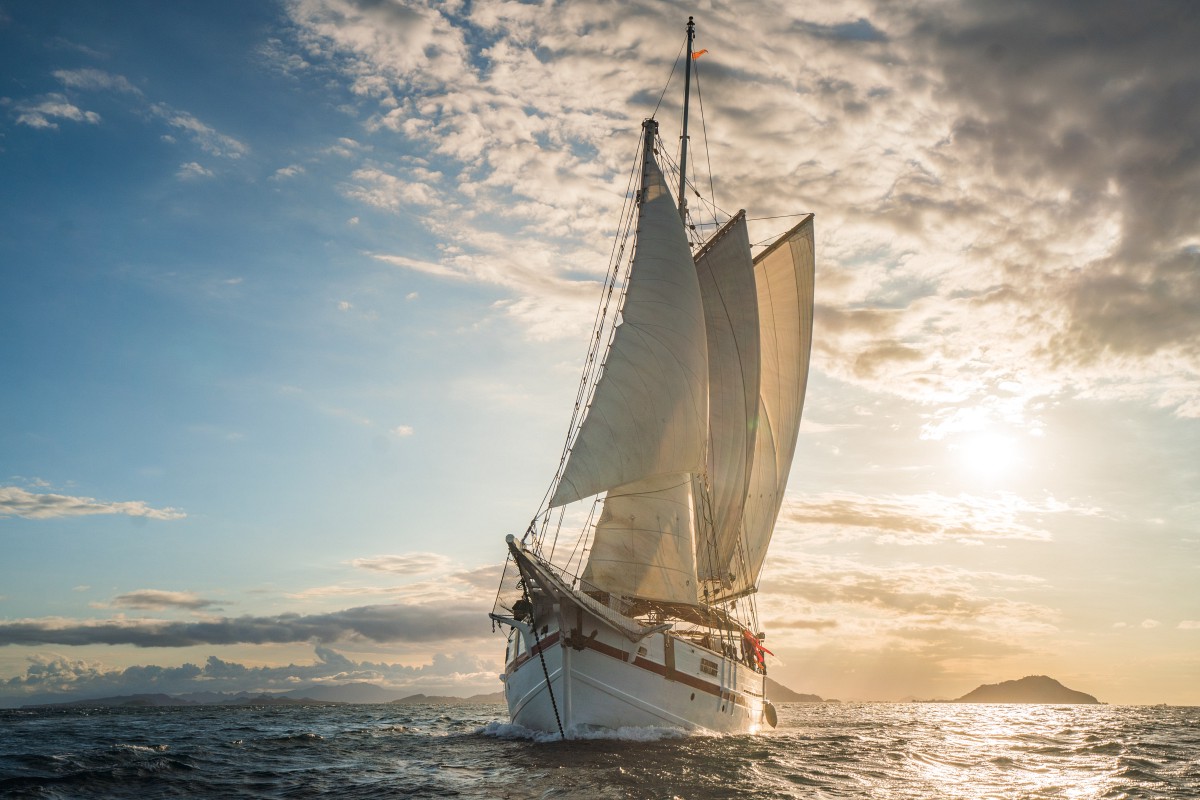
Emperor Raja Laut
Raja Ampat, Indonesia
12 guests31 m
$413/day
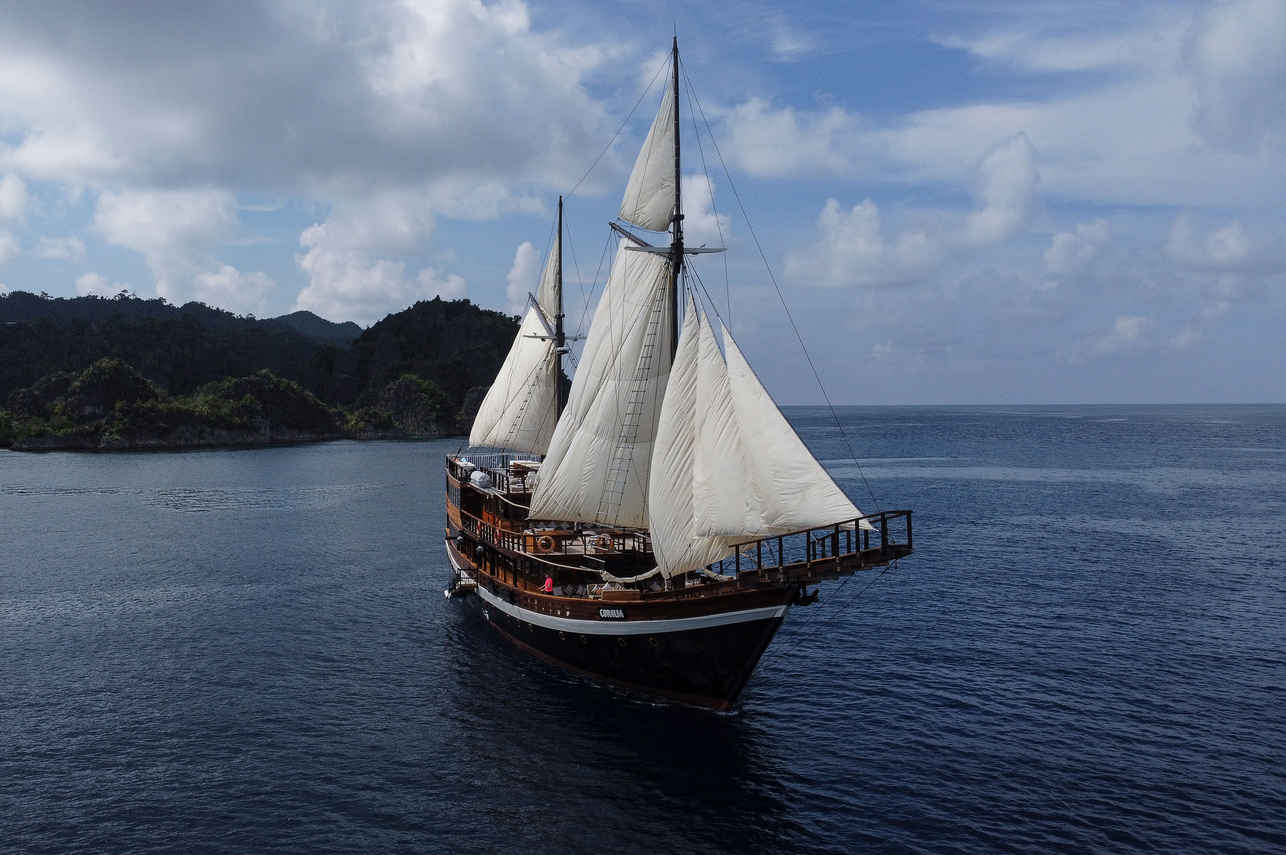
Coralia
Indonesia
16 guests48 m
$547/day
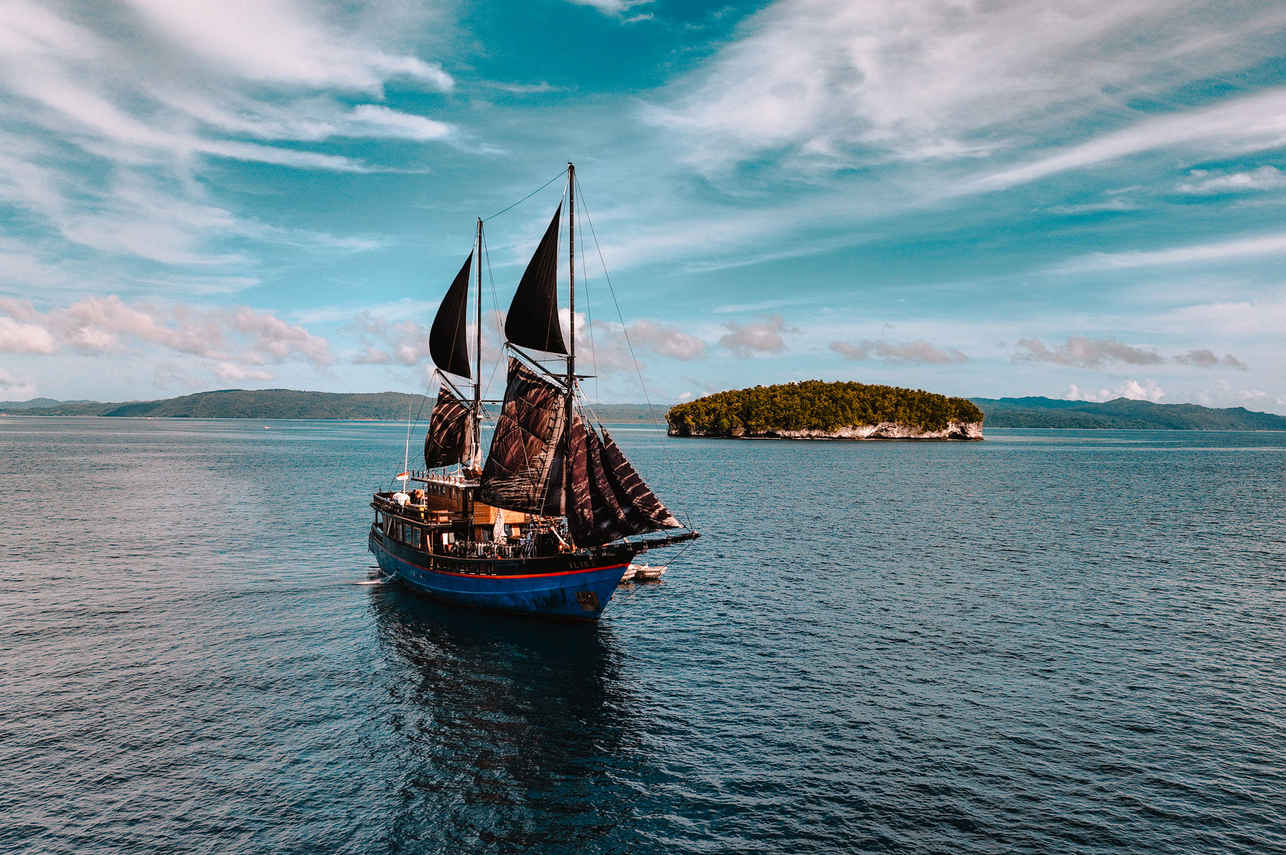
Ilike
Indonesia
16 guests40 m
$298/day
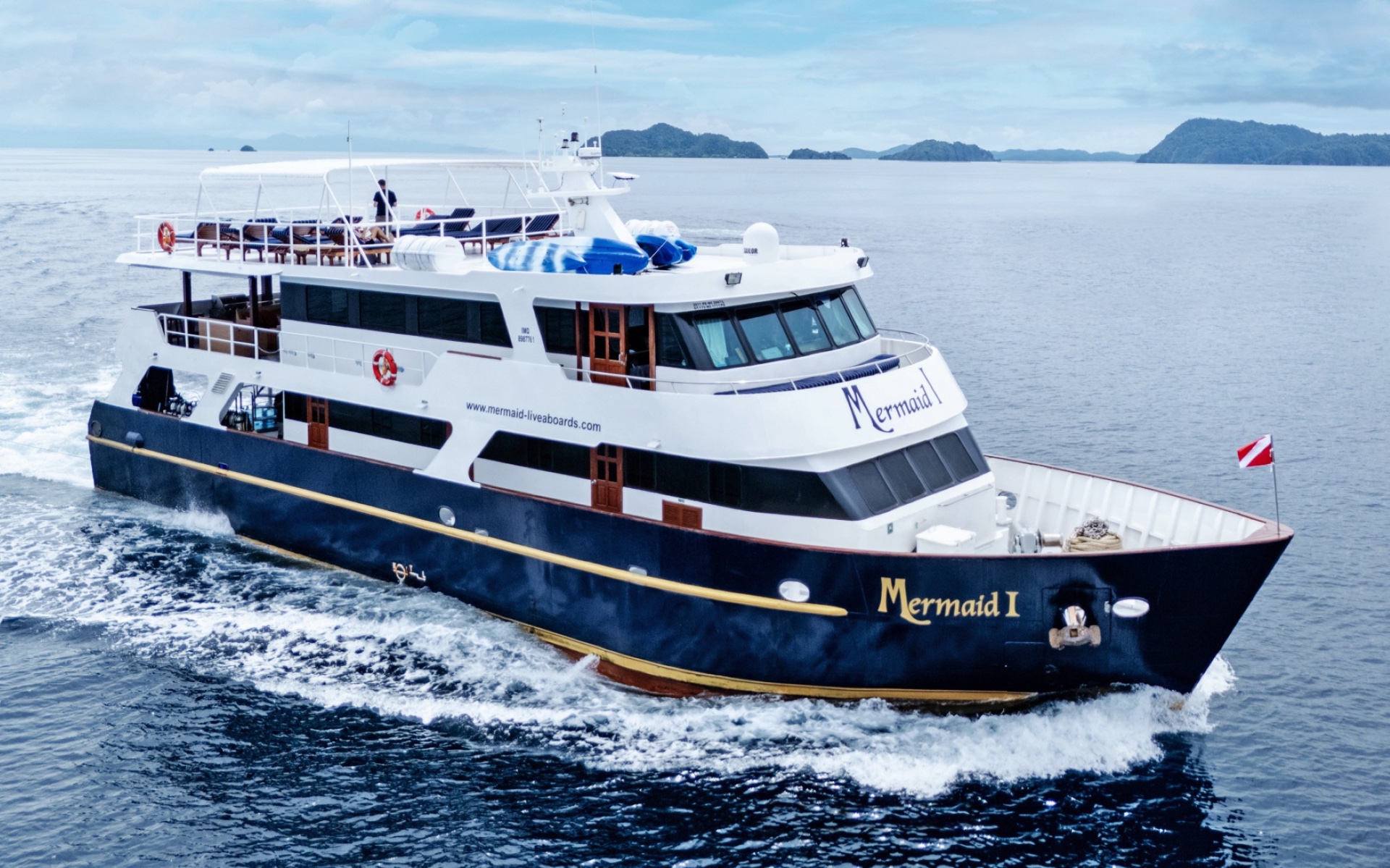
Mermaid I
Alor
15 guests28 m
$371/day
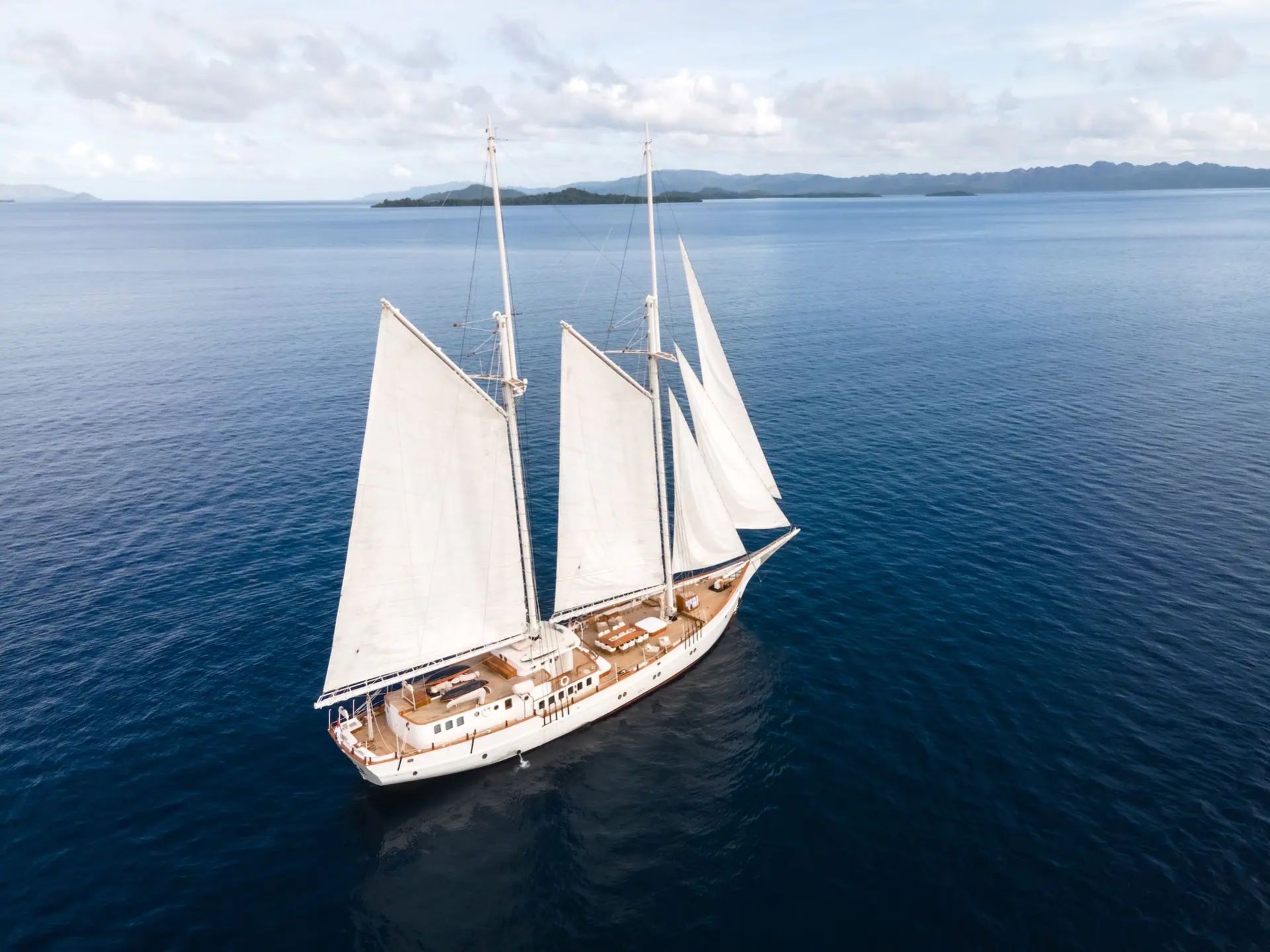
Mutiara Laut
Indonesia
14 guests46 m
$741/day
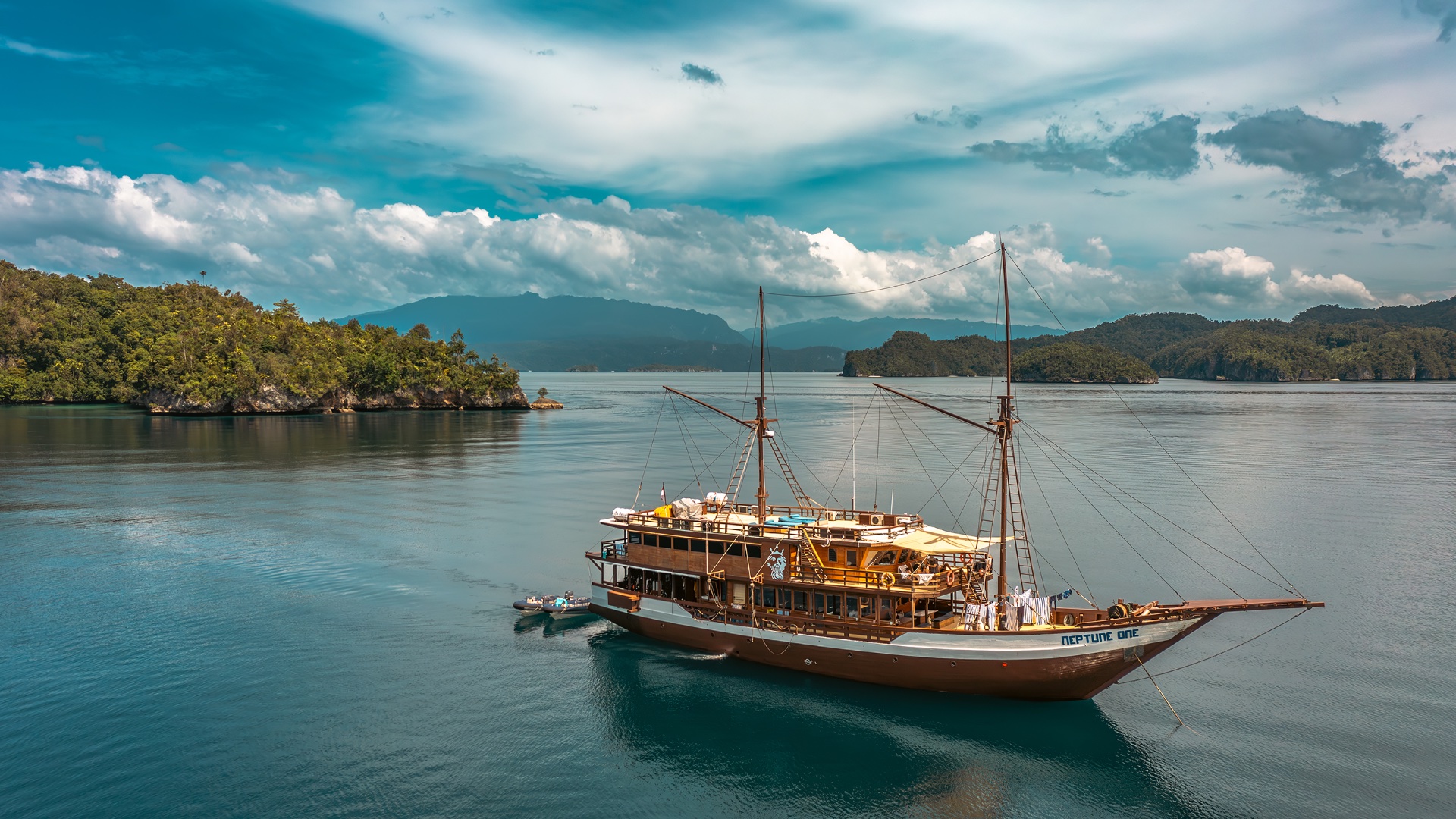
Neptune One
Indonesia
16 guests38 m
$284/day
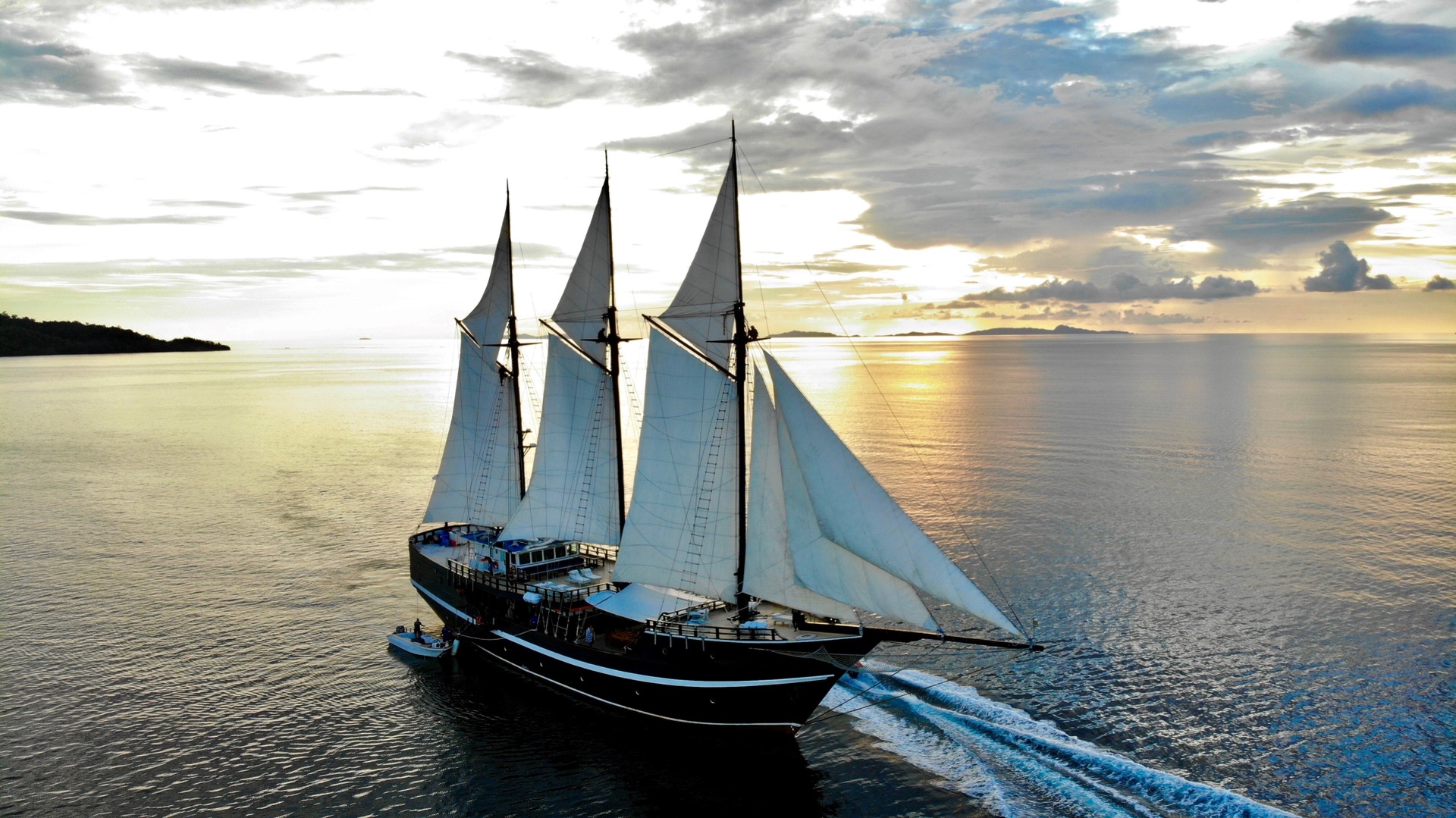
Dewi Nusantara
Indonesia
18 guests57 m
$493/day
Dive sites similar to Andy’s Bus Stop
Same character, same waters — six more sites divers love for the exact same reasons.Compare seasons, access and liveaboard routes — then pick the site that fits your trip best.
Halerman
Alor
Halerman is a prominent dive site located in the southern part of Alor, known for its distinct underwater landscape and varied marine life.
- Suitable for
- Advanced
- Current
- Strong
- Access
- Liveaboard or dayboat
- Depth
- —
- Theme
- Wall / Drift
Schools Out
Alor
Schools Out in Alor offers divers an exceptional encounter with healthy coral reefs and a rich variety of marine species.
- Suitable for
- Intermediate
- Current
- Mild
- Access
- Liveaboard only
- Depth
- 20–30 m
- Theme
- Reef
Pasir Merah
Alor
Pasir Merah, or Red Sand, is a distinctive dive site situated north of Pura Island in the Alor Archipelago, East Nusa Tenggara.
- Suitable for
- Intermediate
- Current
- Moderate
- Access
- Liveaboard or dayboat
- Depth
- 5–35 m
- Theme
- Muck diving / Reef
Rusa Pinnacle
Alor
Rusa Pinnacle is a challenging yet highly rewarding dive site situated in the Alor archipelago, part of Indonesia's East Nusa Tenggara.
- Suitable for
- Advanced
- Current
- Strong
- Access
- Liveaboard only
- Depth
- 6–30 m
- Theme
- Reef
Sharks Galore
Alor
Sharks Galore, an iconic drift-dive in Alor, offers thrilling encounters with diverse marine life.
- Suitable for
- Advanced
- Current
- Ripping
- Access
- Liveaboard or dayboat
- Depth
- 15–40 m
- Theme
- Channel / Drift
Yellow Corner
Alor
Yellow Corner, also known as Current Alley, is a challenging dive site specifically suited for advanced divers due to its strong and potentially ripping currents.
- Suitable for
- Advanced
- Current
- Strong
- Access
- Liveaboard only
- Depth
- 18–40 m
- Theme
- Drift