About Crucifixion
Crucifixion, known by locals as Kelalaka, presents a dynamic dive experience in Alor. This site begins with a steep, colorful reef slope characterized by impressive overhangs, gradually transforming into a dramatic vertical wall. The vibrant topography is a testament to the region's volcanic activity, which fuels a rich and diverse ecosystem. Two distinct pinnacles, found at depths between 30 and 40 meters, offer focal points for observing increased fish activity. The site is part of the larger Alor region, known for its healthy coral reefs and nutrient-rich waters within the Coral Triangle, sustaining an astonishing array of marine species. Diving here typically involves navigating strong currents, which are a defining feature of the Pantar Strait and contribute significantly to the site's biodiversity. These currents often bring opportunities for exciting drift dives and encounters with pelagic species. Divers can expect a visually stunning journey through diverse habitats, from shallow reef crests to deeper, current-swept zones.
Highlights
Steep, colorful reef slopeImpressive reef overhangsDramatic vertical wallTwo deep pinnacles (30-40m)Abundant fish actionHealthy soft coralsVolcanic substrate features
Season calendar
Best months to dive here
Jan
Feb
Mar
Apr
May
Jun
Jul
Aug
Sep
Oct
Nov
Dec
Good
Dive site facts: Crucifixion
- Depth
- 0-40 m
- Typical dive
- 15-30 m, 45-60 min
- Current
- Moderate to strong
- Visibility
- 15-40 m
- Water temperature
- 22-29°C
- Entry
- Liveaboard / tender
- Level
- Advanced, current experience essential
- Dive type
- Coral wall, drift, pelagic encounters
- Region / port
- Alor, Indonesia
- Coordinates
- 8.1845° S, 124.5955° E
Conditions & Currents
Crucifixion is situated in an area influenced by the powerful tidal movements of the Pantar Strait, channeling nutrient-rich waters. Currents here can range from moderate to strong, particularly around the new moon and full moon phases, which often lead to dynamic drift dives and increased pelagic encounters. Divers should be prepared for varying current strengths and potential upwellings from the south, which can bring cooler water temperatures and enhance marine activity. Visibility typically ranges from 15 meters during the rainy season to an impressive 40 meters in the dry season, though recent weather patterns can cause variations. Due to these strong, consistent currents, proficiency in drift diving and good buoyancy control are essential for a safe and enjoyable experience at this site.
Marine life & sighting chances
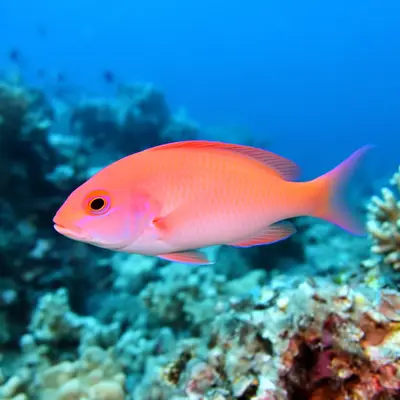
Anthias
common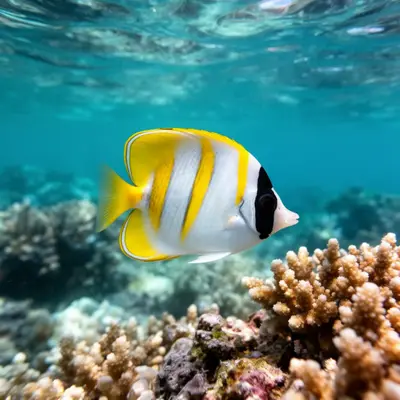
Butterflyfish
common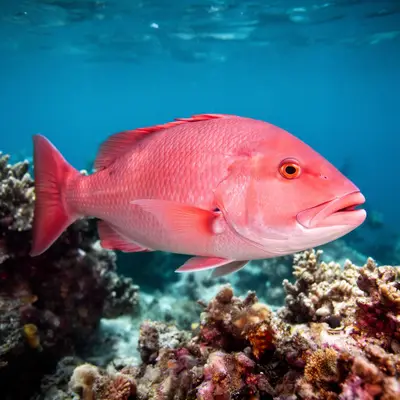
Snapper
occasional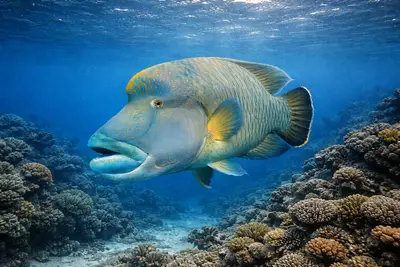
Napoleon Wrasse
occasional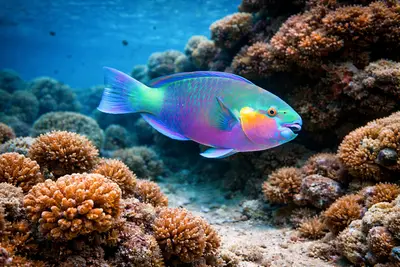
Humphead Parrotfish
occasional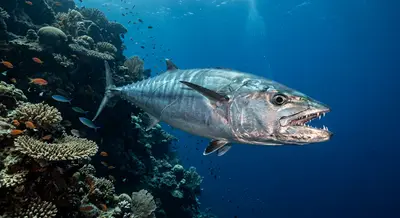
Tuna
occasional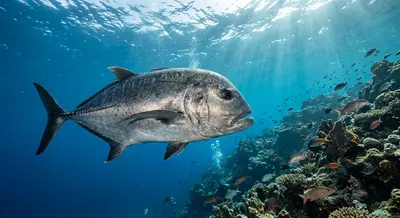
Trevally
occasional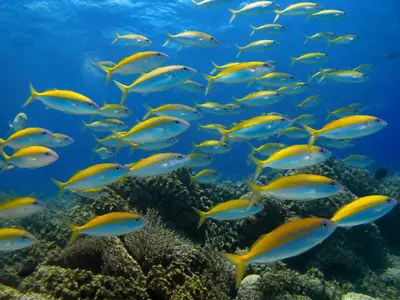
Fusiliers
common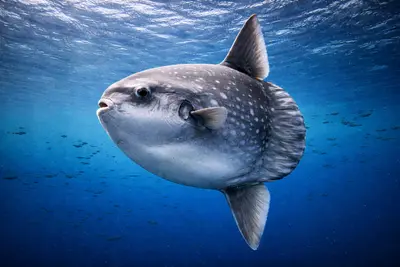
Mola Mola
October to November · rare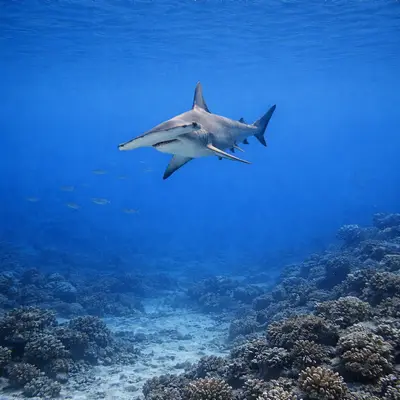
Hammerhead Shark
rare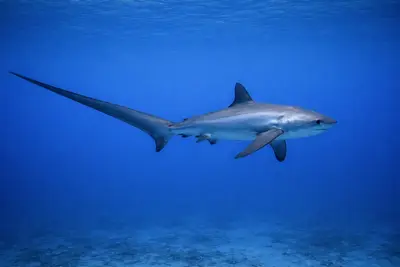
Thresher Shark
rare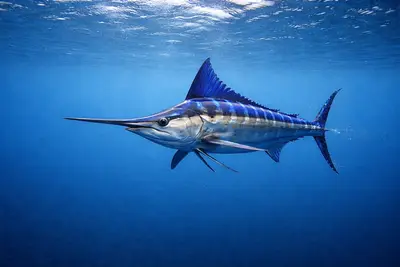
Marlin
rare
Dolphins
occasional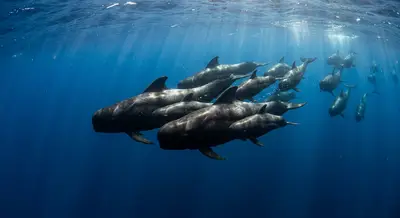
Pilot Whales
rareDive profile & how the dive runs
Crucifixion begins with a boat entry, often involving a negative descent to quickly reach the reef due to currents. Divers follow a steep, colorful reef slope that transitions into a vertical wall. The primary route involves exploring the vibrant coral coverage and seeking marine life amongst the overhangs. Around 30 to 40 meters, two small pinnacles serve as key observation points for larger fish schools and pelagic activity. Depending on current direction, the dive can be a drift along the wall, with divers keeping an eye on their depth. The turn point is determined by air consumption and bottom time, typically in the 40-50 minute range. Ascent involves a slow rise along the wall, with the safety stop conducted in the shallower, calmer sections of the reef or by deploying a safety sausage if drifting in open water, before boat pick-up.
Underwater photography
For wide-angle photographers, Crucifixion offers stunning vistas of the colorful reef slope and dramatic wall, making a fisheye or wide-angle rectilinear lens ideal for capturing the expansive scenery and schooling fish. External strobes are crucial to bring out the true colors of the soft corals and reef inhabitants. Due to potentially strong currents, maintaining excellent buoyancy control is paramount to avoid damaging delicate corals or being swept away. Consider aiming for shots that incorporate the unique overhangs and the interaction of fish life with the dynamic topography. For macro enthusiasts, while the site is known for wide-angle subjects, close inspection of coral crevices may reveal smaller critters, requiring a dedicated macro lens and perhaps a snoot for creative lighting.
Combine with nearby dive sites
- Bama Wall
A steep drop-off with healthy, colorful corals and abundant reef fish.
- Wolang Cavern
Features two caverns with diverse creatures and a colorful soft coral wall upon exit.
- Cathedral
Known for pristine coral coverage, cooler temperatures, and a swim-through at 30 meters.
- Andy’s Bus Stop
A stunning wall with incredible coral coverage and potential for large pelagic encounters.
- Current Alley
A strong current zone ideal for pelagic sightings.
- Mucky Mosque
An excellent muck diving site for macro lovers.
Getting there & logistics
Accessing Crucifixion typically involves flying into Alor Mali Airport (ARD) in Alor. From there, divers usually transfer to liveaboards or dive resorts, with many dive operations, such as Alor Tanapi Dive Resort, offering access to over 40 sites within a 30-45 minute speedboat ride. Liveaboard trips often embark from Kalabahi, Alor's principal port, or Labuan Bajo on Flores, combining Alor with destinations like Komodo. Trip lengths vary, but a 7-10 day liveaboard or resort stay is common to explore the region thoroughly. There are marine park fees, usually included in package prices, but specific permit details should be confirmed with your operator. This site is frequently combined with other Alor highlights, moving between coral-rich walls, muck diving bays, and current-swept pinnacles.
Safety & environment
The nearest recompression chamber is in Denpasar, Bali, requiring air evacuation in case of a serious diving incident, which can be logistically challenging and time-consuming. Dive insurance covering emergency evacuation and medical treatment is therefore mandatory. Site-specific hazards at Crucifixion include strong, unpredictable currents, which necessitate excellent buoyancy control, proficient drift diving techniques, and strict adherence to dive guide instructions. Cooler thermoclines can be present, especially at deeper depths, so a 5mm wetsuit is often recommended. Divers should always carry an SMB and whistle for surface signaling. Due to its remote location, self-sufficiency and preparedness are crucial.
Who it suits — and who it doesn't
Suited for
- Experienced divers comfortable with strong currents
- Divers seeking vibrant coral walls and pelagic encounters
- Underwater photographers equipped for wide-angle shots
- Divers interested in diverse reef ecosystems
- Liveaboard guests exploring Alor's highlights
Less suited for
- Novice or inexperienced divers
- Divers uncomfortable with drift diving
- Those prone to seasickness in strong currents
- Divers without comprehensive dive insurance
- Individuals who prefer calm, current-free environments
FAQ
Crucifixion FAQ
What kind of currents can be expected at Crucifixion?
Crucifixion is located in the Pantar Strait, which is known for its strong tidal movements. Divers can frequently expect moderate to strong currents, particularly around new and full moon phases. These conditions contribute to exciting drift dives and attract a rich diversity of marine life, though they require divers to be experienced and comfortable in dynamic water conditions.
What is the topography of the Crucifixion dive site?
The dive site begins with a steep, colorful reef slope featuring impressive overhangs that gradually transition into a vertical wall. Additionally, there are two small pinnacles at depths ranging from 30 to 40 meters, which are known for attracting a lot of fish activity. This varied topography provides a dynamic and engaging dive experience.
What marine life is commonly seen at Crucifixion?
Crucifixion is home to abundant reef fish such as anthias, butterflyfish, fusiliers, and occasionally schooling snapper, Napoleon wrasse, and humphead parrotfish. The strong currents can also bring opportunities to spot pelagic species like tuna and trevally. Rare sightings of hammerheads, thresher sharks, and even mola mola are possible, especially in specific seasons.
Is Crucifixion suitable for beginner divers?
Due to the often strong and unpredictable currents, Crucifixion is not recommended for beginner divers. It is best suited for experienced divers who are comfortable with drift diving and have good buoyancy control. Prior experience diving in current-rich environments is highly advisable to safely enjoy this site.
What water temperatures can be expected at Crucifixion?
Water temperatures at Crucifixion generally range from 27 to 30°C. However, upwellings from the south, particularly in deeper areas or during certain seasons, can bring cooler water, sometimes dropping to around 22°C. A 5mm wetsuit is often advised to ensure comfort throughout the dive, especially if planning deeper exploration.
Why dive Crucifixion from a liveaboard?
Crucifixion is one of Alor's signature dive sites. A liveaboard sleeps you on the water and puts you in the water for three to four guided dives per day, including dawn and night dives that day-boat operators rarely offer. You skip the daily commute back to port and reach quieter, less-crowded sites in the same region on a single trip.
Below are the liveaboards that include Crucifixion on their Alor itineraries.
Liveaboards diving Crucifixion
These liveaboards may visit Crucifixion on selected itineraries — the exact dive sites depend on departure, weather and conditions.
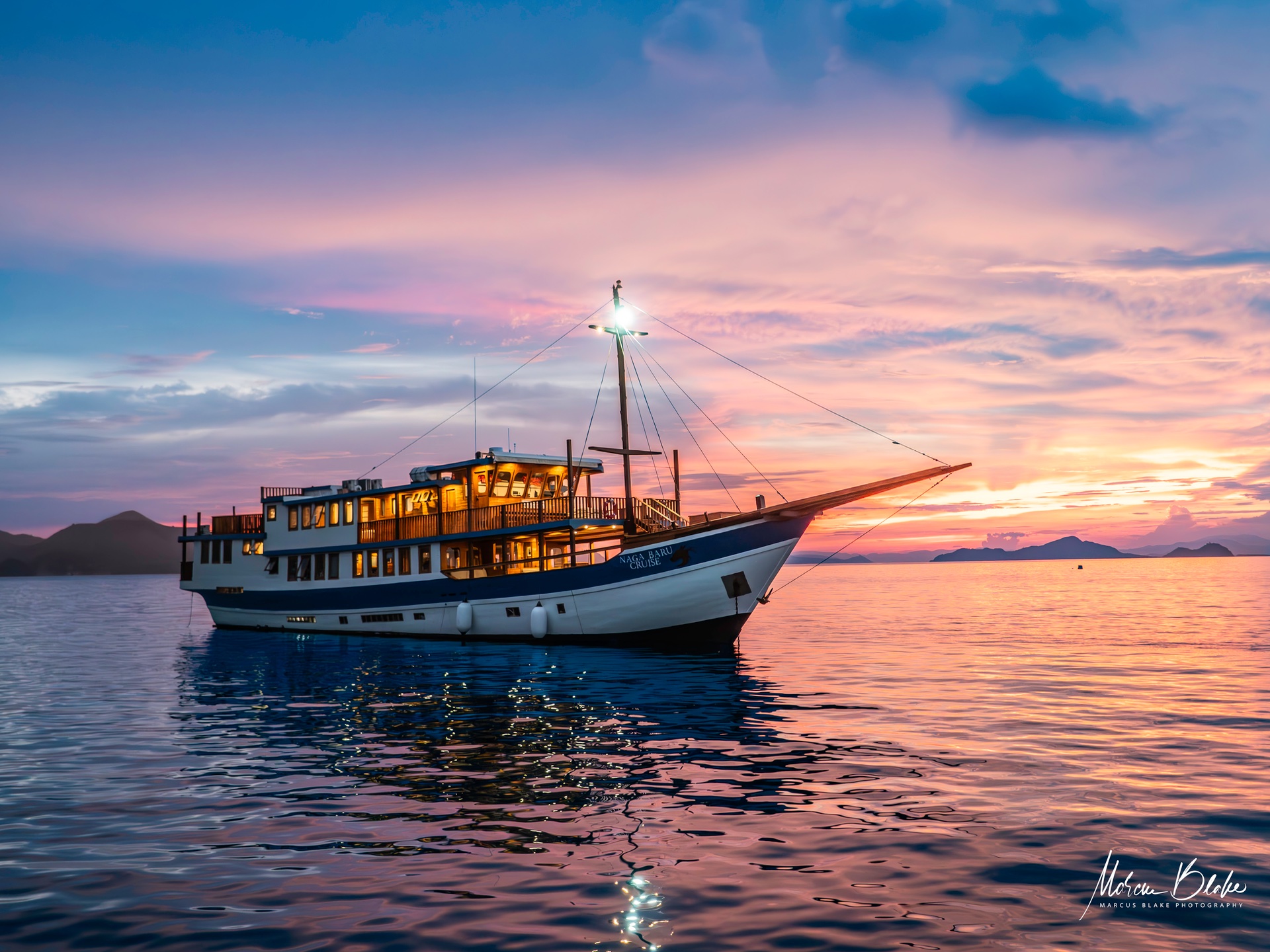
Naga Biru
Indonesia
12 guests40 m
$273/day
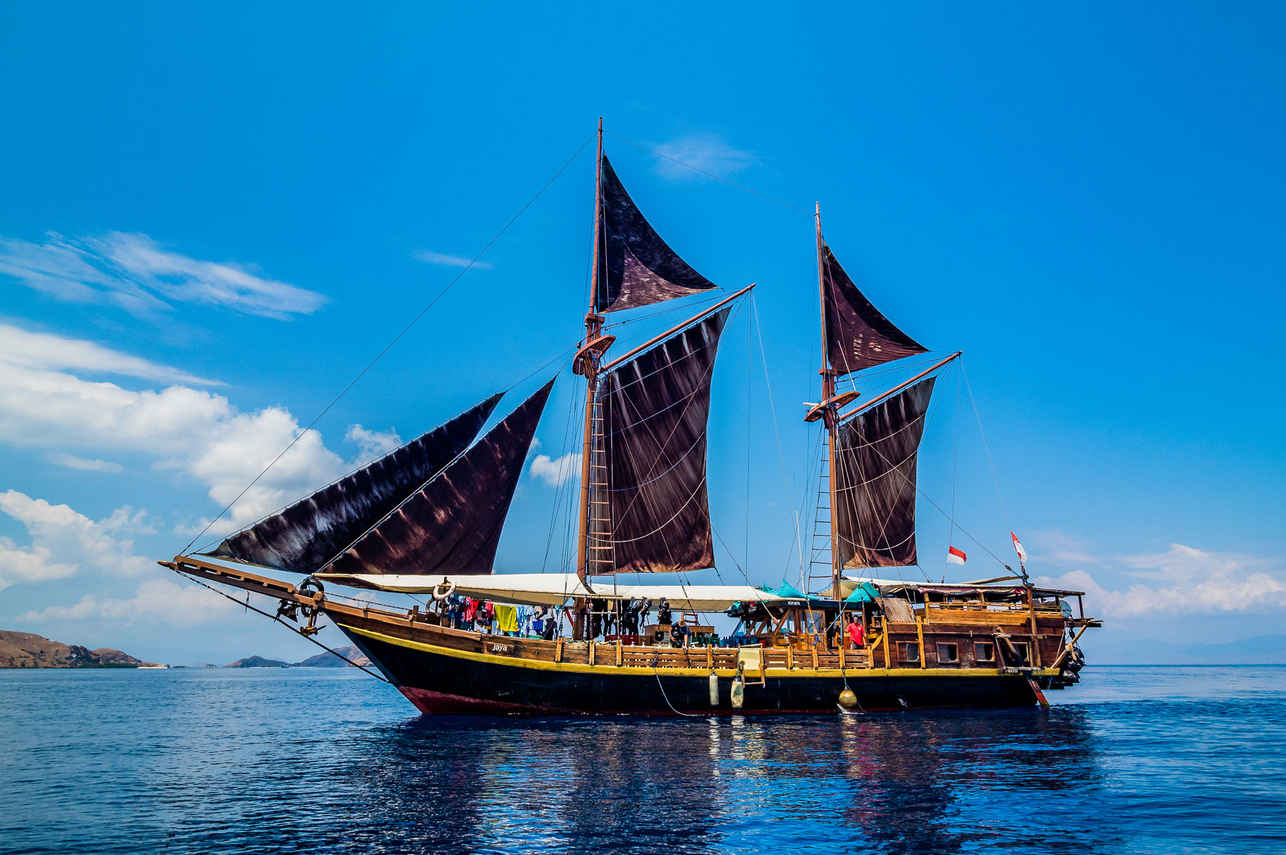
Jaya
Indonesia
14 guests23 m
$280/day
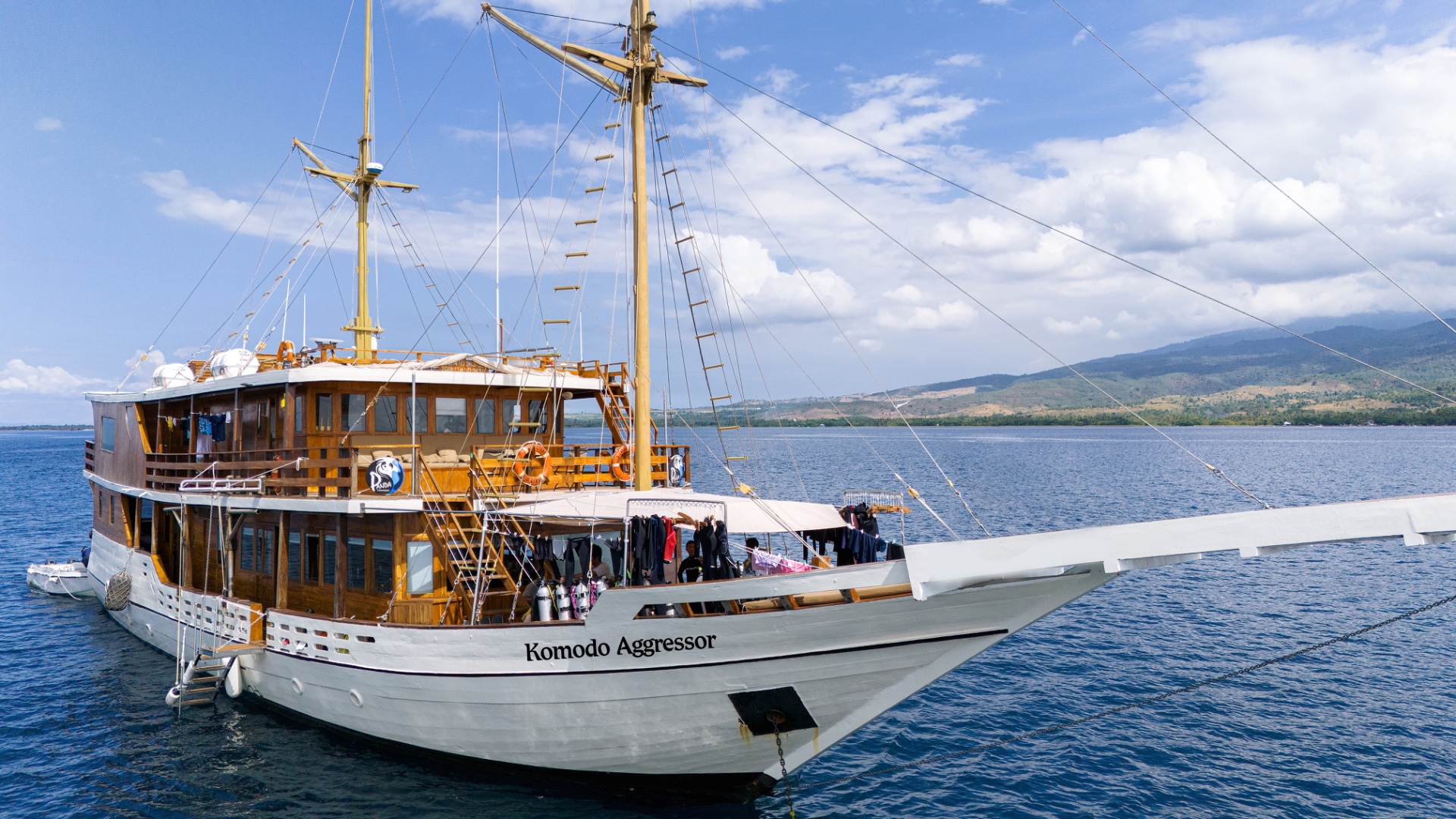
Komodo Aggressor
Komodo, Indonesia
16 guests29 m
$312/day
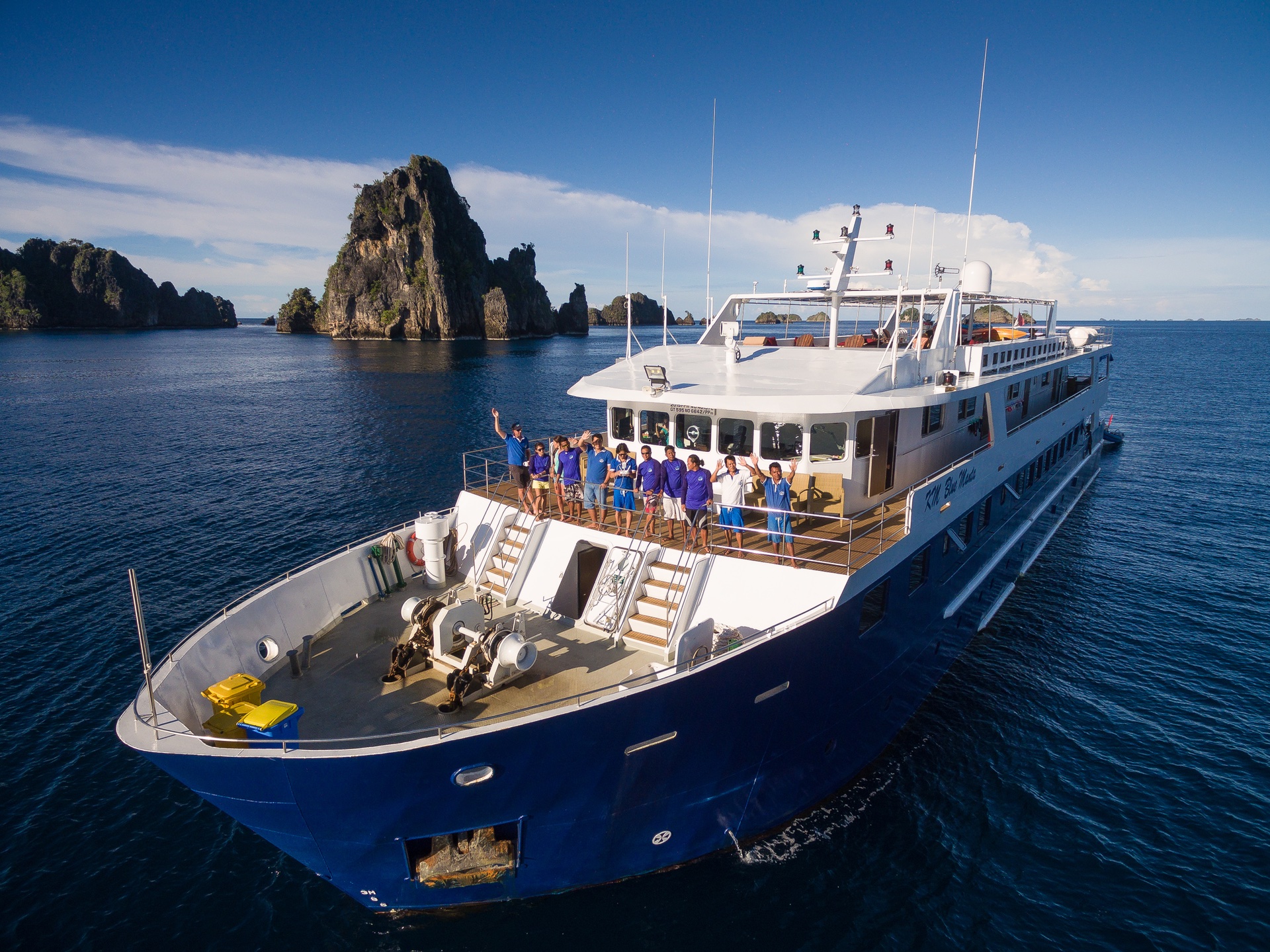
Blue Manta
Indonesia
20 guests45 m
$488/day
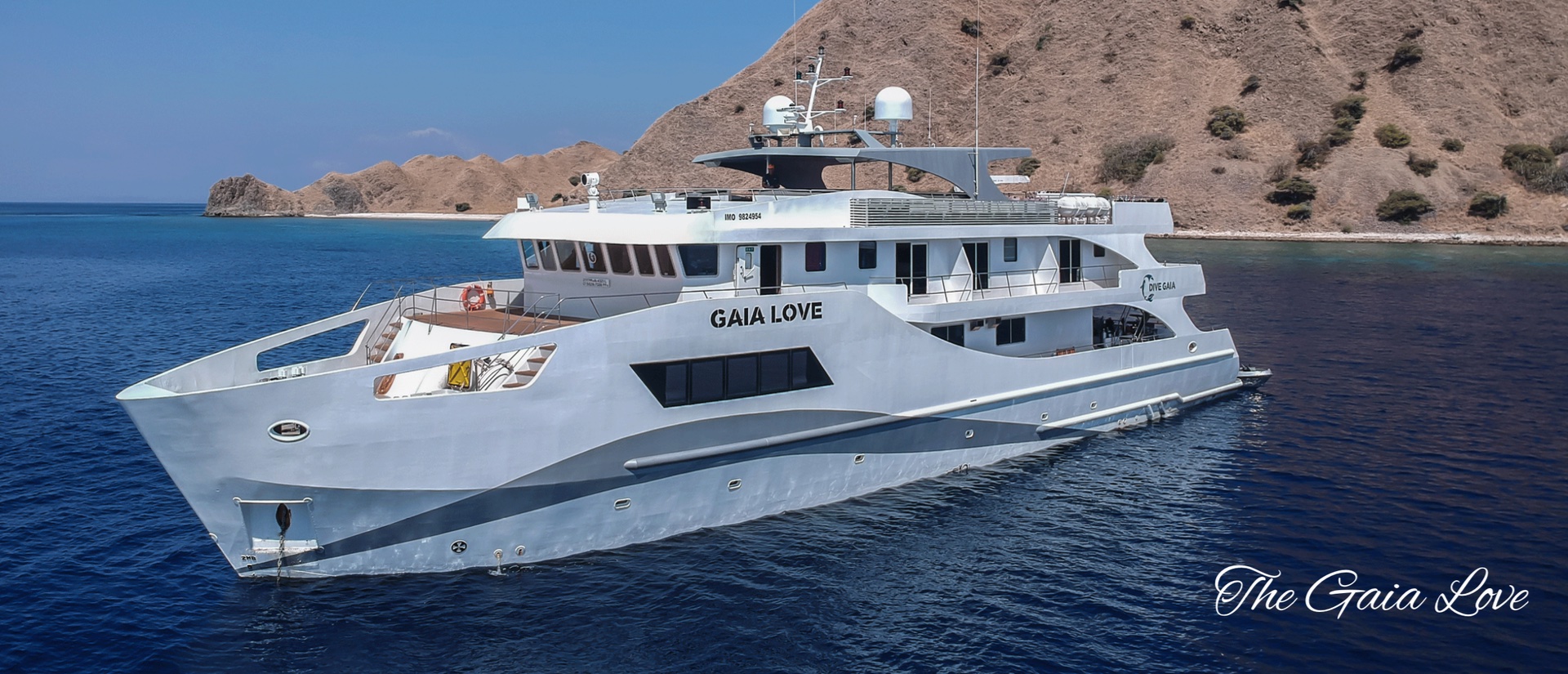
Gaia Love
Alor
20 guests
$554/day
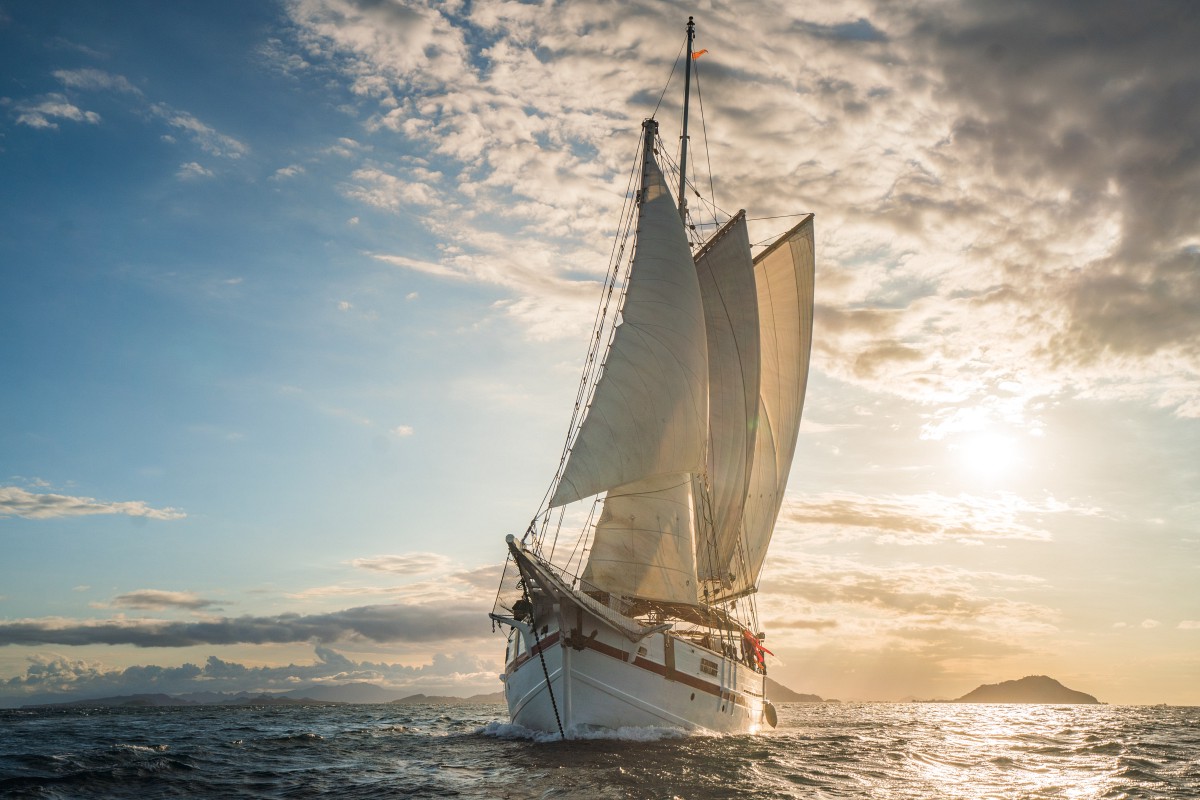
Emperor Raja Laut
Raja Ampat, Indonesia
12 guests31 m
$413/day
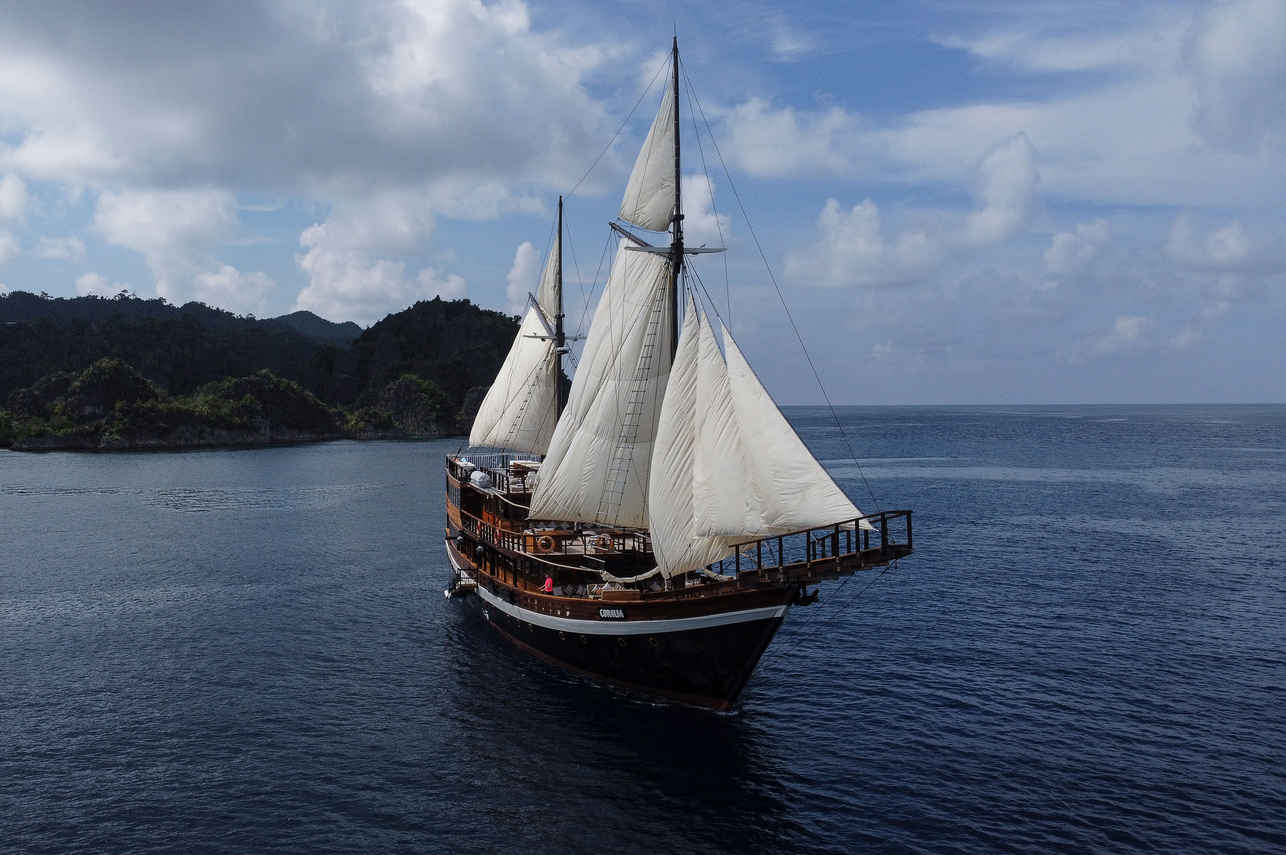
Coralia
Indonesia
16 guests48 m
$577/day
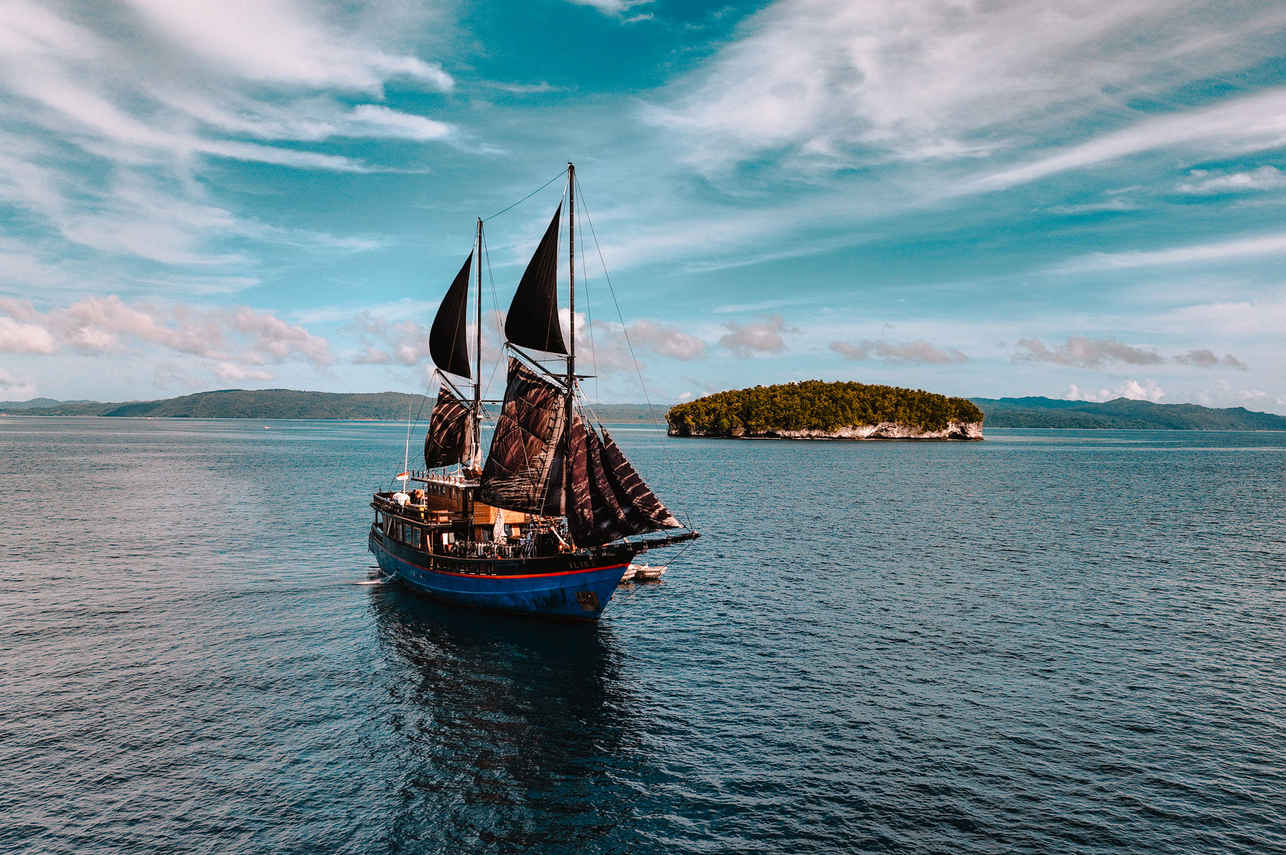
Ilike
Indonesia
16 guests40 m
$298/day
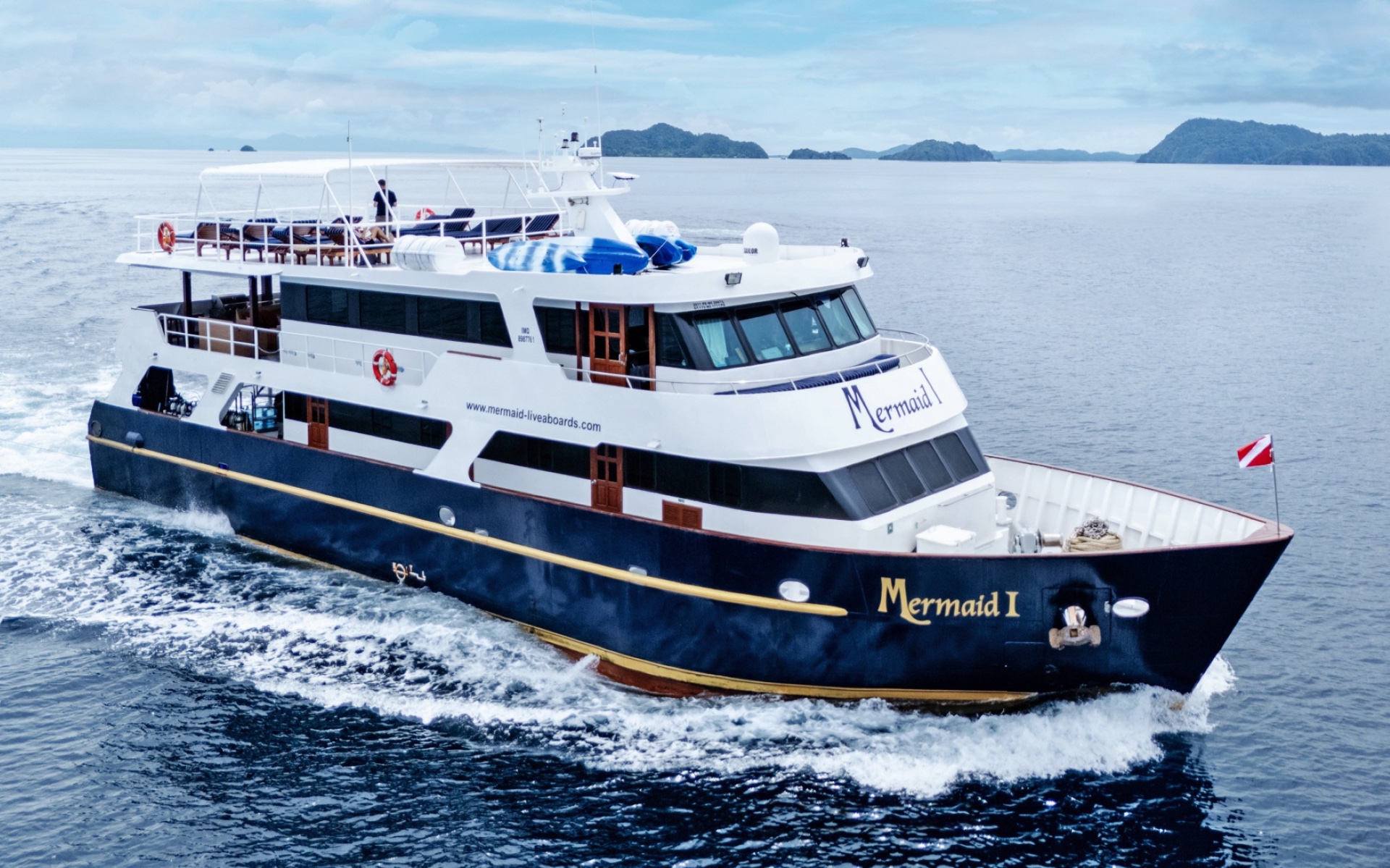
Mermaid I
Alor
15 guests28 m
$371/day
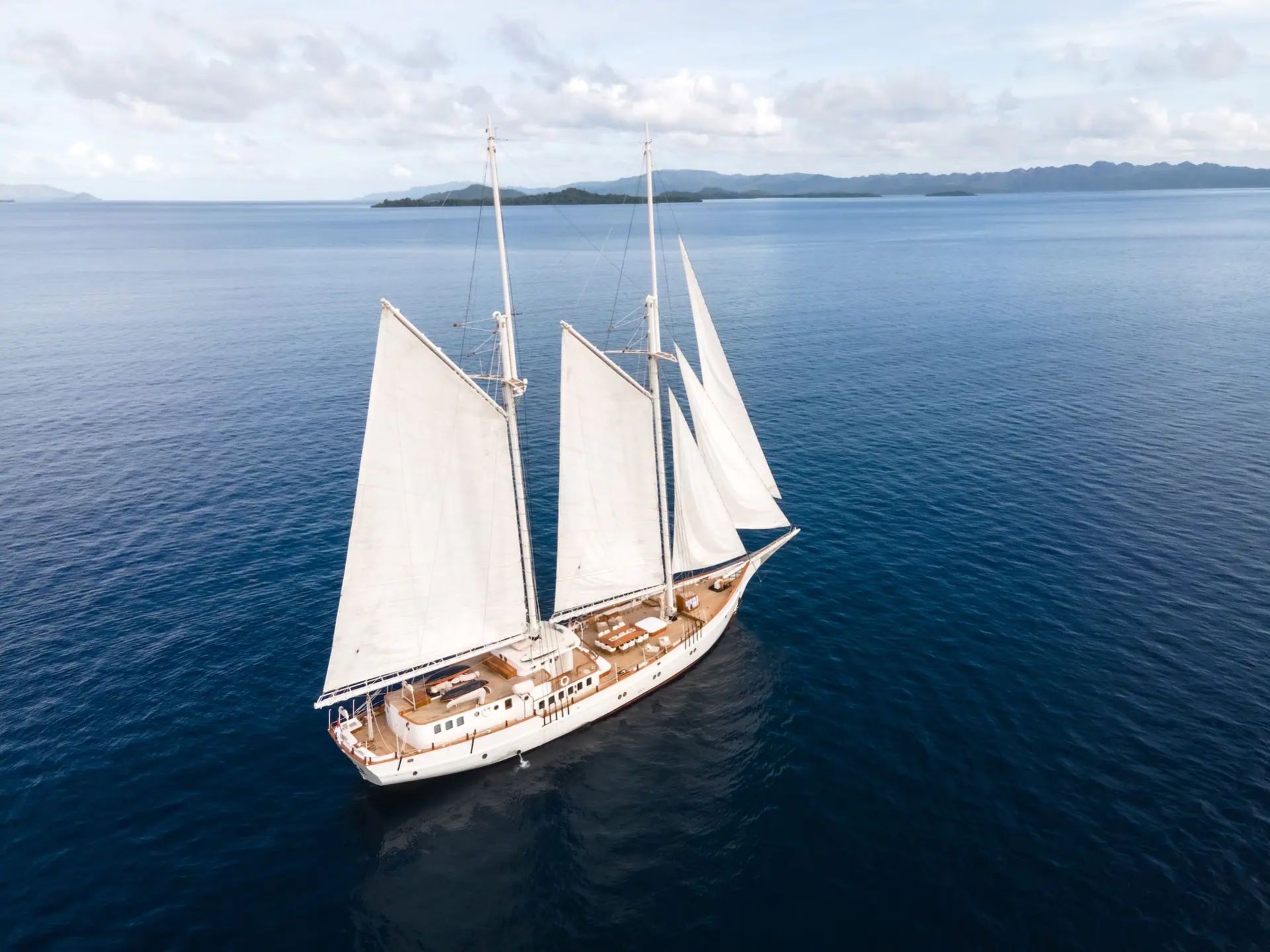
Mutiara Laut
Indonesia
14 guests46 m
$741/day
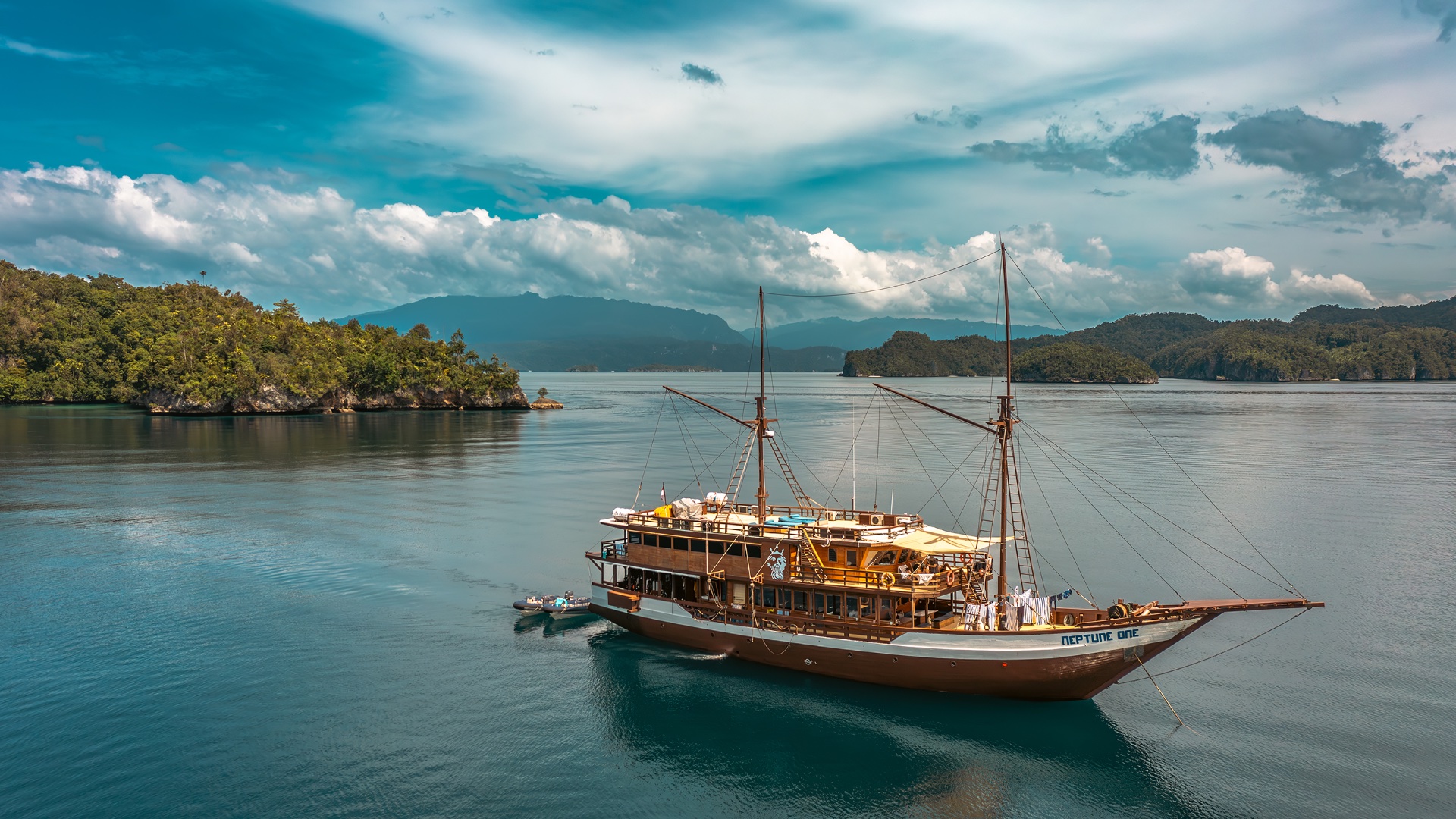
Neptune One
Indonesia
16 guests38 m
$284/day
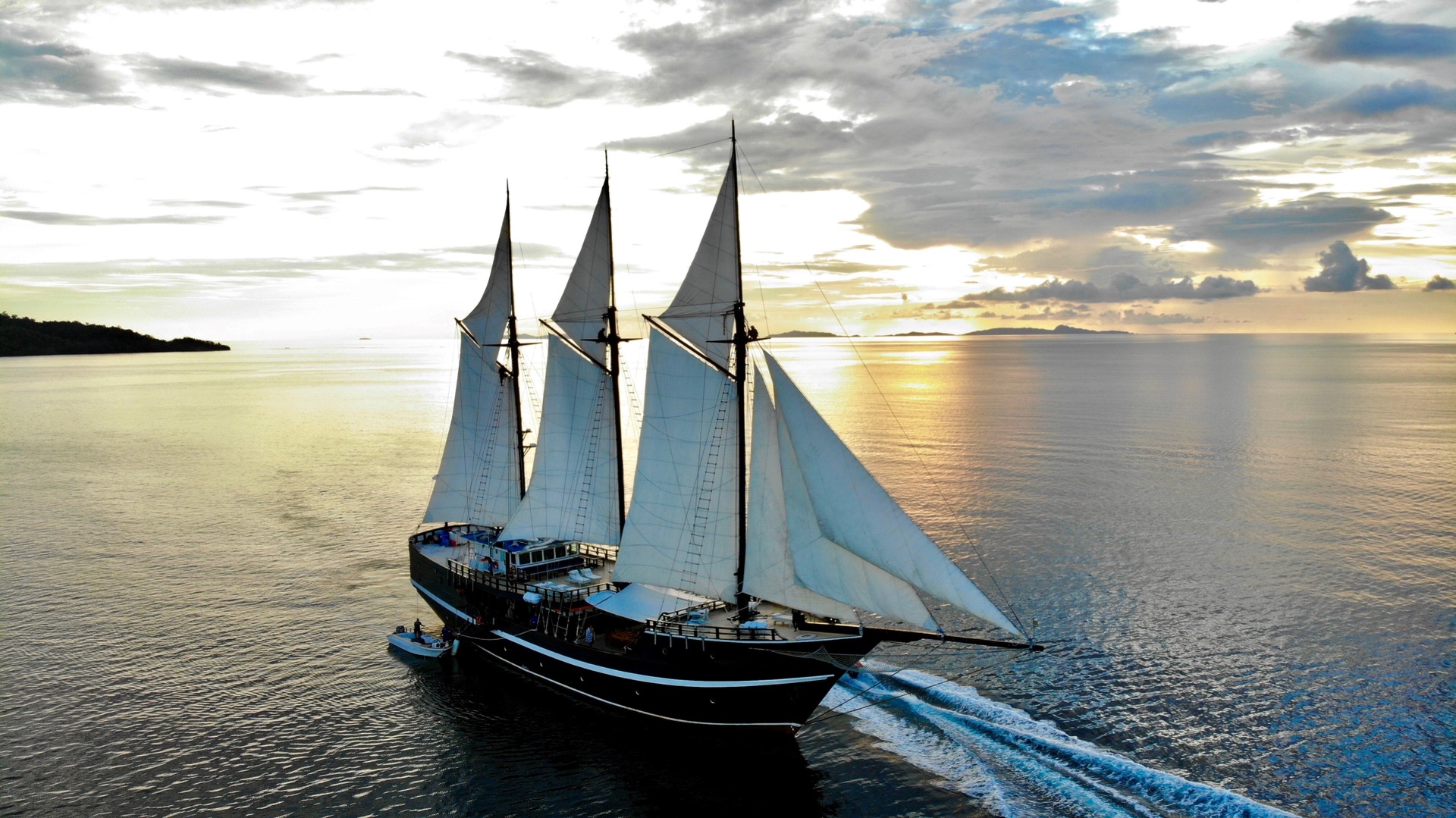
Dewi Nusantara
Indonesia
18 guests57 m
$493/day
Dive sites similar to Crucifixion
Same character, same waters — six more sites divers love for the exact same reasons.Compare seasons, access and liveaboard routes — then pick the site that fits your trip best.
© Esri — Maxar, Earthstar, GIS
Schools Out
Alor
Schools Out in Alor offers divers an exceptional encounter with healthy coral reefs and a rich variety of marine species.
- Suitable for
- Intermediate
- Current
- Mild
- Access
- Liveaboard only
- Depth
- 20–30 m
- Theme
- Reef
© Esri — Maxar, Earthstar, GIS
Pasir Merah
Alor
Pasir Merah, or Red Sand, is a distinctive dive site situated north of Pura Island in the Alor Archipelago, East Nusa Tenggara.
- Suitable for
- Intermediate
- Current
- Moderate
- Access
- Liveaboard or dayboat
- Depth
- 5–35 m
- Theme
- Muck diving / Reef
© Esri — Maxar, Earthstar, GIS
Rusa Pinnacle
Alor
Rusa Pinnacle is a challenging yet highly rewarding dive site situated in the Alor archipelago, part of Indonesia's East Nusa Tenggara.
- Suitable for
- Advanced
- Current
- Strong
- Access
- Liveaboard only
- Depth
- 6–30 m
- Theme
- Reef
© Esri — Maxar, Earthstar, GIS
Goa Wolang
Alor
Goa Wolang, also known as Wolang Cave, is a distinctive dive site located in South Alor, renowned for its intriguing topography and diverse marine life.
- Suitable for
- Advanced
- Current
- Strong
- Access
- Dayboat
- Depth
- 5–30 m
- Theme
- Cavern / Wall
© Esri — Maxar, Earthstar, GIS
La Petite Kepa
Alor
La Petite Kepa refers to both a renowned dive site and the associated dive resort located on Kepa Island, within the Alor Archipelago in Indonesia.
- Suitable for
- Beginner
- Current
- Mild
- Access
- Shore / dayboat
- Depth
- 5–40 m
- Theme
- Reef
© Esri — Maxar, Earthstar, GIS
Tanjung Lusitobo
Alor
Tanjung Lusitobo is a dynamic dive site in Alor, celebrated for its rich biodiversity and vibrant underwater topography.
- Suitable for
- Intermediate
- Current
- Moderate
- Access
- Liveaboard only
- Depth
- 5–30 m
- Theme
- Reef