About Tanjung Lusitobo
Tanjung Lusitobo is a dynamic dive site in Alor, celebrated for its rich biodiversity and vibrant underwater topography. Situated in an area known for strong currents, it is a prime location for encountering both rare macro critters and schooling fish, thriving in nutrient-rich waters that support an exceptionally healthy reef system. Divers can expect a visually stunning experience, characterized by a kaleidoscope of coral gardens and an abundance of marine life. The site features varied underwater terrain, including slopes and walls adorned with healthy hard and soft corals. Depths typically range from shallow, critter-rich areas to deeper sections where larger pelagic species may be sighted. The unique volcanic origins of the Alor region contribute to the immense diversity of species found here, making Tanjung Lusitobo a microcosm of the Coral Triangle's richness. While the specific topography of Tanjung Lusitobo itself isn't detailed, Alor dive sites generally benefit from currents sweeping through straits, delivering a constant supply of nutrients. This results in flourishing ecosystems where everything from tiny nudibranchs to larger schooling fish congregate. The experience at Tanjung Lusitobo is one of active marine life, with opportunities for both wide-angle and macro photography. Diving here often involves managing currents, which are a key factor in the site's vitality, yet it caters to divers looking for both thrilling drift dives and detailed critter hunts. The water temperature generally remains warm, ensuring comfortable conditions for extended explorations of its prolific reefs.
Highlights
Healthy hard and soft coralsDiverse macro lifeSchooling reef fishNutrient-rich currentsVibrant reef ecosystemVolcanic underwater topographyPelagic encounters possible
Season calendar
Best months to dive here
Jan
Feb
Mar
Apr
May
Jun
Jul
Aug
Sep
Oct
Nov
Dec
Excellent
Good
Dive site facts: Tanjung Lusitobo
- Depth
- Variable, typically 5-30 m
- Current
- Strong and variable
- Visibility
- 10-30 m, up to 40 m
- Water temperature
- 25-30°C
- Entry
- Tender / negative entry common
- Level
- Advanced Open Water recommended, current experience essential
- Dive type
- Reef, drift, macro, wide-angle
- Region / port
- Alor, East Nusa Tenggara, Indonesia
- Coordinates
- 8.4907° S, 124.0392° E
Conditions & Currents
Dive sites in Alor, including Tanjung Lusitobo, are often characterized by strong currents and eddies, which bring in the vital nutrients that support the rich marine life. These currents can vary significantly depending on the location and specific dive site, necessitating experience in drift diving and careful planning. Divers should be prepared for potential thermoclines, especially in southern areas, which can lead to cooler water temperatures requiring thicker wetsuits. Entry to sites with strong currents often involves negative buoyancy to quickly reach the desired depth and avoid being swept away. Visibility is generally excellent during the dry season, ranging from 10 to 30 meters, but can be reduced during the monsoon months from November to March due to rough seas and increased rainfall. The presence of strong currents means divers should possess advanced open water certificat
Marine life & sighting chances

Nudibranchs
All year · common
Pygmy Seahorses
occasional
Flamboyant Cuttlefish
occasional
Mimic Octopus
occasional
Rhinopias
All year · occasional
Hammerhead Sharks
Oct-Jul (peak around new/full moon) · occasional
Thresher Sharks
rare
Mola Mola
rare
Dolphins
occasional
Whales
occasional
Sea Turtles
common
Schools of Barracudas
occasional
Reef Sharks (Grey, Whitetip)
occasional
Dogtooth Tuna
occasionalDive profile & how the dive runs
A typical dive at Tanjung Lusitobo involves a careful entry, often with negative buoyancy, to quickly descend into the reef's active zone, especially if currents are strong. The dive route commonly follows the contours of the reef, exploring slopes and walls adorned with healthy corals. Divers can expect to move between macro-rich areas closer to the reef and deeper sections where pelagic life might be encountered. Attention to current direction and strength is crucial for optimal positioning and buoyancy control throughout the dive. The dive master will guide the group along the most productive parts of the reef, ensuring opportunities for spotting both small critters and larger schooling fish. Safety stops are performed in shallower, sheltered areas or as a drift, carefully monitoring remaining air and no-decompression limits.
Underwater photography
Tanjung Lusitobo offers excellent opportunities for both macro and wide-angle photography due to its diverse marine life and healthy coral ecosystems. For macro enthusiasts, a dedicated macro lens (e.g., 60mm or 100/105mm) paired with dual strobes will capture the intricate details of nudibranchs, pygmy seahorses, and other unique critters found on the reef slopes and in crevices. Patience and excellent buoyancy are key to avoiding disturbing subjects and the delicate coral environment. Wide-angle photographers will appreciate the vibrant coral gardens and potential for schooling fish or pelagic encounters, benefiting from a wide-angle lens (e.g., fisheye or rectilinear 16-35mm) to capture the expansive reef scenery. Pay attention to lighting, especially in deeper areas or during overcast conditions, utilizing strobes or video lights to bring out the true colors of the reef. Always maintain a respectful distance from marine life and avoid touching any part of the reef.
Combine with nearby dive sites
- Watu Balu
Watu Balu offers divers a vibrant and dynamic underwater experience in the Alor Archipelago, characterized by strong currents and an…
- Kal's Dream
Renowned muck diving site
- Pura Island Drop-off
Boasts stunning soft coral gardens
- The Twilight Zone
Known for cold water and potential macro finds
- Sharks Galore
Good chance of seeing reef sharks and tuna
- Kalabahi Bay
Excellent muck diving for macro photographers
Getting there & logistics
Alor is primarily accessed via domestic flights to Mali Airport (ARD) near Kalabahi, typically connecting from major Indonesian hubs like Bali (DPS) or Kupang (KOE). Liveaboards are the most common way to dive Alor, offering itineraries that often combine Alor with other regions like Komodo, Banda Sea, or Flores, lasting 8 to 12 days or longer for extended expeditions. Some liveaboards like Mermaid I and Mermaid II include Alor in their offerings. Departure ports for these liveaboards can vary, but Maumere (Flores) is a common starting point for journeys extending to Alor. Local dive operators also offer day trips from Kalabahi for those staying on land. Permits and national park fees are generally included in liveaboard packages, but it's advisable to confirm with your operator.
Safety & environment
Diving in Alor, including at sites like Tanjung Lusitobo, requires careful attention to safety protocols due to potentially strong and unpredictable currents. All divers should be adequately trained for drift diving and maintain excellent buoyancy control. A recompression chamber is not immediately available on Alor, with the nearest facilities typically located in Bali or Makassar, making evacuation a complex and potentially lengthy process. Therefore, comprehensive dive accident insurance, such as that provided by DAN, is absolutely essential. Divers should always dive within their limits, follow dive master instructions, and maintain awareness of their surroundings. Emergency communication protocols should be clear with the dive operator, especially given the remote nature of many Alor dive sites.
Who it suits — and who it doesn't
Suited for
- Experienced divers comfortable with strong currents
- Underwater photographers (macro and wide-angle)
- Divers seeking pristine, biodiverse reefs
- Liveaboard enthusiasts exploring remote destinations
- Macro critter hunters
Less suited for
- Beginner divers or those without current experience
- Divers uncomfortable with potential cold water or thermoclines
- Those sensitive to long travel times to remote areas
- Divers seeking exclusively easy, current-free sites
- Divers who do not have dive accident insurance
FAQ
Tanjung Lusitobo FAQ
What kind of marine life can I expect at Tanjung Lusitobo?
Tanjung Lusitobo is rich in both macro and pelagic life. You can anticipate seeing a vibrant array of nudibranchs, pygmy seahorses, and flamboyant cuttlefish. Larger species such as schooling reef fish, reef sharks, and occasionally hammerheads or dogtooth tuna may also be sighted, especially in the currents.
Are the currents strong at Tanjung Lusitobo?
Yes, like many sites in Alor, Tanjung Lusitobo can experience strong and variable currents. These currents are vital for bringing nutrients to the reef, supporting its rich ecosystem. Divers should be experienced in drift diving and possess good buoyancy control to manage these conditions effectively.
When is the best time of year to dive Tanjung Lusitobo?
The ideal time to dive Tanjung Lusitobo is during Alor's dry season, from April to October. This period offers the best visibility and calmest surface conditions, with water temperatures ranging between 25 and 30°C. The monsoon season from November to March is generally not recommended for diving.
Is Tanjung Lusitobo suitable for underwater photography?
Absolutely. Tanjung Lusitobo is excellent for both macro and wide-angle photography. The site's diverse critters, healthy corals, and schooling fish provide abundant subjects. Photographers should be prepared with appropriate lenses and lighting to capture the rich details and vibrant colors of the reef.
What dive experience level is required for Tanjung Lusitobo?
Tanjung Lusitobo is best suited for experienced divers, preferably those with an Advanced Open Water certification and prior experience in current-rich environments. The dynamic conditions and potential for strong drifts mean that good buoyancy control and situational awareness are crucial for a safe and enjoyable dive.
Why dive Tanjung Lusitobo from a liveaboard?
Tanjung Lusitobo is one of Alor's signature dive sites. A liveaboard sleeps you on the water and puts you in the water for three to four guided dives per day, including dawn and night dives that day-boat operators rarely offer. You skip the daily commute back to port and reach quieter, less-crowded sites in the same region on a single trip.
Below are the liveaboards that include Tanjung Lusitobo on their Alor itineraries.
Liveaboards diving Tanjung Lusitobo
These liveaboards may visit Tanjung Lusitobo on selected itineraries — the exact dive sites depend on departure, weather and conditions.
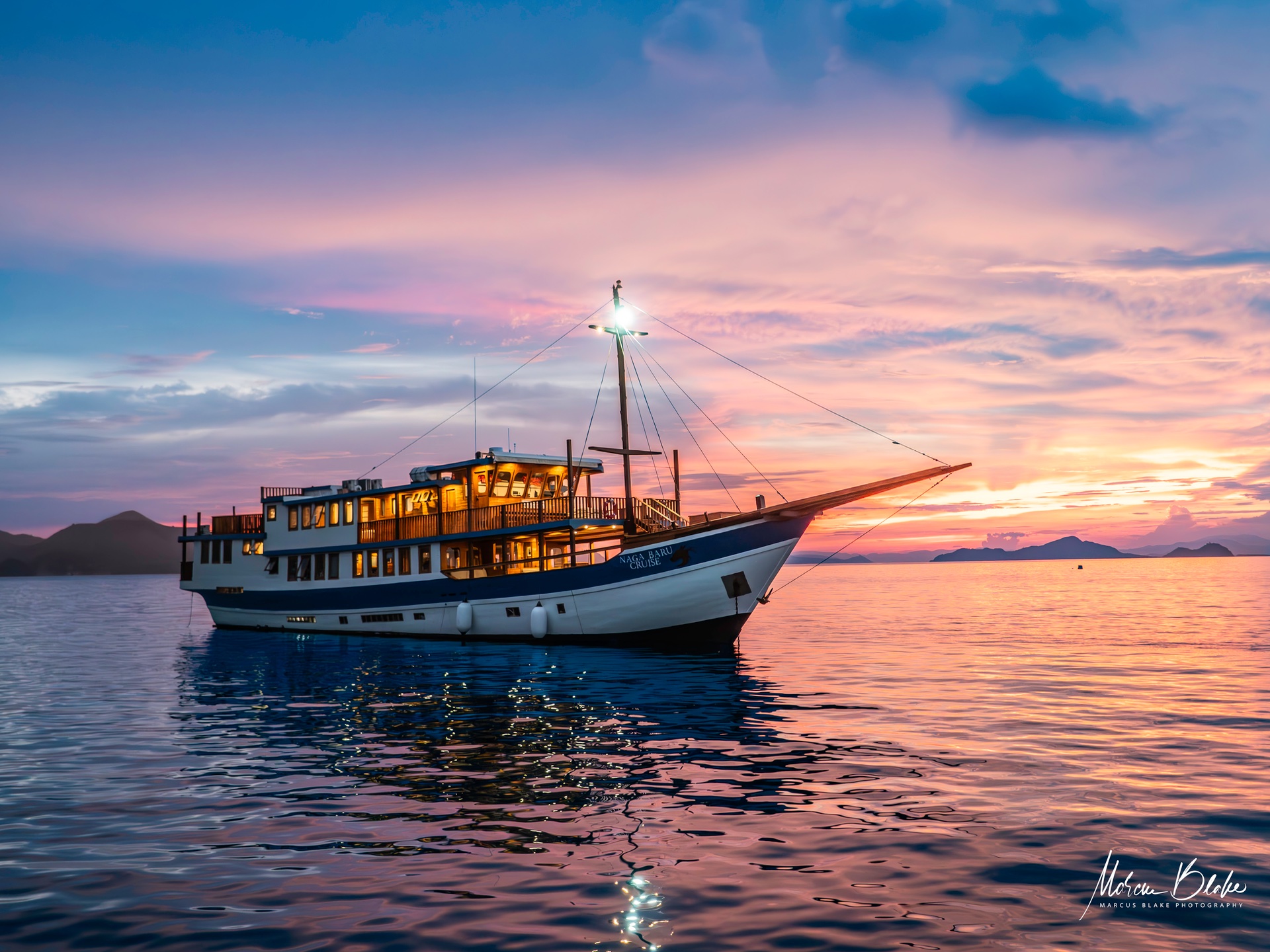
Naga Biru
Indonesia
12 guests40 m
$311/day
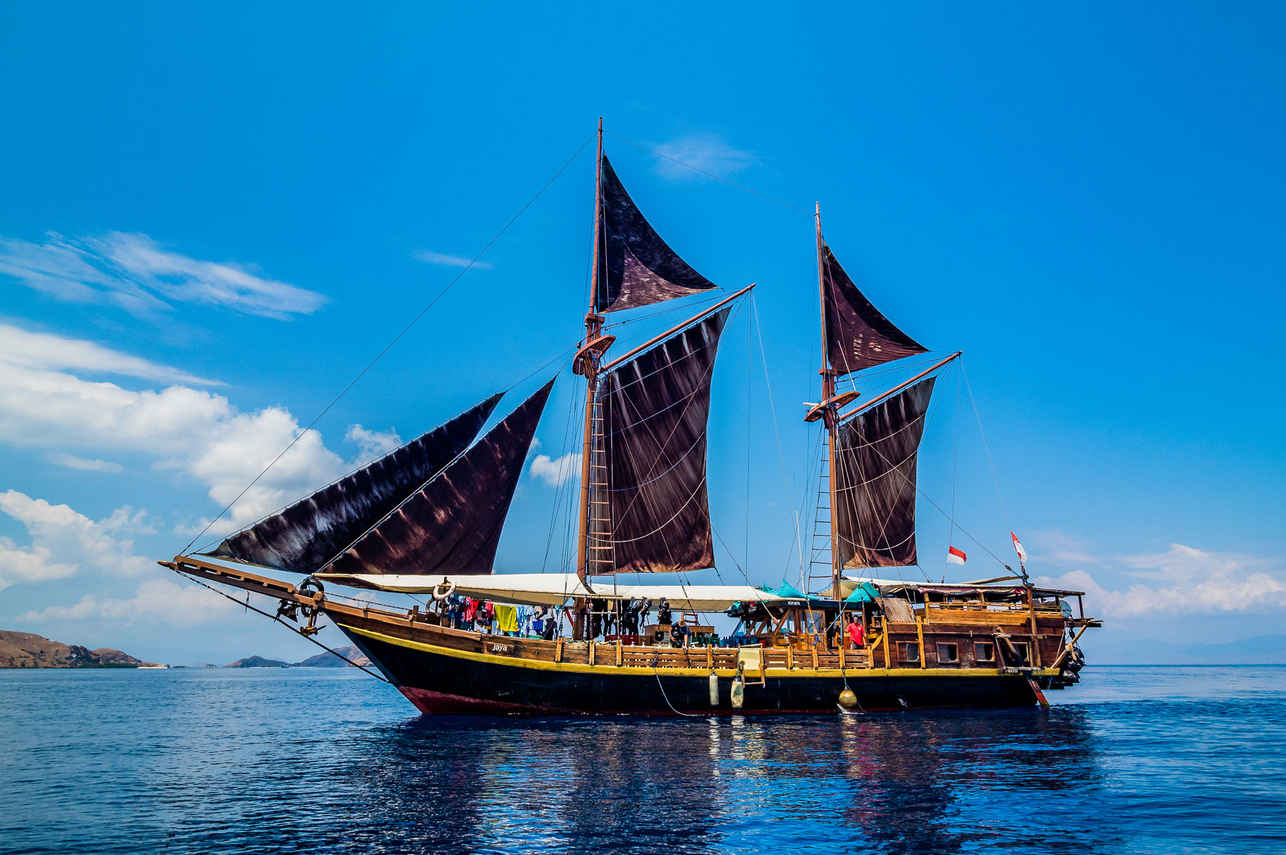
Jaya
Indonesia
14 guests23 m
$280/day
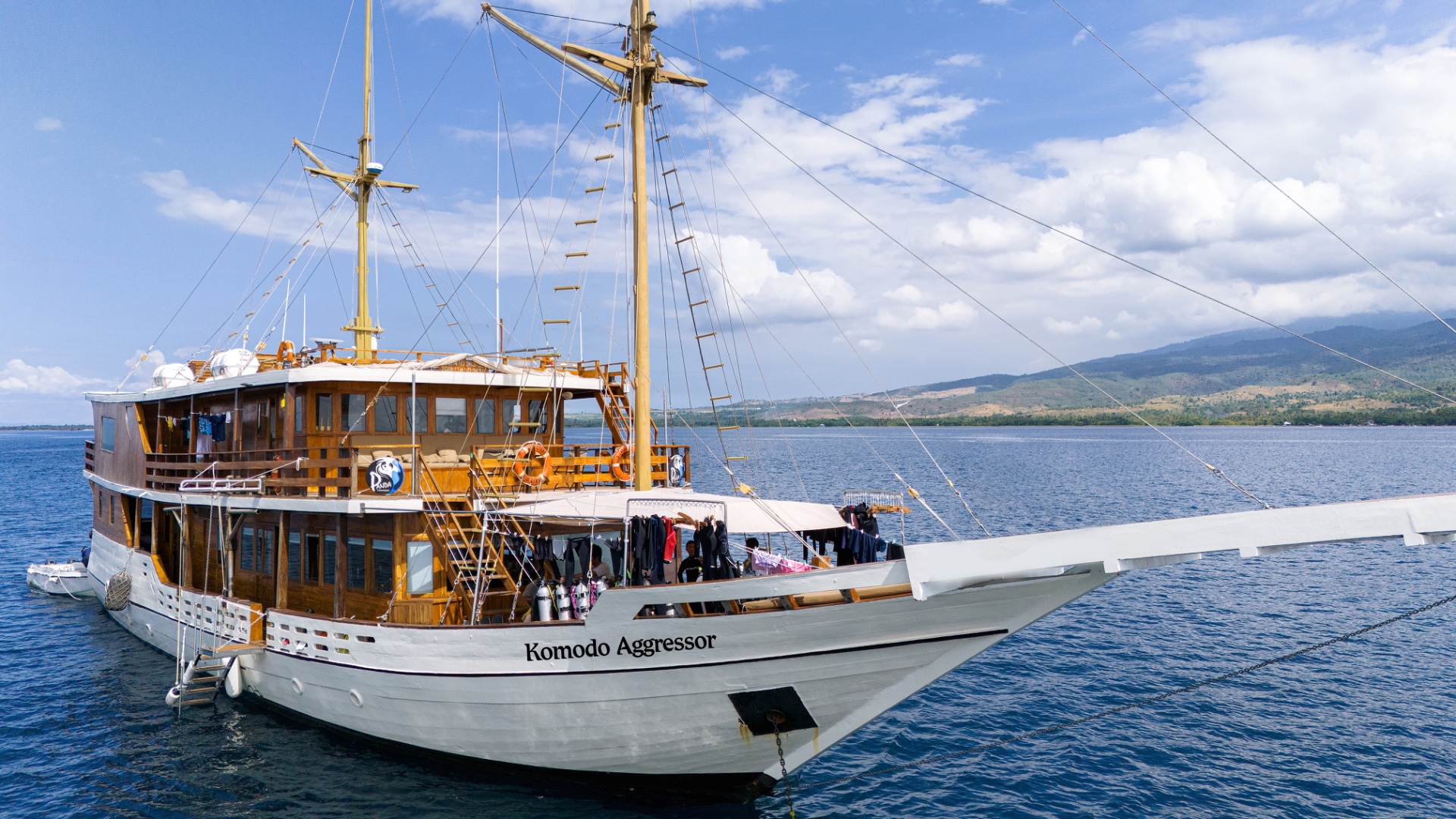
Komodo Aggressor
Komodo, Indonesia
16 guests29 m
$312/day
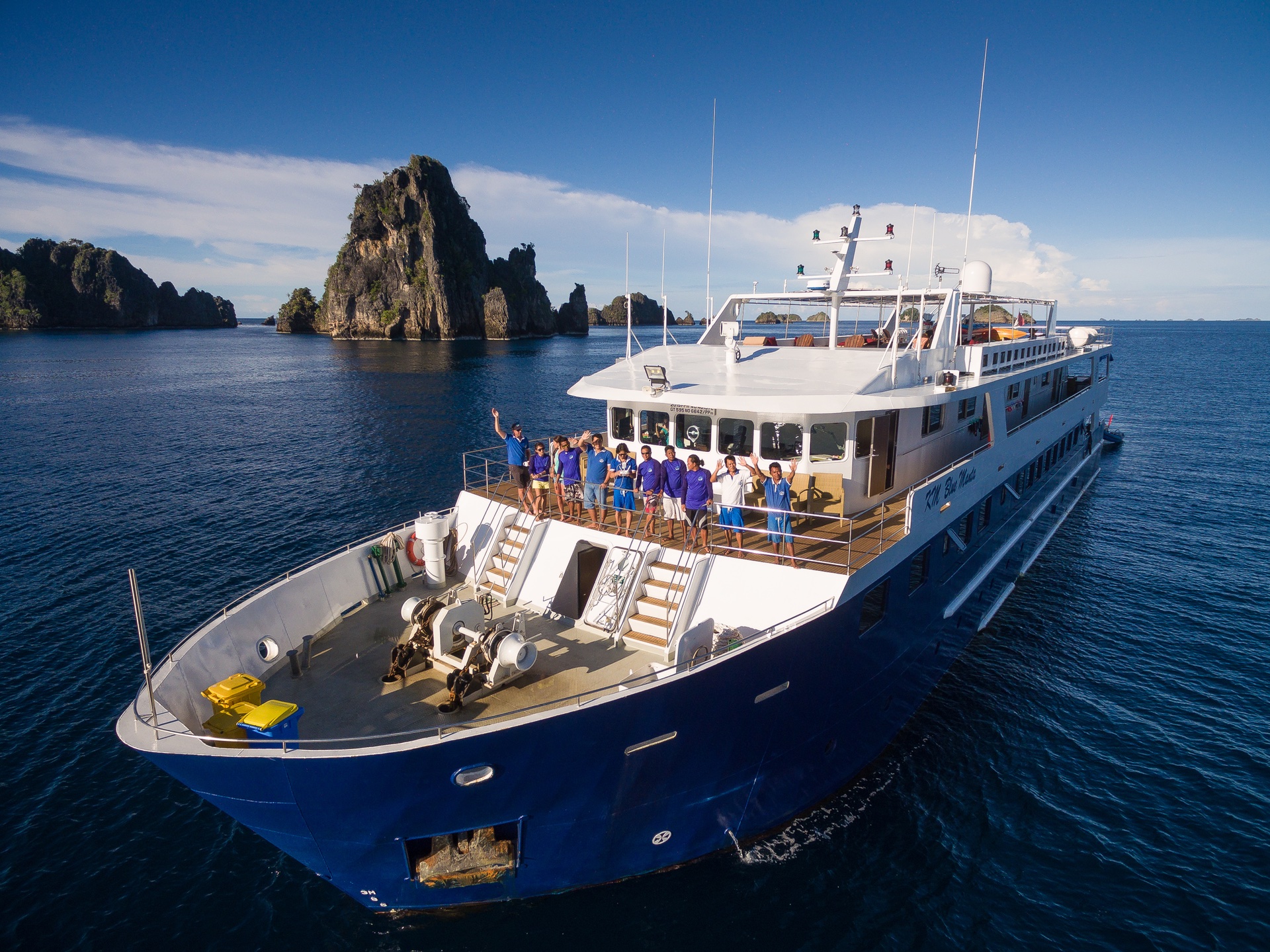
Blue Manta
Indonesia
20 guests45 m
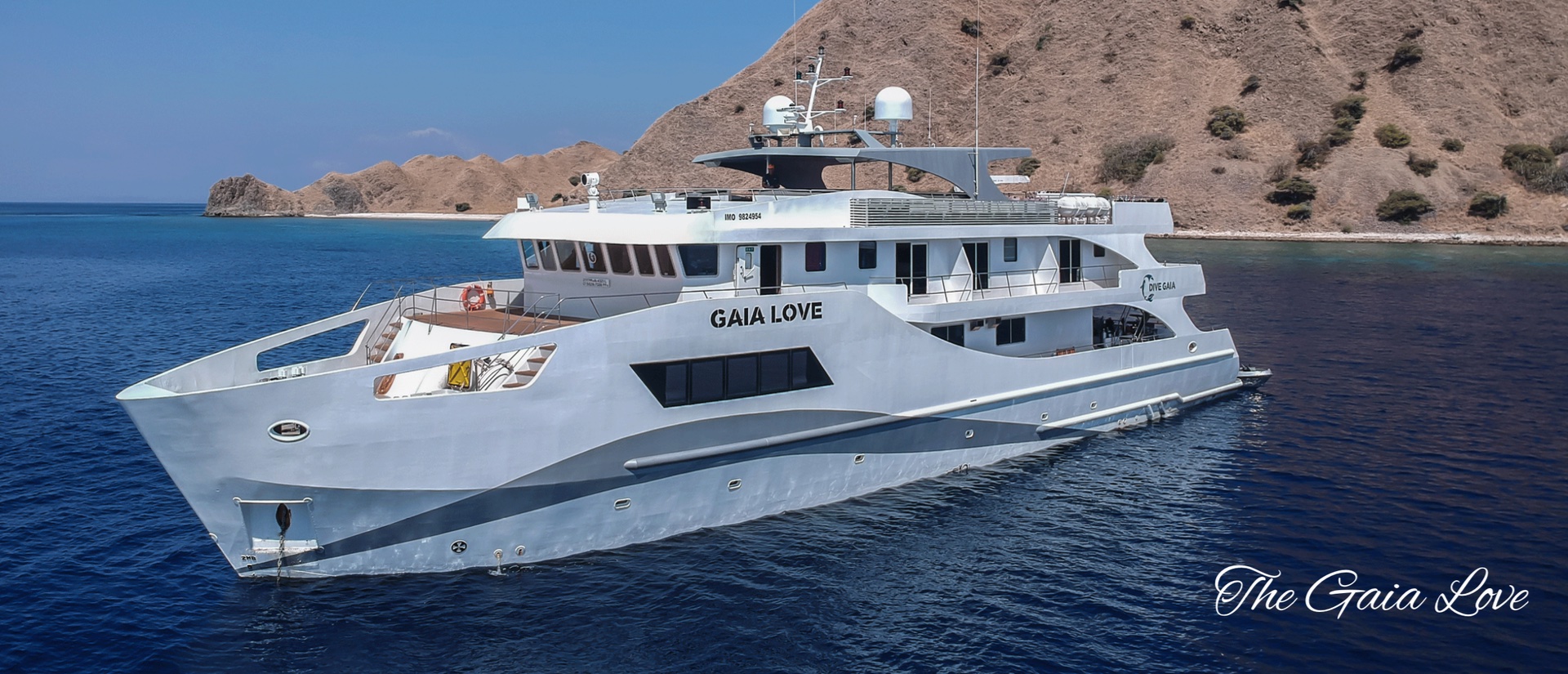
Gaia Love
Alor
20 guests
$554/day
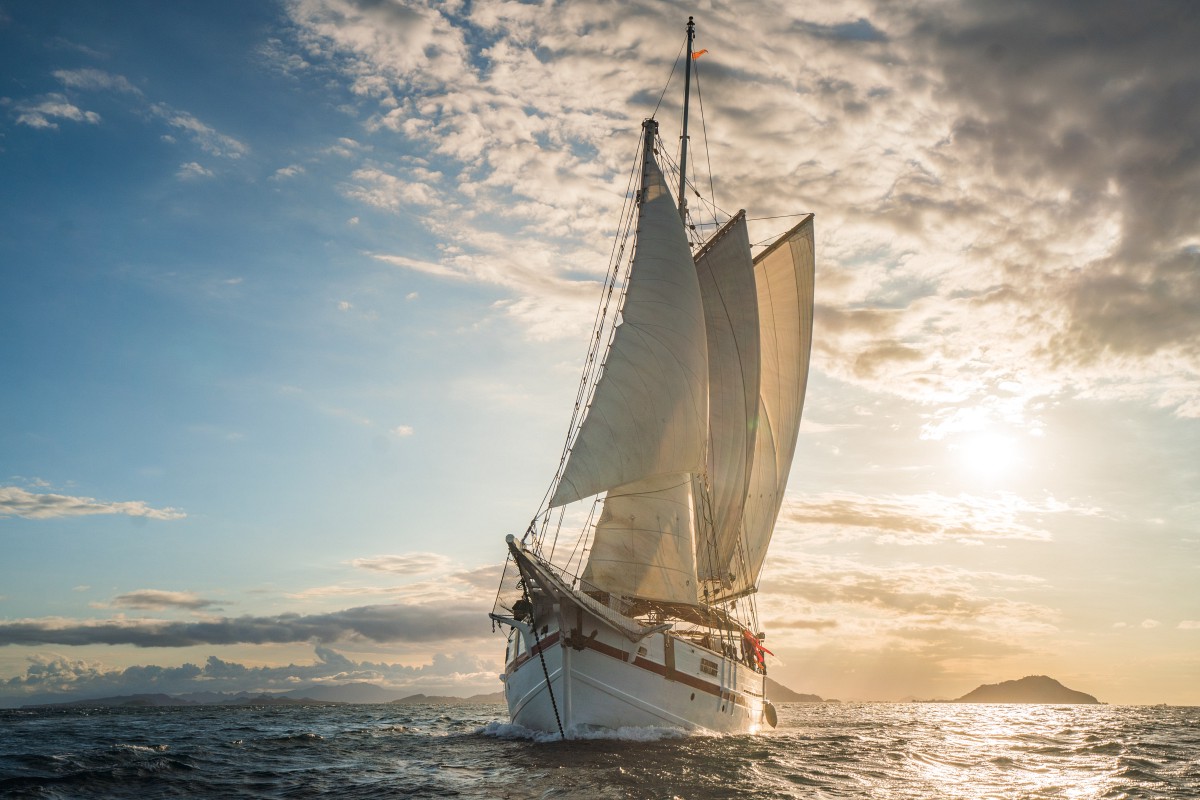
Emperor Raja Laut
Raja Ampat, Indonesia
12 guests31 m
$413/day
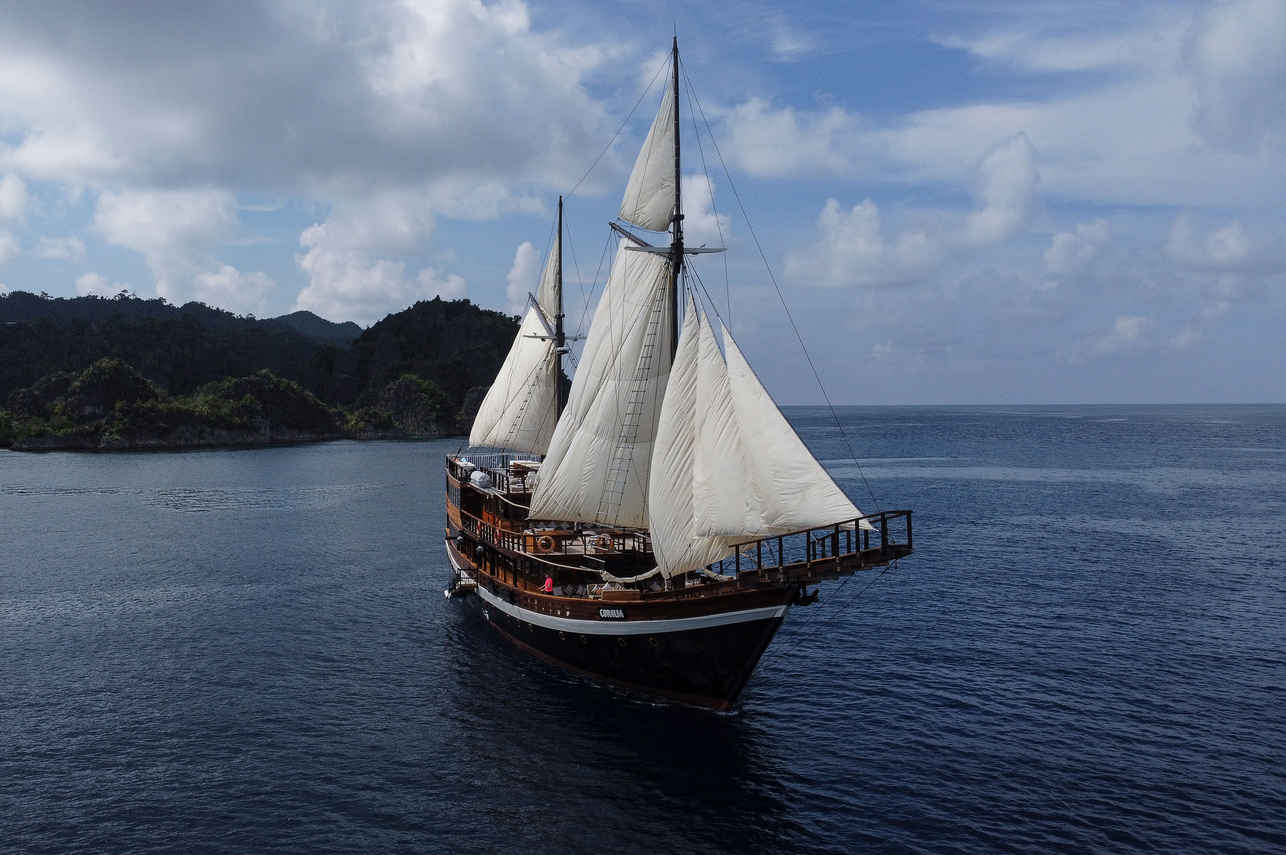
Coralia
Indonesia
16 guests48 m
$563/day
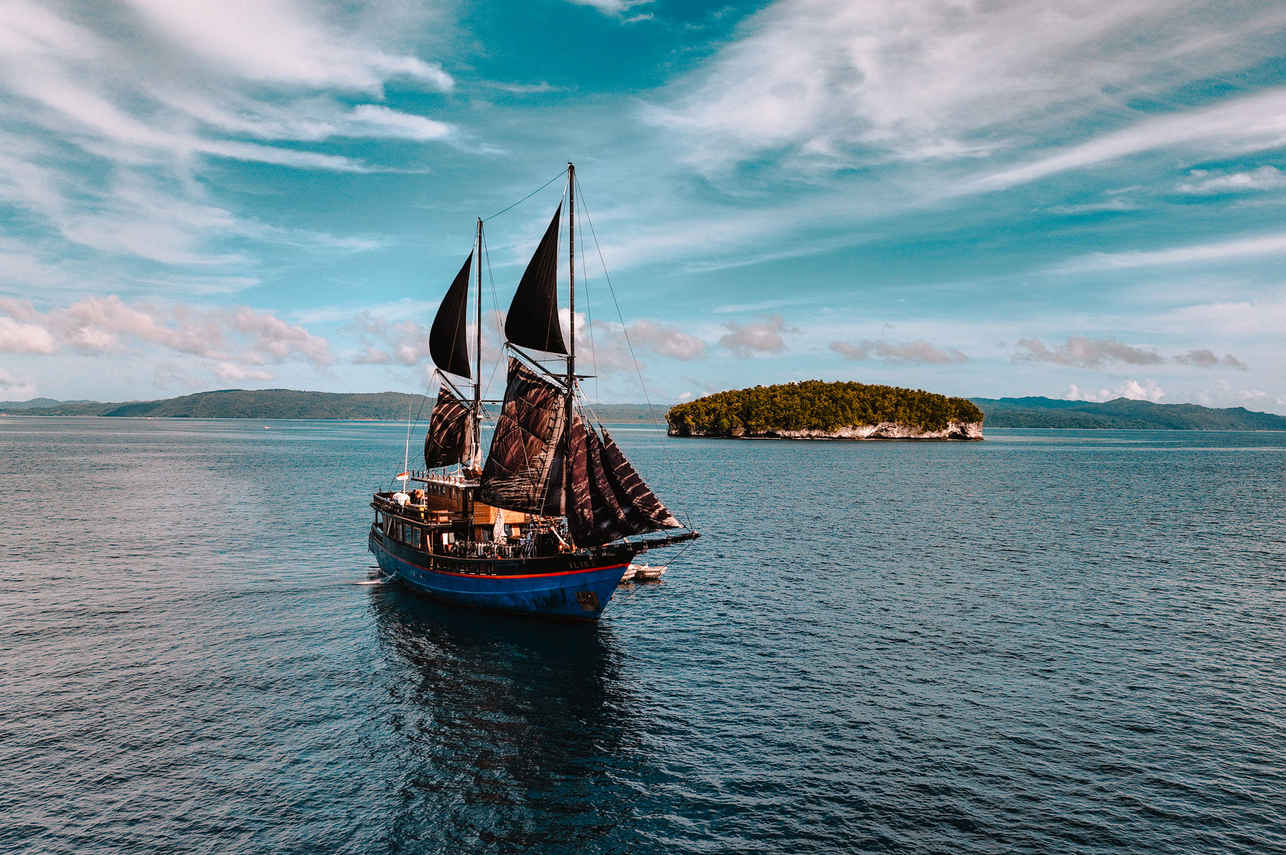
Ilike
Indonesia
16 guests40 m
$298/day
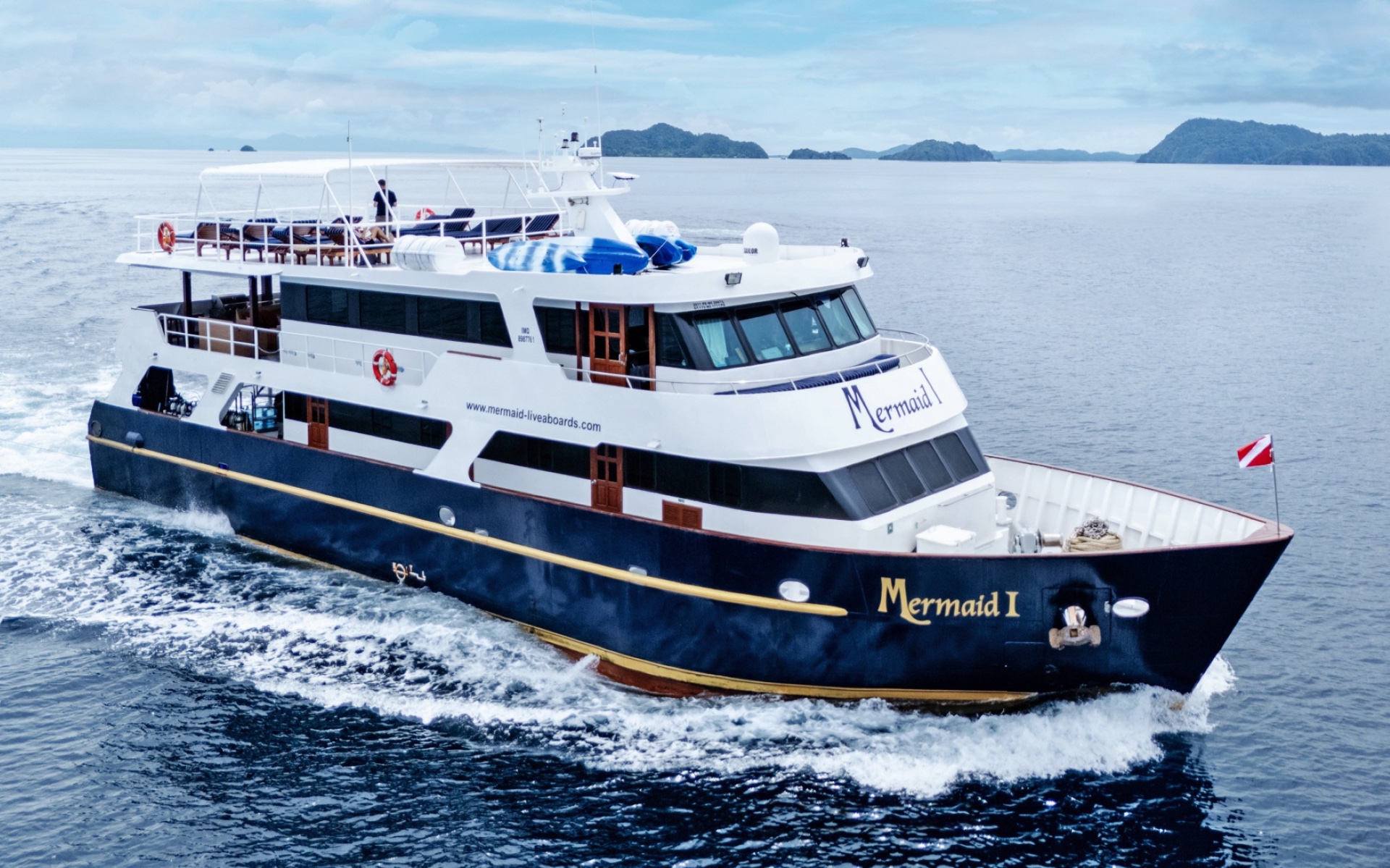
Mermaid I
Alor
15 guests28 m
$423/day
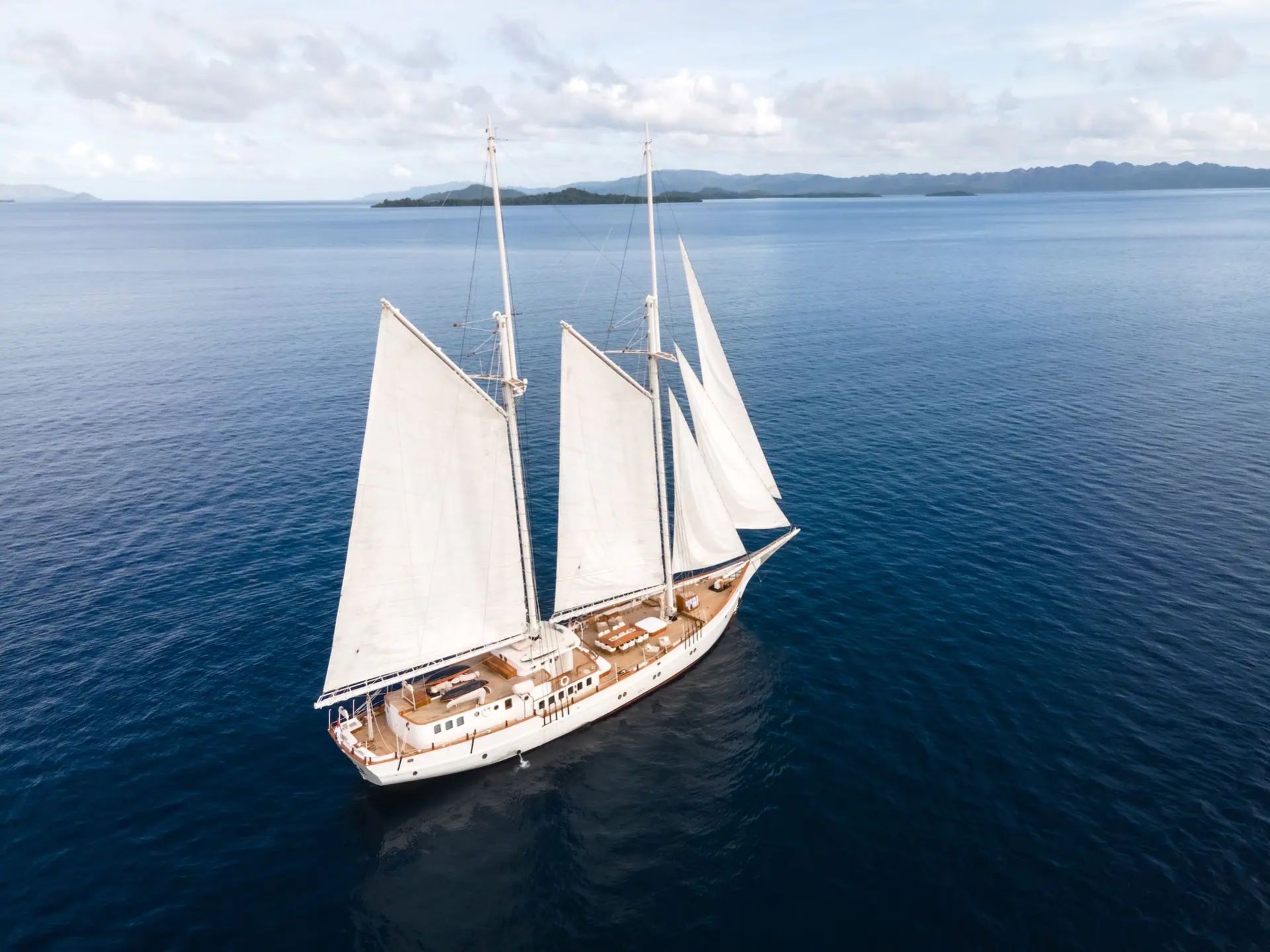
Mutiara Laut
Indonesia
14 guests46 m
$741/day
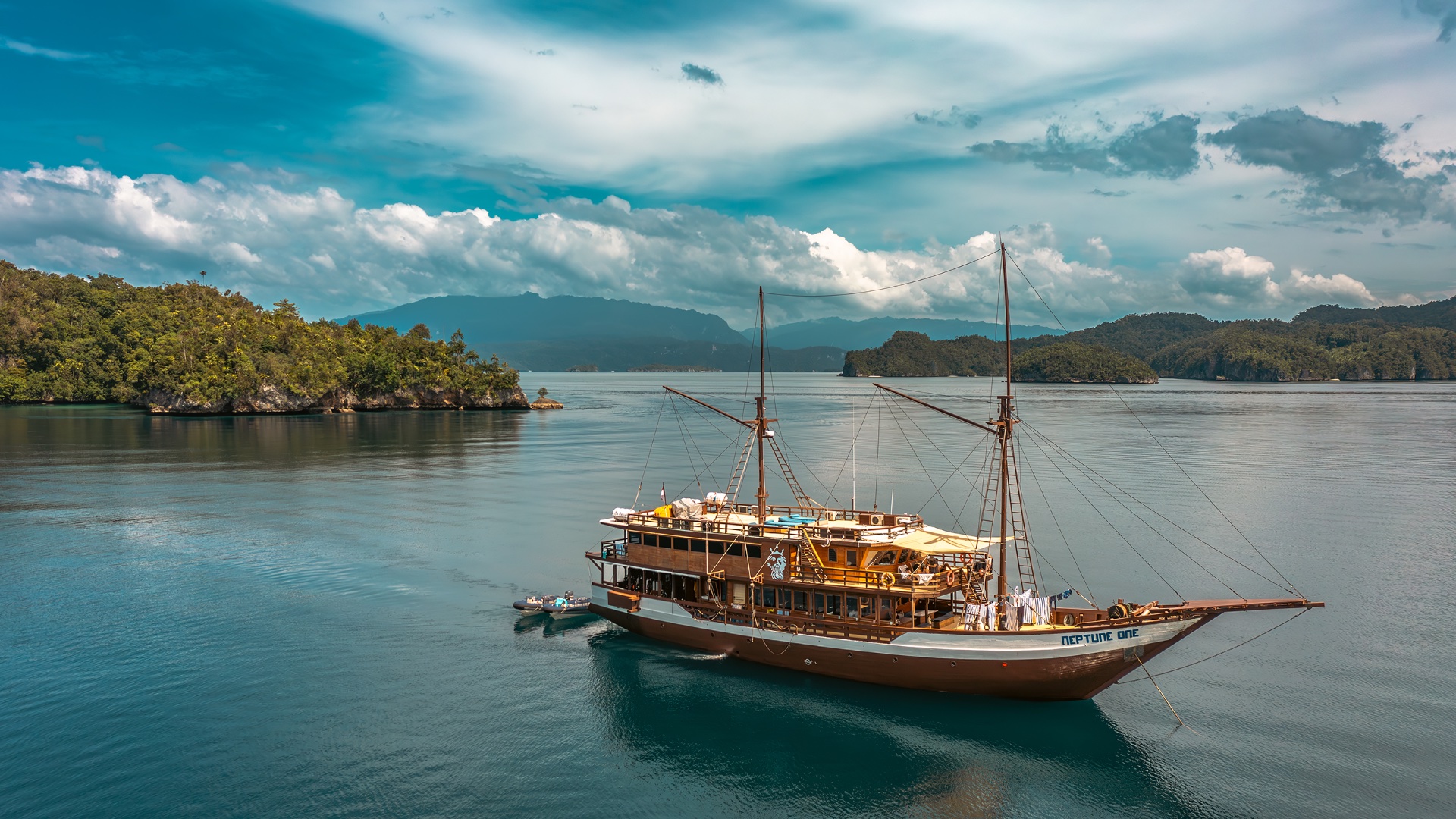
Neptune One
Indonesia
16 guests38 m
$332/day
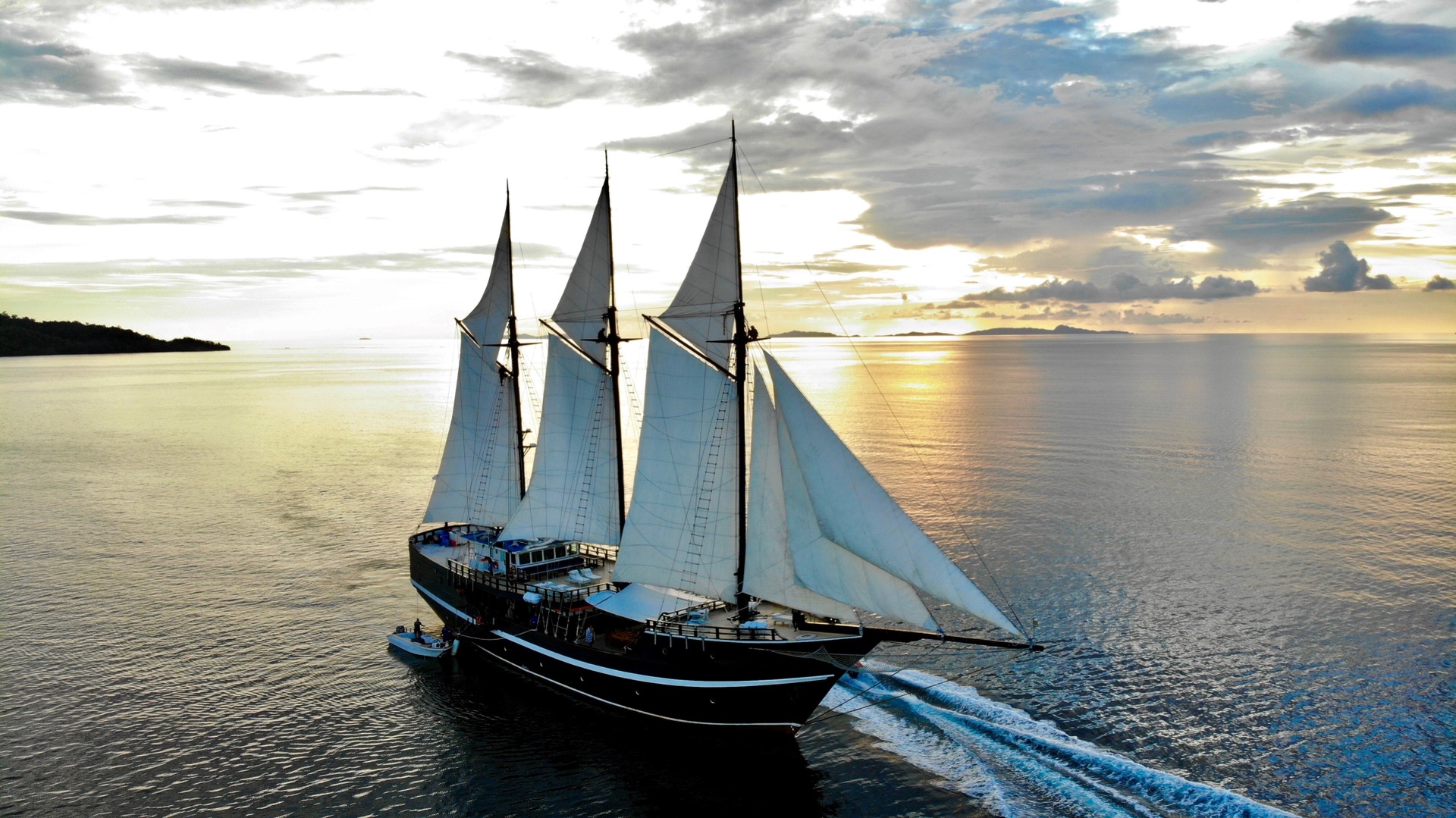
Dewi Nusantara
Indonesia
18 guests57 m
$599/day
Dive sites similar to Tanjung Lusitobo
Same character, same waters — six more sites divers love for the exact same reasons.Compare seasons, access and liveaboard routes — then pick the site that fits your trip best.
© Esri — Maxar, Earthstar, GIS
Schools Out
Alor
Schools Out in Alor offers divers an exceptional encounter with healthy coral reefs and a rich variety of marine species.
- Suitable for
- Intermediate
- Current
- Mild
- Access
- Liveaboard only
- Depth
- 20–30 m
- Theme
- Reef
© Esri — Maxar, Earthstar, GIS
Pasir Merah
Alor
Pasir Merah, or Red Sand, is a distinctive dive site situated north of Pura Island in the Alor Archipelago, East Nusa Tenggara.
- Suitable for
- Intermediate
- Current
- Moderate
- Access
- Liveaboard or dayboat
- Depth
- 5–35 m
- Theme
- Muck diving / Reef
© Esri — Maxar, Earthstar, GIS
The Aquarium
Alor
The Aquarium dive site in Alor truly earns its name by offering a breathtaking underwater spectacle, teeming with marine life and spectacular coral colors.
- Suitable for
- Intermediate
- Current
- Mild
- Access
- Liveaboard only
- Depth
- —
- Theme
- Reef
© Esri — Maxar, Earthstar, GIS
Rusa Pinnacle
Alor
Rusa Pinnacle is a challenging yet highly rewarding dive site situated in the Alor archipelago, part of Indonesia's East Nusa Tenggara.
- Suitable for
- Advanced
- Current
- Strong
- Access
- Liveaboard only
- Depth
- 6–30 m
- Theme
- Reef
© Esri — Maxar, Earthstar, GIS
Goa Wolang
Alor
Goa Wolang, also known as Wolang Cave, is a distinctive dive site located in South Alor, renowned for its intriguing topography and diverse marine life.
- Suitable for
- Advanced
- Current
- Strong
- Access
- Dayboat
- Depth
- 5–30 m
- Theme
- Cavern / Wall
© Esri — Maxar, Earthstar, GIS
La Petite Kepa
Alor
La Petite Kepa refers to both a renowned dive site and the associated dive resort located on Kepa Island, within the Alor Archipelago in Indonesia.
- Suitable for
- Beginner
- Current
- Mild
- Access
- Shore / dayboat
- Depth
- 5–40 m
- Theme
- Reef