About The Twilight Zone
The Twilight Zone is situated just off the beach near Biangabang village on Pantar Island, presenting a distinctive dive experience. Despite the presence of steaming hot springs on the adjacent beach, the water here can be surprisingly cool. The dive begins near a lava flow, transitioning into a rich marine environment that attracts a variety of species. It is part of the Alor & Flores region, known for its volcanic landscape and massive marine diversity, making it a world-class diving destination. This site contributes to Alor's reputation for healthy reefs and varied underwater topography. Divers can expect to find good visibility here, though the presence of colder water influences the ecosystem. The currents in Alor can be strong and unpredictable, making sites like this suitable for more experienced divers. Diving in Alor is often undertaken from liveaboards, though this specific site's proximity to shore might also allow for day boat access. The region's appeal lies in its remoteness and the opportunity for uncrowded dives, focusing purely on the underwater experience rather than extensive tourist infrastructure. The volcanic origins of Alor contribute to its unique benthic varieties and coral formations. Alor is renowned for both its superb macro life and larger pelagic species. While the Kalabahi Bay area is noted for muck diving and macro photography, the Pantar Strait, where The Twilight Zone is located, offers opportunities for encountering larger marine life and is well-suited for wide-angle photography. The mix of features at The Twilight Zone makes it a compelling dive for various interests.
Highlights
Pantar Island locationLava flow formationsDiverse marine environmentPotential for cooler waterOff Biangabang village
Season calendar
Best months to dive here
Jan
Feb
Mar
Apr
May
Jun
Jul
Aug
Sep
Oct
Nov
Dec
Excellent
Good
Dive site facts: The Twilight Zone
- Depth
- 40 m
- Current
- Strong, unpredictable
- Visibility
- 10–40 m
- Water temperature
- 25–30°C (can be cooler)
- Entry
- Negative entry
- Level
- Advanced, experienced divers
- Dive type
- Reef, drift, unique topography
- Region / port
- Alor & Flores, Indonesia
- Coordinates
- 8.1610° S, 124.4007° E
Conditions & Currents
Alor is renowned for its strong and often unpredictable currents and eddies, making it a destination primarily for experienced divers. Dive sites, including The Twilight Zone, frequently require negative entries to manage the initial descent effectively. Divers should be prepared for varying current strengths, which can change rapidly and sometimes necessitate canceling a dive if conditions are too challenging. Visibility in the area is generally excellent, often reaching 10 to 30 meters, and on exceptional days up to 40 meters, despite the currents. While water temperatures are typically warm, ranging from 25 to 30°C, The Twilight Zone can experience cooler water temperatures, likely influenced by the nearby hot springs creating thermal stratification rather than warming the general water column. An experienced guide who is intimately familiar with the local conditions is essential for
Marine life & sighting chances
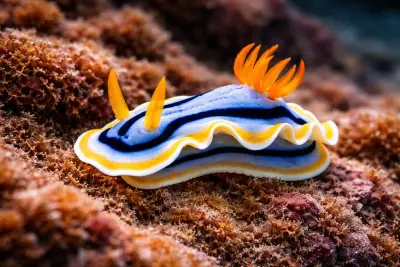
Nudibranchs
Year-round · common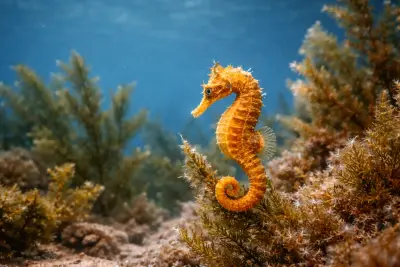
Seahorses
Year-round · occasional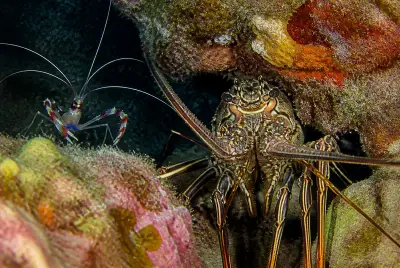
Crustaceans
Year-round · common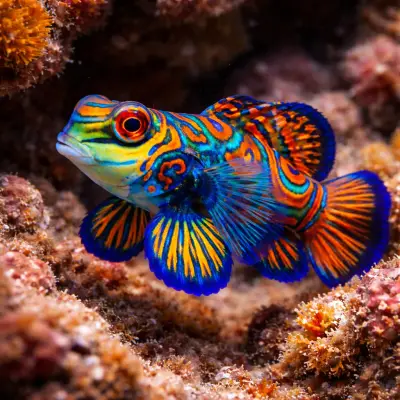
Mandarinfish
occasional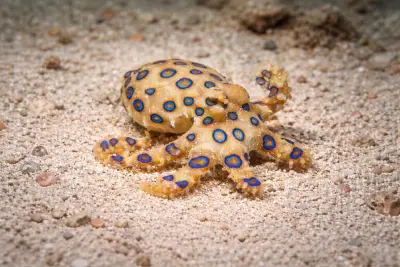
Blue-ringed octopus
occasional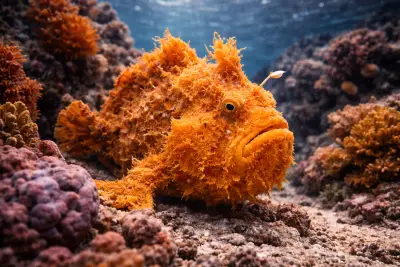
Frogfish
occasional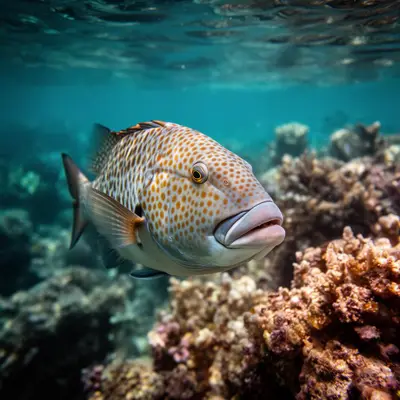
Harlequin sweetlips
occasional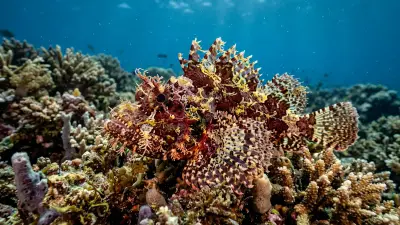
Rhinopias
Year-round · rare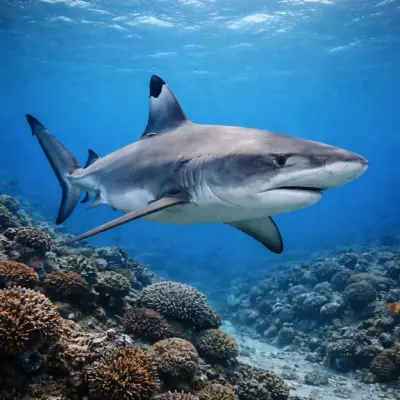
Reef sharks
occasional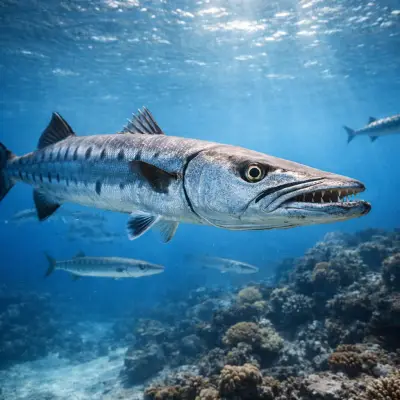
Barracudas
occasional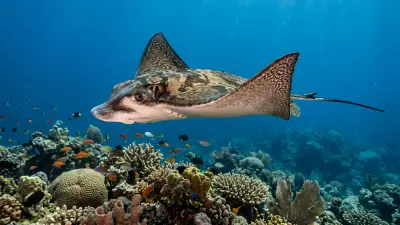
Rays
occasional
Dolphins
Year-round · commonDive profile & how the dive runs
Your dive at The Twilight Zone typically commences with a negative entry due to the prevailing currents, directly off the beach outside Biangabang village. The descent begins near prominent lava flow formations, which dictate the initial topography of the site. Divers generally follow the reef contours, exploring the diverse marine life found among the volcanic structures. Given the potential for strong and unpredictable currents, this is often a drift dive where careful buoyancy control and an experienced guide are paramount. The dive progresses along the slope or wall, with an awareness of the depth progression. Turnaround points are determined by air consumption and bottom time, with the current often guiding the route. Safety stops are conducted in the blue, or along shallower reef sections if available, always accounting for current and potential boat traffic for safe ascent and pickup.
Underwater photography
The Twilight Zone in Alor offers a mix of photographic opportunities. For wide-angle photography, focus on the dramatic lava flow formations and the potential for schooling fish, leveraging Alor's typically excellent visibility. A wide-angle lens (e.g., 10-17mm fisheye or 16-35mm rectilinear) is ideal for capturing the expansive scenery. For macro subjects, including nudibranchs, seahorses, and crustaceans, a macro lens (e.g., 60mm or 100/105mm) with close-up diopters can yield stunning results, especially in the areas known for critters. Given the possibility of cooler water and strong currents, maintaining precise buoyancy is crucial for sharp images and safe diving. When photographing critters, approach slowly and respectfully, minimizing disturbance. External strobes are essential for bringing out the vibrant colors of Alor's marine life, especially for macro shots where snoots can help isolate subjects against busy backgrounds.
Combine with nearby dive sites
- Kalabahi Bay
Known for muck diving and macro photography
- Sharks Galore
Known for sightings of grey reef sharks and white-tip sharks
- Munaseli
Munaseli is a prominent dive site situated off the northern coast of Pantar Island in the Alor archipelago, an area celebrated for its rich…
- Red Sand
Red Sand, locally known as Pasir Merah, is a distinctive dive site situated north of Pura Island in Alor.
Getting there & logistics
Accessing Alor typically involves flying from Bali (Denpasar) to Kupang (West Timor), followed by a connecting flight to Alor's Mali Airport (ARD) in Kalabahi. The journey is significant, often taking around six hours of transit and flying, reflecting Alor's remote nature. Diving in Alor is predominantly done via liveaboard, which often covers itineraries across the Alor Archipelago, including sites off Pantar Island. Some local operators also offer day trips. Liveaboard durations can vary, with trips like the "Biodiversity Special Ring of Fire" combining Alor with destinations like Maumere, Banda Sea, and Ambon over 12 days, or extended trips up to 16 days. There are limited accommodations and amenities on the islands, emphasizing that this is a destination for adventurous divers focused on the underwater experience. Permits or park fees are generally included in liveaboard packages.
Safety & environment
Diving in Alor, including The Twilight Zone, demands a high level of diver experience due to the prevalent strong and unpredictable currents. Divers must be proficient in managing drift dives and executing negative entries. It is imperative to dive with an experienced local guide who understands the specific conditions of each site. While Alor is a remote location, a recompression chamber might be available in a larger regional hub like Kupang, but evacuation from Alor to such facilities would be a significant logistical undertaking, highlighting the importance of comprehensive dive insurance. Divers Alert Network (DAN) insurance is highly recommended. Pay close attention to dive briefings, maintain excellent buoyancy control, and be prepared for potential changes in water temperature, which can be surprisingly cool at this site despite the nearby hot springs.
Who it suits — and who it doesn't
Suited for
- Advanced divers comfortable with strong currents
- Experienced drift divers
- Macro photographers seeking unique subjects
- Wide-angle photographers exploring volcanic topography
- Divers seeking remote, uncrowded dive experiences
Less suited for
- Novice or inexperienced divers
- Divers uncomfortable with strong or unpredictable currents
- Those seeking extensive resort amenities
- Divers with limited buoyancy control skills
FAQ
The Twilight Zone FAQ
What is the typical dive experience at The Twilight Zone?
The Twilight Zone offers a dynamic drift dive experience, starting with a negative entry near a lava flow off Biangabang village on Pantar Island. Divers can expect to explore diverse marine life along volcanic structures. Due to strong and unpredictable currents, an experienced local guide and advanced diving skills are essential for a safe and enjoyable dive.
Are the currents always strong at The Twilight Zone?
Currents in Alor, and at The Twilight Zone specifically, are known to be strong and can be unpredictable. While not constant, divers should always be prepared for significant water movement, including the possibility of requiring a negative entry. It is crucial to consult with local dive operators for the most up-to-date conditions before diving.
What kind of marine life can be seen at The Twilight Zone?
The Twilight Zone offers a rich variety of marine life, appealing to both macro and wide-angle enthusiasts. While specific sightings vary, divers might encounter nudibranchs, seahorses, crustaceans, and potentially larger species like reef sharks or barracudas. The unique volcanic topography also supports a diverse range of corals and benthic organisms.
Why is the water sometimes cool at The Twilight Zone despite nearby hot springs?
Despite the presence of steaming hot springs on the beach near The Twilight Zone, the underwater temperatures can surprisingly be cooler. This phenomenon is likely due to the hot springs affecting localized surface areas or creating thermal stratification rather than warming the overall dive site. Divers should be prepared for varying water temperatures and consider appropriate exposure protection.
Is The Twilight Zone suitable for beginner divers?
No, The Twilight Zone is generally not suitable for beginner divers. The site is characterized by strong and unpredictable currents, often requiring advanced diving techniques such as negative entries and proficient drift diving skills. It is recommended for experienced and advanced divers who are comfortable with challenging conditions.
Why dive The Twilight Zone from a liveaboard?
The Twilight Zone is one of Alor's signature dive sites. A liveaboard sleeps you on the water and puts you in the water for three to four guided dives per day, including dawn and night dives that day-boat operators rarely offer. You skip the daily commute back to port and reach quieter, less-crowded sites in the same region on a single trip.
Below are the liveaboards that include The Twilight Zone on their Alor itineraries.
Liveaboards diving The Twilight Zone
These liveaboards may visit The Twilight Zone on selected itineraries — the exact dive sites depend on departure, weather and conditions.
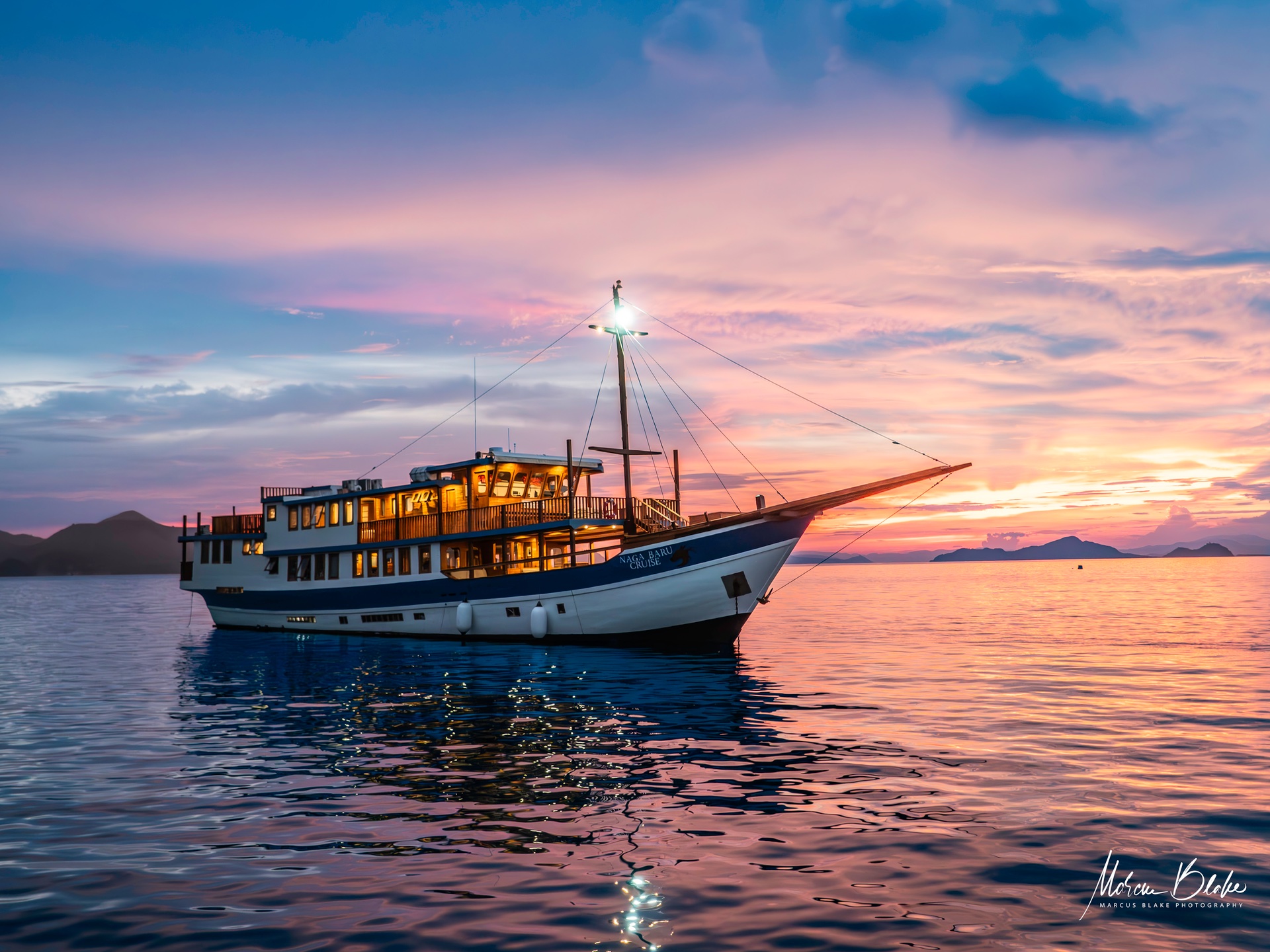
Naga Biru
Indonesia
12 guests40 m
$274/day
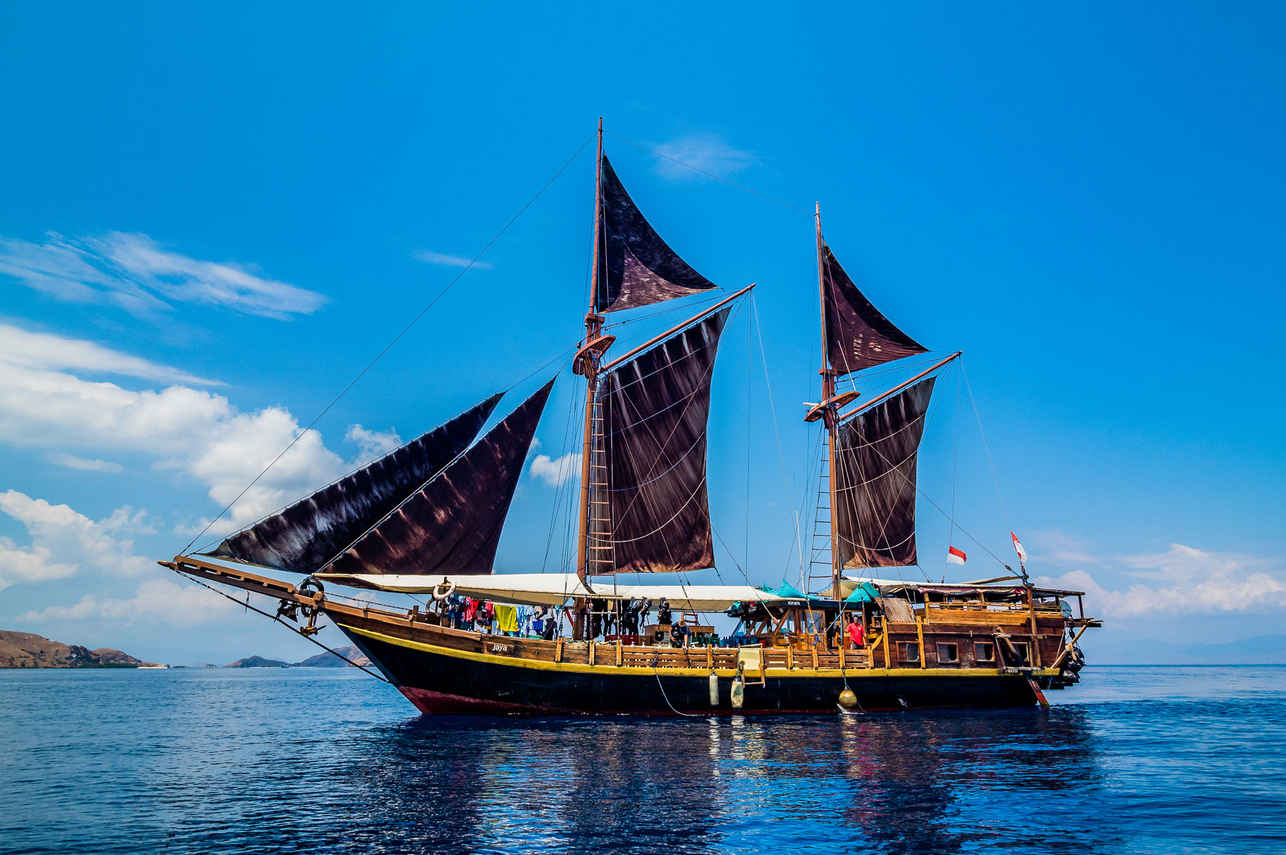
Jaya
Indonesia
14 guests23 m
$280/day
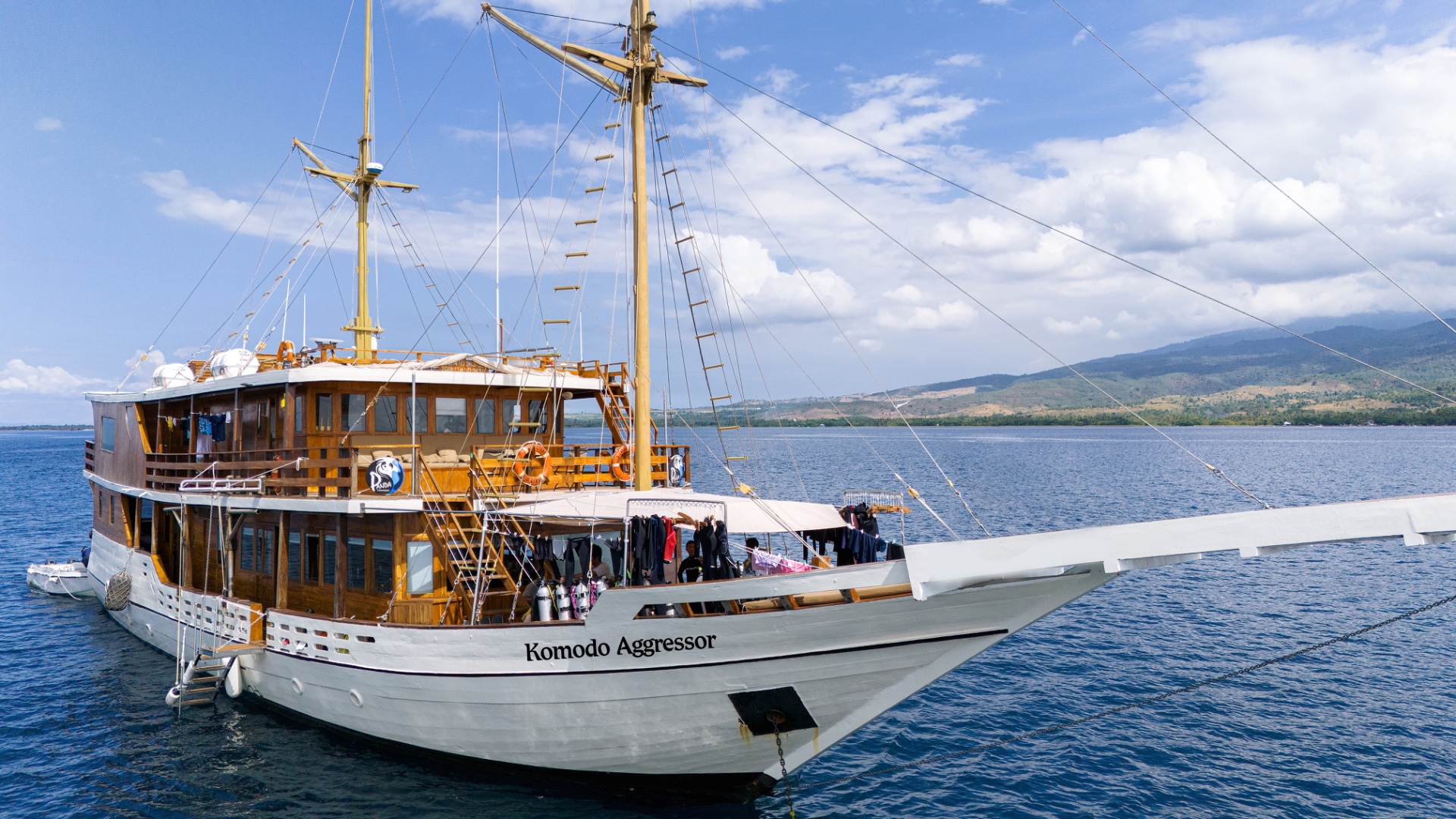
Komodo Aggressor
Komodo, Indonesia
16 guests29 m
$312/day
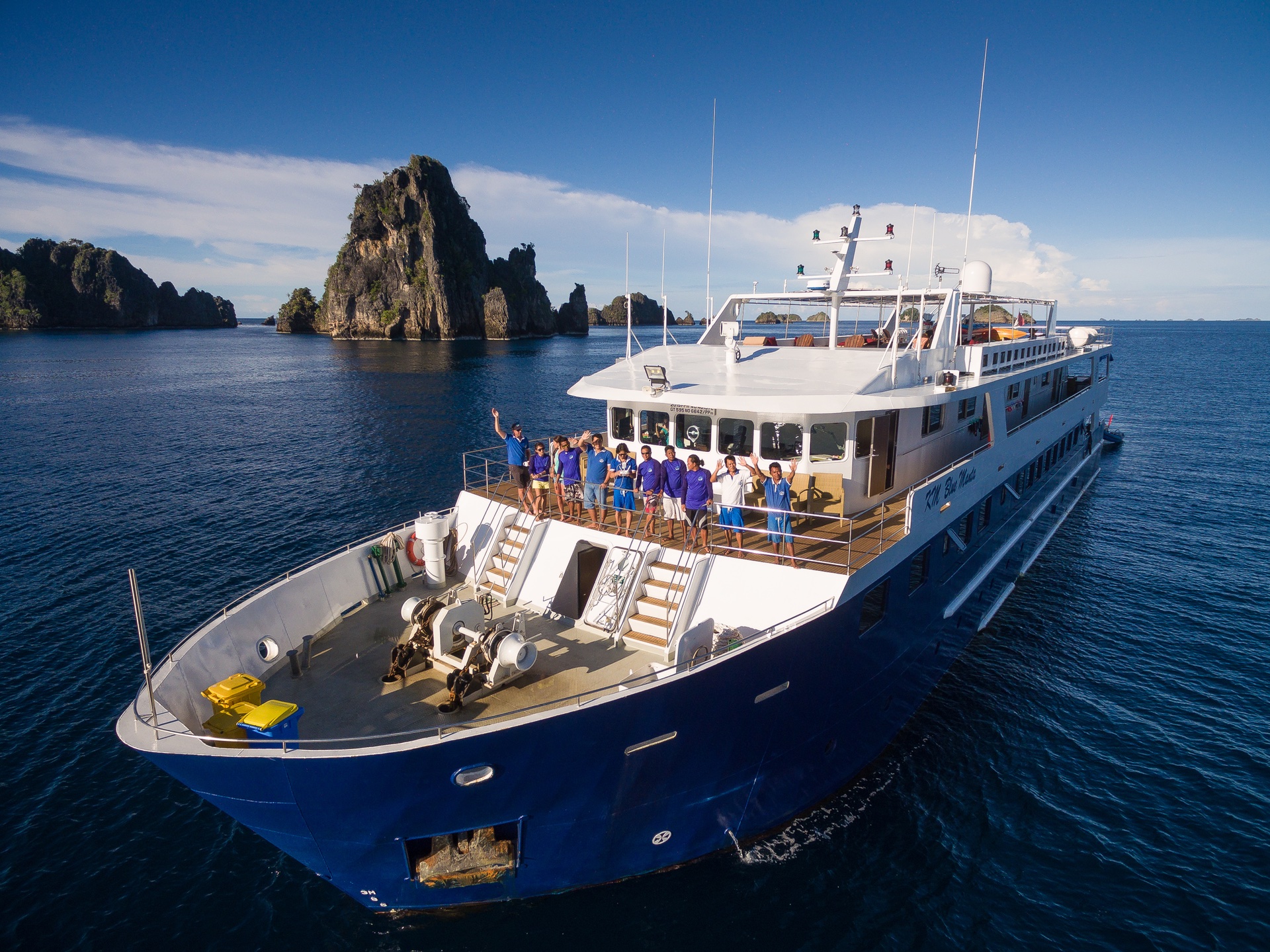
Blue Manta
Indonesia
20 guests45 m
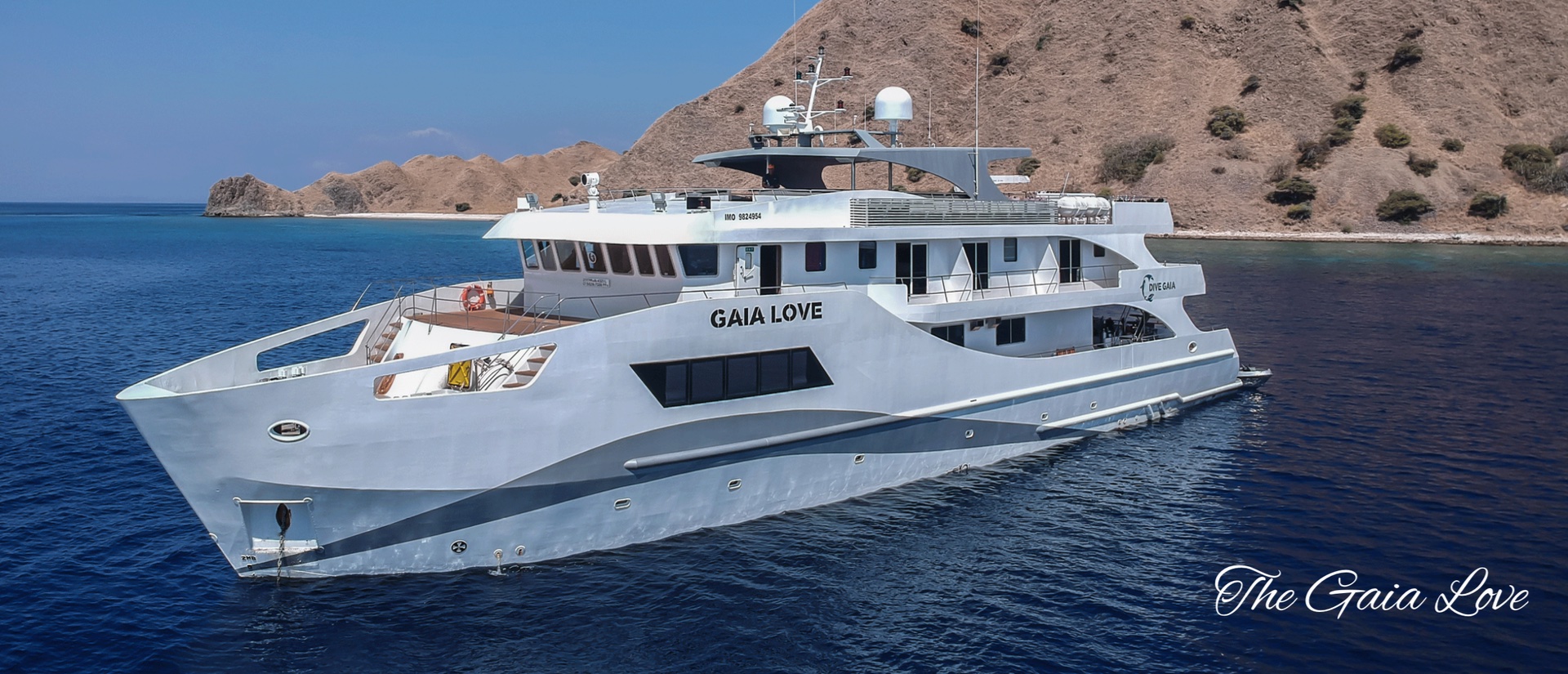
Gaia Love
Alor
20 guests
$554/day
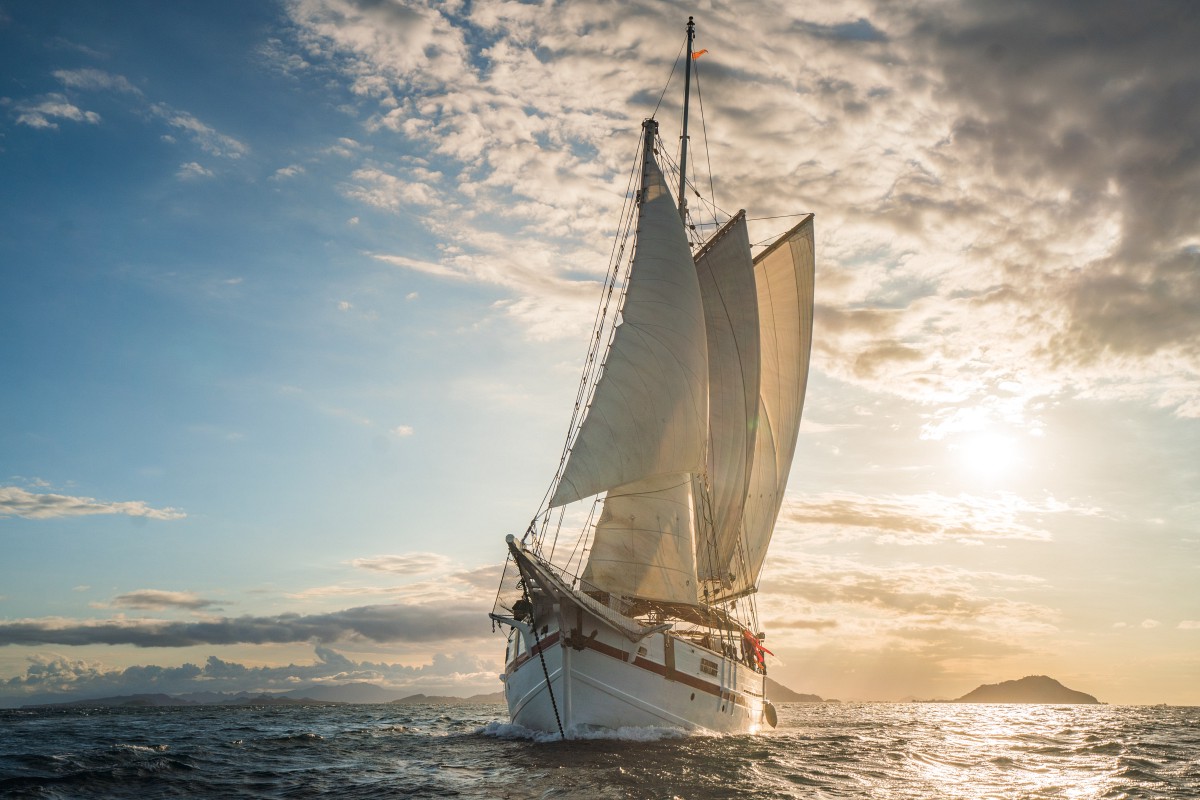
Emperor Raja Laut
Raja Ampat, Indonesia
12 guests31 m
$413/day
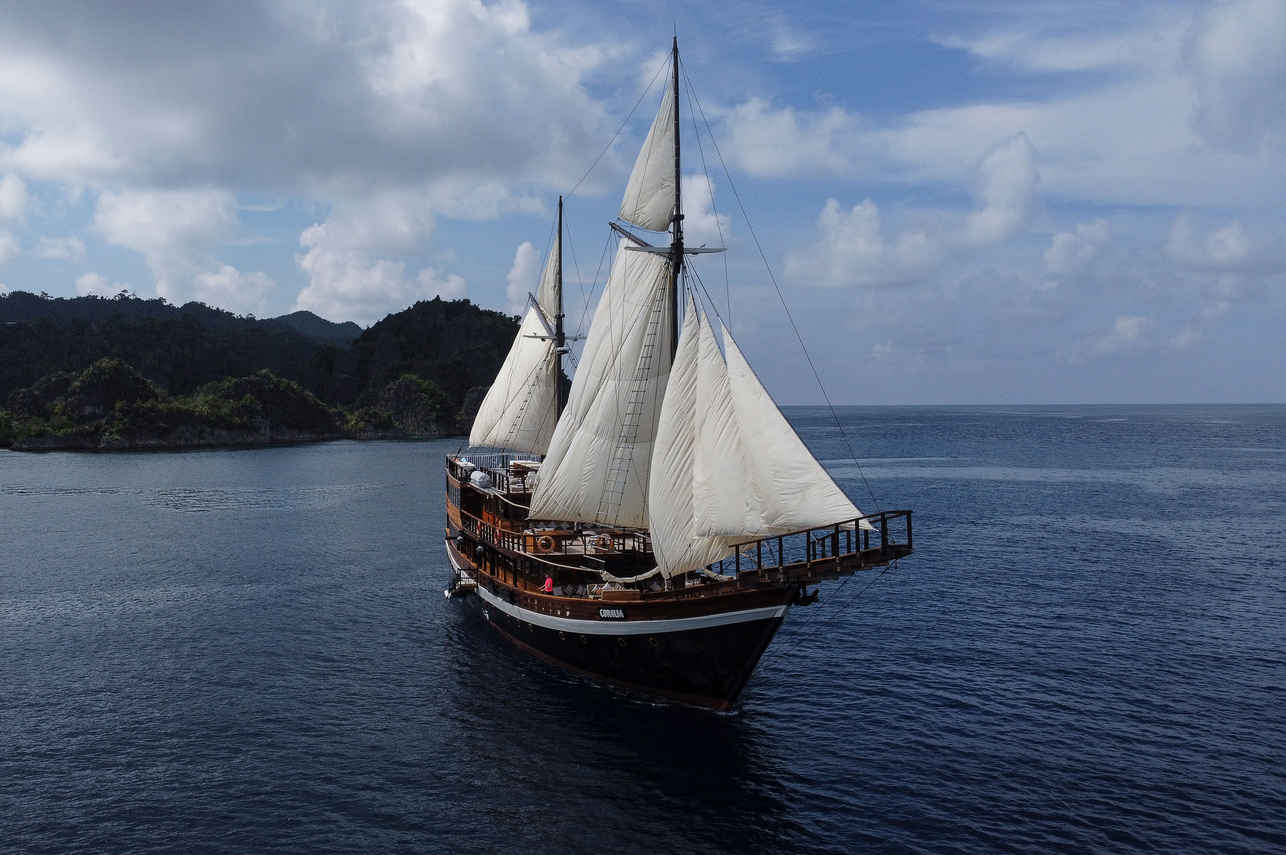
Coralia
Indonesia
16 guests48 m
$577/day
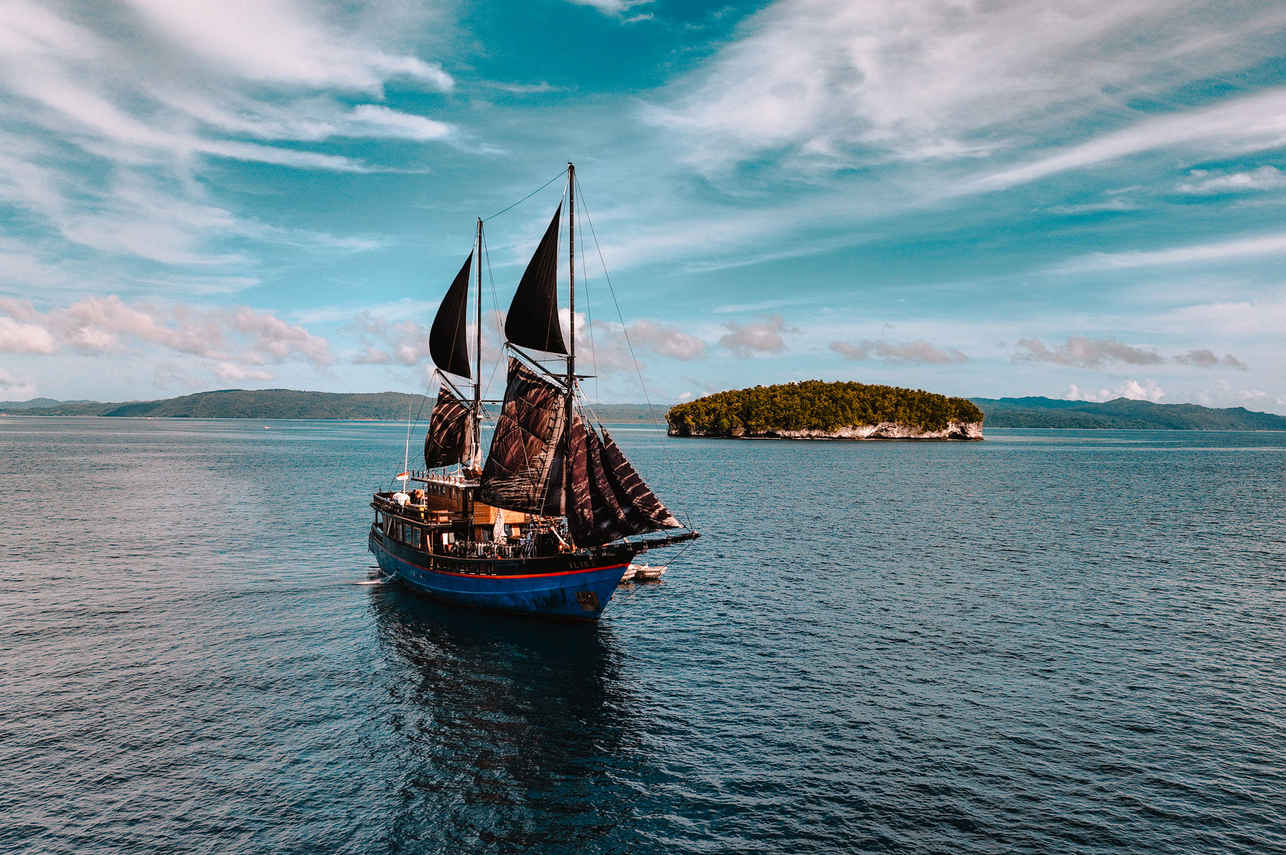
Ilike
Indonesia
16 guests40 m
$298/day
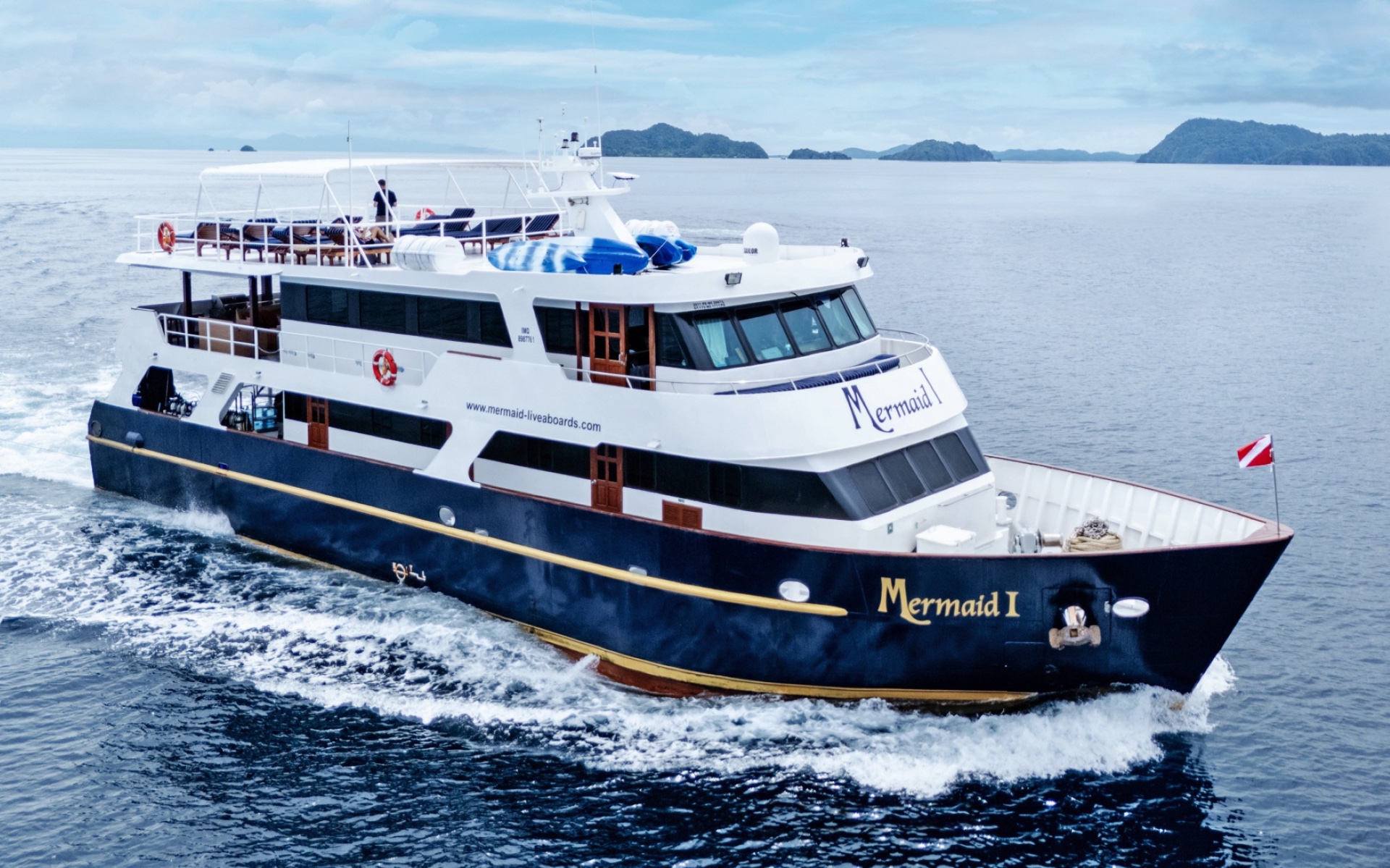
Mermaid I
Alor
15 guests28 m
$372/day
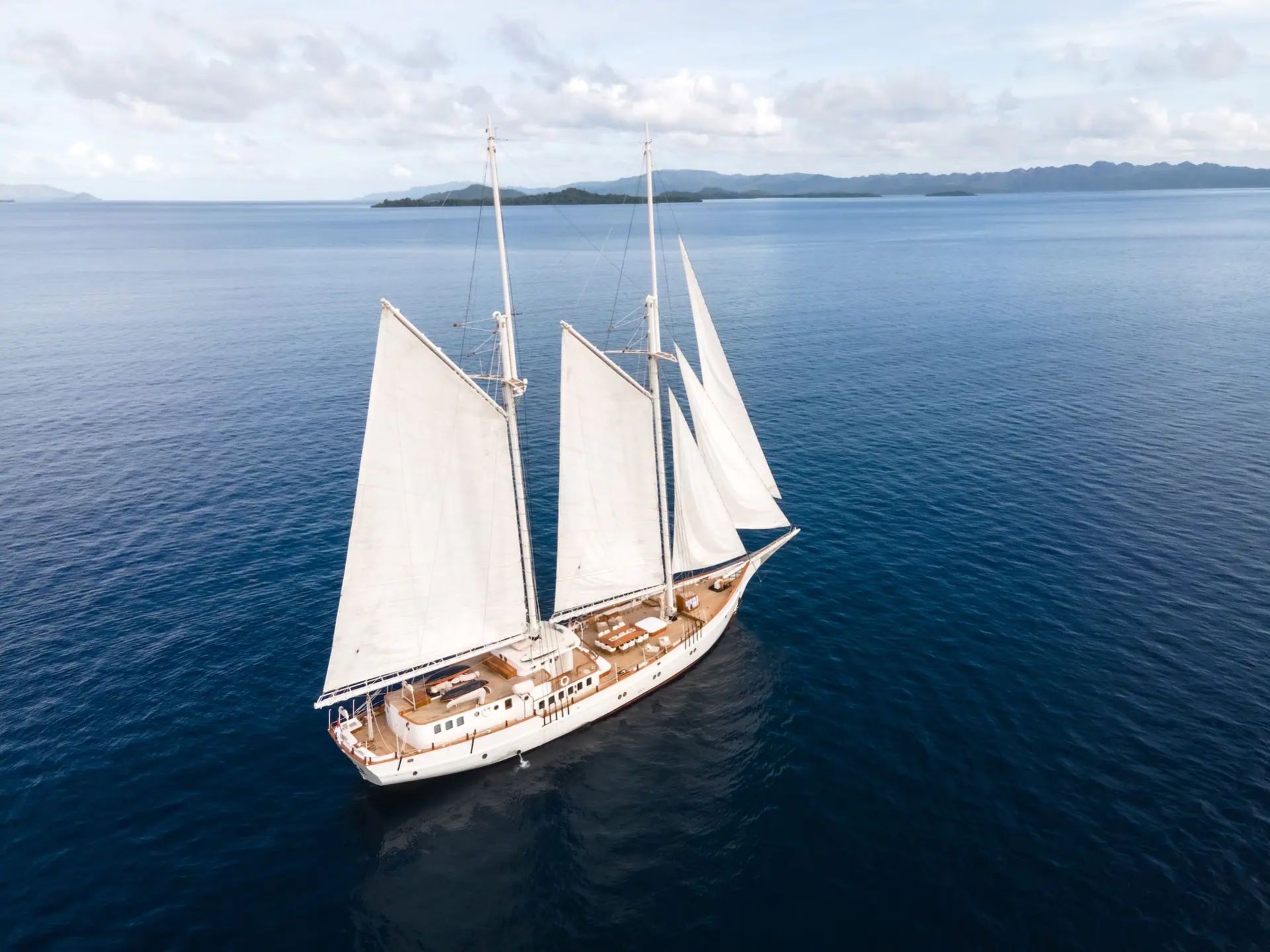
Mutiara Laut
Indonesia
14 guests46 m
$741/day
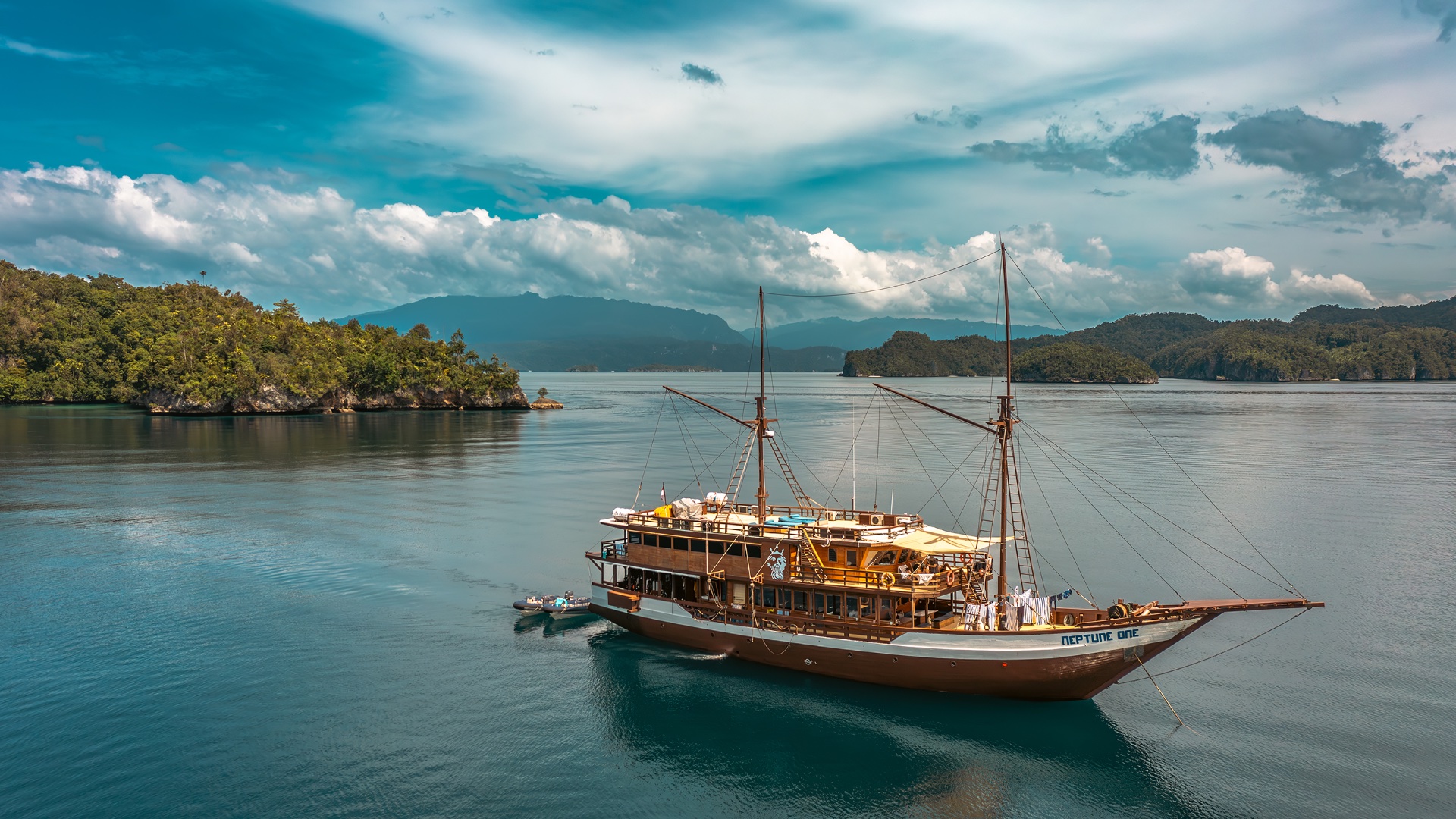
Neptune One
Indonesia
16 guests38 m
$332/day
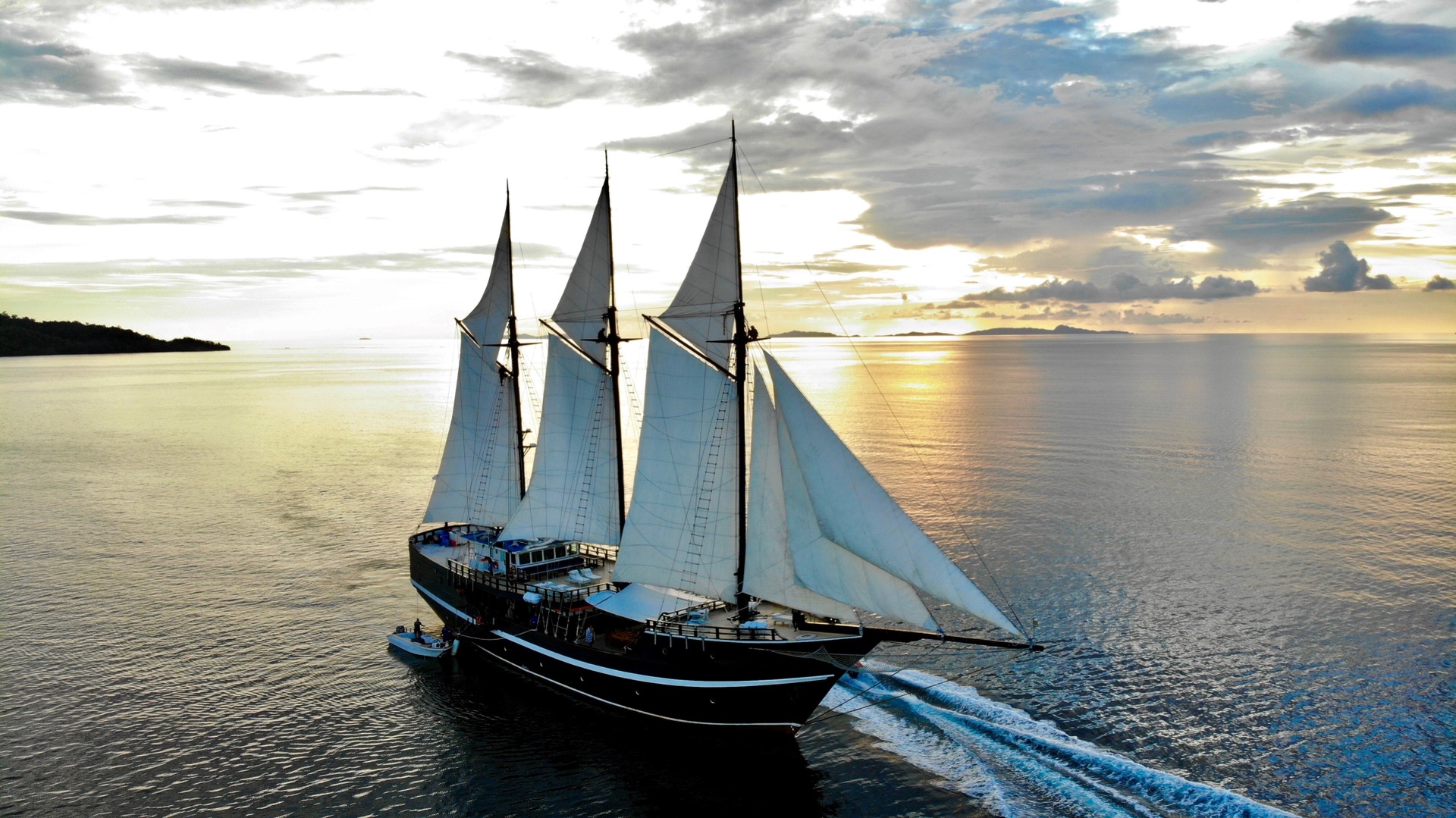
Dewi Nusantara
Indonesia
18 guests57 m
$493/day
Dive sites similar to The Twilight Zone
Same character, same waters — six more sites divers love for the exact same reasons.Compare seasons, access and liveaboard routes — then pick the site that fits your trip best.
Halerman is a prominent dive site located in the southern part of Alor, known for its distinct underwater landscape and varied marine life.
- Suitable for
- Advanced
- Current
- Strong
- Access
- Liveaboard or dayboat
- Depth
- —
- Theme
- Wall / Drift
© Esri — Maxar, Earthstar, GIS
Schools Out
Alor
Schools Out in Alor offers divers an exceptional encounter with healthy coral reefs and a rich variety of marine species.
- Suitable for
- Intermediate
- Current
- Mild
- Access
- Liveaboard only
- Depth
- 20–30 m
- Theme
- Reef
© Esri — Maxar, Earthstar, GIS
Pasir Merah
Alor
Pasir Merah, or Red Sand, is a distinctive dive site situated north of Pura Island in the Alor Archipelago, East Nusa Tenggara.
- Suitable for
- Intermediate
- Current
- Moderate
- Access
- Liveaboard or dayboat
- Depth
- 5–35 m
- Theme
- Muck diving / Reef
© Esri — Maxar, Earthstar, GIS
Rusa Pinnacle
Alor
Rusa Pinnacle is a challenging yet highly rewarding dive site situated in the Alor archipelago, part of Indonesia's East Nusa Tenggara.
- Suitable for
- Advanced
- Current
- Strong
- Access
- Liveaboard only
- Depth
- 6–30 m
- Theme
- Reef
© Esri — Maxar, Earthstar, GIS
Sharks Galore
Alor
Sharks Galore, an iconic drift-dive in Alor, offers thrilling encounters with diverse marine life.
- Suitable for
- Advanced
- Current
- Ripping
- Access
- Liveaboard or dayboat
- Depth
- 15–40 m
- Theme
- Channel / Drift
© Esri — Maxar, Earthstar, GIS
Yellow Corner
Alor
Yellow Corner, also known as Current Alley, is a challenging dive site specifically suited for advanced divers due to its strong and potentially ripping currents.
- Suitable for
- Advanced
- Current
- Strong
- Access
- Liveaboard only
- Depth
- 18–40 m
- Theme
- Drift