About Red Sand
Red Sand, locally known as Pasir Merah, is a distinctive dive site situated north of Pura Island in Alor. This site is renowned for its unique volcanic red sandy slopes that transition into a dramatic wall extending to a depth of 35 meters. What truly sets Red Sand apart are the visible bubbling gas vents that emanate from the Gunung Maru volcanic system, creating an extraordinary underwater landscape. Divers here encounter a blend of macro marvels and larger reef inhabitants. The topography transitions from the gently sloping red sands, rich in cryptic critters, to a deeper wall that offers a different ecological zone. This geological activity makes for an unusual and memorable diving experience. The nutrient-rich waters surrounding Alor, a hub in the Coral Triangle, contribute to a high biodiversity at this site, despite the unique substrate. While the vibrant red sands are a primary draw for macro enthusiasts, the wall section provides habitat for other marine species. The specific conditions, including potential currents and water temperatures, are typical for the Alor region, which can experience cooler upwellings in deeper areas. The combination of unique geology and diverse marine life makes Red Sand a standout location for experienced divers seeking something out of the ordinary.
Highlights
Volcanic red sandy slopesBubbling gas vents35-meter deep wallMandarin fish sightingsNurse and bamboo sharksDiverse macro creatures
Season calendar
Best months to dive here
Jan
Feb
Mar
Apr
May
Jun
Jul
Aug
Sep
Oct
Nov
Dec
Excellent
Good
Dive site facts: Red Sand
- Depth
- Up to 35 m
- Current
- Variable
- Visibility
- 10–30 m (seasonal)
- Water temperature
- 25–30°C (can drop to 22°C)
- Entry
- Boat
- Level
- Intermediate
- Dive type
- Muck, wall, volcanic
- Night dive
- Possible (for macro)
- Region / port
- Alor, Indonesia
- Coordinates
- 8.2332° S, 124.5207° E
Conditions & Currents
Alor's dive sites, including Red Sand, can experience varied current conditions, ranging from mild to occasionally strong, influenced by the Pantar Strait's dynamics. Divers should be prepared for potential shifts in current strength and direction, as conditions can be unpredictable. While not explicitly stated for Red Sand, some sites in Alor are known for current-swept areas. Visibility at this site can vary, with the general Alor range being 10 to 30 meters, but it can drop during the monsoon season. Water temperatures typically range from 25 to 30°C, though thermoclines can cause drops, particularly in cooler, southern sites. A 5mm wetsuit is advisable for sustained dives or if you chill easily, especially given the site's depth profile. Divers should always carry an SMB and be proficient in drift diving techniques where currents are present.
Marine life & sighting chances
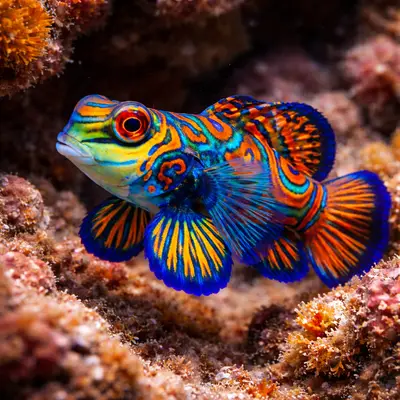
Mandarin fish
occasional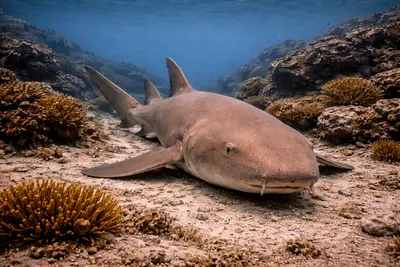
Nurse shark
occasional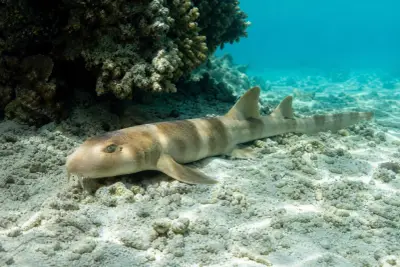
Bamboo shark
occasionalMacro creatures
common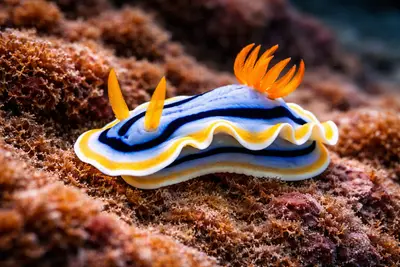
Nudibranchs
common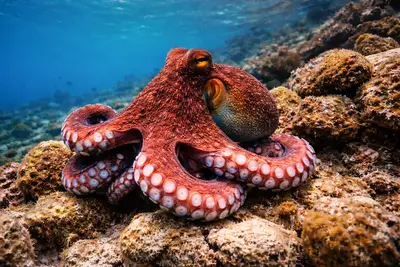
Octopuses
occasional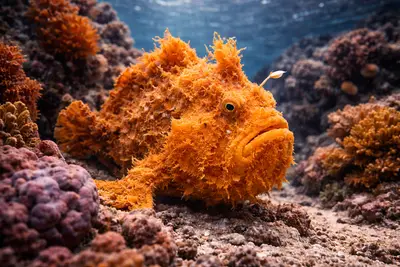
Frogfish
occasional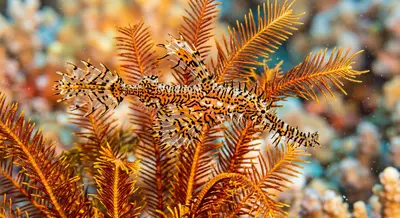
Ghost pipefish
occasional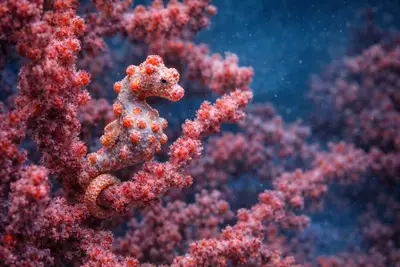
Pygmy seahorses
occasionalDive profile & how the dive runs
Your dive at Red Sand typically begins with a boat entry, often close to the northern side of Pura Island. The initial descent takes you onto the unique volcanic red sandy slopes, where you'll immediately notice the bubbling gas vents emanating from the seafloor. This shallow section is ideal for macro hunting, allowing you to explore for mandarin fish and various other small critters. As you gradually descend along the slope, you will reach the 35-meter deep wall, which provides a dramatic contrast and opportunities to spot nurse or bamboo sharks. The dive typically follows the contour of the wall before ascending back along the sandy slope. The safety stop is usually performed in the shallower parts of the slope, around 5-7 meters, allowing for extended exploration of the macro-rich environment before surfacing.
Underwater photography
Red Sand presents exceptional opportunities for macro photography, especially with its unique volcanic red sandy slopes and bubbling gas vents. A macro lens (e.g., 60mm or 100/105mm) is essential to capture the intricate details of mandarin fish, nudibranchs, and other small, cryptic creatures. Use strobes or a video light to enhance colors and illuminate subjects, as the volcanic sand can absorb ambient light. Given the sandy terrain, maintaining excellent buoyancy control is crucial to avoid disturbing sediment and impacting visibility for yourself and others. Patience is key when seeking out elusive macro life, allowing time for subjects like mandarin fish to emerge during their active periods, particularly towards dusk or for night dives. Respect marine life by avoiding contact and maintaining a safe distance to prevent stress or damage.
Combine with nearby dive sites
- Pura Island Drop-off
Red Sand is located north of Pura Island.
- Mucky Mosque
Another excellent site for macro and muck diving in Kalabahi Bay.
- Abila
A drift and wall dive site with colorful corals and ribbon eels.
- Schools Out
Schools Out in Alor offers divers an exceptional encounter with healthy coral reefs and a rich variety of marine species.
- The Arch
Known for soft corals and resident fish.
- Mahi Point
A shallow reef paradise for macro photography.
Getting there & logistics
Accessing Alor typically involves flying into Mali Airport (ARD) via Kupang (KOE), with international connections often from Jakarta (CGK) or Bali (DPS). The journey often requires overnight stays in Kupang, and it's advisable to factor in buffer days for travel between Alor and Bali due to potential flight cancellations. Dive operators in Alor, such as Nautika Dive Alor, provide well-equipped boats for daily excursions to sites like Red Sand. Most trips are resort-based, with packages including transfers from Mali airport, typically a 60-minute drive to resorts. Liveaboards also frequent Alor, offering multi-day itineraries that visit various sites across the archipelago. Given Alor's remote nature, pre-booking flights and accommodation is essential, and trip lengths typically range from one week to ten days to fully explore the diverse diving.
Safety & environment
Diving in Alor, including Red Sand, requires a strong emphasis on safety due to its remote location. The nearest recompression chamber is likely in Bali or Makassar, necessitating a multi-leg evacuation in case of a serious dive emergency. Divers should have comprehensive dive insurance that covers emergency medical treatment and evacuation. Always dive within your training limits, particularly given Alor's potential for unpredictable currents and varying water temperatures. Maintain excellent buoyancy control, especially over the sandy slopes, to prevent stirring up sediment. Be aware of the bubbling gas vents, though they generally pose no direct hazard to divers. Always follow your dive guide's instructions, carry a surface marker buoy (SMB), and be proficient in deploying it. Monitor your air consumption carefully, especially if planning deeper sections along the 35-meter wall.
Who it suits — and who it doesn't
Suited for
- Macro photographers
- Experienced muck divers
- Divers seeking unique geological features
- Intermediate to advanced divers comfortable with variable currents
- Underwater naturalists
Less suited for
- Beginner divers without current experience
- Divers expecting only large pelagic encounters
- Divers unwilling to spend time searching for small critters
- Those sensitive to cooler water temperatures in deeper sections
- Divers unfamiliar with remote dive travel logistics
FAQ
Red Sand FAQ
What makes Red Sand a unique dive site?
Red Sand is unique due to its distinctive volcanic red sandy slopes and the presence of bubbling gas vents, which are part of the Gunung Maru volcanic system. This geological activity creates an extraordinary underwater landscape. It also features a 35-meter deep wall, offering a varied topography for exploration.
What kind of marine life can I expect to see at Red Sand?
The site is particularly rich in macro life, making it a paradise for enthusiasts. You can frequently spot various macro creatures, nudibranchs, and octopuses. Mandarin fish have been sighted, as well as occasional nurse sharks and bamboo sharks along the deeper wall sections.
Are there any specific challenges when diving Red Sand?
As with many Alor sites, currents at Red Sand can be variable and occasionally strong, requiring divers to be proficient in drift diving techniques. Water temperatures can also fluctuate, with potential thermoclines, so a 5mm wetsuit is often recommended. Maintaining good buoyancy control is essential over the sandy areas to prevent stirring sediment.
Is Red Sand suitable for underwater photography?
Yes, Red Sand is an excellent site for underwater macro photography due to its abundant small marine life and unique volcanic backdrop. A macro lens and external strobes or video lights are highly recommended to capture the vibrant colors and intricate details of the critters found here. Buoyancy control is paramount to avoid disturbing the sandy substrate.
When is the best time of year to dive Red Sand?
The best time to dive Red Sand, and Alor generally, is during the dry season from April to November, when surface conditions are calmer and visibility is typically at its peak. While the monsoon season (November to March) can bring rougher weather, some suggest that muck diving, which Red Sand offers, can still be good during this period.
Why dive Red Sand from a liveaboard?
Red Sand is one of Alor's signature dive sites. A liveaboard sleeps you on the water and puts you in the water for three to four guided dives per day, including dawn and night dives that day-boat operators rarely offer. You skip the daily commute back to port and reach quieter, less-crowded sites in the same region on a single trip.
Below are the liveaboards that include Red Sand on their Alor itineraries.
Liveaboards diving Red Sand
These liveaboards may visit Red Sand on selected itineraries — the exact dive sites depend on departure, weather and conditions.
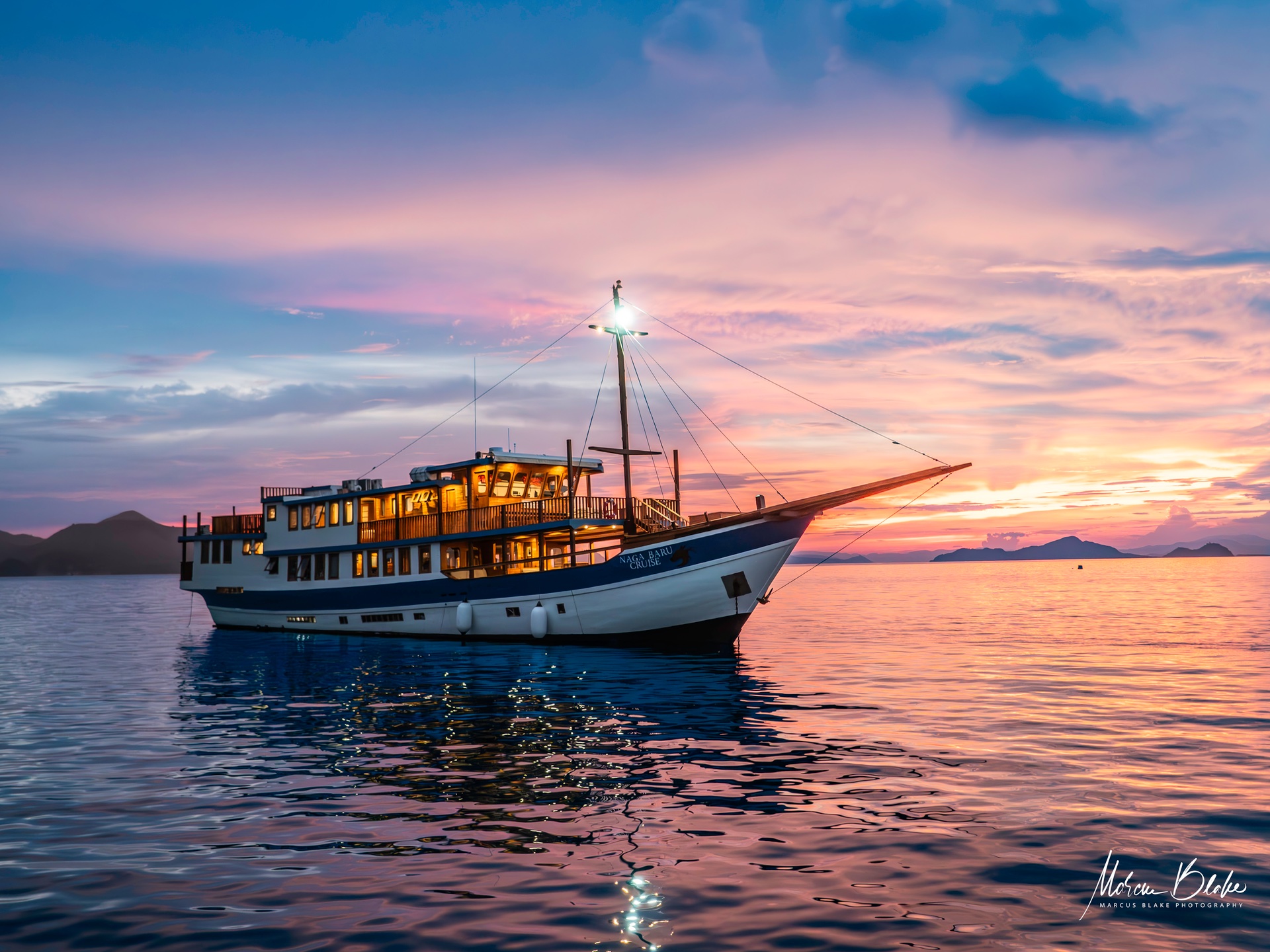
Naga Biru
Indonesia
12 guests40 m
$273/day
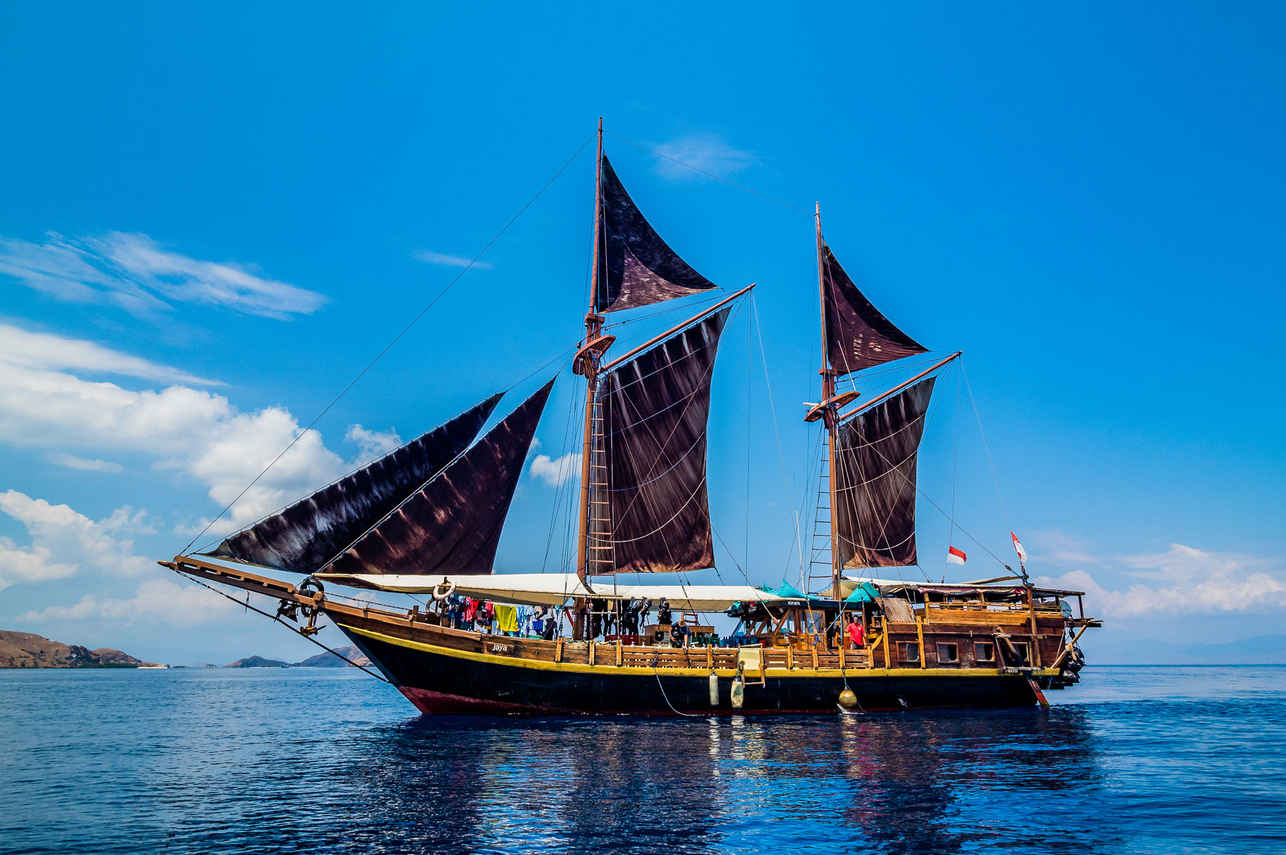
Jaya
Indonesia
14 guests23 m
$280/day
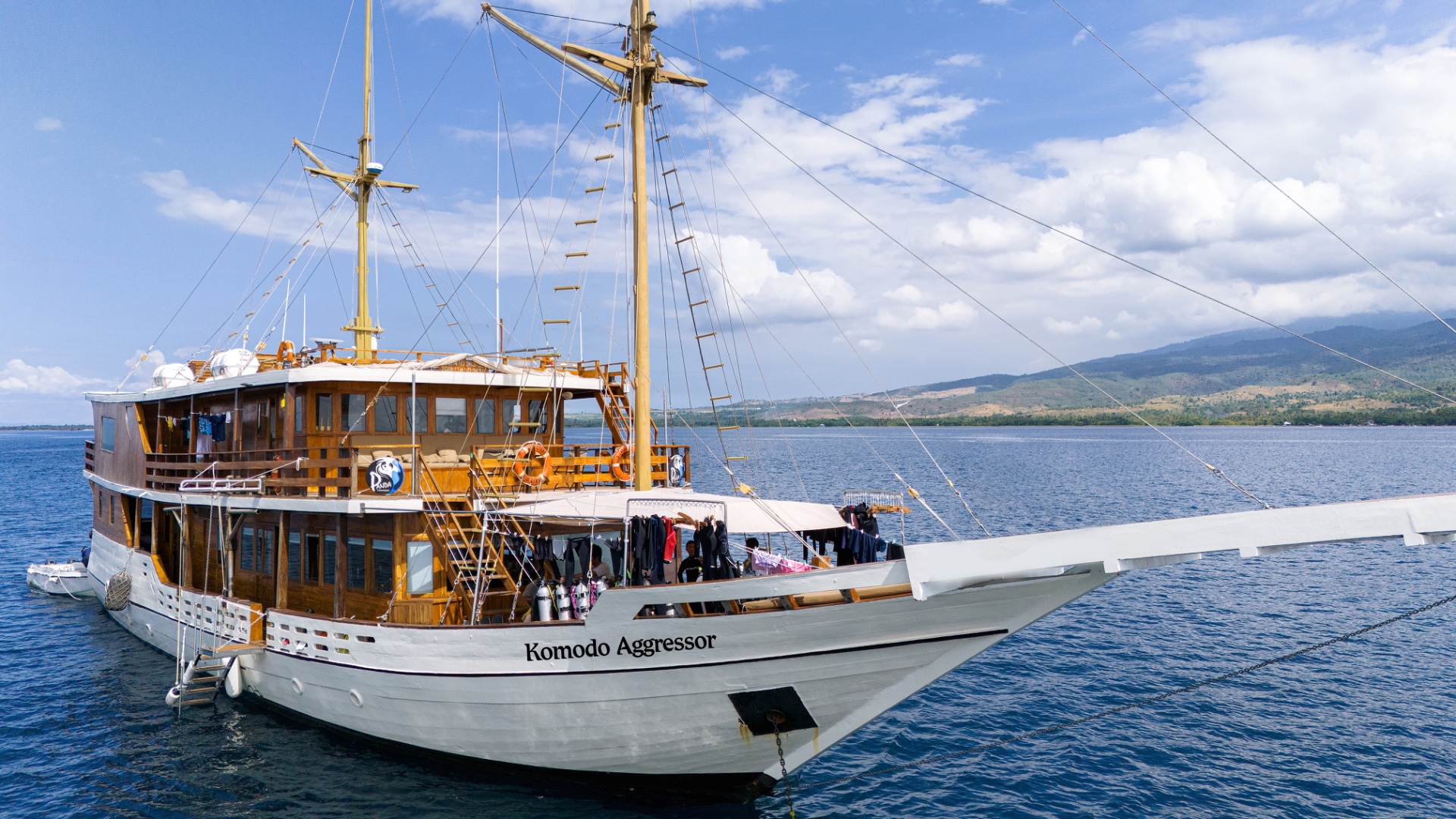
Komodo Aggressor
Komodo, Indonesia
16 guests29 m
$312/day
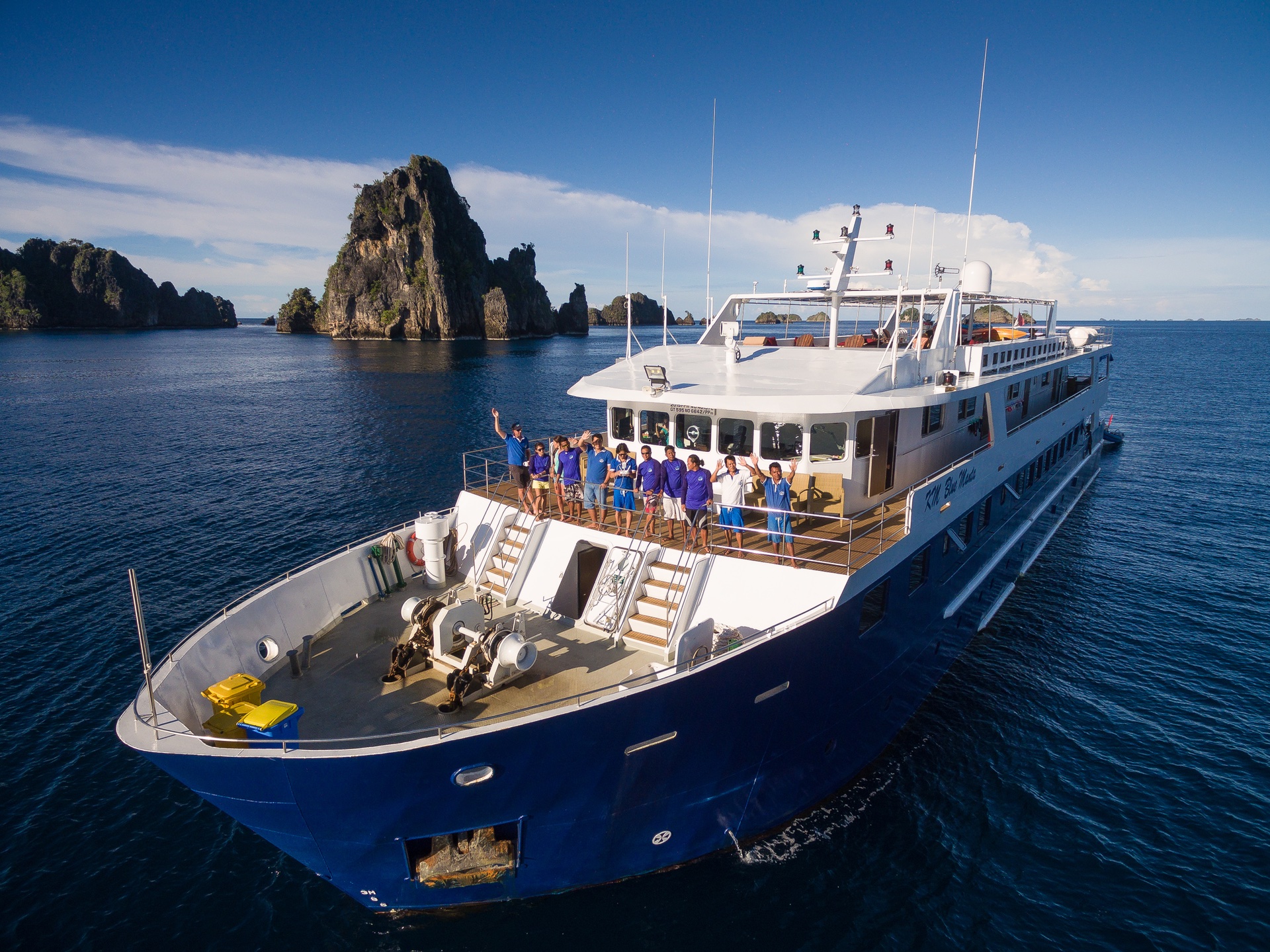
Blue Manta
Indonesia
20 guests45 m
$488/day
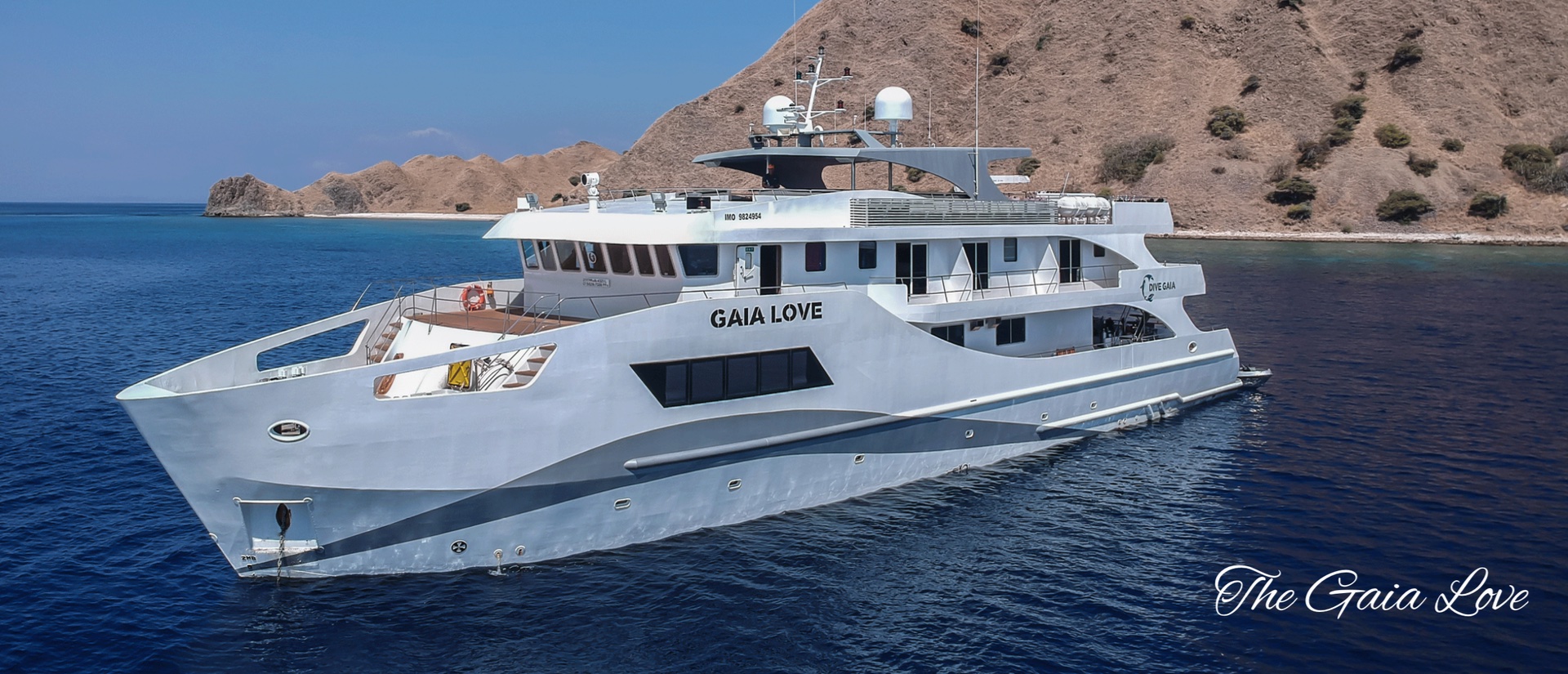
Gaia Love
Alor
20 guests
$554/day
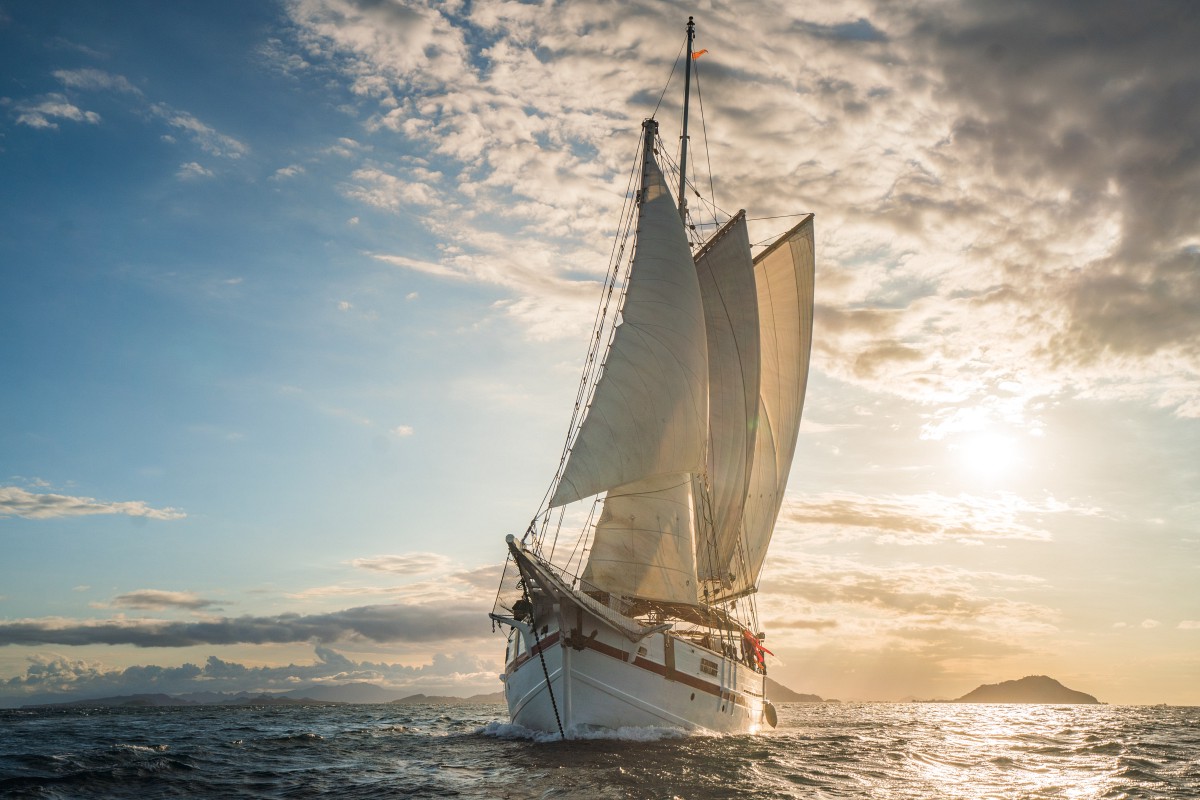
Emperor Raja Laut
Raja Ampat, Indonesia
12 guests31 m
$413/day
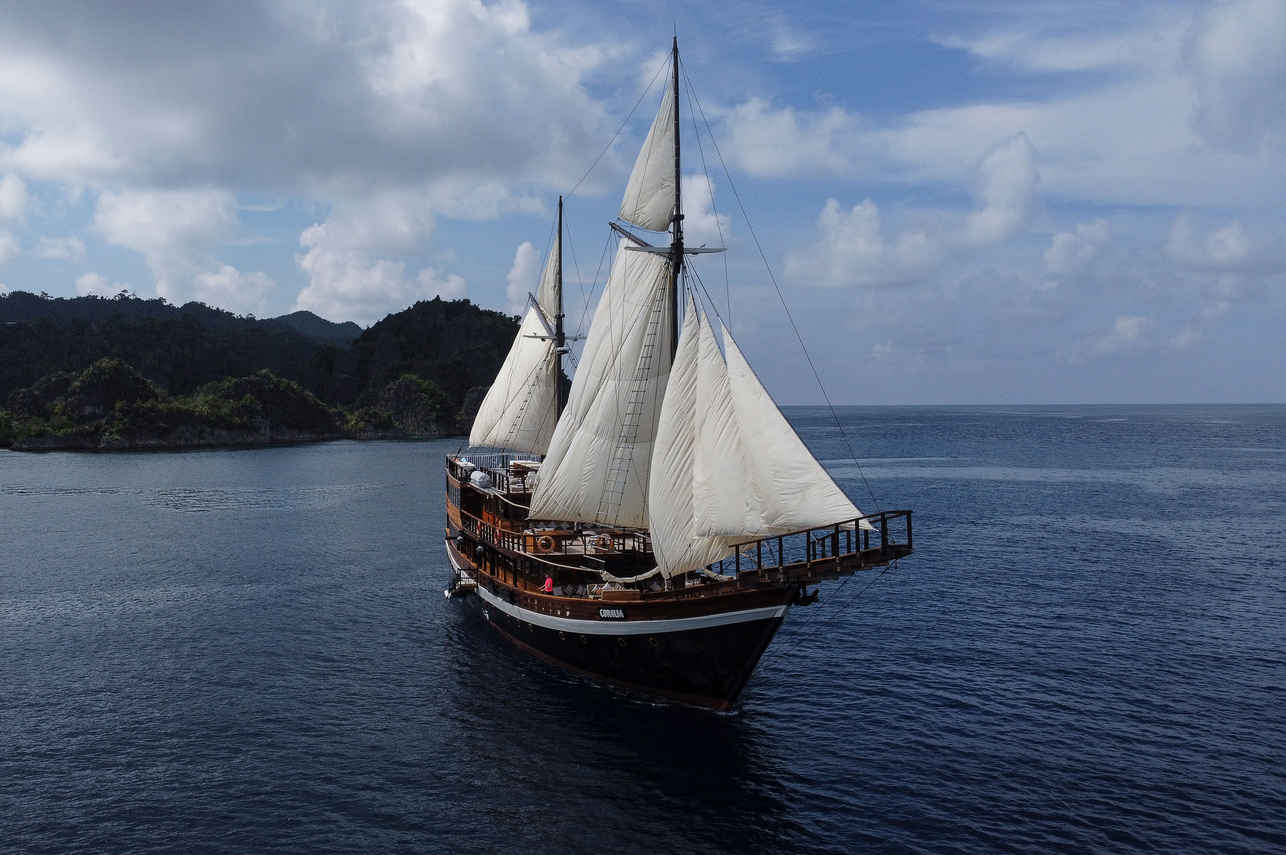
Coralia
Indonesia
16 guests48 m
$577/day
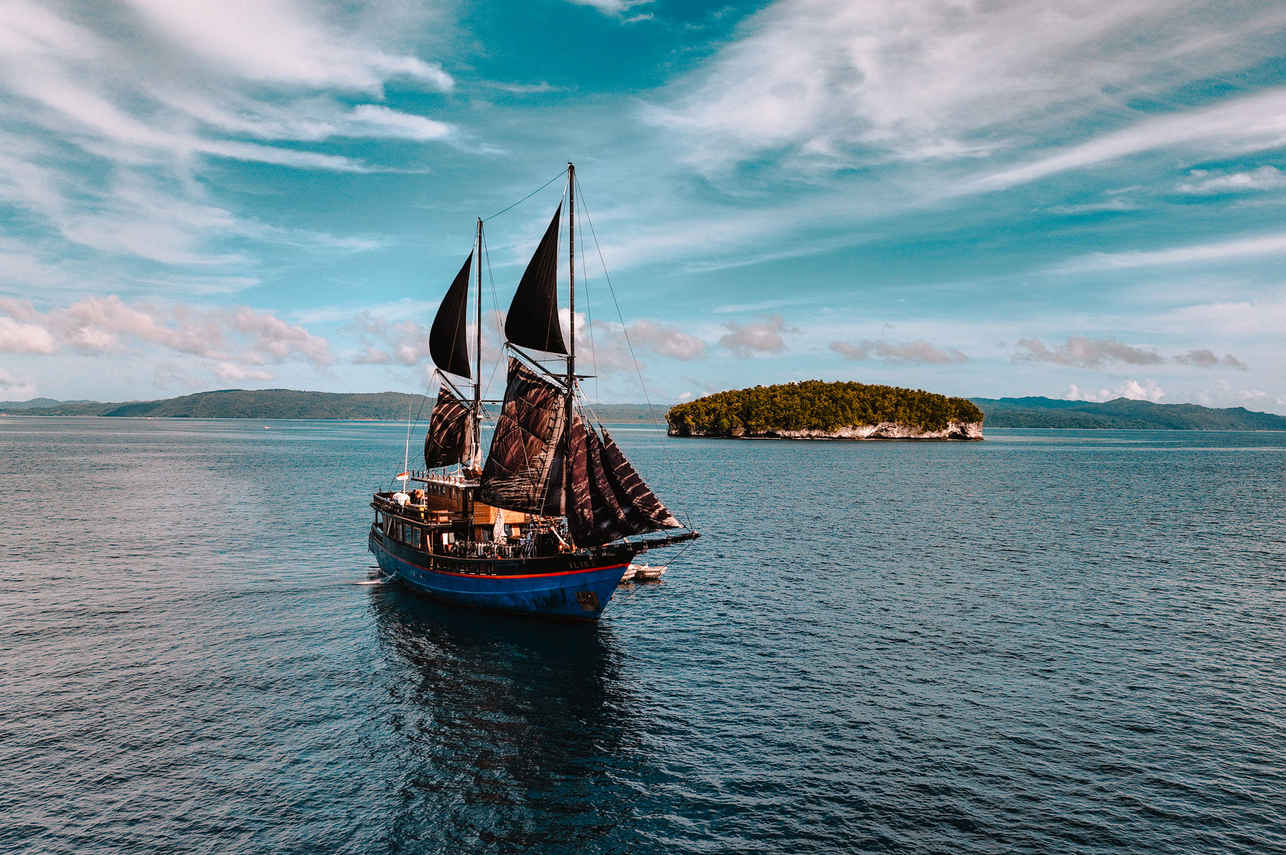
Ilike
Indonesia
16 guests40 m
$298/day
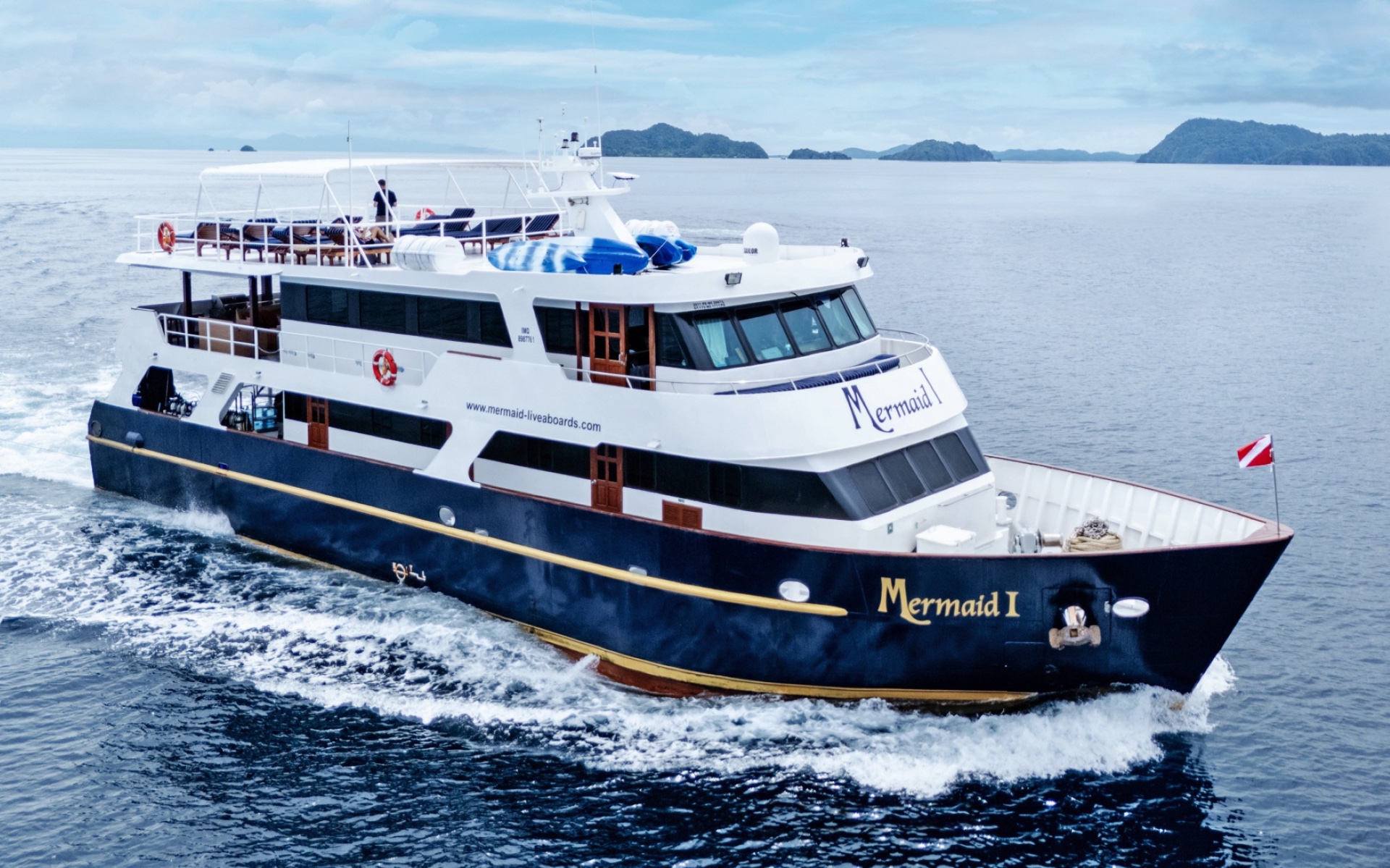
Mermaid I
Alor
15 guests28 m
$371/day
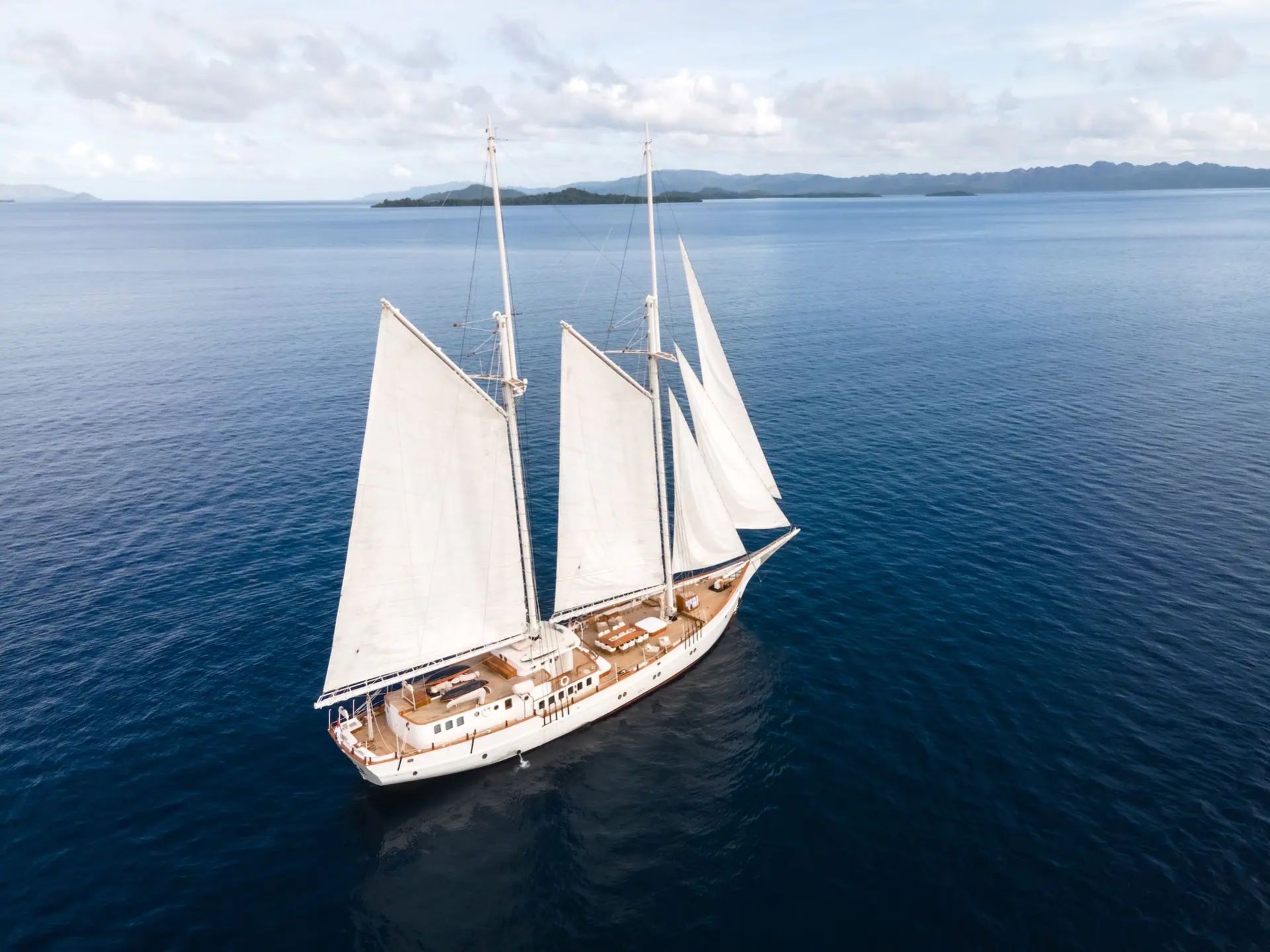
Mutiara Laut
Indonesia
14 guests46 m
$741/day
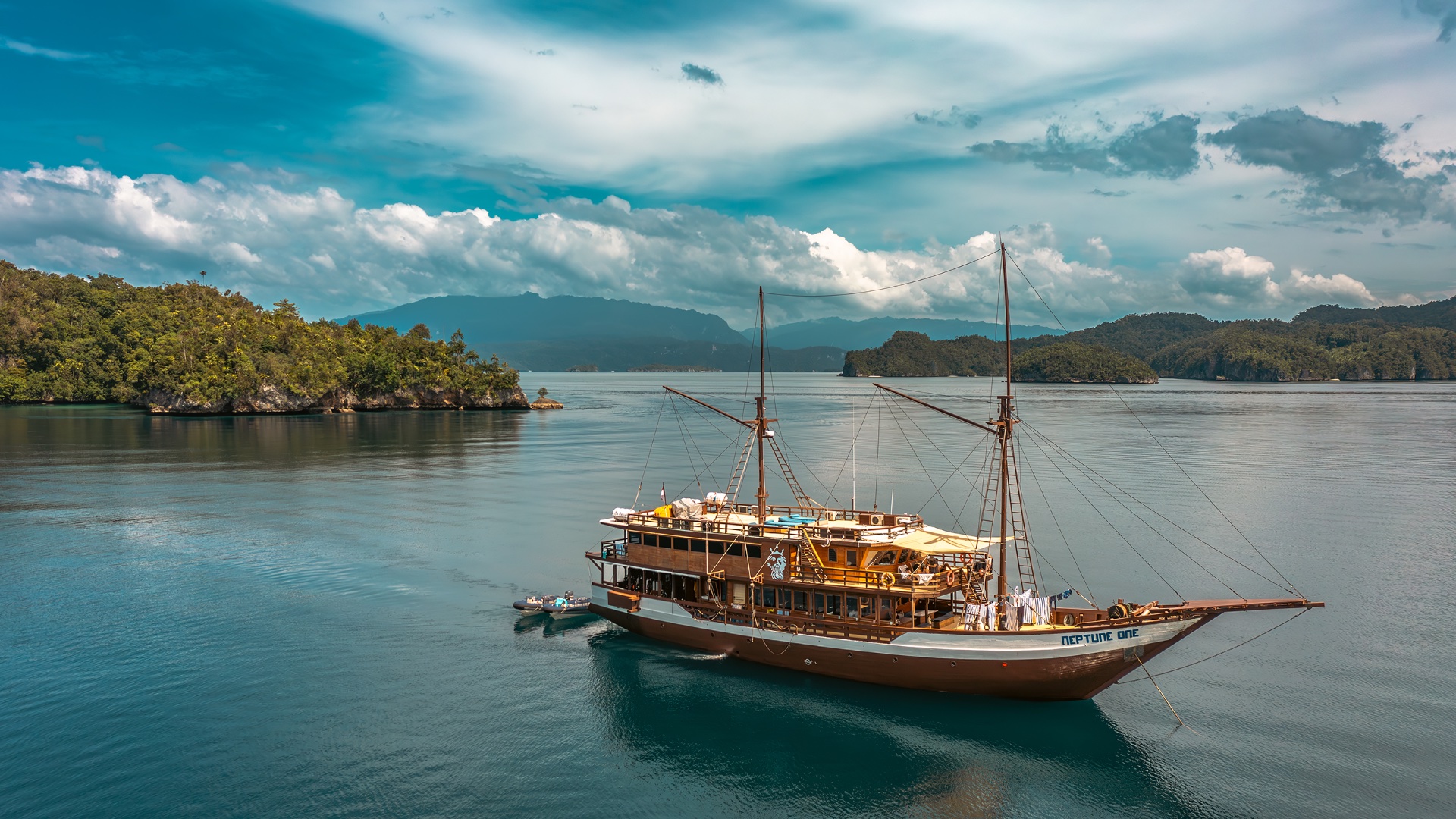
Neptune One
Indonesia
16 guests38 m
$284/day
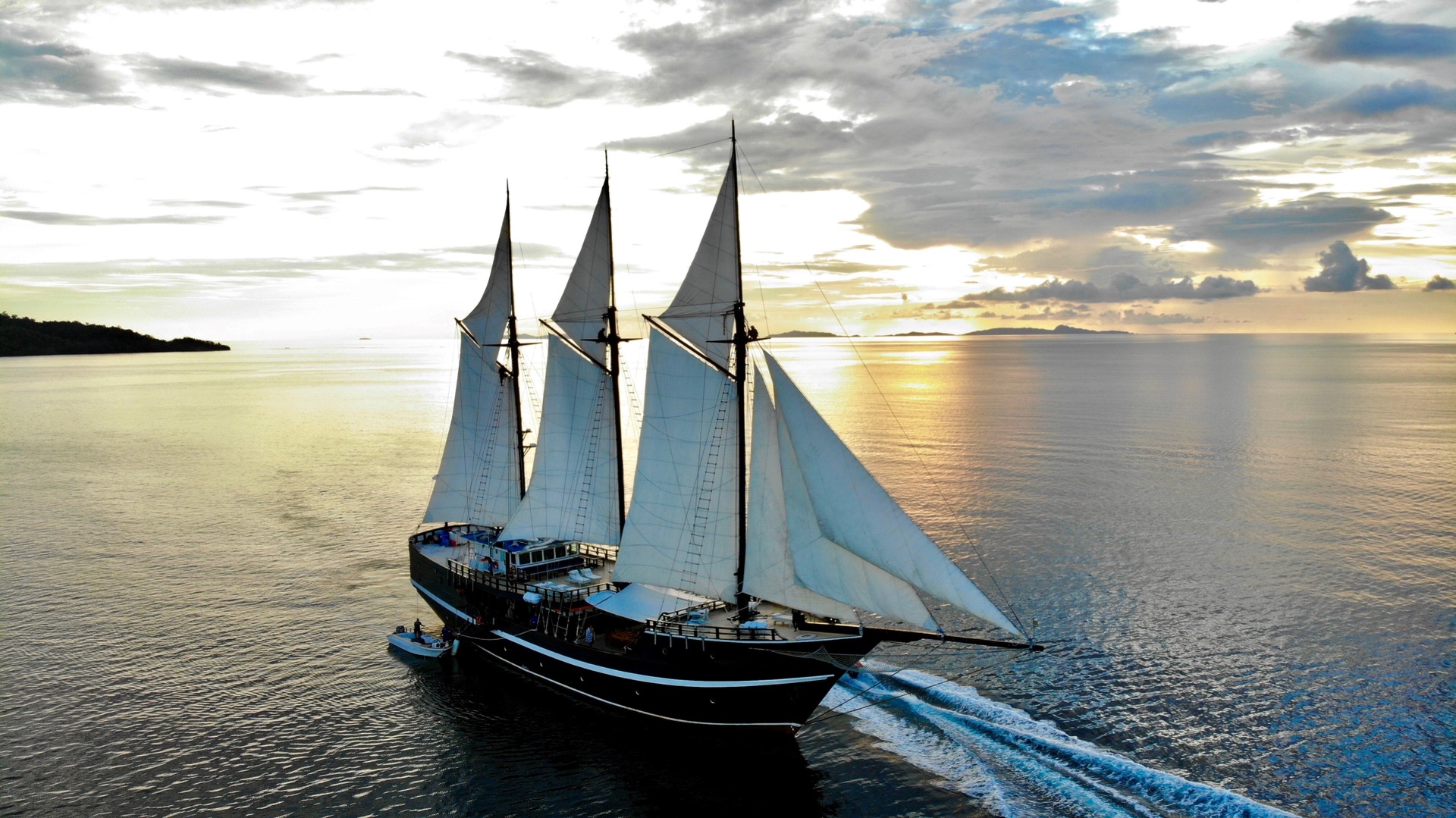
Dewi Nusantara
Indonesia
18 guests57 m
$493/day
Dive sites similar to Red Sand
Same character, same waters — six more sites divers love for the exact same reasons.Compare seasons, access and liveaboard routes — then pick the site that fits your trip best.
© Esri — Maxar, Earthstar, GIS
Schools Out
Alor
Schools Out in Alor offers divers an exceptional encounter with healthy coral reefs and a rich variety of marine species.
- Suitable for
- Intermediate
- Current
- Mild
- Access
- Liveaboard only
- Depth
- 20–30 m
- Theme
- Reef
© Esri — Maxar, Earthstar, GIS
Pasir Merah
Alor
Pasir Merah, or Red Sand, is a distinctive dive site situated north of Pura Island in the Alor Archipelago, East Nusa Tenggara.
- Suitable for
- Intermediate
- Current
- Moderate
- Access
- Liveaboard or dayboat
- Depth
- 5–35 m
- Theme
- Muck diving / Reef
© Esri — Maxar, Earthstar, GIS
Rusa Pinnacle
Alor
Rusa Pinnacle is a challenging yet highly rewarding dive site situated in the Alor archipelago, part of Indonesia's East Nusa Tenggara.
- Suitable for
- Advanced
- Current
- Strong
- Access
- Liveaboard only
- Depth
- 6–30 m
- Theme
- Reef
© Esri — Maxar, Earthstar, GIS
Goa Wolang
Alor
Goa Wolang, also known as Wolang Cave, is a distinctive dive site located in South Alor, renowned for its intriguing topography and diverse marine life.
- Suitable for
- Advanced
- Current
- Strong
- Access
- Dayboat
- Depth
- 5–30 m
- Theme
- Cavern / Wall
© Esri — Maxar, Earthstar, GIS
La Petite Kepa
Alor
La Petite Kepa refers to both a renowned dive site and the associated dive resort located on Kepa Island, within the Alor Archipelago in Indonesia.
- Suitable for
- Beginner
- Current
- Mild
- Access
- Shore / dayboat
- Depth
- 5–40 m
- Theme
- Reef
© Esri — Maxar, Earthstar, GIS
Tanjung Lusitobo
Alor
Tanjung Lusitobo is a dynamic dive site in Alor, celebrated for its rich biodiversity and vibrant underwater topography.
- Suitable for
- Intermediate
- Current
- Moderate
- Access
- Liveaboard only
- Depth
- 5–30 m
- Theme
- Reef