About Kalabahi Bay
Kalabahi Bay in Alor is celebrated as a premier location for muck diving, particularly within the Alor Islands Marine Park, an area known for its exceptional biodiversity within the Coral Triangle. This volcanic bay features unique sandy slopes, providing a habitat rich in nutrient-rich water due to currents, fostering a diverse array of small, cryptic marine life. It stands in contrast to the more common reef and wall dives found elsewhere in Alor, offering a specialized experience for macro enthusiasts. The bay's topography includes sandy slopes and volcanic sand, which is ideal for observing critters that thrive in such environments. While most of Alor is famous for vibrant reefs and dramatic walls, Kalabahi Bay specifically attracts those interested in the smaller, more unusual inhabitants of the underwater world. Depths can vary, but many of the notable muck diving encounters occur within shallower ranges. Critters such as Rhinopias, frogfish, various octopuses, and a multitude of shrimp and nudibranchs are commonly sighted here throughout the year, with muck diving often being particularly good during the rainy season. The unique conditions, including bubbling gas vents in some areas like Pasir Merah nearby, create a fascinating and productive ecosystem for these creatures. Diving in Kalabahi Bay typically involves careful exploration of the sandy bottom, often at a slower pace to spot well-camouflaged species. It's a site that rewards patience and keen observation, offering an intimate look at the intricate lives of marine invertebrates and small fish, making it a perfect spot for both day and night dives focusing on macro photography.
Highlights
World-class muck divingVolcanic sandy slopesRare macro crittersRhinopias encountersExceptional critter diversityNight diving opportunities
Season calendar
Best months to dive here
Jan
Feb
Mar
Apr
May
Jun
Jul
Aug
Sep
Oct
Nov
Dec
Excellent
Good
Dive site facts: Kalabahi Bay
- Depth
- 5-30 m
- Typical dive
- 12-20 m, 60-75 min
- Current
- Mild to occasionally ripping
- Visibility
- 15-25 m
- Water temperature
- 17-29°C
- Entry
- Boat / Tender
- Level
- Open Water with good buoyancy, AOWD for deeper muck areas
- Dive type
- Muck, macro, sandy slopes, night dive
- Night dive
- Possible and recommended
- Region / port
- Alor, East Nusa Tenggara
- Coordinates
- 8.2325° S, 124.5000° E
Conditions & Currents
Currents within Kalabahi Bay can vary from calm to surprisingly strong, even in seemingly sheltered areas, and may shift unexpectedly. Nutrient-rich water is pushed into the bay by these currents, contributing to the rich biodiversity for macro life. Divers should be prepared for potential up-currents and down-currents, particularly given the deep water alongside shallow sections and narrow channels. Water temperatures can also be cooler than expected, sometimes dropping to 22°C or even 17°C, requiring appropriate thermal protection. Visibility in the bay for muck diving typically ranges between 15-25 meters, though it may decrease slightly during the rainy season due to increased sediment. Dive guides with extensive local experience are essential for safely navigating the diverse and sometimes unpredictable conditions found here, ensuring optimal critter spotting while managing current
Marine life & sighting chances

Rhinopias
Year-round · occasional
Frogfish
Year-round · common
Octopuses
Year-round · common
Harlequin shrimp
Year-round · occasional
Coleman shrimp
Year-round · occasional
Seahorses
Year-round · common
Ghost pipefish
Year-round · occasional
Crabs
Year-round · common
Nudibranchs
Year-round · common
Electric clams
Year-round · occasional
Mandarinfish
Year-round · occasional
Bamboo sharks
Year-round · rareDive profile & how the dive runs
Dives in Kalabahi Bay are typically conducted from a boat, often with a backward roll entry, descending directly onto the volcanic sandy slopes. The dive profile involves slowly traversing the gently sloping bottom, meticulously searching for well-camouflaged macro critters. Guides will often lead divers along specific paths where Rhinopias, frogfish, octopuses, and various shrimp are frequently spotted. Depths usually remain between 10 to 20 meters to maximize bottom time and light for photography, though interesting finds can occur shallower. The dive progresses at a leisurely pace, allowing ample time for observation and photography. Turnaround is typically dictated by air consumption or bottom time, with the safety stop often performed in shallower areas of the bay, observing any remaining macro life. Night dives follow a similar profile, focusing on nocturnal critters like flamboyant cuttlefish and stargazers.
Underwater photography
Kalabahi Bay is a macro photographer's paradise, demanding specialized gear and technique. A macro lens, such as 60mm or 100/105mm, is essential to capture the intricate details of species like Rhinopias, frogfish, and various shrimp. Close-up lenses or wet diopters are highly recommended for super macro subjects. Dual strobes are crucial for even lighting on the sandy background and to bring out the vibrant colors of nudibranchs and other critters, with snoots proving useful for isolating subjects. Excellent buoyancy control is paramount to avoid disturbing the silty bottom and to maintain a stable platform for sharp images. Patience and a keen eye are more valuable than aggressive pursuit; allow subjects to acclimate. For night photography, a strong focus light and red light for approaching shy creatures will be beneficial. Respect marine life by minimizing contact and disturbance.
Combine with nearby dive sites
- Mucky Mosque
Another muck diving site within Kalabahi Bay
- Pasir Merah
Known as Red Sand, featuring volcanic red sandy slopes and gas vents
- Mandarin House
Mandarin House is a vibrant dive site in Alor, renowned for its rich macro life and dynamic topography.
- Pura Island Drop-off
Nearby Pura Island, offering different critter habitats
Getting there & logistics
Access to Alor, including Kalabahi Bay, typically involves multiple domestic flights within Indonesia, often connecting through Jakarta or Bali to Kupang (KOE), then a short flight to Alor's Mali Airport (ARD). Alternatively, some operations arrange speedboat transfers from Kupang. Dive operators in Alor, including those on Pantar Island, provide boat transfers to Kalabahi Bay dive sites. Trip lengths vary but often range from 7 to 10 days to allow for comprehensive exploration of Alor's diverse sites. Park fees may apply for diving within the Alor Islands Marine Park. Kalabahi Bay is usually combined with other Alor sites, offering a mix of muck diving and vibrant coral reef exploration, with many operators closing during the peak rainy season from December to February.
Safety & environment
Diving in Alor's Kalabahi Bay, while rewarding, requires adherence to strict safety protocols. The nearest recompression chamber is located in Bali, necessitating comprehensive dive accident insurance covering medical evacuation. Evacuation from Alor can be complex and time-consuming, potentially involving small aircraft or boats. Divers should ensure they are well-rested and hydrated, and always dive within their certification limits. Site-specific hazards include unpredictable currents, which can range from mild to ripping, even in sheltered areas, and can cause rapid changes in depth or direction. Water temperatures can also be surprisingly cool, sometimes dropping to 17°C, increasing the risk of hypothermia if adequate thermal protection is not worn. Maintaining excellent buoyancy control is crucial, especially during muck dives, to avoid stirring up the silty bottom and compromising visibility for yourself and others. Always follow your guide's instructions, especially regarding currents and marine life interaction, as some critters may have defensive behaviors.
Who it suits — and who it doesn't
Suited for
- Macro photography enthusiasts
- Critter hunters
- Experienced divers comfortable with varied currents
- Divers seeking unique marine life encounters
- Night diving aficionados
Less suited for
- Divers preferring only large pelagics
- Beginner divers without good buoyancy
- Divers uncomfortable with cooler water temperatures
- Those expecting only clear water coral reefs
- Divers with limited bottom time patience
FAQ
Kalabahi Bay FAQ
What kind of marine life can I expect to see in Kalabahi Bay?
Kalabahi Bay is renowned for its exceptional macro life. You can typically expect to encounter a wide variety of critters such as Rhinopias, frogfish, numerous species of octopuses, harlequin and Coleman shrimp, seahorses, and various ghost pipefish. The sandy slopes are also home to many nudibranchs, crabs, and other unusual invertebrates, making every dive a treasure hunt for the unique and camouflaged.
Are there strong currents in Kalabahi Bay?
While Kalabahi Bay might appear calm, currents can be surprisingly variable, ranging from mild to occasionally ripping, even in seemingly sheltered spots. These nutrient-rich currents contribute to the bay's abundant marine life. Divers should be prepared for potential shifts in current strength and direction, and often experience cooler water temperatures due to upwellings, sometimes as low as 17°C.
Is Kalabahi Bay suitable for night diving?
Yes, Kalabahi Bay is an excellent location for night diving and is highly recommended for experiencing its nocturnal critters. Many of the bay's unique inhabitants, such as flamboyant cuttlefish, stargazers, and various octopuses, become more active and visible after dark. A night dive here offers a completely different perspective on the already rich macro environment.
What is the best time of year to dive Kalabahi Bay?
Muck diving in Kalabahi Bay is productive year-round, with good conditions generally from April to November during the dry season. However, critter sightings can be particularly exceptional during the rainy season from November to March, even if visibility might be slightly reduced. Water temperatures remain pleasant for much of the year, though cold upwellings can occur, especially in October and November.
What type of dive gear is recommended for Kalabahi Bay?
Given the focus on macro life and potentially cooler water, a good quality macro lens and strobes are essential for photographers. For personal comfort, a 3mm or 5mm wetsuit is advisable, as water temperatures can drop significantly, sometimes to 17°C. Excellent buoyancy control is crucial to protect the delicate marine environment and prevent stirring up the silty bottom. A keen eye and a patient approach will also be your best assets.
Why dive Kalabahi Bay from a liveaboard?
Kalabahi Bay is one of Alor's signature dive sites. A liveaboard sleeps you on the water and puts you in the water for three to four guided dives per day, including dawn and night dives that day-boat operators rarely offer. You skip the daily commute back to port and reach quieter, less-crowded sites in the same region on a single trip.
Below are the liveaboards that include Kalabahi Bay on their Alor itineraries.
Liveaboards diving Kalabahi Bay
These liveaboards may visit Kalabahi Bay on selected itineraries — the exact dive sites depend on departure, weather and conditions.
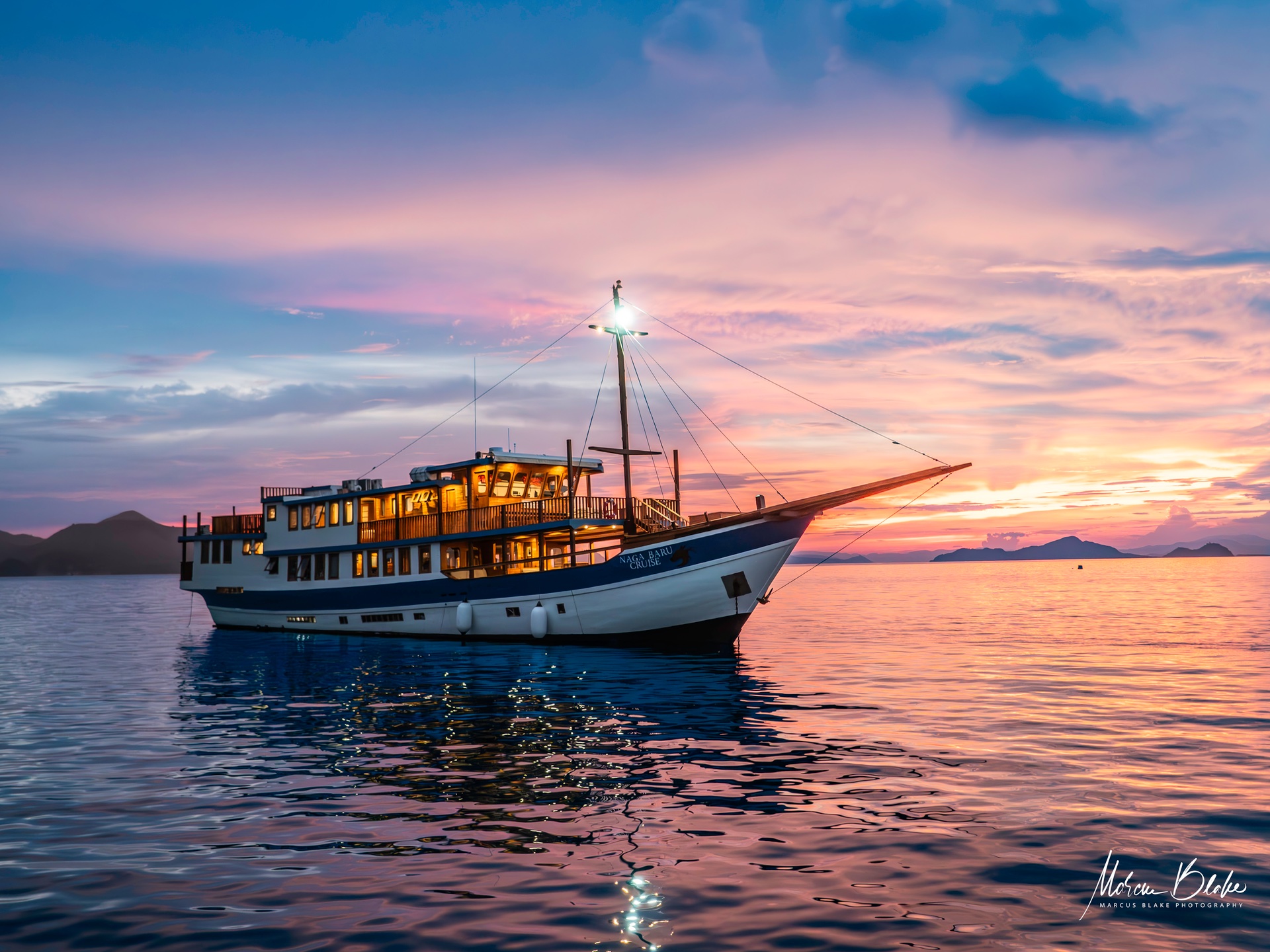
Naga Biru
Indonesia
12 guests40 m
$273/day
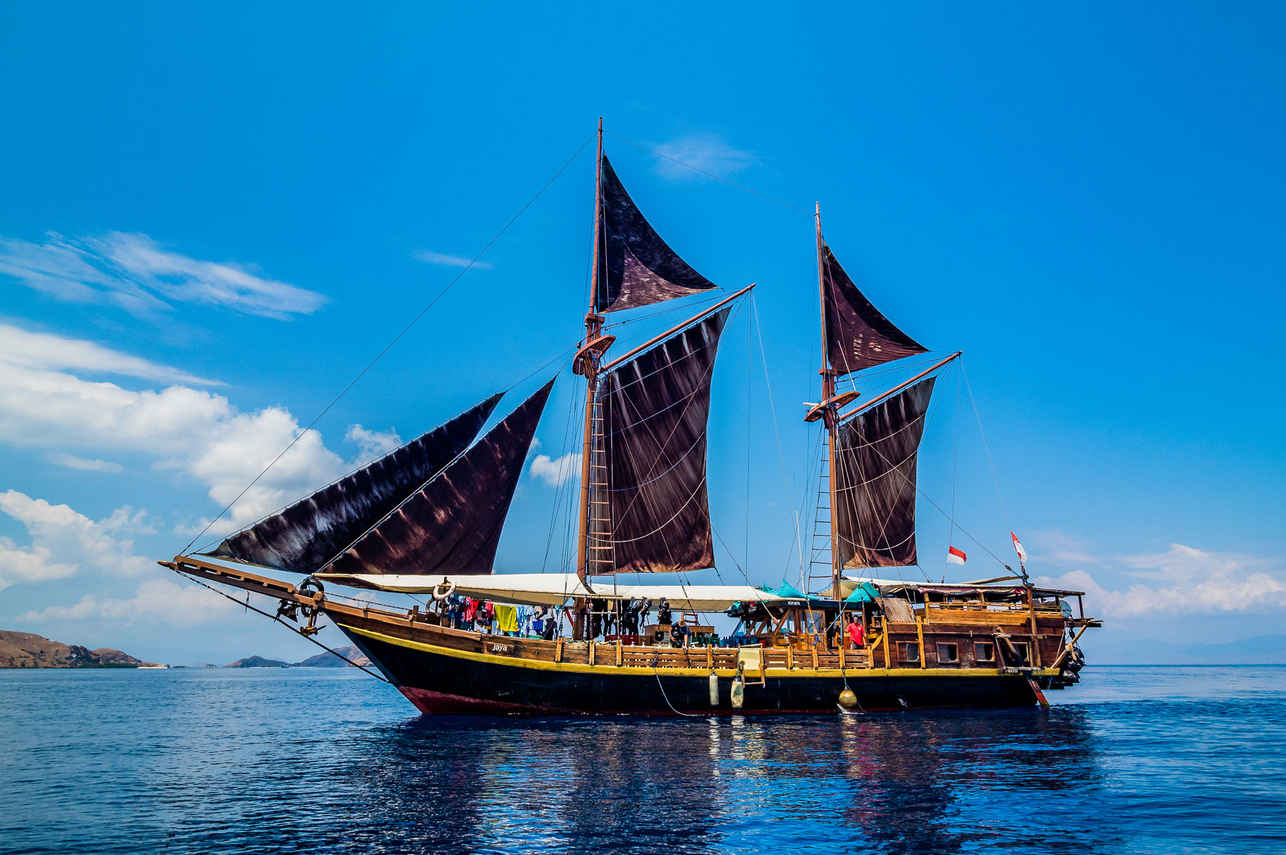
Jaya
Indonesia
14 guests23 m
$280/day
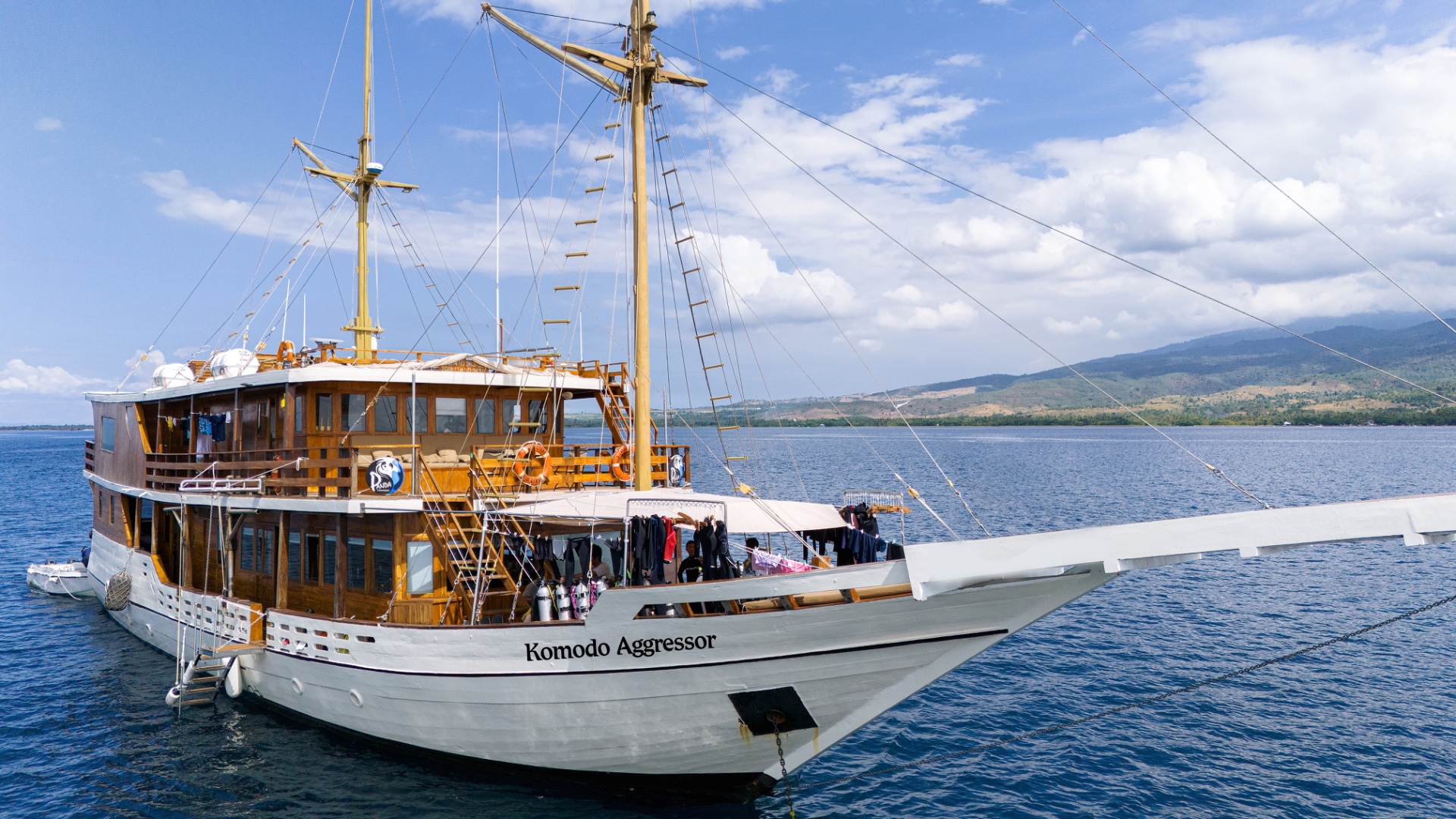
Komodo Aggressor
Komodo, Indonesia
16 guests29 m
$312/day
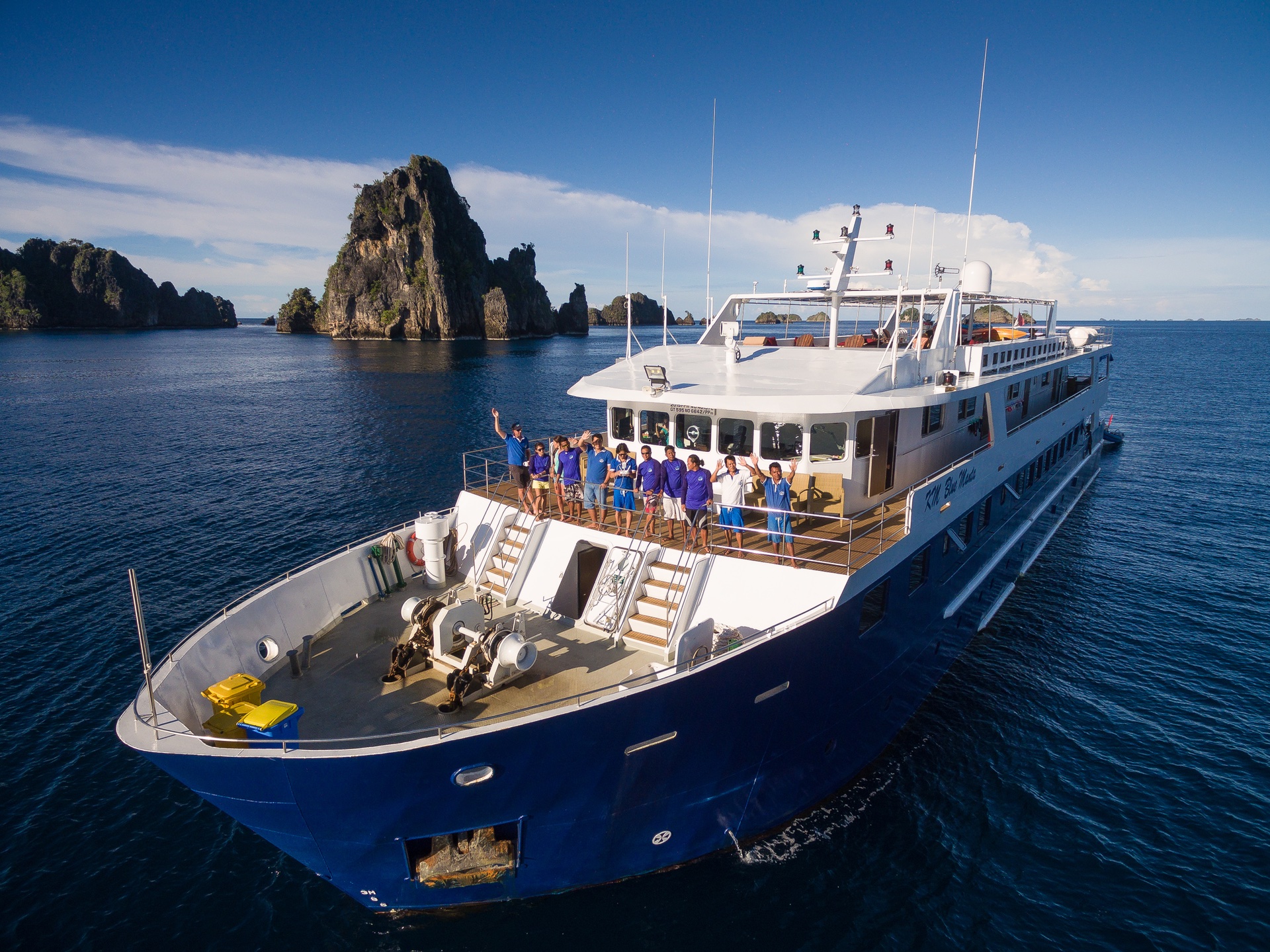
Blue Manta
Indonesia
20 guests45 m
$482/day
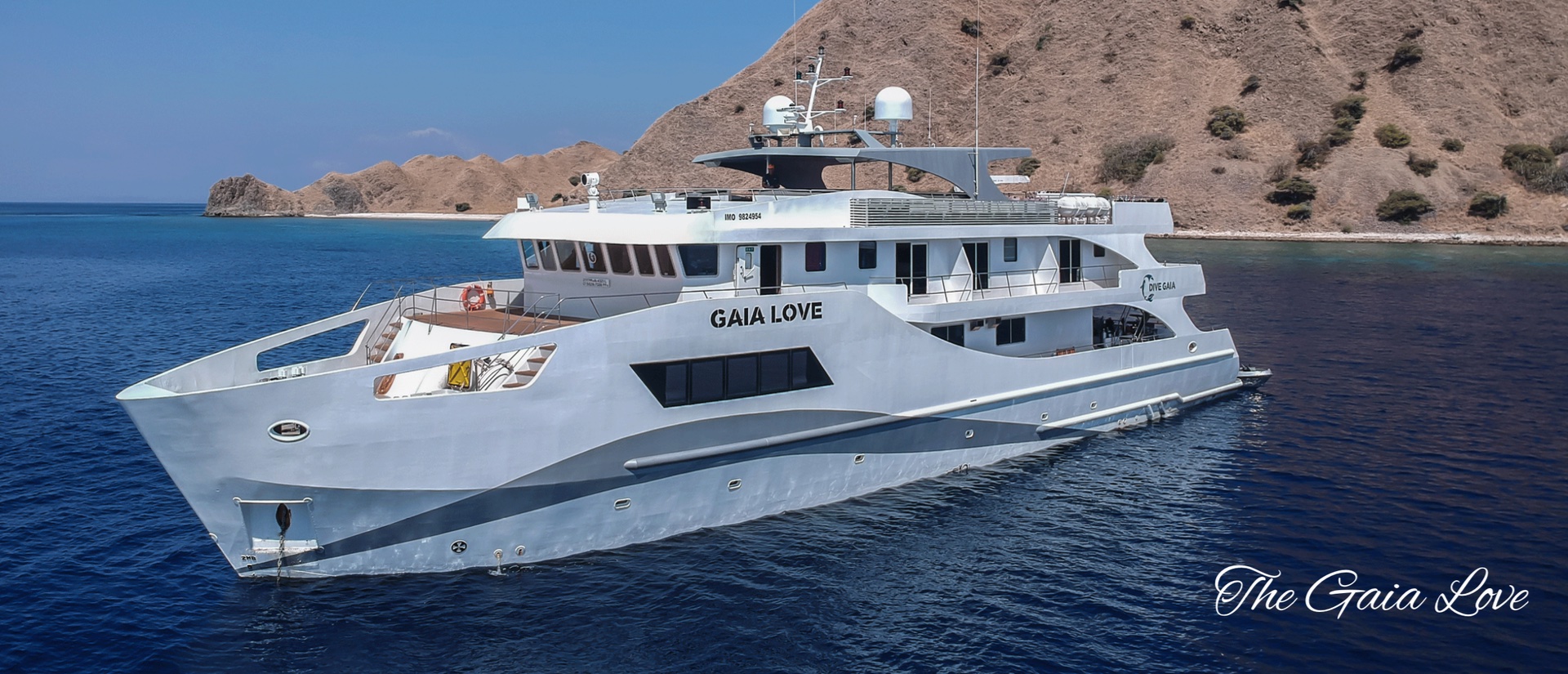
Gaia Love
Alor
20 guests
$554/day
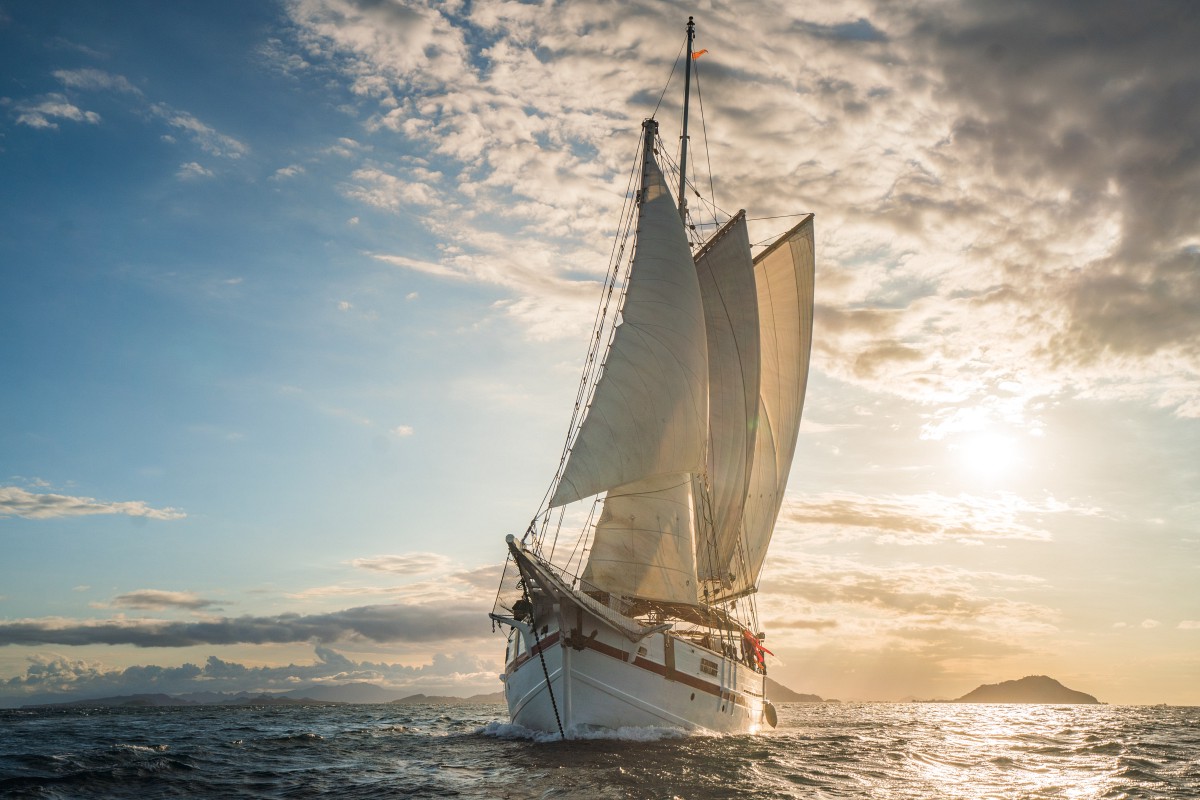
Emperor Raja Laut
Raja Ampat, Indonesia
12 guests31 m
$413/day
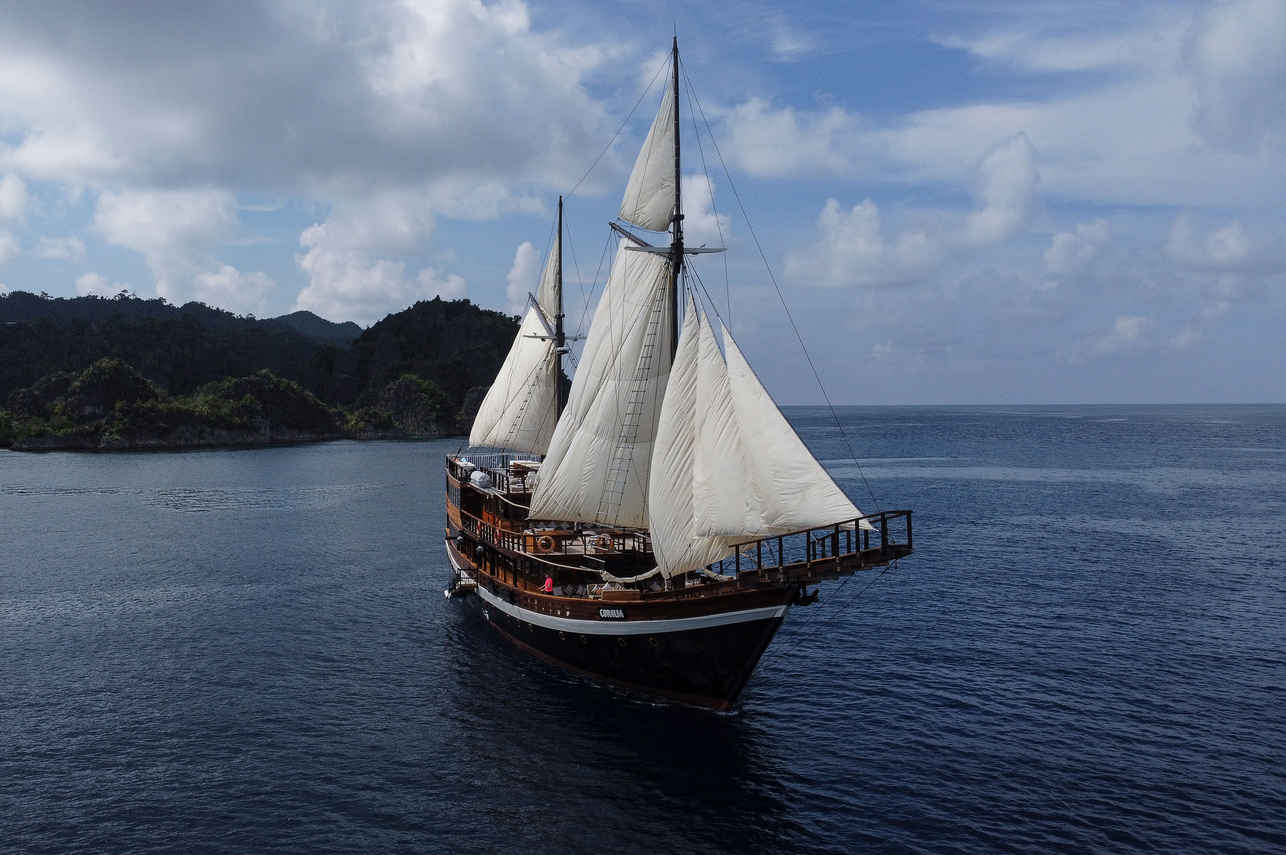
Coralia
Indonesia
16 guests48 m
$563/day
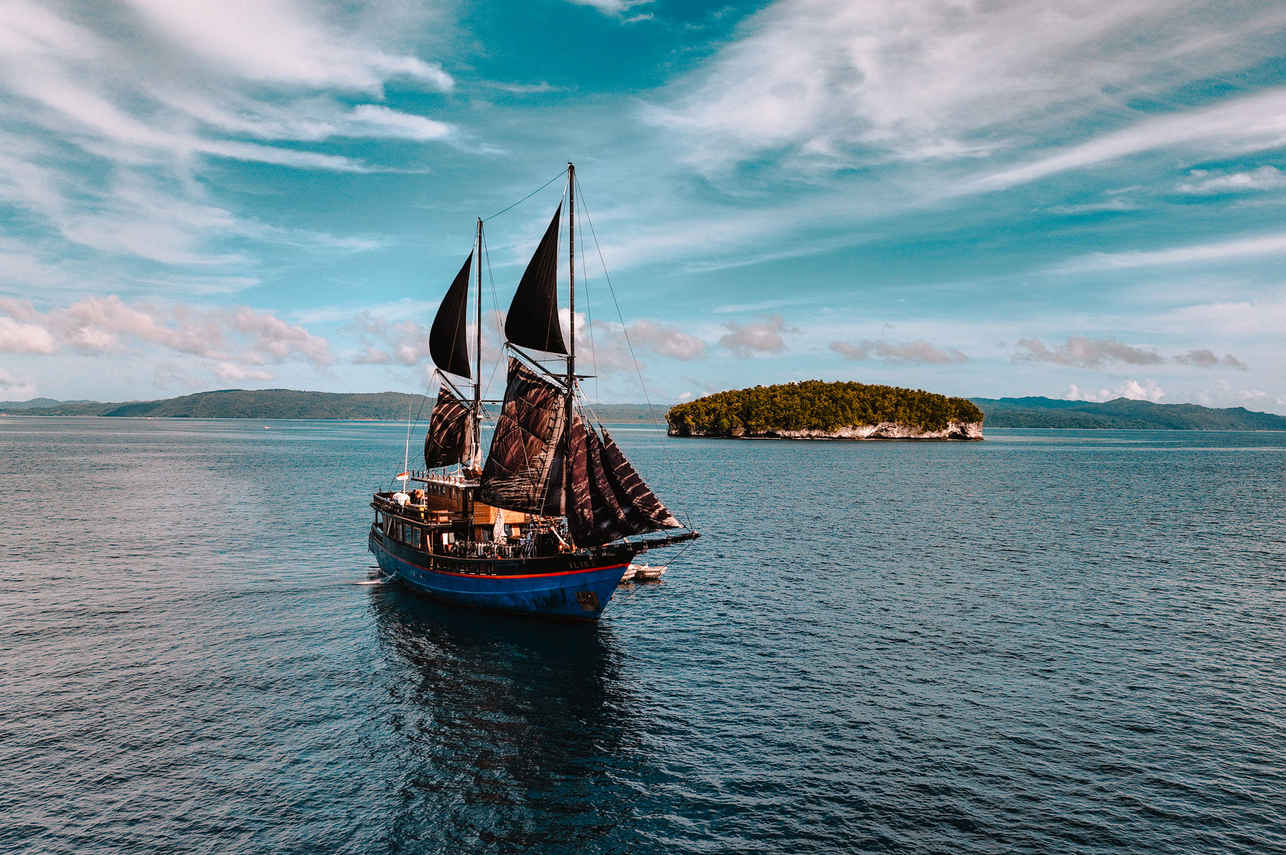
Ilike
Indonesia
16 guests40 m
$350/day
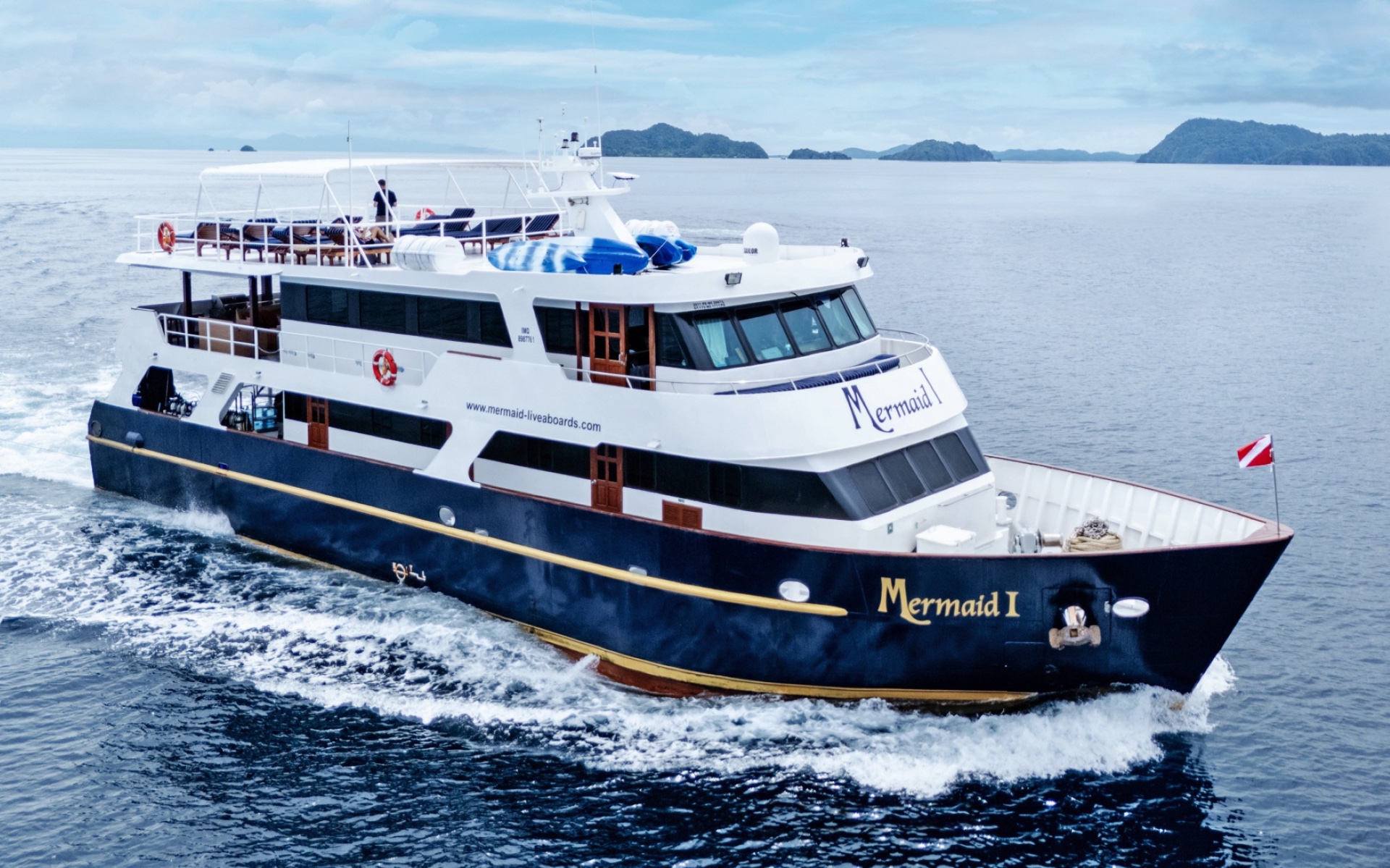
Mermaid I
Alor
15 guests28 m
$478/day
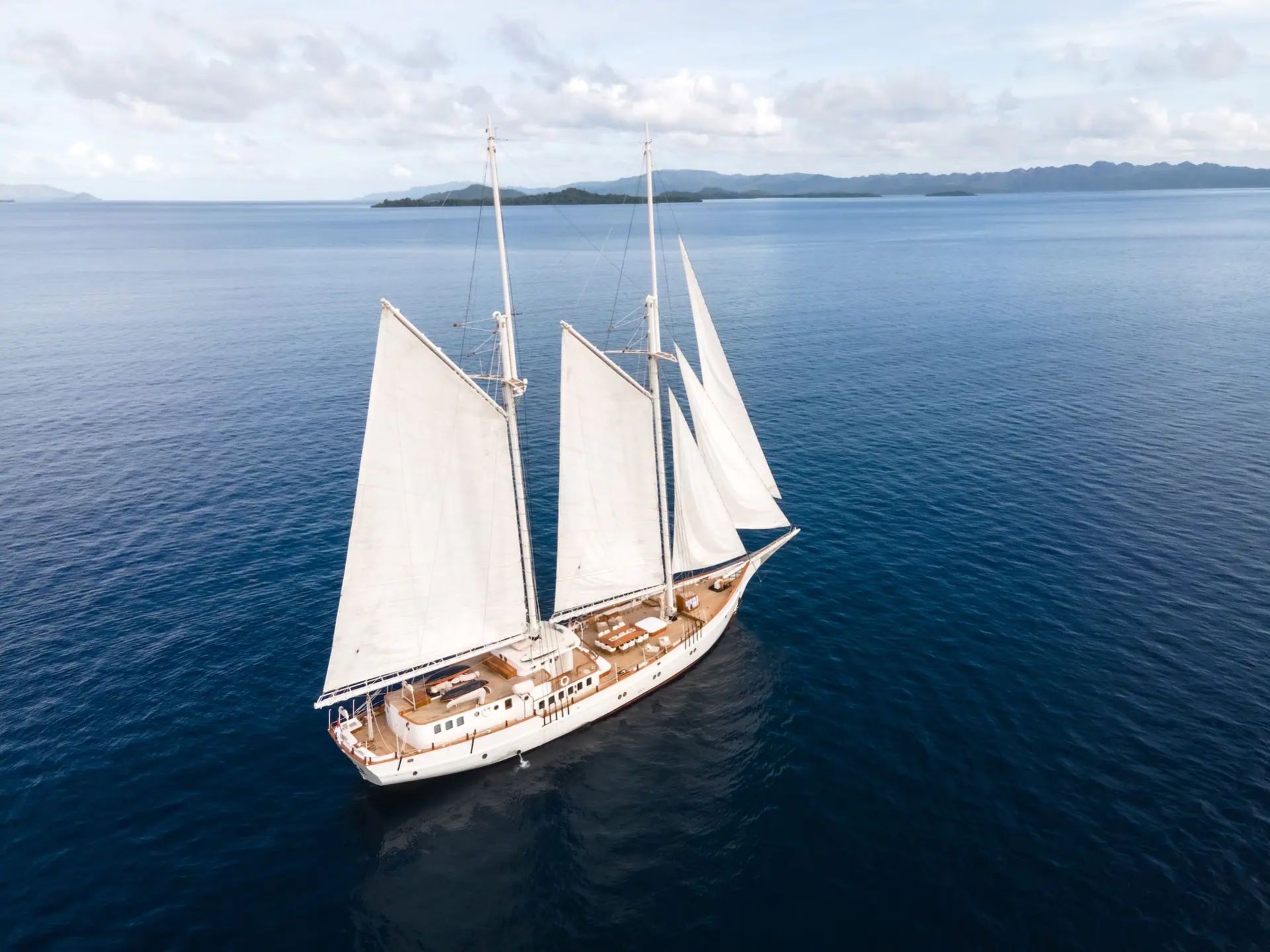
Mutiara Laut
Indonesia
14 guests46 m
$741/day
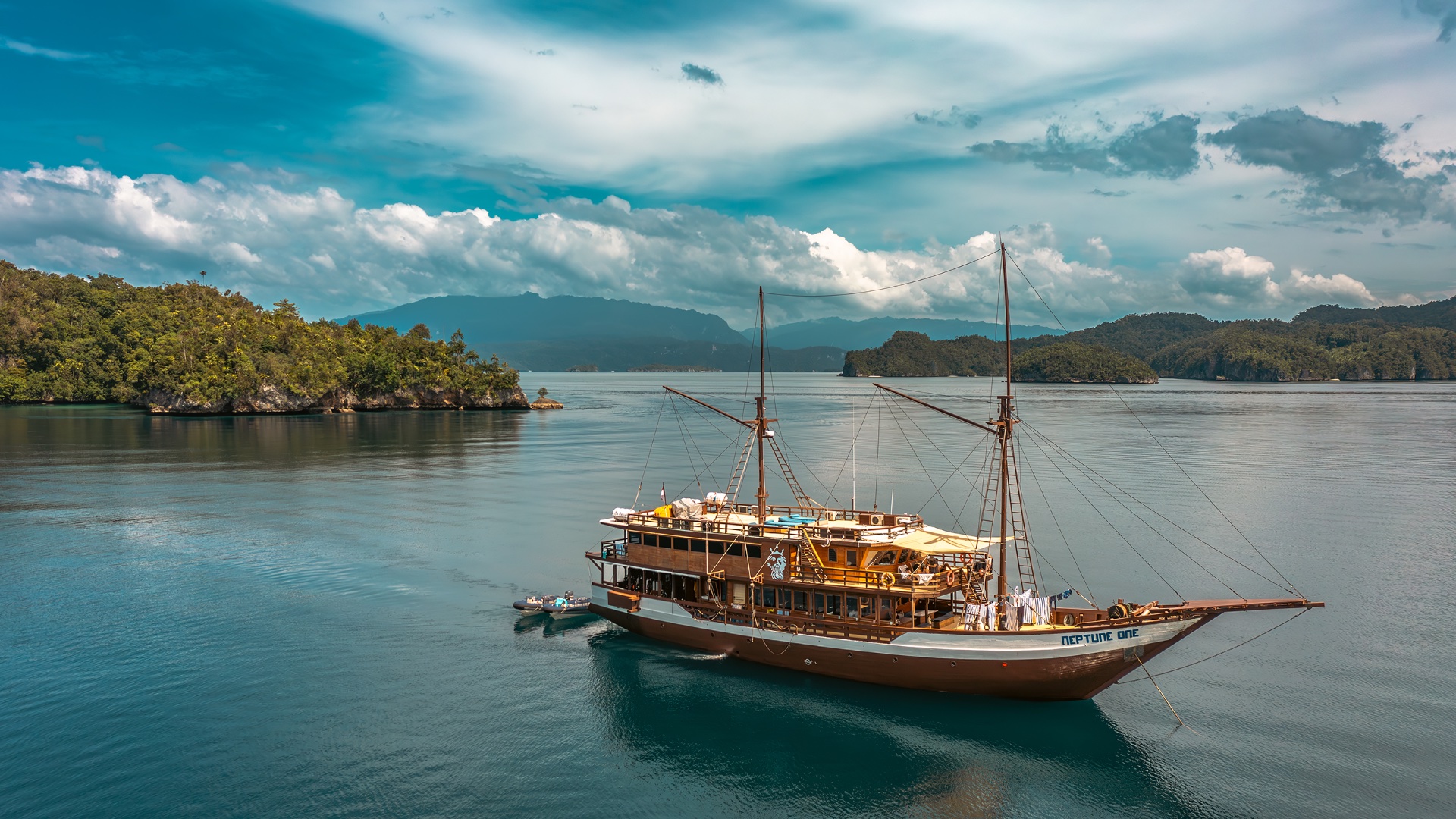
Neptune One
Indonesia
16 guests38 m
$332/day
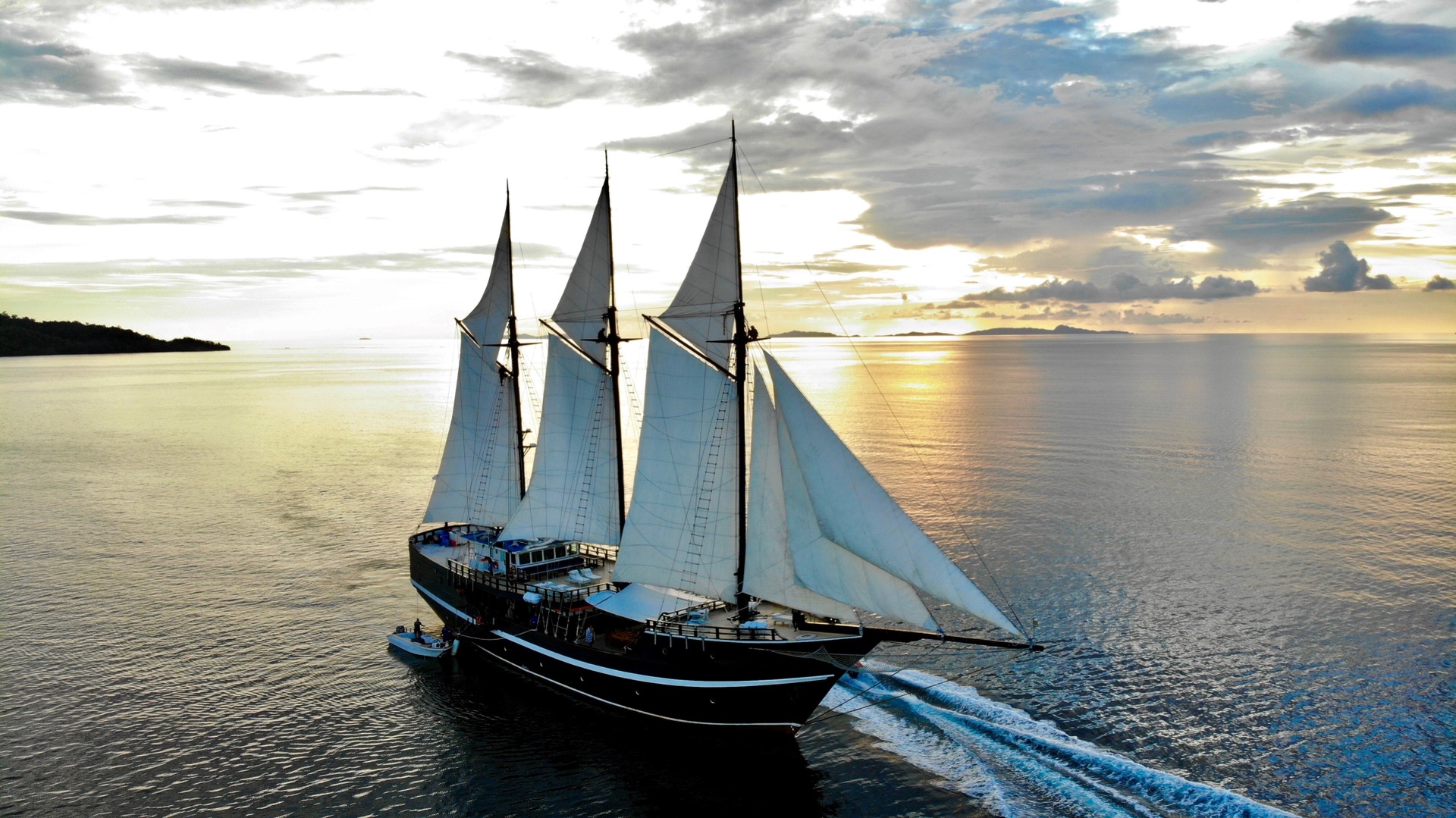
Dewi Nusantara
Indonesia
18 guests57 m
$599/day
Dive sites similar to Kalabahi Bay
Same character, same waters — six more sites divers love for the exact same reasons.Compare seasons, access and liveaboard routes — then pick the site that fits your trip best.
© Esri — Maxar, Earthstar, GIS
Schools Out
Alor
Schools Out in Alor offers divers an exceptional encounter with healthy coral reefs and a rich variety of marine species.
- Suitable for
- Intermediate
- Current
- Mild
- Access
- Liveaboard only
- Depth
- 20–30 m
- Theme
- Reef
© Esri — Maxar, Earthstar, GIS
Pasir Merah
Alor
Pasir Merah, or Red Sand, is a distinctive dive site situated north of Pura Island in the Alor Archipelago, East Nusa Tenggara.
- Suitable for
- Intermediate
- Current
- Moderate
- Access
- Liveaboard or dayboat
- Depth
- 5–35 m
- Theme
- Muck diving / Reef
© Esri — Maxar, Earthstar, GIS
Rusa Pinnacle
Alor
Rusa Pinnacle is a challenging yet highly rewarding dive site situated in the Alor archipelago, part of Indonesia's East Nusa Tenggara.
- Suitable for
- Advanced
- Current
- Strong
- Access
- Liveaboard only
- Depth
- 6–30 m
- Theme
- Reef
© Esri — Maxar, Earthstar, GIS
Goa Wolang
Alor
Goa Wolang, also known as Wolang Cave, is a distinctive dive site located in South Alor, renowned for its intriguing topography and diverse marine life.
- Suitable for
- Advanced
- Current
- Strong
- Access
- Dayboat
- Depth
- 5–30 m
- Theme
- Cavern / Wall
© Esri — Maxar, Earthstar, GIS
La Petite Kepa
Alor
La Petite Kepa refers to both a renowned dive site and the associated dive resort located on Kepa Island, within the Alor Archipelago in Indonesia.
- Suitable for
- Beginner
- Current
- Mild
- Access
- Shore / dayboat
- Depth
- 5–40 m
- Theme
- Reef
© Esri — Maxar, Earthstar, GIS
Tanjung Lusitobo
Alor
Tanjung Lusitobo is a dynamic dive site in Alor, celebrated for its rich biodiversity and vibrant underwater topography.
- Suitable for
- Intermediate
- Current
- Moderate
- Access
- Liveaboard only
- Depth
- 5–30 m
- Theme
- Reef