About Mandarin House
Mandarin House is a vibrant dive site in Alor, renowned for its rich macro life and dynamic topography. Situated in an archipelago characterized by rugged volcanic islands and nutrient-rich waters at the confluence of the Indian and Pacific Oceans, Alor offers an extraordinary diversity of underwater habitats within short distances. Mandarin House itself is celebrated for excellent muck diving opportunities, presenting a stark contrast to the region's coral gardens and dramatic walls, making it a prime location for spotting unique critters. The site's volcanic sand slopes are home to a remarkable array of marine species, attracting underwater photographers and macro enthusiasts alike. Divers at Mandarin House can expect to encounter an impressive variety of rare and small marine creatures. The volcanic black sands provide an ideal habitat for elusive species such as Rhinopias (scorpionfish), frogfish, ghost pipefish, pygmy seahorses, and mimic octopuses. This site is particularly productive for observing unique invertebrate behaviors and patterns, offering something new on almost every dive. Though specific current information for Mandarin House is not detailed, Alor generally experiences strong currents due to immense tidal exchanges, which contribute to its productive marine ecosystem and thrilling drift dives. However, muck diving sites often involve more gentle conditions for focused observation. Access to dive sites in Alor is primarily via liveaboard, which typically depart from Maumere or Labuan Bajo. The diving experience here caters to divers looking for an off-the-beaten-path adventure, as Alor remains one of Indonesia's least explored regions with relatively low visitor numbers. Preparation for potentially chilly water from deep upwelling currents is advisable. Overall, Mandarin House offers a genuine exploration experience, appealing to those seeking rare marine life encounters in a pristine and relatively untouched underwater environment.
Highlights
Mandarin FishOctopusSeahorses
Season calendar
Best months to dive here
Jan
Feb
Mar
Apr
May
Jun
Jul
Aug
Sep
Oct
Nov
Dec
Excellent
Good
Dive site facts: Mandarin House
- Depth
- 5–20 m
- Typical dive
- 10–18 m, 50–60 min
- Current
- Moderate to strong
- Visibility
- 15–30 m
- Water temperature
- 25–30°C
- Entry
- Tender boat
- Level
- Open Water with current experience
- Dive type
- Macro, muck, reef
- Night dive
- Possible
- Region / port
- Alor, Indonesia
- Coordinates
- -8.153, 124.52
Conditions & Currents
Alor is known for strong currents due to significant tidal exchanges, which enrich its marine ecosystem and provide thrilling drift dives in some areas. However, muck diving at sites like Mandarin House generally permits more static and detailed observation.
Marine life & sighting chances

Mandarin fish
All year · common
Nudibranchs
All year · common
Pygmy seahorses
All year · occasional
Flamboyant cuttlefish
All year · occasional
Blue-ringed octopus
All year · occasional
Mimic octopus
All year · occasional
Ghost pipefish
All year · occasional
Frogfish
All year · occasional
Ribbon eels
All year · occasional
Squat lobsters
All year · occasional
Orangutan crabs
All year · occasional
Sweetlips
All year · common
Anemonefish
All year · common
Moray eels
All year · commonDive profile & how the dive runs
Your dive at Mandarin House typically begins with a tender drop over the main reef, allowing for immediate descent onto the black sand slope or coral patches. The general depth ranges from 5 to 20 meters, with most of the macro action concentrated in the shallower areas around 10-18 meters. You'll spend most of your dive exploring the substrate for tiny critters, moving slowly against or across the gentle current. The guide will lead you along the reef, pointing out camouflaged species. Towards the end of the dive, you'll gradually ascend to shallower depths for a safety stop, often done while drifting, before surfacing for tender pick-up. Keep an eye on your air and bottom time, as the focus on small details can make time pass quickly.
Underwater photography
Mandarin House is a macro photographer's dream. A dedicated macro lens (e.g., 60mm or 100mm/105mm) is essential to capture the intricate details of the numerous small critters. External strobes are highly recommended to bring out vibrant colors and create dramatic lighting against the dark sand, especially for shy subjects like mandarin fish. Practice good buoyancy control to avoid disturbing the delicate environment and to get stable shots of camouflaged subjects. Be patient and observe marine life behavior to anticipate unique photo opportunities. A focus light will greatly assist in finding and lighting your subjects in the often dimmer muck environment.
Combine with nearby dive sites
- Clown Valley
A black sand muck dive teeming with macro life, including clownfish and frogfish.
- Kal's Dream
A pristine coral wall with pelagic sightings like barracuda and hammerhead sharks.
- The Arch
A natural underwater rock arch covered in soft corals, often with sweetlips and eagle rays.
- Beang Abang
Excellent for night diving, revealing mimic octopus, bobtail squid, and flamboyant cuttlefish.
- Pura Island Drop-off
Offers a rich coral wall environment with potential Rhinopias sightings.
Getting there & logistics
Accessing Alor typically involves flying into Kupang (KOE) on Timor, followed by a domestic flight to Alor (ARD). International connections often route through major hubs like Jakarta or Bali. Liveaboards frequently depart from Kalabahi, Alor's main town, or local resorts. Trip lengths vary, but a 7-10 day liveaboard offers a comprehensive Alor experience, often combining Mandarin House with other diverse sites. Park fees are usually included in liveaboard packages. It is advisable to allow extra buffer time for domestic travel due to potential flight delays in Indonesia.
Safety & environment
The nearest recompression chamber is in Denpasar, Bali, requiring immediate evacuation in a dive emergency. Comprehensive dive insurance covering evacuation and medical treatment is non-negotiable. Alor's currents can be unpredictable; always listen carefully to your dive guide's briefing and stay close to your buddy. Carry a personal surface marker buoy (SMB) and know how to deploy it. Maintain excellent buoyancy to avoid stirring up the silty bottom at Mandarin House, which can reduce visibility for others. Always ensure you are well-rested and hydrated before diving.
Who it suits — and who it doesn't
Suited for
- Macro photography enthusiasts
- Experienced muck divers
- Divers seeking unique critters
- Intermediate and advanced divers comfortable with currents
- Underwater naturalists
Less suited for
- Beginner divers without current experience
- Divers expecting large pelagic encounters primarily
- Divers with poor buoyancy control
- Those uninterested in slow, detailed critter searching
- Divers prone to seasickness in strong currents
FAQ
Mandarin House FAQ
What kind of marine life can I expect at Mandarin House?
Mandarin House is a celebrated site for its incredible macro life. You can anticipate spotting the elusive mandarin fish, numerous species of nudibranchs, various types of octopus including mimic and blue-ringed, flamboyant cuttlefish, and an array of pipefish and frogfish. The site's black sand and coral patches create perfect habitats for these camouflaged creatures.
Are there strong currents at Mandarin House?
Yes, Mandarin House, like many sites in Alor, can experience moderate to strong currents. These currents are vital for the abundant marine life but require divers to be attentive and comfortable with drift diving techniques. Always follow your dive guide's instructions and be prepared to deploy an SMB if needed.
Is Mandarin House suitable for underwater photography?
Mandarin House is exceptionally suitable for underwater photography, particularly macro. The site offers an endless array of subjects, from the colorful mandarin fish at dusk to countless nudibranchs and unusual critters hiding in the sand and corals. A good macro lens and external strobes are highly recommended to capture the vibrant details.
What is the best time of day to dive Mandarin House?
Mandarin fish are typically most active and visible around dusk, making late afternoon or early evening dives ideal for observing their mating ritual. However, the site offers fascinating macro opportunities throughout the day. Check with your dive operator for their recommended schedule to maximize your chances of seeing specific behaviors.
What is the water temperature like at Mandarin House?
Water temperatures around Mandarin House generally range from 25°C to 30°C. However, Alor is known for occasional thermoclines that can cause sudden temperature drops, sometimes as low as 22°C, especially in deeper areas or certain seasons. A 3mm or 5mm wetsuit is usually sufficient, with layers recommended if you get cold easily.
Why dive Mandarin House from a liveaboard?
Mandarin House is one of Alor's signature dive sites. A liveaboard sleeps you on the water and puts you in the water for three to four guided dives per day, including dawn and night dives that day-boat operators rarely offer. You skip the daily commute back to port and reach quieter, less-crowded sites in the same region on a single trip.
Below are the liveaboards that include Mandarin House on their Alor itineraries.
Liveaboards diving Mandarin House
These liveaboards may visit Mandarin House on selected itineraries — the exact dive sites depend on departure, weather and conditions.
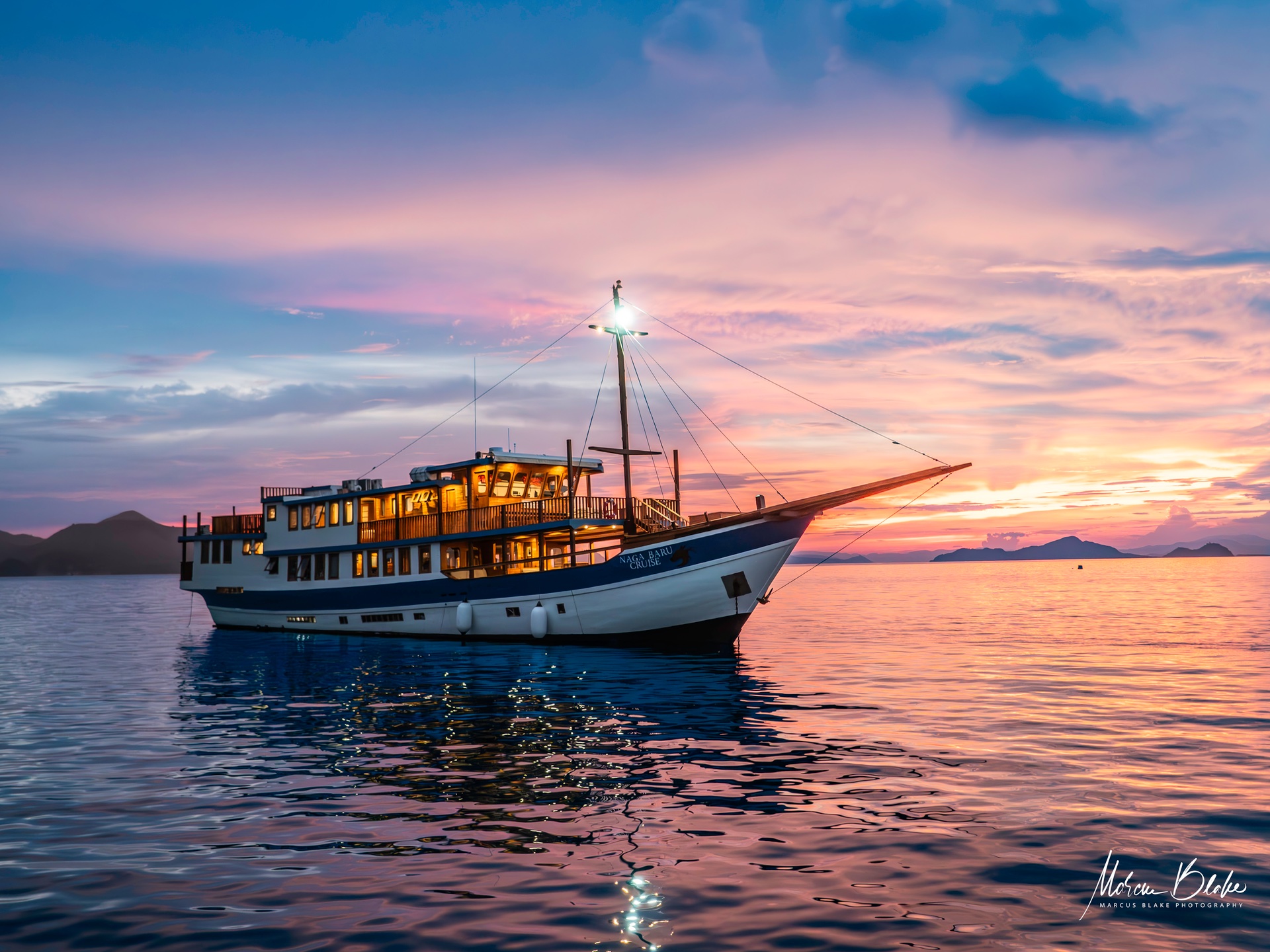
Naga Biru
Indonesia
12 guests40 m
$273/day
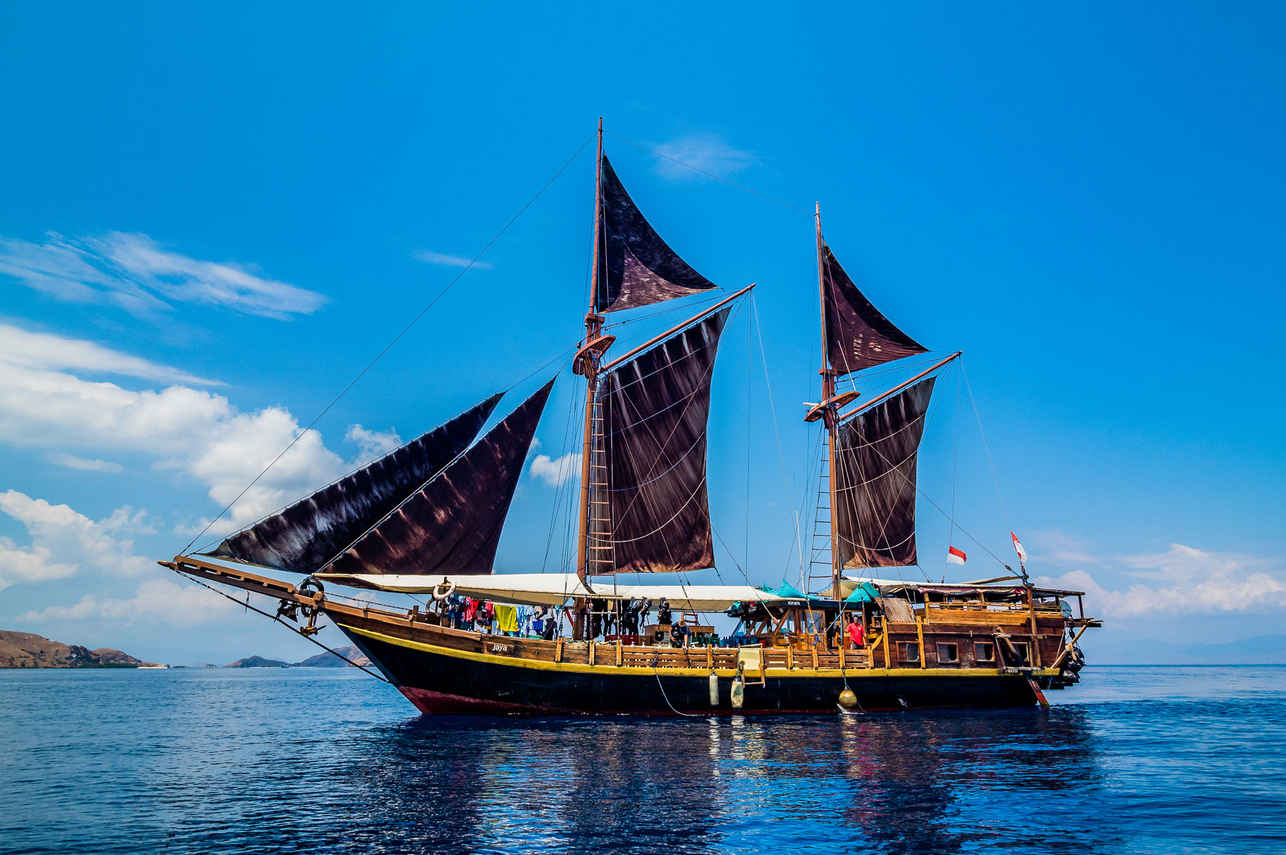
Jaya
Indonesia
14 guests23 m
$280/day
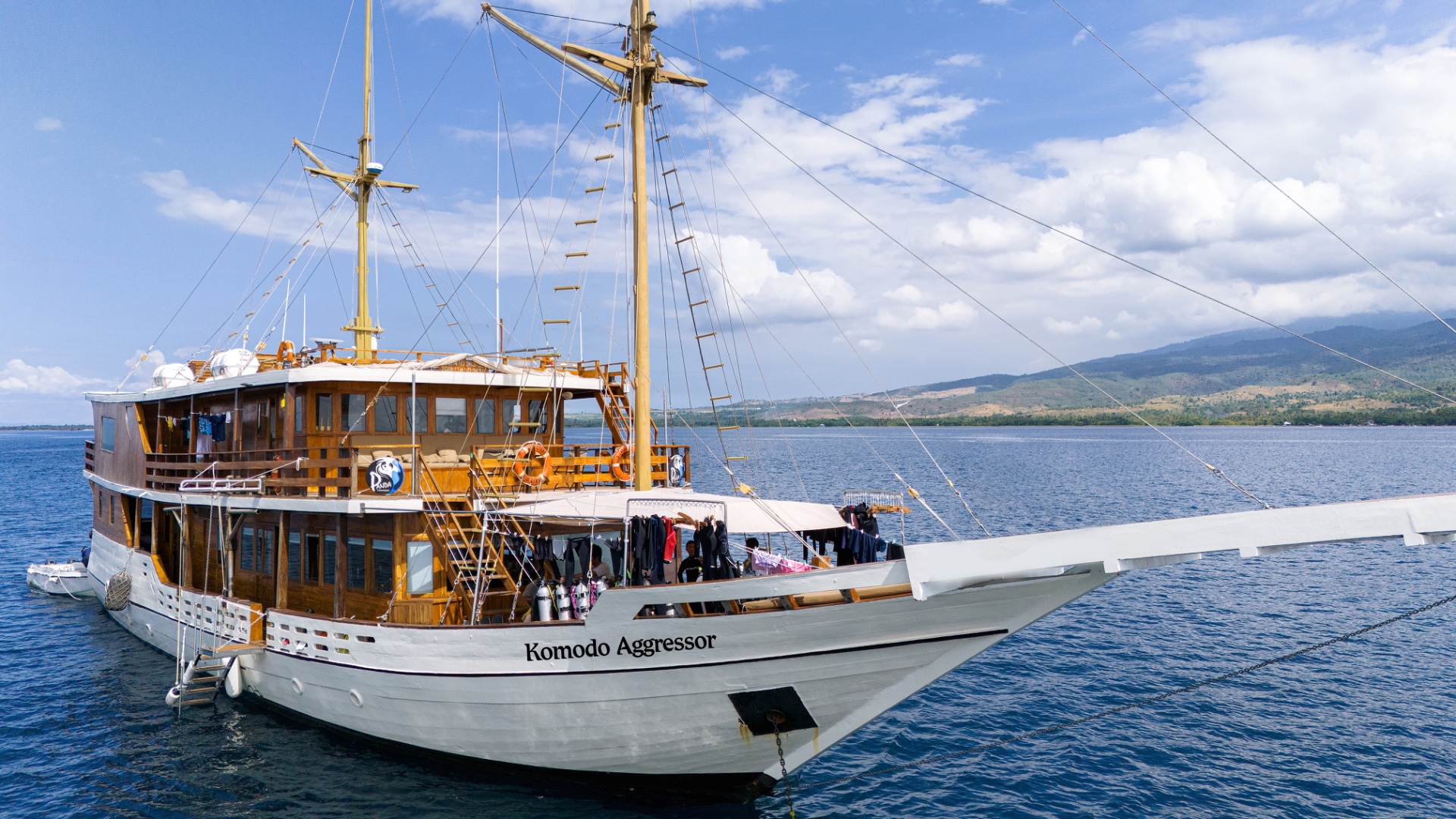
Komodo Aggressor
Komodo, Indonesia
16 guests29 m
$312/day
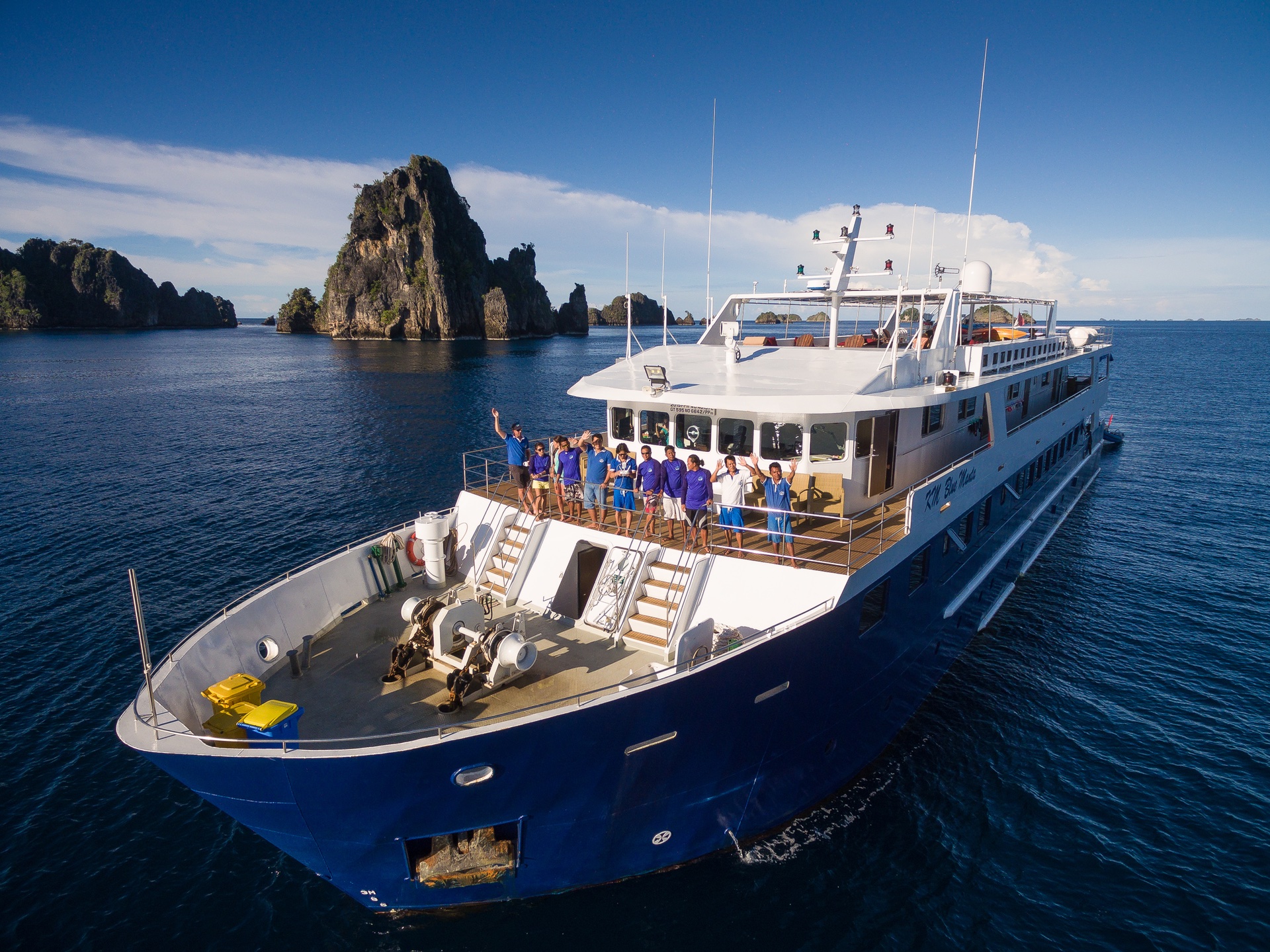
Blue Manta
Indonesia
20 guests45 m
$482/day
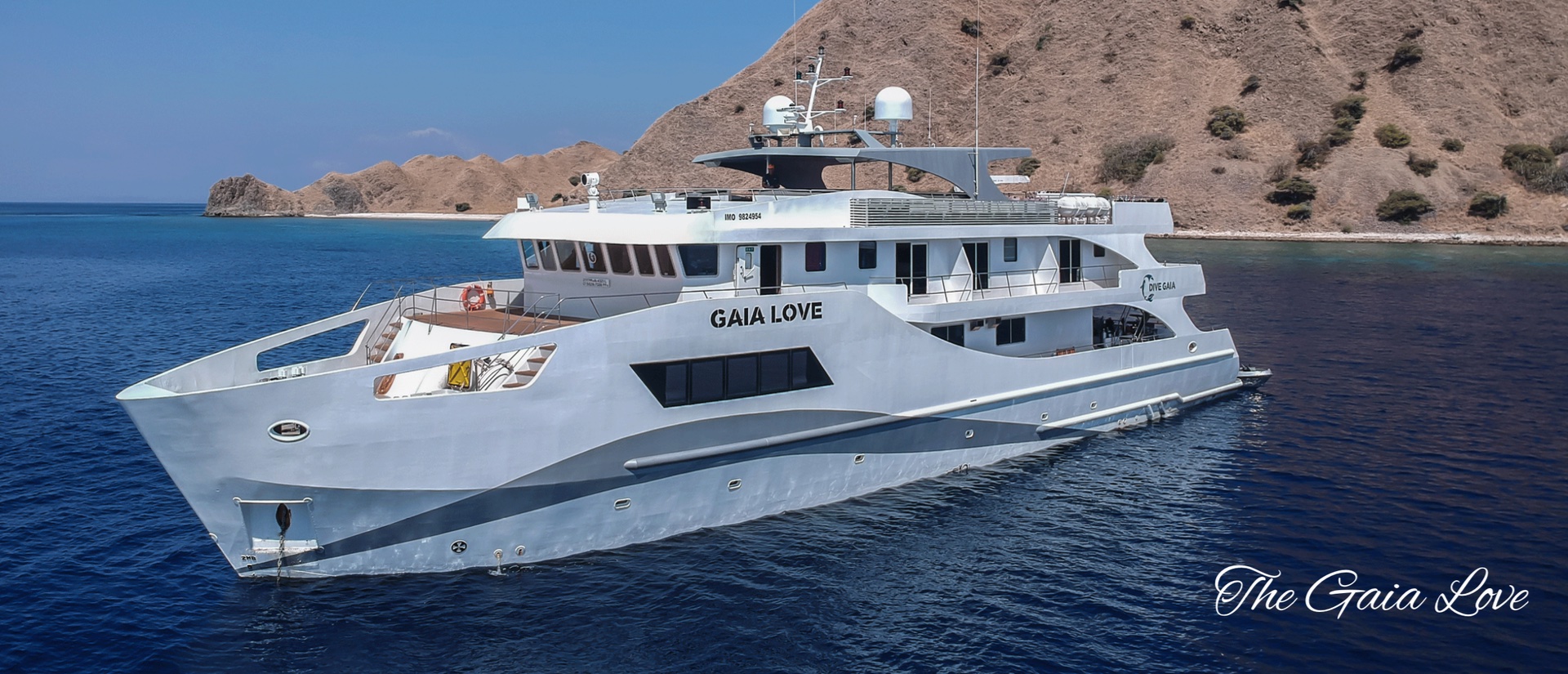
Gaia Love
Alor
20 guests
$554/day
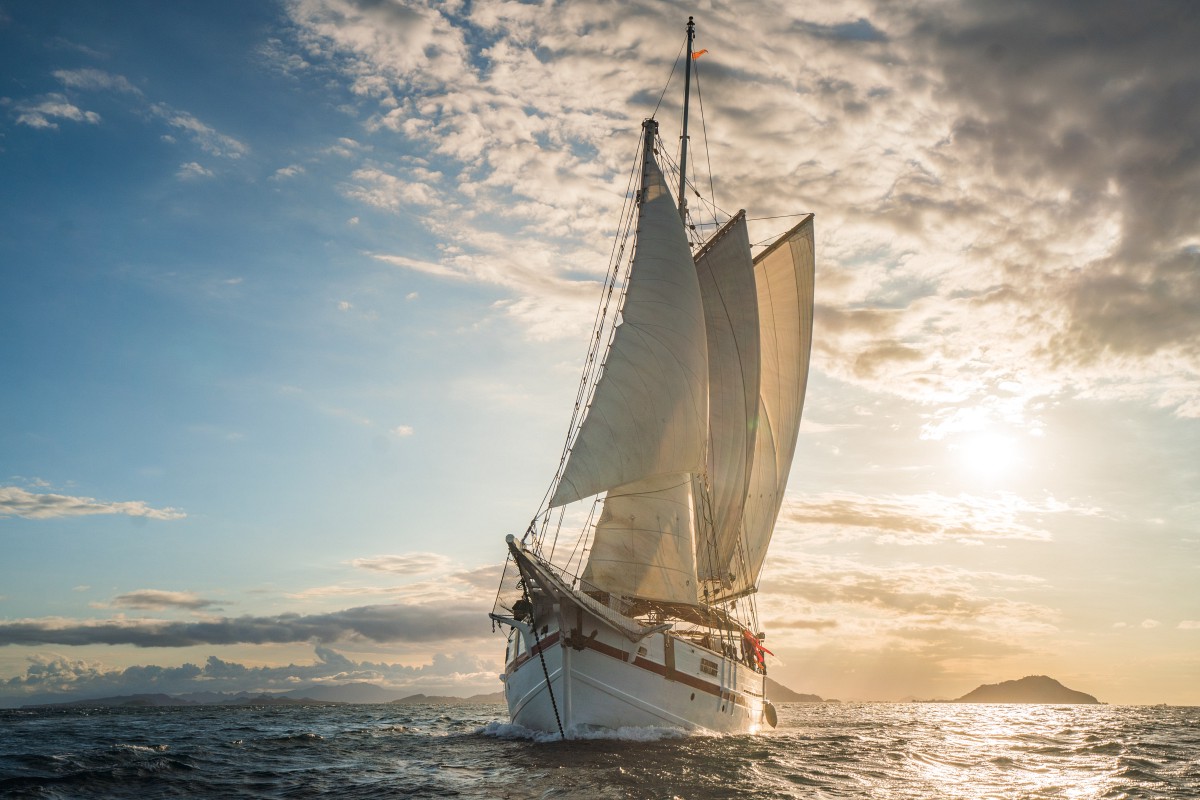
Emperor Raja Laut
Raja Ampat, Indonesia
12 guests31 m
$413/day
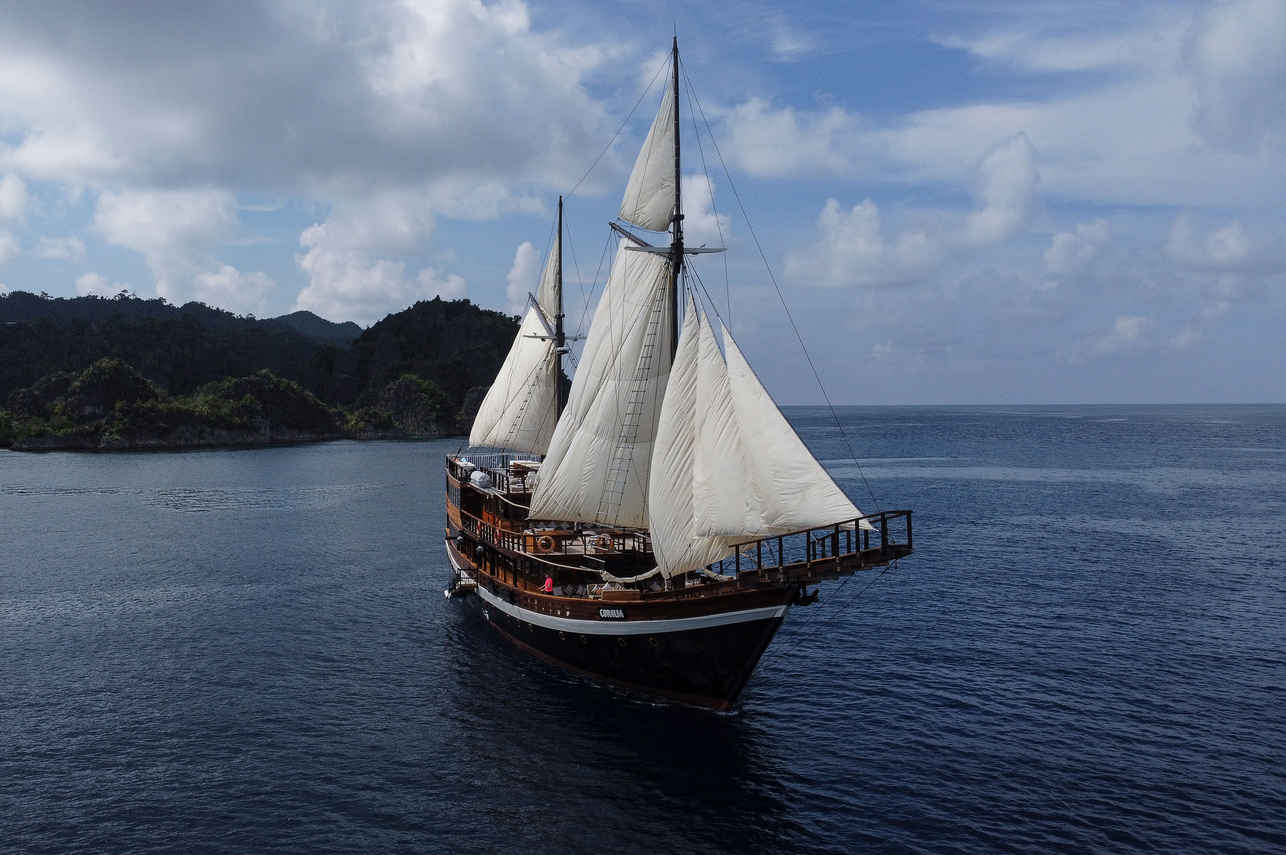
Coralia
Indonesia
16 guests48 m
$577/day
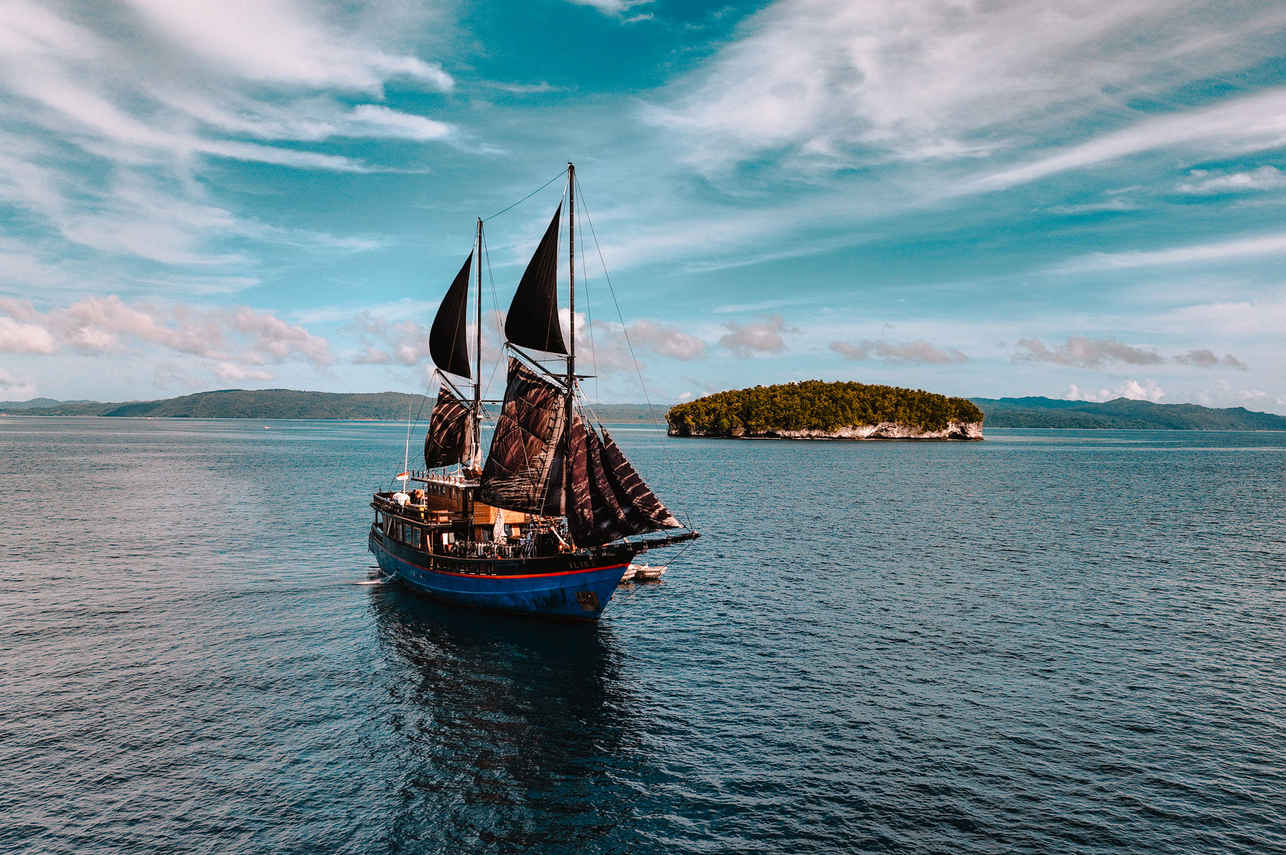
Ilike
Indonesia
16 guests40 m
$350/day
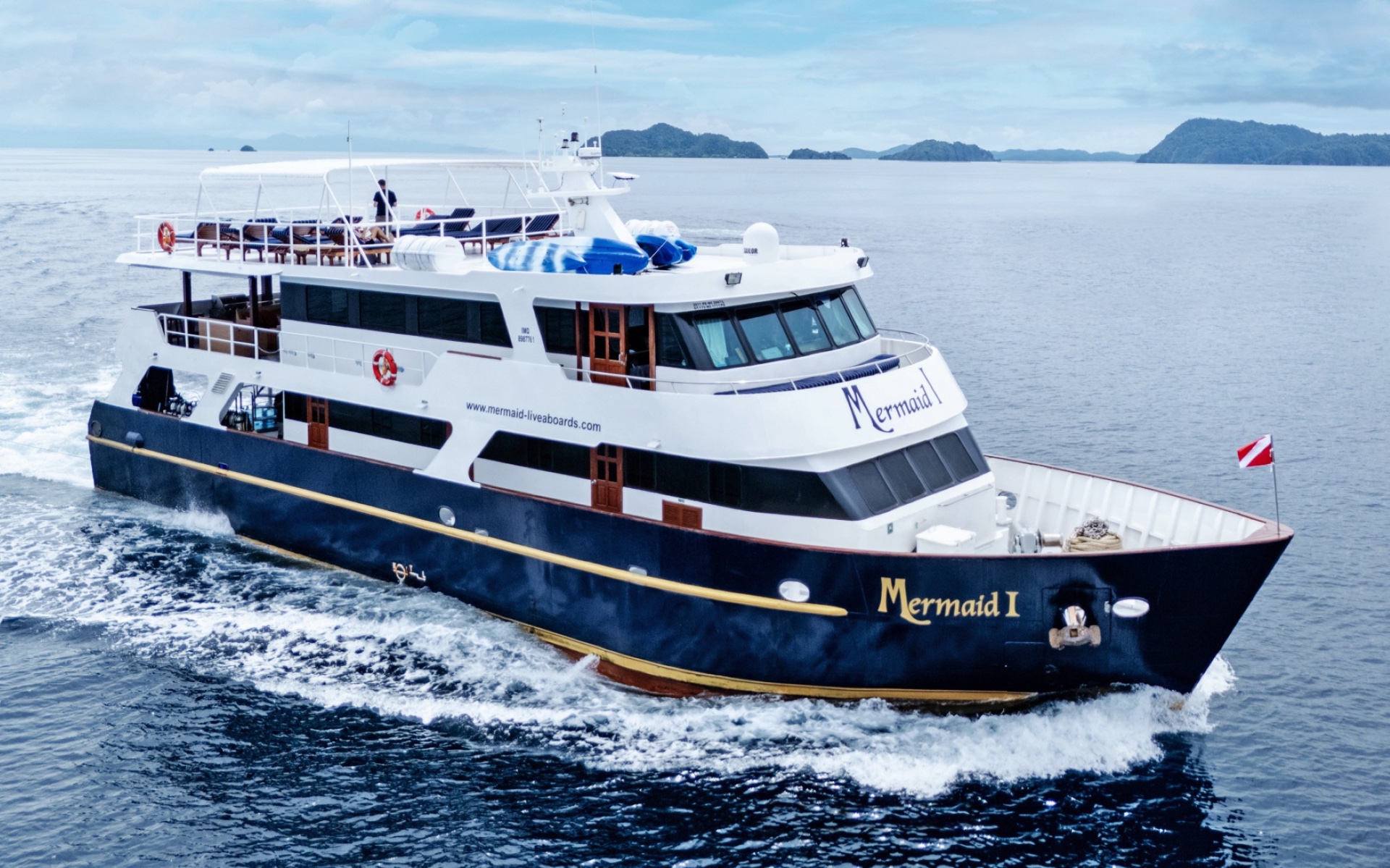
Mermaid I
Alor
15 guests28 m
$479/day
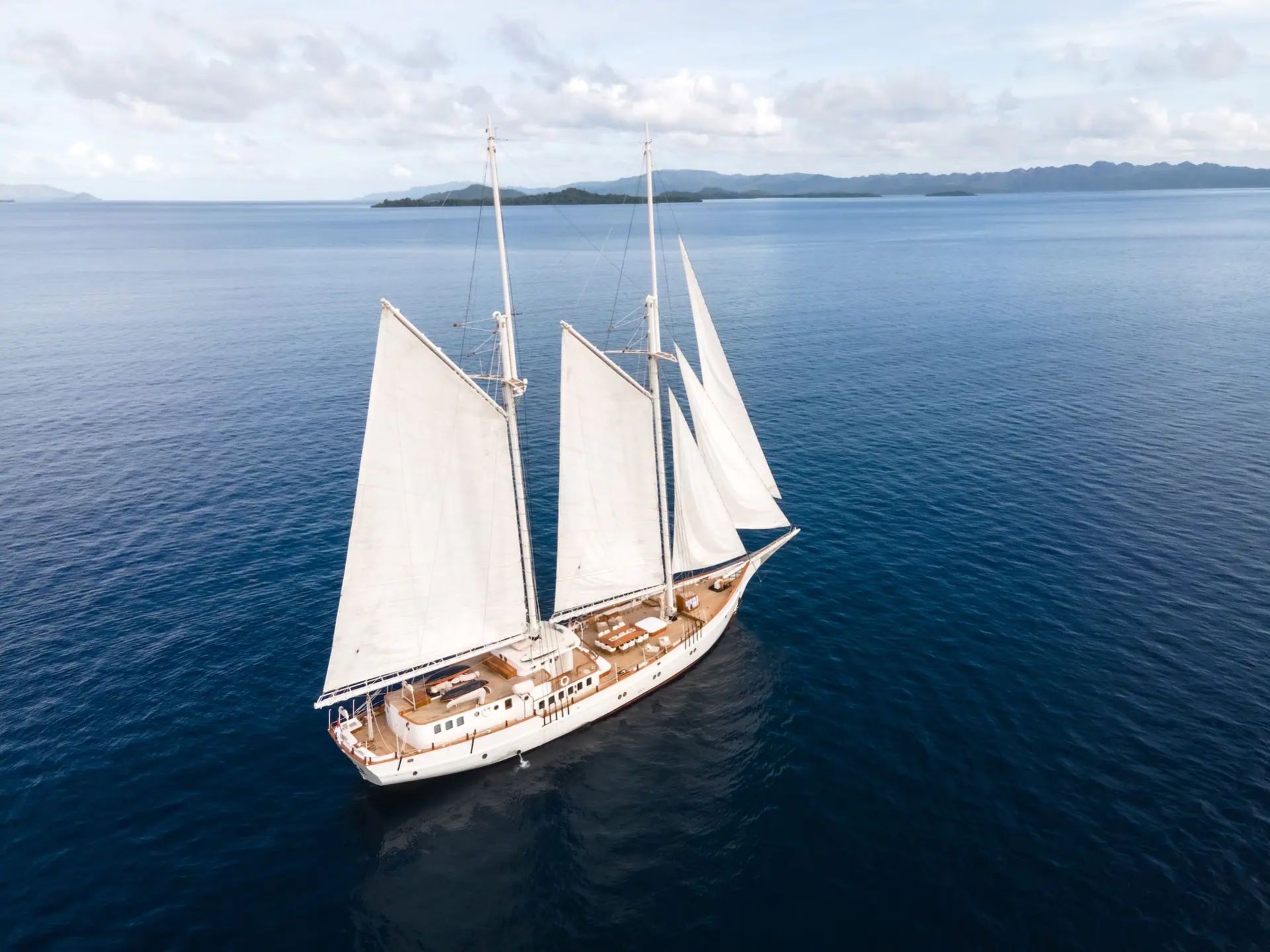
Mutiara Laut
Indonesia
14 guests46 m
$741/day
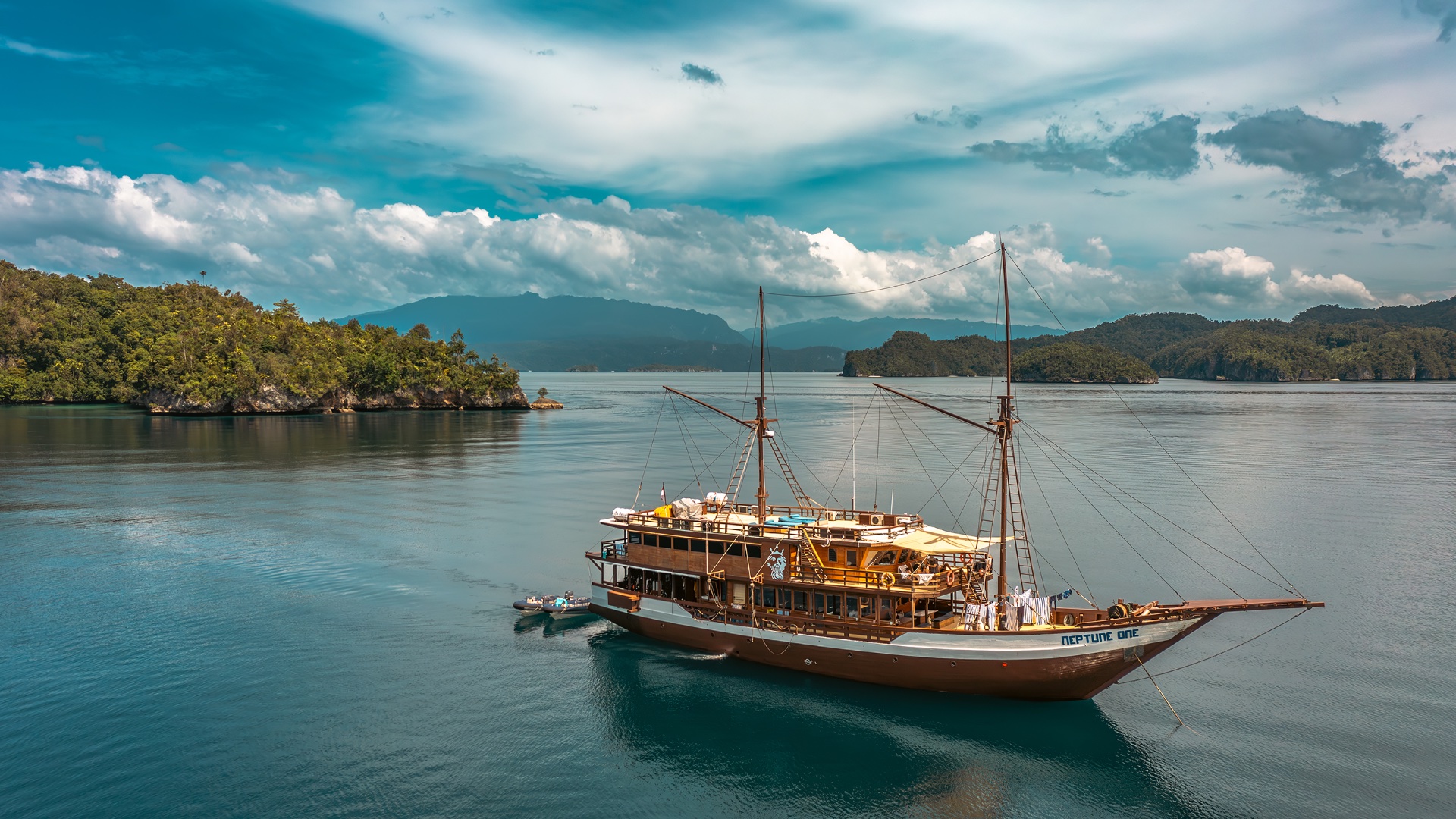
Neptune One
Indonesia
16 guests38 m
$332/day
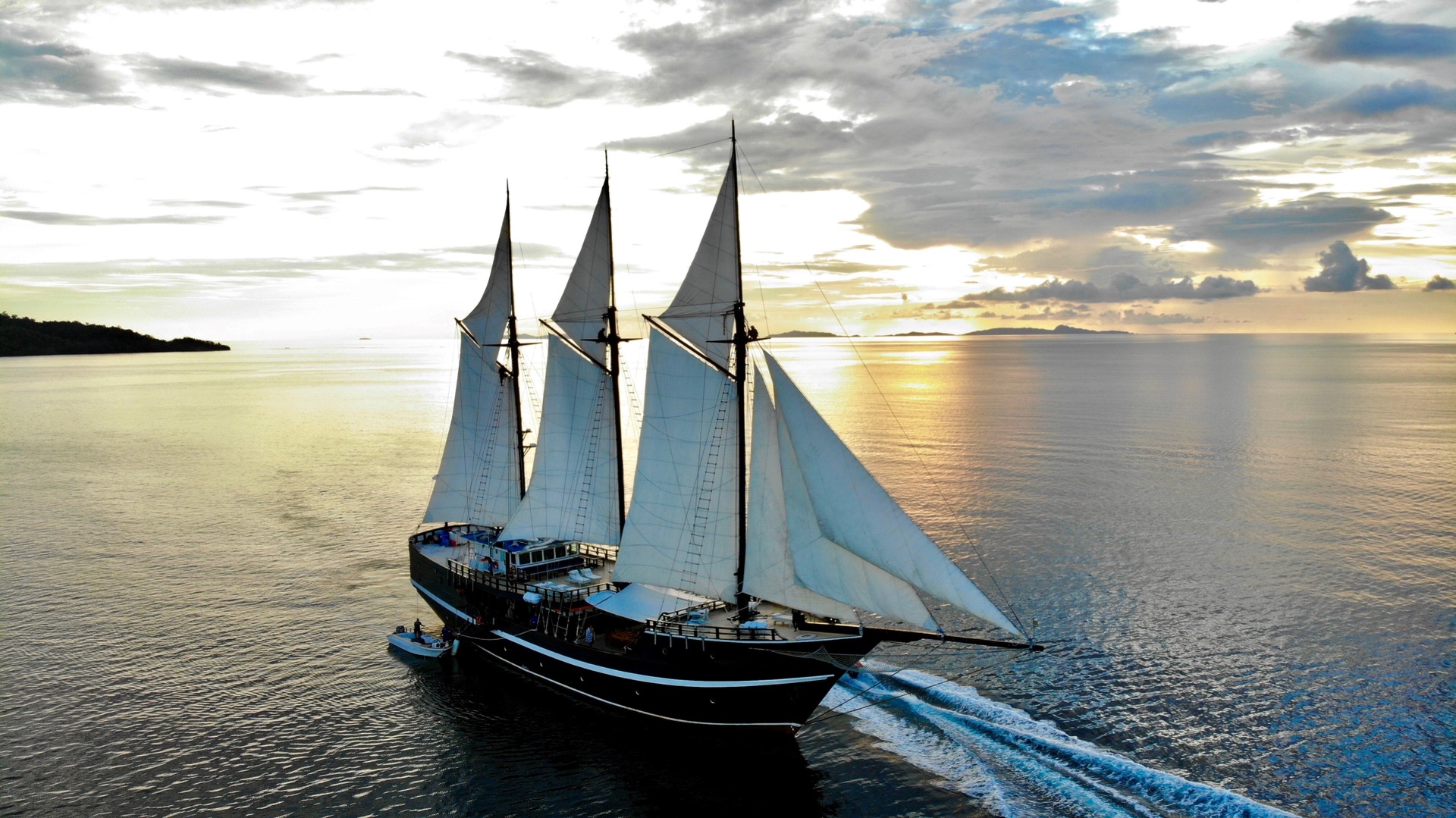
Dewi Nusantara
Indonesia
18 guests57 m
$599/day
Dive sites similar to Mandarin House
Same character, same waters — six more sites divers love for the exact same reasons.Compare seasons, access and liveaboard routes — then pick the site that fits your trip best.
Halerman is a prominent dive site located in the southern part of Alor, known for its distinct underwater landscape and varied marine life.
- Suitable for
- Advanced
- Current
- Strong
- Access
- Liveaboard or dayboat
- Depth
- —
- Theme
- Wall / Drift
© Esri — Maxar, Earthstar, GIS
Pasir Merah
Alor
Pasir Merah, or Red Sand, is a distinctive dive site situated north of Pura Island in the Alor Archipelago, East Nusa Tenggara.
- Suitable for
- Intermediate
- Current
- Moderate
- Access
- Liveaboard or dayboat
- Depth
- 5–35 m
- Theme
- Muck diving / Reef
© Esri — Maxar, Earthstar, GIS
Sharks Galore
Alor
Sharks Galore, an iconic drift-dive in Alor, offers thrilling encounters with diverse marine life.
- Suitable for
- Advanced
- Current
- Ripping
- Access
- Liveaboard or dayboat
- Depth
- 15–40 m
- Theme
- Channel / Drift
© Esri — Maxar, Earthstar, GIS
Yellow Corner
Alor
Yellow Corner, also known as Current Alley, is a challenging dive site specifically suited for advanced divers due to its strong and potentially ripping currents.
- Suitable for
- Advanced
- Current
- Strong
- Access
- Liveaboard only
- Depth
- 18–40 m
- Theme
- Drift
© Esri — Maxar, Earthstar, GIS
Goa Wolang
Alor
Goa Wolang, also known as Wolang Cave, is a distinctive dive site located in South Alor, renowned for its intriguing topography and diverse marine life.
- Suitable for
- Advanced
- Current
- Strong
- Access
- Dayboat
- Depth
- 5–30 m
- Theme
- Cavern / Wall
© Esri — Maxar, Earthstar, GIS
Masjid Ampera
Alor
Masjid Ampera, often referred to as Mucky Mosque, is a celebrated dive site located within Alor's sheltered Kalabahi Bay.
- Suitable for
- Beginner
- Current
- Mild
- Access
- Dayboat
- Depth
- 5–25 m
- Theme
- Muck diving