About Watu Balu
Watu Balu offers divers a vibrant and dynamic underwater experience in the Alor Archipelago, characterized by strong currents and an abundance of marine life. This site is celebrated for its thriving reefscape, combining terraced table corals and large boulders, creating diverse habitats for numerous species. Divers can expect to encounter schools of fusiliers, surgeonfish, and waves of anthias feeding on plankton, alongside trevallies and tuna ambushing their prey. The topography transitions from an initial wide-angle photographer's paradise with lively reefscapes to depths ranging from 10 to 30 meters. The robust currents, which are a defining feature of Watu Balu, bring in nutrient-rich waters that sustain the site's rich biodiversity and contribute to its reputation as a spectacular, current-swept dive. Despite the currents, visibility here is typically excellent, often reaching between 15 to 30 meters. Watu Balu is situated in an area that remains relatively untouched by mass tourism, offering a more personal diving experience. It is particularly noted for its pristine conditions, making it an excellent location for underwater photography, especially wide-angle shots of its expansive reef systems and schooling fish. This site is a testament to the healthy, diverse marine ecosystems found in Alor, an increasingly recognized destination among experienced divers. Diving Watu Balu requires experience due to its strong and sometimes unpredictable currents. Dive operators often adapt daily plans based on tides and current conditions to ensure optimal and safe diving. The dive provides an immersive experience into a thriving part of the Coral Triangle, showcasing both colorful reef inhabitants and impressive pelagic encounters.
Highlights
Robust currentsTerraced table coralsOrange soft coralsSchools of fusiliersTuna and trevally huntingVibrant anthias feedingExpert-level drift dive
Season calendar
Best months to dive here
Jan
Feb
Mar
Apr
May
Jun
Jul
Aug
Sep
Oct
Nov
Dec
Excellent
Dive site facts: Watu Balu
- Depth
- 10–30 m
- Current
- Strong
- Visibility
- 15–30 m
- Water temperature
- 27–29°C
- Entry
- Tender drop / Negative entry possible
- Level
- Expert
- Dive type
- Drift, wall, coral reef
- Region / port
- Alor, East Nusa Tenggara
- Coordinates
- 8.4371° S, 123.7898° E
Conditions & Currents
Watu Balu is characterized by robust and strong currents, making it an expert-level dive site. These powerful currents are a defining feature of the Alor region, where immense tidal exchanges funnel nutrient-rich water through volcanic channels. Divers should anticipate significant water movement, which necessitates advanced buoyancy control and experience with drift diving techniques. Entry typically involves a tender drop, and negative entries may be employed to descend quickly to the reef away from surface currents. Exit strategies often require careful planning with the dive boat, as currents can make ascending directly to a stationary vessel challenging. Visibility at the site can range from 15 to 30 meters, influenced by the season and current activity, but generally remains good due to the clear, nutrient-rich water. Thermoclines are possible, and divers should be prepared for pot
Marine life & sighting chances
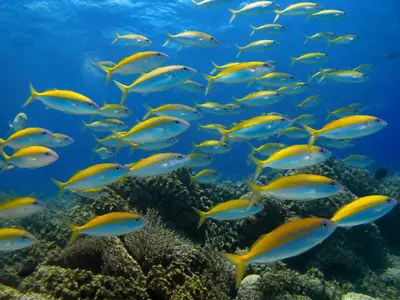
Fusilier schools
common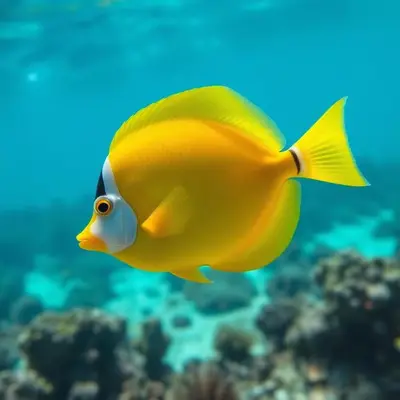
Surgeonfish
common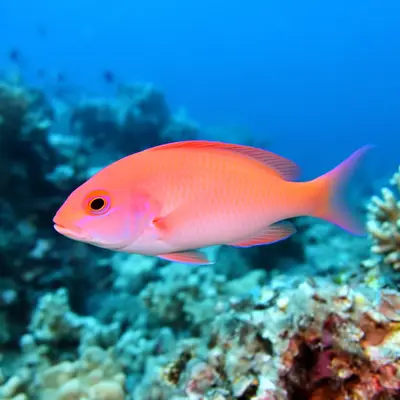
Anthias waves
common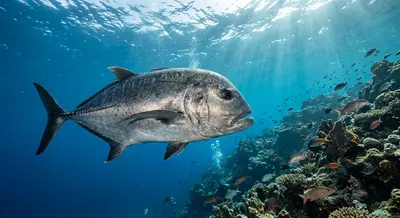
Trevallies
common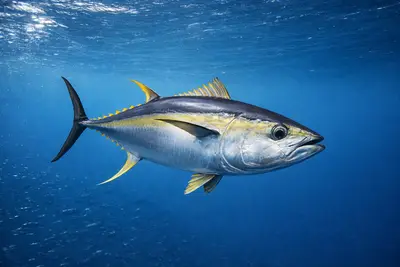
Yellowfin Tuna
occasional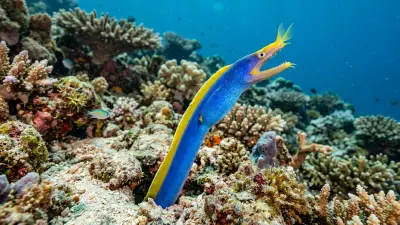
Ribbon Eel
occasional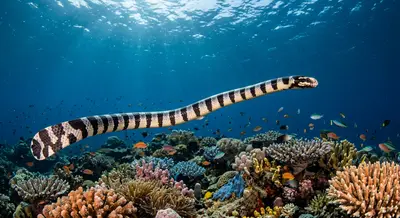
Banded Sea Krait
occasional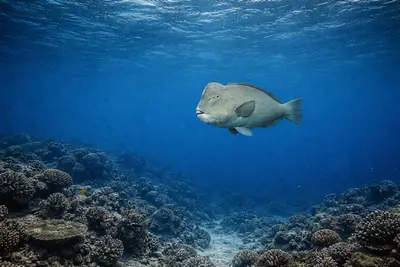
Bumphead Parrotfish
occasional
Chevron Barracuda
occasional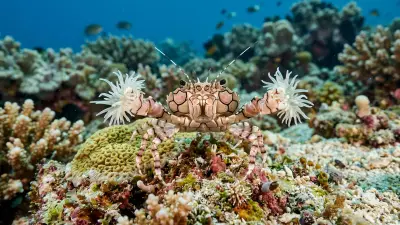
Boxer Crab
rareDive profile & how the dive runs
Diving at Watu Balu typically begins with a tender drop into the strong currents, often requiring a negative entry to quickly descend to the reef. The dive follows the contours of the reef, which features terraced table corals and large boulder formations, descending to depths between 10 and 30 meters. Divers will drift along, observing schools of fusiliers, surgeonfish, and anthias, as well as predatory trevallies and tuna. The route focuses on the vibrant hard and soft coral gardens, particularly the boulders covered in orange soft corals. The dive typically progresses with the current, exploring the dynamic marine ecosystem. Turn points are dictated by air consumption and planned bottom time, with the current often assisting the return or facilitating a pick-up downstream. The safety stop is usually conducted as a blue-water stop, drifting with the current, while awaiting pickup by the dive tender.
Underwater photography
Watu Balu is a wide-angle photographer's dream due to its expansive reefscapes, abundant fish life, and dramatic coral formations. A fisheye lens is highly recommended to capture the immense schools of fusiliers, surgeonfish, and anthias that blanket the reef, as well as the sweeping views of terraced table corals and soft coral-covered boulders. Given the strong currents, maintaining stable buoyancy and position is crucial, making a powerful strobe setup beneficial for illuminating the vibrant colors of the hard and orange soft corals. For capturing schooling fish or hunting pelagics, rapid autofocus and continuous shooting modes are advantageous. When photographing smaller subjects like the occasional Ribbon Eel, patience and the ability to find sheltered spots from the current are key. Always be mindful of the current when framing shots to avoid bumping into the pristine coral.
Combine with nearby dive sites
- Schools Out
Schools Out in Alor offers divers an exceptional encounter with healthy coral reefs and a rich variety of marine species.
- Current Alley
Current Alley, also known as Yellow Corner, is a renowned dive site in Alor's Pantar Strait, famous for its strong, tide-driven currents…
- Alcatraz
Alcatraz is a renowned dive site in Alor, celebrated for its unique underwater garden of pink soft coral trees that stretch several meters…
- Yellow Corner
Yellow Corner, also known as Current Alley, is a challenging dive site specifically suited for advanced divers due to its strong and…
- La Petite Kepa
La Petite Kepa refers to both a renowned dive site and the associated dive resort located on Kepa Island, within the Alor Archipelago in…
Getting there & logistics
Access to Alor, including Watu Balu, typically involves flying into Alor's capital, Kupang, from major Indonesian hubs like Jakarta or Bali, followed by a smaller propeller plane to Alor. For liveaboard trips, itineraries often start or end in Maumere on Flores or directly in Kalabahi, Alor. Liveaboards like The Seven Seas or Gaia Love offer multi-day expeditions (e.g., 10-13 nights) that explore the East Nusa Tenggara region, including Alor, Flores, and sometimes Komodo. These trips provide the freedom to dive according to tides and revisit exceptional sites. Park fees and local permits are usually included in liveaboard packages. It is advisable to arrive at the embarkation point a day or two before departure to mitigate risks from flight delays or lost luggage. Given Alor's remote nature, advance planning for travel is crucial.
Safety & environment
Diving at Watu Balu requires a high level of experience due to its strong and unpredictable currents. Divers should always carry a surface marker buoy (SMB) and know how to deploy it, as currents can lead to separation from the group or the boat. A dive computer is essential for managing no-decompression limits, and sufficient gas planning is paramount, especially when navigating strong drifts. The nearest recompression chamber is likely in Bali or Lombok, making evacuation a significant logistical challenge that could take many hours. Therefore, comprehensive dive insurance that covers emergency medical treatment and evacuation is non-negotiable. Always dive with a reputable operator, follow your guide's instructions diligently, and ensure your equipment is well-maintained. Given the remote location, self-reliance and adherence to safe diving practices are crucial.
Who it suits — and who it doesn't
Suited for
- Experienced divers comfortable with strong currents
- Wide-angle underwater photographers
- Divers seeking pelagic encounters and large schools of fish
- Those who appreciate pristine, untouched coral reefs
- Adventure travelers looking for remote Indonesian diving
Less suited for
- Beginner divers or those new to drift diving
- Divers uncomfortable with strong, unpredictable currents
- Macro photographers primarily seeking small critters
- Divers preferring calm, current-free environments
- Individuals without comprehensive dive insurance
FAQ
Watu Balu FAQ
What kind of currents can I expect at Watu Balu?
Watu Balu is known for its robust and strong currents, making it an expert-level dive. These currents are often unpredictable and can be quite powerful, requiring divers to have solid experience with drift diving techniques and excellent buoyancy control. Always be prepared for significant water movement.
What marine life is commonly seen at Watu Balu?
Divers frequently encounter large schools of fusiliers, surgeonfish, and anthias actively feeding on plankton. You can also expect to see predatory trevallies and tuna ambushing their prey. Occasional sightings include Ribbon Eels, Banded Sea Kraits, and larger species like Bumphead Parrotfish and Chevron Barracuda.
Is Watu Balu suitable for beginner divers?
No, Watu Balu is designated as an expert-level dive site. The strong and often unpredictable currents make it unsuitable for beginner divers or those without extensive experience in challenging drift dives. Divers should be comfortable and proficient in these conditions.
What are the typical depths and visibility at Watu Balu?
The dive site typically ranges from 10 to 30 meters in depth, offering a diverse profile. Visibility at Watu Balu is generally good, often ranging between 15 to 30 meters. However, visibility can vary depending on the season and specific water conditions.
What is the best time of year to dive Watu Balu?
The best time to dive Watu Balu is during the dry season, which runs from April to November. During these months, you can expect stable weather conditions, minimal rain, and calm seas, which contribute to optimal underwater visibility and a more enjoyable diving experience.
Why dive Watu Balu from a liveaboard?
Watu Balu is one of Alor's signature dive sites. A liveaboard sleeps you on the water and puts you in the water for three to four guided dives per day, including dawn and night dives that day-boat operators rarely offer. You skip the daily commute back to port and reach quieter, less-crowded sites in the same region on a single trip.
Below are the liveaboards that include Watu Balu on their Alor itineraries.
Liveaboards diving Watu Balu
These liveaboards may visit Watu Balu on selected itineraries — the exact dive sites depend on departure, weather and conditions.
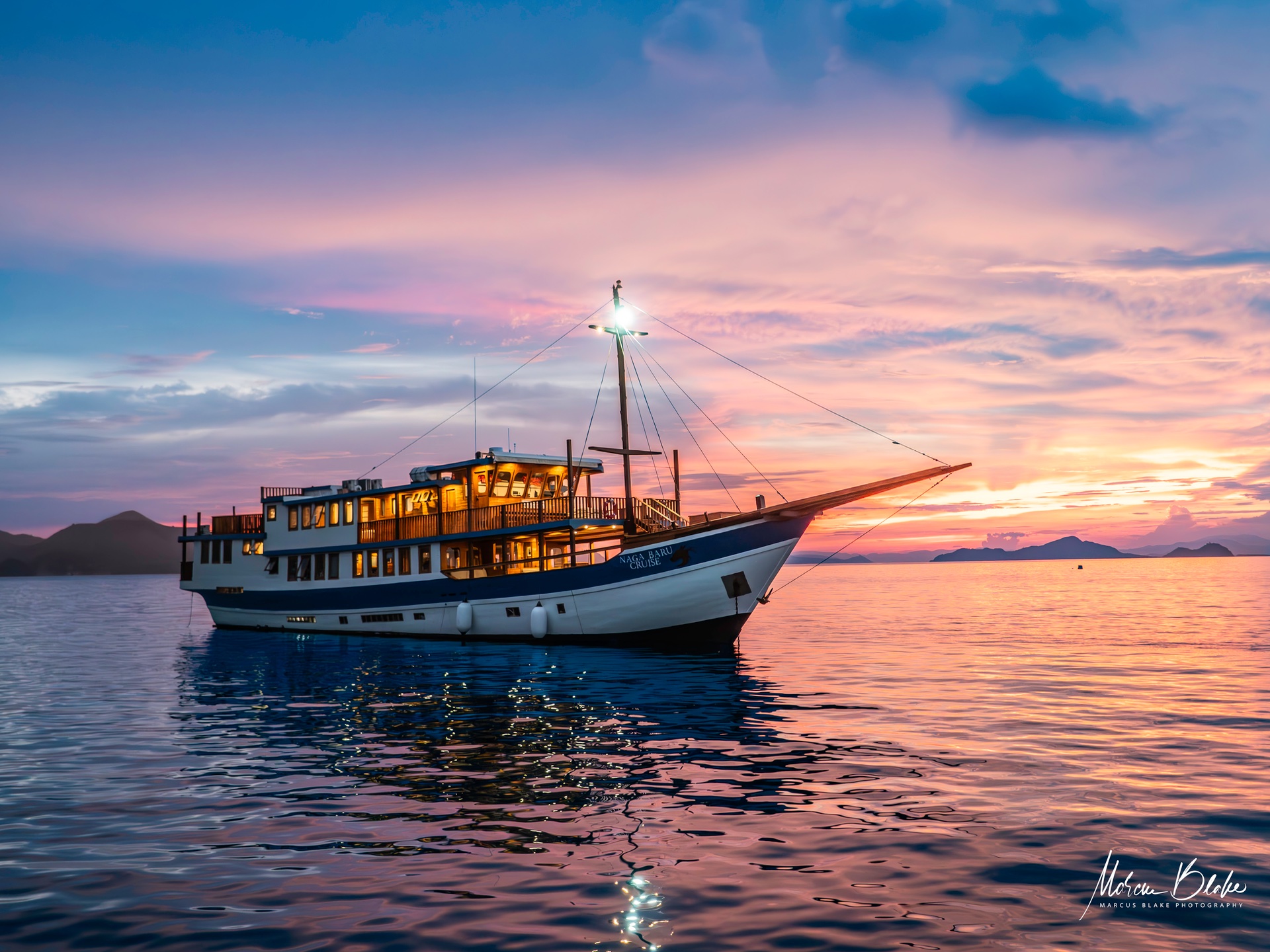
Naga Biru
Indonesia
12 guests40 m
$274/day
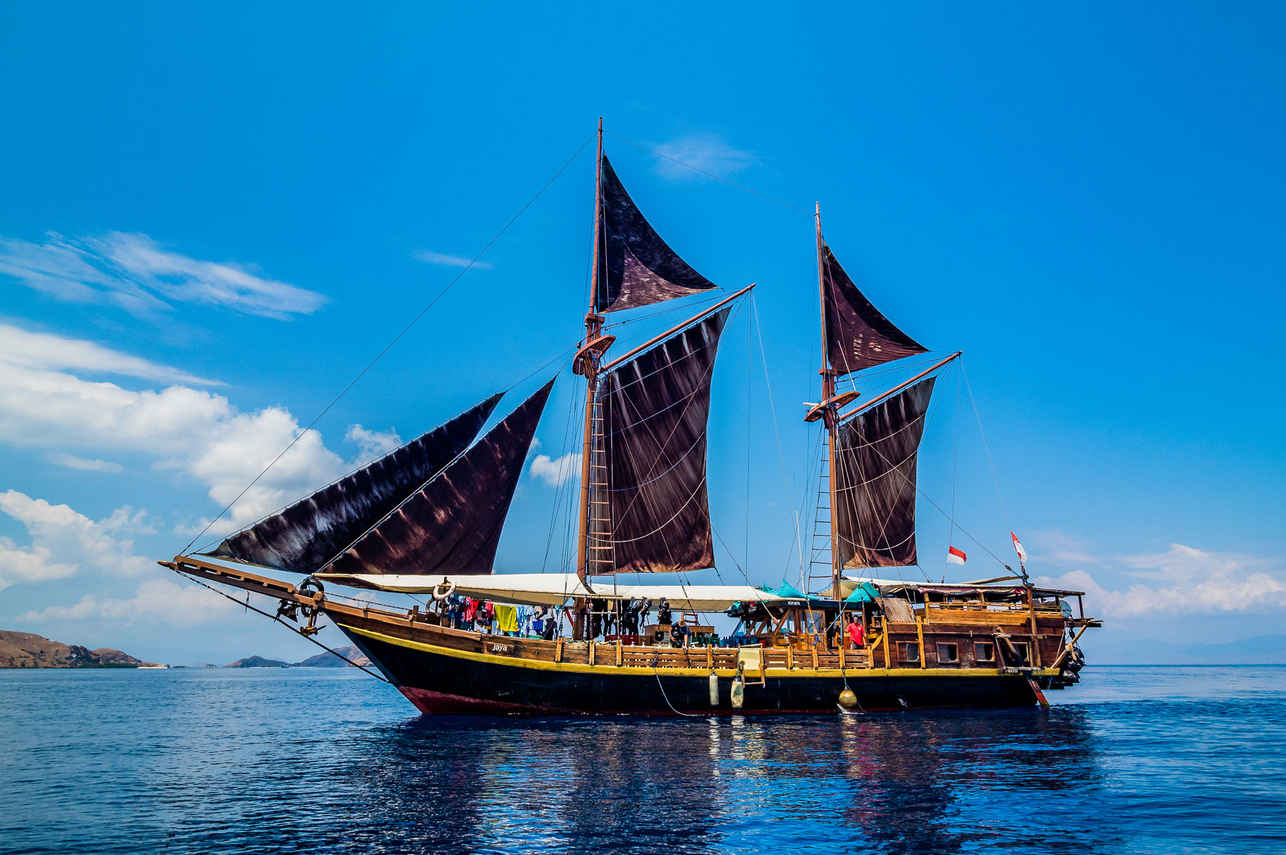
Jaya
Indonesia
14 guests23 m
$280/day
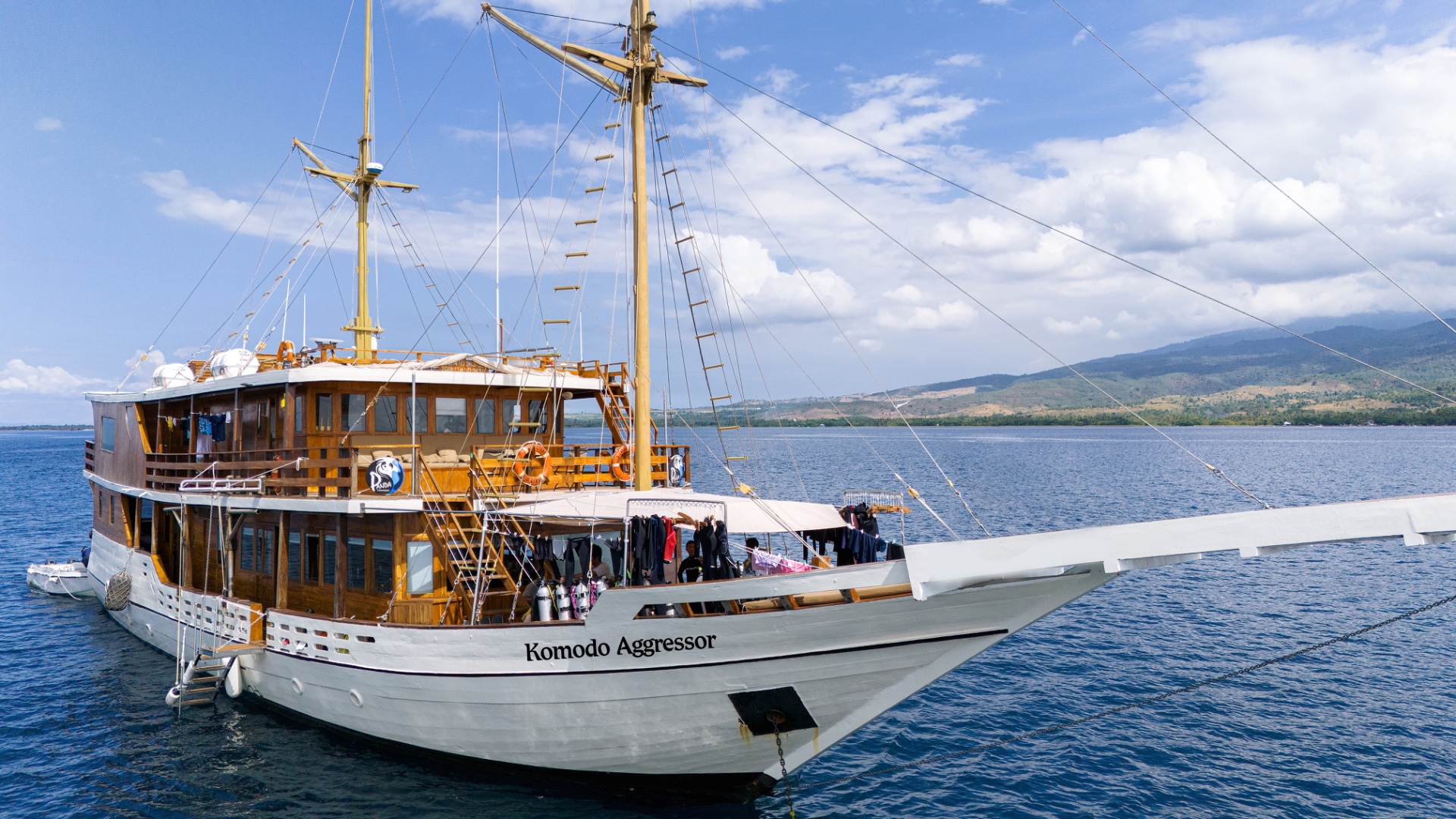
Komodo Aggressor
Komodo, Indonesia
16 guests29 m
$312/day
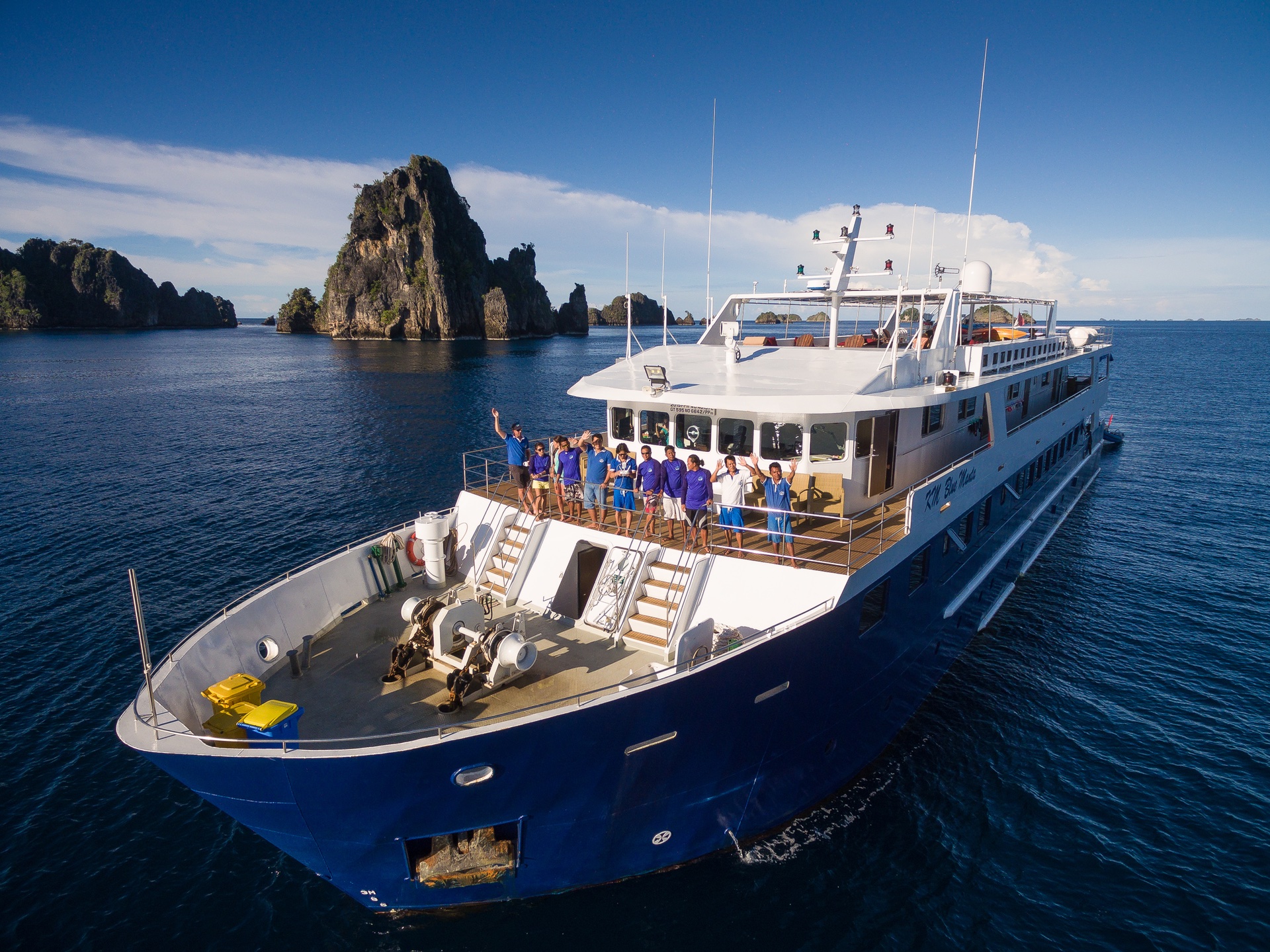
Blue Manta
Indonesia
20 guests45 m
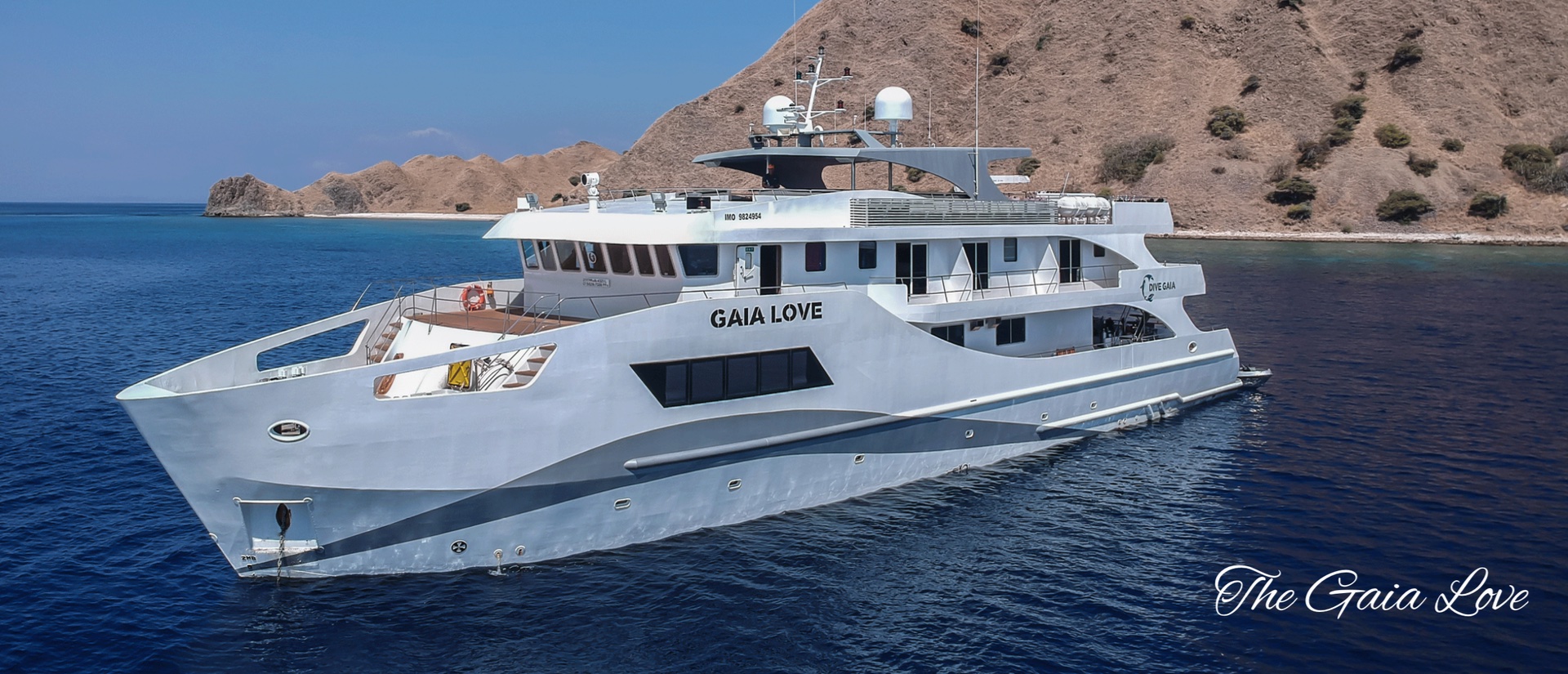
Gaia Love
Alor
20 guests
$554/day
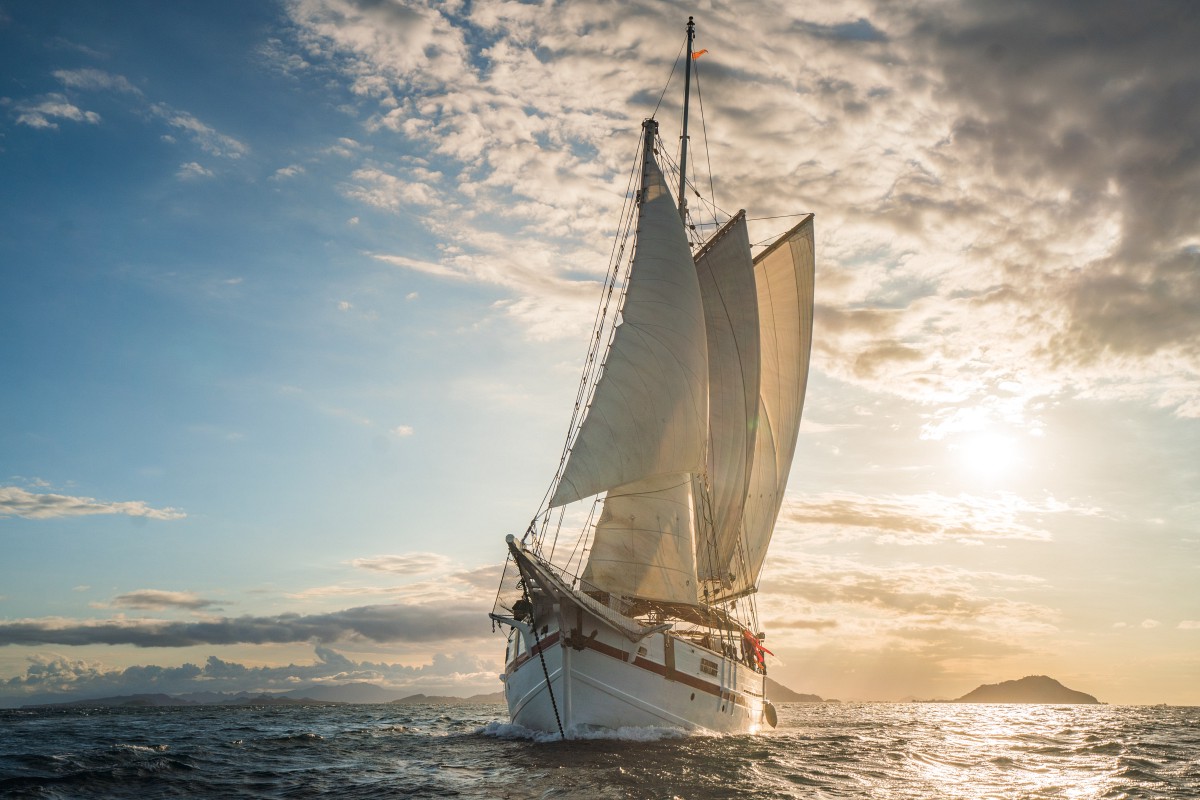
Emperor Raja Laut
Raja Ampat, Indonesia
12 guests31 m
$413/day
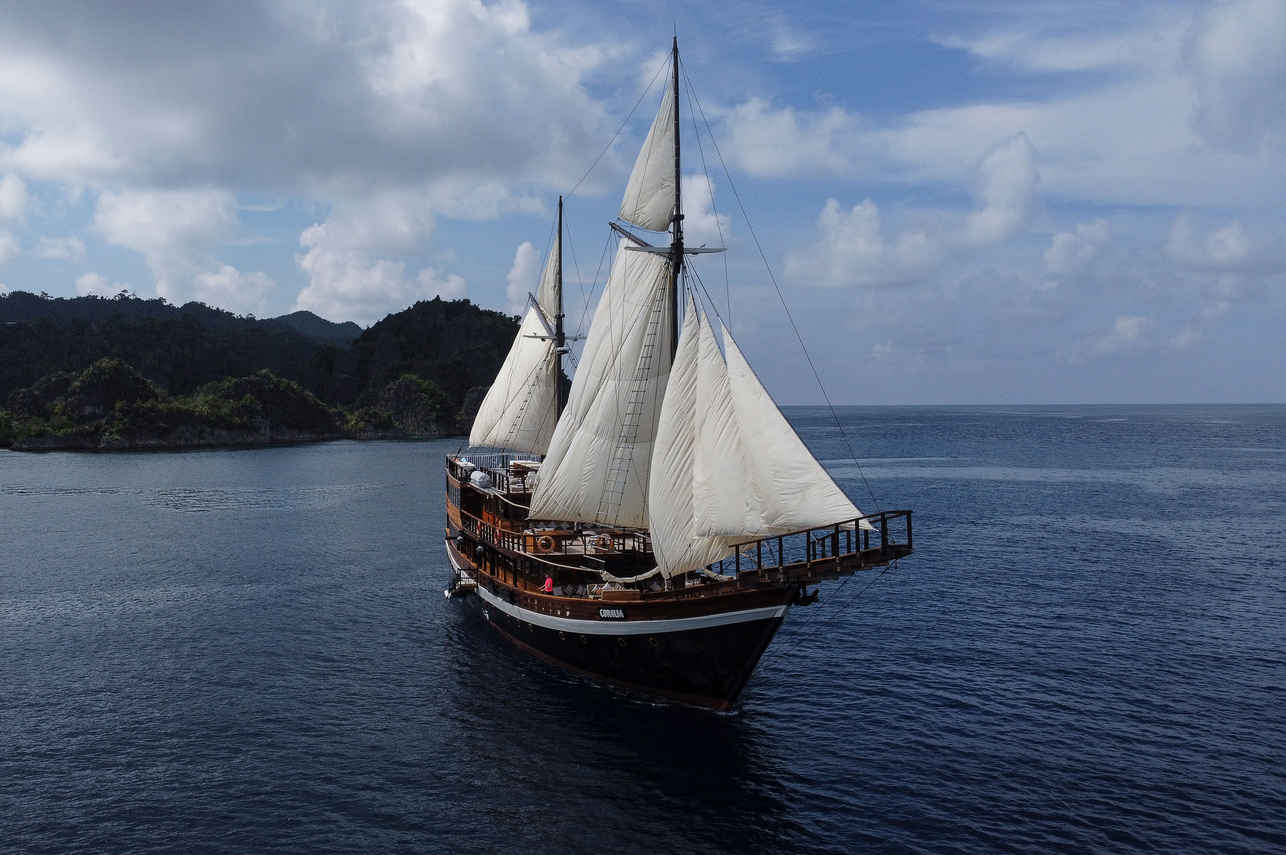
Coralia
Indonesia
16 guests48 m
$577/day
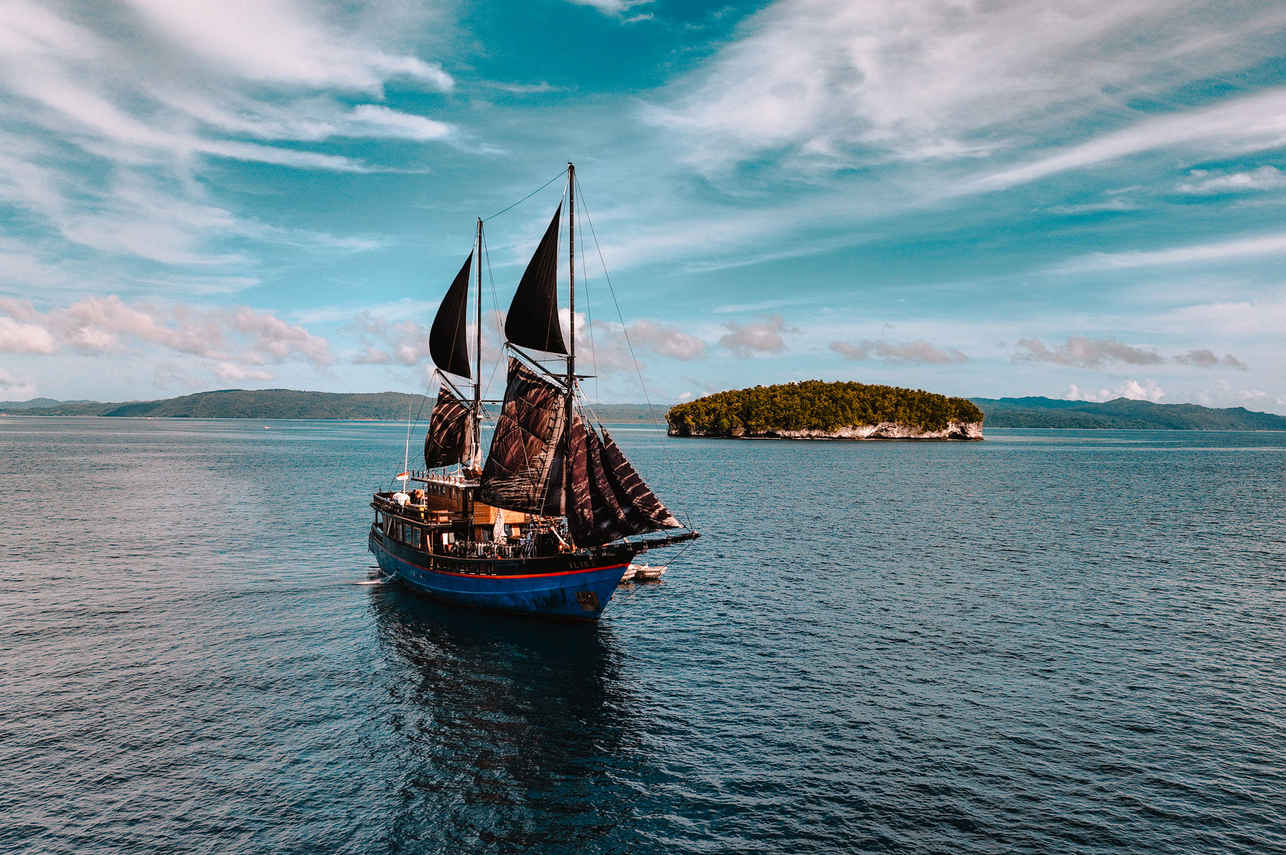
Ilike
Indonesia
16 guests40 m
$298/day
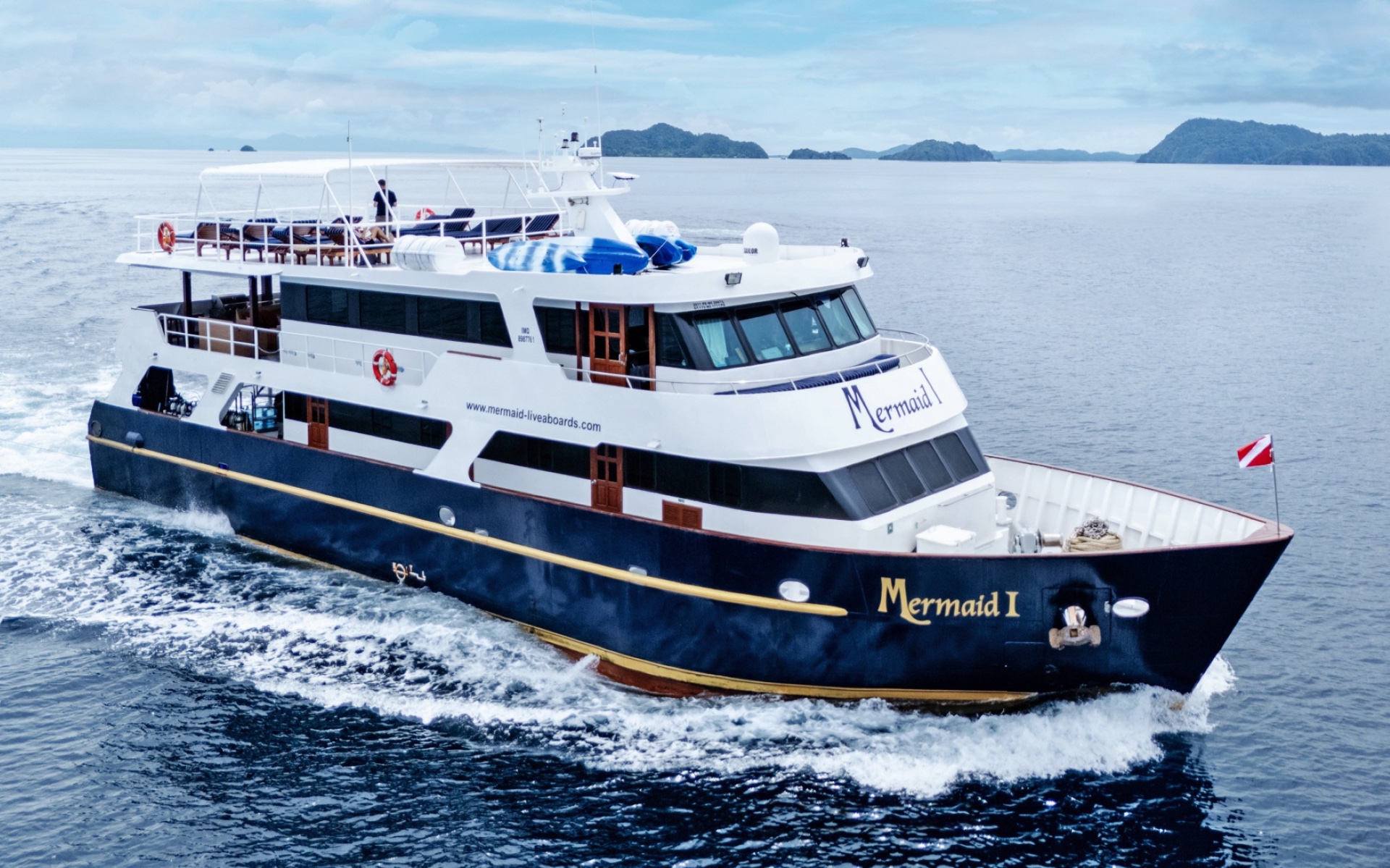
Mermaid I
Alor
15 guests28 m
$372/day
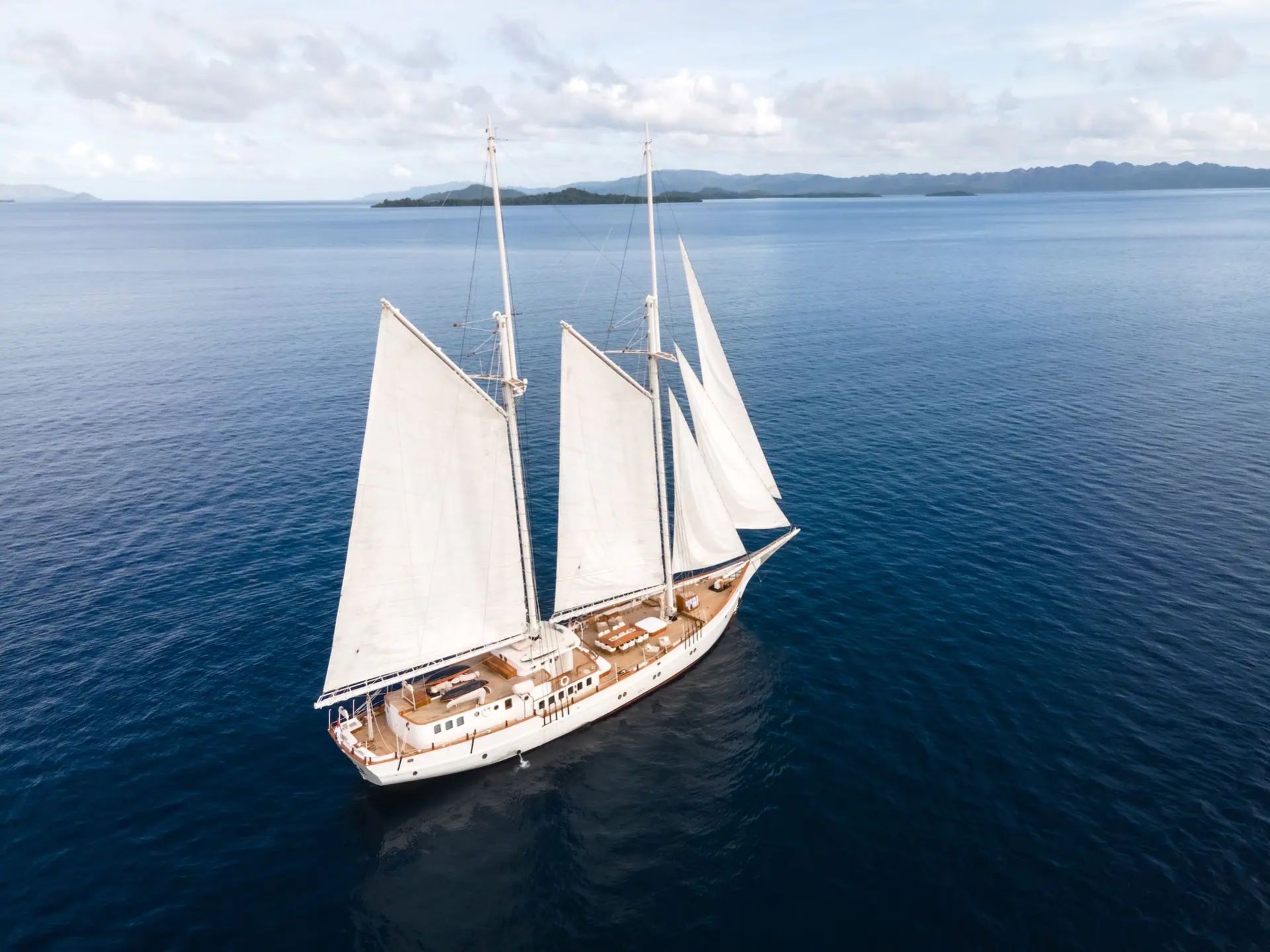
Mutiara Laut
Indonesia
14 guests46 m
$741/day
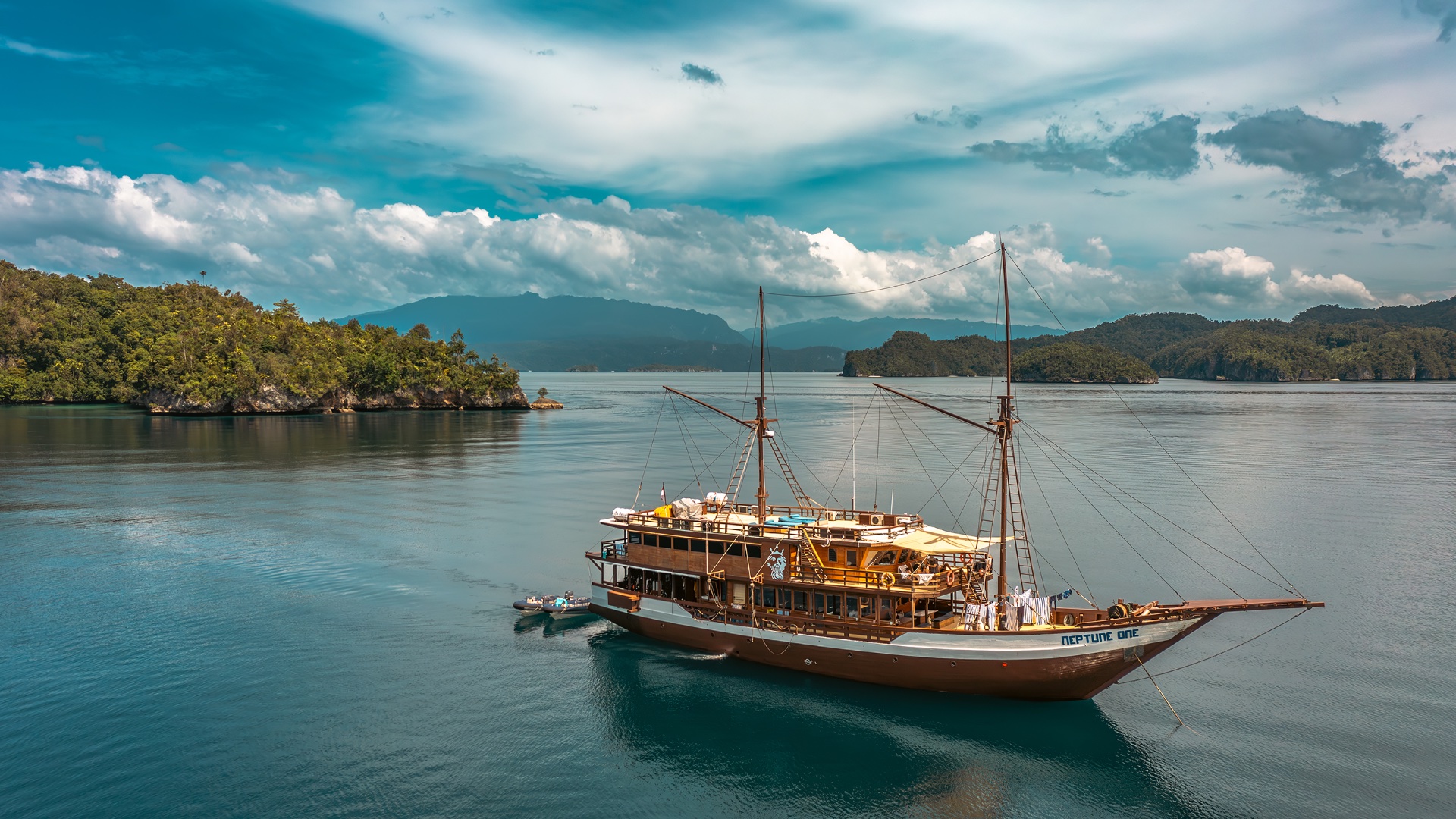
Neptune One
Indonesia
16 guests38 m
$284/day
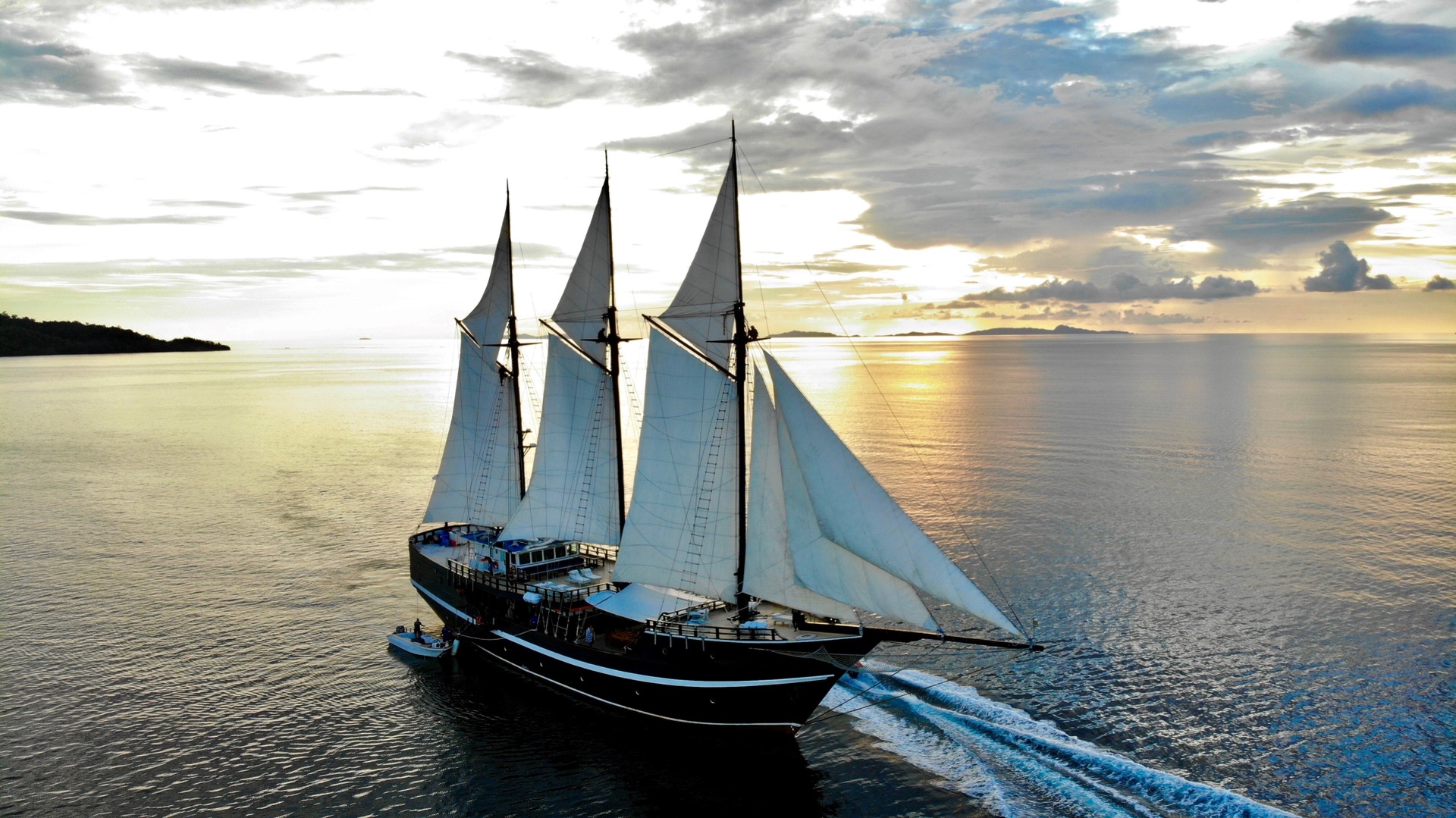
Dewi Nusantara
Indonesia
18 guests57 m
$493/day
Dive sites similar to Watu Balu
Same character, same waters — six more sites divers love for the exact same reasons.Compare seasons, access and liveaboard routes — then pick the site that fits your trip best.
© Esri — Maxar, Earthstar, GIS
Schools Out
Alor
Schools Out in Alor offers divers an exceptional encounter with healthy coral reefs and a rich variety of marine species.
- Suitable for
- Intermediate
- Current
- Mild
- Access
- Liveaboard only
- Depth
- 20–30 m
- Theme
- Reef
© Esri — Maxar, Earthstar, GIS
Pasir Merah
Alor
Pasir Merah, or Red Sand, is a distinctive dive site situated north of Pura Island in the Alor Archipelago, East Nusa Tenggara.
- Suitable for
- Intermediate
- Current
- Moderate
- Access
- Liveaboard or dayboat
- Depth
- 5–35 m
- Theme
- Muck diving / Reef
© Esri — Maxar, Earthstar, GIS
Rusa Pinnacle
Alor
Rusa Pinnacle is a challenging yet highly rewarding dive site situated in the Alor archipelago, part of Indonesia's East Nusa Tenggara.
- Suitable for
- Advanced
- Current
- Strong
- Access
- Liveaboard only
- Depth
- 6–30 m
- Theme
- Reef
© Esri — Maxar, Earthstar, GIS
Goa Wolang
Alor
Goa Wolang, also known as Wolang Cave, is a distinctive dive site located in South Alor, renowned for its intriguing topography and diverse marine life.
- Suitable for
- Advanced
- Current
- Strong
- Access
- Dayboat
- Depth
- 5–30 m
- Theme
- Cavern / Wall
© Esri — Maxar, Earthstar, GIS
La Petite Kepa
Alor
La Petite Kepa refers to both a renowned dive site and the associated dive resort located on Kepa Island, within the Alor Archipelago in Indonesia.
- Suitable for
- Beginner
- Current
- Mild
- Access
- Shore / dayboat
- Depth
- 5–40 m
- Theme
- Reef
© Esri — Maxar, Earthstar, GIS
Tanjung Lusitobo
Alor
Tanjung Lusitobo is a dynamic dive site in Alor, celebrated for its rich biodiversity and vibrant underwater topography.
- Suitable for
- Intermediate
- Current
- Moderate
- Access
- Liveaboard only
- Depth
- 5–30 m
- Theme
- Reef