About Gili Tepekong
Gili Tepekong is one of three volcanic islets situated off the coast of Amuk Bay, near Padang Bai and Candidasa in East Bali. This site is renowned for its thrilling, current-swept diving, featuring dramatic underwater landscapes that include steep walls, swim-throughs, and boulder formations. The area is positioned within the Indonesian Throughflow, which brings nutrient-rich, cooler waters, fostering vibrant coral growth and attracting a wide array of marine life, particularly larger pelagics. Depths at Gili Tepekong range significantly, from shallower reef tops to walls that plunge beyond 30 meters, often presenting a mix of cave sections and exposed reef. These challenging conditions, including unpredictable currents and surge, mean the site is best suited for experienced divers comfortable with drift diving and managing buoyancy in dynamic environments. The reward for navigating these conditions is a spectacular display of both macro and pelagic species. During the cooler months, typically from July to October, the upwelling phenomena attract oceanic sunfish (Mola mola) to shallower depths, making it a prime time for sightings. Throughout the year, divers can expect to see various reef sharks, large schooling fish, and an abundance of colorful corals and macro critters like nudibranchs and eels. The healthy coral ecosystems thrive due to the strong currents delivering a constant supply of nutrients. Diving at Gili Tepekong usually involves boat entries and guided descents to navigate the specific conditions of the day. Local dive operators prioritize safety, often using small groups and experienced guides to ensure divers can fully appreciate the site's unique features while managing its inherent challenges.
Highlights
Dramatic volcanic islet topographyStrong currents and challenging driftsSeasonal Mola mola encountersHealthy, vibrant coral wallsAbundant pelagic fishExciting swim-throughsWhitetip reef sharks
Season calendar
Best months to dive here
Jan
Feb
Mar
Apr
May
Jun
Jul
Aug
Sep
Oct
Nov
Dec
Good
Dive site facts: Gili Tepekong
- Depth
- 5–35+ m
- Current
- Strong, unpredictable
- Visibility
- 10–30 m
- Water temperature
- 19–28°C (can drop to 18-20°C in Mola season)
- Entry
- Boat / negative entry
- Level
- Advanced Open Water (AOWD) minimum, experienced with currents
- Dive type
- Wall, reef, drift, pelagic, macro
- Region / port
- Amuk Bay, East Bali
- Coordinates
- -8.51, 115.57
Conditions & Currents
Gili Tepekong is famous for its strong and often unpredictable currents, including potential down currents and surge, making it unsuitable for novice divers. The site experiences consistent water movement due to its location in the Indonesian Throughflow, which can vary significantly in strength and direction during a single dive. Entry is typically a negative entry from a boat, and divers must be proficient in drift diving techniques and maintaining excellent buoyancy control. Visibility can range widely, from 10 to 30 meters, influenced by the currents and seasonal conditions, with colder thermoclines bringing clearer water during the Mola mola season. The dynamic conditions require careful dive planning and adherence to guide instructions for a safe and rewarding experience.
Marine life & sighting chances

Ocean Sunfish
July-October · occasional
Whitetip Reef Shark
occasional
Barracuda
occasional
Giant Trevally
occasional
Napoleon Wrasse
occasional
Moray Eel
common
Nudibranch
common
Octopus
occasional
Scorpionfish
occasional
Sweetlips
common
Triggerfish
common
Green Turtle
occasionalDive profile & how the dive runs
Diving at Gili Tepekong typically begins with a boat entry, often a negative descent, directly onto the current-sensitive side of the island. The dive plan is tailored to the day's conditions, guided by experienced professionals to navigate the dynamic currents. Divers will explore steep walls adorned with vibrant corals, traversing through canyons and along dramatic rock formations. A highlight often includes a swim-through, requiring careful buoyancy and trim. Depth progression is managed to maximize bottom time while accounting for the strong currents, usually staying within the 5 to 30-meter range, though walls can extend deeper. The turn point is determined by gas consumption and current strength, with the safety stop conducted in a calmer, shallower section or as a controlled drift in the blue, depending on the prevailing conditions.
Underwater photography
Gili Tepekong offers a wealth of photographic opportunities for both wide-angle and macro enthusiasts, but the strong currents demand excellent buoyancy and quick reactions. For wide-angle shots, consider a fisheye or wide rectilinear lens to capture the dramatic underwater topography, including walls, boulders, and swim-throughs, especially when pelagics like Mola mola or reef sharks are present. External strobes are highly recommended to bring out the true colors of the healthy corals and marine life, penetrating the variable visibility. Macro photographers will find plenty of nudibranchs, eels, and other small critters hiding along the reefs, requiring patience and a steady hand against the current. Be mindful of your position and impact on the environment, particularly within swim-throughs, and avoid kicking up sediment.
Combine with nearby dive sites
- Gili Mimpang
Part of the same challenging trio of islets, known for similar conditions and marine life.
- Blue Lagoon Padang Bai
A calmer alternative, offering macro life and reef diving near the departure port.
- Crystal Bay
Famous Mola mola spot, often with cold water and strong currents.
- Tulamben Drop-Off
Offers a diverse reef and deep wall diving, contrasting with the Gili Tepekong experience.
- Gamat Bay
Offers vibrant coral gardens and drift diving, suitable for varied marine encounters.
Getting there & logistics
Diving Gili Tepekong typically involves day trips departing from Padang Bai, which is about an hour's drive by van from popular tourist centers in Bali. International flights arrive at Denpasar (DPS) airport. From Padang Bai, a 20-30 minute boat ride, usually on a traditional jukung, transports divers to the site. Trips often combine dives at Gili Tepekong with Gili Mimpang or Gili Biaha, forming a full day of diving. While no specific permits are mentioned, dive packages generally cover transfers, boat fees, and guides. Divers can also arrange multi-day dive safaris to explore various Bali dive sites, including those further afield, by staying at different accommodations across the island.
Safety & environment
Diving at Gili Tepekong requires a high level of caution due to its strong, unpredictable currents, including the potential for down currents and significant surge, particularly on exposed sections. Divers must be Advanced Open Water certified or equivalent, with solid experience in drift diving and excellent buoyancy control. Treat any cave or swim-through sections as overhead environments and follow your guide's instructions strictly. The nearest recompression chamber is in Denpasar, requiring potentially lengthy land and sea evacuation procedures; therefore, comprehensive dive insurance is mandatory. Always maintain situational awareness, stay close to your guide, and be prepared for rapid changes in conditions.
Who it suits — and who it doesn't
Suited for
- Experienced Advanced Open Water divers
- Divers comfortable with strong currents and drift diving
- Adventure seekers desiring challenging conditions
- Photographers equipped for dynamic environments
- Divers keen on encountering large pelagic species
Less suited for
- Beginner Open Water divers
- Divers with limited experience in currents
- Individuals prone to seasickness in choppy conditions
- Those who prefer calm, easy dives
- Divers uncomfortable with overhead environments
FAQ
Gili Tepekong FAQ
What kind of marine life can I expect to see at Gili Tepekong?
Gili Tepekong is known for its diverse marine ecosystem. You can frequently spot various nudibranchs, moray eels, and octopus in the reef. Occasional sightings include whitetip reef sharks, barracudas, giant trevally, and Napoleon wrasse, with the chance to see Mola mola during the cooler season from July to October.
Are there strong currents at Gili Tepekong?
Yes, Gili Tepekong is famous for its strong and often unpredictable currents. These can include down currents and significant surge, which contribute to its reputation as a challenging dive site. Divers need to be experienced in drift diving and maintaining excellent buoyancy control.
What certification level is required to dive Gili Tepekong?
Due to the challenging conditions, Gili Tepekong is not suitable for beginners. Divers are typically required to have at least an Advanced Open Water (AOWD) certification or equivalent experience. It's also highly recommended to have prior experience with strong currents and drift diving.
When is the best time of year to dive Gili Tepekong for Mola mola?
The prime season for Mola mola (Oceanic Sunfish) sightings at Gili Tepekong is from July to October. During these months, colder, nutrient-rich waters upwell to shallower depths, attracting these magnificent creatures. This period also generally offers the best visibility.
What are the typical water temperatures at Gili Tepekong?
Water temperatures at Gili Tepekong generally range from 19°C to 28°C. However, during the Mola mola season from July to October, the water can become significantly colder, dropping to between 18°C and 20°C. A thicker wetsuit, such as a 5mm or 7mm, is often recommended during these months.
Why dive Gili Tepekong from a liveaboard?
Gili Tepekong is one of Bali's signature dive sites. A liveaboard sleeps you on the water and puts you in the water for three to four guided dives per day, including dawn and night dives that day-boat operators rarely offer. You skip the daily commute back to port and reach quieter, less-crowded sites in the same region on a single trip.
Below are the liveaboards that include Gili Tepekong on their Bali itineraries.
Liveaboards diving Gili Tepekong
These liveaboards may visit Gili Tepekong on selected itineraries — the exact dive sites depend on departure, weather and conditions.
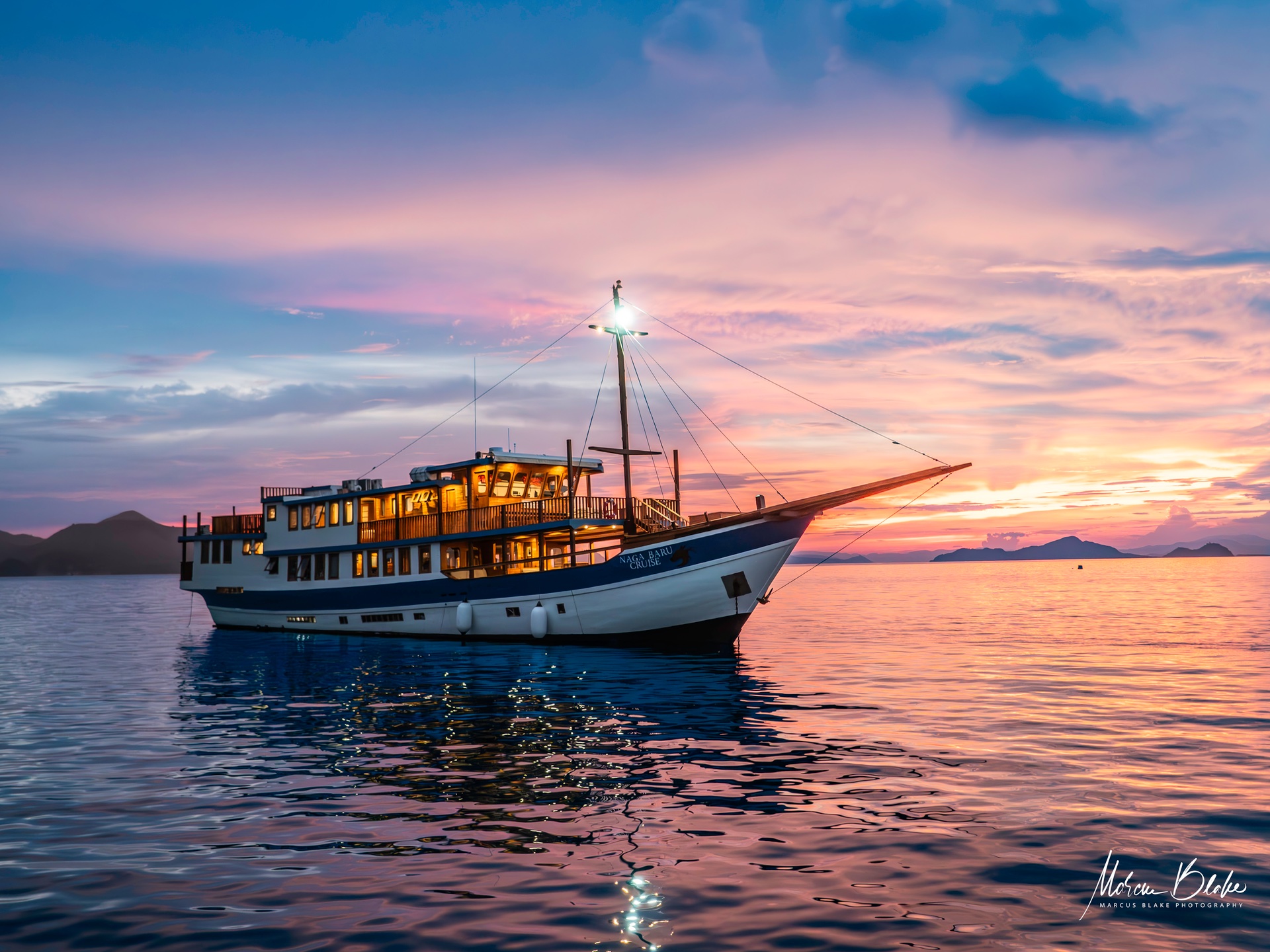
Naga Biru
Indonesia
12 guests40 m
$272/day
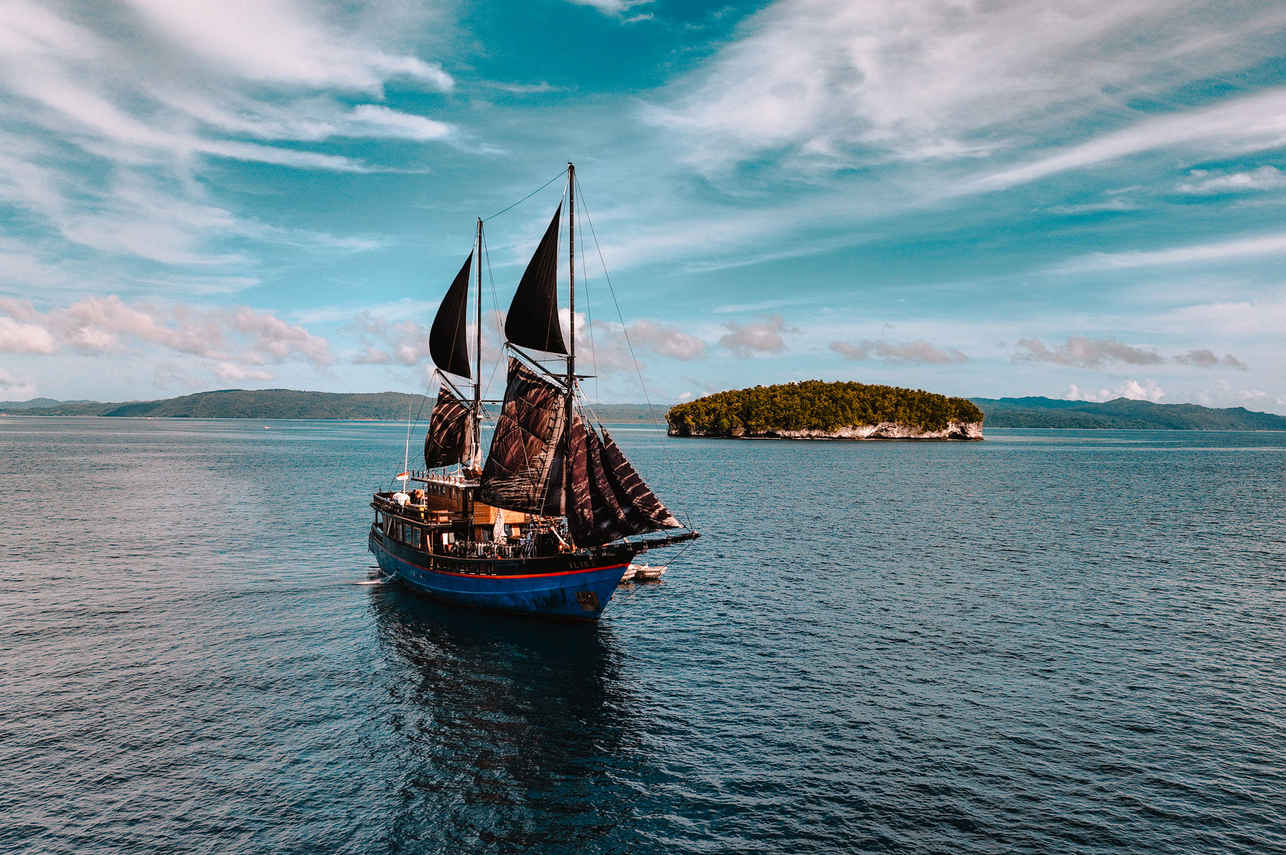
Ilike
Indonesia
16 guests40 m
$350/day
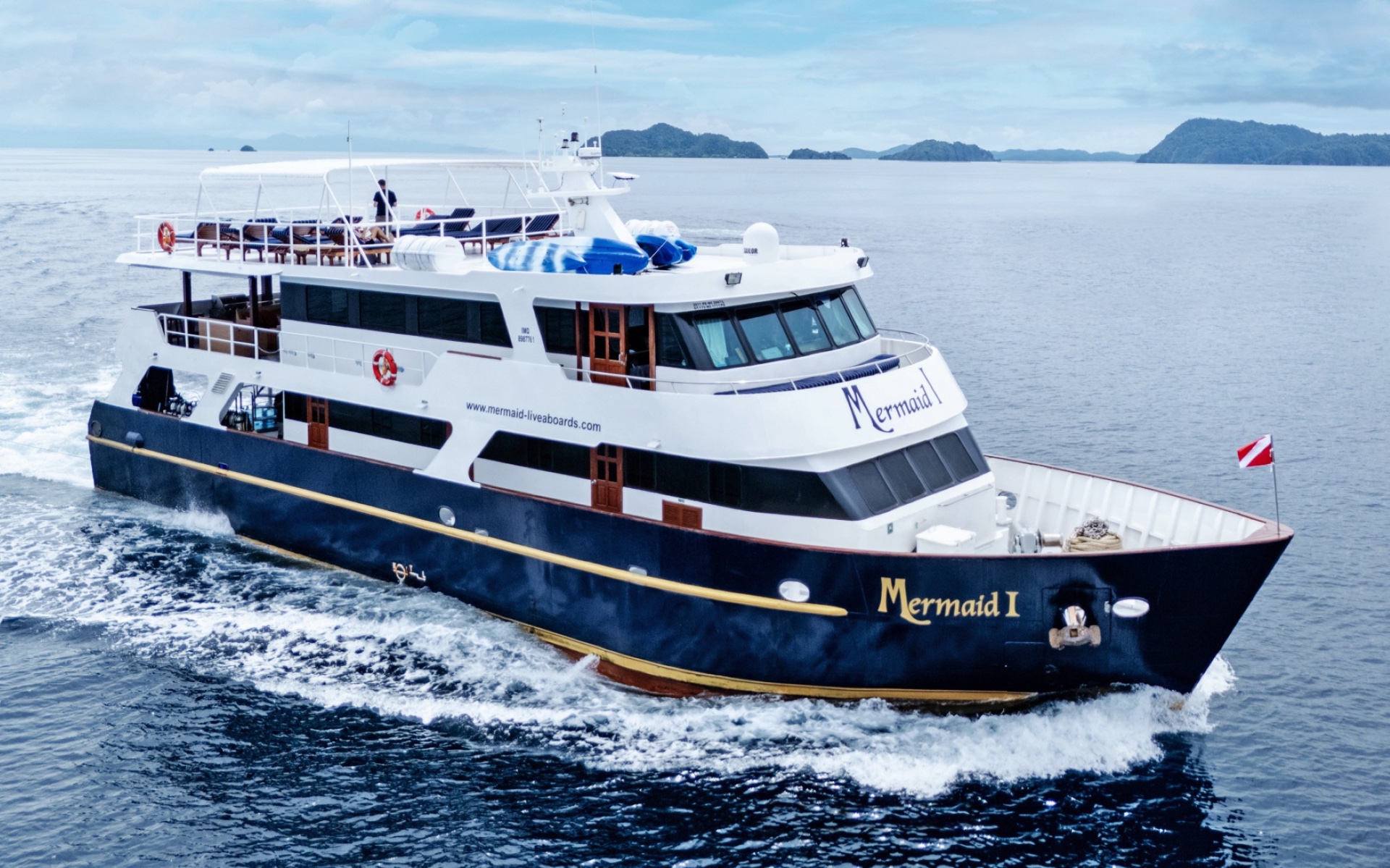
Mermaid I
Alor
15 guests28 m
$476/day
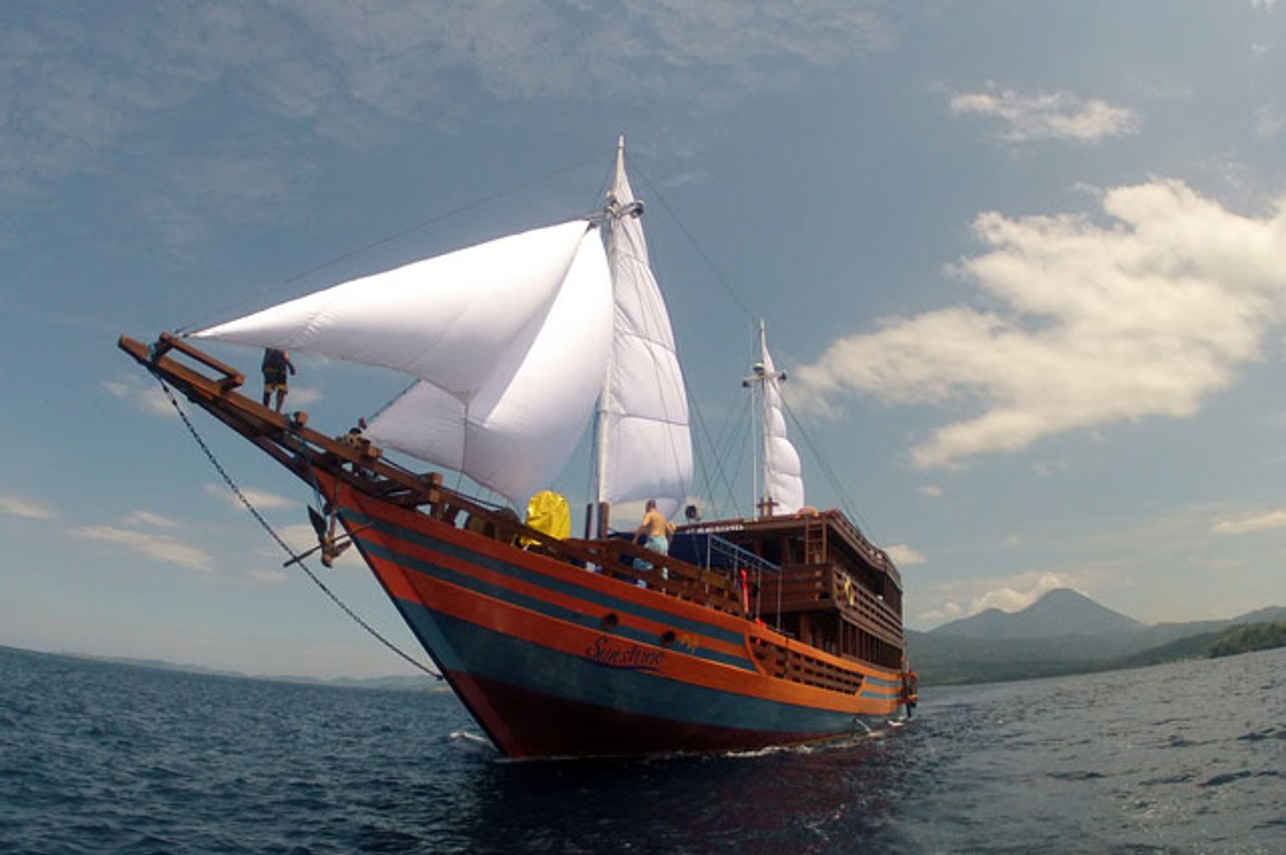
Sunshine Liveaboard
Indonesia
10 guests31 m
$190/day
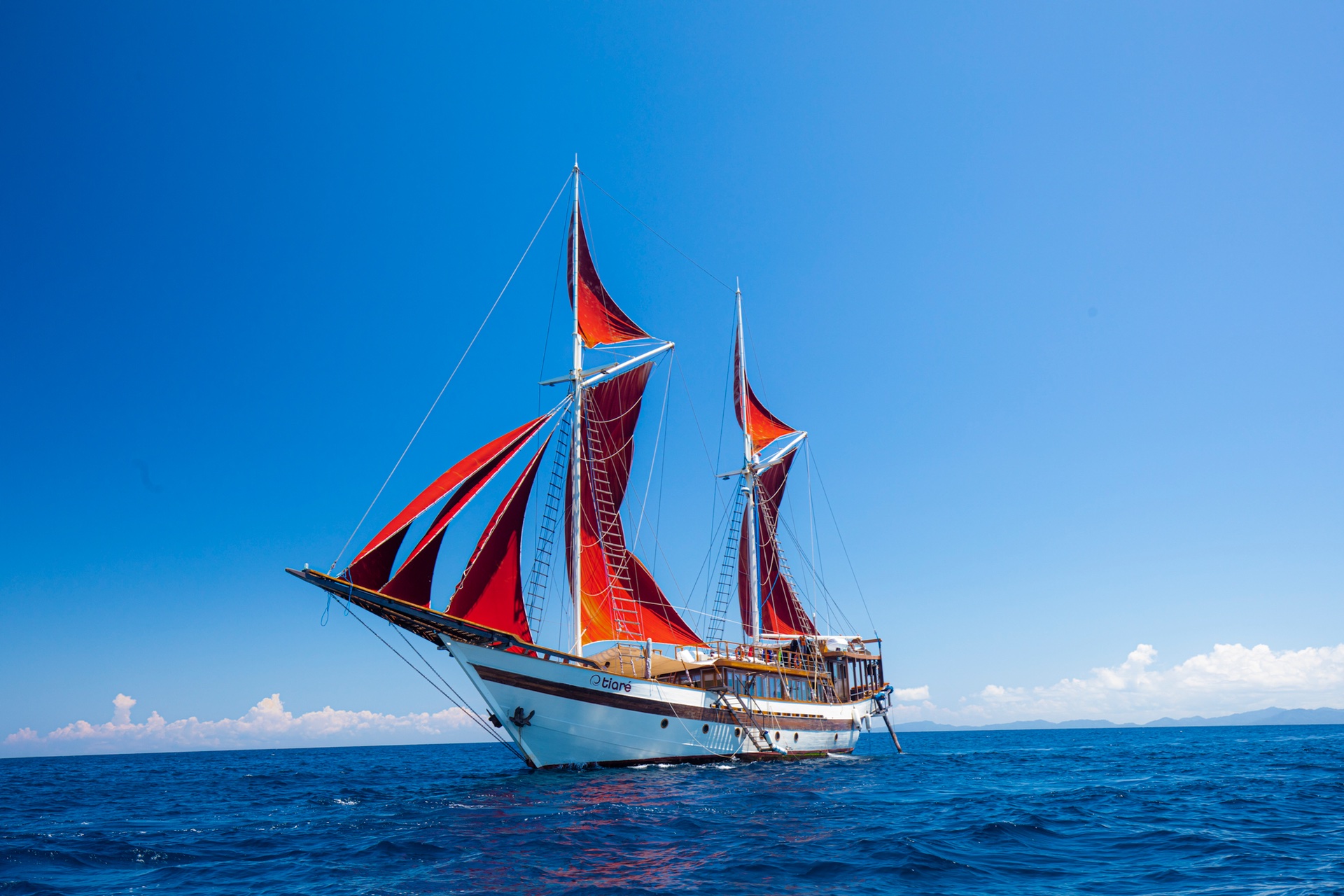
Tiare Cruise
Indonesia
12 guests36.5 m
$473/day
Dive sites similar to Gili Tepekong
Same character, same waters — six more sites divers love for the exact same reasons.Compare seasons, access and liveaboard routes — then pick the site that fits your trip best.
Amed Wall is a pristine dive site located off the east coast of Bali, accessible by traditional Jukung boat from Amed's black sandy beaches.
- Suitable for
- Intermediate
- Current
- Moderate
- Access
- Shore / dayboat
- Depth
- 5–30 m
- Theme
- Drift / Wall
© Esri — Maxar, Earthstar, GIS
Anchor Wreck
Bali
The Anchor Wreck is a celebrated dive site located off Menjangan Island, within the protected West Bali National Park.
- Suitable for
- Intermediate
- Current
- Moderate
- Access
- Dayboat
- Depth
- 4–40 m
- Theme
- Wall / Reef
© Esri — Maxar, Earthstar, GIS
Anker Wreck
Bali
The Anker Wreck, sometimes referred to as Angker Wreck, is a small, historically significant wooden shipwreck located off Menjangan Island in the protected Bali Barat National Park.
- Suitable for
- Intermediate
- Current
- Mild
- Access
- Dayboat
- Depth
- 5–40 m
- Theme
- Wreck / Wall
Bat Cave, situated on the southern side of Menjangan Island within West Bali National Park, is a celebrated dive site, primarily known for its captivating macro life and distinctive topography.
- Suitable for
- Intermediate
- Current
- Mild
- Access
- Liveaboard or dayboat
- Depth
- 5–35 m
- Theme
- Cave & cavern / Reef
© Esri — Maxar, Earthstar, GIS
Batununggul
Bali
Batununggul, also known as Suana or Batumulapan by some operators, is a dynamic wall and sloping reef dive site situated on the eastern side of Nusa Penida, Bali.
- Suitable for
- Advanced
- Current
- Strong
- Access
- Liveaboard or dayboat
- Depth
- 10–40 m
- Theme
- Wall
© Esri — Maxar, Earthstar, GIS
Bias Tugel
Bali
Bias Tugel is an acclaimed dive site situated just a few minutes from the main beach of Padang Bai, on Bali's eastern coast.
- Suitable for
- Intermediate
- Current
- Moderate
- Access
- Dayboat
- Depth
- 5–40 m
- Theme
- Reef / Drift