About Gamat Bay
Gamat Bay, located on the northwest coast of Nusa Penida, distinguishes itself from other local sites by offering a calmer, more sheltered diving experience. While nearby Crystal Bay and Manta Point are renowned for dramatic pelagic encounters and strong currents, Gamat Bay provides a gentle, sloping reef system where conditions are typically lighter. This makes it a preferred choice for guides when seeking a relaxed dive day, particularly after more demanding sites or for divers refining their skills. The site's topography transitions from a shallow, protected bay into a series of descending slopes and terraces, eventually leading towards a deeper wall and the channel separating Nusa Penida from Nusa Ceningan. Depths typically range from 5 to 25 meters, though the slope extends beyond 40 meters, allowing for varied dive profiles. Visibility is generally excellent, often between 15 and 30 meters, with the clearest conditions usually found during the dry season. While Gamat Bay does not boast guaranteed megafauna, its healthy hard and soft coral gardens are home to abundant macro life and smaller reef inhabitants. Divers can expect to find a variety of nudibranchs, shrimp, moray eels, and clownfish, alongside schools of angelfish and butterflyfish. Occasional sightings of green and hawksbill turtles, as well as white tip reef sharks and passing schools of fish, add to the appeal. The bay's natural shape offers significant shelter, contributing to its reputation as one of the island's most dependable low-current dive sites. Diving at Gamat Bay is primarily a boat dive, with local guides carefully assessing daily conditions to determine the best entry and route. This ensures a safe and enjoyable experience, often starting in the sheltered bay before gradually exploring the outer sections when conditions permit. It serves as an excellent site for buoyancy practice and is frequently integrated into multi-site dive itineraries due to its proximity to Crystal Bay and th
Highlights
Sheltered coral slopeAbundant macro lifeHealthy hard and soft coralsRelaxed current conditionsOccasional turtle sightingsWhite tip reef sharksVariety of nudibranchs
Season calendar
Best months to dive here
Jan
Feb
Mar
Apr
May
Jun
Jul
Aug
Sep
Oct
Nov
Dec
Excellent
Good
Dive site facts: Gamat Bay
- Depth
- 5–40 m
- Typical dive
- 5–25 m
- Current
- Light–moderate
- Visibility
- 15–30 m
- Water temperature
- 18–28 °C
- Entry
- Boat
- Level
- Beginner–Intermediate
- Dive type
- Reef & slope, macro
- Region / port
- Nusa Penida, Bali
- Coordinates
- -8.715, 115.458
Conditions & Currents
Gamat Bay is known for its generally lighter currents compared to many other sites around Nusa Penida, thanks to its naturally sheltered position. However, like all locations in this region, conditions are influenced by weather, moon phase, and tides, meaning currents can still vary from mild to moderate. Experienced guides always provide a thorough briefing, carefully assessing the morning's conditions to plan the safest entry, route, and exit strategy. While downward currents are a potential hazard as the site extends towards the channel, proper planning and guide expertise mitigate this risk. Visibility typically ranges from 15 to 30 meters, with thermoclines bringing cooler water, especially during the mola mola season from July to October, necessitating appropriate thermal protection.
Marine life & sighting chances

Nudibranch
Year-round · common
Shrimp
Year-round · common
Moray Eel
Year-round · common
Clownfish
Year-round · common
Angelfish
Year-round · common
Butterflyfish
Year-round · common
Lionfish
Year-round · occasional
Green Turtle
Year-round · occasional
Hawksbill Turtle
Year-round · occasional
Whitetip Reef Shark
Year-round · occasional
Frogfish
Year-round · occasional
Leaf Scorpionfish
Year-round · occasional
Ocean Sunfish
July–October · rareDive profile & how the dive runs
Diving at Gamat Bay typically begins with a boat entry into the sheltered inner bay, where conditions are often calmer. Divers descend onto a coral plateau, usually at depths of 5-10 meters, rich with hard and soft corals. The dive then progresses along a gentle slope, gradually descending to depths between 15 and 25 meters, exploring the vibrant reef system for macro life and smaller reef fish. Guides continuously monitor the current, which can pick up in the outer sections, potentially turning into a mild drift. The turn point is determined by air consumption, no-decompression limits, and current strength. The ascent and safety stop are usually conducted back in the more protected shallow areas of the bay, minimizing exposure to stronger currents and allowing for a calm, controlled exit.
Underwater photography
Gamat Bay is an excellent location for wide-angle photography, capturing the extensive, healthy coral slope and occasional schools of fish. A wide-angle lens will best showcase the vibrant reef architecture and overall health of the coral gardens. For macro enthusiasts, a macro lens is essential to capture the numerous nudibranchs, shrimp, and other small critters hidden within the corals. Good buoyancy control is crucial here, both to protect the delicate reef and to maintain stable shots, especially when currents are present. Natural light is often sufficient in the shallower parts of the bay due to good visibility, but a strobe will enhance color and detail, particularly in deeper sections or when shooting macro subjects tucked into crevices.
Combine with nearby dive sites
- Crystal Bay
Known for Mola Mola sightings and stronger currents, often paired with Gamat Bay.
- Manta Point
Famous for year-round manta ray encounters on the exposed southwest coast.
- Toyapakeh Wall
A rich drift dive on the northwest coast, offering diverse coral and pelagic life.
- SD Point
A popular northern drift dive with vibrant coral reefs and diverse marine life.
- Pura Ped
Another northern drift dive known for healthy corals and abundant fish.
Getting there & logistics
Access to Gamat Bay is primarily by boat from Nusa Penida or as a day trip from Bali, typically departing from Sanur or Padang Bai. Fast boats from Bali take approximately 45 minutes to cross to Nusa Penida. Dive trips usually leave early in the morning to optimize conditions and avoid crowds. Many operators base themselves on Nusa Penida or Nusa Lembongan for multi-day diving experiences. Dive packages often combine Gamat Bay with other nearby sites like Crystal Bay or Toyapakeh. No specific park fees are usually charged directly for diving Gamat Bay, as it falls within the general operational areas covered by dive operators.
Safety & environment
Diving in Gamat Bay, like other Nusa Penida sites, requires adherence to strict safety protocols due to potentially shifting currents and thermoclines. While Gamat Bay is generally calmer, a proper dive briefing from a local guide is crucial to understand daily conditions and planned routes. Divers should be proficient in current management and buoyancy control. The nearest recompression chamber is in Denpasar, Bali, approximately 1.5 to 2 hours away by fast boat and then land transfer. Comprehensive dive insurance, including coverage for medical emergencies and evacuation, is highly recommended. Always stay close to your guide and dive buddy, and plan your gas supply considering potential current and depth exposures. Boat traffic in the area requires careful surfacing and deployment of an SMB.
Who it suits — and who it doesn't
Suited for
- Open Water students completing certification dives
- Divers refining buoyancy skills
- Underwater photographers seeking macro subjects
- Divers preferring calmer reef dives over strong drifts
- Intermediate divers gaining current experience
Less suited for
- Divers solely seeking large pelagic encounters
- Beginners without adequate current awareness
- Divers who neglect proper thermal protection in cold thermoclines
- Snorkelers venturing beyond the sheltered inner bay
- Divers expecting guaranteed Mola Mola or Manta Ray sightings
FAQ
Gamat Bay FAQ
What kind of marine life can I expect to see at Gamat Bay?
Gamat Bay is celebrated for its diverse macro life, including numerous nudibranchs, shrimp, moray eels, and clownfish. You will also encounter healthy hard and soft corals, angelfish, and butterflyfish. Occasional sightings include green and hawksbill turtles, as well as white tip reef sharks.
Is Gamat Bay suitable for beginner divers?
Yes, Gamat Bay is considered suitable for beginner to intermediate divers, especially Open Water students. Its sheltered nature often provides calmer conditions and a gentler slope, making it an excellent site for building confidence and refining buoyancy control. However, diving with an experienced local guide is always recommended due to potential current variations.
What are the typical water conditions at Gamat Bay?
Gamat Bay generally offers lighter currents compared to other Nusa Penida sites, ranging from mild to moderate. Visibility is typically good, between 15 and 30 meters. Water temperatures can vary, often between 26-28°C, but thermoclines can bring cooler water down to 18-20°C, particularly from July to October.
Can I see Mola Mola or Manta Rays at Gamat Bay?
While Gamat Bay is not primarily known for consistent Mola Mola or Manta Ray sightings, occasional encounters are possible. Mola Mola are more frequently seen at deeper sites like Crystal Bay from July to October. Manta Rays are best observed at Manta Point and Manta Bay, where they aggregate year-round.
What kind of exposure suit should I wear for diving Gamat Bay?
Given the potential for cooler thermoclines, especially during the mola mola season (July-October), a 5mm wetsuit is highly recommended for diving Gamat Bay. Even outside these months, a 3mm suit might be sufficient, but bringing a hooded vest or a thicker suit is advisable for comfort if you are sensitive to cold.
Why dive Gamat Bay from a liveaboard?
Gamat Bay is one of Bali's signature dive sites. A liveaboard sleeps you on the water and puts you in the water for three to four guided dives per day, including dawn and night dives that day-boat operators rarely offer. You skip the daily commute back to port and reach quieter, less-crowded sites in the same region on a single trip.
Below are the liveaboards that include Gamat Bay on their Bali itineraries.
Liveaboards diving Gamat Bay
These liveaboards may visit Gamat Bay on selected itineraries — the exact dive sites depend on departure, weather and conditions.
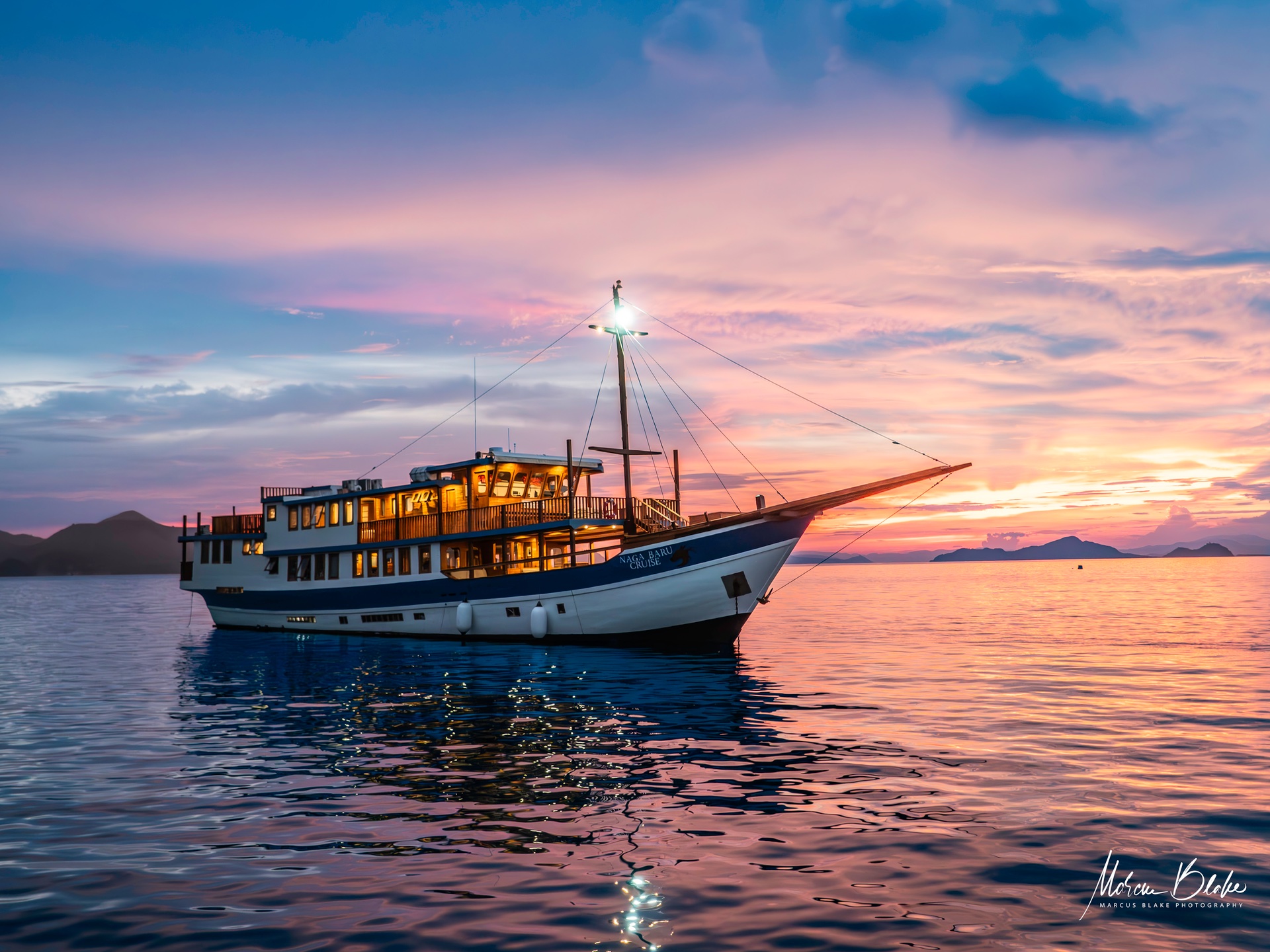
Naga Biru
Indonesia
12 guests40 m
$273/day
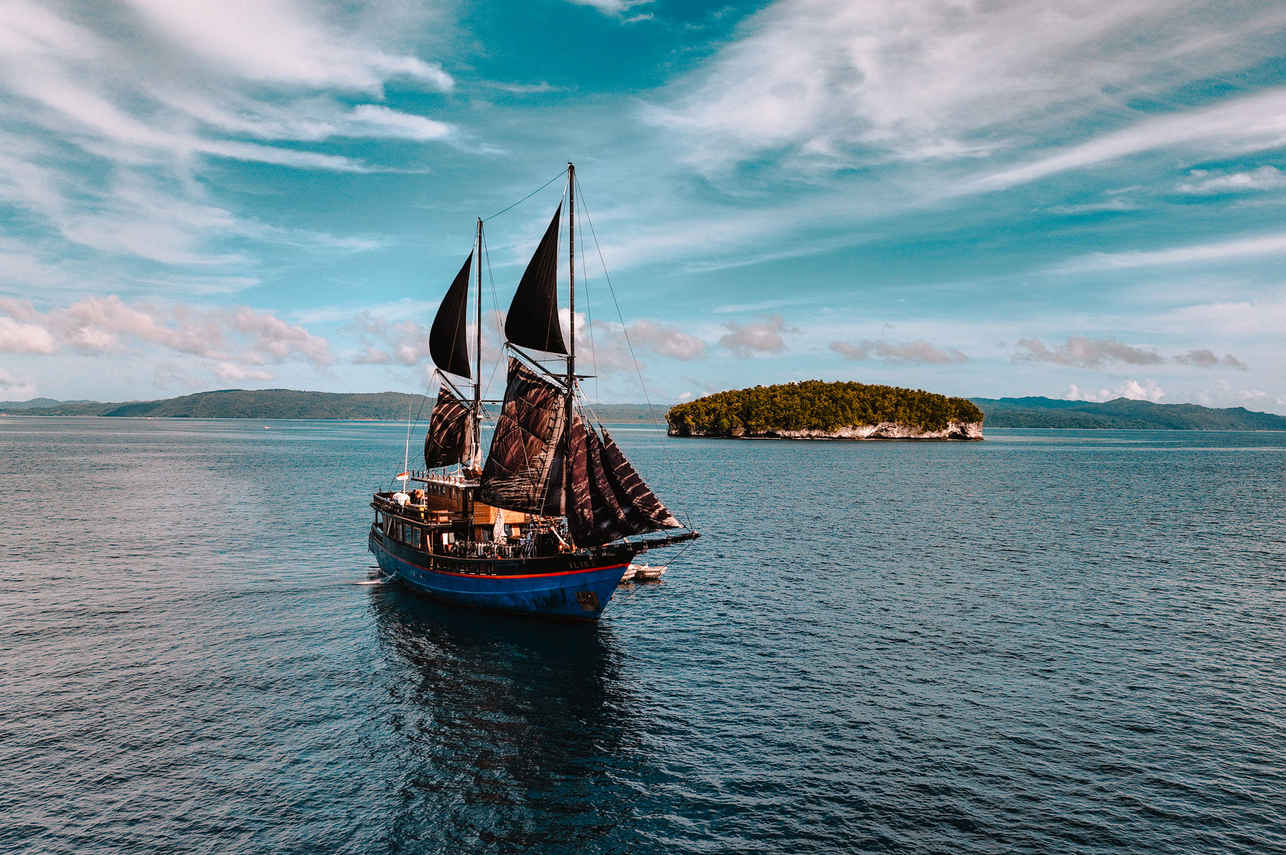
Ilike
Indonesia
16 guests40 m
$350/day
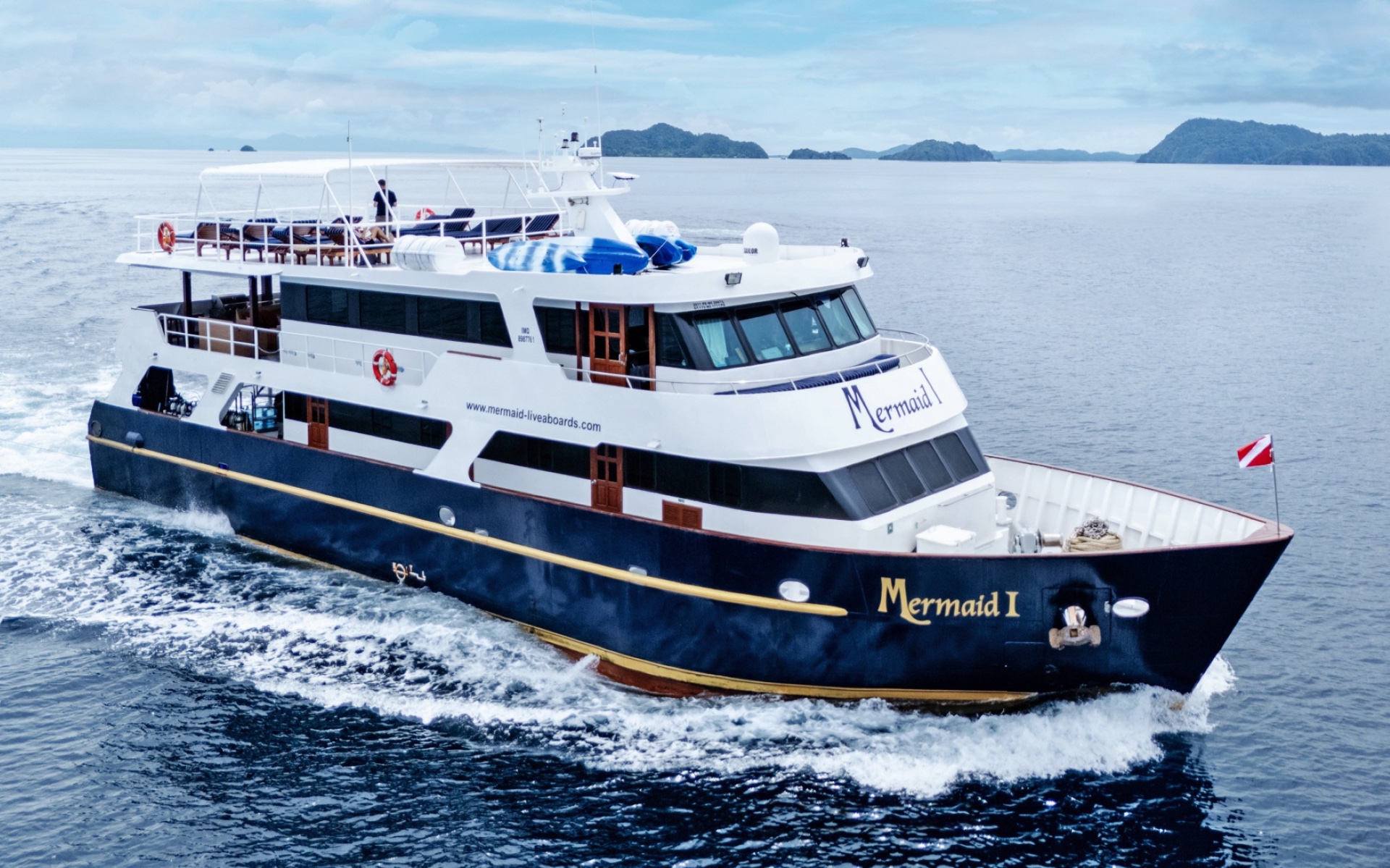
Mermaid I
Alor
15 guests28 m
$479/day
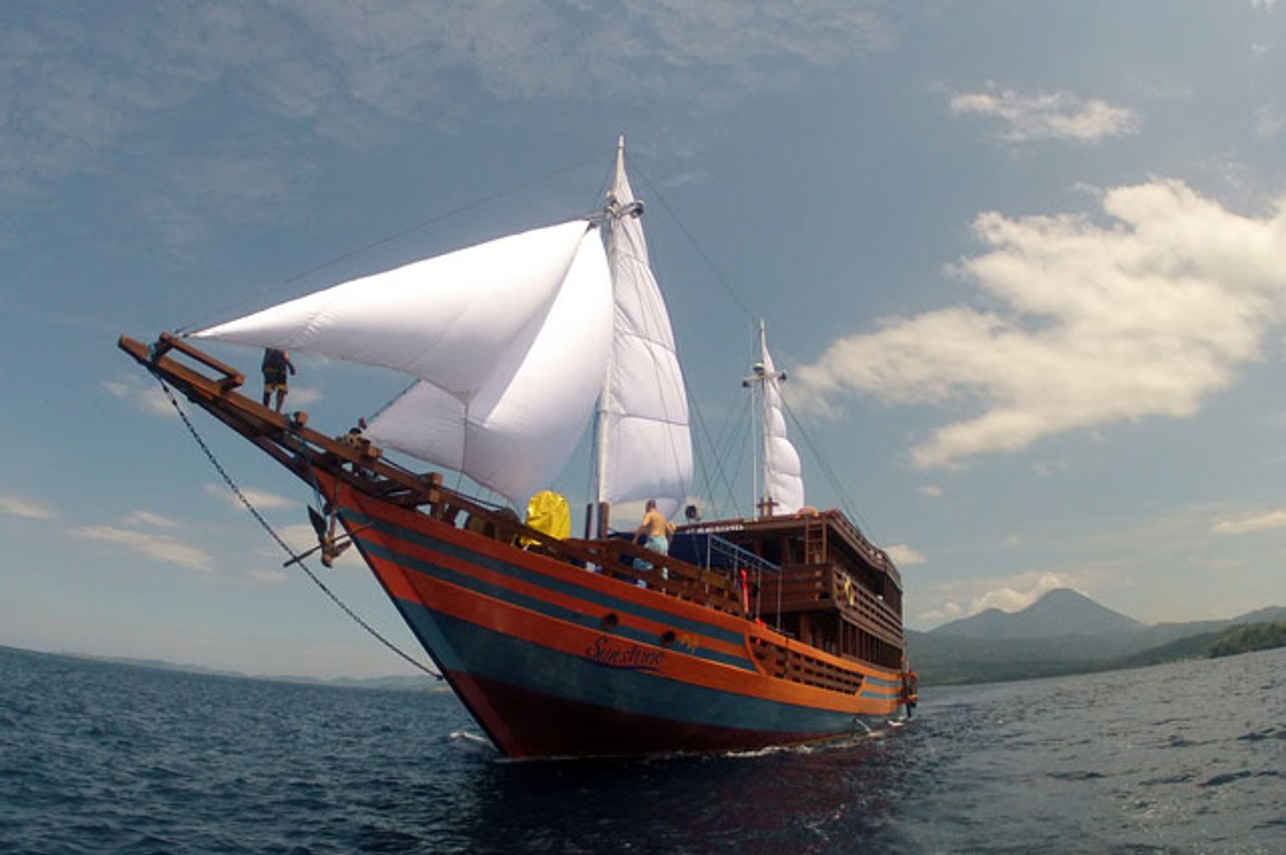
Sunshine Liveaboard
Indonesia
10 guests31 m
$191/day
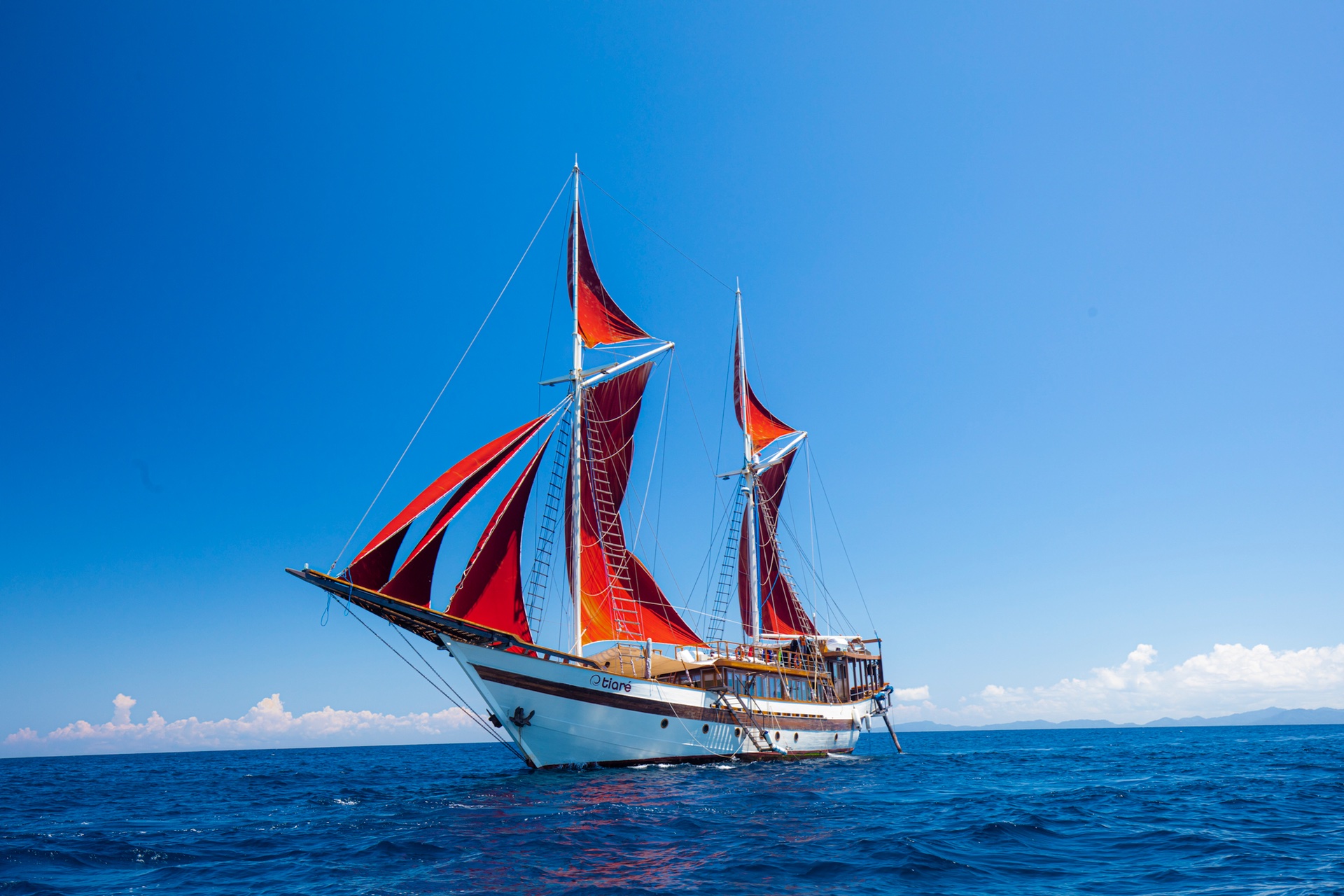
Tiare Cruise
Indonesia
12 guests36.5 m
$473/day
Dive sites similar to Gamat Bay
Same character, same waters — six more sites divers love for the exact same reasons.Compare seasons, access and liveaboard routes — then pick the site that fits your trip best.
The Alam Anda House Reef is situated in the northeast of Bali, away from the more heavily trafficked tourist zones.
- Suitable for
- Intermediate
- Current
- Mild
- Access
- Liveaboard or dayboat
- Depth
- 5–50 m
- Theme
- Reef
Amed Wall is a pristine dive site located off the east coast of Bali, accessible by traditional Jukung boat from Amed's black sandy beaches.
- Suitable for
- Intermediate
- Current
- Moderate
- Access
- Shore / dayboat
- Depth
- 5–30 m
- Theme
- Drift / Wall
© Esri — Maxar, Earthstar, GIS
Anchor Wreck
Bali
The Anchor Wreck is a celebrated dive site located off Menjangan Island, within the protected West Bali National Park.
- Suitable for
- Intermediate
- Current
- Moderate
- Access
- Dayboat
- Depth
- 4–40 m
- Theme
- Wall / Reef
© Esri — Maxar, Earthstar, GIS
Anker Wreck
Bali
The Anker Wreck, sometimes referred to as Angker Wreck, is a small, historically significant wooden shipwreck located off Menjangan Island in the protected Bali Barat National Park.
- Suitable for
- Intermediate
- Current
- Mild
- Access
- Dayboat
- Depth
- 5–40 m
- Theme
- Wreck / Wall
Bat Cave, situated on the southern side of Menjangan Island within West Bali National Park, is a celebrated dive site, primarily known for its captivating macro life and distinctive topography.
- Suitable for
- Intermediate
- Current
- Mild
- Access
- Liveaboard or dayboat
- Depth
- 5–35 m
- Theme
- Cave & cavern / Reef
© Esri — Maxar, Earthstar, GIS
Batu Kelebit
Bali
Batu Kelebit is a captivating dive site located near Tulamben Bay in northeast Bali, a short 15-minute journey by local jukung (outrigger fishing boat).
- Suitable for
- Advanced
- Current
- Strong
- Access
- Shore / dayboat
- Depth
- 8–50 m
- Theme
- Reef