About Toyapakeh Wall
Toyapakeh Wall is a captivating dive site situated in the deep channel between Nusa Penida and Nusa Ceningan, just a short boat ride from the harbor. It boasts an impressive and diverse reef structure, beginning with a vibrant, shallow coral plateau that gently slopes before transforming into a dramatic vertical wall, plunging to depths of 40 meters. This wall is draped in a spectacular array of hard and soft corals, featuring vivid purples, oranges, and yellows, alongside gorgonians, giant sponges, and intricate coral bommies. The topography also includes canyons and crevices that harbor an abundance of macro life, while the overall reef layout resembles a staircase leading into the blue. Marine life at Toyapakeh is exceptional and varied. Divers frequently encounter schooling batfish and turtles, with regular sightings of reef sharks and, on occasion, even manta rays. The site is renowned for its macro organisms, including nudibranchs, shrimps, and leaf fish. During the mola mola season from July to October, lucky divers might spot these majestic ocean sunfish in the deeper sections. The site is characterized by impressive visibility, often ranging from 20 to 40 meters, which enhances the vibrant coral displays and marine encounters. Toyapakeh Wall offers a dynamic dive experience, largely due to its currents, which can range from mild to strong, making it a popular spot for drift dives. While the shallow plateau is suitable for beginners and discovery dives, intermediate divers can enjoy exhilarating drifts along the wall at 15-25 meters. Experienced divers can explore deeper zones down to 40 meters, where currents can be more challenging. It's crucial to dive with local guides who are familiar with the site's unique current patterns. The site is accessible year-round, with the best conditions generally aligning with the mola mola season.
Highlights
Dramatic wall divingPygmy seahorsesColorful soft coralsGreen turtlesMacro photography paradise
Season calendar
Best months to dive here
Jan
Feb
Mar
Apr
May
Jun
Jul
Aug
Sep
Oct
Nov
Dec
Excellent
Good
Dive site facts: Toyapakeh Wall
- Depth
- 5–40 m
- Typical dive
- 15–25 m, 50–60 min
- Current
- Mild to moderate, sometimes strong
- Visibility
- 20–40 m
- Water temperature
- 22–29°C
- Entry
- Boat
- Level
- Beginner to Advanced (zone-dependent)
- Dive type
- Wall, drift, coral plateau, macro
- Region / port
- Nusa Penida
- Coordinates
- -8.674, 115.461
Conditions & Currents
Currents at Toyapakeh Wall can range from mild to moderate, occasionally becoming strong, especially during drift dives. Divers should always be attentive to tide and guide briefings, as conditions can change. The site is often dived as a drift, entering at one end and allowing the current to carry you along the wall, making for a relaxed yet exhilarating experience. Visibility is generally excellent, often exceeding 25 meters, but can be affected by plankton blooms that coincide with colder, nutrient-rich upwellings, particularly during the Mola Mola season.
Marine life & sighting chances

Mola Mola (Oceanic Sunfish)
July–October · occasional
Marble Ray
occasional
Turtle
occasional
Nudibranch
common
Shrimp
common
Leaf Fish
occasional
Pygmy Seahorse
rare
Angelfish
common
Butterflyfish
common
Surgeonfish
common
Fusilier
common
Trevally
occasional
Eagle Ray
rareDive profile & how the dive runs
Dives at Toyapakeh Wall typically begin with a boat entry under a distinct "Tree" at one end of the wall. Divers then progress along the reef, usually in a gentle drift, following the natural contour of the wall. The depth profile varies, with beginners exploring the coral plateau between 5 and 12 meters, while intermediate divers follow the main wall at depths of 15 to 25 meters. More experienced divers can venture deeper, down to 40 meters, particularly when searching for Mola Mola at cleaning stations. The dive concludes near the waterpark platform, which marks the end of the site, allowing for a gradual ascent and safety stop in shallower, current-friendly areas.
Underwater photography
Toyapakeh Wall offers diverse photography opportunities, from wide-angle shots of the impressive coral wall and schooling fish to macro captures of its abundant small critters. For wide-angle, the vibrant soft corals, gorgonians, and deep blue backdrop are stunning, especially with the excellent visibility. Consider a dome port and external strobes to bring out the true colors of the reef. Macro photographers will delight in searching for nudibranchs, shrimps, and leaf fish hidden within the coral crevices; a snoot can highlight these tiny subjects. Buoyancy control is paramount to avoid damaging the delicate corals and to get stable shots in potential currents.
Combine with nearby dive sites
- Crystal Bay
Famous for Mola Mola sightings and excellent visibility.
- Gamat Bay
Known for healthy coral reefs and diverse marine life.
- SD Point
Offers exhilarating drift dives along a pristine reef.
- Mangrove Point
Features mangrove-lined reefs with unique marine ecosystems.
- Pura Ped
A northern Nusa Penida site with good coral and fish life.
Getting there & logistics
Access to Toyapakeh Wall is primarily from Nusa Penida or Nusa Lembongan, with day trips also possible from Bali's Sanur or Padang Bai ports. Fast boats from Bali take approximately 45 minutes to reach Nusa Penida. Dive operators typically depart from Nusa Penida's harbors, with Toyapakeh Wall being a short two-minute boat ride away. Most dive packages include multiple dives per day, often combining Toyapakeh with other nearby Nusa Penida sites. No specific park fees are mentioned, but always confirm with your chosen dive center.
Safety & environment
Diving at Toyapakeh Wall requires adherence to standard safety practices, including conservative dive planning and staying within certification limits, especially given the site's depths and potential currents. Always follow your local guide's instructions regarding entry, exit, and any prevailing conditions. A recompression chamber is available in Denpasar, Bali, necessitating a boat transfer in case of an emergency. It is highly recommended to have comprehensive dive insurance that covers emergency medical treatment and evacuation. Good buoyancy control is essential to protect the delicate corals and avoid injury, especially during drift sections.
Who it suits — and who it doesn't
Suited for
- Beginner divers (in shallow areas)
- Advanced divers (for deeper sections and drift)
- Underwater photographers (macro and wide-angle)
- Divers seeking Mola Mola encounters (seasonal)
- Divers comfortable with drift diving
Less suited for
- Divers unwilling to follow guide instructions on currents
- Divers without proper thermal protection during Mola Mola season
- Absolute beginners without supervision (for deeper wall sections)
FAQ
Toyapakeh Wall FAQ
What marine life can I expect to see at Toyapakeh Wall?
Toyapakeh Wall boasts a rich diversity of marine life. You can commonly spot various reef fish like angelfish, butterflyfish, and surgeonfish, alongside schooling fusiliers. Macro enthusiasts will find nudibranchs, shrimps, and occasional leaf fish. During the Mola Mola season (July-October), there's a chance to encounter these oceanic sunfish, along with marble rays and turtles.
Is Toyapakeh Wall suitable for beginner divers?
Yes, Toyapakeh Wall offers sections suitable for beginners. The shallow coral plateau, ranging from 5 to 12 meters, provides a safe and vibrant environment for discovery dives or Open Water training. More experienced divers can explore the deeper wall sections and engage in drift dives, always under the guidance of a local expert.
When is the best time to see Mola Mola at Toyapakeh Wall?
The prime season for Mola Mola sightings at Toyapakeh Wall is typically from July to October. During these months, colder, nutrient-rich upwellings encourage these sunfish to ascend from the deep to cleaning stations around 40 meters. While sightings are never guaranteed, this period offers the highest probability.
How strong are the currents at Toyapakeh Wall?
Currents at Toyapakeh Wall can vary from mild to moderate, and occasionally strong, making it a popular site for drift diving. Local guides will assess conditions and plan the dive accordingly, ensuring a safe and enjoyable experience. Divers should always be mindful of current strength and maintain good buoyancy control.
What is the typical visibility like at Toyapakeh Wall?
Visibility at Toyapakeh Wall is generally excellent, often exceeding 25 meters and sometimes reaching up to 40 meters. The clear waters provide fantastic conditions for observing the vibrant coral gardens and abundant marine life. While visibility can be slightly reduced by plankton blooms during the Mola Mola season, it generally remains very good.
Why dive Toyapakeh Wall from a liveaboard?
Toyapakeh Wall is one of Bali's signature dive sites. A liveaboard sleeps you on the water and puts you in the water for three to four guided dives per day, including dawn and night dives that day-boat operators rarely offer. You skip the daily commute back to port and reach quieter, less-crowded sites in the same region on a single trip.
Below are the liveaboards that include Toyapakeh Wall on their Bali itineraries.
Liveaboards diving Toyapakeh Wall
These liveaboards may visit Toyapakeh Wall on selected itineraries — the exact dive sites depend on departure, weather and conditions.
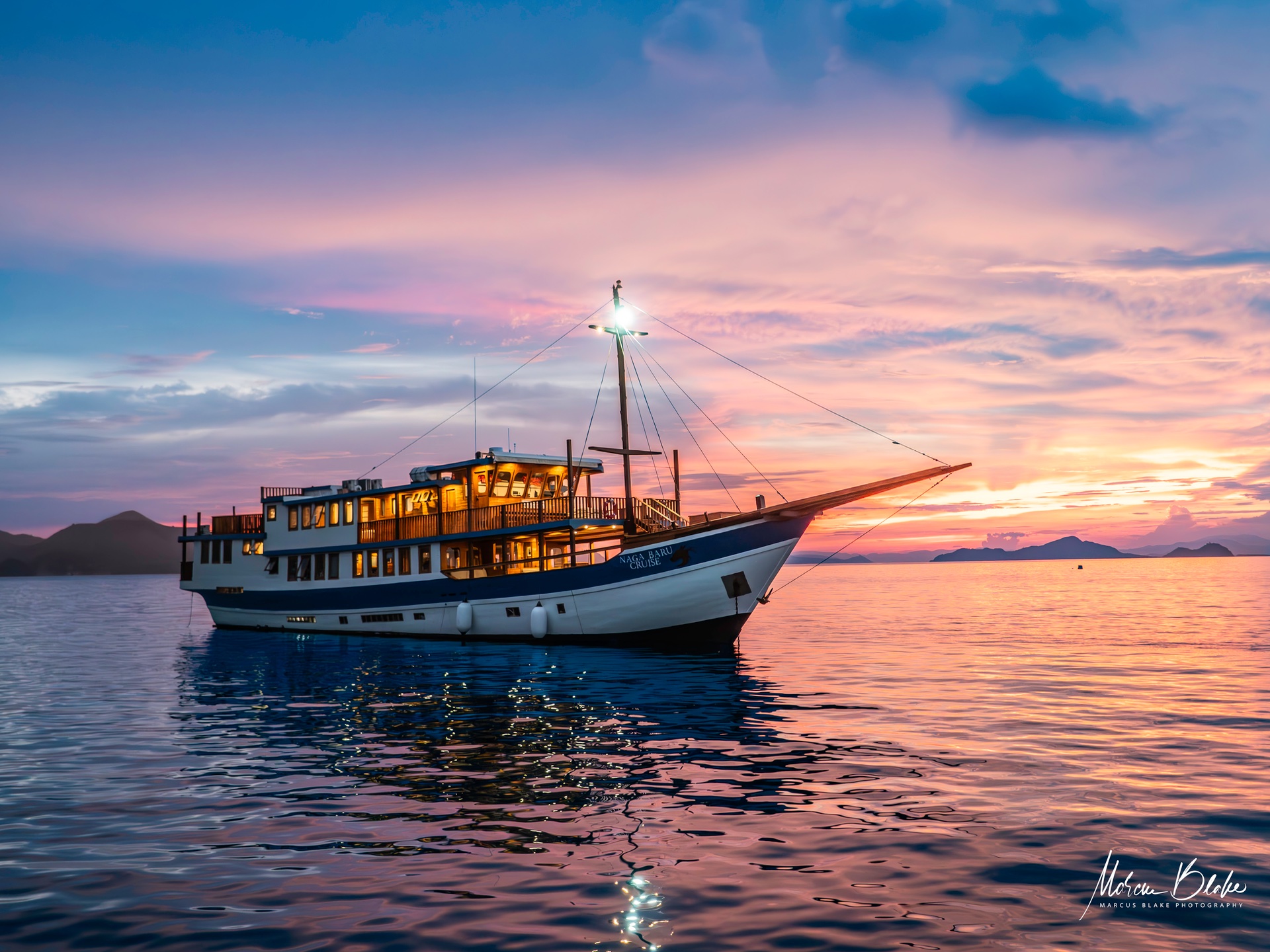
Naga Biru
Indonesia
12 guests40 m
$273/day
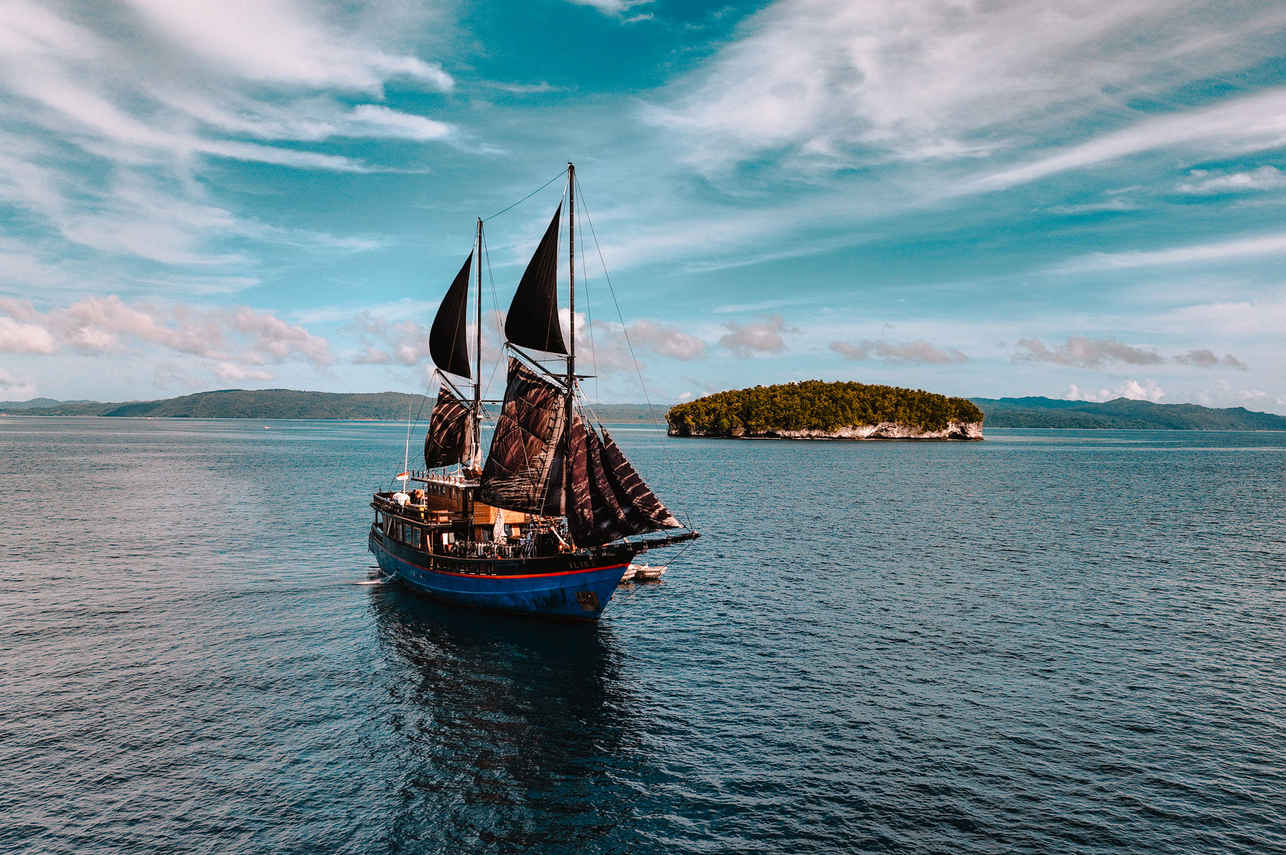
Ilike
Indonesia
16 guests40 m
$350/day
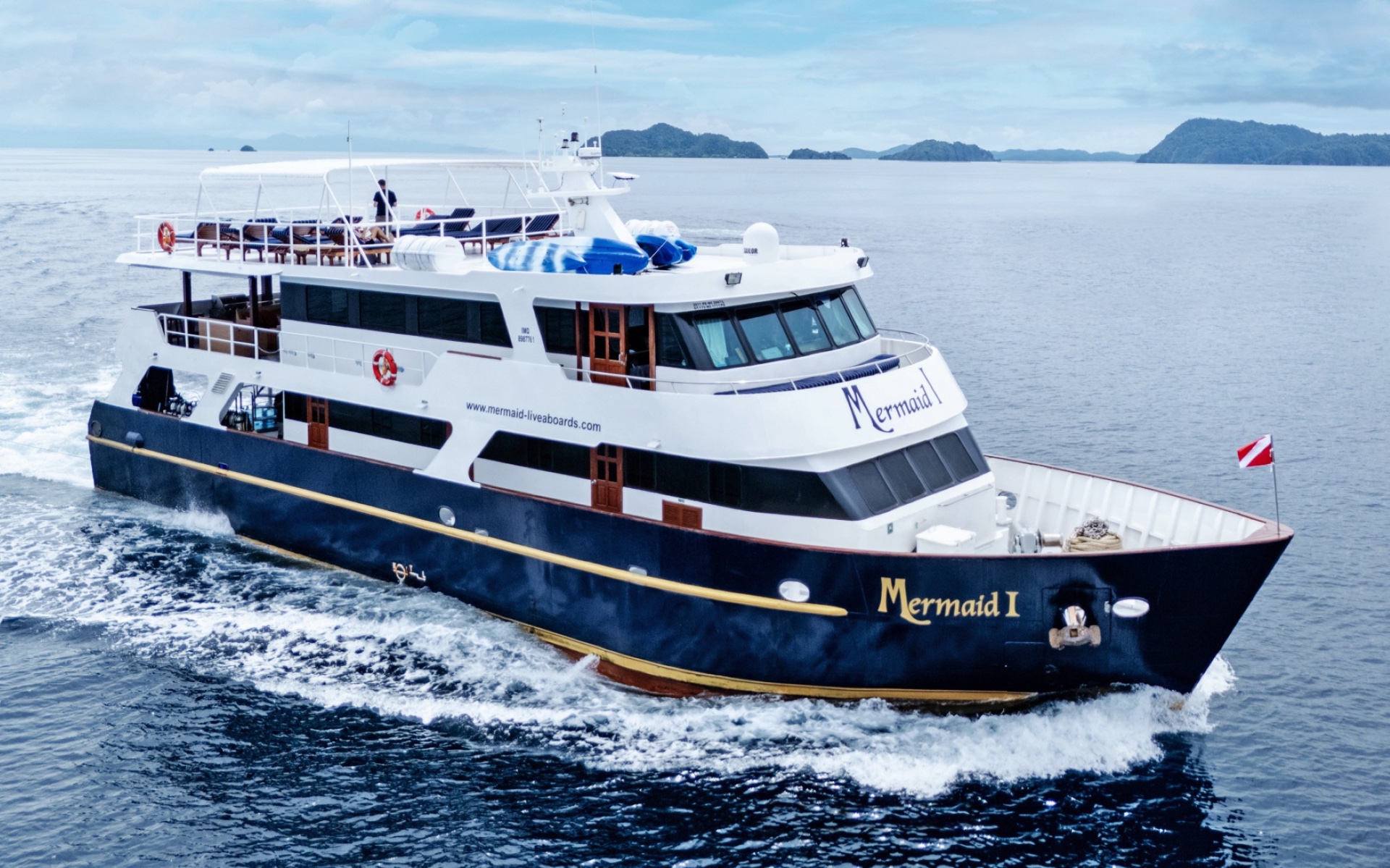
Mermaid I
Alor
15 guests28 m
$479/day
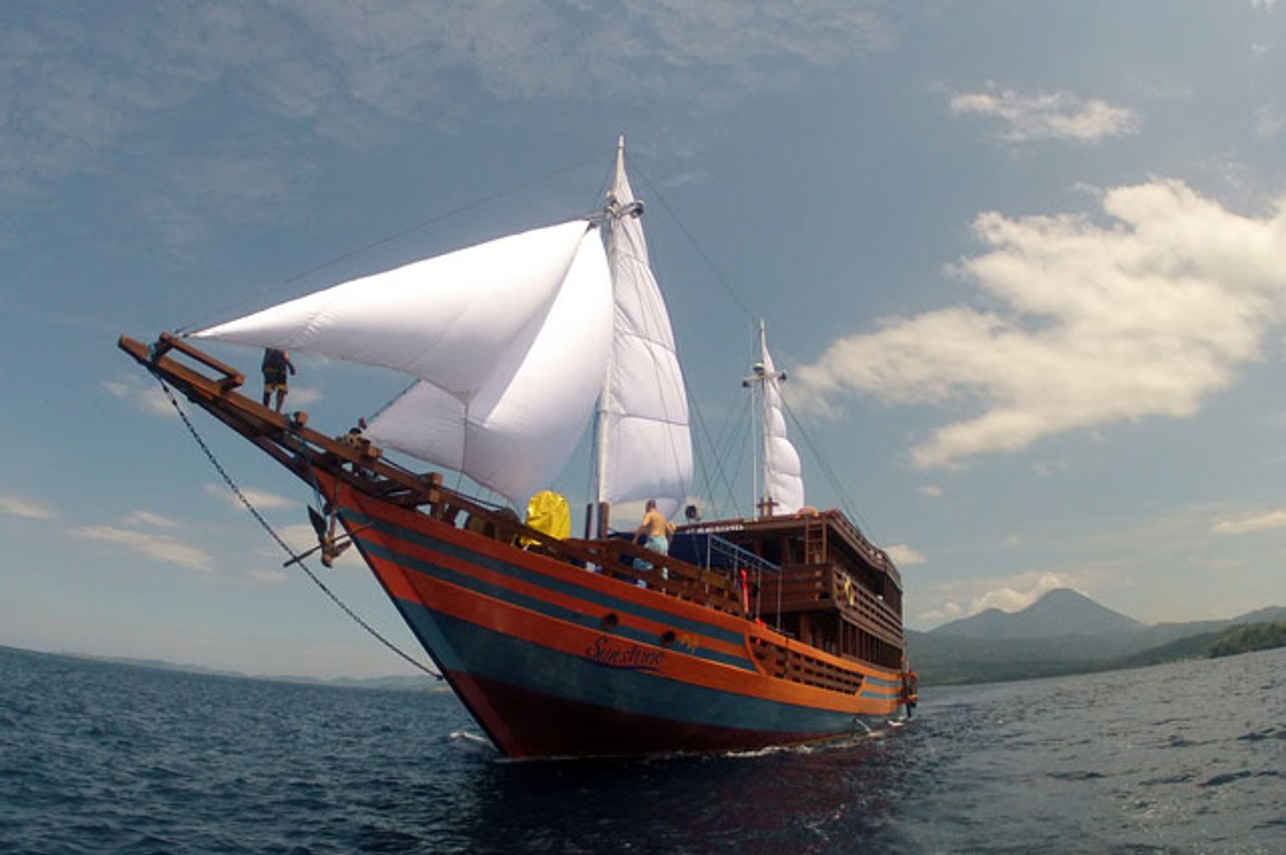
Sunshine Liveaboard
Indonesia
10 guests31 m
$191/day
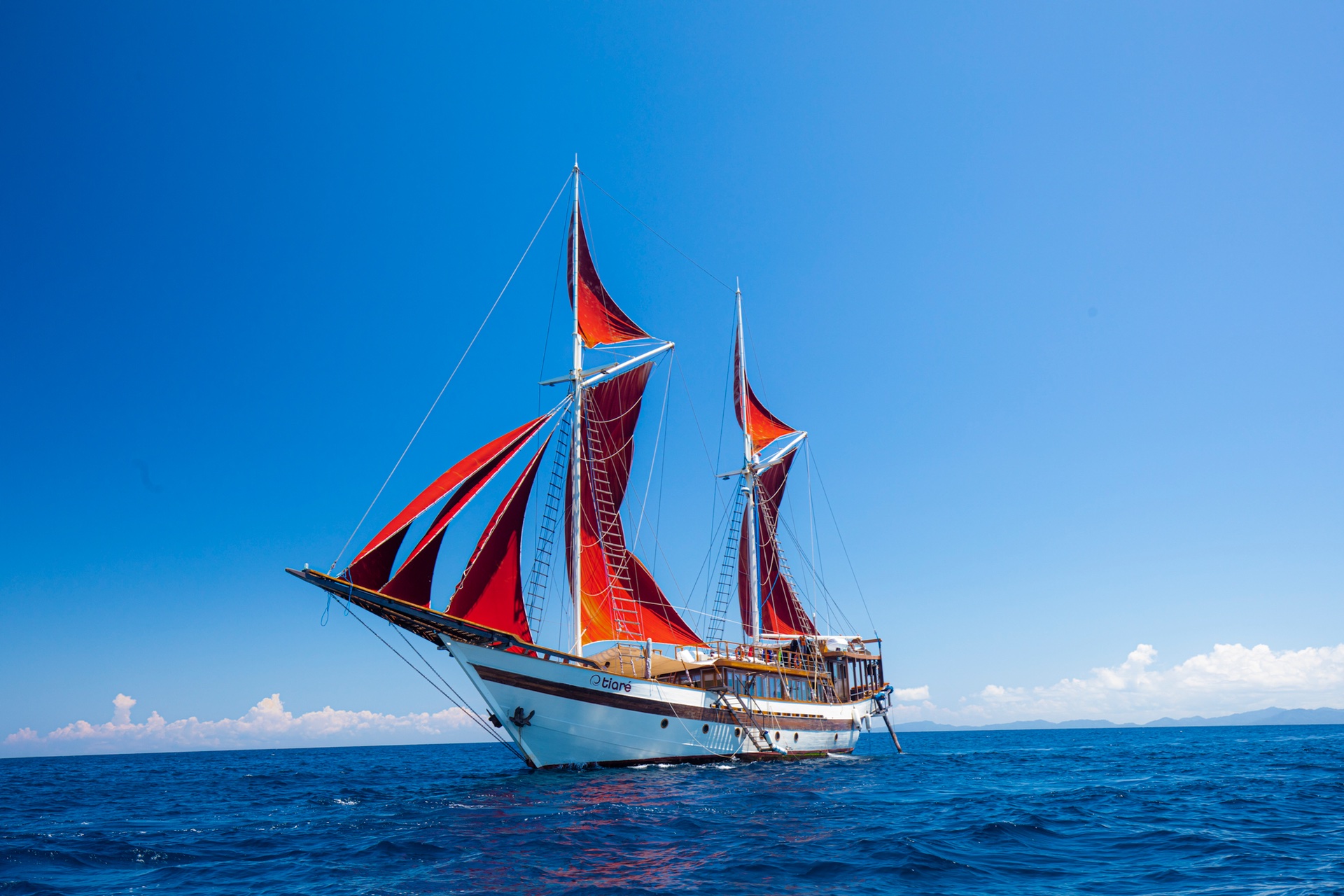
Tiare Cruise
Indonesia
12 guests36.5 m
$473/day
Dive sites similar to Toyapakeh Wall
Same character, same waters — six more sites divers love for the exact same reasons.Compare seasons, access and liveaboard routes — then pick the site that fits your trip best.
© Esri — Maxar, Earthstar, GIS
Batununggul
Bali
Batununggul, also known as Suana or Batumulapan by some operators, is a dynamic wall and sloping reef dive site situated on the eastern side of Nusa Penida, Bali.
- Suitable for
- Advanced
- Current
- Strong
- Access
- Liveaboard or dayboat
- Depth
- 10–40 m
- Theme
- Wall
Lipah Bay is situated on Bali's northeast coast within the Amed area, nestled against the dramatic backdrop of Gunung Agung.
- Suitable for
- Beginner
- Current
- Mild
- Access
- Liveaboard or dayboat
- Depth
- 5–30 m
- Theme
- Reef / Drift
© Esri — Maxar, Earthstar, GIS
Gili Tepekong
Bali
Gili Tepekong is one of three volcanic islets situated off the coast of Amuk Bay, near Padang Bai and Candidasa in East Bali.
- Suitable for
- Advanced
- Current
- Strong
- Access
- Liveaboard or dayboat
- Depth
- 10–40 m
- Theme
- Cave & cavern / Drift
© Esri — Maxar, Earthstar, GIS
Dream Wall
Bali
Dream Wall is one of Menjangan Island's premier dive sites, located within the protected West Bali National Park marine area.
- Suitable for
- Beginner
- Current
- Mild
- Access
- Dayboat
- Depth
- 10–60 m
- Theme
- Wall / Reef
Pura Ped, located on the northern coast of Nusa Penida, is a celebrated dive site known for its extensive and healthy reef system.
- Suitable for
- Intermediate
- Current
- Strong
- Access
- Liveaboard or dayboat
- Depth
- 5–30 m
- Theme
- Drift / Reef
© Esri — Maxar, Earthstar, GIS
Gili Selang
Bali
Gili Selang is a small island located off Bali's easternmost tip, forming a striking geological feature at the foot of Mount Seraya.
- Suitable for
- Advanced
- Current
- Strong
- Access
- Liveaboard or dayboat
- Depth
- 4–50 m
- Theme
- Drift / Wall