About Mangrove Point
Mangrove Point is a captivating dive site situated on the north coast of Nusa Lembongan, directly opposite a lush mangrove forest. This unique positioning contributes vital nutrients, fostering one of the healthiest and most vibrant coral reefs in the Nusa Penida region. The topography features a long, gently sloping coral plateau that descends from around 6 meters to depths of 30-40 meters, characterized by an explosion of hard corals, fire corals, gorgonian gardens, and sandy patches. The healthy reef structure creates a bustling underwater metropolis, showcasing dense biodiversity from large pelagics to intricate macro life. Diving here usually involves a gentle drift from west to east, offering a serene experience as you glide effortlessly over the reef. This steady current, combined with excellent visibility often exceeding 20 meters, makes Mangrove Point an ideal location for divers of all levels, from those taking their first breaths underwater to seasoned explorers. The site's rich ecosystem ensures a dynamic and extraordinary underwater show, with an abundance of marine life always in motion. Divers can easily spend an hour exploring the extensive coral formations, though a stronger current can shorten the drift, carrying you across the entire site in about twenty minutes. Marine encounters are consistently rewarding. Expect to find green turtles resting in coral crevices, eagle rays gracefully soaring by, and various schools of trevally. While common sightings include lionfish and dolphins, the site is also known for seasonal appearances of the elusive Mola Mola and even whale sharks. The diverse coral landscape is also home to a myriad of smaller creatures, offering photographic opportunities for nudibranchs, peacock mantis shrimp, and various colorful reef fish. The eastern end of the site is marked by submarine cables, serving as a natural boundary to avoid stronger currents towards the nearby Blue Corner.
Highlights
Beautiful drift diveDiverse reef fishManta ray sightingsExcellent coral healthAccessible for intermediates
Season calendar
Best months to dive here
Jan
Feb
Mar
Apr
May
Jun
Jul
Aug
Sep
Oct
Nov
Dec
Excellent
Good
Dive site facts: Mangrove Point
- Depth
- 6–35 m
- Typical dive
- 12–25 m, 50–60 min
- Current
- Mild to moderate, typically west to east
- Visibility
- 20–25 m (up to 40 m in dry season)
- Water temperature
- 25–28°C (can drop to 24°C in dry season)
- Entry
- Boat / tender
- Level
- All levels (Open Water to Advanced)
- Dive type
- Drift, coral garden, photography
- Night dive
- Possible
- Region / port
- Nusa Lembongan
- Coordinates
- -8.689, 115.455
Conditions & Currents
The site is renowned for its gentle, steady current, usually flowing from west to east, which facilitates an effortless drift dive. While generally mild, currents can vary from none to moderate, occasionally becoming strong enough to shorten a classic hour-long drift to about twenty minutes. Entry is typically by boat.
Marine life & sighting chances

Green turtle
common
Hawksbill turtle
common
Eagle ray
common
Oceanic sunfish
July–October · occasional
Fusilier
common
Surgeonfish
common
Angelfish
common
Parrotfish
common
Sweetlips
common
Moray eel
common
Stingray
occasional
Reef shark
occasional
Barracuda
occasional
Giant trevally
occasionalDive profile & how the dive runs
Your dive at Mangrove Point typically begins with a boat entry, followed by a descent onto a shallow coral plateau ranging from 6 to 12 meters. The dive is primarily a drift, with the current gently guiding you over a sloping reef that gradually deepens to 30-35 meters. You'll glide past hard corals, gorgonian gardens, and sandy patches where stingrays often hide. The main route follows the reef contour, allowing divers to observe marine life both on the plateau and in the blue. The turn point is usually signaled by the guide or dictated by air consumption and current strength. Ascend before reaching the submarine cables at the eastern end of the site, as stronger currents toward Blue Corner can develop there. Your safety stop will be conducted in the shallower sections of the reef, enjoying the prolific reef fish and corals.
Underwater photography
Mangrove Point offers excellent opportunities for both wide-angle and macro photography. For wide-angle, the extensive, healthy coral gardens and schooling fish make for captivating reef-scapes; a rectilinear wide-angle lens is ideal to capture the grandeur of the coral plateau. When shooting pelagics like eagle rays or Mola Mola, ensure your strobe power is set for distant subjects and be patient for clear water. Macro enthusiasts will find a rich array of nudibranchs, mantis shrimps, and cleaner shrimps among the corals, best captured with a dedicated macro lens and snooted strobes for creative lighting. Buoyancy control is paramount during the drift to avoid disturbing the pristine corals and to maintain stable shots.
Combine with nearby dive sites
- Gamat Bay
A sheltered cove with clear water and coral bommies, ideal for macro and occasional pelagic sightings.
- Toyapakeh Wall
Features strong currents along a vibrant wall, showcasing prolific marine life and corals.
- Crystal Bay
Known for large coral bommies and a high chance of Mola Mola sightings during the season.
- Sental
The gentlest drift dive on the north coast, with sponges, soft corals, and abundant anthias.
- Pura Ped
Offers serene slopes and sandy patches, transitioning to a reef slope with occasional thresher shark and Mola Mola sightings.
Getting there & logistics
Access to Mangrove Point is typically from Nusa Lembongan, with boats departing from Toyapakeh, a journey of approximately 10-15 minutes. Divers traveling from mainland Bali can reach Nusa Lembongan via a 45-minute fast boat ride from Sanur or Padang Bai. Day trips from Bali often combine dives at Nusa Lembongan and Nusa Penida sites. No specific permits beyond standard dive operator fees are generally required. Most dive operators on Nusa Lembongan or Nusa Penida will include this site in their itinerary, often as part of a two- or three-dive day package.
Safety & environment
Diving at Mangrove Point is generally safe due to its predictable currents, but divers should always be mindful of local conditions and follow their dive guide. The nearest recompression chamber is in Denpasar, Bali, necessitating a boat transfer followed by land transport, which can take several hours. Comprehensive dive insurance covering evacuation and medical treatment is highly recommended. Pay close attention to your depth and air consumption during drift dives. Do not venture beyond the submarine cables at the eastern end of the site, as currents can become significantly stronger and potentially sweep divers towards the more challenging Blue Corner.
Who it suits — and who it doesn't
Suited for
- Beginner divers looking for a gentle drift
- Photographers (wide-angle and macro)
- Open Water Diver training (dives 3 and 4)
- Divers seeking abundant coral and reef fish
- Drift dive enthusiasts
Less suited for
- Divers uncomfortable with currents
- Those uninterested in coral reef ecosystems
- Divers seeking only large pelagic action (though possible, it's not guaranteed)
- Divers unwilling to wear adequate thermal protection during cooler months
FAQ
Mangrove Point FAQ
What is the best time of year to dive Mangrove Point?
Mangrove Point is a fantastic dive site year-round due to its consistently healthy corals and diverse marine life. However, if you are specifically hoping to spot a Mola Mola, the cooler dry season from July to October offers the highest chances, as they come closer to the surface during these months.
How strong are the currents at Mangrove Point?
The currents at Mangrove Point are generally mild to moderate and predominantly flow from west to east, creating an enjoyable drift dive experience. This makes the site accessible for divers of all experience levels. While usually predictable, always be attentive to your dive guide for any localized changes in current strength or direction.
What marine life can I expect to see at Mangrove Point?
You can expect to encounter a rich variety of marine life at Mangrove Point. Frequent sightings include green and hawksbill turtles, various species of reef fish like fusiliers and parrotfish, and occasional eagle rays. During the dry season (July-October), there's a good chance to see the elusive Mola Mola, or oceanic sunfish, especially in deeper areas.
Is Mangrove Point suitable for beginner divers?
Yes, Mangrove Point is very suitable for beginner divers. Its gentle slope allows for dives in shallow areas between 6-12 meters, which are perfect for first-time divers or Open Water training. The predictable and usually mild drift current makes it an excellent site to experience drift diving in a comfortable and safe environment.
What water temperature should I expect?
Water temperatures at Mangrove Point are generally warm, ranging from 25-28°C for most of the year. During the Mola Mola season, from July to October, temperatures can drop to 24°C or even occasionally lower, especially in deeper sections due to upwellings. A 3mm wetsuit is usually sufficient, but a 5mm might be preferred by those sensitive to cold during the cooler months.
How long does it take to reach Mangrove Point?
Mangrove Point is easily accessible from Nusa Lembongan. From the main departure point of Toyapakeh, it takes approximately 10 to 15 minutes by boat to reach the dive site. If you are coming from mainland Bali, a fast boat from Sanur or Padang Bai will take about 45 minutes to reach Nusa Lembongan.
Why dive Mangrove Point from a liveaboard?
Mangrove Point is one of Bali's signature dive sites. A liveaboard sleeps you on the water and puts you in the water for three to four guided dives per day, including dawn and night dives that day-boat operators rarely offer. You skip the daily commute back to port and reach quieter, less-crowded sites in the same region on a single trip.
Below are the liveaboards that include Mangrove Point on their Bali itineraries.
Liveaboards diving Mangrove Point
These liveaboards may visit Mangrove Point on selected itineraries — the exact dive sites depend on departure, weather and conditions.
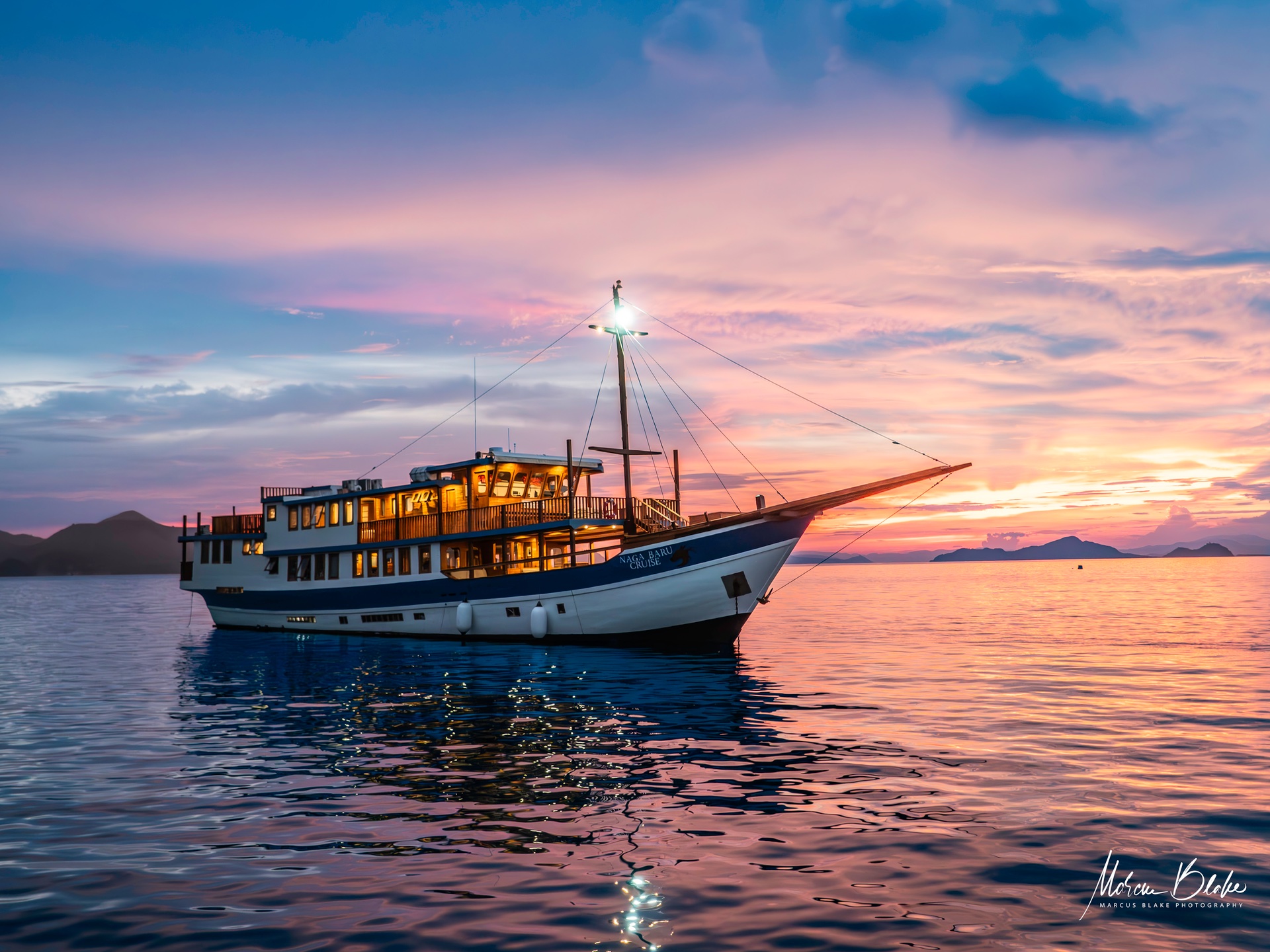
Naga Biru
Indonesia
12 guests40 m
$273/day
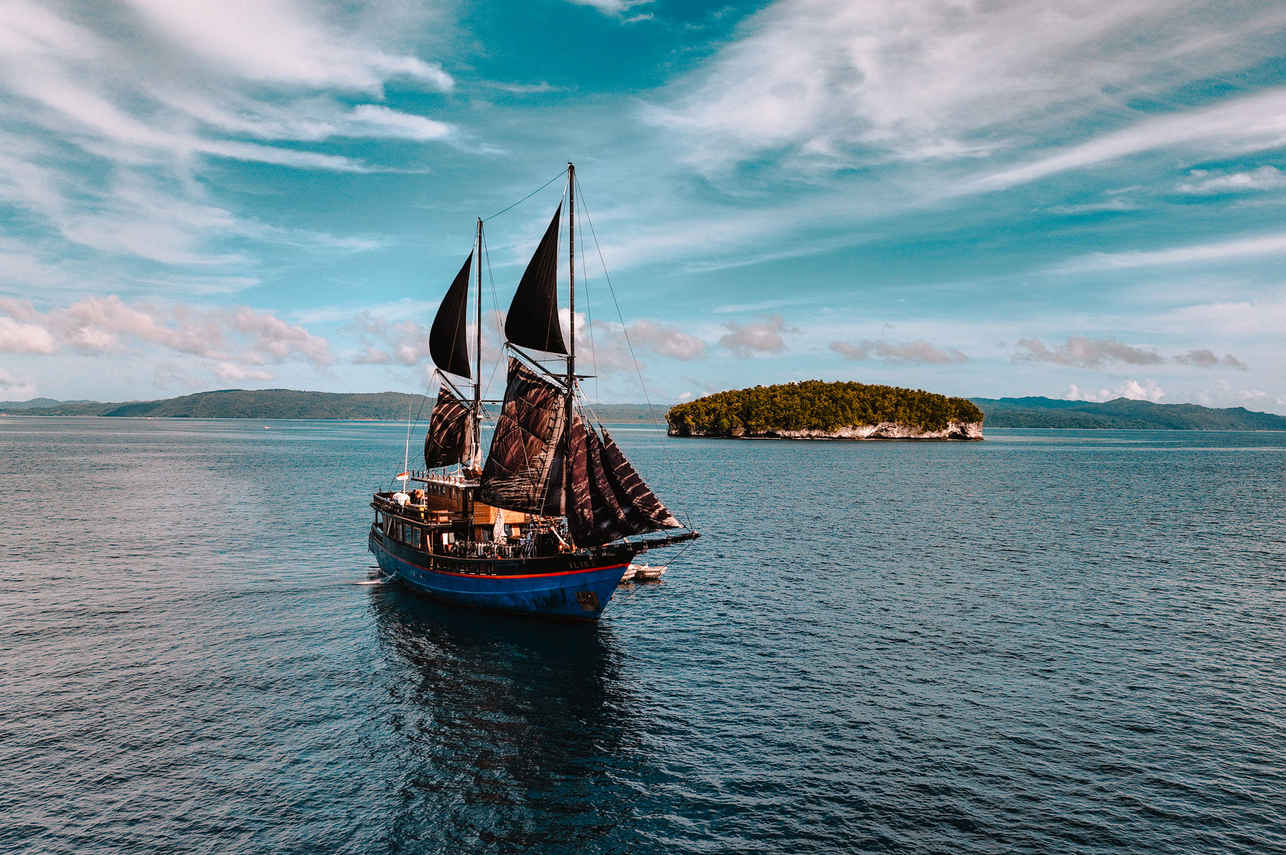
Ilike
Indonesia
16 guests40 m
$350/day
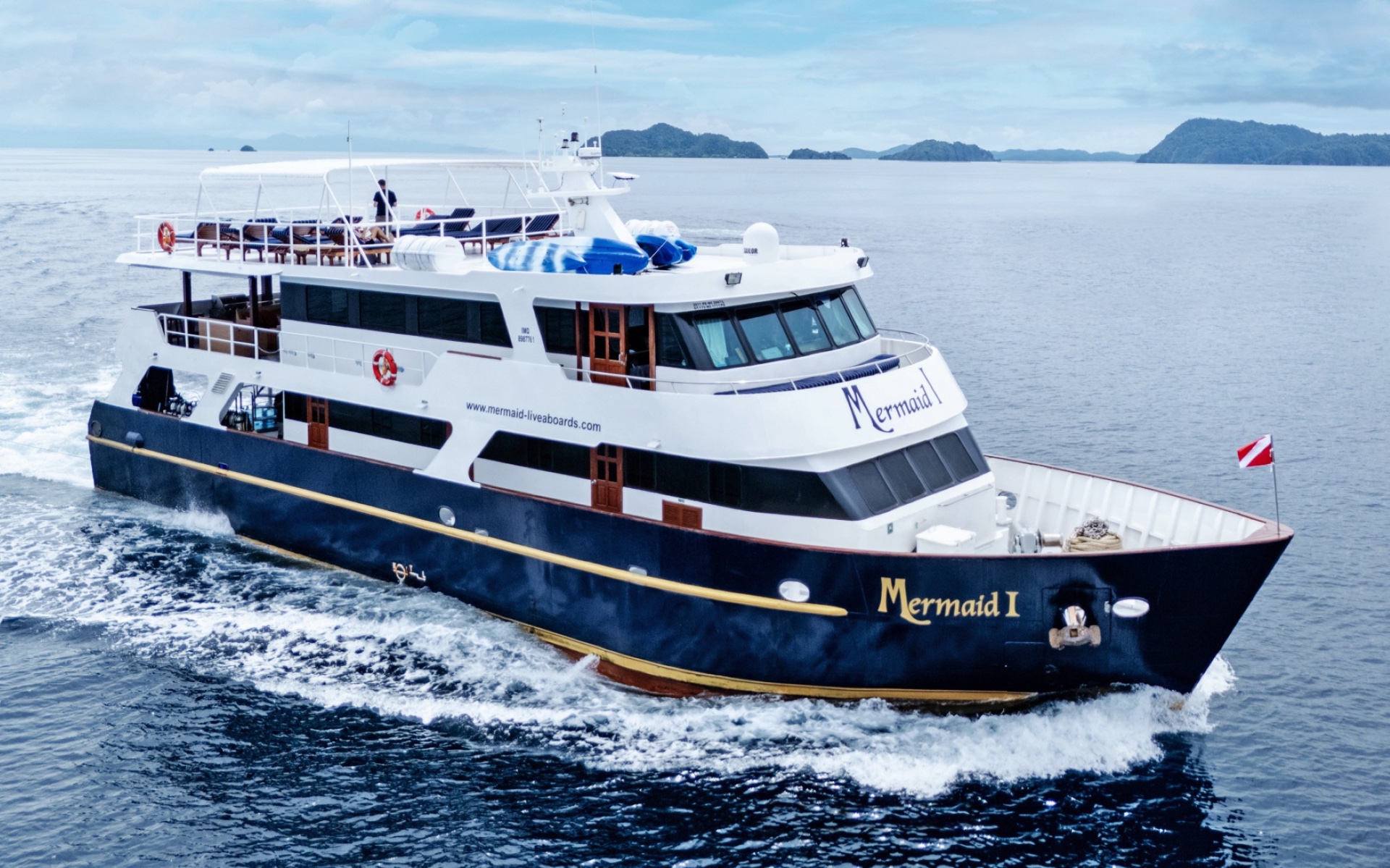
Mermaid I
Alor
15 guests28 m
$479/day
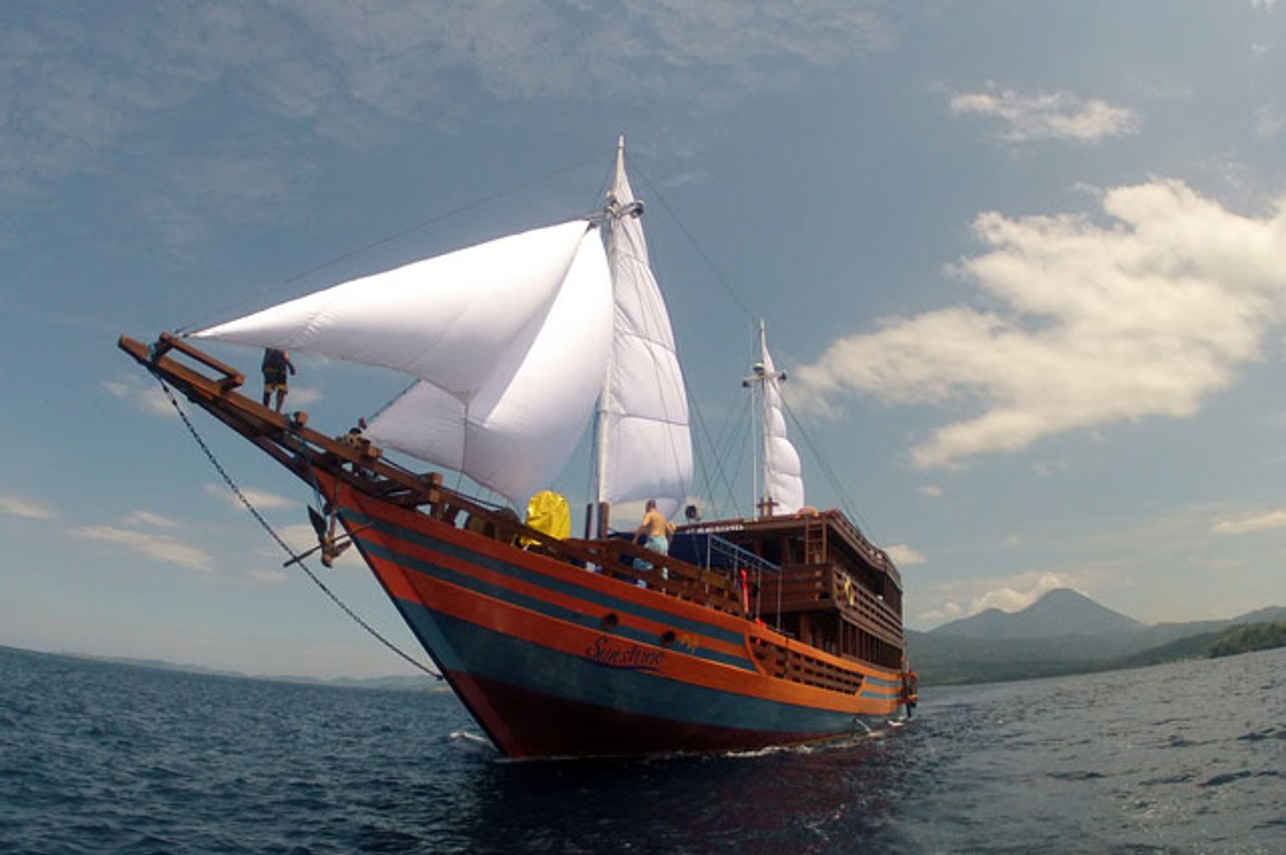
Sunshine Liveaboard
Indonesia
10 guests31 m
$191/day
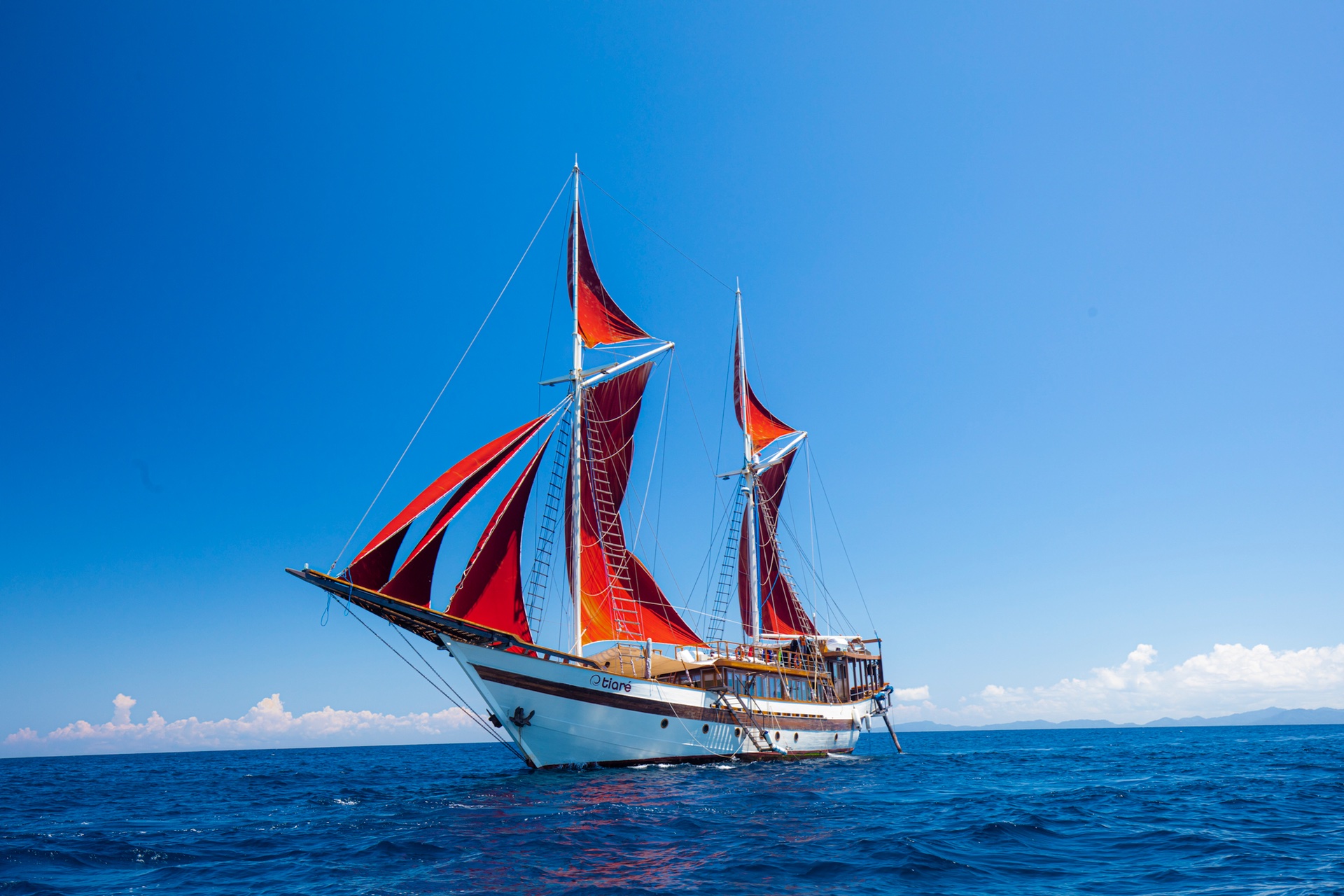
Tiare Cruise
Indonesia
12 guests36.5 m
$473/day
Dive sites similar to Mangrove Point
Same character, same waters — six more sites divers love for the exact same reasons.Compare seasons, access and liveaboard routes — then pick the site that fits your trip best.
Lipah Bay is situated on Bali's northeast coast within the Amed area, nestled against the dramatic backdrop of Gunung Agung.
- Suitable for
- Beginner
- Current
- Mild
- Access
- Liveaboard or dayboat
- Depth
- 5–30 m
- Theme
- Reef / Drift
© Esri — Maxar, Earthstar, GIS
Gili Tepekong
Bali
Gili Tepekong is one of three volcanic islets situated off the coast of Amuk Bay, near Padang Bai and Candidasa in East Bali.
- Suitable for
- Advanced
- Current
- Strong
- Access
- Liveaboard or dayboat
- Depth
- 10–40 m
- Theme
- Cave & cavern / Drift
Puri Jati, often referred to as PJ, is located on Bali's north coast near Lovina, on the outskirts of Seririt village.
- Suitable for
- Intermediate
- Current
- No current
- Access
- Shore / dayboat
- Depth
- 6–12 m
- Theme
- Reef
© Esri — Maxar, Earthstar, GIS
Japanese Wreck
Bali
The Japanese Wreck is a compelling dive site located in Banyuning Bay, just off the beach in Amed, Bali.
- Suitable for
- Beginner
- Current
- Moderate
- Access
- Shore / dayboat
- Depth
- 6–12 m
- Theme
- Wreck / Reef
© Esri — Maxar, Earthstar, GIS
Dream Wall
Bali
Dream Wall is one of Menjangan Island's premier dive sites, located within the protected West Bali National Park marine area.
- Suitable for
- Beginner
- Current
- Mild
- Access
- Dayboat
- Depth
- 10–60 m
- Theme
- Wall / Reef