About Sental
Sental is a captivating drift dive situated along the northern coast of Nusa Penida, close to other renowned sites like SD and PED. This site is particularly special for its remarkably intact and lively reef system, thriving despite the presence of underwater cables connecting Bali and Nusa Penida. Divers here can anticipate a smooth drift experience along a colorful wall, which gradually transforms into a shallow plateau, offering a diverse underwater landscape. Depths at Sental range from 5 to 30 meters, accommodating a wide spectrum of diving levels from beginners to experienced critter hunters. The site's primary allure lies in its rich macrofauna, presenting a continuous treasure hunt for keen-eyed divers. From nudibranchs to orangutan crabs and elusive ghost pipefish, Sental promises unique encounters with smaller marine creatures. While currents are generally moderate, they are consistent, making Sental an ideal location for effortless drift diving where the underwater scenery unfolds as you glide along. Visibility is typically excellent, ranging from 15 to 30 meters, ensuring clear views of the vibrant corals and diverse inhabitants. Water temperatures hover around 26-28°C on the north coast, though thermoclines can bring cooler conditions, particularly during the Mola Mola season from July to October. The site is easily accessible by boat from Toyapakeh, and its adaptable conditions make it suitable for various dive activities, including discovery dives and advanced training. Sental offers a rewarding experience for those who appreciate detailed observation and seamless drift diving within a thriving coral ecosystem.
Highlights
Vibrant reef wallAbundant macro lifeSmooth drift divingNudibranchs and ghost pipefishColorful soft coralsAccessible for all levels
Season calendar
Best months to dive here
Jan
Feb
Mar
Apr
May
Jun
Jul
Aug
Sep
Oct
Nov
Dec
Excellent
Good
Dive site facts: Sental
- Depth
- 5–30 m
- Current
- Moderate
- Visibility
- 15–30 m
- Water temperature
- 26–28°C (can drop to 18–20°C)
- Entry
- Boat
- Level
- All levels
- Dive type
- Drift, wall, macro, photography
- Region / port
- Nusa Penida
- Coordinates
- -8.7, 115.44
Conditions & Currents
Sental is characterized by consistent moderate currents, which facilitate its signature drift dive experience. These currents are part of the larger Indonesian Throughflow, influencing many sites around Nusa Penida. While generally predictable, local guides are essential as conditions can vary with tides. During colder months, upwellings can introduce thermoclines, causing water temperatures to drop, particularly at deeper sections of the dive. Visibility remains good, typically between 15-30 meters, even with the currents. Divers should be proficient in drift diving techniques and maintain good buoyancy to fully appreciate the macro life along the wall.
Marine life & sighting chances

Nudibranchs
common
Orangutan crabs
common
Cleaning shrimp
common
Ghost pipefish
occasional
Reef fish
common
Trevallies
occasional
Batfish
occasional
Sweetlips
occasional
Mola Mola
July-October · rareDive profile & how the dive runs
Diving Sental typically begins with a boat entry, allowing you to quickly descend onto the reef wall. The dive usually proceeds as a drift, letting the moderate current carry you along the vibrant northern coast. You'll explore depths ranging from 5 to 30 meters, focusing on the colorful wall and its intricate macro life. Dive masters will guide your attention to nudibranchs, orangutan crabs, and various shrimp species nestled within the corals. As the dive progresses, the wall transitions to a shallower plateau, which is an excellent area for observing smaller reef fish and is often utilized for safety stops. The overall dive duration is planned around the current strength and gas consumption, typically concluding with a safety stop in the shallower, calmer areas before ascending to the boat.
Underwater photography
Sental is a macro photographer's dream, requiring a keen eye and steady hands to capture its elusive subjects. A macro lens (e.g., 60mm or 100mm/105mm) is ideal for nudibranchs, orangutan crabs, and ghost pipefish, which are common here. Utilize snoots or off-camera strobes to highlight intricate details and reduce backscatter against the vibrant corals. Buoyancy control is paramount to avoid disturbing delicate critters and to position yourself effectively in the gentle to moderate current. Given the excellent visibility and colorful reef, wide-angle opportunities also arise for capturing the overall wall structure and schooling fish, though the site's true gem is its macro diversity. Practice patience and observe ethical photography practices, ensuring minimal impact on the marine environment.
Combine with nearby dive sites
- SD Point
Another popular northern drift dive on Nusa Penida, known for its healthy corals and diverse reef fish.
- Mangrove Point
Located in Nusa Lembongan, offering pristine reefs and abundant marine life in gentler currents.
- Crystal Bay
Famous for seasonal Mola Mola sightings and stunning coral gardens, although with stronger, unpredictable currents.
- Gamat Bay
A sheltered cove with vibrant coral and abundant reef fish, popular for both macro and wider shots.
Getting there & logistics
Diving Sental is typically done as a day trip from Bali, with fast boats departing from Sanur or Padang Bai, taking approximately 40-50 minutes to reach Nusa Penida. Alternatively, you can stay on Nusa Penida or Nusa Lembongan, where dive operators are readily available and can reach Sental quickly from Toyapakeh. Most dive centers offer multi-dive packages that combine Sental with other northern Nusa Penida sites like SD or PED. There are no specific park fees directly for Sental, but dive operators' costs usually cover boat fees and guiding. Expect daily diving trips to depart early morning to maximize optimal conditions and avoid potential crowds, especially during peak season.
Safety & environment
The nearest hyperbaric chamber for diving emergencies in Bali is located at Sanglah Hospital in Denpasar. Evacuation from Nusa Penida to the mainland would involve boat transport, followed by road travel, making comprehensive dive insurance with emergency evacuation coverage essential. At Sental, strong and unpredictable currents can sometimes occur, requiring divers to be proficient in drift diving techniques and maintain excellent buoyancy. Always dive with an experienced local guide who understands the daily conditions and tide changes. Be mindful of thermoclines, particularly between July and October, which can bring significantly colder water; a 5mm wetsuit is highly recommended for thermal protection. Always check your equipment thoroughly before each dive and adhere strictly to your dive plan and depth limits.
Who it suits — and who it doesn't
Suited for
- Macro photographers
- Critter enthusiasts
- Divers comfortable with drift diving
- Advanced Open Water Divers
- Beginners under direct supervision on shallow plateau
Less suited for
- Divers with poor buoyancy control
- Those who dislike currents
- Divers seeking only large pelagic encounters
- Individuals sensitive to cold water without proper thermal protection
FAQ
Sental FAQ
What kind of marine life can I expect at Sental?
Sental is renowned for its diverse macro life, making it a treasure trove for keen observers. You can frequently spot nudibranchs, orangutan crabs, and various cleaning shrimp species. If you're lucky, your dive master might point out well-camouflaged ghost pipefish amidst the soft corals.
Are the currents strong at Sental?
Sental typically experiences moderate currents, which are ideal for drift diving. This allows you to effortlessly glide along the reef wall and observe the marine life. However, like many sites around Nusa Penida, currents can sometimes be unpredictable, so diving with an experienced local guide is always recommended.
Is Sental suitable for beginner divers?
Yes, Sental can accommodate beginner divers, especially on its shallow plateau where conditions are calmer and coral life is rich. For those undertaking PADI courses or discovery dives, this area provides a safe and engaging environment. Deeper sections and stronger currents are better suited for more experienced divers.
What are the water temperatures like at Sental?
Water temperatures on the northern coast of Nusa Penida, including Sental, generally range between 26-28°C. However, during the Mola Mola season from July to October, cold upwellings can cause temperatures to drop significantly, sometimes to as low as 18-20°C. A 5mm wetsuit is often advised during these cooler periods.
How do I get to Sental dive site?
Sental is accessible by boat, typically from Toyapakeh on Nusa Penida, or as part of a day trip from Bali departing from Sanur or Padang Bai. The boat ride from Bali takes about 40-50 minutes. Most dive centers on Nusa Penida and Nusa Lembongan, or those operating out of mainland Bali, offer trips to Sental.
Why dive Sental from a liveaboard?
Sental is one of Bali's signature dive sites. A liveaboard sleeps you on the water and puts you in the water for three to four guided dives per day, including dawn and night dives that day-boat operators rarely offer. You skip the daily commute back to port and reach quieter, less-crowded sites in the same region on a single trip.
Below are the liveaboards that include Sental on their Bali itineraries.
Liveaboards diving Sental
These liveaboards may visit Sental on selected itineraries — the exact dive sites depend on departure, weather and conditions.
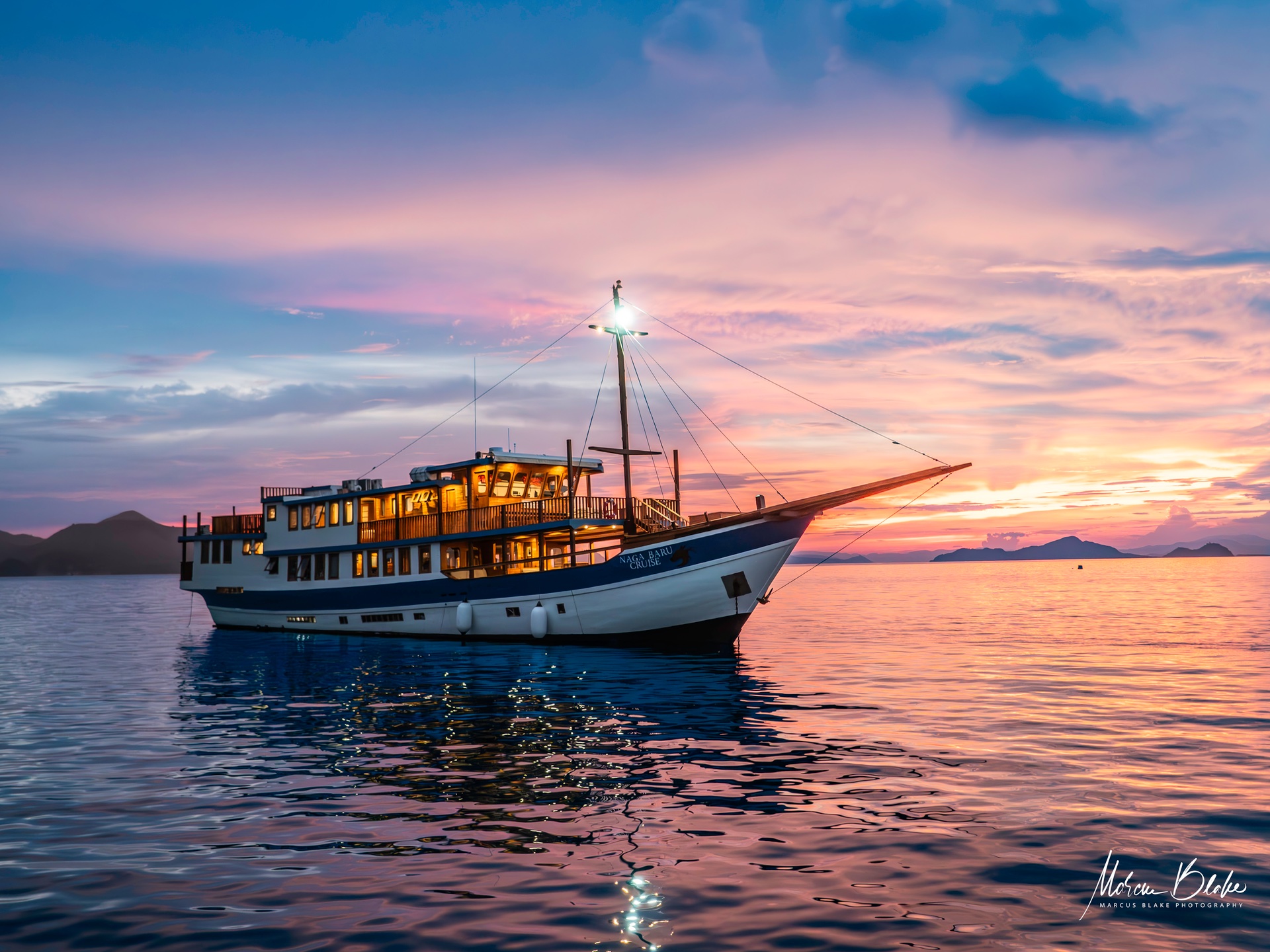
Naga Biru
Indonesia
12 guests40 m
$273/day
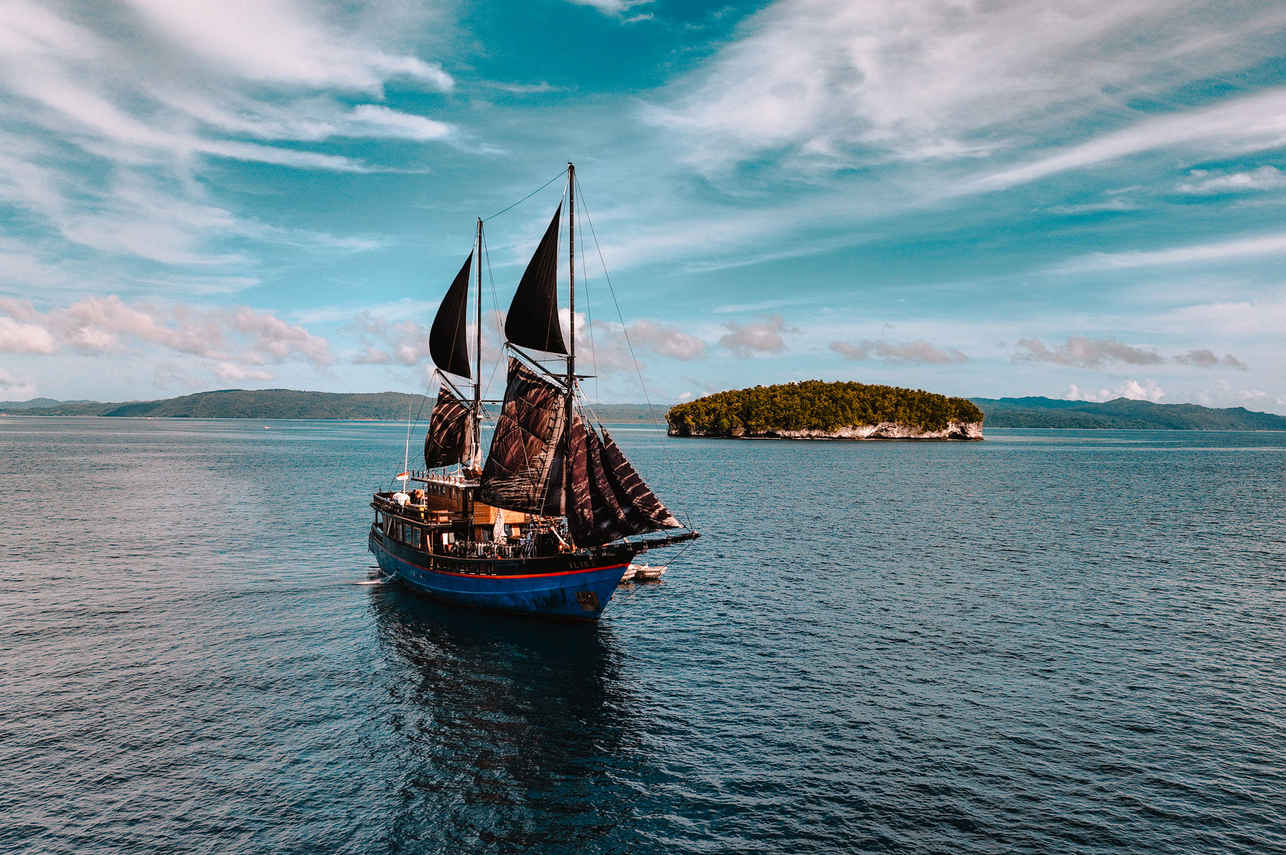
Ilike
Indonesia
16 guests40 m
$350/day
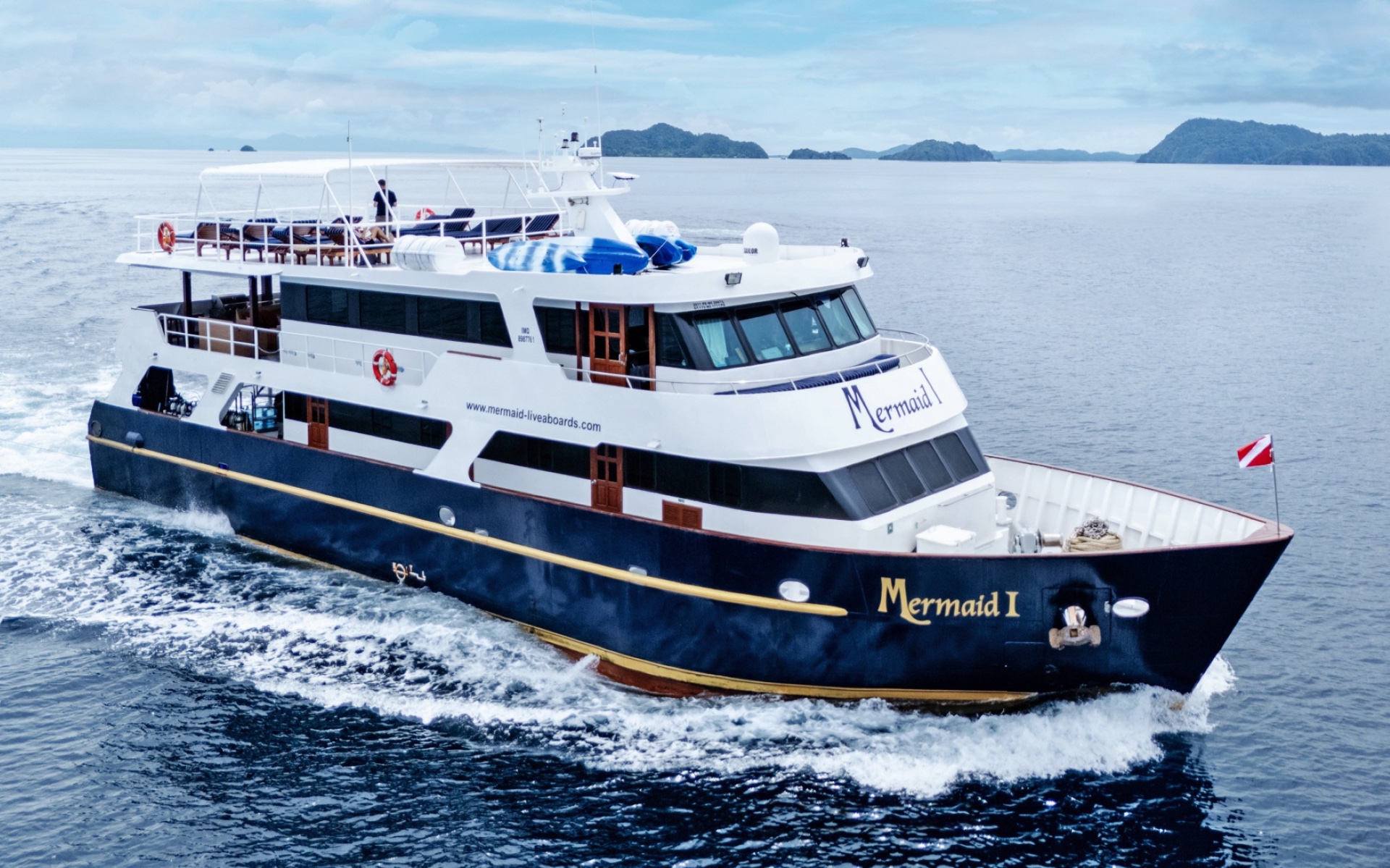
Mermaid I
Alor
15 guests28 m
$479/day
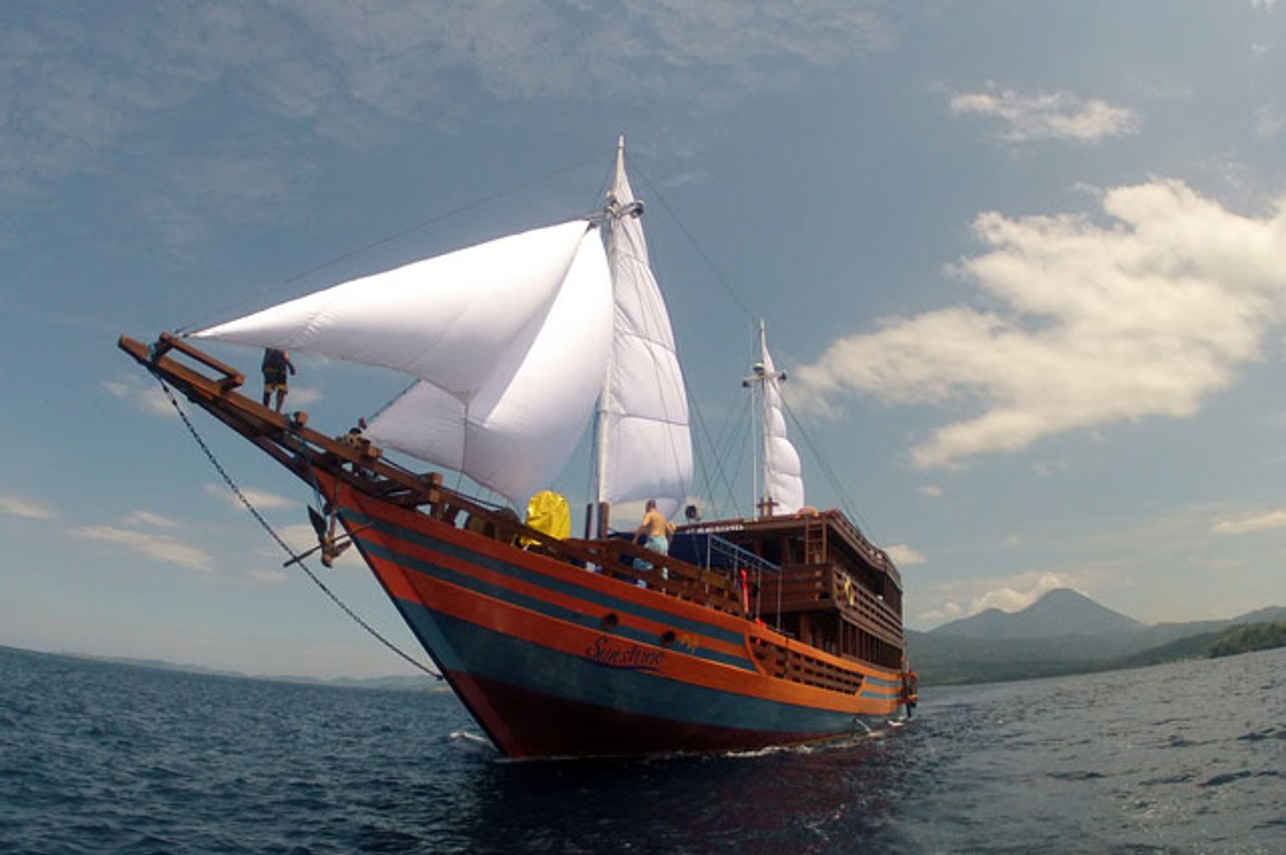
Sunshine Liveaboard
Indonesia
10 guests31 m
$191/day
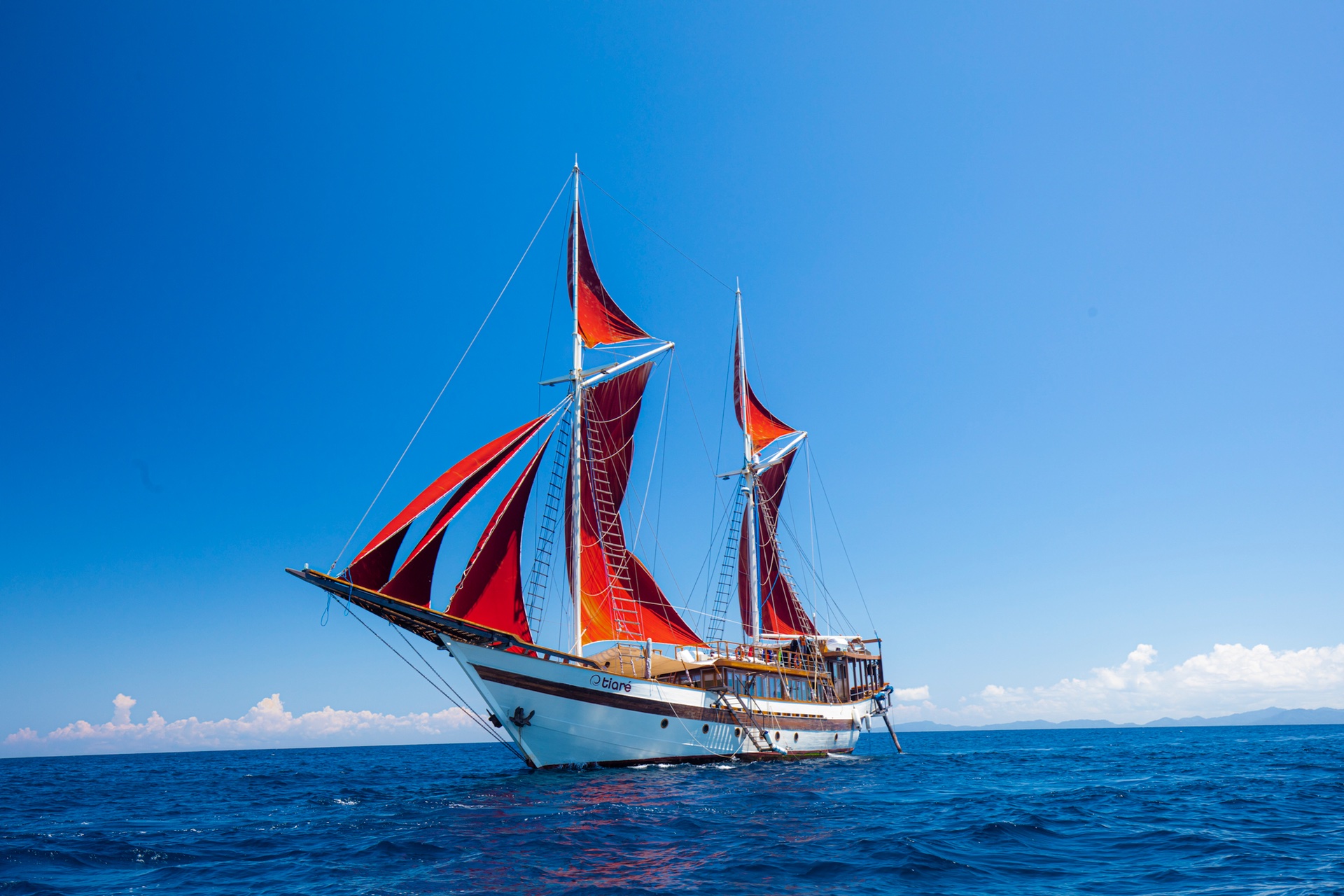
Tiare Cruise
Indonesia
12 guests36.5 m
$473/day
Dive sites similar to Sental
Same character, same waters — six more sites divers love for the exact same reasons.Compare seasons, access and liveaboard routes — then pick the site that fits your trip best.
The Alam Anda House Reef is situated in the northeast of Bali, away from the more heavily trafficked tourist zones.
- Suitable for
- Intermediate
- Current
- Mild
- Access
- Liveaboard or dayboat
- Depth
- 5–50 m
- Theme
- Reef
Amed Wall is a pristine dive site located off the east coast of Bali, accessible by traditional Jukung boat from Amed's black sandy beaches.
- Suitable for
- Intermediate
- Current
- Moderate
- Access
- Shore / dayboat
- Depth
- 5–30 m
- Theme
- Drift / Wall
© Esri — Maxar, Earthstar, GIS
Anchor Wreck
Bali
The Anchor Wreck is a celebrated dive site located off Menjangan Island, within the protected West Bali National Park.
- Suitable for
- Intermediate
- Current
- Moderate
- Access
- Dayboat
- Depth
- 4–40 m
- Theme
- Wall / Reef
© Esri — Maxar, Earthstar, GIS
Anker Wreck
Bali
The Anker Wreck, sometimes referred to as Angker Wreck, is a small, historically significant wooden shipwreck located off Menjangan Island in the protected Bali Barat National Park.
- Suitable for
- Intermediate
- Current
- Mild
- Access
- Dayboat
- Depth
- 5–40 m
- Theme
- Wreck / Wall
Bat Cave, situated on the southern side of Menjangan Island within West Bali National Park, is a celebrated dive site, primarily known for its captivating macro life and distinctive topography.
- Suitable for
- Intermediate
- Current
- Mild
- Access
- Liveaboard or dayboat
- Depth
- 5–35 m
- Theme
- Cave & cavern / Reef
© Esri — Maxar, Earthstar, GIS
Batu Kelebit
Bali
Batu Kelebit is a captivating dive site located near Tulamben Bay in northeast Bali, a short 15-minute journey by local jukung (outrigger fishing boat).
- Suitable for
- Advanced
- Current
- Strong
- Access
- Shore / dayboat
- Depth
- 8–50 m
- Theme
- Reef