About Blue Lagoon Padang Bai
Blue Lagoon, located near the ferry port of Padang Bai on Bali's east coast, stands out as a premier dive site renowned for its calm, clear waters and abundant marine biodiversity. This sheltered bay provides an ideal environment for both novice and experienced divers, making it a popular choice for those seeking an accessible yet rich underwater adventure. Its proximity to Sanur, just an hour's drive away, makes it a convenient day trip destination, often surprising divers who initially seek more famous sites like Tulamben or Nusa Penida. The site features a gently sloping reef that starts in very shallow water, descending to a maximum depth of around 18-20 meters. The topography includes extensive white sand patches interspersed with vibrant hard coral gardens, particularly on the north and south sides of the bay. Large table corals, impressive staghorn coral formations, and brain corals create a visually stunning landscape. The shallow areas, just 1-4 meters deep, are also excellent for snorkeling, allowing non-divers to appreciate the same rich marine life found below. Blue Lagoon is a macro photographer's dream, teeming with an incredible variety of small creatures. Divers can expect to find numerous nudibranch species, various pipefish, and leaf scorpionfish expertly camouflaged within the corals. Pygmy seahorses cling to gorgonian fans, while octopuses hide in crevices. Larger marine life such as hawksbill turtles are common, often seen resting in coral overhangs, and blue-spotted stingrays can be found partially buried in the sandy patches. Schools of yellowtail snappers add to the dynamic reef scene. Operating year-round, Blue Lagoon offers consistently good conditions, though the dry season from May to October typically brings the best visibility and calmest seas. Its protected nature means minimal current, providing a relaxing dive experience focused on observation rather than battling conditions. Dive operators frequently combine Blue Lagoon with othe
Highlights
Healthy hard coral gardensAbundant macro marine lifeSheltered, calm conditionsFrequent turtle sightingsWhite sand bottomBeginner-friendly depths
Season calendar
Best months to dive here
Jan
Feb
Mar
Apr
May
Jun
Jul
Aug
Sep
Oct
Nov
Dec
Excellent
Good
Dive site facts: Blue Lagoon Padang Bai
- Depth
- 5–18 m (up to 30 m in specific sections)
- Current
- None to mild
- Visibility
- 10–25 m
- Water temperature
- 20–29°C
- Entry
- Boat
- Level
- Open Water and above
- Dive type
- Reef, macro, beginner-friendly
- Night dive
- Possible
- Region / port
- Padang Bai, Bali
- Coordinates
- -8.533, 115.511
Conditions & Currents
Blue Lagoon is known for its generally calm conditions, with currents ranging from none to mild. This sheltered bay provides a forgiving environment, making it ideal for new divers or those refining their buoyancy skills. While surge can occasionally occur, it is typically minimal, allowing for relaxed navigation and extended observation of macro life. Visibility can range from good to occasionally low, influenced by local weather and run-off during the rainy season, though averages generally fall between 10-25 meters. Water temperatures are comfortably warm, typically between 20-29°C, with the cooler end observed during June to October. Entry is usually via a short boat ride from Padang Bai harbor, with multiple entry points allowing guides to select the most suitable spot based on prevailing surface conditions, ensuring a smooth start to the dive.
Marine life & sighting chances

Hawksbill turtle
common
Nudibranchs
common
Pygmy seahorse
occasional
Blue-spotted stingray
common
Leaf scorpionfish
occasional
Octopus
occasional
Yellowtail snapper
common
Frogfish
occasional
Ghost pipefish
occasional
Moray eels
common
Sweetlips
common
White tip reef shark
occasional
Lionfish
commonDive profile & how the dive runs
Dives at Blue Lagoon typically begin with a short boat ride from Padang Bai harbor. There are two primary buoy entry points, one at 5 meters and another directly to 18 meters; many divers prefer the shallower buoy for a gradual descent. From the entry point, the usual route involves heading left towards Tanjung Sari, a reef section with a maximum depth of 15-16 meters. Along this path, you'll encounter large sweetlips and hard coral formations, keeping an eye out for scorpionfish in the sand and stonefish or moray eels hiding under staghorn coral. Further along, a large triangular bommie often hosts white-tip reef sharks underneath. After exploring this area, the dive progresses shallower, typically at around 10 meters, as you make your way back towards the main Blue Lagoon area. The end of the dive includes a safety stop performed at a beautiful 3-meter reef section, maximizing bottom time for marine life observation.
Underwater photography
Blue Lagoon is a macro photography paradise, making a macro lens an excellent choice to capture the abundant nudibranchs, pygmy seahorses, and intricate pipefish. For wide-angle shots, the extensive coral gardens and schools of yellowtail snappers, particularly with the sun filtering through the shallow water, offer great opportunities. Given the generally calm conditions and minimal current, photographers can take their time composing shots without much effort. Good buoyancy control is essential to avoid disturbing the delicate corals and to get close to shy subjects without silting up the sandy bottom. Natural light can be sufficient in the shallower areas, but a strobe or video light will enhance colors and bring out details in deeper sections or for macro subjects, especially when illuminating creatures hidden in crevices.
Combine with nearby dive sites
- Jepun (Ferry Channel)
Known for macro life and a small wreck, often paired with Blue Lagoon.
- Gili Mimpang
For advanced divers seeking sharks and potential mola mola in stronger currents.
- Gili Tepekong
Another offshore site with stronger currents, known for larger pelagics.
- Crystal Bay
Famous for mola mola sightings, located off Nusa Penida.
- Tulamben Drop-Off
Features unique topography and rich marine life, a popular alternative for diverse diving.
Getting there & logistics
Diving at Blue Lagoon typically involves a day trip from Sanur, which is about an hour's drive east to Padang Bai. From the Padang Bai ferry port, dive boats depart for the short ride to the site. Many dive operators offer free hotel pick-up and drop-off in selected areas, making logistics straightforward. A typical day trip includes two dives, often combining Blue Lagoon with another nearby site like Jepun or Tanjung Sari, allowing divers to experience varied underwater environments. Lunch is usually taken at a local warung in Padang Bai between dives. While no specific permits or fees are mentioned for Blue Lagoon itself, dive packages generally cover boat transport, guides, and tanks. This convenient setup allows divers to return to their hotels in Sanur by late afternoon, balancing diving with other Balinese activities.
Safety & environment
While Blue Lagoon is generally considered a safe and beginner-friendly site, standard dive safety practices are crucial. Divers should always ensure they have adequate dive insurance that covers emergency medical treatment and evacuation, as incidents can occur even in calm conditions. The nearest recompression chamber is typically in Denpasar, requiring an evacuation that can be time-consuming, emphasizing the importance of preventative measures. Always dive within your certification limits and follow your guide's instructions. Site-specific hazards are minimal, but maintaining good buoyancy is important to protect the delicate coral gardens and avoid stirring up sediment. Respect marine life by observing from a distance and never touching or harassing creatures. Emergency procedures will be briefed by your dive operator before departure.
Who it suits — and who it doesn't
Suited for
- New Open Water divers
- Divers seeking calm, sheltered conditions
- Macro photographers
- Divers refreshing their skills
- Snorkelers and non-divers
- Families with varying dive experience
Less suited for
- Divers exclusively seeking large pelagics
- Those looking for strong current drift dives
- Divers preferring deep wreck exploration
- Individuals who dislike shallow coral reefs
FAQ
Blue Lagoon Padang Bai FAQ
What kind of marine life can I expect to see at Blue Lagoon?
Blue Lagoon is teeming with macro life, including numerous nudibranchs, various pipefish, leaf scorpionfish, and occasional pygmy seahorses. You can also frequently spot hawksbill turtles resting or feeding, blue-spotted stingrays on the sandy bottom, and schools of yellowtail snappers. Frogfish and ghost pipefish are also common finds for observant divers.
Is Blue Lagoon suitable for beginner divers?
Yes, Blue Lagoon is highly recommended for beginner divers and those completing their Open Water certification. The site features calm, sheltered conditions with minimal current and a gentle slope, making it a very forgiving and comfortable environment for learning and practicing dive skills. Its maximum depth of 18-20 meters is well within beginner limits.
When is the best time of year to dive Blue Lagoon?
The best time to dive Blue Lagoon is during Bali's dry season, which runs from April to November. During these months, the seas are typically calmer, and visibility is at its best, often reaching 15-30 meters. However, due to its sheltered nature, Blue Lagoon is diveable year-round, offering enjoyable conditions even during the rainy season.
How deep is Blue Lagoon and what is the typical visibility?
Blue Lagoon features a gently sloping reef with a maximum depth of around 18-20 meters, though some sections can extend to 30 meters. The typical visibility ranges from good to very good, generally between 10 to 25 meters, providing clear views of the vibrant coral gardens and diverse marine life.
Can I combine a dive at Blue Lagoon with other activities?
Absolutely. Blue Lagoon's convenient location near Padang Bai, just an hour from Sanur, makes it ideal for a day trip. You can enjoy two dives in the morning and still return to your hotel in the afternoon with plenty of time to explore Bali's cultural sites, relax by the pool, or enjoy local cuisine before dinner. Many operators combine it with nearby sites for variety.
Are there any specific hazards to be aware of when diving Blue Lagoon?
Blue Lagoon is considered a very safe dive site. The main considerations are maintaining good buoyancy control to protect the delicate corals and avoid stirring up the sandy bottom, especially for photographers. Currents are typically mild or non-existent, but always follow your dive guide's instructions and practice responsible diving by not touching or harassing marine life.
Why dive Blue Lagoon Padang Bai from a liveaboard?
Blue Lagoon Padang Bai is one of 's signature dive sites. A liveaboard sleeps you on the water and puts you in the water for three to four guided dives per day, including dawn and night dives that day-boat operators rarely offer. You skip the daily commute back to port and reach quieter, less-crowded sites in the same region on a single trip.
Below are the liveaboards that include Blue Lagoon Padang Bai on their itineraries.
Liveaboards diving Blue Lagoon Padang Bai
These liveaboards may visit Blue Lagoon Padang Bai on selected itineraries — the exact dive sites depend on departure, weather and conditions.
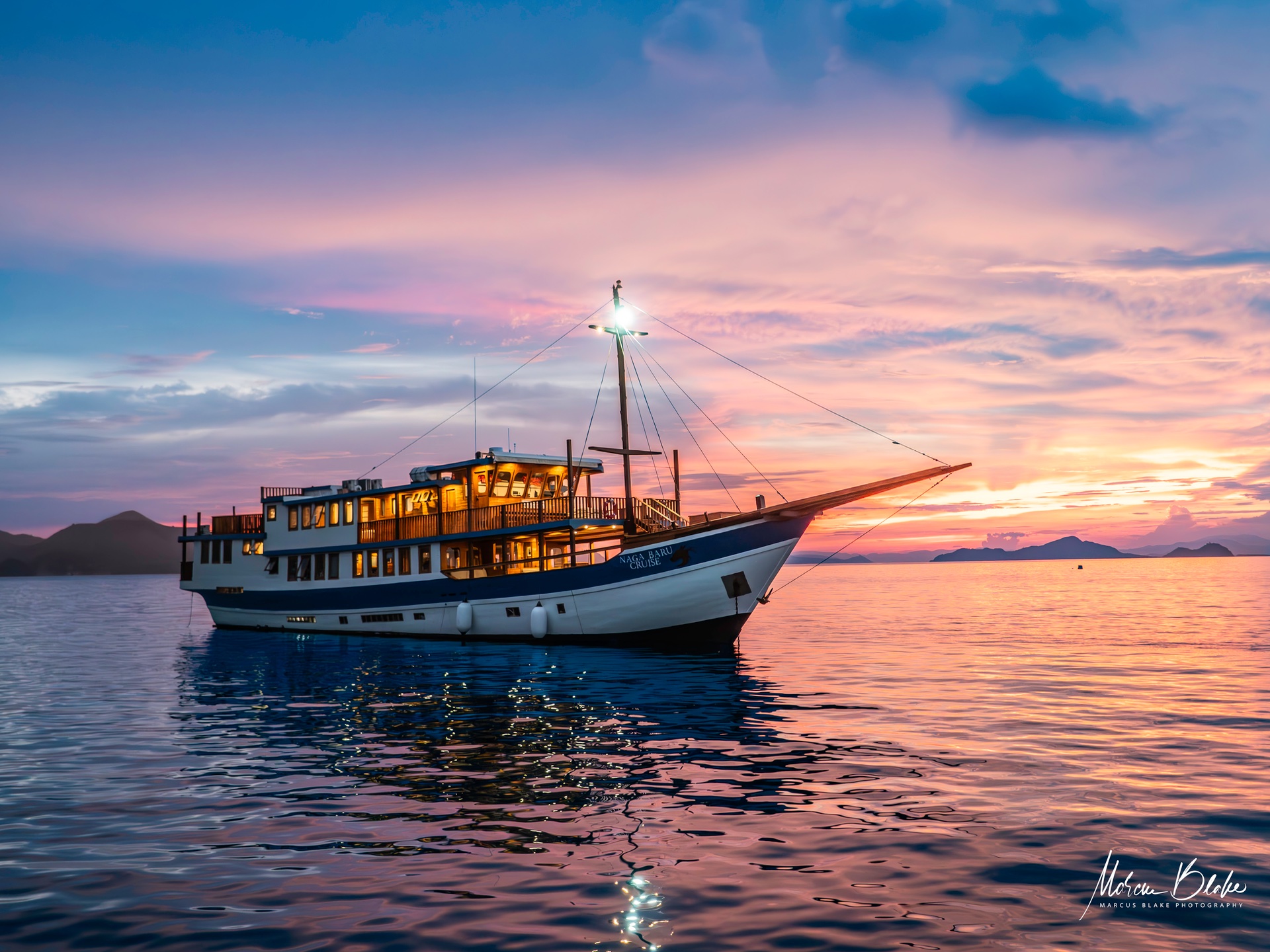
Naga Biru
Indonesia
12 guests40 m
$270/day
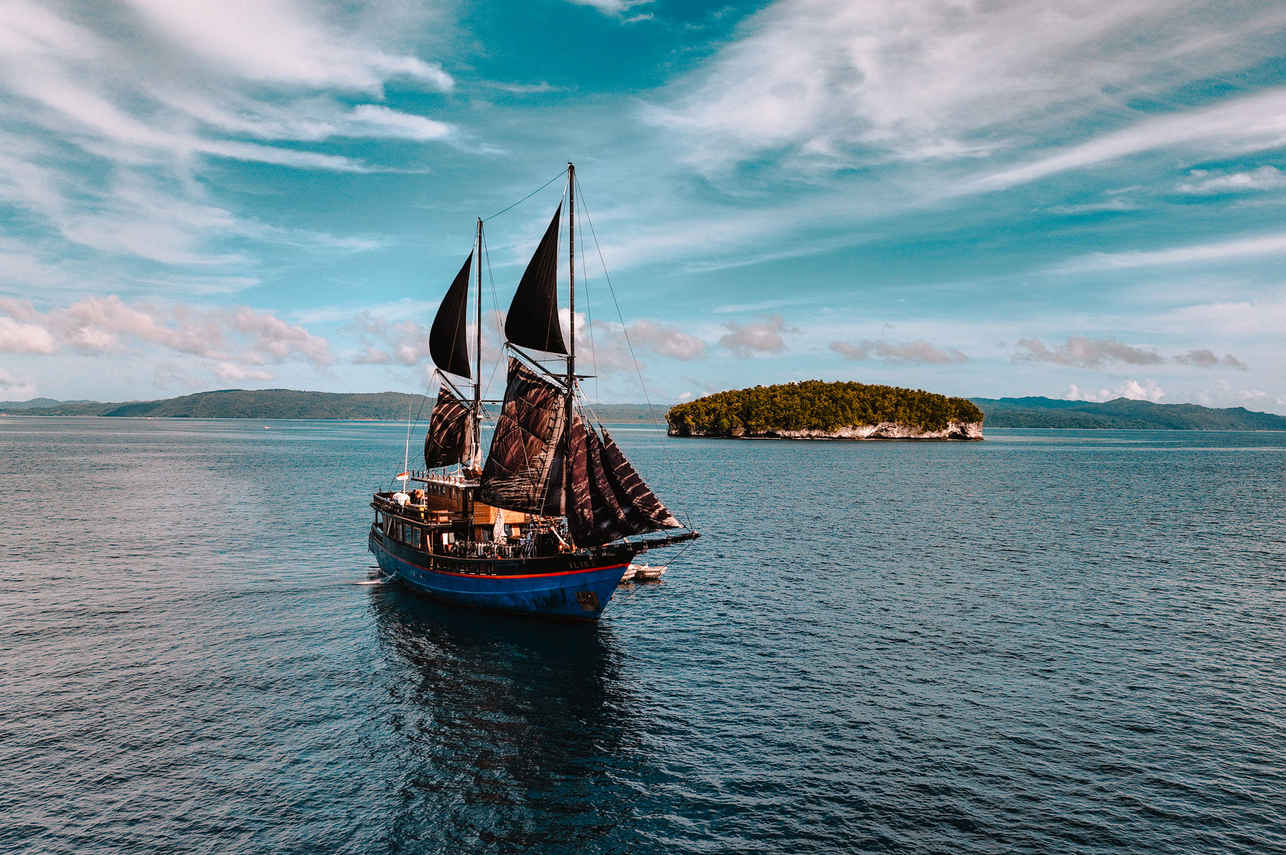
Ilike
Indonesia
16 guests40 m
$350/day
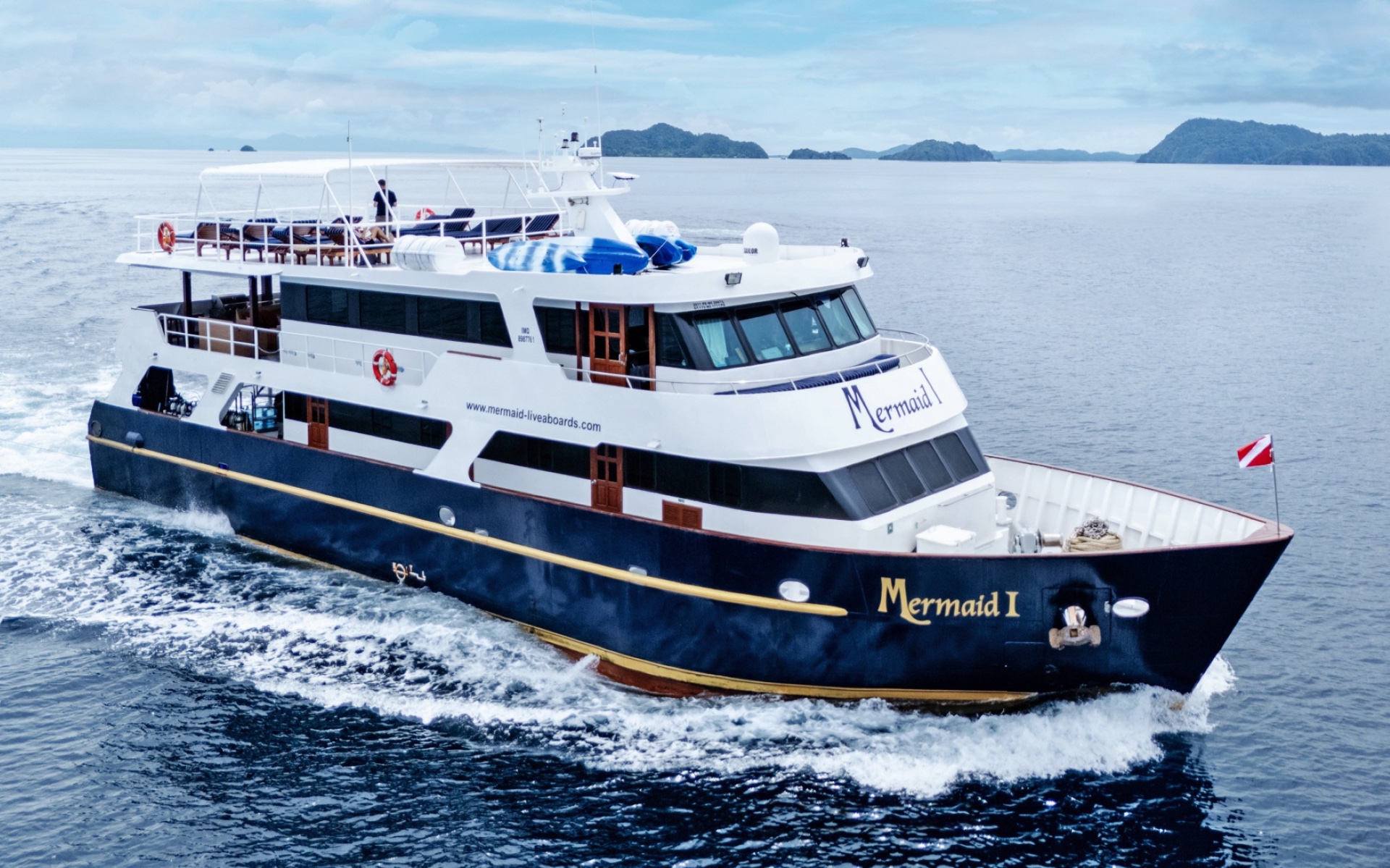
Mermaid I
Alor
15 guests28 m
$473/day
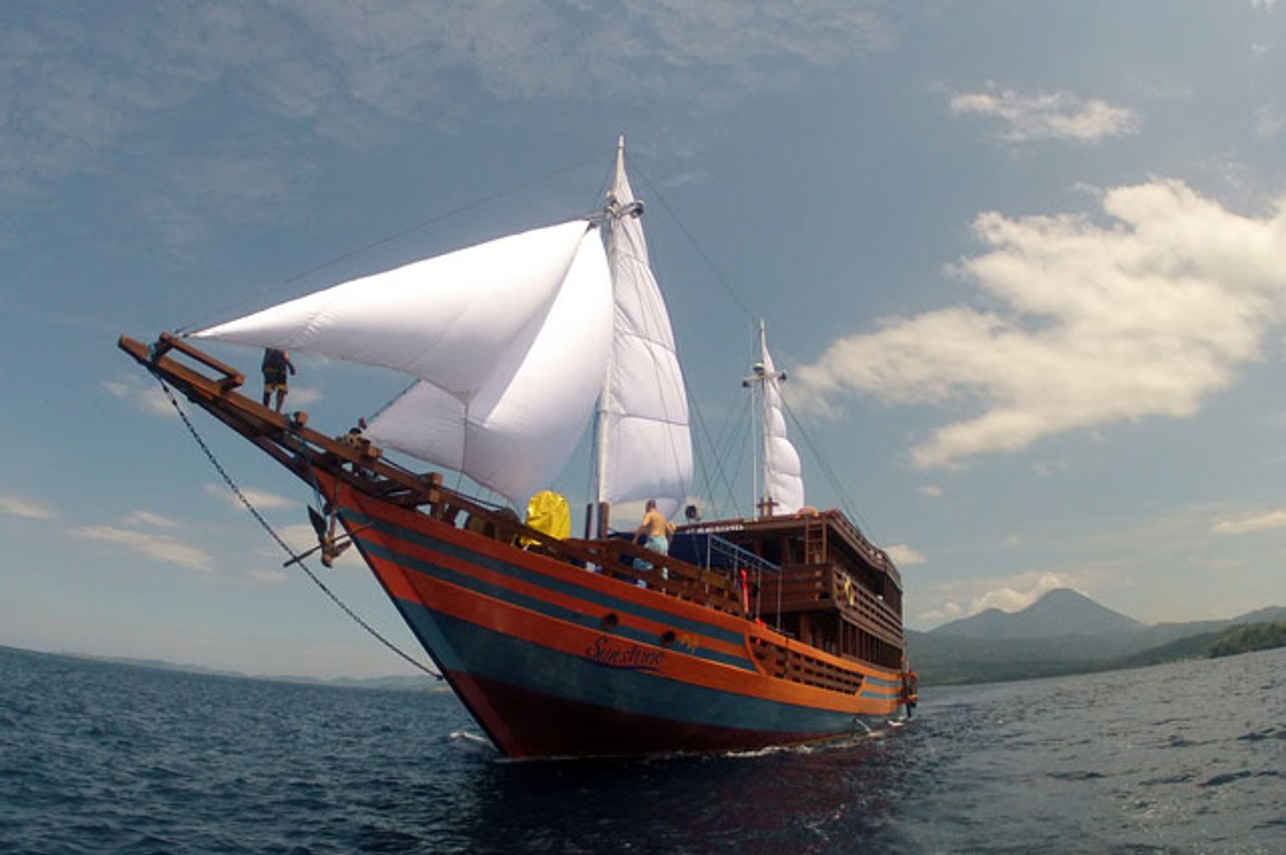
Sunshine Liveaboard
Indonesia
10 guests31 m
$189/day
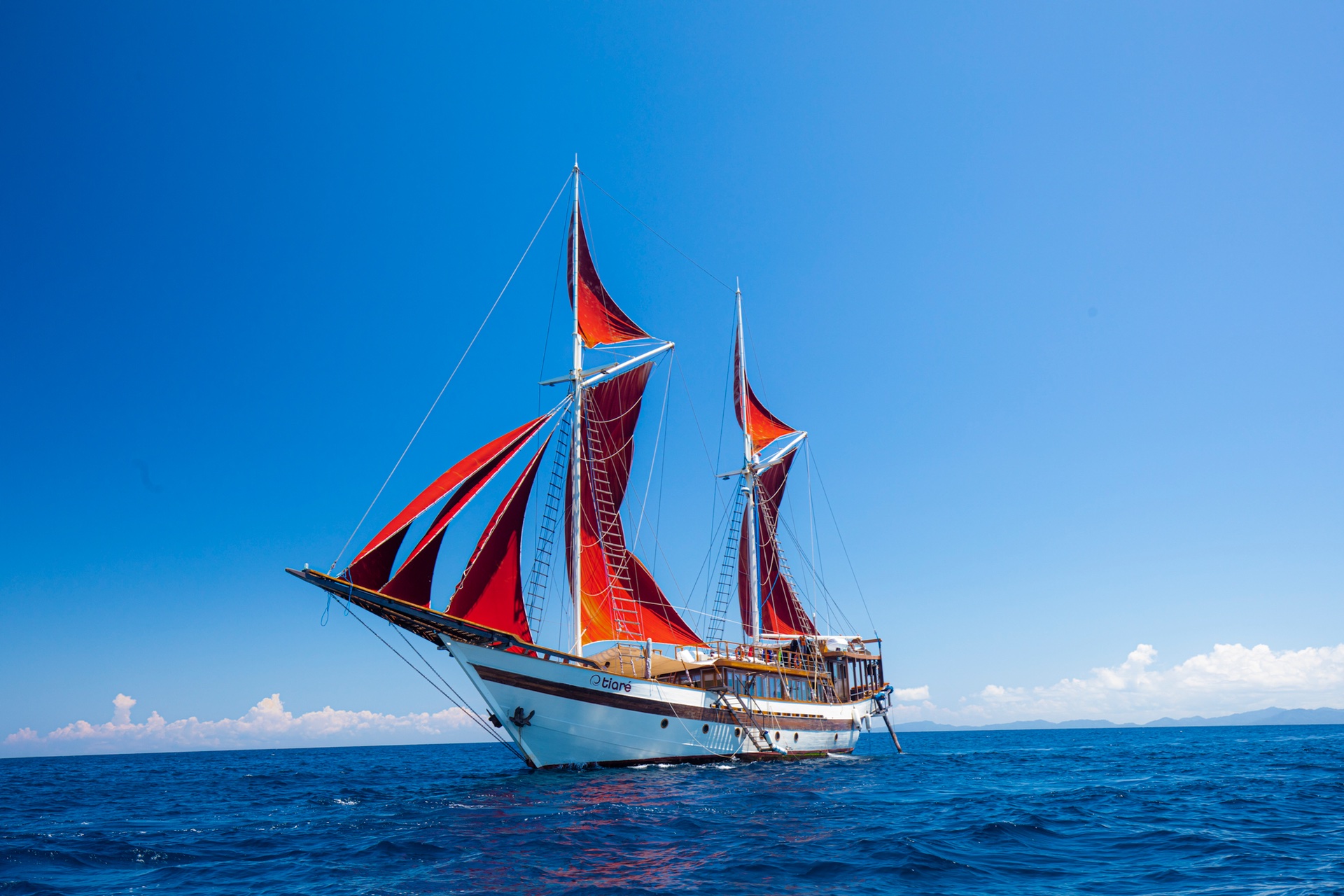
Tiare Cruise
Indonesia
12 guests36.5 m
$473/day
Dive sites similar to Blue Lagoon Padang Bai
Same character, same waters — six more sites divers love for the exact same reasons.Compare seasons, access and liveaboard routes — then pick the site that fits your trip best.
© Esri — Maxar, Earthstar, GIS
Big La Laguna
Philippines
Big La Laguna is a beach community situated on the western edge of the Sabang Peninsula, a popular dive region on Mindoro Island, Philippines.
- Suitable for
- Intermediate
- Current
- Moderate
- Access
- Dayboat
- Depth
- 5–35 m
- Theme
- Reef / Wall
© Esri — Maxar, Earthstar, GIS
Rusa Pinnacle
Alor
Rusa Pinnacle is a challenging yet highly rewarding dive site situated in the Alor archipelago, part of Indonesia's East Nusa Tenggara.
- Suitable for
- Advanced
- Current
- Strong
- Access
- Liveaboard only
- Depth
- 6–30 m
- Theme
- Reef
Lipah Bay is situated on Bali's northeast coast within the Amed area, nestled against the dramatic backdrop of Gunung Agung.
- Suitable for
- Beginner
- Current
- Mild
- Access
- Liveaboard or dayboat
- Depth
- 5–30 m
- Theme
- Reef / Drift
© Esri — Maxar, Earthstar, GIS
Tangked Cave
Bali
Tangked Cave, sometimes referred to as Tangked Taked Shark Cave, is an advanced dive site situated in the open ocean off Bali's southeastern coast.
- Suitable for
- Advanced
- Current
- Moderate
- Access
- Liveaboard or dayboat
- Depth
- 15–40 m
- Theme
- Cave & cavern / Reef
© Esri — Maxar, Earthstar, GIS
Schools Out
Alor
Schools Out in Alor offers divers an exceptional encounter with healthy coral reefs and a rich variety of marine species.
- Suitable for
- Intermediate
- Current
- Mild
- Access
- Liveaboard only
- Depth
- 20–30 m
- Theme
- Reef
© Esri — Maxar, Earthstar, GIS
Batununggul
Bali
Batununggul, also known as Suana or Batumulapan by some operators, is a dynamic wall and sloping reef dive site situated on the eastern side of Nusa Penida, Bali.
- Suitable for
- Advanced
- Current
- Strong
- Access
- Liveaboard or dayboat
- Depth
- 10–40 m
- Theme
- Wall