About Angol Point
Angol Point is a prominent dive site located on Boracay Island, known for its tranquil conditions and rich biodiversity. Situated near the southern end of White Beach, it offers easy access and a serene underwater environment, making it a favorite for divers seeking both training and enjoyable recreational dives. The site boasts a gently sloping reef, vibrant coral formations, and abundant marine life. Depths at Angol Point range from 5 to 18 meters, extending to 10 to 16 meters in some areas. This shallow profile contributes to its calm reputation, allowing for extended bottom times and a comfortable experience for divers. The topography includes stony corals, leather corals, anemones, and sponges, providing ample habitat for various species. Marine life here is diverse year-round, featuring numerous reef fish, sea snakes, nudibranchs, and groupers. Its sheltered location ensures consistent conditions, with excellent visibility usually exceeding 20 meters. This combination of manageable depth, clear water, and flourishing ecosystems makes Angol Point suitable for a wide range of underwater activities. The dive experience at Angol Point is typically characterized by minimal currents, creating a relaxed atmosphere ideal for beginners, night diving, and underwater photography. Divers can explore the reef at a leisurely pace, observing both macro subjects and shoals of fish amidst colorful coral gardens. It's often included in Boracay itineraries for its accessibility and rewarding encounters.
Highlights
Shallow, easy reef diveExcellent visibilityRich macro lifeColorful hard and soft coralsBeginner-friendly conditionsIdeal for night divingAbundant reef fish
Season calendar
Best months to dive here
Jan
Feb
Mar
Apr
May
Jun
Jul
Aug
Sep
Oct
Nov
Dec
Excellent
Good
Dive site facts: Angol Point
- Depth
- 5–18 m
- Typical dive
- 10–16 m, ~60 min
- Current
- None / Mild
- Visibility
- 15–30+ m
- Water temperature
- 25–30 °C
- Entry
- Shore
- Level
- Beginner to Intermediate
- Dive type
- Reef, macro, night
- Night dive
- Possible
- Region / port
- Boracay Island, Philippines
- Coordinates
- 11.2270° N, 122.0181° E
Conditions & Currents
Angol Point is well-known for experiencing almost no current, making it an exceptionally calm and easy dive site. This lack of significant water movement means divers, particularly beginners, can enjoy a relaxed experience without concerns about strong currents impacting their air consumption or energy levels. Visibility is usually very good, often exceeding 20 meters, and can reach over 30 meters, especially during the dry season, providing clear views of the flourishing reef. Entry is typically from the shore, and the calm conditions facilitate easy access for all skill levels. The site's tranquil nature also makes it ideal for extended bottom times and specific activities like macro photography or night dives, as surge is minimal and thermoclines are generally not a factor in its shallow depths.
Marine life & sighting chances
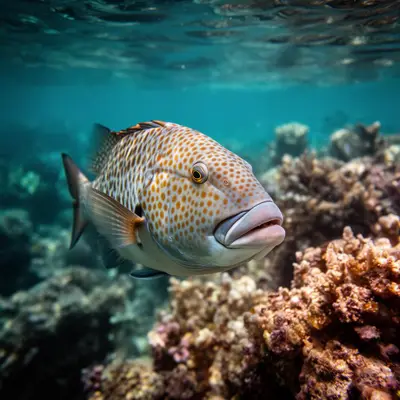
Sweetlips
common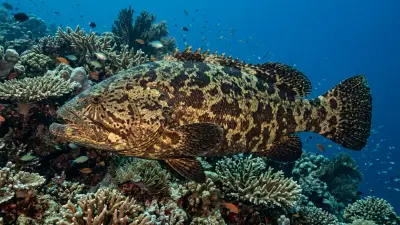
Grouper
common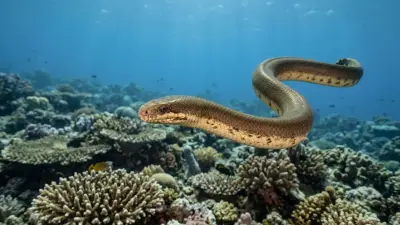
Sea Snake
occasional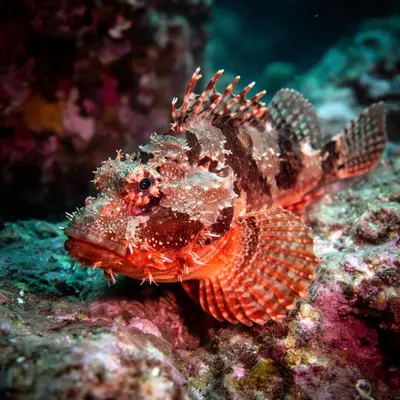
Scorpionfish
occasional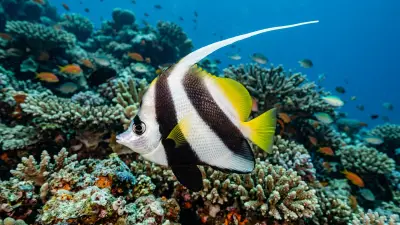
Bannerfish
common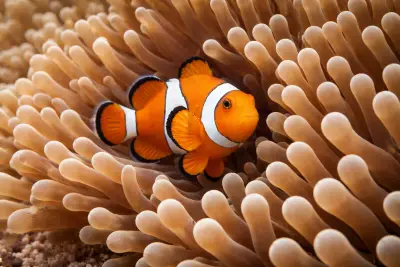
Clownfish
common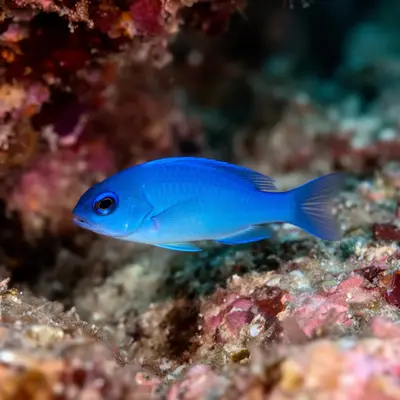
Damselfish
common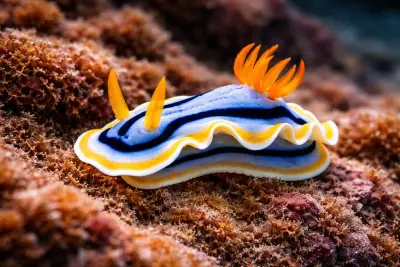
Nudibranch
common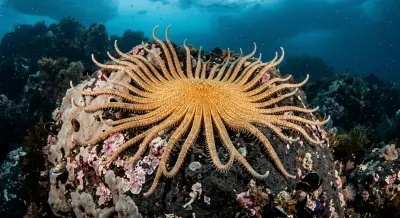
Starfish
common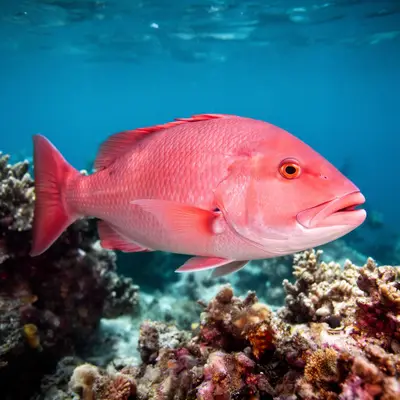
Snapper
common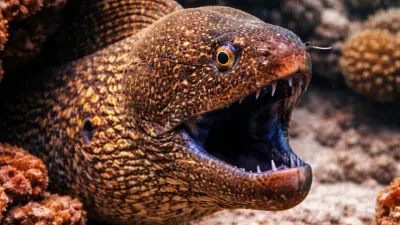
Eel
occasional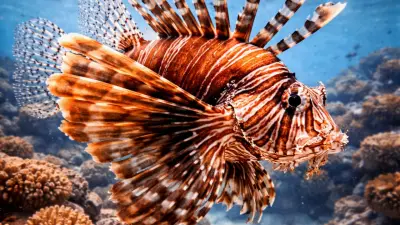
Lionfish
occasional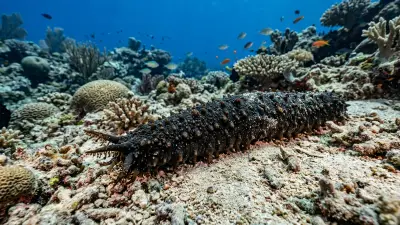
Sea Cucumber
commonDive profile & how the dive runs
Dives at Angol Point typically begin with an easy shore entry, transitioning directly onto the shallow reef. The dive follows a gently sloping profile, allowing for a gradual descent to depths ranging from 5 to 18 meters. Divers explore the vibrant coral gardens, which are rich in stony and leather corals, anemones, and sponges. The route often involves a leisurely exploration of the reef, focusing on the abundant macro life and shoals of reef fish inhabiting the diverse coral formations. Given the minimal current, divers can spend ample time observing the smaller creatures such as nudibranchs and crustaceans. The turn point is flexible, often dictated by air consumption or desired bottom time, with an average dive lasting around an hour. The safety stop is comfortably performed in the very shallow, protected areas of the reef, usually around 5 meters, which also provides additional opportunities for observing marine life before surfacing.
Underwater photography
Angol Point is a prime location for underwater photography, especially macro subjects. Given the shallow depths and calm conditions, photographers can enjoy extended bottom times to compose shots. A macro lens (e.g., 60mm or 100/105mm) is highly recommended to capture the numerous nudibranchs, small crabs, seahorses, and other critters found among the corals. Wide-angle photography is also possible to showcase the healthy reef and shoals of fish, particularly with excellent visibility often exceeding 20 meters. External strobes are beneficial for color rendition and to highlight textures in the reef structure and marine life. Buoyancy control is crucial to avoid disturbing delicate corals and sediment, especially when focusing on macro subjects close to the substrate. Divers should maintain a respectful distance from marine animals and avoid touching or manipulating them for a better shot.
Combine with nearby dive sites
Getting there & logistics
Access to Angol Point is from Boracay Island, which is typically reached by flying into Caticlan (MPH) or Kalibo (KLO) airports. From Caticlan, a short ferry ride connects to Boracay, while Kalibo requires a longer bus or van transfer. Most dive operators are based directly on Boracay, offering day trips to local sites like Angol Point. A typical dive excursion involves short boat rides from the island's main beaches, making it easy to fit multiple dives into a single day. The site is frequently used for training dives and fun dives, with package deals often available for multiple dives. No specific park fees are mentioned for this site, and dive prices usually include equipment and guide services.
Safety & environment
While Angol Point is considered an easy and safe dive site with minimal currents, standard dive safety practices remain essential. Divers should ensure they have appropriate insurance covering dive accidents and medical emergencies, given the potential for unexpected situations. The nearest recompression chamber is typically located in major regional centers, implying a significant evacuation time in case of a serious incident. Divers should always follow their dive guide's instructions, especially concerning interaction with marine life like sea snakes. Maintaining proper buoyancy is critical to protect the delicate coral ecosystem and prevent accidental contact. It's advisable for all divers to carry a surface marker buoy (SMB) for visibility on ascent, although boat traffic is usually well-managed in designated dive areas.
Who it suits — and who it doesn't
Suited for
- Beginner divers completing certifications
- Divers seeking relaxed, shallow reef dives
- Underwater photographers focusing on macro
- Divers interested in night diving experiences
- Snorkelers and non-divers accompanying a trip
Less suited for
- Experienced divers seeking strong currents and large pelagics
- Technical divers looking for deep or complex profiles
- Divers who prefer wreck penetration or wall diving exclusively
- Those uninterested in macro life or coral reef ecosystems
FAQ
Angol Point FAQ
What is the typical depth range at Angol Point?
Angol Point is a relatively shallow dive site, with depths typically ranging from 5 to 18 meters. Some areas of the reef are as shallow as 10 meters and extend down to 16 meters. This makes it an ideal location for beginners and those looking for longer bottom times.
Is Angol Point suitable for new divers?
Yes, Angol Point is highly recommended for new divers and those undergoing training. It features a gentle reef slope, calm conditions with almost no current, and excellent visibility. These factors contribute to a very comfortable and easy learning environment for Open Water courses and discovery dives.
What kind of marine life can I expect to see at Angol Point?
Angol Point is rich in diverse marine life, particularly macro subjects and reef fish. Divers frequently encounter colorful sweetlips, groupers, bannerfish, clownfish, and various damselfish. Nudibranchs, starfish, sea snakes, and occasional lionfish are also common sights among the vibrant hard and soft corals.
Are night dives possible at Angol Point?
Angol Point is an excellent spot for night diving, often recommended due to its calm and peaceful conditions. The site's high nocturnal marine life activity offers a unique perspective on the reef after dark, making it an ideal place to experience or take a night diving course.
How good is the visibility at Angol Point?
The visibility at Angol Point is generally very good, often around 20 meters, and can frequently exceed 30 meters, especially during the dry season. This exceptional clarity enhances the diving experience, allowing for clear views of the flourishing reef and its inhabitants.
What are the current conditions like at Angol Point?
Angol Point is characterized by almost no current, making it one of the calmest dive sites in Boracay. This minimal water movement ensures a very relaxed and effortless dive, suitable for divers of all skill levels, including those who are less experienced or prefer tranquil conditions.
Why dive Angol Point from a liveaboard?
Angol Point is one of Philippines's signature dive sites. A liveaboard sleeps you on the water and puts you in the water for three to four guided dives per day, including dawn and night dives that day-boat operators rarely offer. You skip the daily commute back to port and reach quieter, less-crowded sites in the same region on a single trip.
Below are the liveaboards that include Angol Point on their Philippines itineraries.
Liveaboards diving Angol Point
These liveaboards may visit Angol Point on selected itineraries — the exact dive sites depend on departure, weather and conditions.
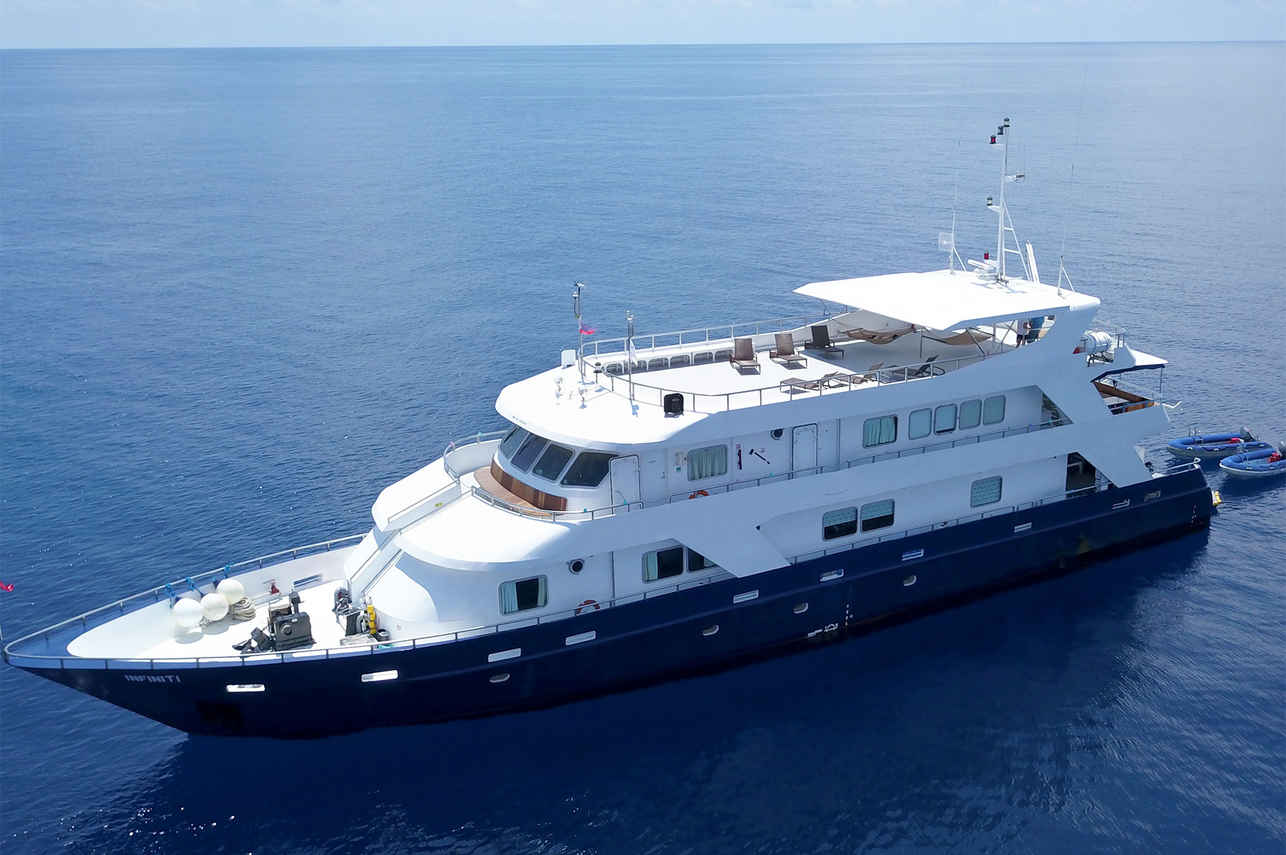
Infiniti
Philippines
25 guests39 m
$280/day
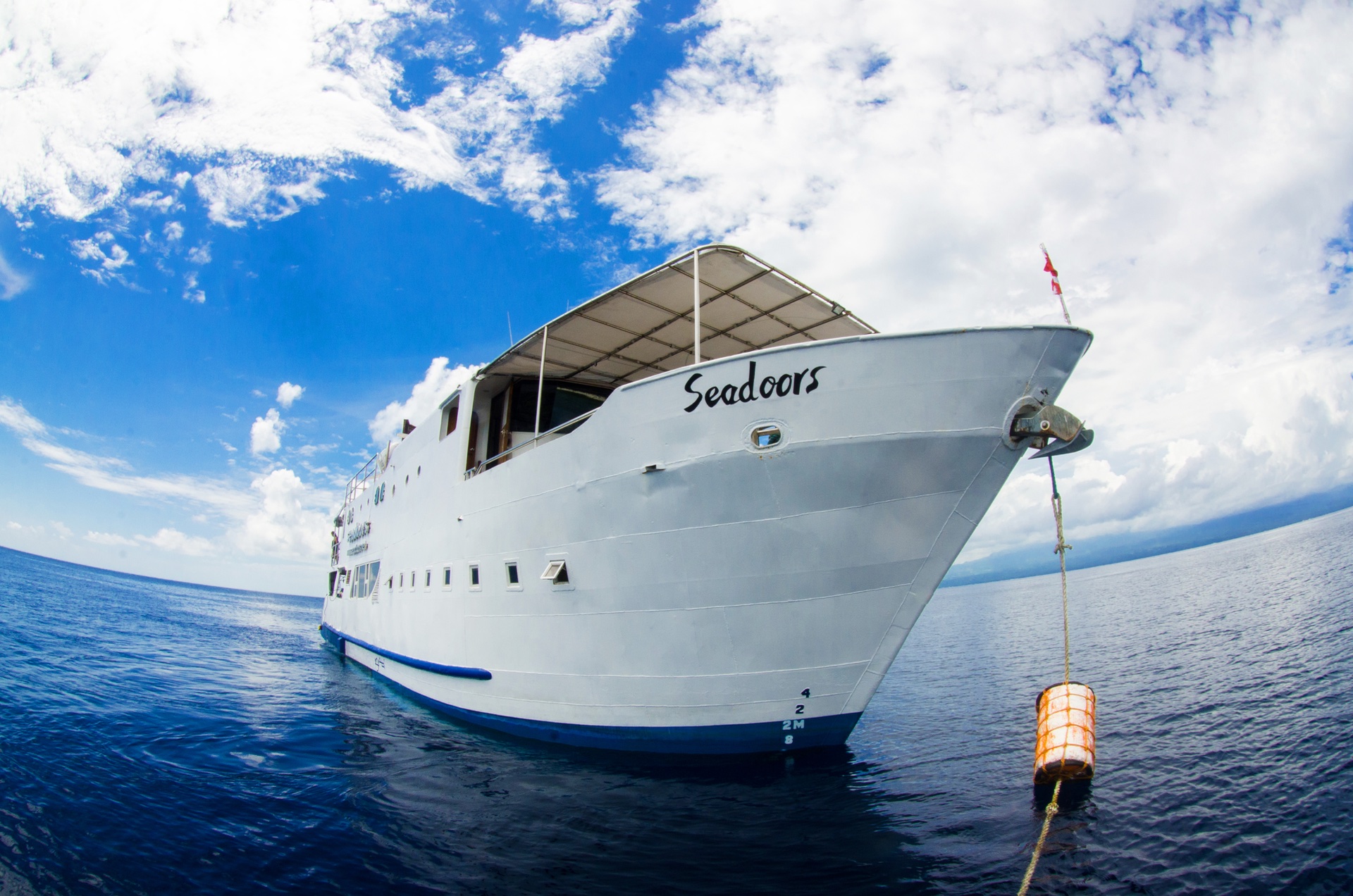
Seadoors
Philippines
16 guests25 m
$335/day
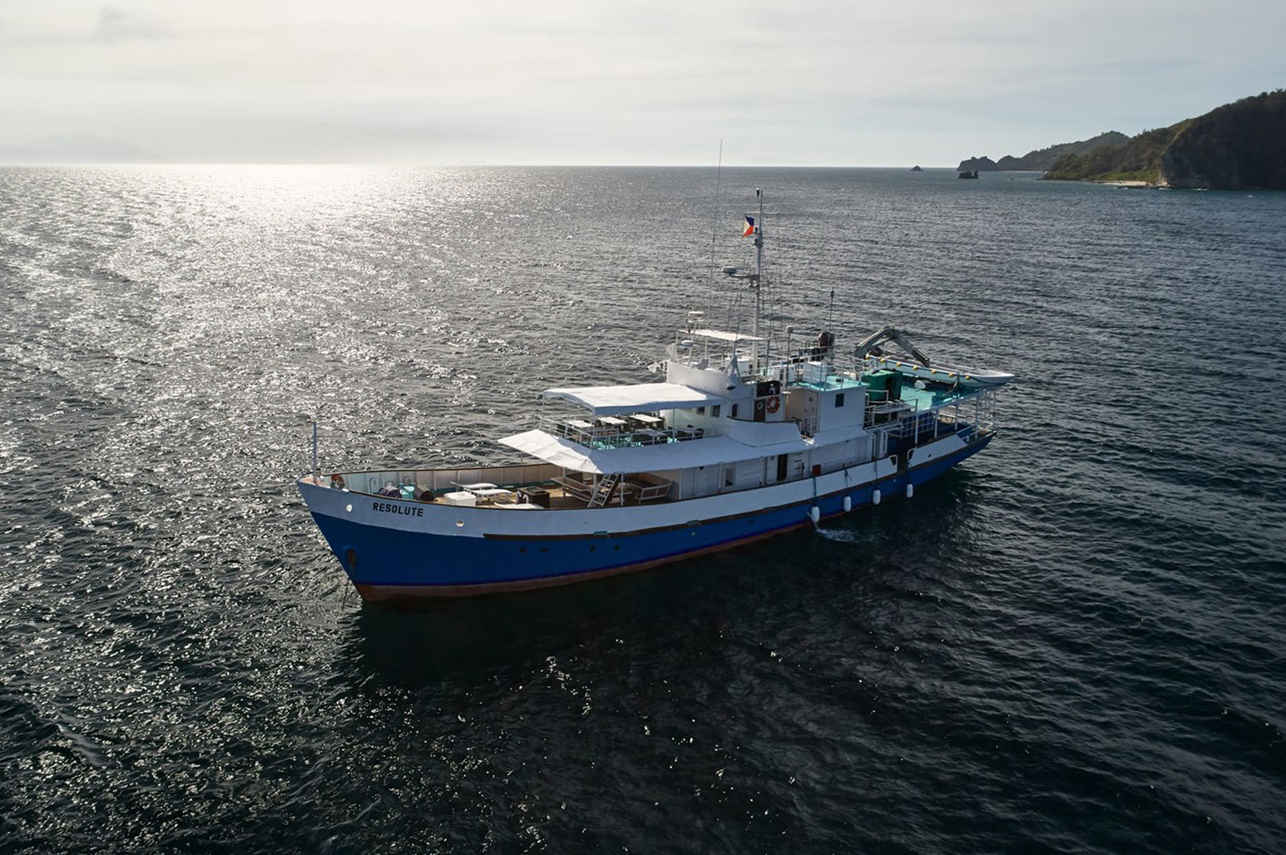
Resolute
Philippines
16 guests34.6 m
$314/day
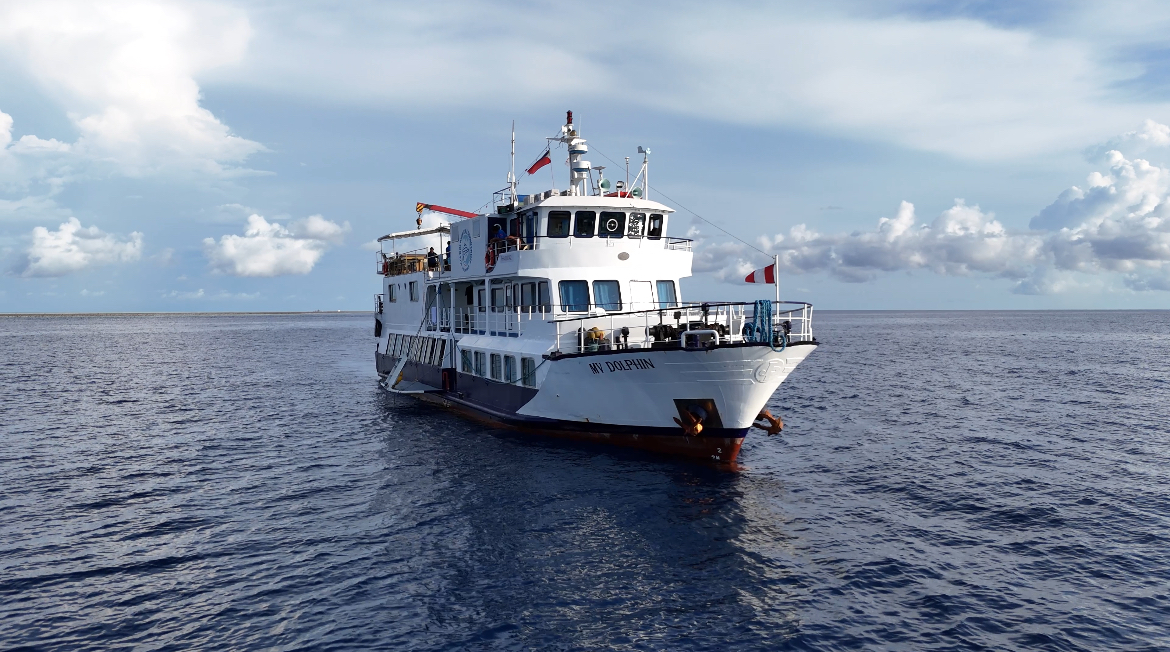
Dolphin
Philippines
18 guests31 m
$326/day
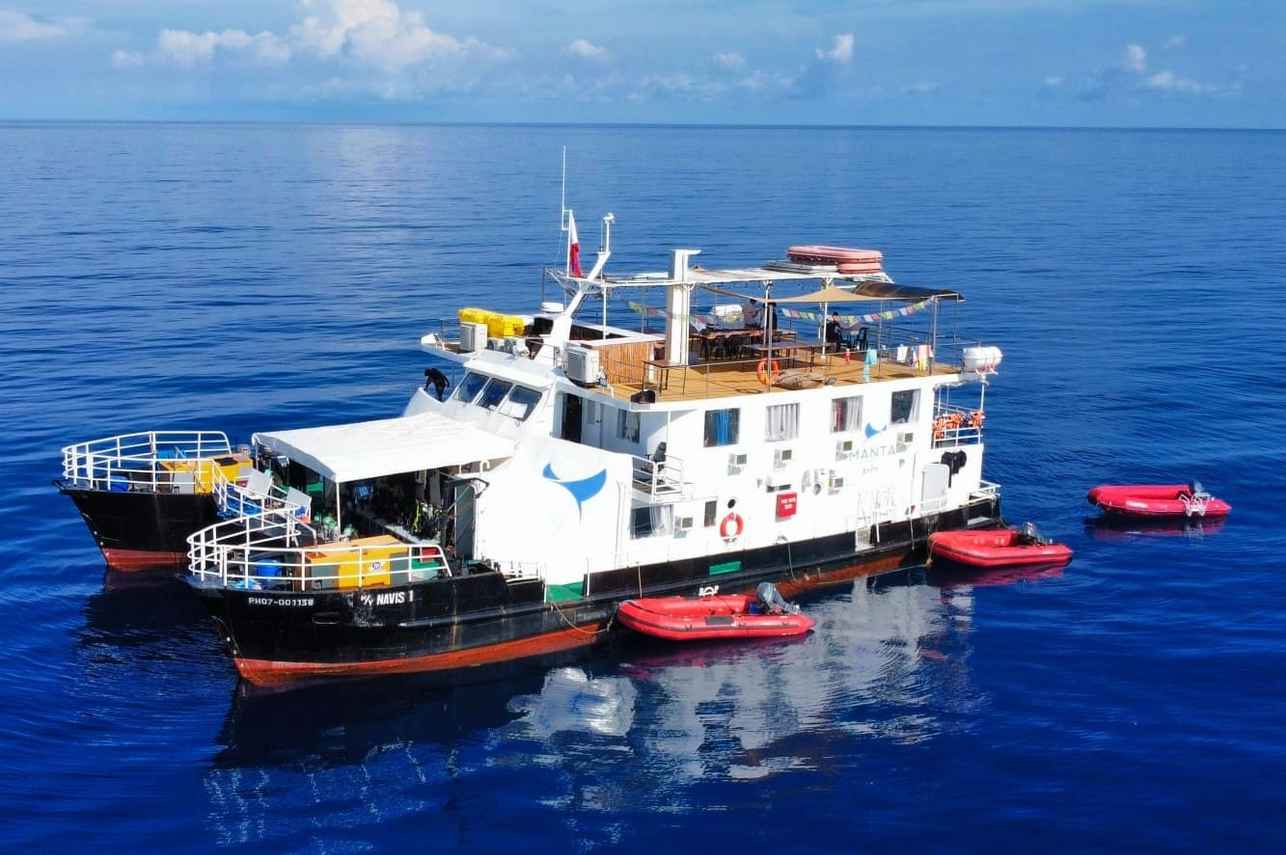
Navis 1
Philippines
22 guests23 m
$250/day
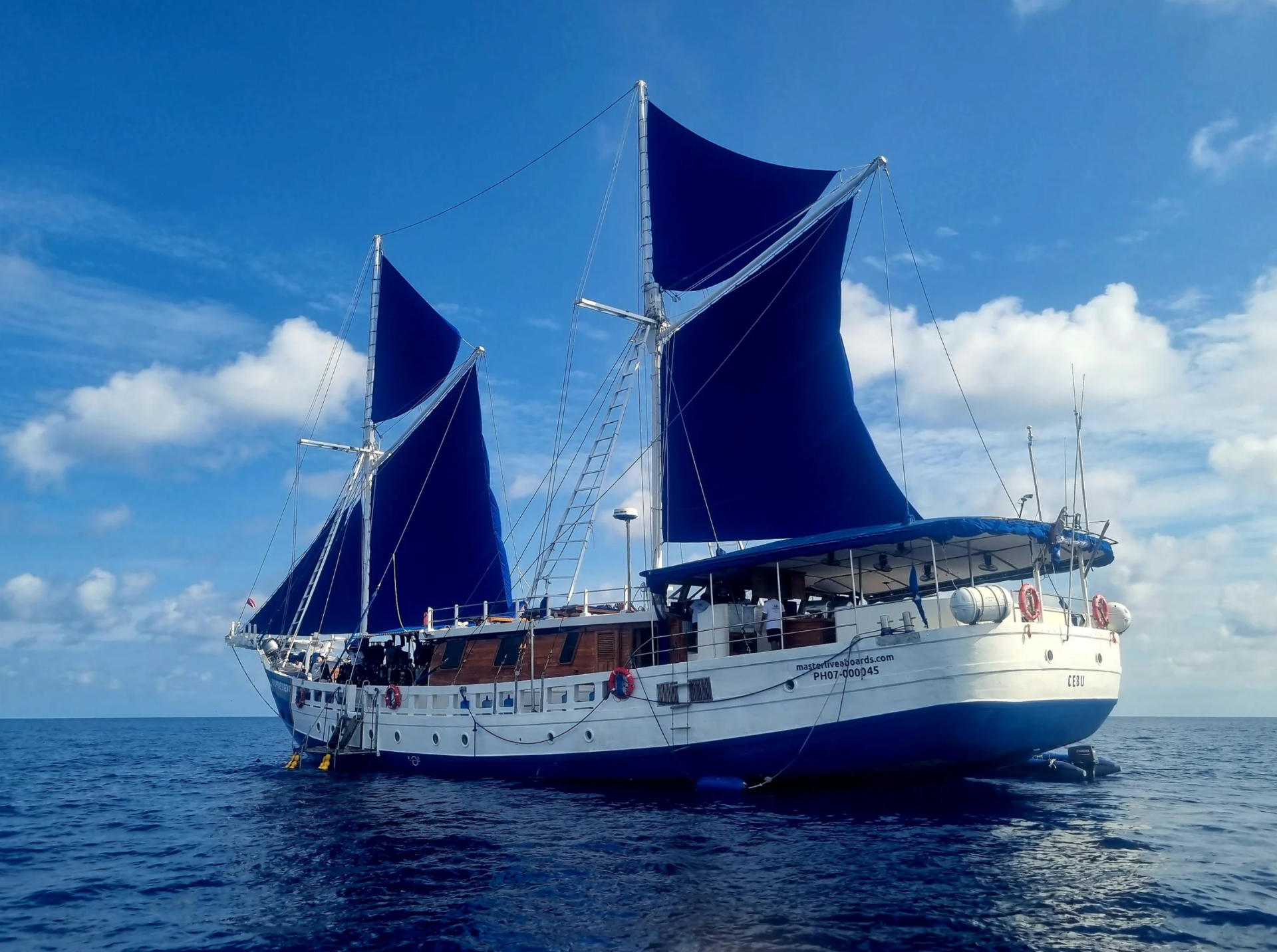
Philippine Siren
Philippines
16 guests
$309/day
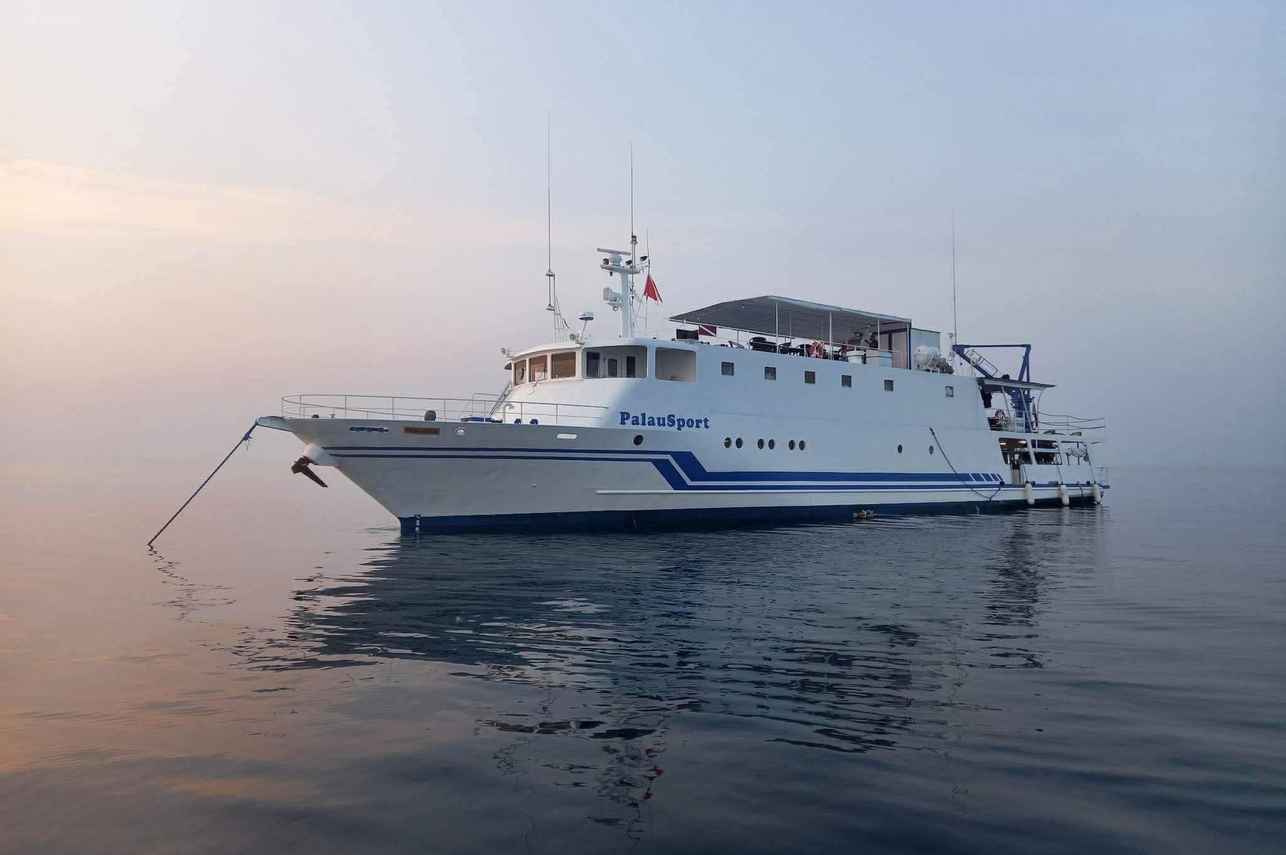
Palau Sport
Philippines
24 guests38.35 m
$215/day
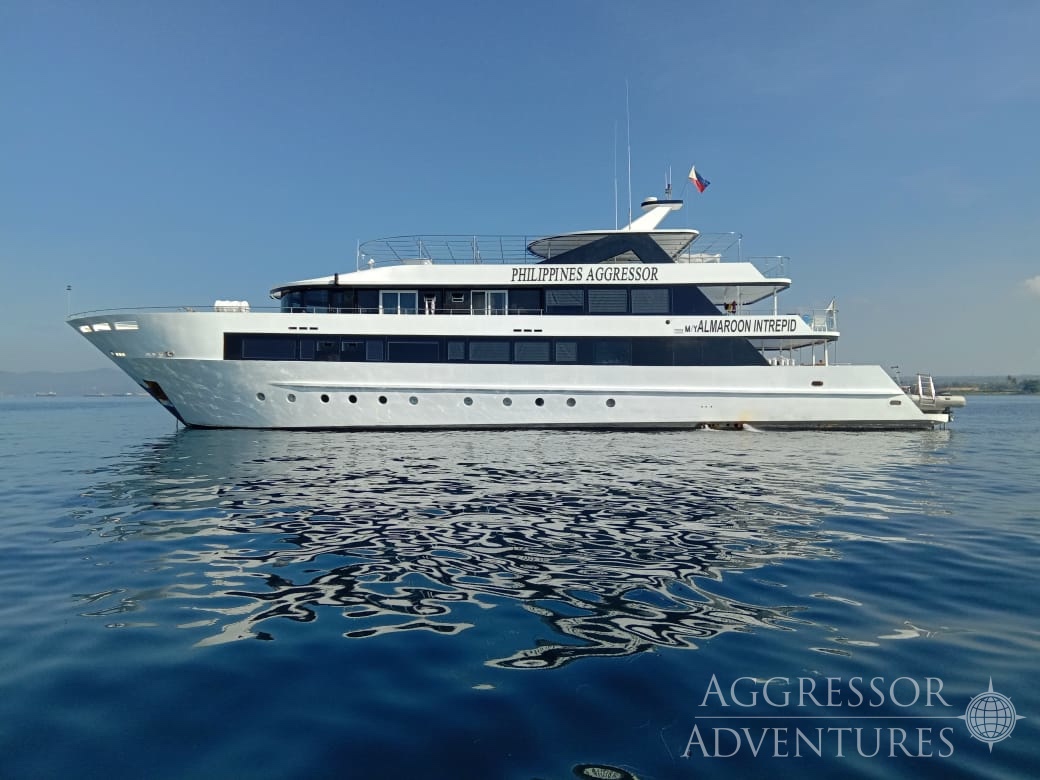
Philippines Aggressor
Philippines
26 guests42.7 m
$381/day
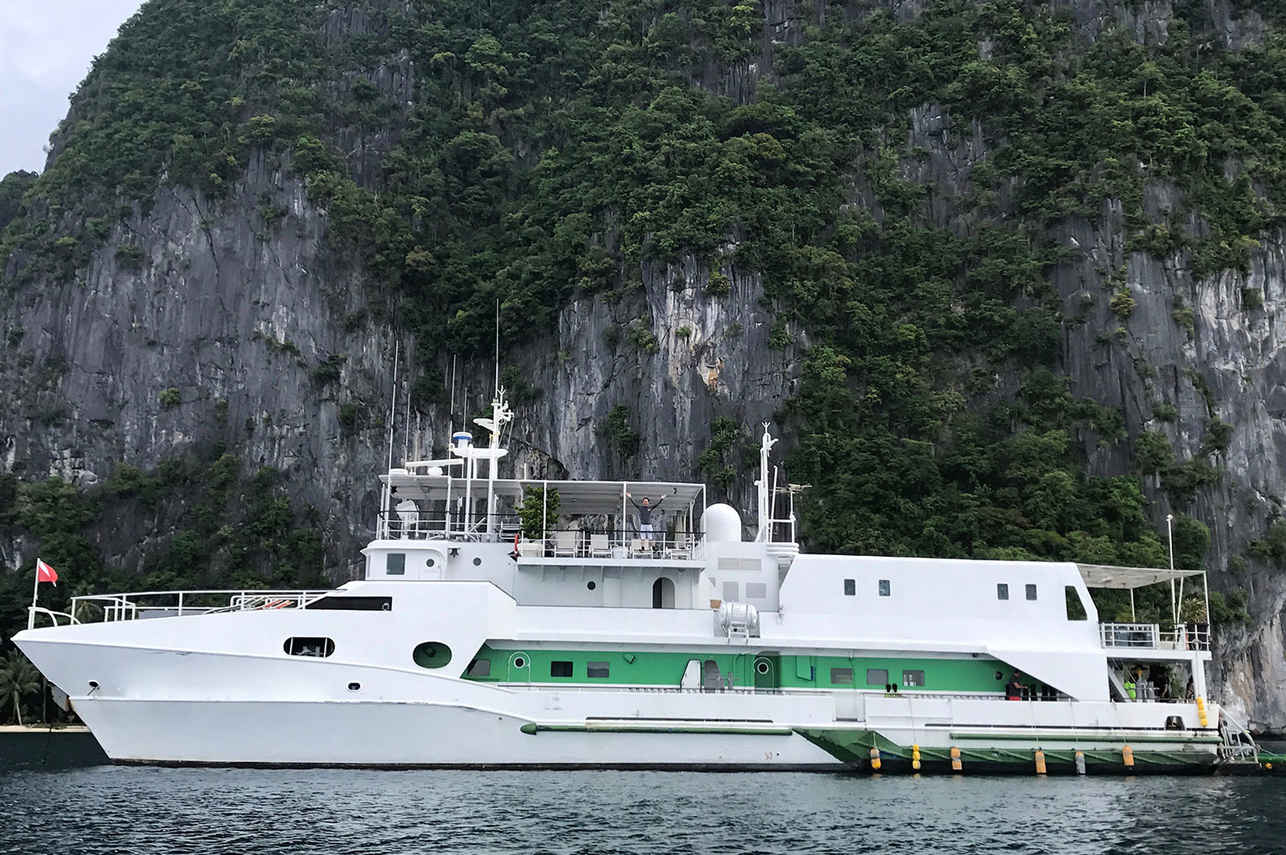
Stella Maris Explorer
Philippines
20 guests33 m
$398/day
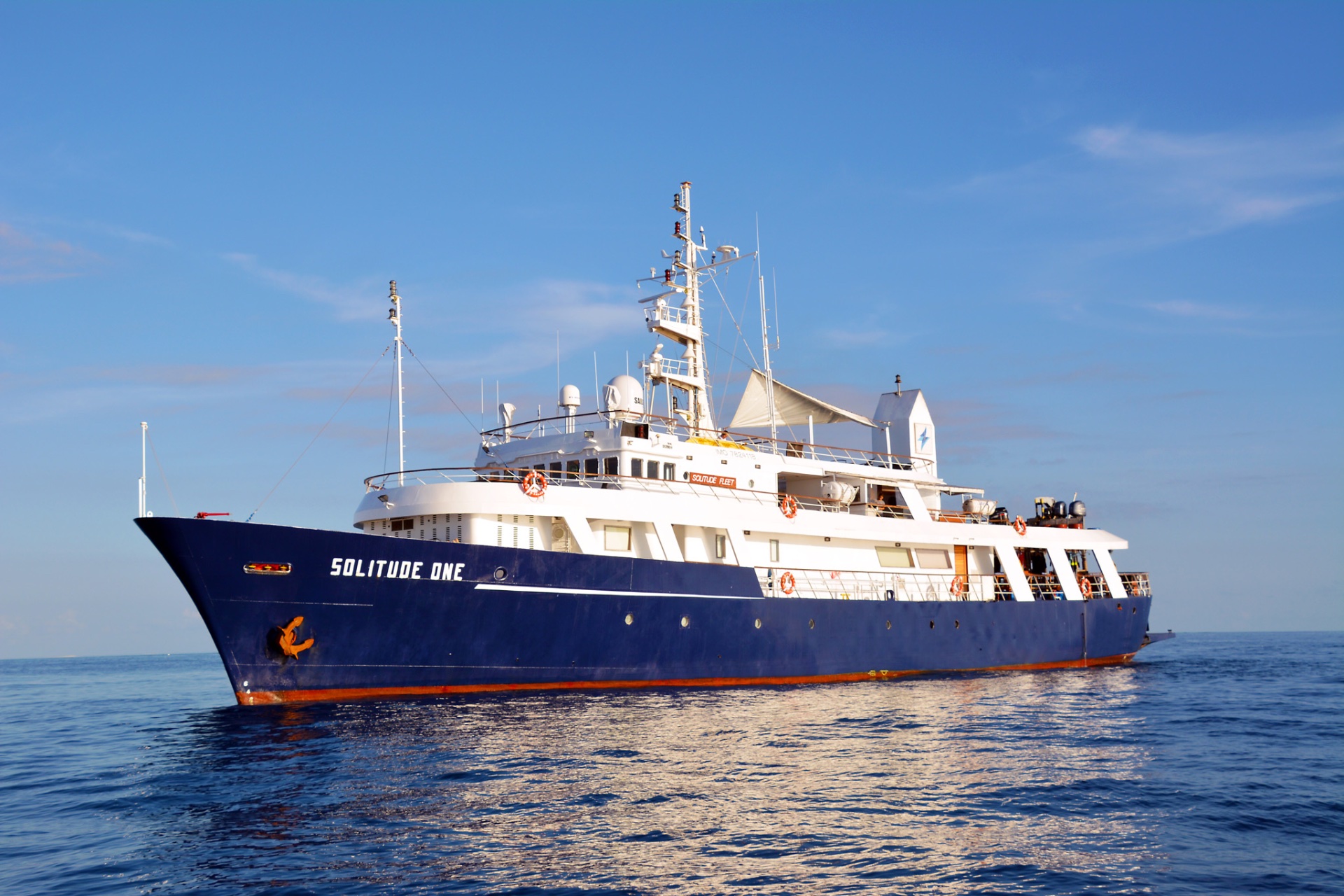
Solitude One
Philippines
24 guests52 m
$460/day
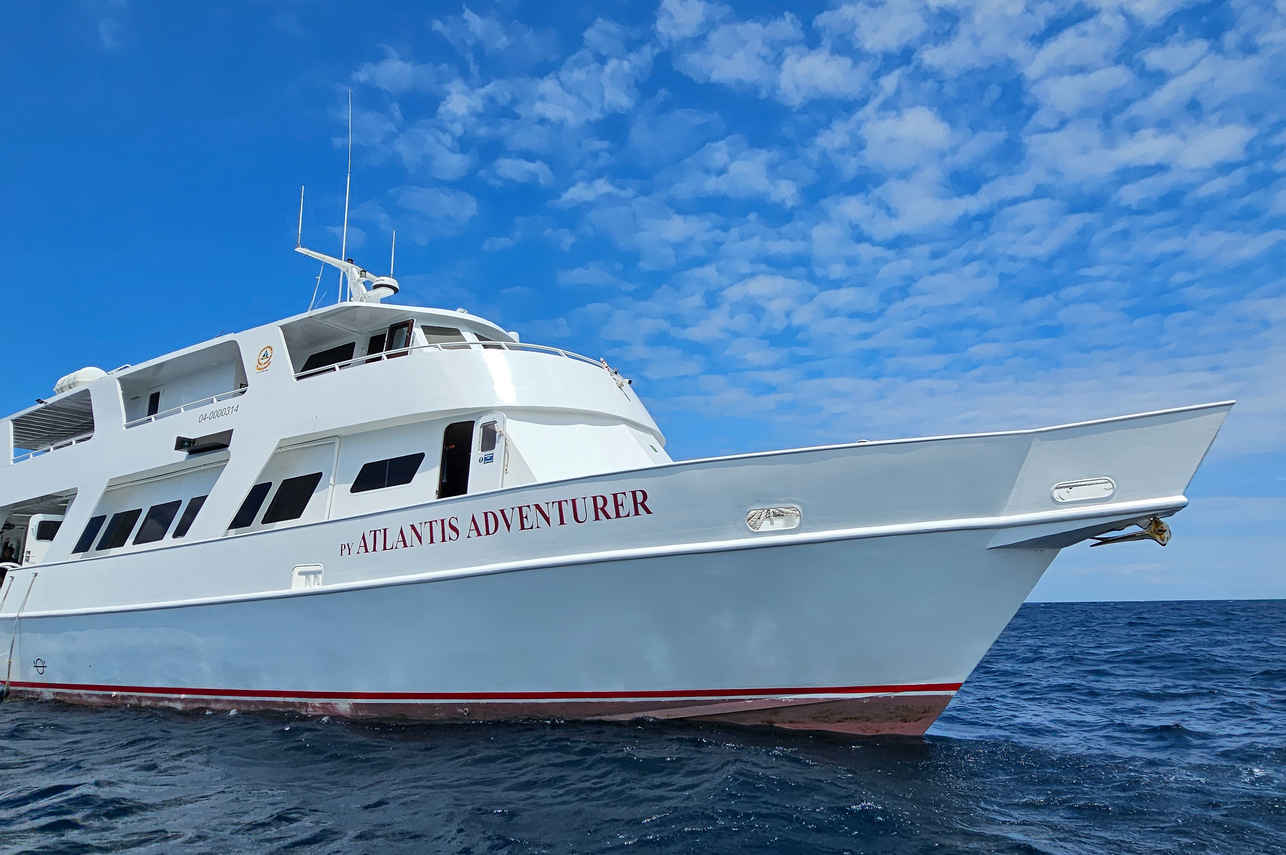
Atlantis Adventurer
Philippines
16 guests32.5 m
$421/day
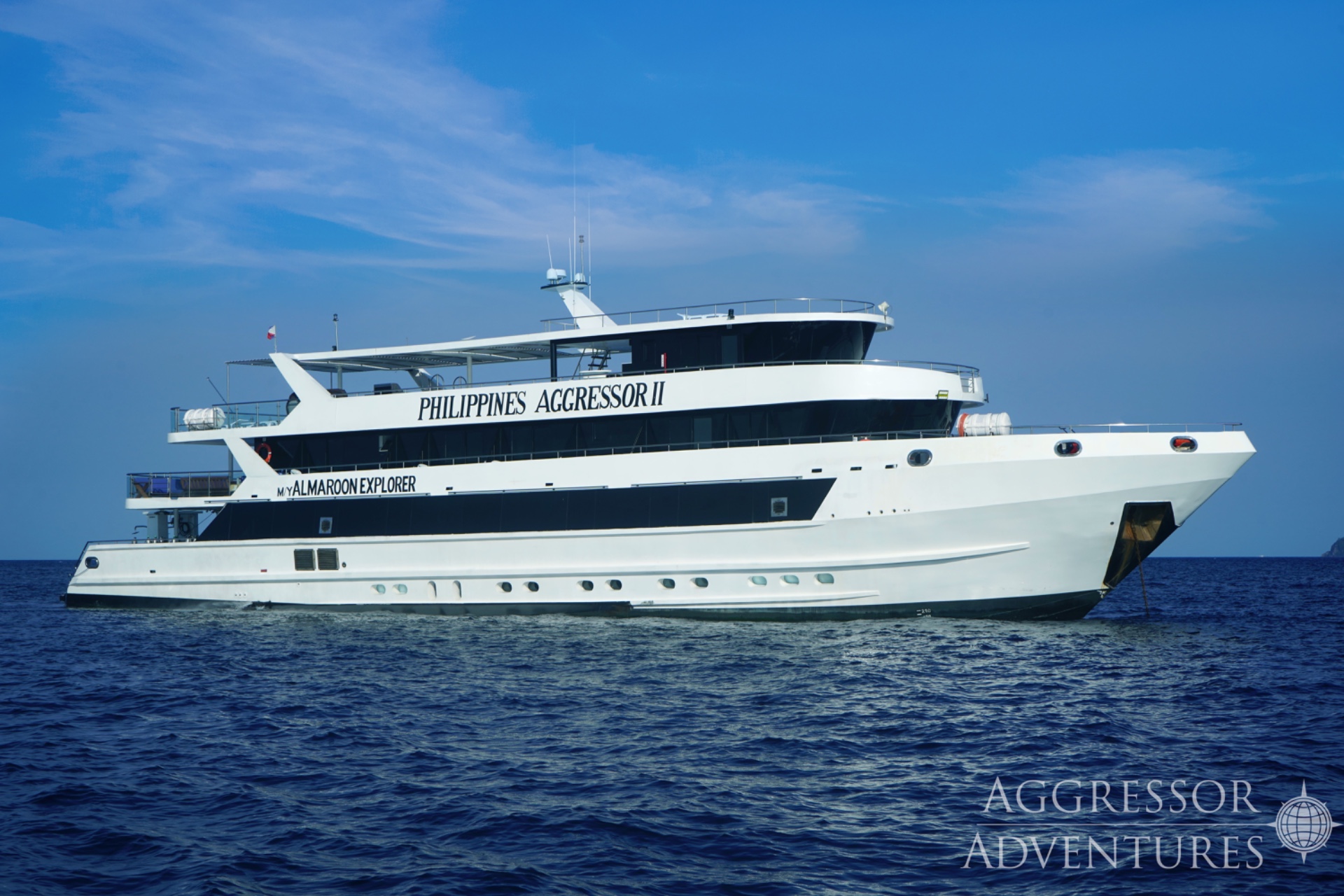
Philippines Aggressor II
Philippines
26 guests42.7 m
$247/day
Dive sites similar to Angol Point
Same character, same waters — six more sites divers love for the exact same reasons.Compare seasons, access and liveaboard routes — then pick the site that fits your trip best.
© Esri — Maxar, Earthstar, GIS
Big La Laguna
Philippines
Big La Laguna is a beach community situated on the western edge of the Sabang Peninsula, a popular dive region on Mindoro Island, Philippines.
- Suitable for
- Intermediate
- Current
- Moderate
- Access
- Dayboat
- Depth
- 5–35 m
- Theme
- Reef / Wall
© Esri — Maxar, Earthstar, GIS
Black Forest
Philippines
Black Forest is a premier dive site located off Balicasag Island, renowned for its exceptional marine biodiversity and distinct topography.
- Suitable for
- Intermediate
- Current
- Strong
- Access
- Liveaboard or dayboat
- Depth
- 10–30 m
- Theme
- Drift / Reef
© Esri — Maxar, Earthstar, GIS
Panagsama Beach
Philippines
Panagsama Beach, situated on a peninsula near Moalboal town in Cebu, serves as a central hub for diving activities in the region, boasting over 20 dive sites along its shoreline.
- Suitable for
- Intermediate
- Current
- Moderate
- Access
- Liveaboard or dayboat
- Depth
- ≤ 30 m
- Theme
- Reef / Wall
© Esri — Maxar, Earthstar, GIS
Olympia Maru
Philippines
The Olympia Maru is a prominent Japanese cargo ship wreck from World War II, located within Coron Bay, Philippines.
- Suitable for
- Intermediate
- Current
- Mild
- Access
- Dayboat
- Depth
- 17–24 m
- Theme
- Wreck / Reef
© Esri — Maxar, Earthstar, GIS
Balinghai Wall
Philippines
Balinghai Wall is a notable dive site located on the northwest side of Boracay, known for its accessible wall and coral slope formations.
- Suitable for
- Intermediate
- Current
- Mild
- Access
- Dayboat
- Depth
- 8–24 m
- Theme
- Wall / Reef
© Esri — Maxar, Earthstar, GIS
Tongo Sanctuary
Philippines
Tongo Sanctuary, located in Moalboal, Cebu, is a marine protected area renowned for its dramatic underwater topography.
- Suitable for
- Beginner
- Current
- Mild
- Access
- Dayboat
- Depth
- 5–55 m
- Theme
- Reef / Wall