About Yapak
Yapak stands out as Boracay's most celebrated dive site, offering an exceptional wall diving experience that rivals the best in the Philippines. It is located off the island's north side, making it a short 15-minute boat ride from Boracay's main stations. The site is characterized by two impressive deep walls adorned with healthy coral formations and massive gorgonian sea fans, extending from 30 meters down to 60 meters. Divers here can expect regular encounters with large pelagic species. The strong currents that sweep the walls attract an impressive array of marine life, including resident whitetip and grey reef sharks. Lucky divers might even spot hammerhead sharks or manta rays gliding by in the deeper sections. Given its depth and currents, Yapak is strictly for experienced divers. The dive typically involves a negative entry and requires excellent buoyancy control and current management skills. While challenging, the reward is an unparalleled opportunity to witness a vibrant ecosystem teeming with big fish and dramatic underwater topography. This site provides a distinct contrast to Boracay's shallower, more training-friendly locations, solidifying its reputation as a serious dive destination for those seeking advanced underwater thrills.
Highlights
Deep wall divingStrong currentsWhitetip reef sharksGrey reef sharksHammerhead shark sightingsManta ray encountersLarge gorgonian sea fansAbundant pelagic fish
Season calendar
Best months to dive here
Jan
Feb
Mar
Apr
May
Jun
Jul
Aug
Sep
Oct
Nov
Dec
Good
Dive site facts: Yapak
- Depth
- 30–60 m
- Typical dive
- 30–40 m, ~30 min
- Current
- Strong
- Visibility
- 15–30+ m
- Water temperature
- 25–30°C (78–86°F)
- Entry
- Negative / boat
- Level
- Advanced divers only
- Dive type
- Wall, drift, pelagic
- Region / port
- Boracay Island, Western Visayas
- Coordinates
- 11.968, 121.907
Conditions & Currents
Yapak is infamous for its strong and often unpredictable currents, making it a dive site strictly for advanced and experienced divers. A negative entry is standard, requiring divers to descend quickly and control their buoyancy immediately upon reaching the wall, which begins around 30 meters. Divers must plan their gas consumption carefully, considering the strenuous nature of the dive and the potential for a long safety stop in varying current conditions. Surge can also be a factor, particularly closer to the surface or during stronger current phases. Visibility at Yapak is generally excellent, often exceeding 15 meters and sometimes reaching over 30 meters, despite the strong water movement. The currents are precisely what attract the large pelagic species that are the main draw of this challenging site.
Marine life & sighting chances

Whitetip Reef Shark
common
Grey Reef Shark
common
Barracuda
common
Giant Trevally
common
Dogtooth Tuna
common
Manta Ray
occasional
Hammerhead Shark
occasional
Eagle Ray
occasional
Green Turtle
occasional
Hawksbill Turtle
occasional
Grouper
common
Triggerfish
commonDive profile & how the dive runs
Diving Yapak typically begins with a negative entry from the boat, dropping directly into the blue. Divers quickly descend to the top of the wall, which starts around 30-32 meters. The dive then progresses along the steep, current-swept wall, allowing observation of the deep coral formations and pelagic activity. Due to the strong currents, maintaining proximity to the wall is crucial, often requiring divers to hook in or use reef hooks to enjoy the spectacle. The dive profile is typically a multi-level ascent, carefully managing depth and no-decompression limits given the initial deep exposure. The turn point is determined by gas consumption and no-decompression time, with the safety stop usually conducted in the shallower sections of the wall or in the open water during drift. The dive concludes with a boat pick-up, often a short distance from the initial drop.
Underwater photography
Yapak offers fantastic opportunities for wide-angle photography, especially focusing on the expansive wall, large gorgonian fans, and the pelagic action. A fisheye or wide-angle lens is ideal for capturing the scale of the wall and schooling fish. For documenting shark and manta ray encounters, a wider lens is also preferred. Due to the deep nature of the dive, external strobes are essential to bring back natural colors. Be mindful of buoyancy and current control to avoid contact with the reef. Given the potential for strong currents and deeper profiles, efficient composition and quick adjustments are key to securing good shots before ascending.
Combine with nearby dive sites
- Punta Bunga
Nearby wall dive, often calmer and suitable for less experienced divers.
- Balinghai Wall
Coral slope dive, known for reef balls and diverse marine life.
- Angol Point
Shallow reef dive, ideal for beginners and macro photography.
- Camia II Wreck
Intact cargo vessel wreck, offering penetration options.
Getting there & logistics
Accessing Yapak involves flying into Caticlan Airport (MPH), followed by a short ferry ride to Boracay Island. Dive operators typically depart from stations along White Beach, with Yapak being a 15-minute boat journey away. Most diving packages are day trips, often combining Yapak with other Boracay sites. There are no specific park fees for Yapak, but dive packages will include boat fees and guide services. Boracay serves as an excellent base for combining intense diving with other resort island activities, and morning dives are common to maximize calm conditions. Liveaboards generally focus on other Philippine regions, so land-based operations are standard for Boracay.
Safety & environment
Diving Yapak demands strict adherence to safety protocols due to its depth and strong currents. This site is reserved for advanced certified divers with proven experience in challenging conditions. Proper gas planning, including redundant air sources and enriched air nitrox, is highly recommended. The nearest recompression chamber is located in Cebu, necessitating a significant evacuation journey in case of a decompression illness incident. Comprehensive dive insurance, covering emergency evacuation and medical treatment, is mandatory. Always follow your dive guide's instructions, maintain excellent buoyancy, and be proficient in current management techniques. Negative entries are standard, so ensure gear is checked and ready before entering the water.
Who it suits — and who it doesn't
Suited for
- Advanced divers with drift experience
- Experienced divers seeking pelagic encounters
- Underwater photographers with wide-angle setups
- Divers comfortable with negative entries and deep profiles
- Enthusiasts of strong current wall dives
Less suited for
- Beginner divers or those without advanced certification
- Divers uncomfortable with strong currents
- Divers with limited deep diving experience
- Individuals prone to seasickness on boat entries/exits
- Divers without excellent buoyancy control
FAQ
Yapak FAQ
What kind of marine life can I expect to see at Yapak?
Yapak is renowned for its pelagic encounters. You can regularly spot whitetip and grey reef sharks patrolling the wall. Barracudas, giant trevallies, and dogtooth tuna are also common. Lucky divers might even catch a glimpse of manta rays or hammerhead sharks in the deeper areas.
Why is Yapak considered an advanced dive site?
Yapak's designation as an advanced dive site stems from its significant depth, reaching up to 60 meters, and its consistently strong currents. The dive often requires a negative entry and excellent buoyancy control, making it challenging for less experienced divers. Divers must also be proficient in current management.
What are the typical dive conditions at Yapak?
Expect strong currents, especially along the deeper sections of the wall. Visibility is usually excellent, often exceeding 15 to 30 meters, providing clear views of the marine life and coral formations. Water temperatures are consistently warm, ranging from 25°C to 30°C (78°F to 86°F).
How far is Yapak from Boracay's main dive centers?
Yapak is conveniently located a short boat ride from Boracay's main dive centers, typically taking around 15 minutes to reach. This makes it easily accessible for half-day dive trips while staying on the island. Dive boats usually depart from the stations along White Beach.
Can Open Water divers experience Yapak?
No, Yapak is not suitable for Open Water certified divers. Its depth (starting at 30 meters) and strong currents require advanced training and experience. Divers should hold an Advanced Open Water certification or equivalent, along with proven experience in deep and drift diving conditions.
Why dive Yapak from a liveaboard?
Yapak is one of Philippines's signature dive sites. A liveaboard sleeps you on the water and puts you in the water for three to four guided dives per day, including dawn and night dives that day-boat operators rarely offer. You skip the daily commute back to port and reach quieter, less-crowded sites in the same region on a single trip.
Below are the liveaboards that include Yapak on their Philippines itineraries.
Liveaboards diving Yapak
These liveaboards may visit Yapak on selected itineraries — the exact dive sites depend on departure, weather and conditions.
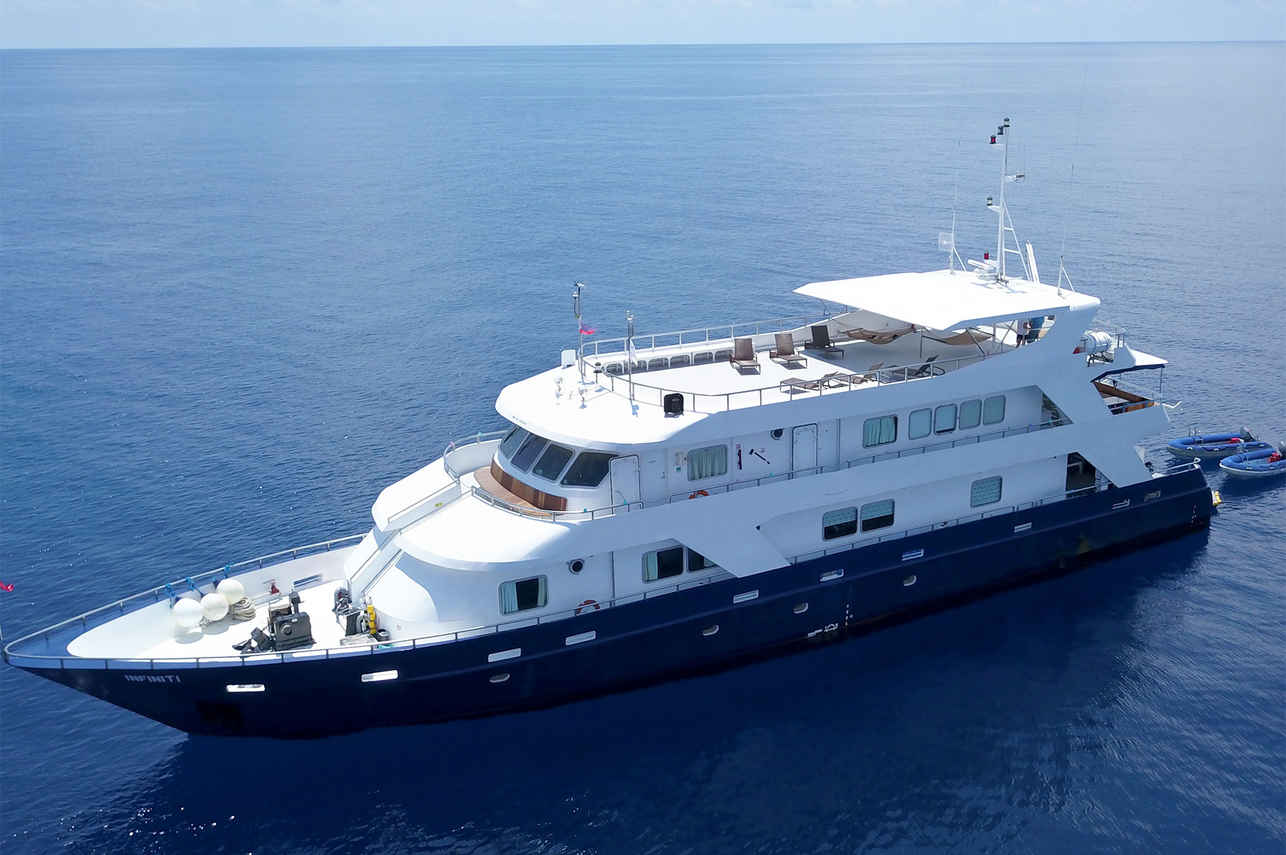
Infiniti
Philippines
25 guests39 m
$280/day
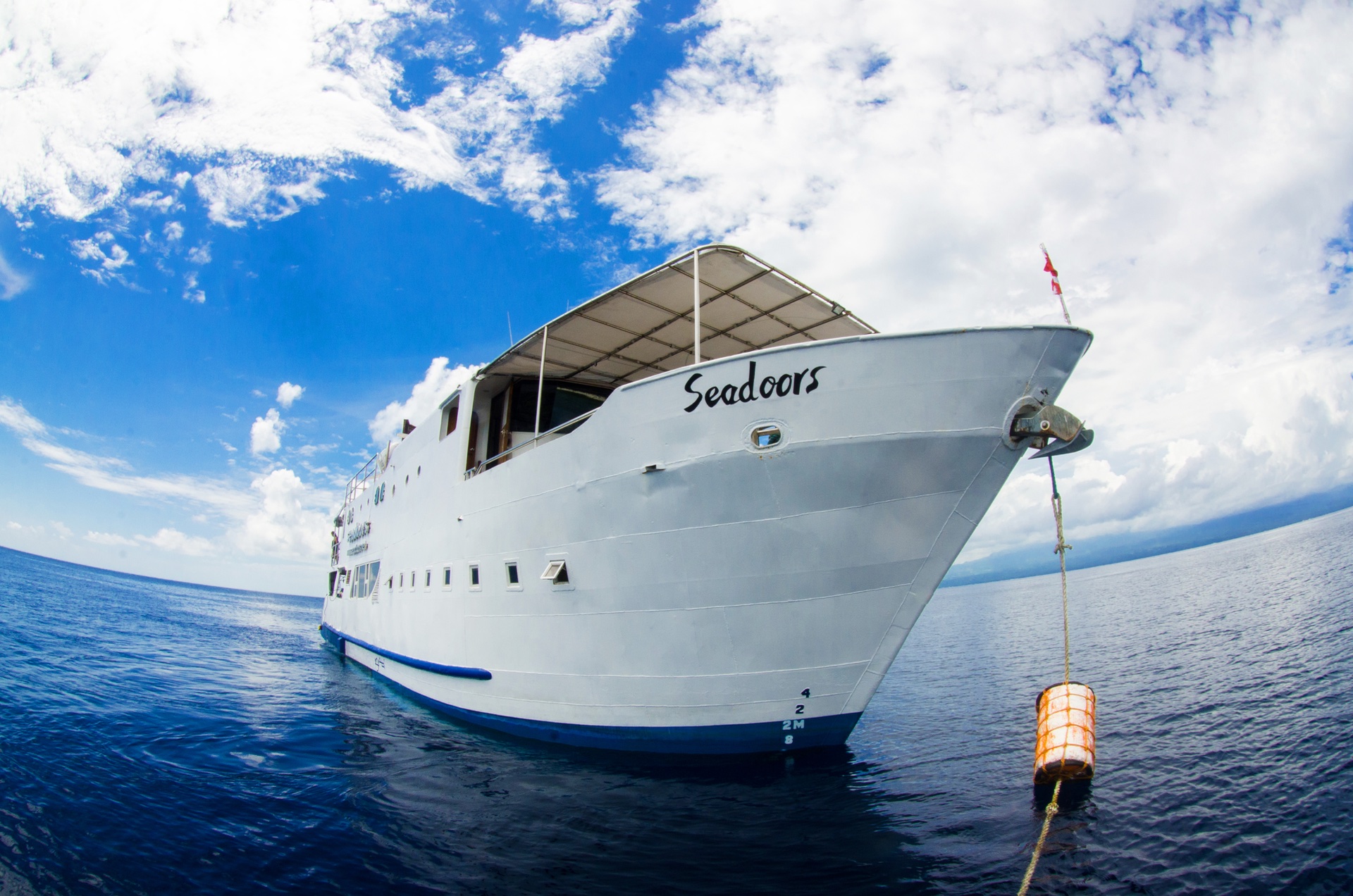
Seadoors
Philippines
16 guests25 m
$335/day
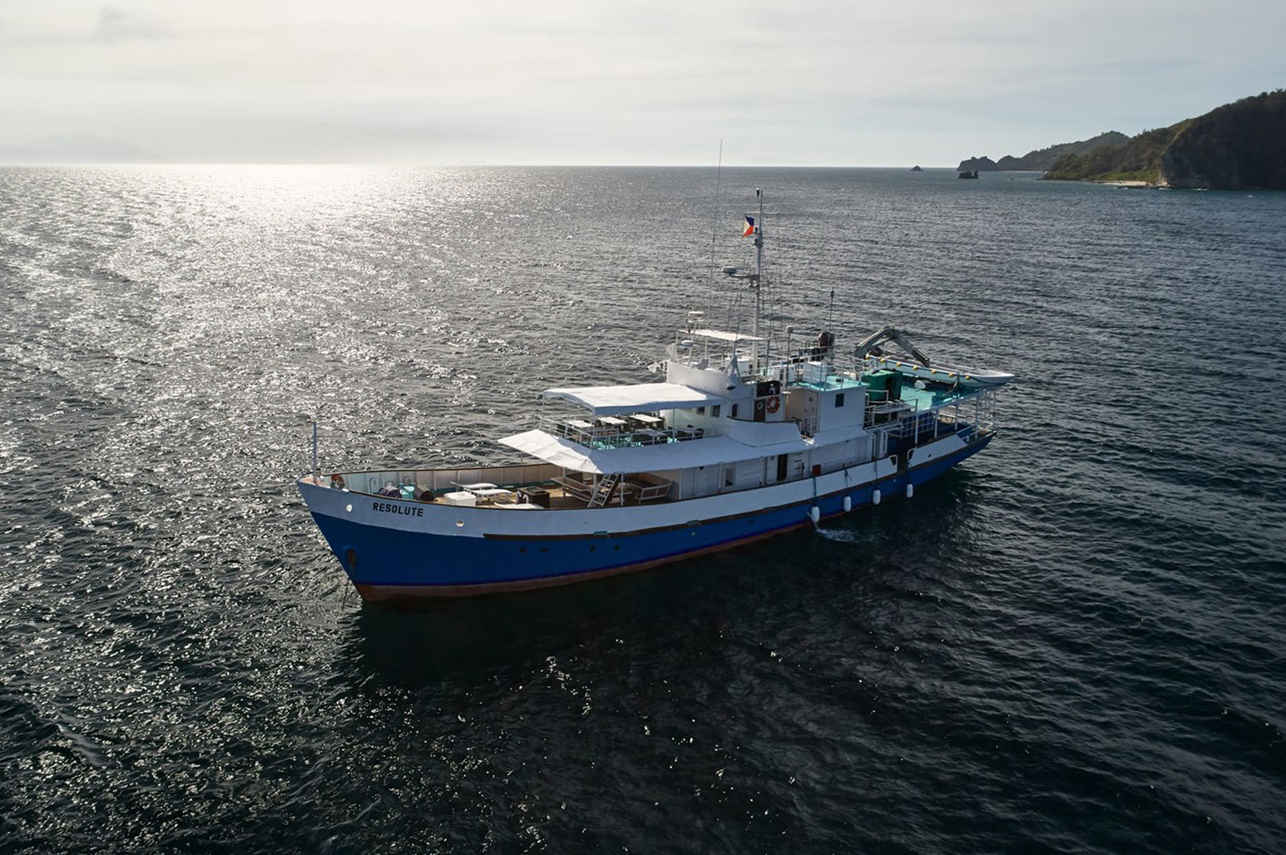
Resolute
Philippines
16 guests34.6 m
$314/day
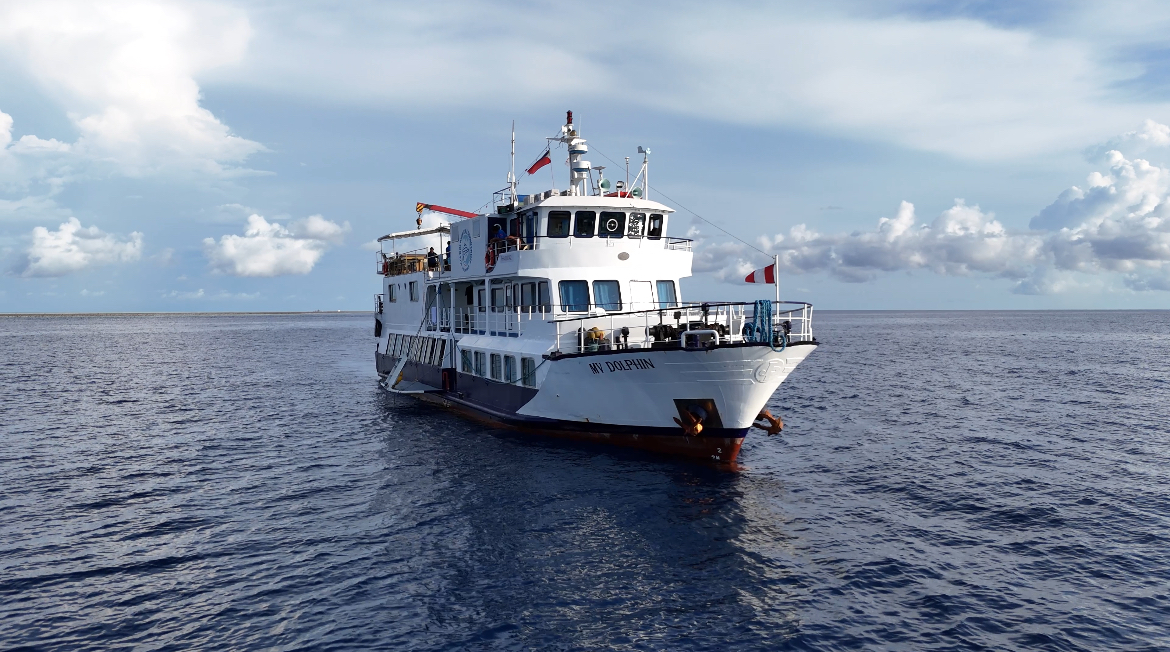
Dolphin
Philippines
18 guests31 m
$326/day
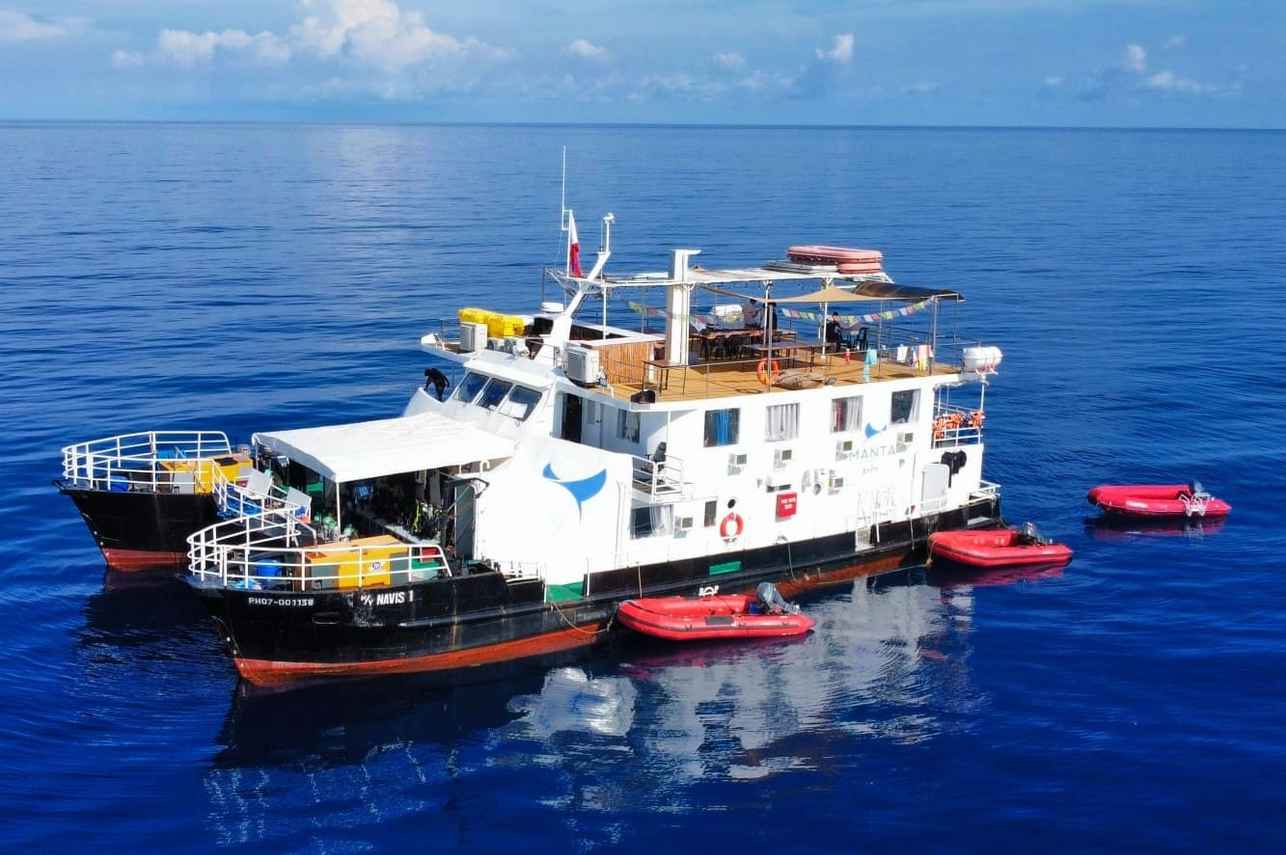
Navis 1
Philippines
22 guests23 m
$250/day
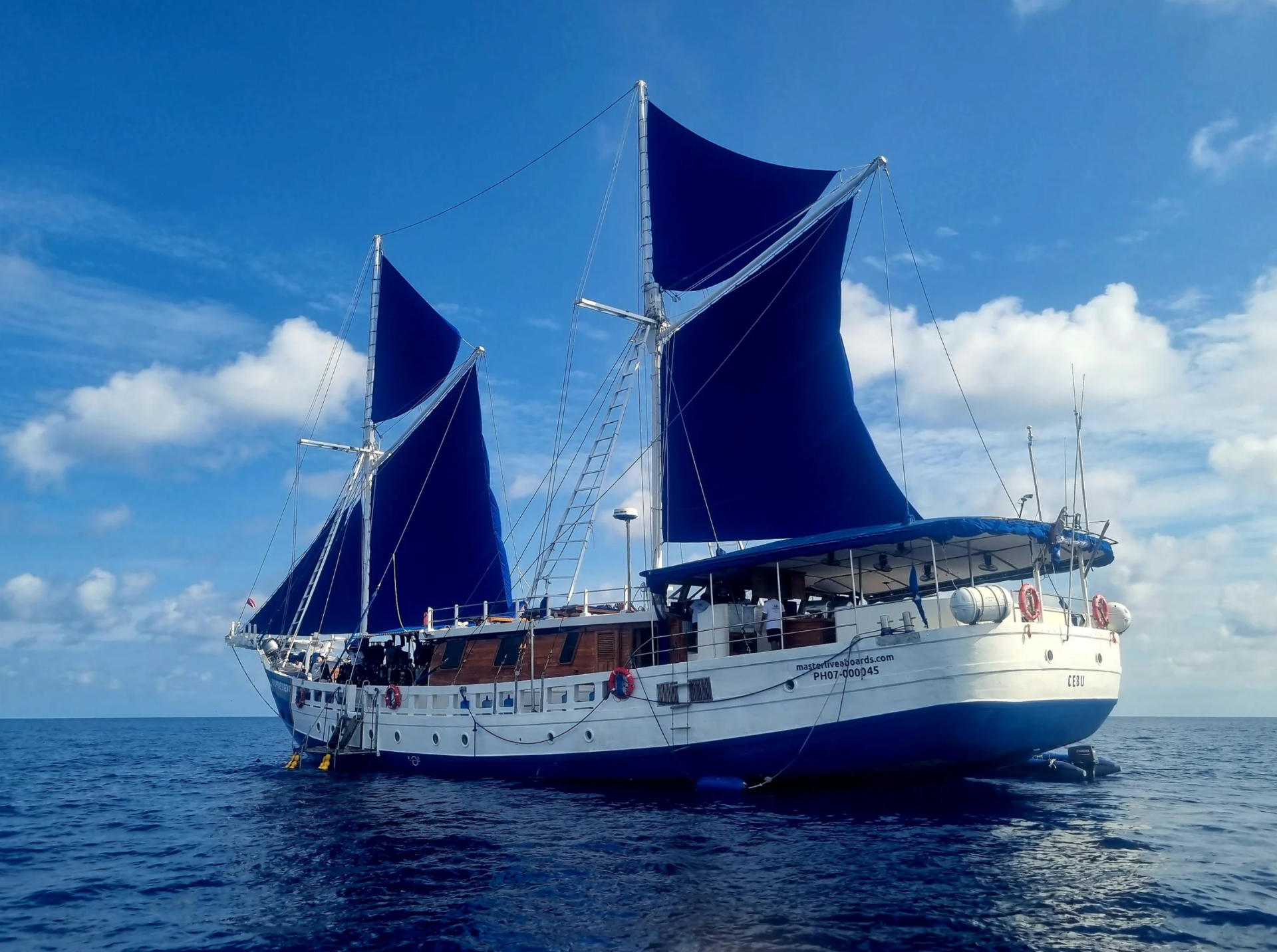
Philippine Siren
Philippines
16 guests
$309/day
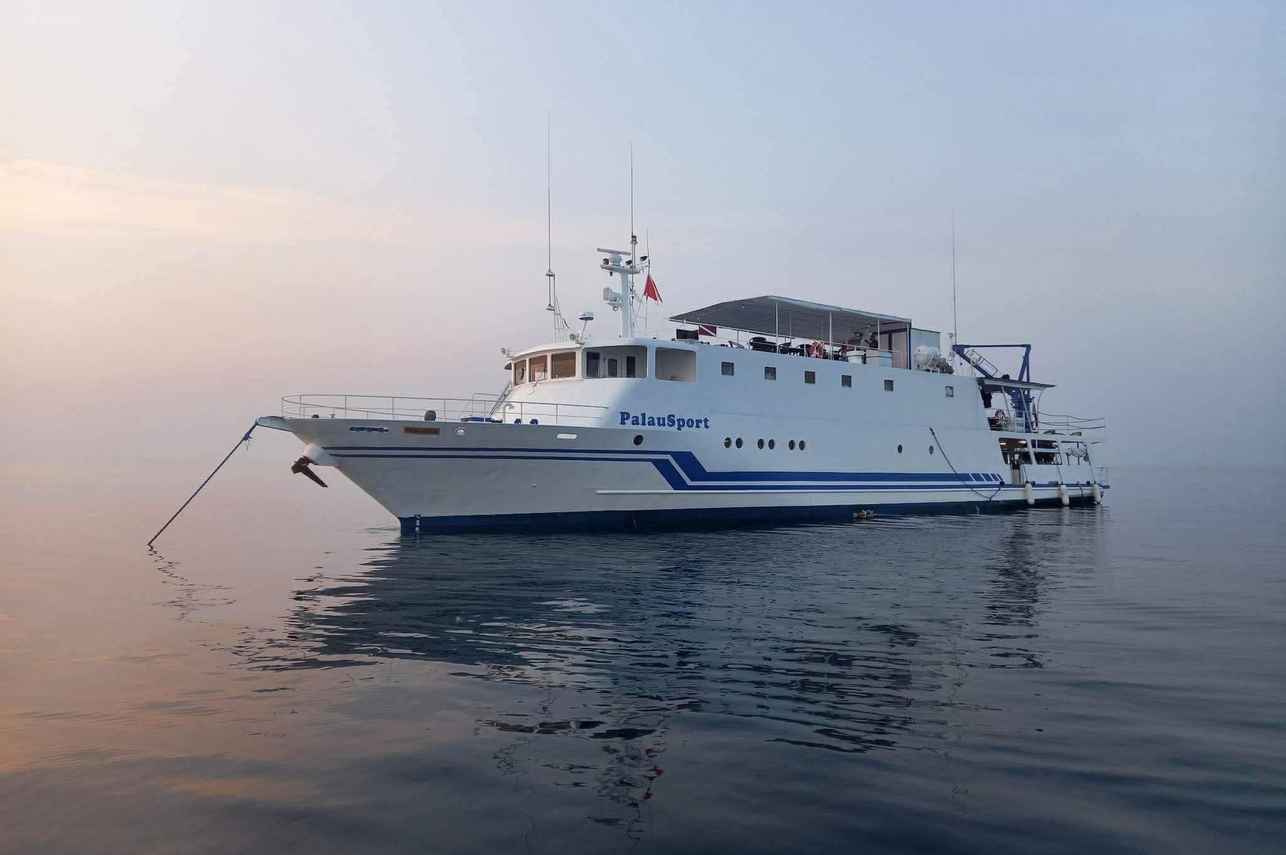
Palau Sport
Philippines
24 guests38.35 m
$215/day
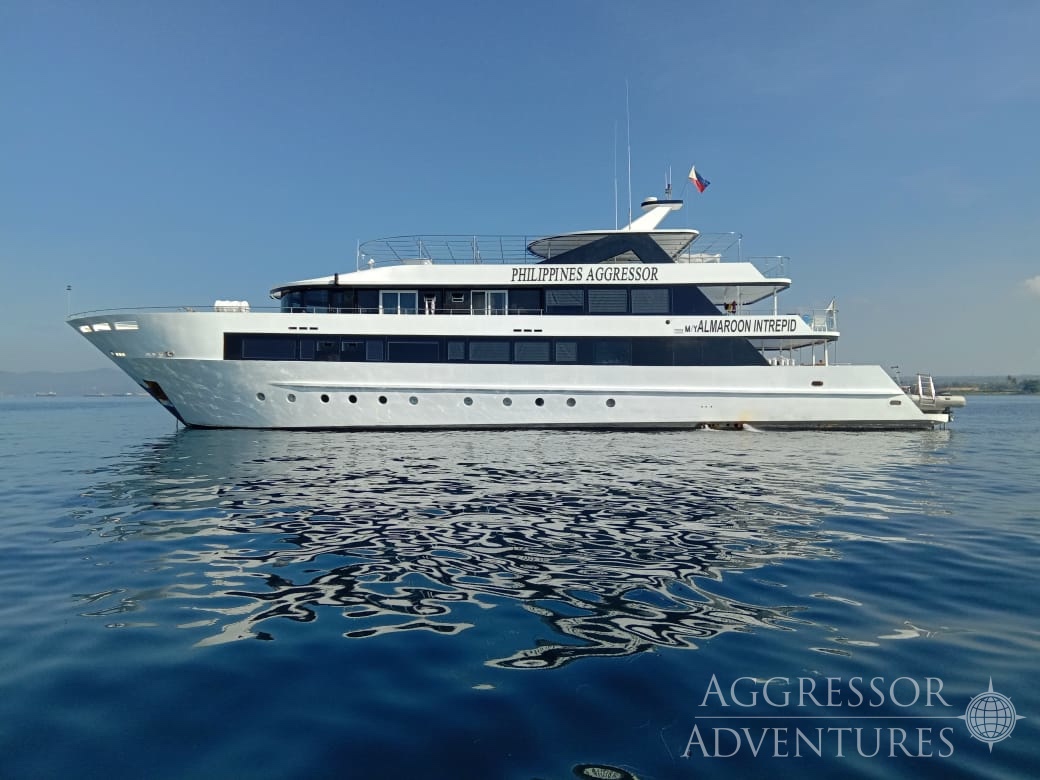
Philippines Aggressor
Philippines
26 guests42.7 m
$381/day
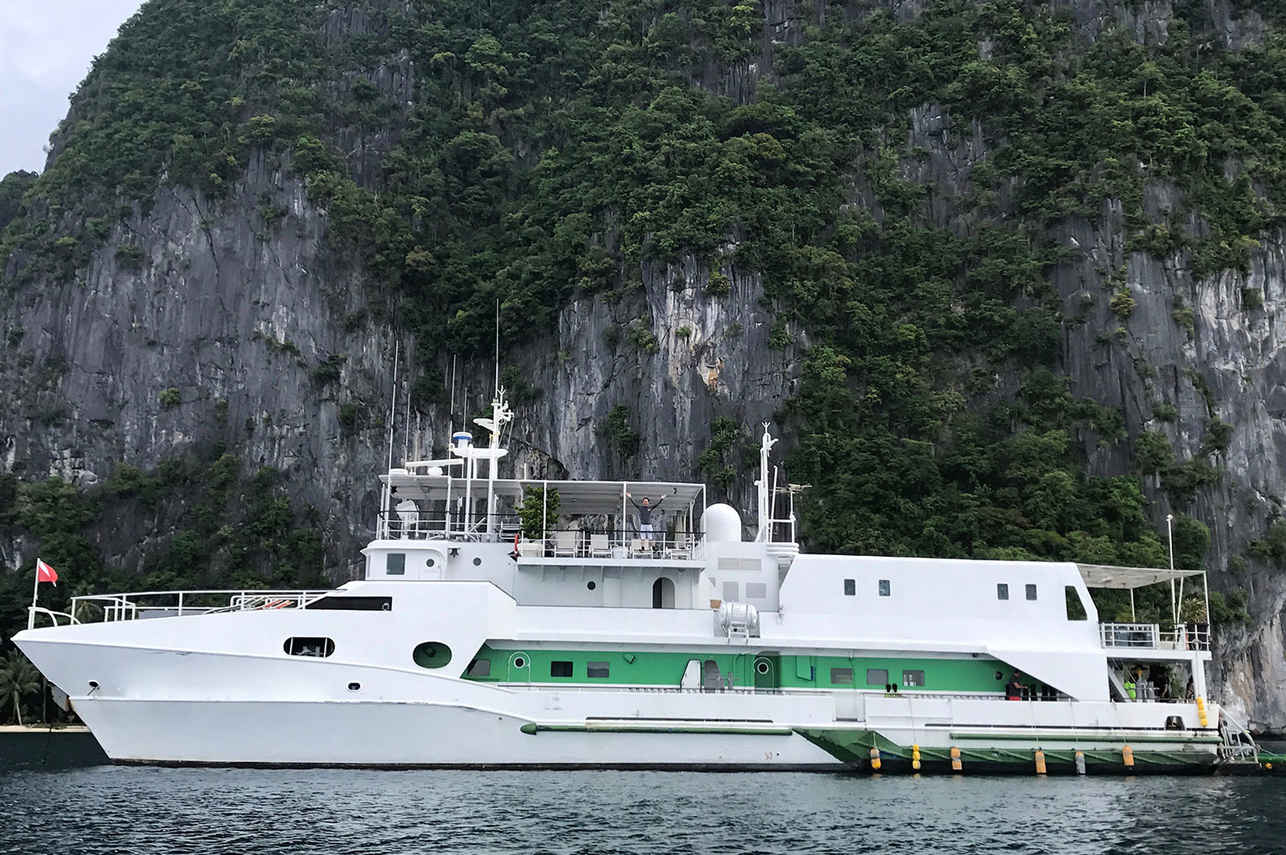
Stella Maris Explorer
Philippines
20 guests33 m
$398/day
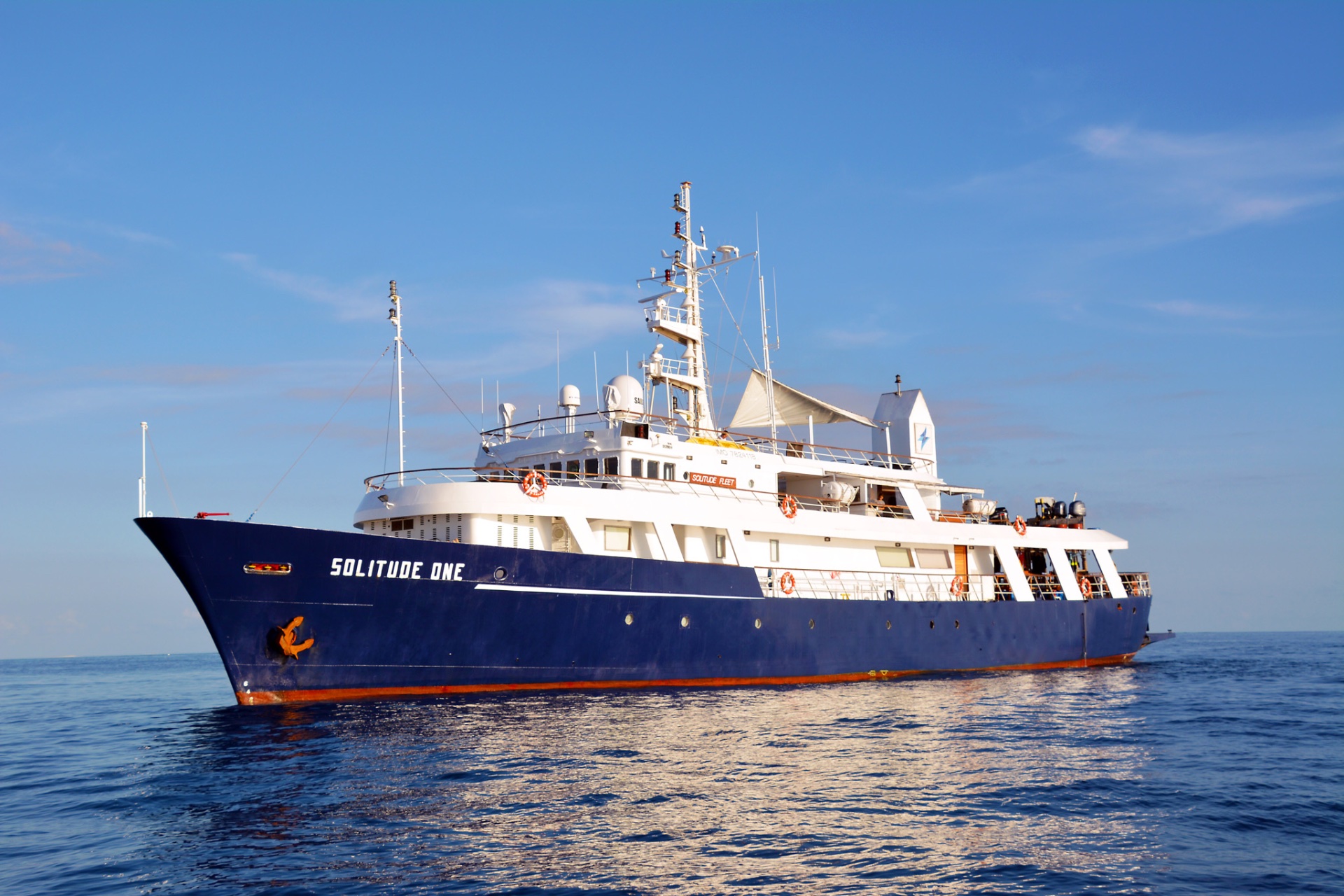
Solitude One
Philippines
24 guests52 m
$460/day
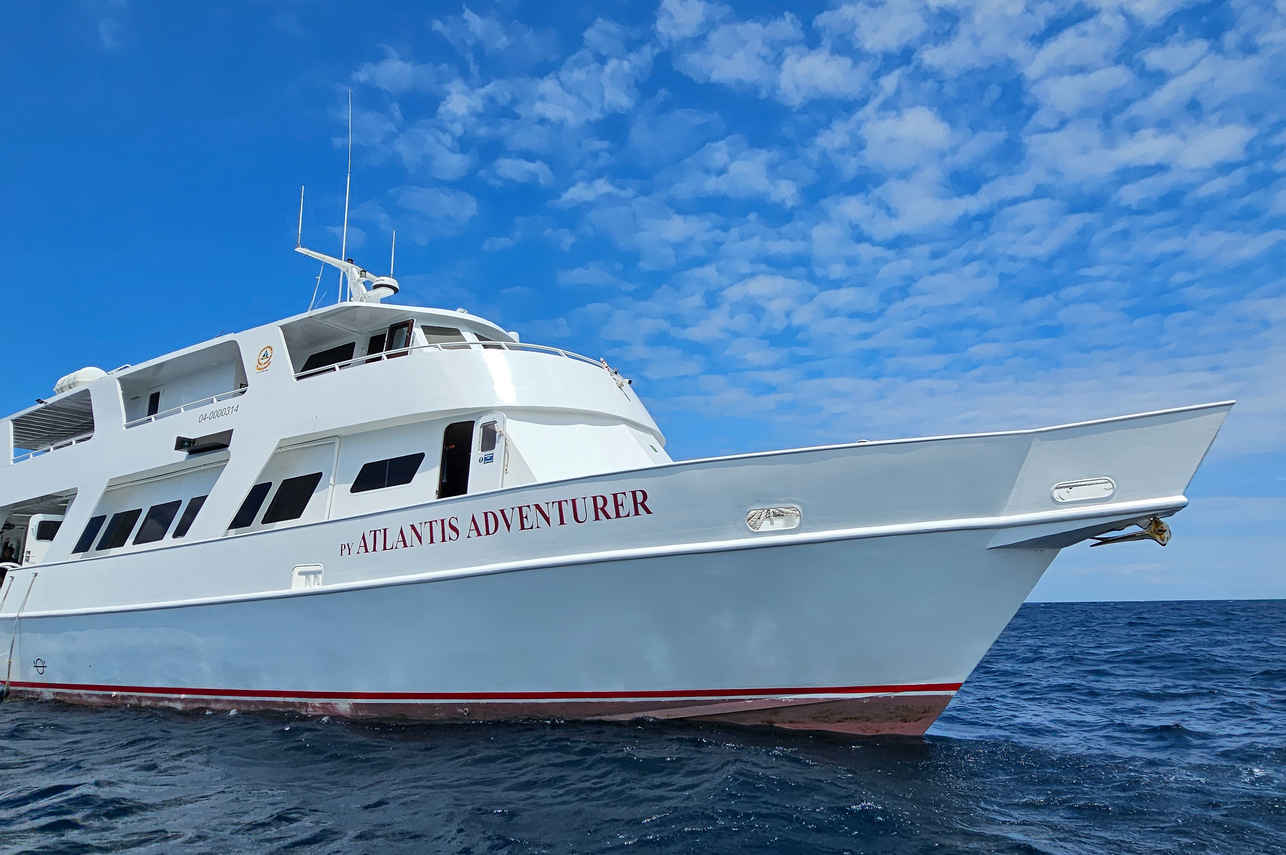
Atlantis Adventurer
Philippines
16 guests32.5 m
$421/day
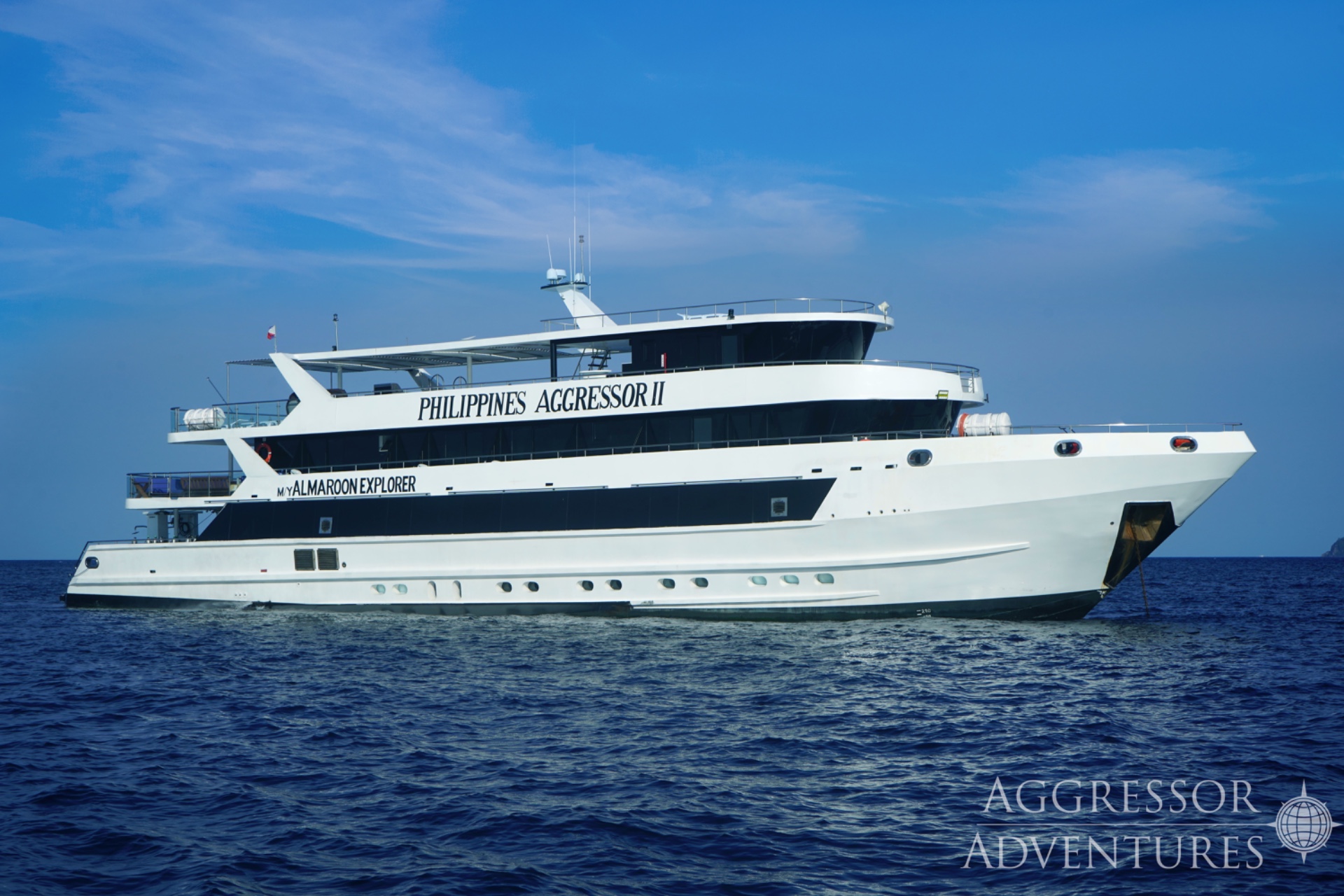
Philippines Aggressor II
Philippines
26 guests42.7 m
$247/day
Dive sites similar to Yapak
Same character, same waters — six more sites divers love for the exact same reasons.Compare seasons, access and liveaboard routes — then pick the site that fits your trip best.
© Esri — Maxar, Earthstar, GIS
Big La Laguna
Philippines
Big La Laguna is a beach community situated on the western edge of the Sabang Peninsula, a popular dive region on Mindoro Island, Philippines.
- Suitable for
- Intermediate
- Current
- Moderate
- Access
- Dayboat
- Depth
- 5–35 m
- Theme
- Reef / Wall
© Esri — Maxar, Earthstar, GIS
Panagsama Beach
Philippines
Panagsama Beach, situated on a peninsula near Moalboal town in Cebu, serves as a central hub for diving activities in the region, boasting over 20 dive sites along its shoreline.
- Suitable for
- Intermediate
- Current
- Moderate
- Access
- Liveaboard or dayboat
- Depth
- ≤ 30 m
- Theme
- Reef / Wall
© Esri — Maxar, Earthstar, GIS
Binangaan Drop Off
Philippines
Binangaan Drop Off is a premier dive site within Apo Reef National Park, located off Occidental Mindoro in the Philippines.
- Suitable for
- Advanced
- Current
- Strong
- Access
- Liveaboard only
- Depth
- 10–40 m
- Theme
- Wall / Drift
© Esri — Maxar, Earthstar, GIS
Balinghai Wall
Philippines
Balinghai Wall is a notable dive site located on the northwest side of Boracay, known for its accessible wall and coral slope formations.
- Suitable for
- Intermediate
- Current
- Mild
- Access
- Dayboat
- Depth
- 8–24 m
- Theme
- Wall / Reef
© Esri — Maxar, Earthstar, GIS
Tongo Sanctuary
Philippines
Tongo Sanctuary, located in Moalboal, Cebu, is a marine protected area renowned for its dramatic underwater topography.
- Suitable for
- Beginner
- Current
- Mild
- Access
- Dayboat
- Depth
- 5–55 m
- Theme
- Reef / Wall
© Esri — Maxar, Earthstar, GIS
Barracuda Rock (Malapascua)
Philippines
Barracuda Rock, frequently referred to as Deep Rock, is an enticing dive site near Malapascua, characterized by its coral-covered curving wall and a rocky bottom.
- Suitable for
- Intermediate
- Current
- Mild
- Access
- Dayboat
- Depth
- 12–30 m
- Theme
- Reef / Wall