About Punta Bunga
Located on the northwest side of Boracay, Punta Bunga is a highly accessible dive site situated near the popular Yapak and Balinghai Wall dive spots. It features a sloping wall interspersed with large, flat plateau sections, creating a rich and varied underwater topography suitable for multilevel reef exploration. The site's depth ranges significantly, with the wall starting in shallow single digits and extending down to 35-40 meters. It's adorned with an impressive diversity of soft and hard corals, gorgonians, sea fans, and sponges, which collectively form a vibrant habitat. This diverse ecosystem supports a wide array of marine species, from tiny critters to larger pelagic visitors. While currents are generally mild, the site occasionally experiences stronger movements, making it an engaging drift dive for those with some current experience. Visibility is typically excellent, often ranging from 10 to 25 meters, providing clear views of the extensive coral gardens and resident marine life. Punta Bunga is predominantly a boat dive, easily reached from Boracay's main dive areas, offering a flexible and rewarding experience for various diver skill levels.
Highlights
Sloping coral wallRich coral gardensDiverse marine crittersWhite-tip reef sharksSchools of fishUnderwater photography havenMild current driftGood visibility
Season calendar
Best months to dive here
Jan
Feb
Mar
Apr
May
Jun
Jul
Aug
Sep
Oct
Nov
Dec
Excellent
Good
Dive site facts: Punta Bunga
- Depth
- 9–40 m
- Typical dive
- 17–25 m
- Current
- Mild
- Visibility
- 10–25 m
- Water temperature
- 27–30°C
- Entry
- Boat dive
- Level
- AOW recommended, some drift experience
- Dive type
- Reef, wall, macro, drift
- Region / port
- Boracay, Philippines
- Coordinates
- 11.2284° N, 121.9920° E
Conditions & Currents
Punta Bunga generally experiences mild currents, though conditions can vary and might occasionally present stronger flows. Divers should always follow local guide briefings, which account for daily tide and operator judgments regarding current strength and direction. A boat dive entry is standard, requiring divers to confirm entry, exit, and backup procedures beforehand. While surge is typically flat calm, maintaining good buoyancy control and depth awareness is crucial, particularly when exploring the sloping wall and coral ledges. Visibility is consistently good to very good, generally ranging from 10 to 25 meters, allowing for clear views of the reef structure and marine life. This site is well-suited for divers with some experience in mild drift diving.
Marine life & sighting chances

Coral
common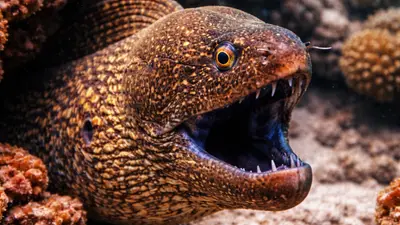
Eels
common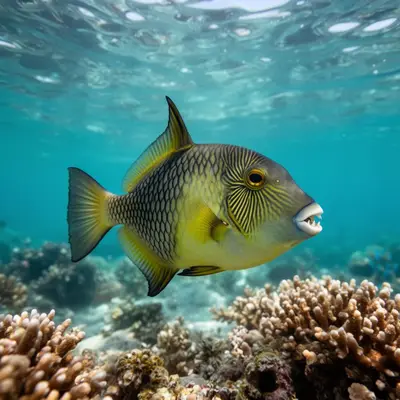
Triggerfish
common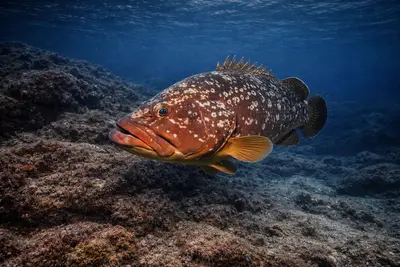
Groupers
common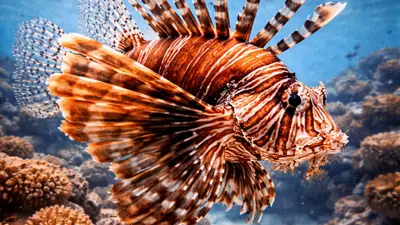
Lionfish
occasional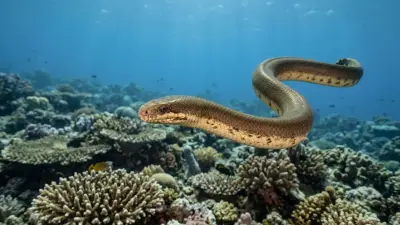
Sea snakes
occasional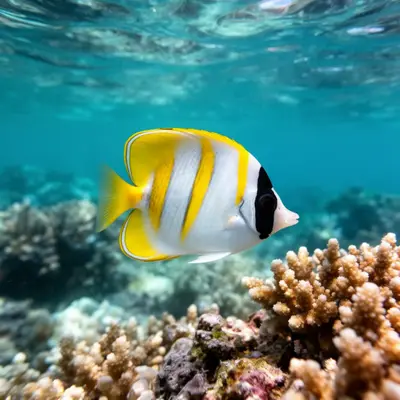
Butterflyfish
common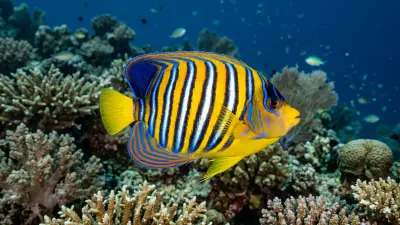
Angelfish
common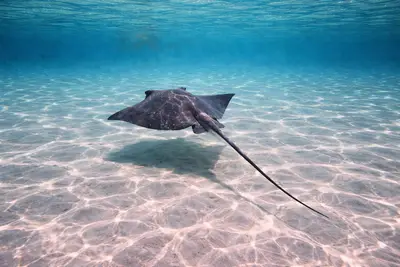
Stingrays
occasionalWhite-tip reef sharks
occasional
Grey reef sharks
occasional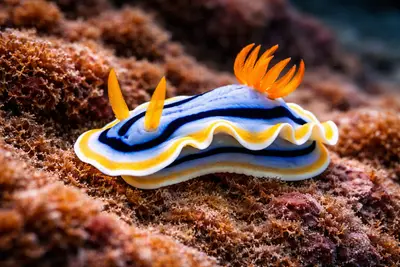
Nudibranchs
common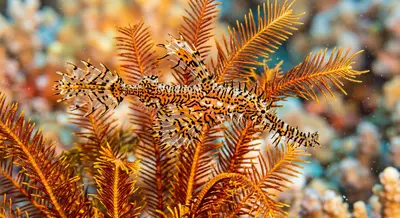
Pipefish
occasional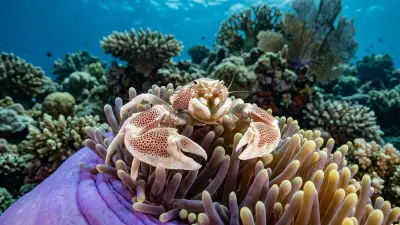
Porcelain crabs
occasionalDive profile & how the dive runs
Your dive at Punta Bunga begins with a boat entry, typically deploying from a local dive center in Boracay. You will descend along the sloping wall, which starts shallow and gradually extends to depths of 35-40 meters, allowing for a multilevel profile. The route follows the wall, exploring various coral ledges and sandy pockets that serve as habitats for diverse marine life. Keep an eye out for resident eels and triggerfish among the corals, and larger pelagics such as reef sharks. The dive progresses along the reef, with opportunities for macro photography in the cubbyholes and crevices. The turn point is determined by air consumption and no-decompression limits, typically around the 50-60 minute mark. The safety stop is conducted on the shallower sections of the wall, from 5-9 meters, offering a final chance to observe colorful reef fish and sponges before ascending to the boat for exit.
Underwater photography
Punta Bunga is an excellent site for both macro and wide-angle underwater photography due to its varied topography and rich biodiversity. For macro subjects like nudibranchs, pipefish, porcelain crabs, and mantis shrimps, a dedicated macro lens (e.g., 60mm or 100/105mm) paired with a snooted strobe can highlight intricate details against the vibrant coral backdrop. For wide-angle shots, consider a fisheye or wide rectilinear lens to capture the expansive coral gardens, sloping wall, and schools of fish. Use strobes to restore natural colors and minimize backscatter in the clear waters. Practicing excellent buoyancy control is essential to avoid disturbing delicate corals and marine life, ensuring both impactful shots and responsible diving. Patience is key, as critters often reveal themselves to calm, observant photographers.
Combine with nearby dive sites
Getting there & logistics
Access to Punta Bunga is typically via a short pumpboat ride from the main beaches of Boracay. The island is served by Caticlan Airport (MPH), which is just a 15-minute ferry ride away. Most dive operations are based in Boracay, offering day trips to sites like Punta Bunga. There are no specific park fees mentioned for this site, but dive packages usually cover boat transfers and guide services. Dive trips often combine two to three dives in a single day, allowing divers to explore multiple sites. Punta Bunga is frequently integrated into Boracay's regular dive itineraries, making it a convenient addition to any dive vacation in the region.
Safety & environment
For safe diving at Punta Bunga, it is crucial to plan conservatively, staying within your certification limits and paying close attention to the 9-25 meter reference depth, though the wall can extend deeper. While currents are generally mild, always heed the captain's and guide's briefings, as conditions can change. As a boat dive, confirm entry, exit, and emergency backup procedures with your local operator. The nearest recompression chamber would likely be in a major medical facility on Panay Island or Cebu, meaning evacuation could be prolonged. Therefore, having comprehensive dive insurance is highly recommended. Always carry a surface marker buoy (SMB) and maintain awareness of boat traffic. Divers should manage their air consumption carefully, especially on multilevel profiles, to ensure adequate reserves for safety stops and unforeseen delays.
Who it suits — and who it doesn't
Suited for
- Advanced Open Water divers
- Divers with mild drift experience
- Underwater photographers
- Divers interested in diverse reef ecosystems
- Divers seeking multilevel wall dives
Less suited for
- Absolute beginner divers (OW recommended with caution)
- Divers uncomfortable with potential mild currents
- Divers who prefer purely macro-focused muck dives
- Divers seeking only large pelagic action
FAQ
Punta Bunga FAQ
What is the typical depth range for diving at Punta Bunga?
Punta Bunga offers a significant depth range, with the wall starting in shallow sections and extending to maximum depths of 35 to 40 meters. The recommended average diving depth is often between 17 to 25 meters, providing ample opportunity for multilevel exploration across its coral gardens and sloping ledges.
Is Punta Bunga suitable for Open Water certified divers?
While some parts of Punta Bunga might be accessible to Open Water divers, it is generally recommended for Advanced Open Water (AOW) certified divers or those with more experience. The site features a wall that extends beyond typical OW limits and can have mild currents, requiring better buoyancy control and understanding of dive planning.
What kind of marine life can I expect to see at Punta Bunga?
Punta Bunga is rich in biodiversity, boasting extensive coral formations that host various marine life. You can frequently spot eels, triggerfish, groupers, butterflyfish, and angelfish. Occasional sightings include lionfish, sea snakes, stingrays, and even white-tip or grey reef sharks, alongside numerous macro critters like nudibranchs and pipefish.
What are the current conditions usually like at Punta Bunga?
Punta Bunga is typically characterized by mild currents, making it accessible for many divers. However, conditions can vary, and at times, stronger currents may be present. It is always best to consult with your local dive operator and guide on the day of your dive for the most accurate current assessment.
Is Punta Bunga a good site for underwater photography?
Yes, Punta Bunga is highly regarded as a photography-friendly dive site. Its impressive coral diversity, numerous cubbyholes, and rich critter population make it ideal for both macro and wide-angle photography. The good visibility and often calm conditions allow for relaxed shooting opportunities.
Why dive Punta Bunga from a liveaboard?
Punta Bunga is one of Philippines's signature dive sites. A liveaboard sleeps you on the water and puts you in the water for three to four guided dives per day, including dawn and night dives that day-boat operators rarely offer. You skip the daily commute back to port and reach quieter, less-crowded sites in the same region on a single trip.
Below are the liveaboards that include Punta Bunga on their Philippines itineraries.
Liveaboards diving Punta Bunga
These liveaboards may visit Punta Bunga on selected itineraries — the exact dive sites depend on departure, weather and conditions.
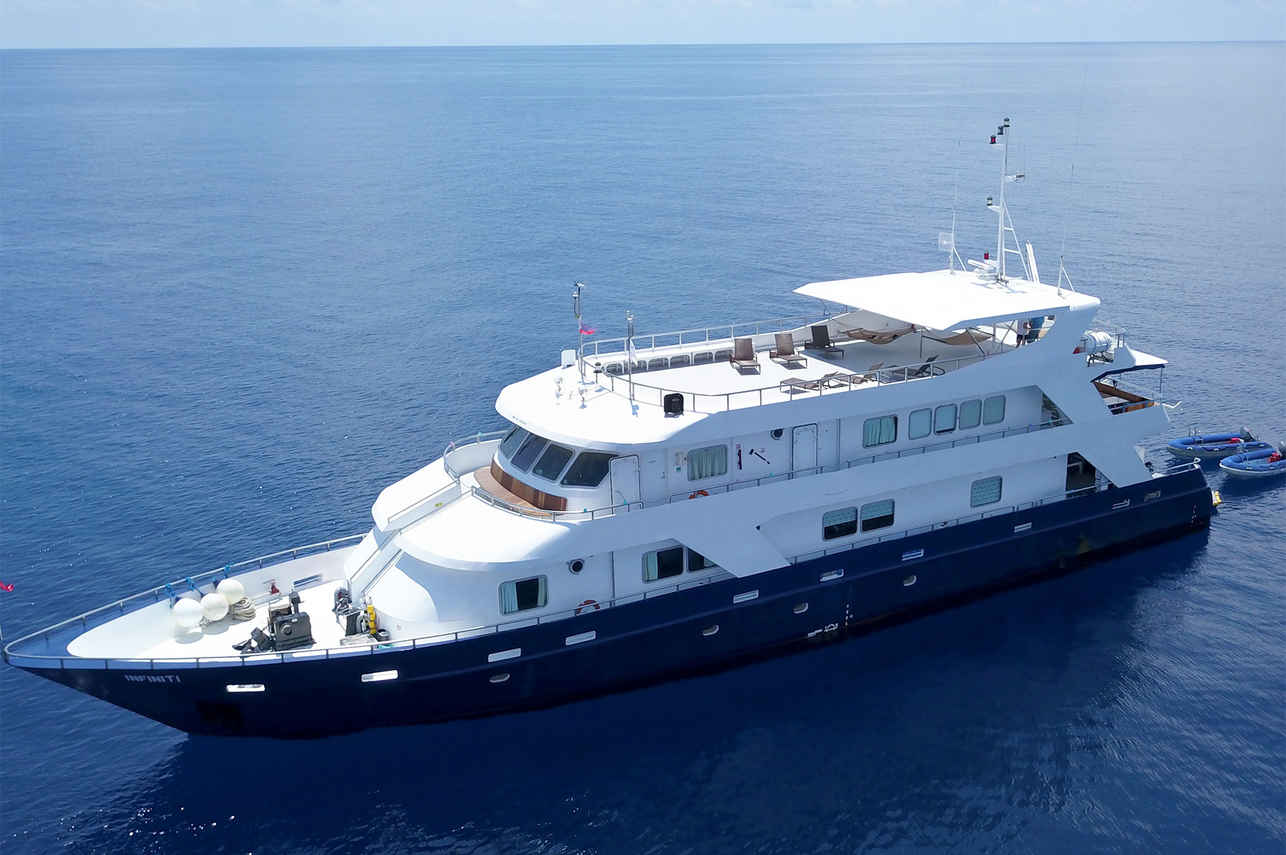
Infiniti
Philippines
25 guests39 m
$280/day
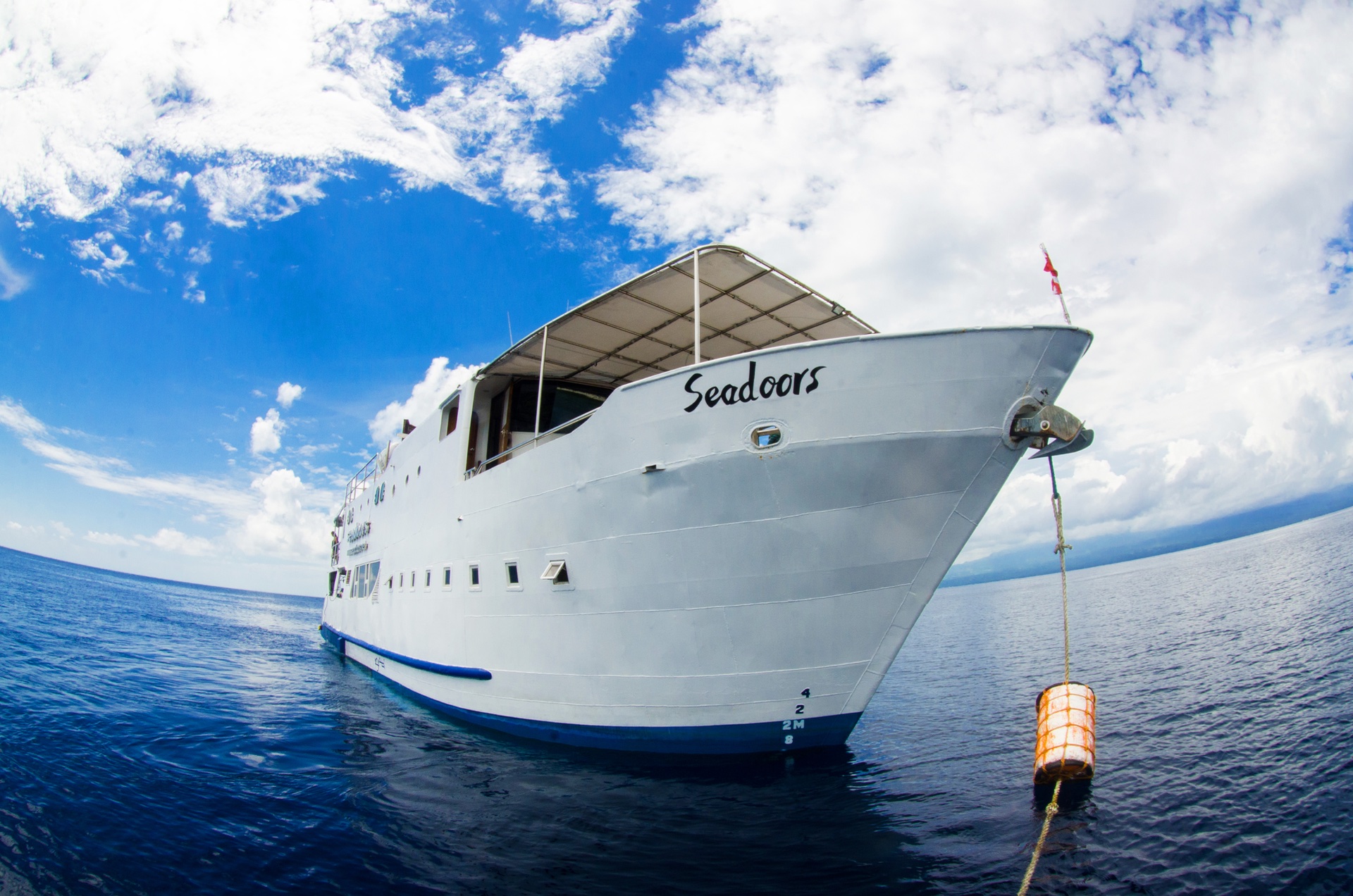
Seadoors
Philippines
16 guests25 m
$335/day
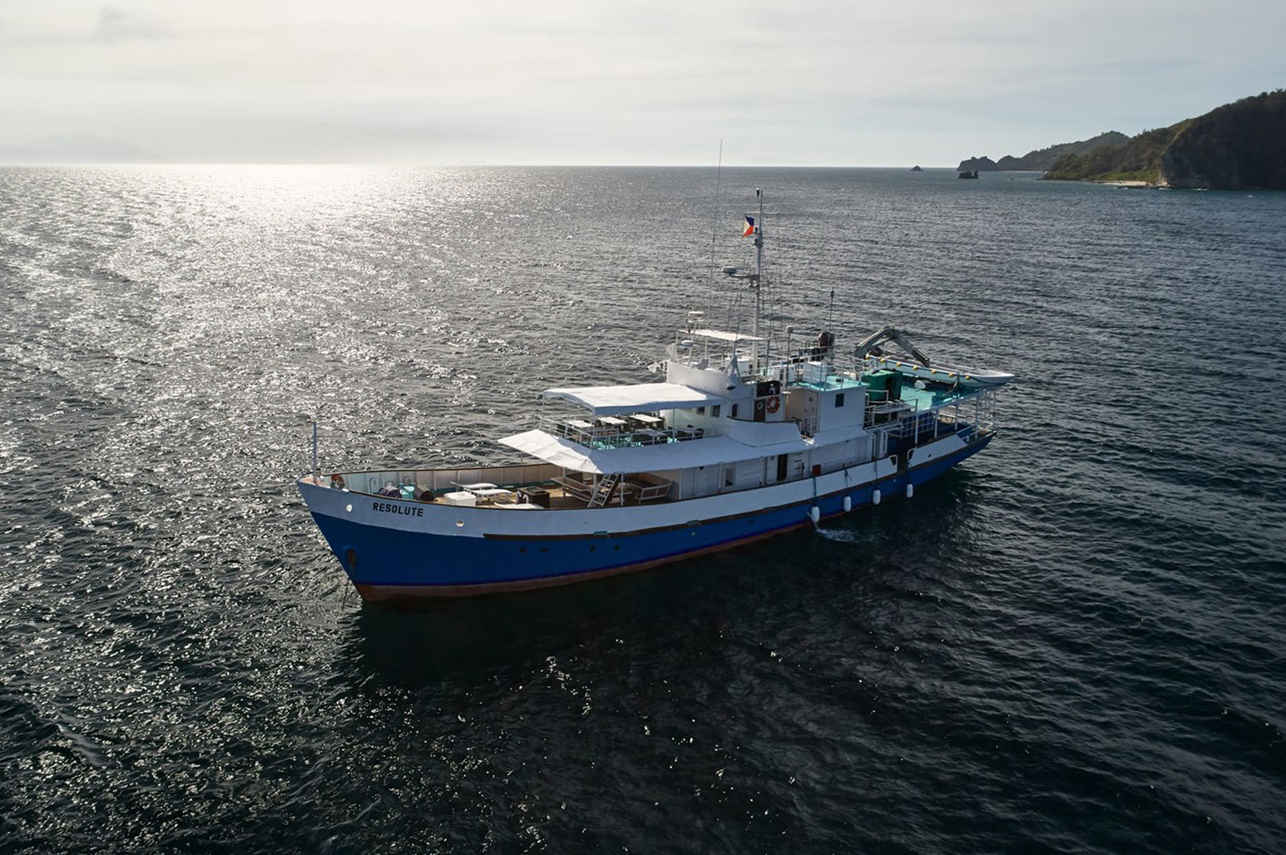
Resolute
Philippines
16 guests34.6 m
$314/day
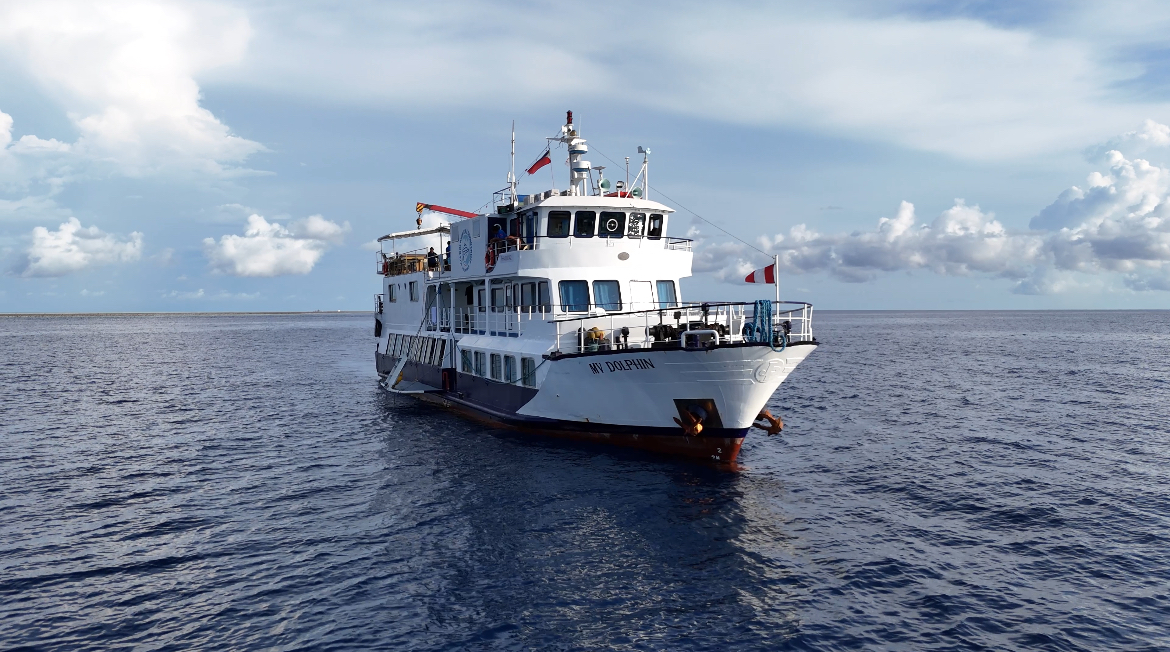
Dolphin
Philippines
18 guests31 m
$326/day
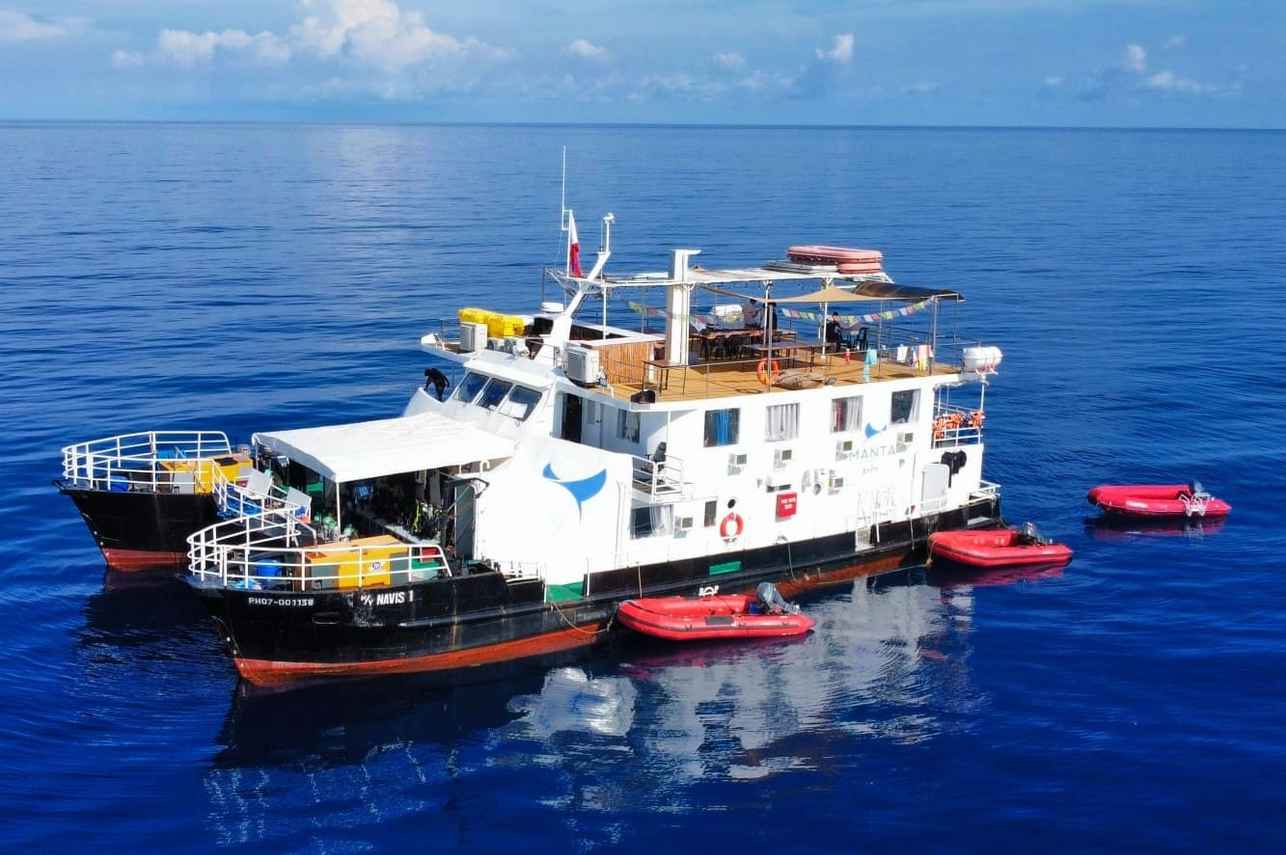
Navis 1
Philippines
22 guests23 m
$250/day
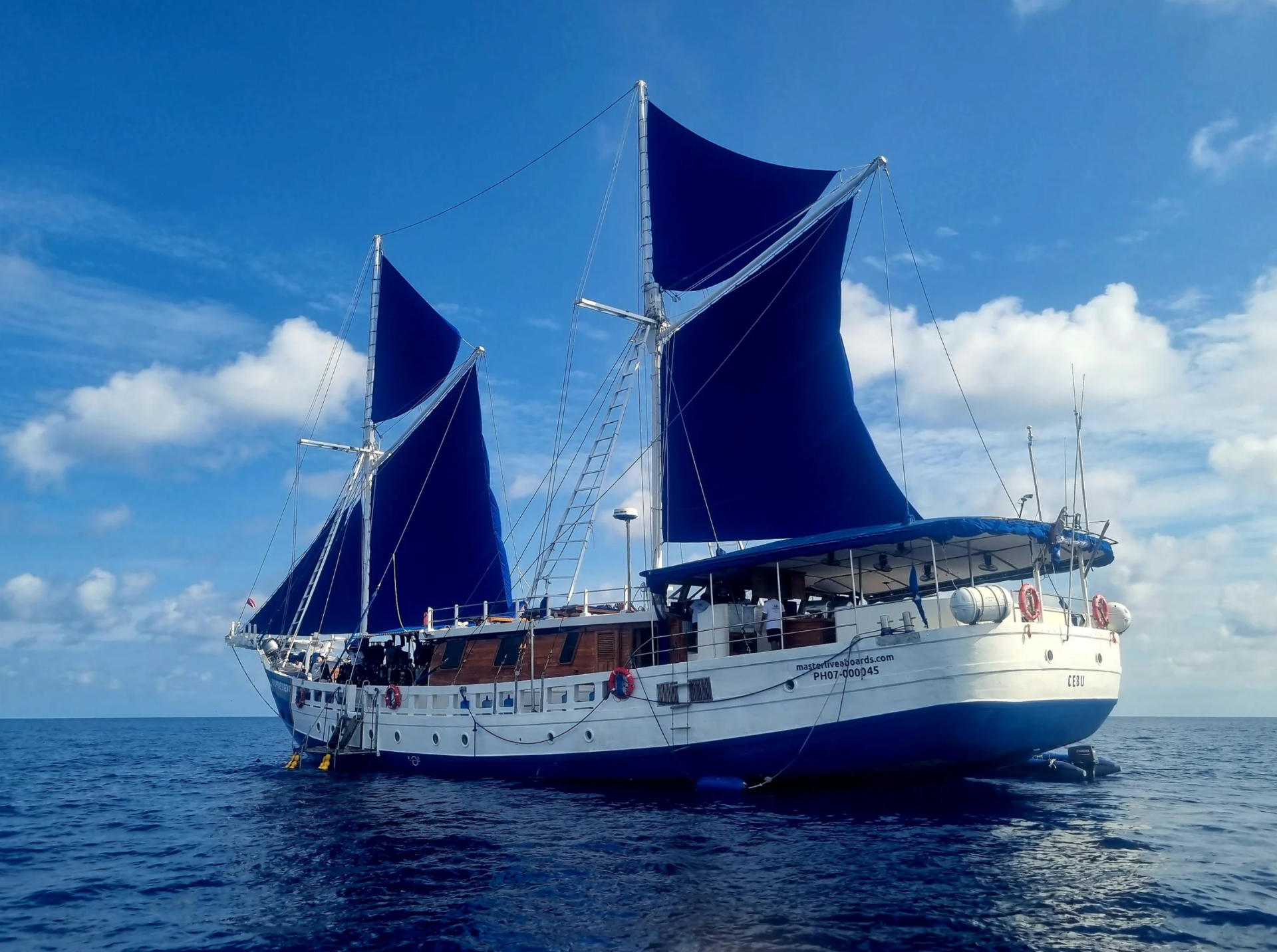
Philippine Siren
Philippines
16 guests
$309/day
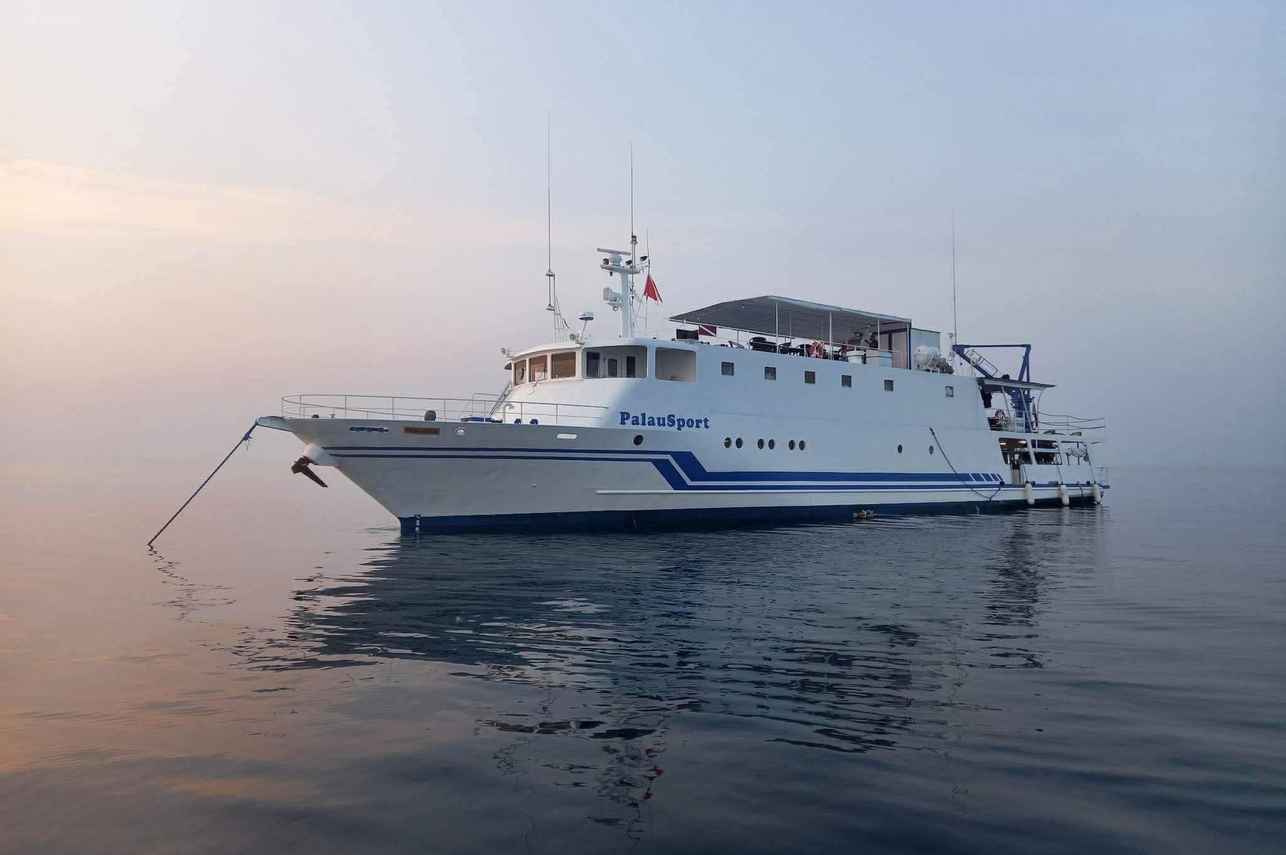
Palau Sport
Philippines
24 guests38.35 m
$215/day
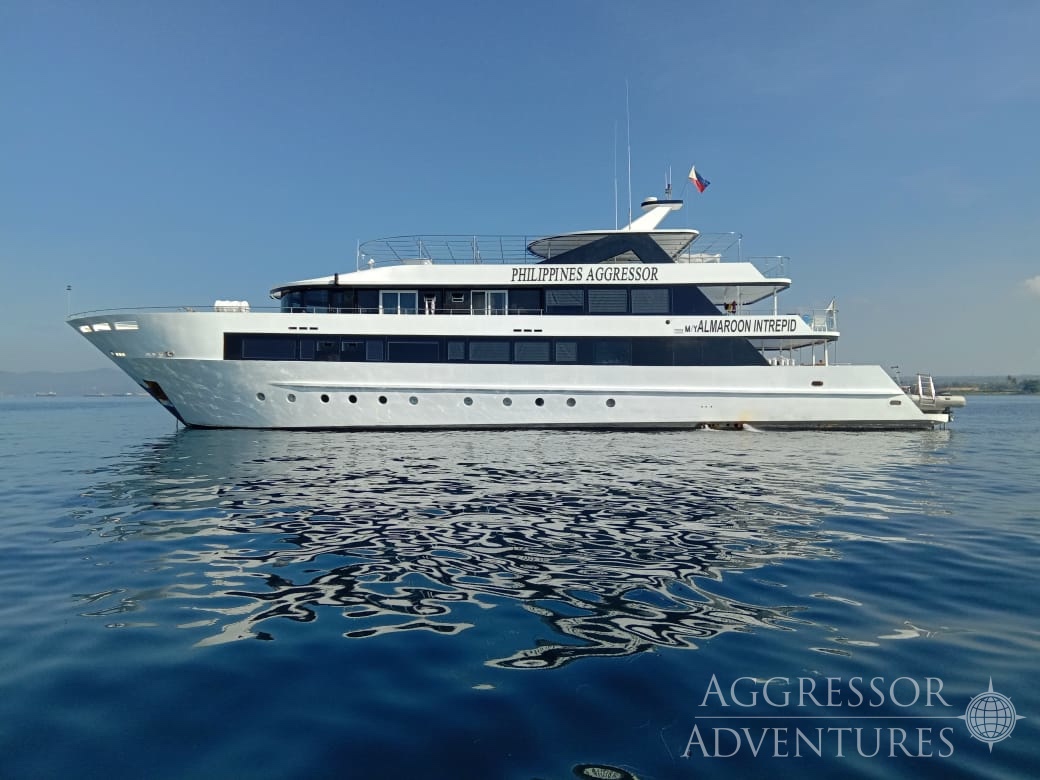
Philippines Aggressor
Philippines
26 guests42.7 m
$381/day
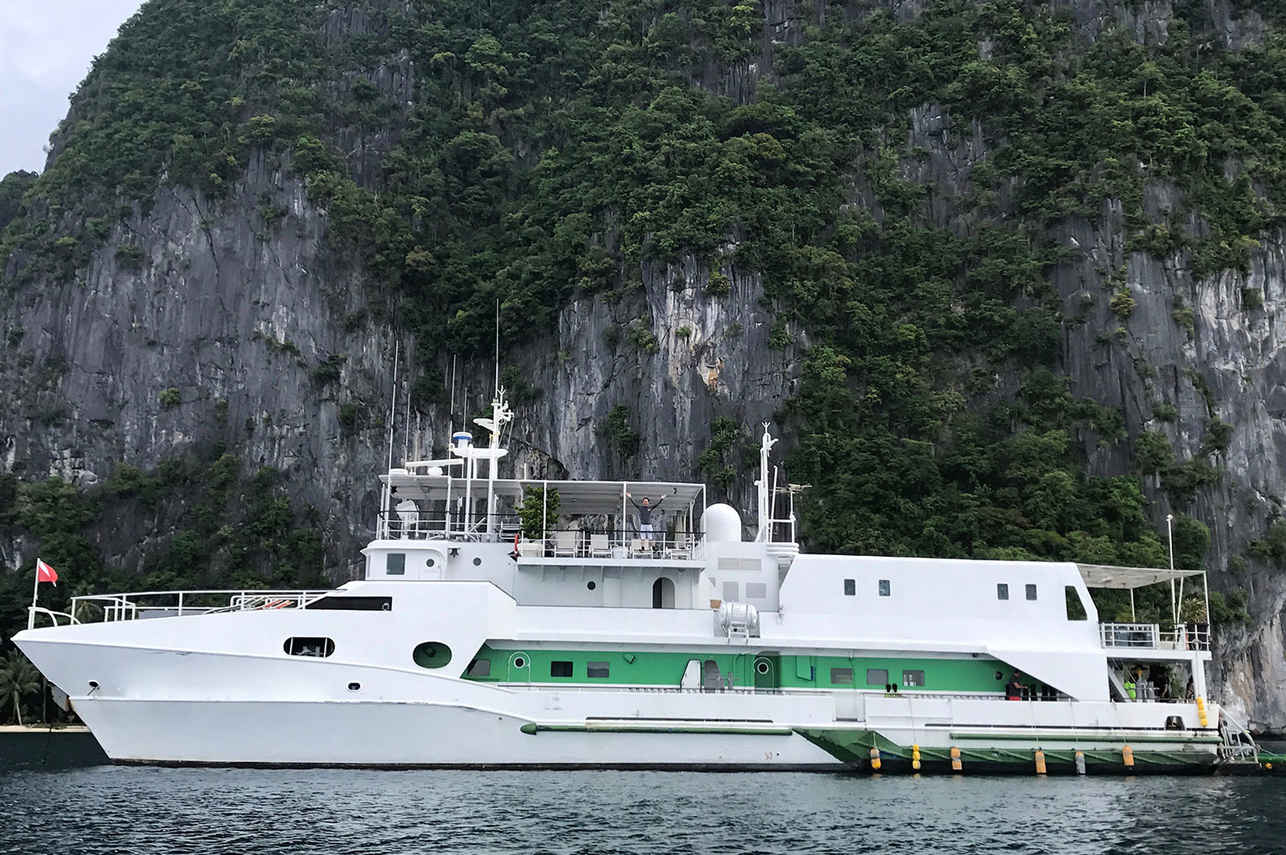
Stella Maris Explorer
Philippines
20 guests33 m
$398/day
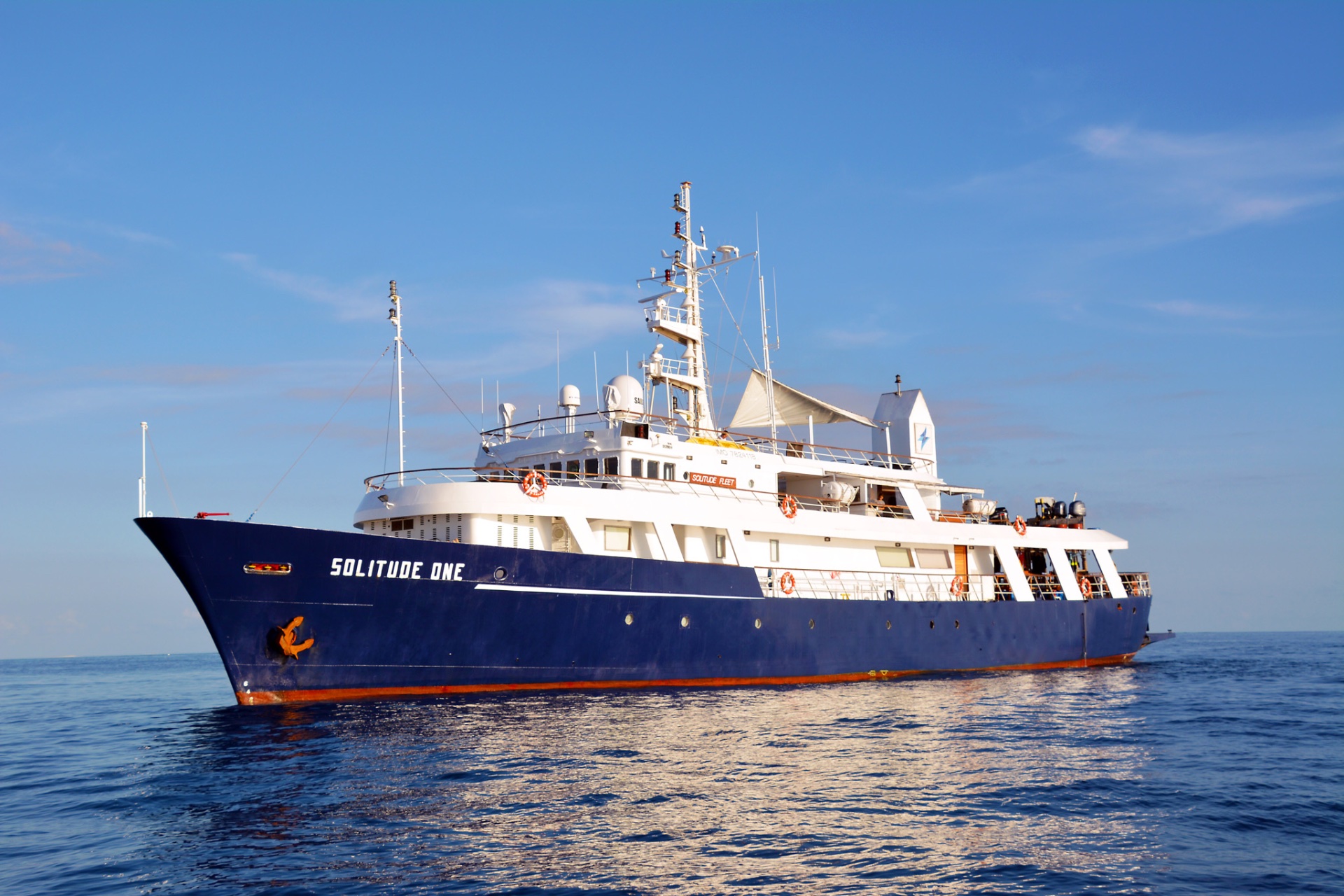
Solitude One
Philippines
24 guests52 m
$460/day
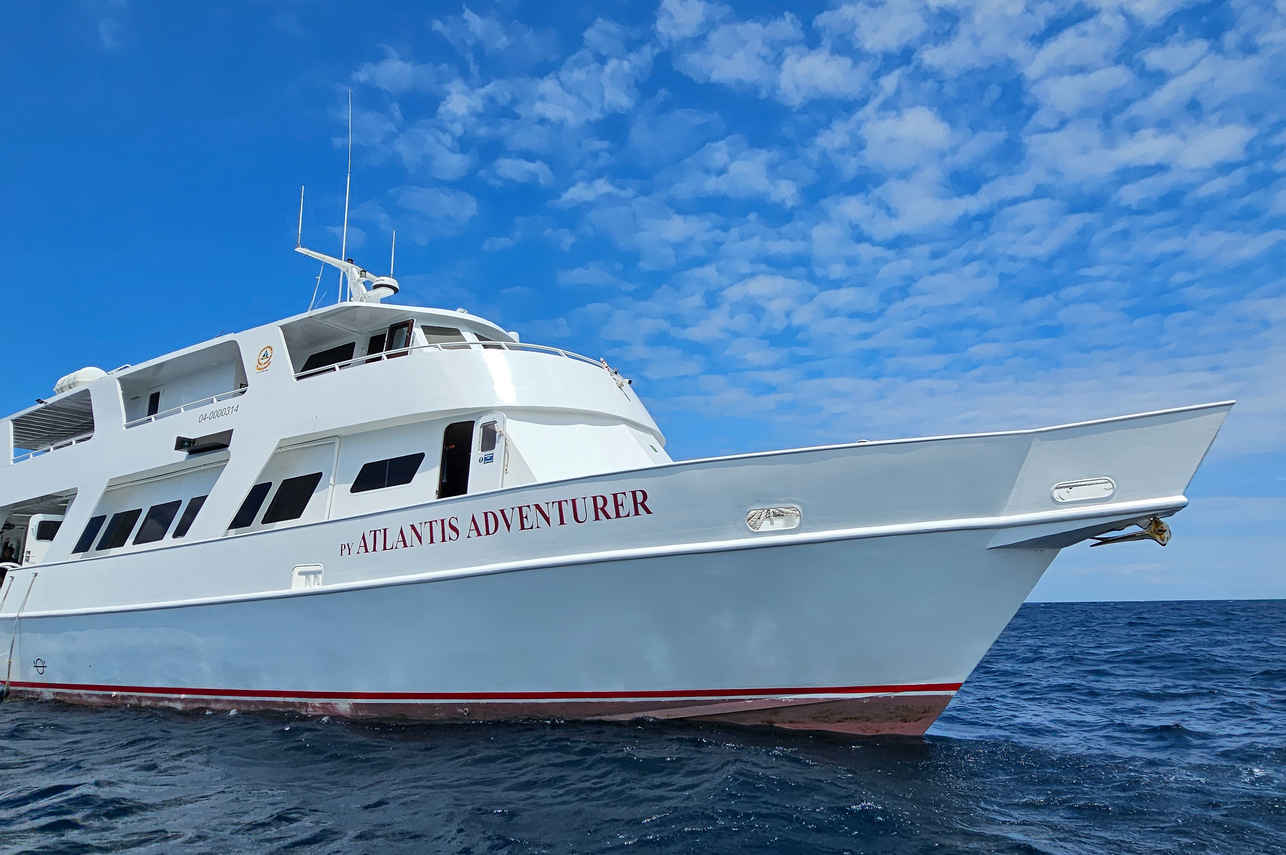
Atlantis Adventurer
Philippines
16 guests32.5 m
$421/day
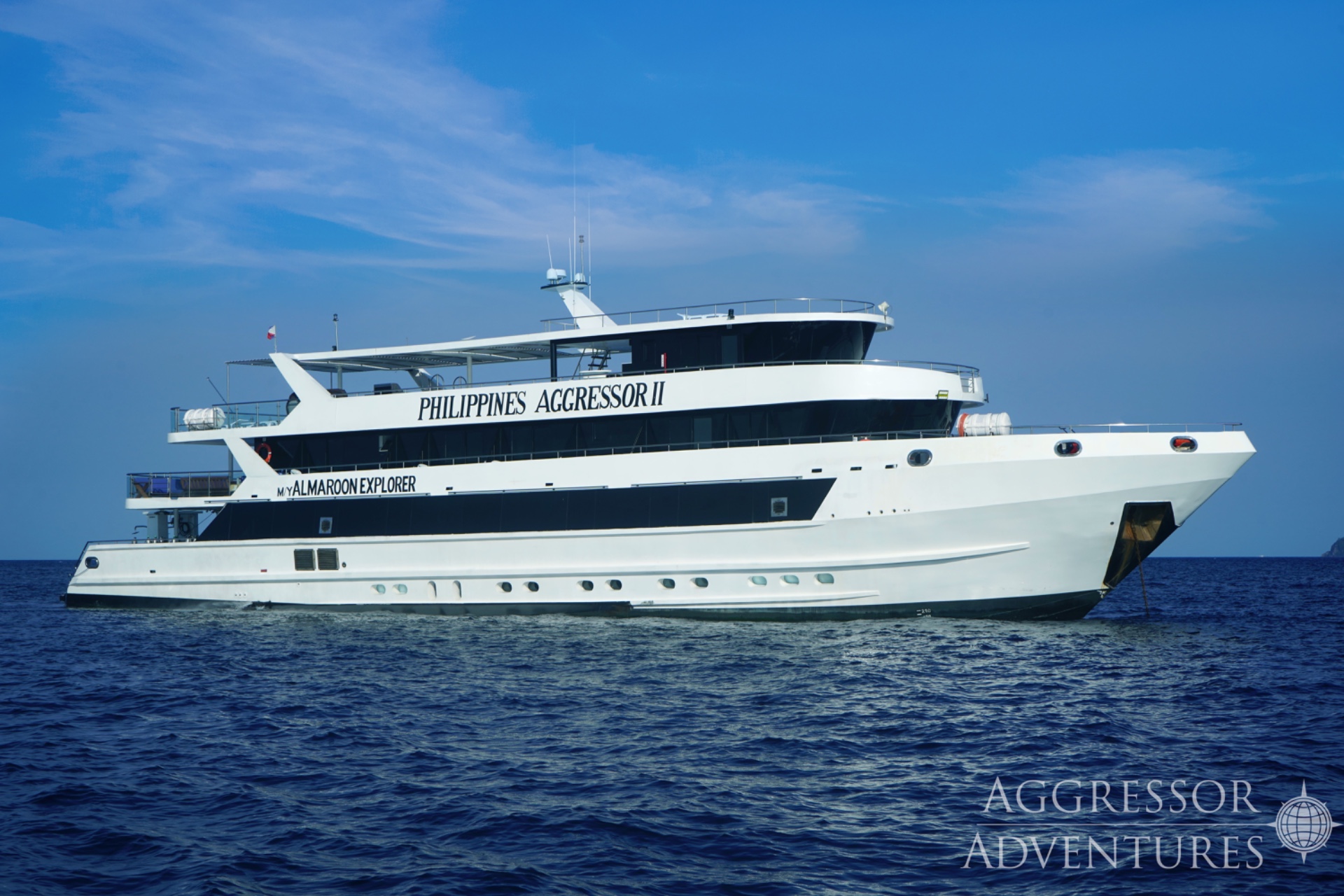
Philippines Aggressor II
Philippines
26 guests42.7 m
$247/day
Dive sites similar to Punta Bunga
Same character, same waters — six more sites divers love for the exact same reasons.Compare seasons, access and liveaboard routes — then pick the site that fits your trip best.
Big La Laguna
Philippines
Big La Laguna is a beach community situated on the western edge of the Sabang Peninsula, a popular dive region on Mindoro Island, Philippines.
- Suitable for
- Intermediate
- Current
- Moderate
- Access
- Dayboat
- Depth
- 5–35 m
- Theme
- Reef / Wall
Black Forest
Philippines
Black Forest is a premier dive site located off Balicasag Island, renowned for its exceptional marine biodiversity and distinct topography.
- Suitable for
- Intermediate
- Current
- Strong
- Access
- Liveaboard or dayboat
- Depth
- 10–30 m
- Theme
- Drift / Reef
Panagsama Beach
Philippines
Panagsama Beach, situated on a peninsula near Moalboal town in Cebu, serves as a central hub for diving activities in the region, boasting over 20 dive sites along its shoreline.
- Suitable for
- Intermediate
- Current
- Moderate
- Access
- Liveaboard or dayboat
- Depth
- ≤ 30 m
- Theme
- Reef / Wall
Binangaan Drop Off
Philippines
Binangaan Drop Off is a premier dive site within Apo Reef National Park, located off Occidental Mindoro in the Philippines.
- Suitable for
- Advanced
- Current
- Strong
- Access
- Liveaboard only
- Depth
- 10–40 m
- Theme
- Wall / Drift
Olympia Maru
Philippines
The Olympia Maru is a prominent Japanese cargo ship wreck from World War II, located within Coron Bay, Philippines.
- Suitable for
- Intermediate
- Current
- Mild
- Access
- Dayboat
- Depth
- 17–24 m
- Theme
- Wreck / Reef
Manta Bowl
Philippines
Manta Bowl is a renowned submerged seamount located in the Ticao Pass, off the northern coast of Ticao Island in Masbate, Philippines.
- Suitable for
- Advanced
- Current
- Ripping
- Access
- Liveaboard or dayboat
- Depth
- 14–50 m
- Theme
- Drift