About Balinghai Wall
Balinghai Wall is a notable dive site located on the northwest side of Boracay, known for its accessible wall and coral slope formations. Situated near Punta Bunga and Yapak, this site is easily reached by boat from Boracay's main dive areas. Its topography features a wall that starts in the shallow single digits and slopes down to approximately 24 meters, characterized by healthy corals and reef balls. The dive site is particularly celebrated for its diverse marine life thriving within these coral gardens and along the wall. Divers can expect to encounter a variety of reef fish and other creatures that find refuge in the abundant coral. The calm conditions and typically good visibility make Balinghai Wall an excellent spot for leisurely multi-level exploration and underwater photography. While considered beginner-friendly by some, its wall diving aspect with depths reaching 24 meters means it is also well-suited for Advanced Open Water certified divers. The mild currents enhance the experience, allowing divers to fully appreciate the unique underwater scenery and its inhabitants without excessive effort. This site provides a balanced diving experience, combining stunning visuals with manageable conditions for a wide range of skill levels.
Highlights
Boracay wall divingHealthy coral slopeArtificial reef structuresMild currentsGood visibilityDiverse reef lifeBoat accessMulti-level exploration
Season calendar
Best months to dive here
Jan
Feb
Mar
Apr
May
Jun
Jul
Aug
Sep
Oct
Nov
Dec
Good
Dive site facts: Balinghai Wall
- Depth
- 8–24 m
- Current
- Mild
- Visibility
- 10–25 m
- Water temperature
- 27–30°C
- Entry
- Boat
- Level
- AOW recommended
- Dive type
- Wall, reef, coral slope
- Region / port
- Boracay Island, Western Visayas
- Coordinates
- 11.1984° N, 122.0050° E
Conditions & Currents
Balinghai Wall generally experiences mild currents, providing a comfortable diving experience that is suitable for a range of diver levels. While typically gentle, divers should always heed tide, captain, and guide briefings on the day of the dive, as conditions can vary. Visibility at the site is usually good, ranging from 10 to 25 meters, allowing clear views of the wall and its inhabitants. Entry and exit are typically managed via boat, requiring divers to confirm procedures before commencing the dive. Given the mild current and good visibility, gas planning can be standard, but awareness of depth progression along the sloping wall is important for managing no-decompression limits.
Marine life & sighting chances

Coral
common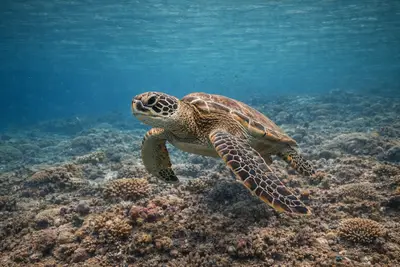
Green Turtle
occasional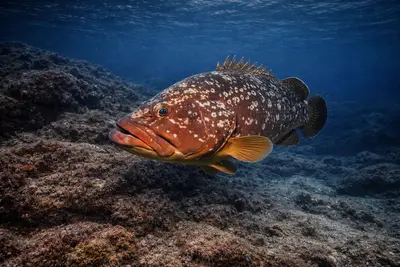
Grouper
occasional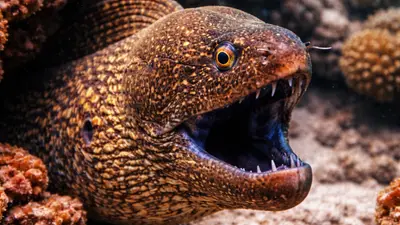
Moray Eel
occasional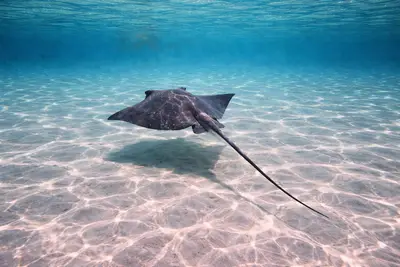
Stingrays
occasional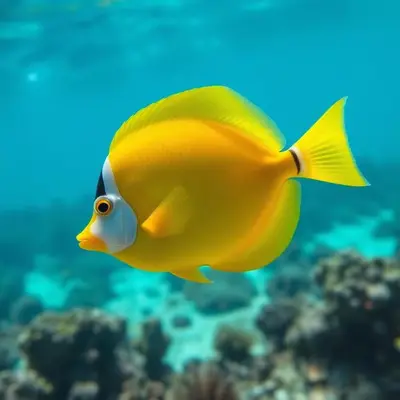
Surgeonfish
occasional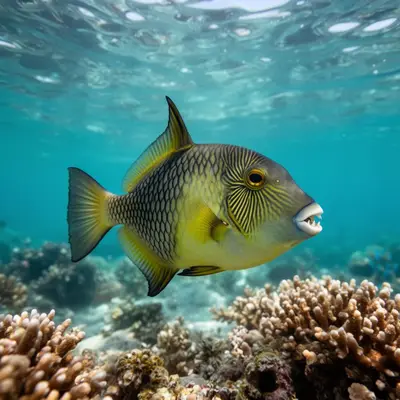
Triggerfish
occasionalDive profile & how the dive runs
Diving Balinghai Wall typically involves a boat entry, followed by a descent to the wall that begins around 8 meters. The dive then proceeds along a sloping coral wall that extends down to a maximum depth of 24 meters, characterized by healthy coral formations and artificial reef balls. Divers are encouraged to explore at a relaxed pace, following the contours of the wall and its ledges. The route allows for multi-level exploration, catering to varying depth preferences. The turn point is generally determined by gas consumption and no-decompression limits, allowing ample time to observe the rich marine life. Safety stops are conducted in the shallower sections of the reef, ensuring a safe and gradual ascent before surfacing for boat pick-up.
Underwater photography
Balinghai Wall's clear waters and varied reef structures offer excellent opportunities for underwater photography. Wide-angle lenses are ideal for capturing the expansive coral slope, wall topography, and any artificial reef elements. For macro enthusiasts, the healthy corals likely host smaller creatures, though specific macro subjects are not detailed in sources. Natural light photography is feasible in the shallower areas, but external strobes will enhance color rendition at deeper sections of the wall. Divers should maintain impeccable buoyancy to avoid disturbing the coral and marine life, allowing for steady shots in the mild current conditions.
Combine with nearby dive sites
Getting there & logistics
Access to Balinghai Wall is primarily by boat from Boracay Island, with short travel times from the main dive stations. Boracay is served by airports like Caticlan (MPH) or Kalibo (KLO), requiring a short land and boat transfer to the island. Diving trips are typically day excursions, often combined with other nearby Boracay sites. There are no specific park fees mentioned for Balinghai Wall, but local dive operators manage the logistics, including boat transfers and guide services. Dive operators in Boracay are well-established, offering single fun dives or multi-dive packages.
Safety & environment
Diving at Balinghai Wall is generally considered safe due to its mild currents and moderate depths, though adherence to standard dive safety protocols is always essential. Divers should maintain awareness of their depth and no-decompression limits, especially during multi-level profiles along the wall. The nearest recompression chamber facilities would typically be located in larger regional centers, potentially requiring significant travel time in case of an emergency. Comprehensive dive insurance is highly recommended to cover potential evacuation and medical treatment costs. Always dive with a reputable local operator, follow their briefings, and report any health concerns immediately.
Who it suits — and who it doesn't
Suited for
- Advanced Open Water divers seeking relaxed wall exploration
- Divers looking for vibrant coral reef ecosystems
- Underwater photographers interested in wide-angle and macro opportunities
- Divers comfortable with boat entries and exits
- Beginners with some experience guided by instructors
Less suited for
- Divers seeking strong current, high-adrenalin pelagic action
- Snorkelers looking for extensive shallow attractions along the main wall
- Divers without proper certification for wall diving to 24m
FAQ
Balinghai Wall FAQ
What is the maximum depth at Balinghai Wall?
Balinghai Wall offers a maximum depth of approximately 24 meters (79 feet). The wall begins in shallower sections, around 8 meters, creating a multi-level dive profile suitable for varied experience levels. Divers should always plan their dive within their certification limits and gas consumption.
Are there strong currents at Balinghai Wall?
Balinghai Wall is known for its mild currents, making it a comfortable and accessible dive site. While conditions are generally calm, divers should always consult with their local guide for daily updates on currents and tides to ensure a safe and enjoyable experience.
What kind of marine life can I expect to see at Balinghai Wall?
Divers at Balinghai Wall can expect to encounter a diverse range of reef life, including various types of coral, grouper, moray eels, and surgeonfish. Green turtles, stingrays, and triggerfish are also occasionally sighted. The site's healthy coral environment supports a rich ecosystem.
Is Balinghai Wall suitable for beginner divers?
Balinghai Wall is considered suitable for Advanced Open Water (AOW) divers due to its depth range down to 24 meters and wall diving profile. While beginners can dive here under strict supervision, it is not primarily a training site, unlike some shallower Boracay reefs.
When is the best time of year to dive Balinghai Wall?
The best time to dive Balinghai Wall is during Boracay's dry season, which spans from November to June. Optimal months with calm seas and excellent visibility include January, February, November, and December, ensuring the most enjoyable diving conditions.
Why dive Balinghai Wall from a liveaboard?
Balinghai Wall is one of Philippines's signature dive sites. A liveaboard sleeps you on the water and puts you in the water for three to four guided dives per day, including dawn and night dives that day-boat operators rarely offer. You skip the daily commute back to port and reach quieter, less-crowded sites in the same region on a single trip.
Below are the liveaboards that include Balinghai Wall on their Philippines itineraries.
Liveaboards diving Balinghai Wall
These liveaboards may visit Balinghai Wall on selected itineraries — the exact dive sites depend on departure, weather and conditions.
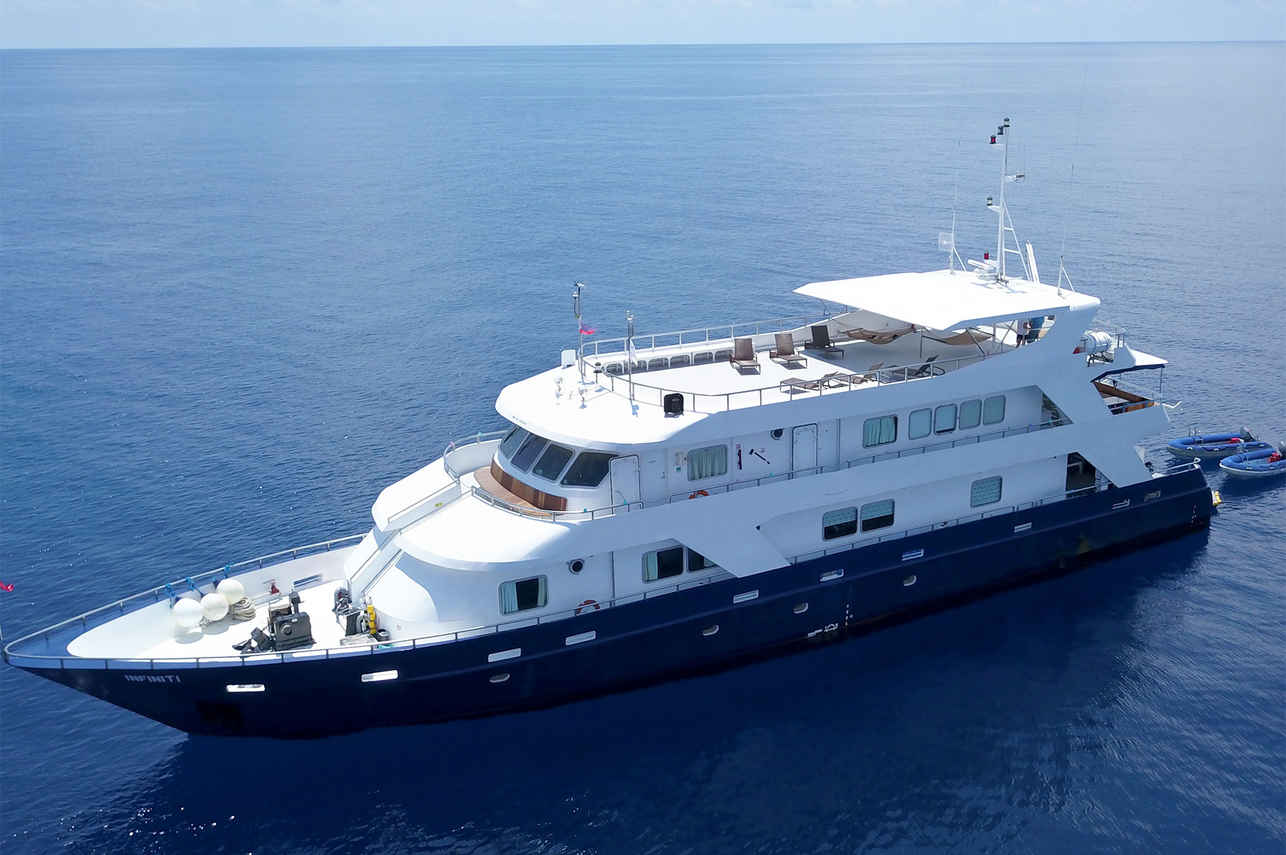
Infiniti
Philippines
25 guests39 m
$280/day
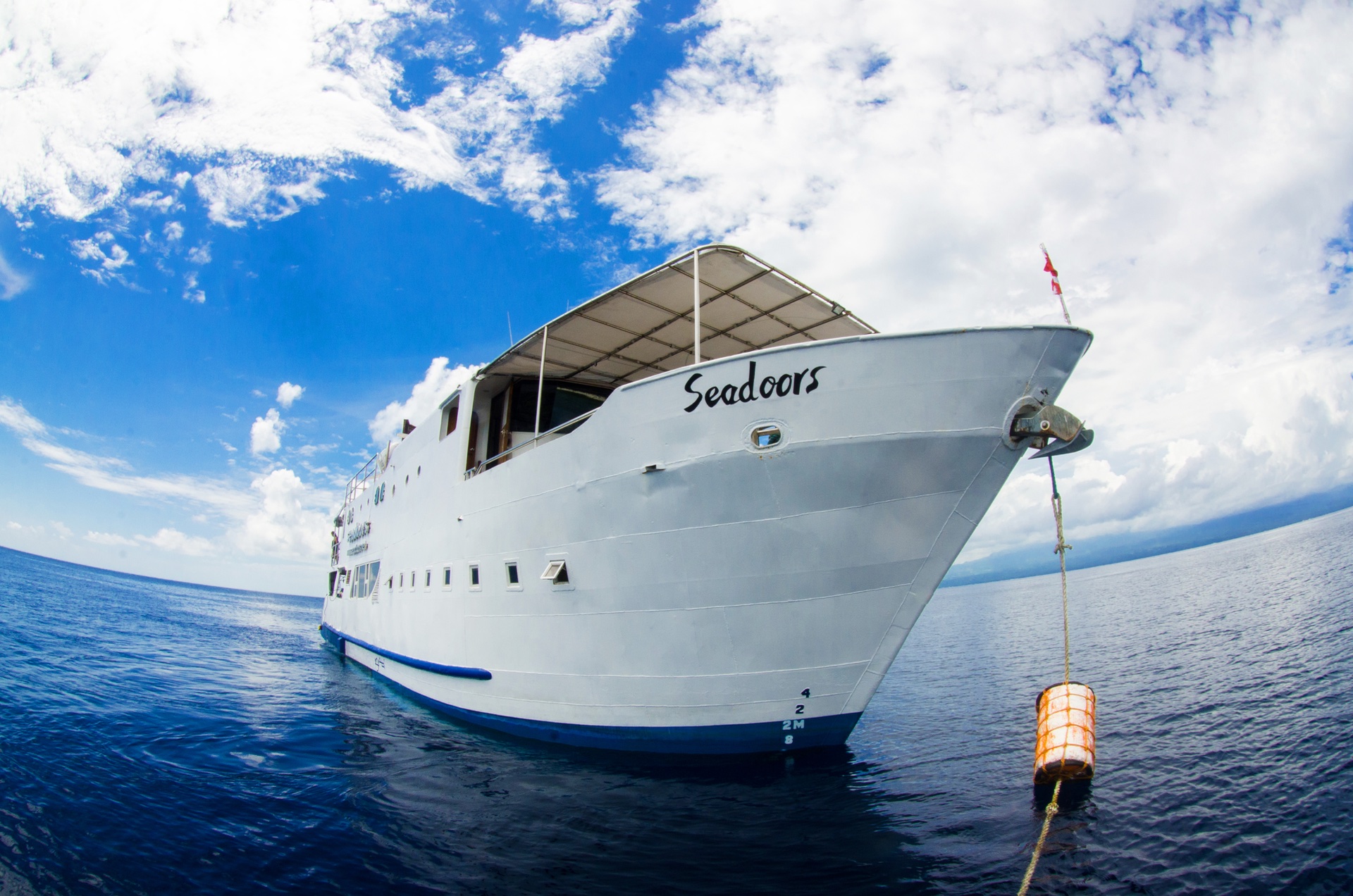
Seadoors
Philippines
16 guests25 m
$335/day
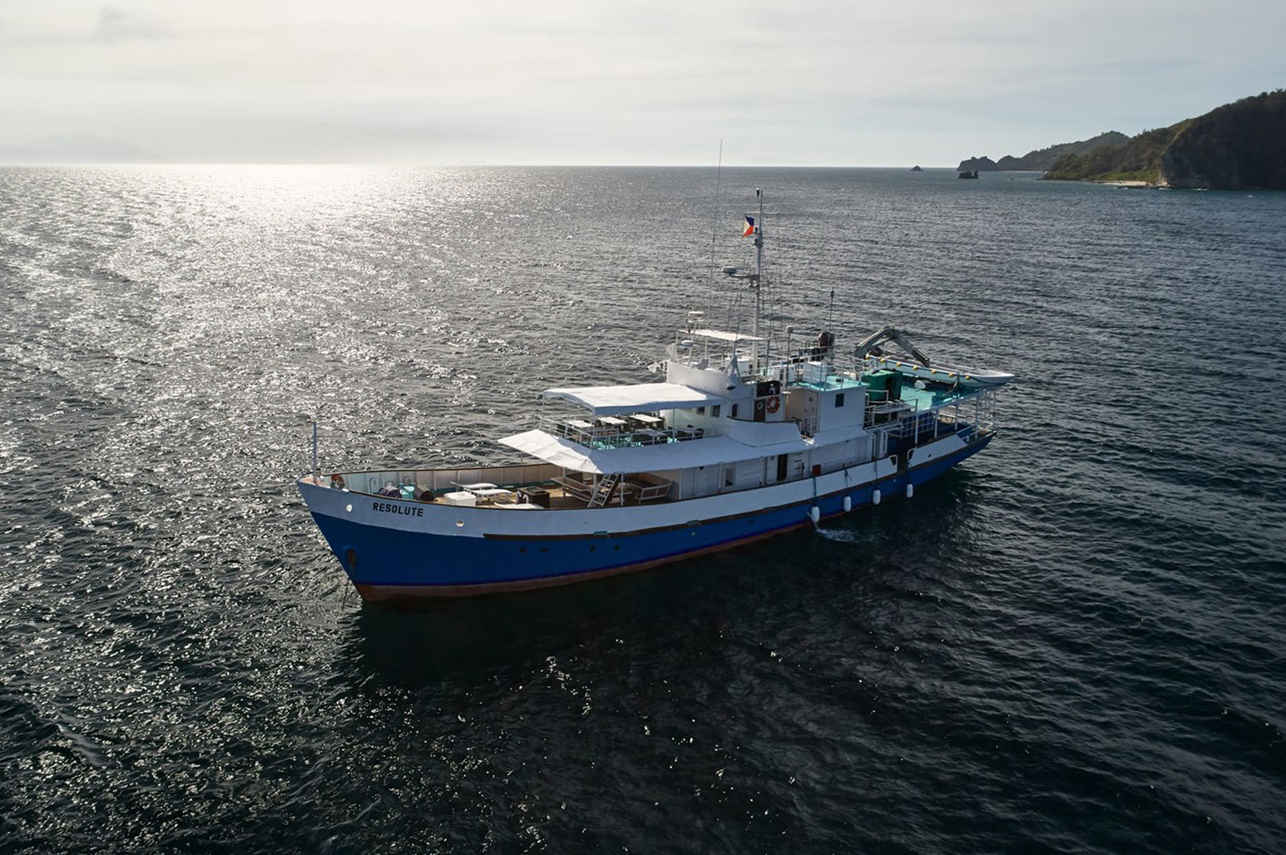
Resolute
Philippines
16 guests34.6 m
$314/day
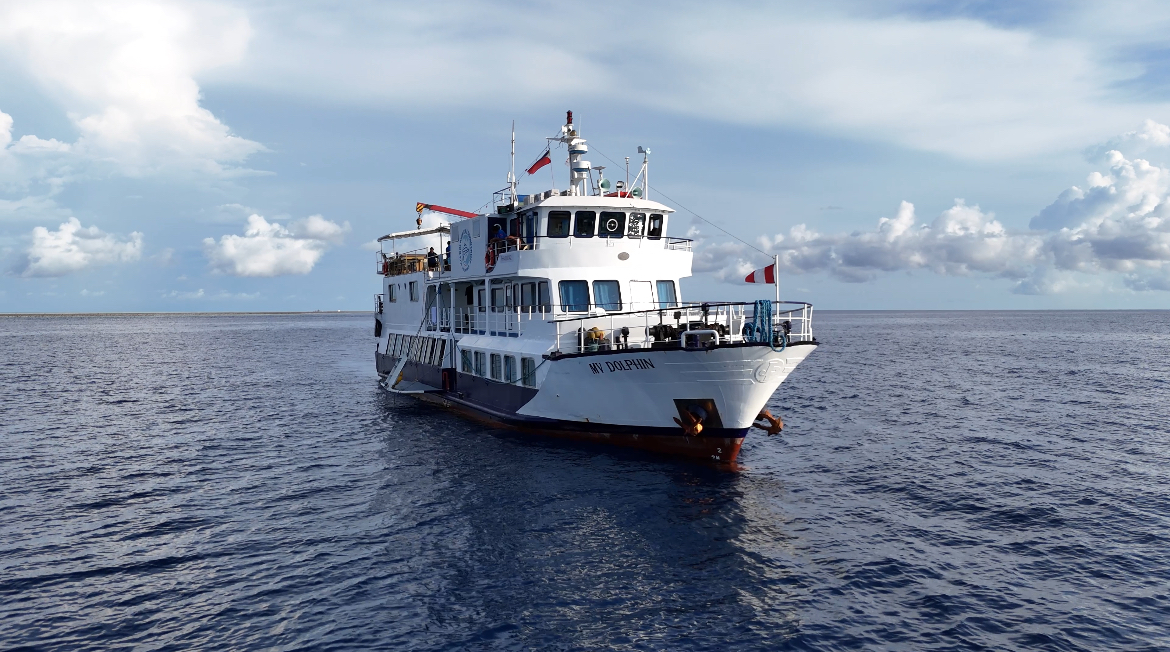
Dolphin
Philippines
18 guests31 m
$326/day
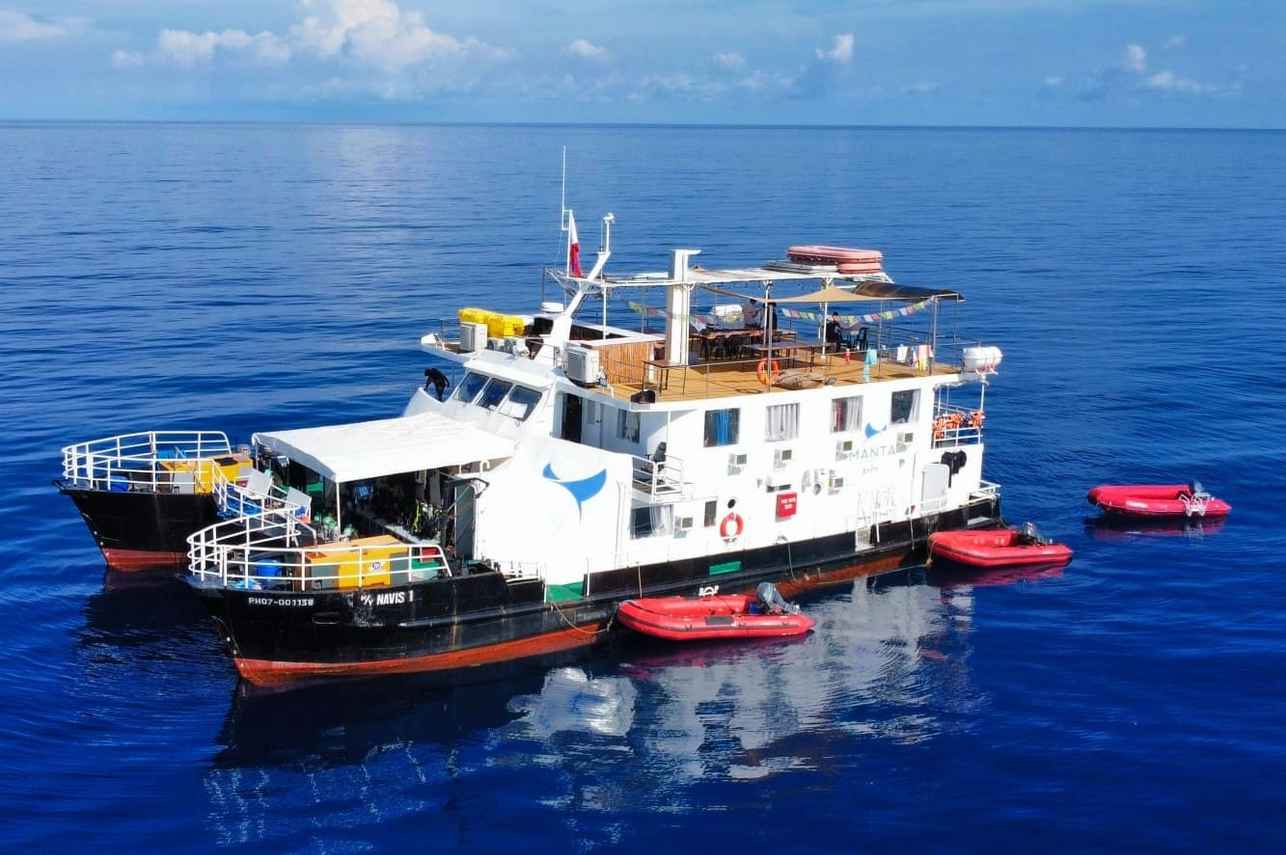
Navis 1
Philippines
22 guests23 m
$250/day
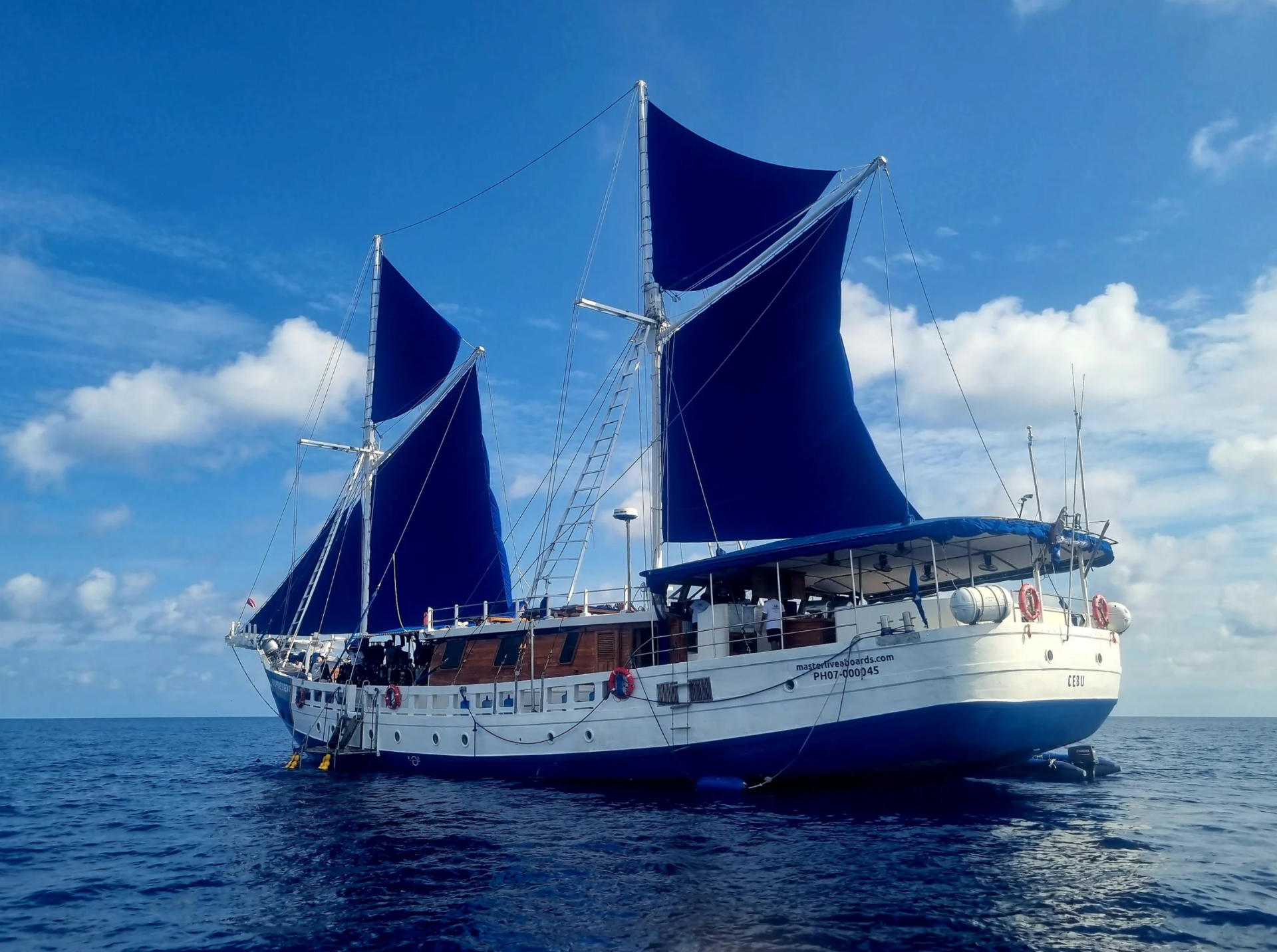
Philippine Siren
Philippines
16 guests
$309/day
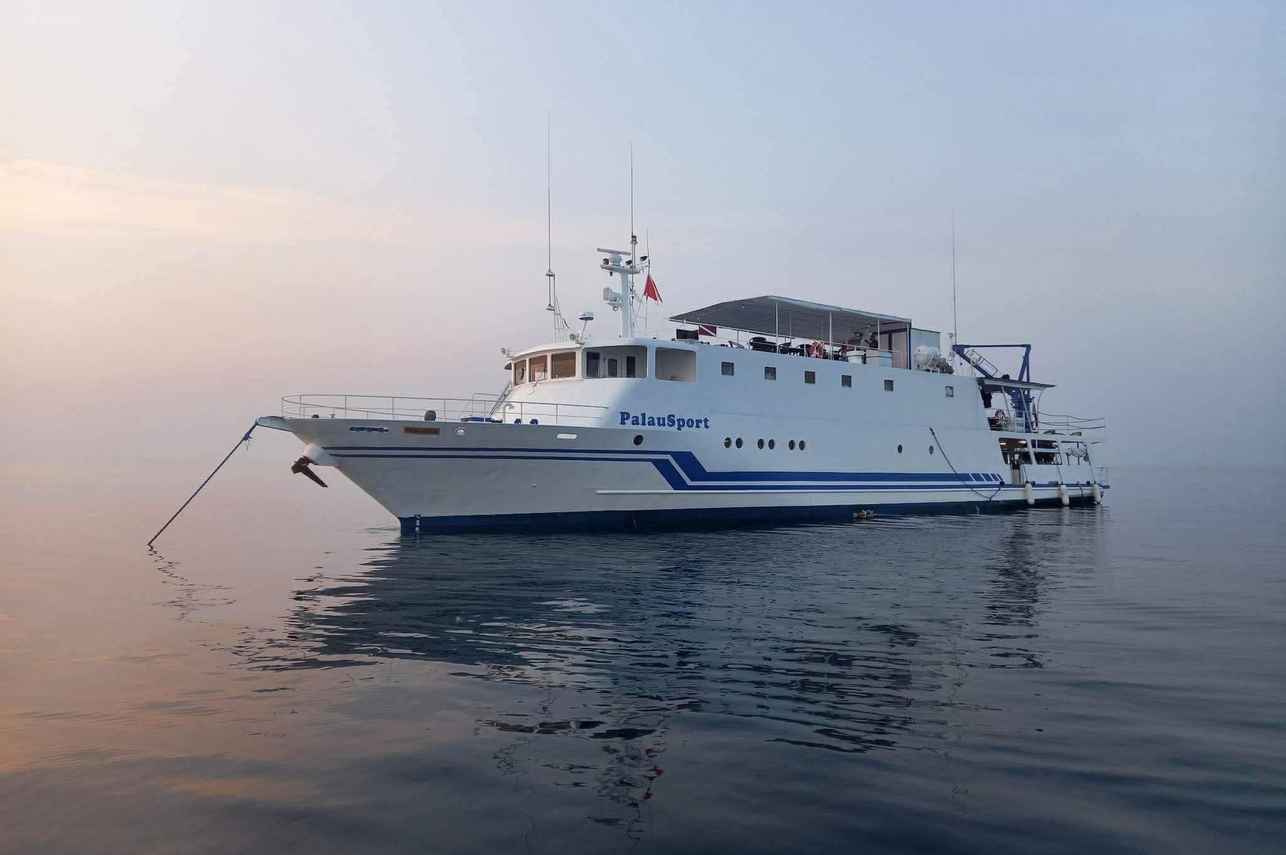
Palau Sport
Philippines
24 guests38.35 m
$215/day
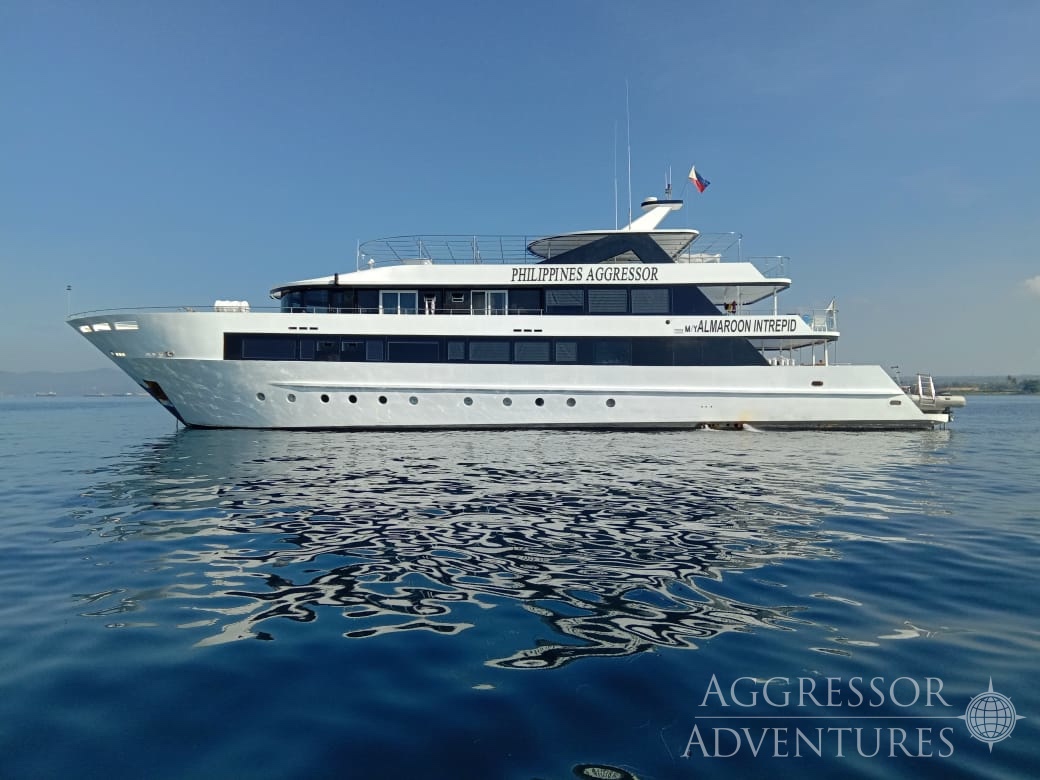
Philippines Aggressor
Philippines
26 guests42.7 m
$381/day
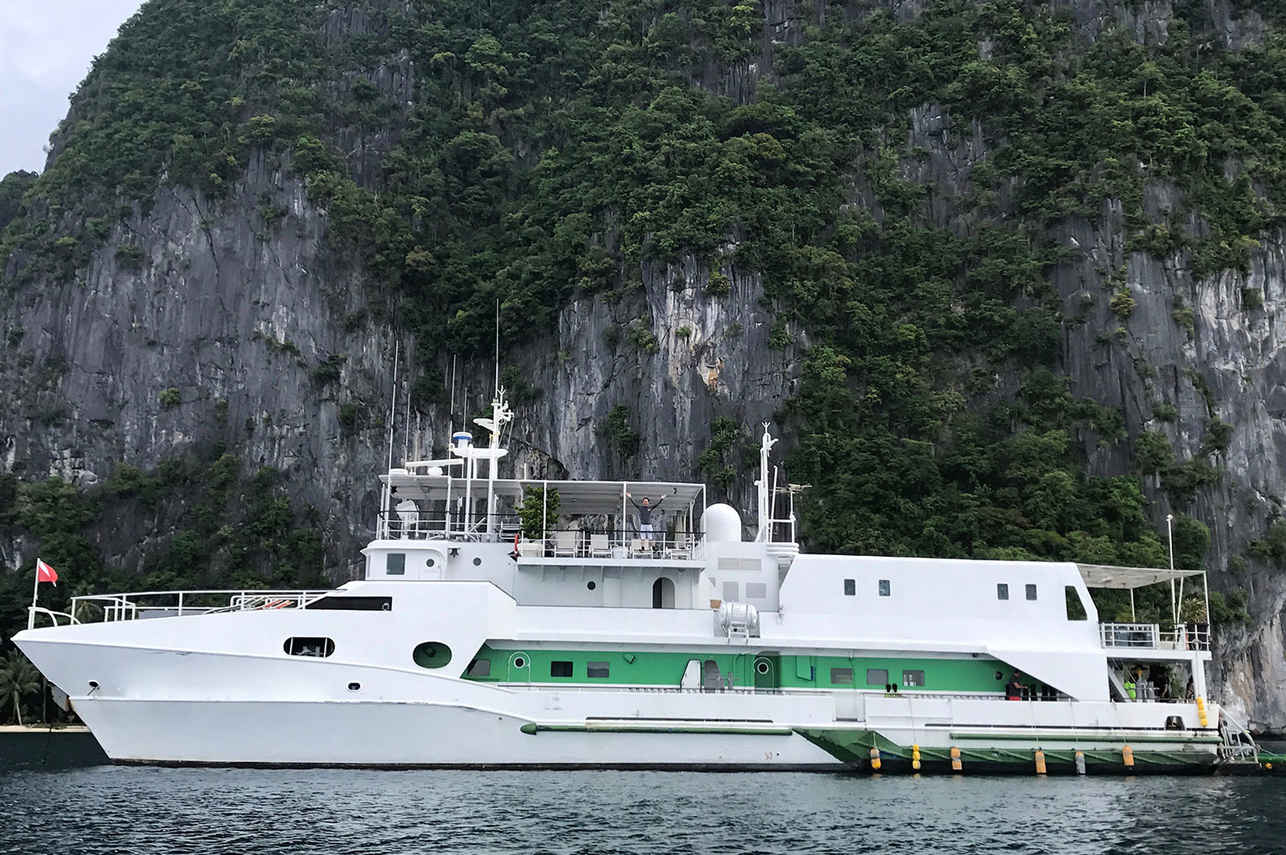
Stella Maris Explorer
Philippines
20 guests33 m
$398/day
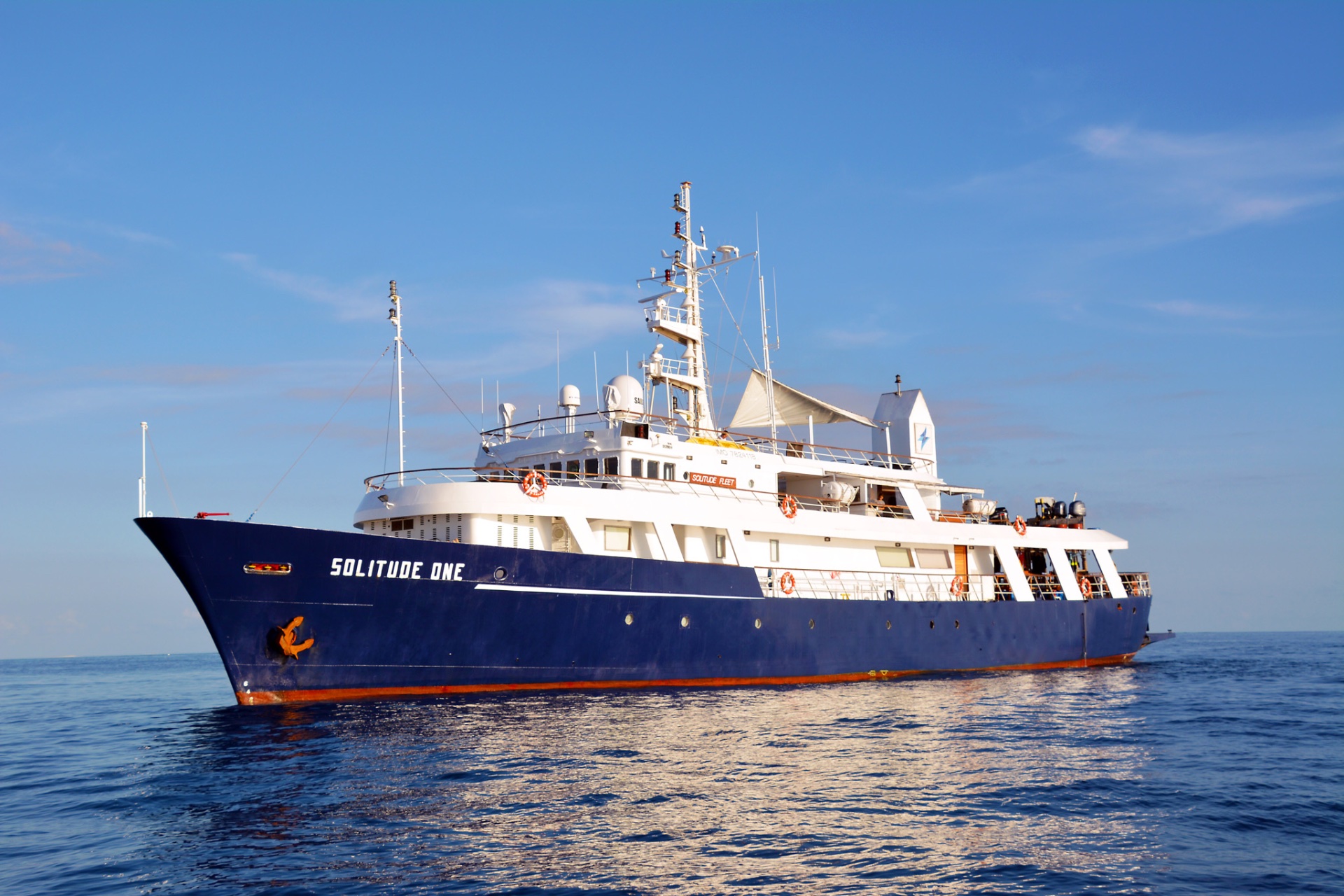
Solitude One
Philippines
24 guests52 m
$460/day
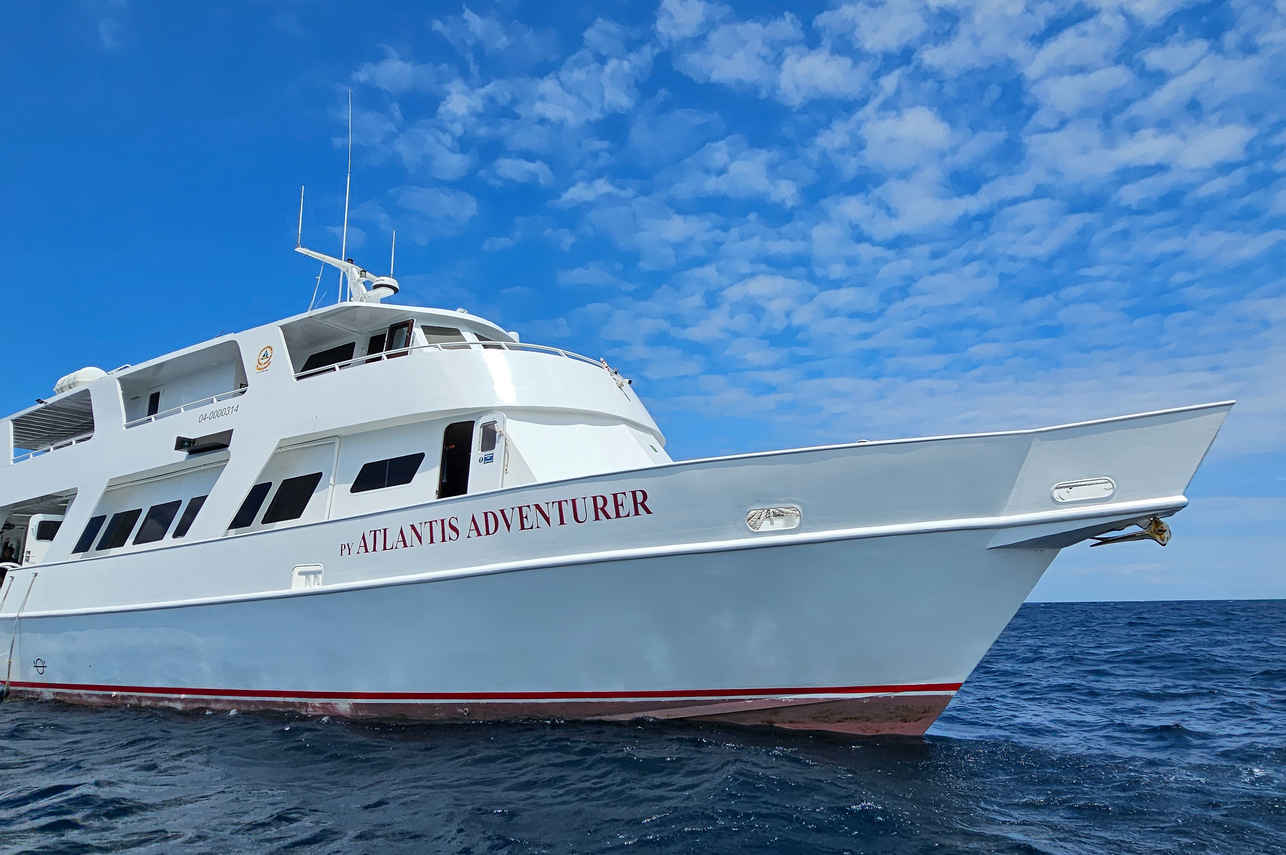
Atlantis Adventurer
Philippines
16 guests32.5 m
$421/day
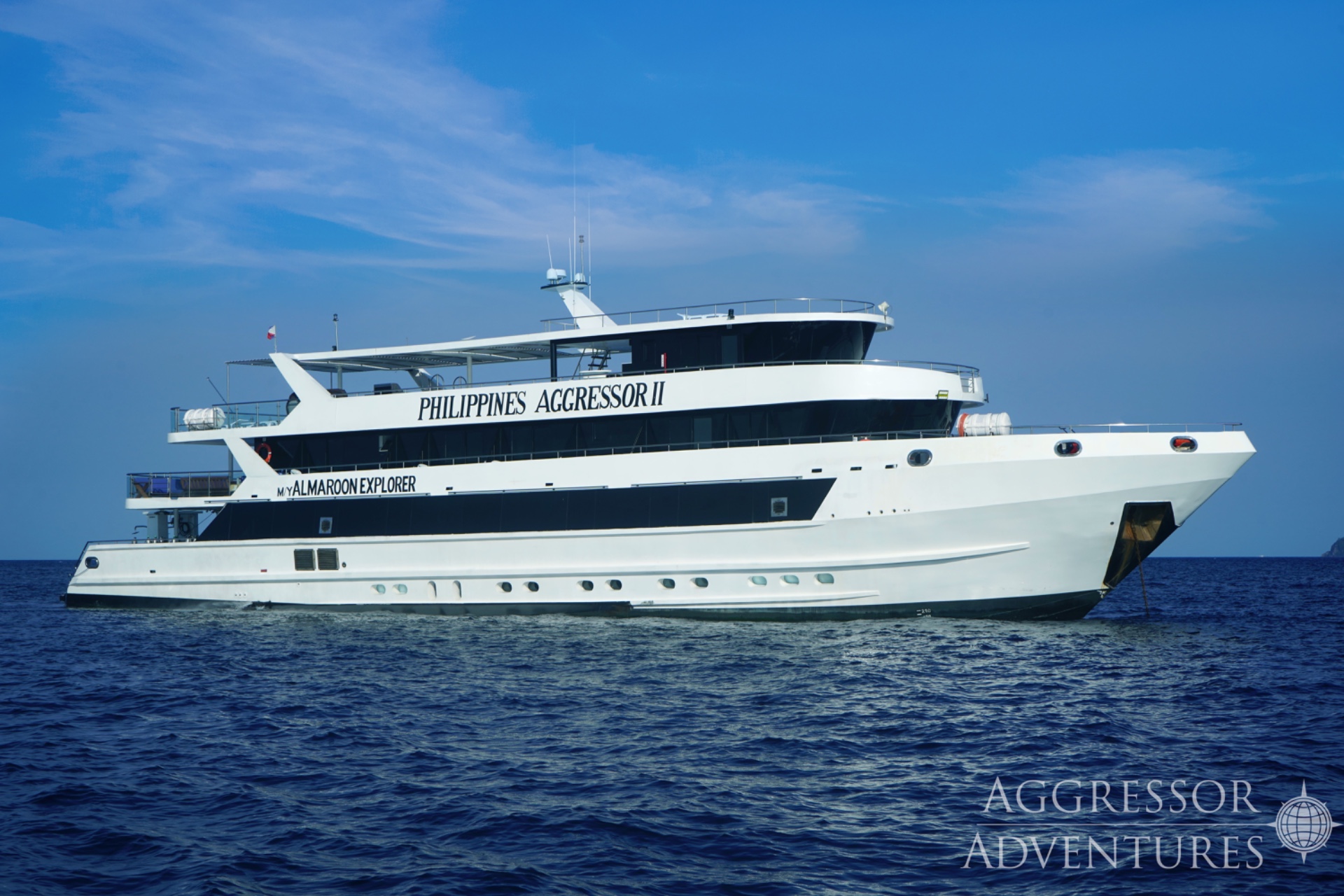
Philippines Aggressor II
Philippines
26 guests42.7 m
$247/day
Dive sites similar to Balinghai Wall
Same character, same waters — six more sites divers love for the exact same reasons.Compare seasons, access and liveaboard routes — then pick the site that fits your trip best.
© Esri — Maxar, Earthstar, GIS
Big La Laguna
Philippines
Big La Laguna is a beach community situated on the western edge of the Sabang Peninsula, a popular dive region on Mindoro Island, Philippines.
- Suitable for
- Intermediate
- Current
- Moderate
- Access
- Dayboat
- Depth
- 5–35 m
- Theme
- Reef / Wall
© Esri — Maxar, Earthstar, GIS
Black Forest
Philippines
Black Forest is a premier dive site located off Balicasag Island, renowned for its exceptional marine biodiversity and distinct topography.
- Suitable for
- Intermediate
- Current
- Strong
- Access
- Liveaboard or dayboat
- Depth
- 10–30 m
- Theme
- Drift / Reef
© Esri — Maxar, Earthstar, GIS
Panagsama Beach
Philippines
Panagsama Beach, situated on a peninsula near Moalboal town in Cebu, serves as a central hub for diving activities in the region, boasting over 20 dive sites along its shoreline.
- Suitable for
- Intermediate
- Current
- Moderate
- Access
- Liveaboard or dayboat
- Depth
- ≤ 30 m
- Theme
- Reef / Wall
© Esri — Maxar, Earthstar, GIS
Binangaan Drop Off
Philippines
Binangaan Drop Off is a premier dive site within Apo Reef National Park, located off Occidental Mindoro in the Philippines.
- Suitable for
- Advanced
- Current
- Strong
- Access
- Liveaboard only
- Depth
- 10–40 m
- Theme
- Wall / Drift
© Esri — Maxar, Earthstar, GIS
Olympia Maru
Philippines
The Olympia Maru is a prominent Japanese cargo ship wreck from World War II, located within Coron Bay, Philippines.
- Suitable for
- Intermediate
- Current
- Mild
- Access
- Dayboat
- Depth
- 17–24 m
- Theme
- Wreck / Reef
© Esri — Maxar, Earthstar, GIS
Tongo Sanctuary
Philippines
Tongo Sanctuary, located in Moalboal, Cebu, is a marine protected area renowned for its dramatic underwater topography.
- Suitable for
- Beginner
- Current
- Mild
- Access
- Dayboat
- Depth
- 5–55 m
- Theme
- Reef / Wall