About Binangaan Drop Off
Binangaan Drop Off is a premier dive site within Apo Reef National Park, located off Occidental Mindoro in the Philippines. This exceptional wall dive is part of the larger Apo Reef system, the second-largest contiguous coral reef in the world and a UNESCO World Heritage site, accessible primarily by liveaboard. The topography features a steep drop-off teeming with marine activity. The site is known for its healthy coral ecosystems, including massive filter-feeding sea fans and sponges that thrive on the nutrient-rich currents, alongside vibrant soft corals and smaller invertebrates. Divers can expect year-round encounters with schooling reef fish, barracuda, and marine turtles. The site is particularly renowned for powerful pelagic species; keep an eye out for large schools of snappers and tuna, with frequent opportunities to spot spotted eagle rays gracefully navigating the blue. The isolation and protected status of Apo Reef ensure a thriving and diverse marine environment. Diving here typically involves descending along the impressive wall, often with moderate to strong currents that bring in the nutrient-rich water and pelagic action. The site demands an advanced diving skill set due to its depths and potential for unpredictable currents, promising an exhilarating and rewarding underwater experience.
Highlights
Dramatic drop-offLarge tuna schoolsMassive snapper schoolsSpotted eagle raysHealthy wall coralsAbundant pelagic actionCurrent-swept ecosystem
Season calendar
Best months to dive here
Jan
Feb
Mar
Apr
May
Jun
Jul
Aug
Sep
Oct
Nov
Dec
Good
Dive site facts: Binangaan Drop Off
- Depth
- 10–40m+
- Typical dive
- Variable depth, 45–60 min
- Current
- Moderate to strong, unpredictable
- Visibility
- 15–40m
- Water temperature
- 26–30°C
- Entry
- Liveaboard tender
- Level
- Advanced or more
- Dive type
- Wall, drift, pelagics
- Night dive
- Possible (as part of liveaboard itinerary)
- Region / port
- Apo Reef, Occidental Mindoro
- Coordinates
- 11.4905° N, 122.0446° E
Conditions & Currents
Currents at Binangaan Drop Off are a significant feature, ranging from moderate to strong and often exhibiting unpredictable behavior due to the site's open ocean location within Apo Reef. These currents are a key factor in attracting the large pelagic species that frequent the drop-off, bringing in a constant supply of nutrients. Divers should be prepared for drift diving conditions and maintain excellent buoyancy control. Entry is typically from a tender boat, requiring careful coordination with the dive guide. Surface marker buoys are highly recommended due to the potential for drifts away from the main boat and the vastness of the open water. Visibility is generally excellent, often exceeding 20 meters, but can fluctuate depending on current strength and upwellings. Thermoclines are possible in deeper sections, though water temperatures remain consistently warm year-round.
Marine life & sighting chances
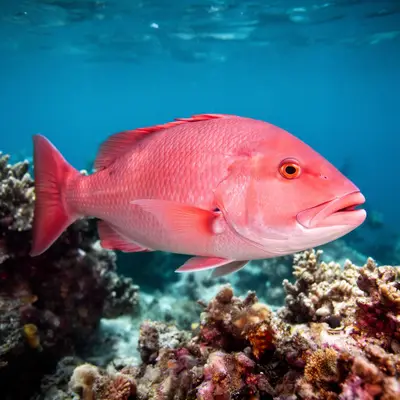
Snapper
Year round · common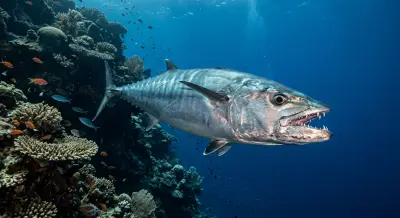
Tuna
Year round · common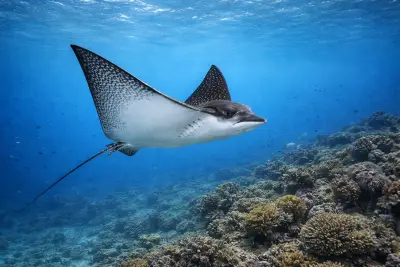
Spotted Eagle Ray
Year round · occasional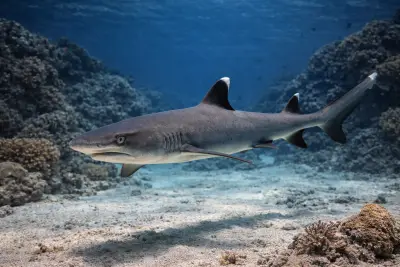
White-tip Reef Shark
Year round · occasional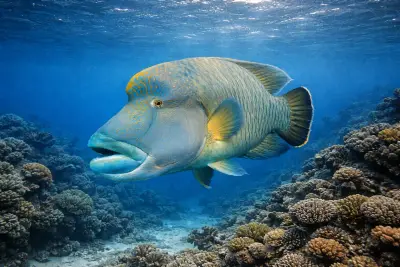
Napoleon Wrasse
Year round · occasional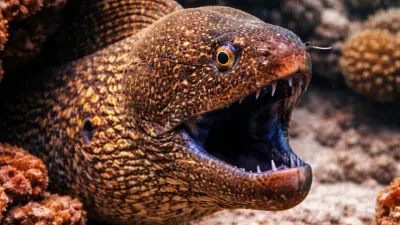
Moray Eel
Year round · occasional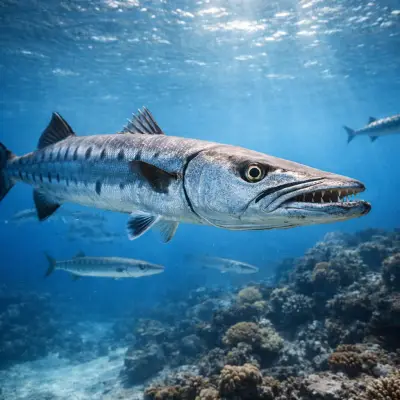
Barracuda
Year round · common
Hawksbill Turtle
Year round · occasional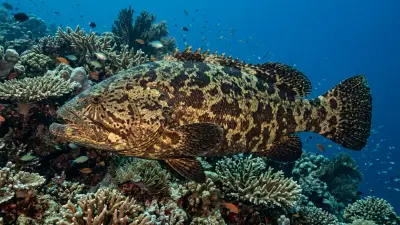
Groupers
Year round · occasional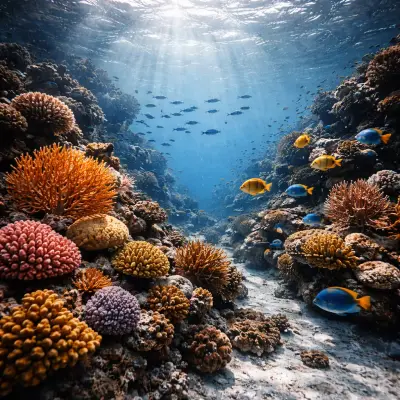
Hard Corals
Year round · common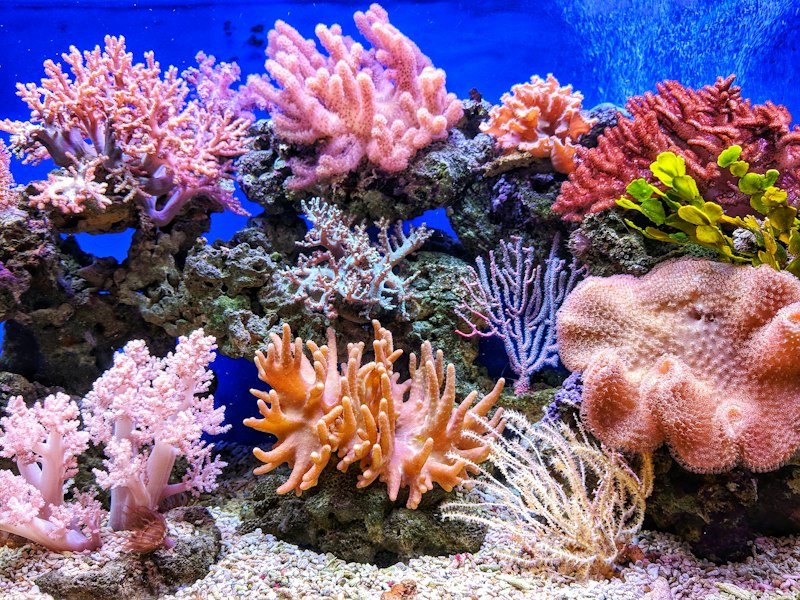
Soft Corals
Year round · common
Sea Fans
Year round · commonDive profile & how the dive runs
Diving at Binangaan Drop Off typically begins with a backward roll entry from a tender boat, directly onto the top of the reef or along the wall. Depending on current direction, the dive can be a drift along the dramatic wall that plunges into deep blue. Divers descend along the face of the drop-off, paying close attention to the marine life inhabiting the many ledges and overhangs, while also keeping an eye on the blue for passing pelagics like tuna, snappers, and eagle rays. Depths can easily reach 25-30 meters or more, allowing exploration of the extensive coral formations and the sheer drop into the abyss. The dive often continues as a slow drift, allowing groups to cover a significant section of the wall. Ascent is usually a slow, controlled drift to the shallower reef top, where the safety stop is performed, often in the protection of coral formations or while observing more schooling fish before surfacing for tender pickup.
Underwater photography
Binangaan Drop Off is an excellent site for both wide-angle and macro photography, though wide-angle is often preferred to capture the dramatic wall and schooling fish. For wide-angle, a rectilinear wide-angle or fisheye lens is ideal to photograph the expansive drop-off and large schools of snappers and tuna. Strobes are essential to bring out the vibrant colors of the deep-water sea fans and sponges. When currents are present, maintaining stable buoyancy is crucial for sharp shots; consider a higher ISO if natural light is insufficient for faster shutter speeds. For macro, explore the shallower reef crest and wall crevices for smaller reef inhabitants, using a macro lens and snooted lighting to highlight subjects like nudibranchs or pygmy seahorses, though these are more occasional encounters compared to the pelagics.
Combine with nearby dive sites
- Shark Ridge
Another outer reef dive at Apo Reef, known for reef sharks.
- Apo 29
An exciting blue water dive at an underwater mound, for experienced divers.
- Okikawa Maru
A WWII wreck in Coron, often combined in liveaboard itineraries.
- Olympia Maru
A large WWII wreck in Coron, commonly explored on combination trips.
- Irako Wreck
A refrigerated ship wreck in Coron, part of popular liveaboard routes.
- Aladin
A dive site with potential for macro life, sometimes seen in combination with wider Apo Reef trips.
Getting there & logistics
Access to Binangaan Drop Off, being part of Apo Reef National Park, is predominantly via liveaboard cruises due to its remote location approximately 30-33 kilometers off Occidental Mindoro. Liveaboards typically embark from ports like Coron, Puerto Princesa, or Batangas, offering itineraries that often combine Apo Reef with the Coron wrecks. Trips usually range from 7 nights, providing 22-24 dives including night dives. Marine park entry fees, typically around $140, are common for Apo Reef. Independent travel to Apo Island is more complex, involving flights to San Jose or ferries to Puerto Galera, followed by land transfer to Sablayan, then a three-hour ferry to Apo Island. Liveaboards offer the most convenient way to experience this isolated and pristine dive destination.
Safety & environment
For diving at Binangaan Drop Off, comprehensive dive insurance covering emergency medical treatment and evacuation is highly advisable, given the remote nature of Apo Reef. The nearest recompression chamber would likely be in Manila or potentially Puerto Galera, making evacuation a significant logistical challenge that could take several hours. Divers must be proficient in advanced diving techniques and have experience with potentially strong, unpredictable currents. Always carry a personal surface marker buoy (SMB) and know how to deploy it, as drift dives are common and tender pick-ups can be challenging in open water. Follow your dive guide's instructions meticulously, adhere to depth and time limits, and ensure adequate gas planning, especially considering the deep wall topography and current exposure. Maintain excellent buoyancy to avoid damaging the pristine coral formations.
Who it suits — and who it doesn't
Suited for
- Advanced divers seeking pelagic encounters
- Experienced drift divers
- Underwater photographers with wide-angle setups
- Divers comfortable with deep wall environments
- Liveaboard enthusiasts
Less suited for
- Beginner divers or those without current experience
- Divers prone to seasickness on longer boat journeys
- Divers who prefer shallow, calm reef dives
- Those without comprehensive dive insurance
FAQ
Binangaan Drop Off FAQ
What kind of marine life can I expect to see at Binangaan Drop Off?
Binangaan Drop Off is renowned for its vibrant pelagic action. You can frequently spot large schools of snappers and tuna, along with occasional sightings of majestic spotted eagle rays. Reef sharks, barracuda, and marine turtles are also common, making for a rich and dynamic underwater experience.
Are the currents strong at Binangaan Drop Off?
Yes, currents at Binangaan Drop Off can be moderate to strong and are sometimes unpredictable due to its location in the open ocean. These currents contribute to the abundant marine life, but divers should be experienced in drift diving and capable of managing varying current conditions for a safe and enjoyable dive.
What dive certification level is required for Binangaan Drop Off?
Given the depths, strong currents, and open water environment, Binangaan Drop Off is recommended for advanced divers or those with equivalent experience. Proficiency in buoyancy control and comfort in drift diving are important for this site, as is holding an Advanced Open Water Diver certification or higher.
How do I get to Binangaan Drop Off?
Binangaan Drop Off is located within Apo Reef National Park, which is best accessed via liveaboard tours. These liveaboards typically depart from ports such as Coron, Puerto Princesa, or Batangas. The remote nature of Apo Reef makes liveaboard travel the most convenient and common way to reach this pristine dive site.
What is the visibility like at Binangaan Drop Off?
Visibility at Binangaan Drop Off is generally excellent, often ranging from 15 to 40 meters (50 to 130 feet). The clear, nutrient-rich waters contribute to outstanding underwater clarity, allowing for spectacular views of the dramatic wall and abundant marine life. However, visibility can occasionally be affected by strong currents or plankton blooms.
Why dive Binangaan Drop Off from a liveaboard?
Binangaan Drop Off is one of Philippines's signature dive sites. A liveaboard sleeps you on the water and puts you in the water for three to four guided dives per day, including dawn and night dives that day-boat operators rarely offer. You skip the daily commute back to port and reach quieter, less-crowded sites in the same region on a single trip.
Below are the liveaboards that include Binangaan Drop Off on their Philippines itineraries.
Liveaboards diving Binangaan Drop Off
These liveaboards may visit Binangaan Drop Off on selected itineraries — the exact dive sites depend on departure, weather and conditions.
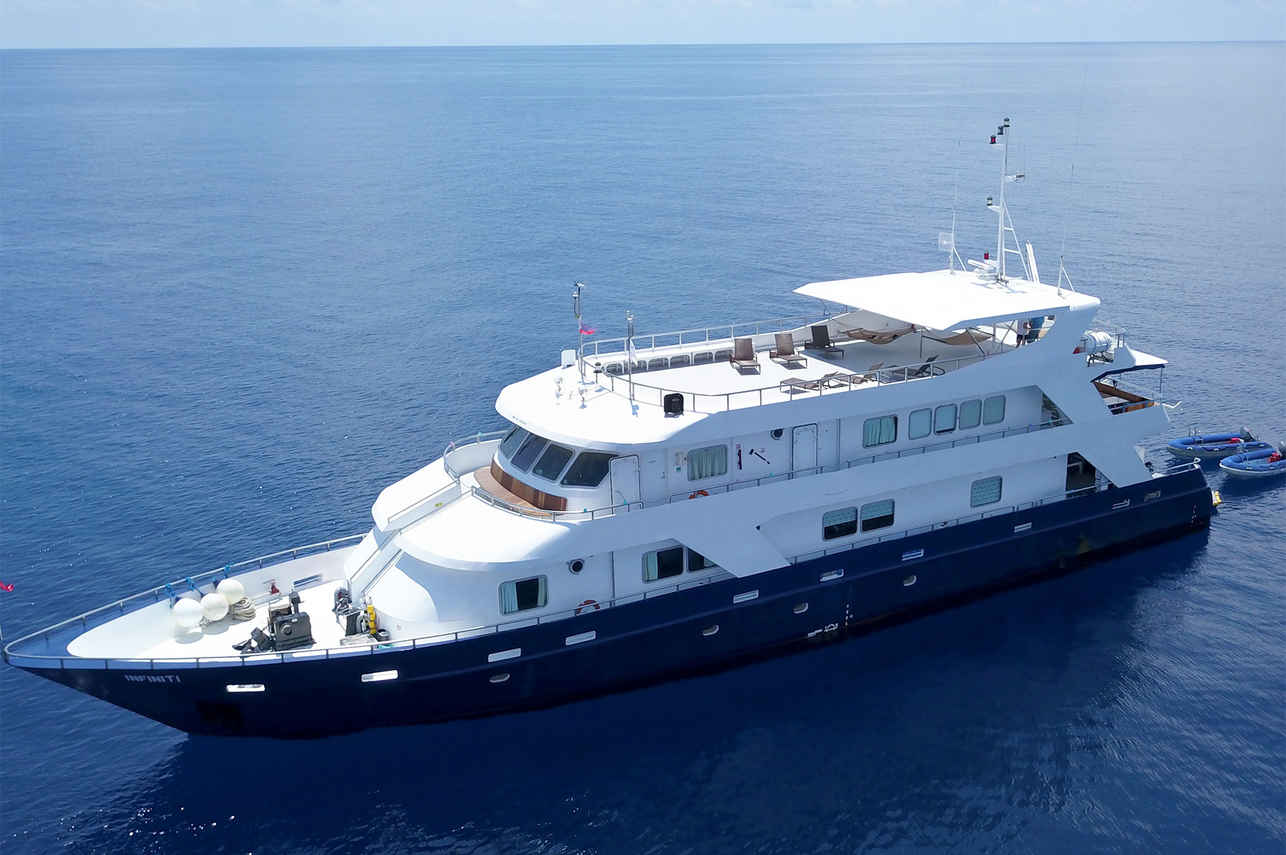
Infiniti
Philippines
25 guests39 m
$280/day
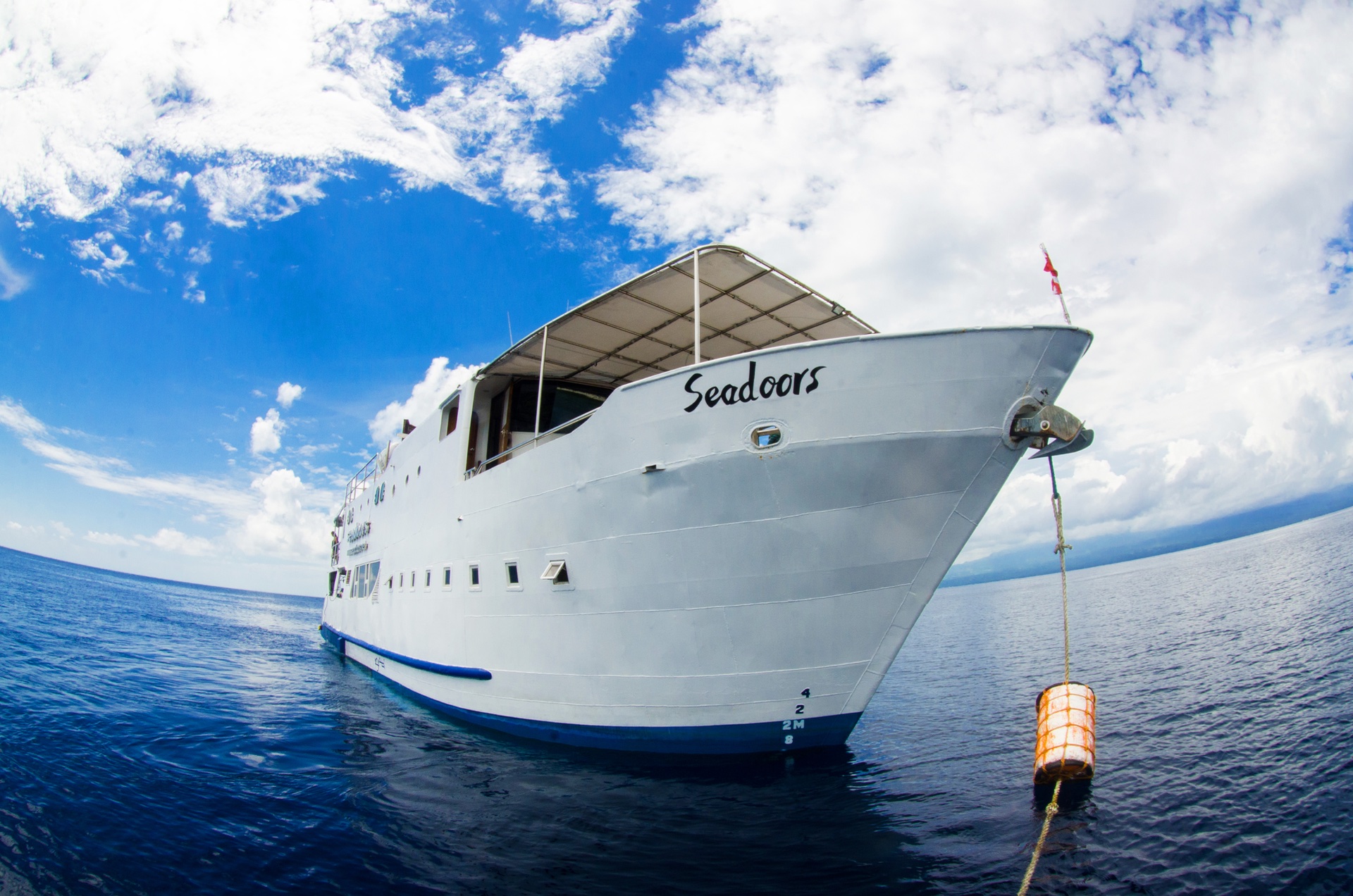
Seadoors
Philippines
16 guests25 m
$335/day
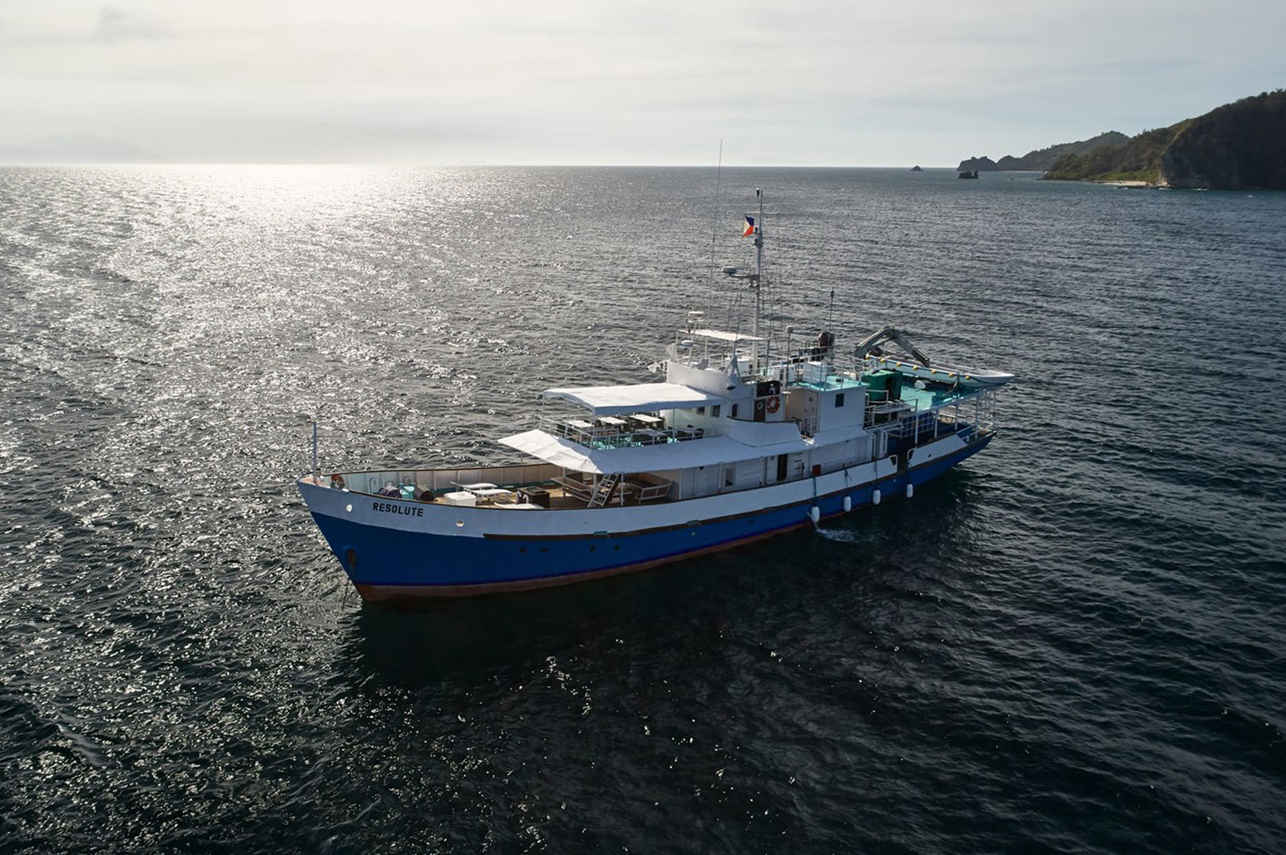
Resolute
Philippines
16 guests34.6 m
$314/day
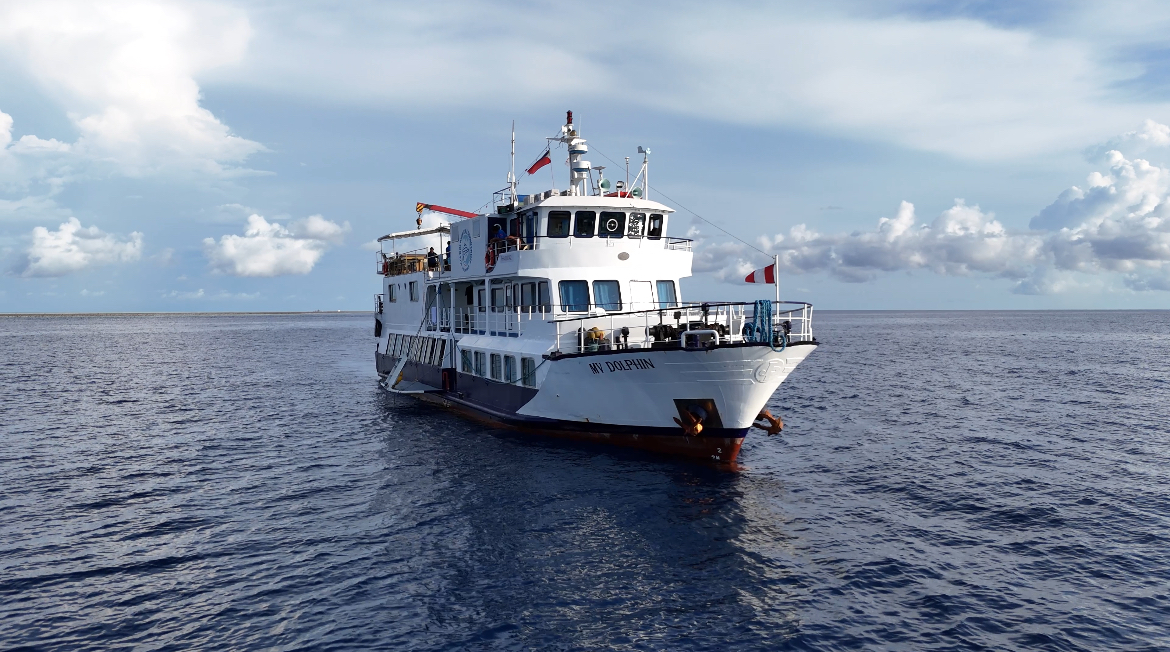
Dolphin
Philippines
18 guests31 m
$326/day
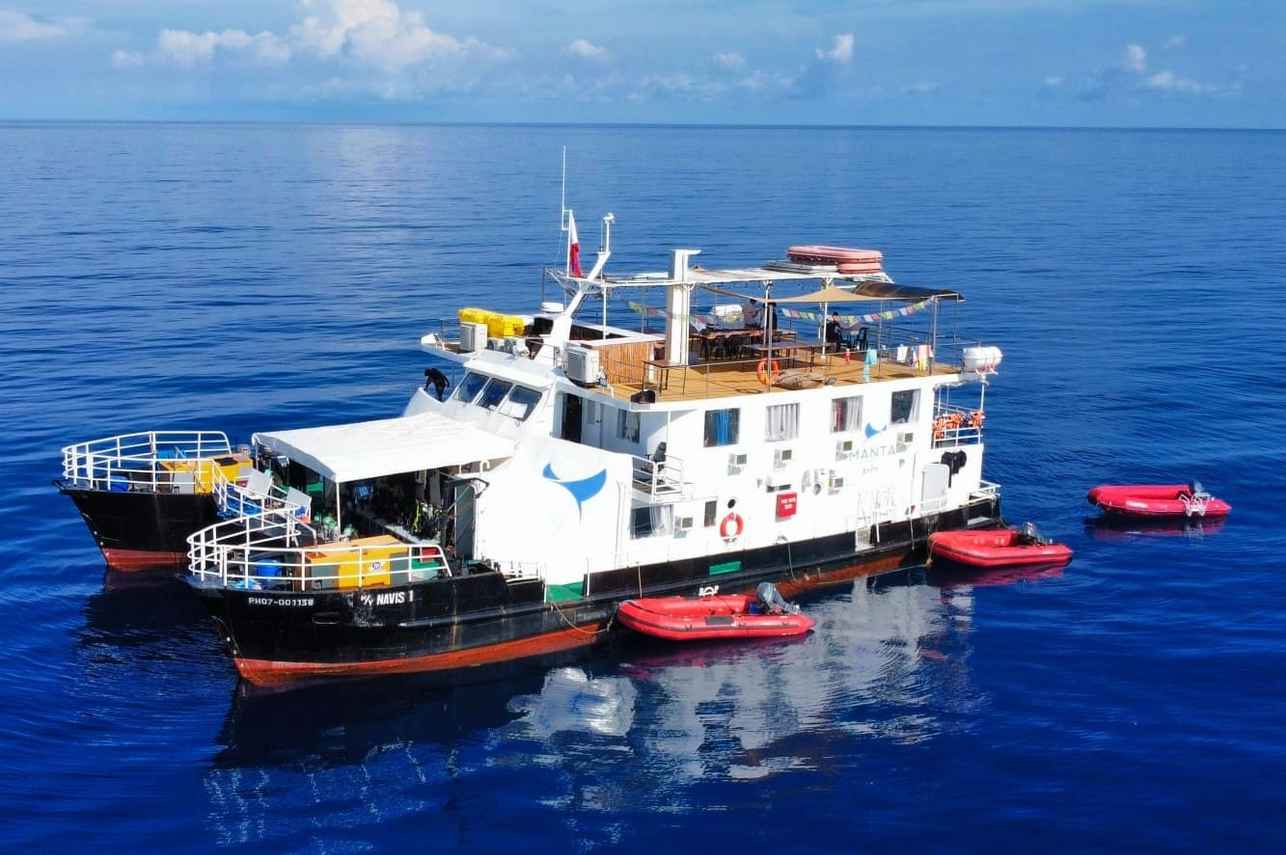
Navis 1
Philippines
22 guests23 m
$250/day
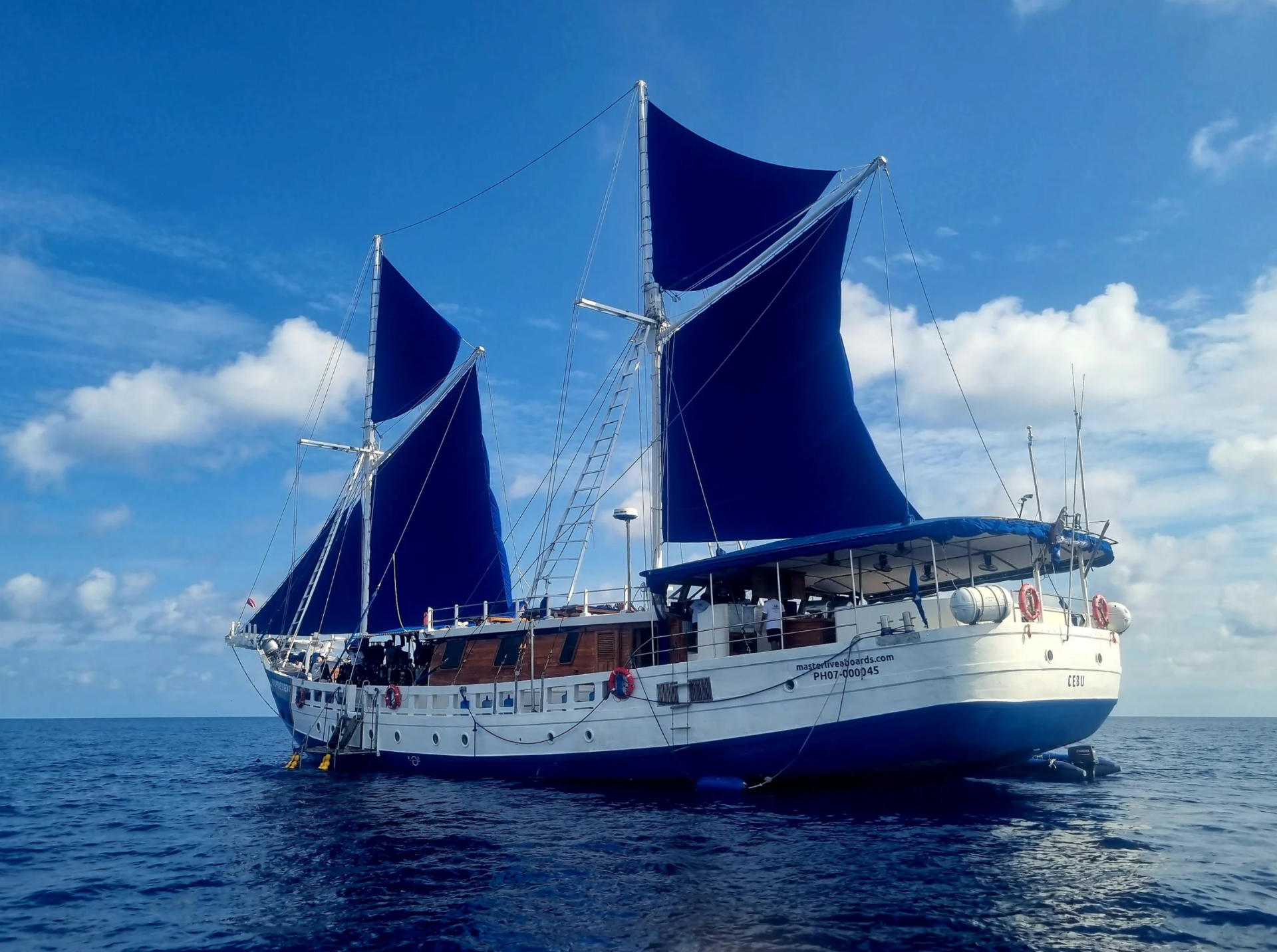
Philippine Siren
Philippines
16 guests
$309/day
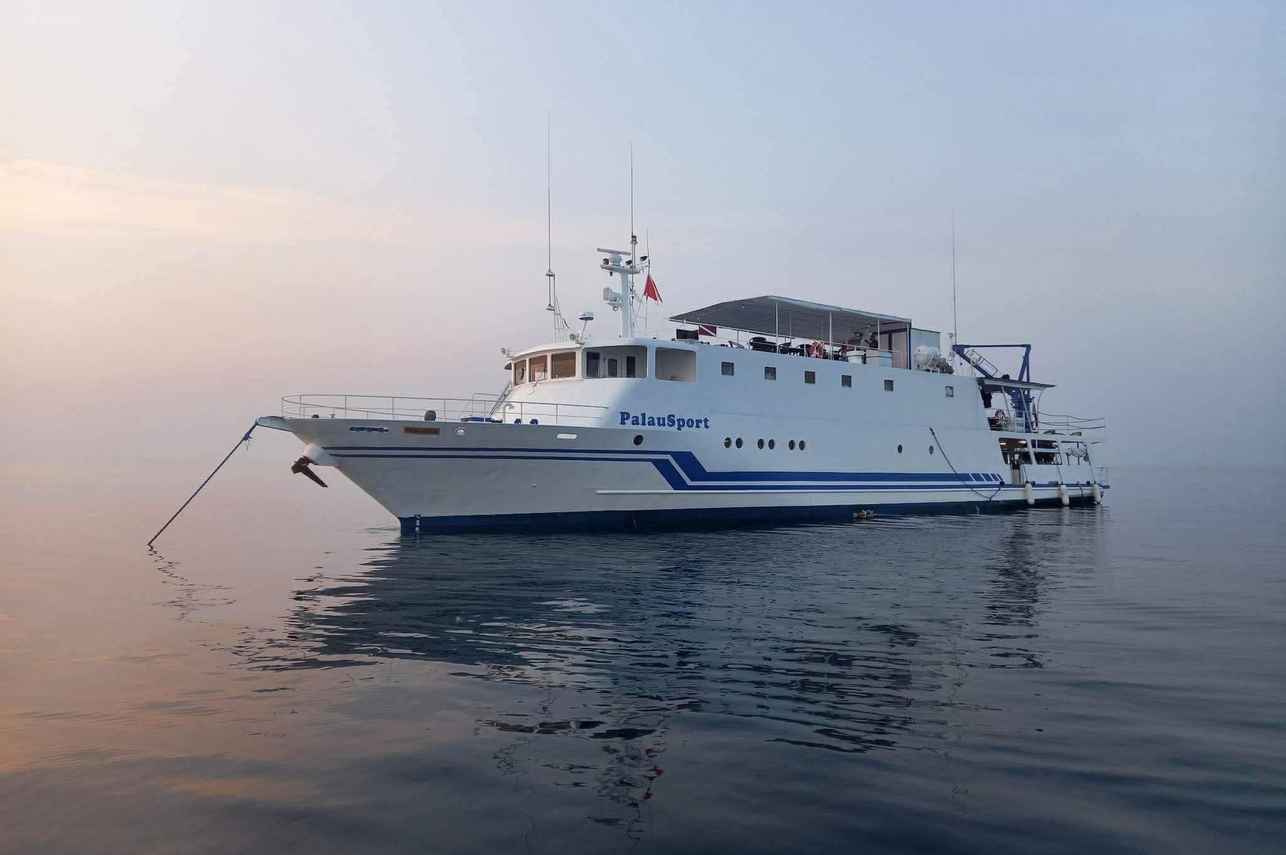
Palau Sport
Philippines
24 guests38.35 m
$215/day
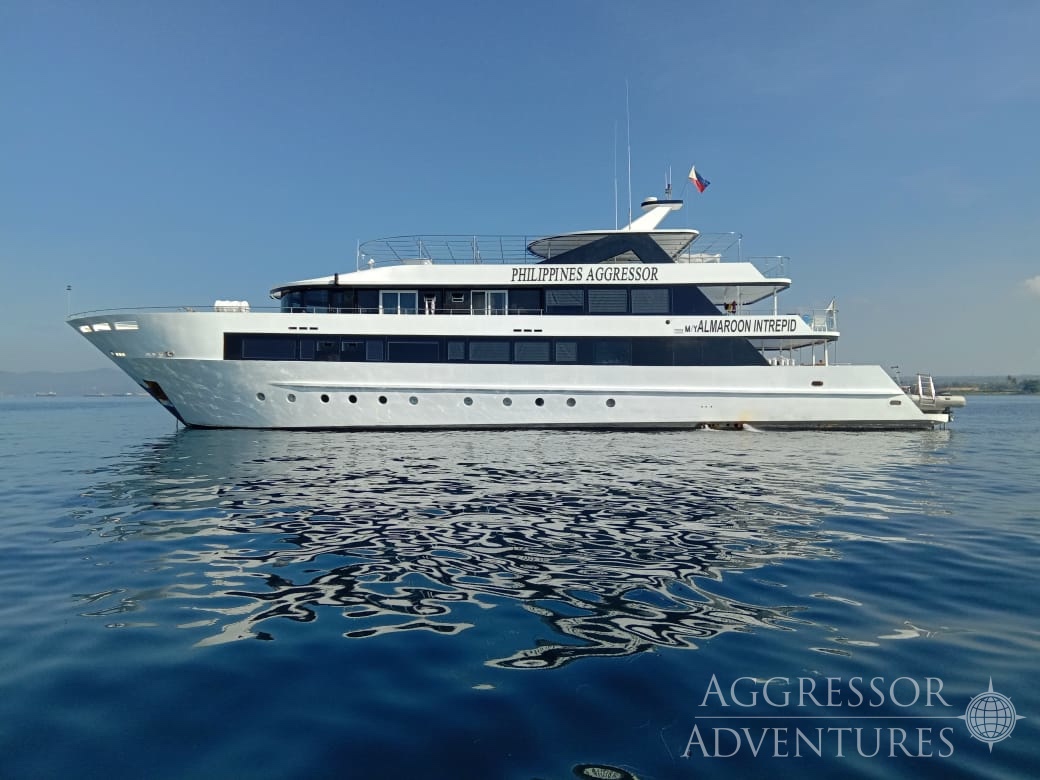
Philippines Aggressor
Philippines
26 guests42.7 m
$381/day
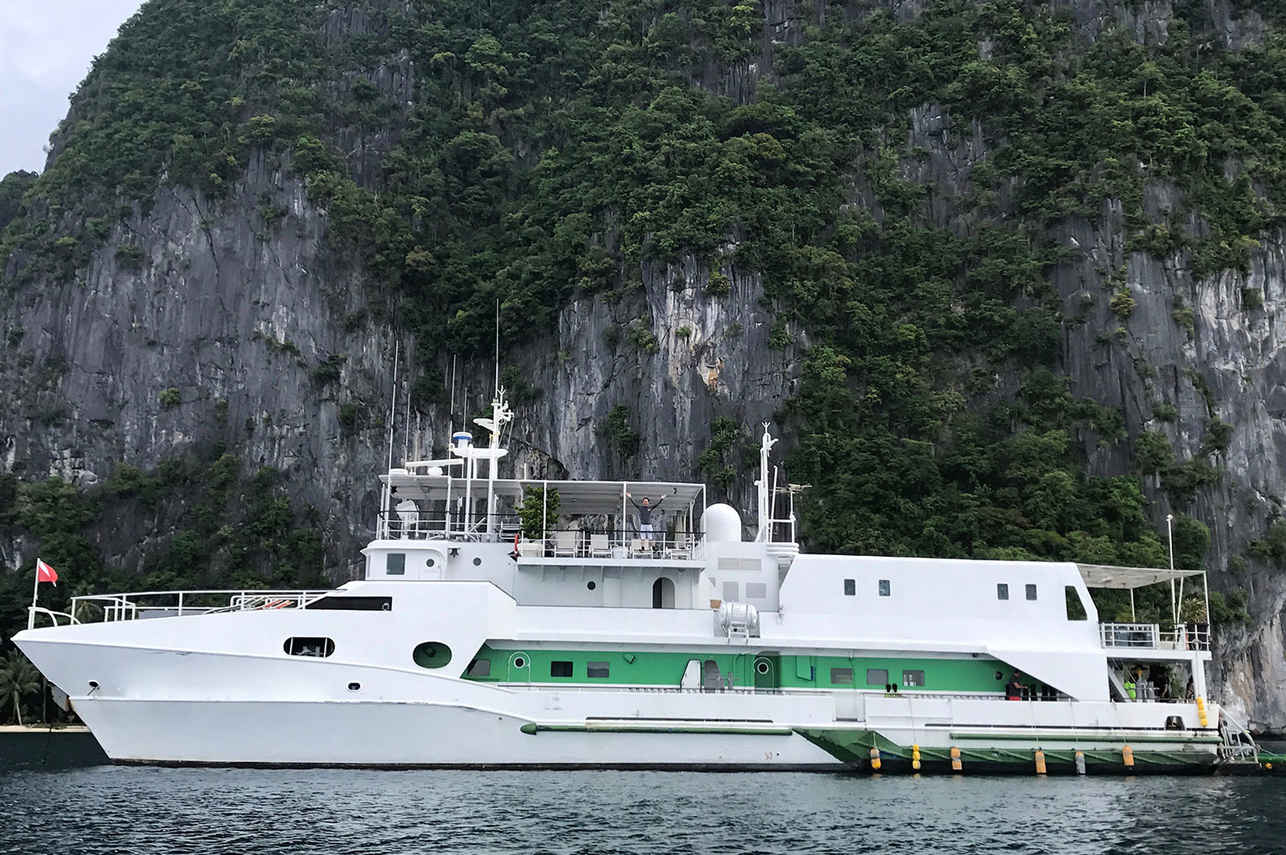
Stella Maris Explorer
Philippines
20 guests33 m
$398/day
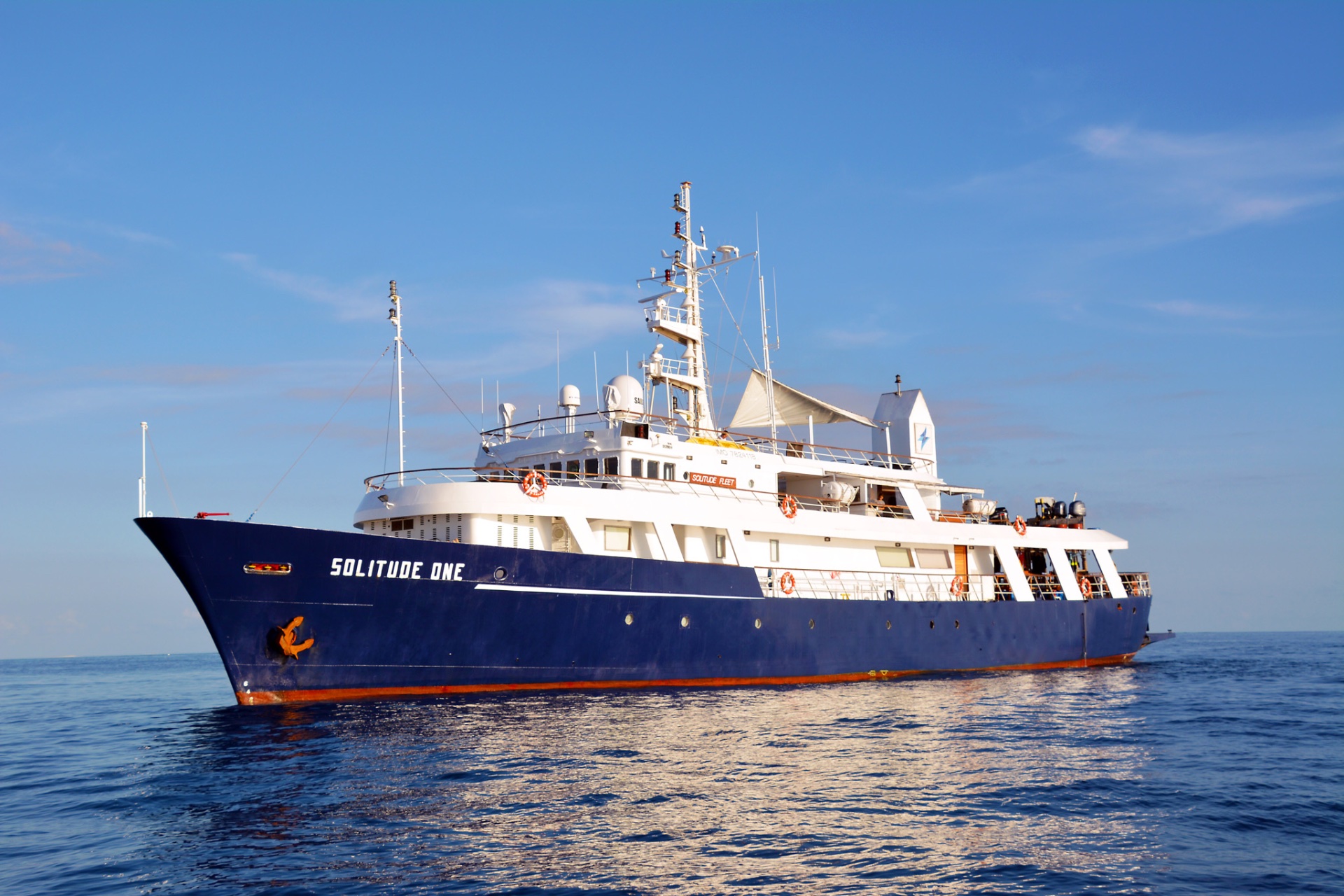
Solitude One
Philippines
24 guests52 m
$460/day
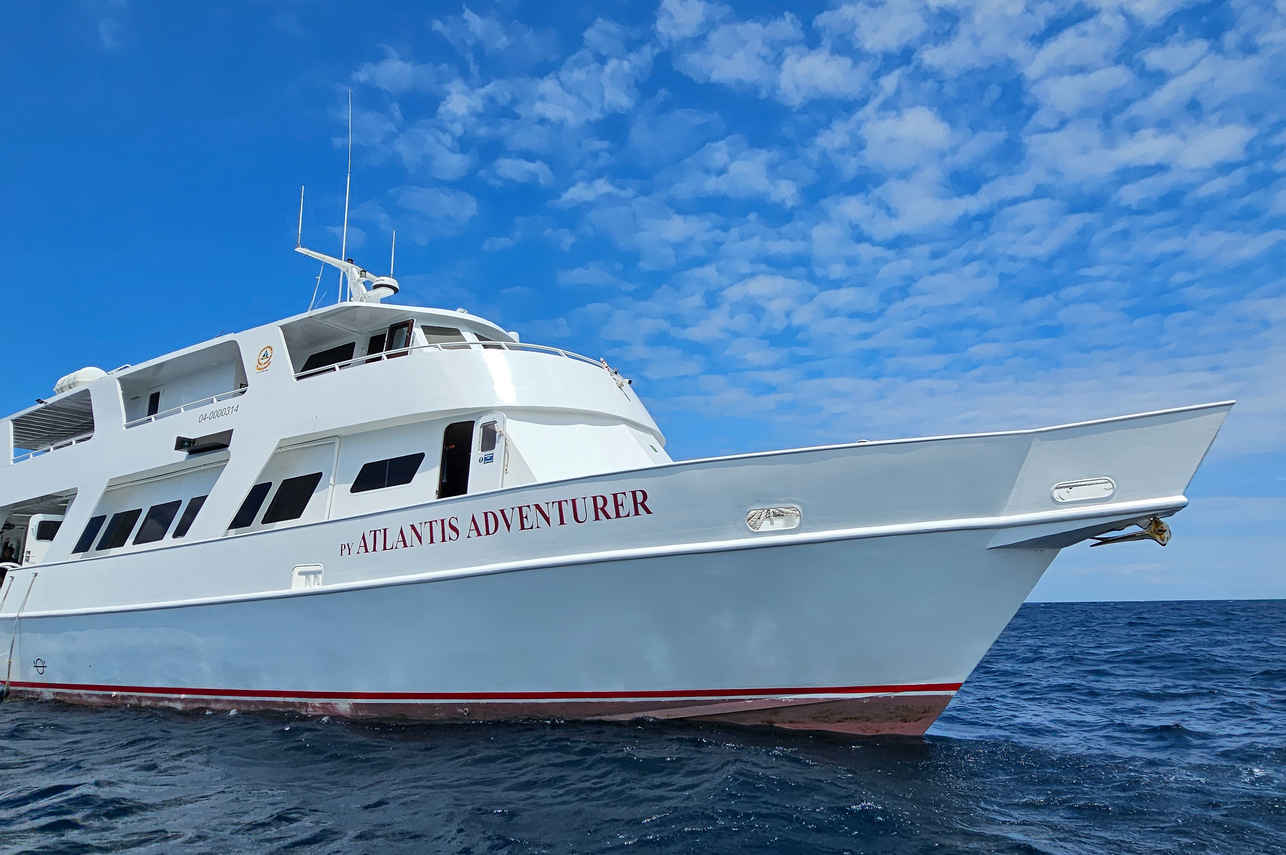
Atlantis Adventurer
Philippines
16 guests32.5 m
$421/day
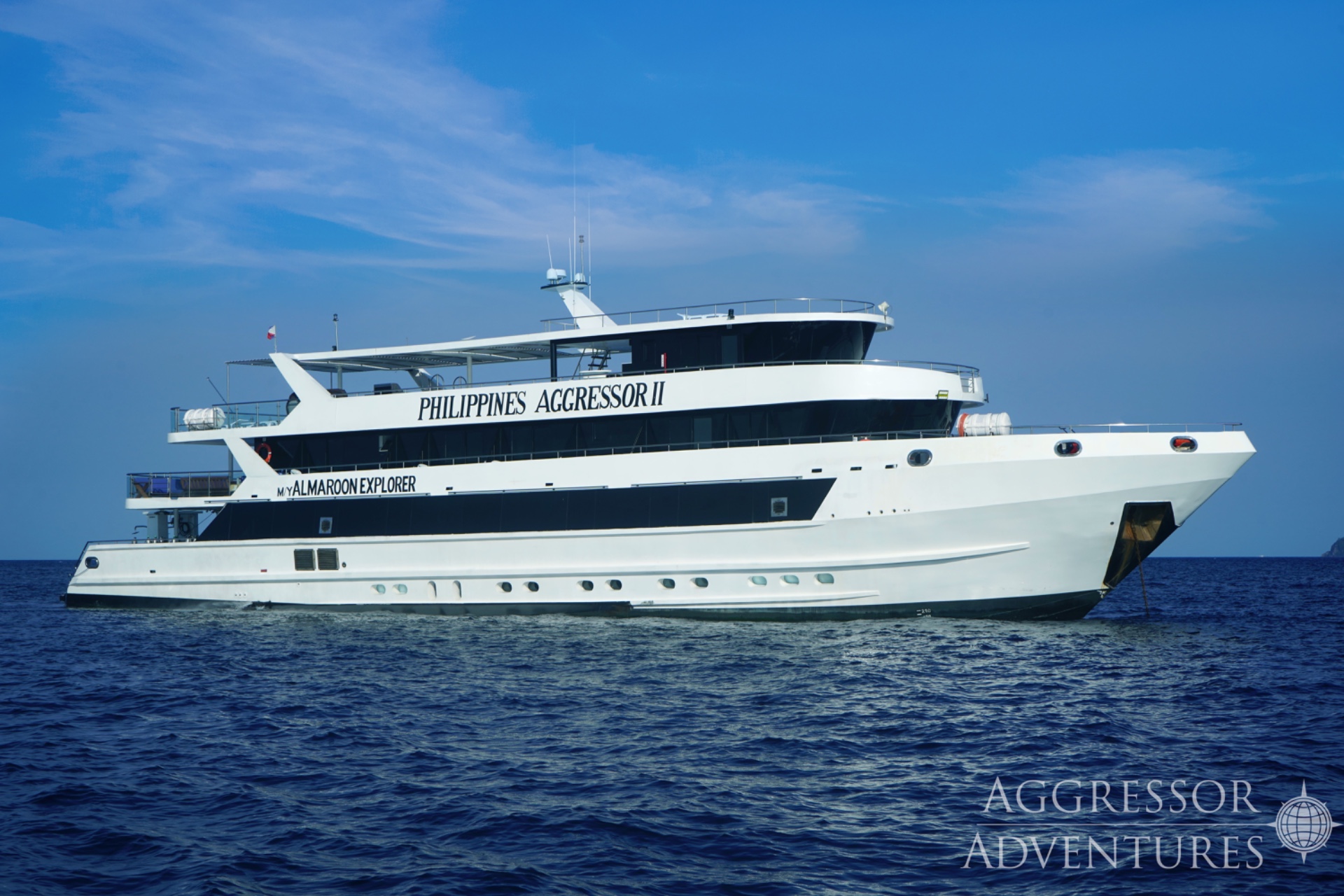
Philippines Aggressor II
Philippines
26 guests42.7 m
$247/day
Dive sites similar to Binangaan Drop Off
Same character, same waters — six more sites divers love for the exact same reasons.Compare seasons, access and liveaboard routes — then pick the site that fits your trip best.
© Esri — Maxar, Earthstar, GIS
Big La Laguna
Philippines
Big La Laguna is a beach community situated on the western edge of the Sabang Peninsula, a popular dive region on Mindoro Island, Philippines.
- Suitable for
- Intermediate
- Current
- Moderate
- Access
- Dayboat
- Depth
- 5–35 m
- Theme
- Reef / Wall
© Esri — Maxar, Earthstar, GIS
Black Forest
Philippines
Black Forest is a premier dive site located off Balicasag Island, renowned for its exceptional marine biodiversity and distinct topography.
- Suitable for
- Intermediate
- Current
- Strong
- Access
- Liveaboard or dayboat
- Depth
- 10–30 m
- Theme
- Drift / Reef
© Esri — Maxar, Earthstar, GIS
Panagsama Beach
Philippines
Panagsama Beach, situated on a peninsula near Moalboal town in Cebu, serves as a central hub for diving activities in the region, boasting over 20 dive sites along its shoreline.
- Suitable for
- Intermediate
- Current
- Moderate
- Access
- Liveaboard or dayboat
- Depth
- ≤ 30 m
- Theme
- Reef / Wall
© Esri — Maxar, Earthstar, GIS
Manta Bowl
Philippines
Manta Bowl is a renowned submerged seamount located in the Ticao Pass, off the northern coast of Ticao Island in Masbate, Philippines.
- Suitable for
- Advanced
- Current
- Ripping
- Access
- Liveaboard or dayboat
- Depth
- 14–50 m
- Theme
- Drift
© Esri — Maxar, Earthstar, GIS
Balinghai Wall
Philippines
Balinghai Wall is a notable dive site located on the northwest side of Boracay, known for its accessible wall and coral slope formations.
- Suitable for
- Intermediate
- Current
- Mild
- Access
- Dayboat
- Depth
- 8–24 m
- Theme
- Wall / Reef
© Esri — Maxar, Earthstar, GIS
Tongo Sanctuary
Philippines
Tongo Sanctuary, located in Moalboal, Cebu, is a marine protected area renowned for its dramatic underwater topography.
- Suitable for
- Beginner
- Current
- Mild
- Access
- Dayboat
- Depth
- 5–55 m
- Theme
- Reef / Wall