About Okikawa Maru
The Okikawa Maru, a former Japanese tanker, stands as the largest shipwreck in Coron Bay, Philippines, offering an exceptional dive experience for both novice and experienced divers. Sunk during an American air raid in 1944, this 160-meter vessel rests upright on the seabed at a maximum depth of 26 meters, with its top deck easily reachable at 12 meters. Over the decades, the wreck has transformed into a vibrant artificial reef, completely covered in a diverse array of hard and soft corals, sponges, and marine growth. This rich biodiversity attracts an abundance of reef fish and larger marine species, providing a dynamic underwater landscape that changes with every dive. The site is celebrated for its accessibility, allowing less experienced divers to explore the exterior and shallower sections, while certified wreck divers can venture into its vast holds, engine room via the propeller shaft, and blast craters. The relatively shallow depth and good visibility in optimal conditions contribute to its popularity. Located about 30 minutes by boat from Coron, the Okikawa Maru is a must-visit for wreck enthusiasts. Multiple dives are often recommended to fully appreciate its scale and the intricate details of its transformation from a war relic to a thriving marine ecosystem.
Highlights
Largest wreck in Coron BayAccessible 12m main deckExtensive coral growthPenetration opportunities for certified diversWWII historyAbundant marine lifePropeller shaft and engine room access
Season calendar
Best months to dive here
Jan
Feb
Mar
Apr
May
Jun
Jul
Aug
Sep
Oct
Nov
Dec
Good
Dive site facts: Okikawa Maru
- Depth
- 10–26 m
- Current
- Limited to strong
- Visibility
- 5–15 m
- Water temperature
- 25–30°C
- Entry
- Boat
- Level
- All levels (external), Advanced (penetration)
- Dive type
- Wreck, coral
- Region / port
- Coron Bay, Palawan
- Coordinates
- 11.978, 120.261
Conditions & Currents
Currents at the Okikawa Maru are typically limited but can occasionally be strong, particularly on deeper sections or at certain tides, which warrants attention during dive planning. Visibility generally ranges from 5 to 15 meters, but can improve significantly to 15 meters during optimal conditions and tides. Divers should consult with local guides to ascertain the best time to dive based on current strength and visibility expectations. Entry is always by boat, and safe ascent and descent techniques are crucial, especially if currents are present. Surface conditions are generally calm within Coron Bay, but boat traffic needs to be considered.
Marine life & sighting chances

Lionfish
common
Jacks
common
Amberjack
common
Groupers
common
Sweetlips
common
Nudibranchs
common
Barracuda
occasional
Triggerfish
occasional
Crocodilefish
occasional
Scorpionfish
occasional
Soldierfish
occasionalDive profile & how the dive runs
Diving the Okikawa Maru typically begins with a boat entry directly over the wreck. Divers descend to the main deck, which lies around 12 meters, offering a vast area for exploration. For less experienced divers, the profile involves exploring the exterior, circling the superstructure and observing marine life on the coral-encrusted hull. More advanced divers, with appropriate certification and experience, can navigate through a swim-through in the blast crater at the bow, or penetrate deeper into the large holds and engine room via the propeller shaft. The immense size of the 160-meter wreck means that multiple dives are often required to fully appreciate different sections. Ascent typically involves a slow, controlled rise along the wreck, with a safety stop conducted in the shallower parts of the water column, often near the upper sections of the wreck or nearby coral gardens if available.
Underwater photography
The Okikawa Maru offers diverse photographic opportunities, from wide-angle shots of the sprawling wreck to macro captures of its abundant inhabitants. A wide-angle lens is ideal for capturing the sheer scale of the 160-meter vessel, the intact superstructure, and the blast-created swim-throughs. For internal penetration shots, ensure good lighting with strong strobes or video lights, paying close attention to buoyancy to avoid disturbing silt. Macro photographers will find plenty of subjects among the corals and sponges, including lionfish, nudibranchs, and other small critters. Utilize external strobes for vibrant color reproduction against the often darker backdrop of the wreck. Always prioritize wreck conservation by maintaining excellent buoyancy control and avoiding contact with the fragile coral and the wreck itself.
Combine with nearby dive sites
- Irako Wreck
A deep Japanese freighter, part of Coron's 'Big 6' wrecks.
- Coron Bay — Skeleton Wreck
A smaller, shallower wreck also popular in Coron Bay.
- Sangat Island
Offers other wreck diving opportunities and resorts in the Coron area.
- Barracuda Lake
A unique, thermally stratified lake dive, distinct from the wrecks.
Getting there & logistics
Access to Okikawa Maru is primarily via dive operators based in Coron, Palawan. Divers typically fly into Busuanga Airport (USU), then transfer to Coron Town. The dive site is about a 30-minute boat ride from Coron resorts. Most dive trips combine the Okikawa Maru with other WWII wrecks in Coron Bay, often as part of a multi-day dive package or liveaboard itinerary focusing on wreck diving. Permits are generally included in dive package fees. There are no specific entry fees for the dive site itself, as it is accessed by organized boat tours.
Safety & environment
Diving the Okikawa Maru, especially with penetration, requires adherence to strict safety protocols. Always dive with a reputable local operator and ensure your dive insurance covers wreck diving, including technical aspects if planning penetrations. While the wreck's shallowest parts are accessible to all levels, inner explorations are reserved for certified wreck divers due to overhead environments and potential entanglement hazards. The nearest recompression chamber is located in Puerto Princesa, Palawan, necessitating a significant evacuation time in case of a serious incident. Maintain excellent buoyancy, monitor air consumption closely, and avoid touching or removing anything from the wreck. Always follow your dive guide's instructions regarding current conditions and site-specific hazards.
Who it suits — and who it doesn't
Suited for
- Certified wreck divers
- Open Water divers exploring the exterior
- Underwater photographers
- History enthusiasts
- Divers seeking abundant marine life on artificial reefs
Less suited for
- Divers without wreck penetration training (for interiors)
- Beginners without good buoyancy control (for close-up wreck exploration)
- Those prone to claustrophobia (for internal sections)
- Divers expecting only pelagic encounters
FAQ
Okikawa Maru FAQ
What is the historical significance of the Okikawa Maru?
The Okikawa Maru was a Japanese tanker that was sunk during a significant American air raid on September 24, 1944, as part of the Battle of Coron Bay during World War II. It is one of many Japanese supply ships targeted during this offensive. Today, it serves as a historical monument and an artificial reef, bearing witness to wartime events.
Is the Okikawa Maru suitable for beginner divers?
Yes, the Okikawa Maru is suitable for beginner divers, especially those with good buoyancy control. The main deck starts at a relatively shallow depth of 12 meters, allowing Open Water certified divers to explore the exterior of the wreck and observe the rich marine life and coral growth without venturing inside. However, any internal exploration or penetration requires advanced wreck diving certification.
What kind of marine life can be seen on the Okikawa Maru?
The Okikawa Maru has transformed into a thriving artificial reef, hosting a diverse array of marine life. Divers frequently encounter lionfish, jacks, amberjack, and resident groupers and sweetlips. The wreck is also adorned with numerous hard and soft corals and sponges, attracting various nudibranchs and smaller reef fish.
How many dives are recommended to explore the Okikawa Maru?
Given its impressive length of 160 meters, at least two dives are recommended to thoroughly explore the Okikawa Maru. This allows divers to cover different sections of the exterior, such as the bow, midship, and stern, as well as providing opportunities for certified wreck divers to plan penetrations into its vast holds or engine room on separate dives.
Are currents a concern when diving the Okikawa Maru?
While currents at the Okikawa Maru are generally limited, they can occasionally be strong, particularly on deeper sections or at specific tidal phases. Dive operators in Coron are knowledgeable about local conditions and can advise on the best times to dive. Divers should always be mindful of current strength and plan their dive accordingly, maintaining good buoyancy and situational awareness.
Why dive Okikawa Maru from a liveaboard?
Okikawa Maru is one of Philippines's signature dive sites. A liveaboard sleeps you on the water and puts you in the water for three to four guided dives per day, including dawn and night dives that day-boat operators rarely offer. You skip the daily commute back to port and reach quieter, less-crowded sites in the same region on a single trip.
Below are the liveaboards that include Okikawa Maru on their Philippines itineraries.
Liveaboards diving Okikawa Maru
These liveaboards may visit Okikawa Maru on selected itineraries — the exact dive sites depend on departure, weather and conditions.
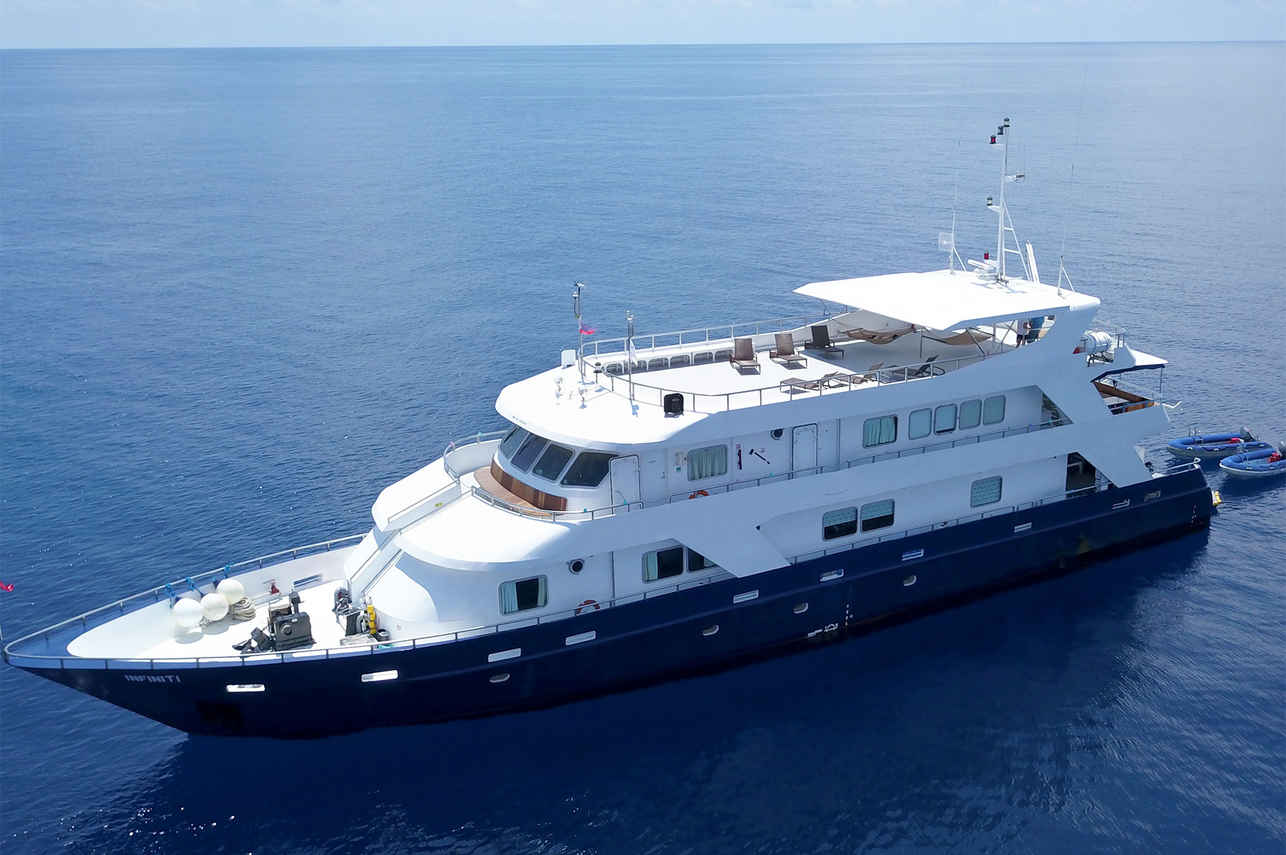
Infiniti
Philippines
25 guests39 m
$280/day
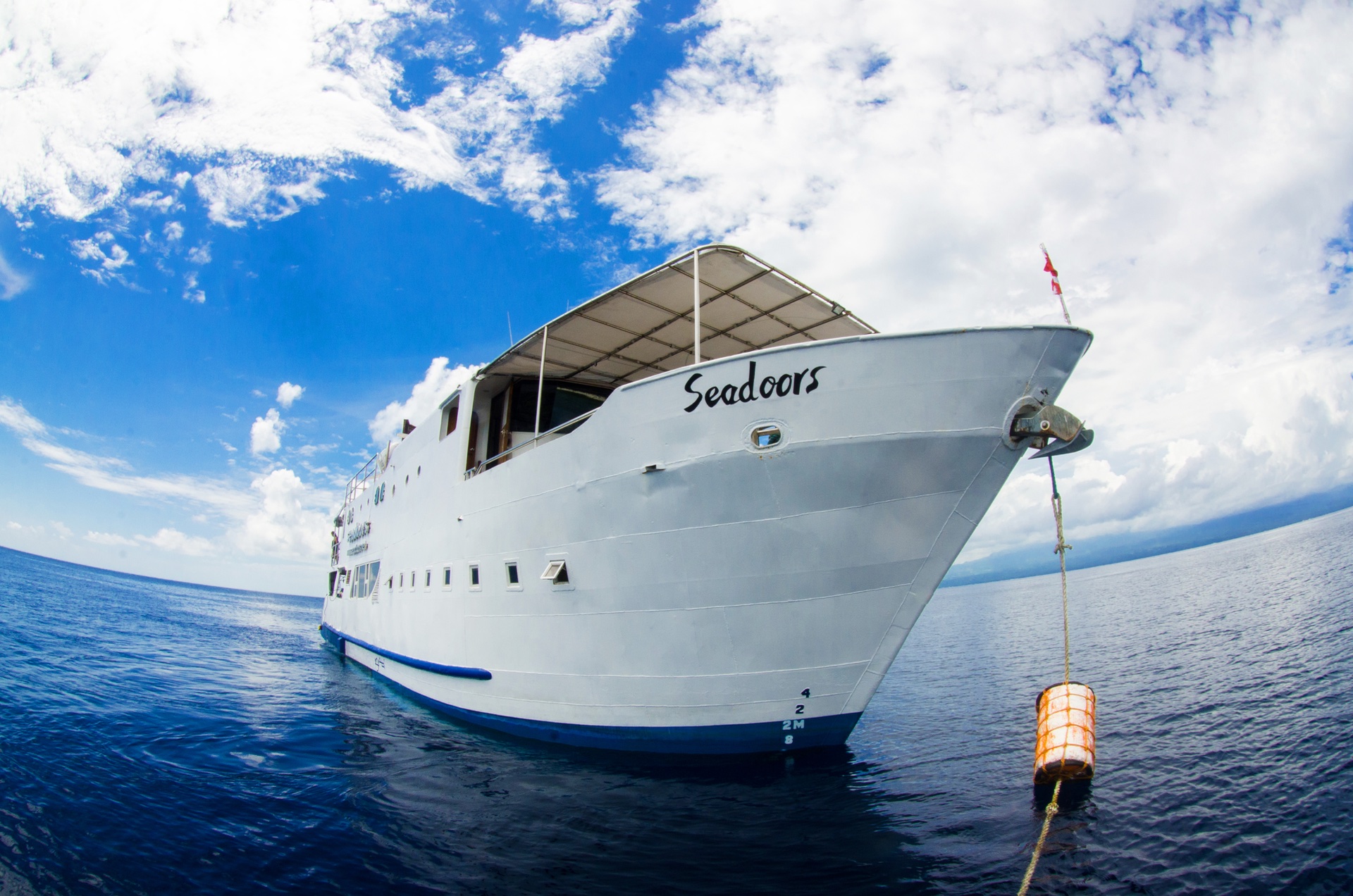
Seadoors
Philippines
16 guests25 m
$335/day
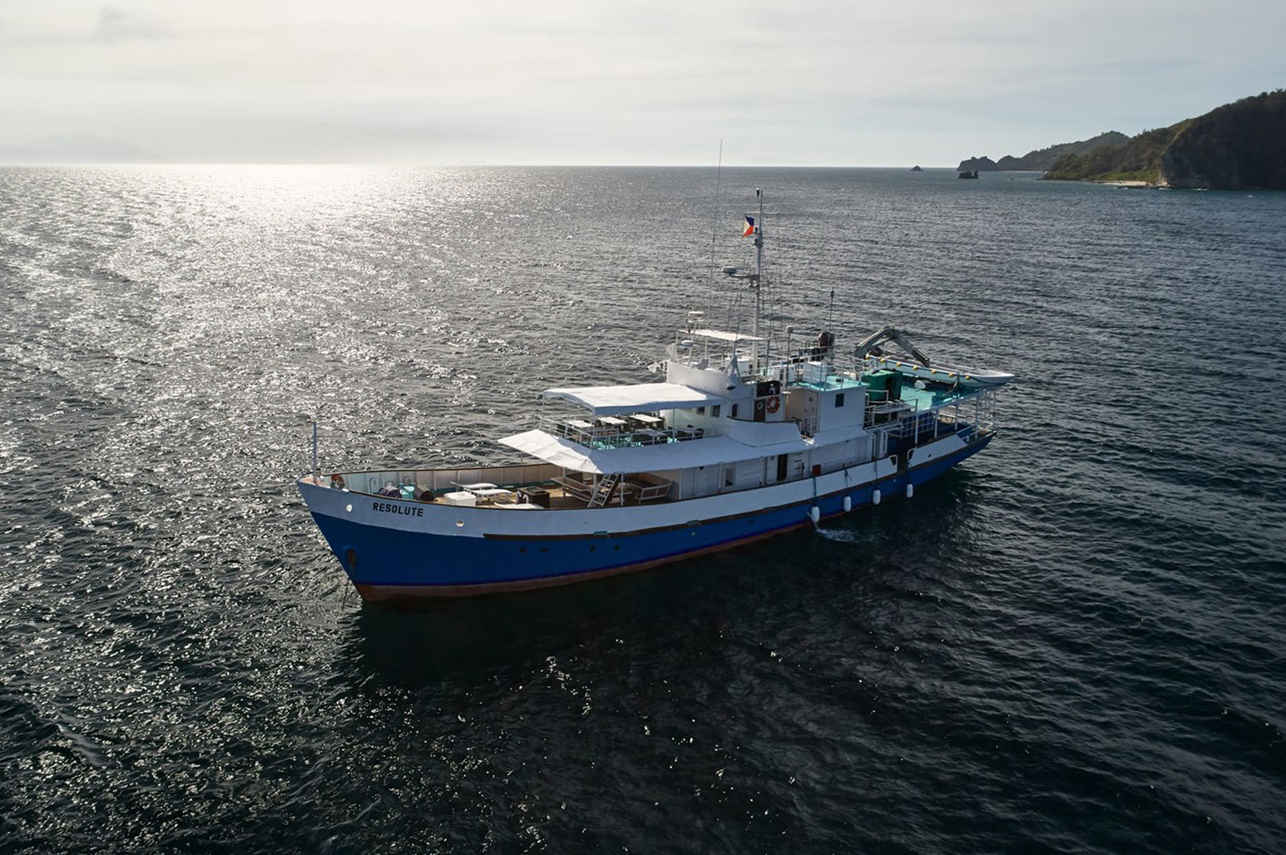
Resolute
Philippines
16 guests34.6 m
$314/day
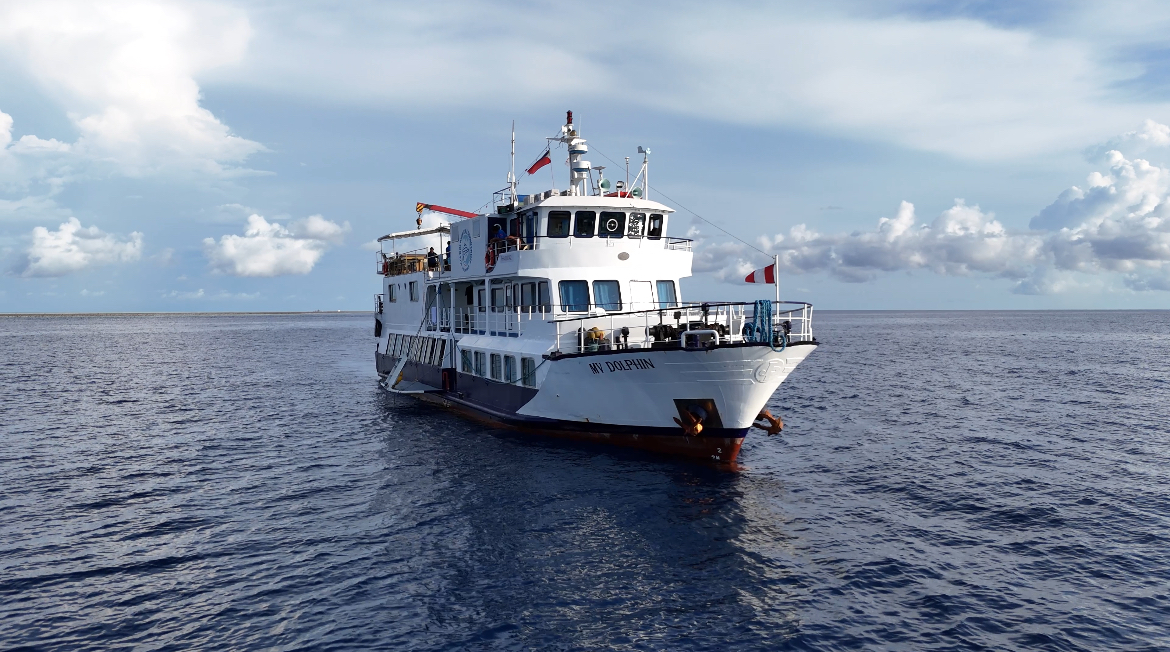
Dolphin
Philippines
18 guests31 m
$326/day
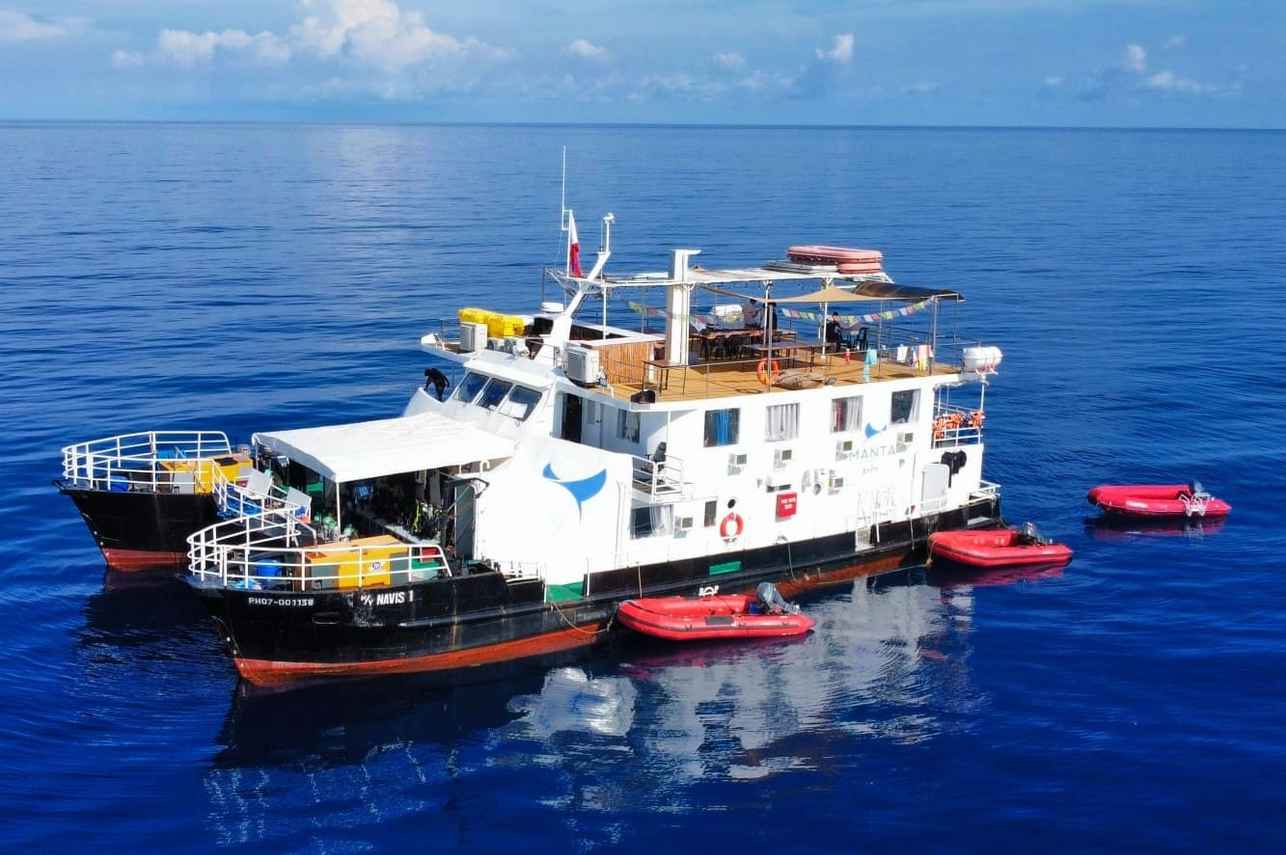
Navis 1
Philippines
22 guests23 m
$250/day
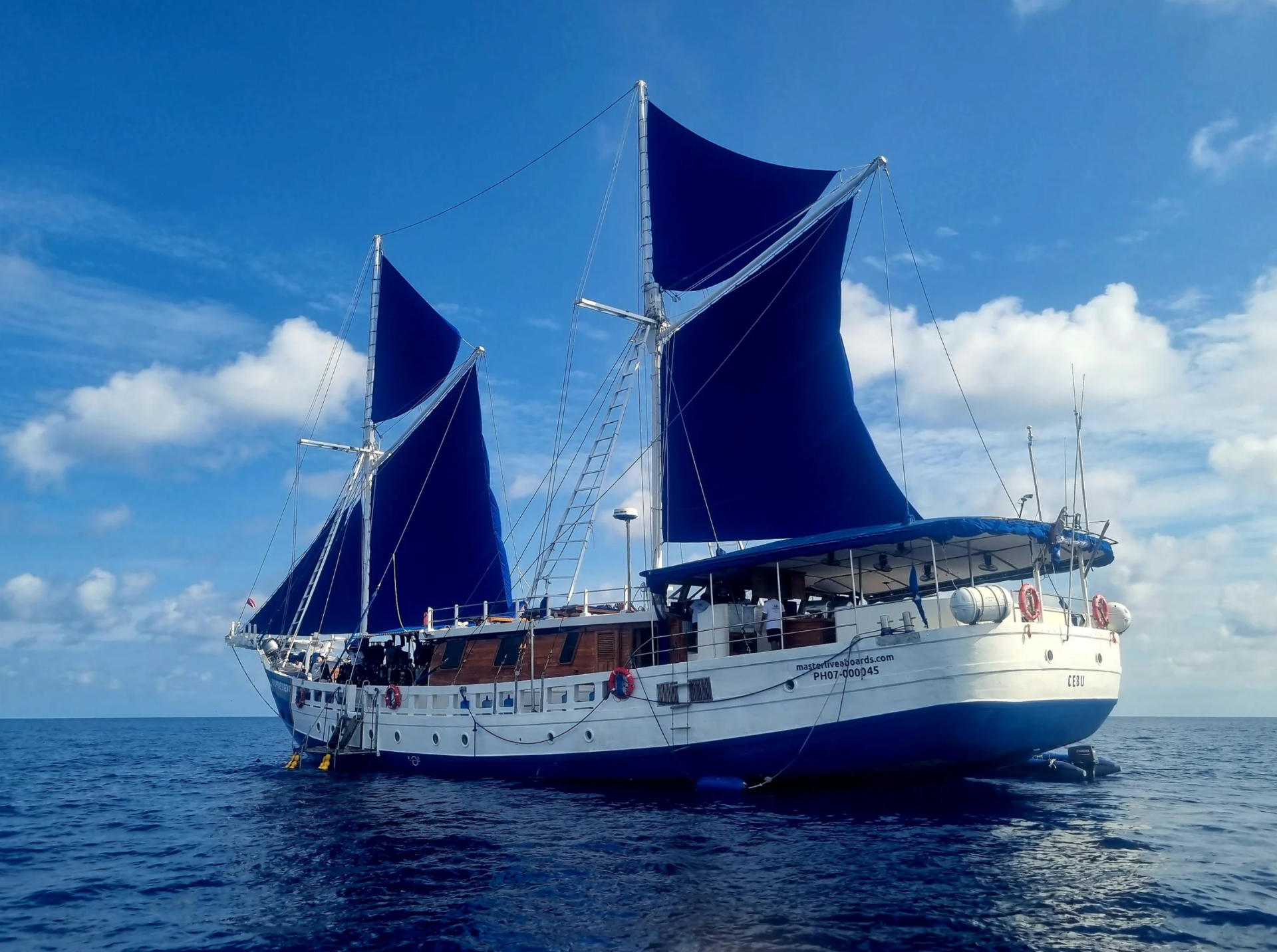
Philippine Siren
Philippines
16 guests
$309/day
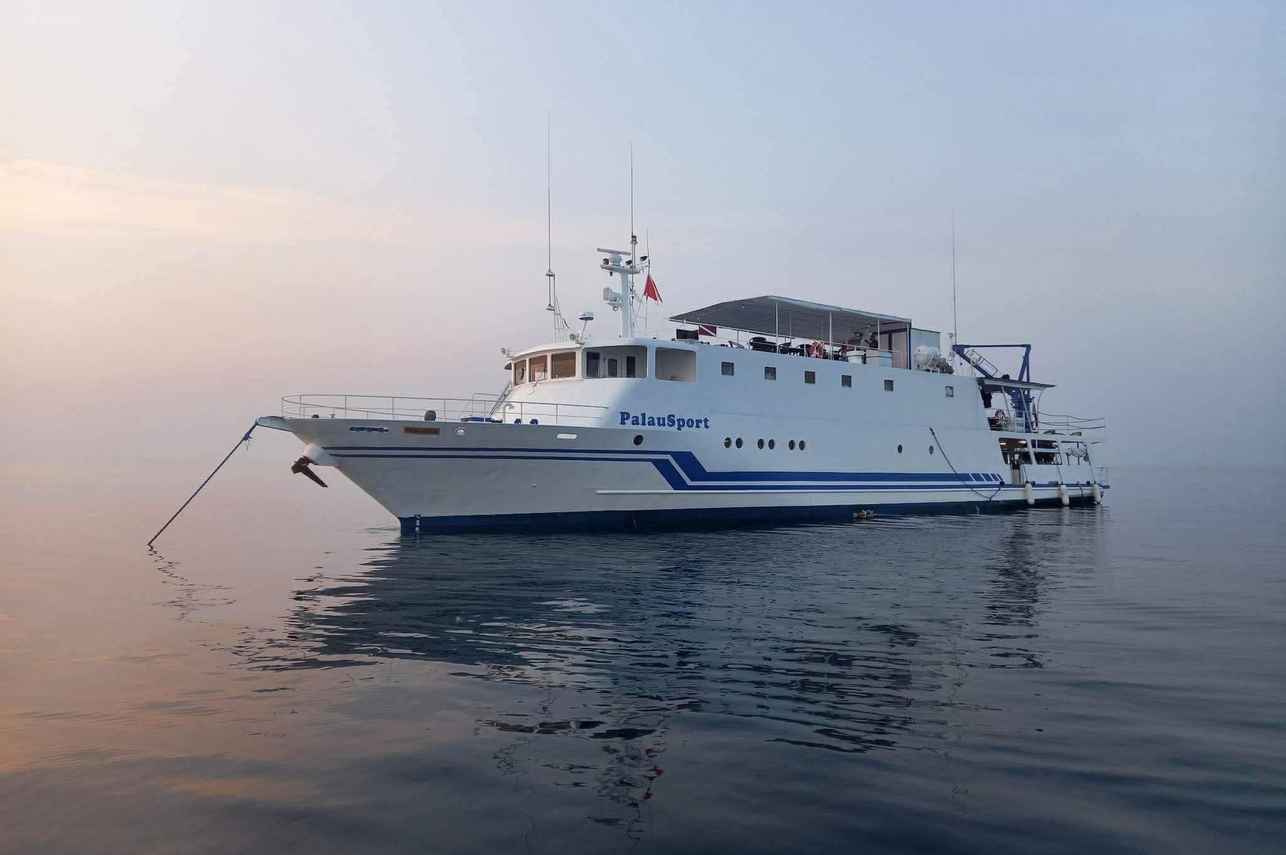
Palau Sport
Philippines
24 guests38.35 m
$215/day
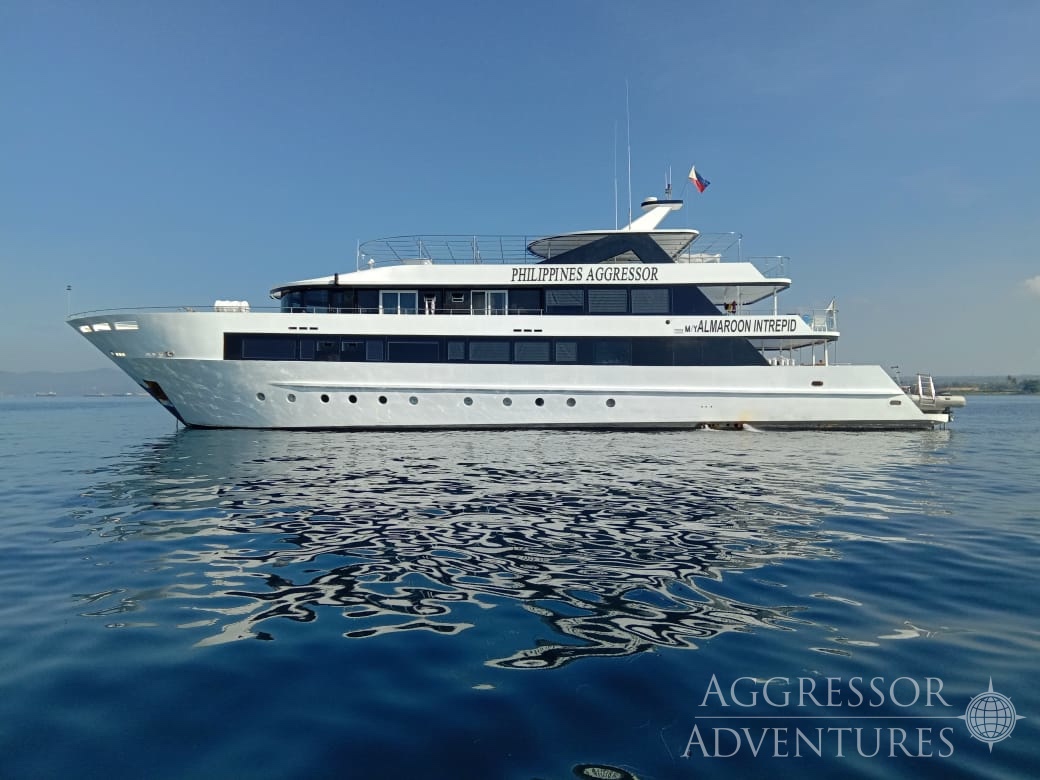
Philippines Aggressor
Philippines
26 guests42.7 m
$381/day
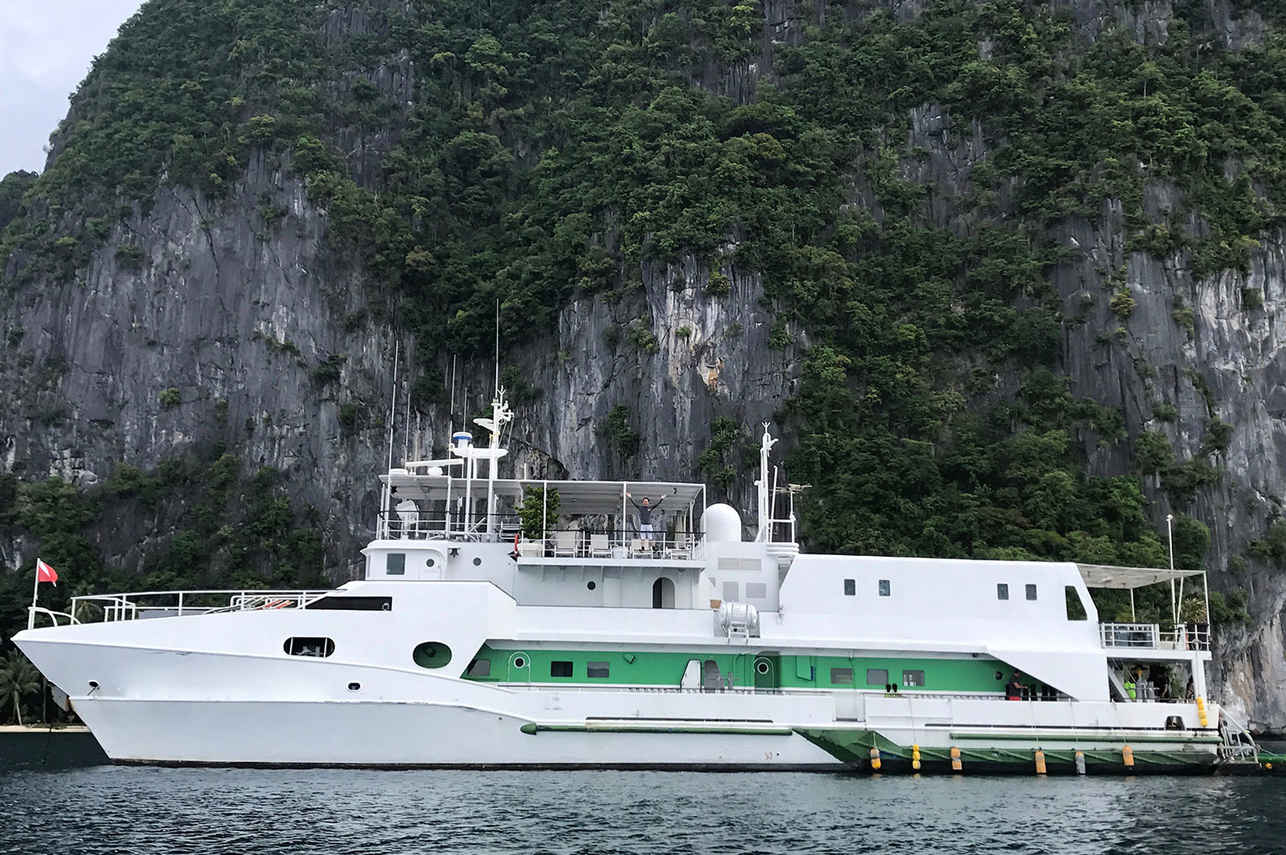
Stella Maris Explorer
Philippines
20 guests33 m
$398/day
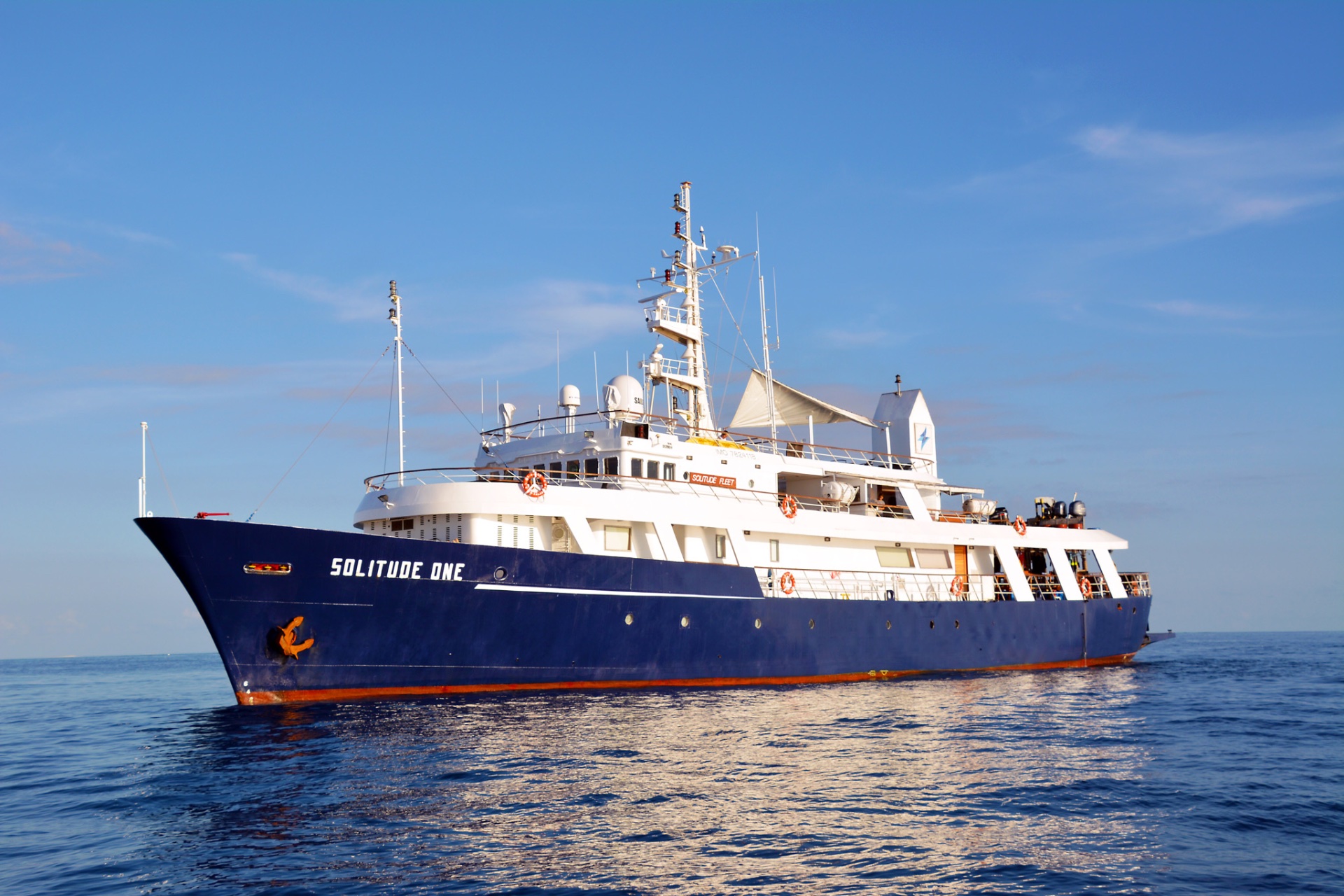
Solitude One
Philippines
24 guests52 m
$460/day
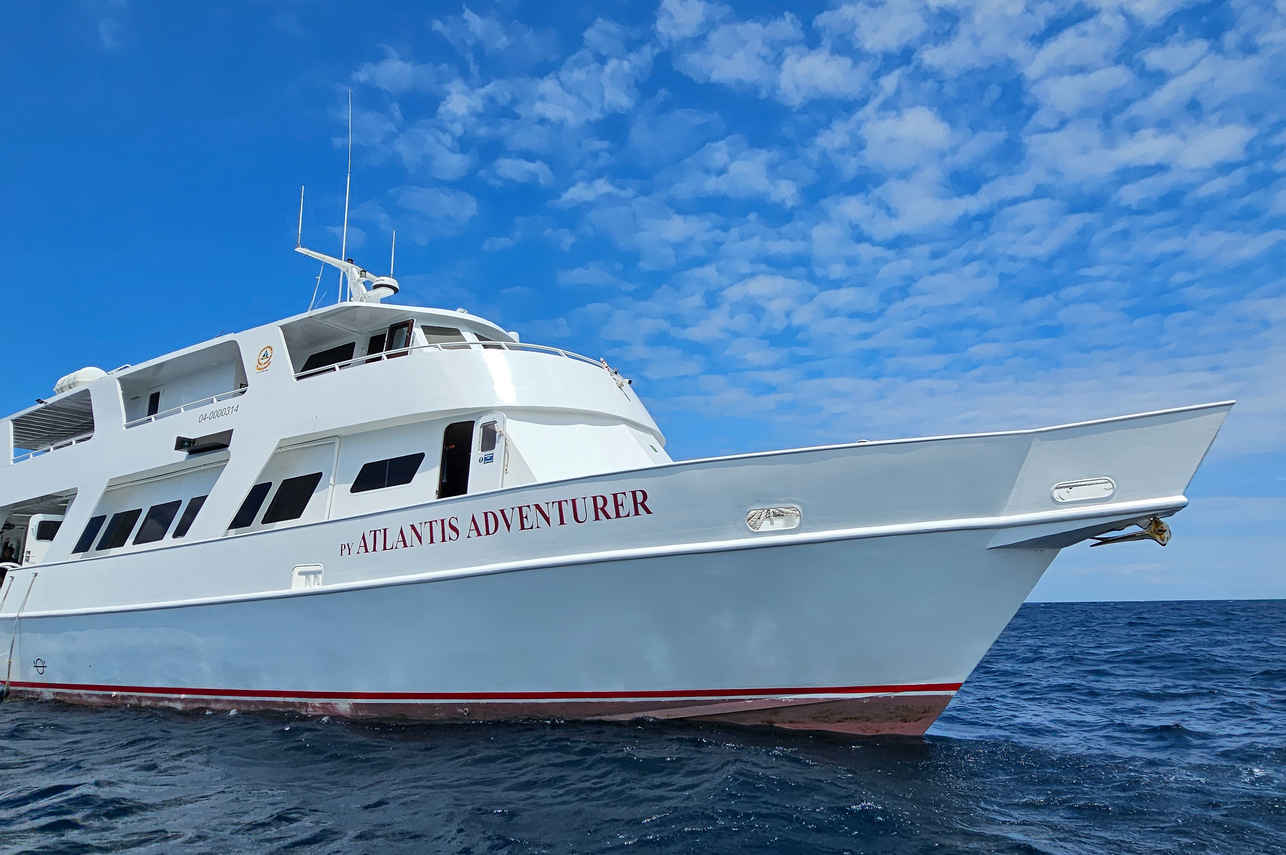
Atlantis Adventurer
Philippines
16 guests32.5 m
$421/day
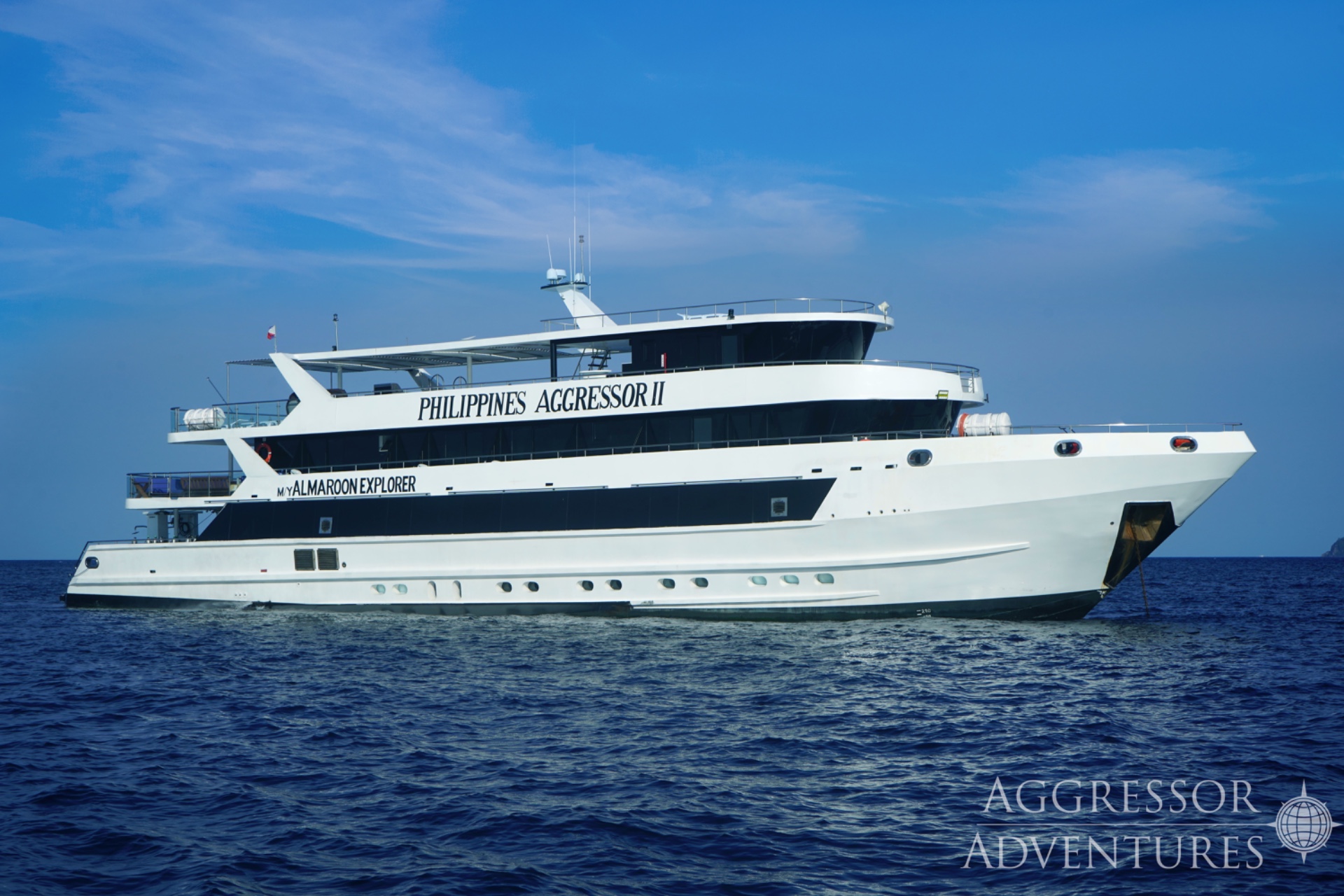
Philippines Aggressor II
Philippines
26 guests42.7 m
$247/day
Dive sites similar to Okikawa Maru
Same character, same waters — six more sites divers love for the exact same reasons.Compare seasons, access and liveaboard routes — then pick the site that fits your trip best.
© Esri — Maxar, Earthstar, GIS
Olympia Maru
Philippines
The Olympia Maru is a prominent Japanese cargo ship wreck from World War II, located within Coron Bay, Philippines.
- Suitable for
- Intermediate
- Current
- Mild
- Access
- Dayboat
- Depth
- 17–24 m
- Theme
- Wreck / Reef
The Alma Jane is a prominent artificial reef and wreck dive located off Puerto Galera in the Philippines, intentionally sunk to enhance marine biodiversity and provide a unique diving experience.
- Suitable for
- Intermediate
- Current
- Mild
- Access
- Dayboat
- Depth
- 25–30 m
- Theme
- Wreck / Reef
© Esri — Maxar, Earthstar, GIS
Kyokuzan Maru
Philippines
The Kyokuzan Maru is a significant Japanese auxiliary supply ship, measuring about 136 meters in length, that was sunk during a US Navy aerial attack on September 24, 1944, near Busuanga Island.
- Suitable for
- Advanced
- Current
- Mild
- Access
- Dayboat
- Depth
- 26–42 m
- Theme
- Wreck
© Esri — Maxar, Earthstar, GIS
USS New York
Philippines
The USS New York, an 8150-ton armored cruiser, was commissioned in 1893 and saw service in the Spanish-American War, the Chinese Revolution, and WWI.
- Suitable for
- Advanced
- Current
- Mild
- Access
- Liveaboard or dayboat
- Depth
- 16–30 m
- Theme
- Wreck
© Esri — Maxar, Earthstar, GIS
Camia II Wreck
Philippines
The Camia II Wreck is a popular dive site located in Boracay, known for its accessible and largely intact cargo vessel.
- Suitable for
- Intermediate
- Current
- Mild
- Access
- Dayboat
- Depth
- 18–30 m
- Theme
- Wreck
© Esri — Maxar, Earthstar, GIS
Irako Wreck
Philippines
The Irako Wreck, a Japanese refrigeration ship sunk during World War II, lies within Coron's renowned wreck graveyard, making it one of the Philippines' premier wreck diving destinations.
- Suitable for
- Advanced
- Current
- Strong
- Access
- Liveaboard or dayboat
- Depth
- 28–43 m
- Theme
- Wreck