About Camia II Wreck
The Camia II Wreck is a popular dive site located in Boracay, known for its accessible and largely intact cargo vessel. This 30-meter wreck rests upright on the seabed, providing an excellent opportunity for both recreational and advanced divers to explore its structure. It is one of Boracay's key dive attractions, easily reachable by boat from the main stations. The wreck's depths range from 18 to 30 meters, making it suitable for a wide range of certified divers. Divers can navigate through various sections of the vessel, including accessible cabin, engine room, and cargo hold areas. The surrounding reef and the wreck itself attract a diverse array of marine life. While the Camia II offers year-round diving, the dry season from December to April typically provides the best conditions with calm seas and excellent visibility, enhancing the exploration experience. This site caters to divers seeking both wreck penetration and macro photography opportunities, combining historical interest with rich biodiversity. Its proximity to shore allows for flexible dive scheduling, often integrated with other Boracay activities.
Highlights
Intact 30-meter cargo vesselAccessible wreck penetration optionsCabin, engine room, cargo holdVibrant reef ecosystemShark encounters (Yapak nearby)Macro photography subjectsUpright position on seabedBoracay accessible dive site
Season calendar
Best months to dive here
Jan
Feb
Mar
Apr
May
Jun
Jul
Aug
Sep
Oct
Nov
Dec
Excellent
Good
Dive site facts: Camia II Wreck
- Depth
- 18–30 m
- Current
- Mild to moderate
- Visibility
- 15–30 m
- Water temperature
- 25–30°C
- Entry
- Boat
- Level
- Open Water to Advanced
- Dive type
- Wreck, macro
- Night dive
- Possible
- Region / port
- Boracay Island, Western Visayas
- Coordinates
- 11.0509° N, 122.0416° E
Conditions & Currents
Currents at the Camia II Wreck are generally manageable, making it suitable for a broader range of divers compared to more challenging sites like Yapak. However, conditions can vary, so divers should always consult with local dive operators for the most current information. Visibility at Boracay dive sites, including Camia II, typically ranges from 50 to 100 feet, though it can be even better during peak dry season months. The relatively mild conditions allow for comfortable wreck exploration and observation of marine life. Divers should still plan their air consumption carefully, especially if engaging in wreck penetration, to ensure sufficient bottom time and safe ascent. Entry is typically from a boat, allowing for direct descent to the wreck.
Marine life & sighting chances
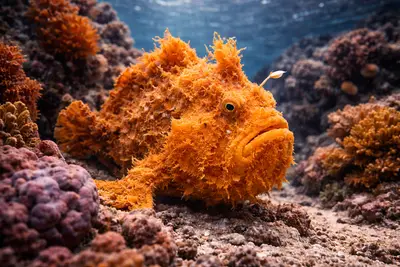
Frogfish
April (prime time) · occasional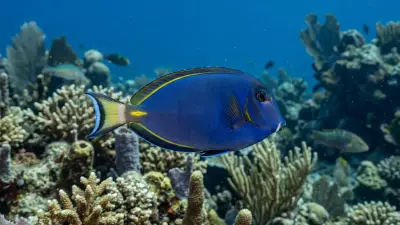
Blue-Spotted Ribbontail Ray
occasional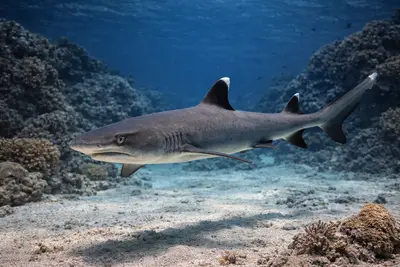
Whitetip Reef Shark
occasional
Grey Reef Shark
occasional
Barracuda
occasional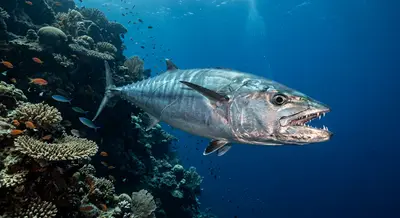
Tuna
occasional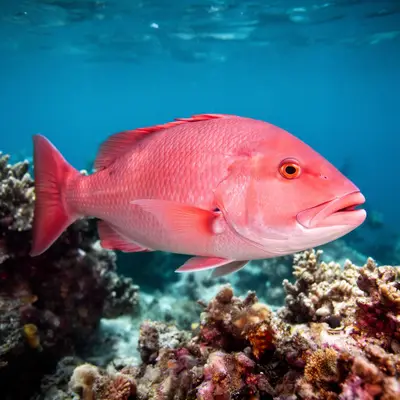
Snappers
common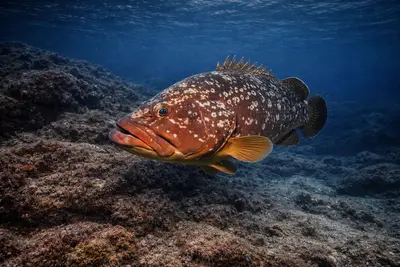
Groupers
common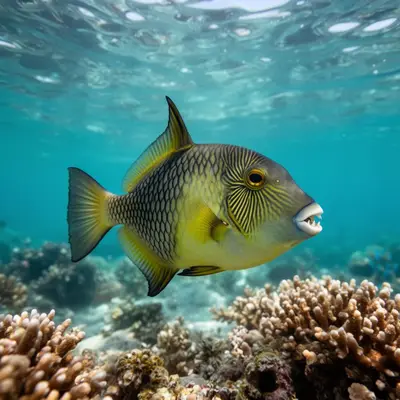
Triggerfish
commonSchooling Fish
common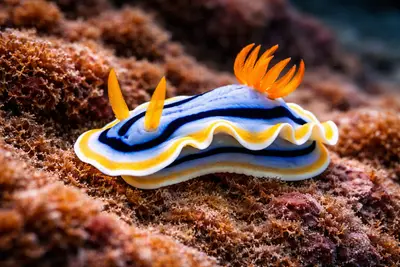
Nudibranchs
occasional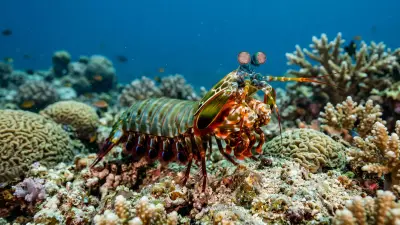
Shrimp
occasionalDive profile & how the dive runs
Dives at Camia II typically begin with a boat entry, allowing divers to descend directly onto the wreck. The cargo vessel sits upright, with its deck around 18 meters and the deepest parts reaching 30 meters. Divers often start by exploring the exterior, observing the coral growth and schooling fish that congregate around the structure. Penetration into accessible areas like the cabin, engine room, and cargo holds is possible for appropriately certified divers, offering a detailed exploration of the ship's interior. The route usually involves a slow ascent along the wreck, allowing for thorough observation of both macro life and larger reef inhabitants. The safety stop is conducted in the shallower waters above or near the wreck, often at around 5 meters, before a final ascent to the surface.
Underwater photography
The Camia II Wreck provides excellent opportunities for both wide-angle and macro photography. For wide-angle shots, a fisheye or wide-angle lens is ideal to capture the full scope of the 30-meter vessel and its upright position, especially when light penetrates the shallower sections. Using external strobes can help bring out the vibrant colors of the soft corals and marine growth on the wreck. For macro enthusiasts, a macro lens will be invaluable for capturing the diverse array of critters inhabiting the wreck, such as frogfish, nudibranchs, and various shrimp. Good buoyancy control is essential, particularly during wreck penetration, to avoid stirring up silt and to protect the delicate marine life. Always maintain respectful distances from marine inhabitants and avoid touching the wreck structure.
Combine with nearby dive sites
- Yapak
A challenging deep wall dive known for strong currents and pelagic encounters, including reef sharks.
- Angol Point
A shallow, easy reef dive, ideal for beginners and macro photography, especially for frogfish.
- Punta Bunga
Another accessible site for beginners with calm waters, located near Yapak.
- The House Reef
Often used for training and shallower dives, offering easy access to marine life.
Getting there & logistics
Boracay diving, including the Camia II Wreck, is highly accessible. Divers typically fly into Caticlan Airport (MPH), which is just a short 15-minute ferry ride from Boracay Island. Alternatively, flights to Kalibo International Airport (KLO) are available, followed by a bus or van transfer and a ferry to Boracay. Most dive operators are located on White Beach, offering day trips to sites within 30 minutes by traditional bangka boat. Dive packages often include two to three dives per day, with specific wreck dives usually forming part of the itinerary. There are no specific park fees mentioned for Camia II itself, but general dive operator costs apply. Boracay offers a resort-island experience, allowing divers to combine underwater exploration with beach activities and dining.
Safety & environment
Diving at Camia II Wreck should be conducted with a reputable dive operator. The nearest recompression chamber facilities in the Philippines are often located in larger cities or dive hubs, so emergency evacuation to these facilities would be part of a robust safety plan. Comprehensive dive insurance is highly recommended to cover potential medical emergencies and evacuation costs. Site-specific hazards for wreck diving include potential entanglement and overhead environments during penetration, requiring appropriate training and equipment such as a reel and cutting device. Divers must adhere to no-decompression limits and maintain excellent buoyancy control to prevent damage to the wreck and marine life, as well as avoid stirring up silt. Always follow the instructions of your dive guide.
Who it suits — and who it doesn't
Suited for
- Open Water certified divers seeking wreck exploration
- Advanced Open Water divers interested in wreck penetration
- Macro photographers looking for diverse subjects
- Divers who appreciate accessible dive sites close to shore
- Those combining diving with resort-island activities
Less suited for
- Divers who prefer pristine, untouched natural reefs exclusively
- Beginners without adequate buoyancy control for wreck diving
- Divers seeking only large pelagic encounters (Yapak is better for this)
- Those uncomfortable with enclosed spaces (for penetration)
FAQ
Camia II Wreck FAQ
What is the history of the Camia II Wreck?
The Camia II is a 30-meter cargo vessel that now rests upright on the seabed off Boracay Island. While specific details about its sinking date or cause are not widely published, it has become a prominent artificial reef and a popular dive site, offering a fascinating glimpse into a sunken ship. Its intact structure and accessible internal sections make it a unique attraction for divers.
Can I penetrate the Camia II Wreck?
Yes, the Camia II Wreck offers several accessible penetration options, including the cabin, engine room, and cargo holds. However, wreck penetration should only be attempted by divers with appropriate training, such as a Wreck Diver Specialty certification, and with proper equipment. Always dive with a qualified guide familiar with the wreck's layout and potential hazards.
What kind of marine life can be seen at Camia II?
The Camia II Wreck acts as a vibrant artificial reef, attracting a variety of marine life. Divers can frequently spot schooling fish, snappers, and groupers around the exterior. Macro life like frogfish, nudibranchs, and various shrimp are often found camouflaged on the wreck's surfaces. Occasional sightings of blue-spotted ribbontail rays are also possible in the sandy areas nearby.
How deep is the Camia II Wreck?
The Camia II Wreck rests at depths ranging from 18 to 30 meters. The shallower sections of the deck are around 18 meters, while the deepest parts of the hull reach approximately 30 meters. This depth profile makes it accessible to both Open Water and Advanced Open Water certified divers, depending on their comfort and training.
Is the Camia II Wreck suitable for beginner divers?
While Open Water certified divers can explore the shallower sections of the wreck, extensive wreck penetration is not recommended for beginners. Divers should have good buoyancy control and comfort at depth. Local dive operators can provide guidance on suitability based on individual experience and offer introductory dives to the exterior of the wreck for less experienced divers.
How far is the Camia II Wreck from Boracay's main beaches?
The Camia II Wreck is located conveniently close to Boracay's main dive departure points. It is typically a short boat ride, usually within 30 minutes, from the main stations along White Beach. This proximity makes it a popular choice for half-day dive trips and allows for easy integration into a broader Boracay vacation itinerary.
Why dive Camia II Wreck from a liveaboard?
Camia II Wreck is one of Philippines's signature dive sites. A liveaboard sleeps you on the water and puts you in the water for three to four guided dives per day, including dawn and night dives that day-boat operators rarely offer. You skip the daily commute back to port and reach quieter, less-crowded sites in the same region on a single trip.
Below are the liveaboards that include Camia II Wreck on their Philippines itineraries.
Liveaboards diving Camia II Wreck
These liveaboards may visit Camia II Wreck on selected itineraries — the exact dive sites depend on departure, weather and conditions.
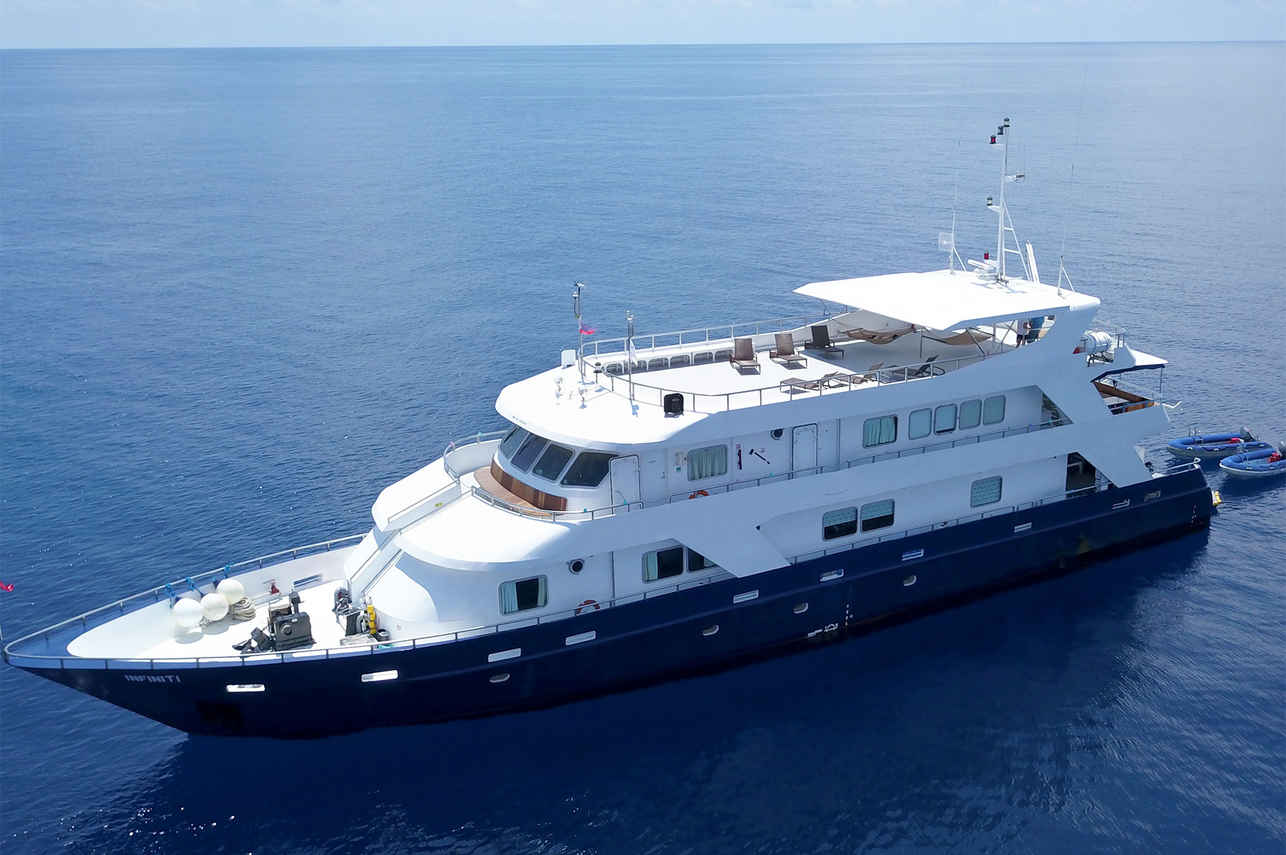
Infiniti
Philippines
25 guests39 m
$280/day
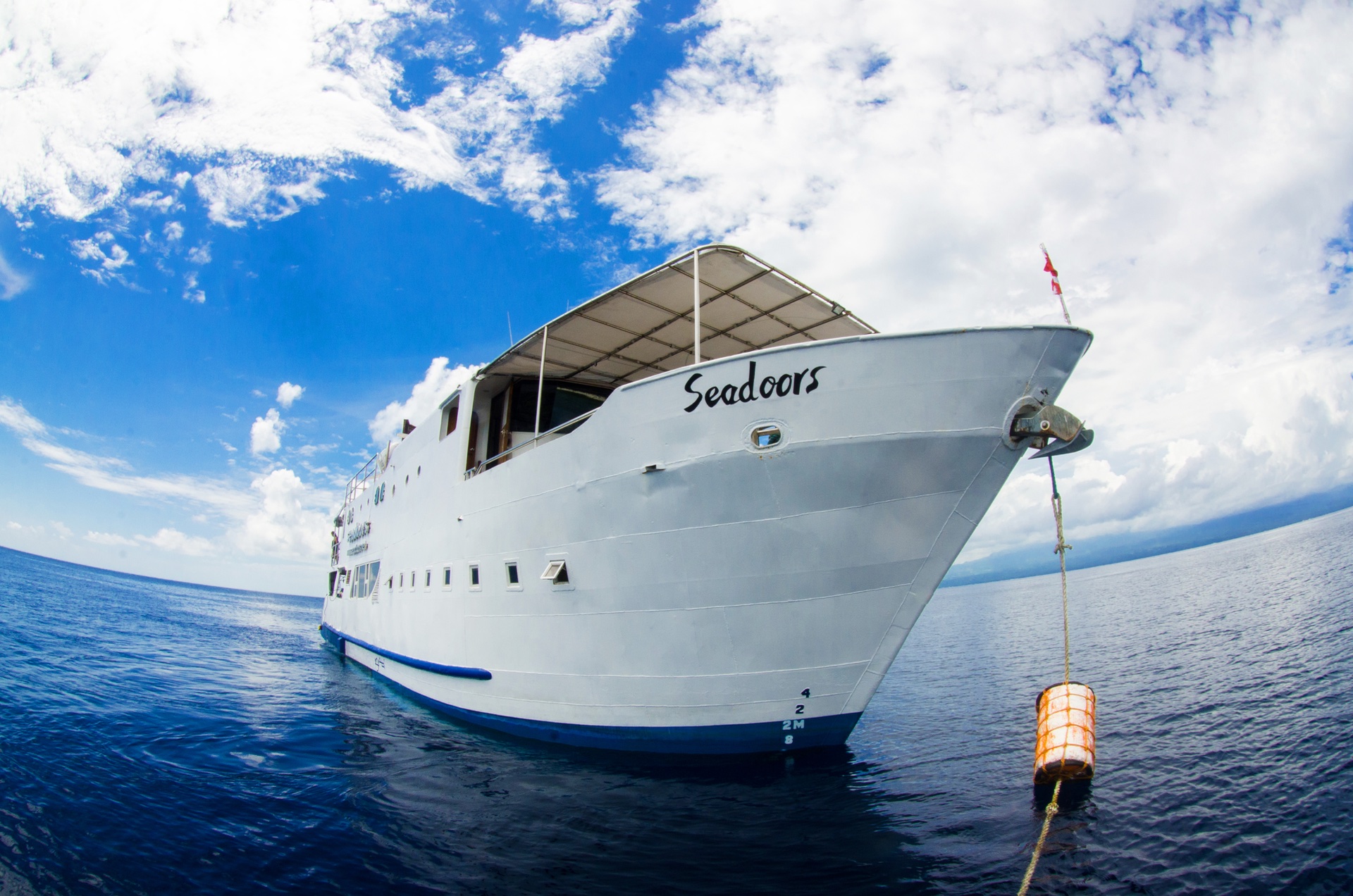
Seadoors
Philippines
16 guests25 m
$335/day
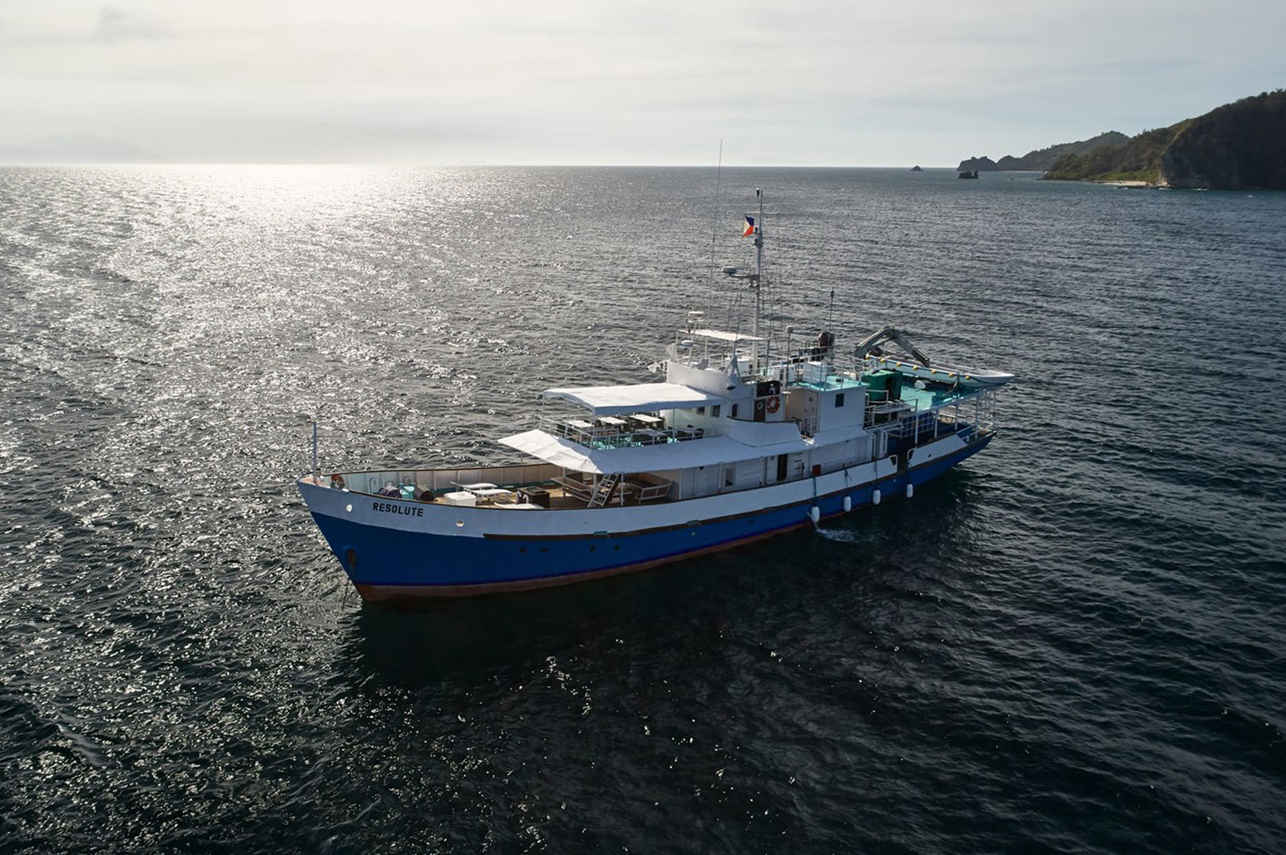
Resolute
Philippines
16 guests34.6 m
$314/day
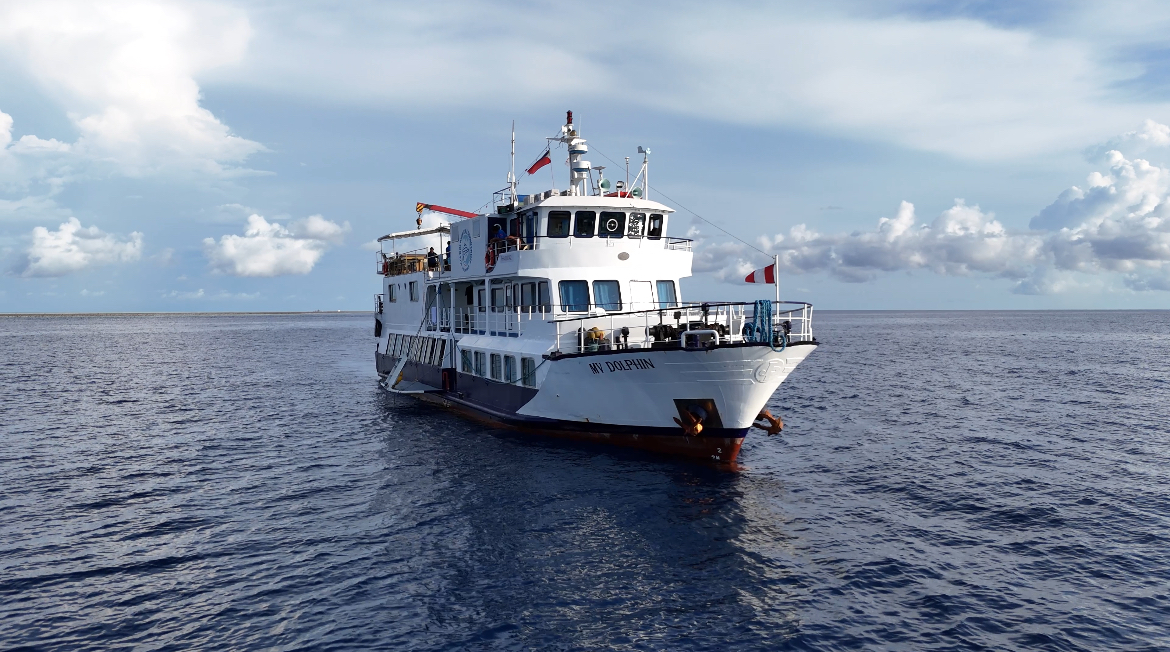
Dolphin
Philippines
18 guests31 m
$326/day
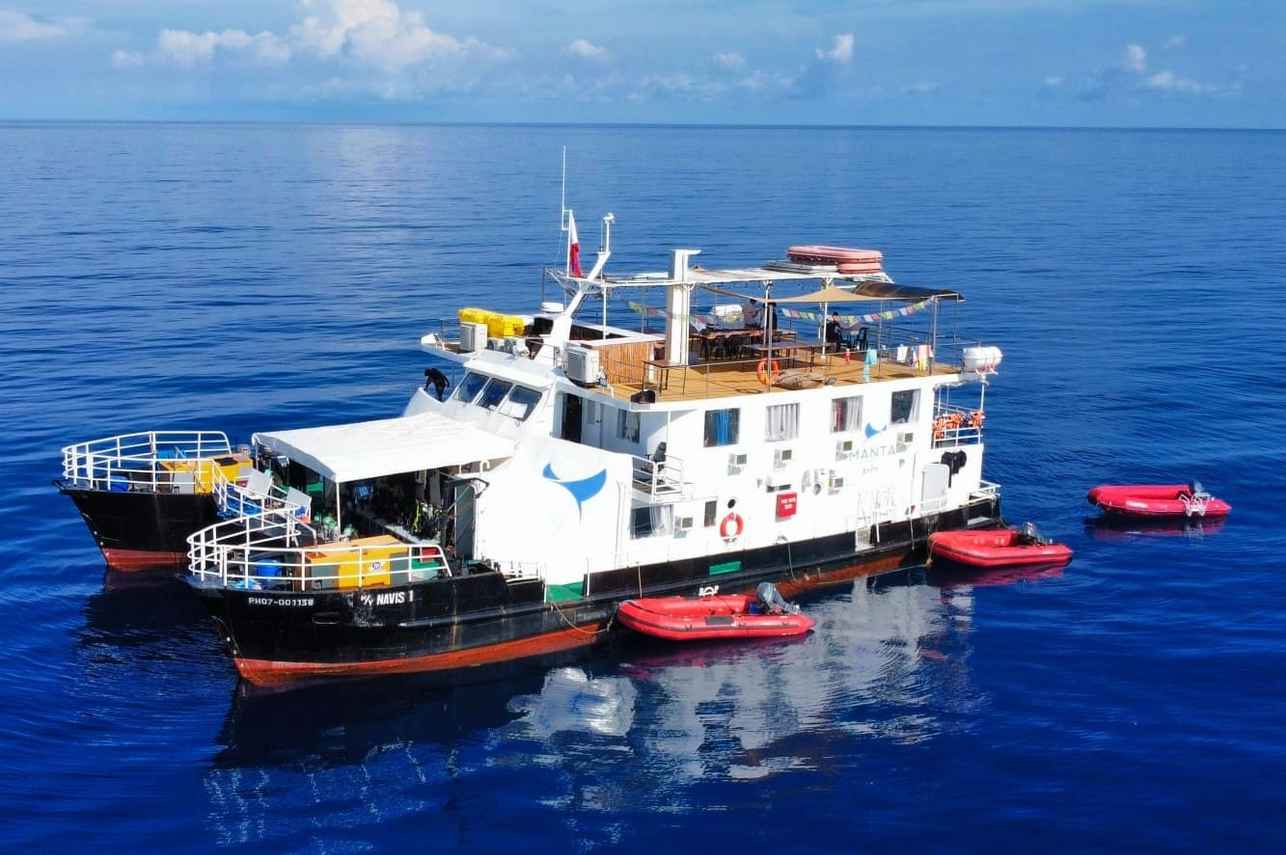
Navis 1
Philippines
22 guests23 m
$250/day
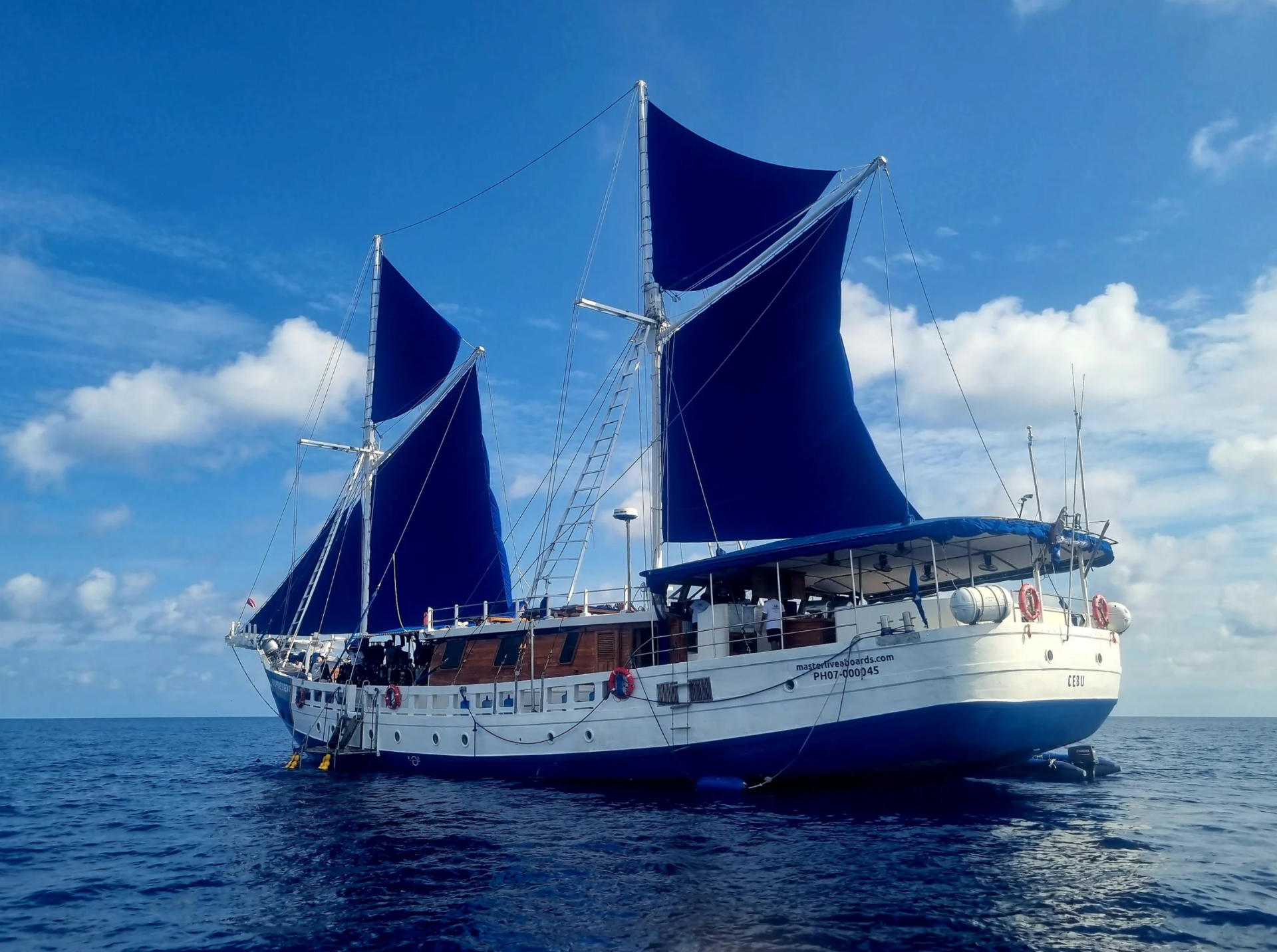
Philippine Siren
Philippines
16 guests
$309/day
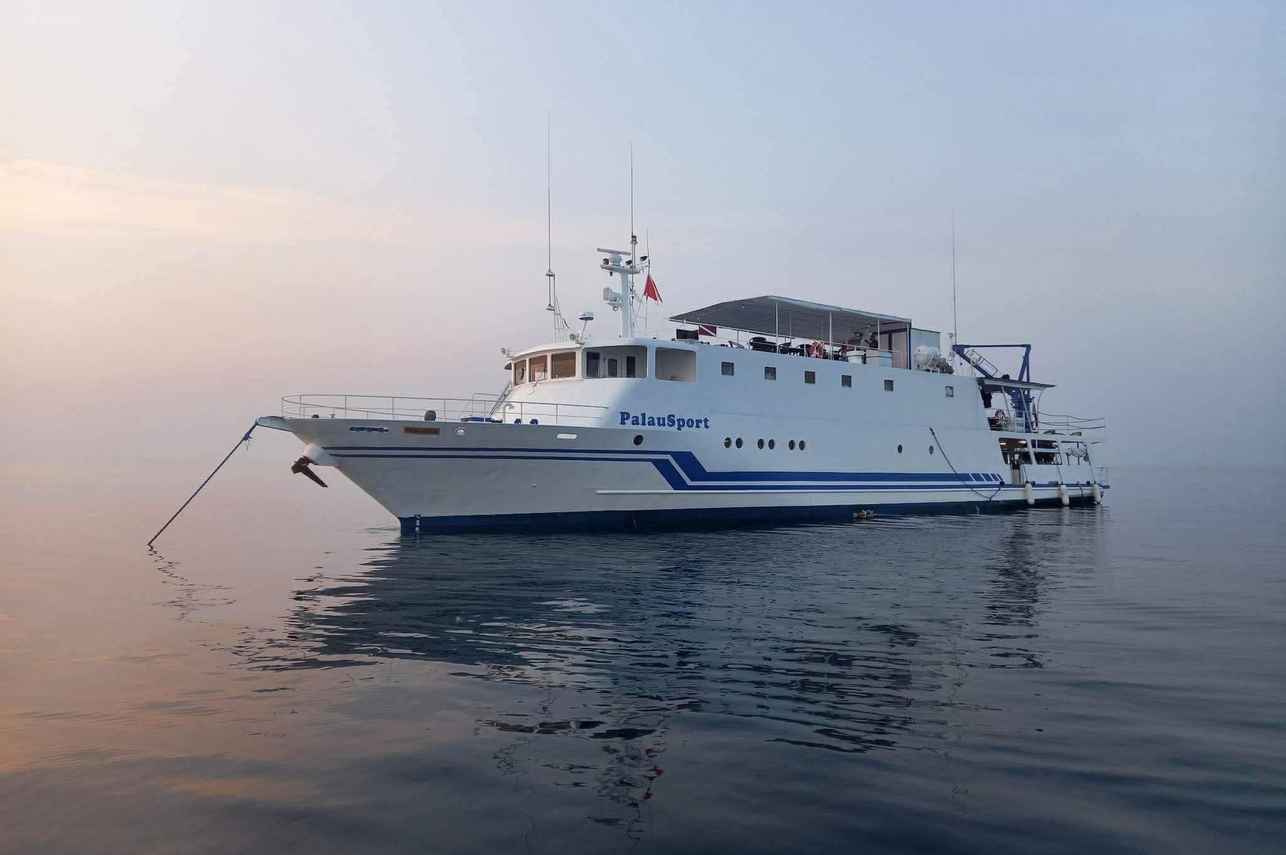
Palau Sport
Philippines
24 guests38.35 m
$215/day
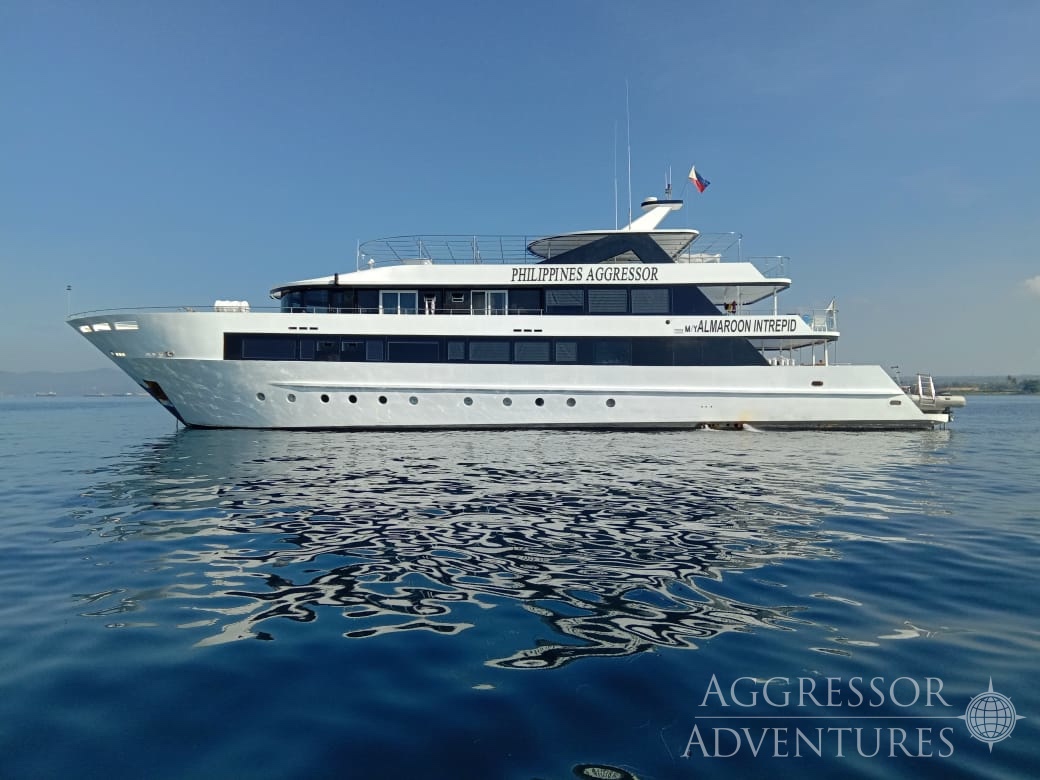
Philippines Aggressor
Philippines
26 guests42.7 m
$381/day
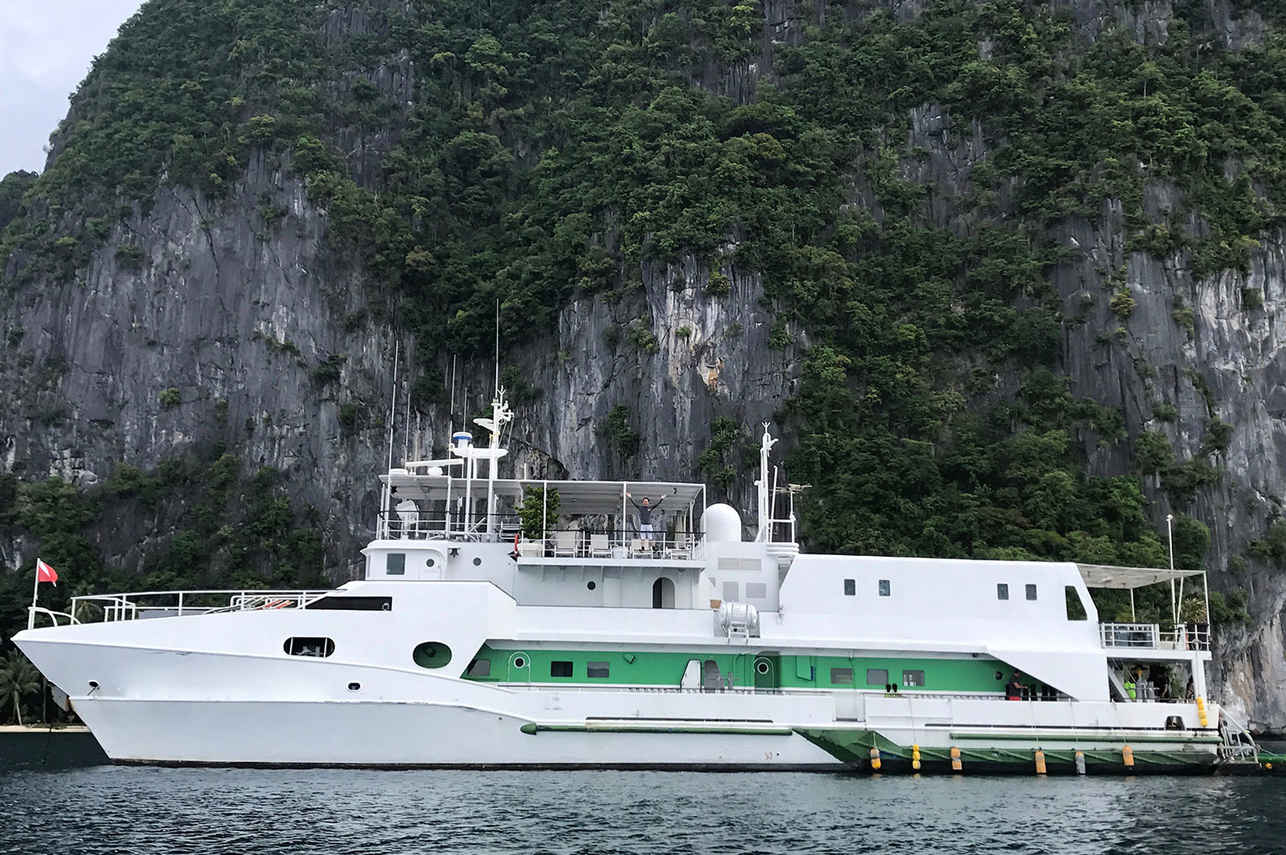
Stella Maris Explorer
Philippines
20 guests33 m
$398/day
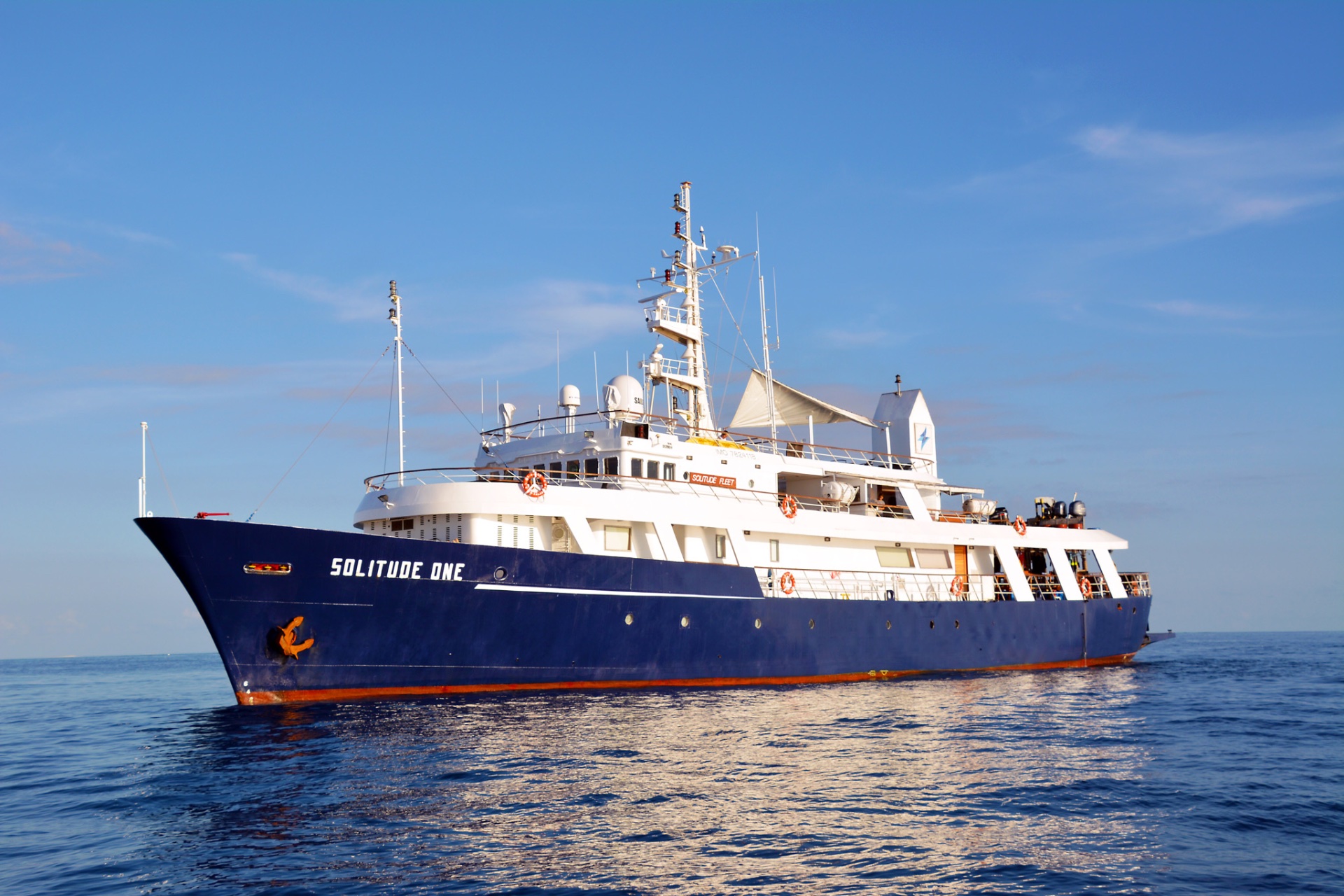
Solitude One
Philippines
24 guests52 m
$460/day
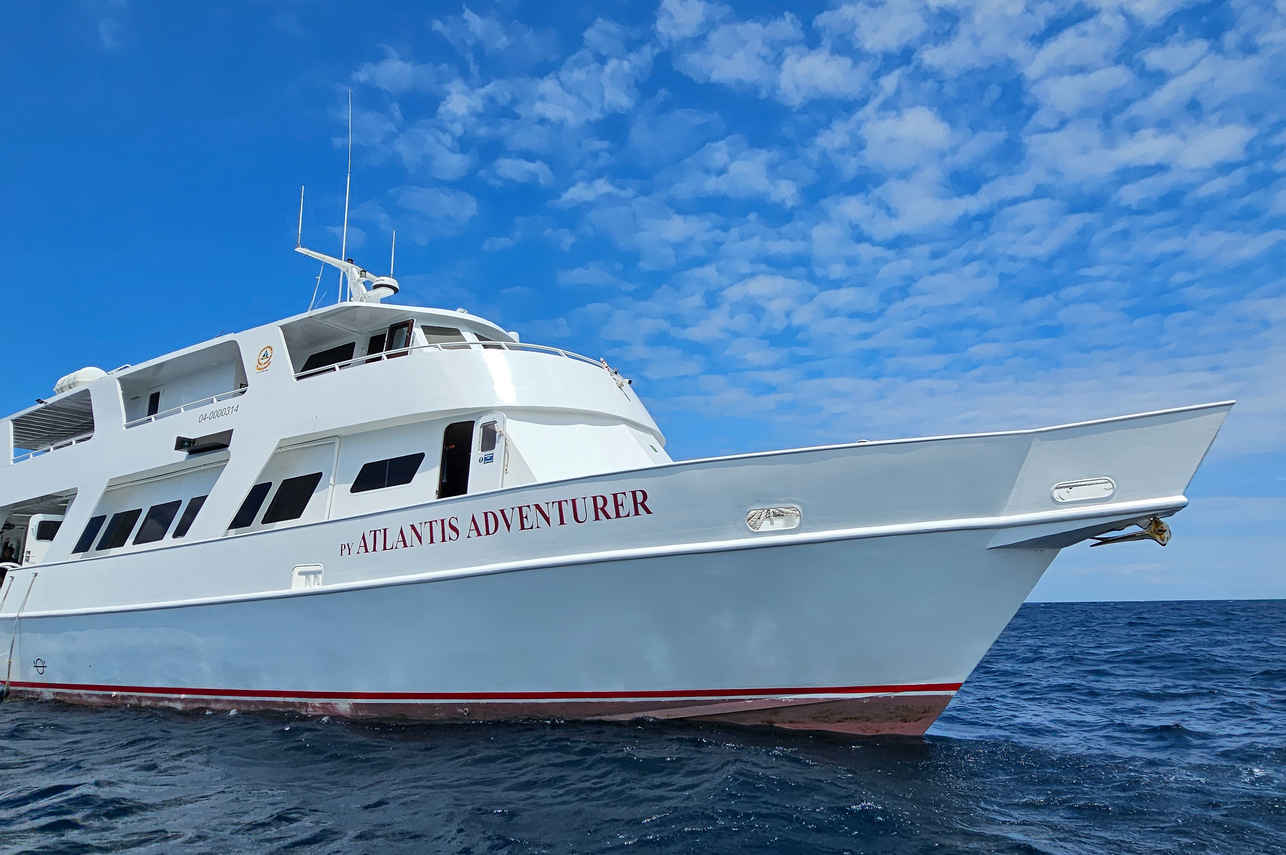
Atlantis Adventurer
Philippines
16 guests32.5 m
$421/day
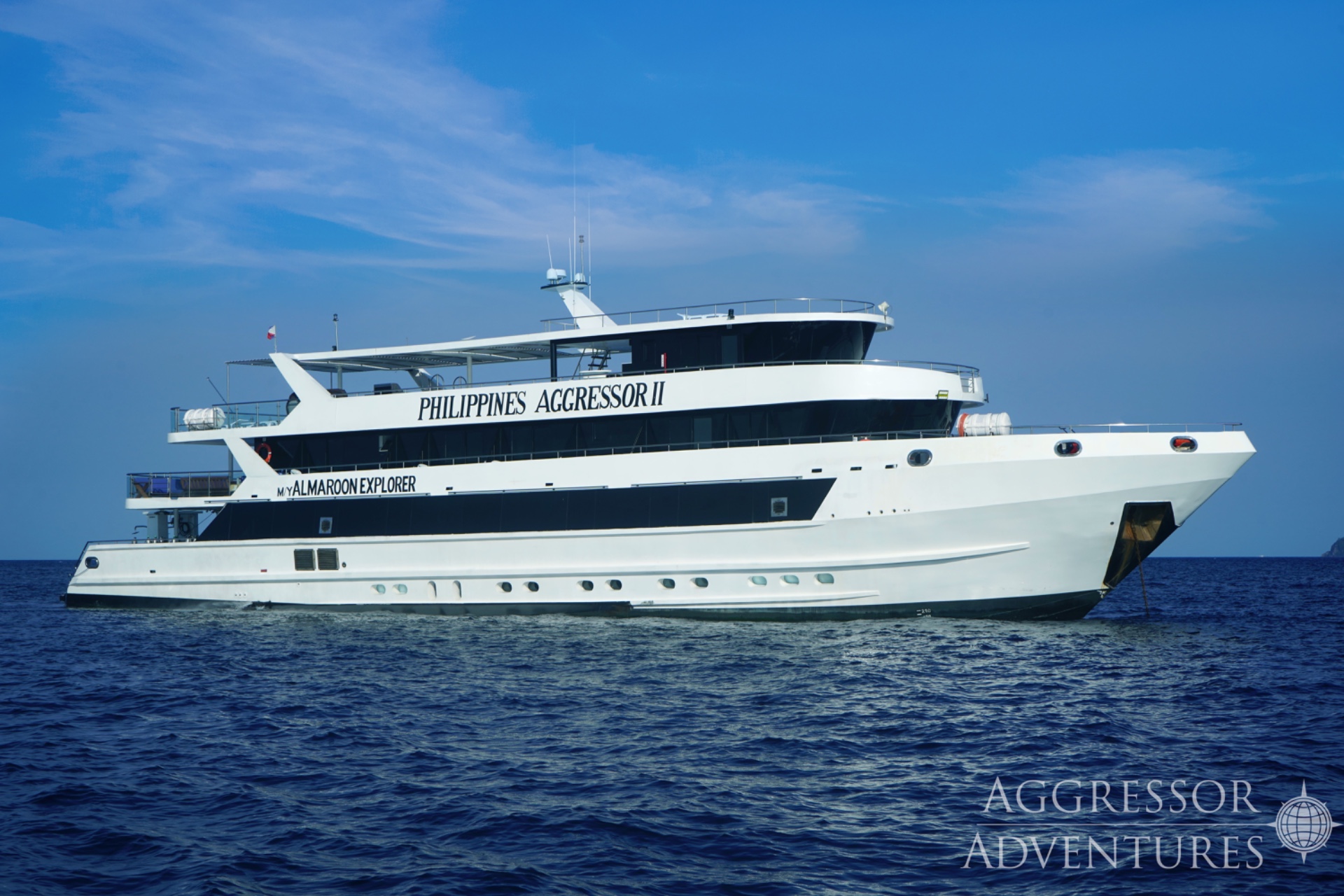
Philippines Aggressor II
Philippines
26 guests42.7 m
$381/day
Dive sites similar to Camia II Wreck
Same character, same waters — six more sites divers love for the exact same reasons.Compare seasons, access and liveaboard routes — then pick the site that fits your trip best.
Olympia Maru
Philippines
The Olympia Maru is a prominent Japanese cargo ship wreck from World War II, located within Coron Bay, Philippines.
- Suitable for
- Intermediate
- Current
- Mild
- Access
- Dayboat
- Depth
- 17–24 m
- Theme
- Wreck / Reef
USS New York
Philippines
The USS New York, an 8150-ton armored cruiser, was commissioned in 1893 and saw service in the Spanish-American War, the Chinese Revolution, and WWI.
- Suitable for
- Advanced
- Current
- Mild
- Access
- Liveaboard or dayboat
- Depth
- 16–30 m
- Theme
- Wreck
Alma Jane
Philippines
The Alma Jane is a prominent artificial reef and wreck dive located off Puerto Galera in the Philippines, intentionally sunk to enhance marine biodiversity and provide a unique diving experience.
- Suitable for
- Intermediate
- Current
- Mild
- Access
- Dayboat
- Depth
- 25–30 m
- Theme
- Wreck / Reef
Kyokuzan Maru
Philippines
The Kyokuzan Maru is a significant Japanese auxiliary supply ship, measuring about 136 meters in length, that was sunk during a US Navy aerial attack on September 24, 1944, near Busuanga Island.
- Suitable for
- Advanced
- Current
- Mild
- Access
- Dayboat
- Depth
- 26–42 m
- Theme
- Wreck
Irako Wreck
Philippines
The Irako Wreck, a Japanese refrigeration ship sunk during World War II, lies within Coron's renowned wreck graveyard, making it one of the Philippines' premier wreck diving destinations.
- Suitable for
- Advanced
- Current
- Strong
- Access
- Liveaboard or dayboat
- Depth
- 28–43 m
- Theme
- Wreck
Lusong Gunboat
Philippines
The Lusong Gunboat, located just off Coron in Palawan, Philippines, is a fascinating and easily accessible World War II shipwreck.
- Suitable for
- Beginner
- Current
- Mild
- Access
- Liveaboard or dayboat
- Depth
- 3–12 m
- Theme
- Wreck