About The House Reef
The House Reef in Dauin, Negros Oriental, extends directly from the shoreline along a volcanic coast, offering divers convenient shore access to a world-class muck diving environment. This site features a dark volcanic sand slope interspersed with coral patches, artificial structures, and natural debris, creating numerous habitats for diverse marine species. The topography transitions from shallow rubble areas to a sandy slope that reaches depths of 30 meters. Its unique appeal lies in the exceptional concentration of macro life that thrives in these conditions. The site is a treasure trove for spotting rare and camouflaged creatures, characteristic of the rich biodiversity found along the Dauin coast. Regular dives here allow for an intimate understanding of the ecosystem and its elusive inhabitants. Diving is possible year-round, with water temperatures consistently warm, ranging from 26°C to 30°C. Visibility is generally good, supporting exploration of the varied substrate. This house reef provides an ideal setting for repeated exploration, making it perfect for developing creature identification skills and appreciating the nuanced beauty of muck diving. Both day and night dives are popular here, revealing different facets of the marine community. Night dives, in particular, bring out nocturnal species not seen during the day, effectively doubling the site's appeal and species inventory. The ease of access combined with the richness of marine life makes this a highly rewarding dive experience.
Highlights
World-class muck divingShore access from resortVolcanic sand slopeExtraordinary critter diversityArtificial and natural habitatsExceptional macro lifeFrogfish and nudibranchsBlue-ringed octopuses
Season calendar
Best months to dive here
Jan
Feb
Mar
Apr
May
Jun
Jul
Aug
Sep
Oct
Nov
Dec
Good
Dive site facts: The House Reef
- Depth
- 3–30 m
- Typical dive
- Muck diving, 30 m max
- Current
- Mild to moderate
- Visibility
- 18–30 m
- Water temperature
- 26–30°C
- Entry
- Shore
- Level
- Intermediate
- Dive type
- Muck, macro, shore, night, deep
- Night dive
- Possible
- Region / port
- Dauin, Negros Oriental
- Coordinates
- 9.2435° N, 123.2765° E
Conditions & Currents
Currents at Dauin's House Reef are generally mild to moderate, though conditions can vary. Diver reviews sometimes note mild or moderate currents, indicating that while often calm, some movement can be expected. These currents are typically manageable, but divers should be prepared for varying conditions along the slope. The site's shore entry from resorts makes it accessible, though awareness of swell and tide is always prudent. Visibility is usually very good, ranging from 18 to 30 meters, contributing to enjoyable exploration of the sandy slope and its macro subjects. Water temperatures remain warm throughout the year, typically between 26°C and 30°C, allowing for comfortable diving. The generally calm conditions are suitable for repeated dives, aiding in the discovery of camouflaged creatures.
Marine life & sighting chances
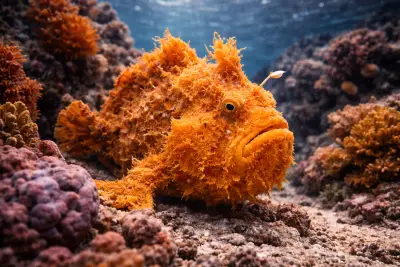
Frogfish
common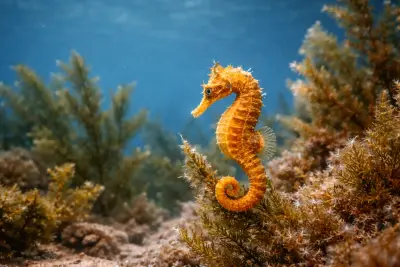
Seahorses
common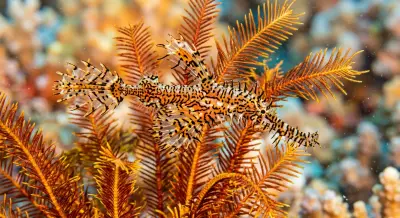
Ghost pipefish
common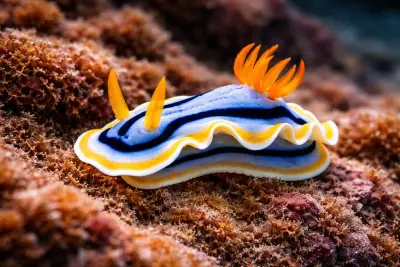
Nudibranchs
common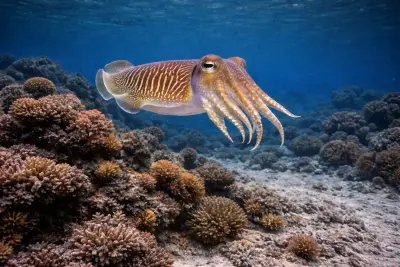
Flamboyant cuttlefish
occasional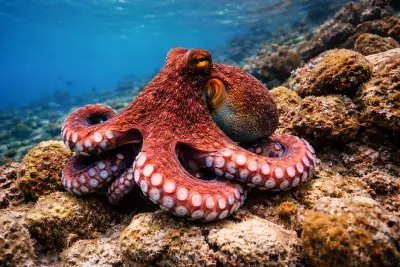
Blue-ringed octopuses
occasional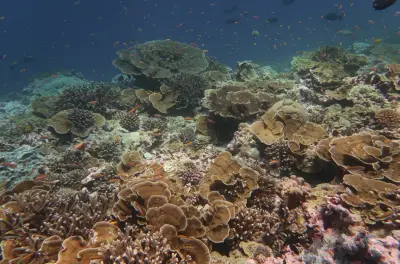
Reef fish
common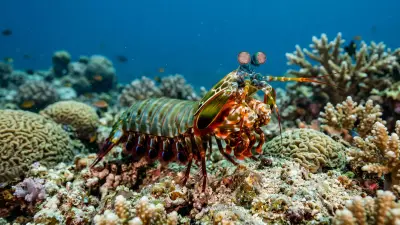
Shrimps
common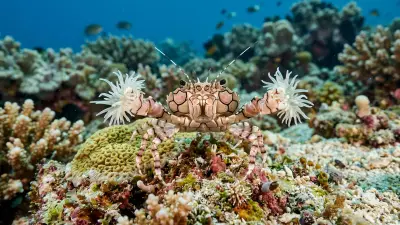
Crabs
common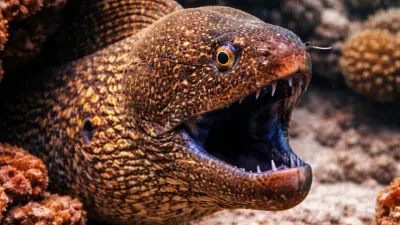
Moray eels
common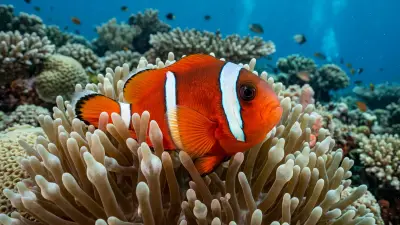
Anemonefish
commonJuvenile fish
common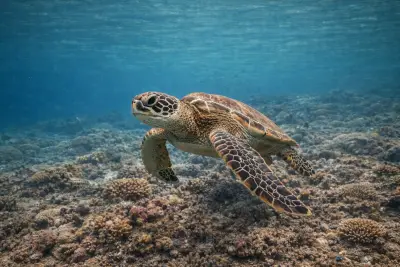
Green turtle
occasionalOctopus
commonDive profile & how the dive runs
Dives at Dauin's House Reef typically begin with a shore entry directly from the resort beachfront, leading immediately to a dark volcanic sand slope. Divers descend through shallow rubble areas, gradually progressing down the slope to deeper zones, with a maximum depth of 30 meters. The dive focuses on exploring the scattered coral patches, artificial structures, and natural debris that act as habitats for a wide array of macro critters. There is no specific linear route, as the emphasis is on slow, meticulous searching for camouflaged marine life. Turn points are flexible, determined by air consumption and bottom time, typically at the maximum depth or when specific subjects have been thoroughly observed. Safety stops are usually conducted in the shallower parts of the slope, around 5-7 meters, near the shore entry point, allowing for decompression while observing smaller creatures.
Underwater photography
Dauin's House Reef is an exceptional site for macro photography, particularly for capturing camouflaged and rare critters. A macro lens (e.g., 60mm or 100mm/105mm) is essential to frame the intricate details of frogfish, seahorses, nudibranchs, and pipefish. External strobes or video lights are highly recommended to bring out vibrant colors and illuminate subjects against the often dark volcanic sand, minimizing backscatter. Patience and good buoyancy control are crucial to avoid stirring up the fine sediment and to approach delicate subjects without disturbing them. Ethical photography practices, such as not manipulating marine life or harassing subjects, are paramount here. Night dives offer unique opportunities to photograph nocturnal species, requiring good light positioning and careful focus.
Combine with nearby dive sites
- Dauin — Atmosphere House Reef
Atmosphere House Reef is a renowned dive site located in Dauin, Philippines, directly accessible from the shore.
- Pescador Island
Pescador Island, situated approximately 4km off Panagsama Beach in Moalboal, Cebu, Philippines, offers an unparalleled diving experience…
- Sunken Island
Sunken Island is a distinguished dive site located off Siquijor, an island in the Visayas region of the Philippines, south of Cebu and…
- Dauin South
- Punta Bunga
Located on the northwest side of Boracay, Punta Bunga is a highly accessible dive site situated near the popular Yapak and Balinghai Wall…
- Monad Shoal
Monad Shoal is a submerged island positioned at the edge of a deep drop-off, approximately 200 meters, near Malapascua Island in the…
Getting there & logistics
Access to Dauin's House Reef typically involves flying into Dumaguete Airport (DGT), which is approximately an hour's drive from the resorts along the Dauin coast. Domestic flights from Manila (MNL) to Dumaguete are frequent. Once at a resort in Dauin, the house reef offers convenient shore entry, eliminating the need for daily boat transfers for every dive. Trips often combine diving at the house reef with excursions to nearby sites like Apo Island. Many resorts offer unlimited house reef diving packages. No specific permits or park fees are usually required for diving the immediate house reef, as it is considered part of the resort's offerings. Divers can expect to spend several days focusing on the diverse macro life available.
Safety & environment
For divers at Dauin's House Reef, safety is paramount. The nearest recompression chamber is located in Cebu City, necessitating prompt evacuation by boat and then potentially by air in case of a serious diving accident. Comprehensive dive insurance, including coverage for medical emergencies and evacuation, is highly recommended for all divers. Site-specific hazards are minimal due to generally calm conditions and shore access, but divers should still be mindful of mild to moderate currents at times and maintain good buoyancy to avoid contact with delicate marine life or stirring up silt. Adhering to responsible muck diving practices, such as avoiding touching or disturbing critters, is essential for both diver safety and marine conservation. Resident dive guides offer valuable intelligence on creature locations and dive conditions.
Who it suits — and who it doesn't
Suited for
- Macro photographers
- Intermediate divers seeking critter identification
- Divers preferring shore entry and unlimited diving
- Muck diving enthusiasts
- Night divers seeking nocturnal species
Less suited for
- Beginners without good buoyancy control
- Divers exclusively seeking large pelagic encounters
- Those who dislike sandy bottom dives
- Divers preferring fast-paced drift dives
- Strictly coral reef divers
FAQ
The House Reef FAQ
What kind of marine life can I expect to see at Dauin's House Reef?
Dauin's House Reef is famous for its incredible diversity of macro life, making it a paradise for critter enthusiasts. You can expect to encounter various species of frogfish, seahorses, ghost pipefish, and an extensive array of nudibranchs. Lucky divers might also spot flamboyant cuttlefish and the elusive blue-ringed octopuses, along with shrimps, crabs, and juvenile fish.
What are the typical dive conditions like at this house reef?
Dive conditions at Dauin's House Reef are generally favorable, with water temperatures consistently warm, ranging from 26°C to 30°C throughout the year. Visibility is typically good to excellent, often between 18 to 30 meters. While currents are usually mild, they can occasionally be moderate, so divers should be prepared for varying conditions. The reef is accessible via shore entry from many resorts.
Is Dauin's House Reef suitable for beginner divers?
Dauin's House Reef is considered intermediate level due to the specialized nature of muck diving and the potential for mild to moderate currents. While the depths are manageable, good buoyancy control is essential to avoid disturbing the sandy bottom and to protect delicate marine life. Divers new to muck diving might benefit from guidance or additional experience before fully appreciating this site.
Can I do night dives at Dauin's House Reef?
Yes, night dives are highly recommended and very popular at Dauin's House Reef. The site undergoes a transformation after dark, revealing a different set of nocturnal species that are not active during the day. This provides excellent opportunities to observe unique behaviors and spot creatures like hunting octopuses, making it a fantastic experience for both observation and photography.
What is the best time of year to dive at Dauin's House Reef?
Dauin's House Reef offers excellent diving opportunities year-round due to stable water temperatures and its sheltered location. However, the dry season from November to May generally provides the calmest seas and best visibility, enhancing the overall dive experience. This period is often considered optimal for dedicated critter hunting and macro photography.
Why dive The House Reef from a liveaboard?
The House Reef is one of Philippines's signature dive sites. A liveaboard sleeps you on the water and puts you in the water for three to four guided dives per day, including dawn and night dives that day-boat operators rarely offer. You skip the daily commute back to port and reach quieter, less-crowded sites in the same region on a single trip.
Below are the liveaboards that include The House Reef on their Philippines itineraries.
Liveaboards diving The House Reef
These liveaboards may visit The House Reef on selected itineraries — the exact dive sites depend on departure, weather and conditions.
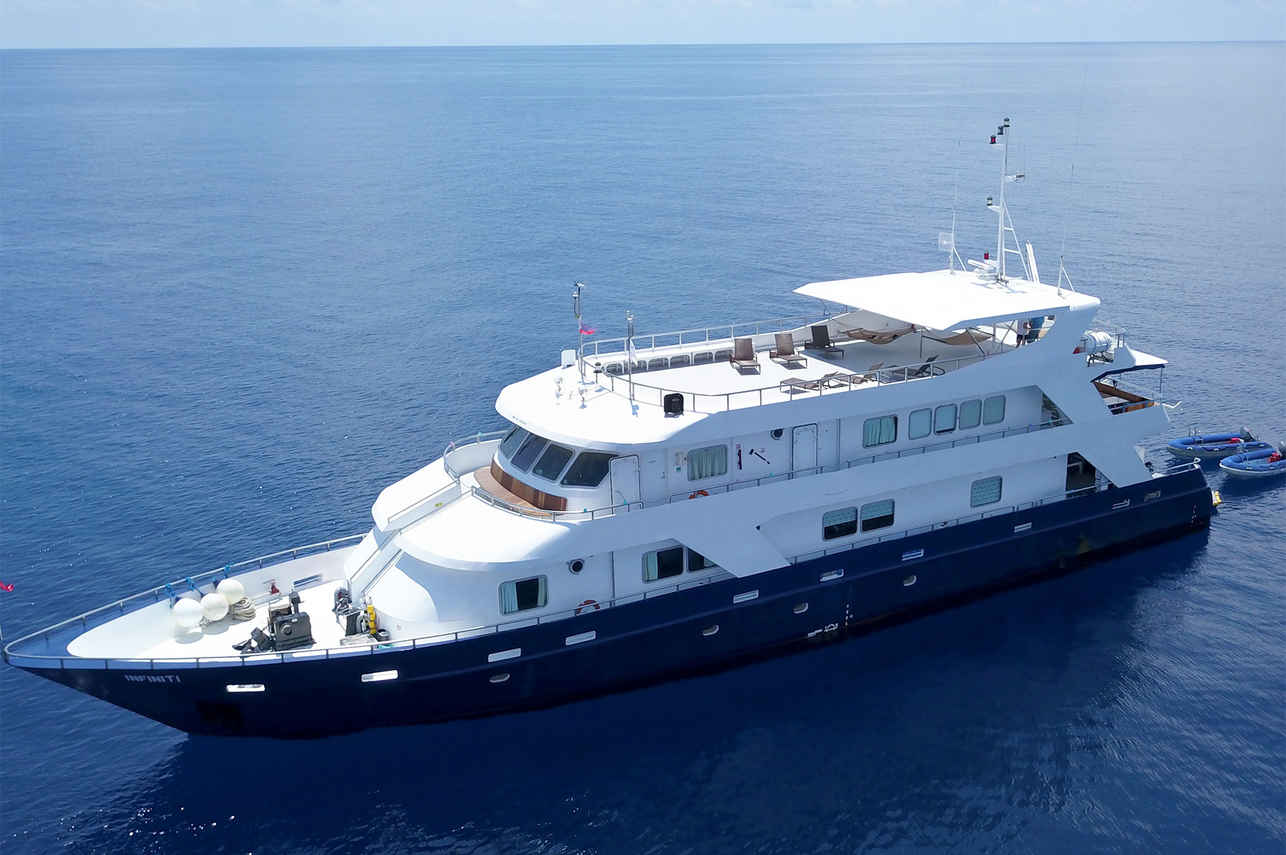
Infiniti
Philippines
25 guests39 m
$280/day
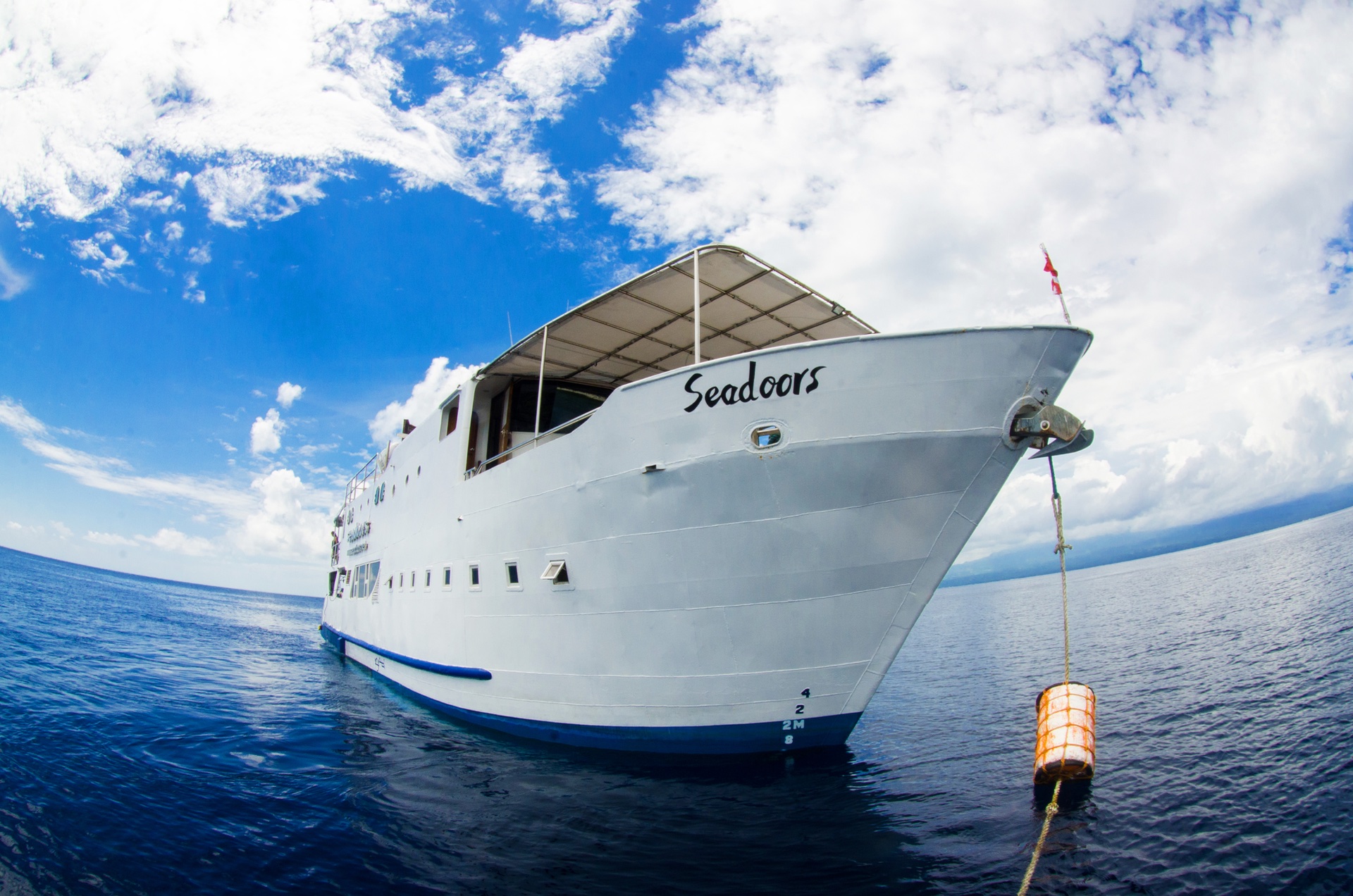
Seadoors
Philippines
16 guests25 m
$335/day
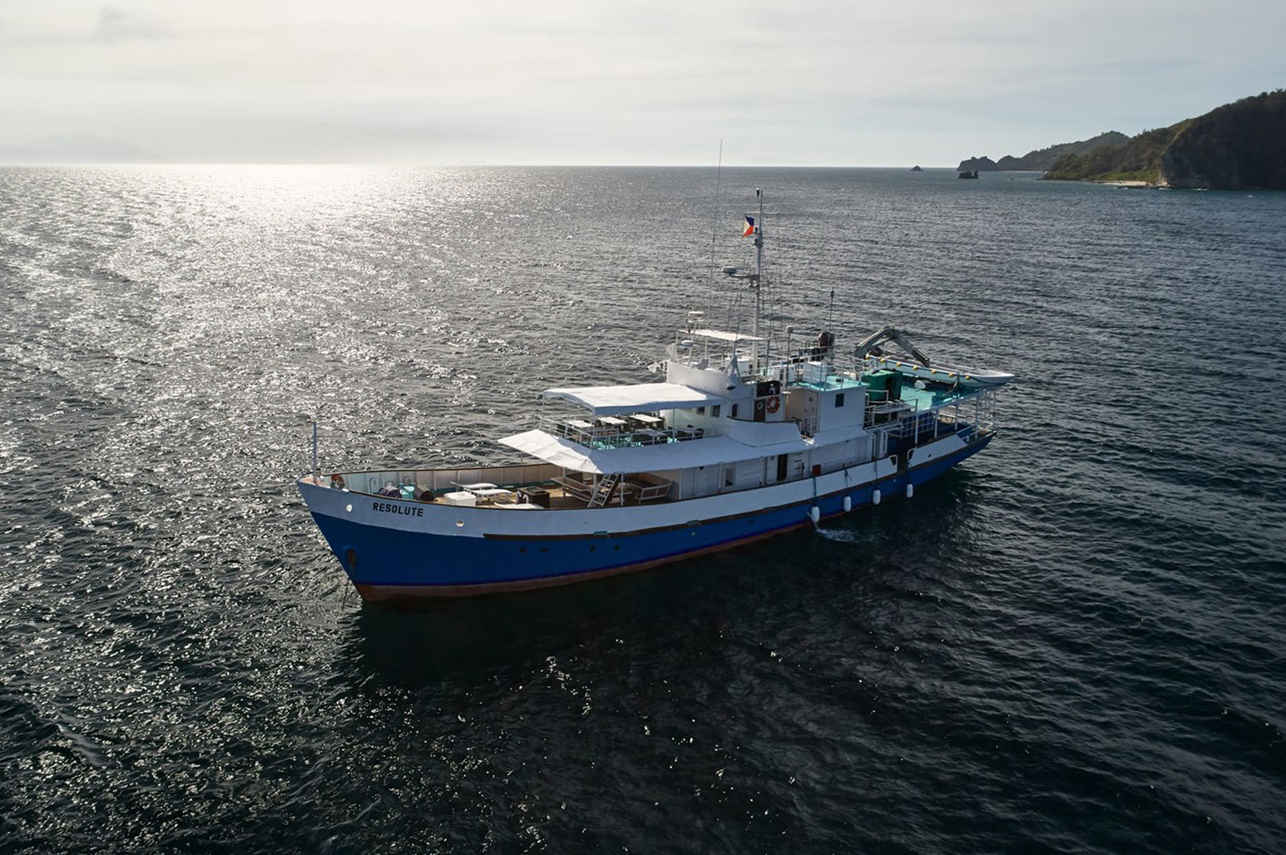
Resolute
Philippines
16 guests34.6 m
$314/day
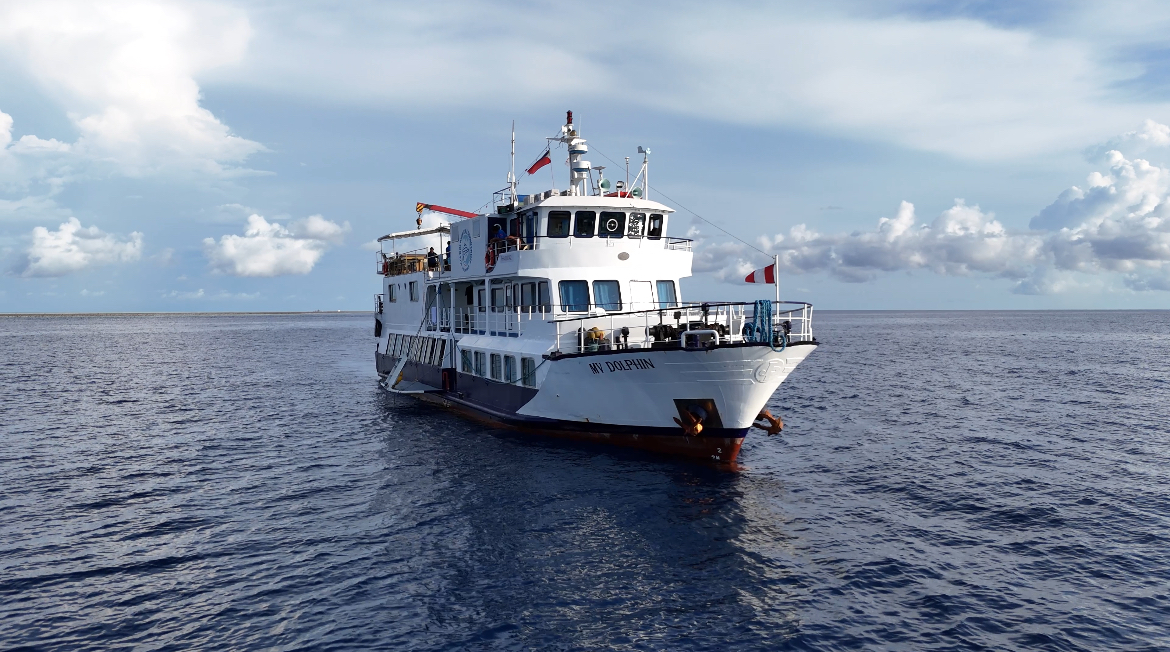
Dolphin
Philippines
18 guests31 m
$326/day
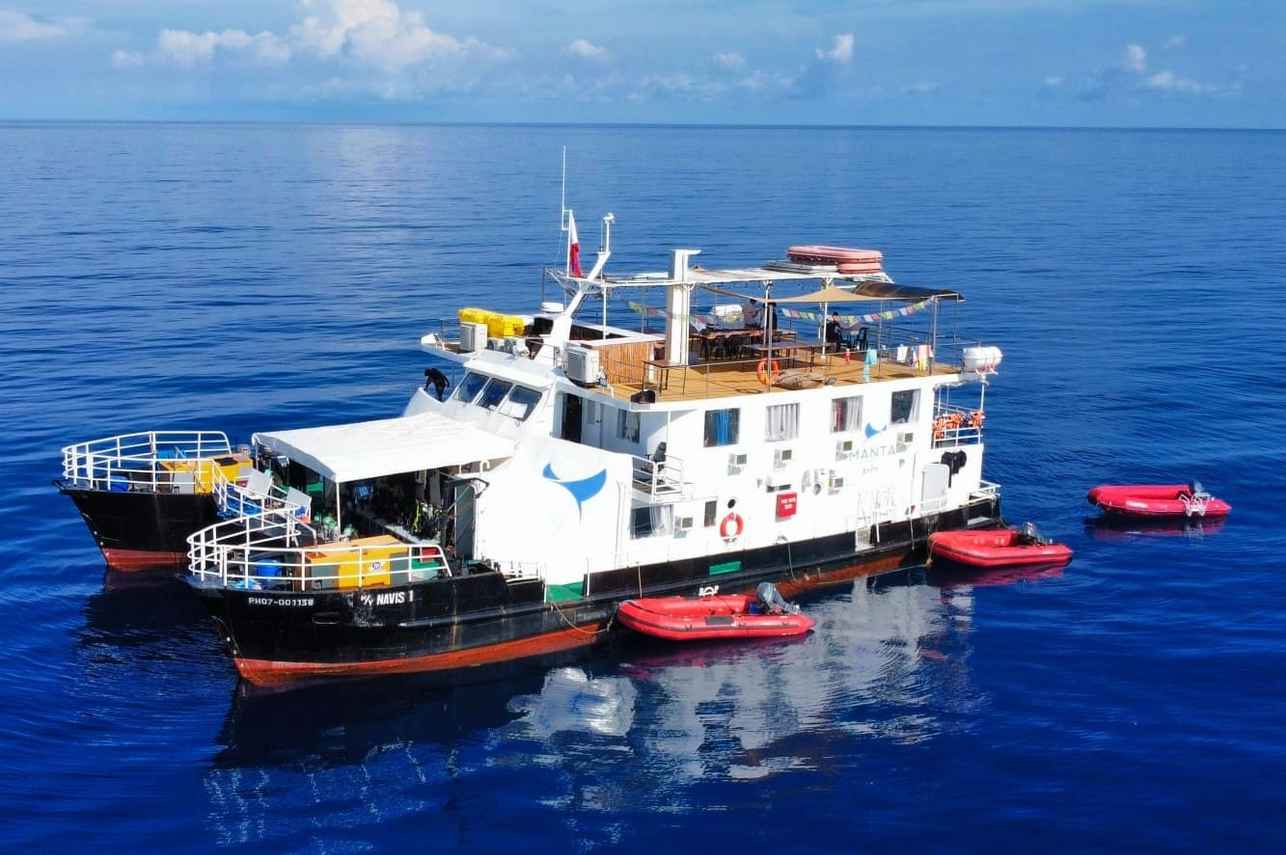
Navis 1
Philippines
22 guests23 m
$250/day
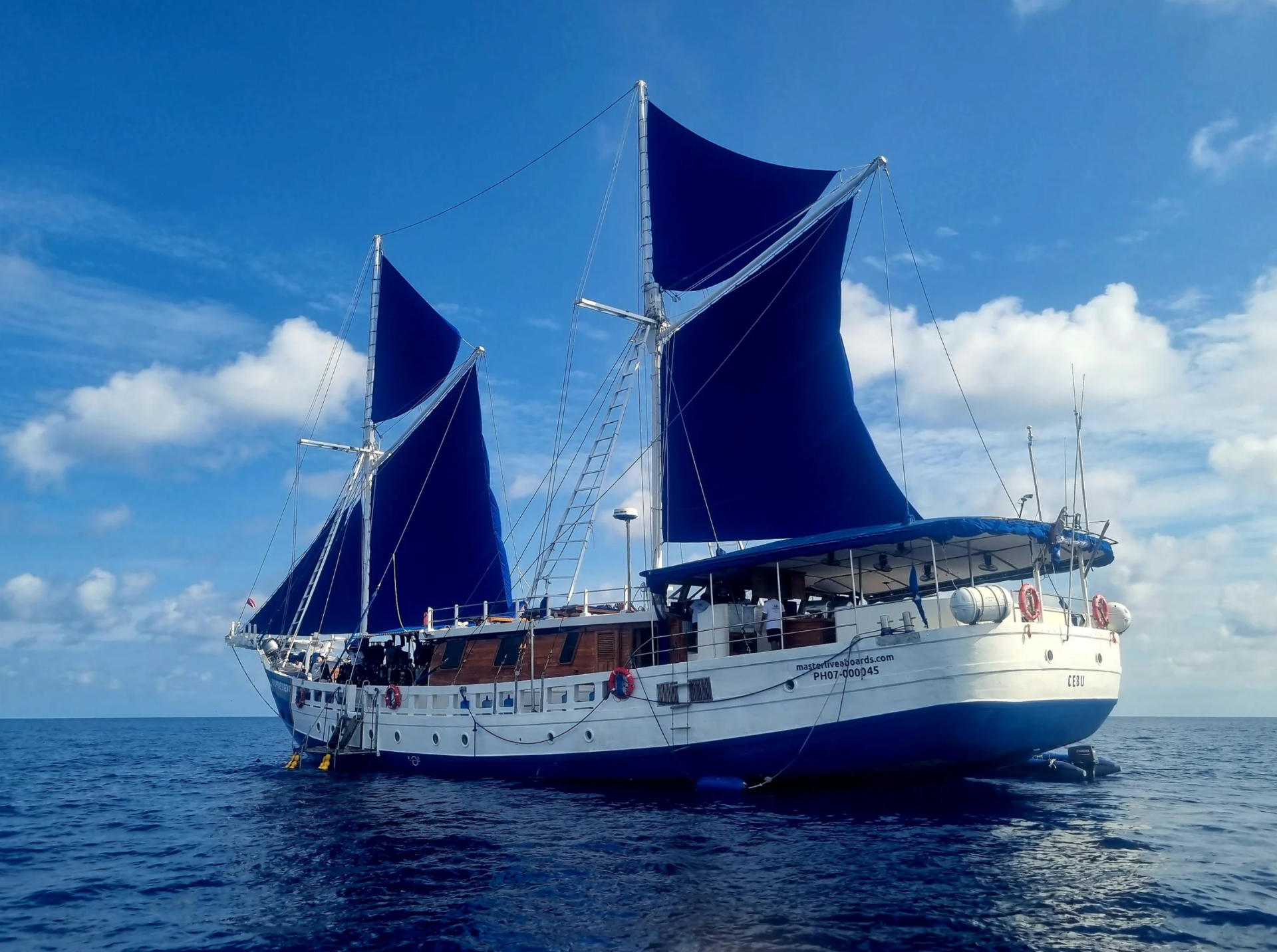
Philippine Siren
Philippines
16 guests
$309/day
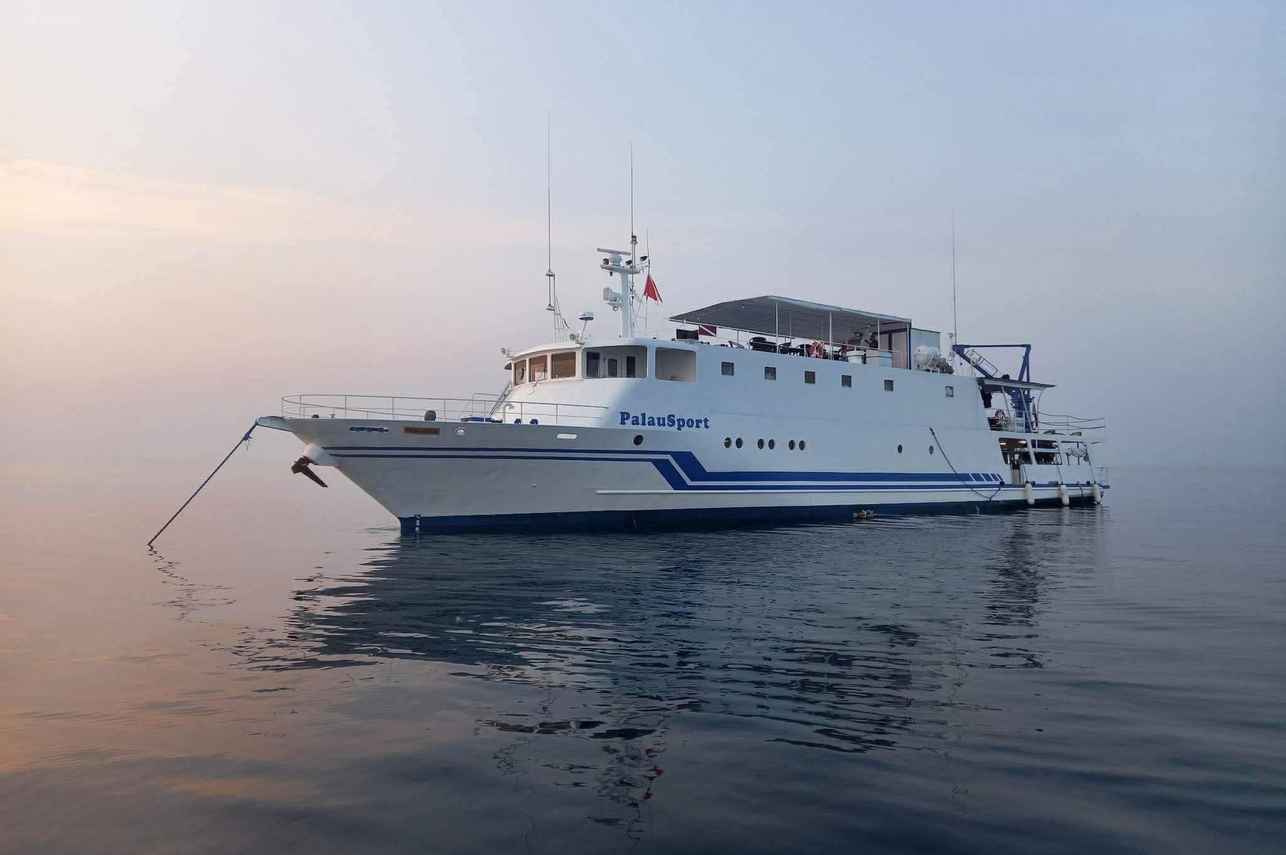
Palau Sport
Philippines
24 guests38.35 m
$215/day
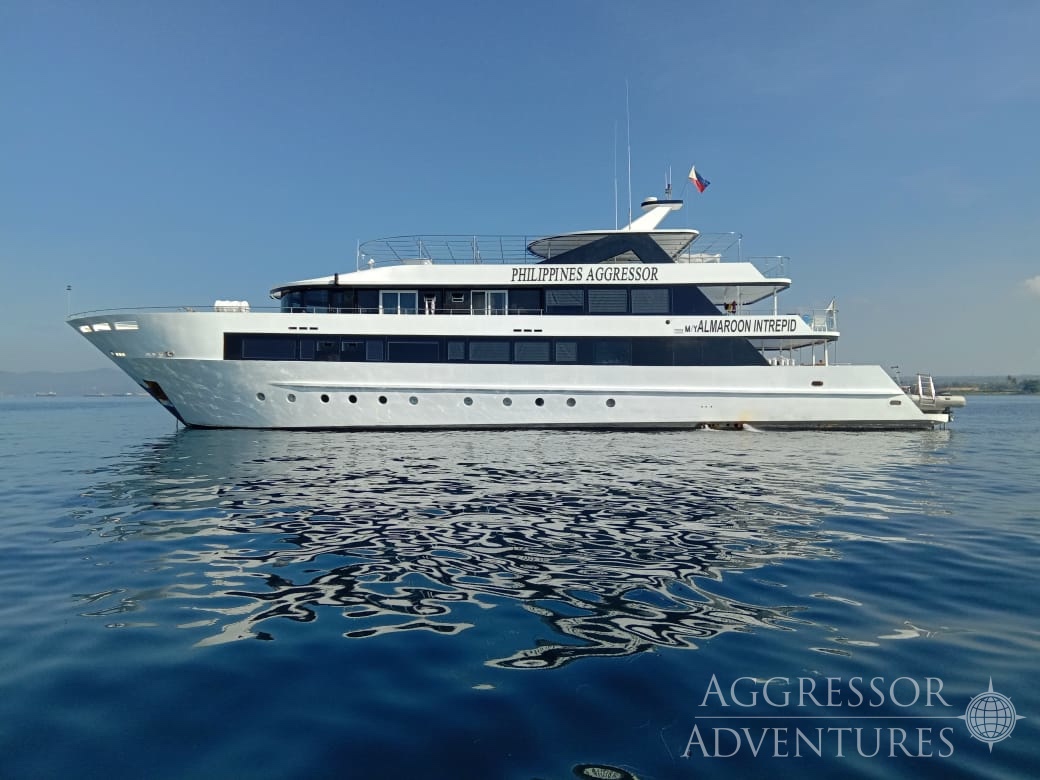
Philippines Aggressor
Philippines
26 guests42.7 m
$381/day
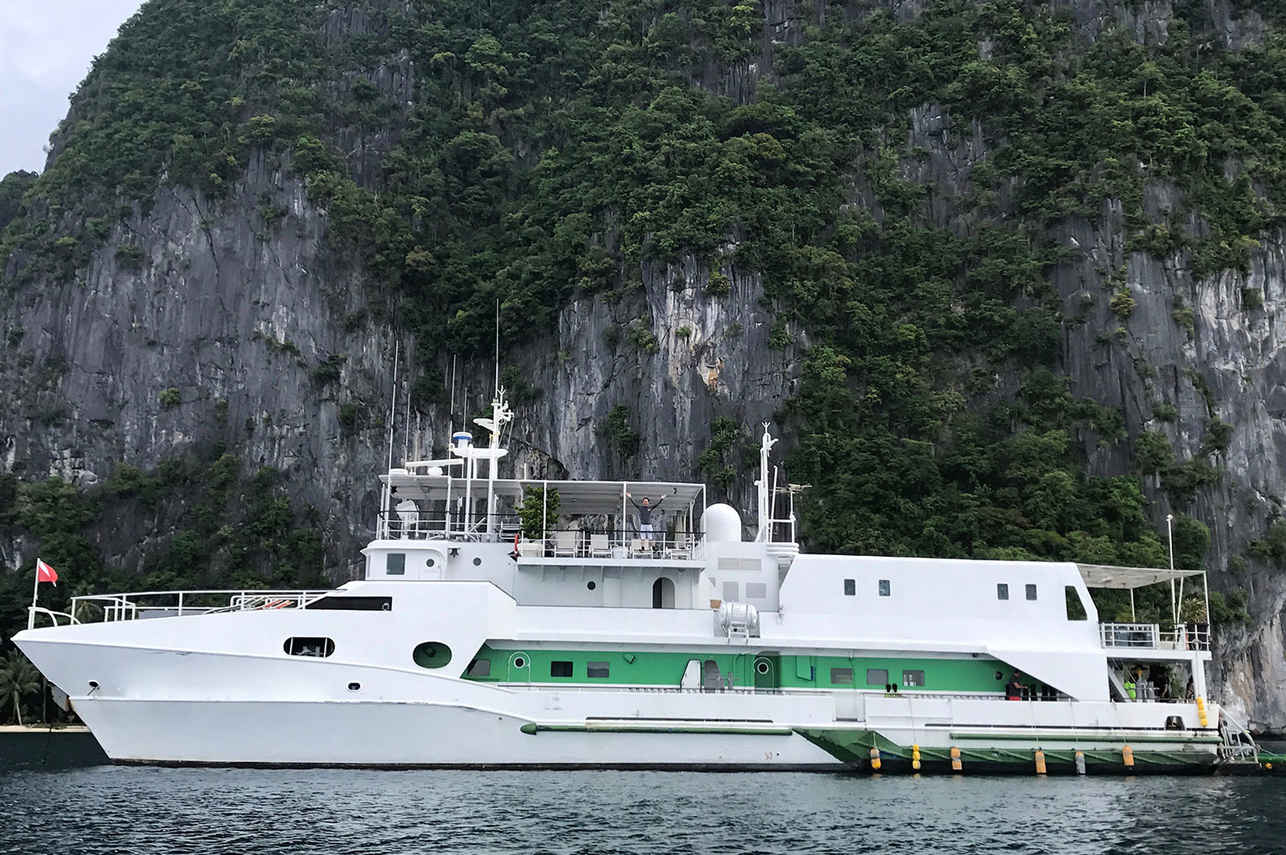
Stella Maris Explorer
Philippines
20 guests33 m
$398/day
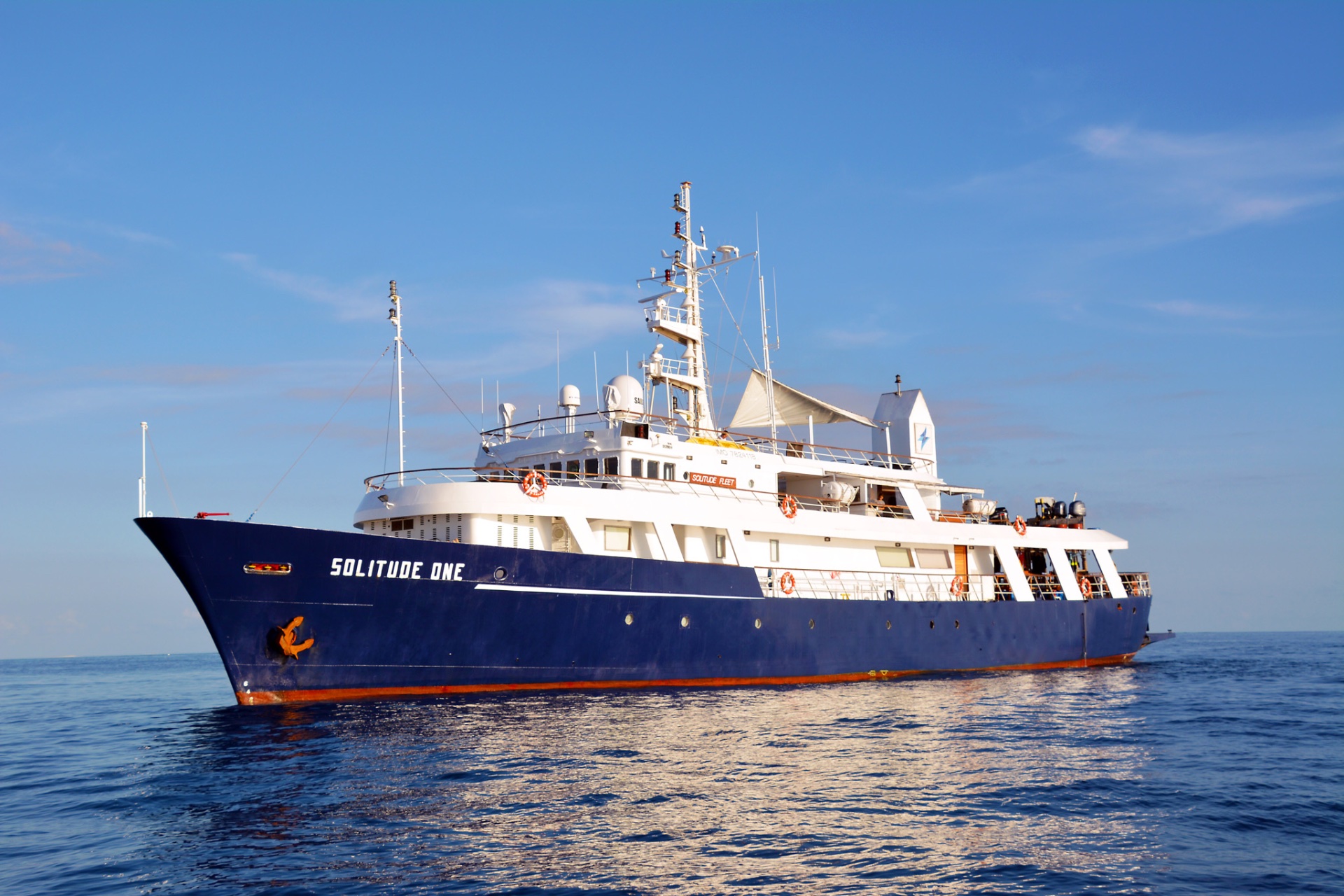
Solitude One
Philippines
24 guests52 m
$460/day
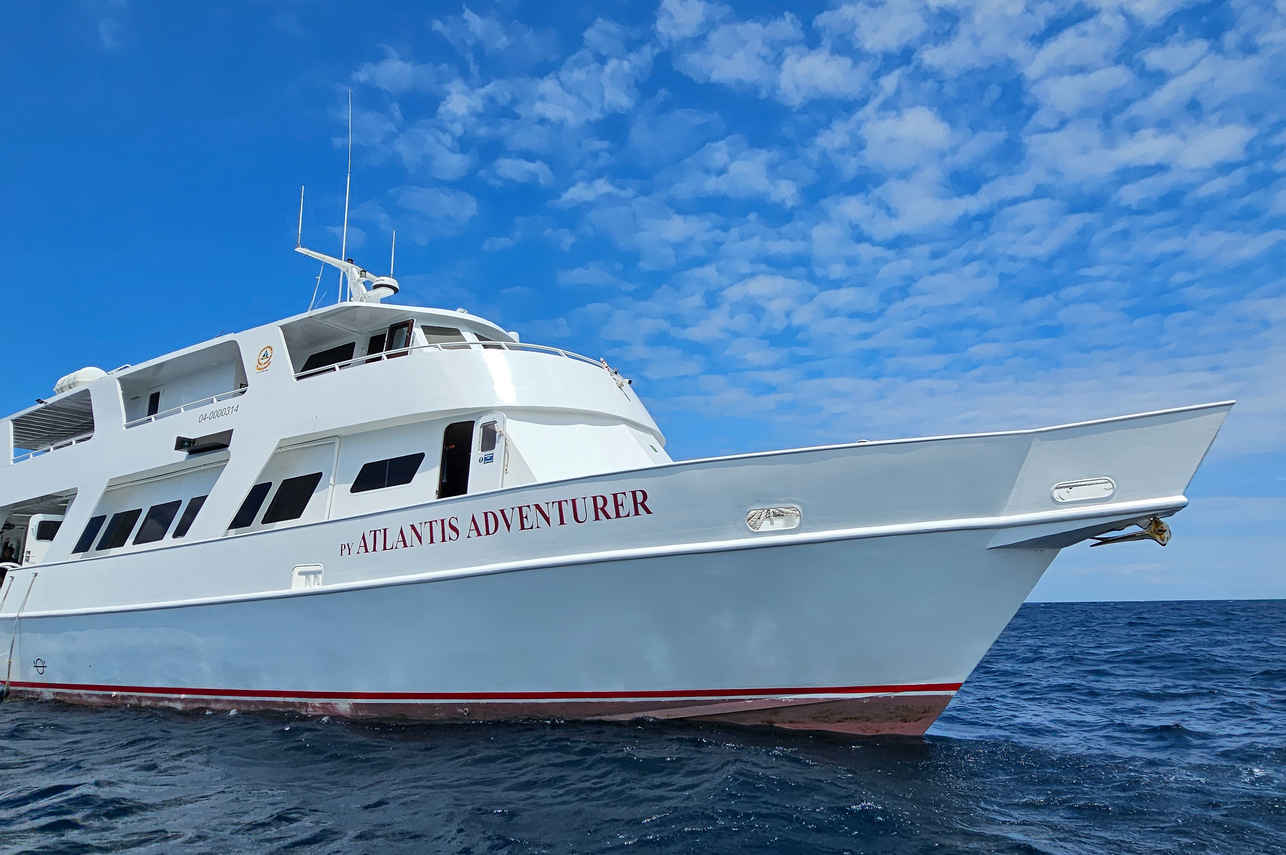
Atlantis Adventurer
Philippines
16 guests32.5 m
$421/day
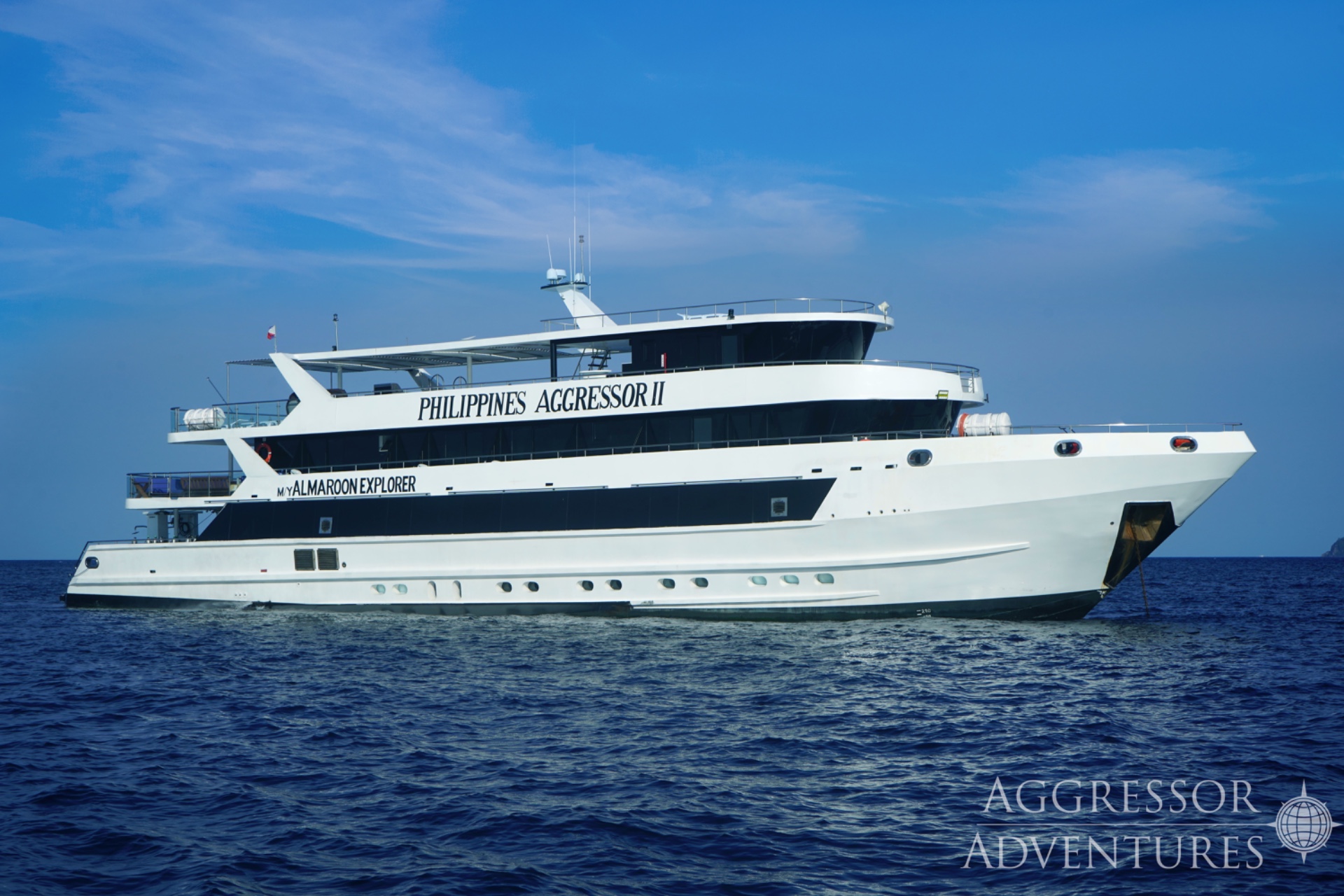
Philippines Aggressor II
Philippines
26 guests42.7 m
$247/day
Dive sites similar to The House Reef
Same character, same waters — six more sites divers love for the exact same reasons.Compare seasons, access and liveaboard routes — then pick the site that fits your trip best.
© Esri — Maxar, Earthstar, GIS
Big La Laguna
Philippines
Big La Laguna is a beach community situated on the western edge of the Sabang Peninsula, a popular dive region on Mindoro Island, Philippines.
- Suitable for
- Intermediate
- Current
- Moderate
- Access
- Dayboat
- Depth
- 5–35 m
- Theme
- Reef / Wall
© Esri — Maxar, Earthstar, GIS
Anilao — Secret Bay
Philippines
Secret Bay, nestled within Anilao in the Philippines, is renowned globally as a premier muck diving destination.
- Suitable for
- Intermediate
- Current
- Mild
- Access
- Shore / dayboat
- Depth
- 3–15 m
- Theme
- Muck diving
© Esri — Maxar, Earthstar, GIS
Black Forest
Philippines
Black Forest is a premier dive site located off Balicasag Island, renowned for its exceptional marine biodiversity and distinct topography.
- Suitable for
- Intermediate
- Current
- Strong
- Access
- Liveaboard or dayboat
- Depth
- 10–30 m
- Theme
- Drift / Reef
© Esri — Maxar, Earthstar, GIS
Panagsama Beach
Philippines
Panagsama Beach, situated on a peninsula near Moalboal town in Cebu, serves as a central hub for diving activities in the region, boasting over 20 dive sites along its shoreline.
- Suitable for
- Intermediate
- Current
- Moderate
- Access
- Liveaboard or dayboat
- Depth
- ≤ 30 m
- Theme
- Reef / Wall
© Esri — Maxar, Earthstar, GIS
Olympia Maru
Philippines
The Olympia Maru is a prominent Japanese cargo ship wreck from World War II, located within Coron Bay, Philippines.
- Suitable for
- Intermediate
- Current
- Mild
- Access
- Dayboat
- Depth
- 17–24 m
- Theme
- Wreck / Reef
© Esri — Maxar, Earthstar, GIS
Balinghai Wall
Philippines
Balinghai Wall is a notable dive site located on the northwest side of Boracay, known for its accessible wall and coral slope formations.
- Suitable for
- Intermediate
- Current
- Mild
- Access
- Dayboat
- Depth
- 8–24 m
- Theme
- Wall / Reef