About Kyokuzan Maru
The Kyokuzan Maru is a significant Japanese auxiliary supply ship, measuring about 136 meters in length, that was sunk during a US Navy aerial attack on September 24, 1944, near Busuanga Island. It serves as a historical underwater museum, attracting advanced divers to its well-preserved structure. The wreck lies upright at a maximum depth of 42 meters, with its deck accessible between 26 and 28 meters. It is situated on the north side of Busuanga Island, specifically near the uninhabited Dimalanta Islet, giving it the alternative name 'Dimalanta Wreck.' The ship lists approximately 10 degrees to starboard, presenting an engaging and slightly angled exploration for divers. Today, the Kyokuzan Maru is adorned with a variety of marine growth, including corals, sponges, shells, and tunicates, which attract a diverse array of fish. You can expect to encounter batfish, fusiliers, and trevallies finding shelter within the wreck, alongside occasional sightings of barracuda and rays. The cargo holds still contain remnants of trucks and cars, adding to the allure for explorers. Diving this site typically involves a boat trip, often from Coron or Dimakya Island, and is generally recommended for intermediate to advanced divers due to its depth and the potential for wreck penetration. The site offers a unique blend of history and thriving marine ecosystems.
Highlights
World War II Japanese freighter136-meter long wreckIntact cargo holds with vehiclesDeep wreck, upright positionDiverse marine lifeHistorical significance
Season calendar
Best months to dive here
Jan
Feb
Mar
Apr
May
Jun
Jul
Aug
Sep
Oct
Nov
Dec
Excellent
Good
Dive site facts: Kyokuzan Maru
- Depth
- 26–42 m
- Typical dive
- 40–60 min
- Current
- Mild
- Visibility
- 20–35 m
- Water temperature
- 21–28°C
- Entry
- Boat
- Level
- Advanced
- Dive type
- Wreck
- Region / port
- Coron, Busuanga Island
- Coordinates
- 12.1300° N, 120.1650° E
Conditions & Currents
Currents at the Kyokuzan Maru are generally calm, particularly given its location in a protected harbor near Dimakya Island, though specific strengths can vary. The site's distance from Coron means it is less frequently visited, often ensuring a more serene diving experience without significant boat traffic congestion. Visibility can extend up to 35 meters, offering clear views of the extensive wreck and its cargo. Entry is exclusively by boat, with the dive usually commencing with a descent along the mast. While thermoclines are not typically a dominant feature, water temperatures average between 21-28°C. Divers should be proficient in buoyancy control and have experience with deeper dives to comfortably navigate the wreck's deck at 26-28 meters and the hull at 42 meters.
Marine life & sighting chances

Batfish
common
Fusiliers
common
Trevallies
common
Barracuda
occasional
Rays
occasional
Pycnodonte clams
common
Corals
common
Sponges
common
Shells
common
Tunicates
common
Groupers
occasional
Scorpionfish
occasionalDive profile & how the dive runs
Your dive begins with a boat entry, typically mooring near the wreck. After descending, you'll initially explore the upper parts of the wreck, often starting at the mast, which is now covered in corals at around 16 meters. The deck level sits comfortably between 26 and 28 meters, providing ample opportunity to survey the ship's superstructure. You can then penetrate the cargo holds, where fossilized trucks, chassis, and tires are visible. The wreck lists slightly to starboard, adding an interesting dynamic to navigation. The deepest points reach the hull at 42 meters, allowing for exploration of the ship's full length of 136 meters. After thoroughly exploring the mid-sections and potentially the bow or stern depending on the dive plan, ascent will be gradual, concluding with a safety stop typically conducted at 5 meters along the mast or a suitable coral-encrusted section of the wreck.
Underwater photography
To capture the scale of the Kyokuzan Maru, a wide-angle lens is essential for documenting the impressive 136-meter wreck and its surrounding marine life. Given the wreck's depth, strobes are crucial to bring out the true colors of the corals and sponges encrusting the ship, as well as the vibrant fish inhabiting it. Pay particular attention to the cargo holds where natural light diminishes quickly, making artificial lighting indispensable for illuminating the remnants of trucks and cars. When exploring inside the wreck, strong primary and secondary dive lights are necessary for both safety and photographic purposes. Maintain impeccable buoyancy control, especially within confined spaces, to avoid stirring up silt and to protect the delicate marine growth. Due to the wreck's historical significance, practice respectful interaction with the site, ensuring no artifacts are disturbed.
Combine with nearby dive sites
- Irako Wreck
The Irako Wreck, a Japanese refrigeration ship sunk during World War II, lies within Coron's renowned wreck graveyard, making it one of the…
- Tangat Wreck
Tangat Wreck, also known as Kogyo Maru, is a prominent Japanese shipwreck nestled in Coron Bay, Palawan, Philippines.
- Coron Bay — Skeleton Wreck
The Skeleton Wreck in Coron Bay, Philippines, offers a unique blend of history and marine biology, lying submerged since its sinking during…
- Olympia Maru
The Olympia Maru is a prominent Japanese cargo ship wreck from World War II, located within Coron Bay, Philippines.
- Dimakya Island
Near the Kyokuzan Maru, where Club Paradise Resort is located.
Getting there & logistics
Access to the Kyokuzan Maru primarily involves flying into Busuanga Airport (USU) on Busuanga Island in the Calamian Group. From there, transfers are arranged to either Coron town or resorts on nearby islands like Dimakya, where Club Paradise is situated. The wreck is about a 60-minute fast boat ride from Club Paradise, or a longer trip requiring an overnight stay if departing from Coron town. Most divers visit the Kyokuzan Maru as part of a multi-day liveaboard itinerary focusing on the Coron wrecks, or via dedicated day boat trips from local resorts. There are no specific park fees mentioned for this individual wreck, but liveaboard packages or dive centers typically bundle all necessary permits. A typical liveaboard trip for Coron wrecks lasts several days, allowing for multiple dives on this and other sites.
Safety & environment
Diving the Kyokuzan Maru requires advanced diving certification and excellent buoyancy control due to its depth and potential for wreck penetration. Always dive with a reputable dive operator and follow their guidelines. Given the remote location of Busuanga, immediate access to a recompression chamber is not always instantaneous; the nearest facility is typically in Puerto Princesa, Palawan, or potentially Manila. In case of a diving emergency, evacuation can involve boat and air travel, underscoring the critical importance of comprehensive dive insurance that covers medical emergencies and emergency evacuation. Site-specific hazards include overhead environments within the wreck, potential for silt-out, and entanglement. Always carry adequate gas for the planned depth and duration, adhere strictly to no-decompression limits, and consider technical diving training for extensive penetration.
Who it suits — and who it doesn't
Suited for
- Advanced certified divers
- Wreck diving enthusiasts
- Divers comfortable with depths up to 42 meters
- Underwater photographers with wide-angle setups
- History buffs interested in WWII wrecks
Less suited for
- Beginner divers
- Divers without proper wreck penetration training
- Those prone to claustrophobia in overhead environments
- Divers with limited buoyancy control skills
FAQ
Kyokuzan Maru FAQ
What kind of wreck is the Kyokuzan Maru?
The Kyokuzan Maru is a Japanese auxiliary supply ship, specifically a cargo freighter, that was sunk during World War II. It was built in 1943 and used for military cargo transportation, carrying spare parts at the time of its sinking. The wreck is approximately 136 meters long and rests upright on the seabed, offering extensive exploration.
What is the depth range for diving the Kyokuzan Maru?
The Kyokuzan Maru rests with its hull at a maximum depth of 42 meters. The main deck level is shallower, typically found between 26 and 28 meters. Divers should be comfortable with these depths and advanced certification is recommended for safe exploration of the wreck.
Can divers enter the Kyokuzan Maru wreck?
Yes, the Kyokuzan Maru is considered mostly intact and offers opportunities for wreck penetration, particularly into its cargo holds. Inside, you can find remnants of trucks and cars. Any penetration should only be attempted by divers with appropriate training, experience, and equipment for overhead environments.
What marine life can be seen on the Kyokuzan Maru?
The wreck is extensively covered with marine growth, including corals, sponges, shells, and tunicates, which attract a variety of fish species. Common sightings include batfish, fusiliers, and trevallies. Occasionally, divers may also spot barracuda, groupers, scorpionfish, and rays around the wreck.
Where is the Kyokuzan Maru located and how do I get there?
The Kyokuzan Maru is located near Dimalanta Islet, off the north coast of Busuanga Island, in the Calamian Group of the Philippines. It is accessible by boat, typically from Coron town or resorts on Dimakya Island like Club Paradise. The journey from Club Paradise takes about an hour by fast banca.
Why dive Kyokuzan Maru from a liveaboard?
Kyokuzan Maru is one of Philippines's signature dive sites. A liveaboard sleeps you on the water and puts you in the water for three to four guided dives per day, including dawn and night dives that day-boat operators rarely offer. You skip the daily commute back to port and reach quieter, less-crowded sites in the same region on a single trip.
Below are the liveaboards that include Kyokuzan Maru on their Philippines itineraries.
Liveaboards diving Kyokuzan Maru
These liveaboards may visit Kyokuzan Maru on selected itineraries — the exact dive sites depend on departure, weather and conditions.
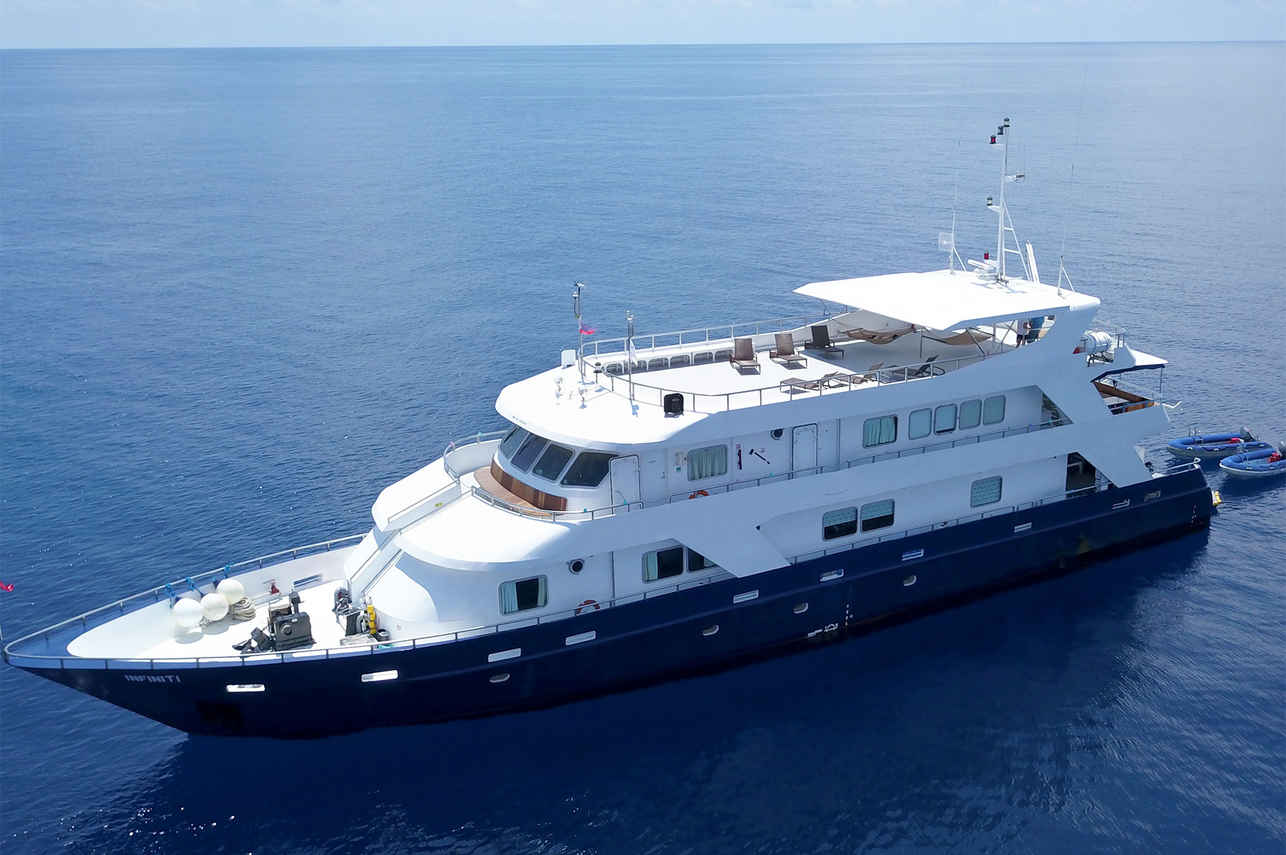
Infiniti
Philippines
25 guests39 m
$280/day
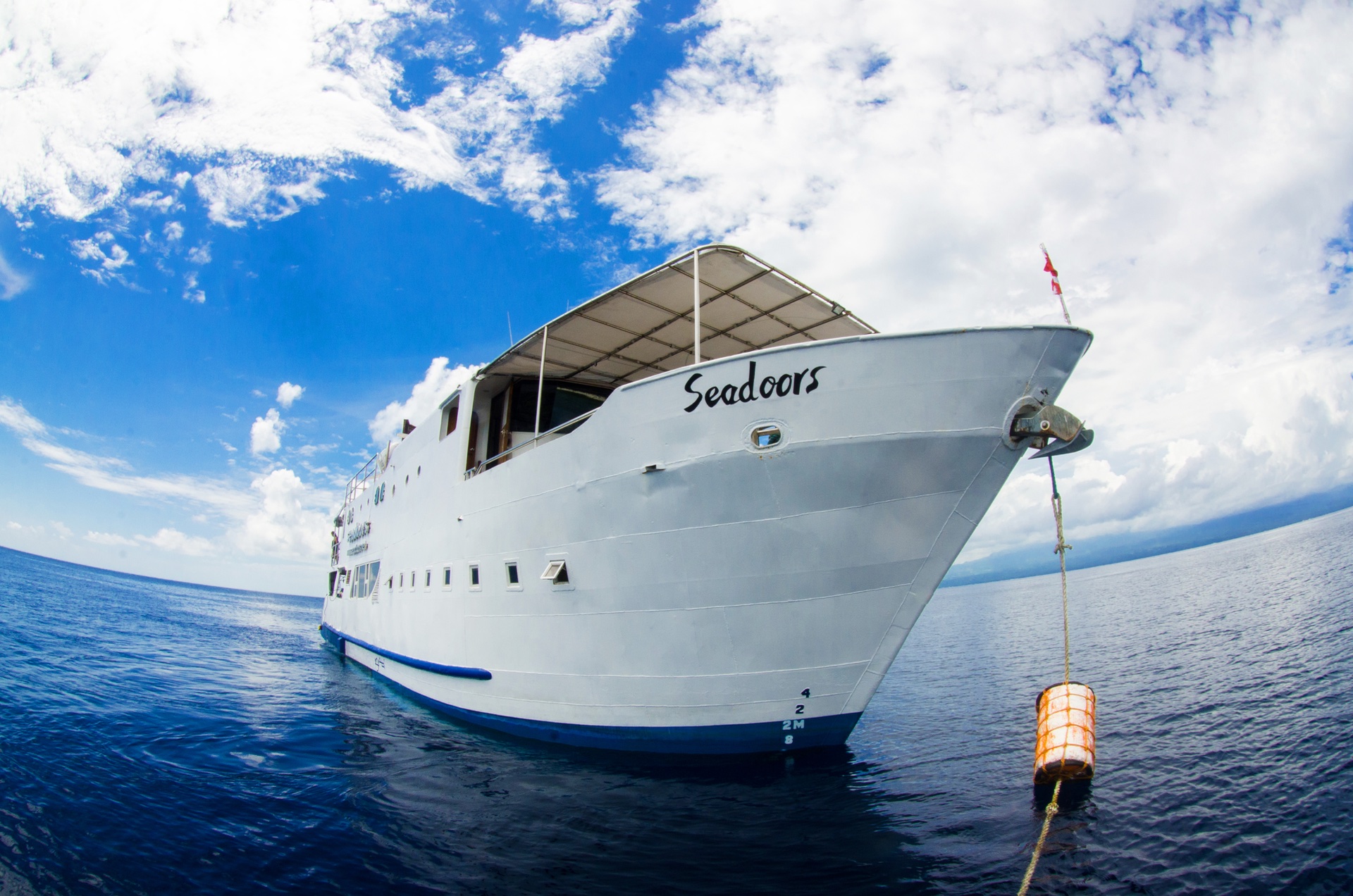
Seadoors
Philippines
16 guests25 m
$335/day
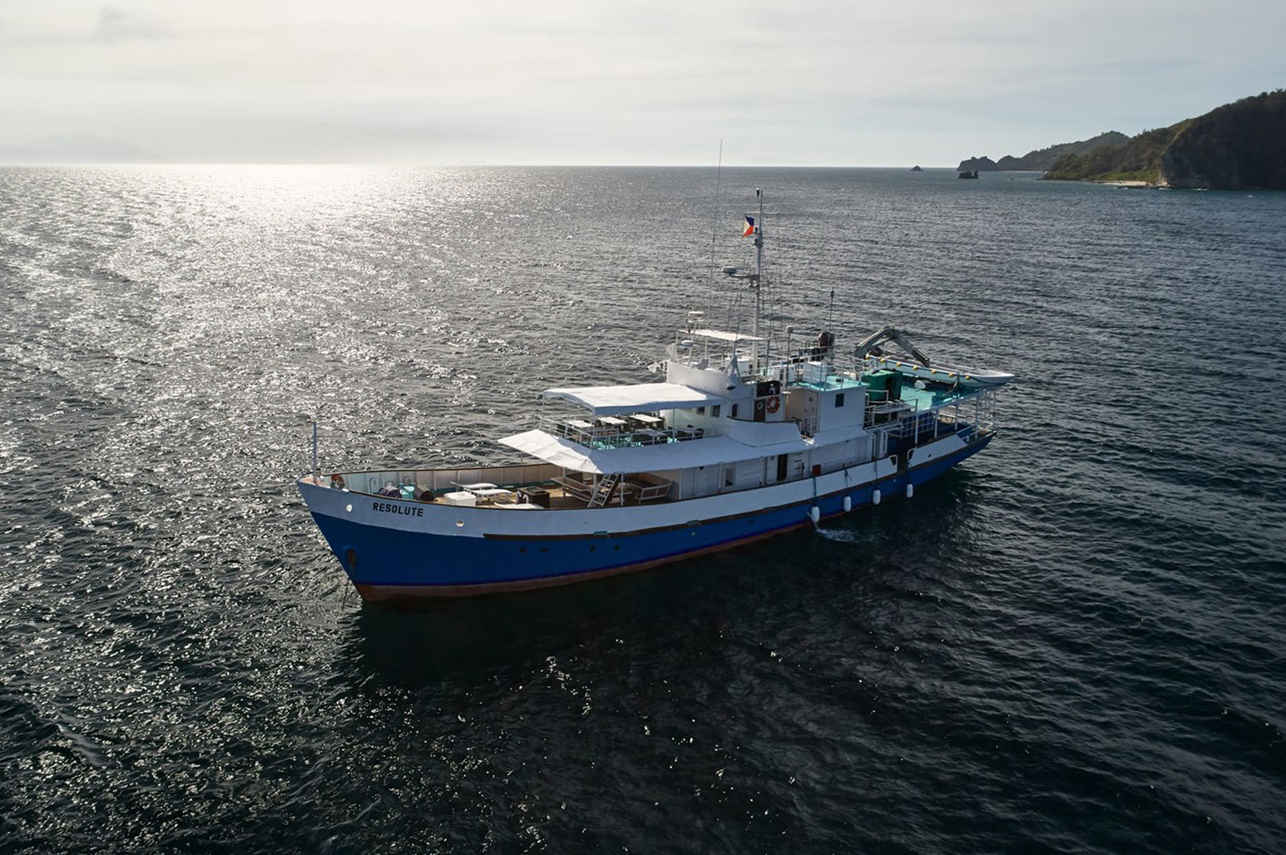
Resolute
Philippines
16 guests34.6 m
$314/day
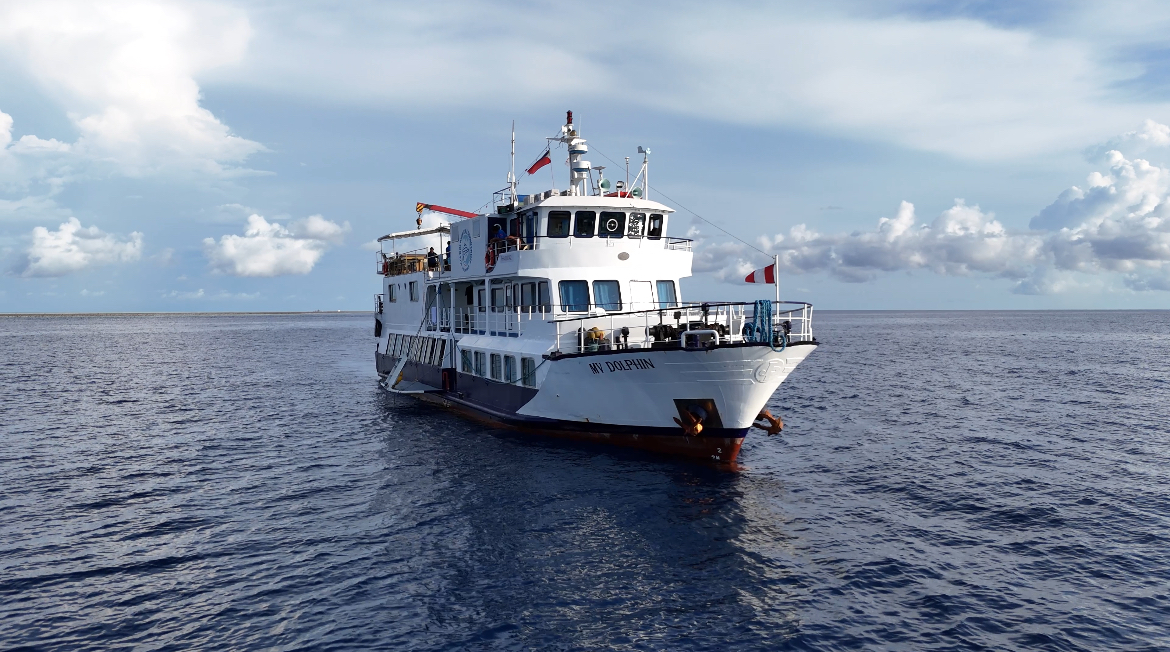
Dolphin
Philippines
18 guests31 m
$326/day
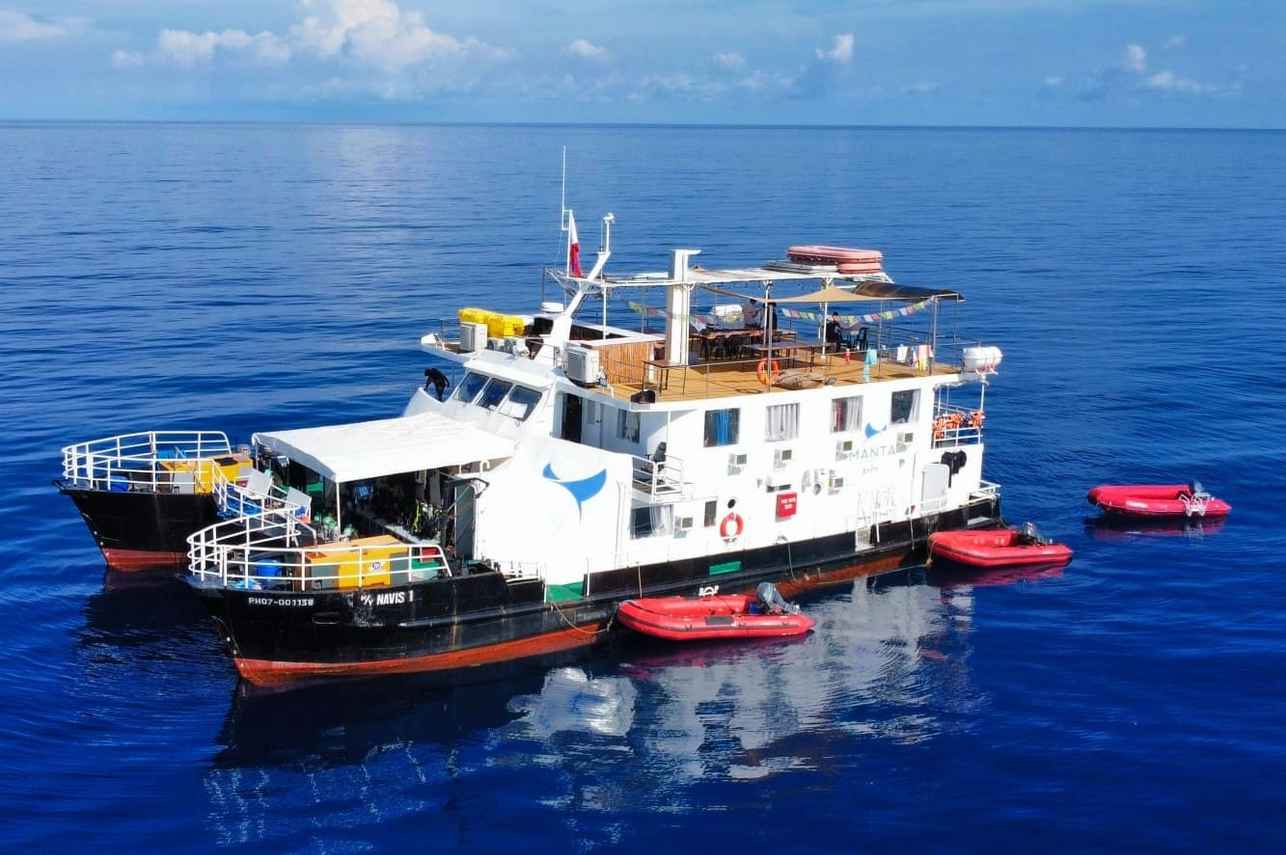
Navis 1
Philippines
22 guests23 m
$250/day
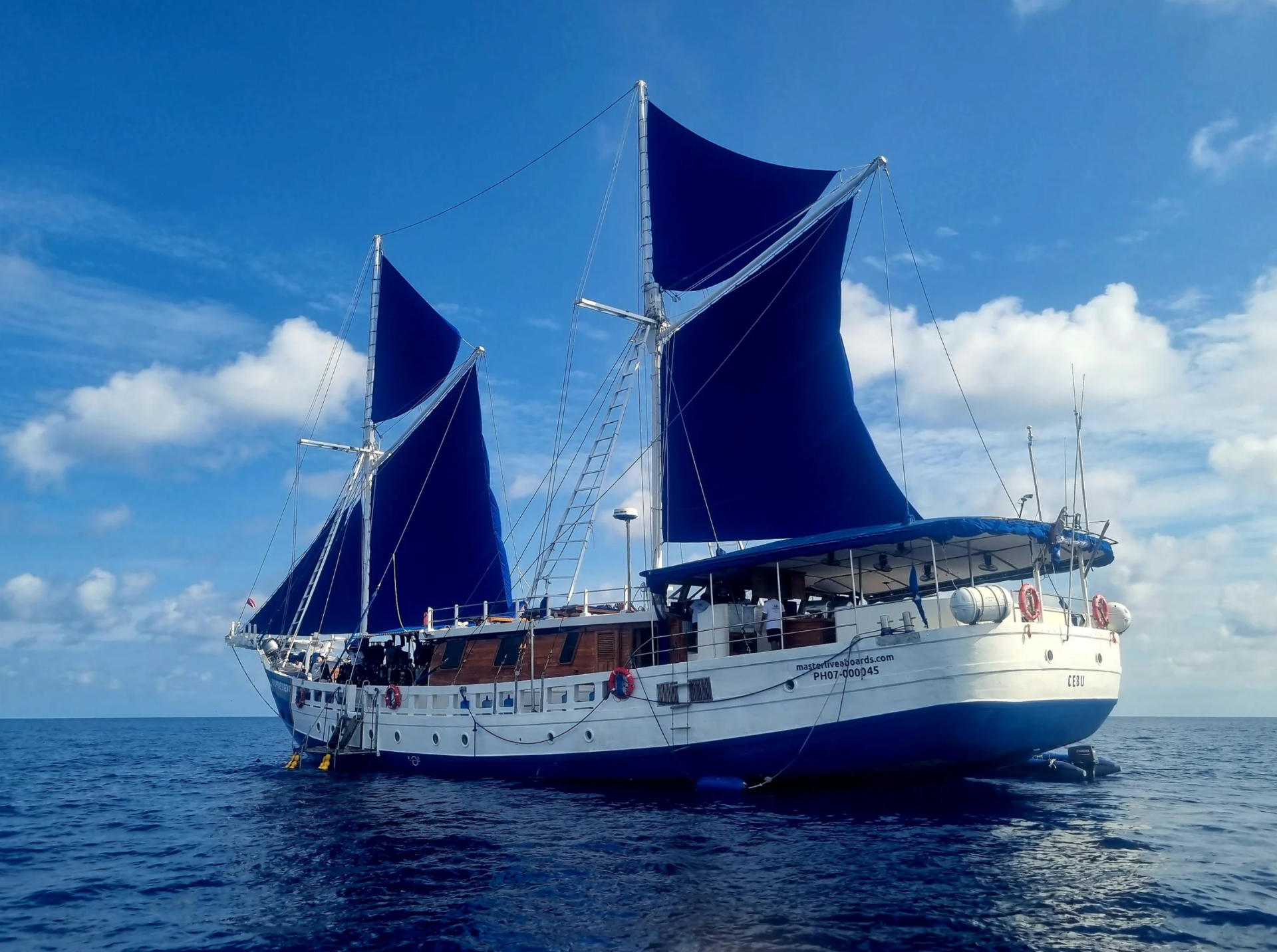
Philippine Siren
Philippines
16 guests
$309/day
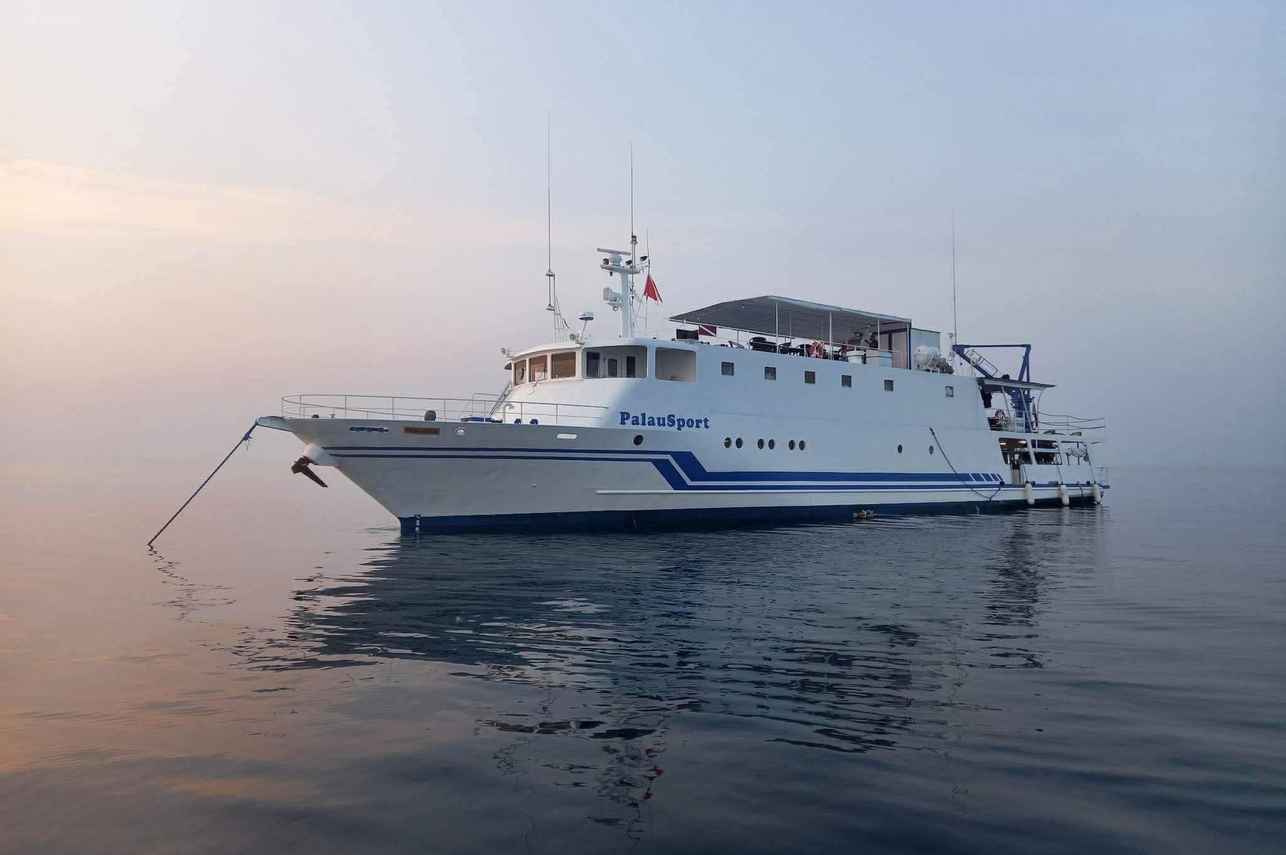
Palau Sport
Philippines
24 guests38.35 m
$215/day
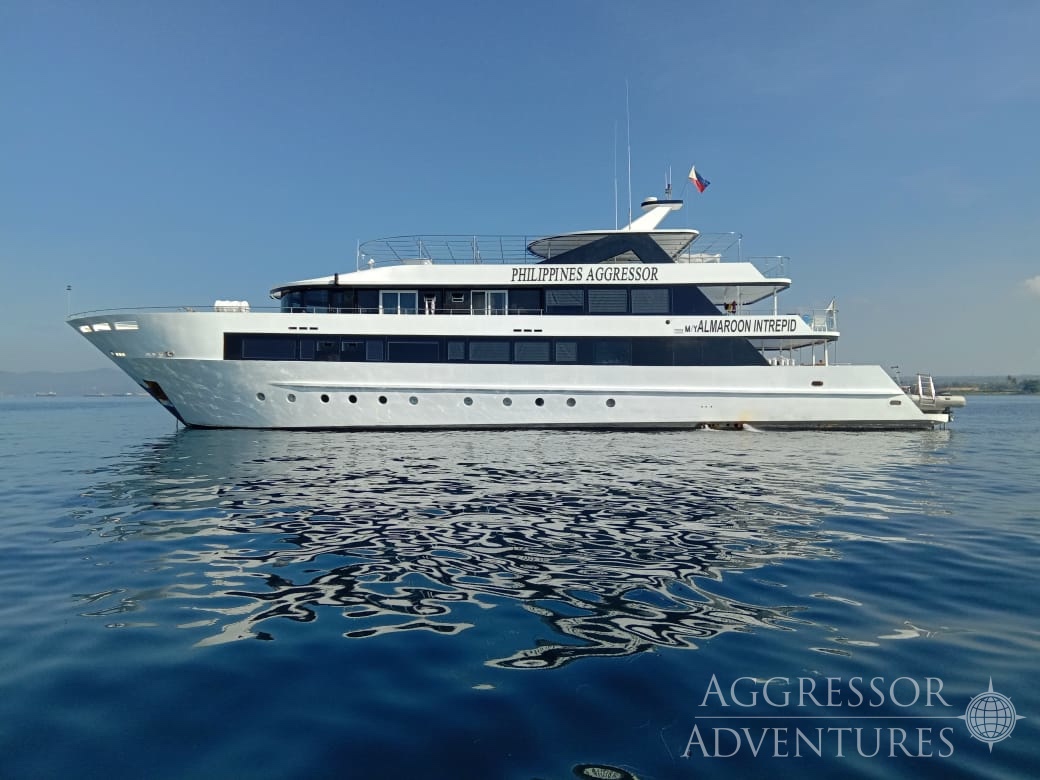
Philippines Aggressor
Philippines
26 guests42.7 m
$381/day
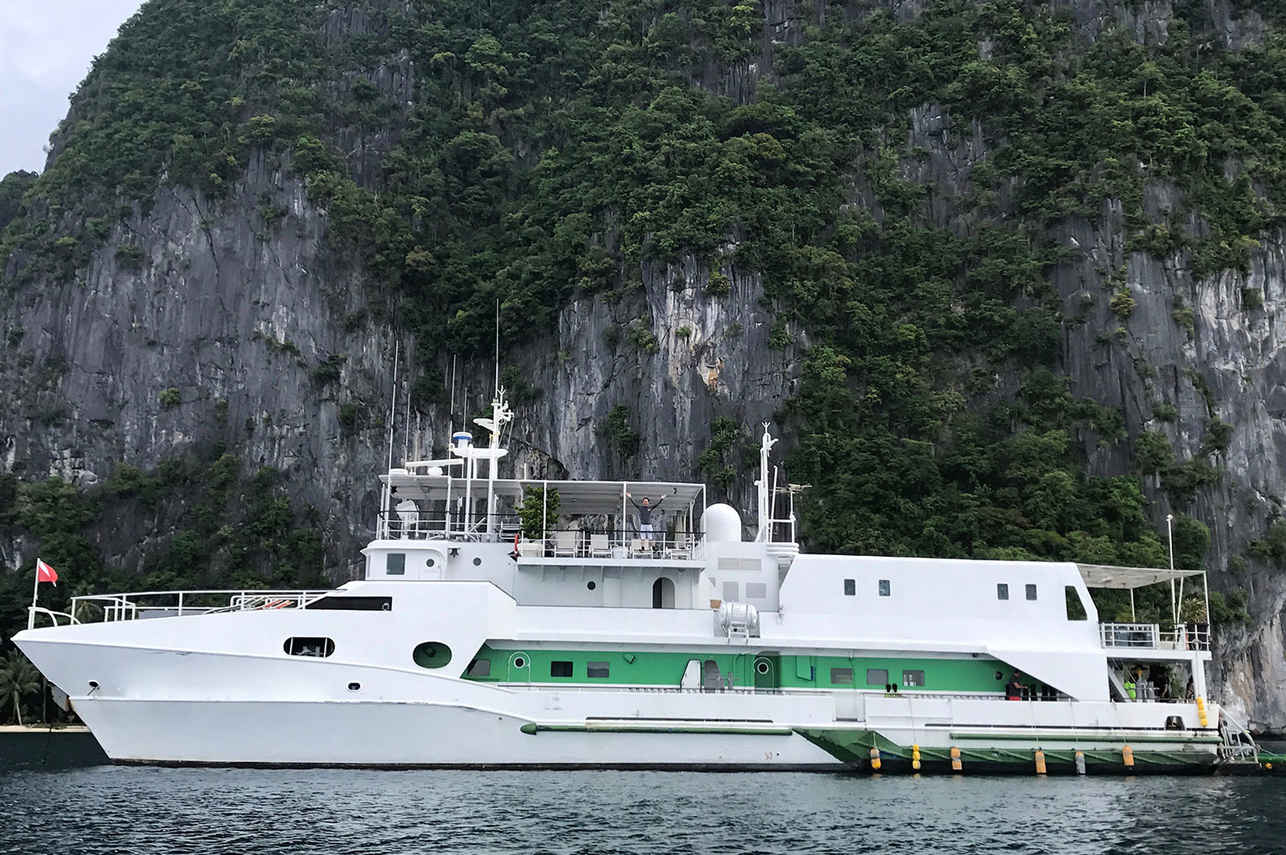
Stella Maris Explorer
Philippines
20 guests33 m
$398/day
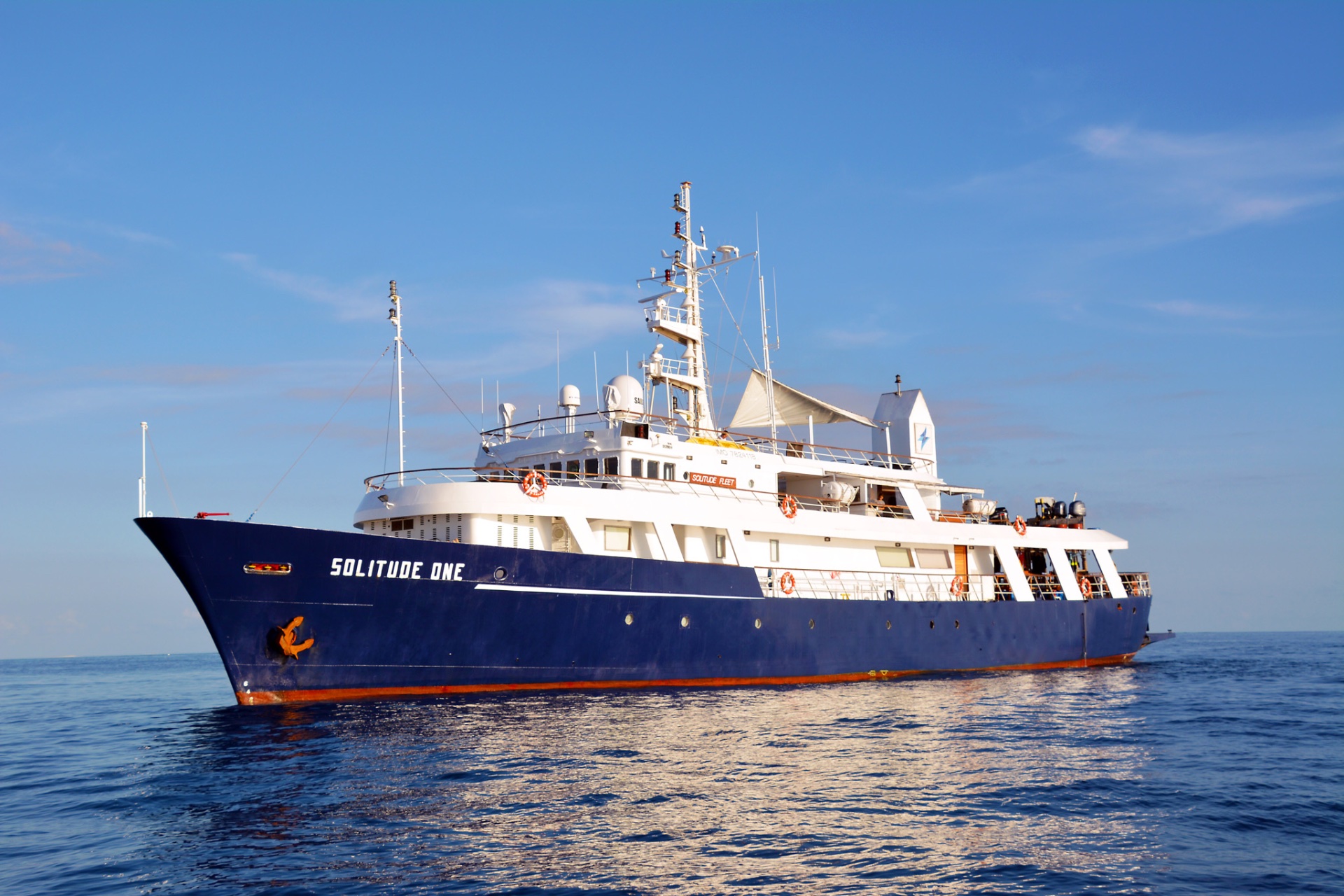
Solitude One
Philippines
24 guests52 m
$460/day
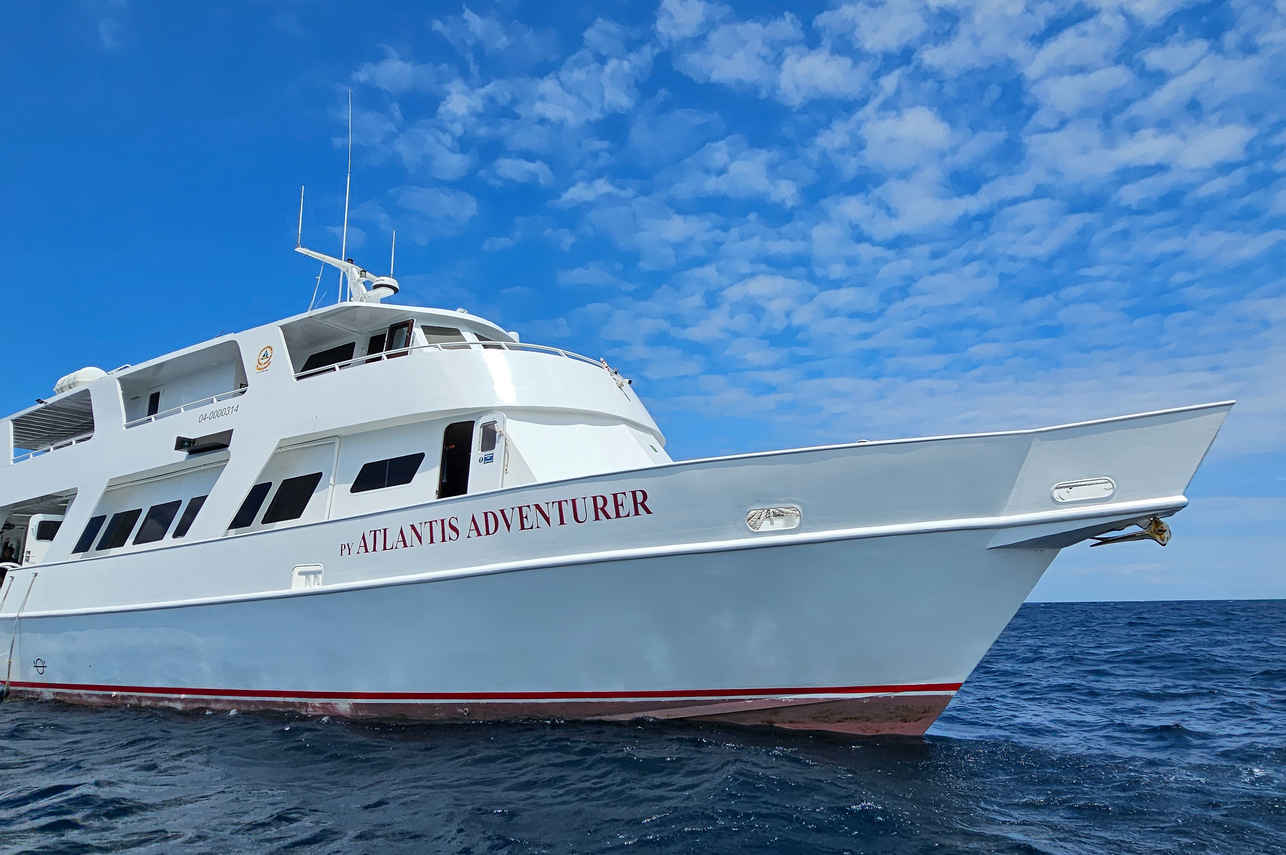
Atlantis Adventurer
Philippines
16 guests32.5 m
$421/day
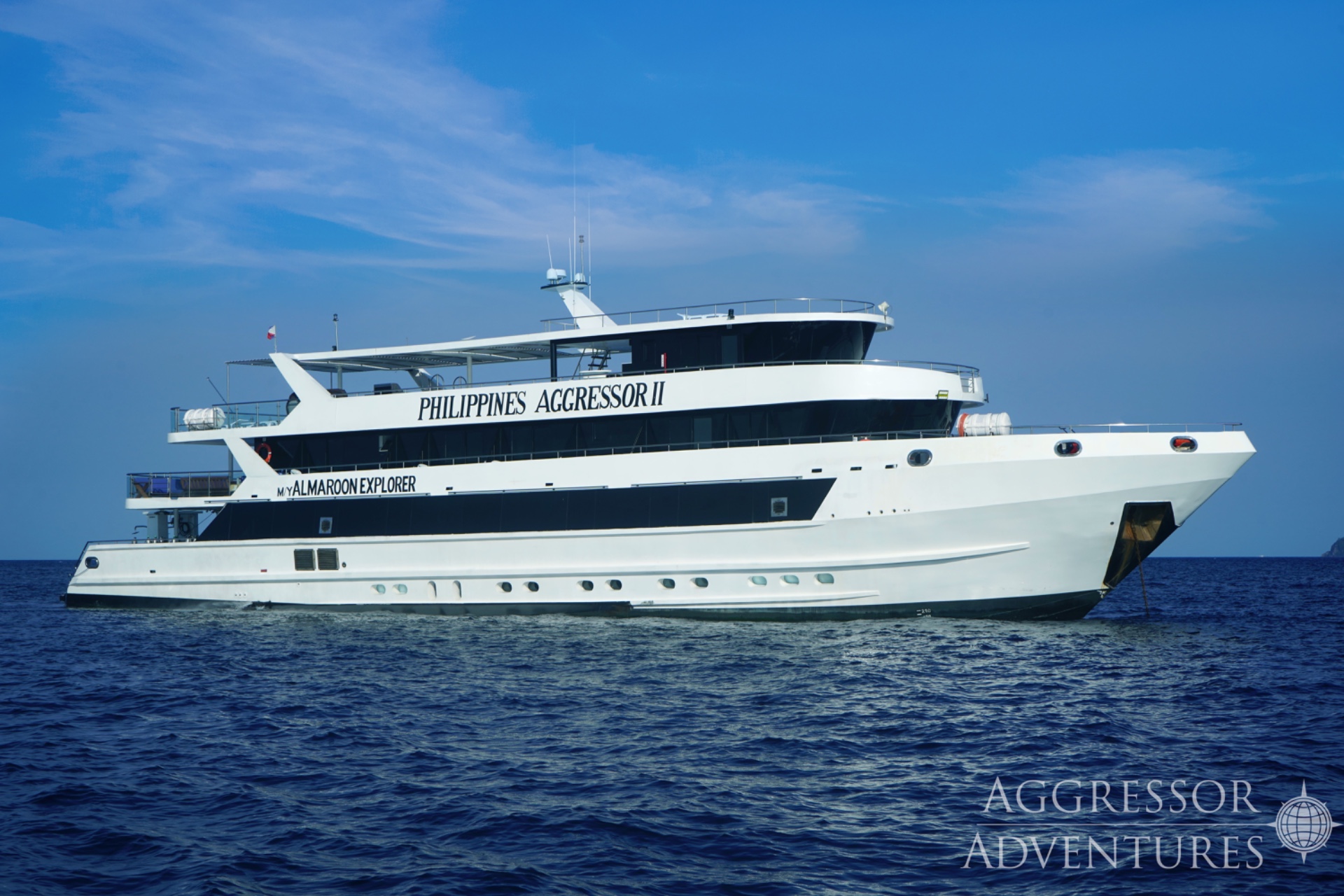
Philippines Aggressor II
Philippines
26 guests42.7 m
$247/day
Dive sites similar to Kyokuzan Maru
Same character, same waters — six more sites divers love for the exact same reasons.Compare seasons, access and liveaboard routes — then pick the site that fits your trip best.
© Esri — Maxar, Earthstar, GIS
Olympia Maru
Philippines
The Olympia Maru is a prominent Japanese cargo ship wreck from World War II, located within Coron Bay, Philippines.
- Suitable for
- Intermediate
- Current
- Mild
- Access
- Dayboat
- Depth
- 17–24 m
- Theme
- Wreck / Reef
The Alma Jane is a prominent artificial reef and wreck dive located off Puerto Galera in the Philippines, intentionally sunk to enhance marine biodiversity and provide a unique diving experience.
- Suitable for
- Intermediate
- Current
- Mild
- Access
- Dayboat
- Depth
- 25–30 m
- Theme
- Wreck / Reef
© Esri — Maxar, Earthstar, GIS
USS New York
Philippines
The USS New York, an 8150-ton armored cruiser, was commissioned in 1893 and saw service in the Spanish-American War, the Chinese Revolution, and WWI.
- Suitable for
- Advanced
- Current
- Mild
- Access
- Liveaboard or dayboat
- Depth
- 16–30 m
- Theme
- Wreck
© Esri — Maxar, Earthstar, GIS
Camia II Wreck
Philippines
The Camia II Wreck is a popular dive site located in Boracay, known for its accessible and largely intact cargo vessel.
- Suitable for
- Intermediate
- Current
- Mild
- Access
- Dayboat
- Depth
- 18–30 m
- Theme
- Wreck
© Esri — Maxar, Earthstar, GIS
Irako Wreck
Philippines
The Irako Wreck, a Japanese refrigeration ship sunk during World War II, lies within Coron's renowned wreck graveyard, making it one of the Philippines' premier wreck diving destinations.
- Suitable for
- Advanced
- Current
- Strong
- Access
- Liveaboard or dayboat
- Depth
- 28–43 m
- Theme
- Wreck
© Esri — Maxar, Earthstar, GIS
Lusong Gunboat
Philippines
The Lusong Gunboat, located just off Coron in Palawan, Philippines, is a fascinating and easily accessible World War II shipwreck.
- Suitable for
- Beginner
- Current
- Mild
- Access
- Liveaboard or dayboat
- Depth
- 3–12 m
- Theme
- Wreck