About Tangat Wreck
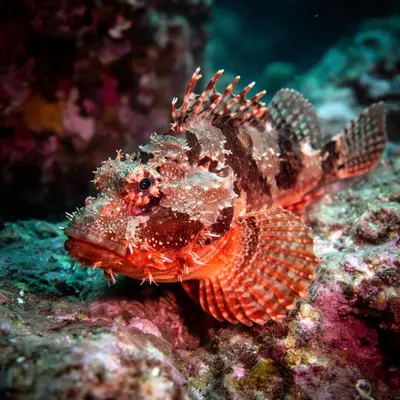
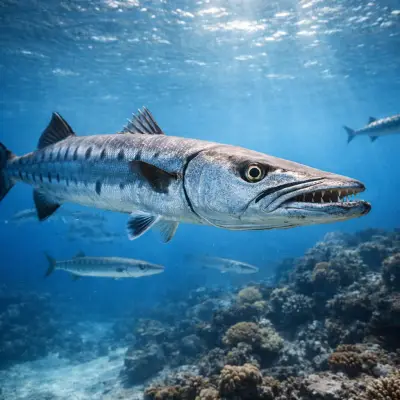
Tangat Wreck, also known as Kogyo Maru, is a prominent Japanese shipwreck nestled in Coron Bay, Palawan, Philippines. This region is internationally recognized for its exceptional wreck diving, stemming from a 1944 American air raid that sank a fleet of Japanese warships. The wreck lies on its side in relatively shallow waters, making it accessible for a broader range of divers. The Kogyu Maru measures around 140 meters in length and offers a fascinating journey into wartime history. Its cargo holds are easily penetrable, making it an excellent site for those new to wreck diving or looking to hone their skills in a secure environment. The wreck's exterior is extensively covered in vibrant corals and sponges, hosting diverse marine life. Beneath the surface, the Tangat Wreck teems with a variety of marine species. Healthy schools of fish animate the wreck, while crocodile fish, scorpionfish, and nudibranchs can be found nestled within its structures. Groupers, barracudas, and fusiliers often patrol its perimeter. The interior penetration routes reveal remnants of the ship's cargo, including construction materials. Visibility at the site typically ranges from 12 to 25 meters, providing clear views for photographers and explorers alike. While generally a more straightforward wreck dive, local conditions, including currents and tides, should always be factored into dive planning. The dive experience at Tangat Wreck is generally considered suitable for intermediate divers. Its shallower depth compared to other Coron wrecks makes it a great introduction to wreck penetration, though more advanced divers will still find plenty to explore. Entrance into the cargo holds is relatively easy, offering a safe environment to experience internal wreck exploration. The relatively calm conditions and good visibility contribute to a rewarding dive, allowing ample time to appreciate both the historical significance of the wreck and the thriving ecosystem it supports.
Highlights
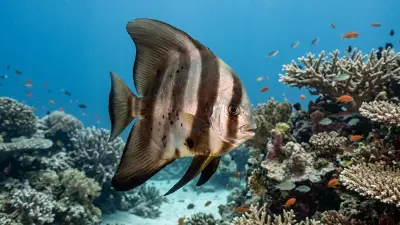
WWII wreckPenetration diveSoft coralsBatfish
Season calendar
Best months to dive here
Jan
Feb
Mar
Apr
May
Jun
Jul
Aug
Sep
Oct
Nov
Dec
Excellent
Good
Dive site facts: Tangat Wreck
- Depth
- 7–30 m
- Typical dive
- 10–22 m, 45–60 min
- Current
- Light to moderate
- Visibility
- 6–15 m
- Water temperature
- 25–30 °C
- Entry
- Boat / negative entry possible
- Level
- Open Water Diver, AOWD for penetration
- Dive type
- Wreck, reef, history
- Night dive
- Possible
- Region / port
- Coron, Palawan
- Coordinates
- 11.964, 120.215
Conditions & Currents
Currents at Tangat Wreck are generally light, though they can occasionally be moderate and dictate the dive profile. Divers should anticipate a current-led profile, which may influence entry and exit strategies, often involving a boat pick-up downcurrent. While surge is typically flat calm, conditions can vary, particularly during the wet season. Visibility can range from 6 meters on average to better during peak dry season months, requiring careful navigation and buddy team awareness, especially within the wreck. Conservative gas planning is advisable given the overhead environment and potential for variable visibility.
Marine life & sighting chances
Dive profile & how the dive runs
Dives at Tangat Wreck typically begin with a boat descent to the wreck's main deck, which starts at around 7 meters. Divers can then explore the superstructure and upper hull, observing the encrusting corals and abundant reef fish. A common route involves heading towards the bow or stern, following the length of the vessel while progressively descending deeper along the hull to its maximum depth of 30 meters. For appropriately trained and experienced divers, careful penetration into the larger cargo holds is possible, offering glimpses into the ship's interior. The dive usually culminates with a slow ascent, completing the safety stop over the shallower parts of the wreck or an adjacent reef area, before surfacing for a boat pick-up.
Underwater photography
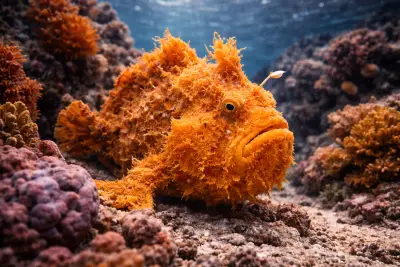
Tangat Wreck presents fantastic opportunities for both wide-angle and macro photography. Wide-angle lenses are ideal for capturing the grandeur of the entire wreck, especially when positioned to show the ship's full length or large sections of its coral-covered structure. For internal shots within the cargo holds, a wide-angle lens with strong artificial lighting, such as strobes or video lights, is essential to combat low visibility and highlight details. Macro photographers will find plenty of subjects on the coral growths and within the wreck's crevices, including nudibranchs, crabs, and frogfish; a focus light will be helpful for these smaller creatures. Maintain excellent buoyancy control to avoid disturbing fragile corals or stirring up silt, which can quickly reduce visibility, particularly inside the wreck.
Combine with nearby dive sites
- Irako Wreck
A deep Japanese refrigeration ship, excellent for advanced wreck divers.
- Okikawa Maru
The largest of Coron's wrecks, a civilian tanker offering varied depths.
- Coron Bay — Skeleton Wreck
A smaller, shallow wreck suitable for all levels, including snorkelers.
- Barracuda Lake
Known for its unique thermoclines and surreal underwater rock formations.
- Cathedral Rock
A reef dive with interesting rock formations and diverse marine life.
- Dimakya Island
Offers vibrant reefs and the chance to spot dugongs.
Getting there & logistics
Access to Tangat Wreck is primarily by boat from Coron Town, Busuanga. Divers typically fly into Busuanga Airport (USU) from Manila (MNL) or Cebu (CEB), then take a short van transfer to Coron Town. Most dive operators in Coron offer daily trips to the wrecks, often combining Tangat Wreck with other nearby sites like East Tangat Wreck or Olympia Maru as part of a multi-dive itinerary. Liveaboard options are also available for more extensive wreck exploration across Coron Bay. Trip lengths can vary from single-day excursions to multi-day packages. There are generally no specific dive site fees beyond standard dive package costs; however, marine park fees may apply to some areas within Coron Bay.
Safety & environment
Safety at Tangat Wreck, like all wreck dives, necessitates adherence to strict protocols. Divers must maintain excellent buoyancy to avoid collision with the wreck or stirring up silt. Given the overhead environment in some sections, proper wreck diving training and conservative gas planning are essential for penetrations. The nearest recompression chamber is located in Puerto Princesa, Palawan, which is a significant distance away, making evacuation potentially complex and time-consuming. Therefore, comprehensive dive insurance that covers emergency medical treatment and evacuation is highly recommended. Always dive with a reputable operator and an experienced local guide who is familiar with the wreck and local conditions.
Who it suits — and who it doesn't
Suited for
- Certified Open Water divers comfortable with mild currents
- Advanced Open Water divers seeking wreck experience
- Wreck specialty divers looking for penetration opportunities
- Underwater photographers interested in history and marine life
- Divers with an interest in World War II history
Less suited for
- Beginner divers without proper training or experience
- Divers uncomfortable with overhead environments
- Divers with poor buoyancy control
- Snorkelers (due to depth and structure)
FAQ
Tangat Wreck FAQ
What is the history behind the Tangat Wreck?
The Tangat Wreck, also identified as the Olympia Maru, is a Japanese freighter that was sunk during an American air raid on September 24, 1944. This event was part of a larger effort to disrupt Japanese supply lines during World War II. The wreck now serves as a fascinating underwater historical site.
What kind of marine life can I expect to see at Tangat Wreck?
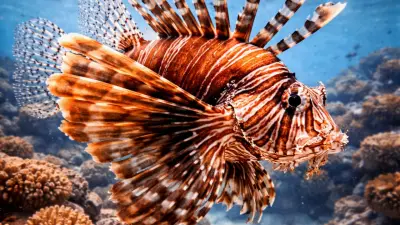
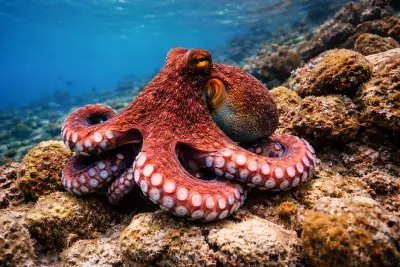
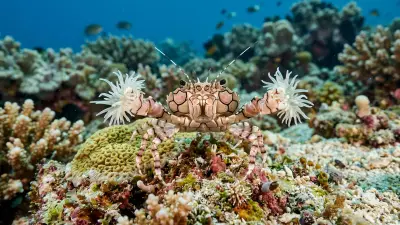
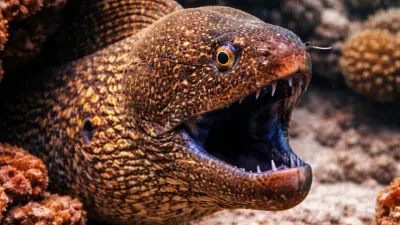
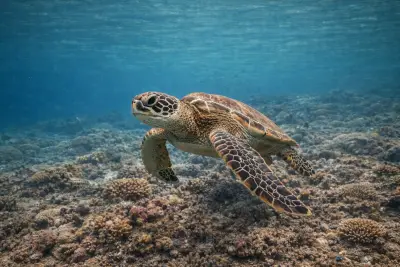
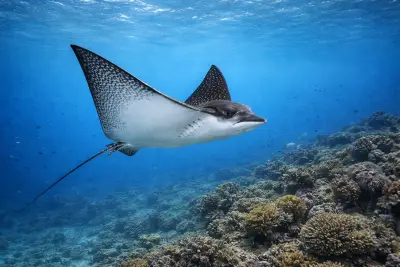
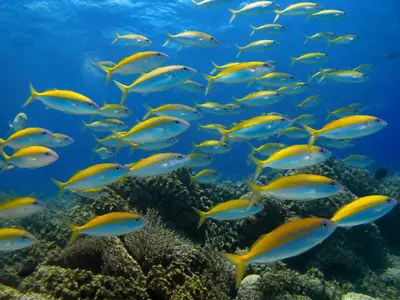
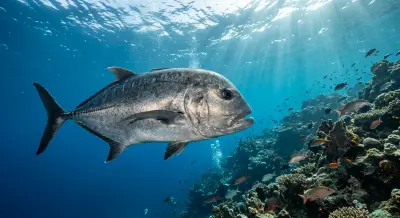
The wreck is teeming with a variety of marine life due to its extensive coral growth and sheltered areas. Divers commonly spot scorpionfish, barracuda, lionfish, moray eels, crabs, and octopuses. Schools of batfish, fusiliers, and trevallies are also frequently seen around the structure, with occasional sightings of green turtles and eagle rays.
Is the Tangat Wreck suitable for beginner divers?
While the shallower parts of the wreck are accessible to Open Water divers, some experience with currents and good buoyancy control is recommended due to the wreck environment. For exploring deeper sections or attempting penetration into the cargo holds, Advanced Open Water certification and specific wreck diving training are advised to ensure safety.
What are the typical diving conditions at Tangat Wreck?
Diving conditions generally feature light to moderate currents, which can influence the dive plan. Visibility typically ranges from 6 to 15 meters, with better clarity during the dry season. Water temperatures are consistently warm, between 25-30°C. Surface conditions are usually calm, but currents can pick up, so preparation is key.
Can I penetrate the Tangat Wreck?
Yes, some of the large, open cargo holds of the Tangat Wreck allow for penetration. However, this should only be attempted by divers with appropriate wreck diving training and experience, as well as the necessary equipment. It is crucial to dive with a knowledgeable guide and adhere to safety protocols for overhead environments.
Why dive Tangat Wreck from a liveaboard?
Tangat Wreck is one of Philippines's signature dive sites. A liveaboard sleeps you on the water and puts you in the water for three to four guided dives per day, including dawn and night dives that day-boat operators rarely offer. You skip the daily commute back to port and reach quieter, less-crowded sites in the same region on a single trip.
Below are the liveaboards that include Tangat Wreck on their Philippines itineraries.
Liveaboards diving Tangat Wreck
These liveaboards may visit Tangat Wreck on selected itineraries — the exact dive sites depend on departure, weather and conditions.
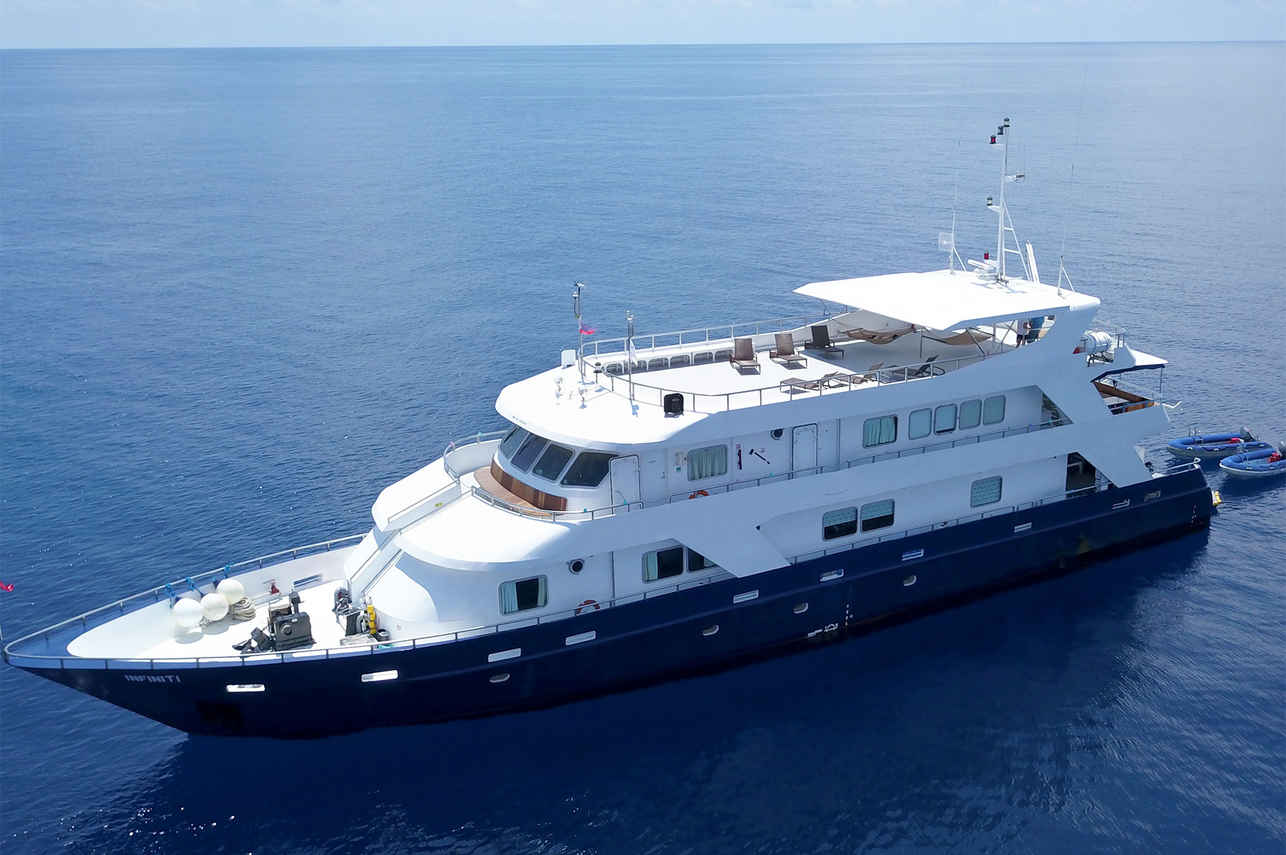
Infiniti
Philippines
25 guests39 m
$280/day
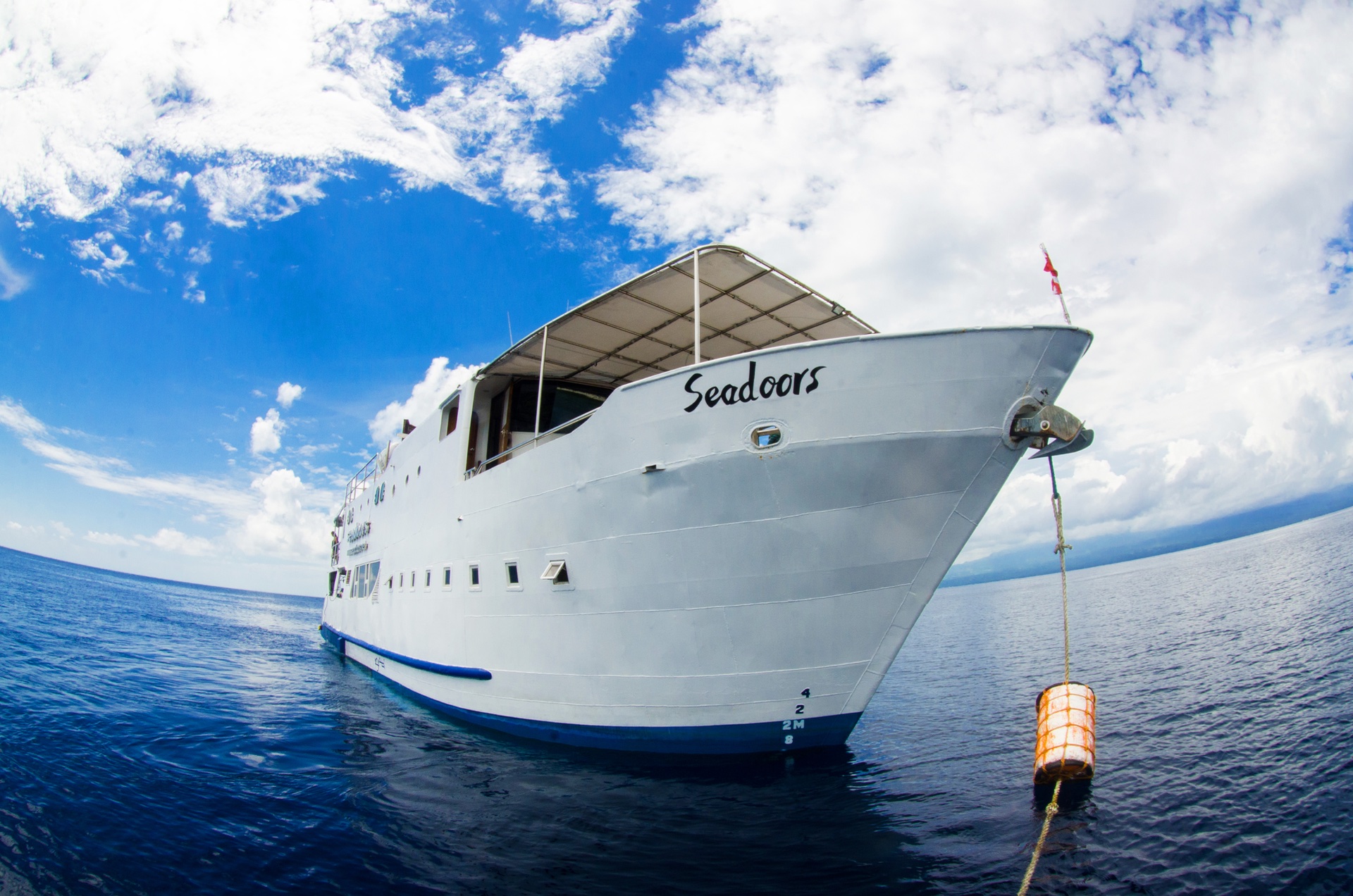
Seadoors
Philippines
16 guests25 m
$335/day
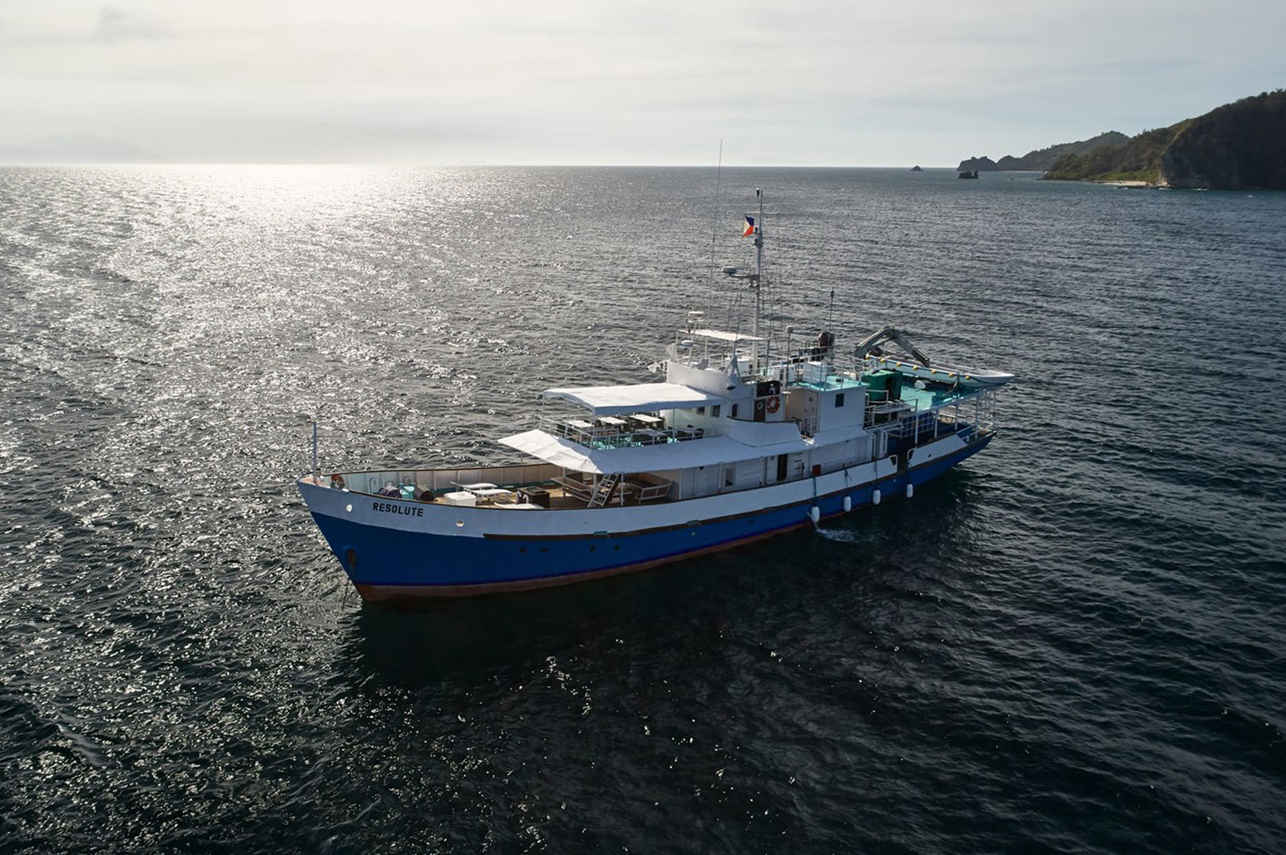
Resolute
Philippines
16 guests34.6 m
$314/day
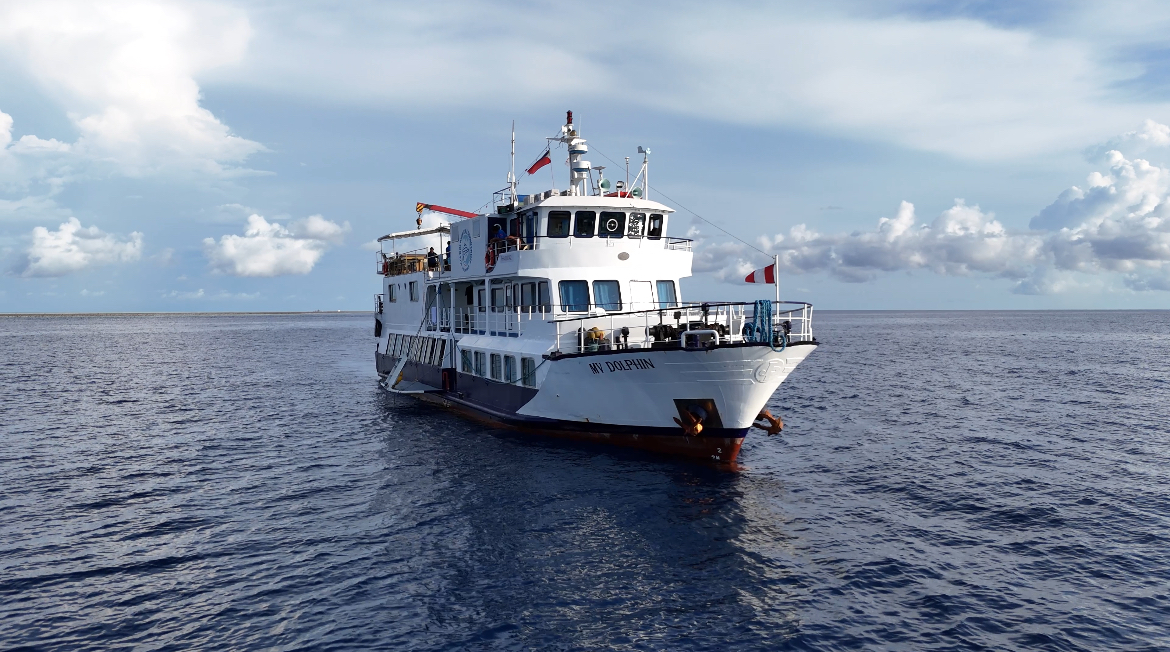
Dolphin
Philippines
18 guests31 m
$326/day
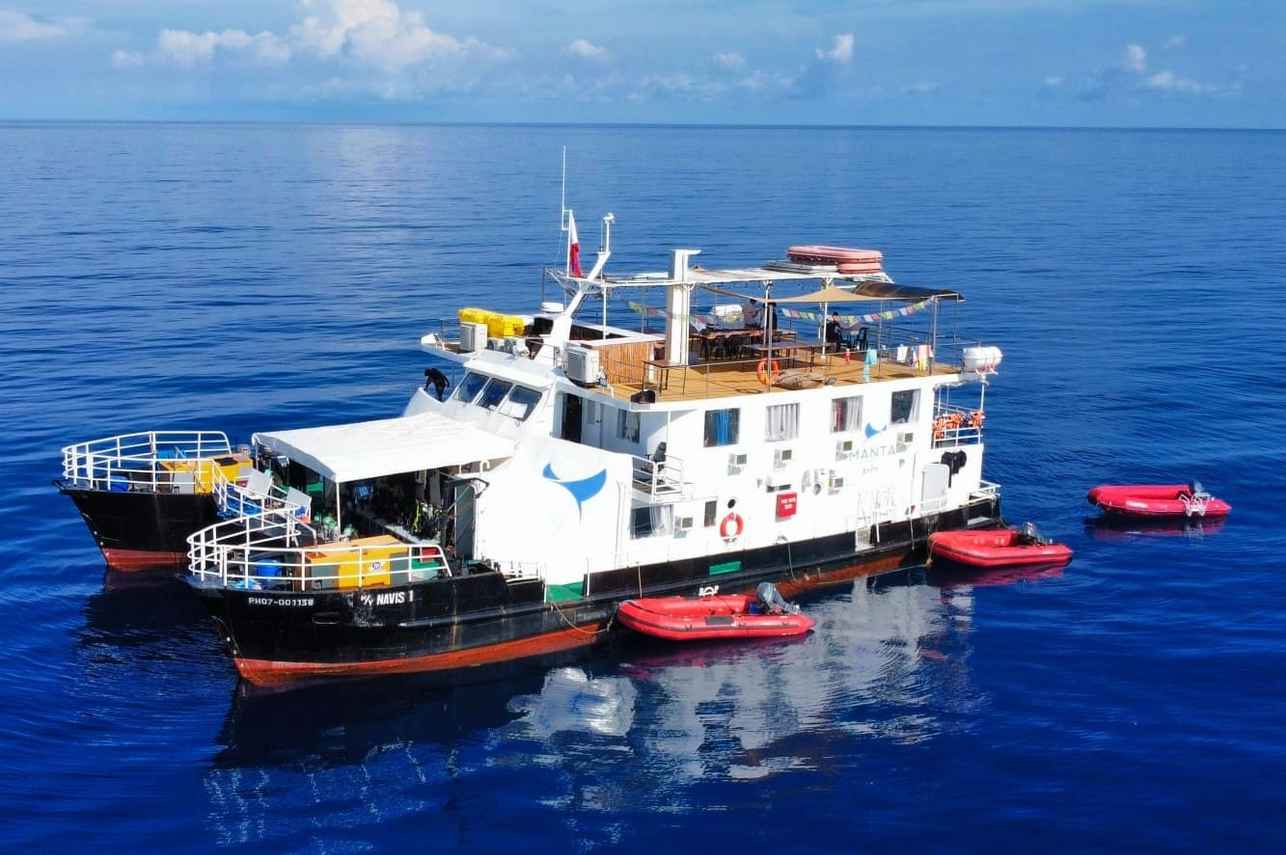
Navis 1
Philippines
22 guests23 m
$250/day
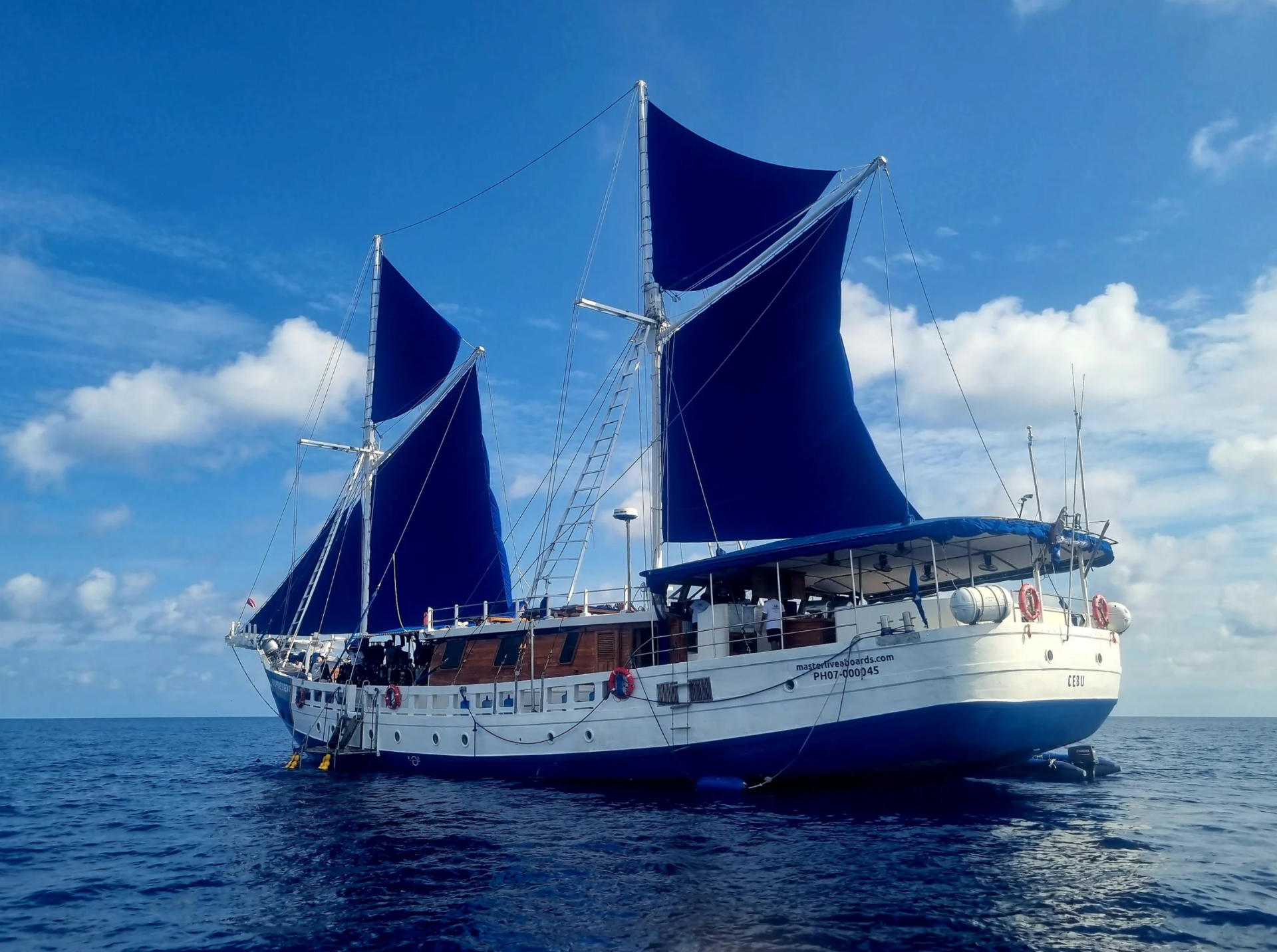
Philippine Siren
Philippines
16 guests
$309/day
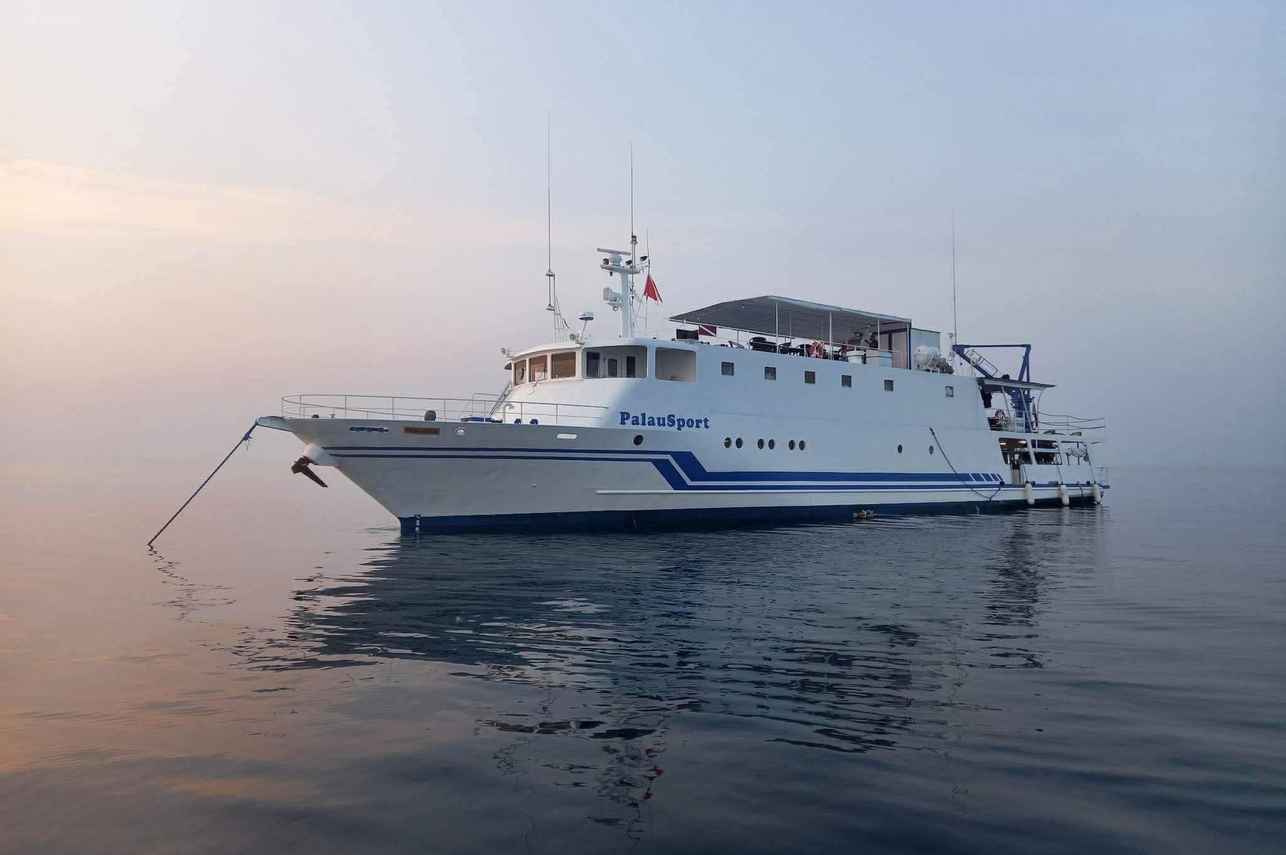
Palau Sport
Philippines
24 guests38.35 m
$215/day
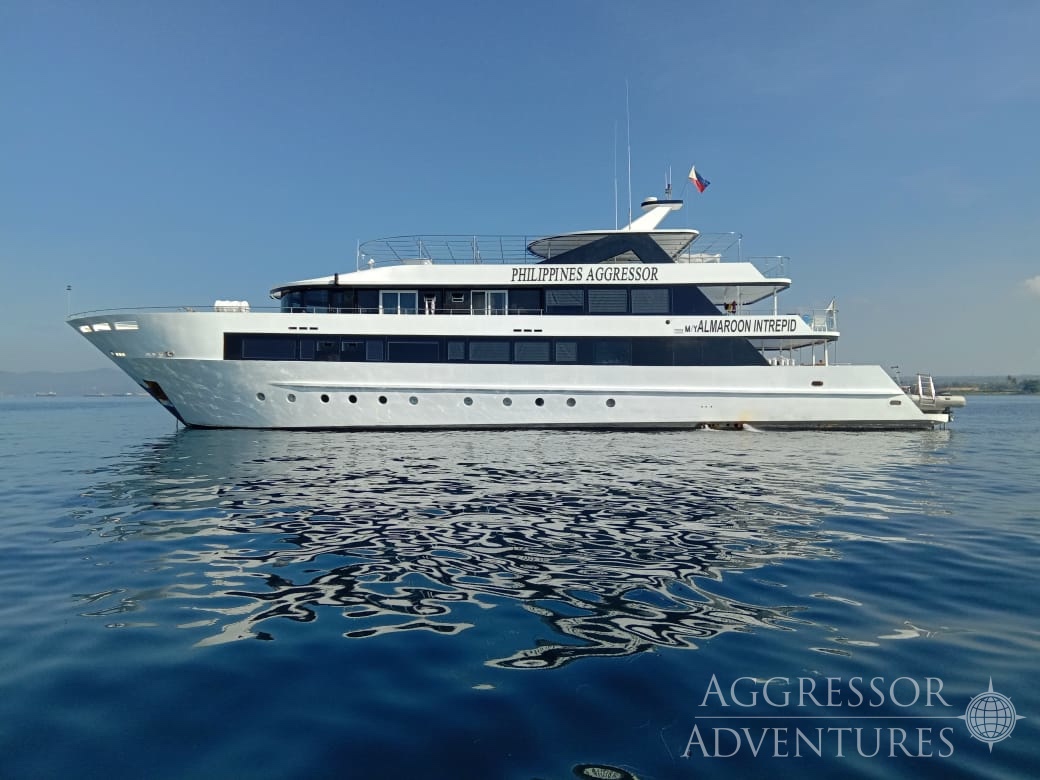
Philippines Aggressor
Philippines
26 guests42.7 m
$381/day
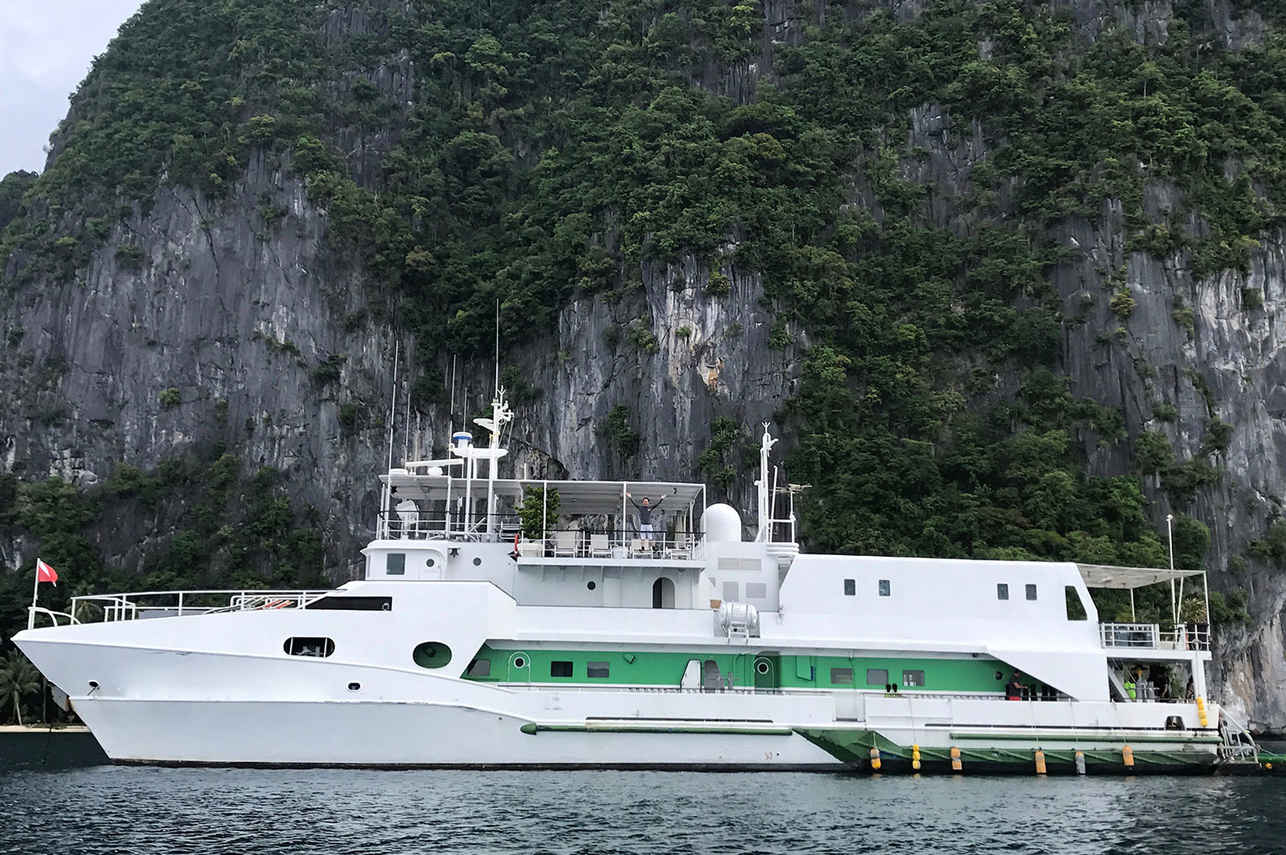
Stella Maris Explorer
Philippines
20 guests33 m
$398/day
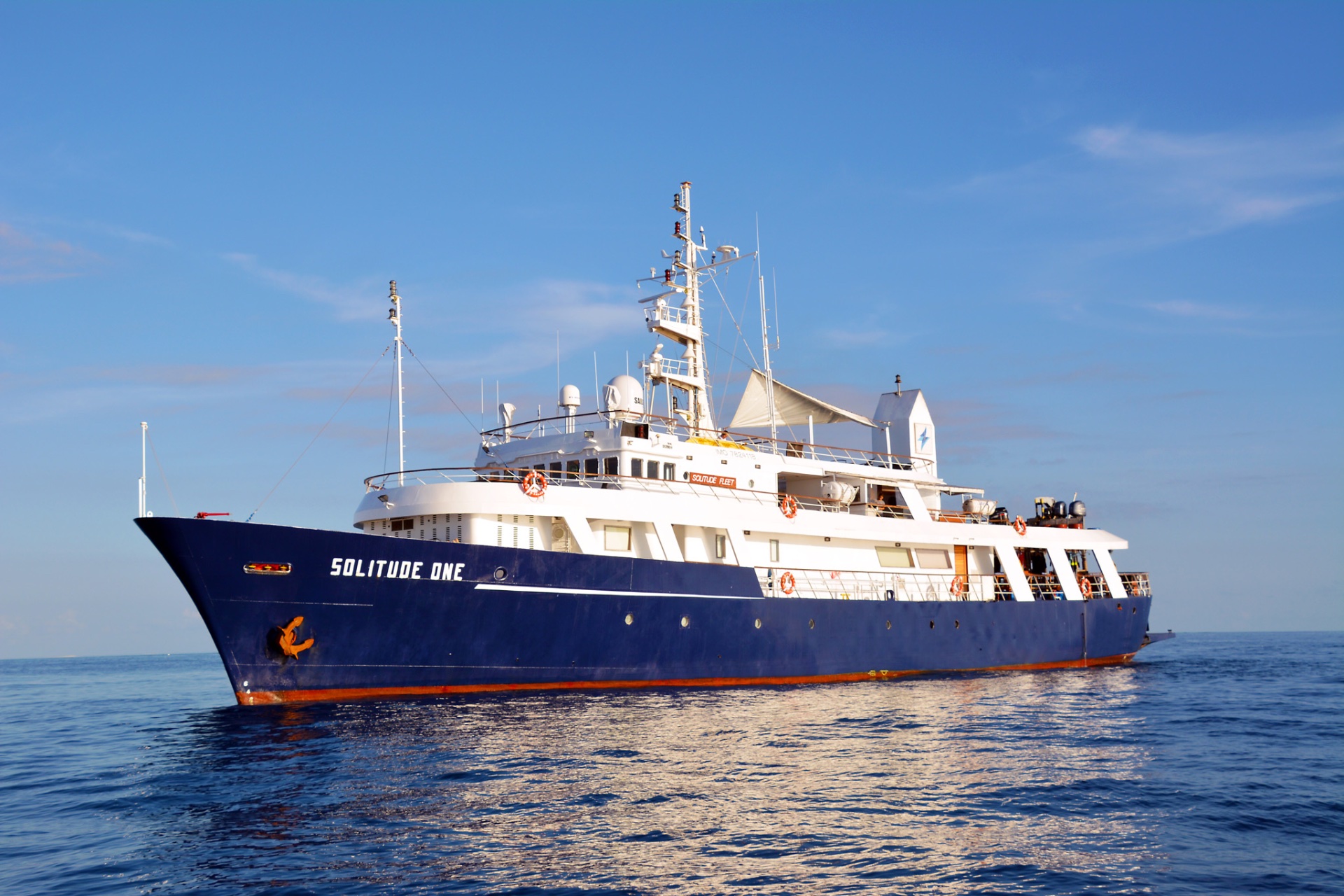
Solitude One
Philippines
24 guests52 m
$460/day
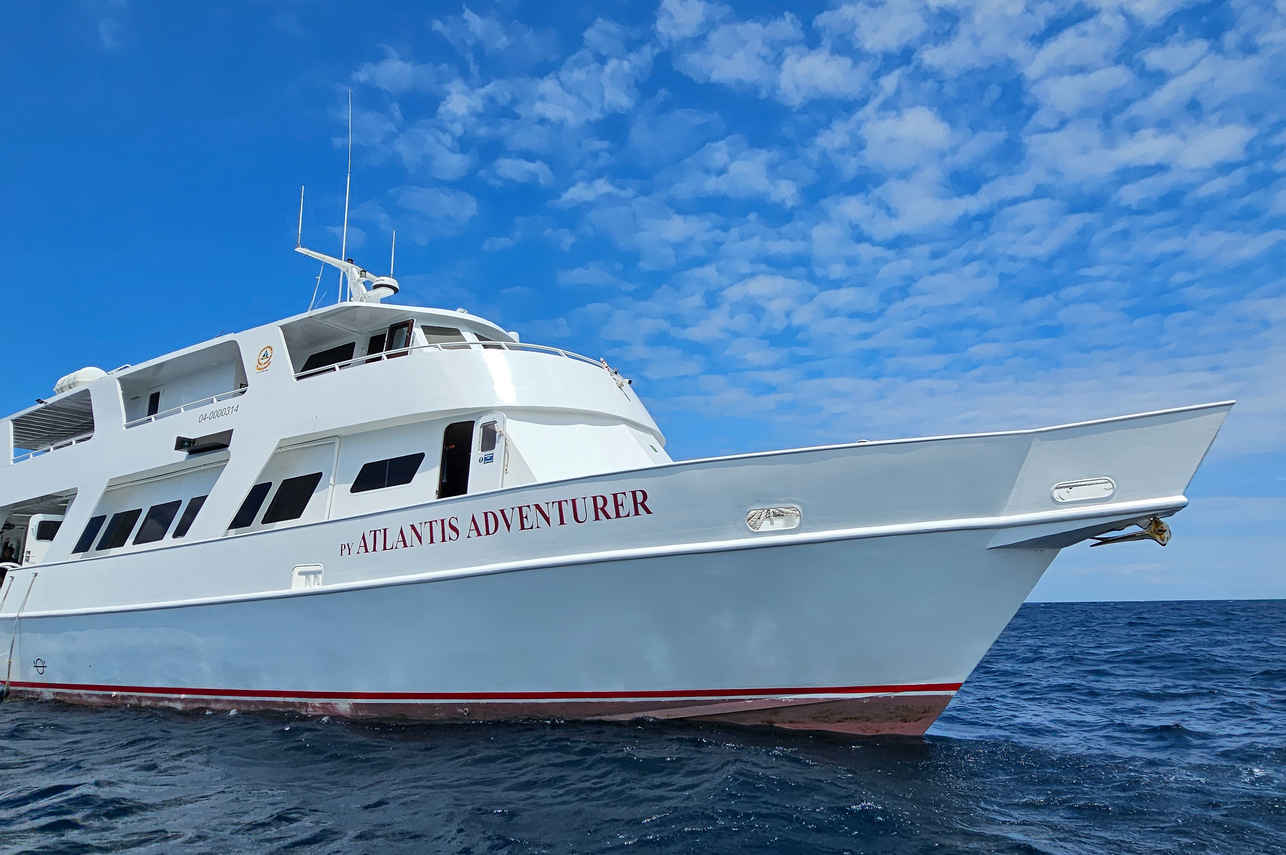
Atlantis Adventurer
Philippines
16 guests32.5 m
$421/day
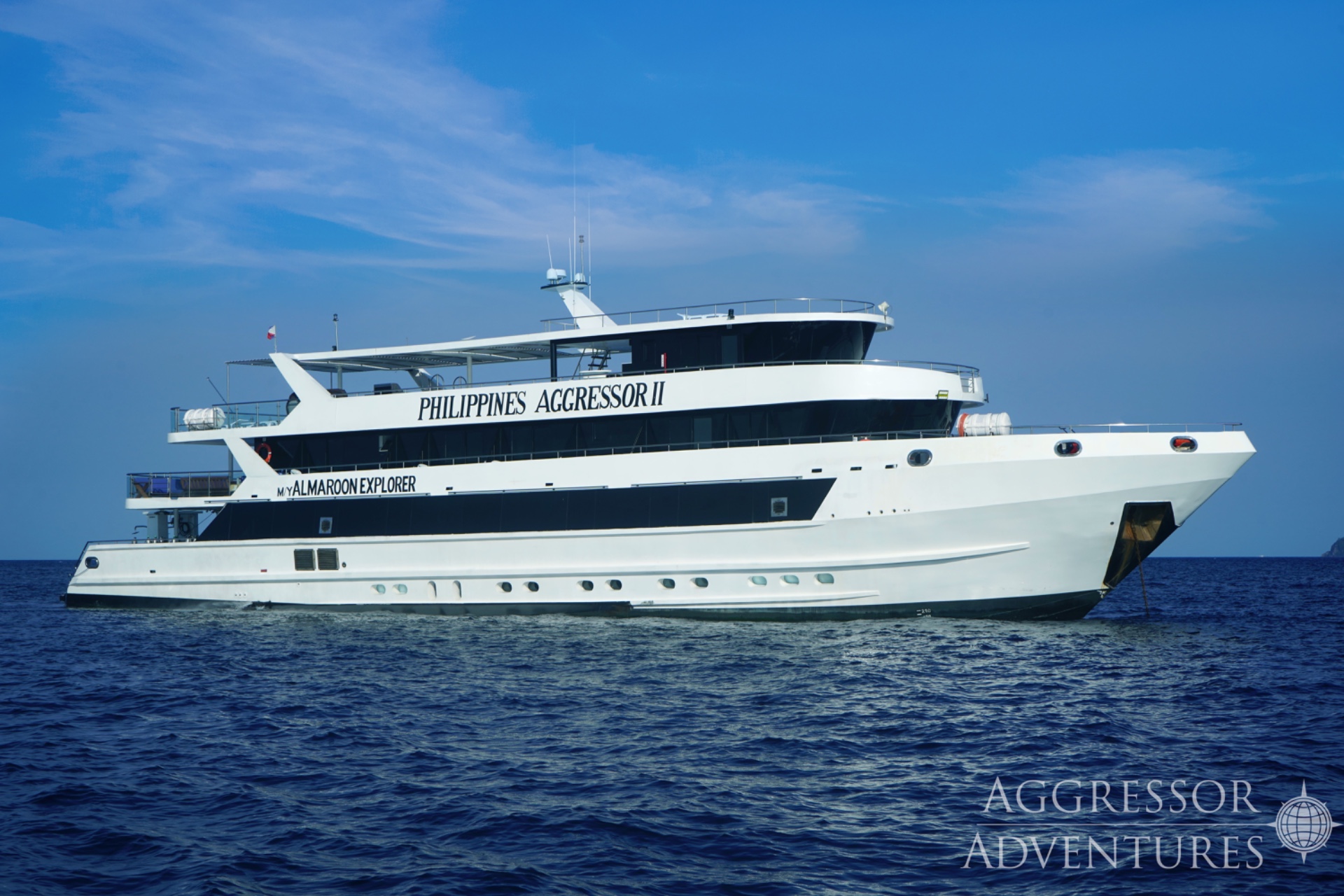
Philippines Aggressor II
Philippines
26 guests42.7 m
$247/day
Dive sites similar to Tangat Wreck
Same character, same waters — six more sites divers love for the exact same reasons.Compare seasons, access and liveaboard routes — then pick the site that fits your trip best.
© Esri — Maxar, Earthstar, GIS
Olympia Maru
Philippines
The Olympia Maru is a prominent Japanese cargo ship wreck from World War II, located within Coron Bay, Philippines.
- Suitable for
- Intermediate
- Current
- Mild
- Access
- Dayboat
- Depth
- 17–24 m
- Theme
- Wreck / Reef
The Alma Jane is a prominent artificial reef and wreck dive located off Puerto Galera in the Philippines, intentionally sunk to enhance marine biodiversity and provide a unique diving experience.
- Suitable for
- Intermediate
- Current
- Mild
- Access
- Dayboat
- Depth
- 25–30 m
- Theme
- Wreck / Reef
© Esri — Maxar, Earthstar, GIS
Kyokuzan Maru
Philippines
The Kyokuzan Maru is a significant Japanese auxiliary supply ship, measuring about 136 meters in length, that was sunk during a US Navy aerial attack on September 24, 1944, near Busuanga Island.
- Suitable for
- Advanced
- Current
- Mild
- Access
- Dayboat
- Depth
- 26–42 m
- Theme
- Wreck
© Esri — Maxar, Earthstar, GIS
USS New York
Philippines
The USS New York, an 8150-ton armored cruiser, was commissioned in 1893 and saw service in the Spanish-American War, the Chinese Revolution, and WWI.
- Suitable for
- Advanced
- Current
- Mild
- Access
- Liveaboard or dayboat
- Depth
- 16–30 m
- Theme
- Wreck
© Esri — Maxar, Earthstar, GIS
Camia II Wreck
Philippines
The Camia II Wreck is a popular dive site located in Boracay, known for its accessible and largely intact cargo vessel.
- Suitable for
- Intermediate
- Current
- Mild
- Access
- Dayboat
- Depth
- 18–30 m
- Theme
- Wreck
© Esri — Maxar, Earthstar, GIS
Irako Wreck
Philippines
The Irako Wreck, a Japanese refrigeration ship sunk during World War II, lies within Coron's renowned wreck graveyard, making it one of the Philippines' premier wreck diving destinations.
- Suitable for
- Advanced
- Current
- Strong
- Access
- Liveaboard or dayboat
- Depth
- 28–43 m
- Theme
- Wreck