About Irako Wreck
The Irako Wreck, a Japanese refrigeration ship sunk during World War II, lies within Coron's renowned wreck graveyard, making it one of the Philippines' premier wreck diving destinations. This impressive vessel, measuring 147 meters long, rests upright on the seabed between 28 and 43 meters, largely intact since its sinking in 1944. Its historical significance and well-preserved state attract divers eager to explore a piece of wartime history. Divers typically descend into clear waters that reveal the ship's superstructure encrusted with a vibrant array of hard and soft corals. The main deck is situated at approximately 30 to 34 meters, providing access points to explore various sections. For certified wreck divers, penetration opportunities include the wheelhouse, cargo holds, and engine room, where elements like a massive steering wheel and kitchen accessories remain. Exploring the exterior alone is a rewarding experience given its vast size and the surrounding marine life. Marine life flourishes around the Irako, with common sightings of hunting tunas, groupers, barracudas, and trevallies circling the wreck. Green sea turtles are often spotted, along with lionfish and scorpionfish tucked into crevices. The excellent visibility, typically ranging from 10 to 20 meters, enhances encounters with these species and allows divers to appreciate the sheer scale of the shipwreck. This is an advanced dive due to its depth and the potential for strong currents, demanding solid navigation and air management skills. While exploring the exterior is feasible, interior penetration requires specific wreck diving certification and appropriate equipment. Diving with Nitrox is highly recommended to extend bottom time. The site is conveniently located just a 10-minute speedboat ride from Coron dive resorts.
Highlights
Intact Japanese refrigeration shipWheelhouse with steering wheelAccessible engine roomThriving hard and soft coralsResident groupers and barracudasGreen sea turtle sightingsWartime historical exploration
Season calendar
Best months to dive here
Jan
Feb
Mar
Apr
May
Jun
Jul
Aug
Sep
Oct
Nov
Dec
Excellent
Good
Dive site facts: Irako Wreck
- Depth
- 25–43 m
- Typical dive
- 30–40 m, 40–50 min
- Current
- Light to sometimes strong
- Visibility
- 20–30 m
- Water temperature
- 27–30°C
- Entry
- Boat
- Level
- Advanced Divers, wreck experience beneficial
- Dive type
- Wreck, deep, reef
- Night dive
- Possible
- Region / port
- Coron, Palawan
- Coordinates
- 11.972, 120.255
Conditions & Currents
The Irako Wreck can experience strong currents, which necessitate good dive planning and awareness. Divers should respect the conditions and be prepared for potential drift, particularly when planning deep penetration dives. Always check current conditions with local dive operators before entry.
Marine life & sighting chances

Barracuda
common
Batfish
occasional
Blue Spotted Ray
occasional
Grouper
common
Green Sea Turtle
occasional
Lionfish
common
Nudibranch
occasional
Scorpionfish
occasional
Snapper
occasional
Trevally
common
Triggerfish
occasional
Tuna
occasionalDive profile & how the dive runs
Your dive at Irako Wreck typically begins with a boat entry, directly above the wreck. As you descend, the massive hull of the refrigeration ship comes into view, resting upright on the seabed at 43 meters. The main deck starts around 30 meters, where you can commence your exterior exploration. Circumnavigate the wreck, observing the coral growth and marine life that now calls it home, including various fish schools and turtles. For those certified and equipped for wreck penetration, opportunities exist to enter the wheelhouse, cargo holds, and even the engine room. Maintain excellent buoyancy throughout the dive, especially during penetrations, to avoid disturbing sediment. The large size of the wreck allows for extensive exploration, so manage your bottom time and air consumption carefully. Your ascent will typically follow the wreck's structure, culminating in a safety stop at 5 meters, often conducted near the mooring line or a shallower part of the wreck, before surfacing back to the dive boat.
Underwater photography
The Irako Wreck offers fantastic opportunities for wide-angle photography, capturing the imposing scale of the vessel and its vibrant coral growth. A wide-angle lens is ideal for showcasing the entire ship or its significant sections like the superstructure, bow, and stern. For macro subjects such as nudibranchs, lionfish, or scorpionfish hiding in crevices, a macro lens or diopters will be beneficial. Strobes are essential at these depths to restore natural colors and illuminate the darker areas of the wreck, especially within penetration points. When shooting inside, be mindful of backscatter from any disturbed silt and always prioritize careful buoyancy to maintain clear visibility for yourself and others. Ethical shooting includes avoiding touching or disturbing the wreck and marine life.
Combine with nearby dive sites
- Coron Bay — Skeleton Wreck
The Skeleton Wreck in Coron Bay, Philippines, offers a unique blend of history and marine biology, lying submerged since its sinking during…
- Okikawa Maru
The Okikawa Maru, a former Japanese tanker, stands as the largest shipwreck in Coron Bay, Philippines, offering an exceptional dive…
- Lusong Gunboat
The Lusong Gunboat, located just off Coron in Palawan, Philippines, is a fascinating and easily accessible World War II shipwreck.
- Barracuda Lake
Barracuda Lake presents a truly unique freshwater diving experience in Coron, Palawan, drawing divers with its extraordinary geological…
Getting there & logistics
Access to Irako Wreck is primarily through Coron, Palawan. You typically fly into Francisco B. Reyes Airport (USU) in Busuanga, then take a transfer to Coron town. Dive operators in Coron arrange daily trips to the wreck, usually a short 10-minute speedboat ride away. Most dive packages for Coron include multiple wreck dives, often combining the Irako with other historical sites like the Okikawa Maru or Lusong Gunboat. Liveaboards operating in the Palawan region may also include Coron wrecks in their itineraries. Ensure your dive operator provides necessary permits and is familiar with deep wreck diving protocols. Consider an itinerary of 3-5 days to properly explore the Coron wrecks, including Irako.
Safety & environment
Diving the Irako Wreck requires adherence to advanced diving protocols due to its depth and potential for currents. An Advanced Open Water certification is a minimum, and specialized wreck diving training is highly recommended for any penetration. Always dive with a reliable guide who is experienced with the site. The nearest recompression chamber is located in Puerto Princesa, Palawan, which is a significant distance away, emphasizing the importance of safe diving practices and proper decompression. Evacuation in a remote area like Coron can be complex and time-consuming, highlighting the critical need for comprehensive dive insurance that covers medical emergencies and evacuation. Always carry a surface marker buoy (SMB) and know how to deploy it, and never exceed your training or experience limits, especially when considering penetrations into the wreck's interior.
Who it suits — and who it doesn't
Suited for
- Experienced Advanced Open Water divers
- Wreck diving enthusiasts
- Underwater photographers (wide-angle and macro)
- Divers interested in World War II history
- Nitrox certified divers seeking extended bottom time
Less suited for
- Open Water divers
- Divers without good buoyancy control
- Those prone to narcosis at depth
- Divers uninterested in deep or wreck diving
- Beginners or divers with limited experience
FAQ
Irako Wreck FAQ
What is the history of the Irako Wreck?
The Irako Wreck is a former Japanese refrigeration ship, 147 meters long and 19 meters wide, sunk during World War II in 1944. It was hit by an American air attack while serving as a supply vessel. Its upright position and largely intact state make it a fascinating historical site today.
What is the depth of the Irako Wreck?
The Irako Wreck rests on the seabed at a maximum depth of 43 meters. The main deck, where much of the external exploration begins, is at approximately 30 meters. This depth profile makes it suitable for advanced divers.
Is wreck penetration possible on the Irako?
Yes, for properly certified and equipped wreck divers, penetration is possible in several areas of the Irako. This includes the wheelhouse, cargo bays, and the engine room. Good buoyancy control and specialized training are essential for safe internal exploration.
What kind of marine life can be seen at Irako Wreck?
The Irako Wreck is home to diverse marine life. You can expect to see large pelagic species such as barracudas, tuna, and trevallies patrolling the wreck. Smaller reef inhabitants like groupers, lionfish, and scorpionfish are common, and green sea turtles are also frequent visitors. The wreck is covered in hard and soft corals.
What dive certification level is required for Irako Wreck?
Due to its depth, the Irako Wreck is recommended for Advanced Open Water divers. For those wishing to explore inside the wreck, a specialized wreck diving certification is advised. Nitrox certification can also be beneficial for extending bottom time safely at these depths.
How do you get to the Irako Wreck?
The Irako Wreck is located in Coron Bay, Palawan, and is typically accessed via a short 10-minute speedboat ride from dive resorts in Coron town. Divers usually fly into Busuanga Airport (USU) and then transfer to Coron to begin their diving excursions.
Why dive Irako Wreck from a liveaboard?
Irako Wreck is one of Philippines's signature dive sites. A liveaboard sleeps you on the water and puts you in the water for three to four guided dives per day, including dawn and night dives that day-boat operators rarely offer. You skip the daily commute back to port and reach quieter, less-crowded sites in the same region on a single trip.
Below are the liveaboards that include Irako Wreck on their Philippines itineraries.
Liveaboards diving Irako Wreck
These liveaboards may visit Irako Wreck on selected itineraries — the exact dive sites depend on departure, weather and conditions.
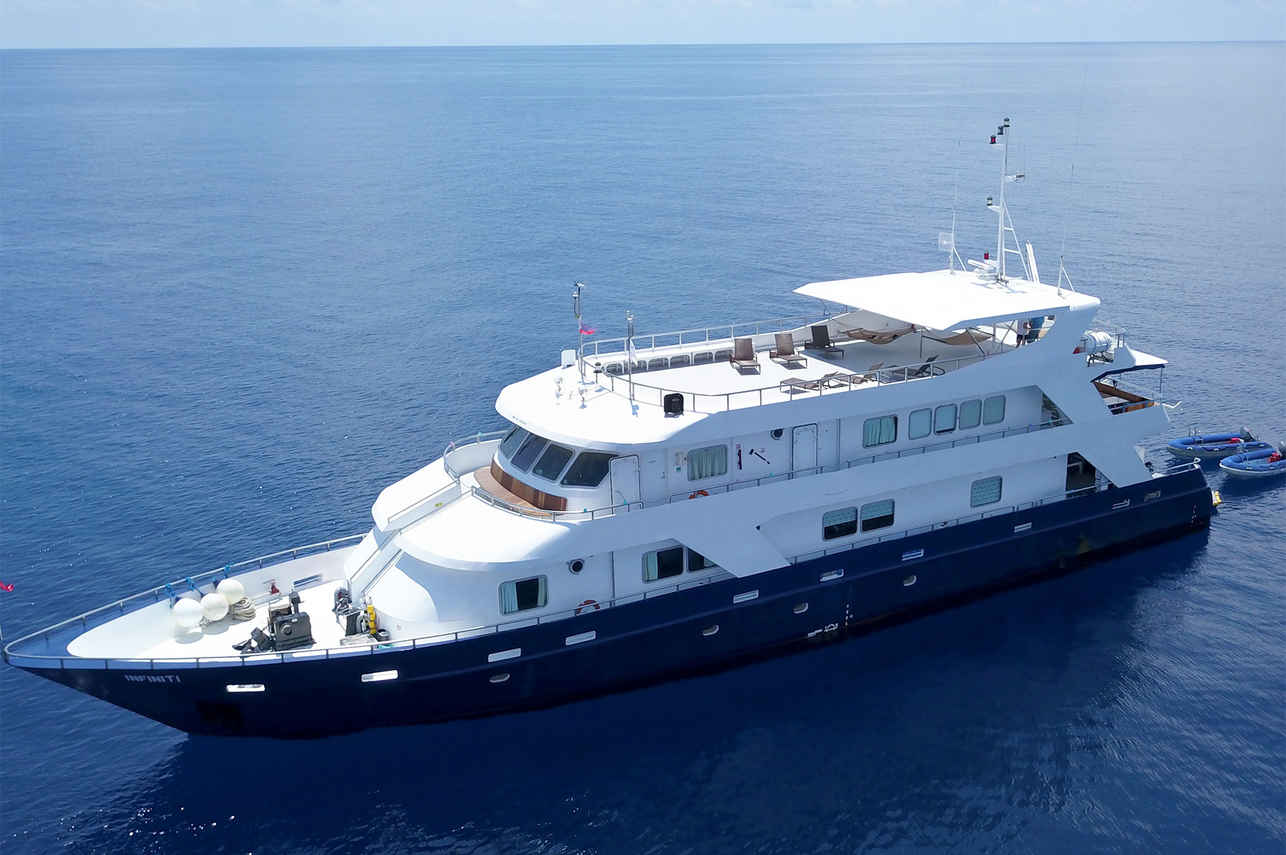
Infiniti
Philippines
25 guests39 m
$280/day
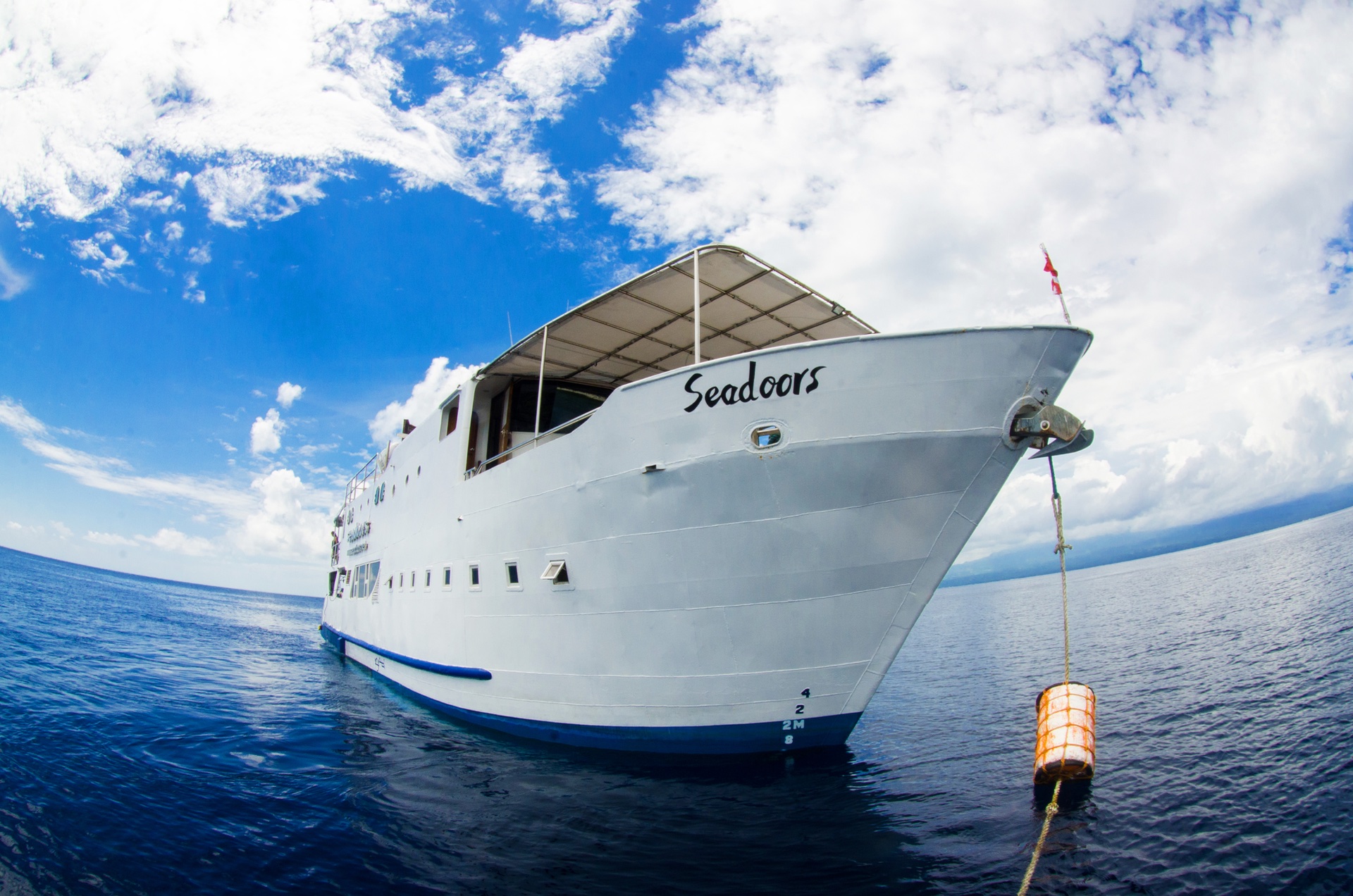
Seadoors
Philippines
16 guests25 m
$335/day
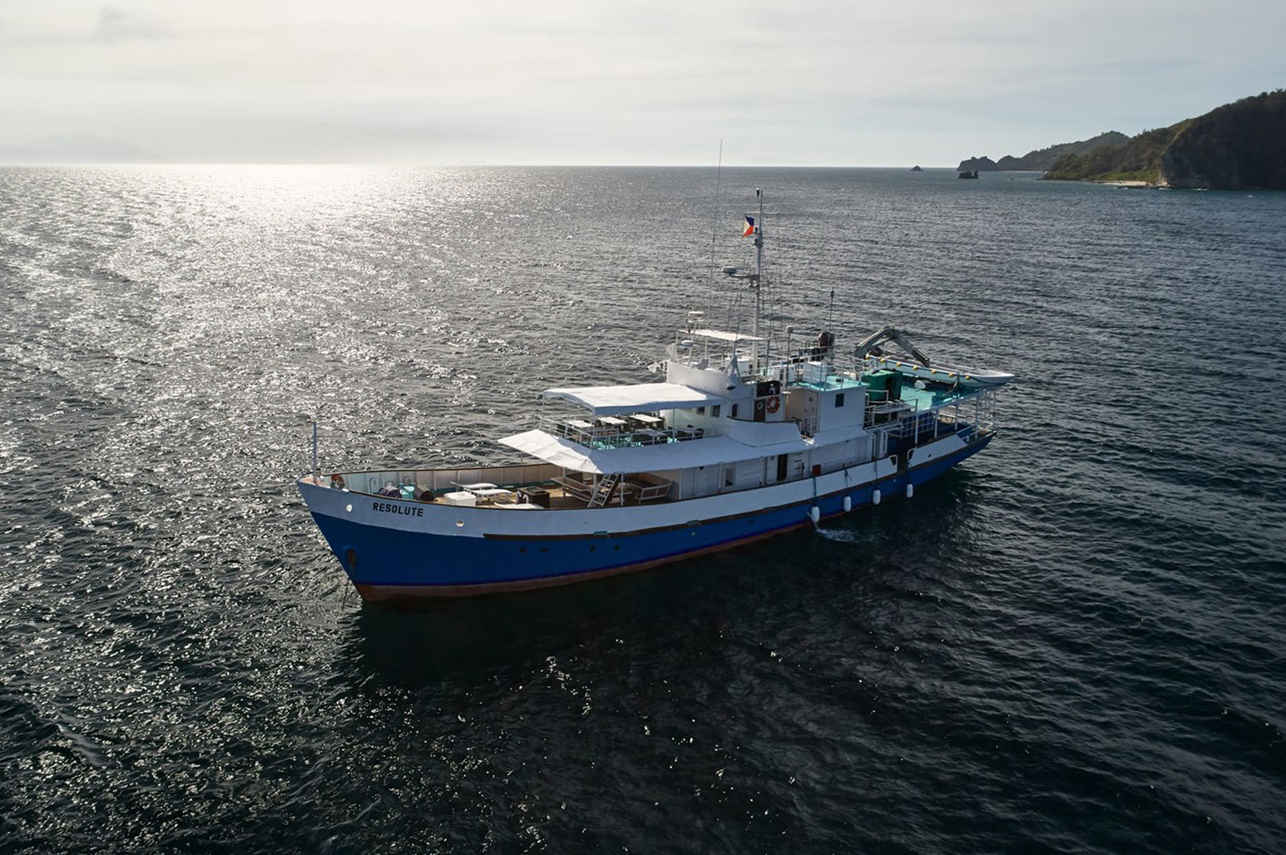
Resolute
Philippines
16 guests34.6 m
$314/day
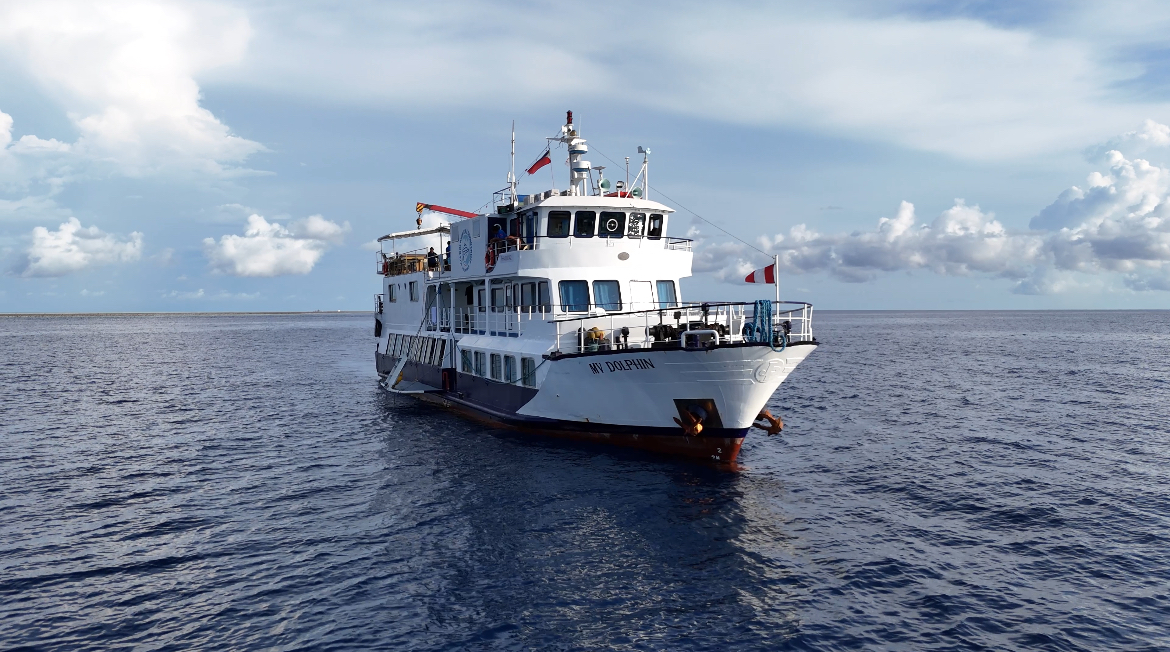
Dolphin
Philippines
18 guests31 m
$326/day
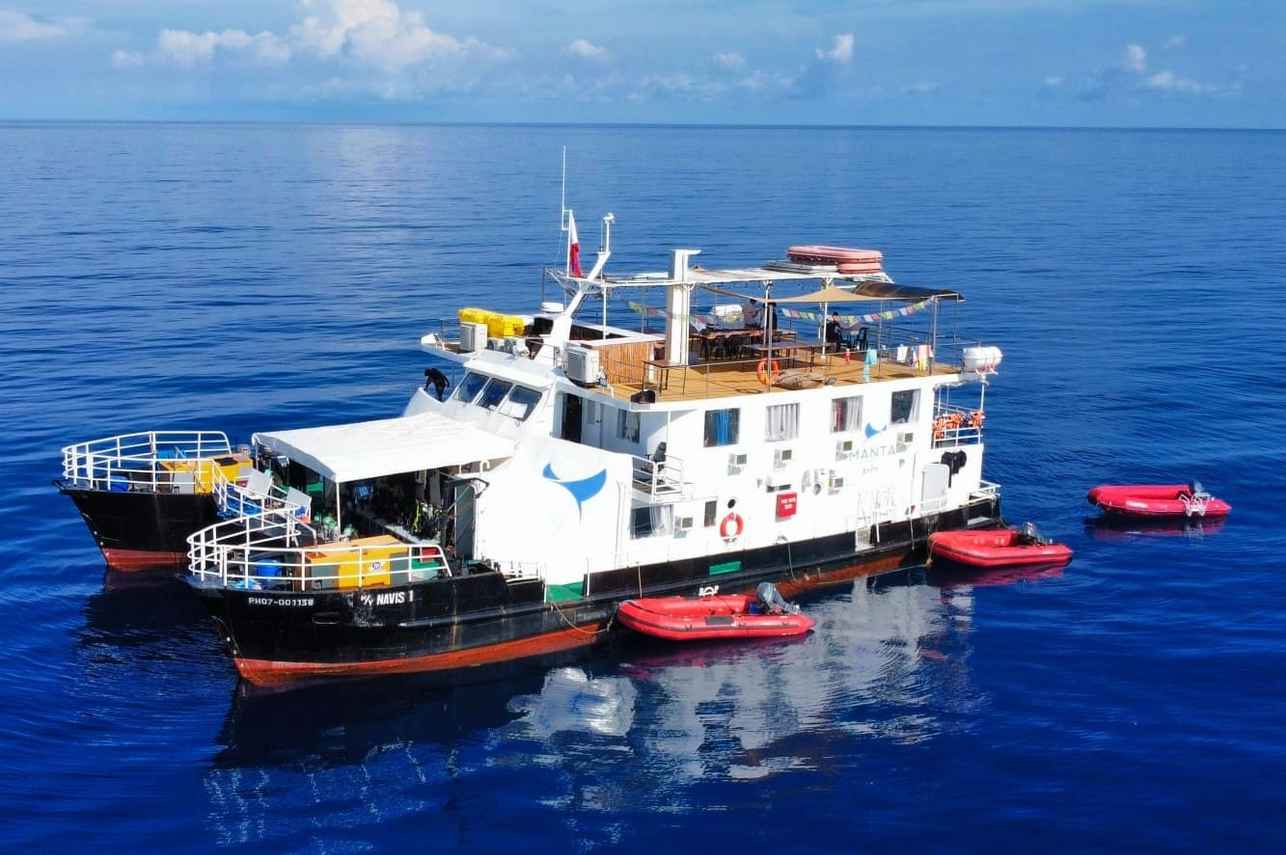
Navis 1
Philippines
22 guests23 m
$250/day
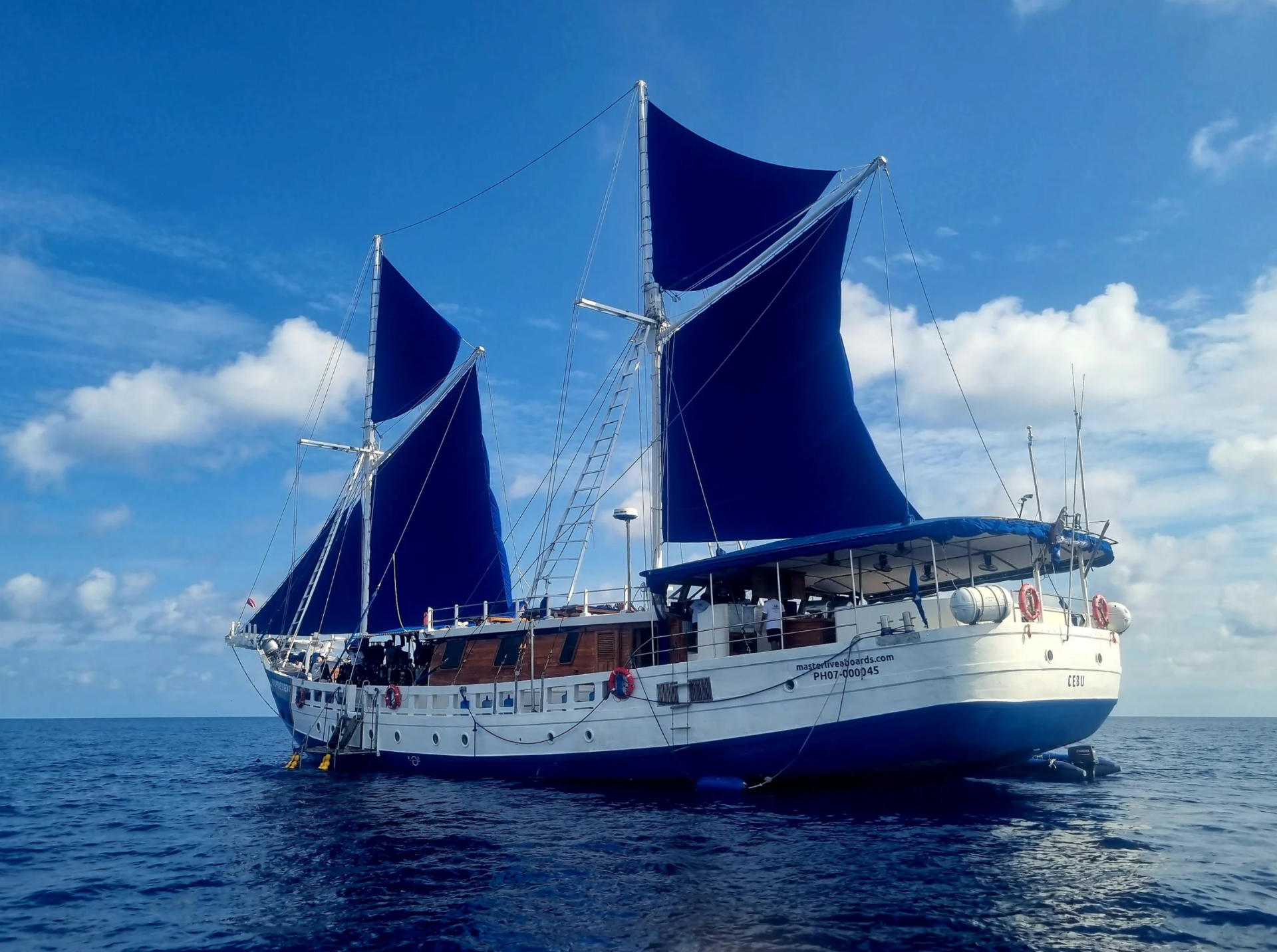
Philippine Siren
Philippines
16 guests
$309/day
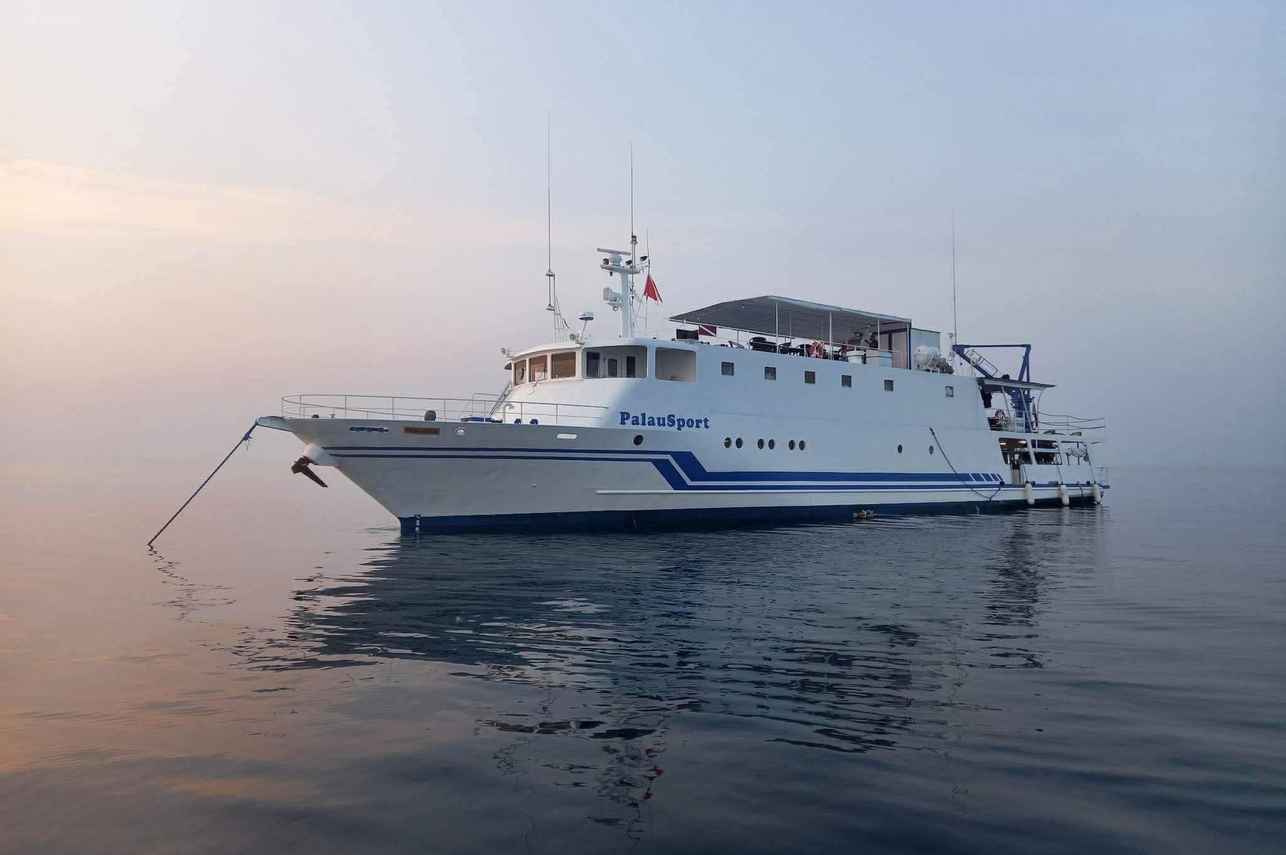
Palau Sport
Philippines
24 guests38.35 m
$215/day
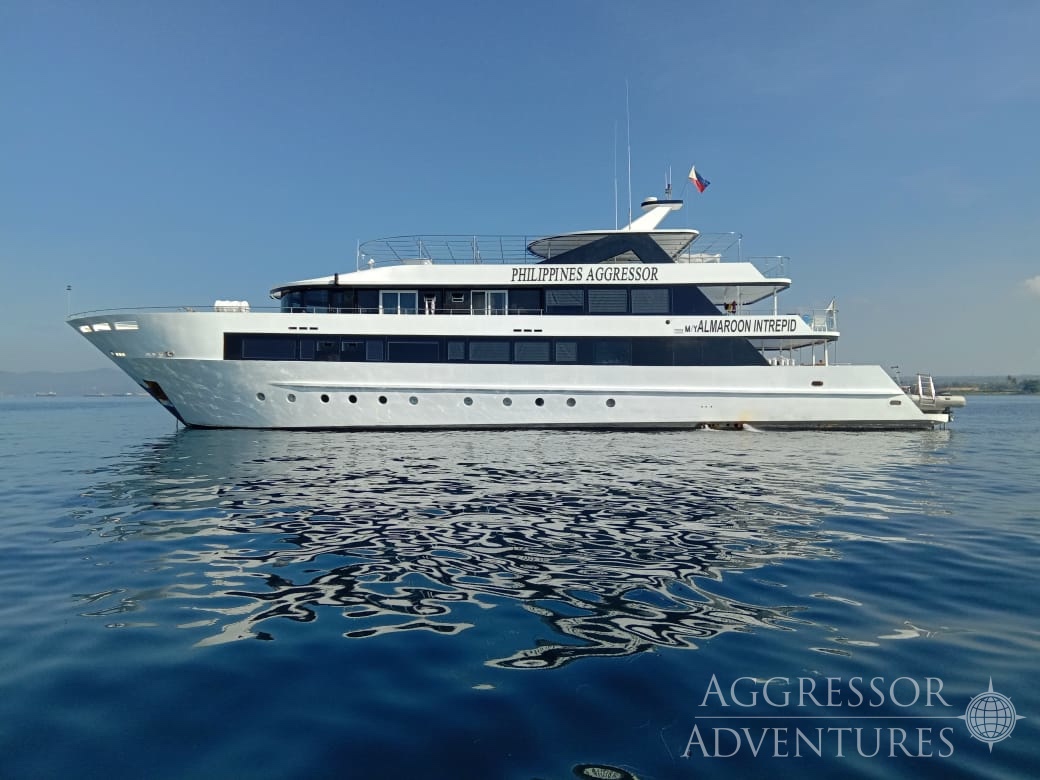
Philippines Aggressor
Philippines
26 guests42.7 m
$381/day
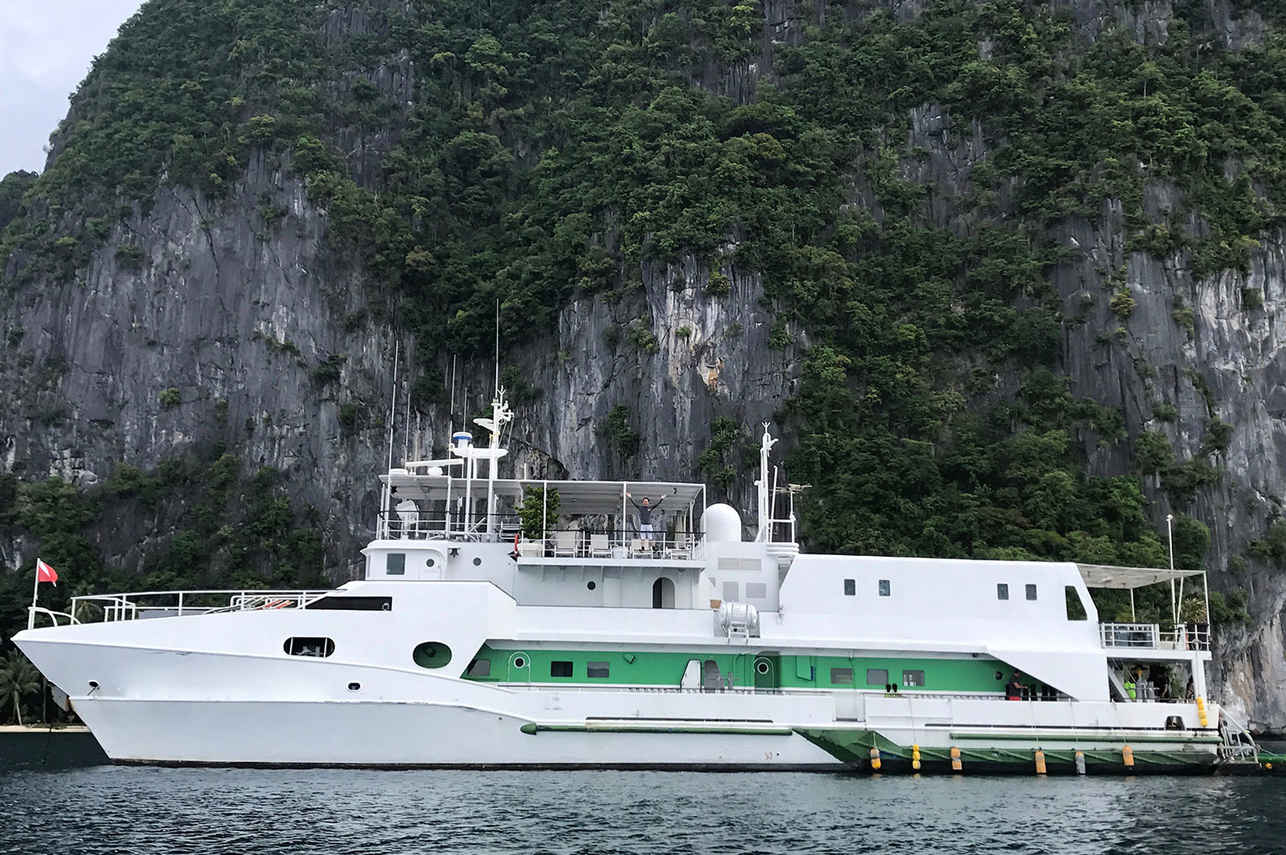
Stella Maris Explorer
Philippines
20 guests33 m
$398/day
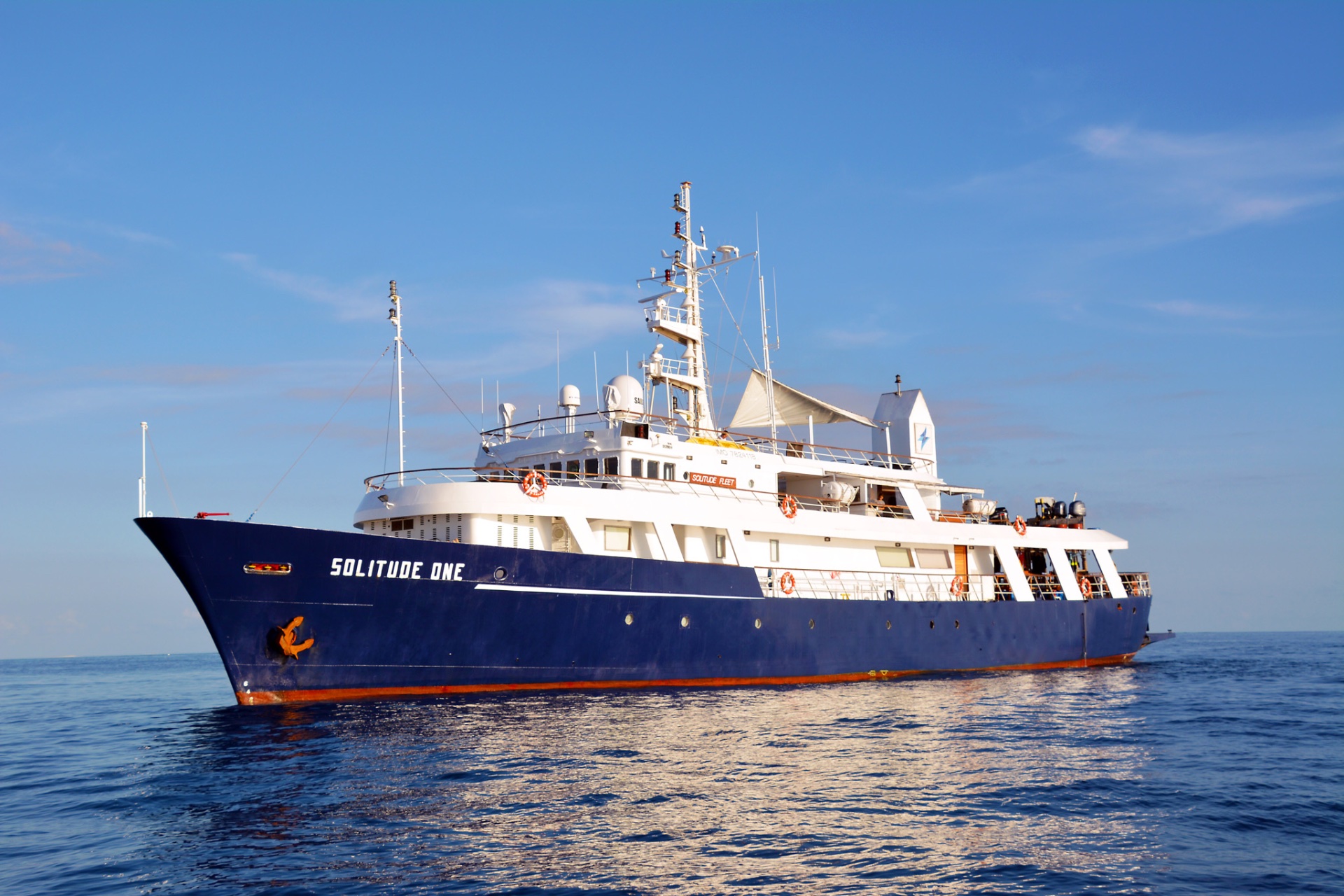
Solitude One
Philippines
24 guests52 m
$460/day
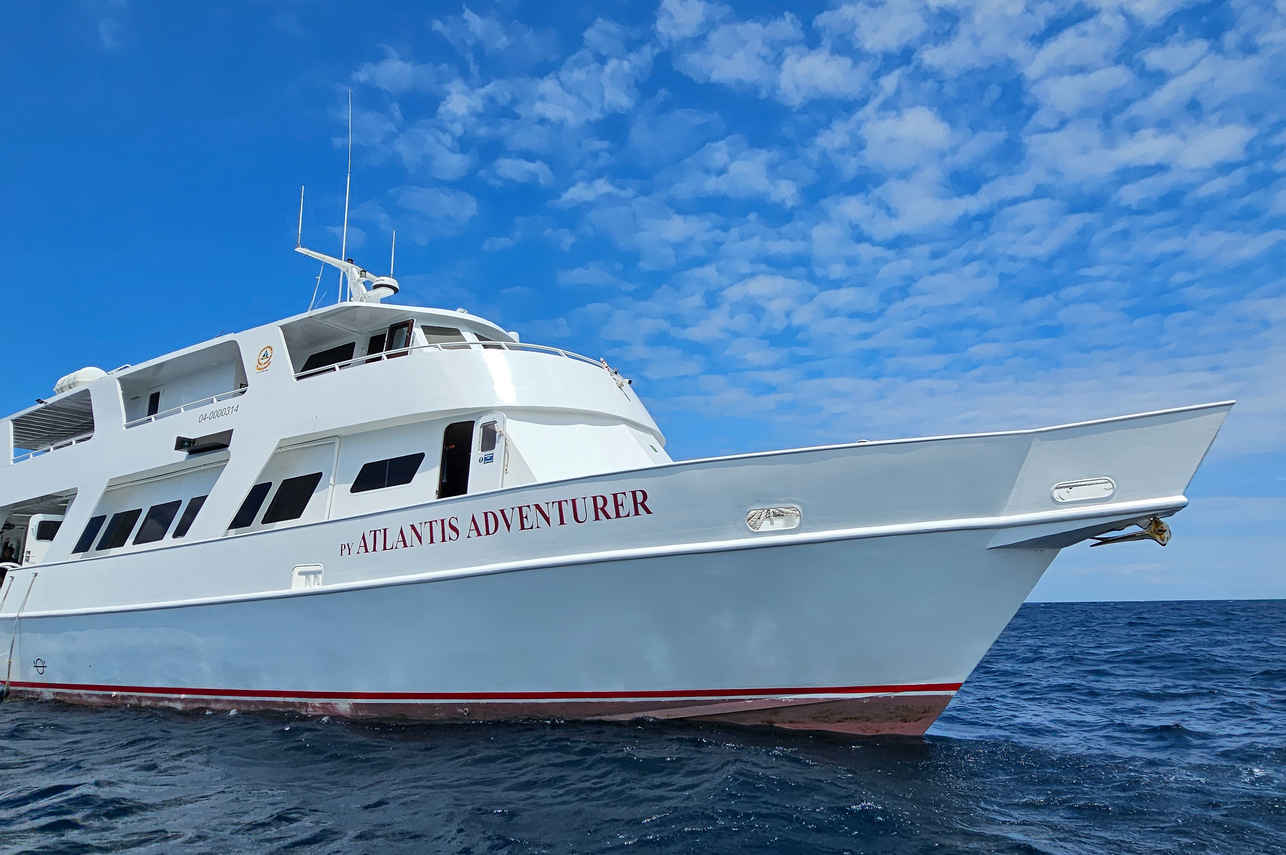
Atlantis Adventurer
Philippines
16 guests32.5 m
$421/day
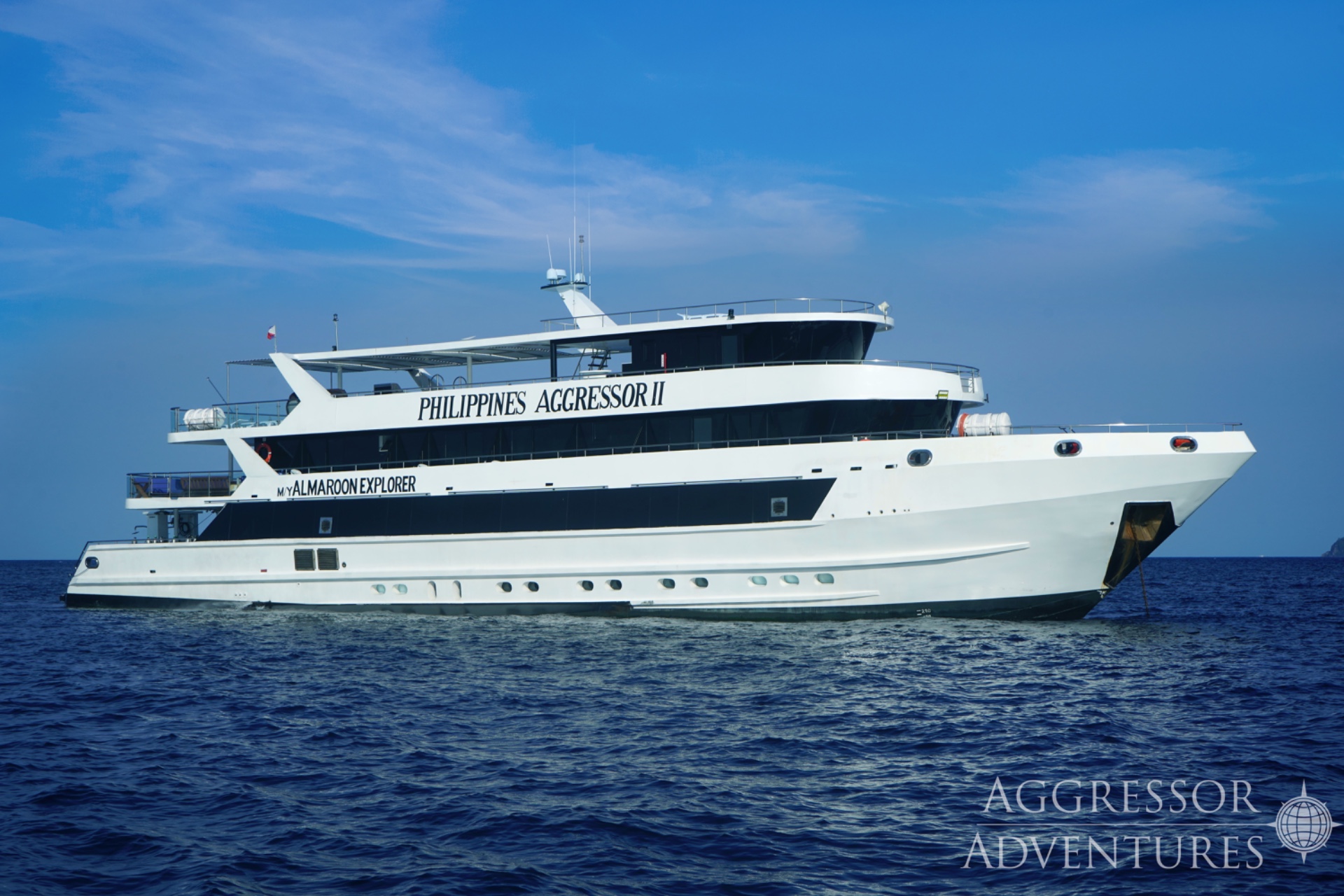
Philippines Aggressor II
Philippines
26 guests42.7 m
$247/day
Dive sites similar to Irako Wreck
Same character, same waters — six more sites divers love for the exact same reasons.Compare seasons, access and liveaboard routes — then pick the site that fits your trip best.
© Esri — Maxar, Earthstar, GIS
Olympia Maru
Philippines
The Olympia Maru is a prominent Japanese cargo ship wreck from World War II, located within Coron Bay, Philippines.
- Suitable for
- Intermediate
- Current
- Mild
- Access
- Dayboat
- Depth
- 17–24 m
- Theme
- Wreck / Reef
The Alma Jane is a prominent artificial reef and wreck dive located off Puerto Galera in the Philippines, intentionally sunk to enhance marine biodiversity and provide a unique diving experience.
- Suitable for
- Intermediate
- Current
- Mild
- Access
- Dayboat
- Depth
- 25–30 m
- Theme
- Wreck / Reef
© Esri — Maxar, Earthstar, GIS
Kyokuzan Maru
Philippines
The Kyokuzan Maru is a significant Japanese auxiliary supply ship, measuring about 136 meters in length, that was sunk during a US Navy aerial attack on September 24, 1944, near Busuanga Island.
- Suitable for
- Advanced
- Current
- Mild
- Access
- Dayboat
- Depth
- 26–42 m
- Theme
- Wreck
© Esri — Maxar, Earthstar, GIS
USS New York
Philippines
The USS New York, an 8150-ton armored cruiser, was commissioned in 1893 and saw service in the Spanish-American War, the Chinese Revolution, and WWI.
- Suitable for
- Advanced
- Current
- Mild
- Access
- Liveaboard or dayboat
- Depth
- 16–30 m
- Theme
- Wreck
© Esri — Maxar, Earthstar, GIS
Camia II Wreck
Philippines
The Camia II Wreck is a popular dive site located in Boracay, known for its accessible and largely intact cargo vessel.
- Suitable for
- Intermediate
- Current
- Mild
- Access
- Dayboat
- Depth
- 18–30 m
- Theme
- Wreck
© Esri — Maxar, Earthstar, GIS
Lusong Gunboat
Philippines
The Lusong Gunboat, located just off Coron in Palawan, Philippines, is a fascinating and easily accessible World War II shipwreck.
- Suitable for
- Beginner
- Current
- Mild
- Access
- Liveaboard or dayboat
- Depth
- 3–12 m
- Theme
- Wreck