About Apo 29
Apo 29 is a notable dive site within the expansive Apo Reef Natural Park, a protected marine area recognized for its exceptional biodiversity in the Philippines. This site is primarily an underwater mound, rising to within 25 meters of the surface, making it an exciting blue water experience for those who enjoy current diving. The broader Apo Reef is situated off the coast of Occidental Mindoro, comprising a submerged platform with two distinct coral reefs separated by a deep channel. The area is renowned for its healthy coral ecosystems, including brain, table, fire, and staghorn corals, alongside diverse soft corals. With a high concentration of fish species and opportunities for pelagic sightings, Apo Reef is often likened to a smaller Tubbataha. Diving Apo 29 means navigating potentially unpredictable currents over a rich reef structure. The site is a magnet for various marine life, offering encounters with both schooling fish and larger pelagics in the blue. It forms a key part of the liveaboard itineraries exploring the pristine waters of Apo Reef.
Highlights
Underwater mound structureBlue water divingUnpredictable strong currentsPelagic encountersHealthy coral gardensApo Reef Natural Park
Season calendar
Best months to dive here
Jan
Feb
Mar
Apr
May
Jun
Jul
Aug
Sep
Oct
Nov
Dec
Excellent
Good
Dive site facts: Apo 29
- Depth
- 25–40 m
- Typical dive
- 30–40 m
- Current
- Mild to strong, unpredictable
- Visibility
- 10–25 m
- Water temperature
- 27–30°C
- Entry
- Boat dive / Negative entry
- Level
- Advanced Open Water recommended
- Dive type
- Reef, Drift, Blue water
- Region / port
- Apo Reef, Mindoro
- Coordinates
- 12.6650° N, 120.4380° E
Conditions & Currents
Apo 29 is known for its dynamic and sometimes strong, unpredictable currents, making it a site best suited for experienced divers comfortable with drift diving. While some sources classify the current as mild, others emphasize its potential for significant strength and unpredictability. Divers should always attend to the dive briefing carefully, as entry and exit procedures are critical. Staying close to the reef structure or the designated group is essential for safety, and boat pick-up procedures will be crucial for surface intervals. Visibility at the site can range from 10 to 25 meters, but the currents can influence water clarity. Given the potential for strong drifts, advanced planning for gas consumption and safety stops is highly recommended.
Marine life & sighting chances
Coral
commonWhite-tip reef sharks
occasionalGrey reef sharks
occasionalHammerhead sharks
December-March · rareManta rays
occasionalMobula rays
occasionalTuna
occasionalGroupers
occasionalSurgeonfish
commonJacks
commonSweetlips
commonHawksbill turtles
occasionalDive profile & how the dive runs
Diving Apo 29 typically involves a boat entry directly over the underwater mound. Due to potentially strong currents, a negative entry may be employed to descend quickly with the group. The dive begins at the top of the mound, which sits around 25 meters deep, before exploring its slopes down to an average depth of 35 meters, with a maximum recommended depth of 40 meters. Divers follow the natural drift, paying close attention to the guide for current direction and potential changes. The route generally involves exploring the vibrant hard and soft coral formations and observing pelagic activity in the blue. Turning points depend on current strength and individual air consumption. Safety stops are conducted with the group, typically in the calmer, shallower water near the reef structure, with the boat monitoring and retrieving divers as they surface after their three-minute stop.
Underwater photography
Apo 29 is well-suited for wide-angle photography, especially when capturing the extensive coral gardens and potential pelagic encounters in the blue. A dome port is recommended to minimize distortion. For capturing schooling fish or larger marine life like sharks and rays, consider a wide-angle rectilinear lens. Due to variable currents, maintaining good buoyancy is crucial to avoid disturbing corals and ensure stable shots. Strobes are beneficial for color rendition at depth and to add drama to wide-angle shots. Be mindful of the current when positioning yourself and your equipment. If conditions allow, look for opportunities to photograph the healthy brain and table corals.
Combine with nearby dive sites
- Aladin
Another Apo Reef site known for reef and wall diving, with depths up to 40m.
- Apo Island East
A gentle white sand slope with mild current, good for turtles and white-tip sharks.
- Apo Island North
A dramatic deep wall with tube corals and occasional hammerhead sightings in cooler months.
- Binangaan Drop Off
Near Apo Menor, featuring schooling snappers, tuna, and spotted eagle rays.
- Shark Ridge
An outer reef site known for groupers, moray eels, and various shark species.
Getting there & logistics
Access to Apo Reef, including Apo 29, is primarily via liveaboard trips, as it is located approximately 33 kilometers off the coast of Occidental Mindoro and cannot be reached as a day trip from the main island. Liveaboards typically depart from Puerto Princesa in Palawan, requiring a 12-hour sail. Flights to Puerto Princesa (PPS) are available from Manila (MNL) with various airlines. These trips often last several nights, combining Apo 29 with other premier dive sites within the Apo Reef Natural Park. Permits are required to dive within the park, and these are usually handled by the liveaboard operator. It is essential to book well in advance, especially during peak season, as spots on liveaboards can fill quickly.
Safety & environment
Diving Apo 29 requires careful attention to safety protocols due to potentially strong and unpredictable currents. All divers should be Advanced Open Water certified with experience in drift diving. It is crucial to follow the dive guide's instructions precisely regarding entry, route, depth, and exit procedures. Maintain awareness of your air supply, as currents can increase consumption rates. Always carry a Surface Marker Buoy (SMB) for safe surfacing and boat retrieval. The nearest recompression chamber is typically located in Puerto Princesa, Palawan, but evacuation from the remote Apo Reef area can be challenging and time-consuming. Comprehensive dive insurance, covering medical emergencies and evacuation, is highly recommended for all divers visiting this site.
Who it suits — and who it doesn't
Suited for
- Advanced Open Water divers
- Divers comfortable with strong currents
- Photographers seeking pelagic and wide-angle opportunities
- Liveaboard enthusiasts
- Divers seeking pristine, remote reef experiences
Less suited for
- Open Water certified divers
- Beginner divers
- Divers uncomfortable with drift diving
- Those prone to seasickness on longer boat journeys
- Divers seeking calm, current-free dives
FAQ
Apo 29 FAQ
What is Apo 29 best known for?
Apo 29 is renowned for its thrilling blue water drift diving over an underwater mound. It offers opportunities to see healthy coral gardens and frequently attracts pelagic species, making it a dynamic dive experience within the Apo Reef Natural Park.
What kind of currents can I expect at Apo 29?
Currents at Apo 29 can be quite strong and unpredictable, classifying it as an exciting drift dive. While some describe them as mild, divers should be prepared for significant water movement and always follow the dive guide's instructions carefully.
Is Apo 29 suitable for beginner divers?
No, Apo 29 is not recommended for beginner or Open Water certified divers. Its deeper profile, potential for strong currents, and reliance on drift diving techniques make it more suitable for Advanced Open Water divers or those with considerable current experience.
What marine life can I see at Apo 29?
Apo 29 offers common sightings of various corals, schooling surgeonfish and jacks, and occasional encounters with white-tip and grey reef sharks. Depending on the season and luck, divers might also spot hammerhead sharks, manta rays, mobula rays, tuna, and hawksbill turtles.
How do I get to Apo 29?
Apo 29 is located within the remote Apo Reef Natural Park and is primarily accessed via liveaboard trips. These liveaboards typically depart from Puerto Princesa, Palawan, following a long journey to reach the pristine reef system.
Why dive Apo 29 from a liveaboard?
Apo 29 is one of Philippines's signature dive sites. A liveaboard sleeps you on the water and puts you in the water for three to four guided dives per day, including dawn and night dives that day-boat operators rarely offer. You skip the daily commute back to port and reach quieter, less-crowded sites in the same region on a single trip.
Below are the liveaboards that include Apo 29 on their Philippines itineraries.
Liveaboards diving Apo 29
These liveaboards may visit Apo 29 on selected itineraries — the exact dive sites depend on departure, weather and conditions.
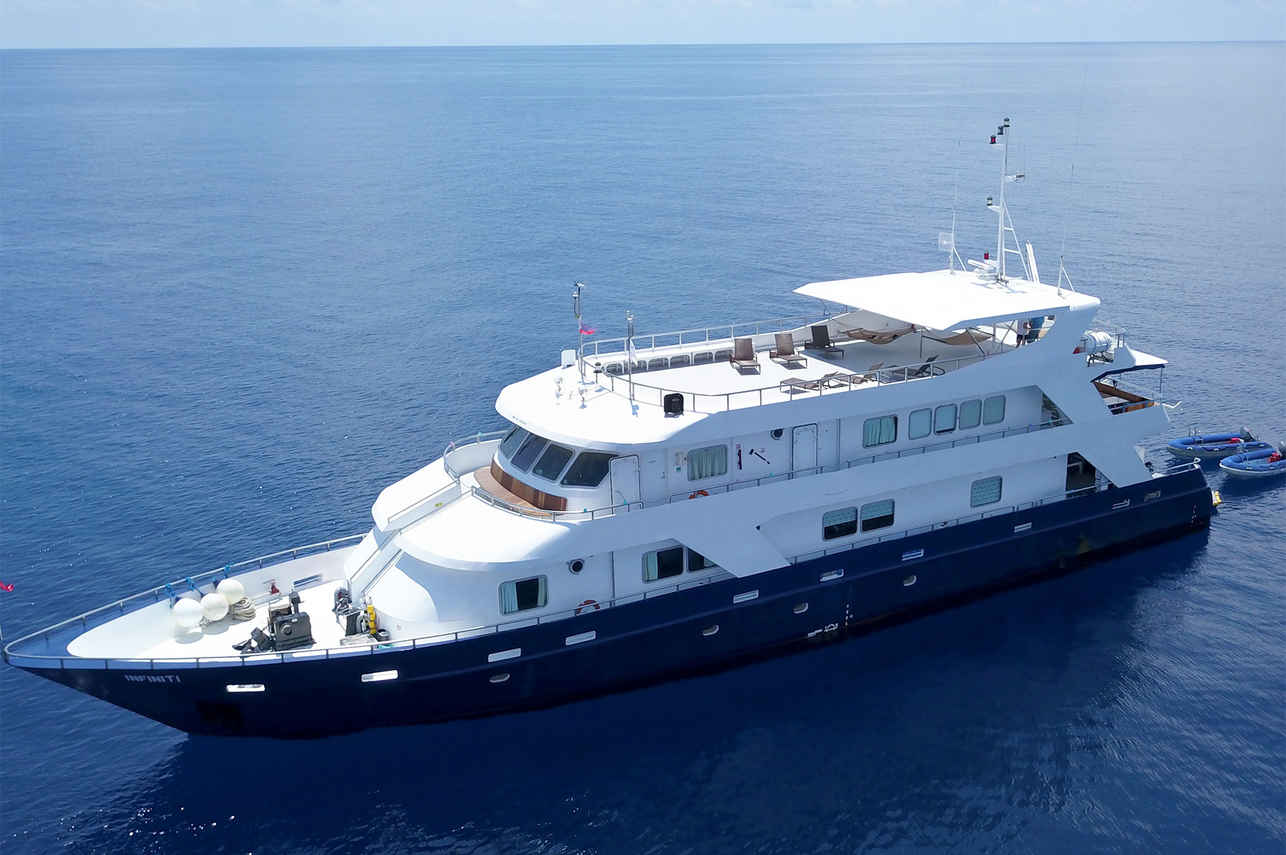
Infiniti
Philippines
25 guests39 m
$280/day
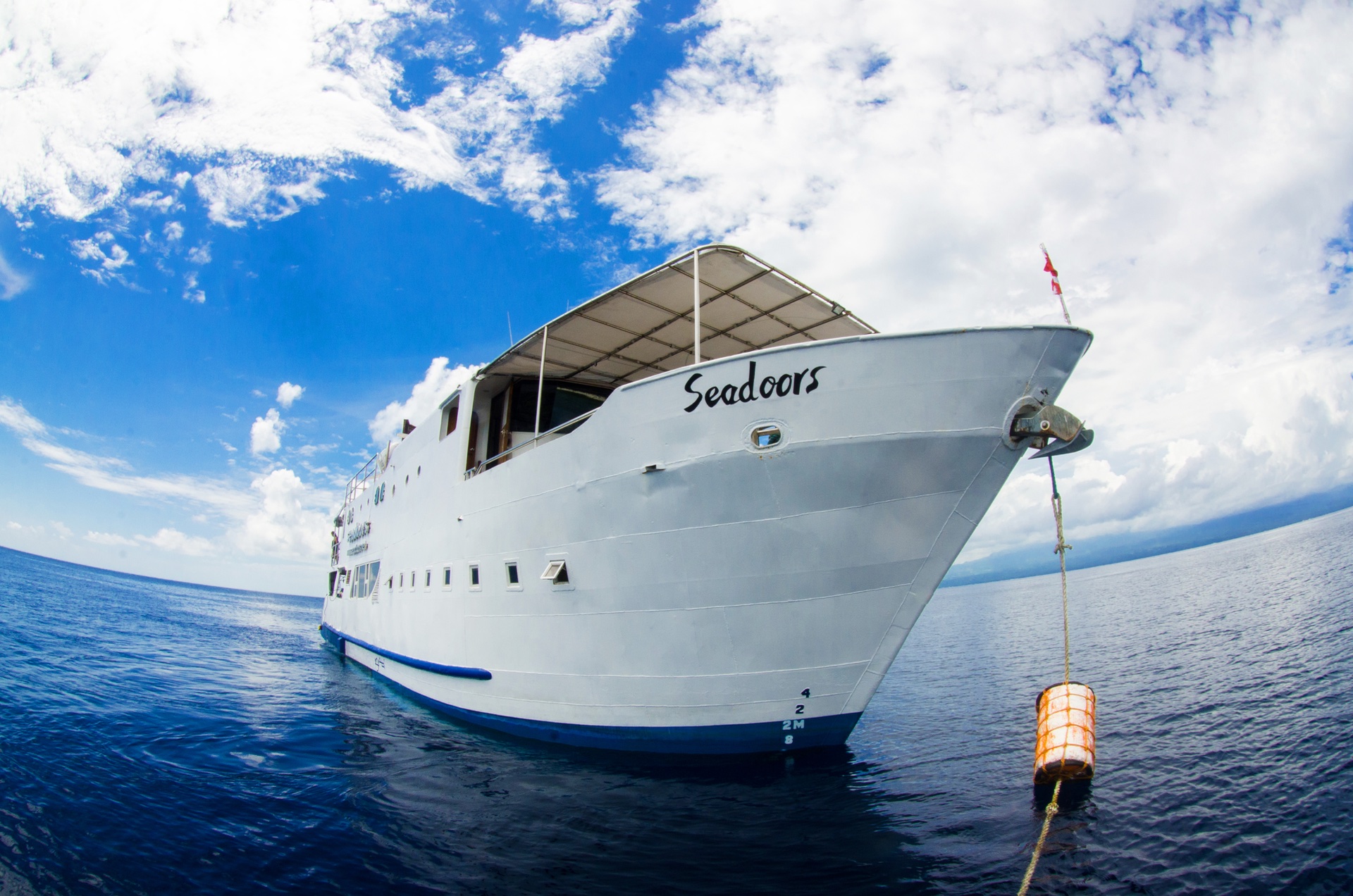
Seadoors
Philippines
16 guests25 m
$335/day
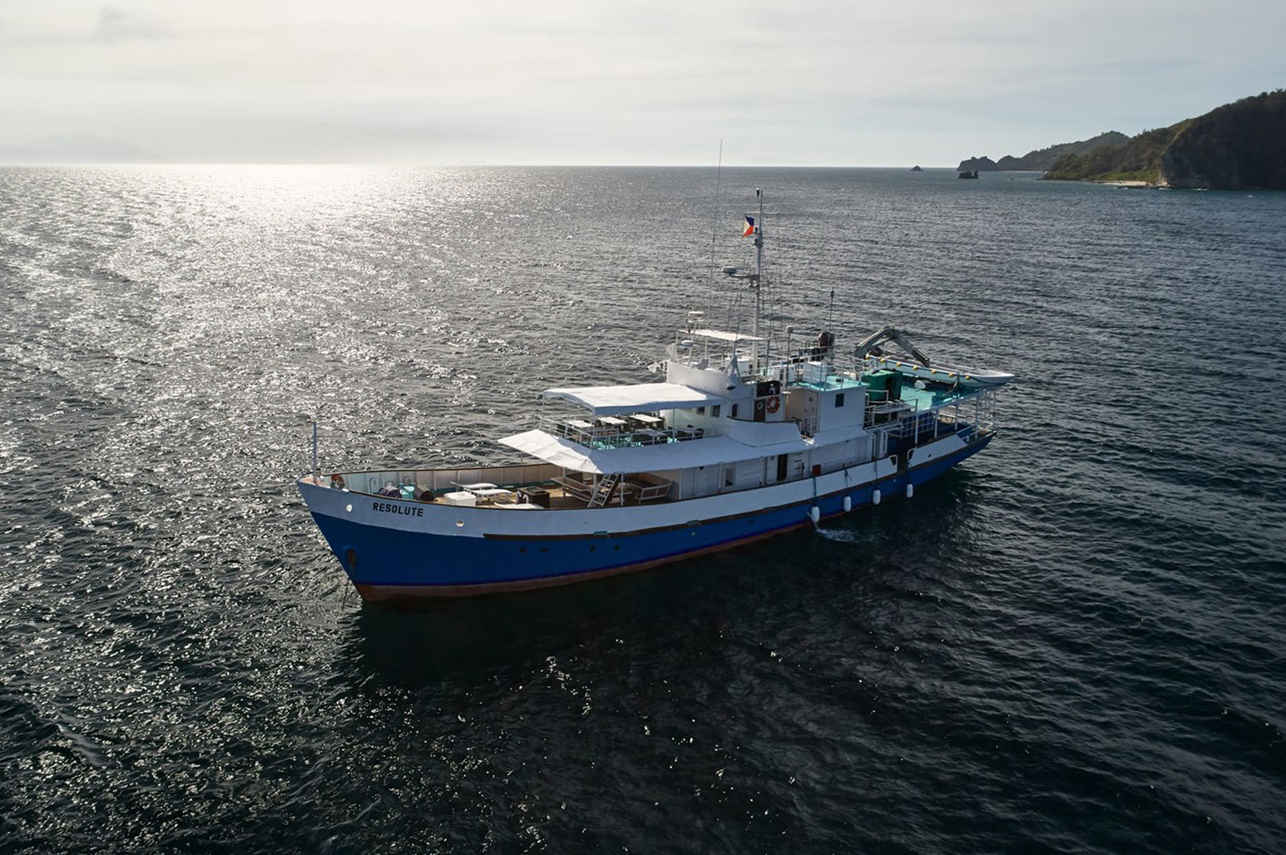
Resolute
Philippines
16 guests34.6 m
$314/day
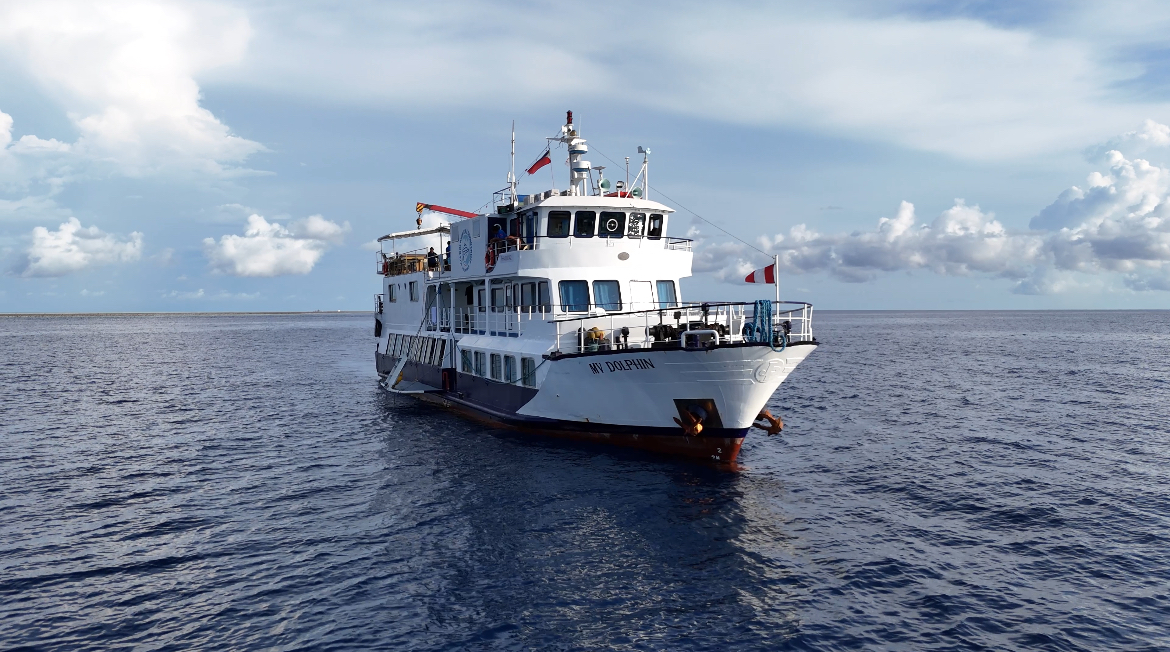
Dolphin
Philippines
18 guests31 m
$326/day
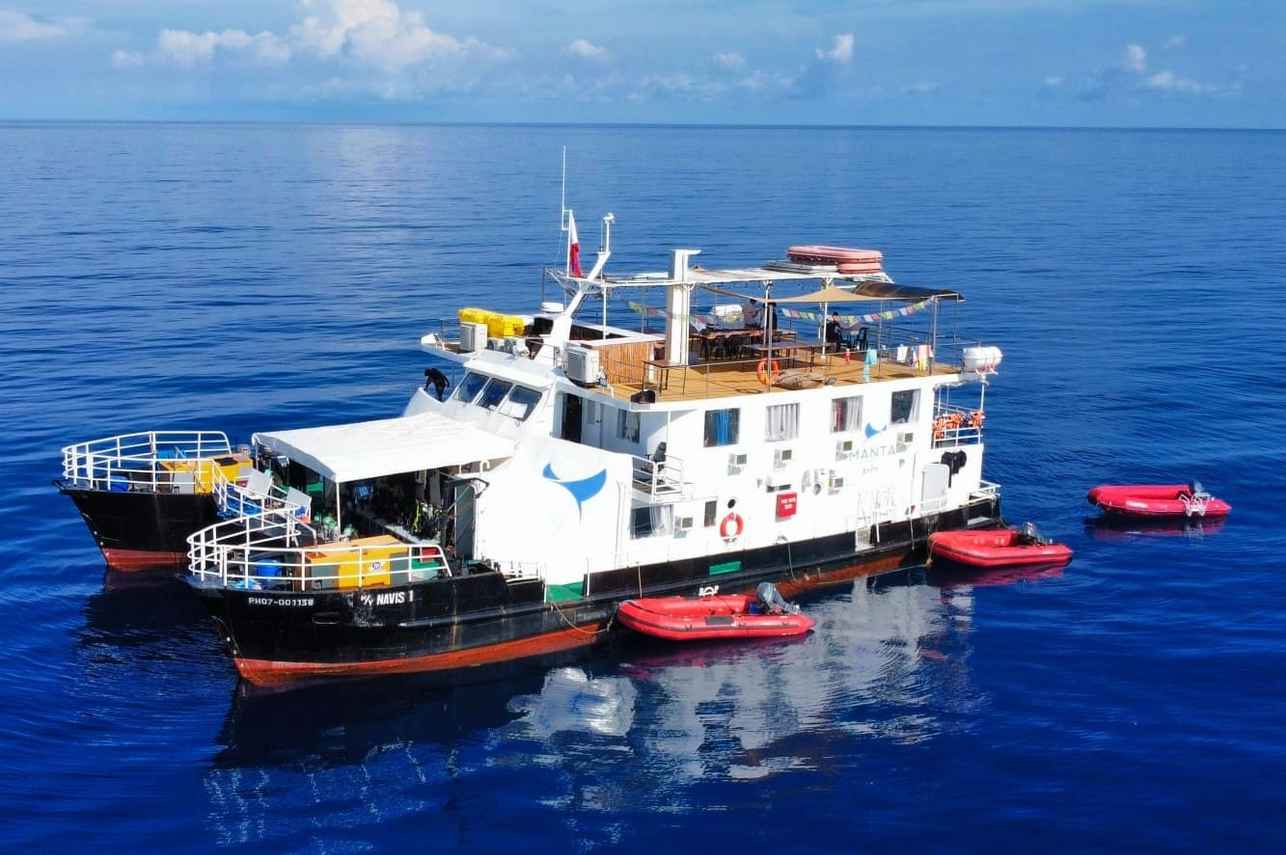
Navis 1
Philippines
22 guests23 m
$250/day
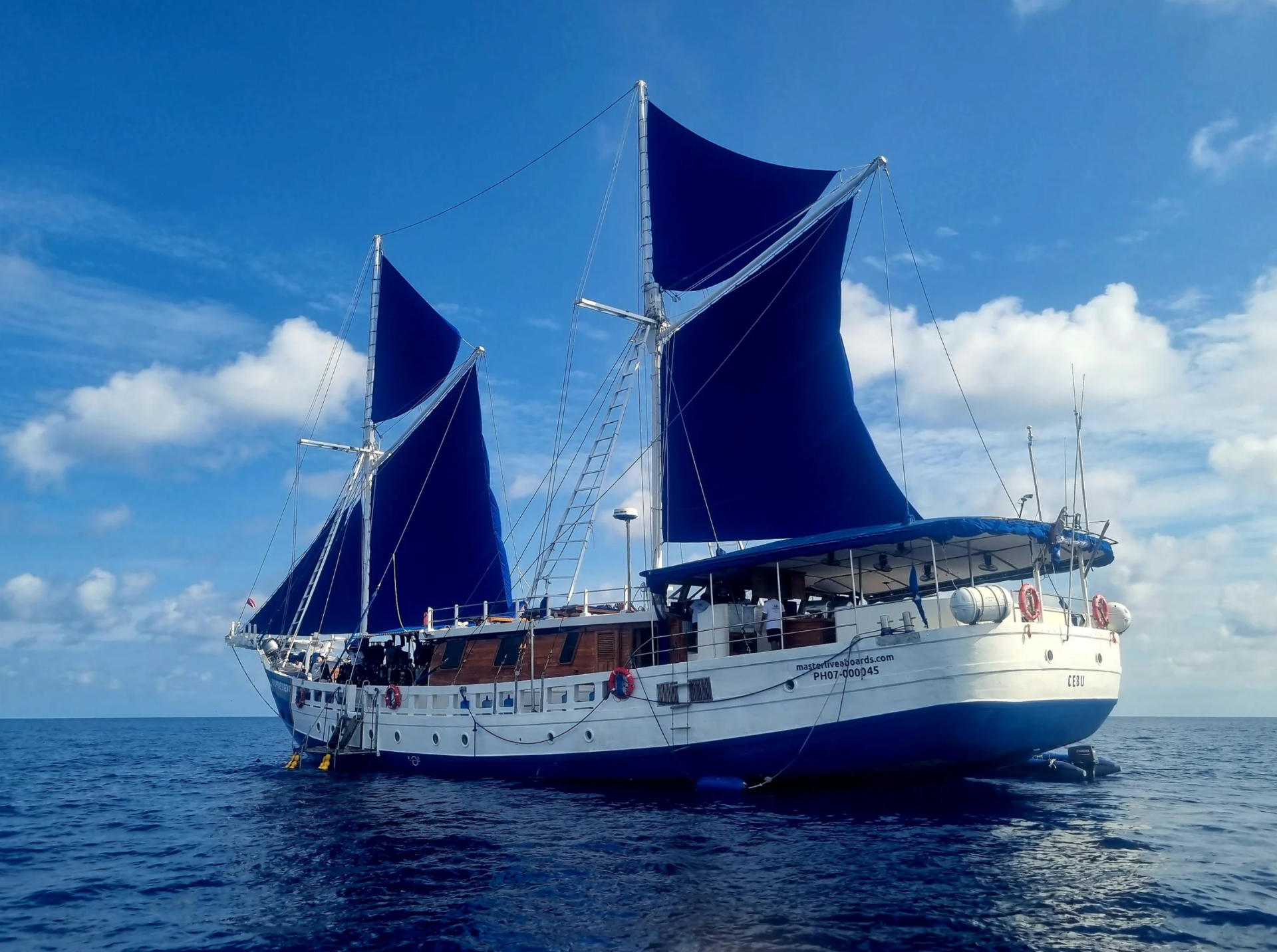
Philippine Siren
Philippines
16 guests
$309/day
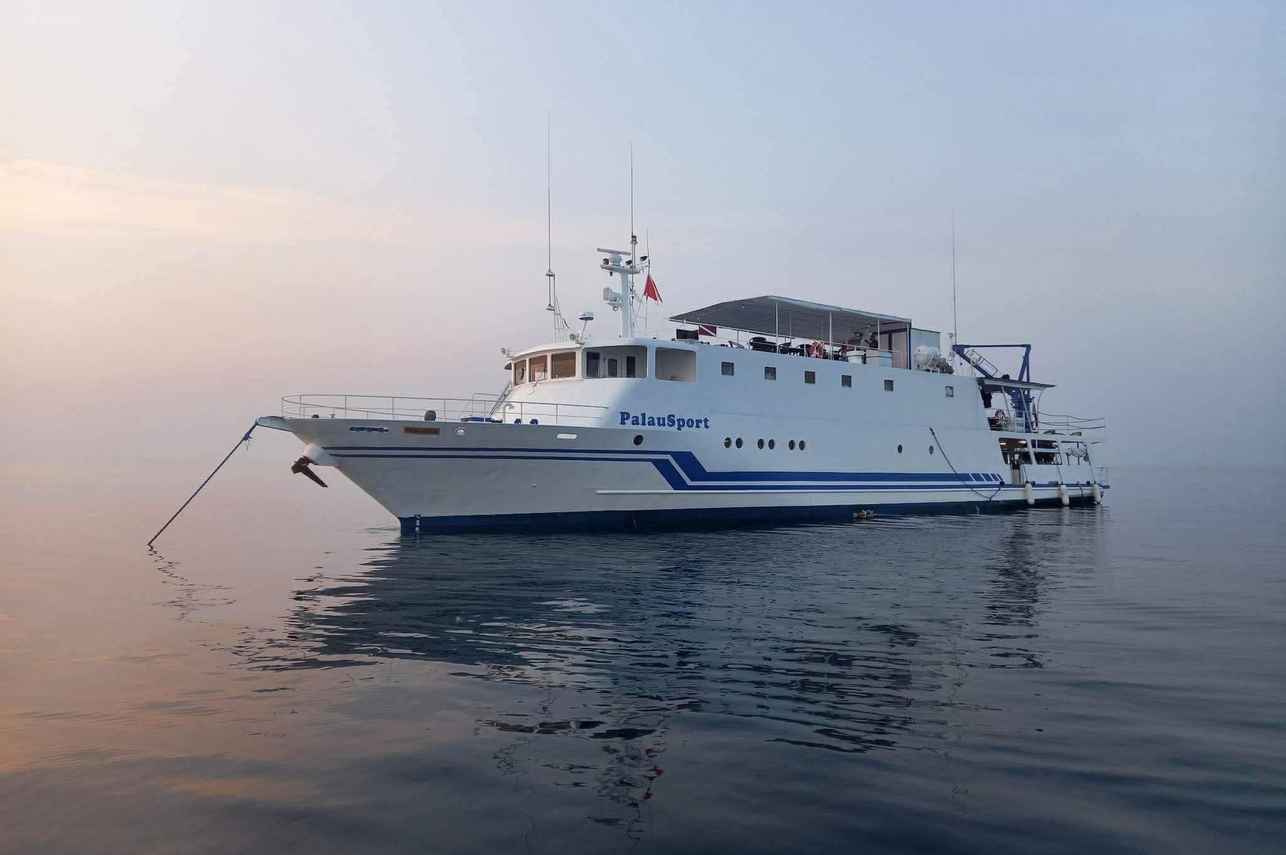
Palau Sport
Philippines
24 guests38.35 m
$215/day
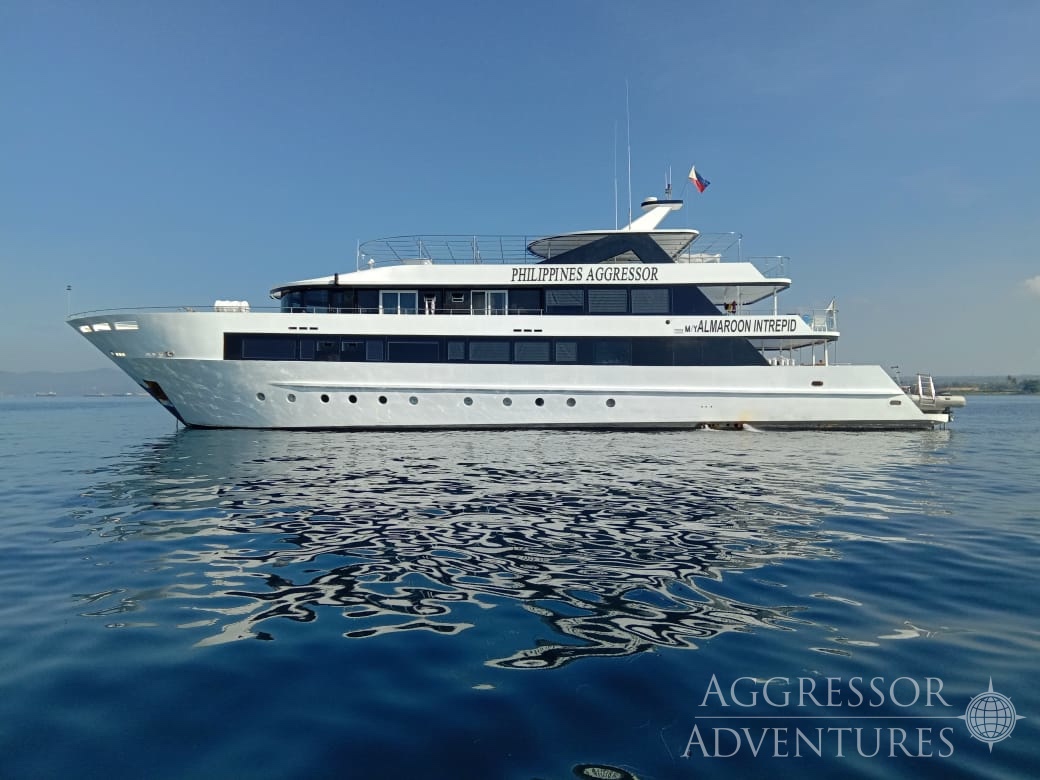
Philippines Aggressor
Philippines
26 guests42.7 m
$381/day
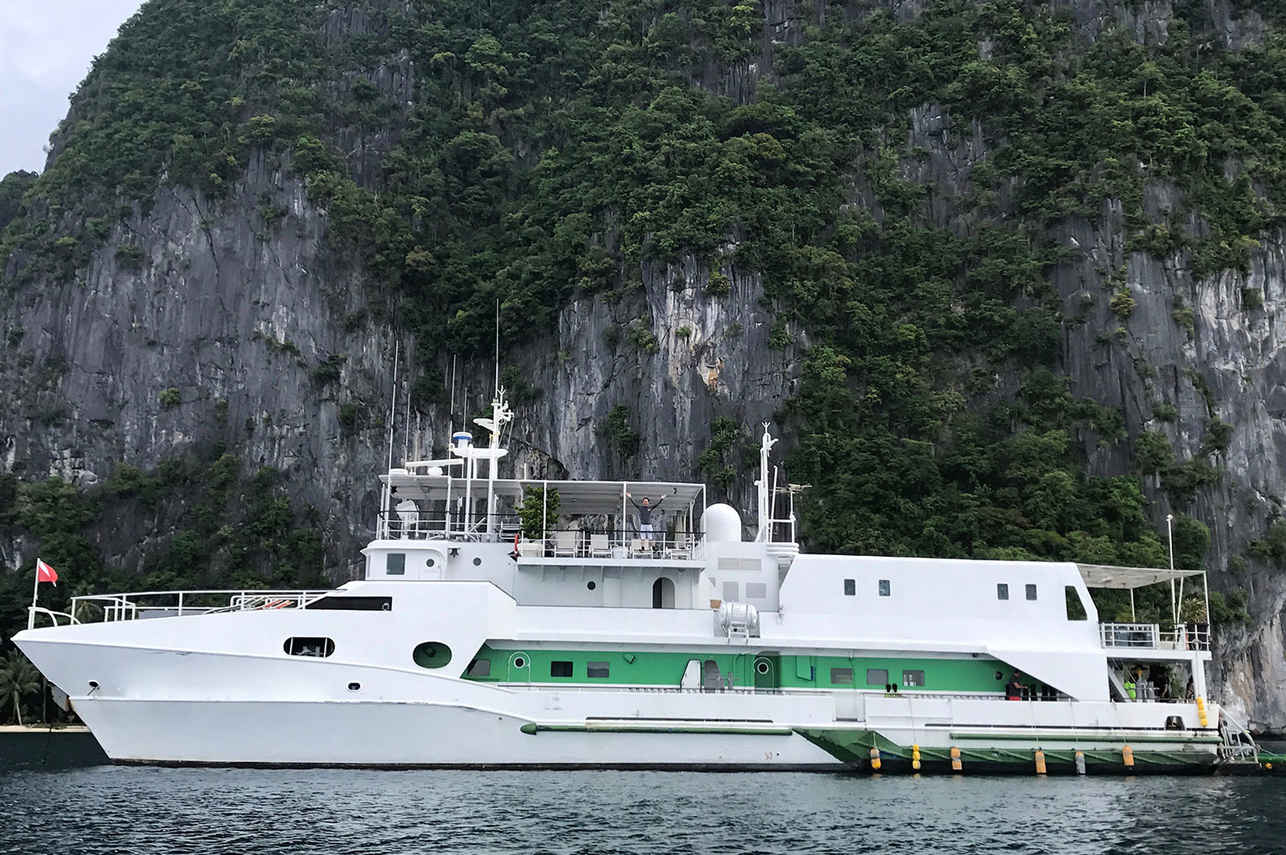
Stella Maris Explorer
Philippines
20 guests33 m
$398/day
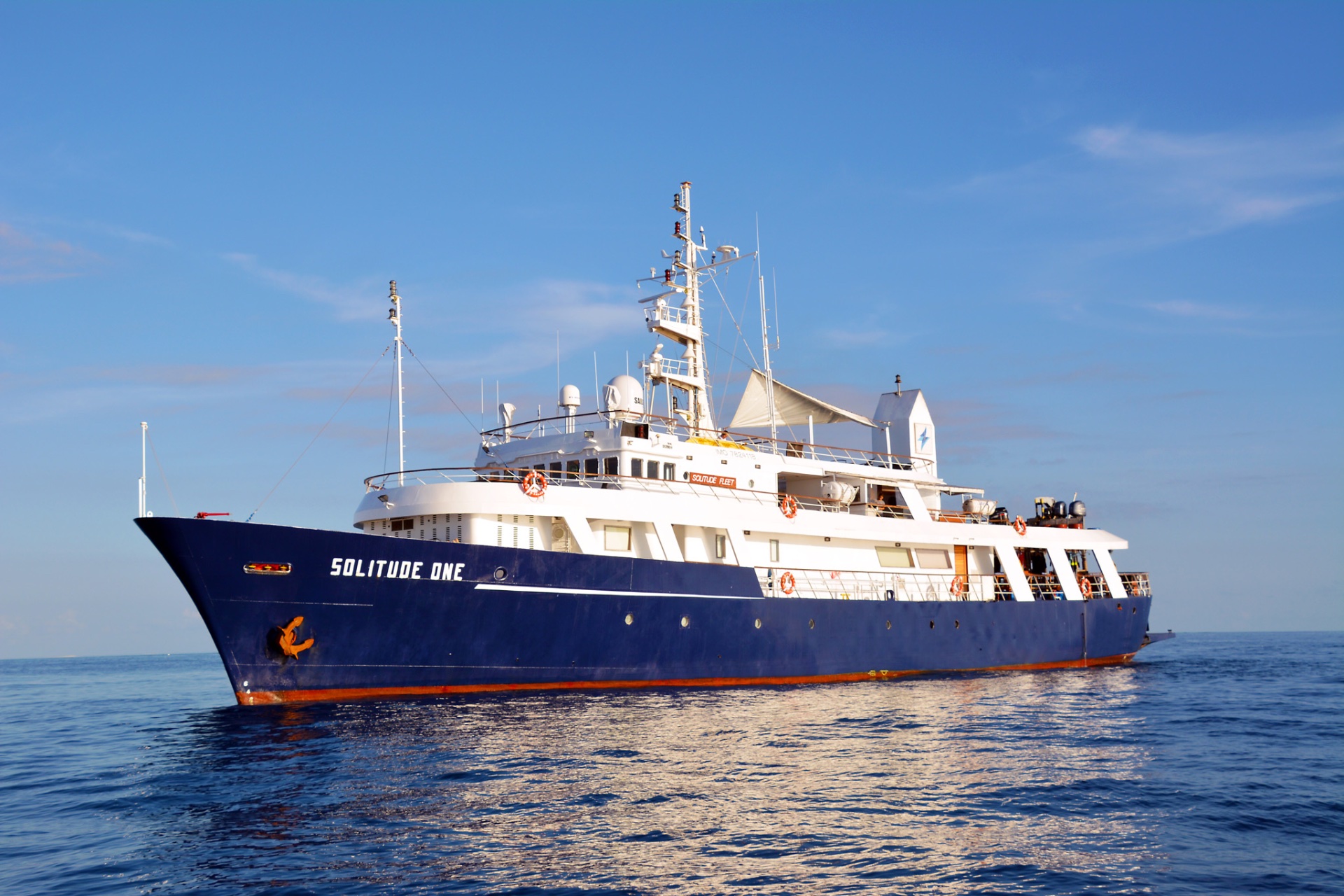
Solitude One
Philippines
24 guests52 m
$460/day
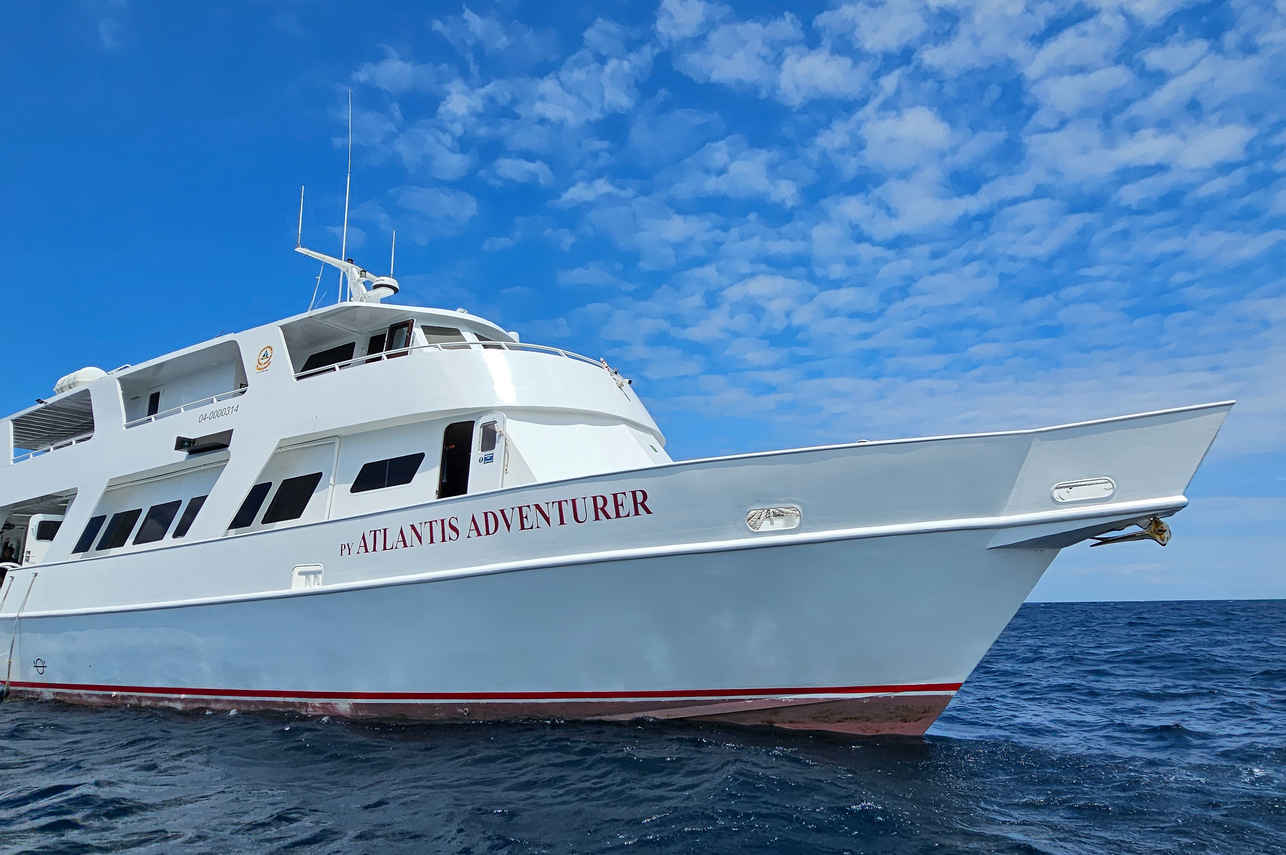
Atlantis Adventurer
Philippines
16 guests32.5 m
$421/day
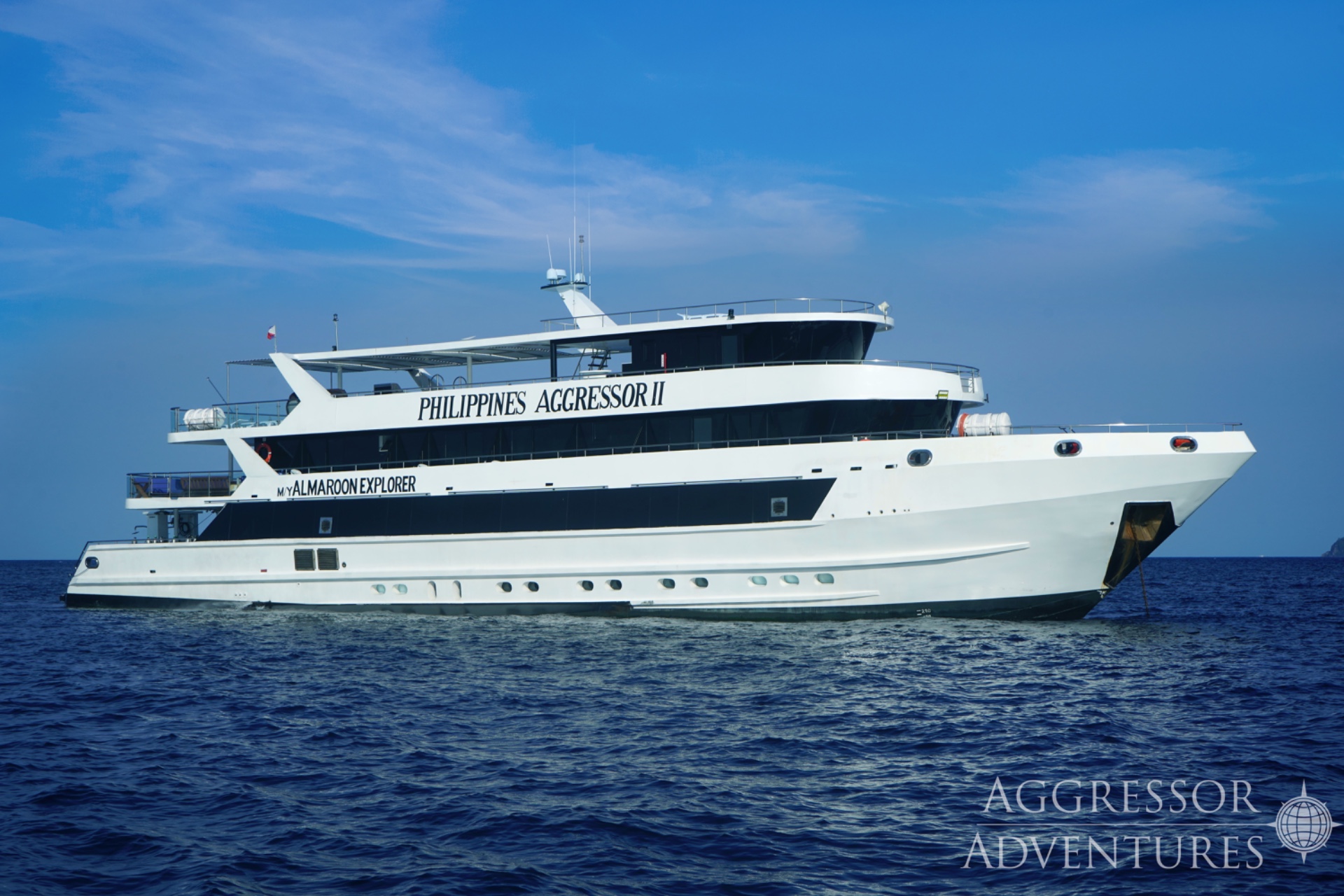
Philippines Aggressor II
Philippines
26 guests42.7 m
$247/day
Dive sites similar to Apo 29
Same character, same waters — six more sites divers love for the exact same reasons.Compare seasons, access and liveaboard routes — then pick the site that fits your trip best.
© Esri — Maxar, Earthstar, GIS
Big La Laguna
Philippines
Big La Laguna is a beach community situated on the western edge of the Sabang Peninsula, a popular dive region on Mindoro Island, Philippines.
- Suitable for
- Intermediate
- Current
- Moderate
- Access
- Dayboat
- Depth
- 5–35 m
- Theme
- Reef / Wall
© Esri — Maxar, Earthstar, GIS
Black Forest
Philippines
Black Forest is a premier dive site located off Balicasag Island, renowned for its exceptional marine biodiversity and distinct topography.
- Suitable for
- Intermediate
- Current
- Strong
- Access
- Liveaboard or dayboat
- Depth
- 10–30 m
- Theme
- Drift / Reef
© Esri — Maxar, Earthstar, GIS
Panagsama Beach
Philippines
Panagsama Beach, situated on a peninsula near Moalboal town in Cebu, serves as a central hub for diving activities in the region, boasting over 20 dive sites along its shoreline.
- Suitable for
- Intermediate
- Current
- Moderate
- Access
- Liveaboard or dayboat
- Depth
- ≤ 30 m
- Theme
- Reef / Wall
© Esri — Maxar, Earthstar, GIS
Binangaan Drop Off
Philippines
Binangaan Drop Off is a premier dive site within Apo Reef National Park, located off Occidental Mindoro in the Philippines.
- Suitable for
- Advanced
- Current
- Strong
- Access
- Liveaboard only
- Depth
- 10–40 m
- Theme
- Wall / Drift
© Esri — Maxar, Earthstar, GIS
Olympia Maru
Philippines
The Olympia Maru is a prominent Japanese cargo ship wreck from World War II, located within Coron Bay, Philippines.
- Suitable for
- Intermediate
- Current
- Mild
- Access
- Dayboat
- Depth
- 17–24 m
- Theme
- Wreck / Reef
© Esri — Maxar, Earthstar, GIS
Manta Bowl
Philippines
Manta Bowl is a renowned submerged seamount located in the Ticao Pass, off the northern coast of Ticao Island in Masbate, Philippines.
- Suitable for
- Advanced
- Current
- Ripping
- Access
- Liveaboard or dayboat
- Depth
- 14–50 m
- Theme
- Drift