About Panagsama Beach
Panagsama Beach, situated on a peninsula near Moalboal town in Cebu, serves as a central hub for diving activities in the region, boasting over 20 dive sites along its shoreline. Its primary draw is a massive, resident sardine baitball, a phenomenon reliably found year-round and accessible directly from the beach, making it a unique draw for divers of all levels. The underwater topography here is characterized by nearshore coral gardens that quickly transition into dramatic, steep slopes and deep walls, often described as sheer vertical drop-offs. These formations support a rich ecosystem, offering both shallow reef exploration and exhilarating wall dives down to 30 meters. Beyond the renowned sardine run, the site is rich in Coral Triangle biodiversity. Divers frequently encounter green and hawksbill sea turtles, various frogfish species (Commerson's, warty, painted), numerous nudibranchs, pipefish, and scorpionfish. Larger pelagics such as tuna and mackerel are often attracted by the sardine ball. Diving at Panagsama Beach can be done from shore or by boat, offering flexibility. Conditions are generally suitable for novice to intermediate divers, with a mix of macro and wide-angle photographic opportunities. Shore entry is a practical option, granting immediate access to the vibrant house reef, locally known as Amigos.
Highlights
World-famous sardine runShore-entry wall divingGreen and hawksbill sea turtlesDiverse frogfish speciesRich nudibranch populationCoral Triangle biodiversityDramatic wall drop-offsAccessible house reef
Season calendar
Best months to dive here
Jan
Feb
Mar
Apr
May
Jun
Jul
Aug
Sep
Oct
Nov
Dec
Good
Dive site facts: Panagsama Beach
- Depth
- 0–30 m
- Current
- Mild to moderate drift
- Visibility
- 10–35 m
- Water temperature
- 27–30°C
- Entry
- Shore / Day boat
- Level
- Novice to intermediate
- Dive type
- Reef, wall, drift, macro, big animals
- Night dive
- Possible
- Region / port
- Moalboal, Cebu, Philippines
- Coordinates
- 9.9490° N, 123.3650° E
Conditions & Currents
Currents at Panagsama Beach can range from mild to moderate, especially along the walls, offering opportunities for exhilarating drift dives. Divers should pay close attention to dive briefings, as current direction and strength can vary, influencing entry and exit techniques. The boat typically drops divers and tracks their progress along the reef, picking them up downcurrent. Visibility is generally excellent, often enhanced during periods of minimal rainfall, though higher precipitation months like November and December might slightly reduce clarity. Water temperatures remain consistently warm year-round, typically between 27°C and 30°C, meaning thermoclines are rarely a concern. Divers should conserve air and maintain awareness of their surroundings, particularly looking out into the blue for larger pelagics attracted by the sardine run.
Marine life & sighting chances

Sardines
Year-round · common
Green Sea Turtle
Year-round · common
Hawksbill Turtle
Year-round · common
Frogfish
Year-round · common
Nudibranch
Year-round · common
Pipefish
Year-round · common
Scorpionfish
Year-round · common
Moray Eel
Year-round · common
Lionfish
Year-round · common
Clownfish
Year-round · common
Pufferfish
Year-round · common
Octopus
Year-round · occasional
Barracuda
Year-round · occasional
Tuna
Year-round · occasionalDive profile & how the dive runs
Divers often begin their Panagsama Beach experience directly from shore, entering the water to access the house reef, locally known as Amigos. The dive quickly transitions from shallow coral gardens into a dramatic wall that plunges to approximately 30 meters. The main attraction, the resident sardine ball, can be found just a few meters below the surface, often within snorkeling depth, but also along the upper parts of the wall. The dive profile typically involves descending along the wall, exploring its vibrant marine life and coral formations. Depending on currents, the dive may become a drift, with the boat tracking divers from the surface. Multi-level diving is common, spending time at various depths to maximize bottom time. The turn point is often determined by air consumption or time limits, aiming for a consistent ascent. Safety stops are performed at 5 meters for 3 minutes, usually against the wall, before surfacing where the boat can easily pick up the group.
Underwater photography
Panagsama Beach offers exceptional opportunities for both macro and wide-angle photography. For wide-angle shots, the massive sardine baitball is the undisputed highlight; a fisheye lens will best capture the sheer scale and dynamic patterns of the murmuration. Be prepared for varying light conditions as the sardine ball shifts, so a strong video light or strobes set to fill-flash can be beneficial. For macro enthusiasts, the diverse critter population, including various frogfish species, nudibranchs, pipefish, and orangutan crabs, provides endless subjects. A macro lens with powerful strobes and a snoot can isolate subjects against the vibrant coral background. Pay close attention to buoyancy, especially when photographing delicate subjects on the wall or navigating through the sardine school, to avoid disturbing the environment or the fish. Patience and respectful distance are key to capturing natural behavior.
Combine with nearby dive sites
- Pescador Island
A marine park known for vibrant soft corals, plunging walls, and abundant fish life, including Cathedral Cave, located 10-15 minutes by boat.
- Oslob Whale Sharks
Nearby interaction site for whale sharks, though distinct from Panagsama's typical dive offerings.
- Monad Shoal
Famous for thresher shark sightings at dawn, a significant destination in the wider Visayas region.
- Dauin — Atmosphere House Reef
Known for excellent macro life and critter hunting, offering a different style of diving in the Visayas.
Getting there & logistics
Panagsama Beach is located a few miles outside Moalboal town in Cebu, Philippines. To reach Moalboal, divers typically fly into Mactan-Cebu International Airport (CEB) in Lapu-Lapu City, then arrange ground transfer to Moalboal, which is approximately a 2-3 hour drive. Dive operators in Panagsama offer both shore dives and day boat trips to local sites, including nearby Pescador Island. Accommodation ranges from budget-friendly options to more luxurious resorts. No specific marine park fees are mentioned for Panagsama Beach itself, but adjacent sites like Pescador Island, being a marine park, may incur fees. Panagsama is often combined with other Visayas destinations like Dumaguete (for Apo Island) or Bohol, as part of a longer dive holiday.
Safety & environment
While Panagsama Beach diving is generally accessible for novice to intermediate divers, it's crucial to be aware of potential hazards. Currents, though often mild, can become moderate, necessitating good buoyancy control and attention to dive briefings. Divers should maintain awareness of boat traffic near entry and exit points, especially during shore dives. The nearest recompression chamber is typically in Cebu City, meaning evacuation time can be several hours depending on traffic and transport availability. Therefore, comprehensive dive insurance covering medical emergencies and evacuation is highly recommended. Always dive within your training limits, ensure your equipment is well-maintained, and adhere to local dive center guidelines. While venomous marine life like stonefish may be present, maintaining a respectful distance and avoiding contact with the reef minimizes risks.
Who it suits — and who it doesn't
Suited for
- Divers seeking reliable sardine run encounters
- Macro and wide-angle underwater photographers
- Divers comfortable with wall and drift diving
- Novice to intermediate divers
- Critter hunters and marine life enthusiasts
Less suited for
- Divers uninterested in large schools of fish
- Individuals preferring only advanced wreck diving
- Divers who struggle with moderate currents
- Those seeking extreme pelagic action exclusively
FAQ
Panagsama Beach FAQ
What is the best way to see the sardine run at Panagsama Beach?
The sardine run is reliably present year-round and can be experienced directly from Panagsama Beach. You can swim or snorkel from shore to witness the shimmering biomass. For divers, going with a local dive center allows for a deeper and longer appreciation of the spectacle, often combined with exploring the adjacent wall.
Is Panagsama Beach suitable for beginner divers?
Yes, Panagsama Beach is largely suitable for beginner to intermediate divers. Shore entry makes access easy, and the main sardine run is close to the surface. While there are deeper wall sections, dive centers can tailor profiles to suit less experienced divers, focusing on shallower reef areas and the upper parts of the wall.
What kind of marine life can I expect beyond the sardines?
Beyond the famous sardines, Panagsama Beach offers rich biodiversity. You can frequently spot green and hawksbill sea turtles, various species of frogfish (Commerson's, warty, painted), numerous nudibranchs, and other reef dwellers like pipefish, scorpionfish, and moray eels. Larger fish like barracuda, tuna, and mackerel are also occasionally seen, attracted by the sardine baitball.
What are the water conditions like at Panagsama Beach?
Water temperatures are consistently warm, ranging from 27°C to 30°C throughout the year, allowing for comfortable diving in a 3mm wetsuit or rash guard. Visibility typically ranges from 10 to 35 meters. Currents can vary from mild to moderate, occasionally creating drift dive conditions along the wall, but generally manageable for most divers.
Can I do night dives at Panagsama Beach?
Yes, night dives are possible and highly recommended at Panagsama Beach. The vibrant house reef and wall transform after sunset, revealing nocturnal creatures. Many of the resident critters, such as frogfish and nudibranchs, are particularly active, offering a different perspective on the site's rich marine life.
Why dive Panagsama Beach from a liveaboard?
Panagsama Beach is one of Philippines's signature dive sites. A liveaboard sleeps you on the water and puts you in the water for three to four guided dives per day, including dawn and night dives that day-boat operators rarely offer. You skip the daily commute back to port and reach quieter, less-crowded sites in the same region on a single trip.
Below are the liveaboards that include Panagsama Beach on their Philippines itineraries.
Liveaboards diving Panagsama Beach
These liveaboards may visit Panagsama Beach on selected itineraries — the exact dive sites depend on departure, weather and conditions.
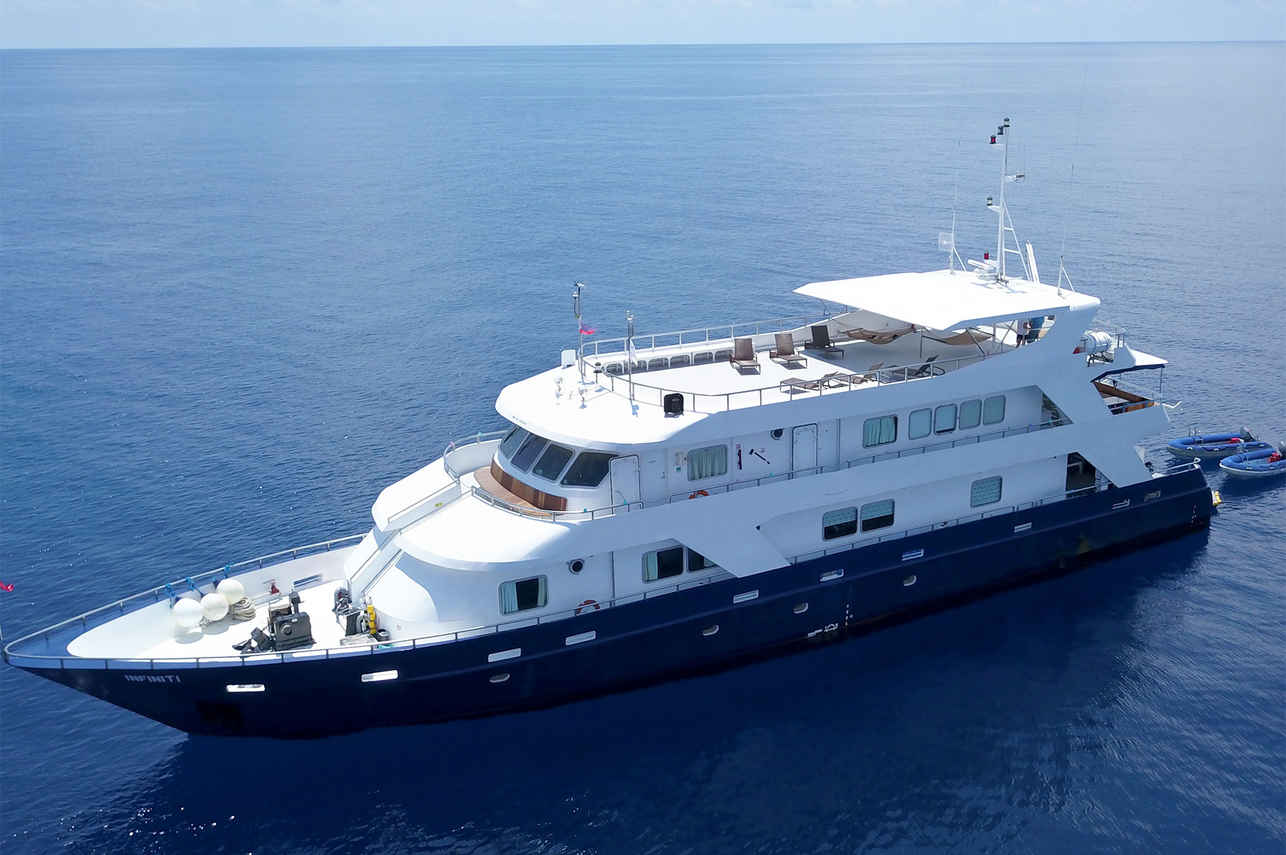
Infiniti
Philippines
25 guests39 m
$280/day
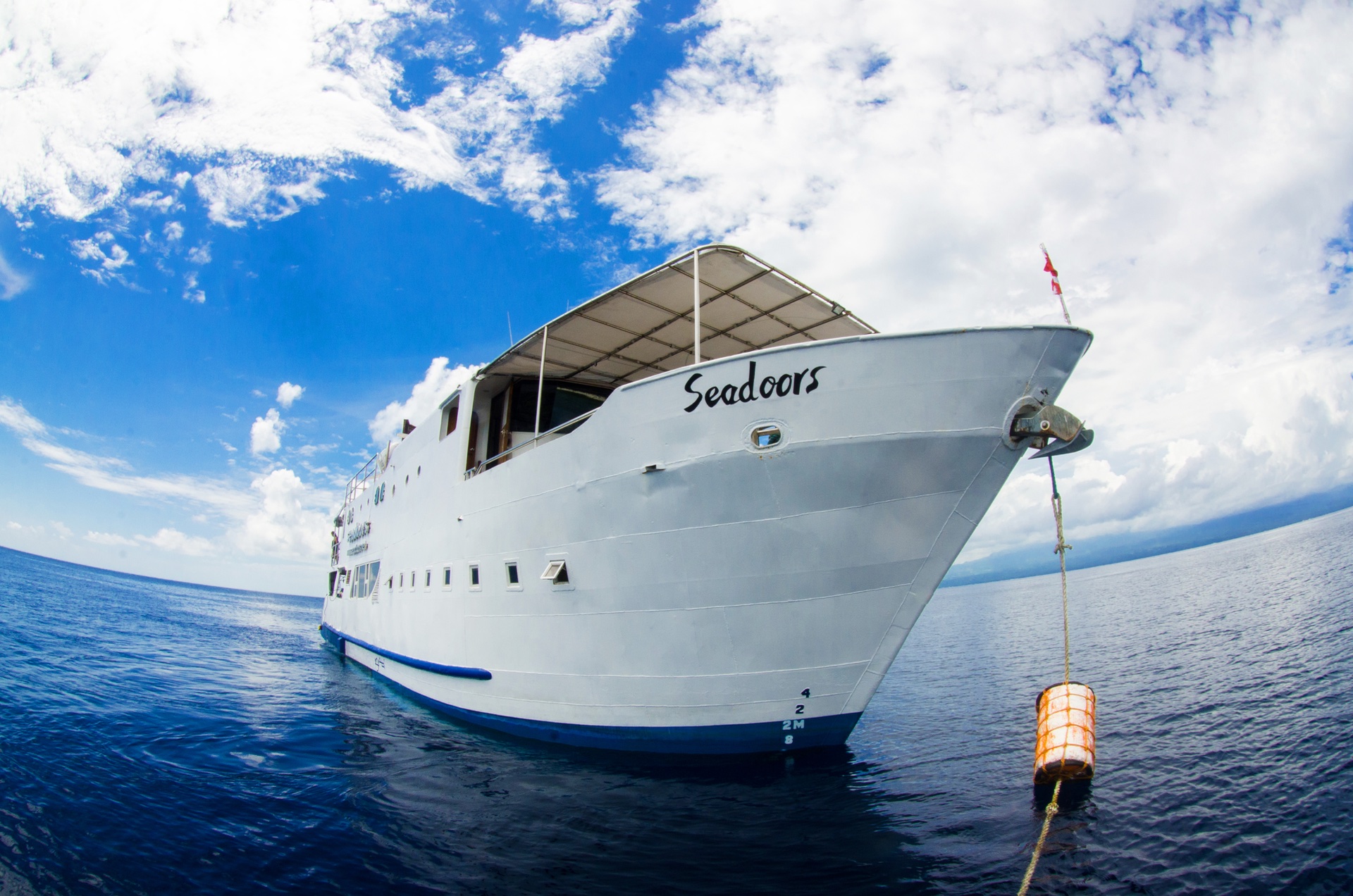
Seadoors
Philippines
16 guests25 m
$335/day
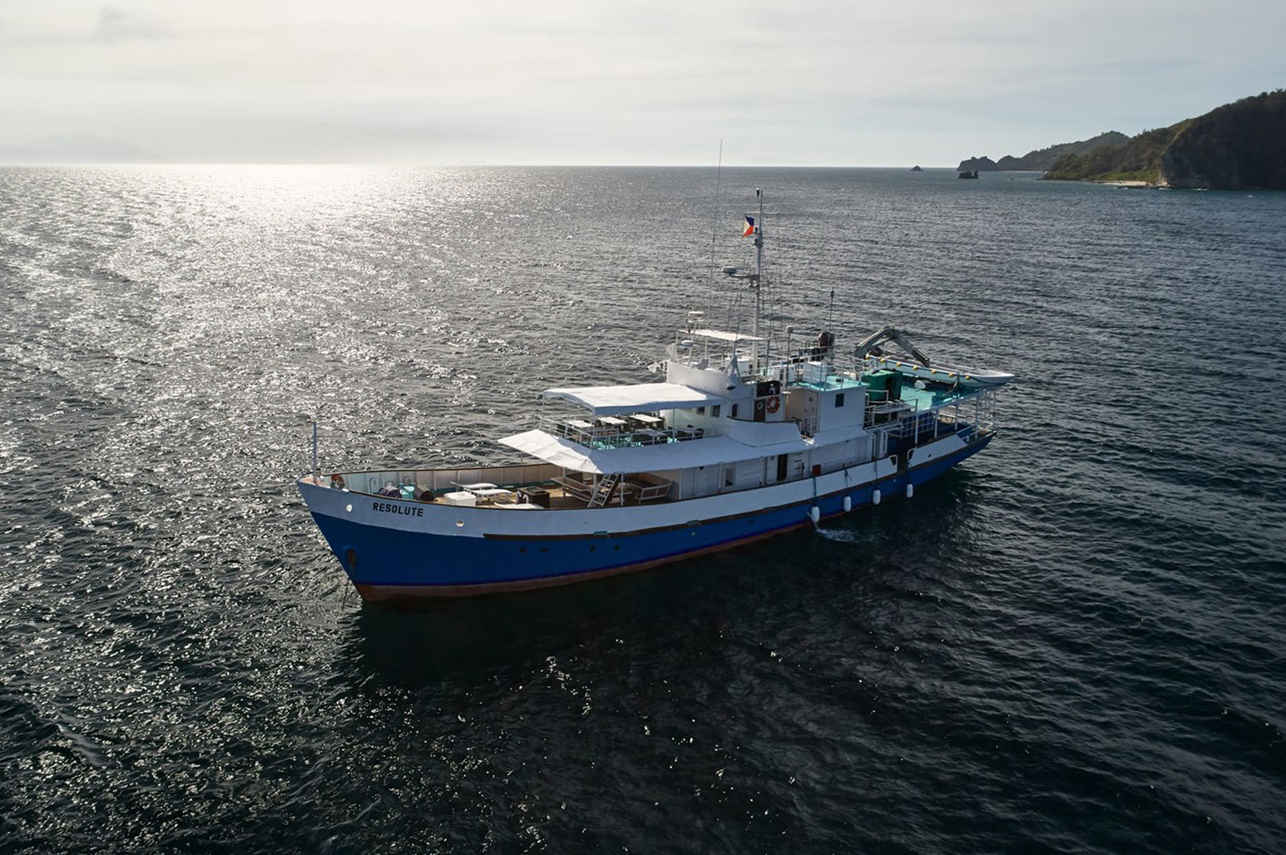
Resolute
Philippines
16 guests34.6 m
$314/day
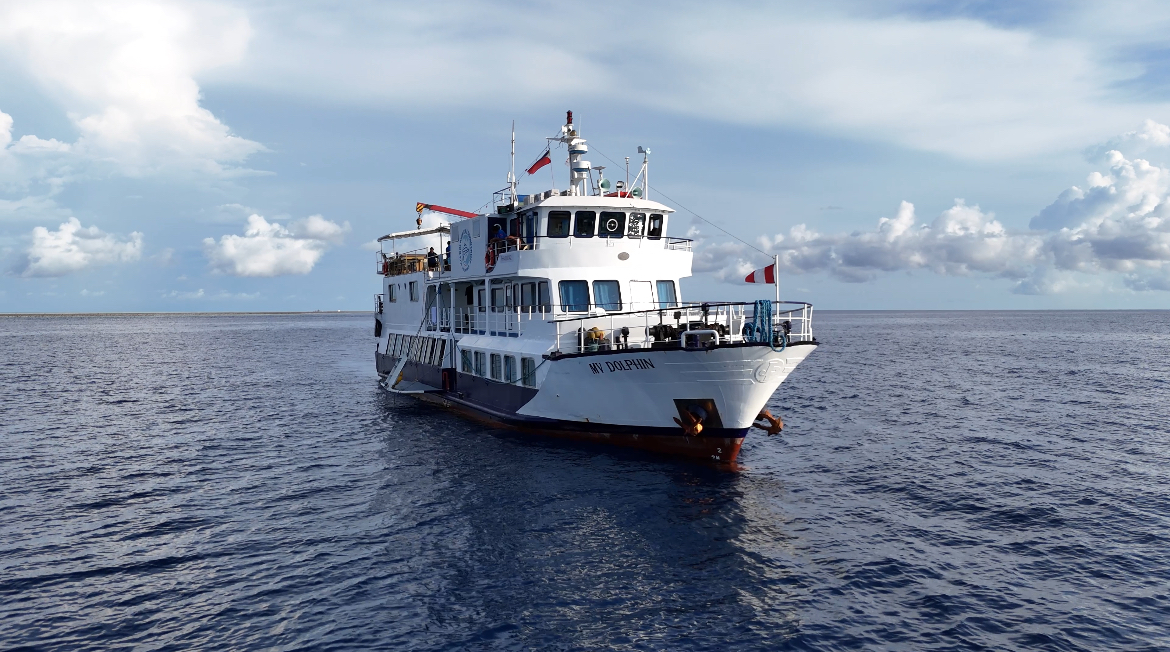
Dolphin
Philippines
18 guests31 m
$326/day
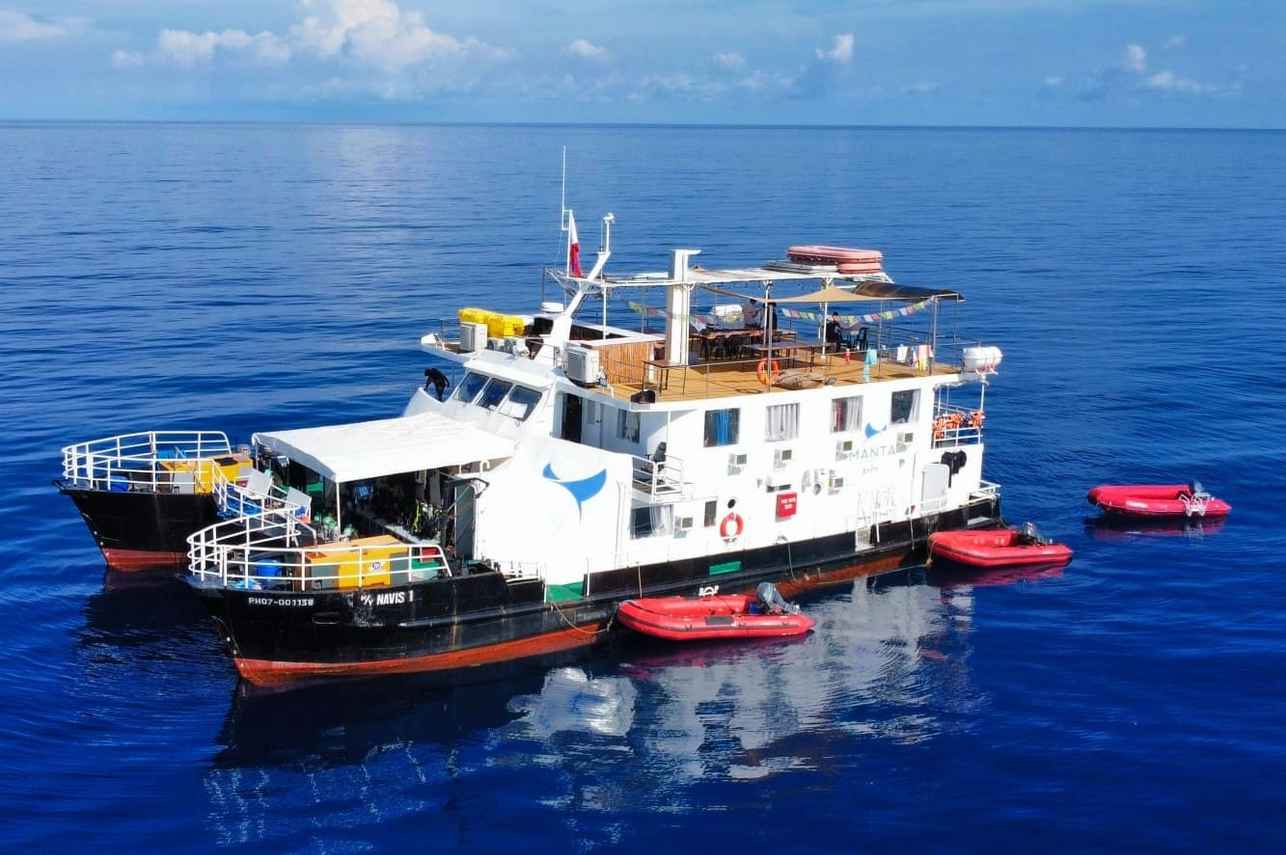
Navis 1
Philippines
22 guests23 m
$250/day
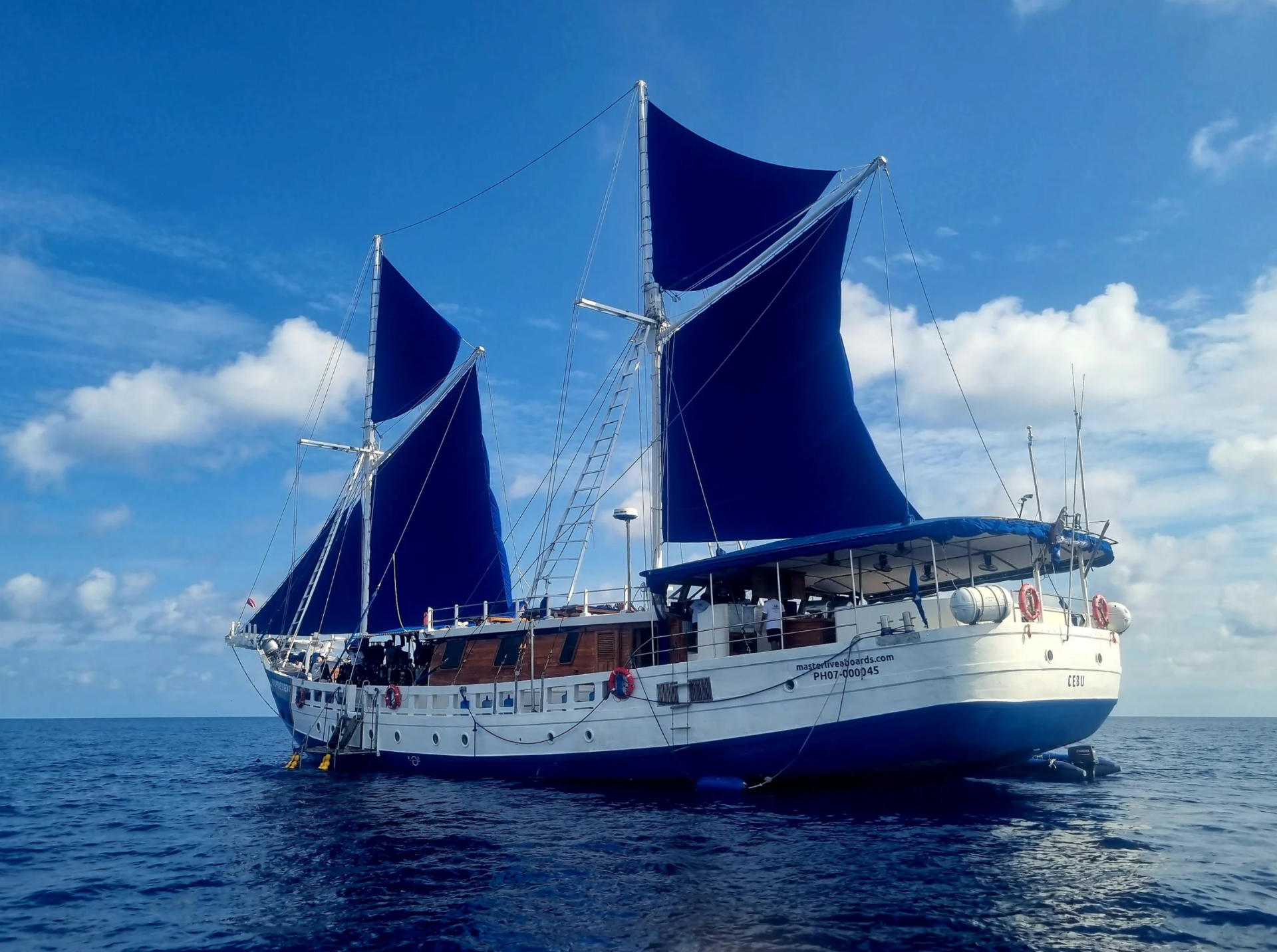
Philippine Siren
Philippines
16 guests
$309/day
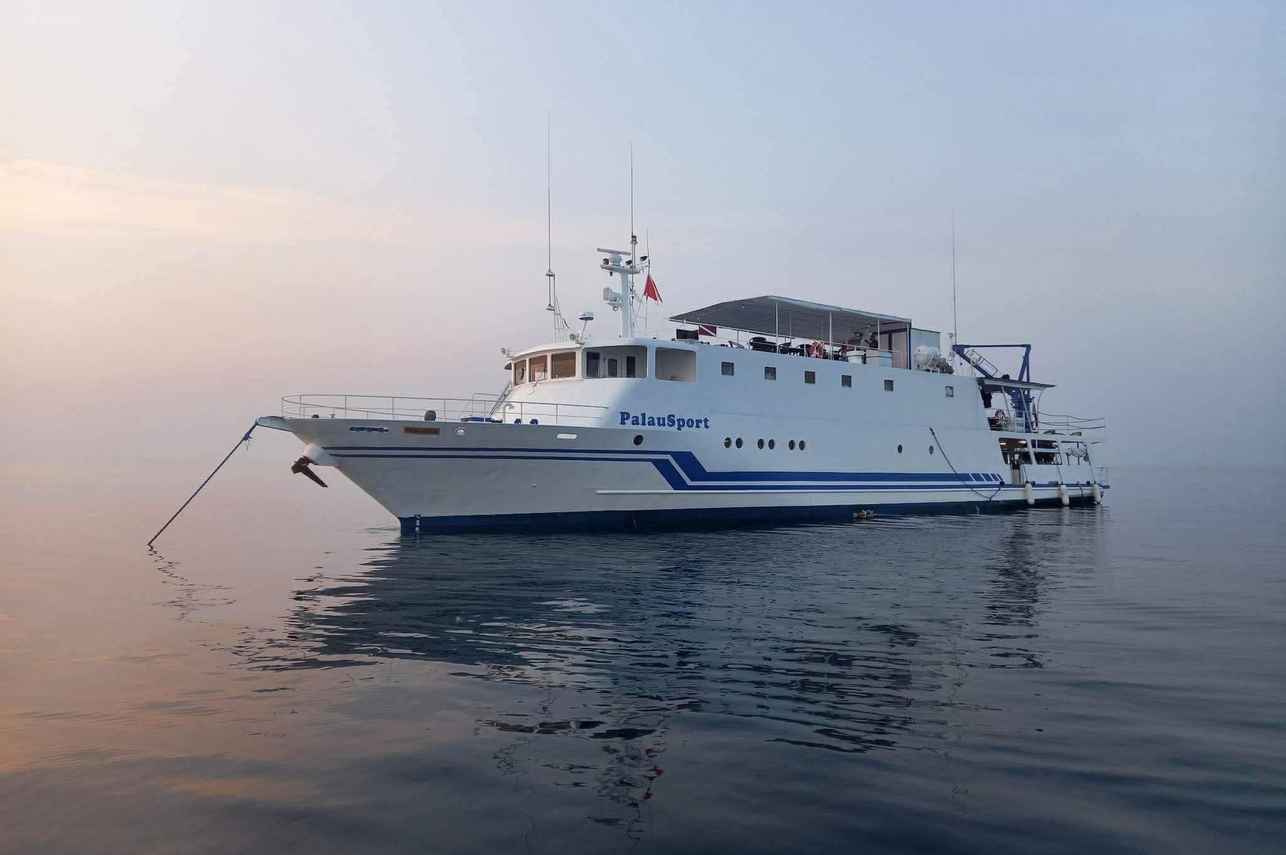
Palau Sport
Philippines
24 guests38.35 m
$215/day
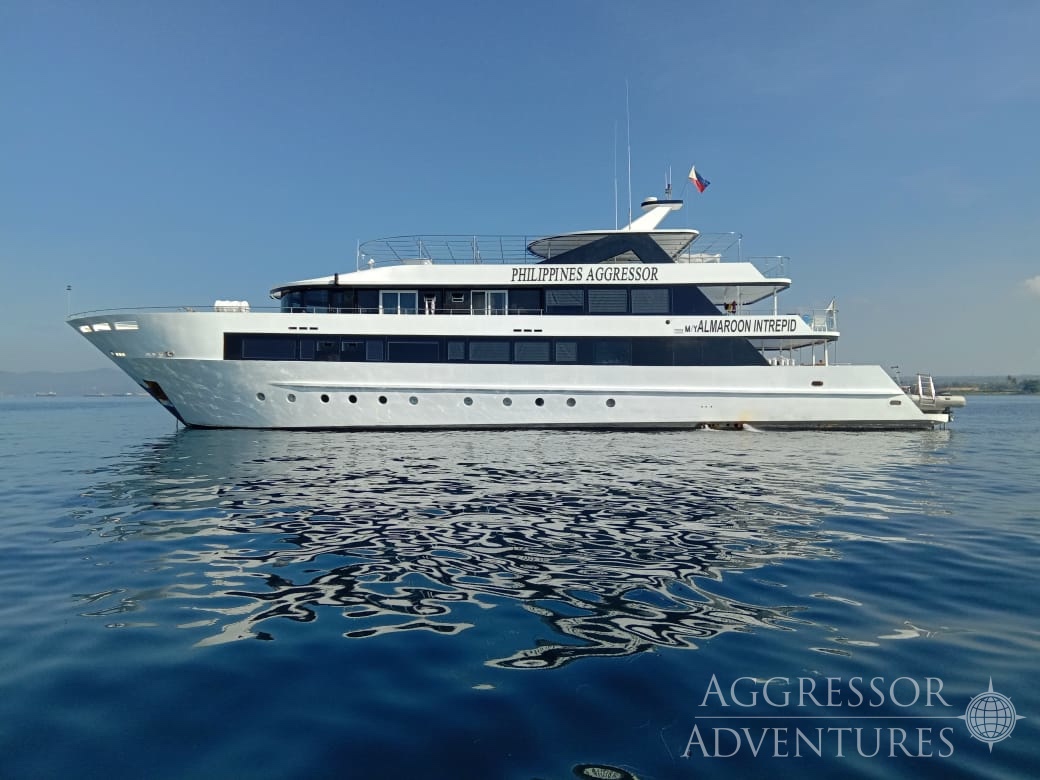
Philippines Aggressor
Philippines
26 guests42.7 m
$381/day
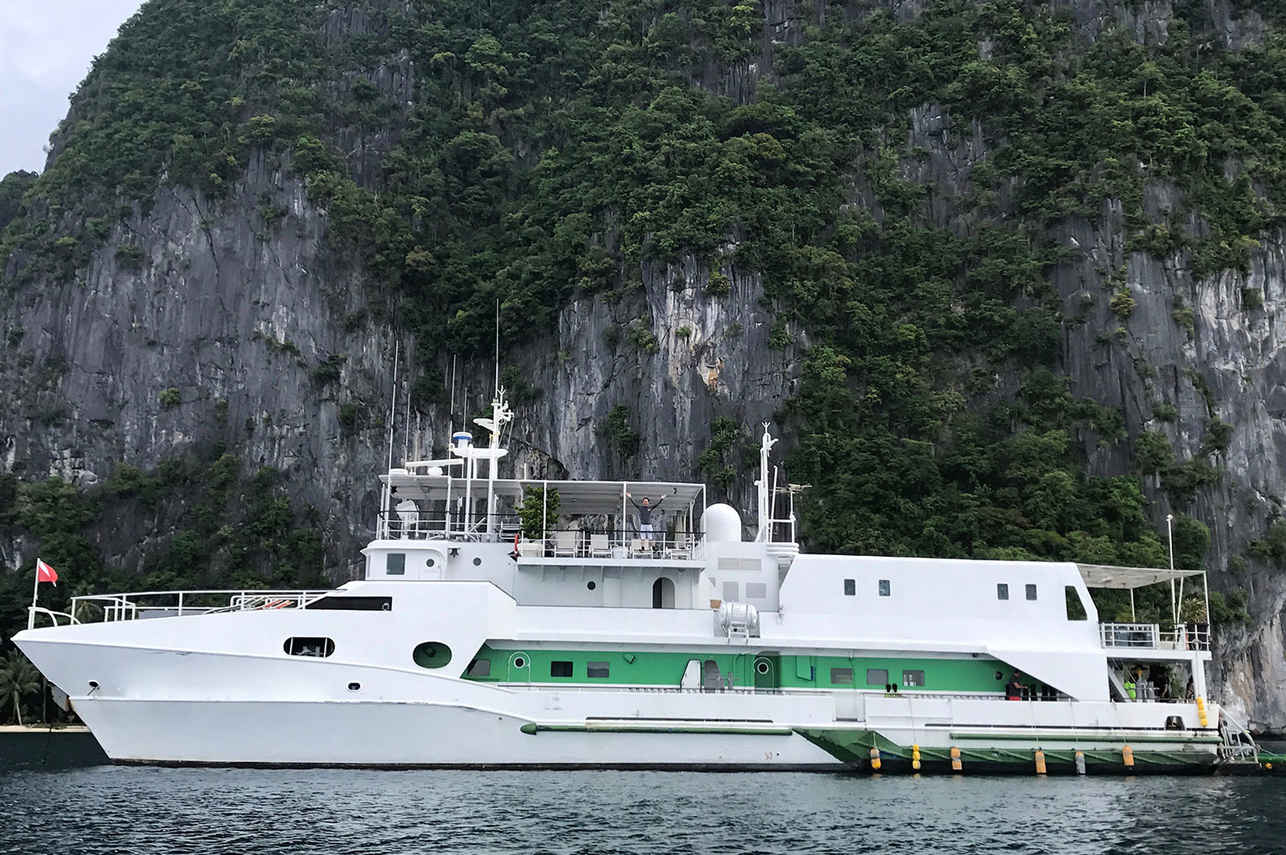
Stella Maris Explorer
Philippines
20 guests33 m
$398/day
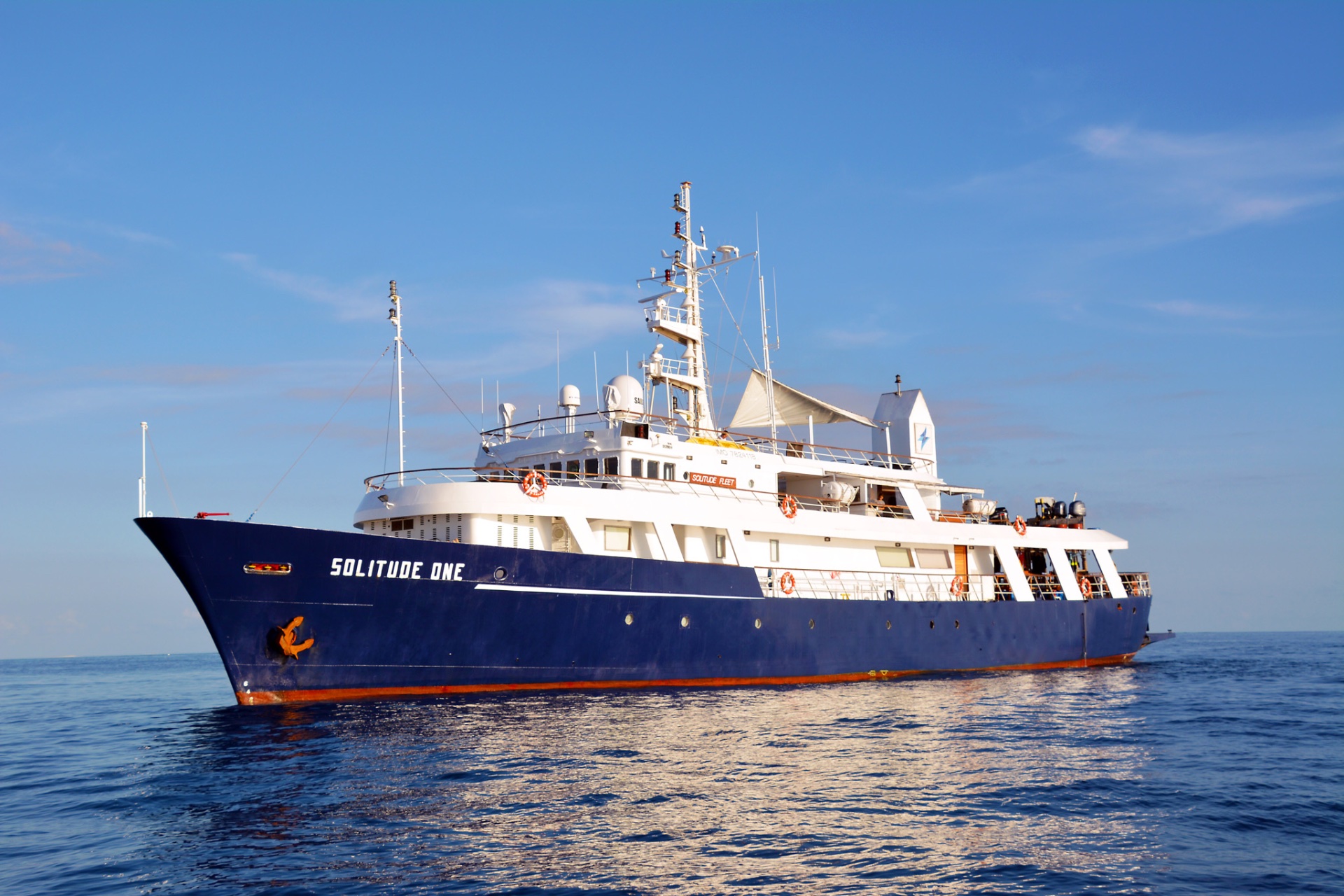
Solitude One
Philippines
24 guests52 m
$460/day
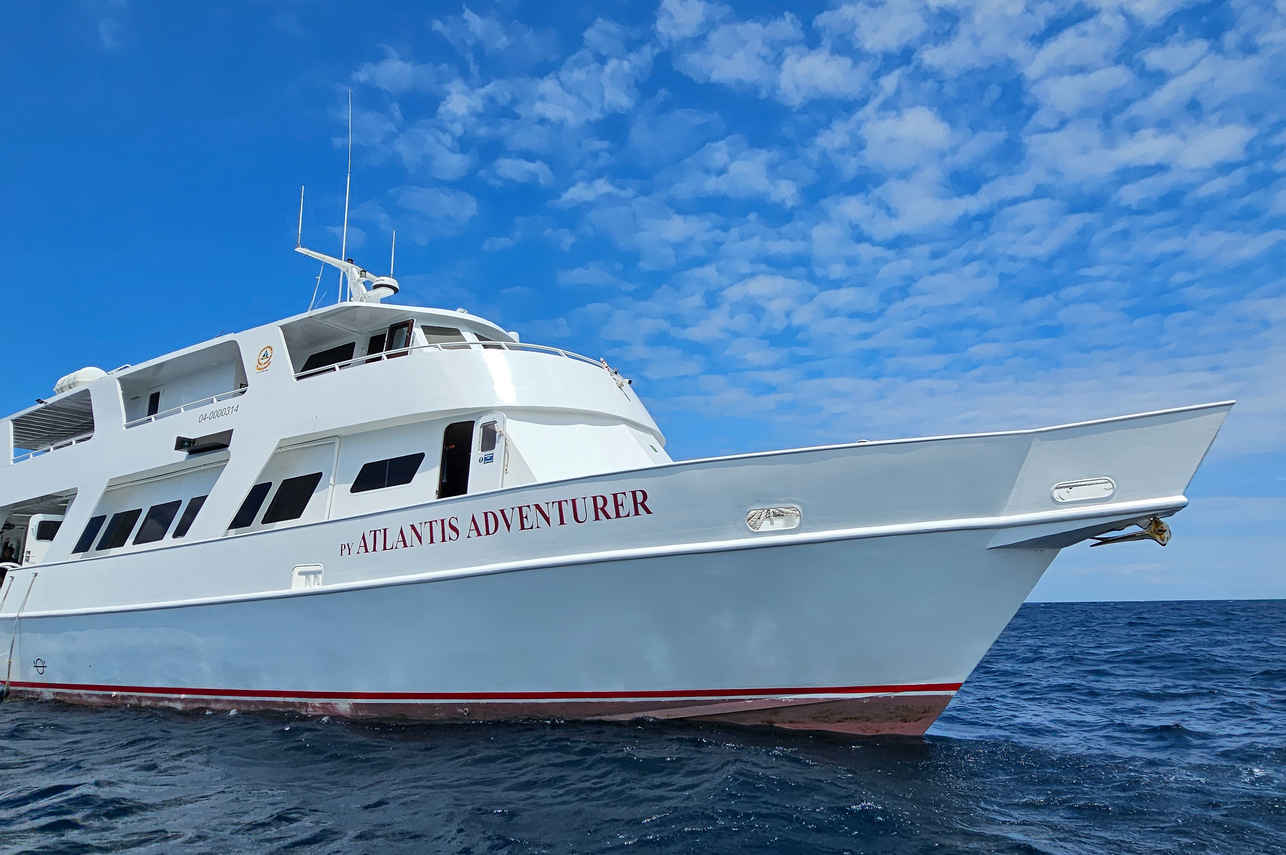
Atlantis Adventurer
Philippines
16 guests32.5 m
$421/day
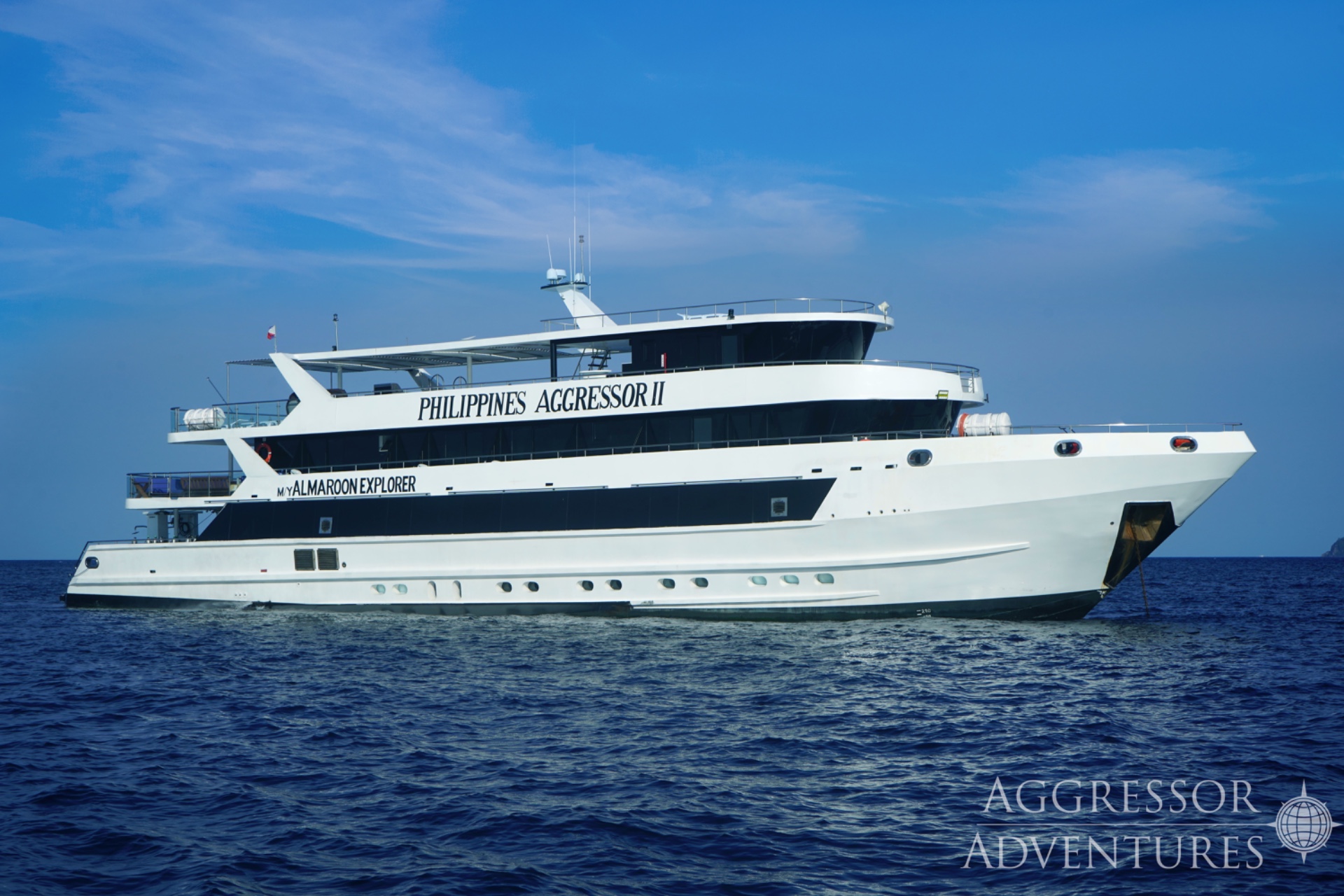
Philippines Aggressor II
Philippines
26 guests42.7 m
$247/day
Dive sites similar to Panagsama Beach
Same character, same waters — six more sites divers love for the exact same reasons.Compare seasons, access and liveaboard routes — then pick the site that fits your trip best.
© Esri — Maxar, Earthstar, GIS
Big La Laguna
Philippines
Big La Laguna is a beach community situated on the western edge of the Sabang Peninsula, a popular dive region on Mindoro Island, Philippines.
- Suitable for
- Intermediate
- Current
- Moderate
- Access
- Dayboat
- Depth
- 5–35 m
- Theme
- Reef / Wall
© Esri — Maxar, Earthstar, GIS
Rusa Pinnacle
Alor
Rusa Pinnacle is a challenging yet highly rewarding dive site situated in the Alor archipelago, part of Indonesia's East Nusa Tenggara.
- Suitable for
- Advanced
- Current
- Strong
- Access
- Liveaboard only
- Depth
- 6–30 m
- Theme
- Reef
Lipah Bay is situated on Bali's northeast coast within the Amed area, nestled against the dramatic backdrop of Gunung Agung.
- Suitable for
- Beginner
- Current
- Mild
- Access
- Liveaboard or dayboat
- Depth
- 5–30 m
- Theme
- Reef / Drift
© Esri — Maxar, Earthstar, GIS
Tangked Cave
Bali
Tangked Cave, sometimes referred to as Tangked Taked Shark Cave, is an advanced dive site situated in the open ocean off Bali's southeastern coast.
- Suitable for
- Advanced
- Current
- Moderate
- Access
- Liveaboard or dayboat
- Depth
- 15–40 m
- Theme
- Cave & cavern / Reef
© Esri — Maxar, Earthstar, GIS
Schools Out
Alor
Schools Out in Alor offers divers an exceptional encounter with healthy coral reefs and a rich variety of marine species.
- Suitable for
- Intermediate
- Current
- Mild
- Access
- Liveaboard only
- Depth
- 20–30 m
- Theme
- Reef
© Esri — Maxar, Earthstar, GIS
Batununggul
Bali
Batununggul, also known as Suana or Batumulapan by some operators, is a dynamic wall and sloping reef dive site situated on the eastern side of Nusa Penida, Bali.
- Suitable for
- Advanced
- Current
- Strong
- Access
- Liveaboard or dayboat
- Depth
- 10–40 m
- Theme
- Wall