About Black Forest
Black Forest is a premier dive site located off Balicasag Island, renowned for its exceptional marine biodiversity and distinct topography. The site features a gently sloping reef that begins in shallow waters with numerous coral heads and transitions into a dense 'black coral forest' at depths ranging from 35 to 45 meters. Its reputation as a top destination within the Bohol Triangle is well-earned, resembling a thriving underwater aquarium teeming with life. Dives at Black Forest typically start against the current over a sandy bottom, allowing divers to maintain a low profile before the current shifts, transforming the experience into a relaxed drift dive. The site's rich coral gardens and diverse fish populations make it a captivating dive. While the deeper black coral sections are a highlight, the entire slope is vibrant with marine activity. Divers can expect to encounter a wide array of reef fish, including anthias, rockcod groupers, squirrelfish, parrotfish, wrasse, and damselfish. Anemonefish are also common, and aggressive triggerfish can be observed during the months of May, June, and July. The typical dive trajectory involves starting with the slope on the right shoulder, heading southward, to fully appreciate the site's unique features.
Highlights
Dense black coral forestCoral-rich slope diveExceptional marine biodiversityDrift diving experienceVibrant reef fish schoolsBalicasag Island sanctuaryAggressive triggerfish sightings
Season calendar
Best months to dive here
Jan
Feb
Mar
Apr
May
Jun
Jul
Aug
Sep
Oct
Nov
Dec
Excellent
Good
Dive site facts: Black Forest
- Depth
- 8–40 m
- Typical dive
- 15–24 m, 50–60 min
- Current
- Mild to strong
- Visibility
- 10–30 m
- Water temperature
- 27–30°C
- Entry
- Boat
- Level
- AOWD recommended
- Dive type
- Reef, wall, drift
- Night dive
- Possible
- Region / port
- Balicasag Island, Bohol
- Coordinates
- 9.528, 123.691
Conditions & Currents
Currents at Black Forest are typically described as mild to moderate, though they can reach stronger levels, especially deeper on the slope. Dives often begin by navigating against the current over a sandy bottom, then transitioning into a drift as the current shifts. It is crucial to follow local guide briefings on daily current strength and direction, as conditions can vary with tides. This drift-style diving necessitates good buoyancy control to comfortably observe the black coral zones and abundant fish life. Visibility ranges from 10 to 30 meters, but strong currents can sometimes impact clarity. Divers should be mindful of depth, particularly when exploring the deeper black coral sections, and always stay within their certification limits.
Marine life & sighting chances

Black Coral
common

Anthias
common
Rockcod Groupers
occasional
Squirrelfish
common
Parrotfish
common
Wrasse
common
Damsel Fish
common
Anemonefishes
common
Triggerfish
May, June, July · occasional
Barracuda
occasional
Frogfish
rare
Green Turtle
occasional
Hawksbill Turtle
occasionalDive profile & how the dive runs
Dives at Black Forest typically begin as a boat entry, often with a negative descent, and follow a steep slope dive profile. Divers usually start by swimming against the prevailing current, maintaining a low profile over the sandy bottom at around 15 meters, before the current shifts to allow for a relaxed drift. The route generally proceeds southward with the slope on your right shoulder, exploring the coral heads in shallower sections. As you descend, the highlight is the dense black coral forest thriving between 35 to 45 meters. Divers ascend gradually, enjoying the rich reef life and schooling fish at shallower depths. The safety stop is conducted in the upper reef sections, usually around 5 meters, before a boat pick-up at the designated exit point.
Underwater photography
Black Forest offers excellent opportunities for both wide-angle and macro photography, though managing the drift-style current requires good buoyancy. For wide-angle shots, a fisheye or wide-angle lens is ideal to capture the expansive coral slope and the impressive black coral formations at depth. External strobes are recommended to bring out the true colors of the corals and reef fish, especially in deeper sections or when visibility is not at its peak. Macro photographers will find plenty of subjects among the coral heads, including various reef fish, nudibranchs, and potential rare finds like frogfish. Controlled buoyancy is paramount to avoid disturbing delicate corals and to maintain position in the current for clear shots. Planning your dive with the current in mind will allow for more stable shooting opportunities.
Combine with nearby dive sites
- Balicasag Island
A general reference to the island's other dive sites, including drift and wall dives.
- Monad Shoal
Famous for thresher shark encounters, though further afield.
- Apo Island
Known for vibrant reefs and sea turtle populations.
- Verde Island Passage
Recognized for high marine biodiversity and drift dives.
Getting there & logistics
Access to Black Forest typically involves flying into Mactan-Cebu International Airport (CEB) or Tagbilaran Airport (TAG) in Bohol. From Tagbilaran, it's a relatively short transfer to Panglao Island, particularly Alona Beach, which is a common departure point. Black Forest is located approximately 10km, or about a 27-minute banca boat ride, from Alona Beach. Dive trips are almost exclusively boat dives, often as part of a multi-dive itinerary around Balicasag Island, known for its marine sanctuary status. There are daily diver limits and reservations are usually required through local dive operators. Trips vary in length, from day trips to longer liveaboard itineraries that might combine Balicasag with other Visayas destinations.
Safety & environment
Diving at Black Forest requires adherence to marine sanctuary rules and careful planning due to currents. Divers should always stay with their guide, especially on the current-prone slope, and vigilantly monitor their depth when exploring deeper sections. An Advanced Open Water Diver certification is recommended, along with experience in drift diving. It is essential to carry adequate dive insurance that covers dive accidents and potential recompression chamber treatments. The nearest recompression chamber is typically located in Cebu City. Evacuation in the Philippines can be complex and time-consuming, emphasizing the need for comprehensive insurance and conservative dive planning. Always confirm entry, exit, and backup procedures with your dive operator before entering the water.
Who it suits — and who it doesn't
Suited for
- Advanced Open Water Divers
- Divers comfortable with drift currents
- Underwater photographers
- Marine life enthusiasts
- Divers seeking vibrant coral ecosystems
Less suited for
- Open Water Divers (unless highly experienced and guided)
- Divers uncomfortable with currents
- Snorkelers (due to depth)
- Freedivers (due to depth and current)
- Divers unwilling to follow marine sanctuary rules
FAQ
Black Forest FAQ
What kind of marine life can I expect to see at Black Forest?
Black Forest is rich in biodiversity, offering sightings of numerous reef fish species such as anthias, parrotfish, wrasse, and damselfish. You'll also encounter various coral species, including the dense black coral that gives the site its name, especially in deeper areas. Occasional sightings of barracuda, groupers, and sea turtles are also possible, with triggerfish being particularly noticeable during certain months.
Is Black Forest suitable for beginner divers?
Black Forest is generally more suitable for Advanced Open Water (AOW) certified divers or those with equivalent experience. While currents are often mild, they can sometimes be strong, and the site's depth range extends to 40 meters. Open Water divers may find the conditions challenging; it is best to consult with a local dive operator who can assess current conditions and individual diver experience.
When is the best time of year to dive Black Forest?
The recommended months for diving Black Forest are from March to August, offering the best visibility and calmest sea conditions. However, Balicasag Island, where Black Forest is located, is diveable year-round. The dry season from November to May also provides excellent diving conditions. It's always advisable to check current local conditions with your dive operator before booking.
How strong are the currents at Black Forest?
The currents at Black Forest are typically described as mild, but they can fluctuate and occasionally be strong. Dives are often planned as drift dives, where you are carried along the slope by the current. Local guides will provide a briefing on the expected current strength and direction for the day, which can vary with tides. Good buoyancy control is essential for managing the current effectively.
What dive profile should I expect at Black Forest?
A typical dive at Black Forest involves a boat entry onto a sloping reef. Dives often start by swimming against a mild current, maintaining a low profile, before transitioning into a drift along the reef. The site's depth ranges from 8 meters at the top of the slope to 40 meters, where the dense black coral forest is found. The dive concludes with a gradual ascent and a safety stop in shallower waters before a boat pick-up.
Why dive Black Forest from a liveaboard?
Black Forest is one of Philippines's signature dive sites. A liveaboard sleeps you on the water and puts you in the water for three to four guided dives per day, including dawn and night dives that day-boat operators rarely offer. You skip the daily commute back to port and reach quieter, less-crowded sites in the same region on a single trip.
Below are the liveaboards that include Black Forest on their Philippines itineraries.
Liveaboards diving Black Forest
These liveaboards may visit Black Forest on selected itineraries — the exact dive sites depend on departure, weather and conditions.
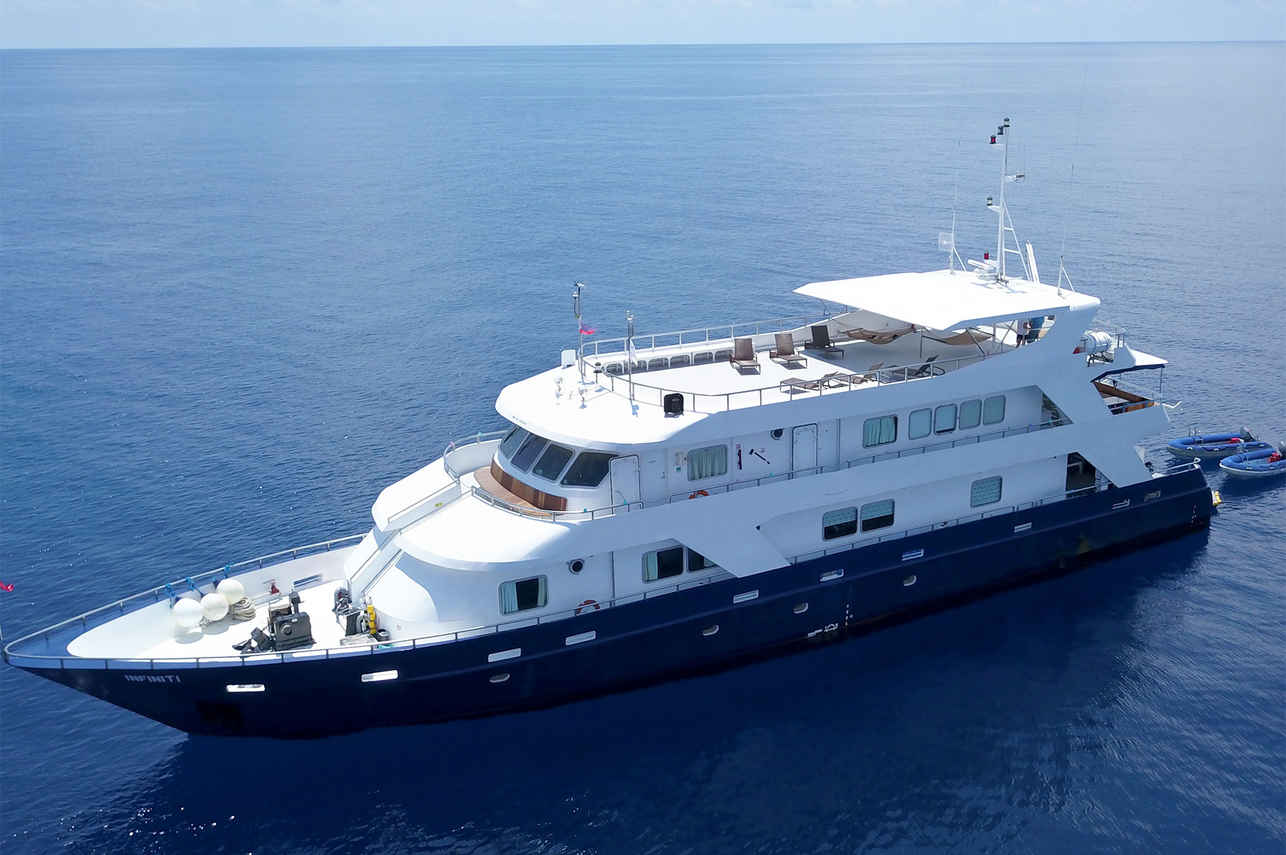
Infiniti
Philippines
25 guests39 m
$280/day
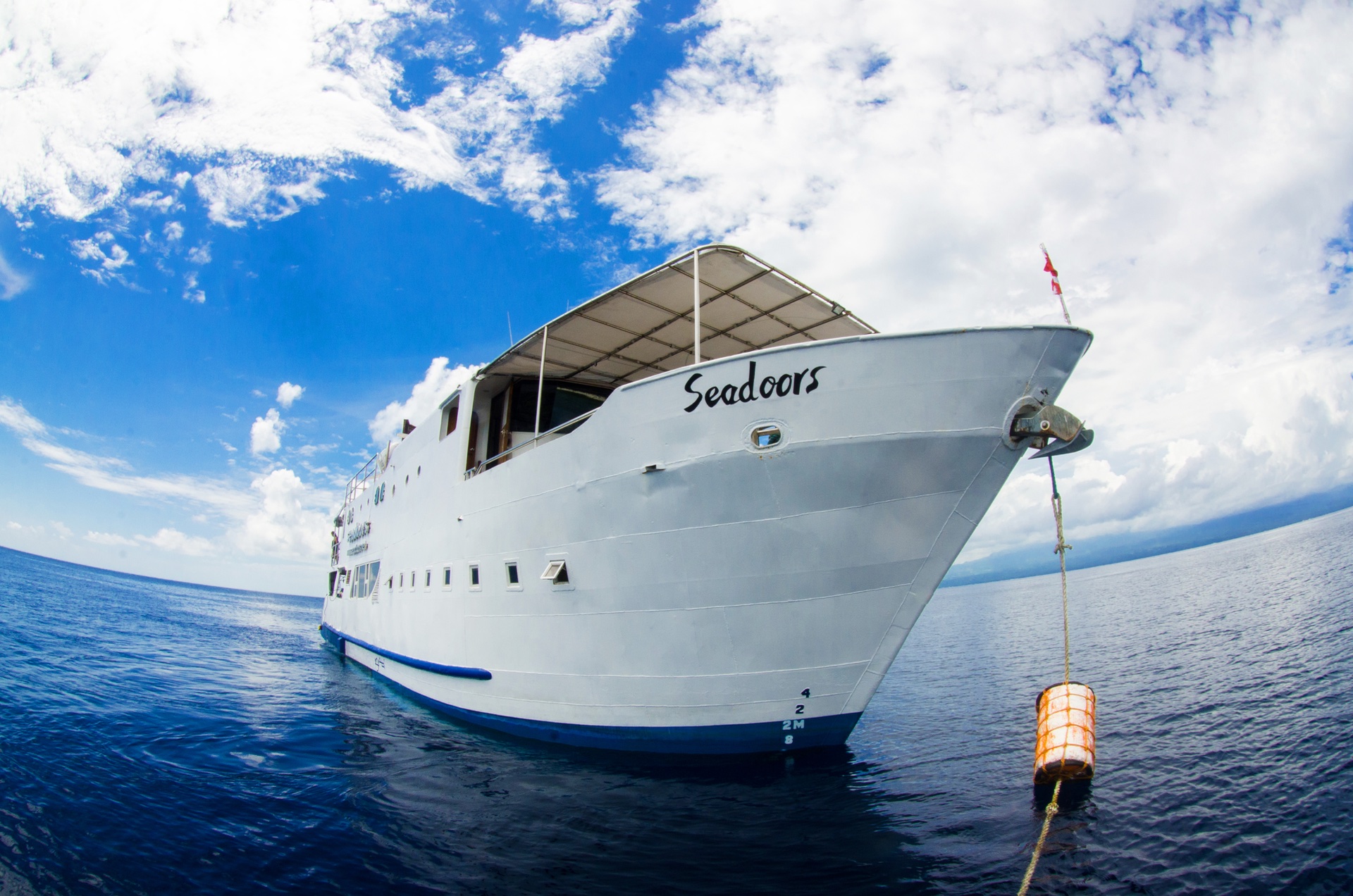
Seadoors
Philippines
16 guests25 m
$335/day
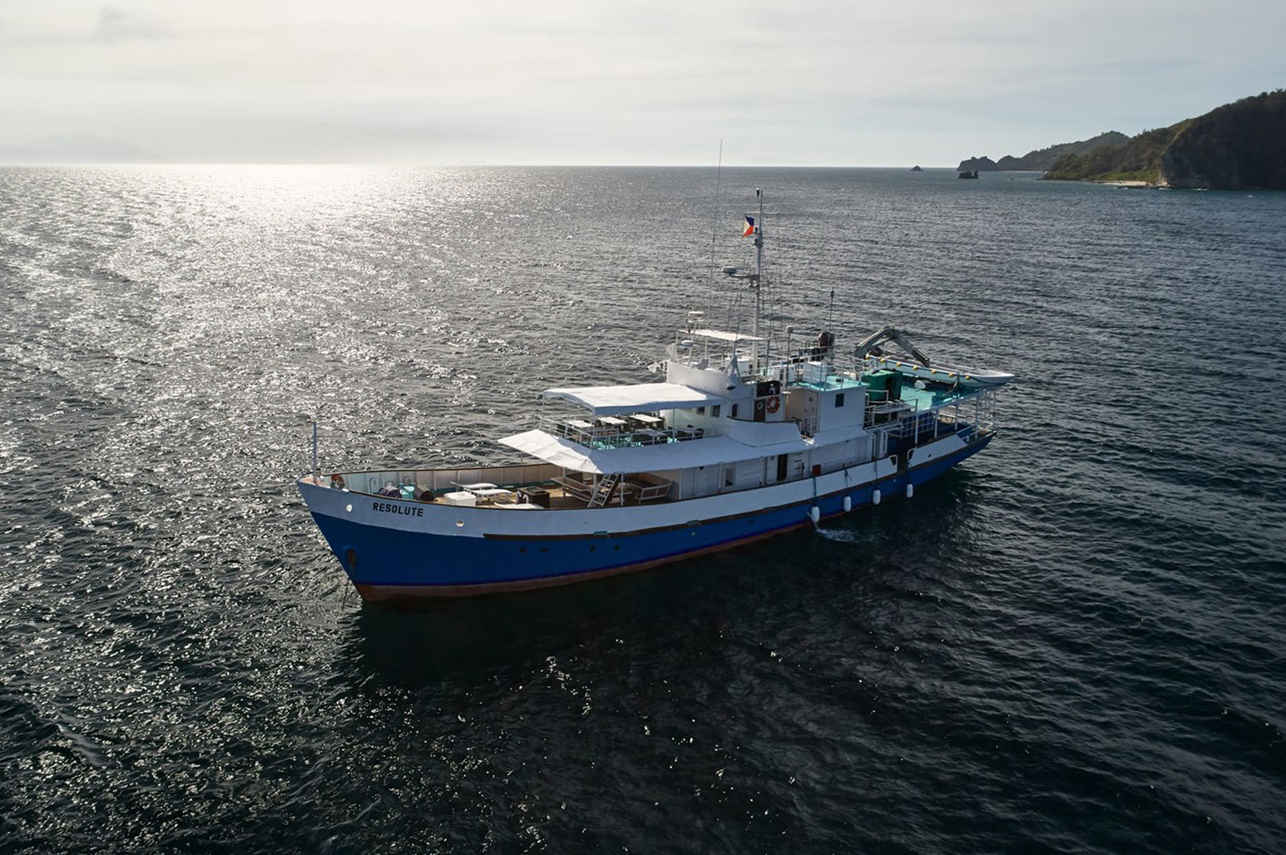
Resolute
Philippines
16 guests34.6 m
$314/day
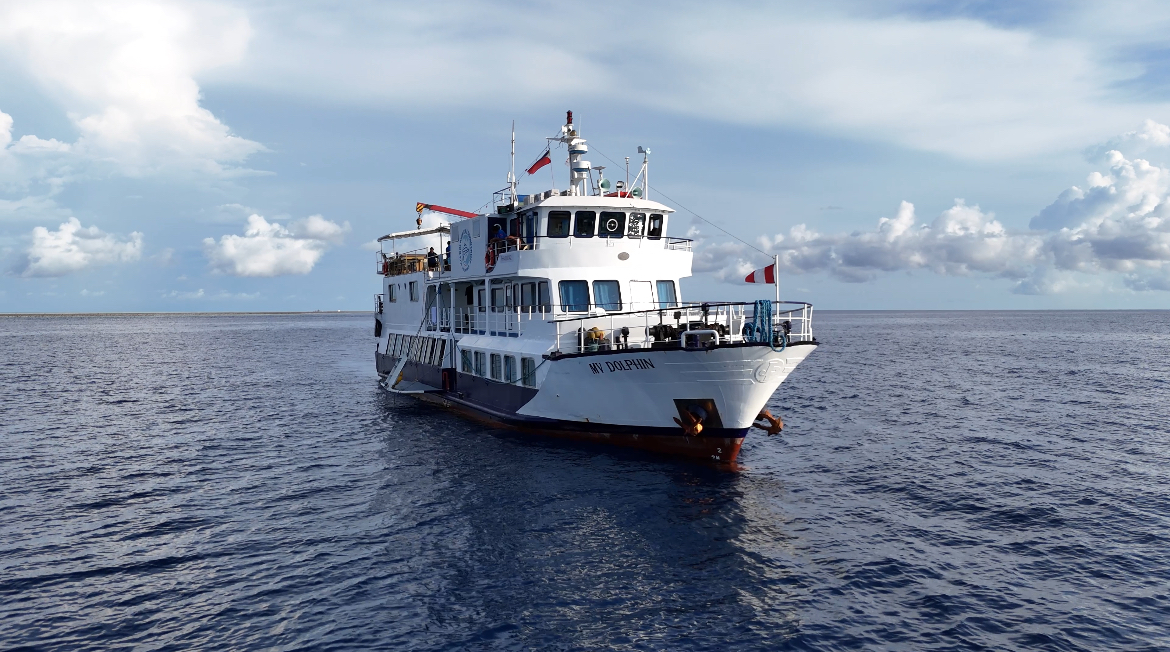
Dolphin
Philippines
18 guests31 m
$326/day
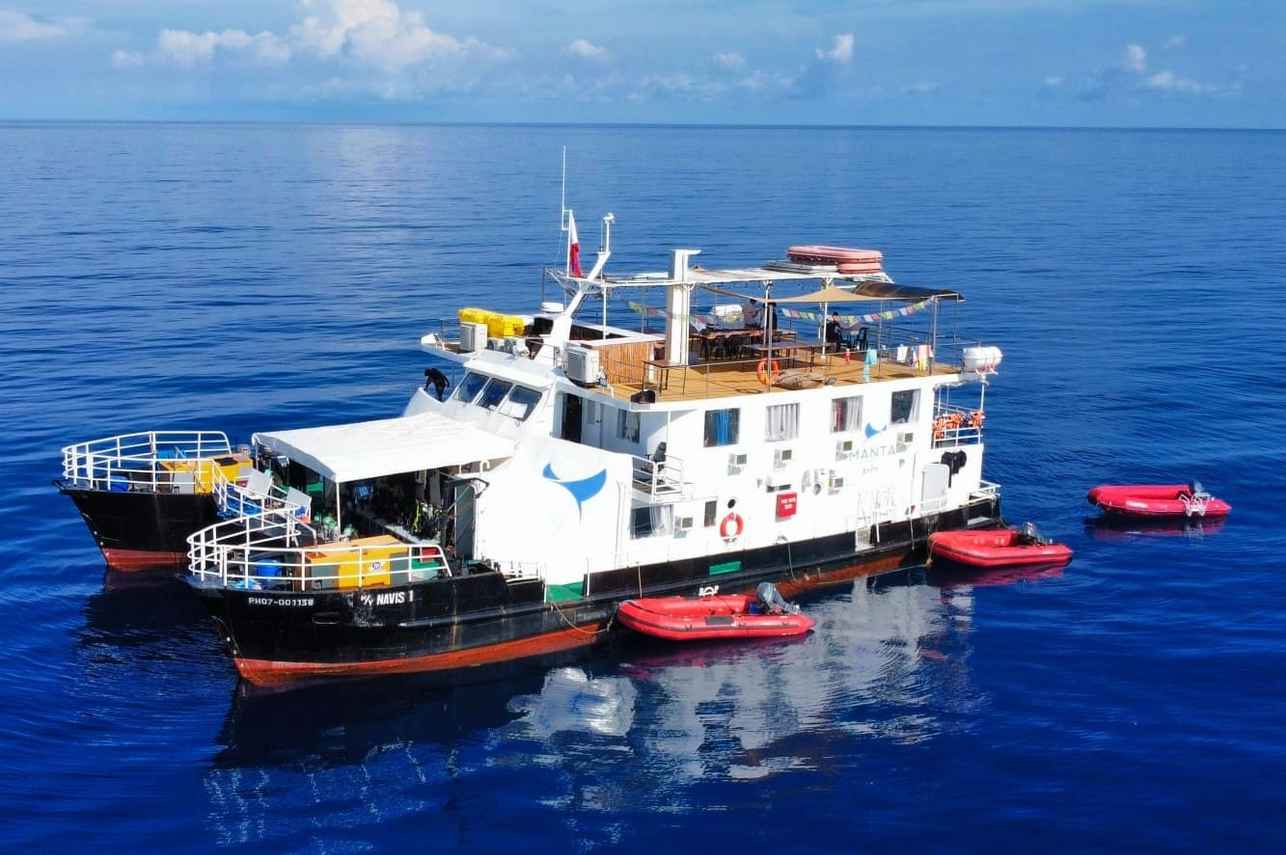
Navis 1
Philippines
22 guests23 m
$250/day
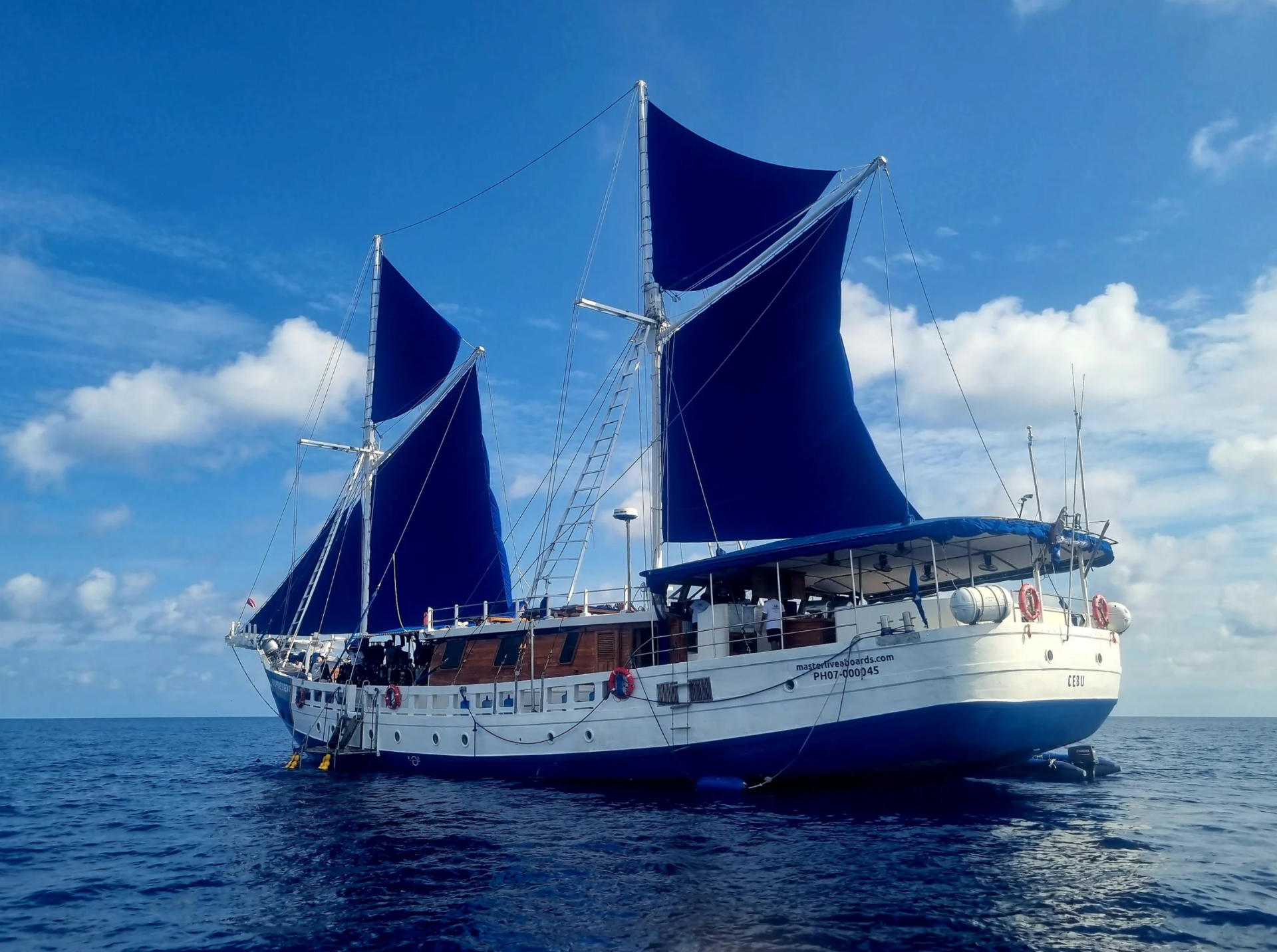
Philippine Siren
Philippines
16 guests
$309/day
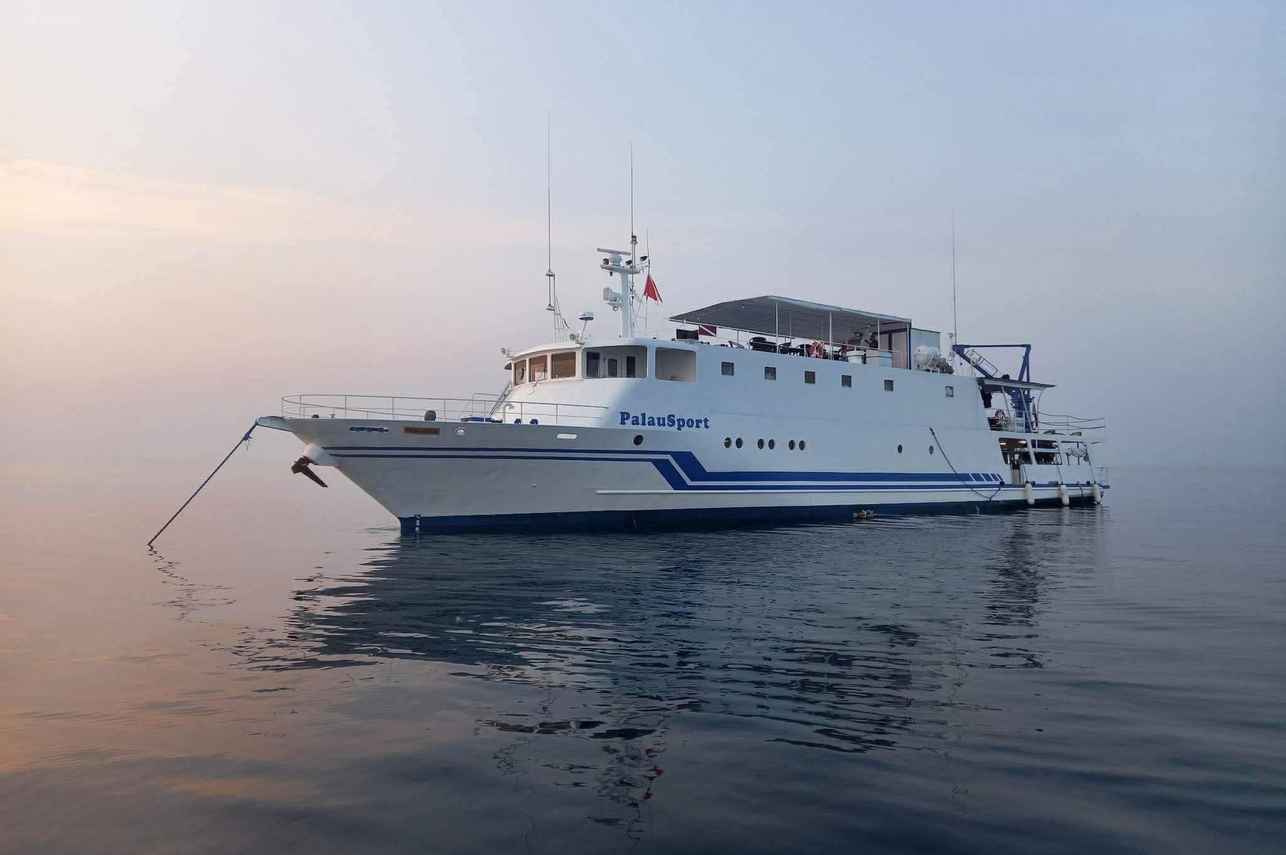
Palau Sport
Philippines
24 guests38.35 m
$215/day
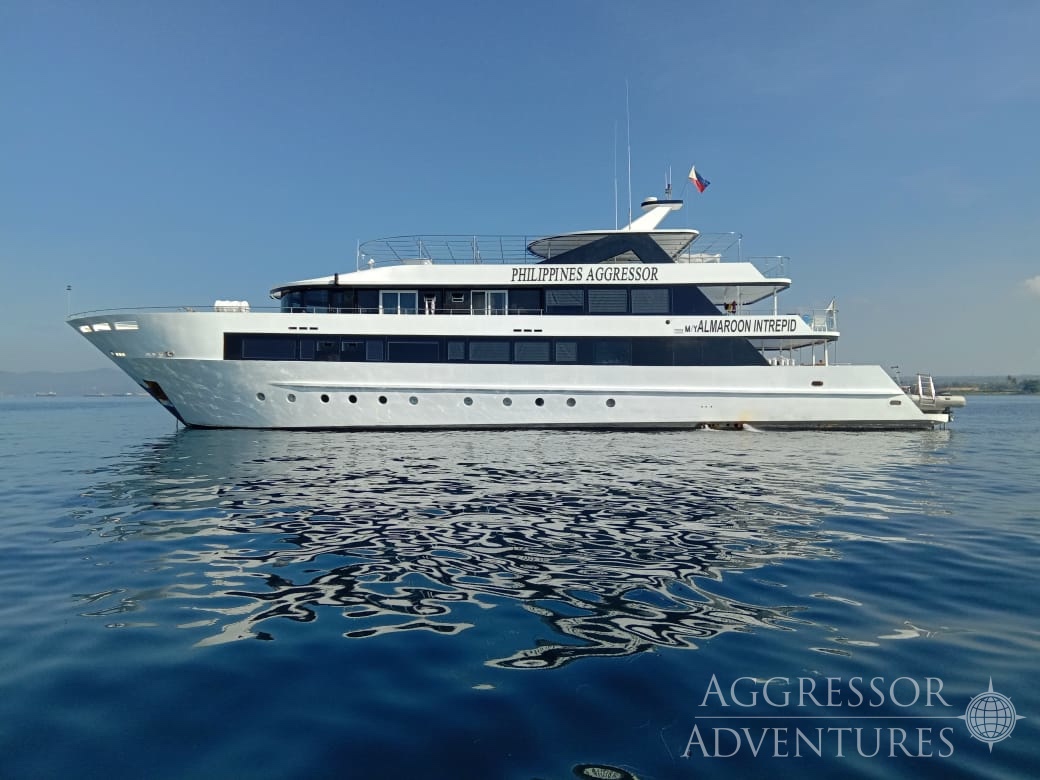
Philippines Aggressor
Philippines
26 guests42.7 m
$381/day
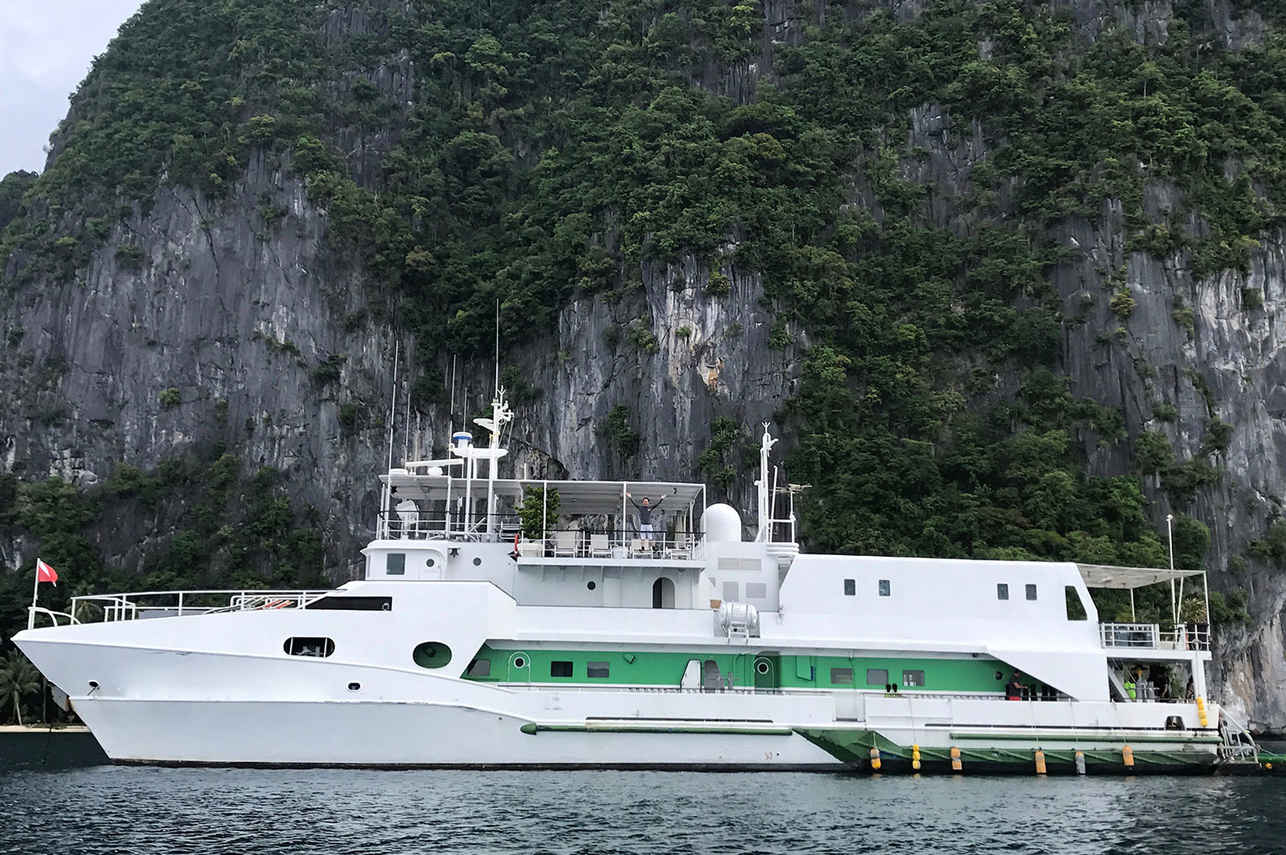
Stella Maris Explorer
Philippines
20 guests33 m
$398/day
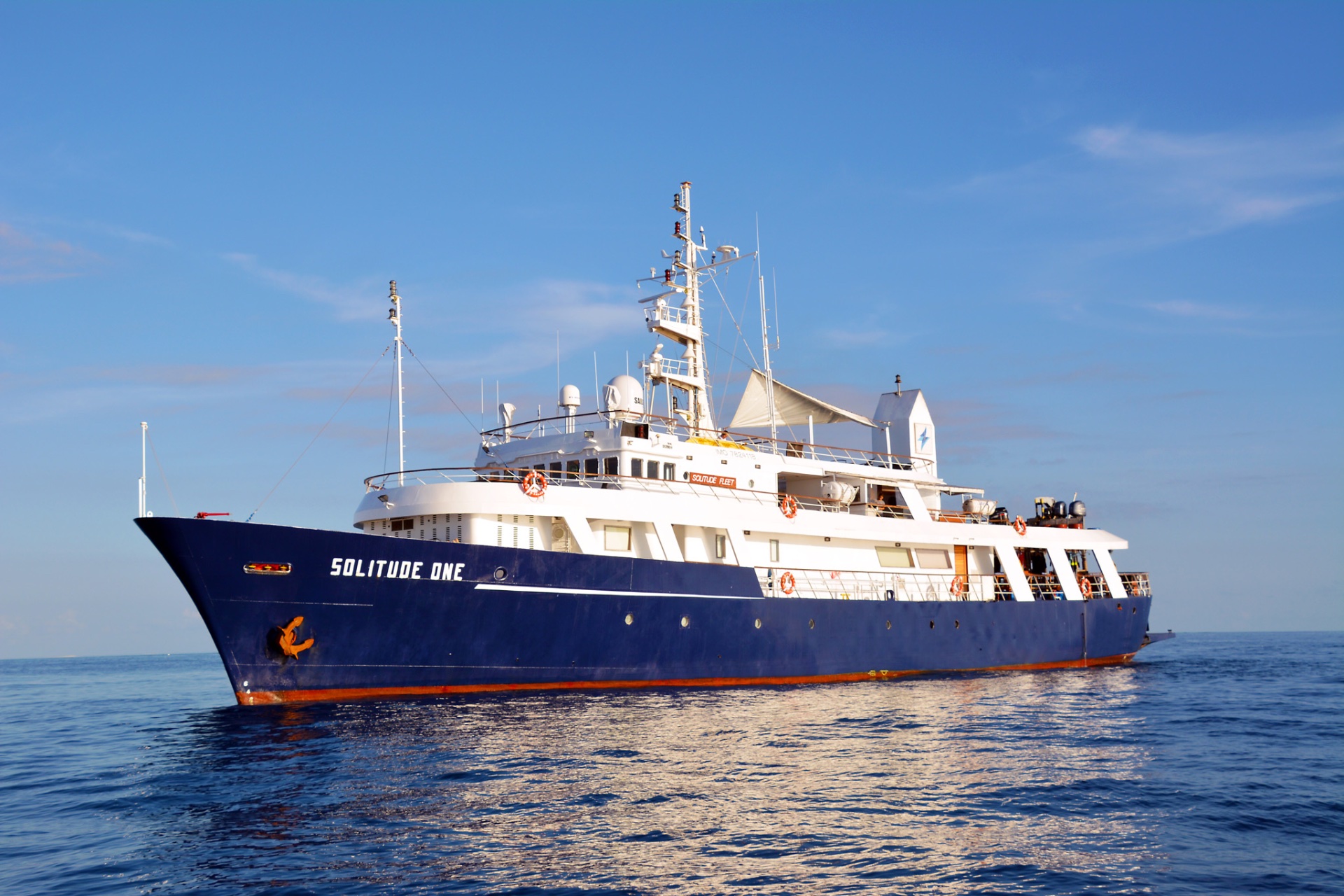
Solitude One
Philippines
24 guests52 m
$460/day
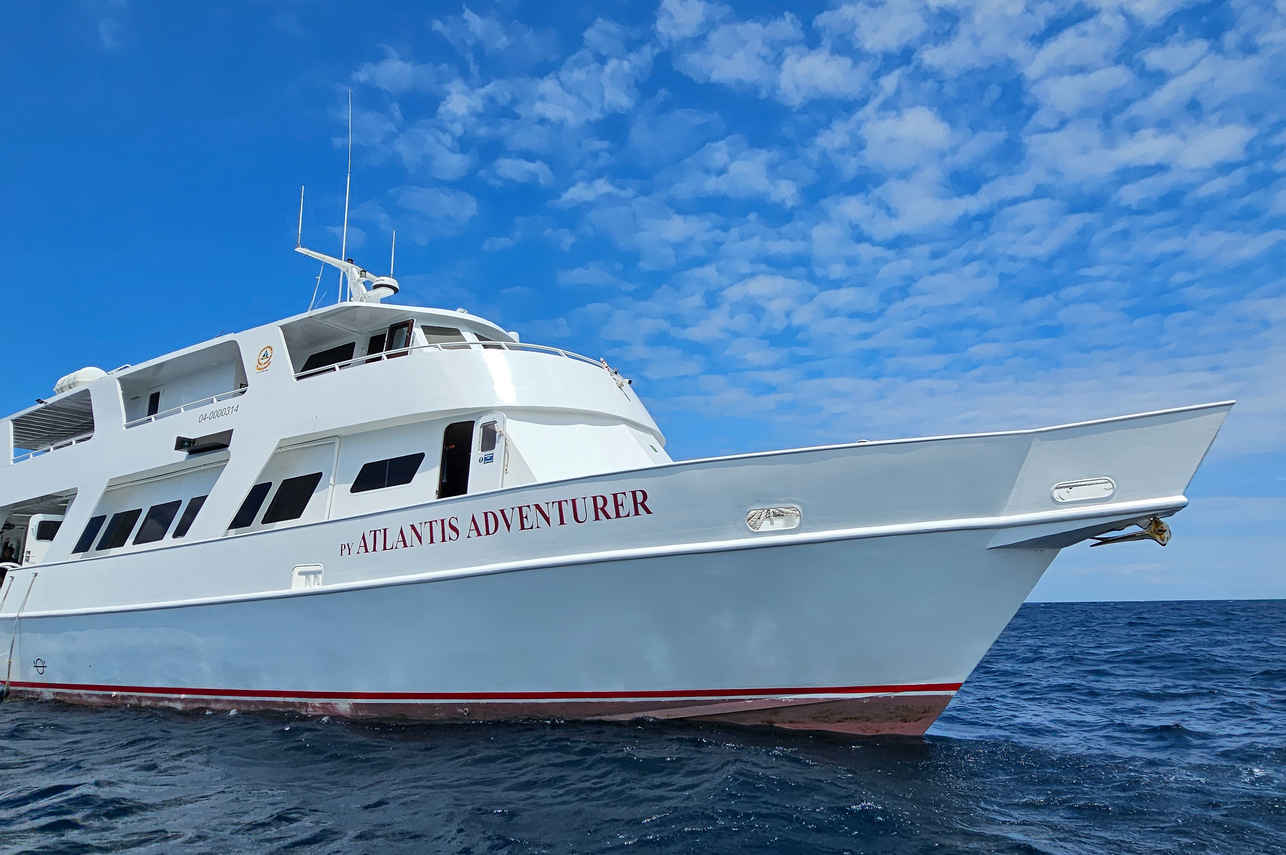
Atlantis Adventurer
Philippines
16 guests32.5 m
$421/day
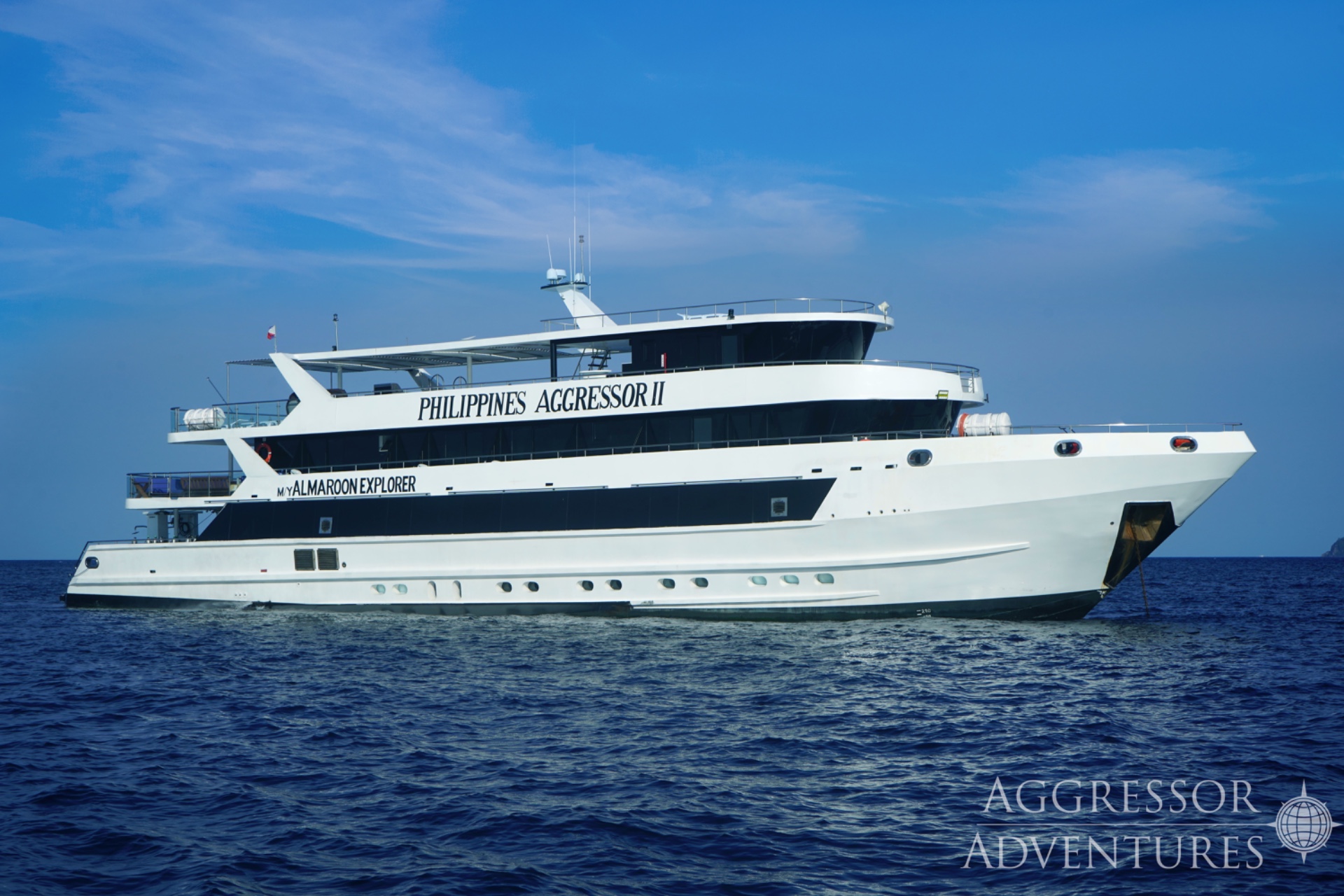
Philippines Aggressor II
Philippines
26 guests42.7 m
$247/day
Dive sites similar to Black Forest
Same character, same waters — six more sites divers love for the exact same reasons.Compare seasons, access and liveaboard routes — then pick the site that fits your trip best.
© Esri — Maxar, Earthstar, GIS
Big La Laguna
Philippines
Big La Laguna is a beach community situated on the western edge of the Sabang Peninsula, a popular dive region on Mindoro Island, Philippines.
- Suitable for
- Intermediate
- Current
- Moderate
- Access
- Dayboat
- Depth
- 5–35 m
- Theme
- Reef / Wall
© Esri — Maxar, Earthstar, GIS
Panagsama Beach
Philippines
Panagsama Beach, situated on a peninsula near Moalboal town in Cebu, serves as a central hub for diving activities in the region, boasting over 20 dive sites along its shoreline.
- Suitable for
- Intermediate
- Current
- Moderate
- Access
- Liveaboard or dayboat
- Depth
- ≤ 30 m
- Theme
- Reef / Wall
© Esri — Maxar, Earthstar, GIS
Binangaan Drop Off
Philippines
Binangaan Drop Off is a premier dive site within Apo Reef National Park, located off Occidental Mindoro in the Philippines.
- Suitable for
- Advanced
- Current
- Strong
- Access
- Liveaboard only
- Depth
- 10–40 m
- Theme
- Wall / Drift
© Esri — Maxar, Earthstar, GIS
Olympia Maru
Philippines
The Olympia Maru is a prominent Japanese cargo ship wreck from World War II, located within Coron Bay, Philippines.
- Suitable for
- Intermediate
- Current
- Mild
- Access
- Dayboat
- Depth
- 17–24 m
- Theme
- Wreck / Reef
© Esri — Maxar, Earthstar, GIS
Manta Bowl
Philippines
Manta Bowl is a renowned submerged seamount located in the Ticao Pass, off the northern coast of Ticao Island in Masbate, Philippines.
- Suitable for
- Advanced
- Current
- Ripping
- Access
- Liveaboard or dayboat
- Depth
- 14–50 m
- Theme
- Drift
© Esri — Maxar, Earthstar, GIS
Balinghai Wall
Philippines
Balinghai Wall is a notable dive site located on the northwest side of Boracay, known for its accessible wall and coral slope formations.
- Suitable for
- Intermediate
- Current
- Mild
- Access
- Dayboat
- Depth
- 8–24 m
- Theme
- Wall / Reef