About Verde Island Passage
The Verde Island Passage, nestled between Luzon and Mindoro, is celebrated worldwide as the "center of the center of marine shorefish biodiversity." This narrow strait boasts more species of fish and coral per square meter than almost any other location on Earth, including the Caribbean and the Great Barrier Reef. Its unique topography features reefs that ascend sharply from deep waters, forming dramatic walls, ridges, and pinnacles. These structures, coupled with strong tidal currents, funnel nutrient-rich water across the reefs, fostering an explosion of marine life. This makes the Passage an exceptional destination for both macro photographers and those seeking vibrant wide-angle reefscapes. The Passage supports an incredible array of marine species, from hundreds of hard coral species and clouds of reef fish like anthias and jacks, to celebrated macro critters such as nudibranchs, frogfish, and seahorses. Threatened species like green, hawksbill, and olive ridley sea turtles, along with humphead wrasse and giant groupers, are also commonly encountered. Exposed sites around Verde Island itself can yield sightings of pelagic species like tuna, mackerel, barracuda, and reef sharks. Typically accessed via day trips from Puerto Galera, the diving experience here is dynamic and rewarding. Strong currents are a defining feature, enhancing the biodiversity but also requiring more experienced divers. The sites offer a blend of exhilarating drift dives along coral-covered walls and detailed exploration of macro-rich habitats, promising a world-class underwater adventure.
Highlights
World's marine biodiversity centerExceptional coral diversityAbundant reef fish schoolsCritter hot spotStrong current drift divesDramatic walls and pinnaclesThreatened species sightingsRich pelagic encounters
Season calendar
Best months to dive here
Jan
Feb
Mar
Apr
May
Jun
Jul
Aug
Sep
Oct
Nov
Dec
Good
Dive site facts: Verde Island Passage
- Depth
- 10–60 m
- Typical dive
- 15–30 m, 45–60 min
- Current
- Strong to ferocious
- Visibility
- 30 m+
- Water temperature
- 25–30°C
- Entry
- Boat / negative entry
- Level
- Advanced recommended, current experience essential
- Dive type
- Coral walls, drift, macro, pelagic
- Night dive
- Possible
- Region / port
- Puerto Galera, Mindoro
- Coordinates
- 13.535, 121.015
Conditions & Currents
Verde Island Passage is renowned for its strong, often ferocious, currents, which are a primary driver of its exceptional biodiversity. These powerful tidal flows sweep nutrient-rich water up from the depths, sustaining the dense coral growth and abundant marine life. Divers should anticipate significant current, including potential downcurrents, particularly at sites like The Pinnacle. Entry into the water often involves getting close to the reef and descending quickly to avoid being swept away, transitioning into a drift dive along the coral walls. Slack tide diving is possible but still often features movement. Visibility is generally excellent, frequently exceeding 30 meters, but strong currents can sometimes stir up particulate matter, causing minor fluctuations. Divers should be experienced with drift diving and comfortable in robust currents; those without such experience may find
Marine life & sighting chances

Nudibranchs
common
Frogfish
occasional
Pygmy seahorses
occasional
Redtooth triggerfish
common
Jackfish
common
Snapper
common
Green sea turtle
common
Hawksbill sea turtle
common
Humphead wrasse
occasional
Giant grouper
occasional
Reef shark
occasional
Barracuda
occasional
Tuna
occasionalDive profile & how the dive runs
Dives in the Verde Island Passage often begin with a fast entry, getting close to the reef to quickly descend and mitigate strong surface currents, particularly at sites like The Pinnacle. Once at depth, divers typically drift along massive coral walls and pinnacles that plunge from near the surface to over 60 meters. The route often zig-zags along the column-like structures, allowing exploration of the vibrant coral and fish life that thrives in the powerful currents. The turn point is usually dictated by air consumption and current direction, ensuring divers remain with the group as the current carries them along. Safety stops are often conducted as drift stops, maintaining buoyancy at 5 meters while continuing to move with the current, requiring excellent buoyancy control. Exits are typically negative, with the boat picking up divers downstream.
Underwater photography
Verde Island Passage offers exceptional opportunities for both wide-angle and macro photography, demanding versatility from photographers. For wide-angle shots, a fisheye or wide rectilinear lens is ideal to capture the dense coral gardens, dramatic wallscapes, and schooling fish, especially vast clouds of redtooth triggerfish and jacks. External strobes are crucial to bring out the true colors of the corals and fish in the clear yet often deep waters. When focusing on macro, the Passage is a celebrated spot for nudibranchs, frogfish, and seahorses; a dedicated macro lens and perhaps a snoot for creative lighting will yield stunning results. Buoyancy control is paramount due to strong currents, ensuring photographers can hold position without disturbing the fragile marine life. Patience and good situational awareness are essential when shooting in currents, to avoid collision with the reef or other divers.
Combine with nearby dive sites
- Anilao — Secret Bay
Famous for exceptional macro and muck diving opportunities.
- Puerto Galera — Canyons
Known for exhilarating drift dives through underwater canyons.
- Apo Island
A marine sanctuary with abundant turtles and diverse coral reefs.
- Coron Bay — Skeleton Wreck
Offers accessible wreck diving on Japanese WWII shipwrecks.
Getting there & logistics
Access to Verde Island Passage primarily involves travel to Puerto Galera on Mindoro Island. The nearest international airport is Manila (MNL), from which you can take a bus or private transfer to Batangas port, followed by a 30-minute to 1-hour ferry ride to Puerto Galera. Some liveaboards may also operate out of Puerto Galera directly. Day trips to Verde Island from Puerto Galera typically take about 50 minutes by boat and often include two dives, with lunch. There are no specific park fees mentioned, but dive operators will typically incorporate any local environmental fees into their dive package costs. Trips are typically integrated into dive packages staying at resorts in Puerto Galera, offering a full day of diving at the Passage alongside other local sites.
Safety & environment
Diving in the Verde Island Passage, characterized by strong and unpredictable currents, necessitates careful adherence to safety protocols. Divers must be proficient in drift diving techniques and maintain excellent buoyancy control. Evacuation to the nearest recompression chamber, likely in Manila, can be a lengthy process involving boat and land travel, underscoring the critical importance of preventing incidents. Adequate dive accident insurance is therefore highly recommended. Divers should always follow their dive guide's instructions closely, maintain a conservative dive plan, and be mindful of their air consumption, especially during vigorous current dives. Staying close to the group and having visual and audible signaling devices are also prudent measures.
Who it suits — and who it doesn't
Suited for
- Advanced divers comfortable with strong currents
- Underwater photographers seeking diverse subjects
- Experienced drift divers
- Marine biodiversity enthusiasts
- Divers seeking vibrant coral reef systems
Less suited for
- Beginner divers
- Divers uncomfortable with strong currents
- Those prone to seasickness on boat rides
- Divers preferring calm, current-free environments
FAQ
Verde Island Passage FAQ
Why is Verde Island Passage considered the 'center of the center of marine biodiversity'?
Scientific studies, notably a 2005 Carpenter and Springer report, identified the Verde Island Passage as hosting the highest concentration of marine shore fish species globally. Its location within the Coral Triangle and unique oceanographic conditions, including strong currents, foster an unparalleled diversity of marine life, including over 300 species of hard corals.
What kind of currents can I expect when diving at Verde Island?
Diving at Verde Island Passage is known for its strong, often ferocious, currents. These currents are vital to the ecosystem, bringing nutrients to the reefs, but they require divers to be experienced in drift diving and possess excellent buoyancy control. You should anticipate conditions that can range from moderate to very strong.
What marine life is commonly seen at Verde Island Passage?
The Passage is rich in both macro and pelagic life. Divers frequently encounter diverse nudibranchs, frogfish, seahorses, and clouds of reef fish like triggerfish, jacks, and snapper. Larger species such as green and hawksbill sea turtles, humphead wrasse, giant groupers, and occasional reef sharks are also commonly sighted, particularly on more exposed sites.
Is Verde Island suitable for beginner divers?
Due to the presence of strong and often unpredictable currents, Verde Island Passage is generally not recommended for beginner divers. The challenging conditions are best navigated by advanced divers with prior experience in drift diving and excellent buoyancy control. Some shallower, more sheltered parts of the Passage might be suitable, but the signature sites require higher skill levels.
How do I get to Verde Island Passage for diving?
Most divers access Verde Island Passage via day trips from Puerto Galera. To reach Puerto Galera, you typically fly into Manila (MNL), then take a bus or private transfer to Batangas port, followed by a ferry. The boat journey from Puerto Galera to Verde Island usually takes about 50 minutes.
Are there historical elements to explore at Verde Island?
While the main draw is marine biodiversity, Verde Island has historical connections. The 18th-century Spanish galleon 'Nuestra Senora de la Vida' sank nearby in 1620. Though heavily salvaged, divers and beachcombers can still occasionally find small pieces of porcelain from the wreck on the beaches of Verde Island, adding a unique treasure-hunting aspect to a surface interval.
Why dive Verde Island Passage from a liveaboard?
Verde Island Passage is one of Philippines's signature dive sites. A liveaboard sleeps you on the water and puts you in the water for three to four guided dives per day, including dawn and night dives that day-boat operators rarely offer. You skip the daily commute back to port and reach quieter, less-crowded sites in the same region on a single trip.
Below are the liveaboards that include Verde Island Passage on their Philippines itineraries.
Liveaboards diving Verde Island Passage
These liveaboards may visit Verde Island Passage on selected itineraries — the exact dive sites depend on departure, weather and conditions.
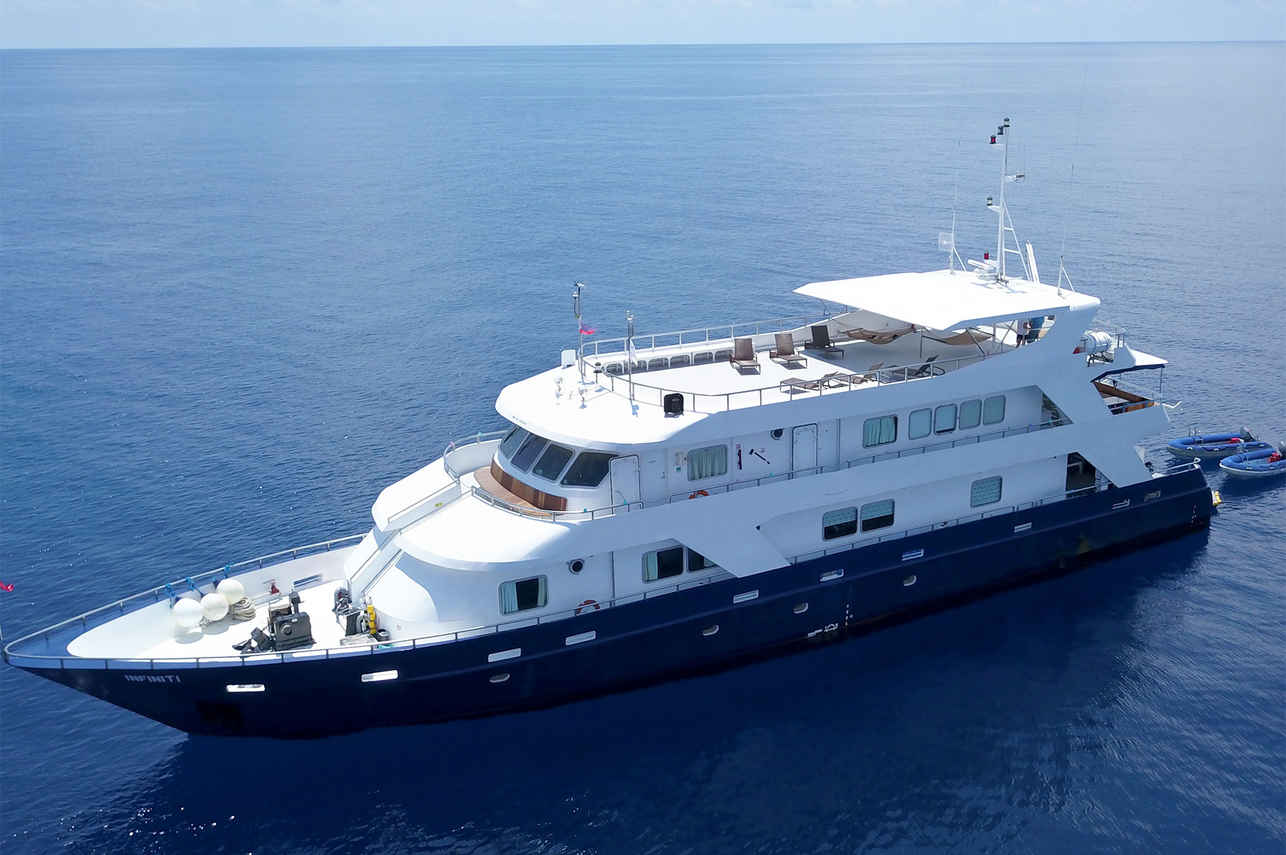
Infiniti
Philippines
25 guests39 m
$280/day
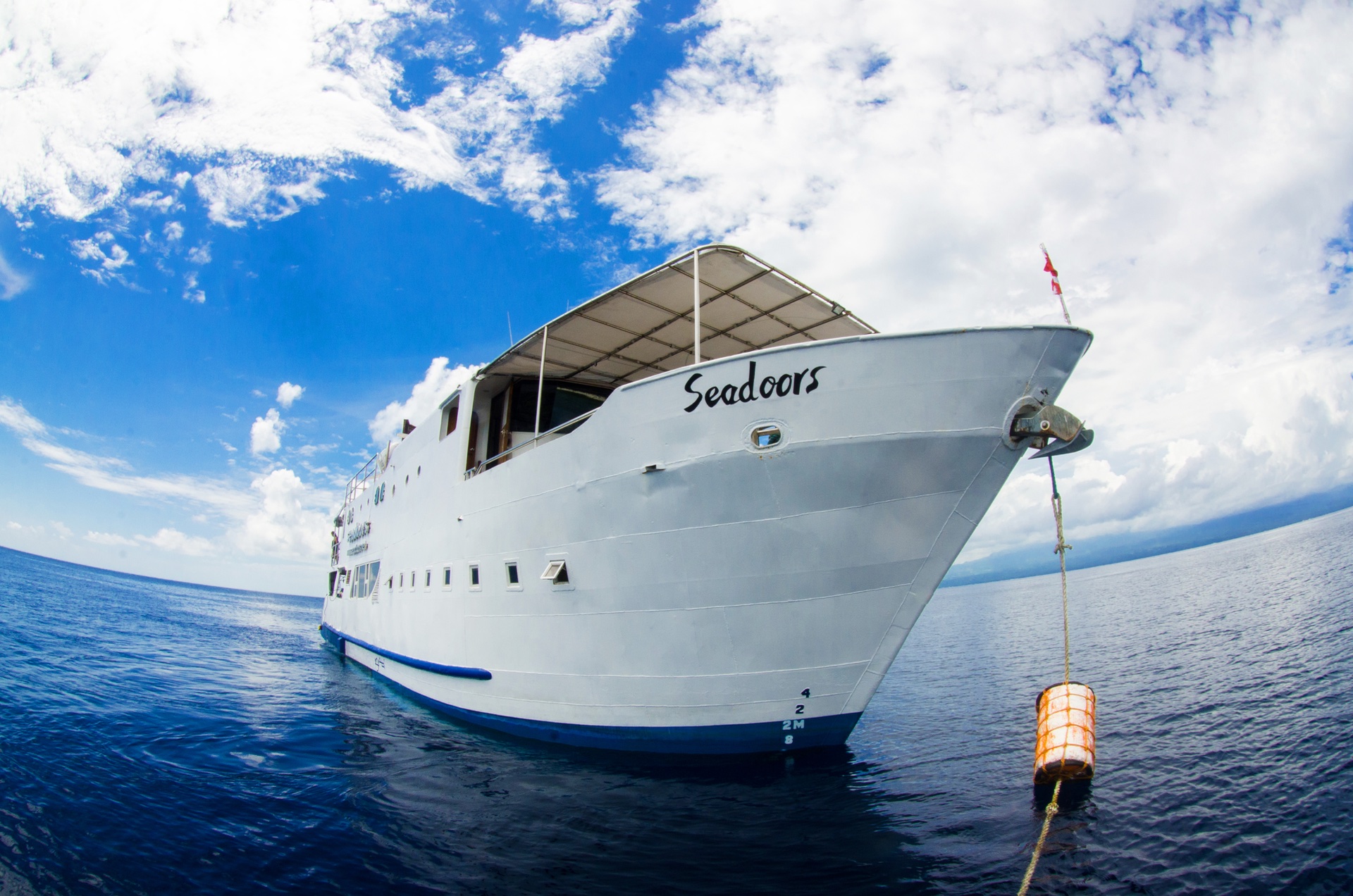
Seadoors
Philippines
16 guests25 m
$335/day
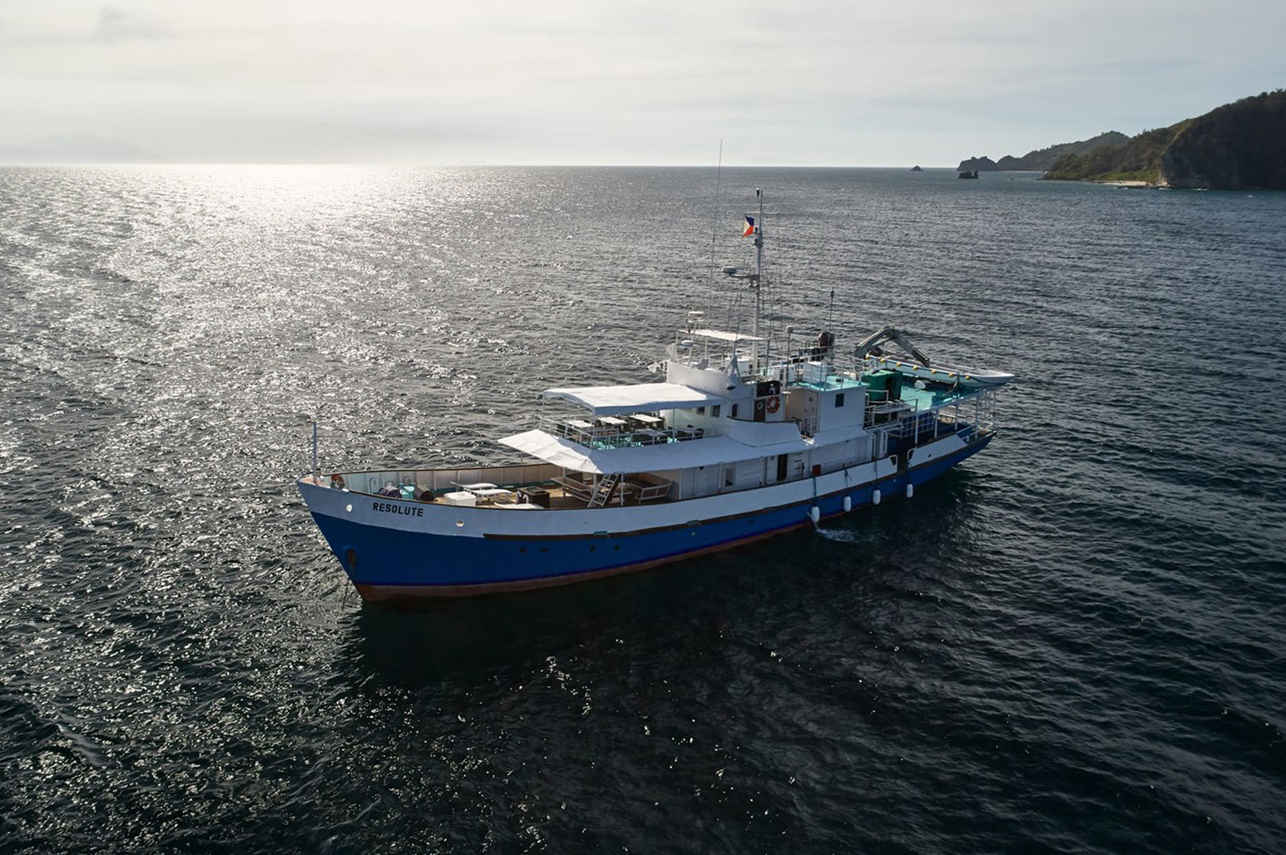
Resolute
Philippines
16 guests34.6 m
$314/day
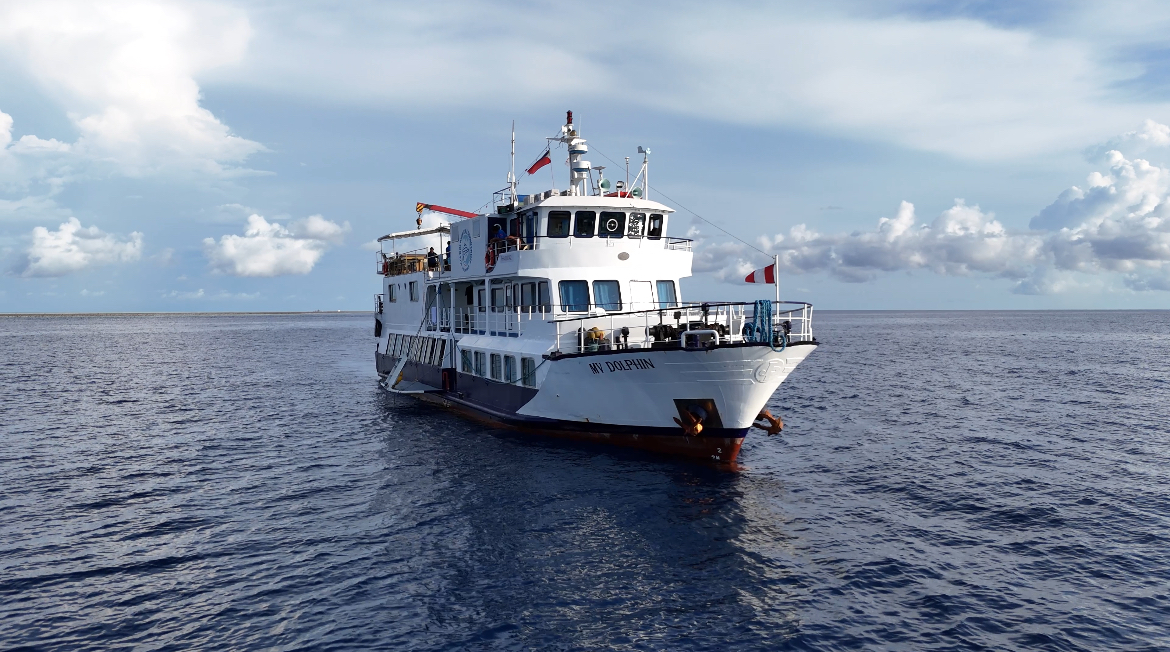
Dolphin
Philippines
18 guests31 m
$326/day
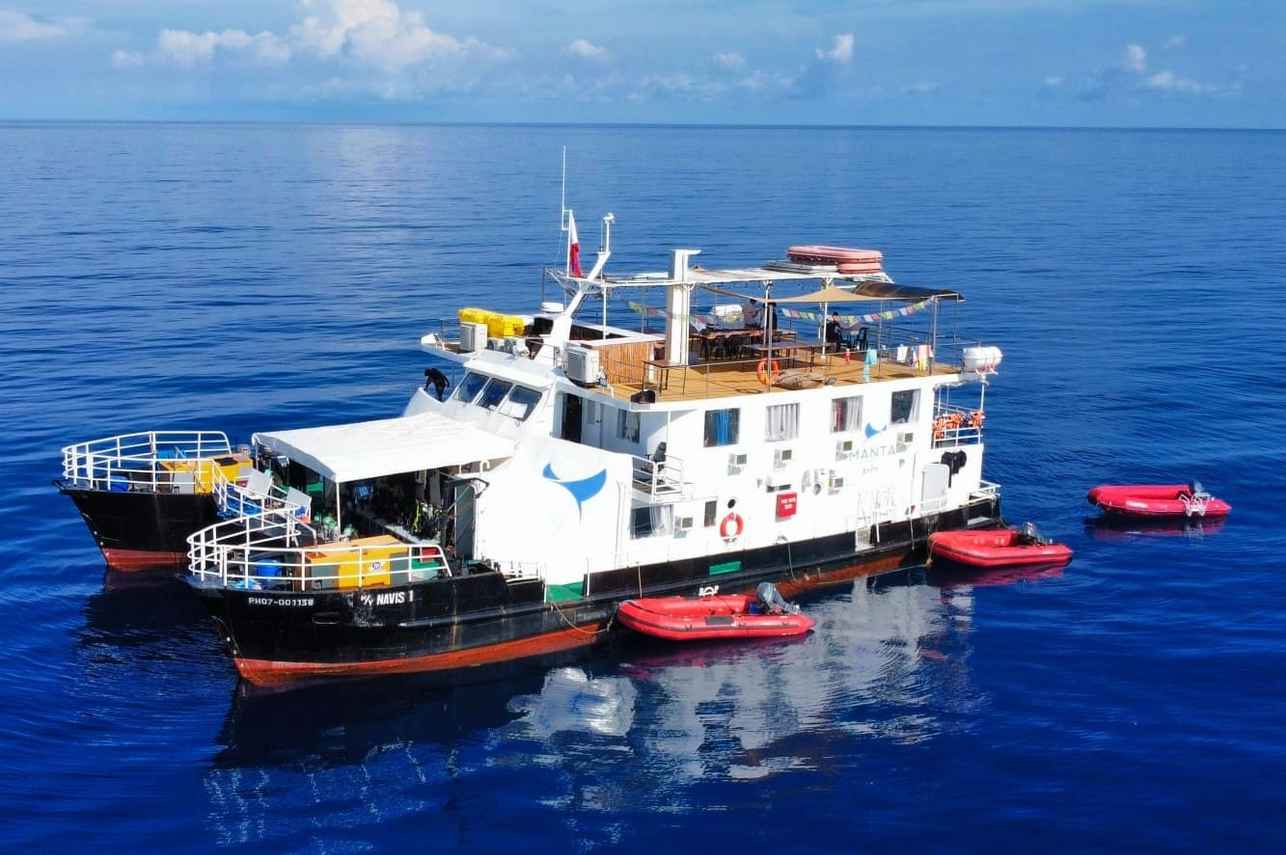
Navis 1
Philippines
22 guests23 m
$250/day
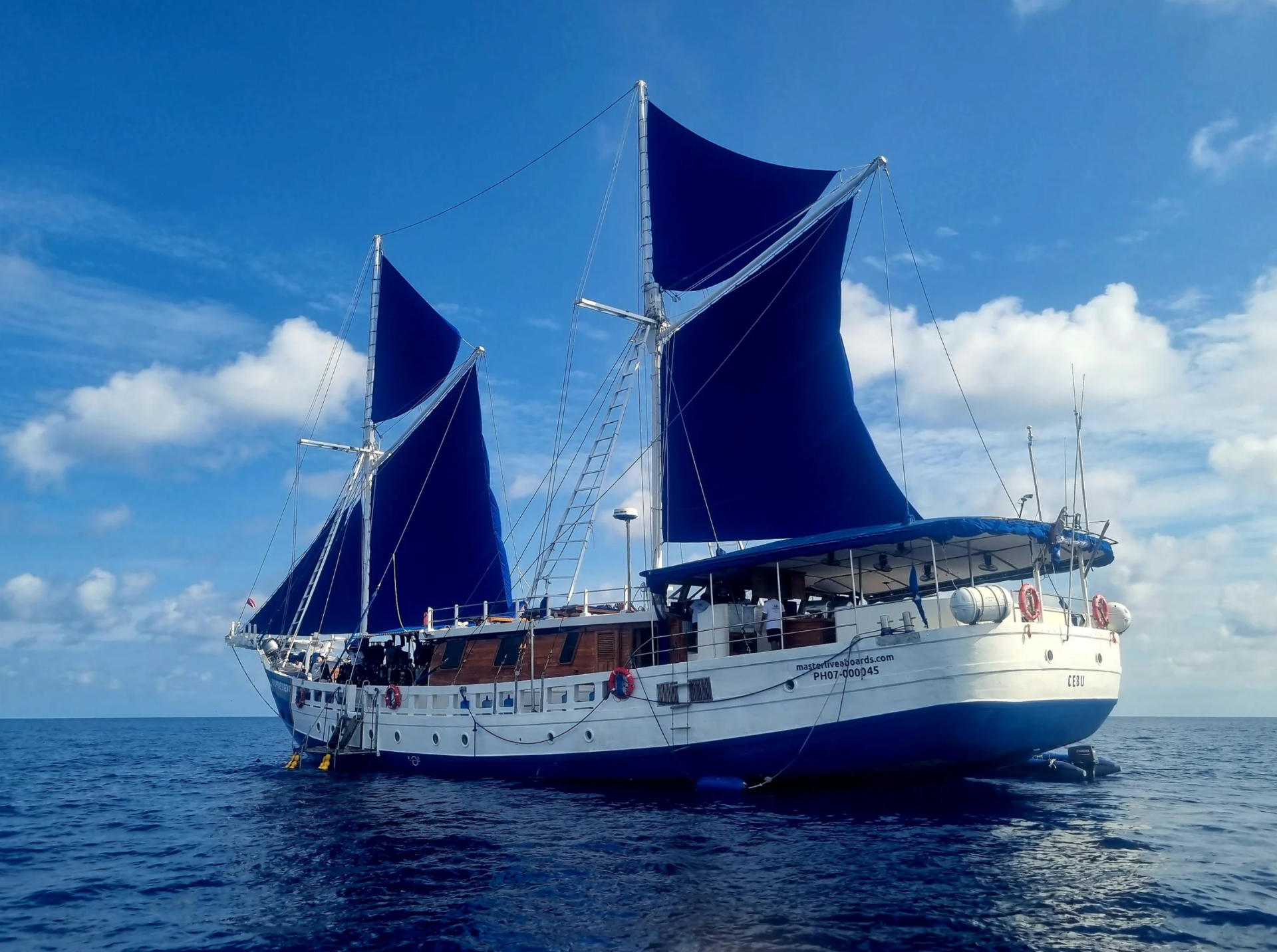
Philippine Siren
Philippines
16 guests
$309/day
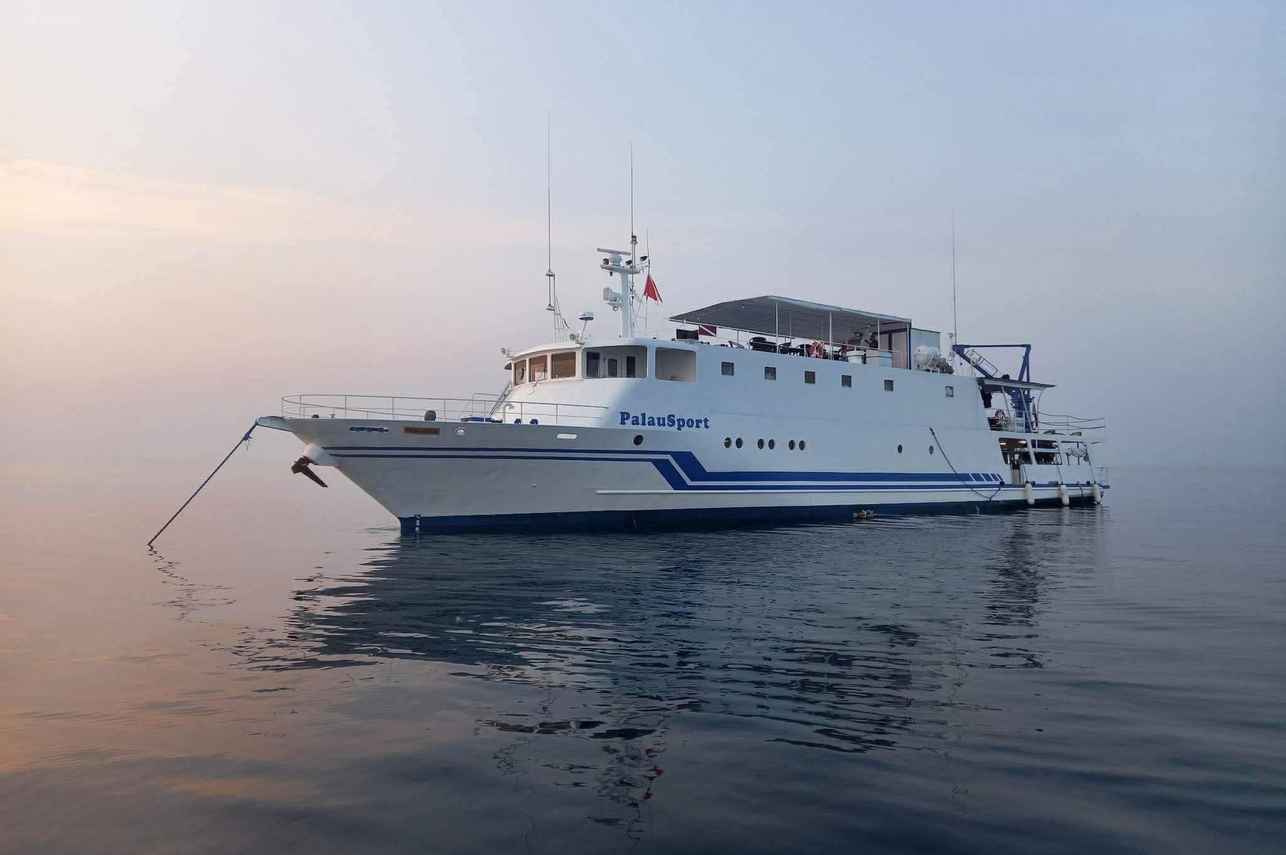
Palau Sport
Philippines
24 guests38.35 m
$215/day
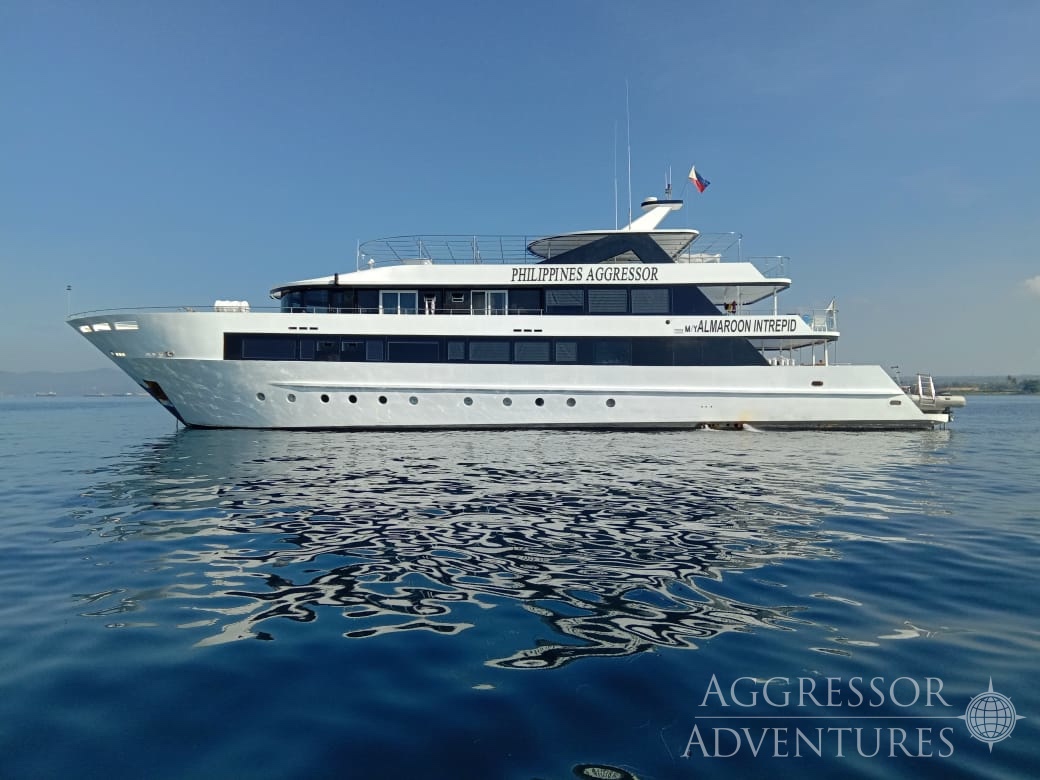
Philippines Aggressor
Philippines
26 guests42.7 m
$381/day
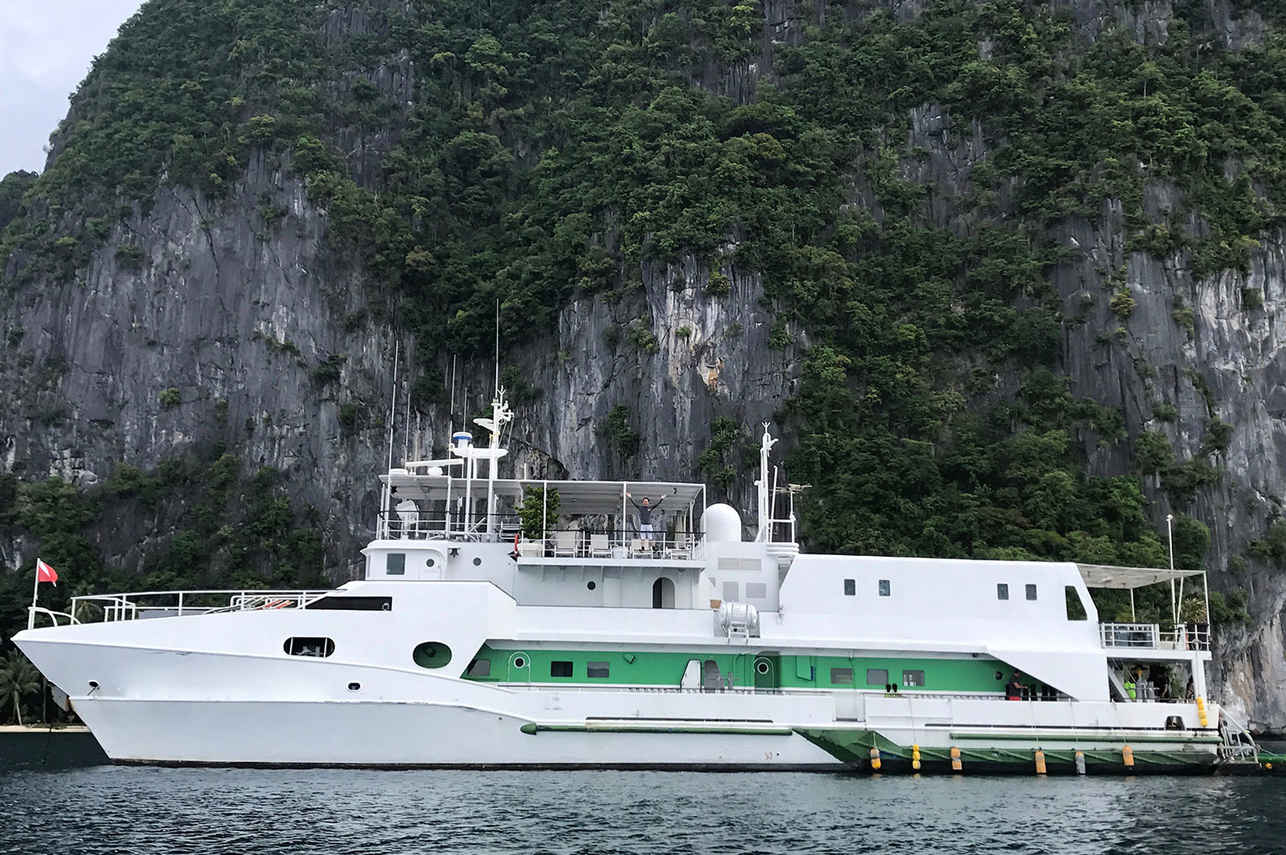
Stella Maris Explorer
Philippines
20 guests33 m
$398/day
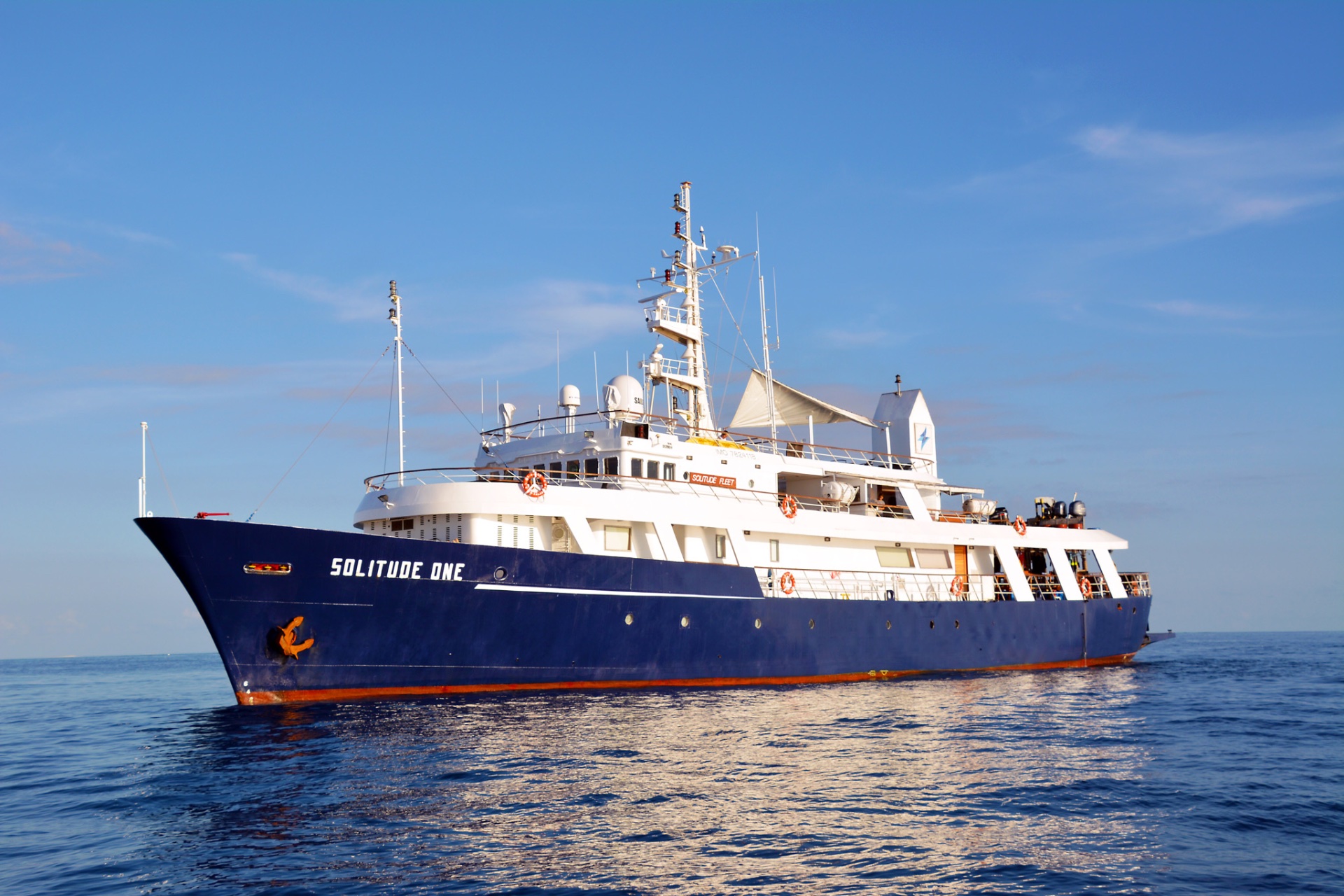
Solitude One
Philippines
24 guests52 m
$460/day
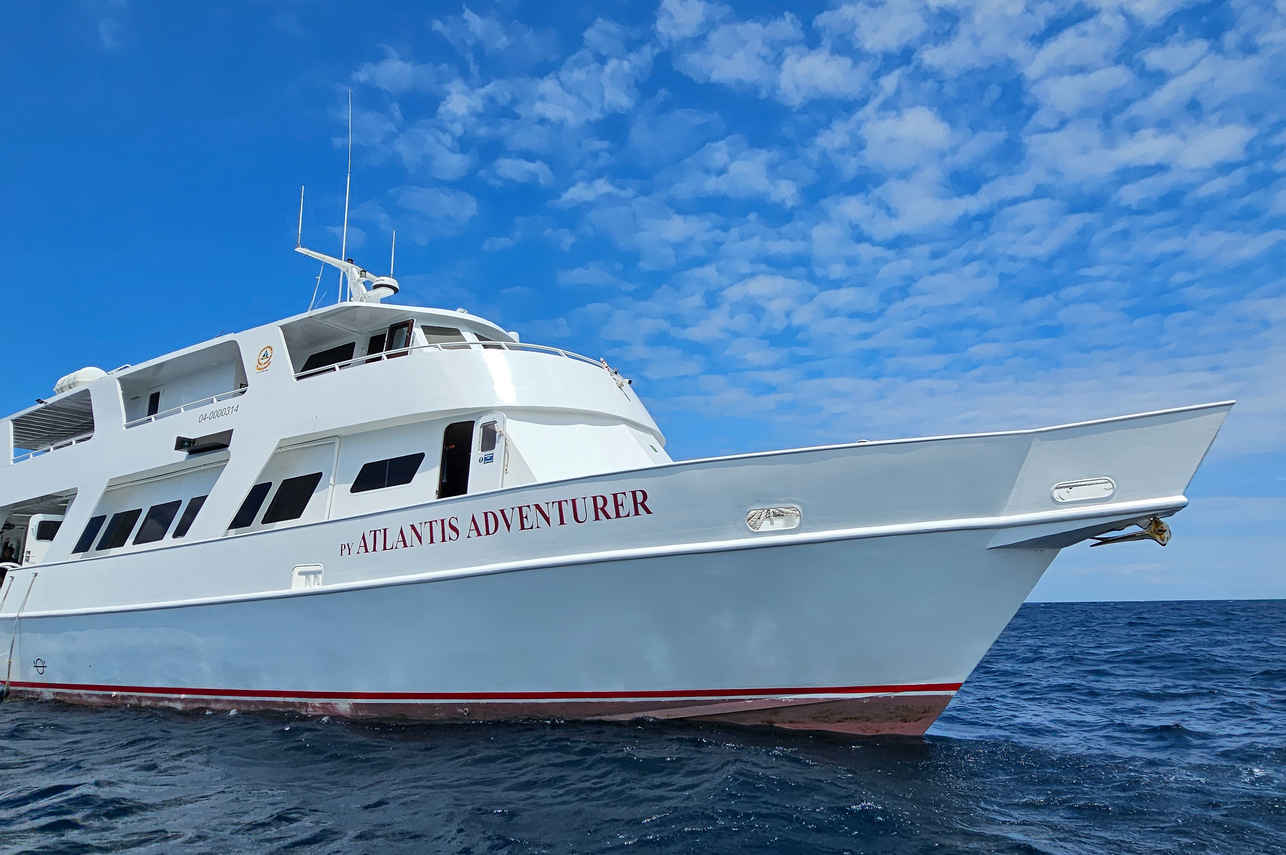
Atlantis Adventurer
Philippines
16 guests32.5 m
$421/day
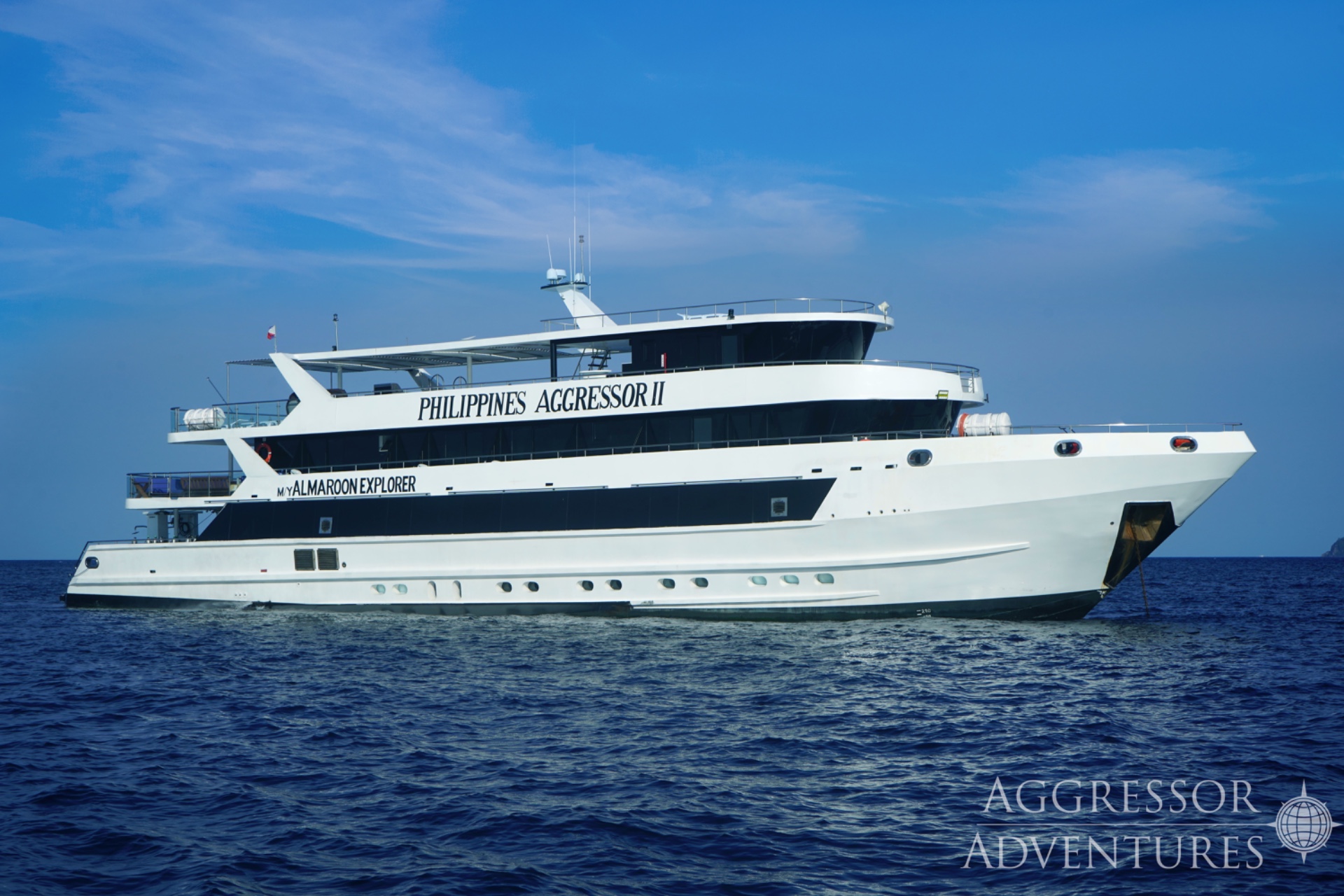
Philippines Aggressor II
Philippines
26 guests42.7 m
$247/day
Dive sites similar to Verde Island Passage
Same character, same waters — six more sites divers love for the exact same reasons.Compare seasons, access and liveaboard routes — then pick the site that fits your trip best.
© Esri — Maxar, Earthstar, GIS
Big La Laguna
Philippines
Big La Laguna is a beach community situated on the western edge of the Sabang Peninsula, a popular dive region on Mindoro Island, Philippines.
- Suitable for
- Intermediate
- Current
- Moderate
- Access
- Dayboat
- Depth
- 5–35 m
- Theme
- Reef / Wall
© Esri — Maxar, Earthstar, GIS
Manta Bowl
Philippines
Manta Bowl is a renowned submerged seamount located in the Ticao Pass, off the northern coast of Ticao Island in Masbate, Philippines.
- Suitable for
- Advanced
- Current
- Ripping
- Access
- Liveaboard or dayboat
- Depth
- 14–50 m
- Theme
- Drift
© Esri — Maxar, Earthstar, GIS
Balinghai Wall
Philippines
Balinghai Wall is a notable dive site located on the northwest side of Boracay, known for its accessible wall and coral slope formations.
- Suitable for
- Intermediate
- Current
- Mild
- Access
- Dayboat
- Depth
- 8–24 m
- Theme
- Wall / Reef
© Esri — Maxar, Earthstar, GIS
Black Forest
Philippines
Black Forest is a premier dive site located off Balicasag Island, renowned for its exceptional marine biodiversity and distinct topography.
- Suitable for
- Intermediate
- Current
- Strong
- Access
- Liveaboard or dayboat
- Depth
- 10–30 m
- Theme
- Drift / Reef
© Esri — Maxar, Earthstar, GIS
Tongo Sanctuary
Philippines
Tongo Sanctuary, located in Moalboal, Cebu, is a marine protected area renowned for its dramatic underwater topography.
- Suitable for
- Beginner
- Current
- Mild
- Access
- Dayboat
- Depth
- 5–55 m
- Theme
- Reef / Wall
© Esri — Maxar, Earthstar, GIS
Panagsama Beach
Philippines
Panagsama Beach, situated on a peninsula near Moalboal town in Cebu, serves as a central hub for diving activities in the region, boasting over 20 dive sites along its shoreline.
- Suitable for
- Intermediate
- Current
- Moderate
- Access
- Liveaboard or dayboat
- Depth
- ≤ 30 m
- Theme
- Reef / Wall