About Puerto Galera — Canyons
Puerto Galera's Canyons offers an action-packed dive through three distinct canyons, renowned for schooling pelagic species like trevally, groupers, drummers, snappers, and barracuda. This site is vibrant with huge gorgonian sea fans and abundant soft corals, creating a colorful and dynamic underwater landscape. Divers often spot resting turtles, elusive octopus, and passing reef sharks navigating the strong currents that characterize this site. As part of Puerto Galera, Canyons showcases the region's incredible marine biodiversity, which boasts over 500 species of coral and more than 2,000 species of fish, making it a true hub within the Coral Triangle. The dive at Canyons is typically a thrilling drift, with moderate to strong currents that sweep divers through the impressive topography. This makes it an exhilarating experience, especially for those who enjoy dynamic dives. The dive site also offers glimpses of the wider marine ecosystem of Puerto Galera, where hard and soft corals thrive, supporting a rich variety of reef fish, nudibranchs, moray eels, octopus, and sea snakes. While deeper sites around Puerto Galera can occasionally surprise with thresher shark sightings, Canyons itself is primarily celebrated for its schooling fish and colorful reef life. Accessibility to Puerto Galera's dive sites, including Canyons, is convenient, with most locations just a short boat ride from shore. The area is suitable for various dive levels, though Canyons, with its often strong currents, tends to favor more experienced divers. Water temperatures are comfortably warm year-round, ranging from 26°C to 30°C, and visibility is generally excellent, often between 15 to 25 meters, and sometimes reaching up to 30 meters.
Highlights
Three distinct canyon formationsAbundant schooling fishVibrant soft coralsHuge gorgonian sea fansOccasional reef sharksDynamic drift diveDiverse marine life
Season calendar
Best months to dive here
Jan
Feb
Mar
Apr
May
Jun
Jul
Aug
Sep
Oct
Nov
Dec
Excellent
Good
Off-Season
Dec – Apr (Dec–Apr)
Best diving conditions across most regions. Calm seas, excellent visibility. Tubbataha Reef accessible Mar–Jun only. Thresher sharks year-round at Malapascua.
May & Nov (May, Nov)
Weather shifts between seasons. Still excellent diving in many areas. Fewer crowds and lower prices. Some regions still offer perfect conditions.
Jun – Oct (Jun–Oct)
Typhoon season — mainly affects northern regions. Southern Visayas and Mindanao still offer good diving. Reduced visibility. Best prices and fewest crowds.
Dive site facts: Puerto Galera — Canyons
- Depth
- 12–30 m
- Typical dive
- 15–30 m, 45–60 min
- Current
- Mild to strong, tidal dependent
- Visibility
- 10–25 m
- Water temperature
- 25–30°C
- Entry
- Boat dive / Negative entry
- Level
- Advanced (AOW) recommended, current experience essential
- Dive type
- Drift dive, reef, canyon
- Night dive
- Not typical
- Region / port
- Puerto Galera, Philippines
- Coordinates
- 13.512, 120.953
Conditions & Currents
Canyons is characterized by potent tidal currents, often reaching speeds of two knots or more, driven by the Verde Island Passage's funneling effect between the South China Sea and the Sulu Sea. Divers typically perform a negative entry, descending quickly to the reef top, and then experience a drift dive through the canyons with the current. Conditions are highly dependent on tide phases, with incoming tides often preferred for the exhilarating drift. While currents are described as 'mild' in some contexts, divers must be prepared for strong flows and rapid changes, requiring experience with drift diving and confident buoyancy control. The current delivers a constant supply of nutrients, contributing to the site's extraordinary biodiversity and supporting the abundant marine life that thrives here.
Marine life & sighting chances

Whitetip reef shark
occasional
Banded sea snake
common
Giant trevally
occasional
Snapper
common
Sweetlips
common
Triggerfish
common
Lionfish
common
Scorpionfish
occasional
Moray eel
common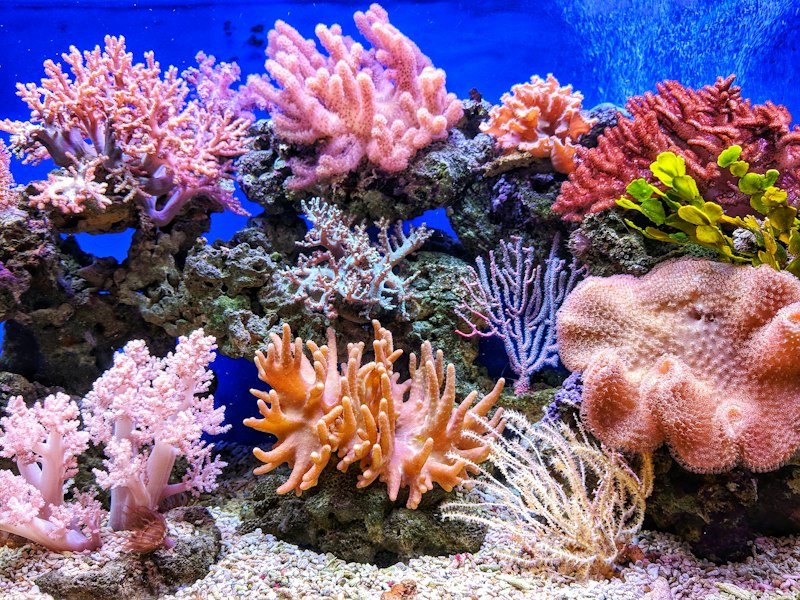
Soft coral
common
Sea fan
common
Barrel sponge
common
Leather coral
common
Cuttlefish
occasionalDive profile & how the dive runs
The Canyons dive typically begins with a boat entry, often requiring a quick descent due to the strong currents. You'll drop to the reef top, around 12 to 15 meters, where the canyon system starts. The dive then progresses through a series of three distinct coral canyons, drifting with the current that pushes through the Verde Island Passage. Depths in the canyons range from approximately 18 meters in the shallower sections to about 27 meters in the second canyon, and finally reaching the deepest point of 30 meters in the third canyon. Divers navigate through these vibrant corridors, observing the marine life sheltered by the canyon walls. The turn point is determined by gas consumption and no-decompression limits, after which you'll ascend to shallower depths, often to the top of the reef at around 15 meters, for your safety stop at 5 meters before surfacing.
Underwater photography
Canyons offers fantastic opportunities for wide-angle photography, capturing the dramatic canyon topography and dense coral formations, especially the colorful soft corals draped along the walls. The strong currents can make static shots challenging, so be prepared for drift photography and use fast shutter speeds or strobes to freeze action. For marine life, a macro lens can be rewarding for capturing nudibranchs, lionfish, and other smaller inhabitants found sheltering from the current. Practice excellent buoyancy control to avoid contact with the delicate corals while maneuvering in the current. Consider a powerful strobe setup to illuminate subjects and bring out the true colors, especially at deeper sections of the canyons.
Combine with nearby dive sites
- Verde Island Passage
A highly biodiverse area known for vibrant reefs and clear waters, often included in Puerto Galera itineraries.
- Alma Jane
A popular wreck dive with diverse marine life, accessible from Puerto Galera.
- Big La Laguna
Offers reef and macro diving opportunities, located close to Canyons.
- Anilao — Secret Bay
Renowned for muck diving and macro photography, a short distance across the channel.
- Black Forest
Known for its black corals and diverse fish life, offering a different reef experience.
Getting there & logistics
Puerto Galera is situated on the northern coast of Mindoro Island, easily accessible from Manila. International flights typically arrive at Ninoy Aquino International Airport (MNL) in Manila. From there, it's a 2 to 3-hour car transfer to Batangas City, followed by a 1 to 1.5-hour ferry or bangka ride to Puerto Galera. Most dive resorts are concentrated around Sabang, Small Lalaguna, and Big Lalaguna beaches, which are a short boat ride from the dive sites. Trips usually involve daily boat dives, with Canyons being a staple of most itineraries for advanced divers. No specific park fees are mentioned, but always confirm with your local dive operator. The convenience of short boat rides to multiple sites makes Puerto Galera ideal for resort-based diving.
Safety & environment
Diving Canyons demands a high level of preparedness and adherence to safety protocols due to its strong and unpredictable currents. Divers must be Advanced Open Water certified and possess considerable experience with drift diving and navigating in confined spaces under current. A negative entry is often required, and maintaining close contact with your buddy and dive guide is paramount. Always plan conservatively regarding depth and bottom time, and carry a surface marker buoy (SMB) for safe ascent and surface signaling. The nearest recompression chamber is located in Batangas City. In case of a dive emergency, evacuation would typically involve boat transfer to shore, then land transfer to the chamber, highlighting the importance of comprehensive dive insurance that covers emergency medical treatment and evacuation. Always follow the specific instructions of your local dive operator and dive guide regarding entry, exit, and emergency procedures.
Who it suits — and who it doesn't
Suited for
- Advanced Open Water divers
- Divers experienced with strong currents
- Drift diving enthusiasts
- Underwater photographers (wide-angle and macro)
- Divers seeking high marine biodiversity
Less suited for
- Open Water divers
- Beginner divers
- Divers uncomfortable with strong currents
- Divers with limited buoyancy control
- Those prone to seasickness
FAQ
Puerto Galera — Canyons FAQ
What skill level is required to dive Canyons?
Canyons is strongly recommended for Advanced Open Water (AOW) certified divers with significant experience in current diving. The site's exposure to strong tidal currents and navigating through confined canyon spaces requires comfort with negative entries and managing drift. While it can be calmer during slack tide, it is best approached as an advanced dive.
What kind of marine life can I expect to see at Canyons?
Canyons is rich in marine life, reflecting its location in a global biodiversity hotspot. You can expect to encounter whitetip reef sharks, banded sea snakes, giant trevally, and large schools of snapper and sweetlips. The canyon walls themselves are covered in vibrant soft corals, gorgonian fans, and barrel sponges, attracting lionfish, scorpionfish, and various reef fish.
How strong are the currents at Canyons?
The currents at Canyons can be quite strong, often reaching two knots or more, due to the powerful tidal flows through the Verde Island Passage. These currents create an exhilarating drift dive experience but demand respect and proper planning. Always follow your dive guide's instructions and be prepared for potentially rapid changes in current strength.
What are the best months to dive Canyons?
The recommended months for diving Canyons are January, February, March, April, May, October, November, and December. During these periods, conditions are generally favorable with good visibility and comfortable water temperatures, allowing for optimal enjoyment of the site's unique features and marine inhabitants.
Why is Canyons such a famous dive site?
Canyons is famous for its thrilling drift diving experience through a series of dramatic coral canyons and its location within the highly biodiverse Verde Island Passage. It offers an unparalleled combination of vibrant coral formations, abundant marine life, and exhilarating currents, making it one of the signature and most sought-after dives in Puerto Galera and the Philippines.
Is it possible to do a night dive at Canyons?
Night dives are not typically conducted at Canyons due to the strong and unpredictable currents. The site is primarily known for its daytime drift diving experience, which allows divers to fully appreciate its unique topography and the diverse marine life active during daylight hours.
Why dive Puerto Galera — Canyons from a liveaboard?
Puerto Galera — Canyons is one of Philippines's signature dive sites. A liveaboard sleeps you on the water and puts you in the water for three to four guided dives per day, including dawn and night dives that day-boat operators rarely offer. You skip the daily commute back to port and reach quieter, less-crowded sites in the same region on a single trip.
Below are the liveaboards that include Puerto Galera — Canyons on their Philippines itineraries.
Liveaboards diving Puerto Galera — Canyons
These liveaboards may visit Puerto Galera — Canyons on selected itineraries — the exact dive sites depend on departure, weather and conditions.
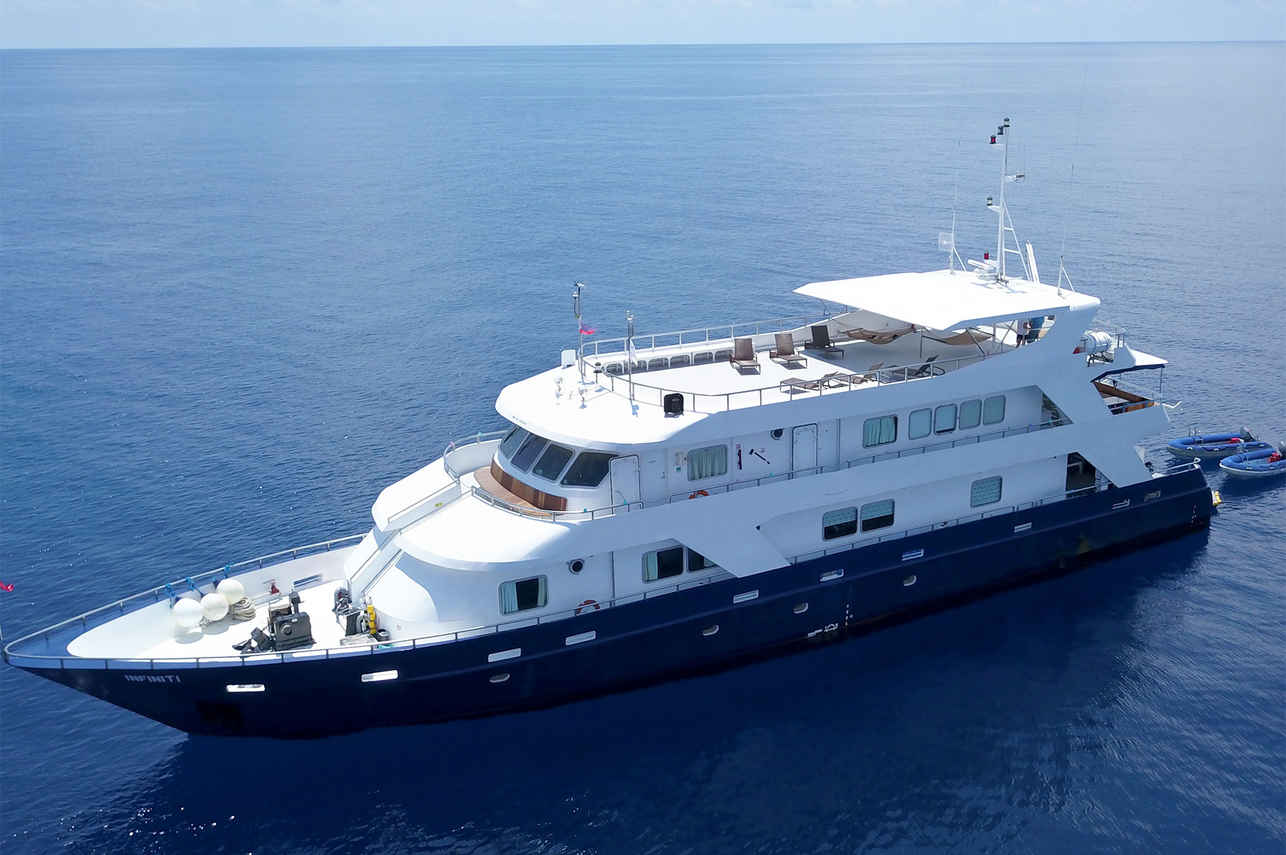
Infiniti
Philippines
25 guests39 m
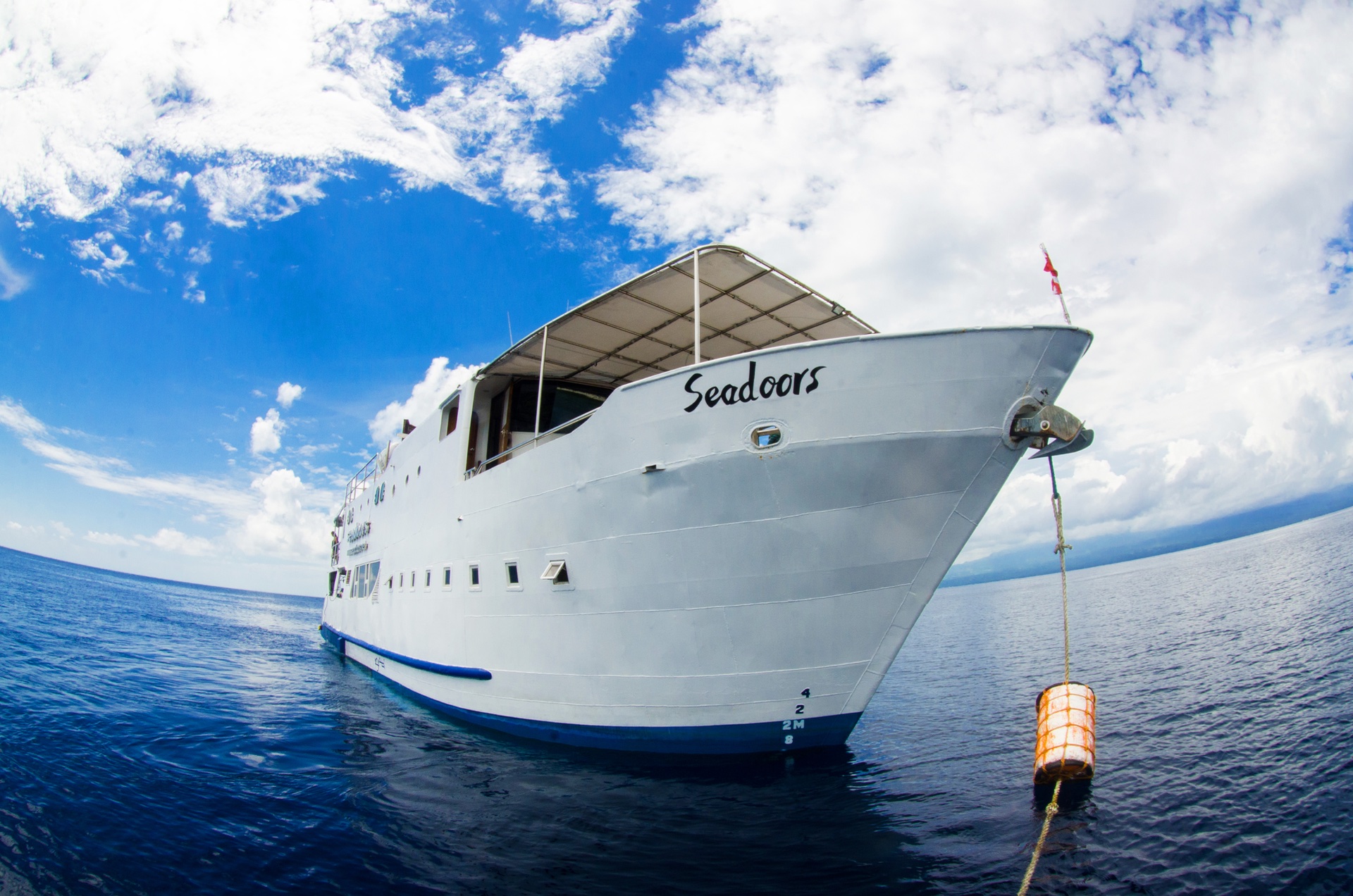
Seadoors
Philippines
16 guests25 m
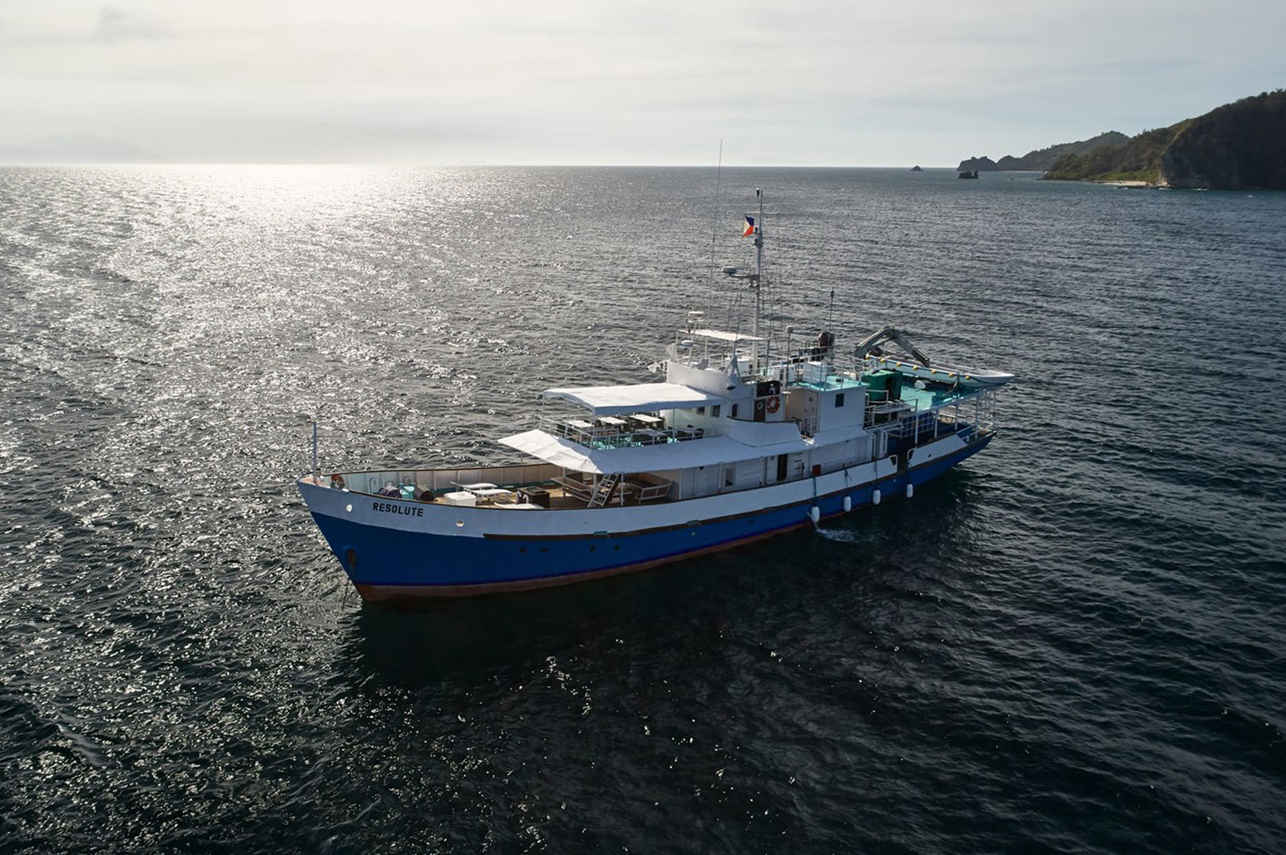
Resolute
Philippines
16 guests35 m
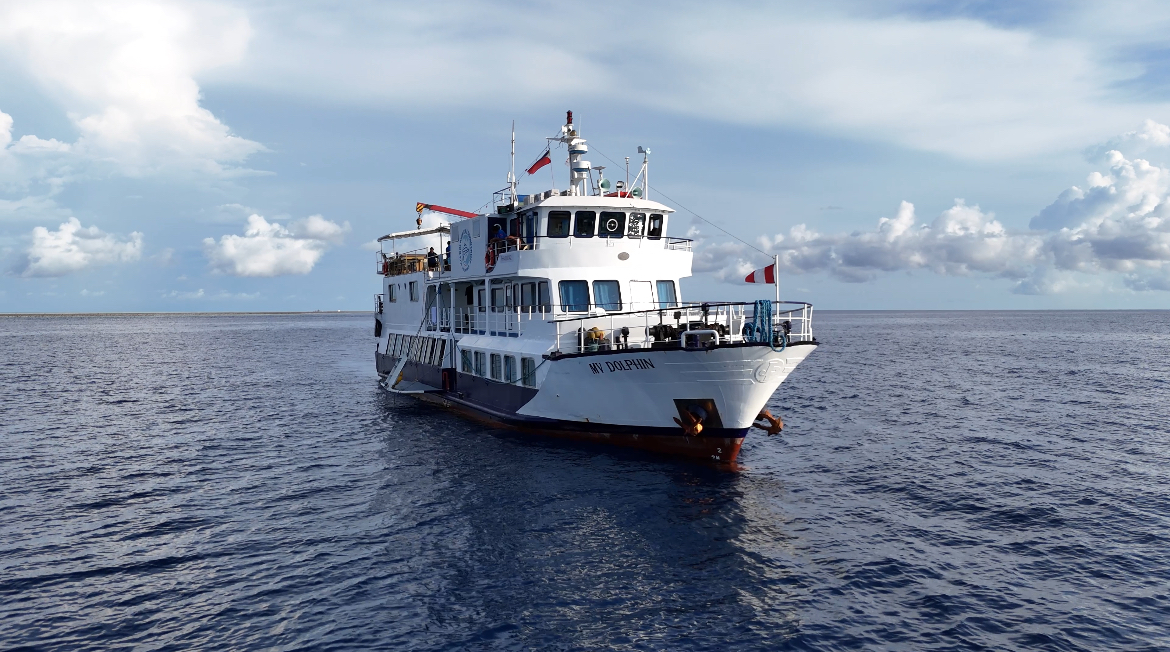
Dolphin
Philippines
18 guests31 m
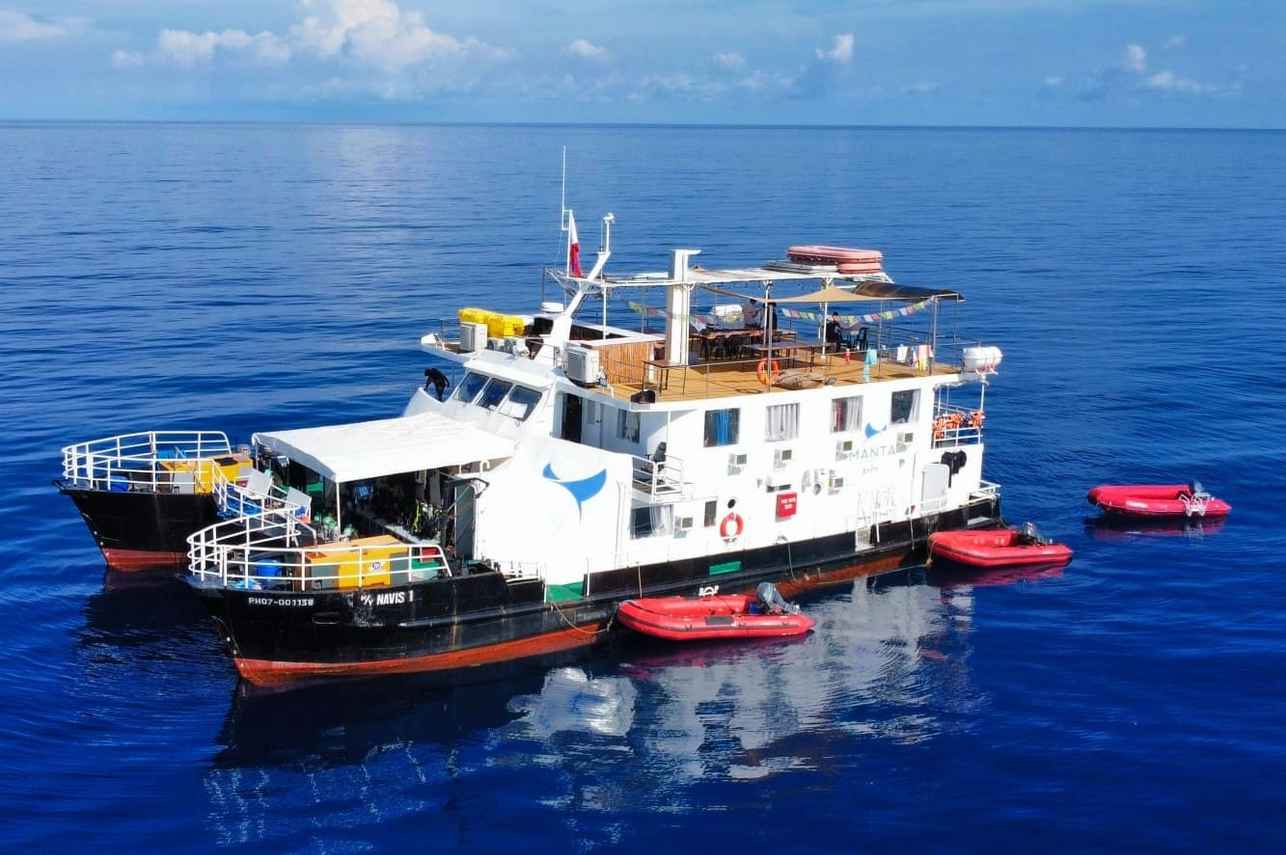
Navis 1
Philippines
22 guests23 m
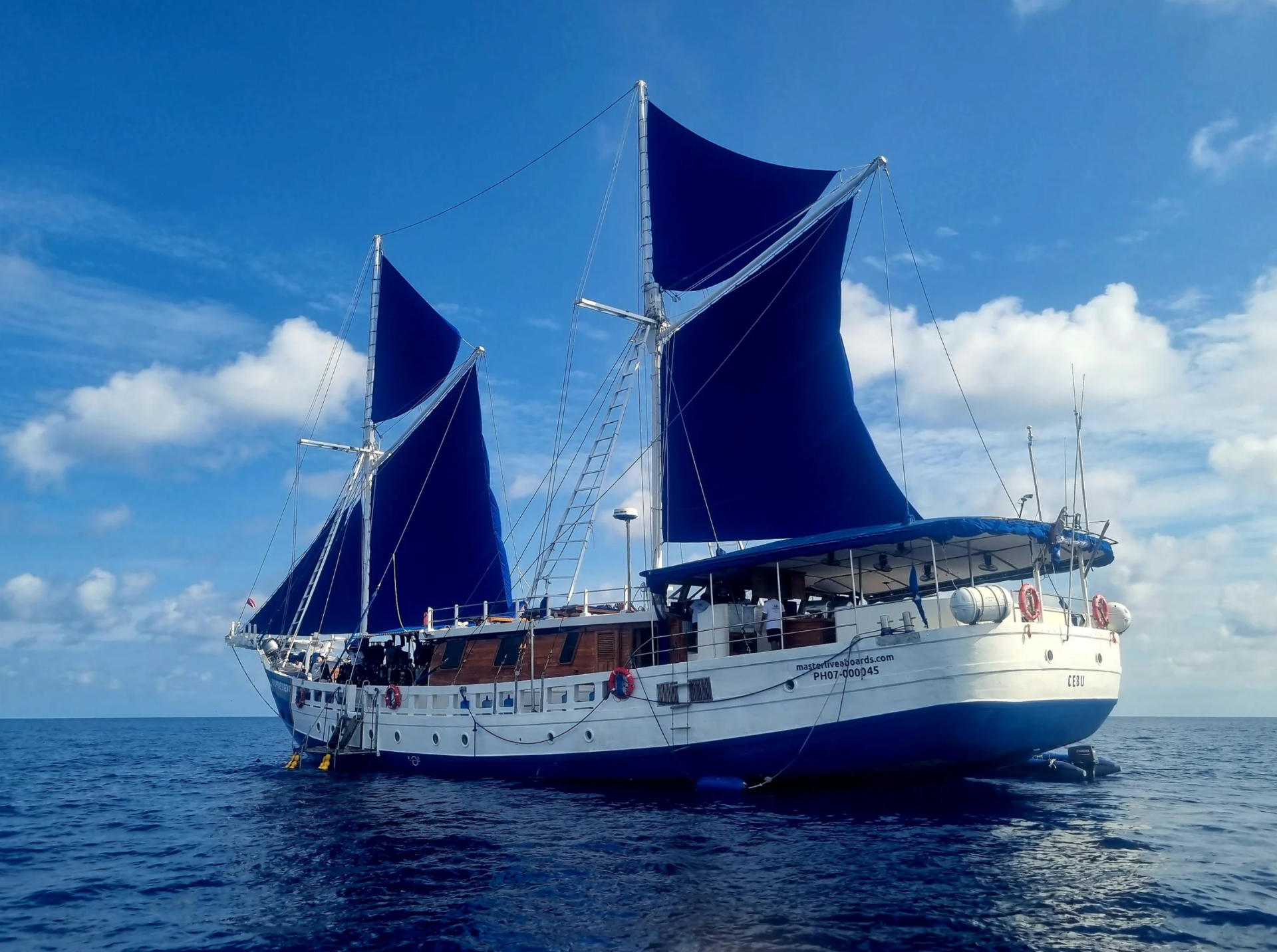
Philippine Siren
Philippines
16 guests
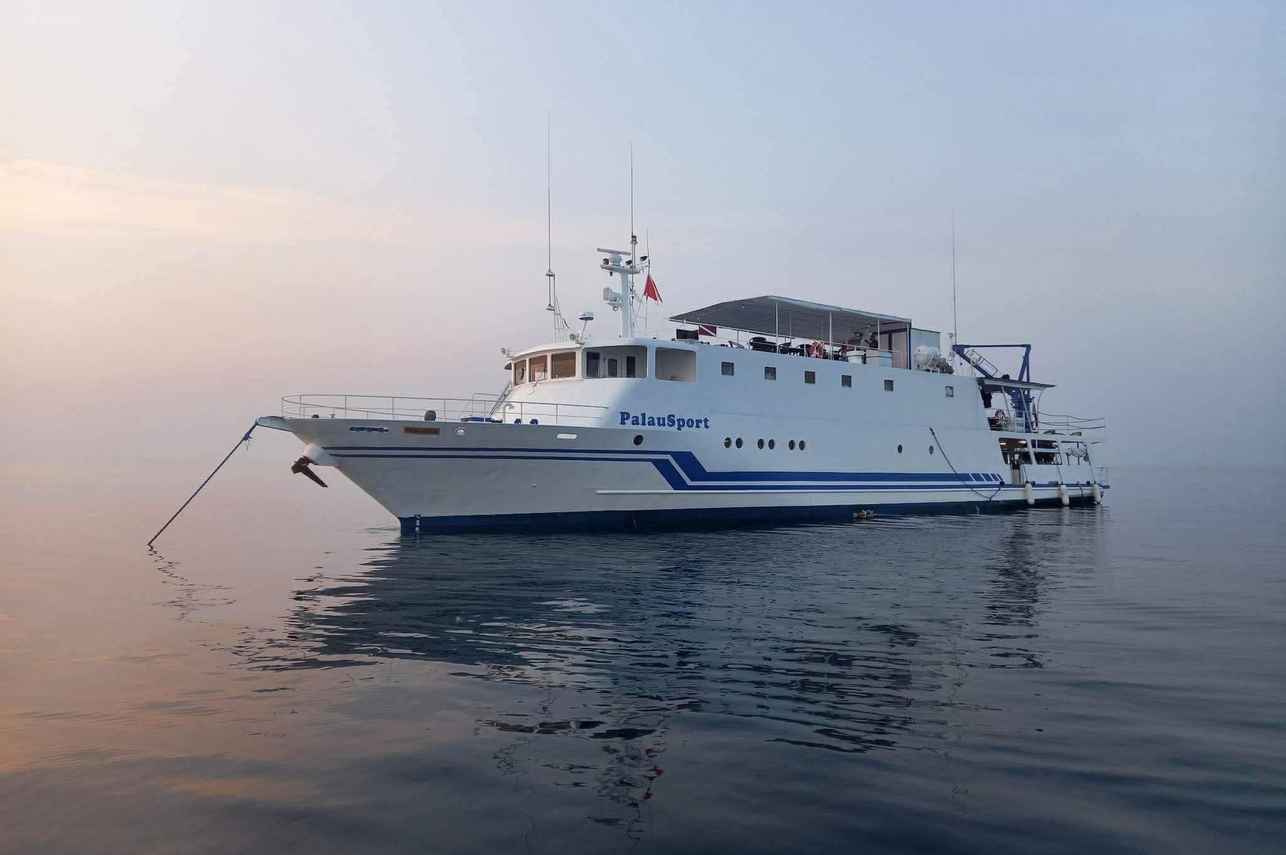
Palau Sport
Philippines
24 guests38 m
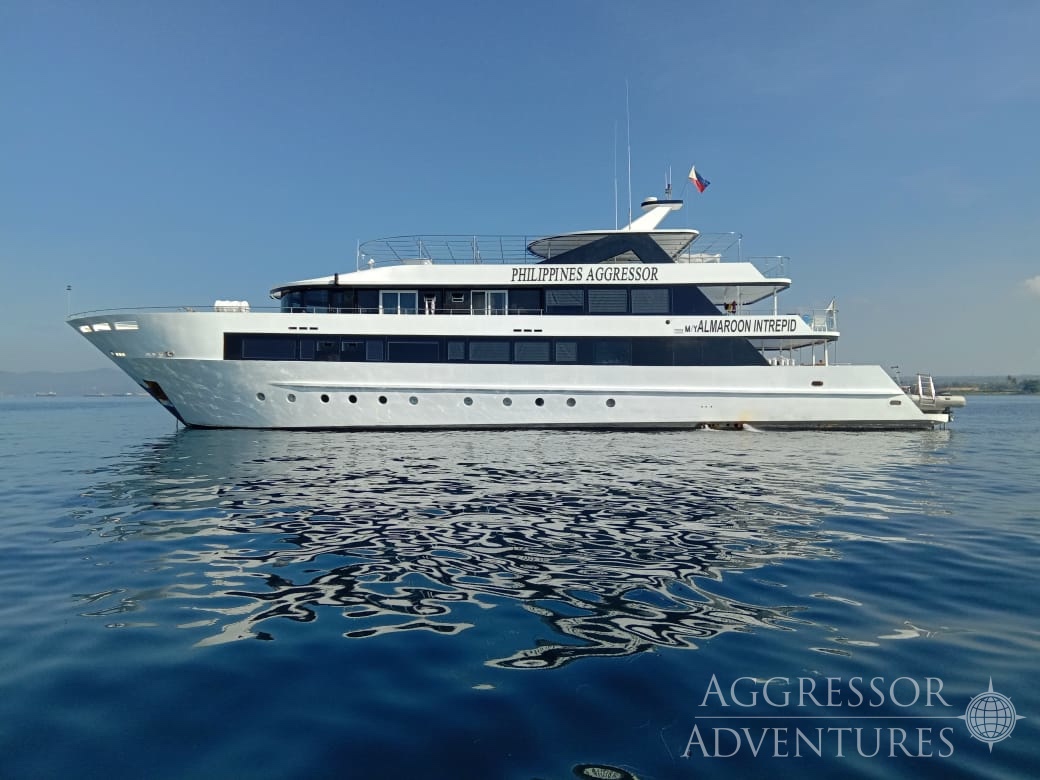
Philippines Aggressor
Philippines
26 guests43 m
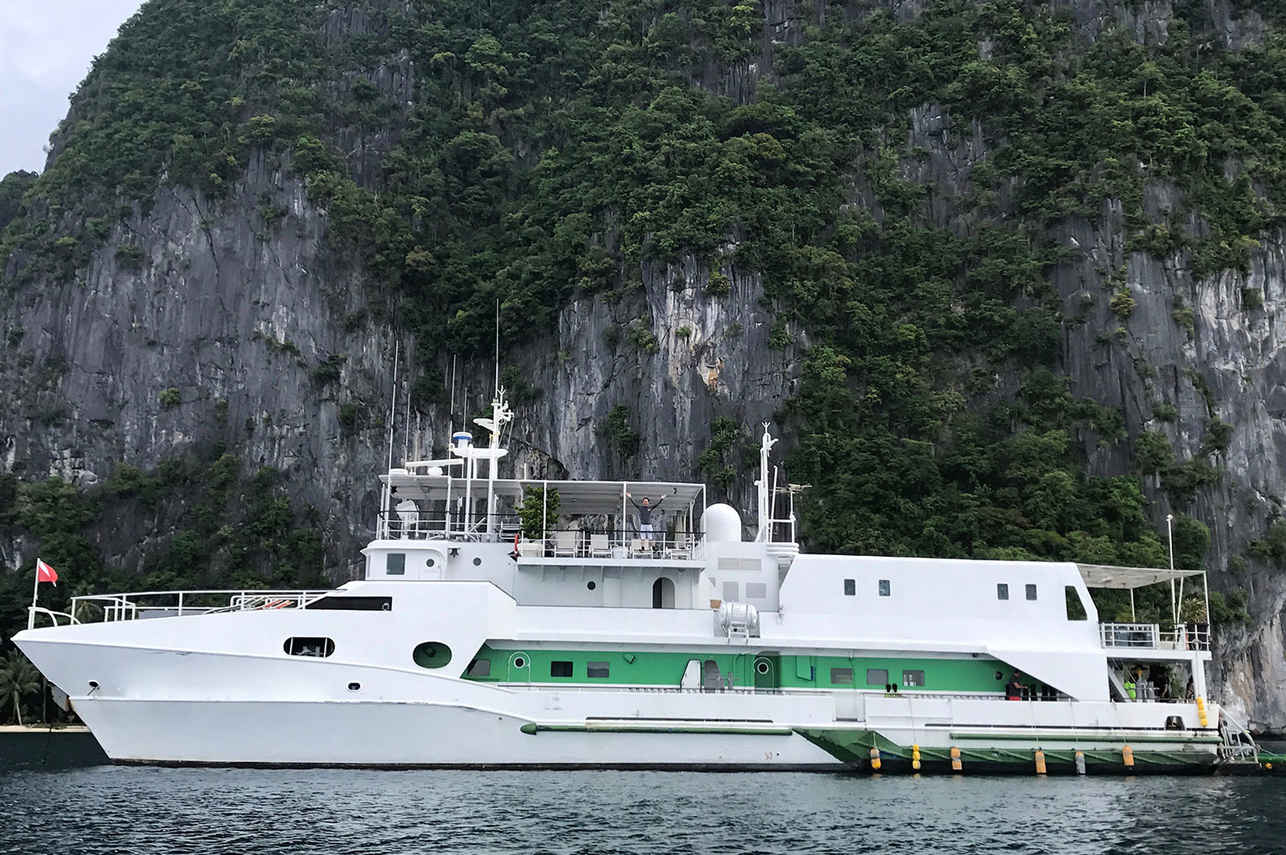
Stella Maris Explorer
Philippines
20 guests33 m
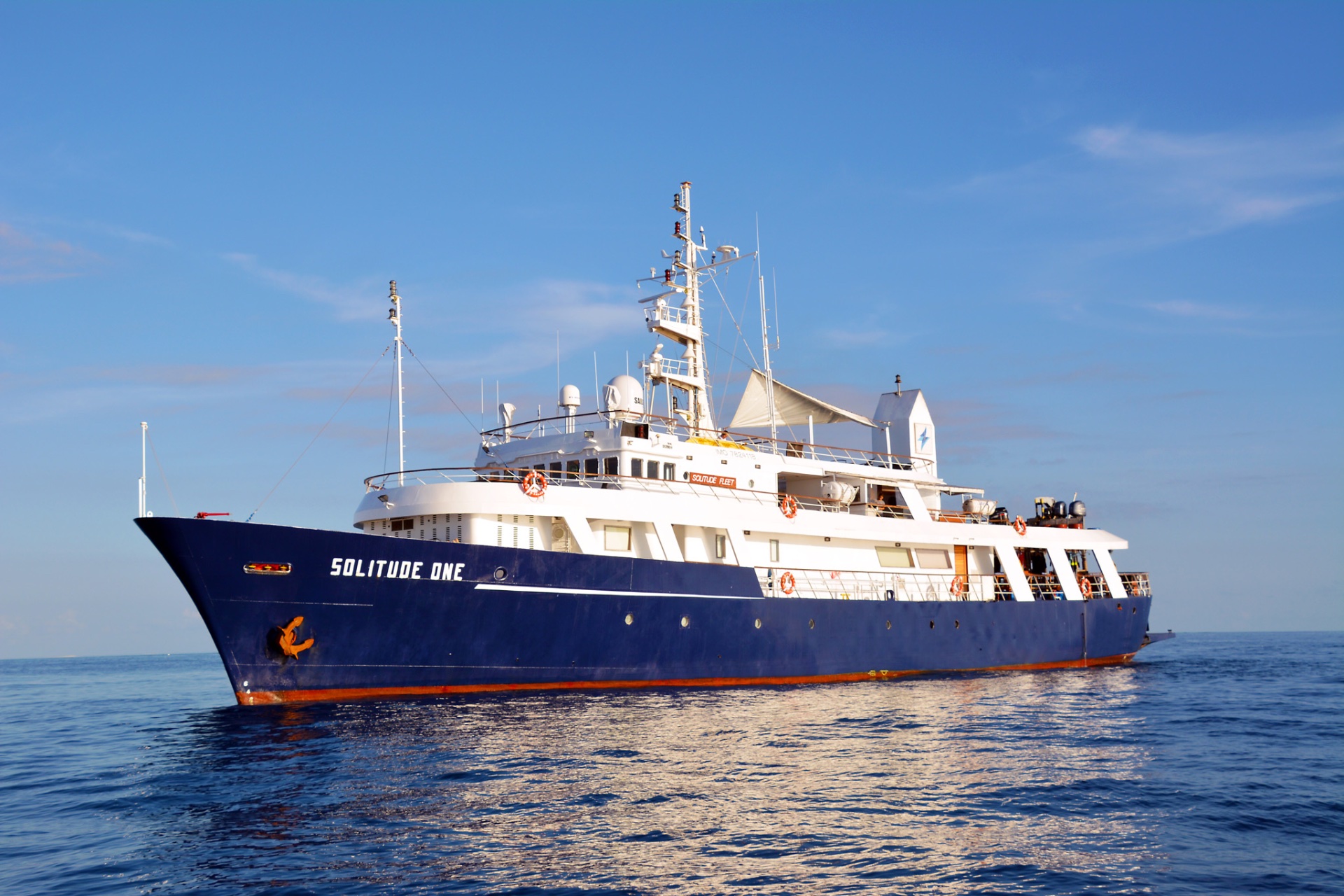
Solitude One
Philippines
24 guests52 m
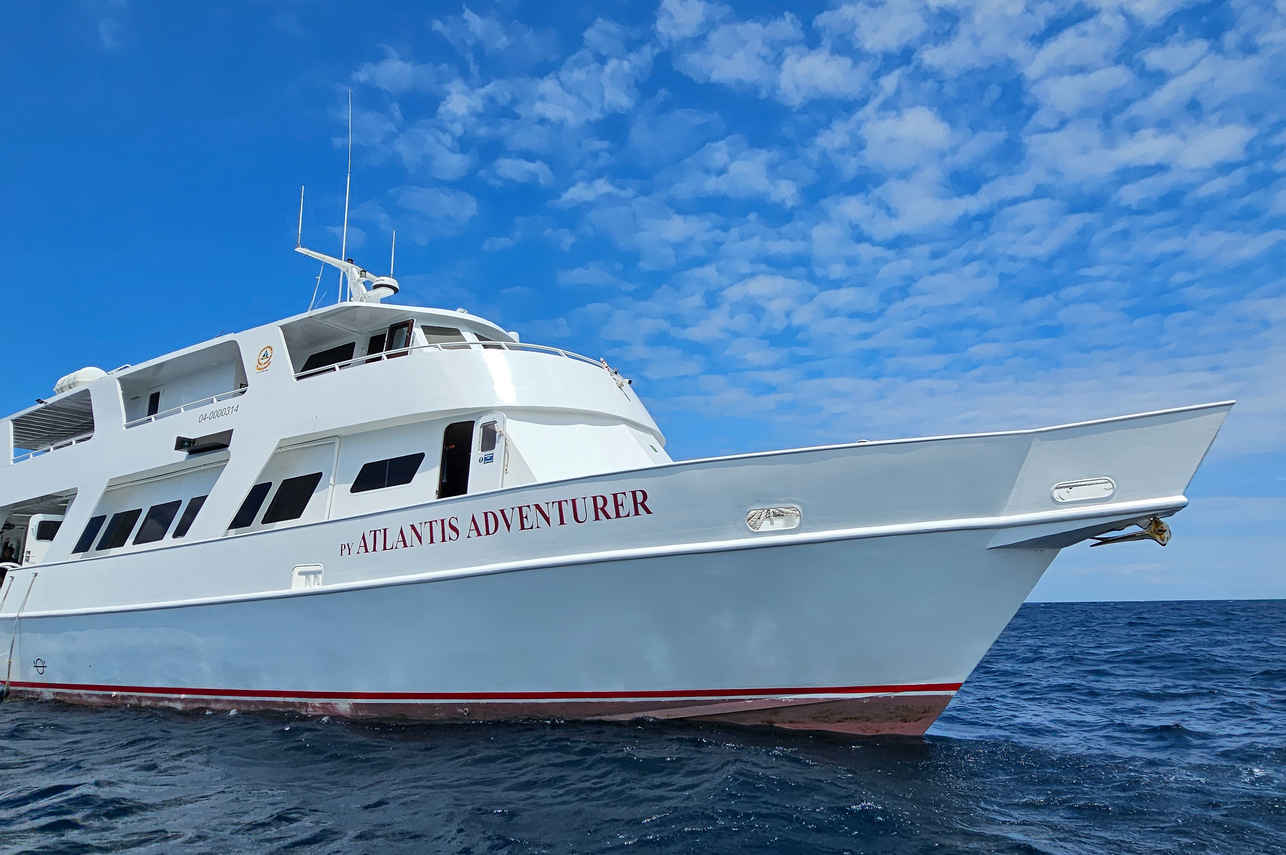
Atlantis Adventurer
Philippines
16 guests33 m
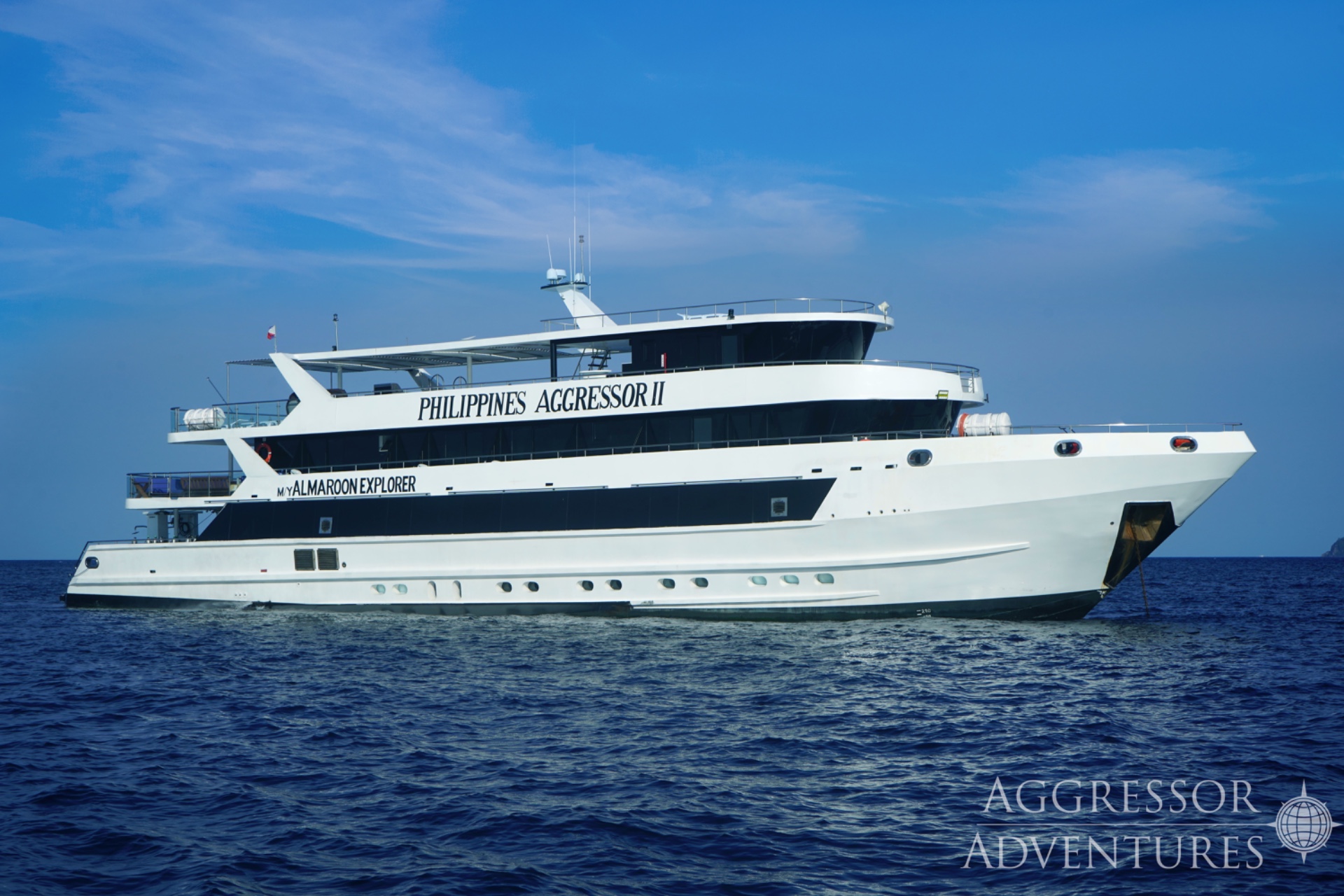
Philippines Aggressor II
Philippines
26 guests43 m
Dive sites similar to Puerto Galera — Canyons
Same character, same waters — six more sites divers love for the exact same reasons.Compare seasons, access and liveaboard routes — then pick the site that fits your trip best.
Abila is a notable dive site located within the Alor Islands Marine Park, an area celebrated for its rich marine biodiversity due to its position in the Coral Triangle.
- Suitable for
- Beginner
- Current
- Mild
- Access
- Liveaboard only
- Depth
- —
- Theme
- Reef
© Esri — Maxar, Earthstar, GIS
Adonara Channel
Alor
Adonara Channel stands as one of Alor's most iconic dive sites, celebrated for its dynamic currents and exceptionally rich biodiversity.
- Suitable for
- Advanced
- Current
- Strong
- Access
- Liveaboard or dayboat
- Depth
- 10–40 m
- Theme
- Drift / Wall
© Esri — Maxar, Earthstar, GIS
Adonara Wall
Indonesia
Adonara is an Indonesian island dive site, renowned for its vibrant underwater topography characterized by submerged seamounts.
- Suitable for
- Intermediate
- Current
- Strong
- Access
- Liveaboard or dayboat
- Depth
- 5–35 m
- Theme
- Seamount / Wall
© Esri — Maxar, Earthstar, GIS
Agnay Fish Sanctuary
Philippines
Agnay Fish Sanctuary is nestled in a sheltered bay near the village of Agnay in Romblon, a province celebrated for its rich marine biodiversity.
- Suitable for
- Beginner
- Current
- Mild
- Access
- Dayboat
- Depth
- 9–18 m
- Theme
- Reef
© Esri — Maxar, Earthstar, GIS
Ai Island Reef
Banda Sea
Ai Island Reef, nestled within the Banda Sea, offers a remarkable diving experience characterized by its rich marine biodiversity and varied underwater topography.
- Suitable for
- Beginner
- Current
- Strong
- Access
- Liveaboard only
- Depth
- 3–30 m
- Theme
- Reef / Seamount
© Esri — Maxar, Earthstar, GIS
Akitsushima
Philippines
The Akitsushima is a distinguished World War II Japanese seaplane tender, sunk in September 1944 during an American air raid in Coron Bay, Palawan.
- Suitable for
- Advanced
- Current
- Strong
- Access
- Dayboat
- Depth
- 22–38 m
- Theme
- Wreck