About Anilao — Secret Bay
Secret Bay, nestled within Anilao in the Philippines, is renowned globally as a premier muck diving destination. Its protected waters and unique sandy-silt bottom create an ideal habitat for an extraordinary array of macro marine life, making it a favorite for underwater photographers. The site's diverse topography, ranging from gentle slopes to areas with geothermal activity, hosts species often unseen elsewhere. Diving here typically involves exploring depths between 6 and 18 meters, where the focus is on spotting intricate details rather than expansive coral reefs. The relatively calm conditions and mild currents throughout much of the year contribute to comfortable diving, allowing for extended observation of the fascinating creatures. While the primary draw is its exceptional macro biodiversity, the site also benefits from Anilao's general abundance of marine life, including various nudibranchs, frogfish, and cephalopods. The consistent water temperatures, usually between 27-30°C, ensure a pleasant diving experience almost year-round. Access to Secret Bay is convenient, with options for both boat and shore entries, depending on the operator. This flexibility, combined with its suitability for beginner to intermediate divers, makes it an accessible and rewarding location for those passionate about discovering the subtle beauty of the marine ecosystem.
Highlights
World-class muck divingExceptional macro photographyDiverse nudibranch speciesRare flamboyant cuttlefishUnique hairy frogfishProtected sandy bayMild current conditions
Season calendar
Best months to dive here
Jan
Feb
Mar
Apr
May
Jun
Jul
Aug
Sep
Oct
Nov
Dec
Excellent
Good
Dive site facts: Anilao — Secret Bay
- Depth
- 6–18 m
- Typical dive
- 12 m, 50–60 min
- Current
- Mild
- Visibility
- 10–25 m
- Water temperature
- 27–30°C
- Entry
- Boat / Shore
- Level
- OWD
- Dive type
- Macro, muck
- Night dive
- Possible
- Region / port
- Anilao, Batangas
- Coordinates
- 13.754, 120.892
Conditions & Currents
Secret Bay generally experiences mild currents, which is advantageous for macro photography and close observation of marine life. However, divers should always heed local tide charts and guide briefings, as currents can vary and influence dive planning and entry/exit procedures. The site's sandy substrate means visibility can be affected by disturbed sediment, emphasizing the importance of excellent buoyancy control. While the current is typically gentle, it is essential to follow the guidance of the dive captain and guide, especially for boat entries and exits, to ensure a safe and enjoyable experience.
Marine life & sighting chances

Nudibranch
common
Flamboyant cuttlefish
occasional
Mimic octopus
occasional
Hairy frogfish
occasionalPegasus seamoth
occasional
Thorny seahorse
occasional
Whip coral goby
occasionalThecacera nudibranch
occasional
Blue-ringed octopus
occasional
Wonderpus
occasionalDive profile & how the dive runs
Diving at Secret Bay typically begins with either a boat drop or a shore entry, descending onto a gently sloping sand-silt bottom. The dive focuses on a shallow to medium depth, generally staying between 6 and 18 meters, to maximize bottom time for macro critter hunting. Divers systematically scan the substrate and small patches of coral or debris, often moving slowly against a mild current to cover ground effectively. The route involves traversing the bay, meticulously searching for camouflaged or rare creatures. Turnaround is usually determined by air consumption or guide discretion, leading back towards the entry point or a designated exit. Safety stops are conducted in the shallowest part of the bay, observing any final macro subjects.
Underwater photography
Secret Bay is a macro photographer's dream, requiring specific gear and techniques to capture its tiny inhabitants. A macro lens (e.g., 60mm or 100/105mm) is essential, often paired with diopters for extreme close-ups of nudibranchs, frogfish, and pipefish. Twin strobes are highly recommended for even lighting and to minimize backscatter from the silty bottom. A snoot can be particularly effective for isolating subjects and creating dramatic lighting effects. Excellent buoyancy control is paramount to avoid disturbing the fine sediment and to maintain position while composing shots. Patience is key, as many creatures are well-camouflaged, and ethical photography involves minimal disturbance to the marine life.
Combine with nearby dive sites
- Verde Island Passage
The Verde Island Passage, nestled between Luzon and Mindoro, is celebrated worldwide as the "center of the center of marine shorefish…
- Apo Island
Apo Island, located in the central Visayas region of the Philippines, is a globally recognized marine sanctuary celebrated for its…
- Dauin — Atmosphere House Reef
Atmosphere House Reef is a renowned dive site located in Dauin, Philippines, directly accessible from the shore.
- Puerto Galera — Canyons
Puerto Galera's Canyons offers an action-packed dive through three distinct canyons, renowned for schooling pelagic species like trevally…
Getting there & logistics
Anilao is approximately a three-hour drive south of Manila, located on the island of Luzon in Batangas province. International travelers typically fly into Ninoy Aquino International Airport (MNL) in Manila. From there, transfers to Anilao resorts are commonly arranged via private car or shuttle services. Dive trips to Secret Bay are usually day trips from local resorts, often combined with other nearby Anilao sites due to short boat rides. While no specific park fees are mentioned for Secret Bay, divers should anticipate general dive fees and charges from their chosen resort or operator. Most dive packages include transfers, accommodations, and guided dives.
Safety & environment
While Secret Bay is generally a beginner-friendly site, divers should always prioritize safety. The nearest recompression chamber is typically in Batangas City or Manila, emphasizing the importance of conservative dive planning and maintaining adequate insurance coverage. DAN (Divers Alert Network) insurance is highly recommended for all divers. Site-specific hazards include potential for sediment disturbance affecting visibility, so excellent buoyancy control is crucial. Although currents are mild, all divers should pay close attention to guide briefings regarding entry, exit, and potential current changes. Occasionally, minor seismic tremors have been reported in the region, which, while usually harmless, remind divers to remain vigilant and follow emergency protocols.
Who it suits — and who it doesn't
Suited for
- Macro photography enthusiasts
- Beginner divers (OWD certified)
- Divers seeking unique critter encounters
- Underwater naturalists
- Divers who prefer mild currents
Less suited for
- Divers primarily seeking large pelagic encounters
- Divers expecting vibrant coral walls
- Divers with poor buoyancy control
- Divers who prefer fast-paced drift dives
- Divers unwilling to spend time searching for small subjects
FAQ
Anilao — Secret Bay FAQ
Is Secret Bay suitable for beginner divers?
Yes, Secret Bay is considered suitable for Open Water certified divers. Its maximum depth of 18 meters and generally mild currents make it an accessible site for those with less experience. However, good buoyancy control is always beneficial to avoid disturbing the silty bottom.
What kind of marine life can I expect to see at Secret Bay?
Secret Bay is famous for its exceptional macro life. Divers can frequently spot various nudibranchs, frogfish, pipefish, and seahorses. More elusive creatures like flamboyant cuttlefish, mimic octopuses, and blue-ringed octopuses are also occasionally sighted.
Are there strong currents at Secret Bay?
The currents at Secret Bay are typically mild, making it an ideal spot for detailed observation and macro photography. However, like any dive site, conditions can vary, so it is always important to listen to your dive guide's briefing regarding current strength and direction on the day of your dive.
What is the visibility like at Secret Bay?
Visibility at Secret Bay generally ranges from 10 to 25 meters, but it can be affected by the silty bottom if disturbed. Maintaining good buoyancy is essential to preserve visibility for yourself and other divers, especially when focusing on small subjects.
Is Secret Bay good for underwater photography?
Secret Bay is considered a world-class destination for underwater macro photography. Its rich biodiversity of small and rare critters provides endless opportunities for stunning close-up shots. Photographers often use macro lenses, strobes, and snoots to capture the intricate details of its unique inhabitants.
Why dive Anilao — Secret Bay from a liveaboard?
Anilao — Secret Bay is one of Philippines's signature dive sites. A liveaboard sleeps you on the water and puts you in the water for three to four guided dives per day, including dawn and night dives that day-boat operators rarely offer. You skip the daily commute back to port and reach quieter, less-crowded sites in the same region on a single trip.
Below are the liveaboards that include Anilao — Secret Bay on their Philippines itineraries.
Liveaboards diving Anilao — Secret Bay
These liveaboards may visit Anilao — Secret Bay on selected itineraries — the exact dive sites depend on departure, weather and conditions.
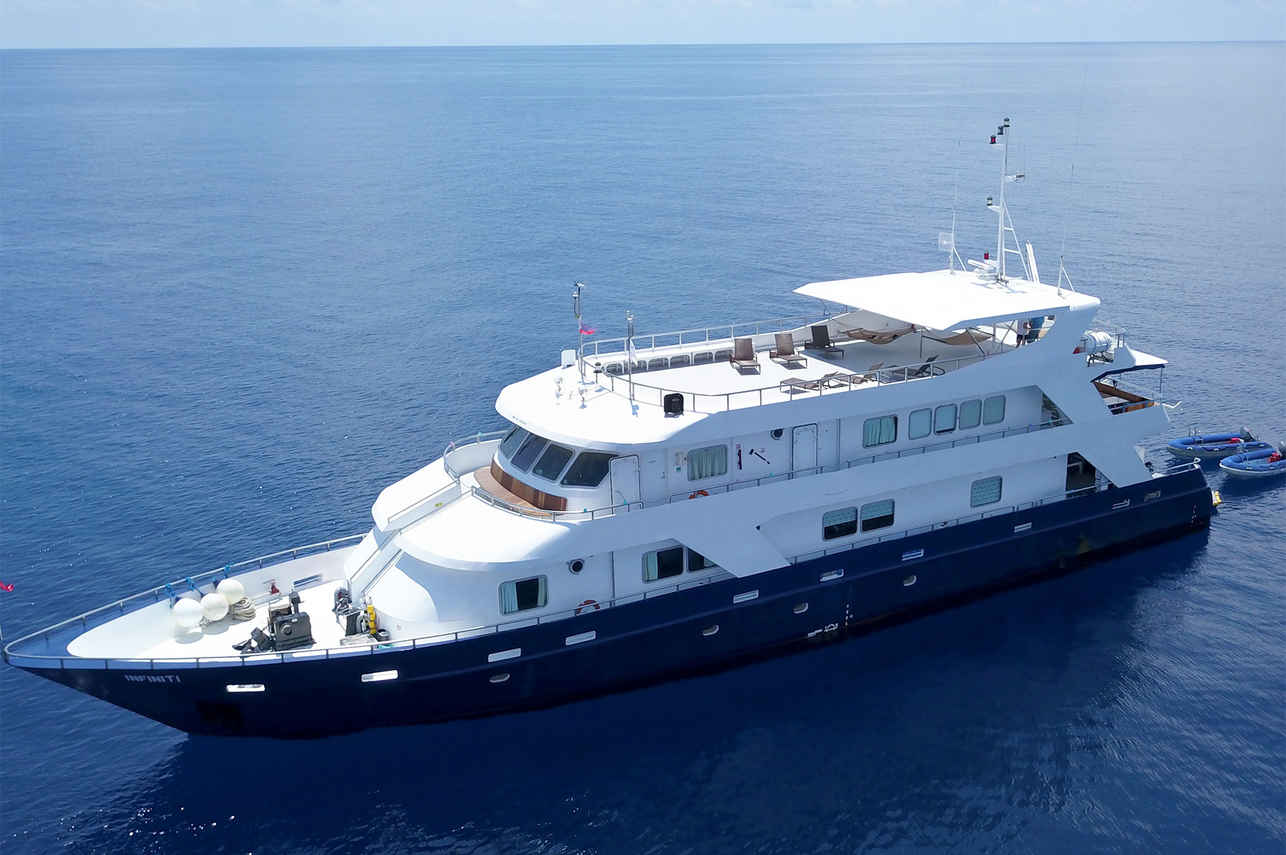
Infiniti
Philippines
25 guests39 m
$280/day
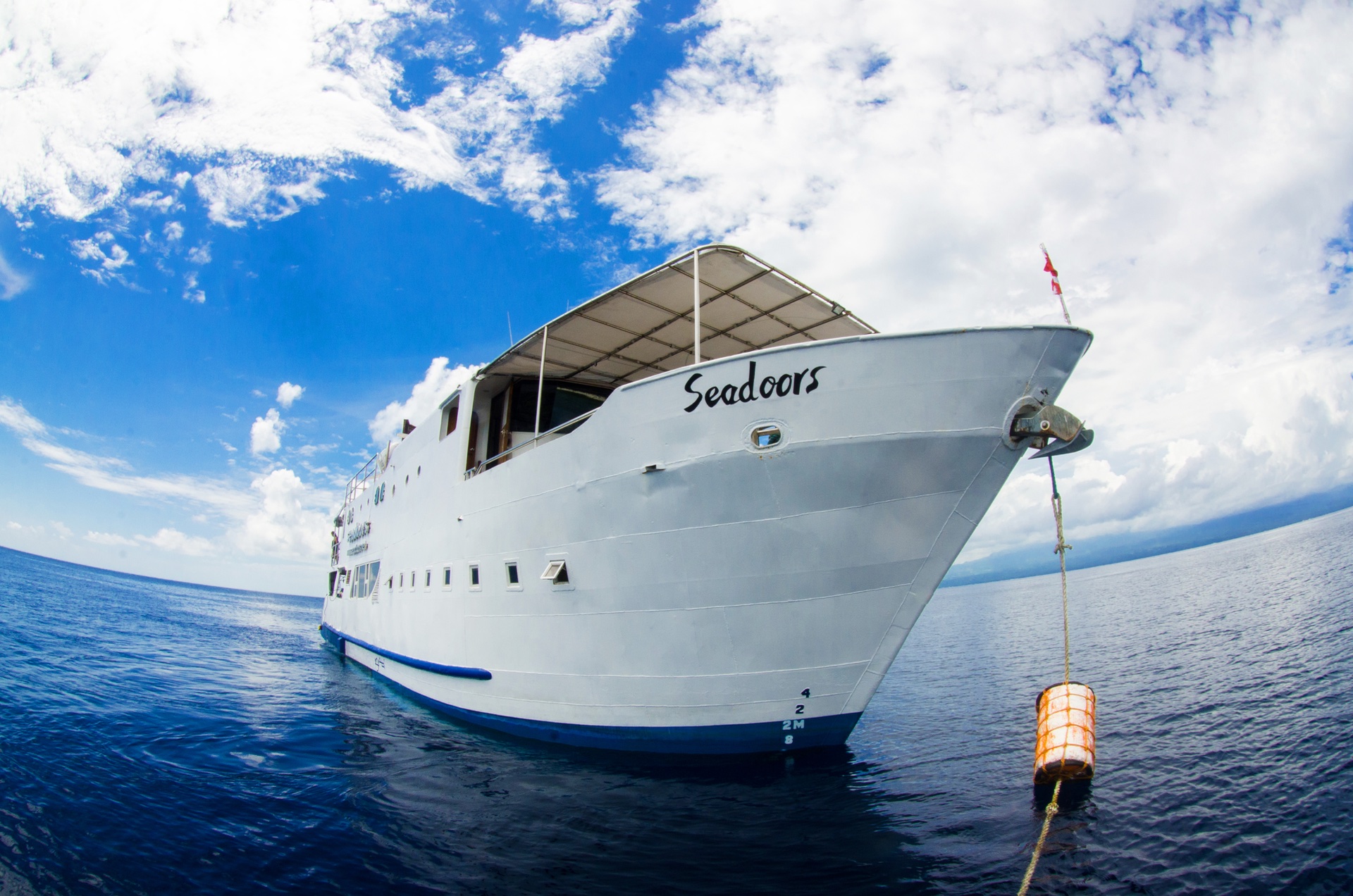
Seadoors
Philippines
16 guests25 m
$335/day
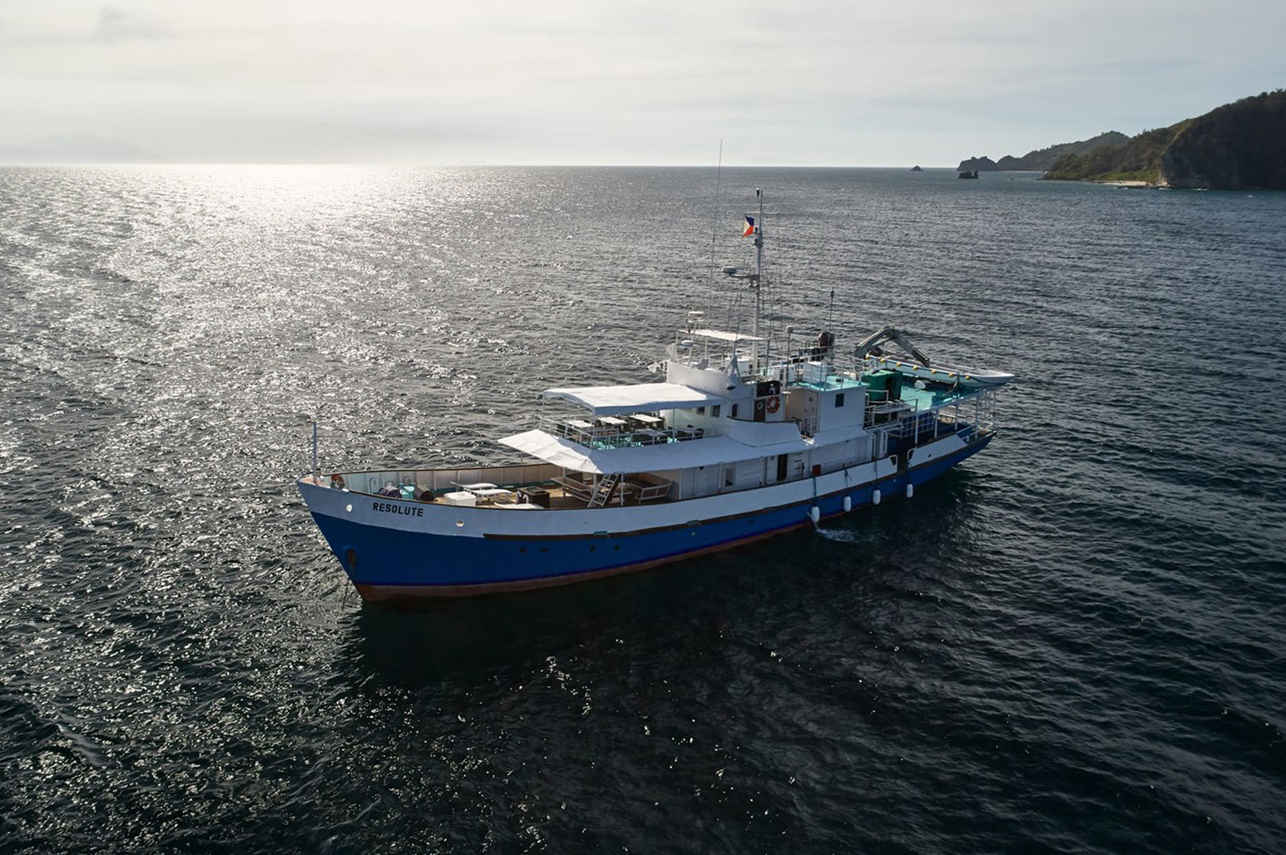
Resolute
Philippines
16 guests34.6 m
$314/day
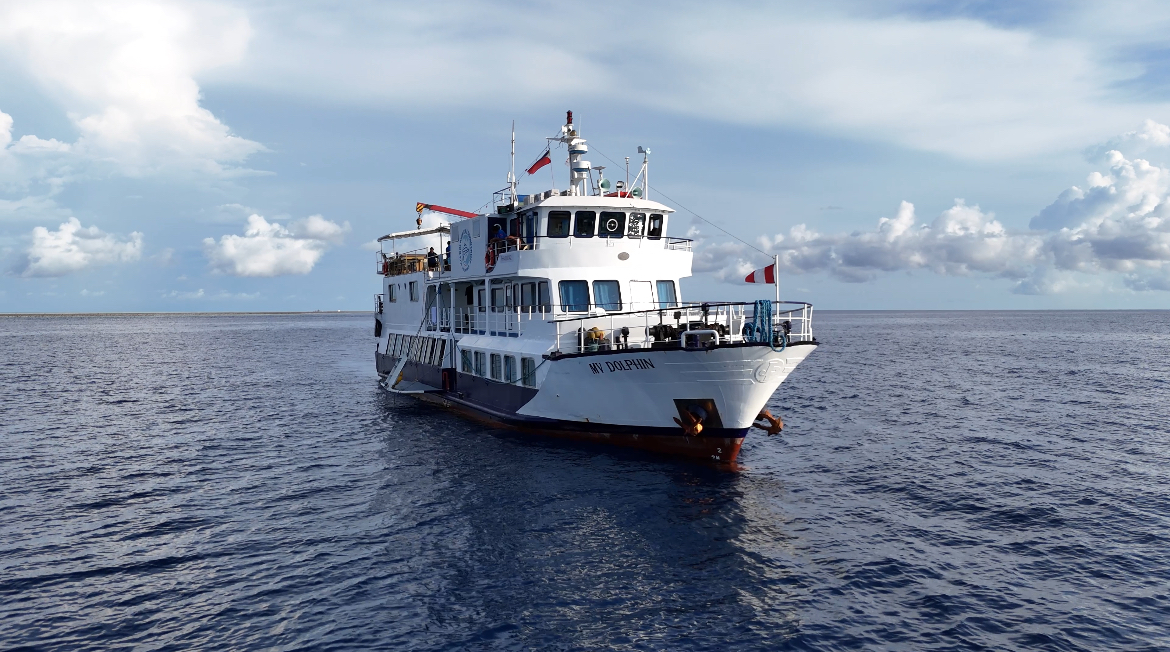
Dolphin
Philippines
18 guests31 m
$326/day
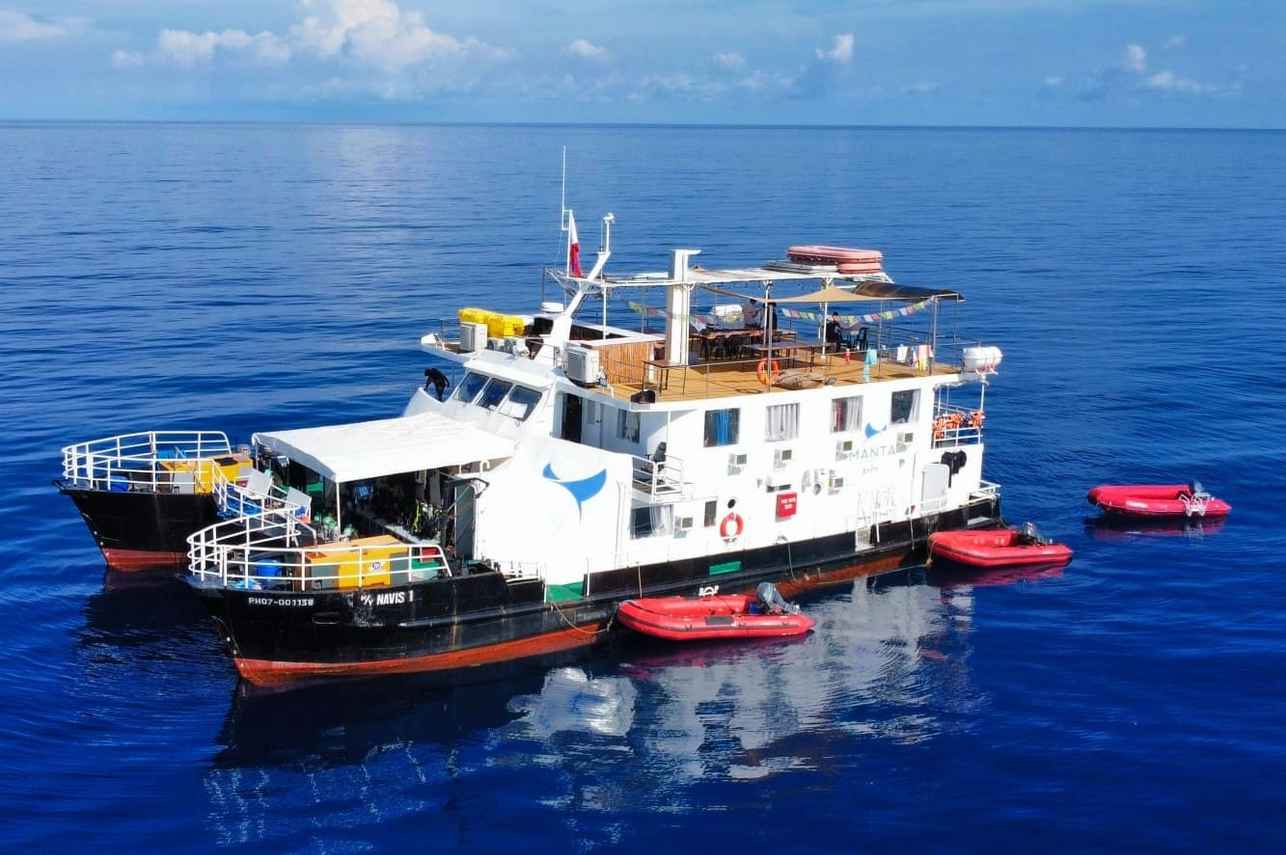
Navis 1
Philippines
22 guests23 m
$250/day
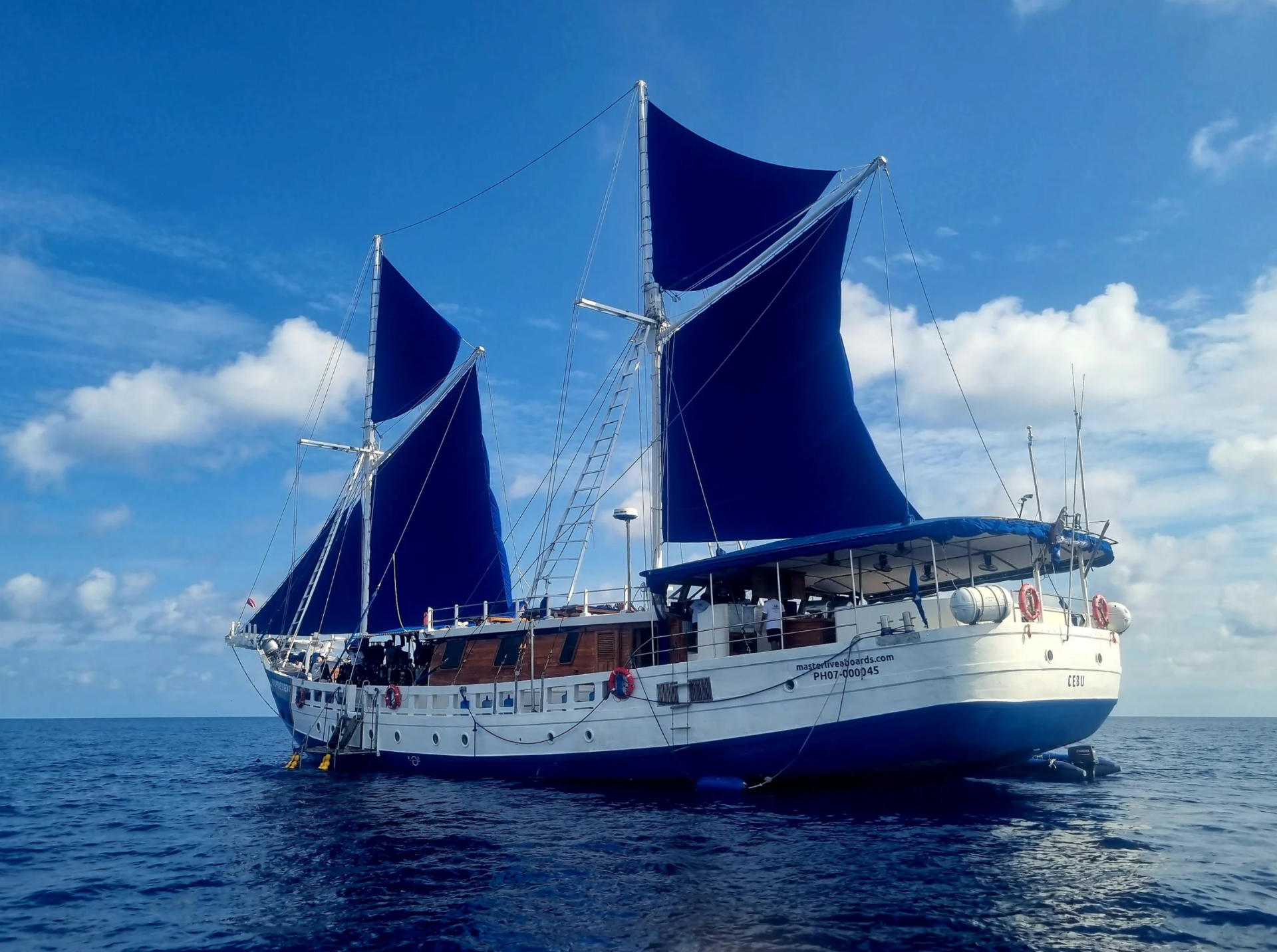
Philippine Siren
Philippines
16 guests
$309/day
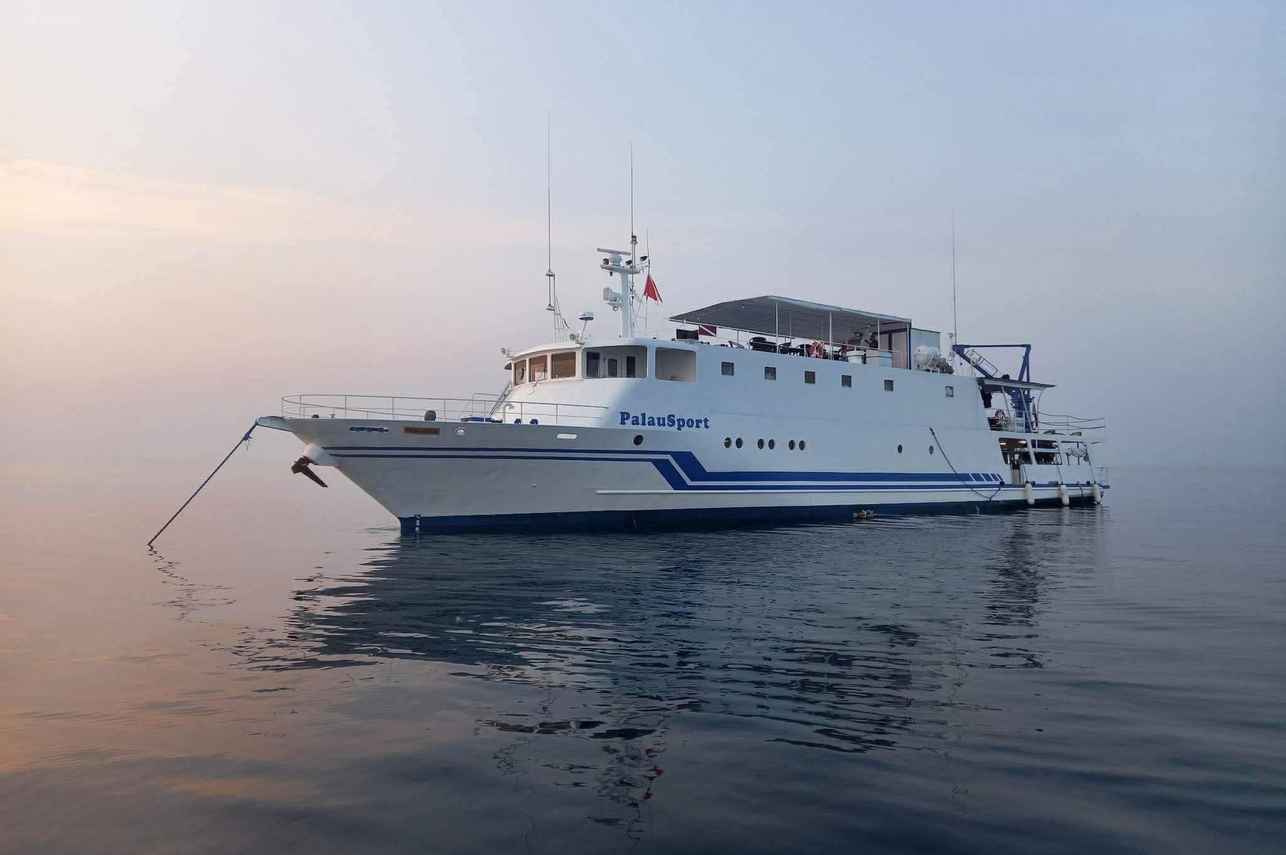
Palau Sport
Philippines
24 guests38.35 m
$215/day
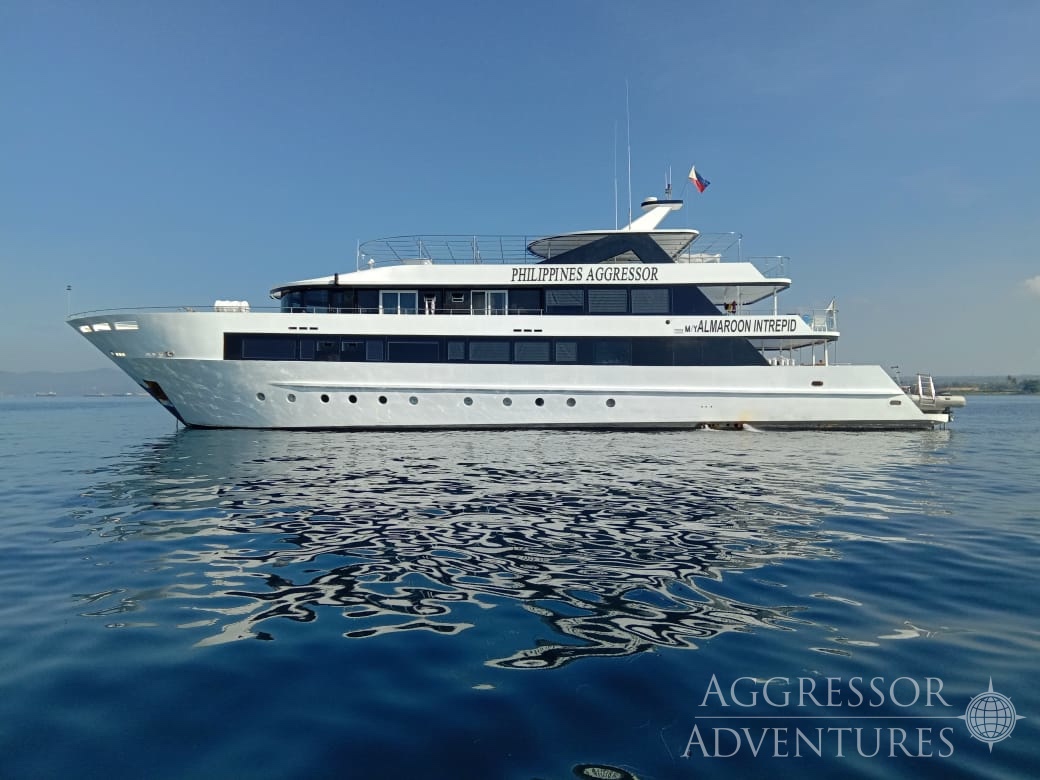
Philippines Aggressor
Philippines
26 guests42.7 m
$381/day
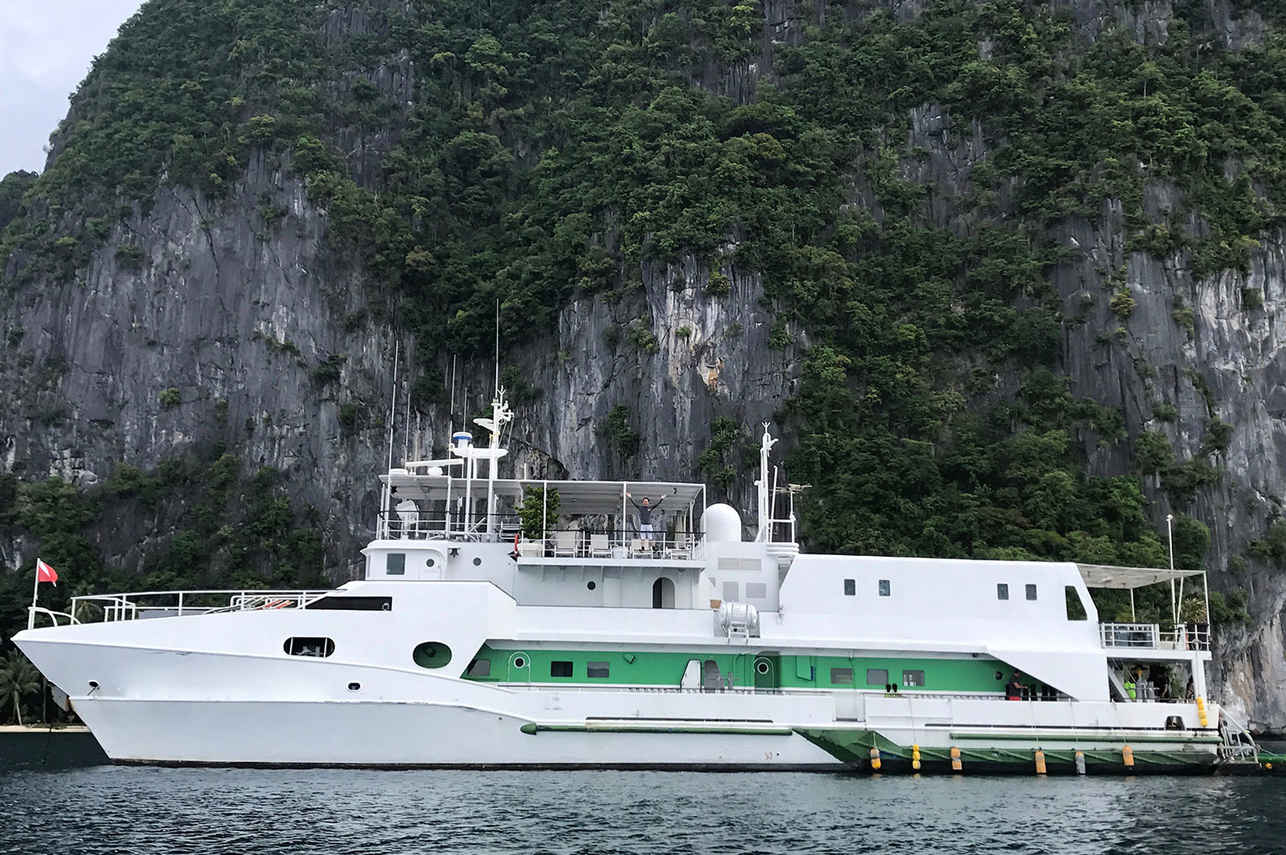
Stella Maris Explorer
Philippines
20 guests33 m
$398/day
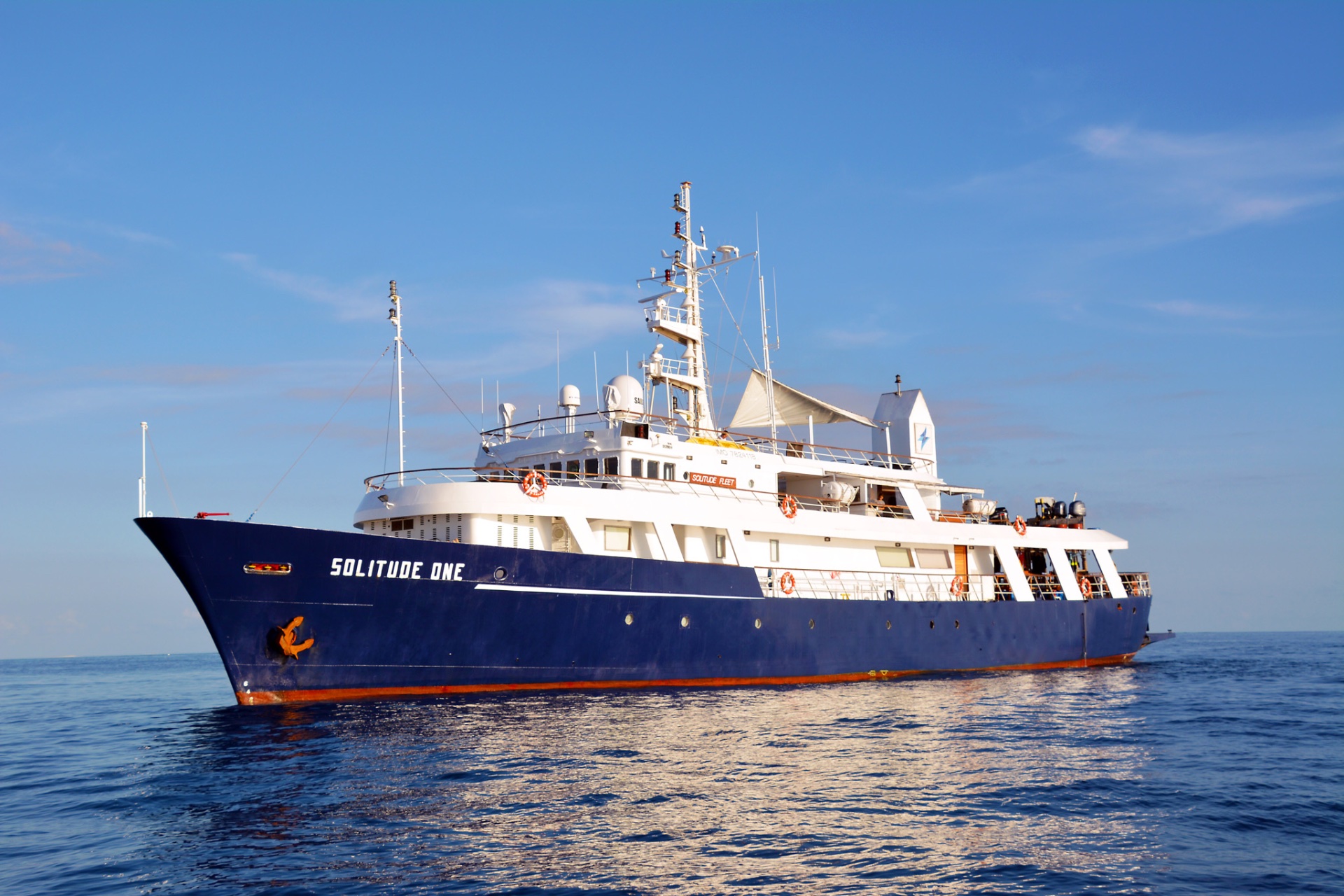
Solitude One
Philippines
24 guests52 m
$460/day
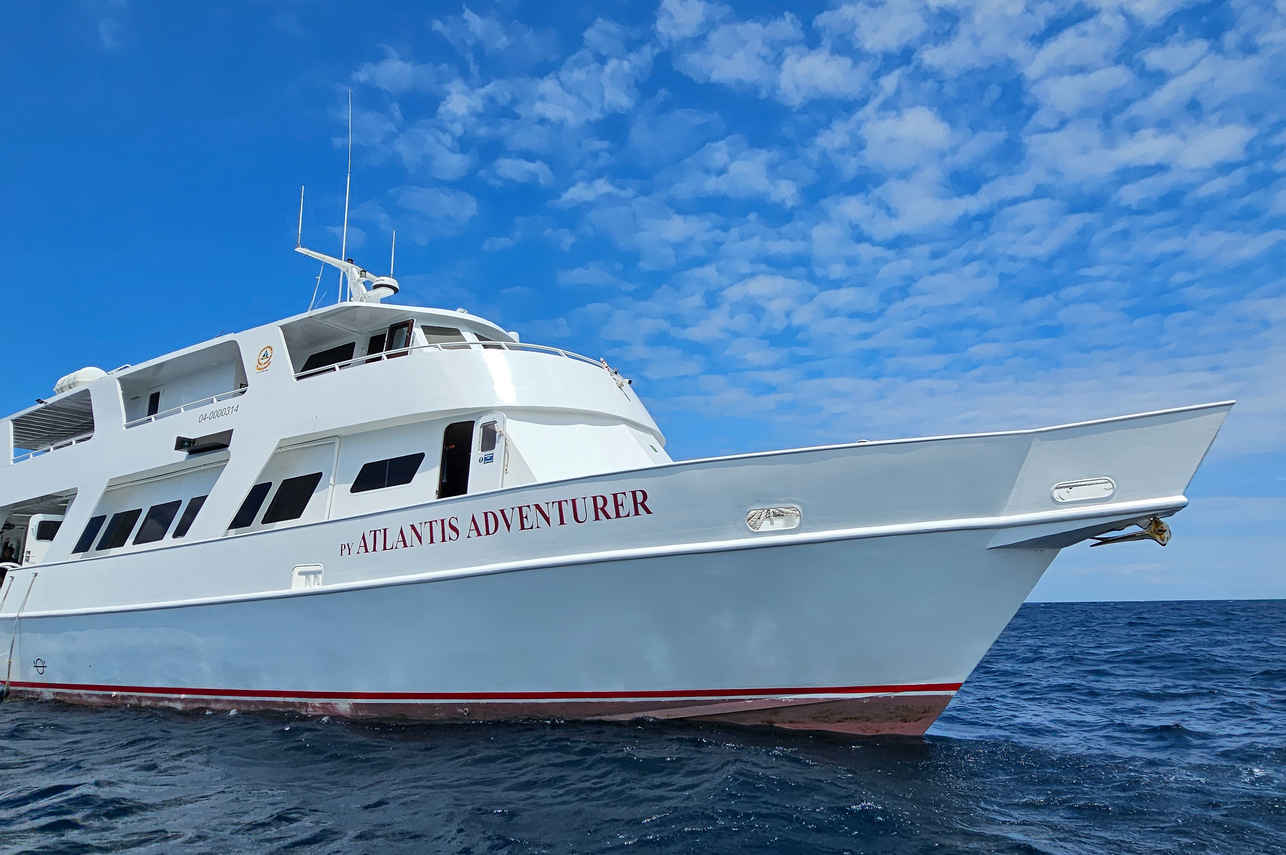
Atlantis Adventurer
Philippines
16 guests32.5 m
$421/day
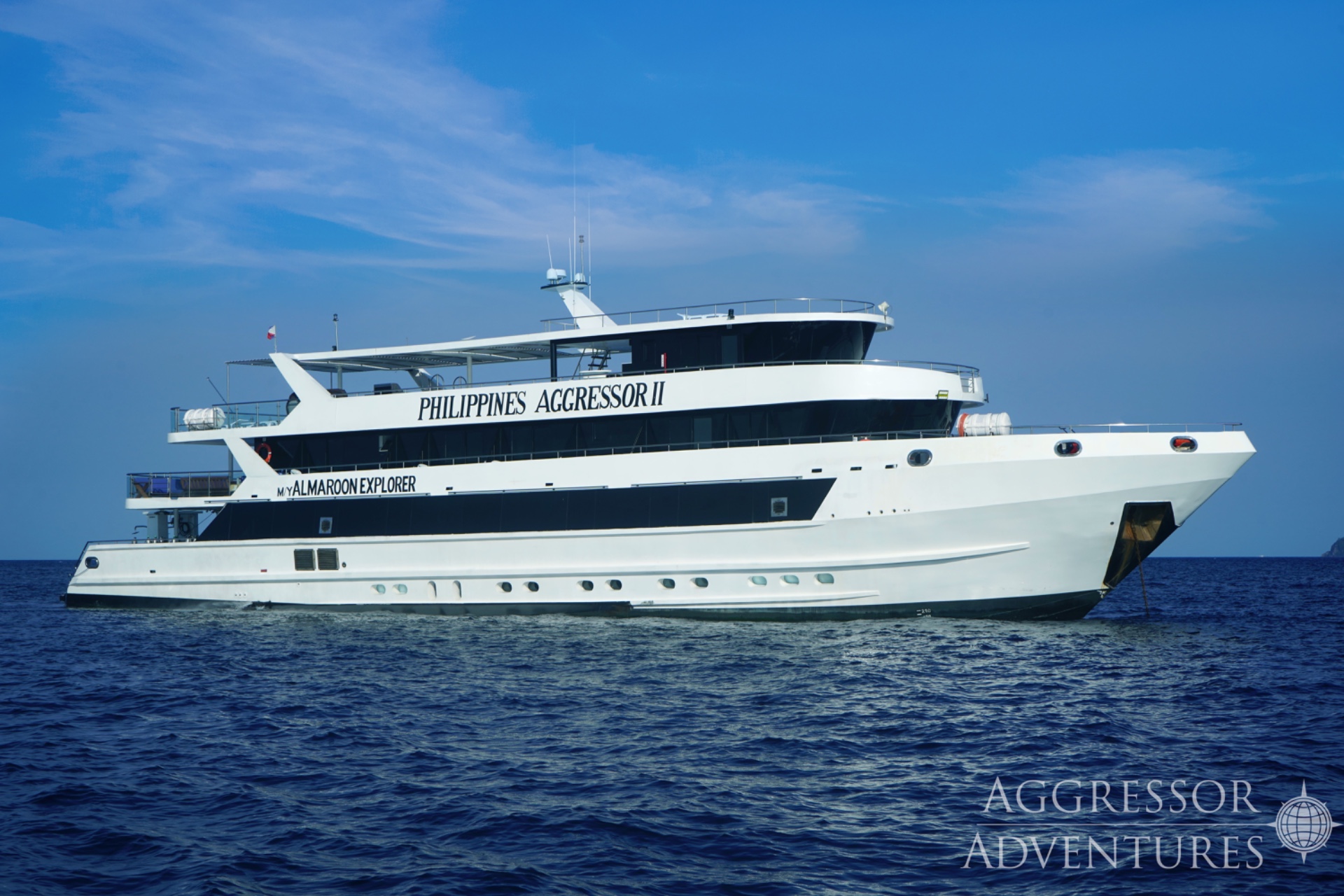
Philippines Aggressor II
Philippines
26 guests42.7 m
$247/day
Dive sites similar to Anilao — Secret Bay
Same character, same waters — six more sites divers love for the exact same reasons.Compare seasons, access and liveaboard routes — then pick the site that fits your trip best.
© Esri — Maxar, Earthstar, GIS
Romblon Bonbon Beach Reef
Philippines
Bonbon Beach Reef, located near Romblon Town on Romblon Island, has garnered a reputation as a premier macro diving destination within the Philippines.
- Suitable for
- Beginner
- Current
- Moderate
- Access
- Liveaboard or dayboat
- Depth
- 3–20 m
- Theme
- Muck diving
© Esri — Maxar, Earthstar, GIS
Maribojoc Bay
Philippines
Maribojoc Bay, situated on the southwestern coast of Bohol, Philippines, is renowned for its significant seagrass beds rather than traditional coral reefs.
- Suitable for
- Beginner
- Current
- Mild
- Access
- Liveaboard or dayboat
- Depth
- 3–18 m
- Theme
- Muck diving
© Esri — Maxar, Earthstar, GIS
Dauin — Atmosphere House Reef
Philippines
Atmosphere House Reef is a renowned dive site located in Dauin, Philippines, directly accessible from the shore.
- Suitable for
- Beginner
- Current
- Strong
- Access
- Shore / dayboat
- Depth
- 5–35 m
- Theme
- Muck diving
© Esri — Maxar, Earthstar, GIS
The House Reef
Philippines
The House Reef in Dauin, Negros Oriental, extends directly from the shoreline along a volcanic coast, offering divers convenient shore access to a world-class muck diving environment.
- Suitable for
- Intermediate
- Current
- Mild
- Access
- Shore / dayboat
- Depth
- 3–30 m
- Theme
- Muck diving / Reef
© Esri — Maxar, Earthstar, GIS
Big La Laguna
Philippines
Big La Laguna is a beach community situated on the western edge of the Sabang Peninsula, a popular dive region on Mindoro Island, Philippines.
- Suitable for
- Intermediate
- Current
- Moderate
- Access
- Dayboat
- Depth
- 5–35 m
- Theme
- Reef / Wall
© Esri — Maxar, Earthstar, GIS
Black Forest
Philippines
Black Forest is a premier dive site located off Balicasag Island, renowned for its exceptional marine biodiversity and distinct topography.
- Suitable for
- Intermediate
- Current
- Strong
- Access
- Liveaboard or dayboat
- Depth
- 10–30 m
- Theme
- Drift / Reef