About Big Fish Country
Big Fish Country, located in the Derawan Islands of East Kalimantan, is a renowned dive site where nutrient-rich waters from the Celebes Sea converge, creating an exceptional hub for large marine life. This destination is ideal for divers seeking high-energy encounters with pelagics, often requiring a reef hook to observe the action safely. The topography features a distinct coral reef channel that transitions into a wall, with activity concentrated from approximately 26 meters down to 30 meters and beyond. While its name suggests a focus on larger species, the site also boasts healthy coral coverage and supports diverse macro life on its sandy bottom. Strong currents are a defining characteristic, making it a challenging yet rewarding dive for experienced individuals. During plankton-rich months, especially between October and April, the site becomes a magnet for manta rays, reef sharks, and barracuda, with occasional whale shark sightings adding to the excitement. The best dives align with specific current windows, allowing divers to position themselves to witness the abundant marine traffic.
Highlights
Pelagic marine life encountersCurrent-fed reef channelWall diving actionManta ray sightingsReef shark aggregationsHealthy coral ecosystemsAdvanced drift divingDerawan Islands destination
Season calendar
Best months to dive here
Jan
Feb
Mar
Apr
May
Jun
Jul
Aug
Sep
Oct
Nov
Dec
Excellent
Good
Dive site facts: Big Fish Country
- Depth
- 20–30+ m
- Current
- Strong to very strong
- Visibility
- 18–30 m
- Water temperature
- 29°C
- Entry
- Boat drop
- Level
- Advanced, current experience required
- Dive type
- Reef channel, wall, drift, big animals
- Region / port
- Derawan Islands, East Kalimantan
- Coordinates
- 4.6235° S, 123.7296° E
Conditions & Currents
Big Fish Country is defined by strong to very strong currents within its reef channel, requiring advanced diving skills and the use of a reef hook. Divers must be comfortable holding position against significant water movement, as the action revolves around the current itself and the pelagic traffic it attracts. Entry is typically a swift boat drop, where divers must descend quickly as a group to avoid being swept away from the target area. The dive profile involves positioning along the wall or channel, watching the pelagic show, rather than extended swimming. Exit requires careful planning with the boat crew, who track divers as they surface, often some distance from the entry point. Visibility can be excellent, but plankton blooms, which are crucial for attracting megafauna, may occasionally reduce it to around 15-25 meters.
Marine life & sighting chances
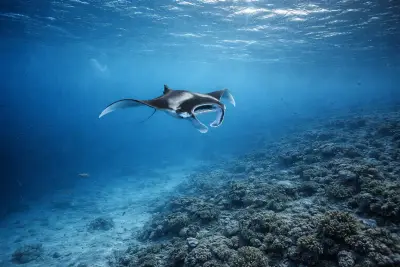
Reef Manta Ray
October–April (peak Dec–Mar) · common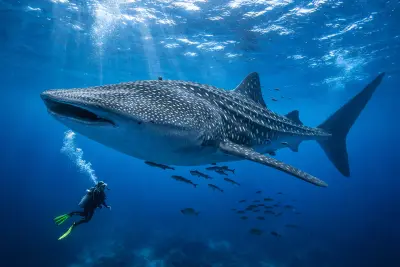
Whale Shark
October–April · occasional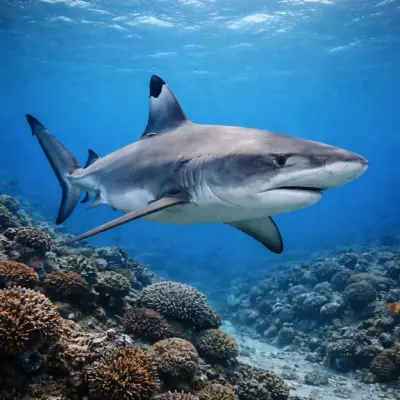
Grey Reef Shark
common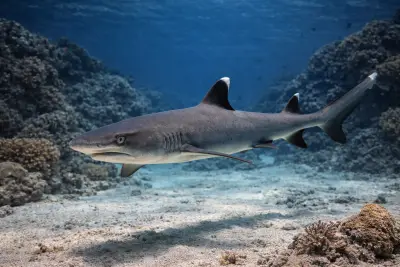
Whitetip Reef Shark
common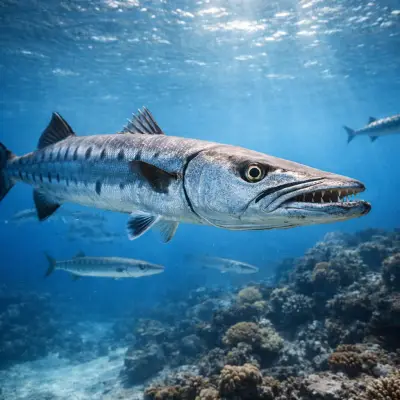
Barracuda
common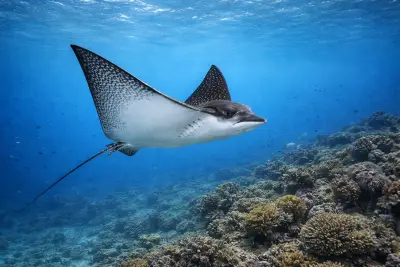
Eagle Ray
occasional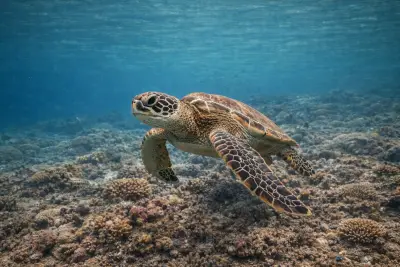
Green Turtle
common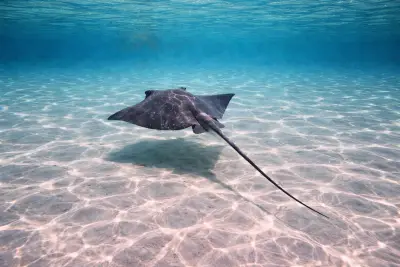
Blue-spotted Stingray
common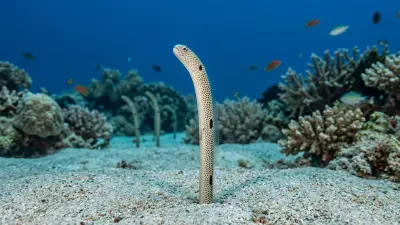
Garden Eel
common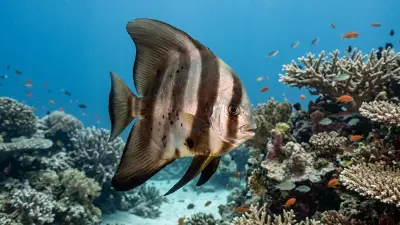
Batfish
common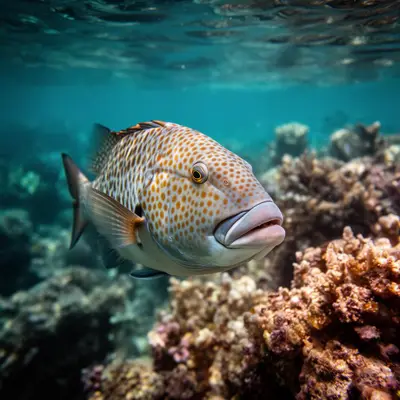
Sweetlips
common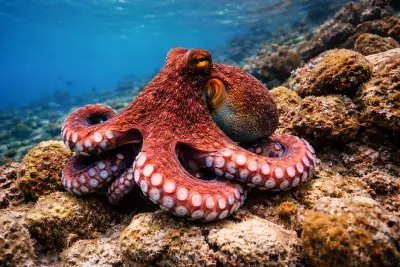
Octopus
occasional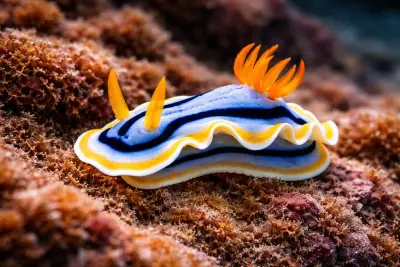
Nudibranch
occasional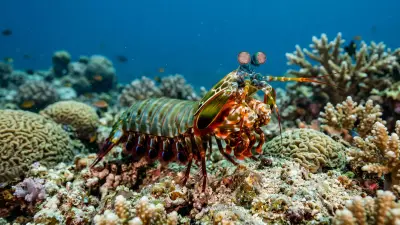
Mantis Shrimp
occasionalDive profile & how the dive runs
Diving Big Fish Country begins with a boat drop directly into the current, where divers must descend quickly as a group. The boat will position near a specific crack or feature on the reef channel. Divers should stay with the guide, who will lead them along the wall or channel, often using a reef hook to hold position against the strong flow. The primary objective is to observe the pelagic action in the current, rather than swimming a long line. Depths typically range from 26 meters, where the channel transitions into a wall, down to 30 meters or more, depending on the current and target species. Air consumption needs careful management due to the effort of holding position and potential deeper sections. The safety stop will be conducted as a group, typically near the wall, before surfacing. The boat will pick up divers downstream, requiring accurate surface signaling.
Underwater photography
Big Fish Country is an exceptional site for wide-angle photography, especially during peak pelagic season, capturing schooling barracuda, trevally, reef sharks, and manta rays in the current. A wide-angle lens with external strobes is essential to illuminate subjects against the blue water backdrop and manage dynamic lighting conditions. Given the strong currents and potential need for a reef hook, excellent buoyancy control and streamlining are paramount to avoid damaging the healthy corals and to maintain stable shots. For macro enthusiasts, a dedicated macro lens can capture the diverse smaller life found on the reef and sandy bottom, but the primary photographic draw here is typically the large animal action. Be mindful of subject etiquette, giving large pelagics ample space and not pursuing them.
Combine with nearby dive sites
- Turtle Traffic
Turtle Traffic is a prominent reef dive site located off Maratua Island in Indonesia, celebrated for its high density of sea turtles.
- Kelapa Dua
- Barracuda Point (Kakaban)
The Point is a dynamic dive site located in Roatan, Honduras, part of the extensive Mesoamerican Barrier Reef system, the second-largest…
- Manta Run
- Big Fish Wall
Cozumel's western coast features a dramatic reef shelf that plunges thousands of feet into the ocean.
- Batu Kangan
Getting there & logistics
Big Fish Country is located in the Derawan Islands of East Kalimantan, Indonesia. Access to this remote region is primarily via liveaboard, which typically includes transfers from major Indonesian hubs. Divers often fly into airports like Jakarta (CGK) or Bali (DPS), then connect to smaller regional airports such as Berau (BEJ) or Tarakan (TRK) in East Kalimantan, followed by further boat transfers to the liveaboard departure point. Trips to the Derawan Islands can vary in length, often integrated into broader itineraries exploring other parts of Eastern Indonesia. There are specific local dive centers that operate within 20 km of the site, indicating day boat options may also exist for those staying at island resorts. No specific permit fees for this site are mentioned, but marine park fees are common in Indonesia.
Safety & environment
Due to the very strong currents at Big Fish Country, advanced dive training and experience in current diving are essential. Divers must always dive with a guide and strictly adhere to briefing instructions regarding reef hook usage, entry, descent, and ascent procedures. The nearest recompression chamber and medical facilities are likely distant, requiring comprehensive dive insurance that covers emergency evacuation. Evacuation could involve lengthy transfers from the remote Derawan Islands, potentially requiring air transport. Key hazards include being swept away by currents if not properly hooked in, rapid air consumption due to exertion, and potential separation from the group. Divers should carry an SMB (surface marker buoy) and a whistle, and ensure they are proficient in their use.
Who it suits — and who it doesn't
Suited for
- Experienced divers comfortable with strong currents
- Advanced Open Water Divers or higher
- Photographers focusing on wide-angle pelagic shots
- Divers seeking high-adrenaline, big animal encounters
- Liveaboard guests exploring the Derawan Islands
Less suited for
- Beginner divers or those without current experience
- Divers prone to seasickness (due to potential choppy conditions)
- Divers seeking a relaxed, slow-paced reef cruise
- Those unwilling to use a reef hook
- Divers with limited air consumption management skills
FAQ
Big Fish Country FAQ
What kind of marine life can I expect at Big Fish Country?
Big Fish Country is renowned for large pelagic species attracted by nutrient-rich currents. You can frequently encounter reef sharks, barracuda, and various trevally. Manta rays are common, especially during plankton-rich months, and whale sharks are occasional visitors, making it a hotspot for thrilling big animal encounters.
Why is Big Fish Country considered an advanced dive site?
This site is classified as advanced due to its consistently strong to very strong currents, which define the diving experience. Divers need to be proficient in current diving techniques, comfortable with quick descents, and prepared to use a reef hook to maintain position. It is not suitable for casual drift diving or beginners, as the water movement is central to the dive.
What is the best time of year to dive Big Fish Country for mantas?
The peak season for manta ray sightings at Big Fish Country generally runs from October to April, with some sources highlighting December to March as particularly active. These months coincide with calm seas and plankton-rich conditions that attract these graceful creatures. While mantas can be seen year-round, these periods offer the highest likelihood of encounters.
What is the topography of Big Fish Country?
The site features a distinctive coral reef channel that transitions into a wall, with significant activity occurring between 26 and 30 meters depth. The channel acts as a funnel for currents, concentrating marine life. Healthy hard and soft corals adorn the reef, and the sandy bottom areas host species like blue-spotted stingrays and garden eels.
Do I need special equipment to dive Big Fish Country?
Yes, a reef hook is an essential piece of equipment for diving Big Fish Country due to the strong currents. This tool allows divers to secure themselves to the reef, minimizing effort and conserving air while observing the pelagic action. Additionally, a surface marker buoy (SMB) and whistle are highly recommended for safety during ascents and boat pick-ups in the current.
Why dive Big Fish Country from a liveaboard?
Big Fish Country is one of Indonesia's signature dive sites. A liveaboard sleeps you on the water and puts you in the water for three to four guided dives per day, including dawn and night dives that day-boat operators rarely offer. You skip the daily commute back to port and reach quieter, less-crowded sites in the same region on a single trip.
Below are the liveaboards that include Big Fish Country on their Indonesia itineraries.
Liveaboards diving Big Fish Country
These liveaboards may visit Big Fish Country on selected itineraries — the exact dive sites depend on departure, weather and conditions.
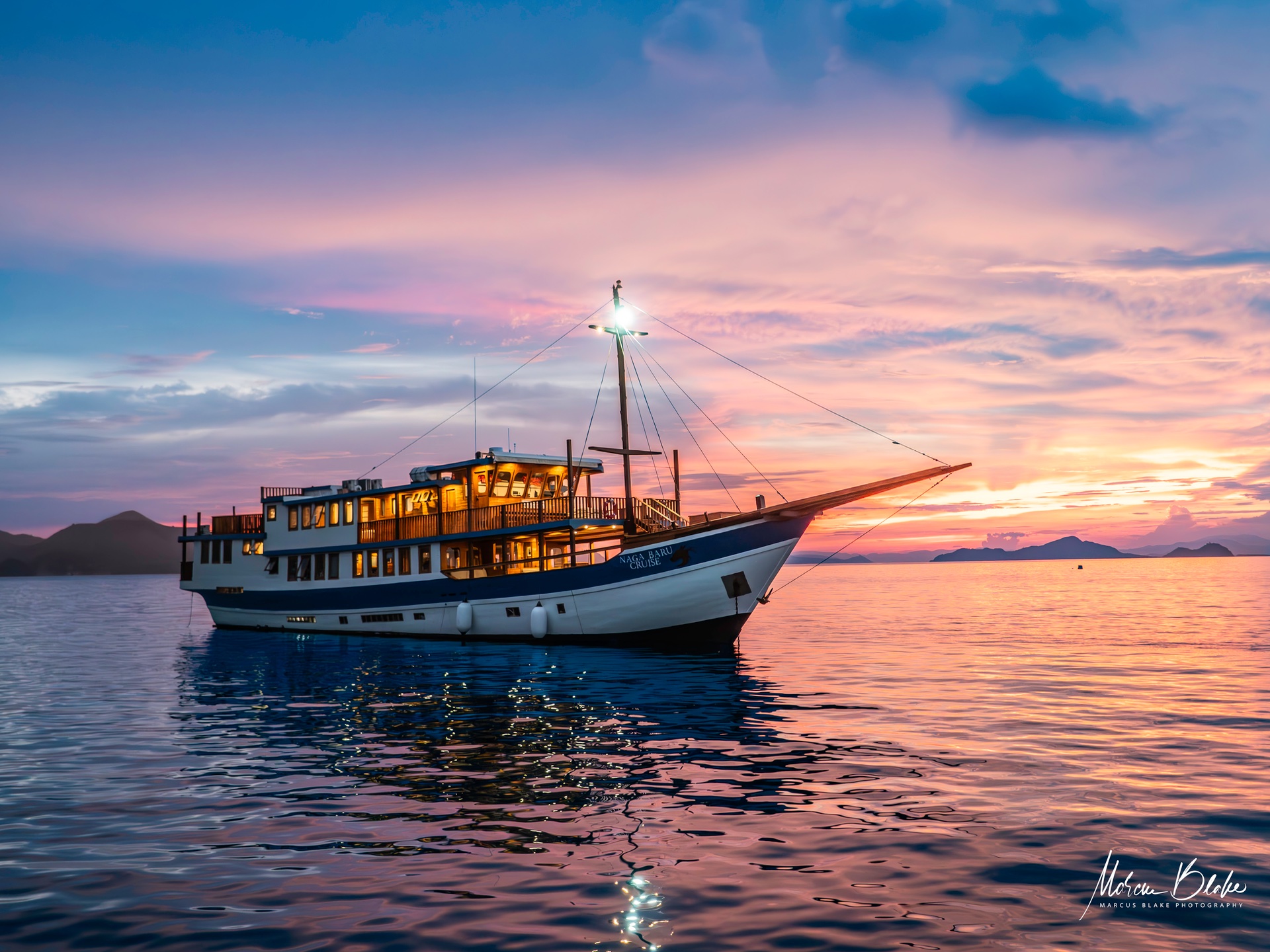
Naga Biru
Indonesia
12 guests40 m
$274/day
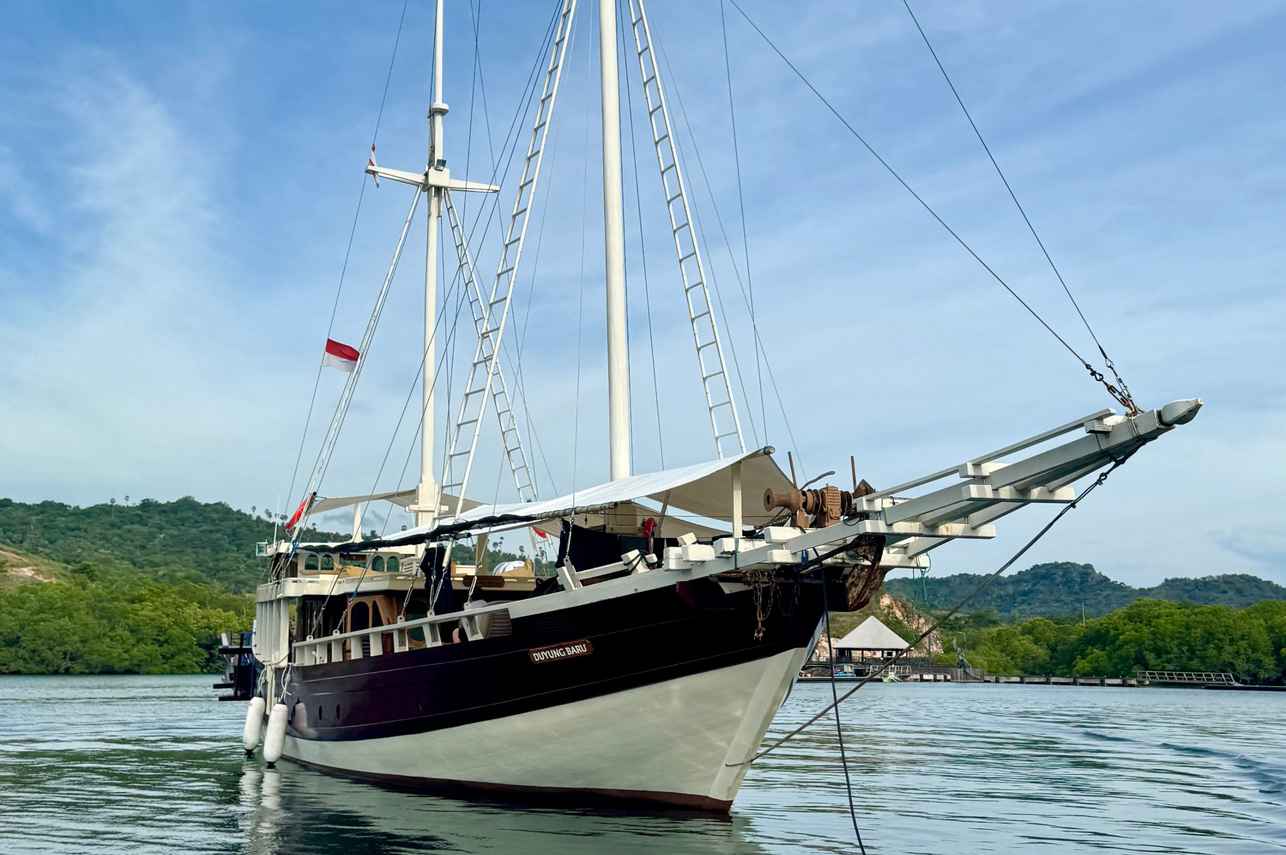
Ecopro Duyung Baru
Indonesia
6 guests27 m
$361/day
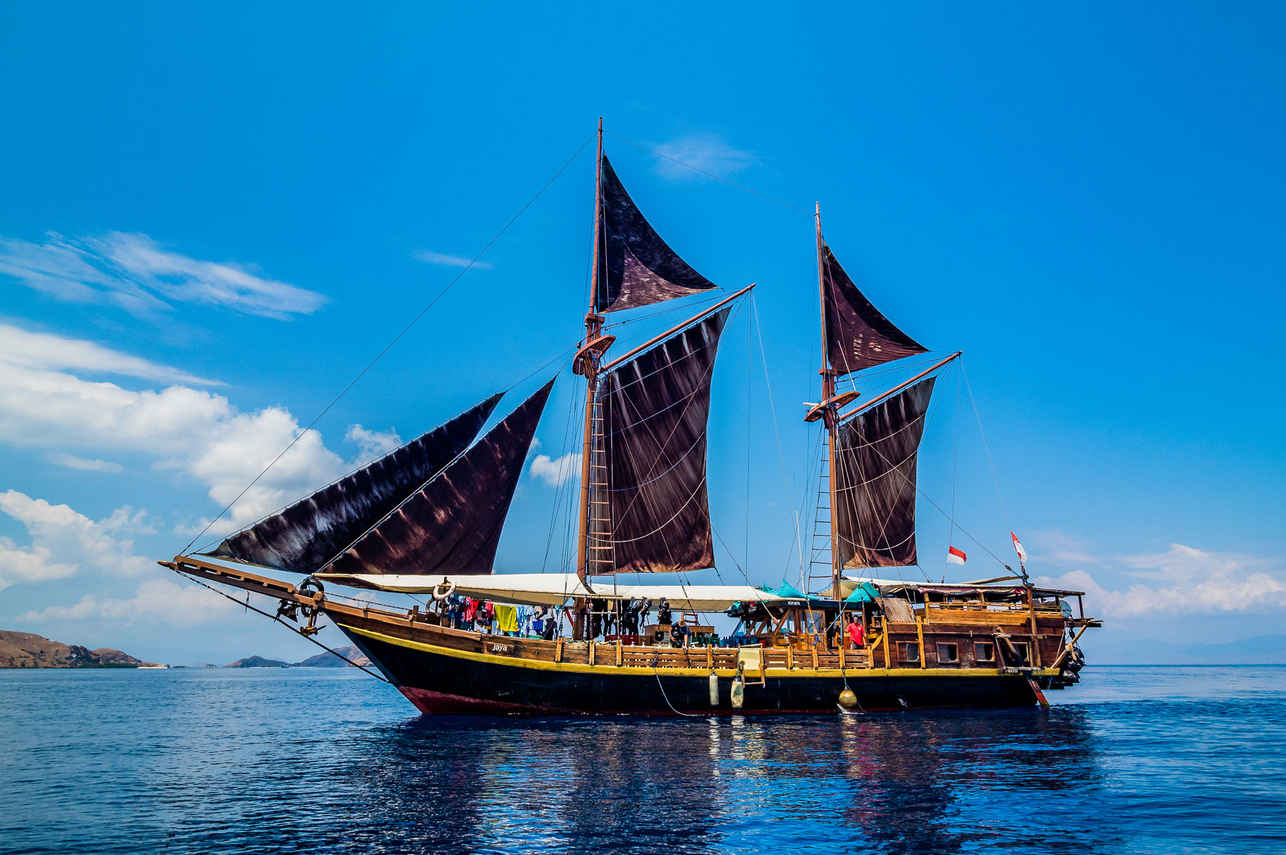
Jaya
Indonesia
14 guests23 m
$280/day
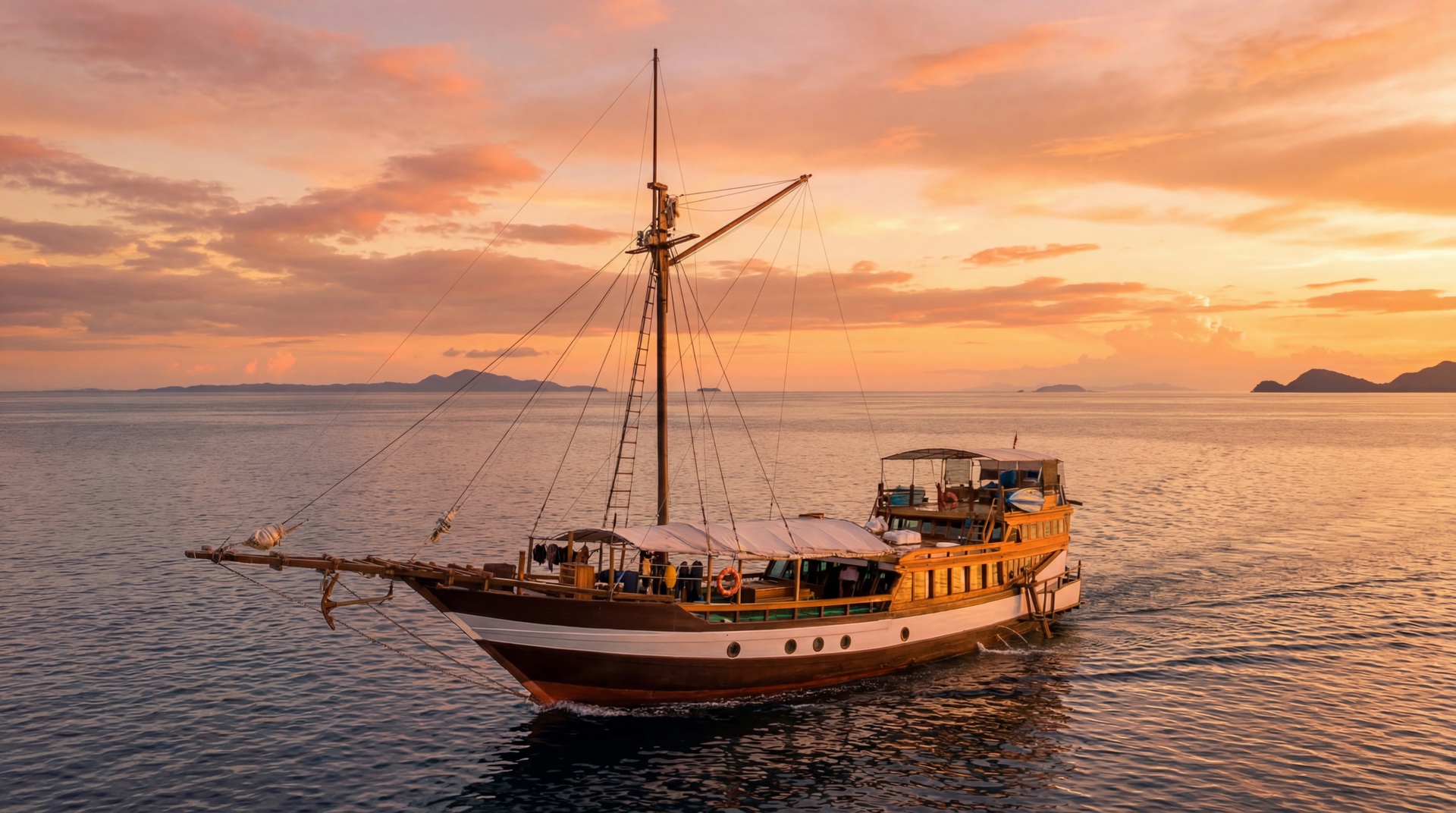
Wellenreng
Indonesia
9 guests25 m
$427/day
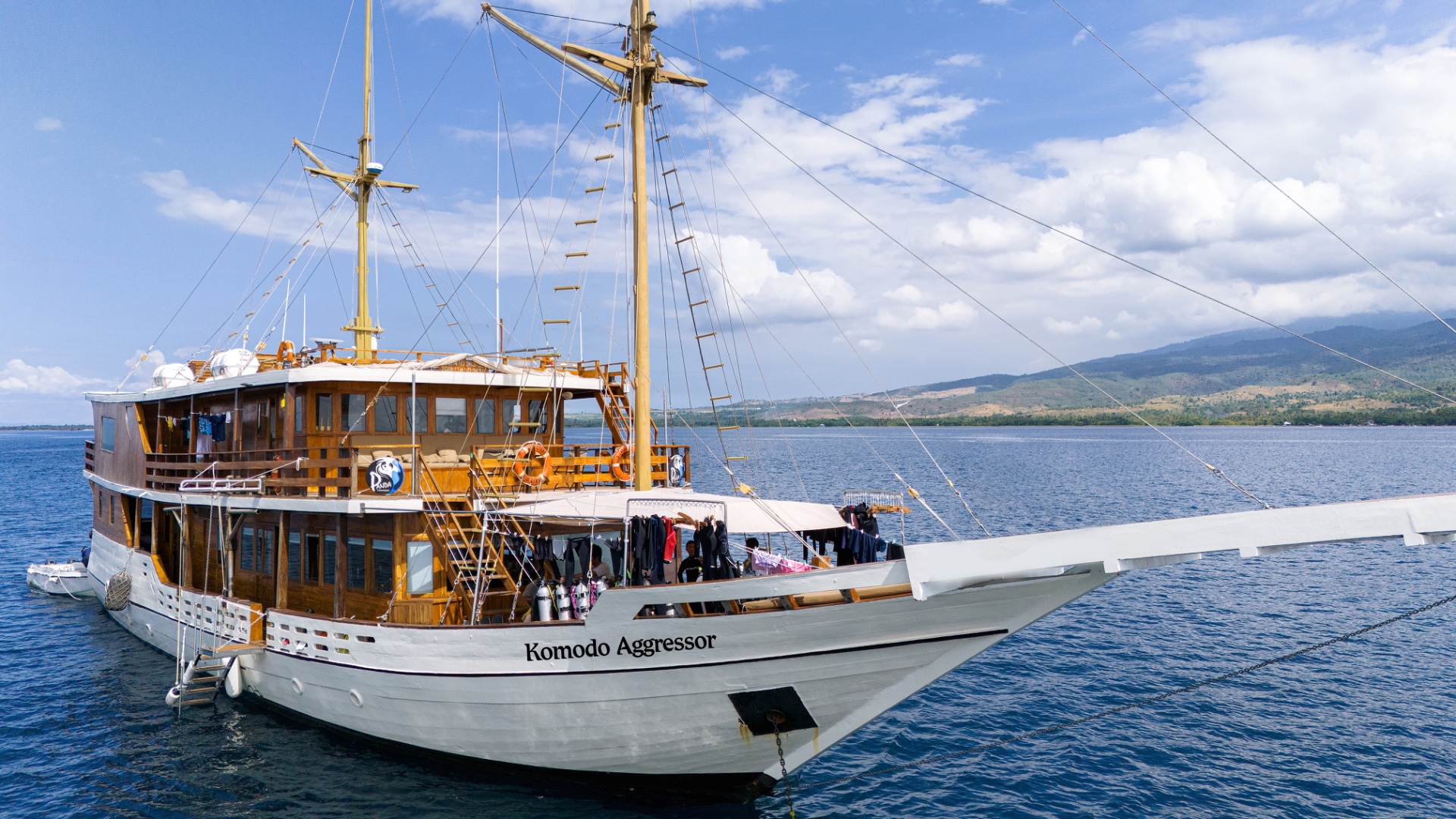
Komodo Aggressor
Komodo, Indonesia
16 guests29 m
$312/day
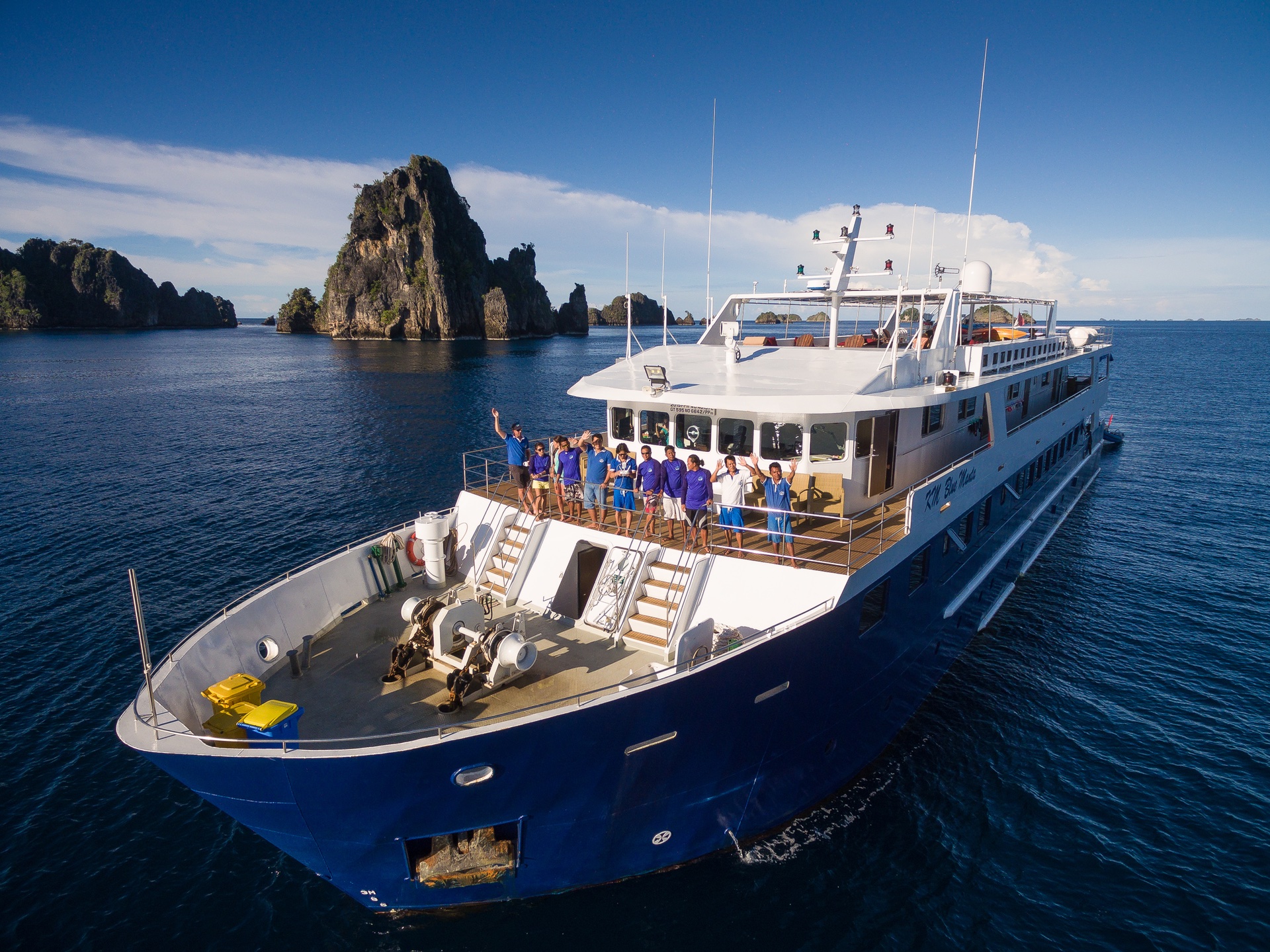
Blue Manta
Indonesia
20 guests45 m
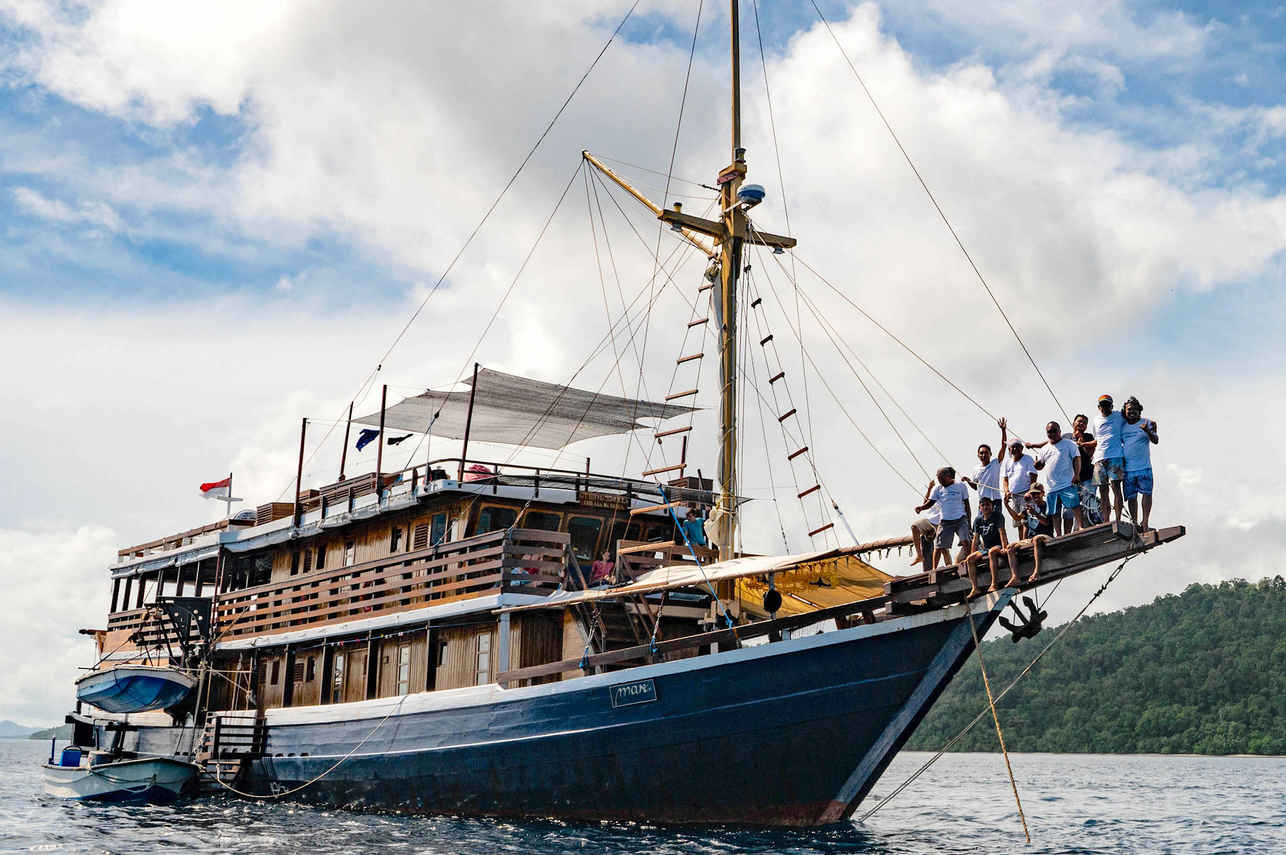
Mari
Indonesia
14 guests32.2 m
$328/day
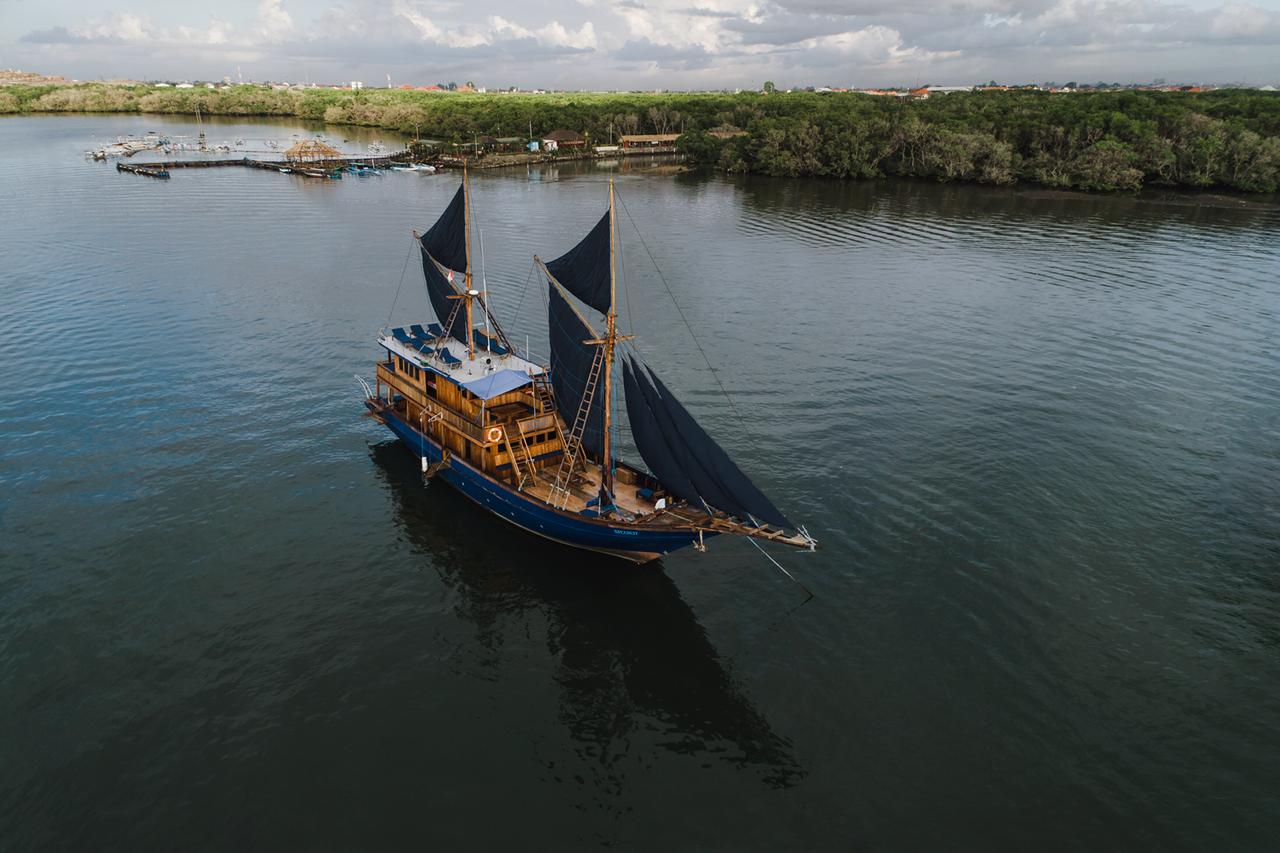
Situju7
Komodo, Indonesia
10 guests32.7 m
$362/day
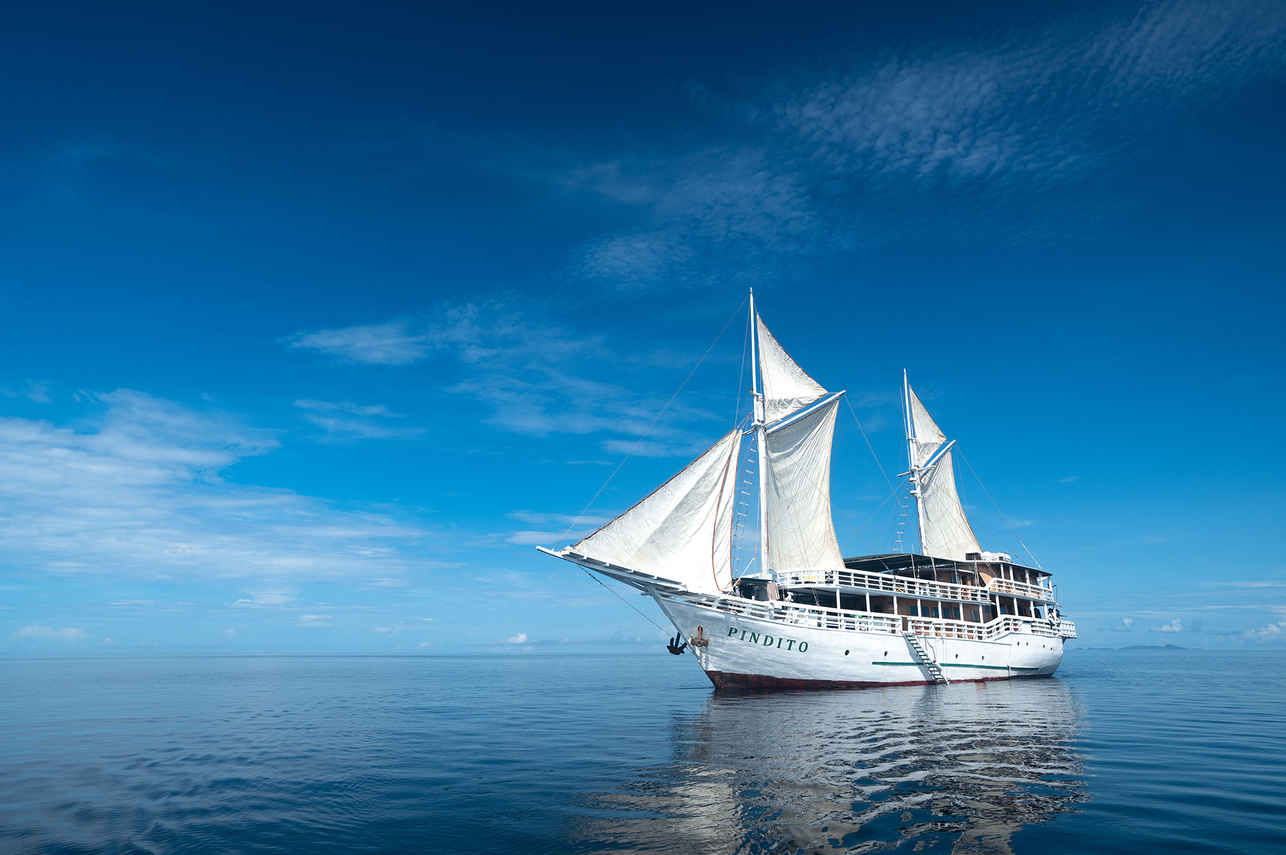
Pindito
Indonesia
16 guests37.79 m
$533/day
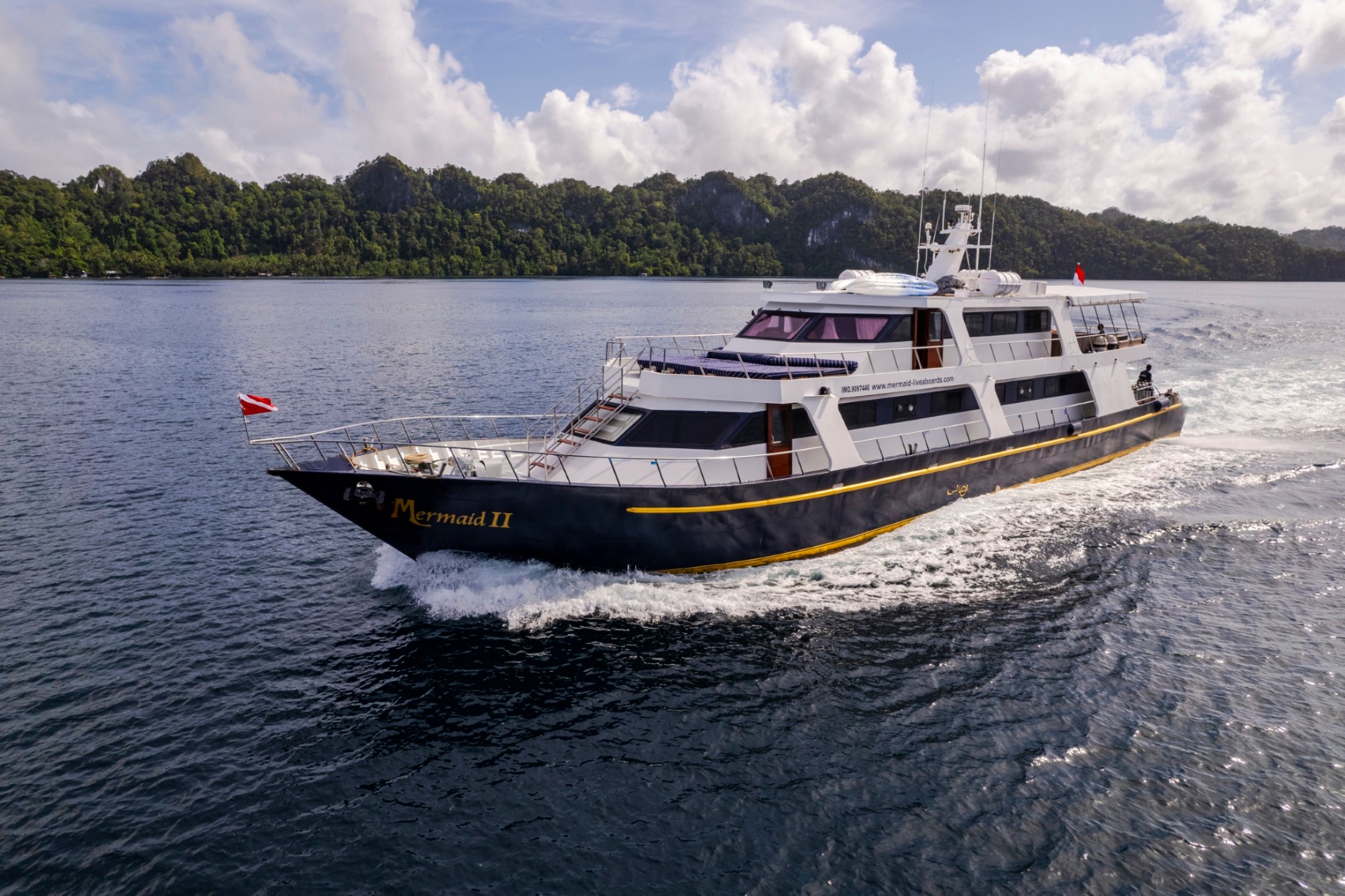
Mermaid II
Komodo, Indonesia
18 guests
$355/day
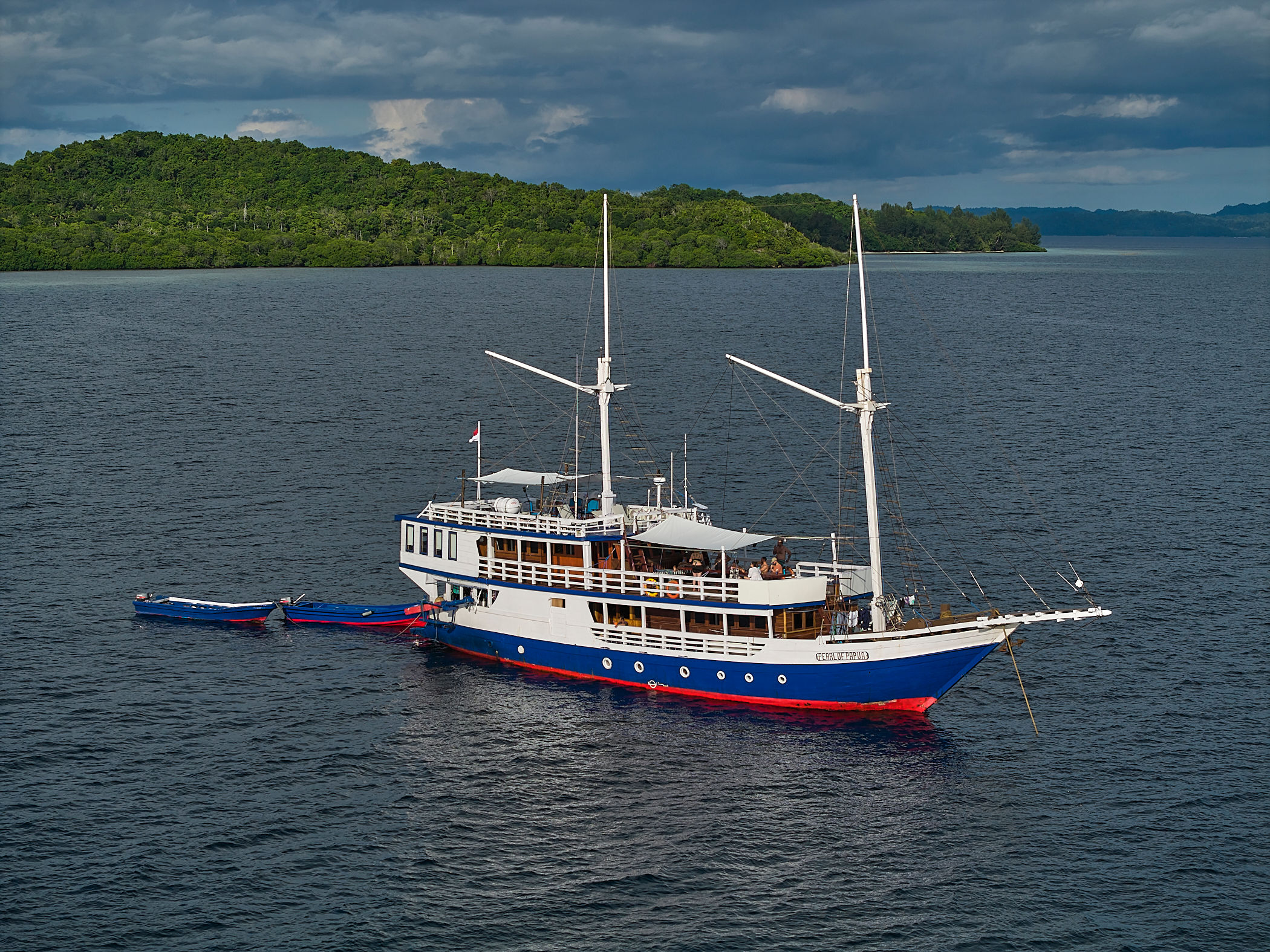
Pearl of Papua
Raja Ampat, Indonesia
14 guests30 m
$303/day
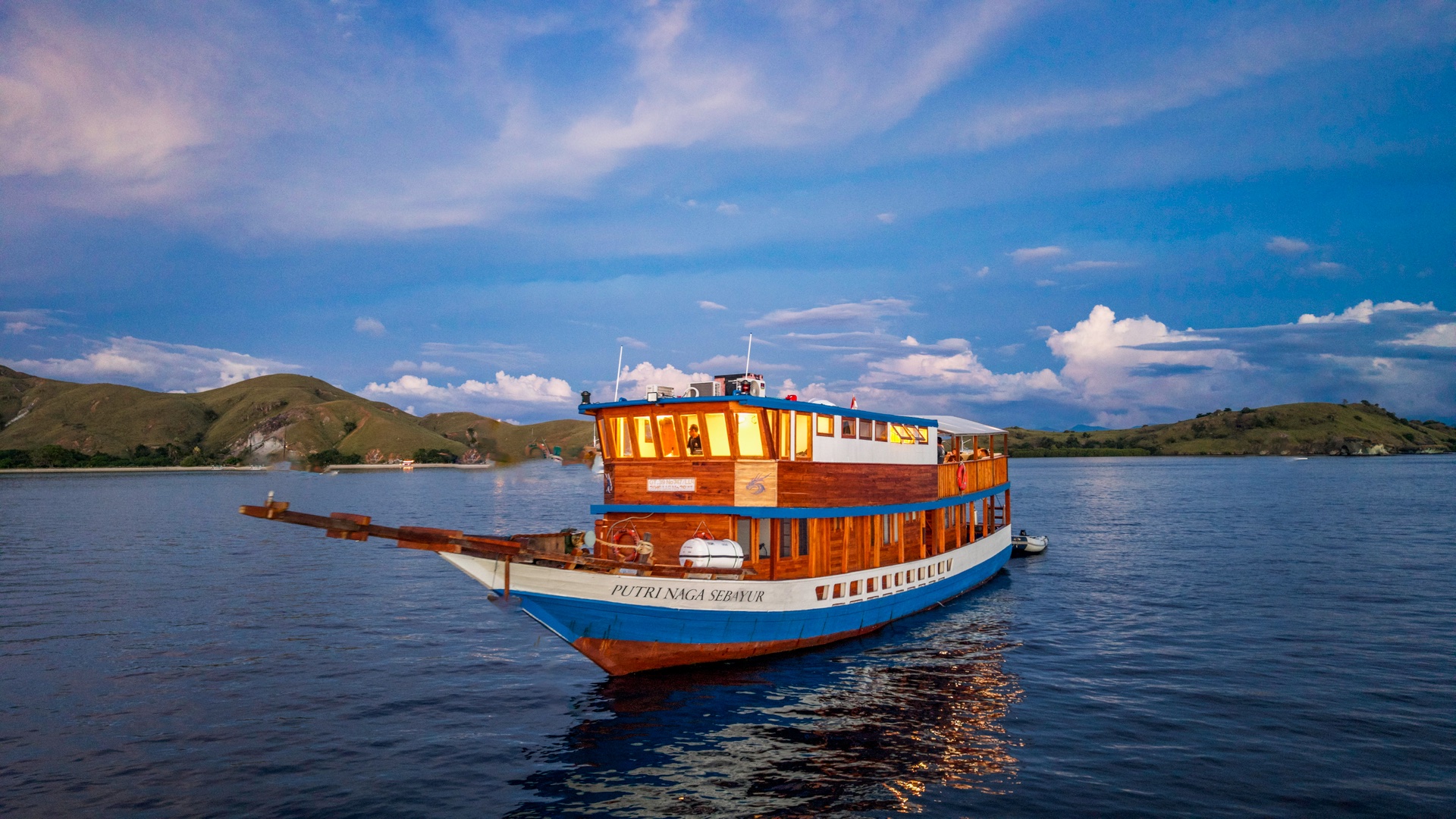
Putri Naga
Komodo, Indonesia
6 guests25 m
Dive sites similar to Big Fish Country
Same character, same waters — six more sites divers love for the exact same reasons.Compare seasons, access and liveaboard routes — then pick the site that fits your trip best.
© Esri — Maxar, Earthstar, GIS
Adonara Wall
Indonesia
Adonara is an Indonesian island dive site, renowned for its vibrant underwater topography characterized by submerged seamounts.
- Suitable for
- Intermediate
- Current
- Strong
- Access
- Liveaboard or dayboat
- Depth
- 5–35 m
- Theme
- Seamount / Wall
© Esri — Maxar, Earthstar, GIS
Mawali Wreck
Indonesia
The Mawali Wreck, a Japanese cargo ship, rests on its side in the Lembeh Strait, off the northern coast of Sulawesi.
- Suitable for
- Advanced
- Current
- Mild
- Access
- Liveaboard only
- Depth
- 25–40 m
- Theme
- Wreck / Reef
Aljui Bay, located in Raja Ampat's remote northern reaches, was discovered as a premier snorkeling and diving destination by chance in 2011. This bay, situated within the broader…
- Suitable for
- Beginner
- Current
- Mild
- Access
- Liveaboard only
- Depth
- ≤ 20 m
- Theme
- Reef
© Esri — Maxar, Earthstar, GIS
Shark Close
Indonesia
Shark Close is an exhilarating dive site in the Indonesian portion of Borneo, renowned for its strong currents and abundant marine life.
- Suitable for
- Advanced
- Current
- Strong
- Access
- Liveaboard or dayboat
- Depth
- 5–25 m
- Theme
- Channel / Drift
Wakatobi, an acronym for the islands of Wangi-Wangi, Kaledupa, Tomia, and Binongko, lies in Southeast Sulawesi, Indonesia, at the heart of the Coral Triangle.
- Suitable for
- Beginner
- Current
- No current
- Access
- Liveaboard only
- Depth
- 5–30 m
- Theme
- Wall / Reef
© Esri — Maxar, Earthstar, GIS
Cornucopia
Indonesia
Cornucopia, aptly named the 'horn of plenty,' is celebrated as Wakatobi's most spectacular wall dive, offering a diverse and nutrient-rich underwater environment.
- Suitable for
- Intermediate
- Current
- Mild
- Access
- Liveaboard only
- Depth
- 5–40 m
- Theme
- Reef