About Turtle Traffic
Turtle Traffic is a prominent reef dive site located off Maratua Island in Indonesia, celebrated for its high density of sea turtles. Divers consistently encounter both green and hawksbill turtles, often found resting beneath table coral formations and within crevices along the reef. This site features a generally shallow profile, ranging from 5 to 18 meters, making it accessible for various diver levels and even suitable for snorkelers in its shallower parts. The reef boasts healthy coral gardens, providing ample habitat and feeding grounds for marine life. The typical conditions include mild to moderate currents, though stronger tides can transform the experience into an active drift dive. Visibility is generally excellent, often exceeding 20 meters, with water temperatures ranging from 26°C to 29°C. Access to Turtle Traffic is exclusively by boat, typically arranged through local resorts or dive operators on Maratua. The site is particularly favored by photographers and those seeking dependable turtle encounters in a relaxed, guided environment.
Highlights
Dense green and hawksbill turtle encountersHealthy, vibrant coral gardensShallow reef profile (5-18m)Mild to moderate drift divingHigh visibility waterExcellent for underwater photography
Best Season
The best time to dive Turtle Traffic is from March to November. During these months, the seas are generally calmer, and visibility is at its peak, offering optimal conditions for turtle sightings and photography.
Dive site facts: Turtle Traffic
- Depth
- 5–18 m
- Typical dive
- 12–15 m, 50–60 min
- Current
- Mild to Moderate, can be strong
- Visibility
- 12–30 m
- Water temperature
- 26–29°C
- Entry
- Boat
- Level
- AOWD recommended, current experience helpful
- Dive type
- Reef, Wall, Drift, Big Animals
- Night dive
- Not specified
- Region / port
- Derawan Islands, Maratua Island
- Coordinates
- 4.5175° S, 123.7726° E
Conditions & Currents
Currents at Turtle Traffic can vary from mild to moderate, making it suitable for a relaxed dive in typical conditions. However, divers should be prepared for stronger currents during certain tides, which can create an active drift dive experience. Local tide timings are crucial, and dive guides will adjust the entry and exit strategies accordingly. The site's shallow profile means surface conditions can feel more active when currents build. Visibility is consistently good, averaging 20-25 meters, and water temperatures remain warm, between 26°C and 29°C, reducing the concern for thermoclines. Divers should maintain visual contact with their group and be attentive to the guide's instructions for a safe and enjoyable dive, especially when planning gas for a more active exit.
Marine life & sighting chances

Green Turtle
common
Hawksbill Turtle
common
Reef Fish
common
Hard Coral
common
Stingrays
occasional
Jackfish
occasional
Shrimp
occasional
Whitetip Reef Shark
occasional

Bumphead Parrotfish
occasionalDive profile & how the dive runs
Dives at Turtle Traffic typically begin with a boat entry, positioning divers on the shallow reef ledges around 5 meters, where turtles are frequently observed resting. The route often follows the reef's contour, gradually descending to an average depth of 12-15 meters, with a maximum reported depth of 18 meters. Divers explore the healthy coral formations and look for green and hawksbill turtles, often found under table corals or in small overhangs. If conditions involve stronger currents, the dive may become a gentle drift along the reef, allowing divers to cover more ground with less effort. The turn point is usually dictated by air consumption or group separation in currents. The safety stop is conducted in the shallow, vibrant reef top at 5 meters, where divers can enjoy abundant reef fish activity and often spot more turtles, before ascending to the boat for exit.
Underwater photography
Turtle Traffic offers excellent opportunities for wide-angle and macro photography, especially given its abundant turtle population and healthy coral gardens. For turtles and reefscapes, a wide-angle lens is ideal to capture the larger subjects and expansive coral formations. When currents are stronger, be prepared for drift photography. For macro subjects, smaller reef fish and critters can be found among the corals; a macro lens will be beneficial. Maintaining excellent buoyancy control is crucial to avoid stirring up sediment and to protect the delicate corals. Strobes can enhance colors, particularly in deeper sections or for close-up shots of turtles. Patience and a slow approach are key to getting natural shots of the resident turtles.
Combine with nearby dive sites
- Johnnys House
A southwest wall dive focused on fish, located 1.2 km away.
- Shotgun
Shotgun, also known as The Cauldron, is an iconic dive site nestled in the northern part of Komodo National Park, situated in the…
- Drop Off
Located in Tulamben Bay on Bali’s northeastern coast, Drop Off, also known as the Tulamben Wall, is a rewarding dive site recognized for…
- Wofoh
Wofoh is an exceptional dive destination located within the Raja Ampat archipelago, celebrated for its dramatic towering cliffs and lush…
- Channel Maratua
Channel Maratua, also known as Big Fish Country, is a premier dive site located off Maratua Island within the Derawan Archipelago, East…
- Nabucco Jetty
Located 5.8 km away.
Getting there & logistics
Access to Turtle Traffic is exclusively via boat, typically arranged through liveaboards or dive resorts operating from Maratua Island. While specific departure ports are not detailed, Maratua is part of the Derawan Islands, an archipelago often reached via flights to Kalimantan airports such as Berau (BEJ) or Tarakan (TRK), followed by domestic transfers and boat rides. Typical liveaboard itineraries in the Derawan Islands region often include Maratua, Sangalaki, and Kakaban, focusing on marine life like manta rays, turtles, and diverse coral reefs. It is crucial to coordinate with a local operator or resort, as they manage the boat logistics and factor in local tide timings for optimal diving conditions at this site. Permit or park fees for the Derawan Islands Marine Conservation Area may apply and are usually handled by operators.
Safety & environment
Safety at Turtle Traffic primarily involves careful management of varying currents and awareness of boat traffic. Divers must adhere to their local guide's instructions regarding tide timings, entry, and exit procedures, as currents can intensify. Strong current experience is highly beneficial. Maintaining group cohesion is essential, especially during drift dives. The nearest recompression chamber would typically be in a larger Indonesian city, making immediate evacuation to a medical facility a significant consideration. Therefore, comprehensive dive insurance covering emergency medical treatment and evacuation is strongly recommended for all divers visiting this remote region. Divers should always plan conservatively around the 6-18 meter depth range and stay within their certification limits.
Who it suits — and who it doesn't
Suited for
- Advanced Open Water Divers
- Divers comfortable with currents
- Underwater photographers targeting turtles
- Macro enthusiasts
- Divers seeking reliable turtle encounters
Less suited for
- Absolute beginner divers (OWD)
- Divers uncomfortable with drift diving
- Divers with limited experience in moderate to strong currents
- Divers seeking only large pelagic encounters
- Divers sensitive to boat traffic
FAQ
Turtle Traffic FAQ
What kind of marine life can I expect to see at Turtle Traffic?
Turtle Traffic is renowned for its abundant sea turtle population, primarily green and hawksbill turtles, which are frequently seen resting or feeding. You can also expect to encounter a variety of reef fish, healthy hard corals, and occasionally stingrays, jackfish, and even whitetip reef sharks. Shrimp and bumphead parrotfish are also sometimes spotted here.
What is the typical depth and current at this dive site?
The dive site features a shallow reef profile, with depths typically ranging from 5 to 18 meters. The average dive depth is between 12 and 15 meters. Currents can vary from mild to moderate, but can become strong during certain tides, leading to a more active drift dive experience. Always consult with your local dive guide for current conditions.
Is Turtle Traffic suitable for beginner divers?
While the shallow depth might seem beginner-friendly, an Advanced Open Water Diver (AOWD) certification is recommended due to the potential for moderate to strong currents. Divers with some current experience will find it more enjoyable and safer. Open Water Divers should carefully consider their experience level and consult with their dive operator before planning a dive here.
When is the best time of year to dive Turtle Traffic?
The optimal period to dive Turtle Traffic is from March through November. During these months, the weather is generally calmer, and underwater visibility is at its best. This provides the most favorable conditions for observing marine life, especially the resident turtles, and ensures a more comfortable dive experience.
How do I access Turtle Traffic, and what are the logistics involved?
Access to Turtle Traffic is exclusively by boat, typically arranged through local dive resorts or liveaboard operators based on Maratua Island. You would generally fly into a Kalimantan airport like Berau or Tarakan, then take further transfers and a boat to Maratua. Operators handle the boat logistics and often combine this site with others in the Derawan Islands archipelago.
What are the specific hazards at Turtle Traffic?
The primary hazards include strong currents, particularly during tidal changes, and the presence of boat traffic, as it's a popular site. Divers must closely follow guide instructions, especially regarding entry and exit, and maintain group awareness. Using local tide tables is essential, and good buoyancy control is always important to avoid disturbing the reef.
Why dive Turtle Traffic from a liveaboard?
Turtle Traffic is one of Indonesia's signature dive sites. A liveaboard sleeps you on the water and puts you in the water for three to four guided dives per day, including dawn and night dives that day-boat operators rarely offer. You skip the daily commute back to port and reach quieter, less-crowded sites in the same region on a single trip.
Below are the liveaboards that include Turtle Traffic on their Indonesia itineraries.
Liveaboards diving Turtle Traffic
These liveaboards may visit Turtle Traffic on selected itineraries — the exact dive sites depend on departure, weather and conditions.
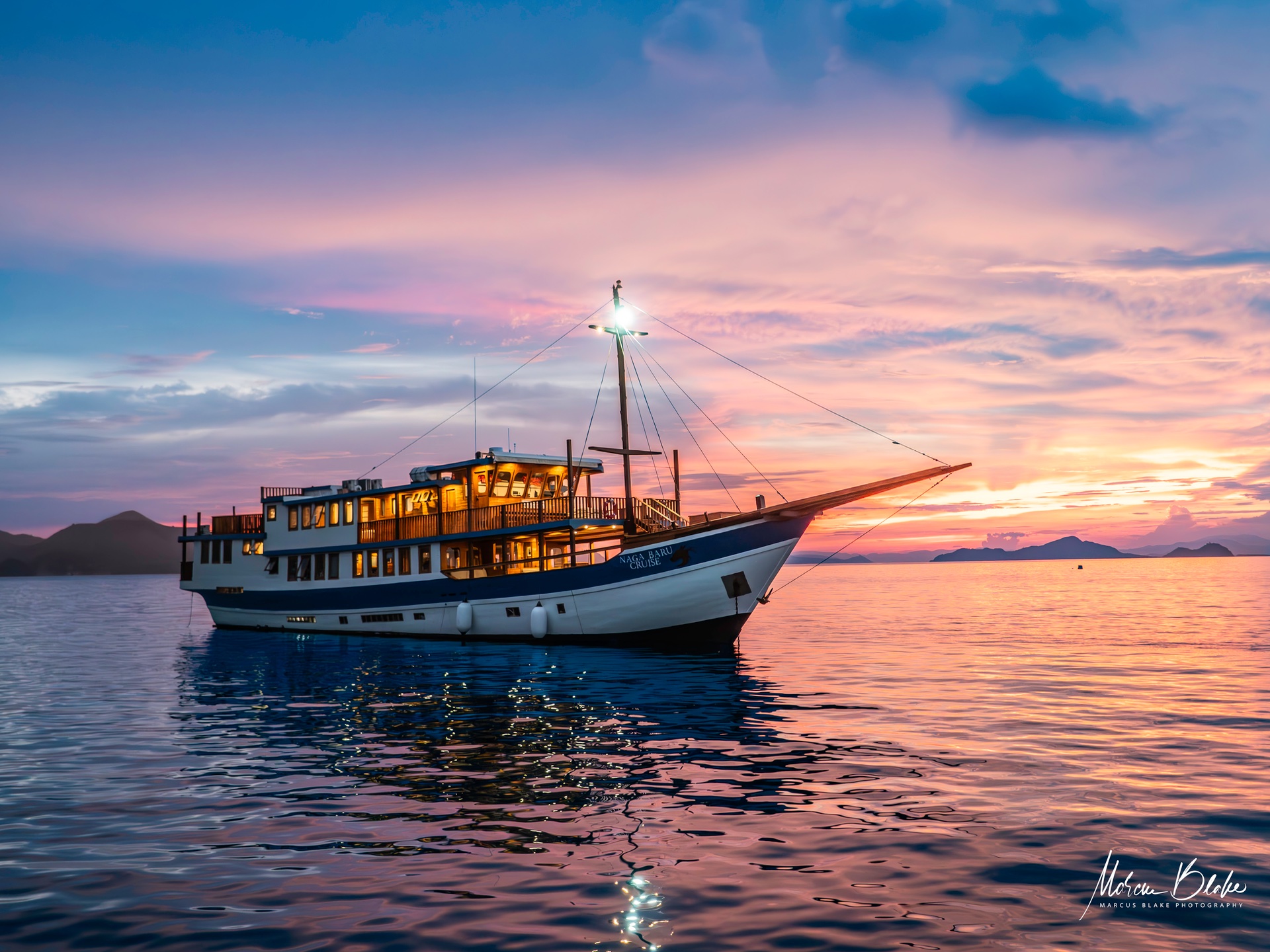
Naga Biru
Indonesia
12 guests40 m
$274/day
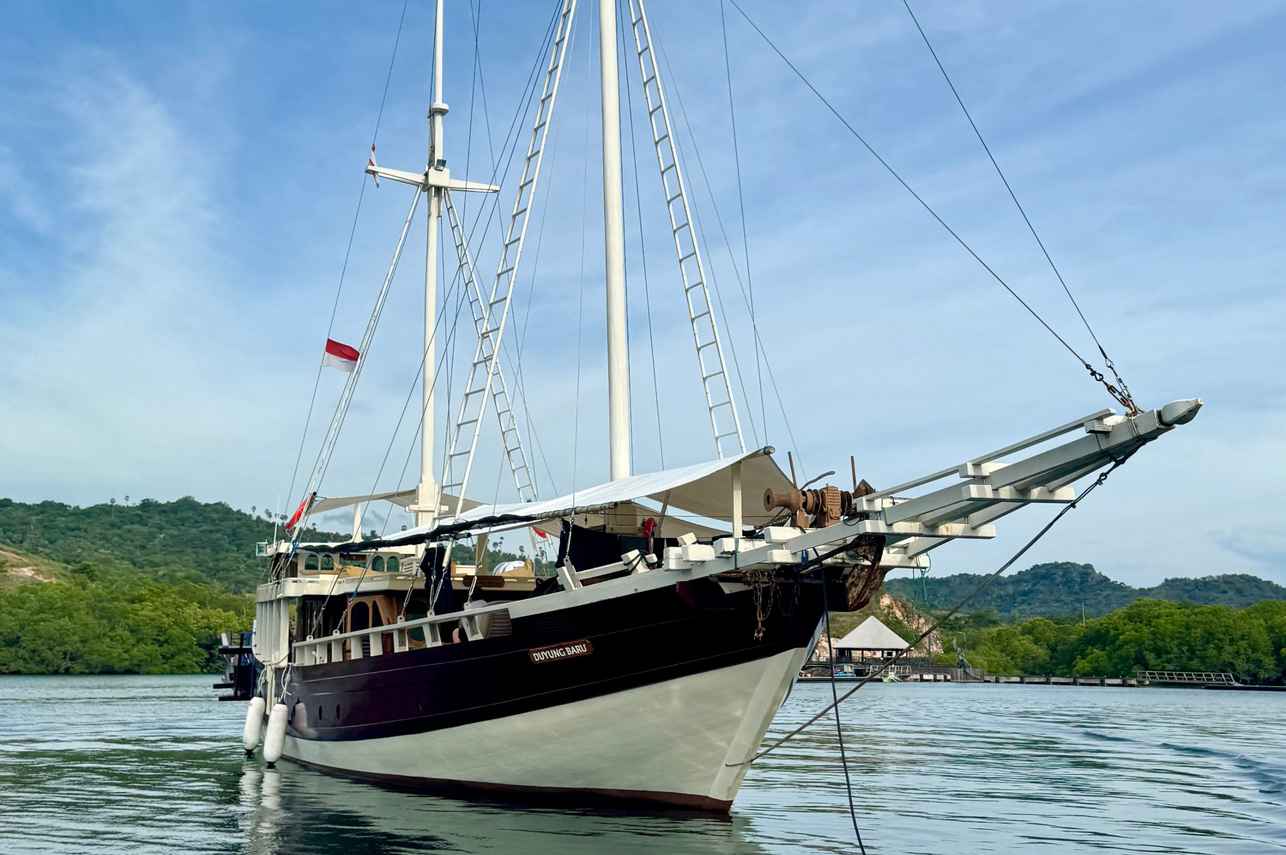
Ecopro Duyung Baru
Indonesia
6 guests27 m
$361/day
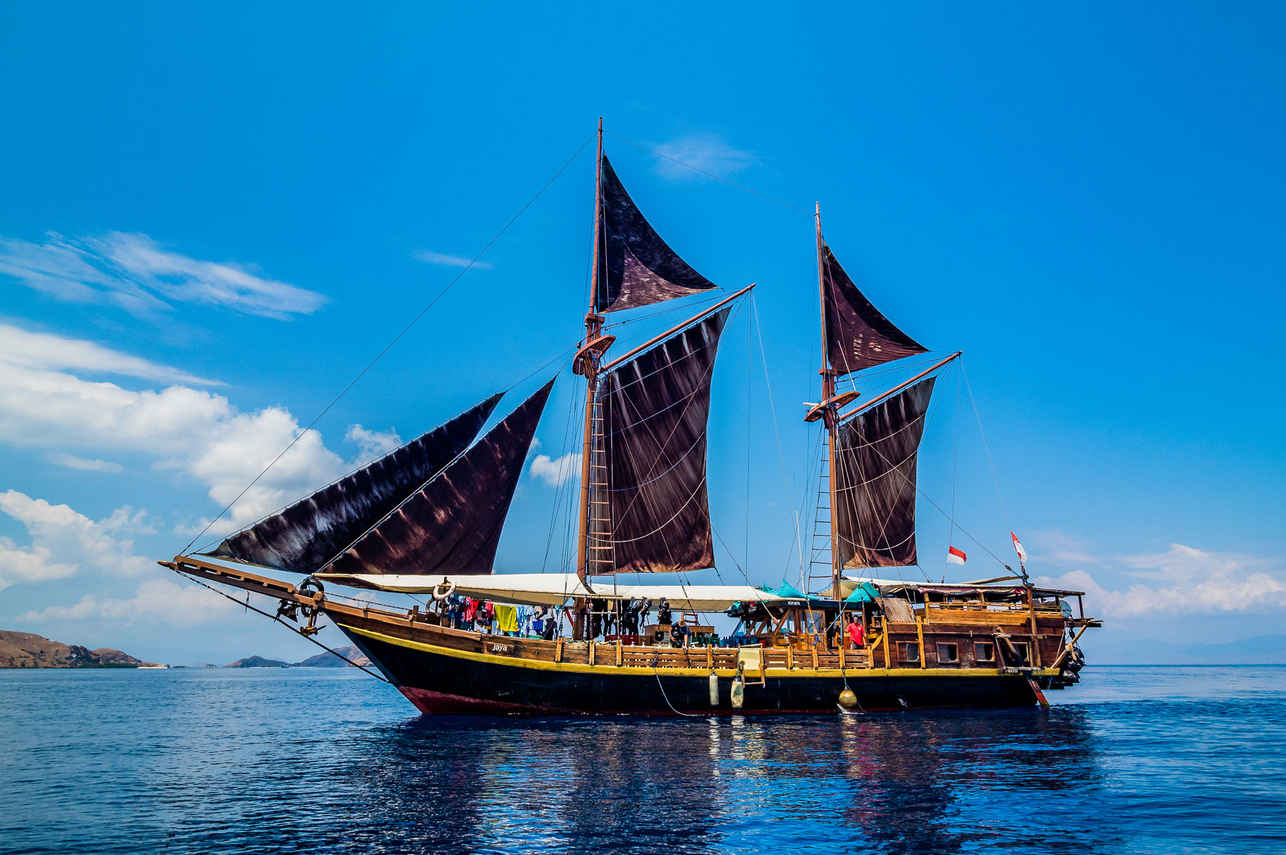
Jaya
Indonesia
14 guests23 m
$280/day
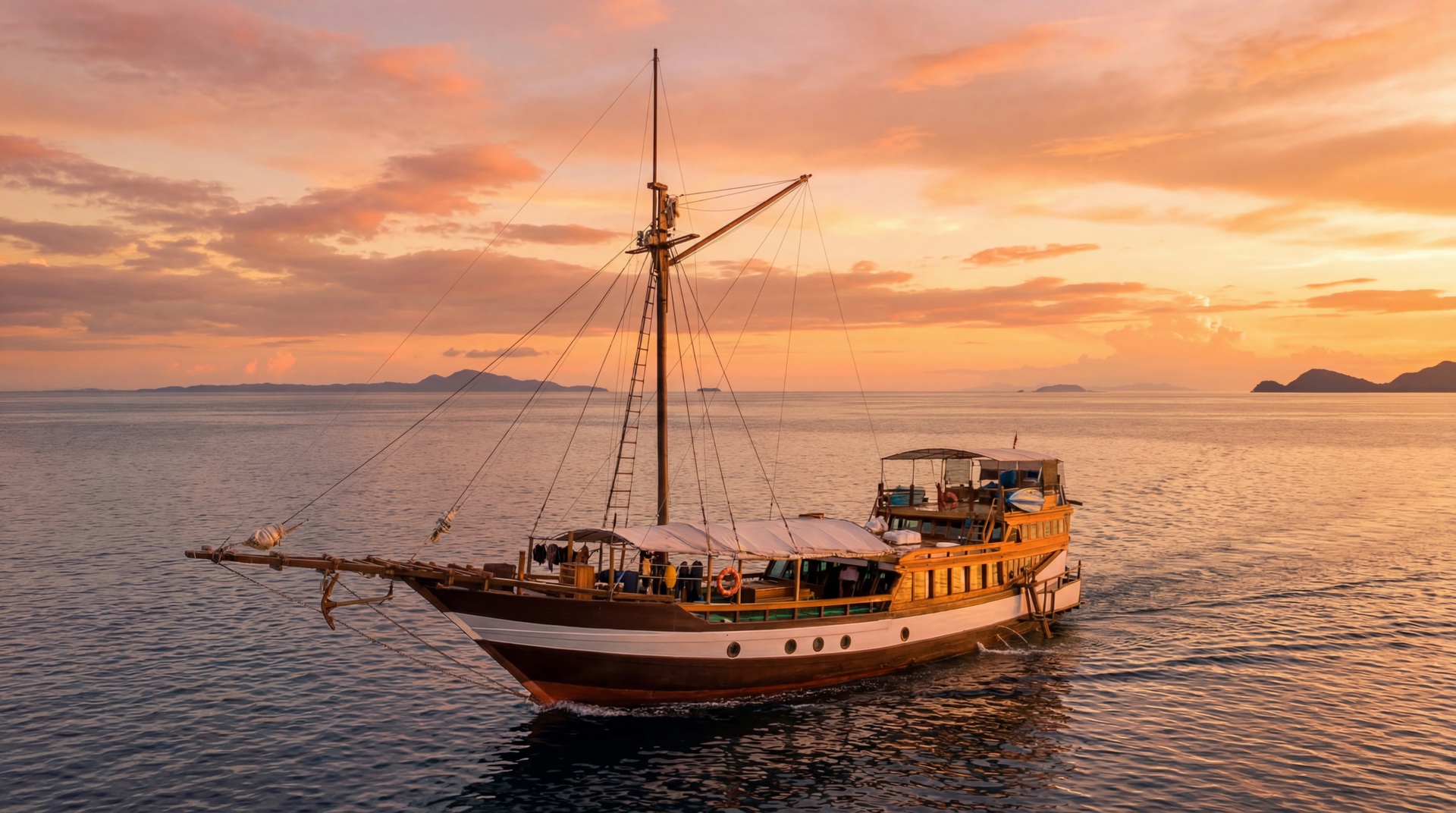
Wellenreng
Indonesia
9 guests25 m
$427/day
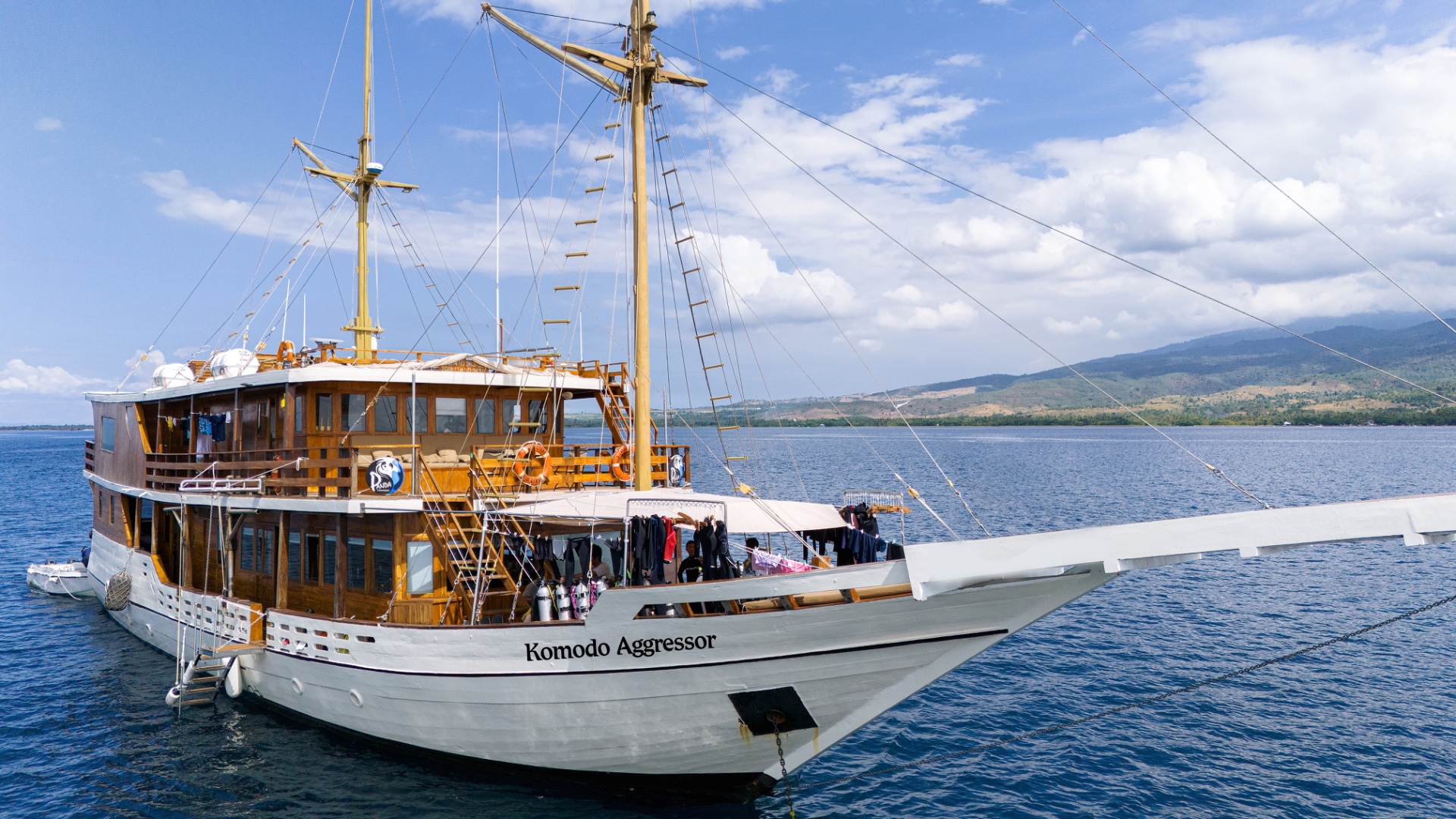
Komodo Aggressor
Komodo, Indonesia
16 guests29 m
$312/day
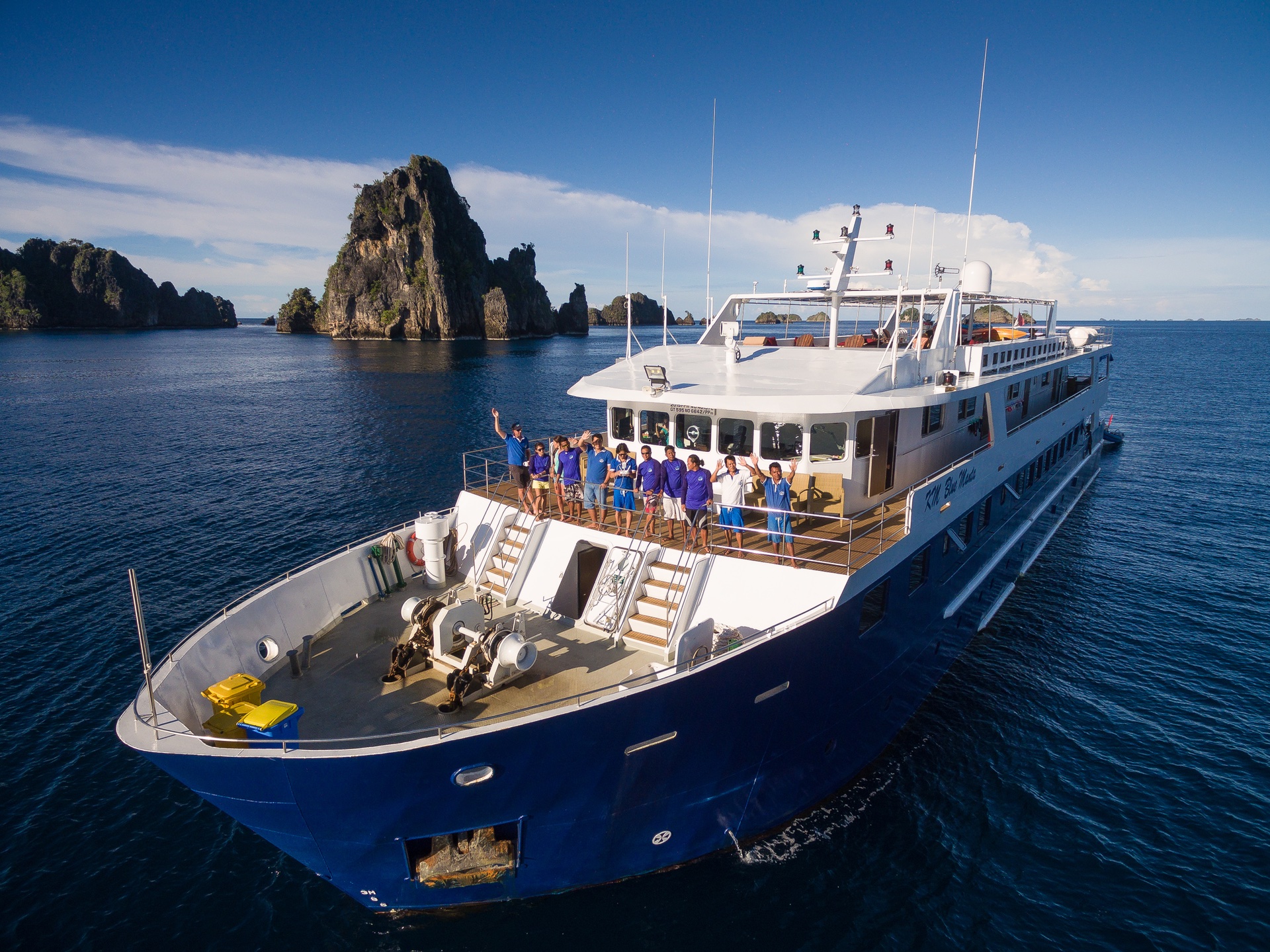
Blue Manta
Indonesia
20 guests45 m
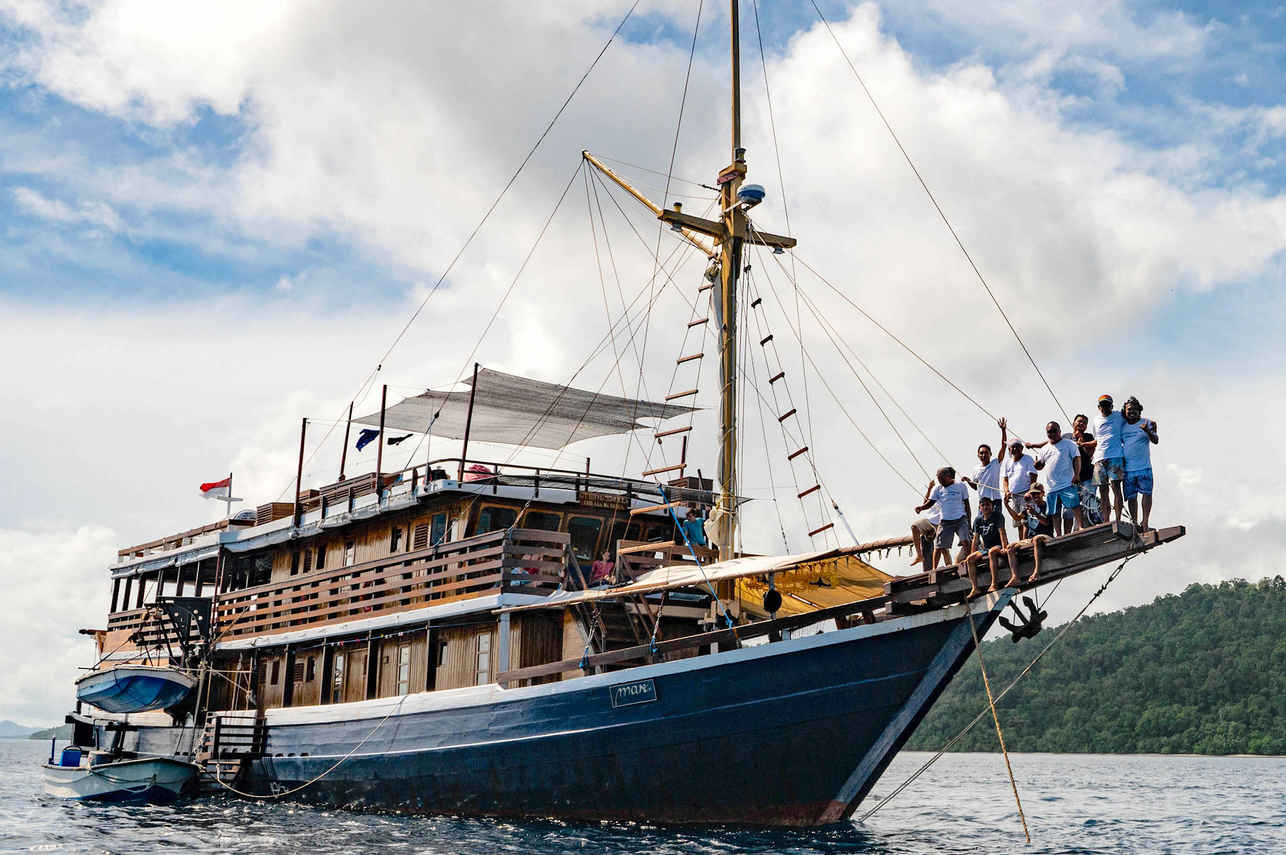
Mari
Indonesia
14 guests32.2 m
$329/day
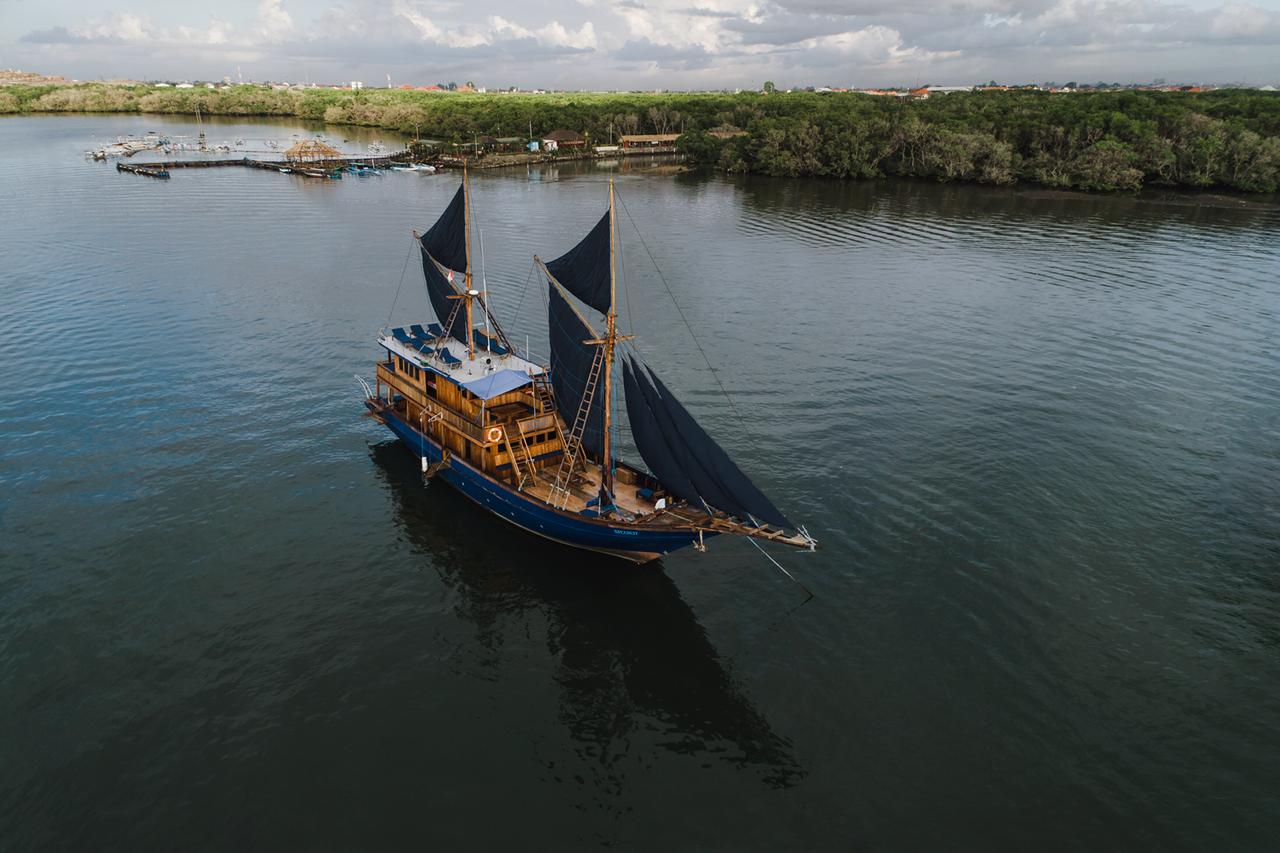
Situju7
Komodo, Indonesia
10 guests32.7 m
$362/day
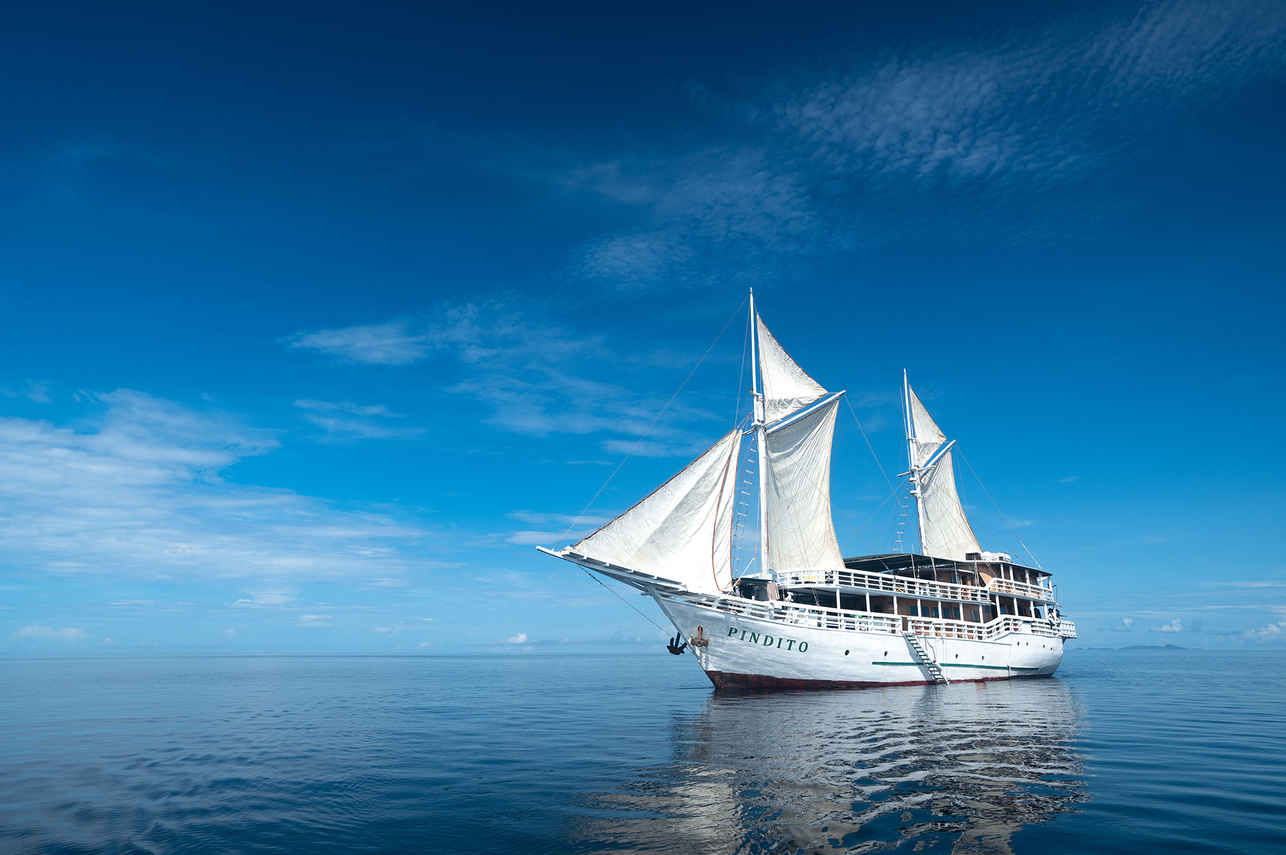
Pindito
Indonesia
16 guests37.79 m
$533/day
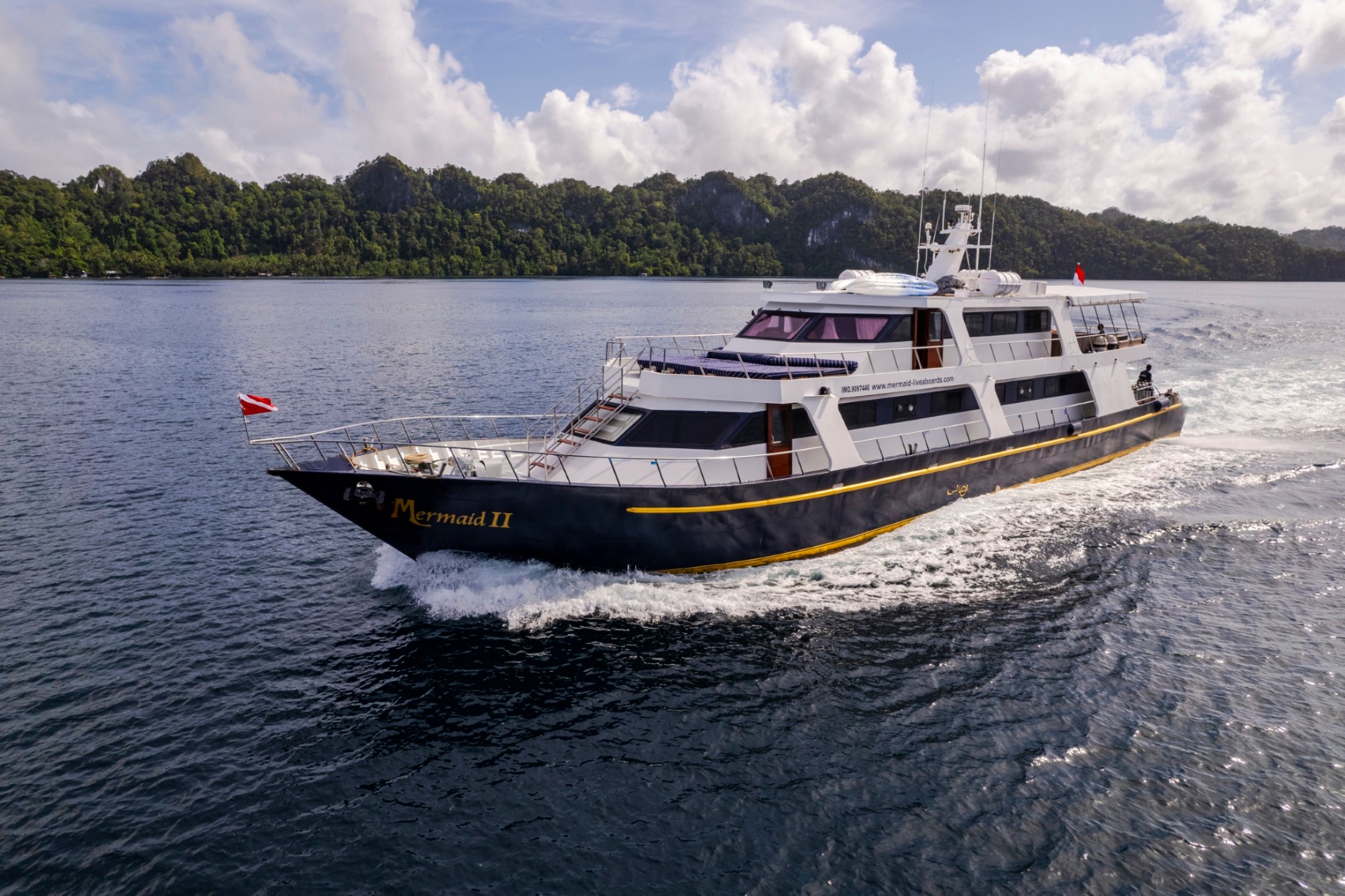
Mermaid II
Komodo, Indonesia
18 guests
$356/day
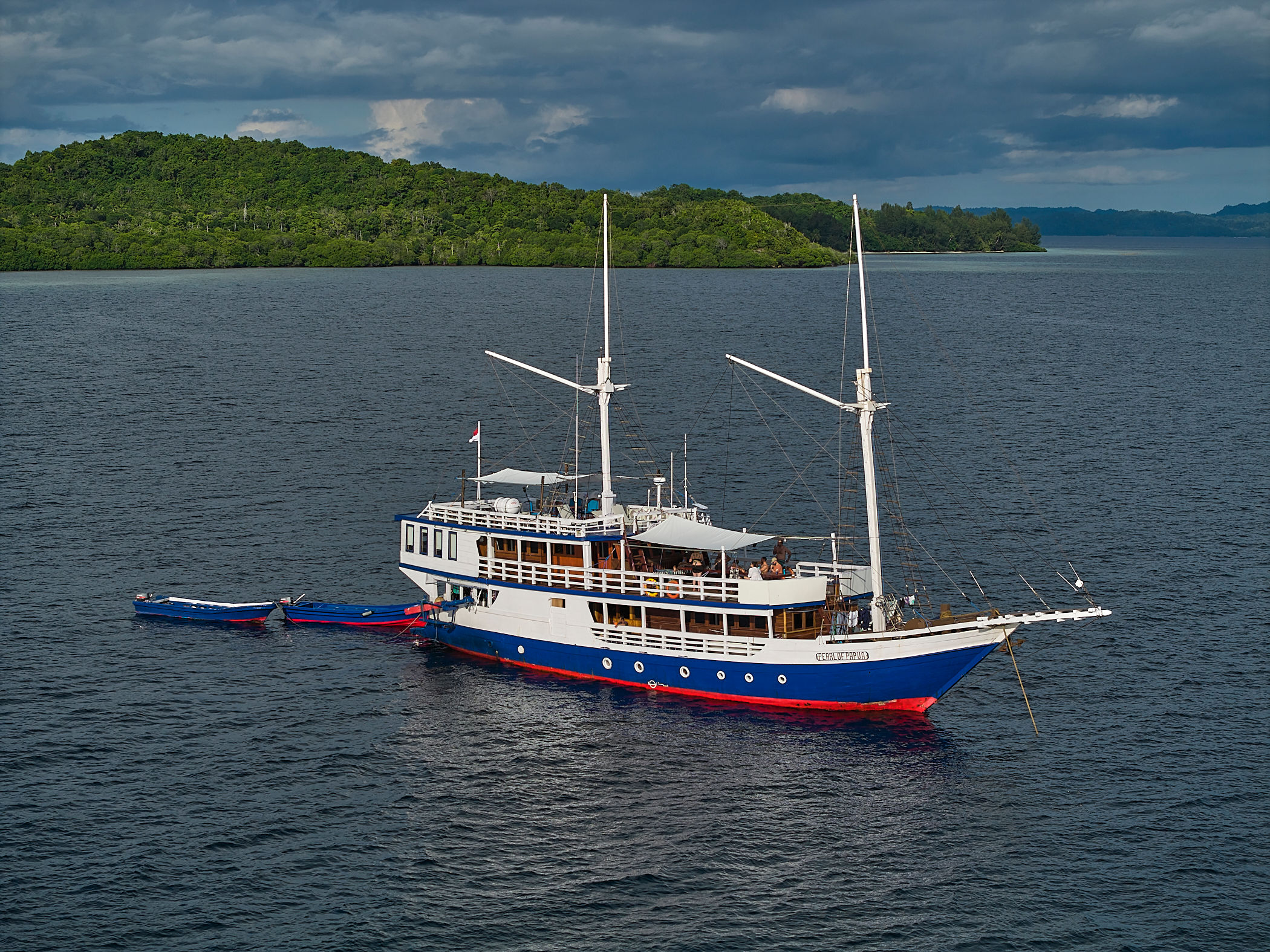
Pearl of Papua
Raja Ampat, Indonesia
14 guests30 m
$303/day
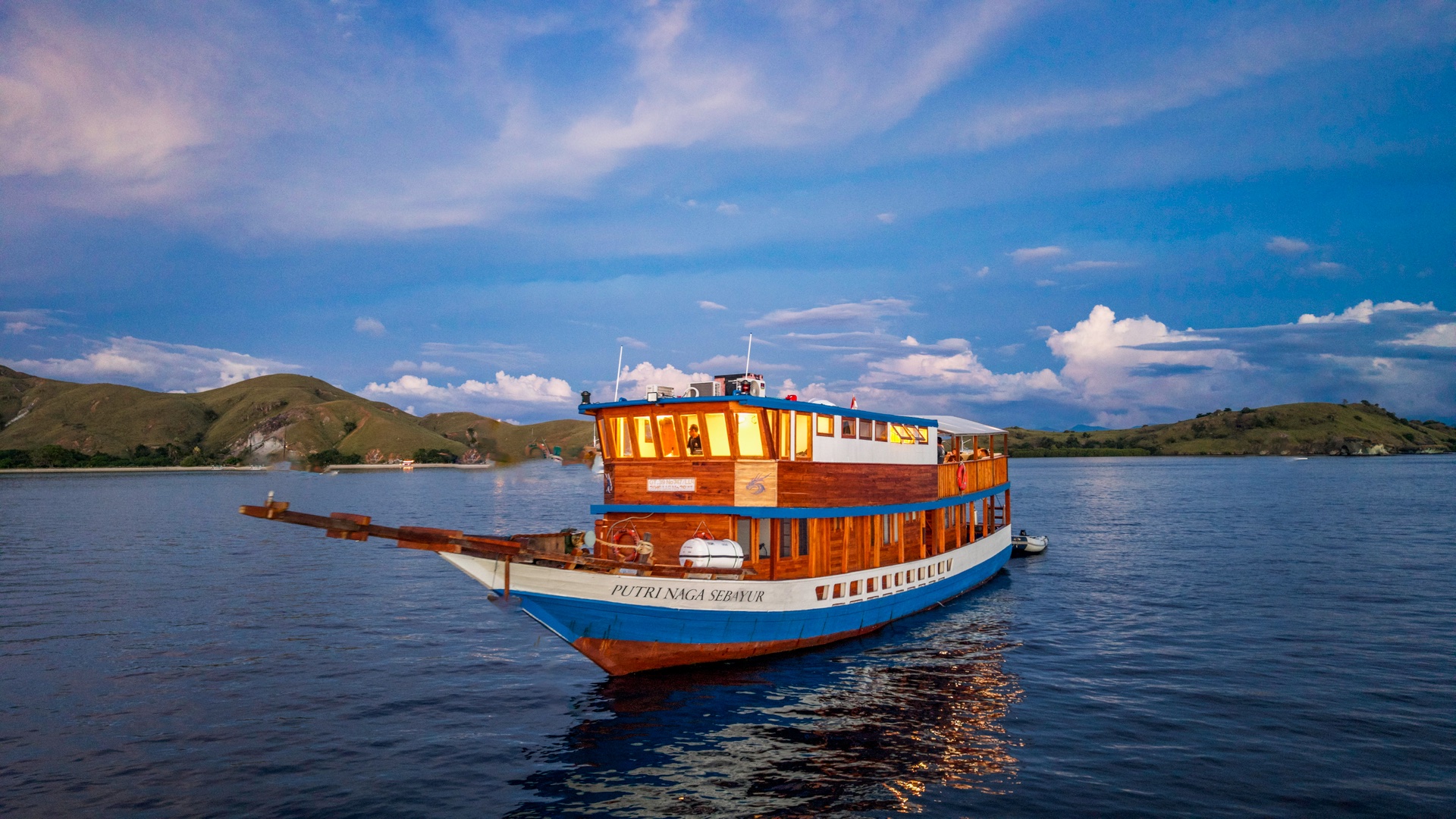
Putri Naga
Komodo, Indonesia
6 guests25 m
Dive sites similar to Turtle Traffic
Same character, same waters — six more sites divers love for the exact same reasons.Compare seasons, access and liveaboard routes — then pick the site that fits your trip best.
© Esri — Maxar, Earthstar, GIS
Mawali Wreck
Indonesia
The Mawali Wreck, a Japanese cargo ship, rests on its side in the Lembeh Strait, off the northern coast of Sulawesi.
- Suitable for
- Advanced
- Current
- Mild
- Access
- Liveaboard only
- Depth
- 25–40 m
- Theme
- Wreck / Reef
Aljui Bay, located in Raja Ampat's remote northern reaches, was discovered as a premier snorkeling and diving destination by chance in 2011. This bay, situated within the broader…
- Suitable for
- Beginner
- Current
- Mild
- Access
- Liveaboard only
- Depth
- ≤ 20 m
- Theme
- Reef
Babylon is a captivating dive site located in the Alor Sea, renowned for its exceptional visibility and vibrant marine ecosystem.
- Suitable for
- Intermediate
- Current
- Strong
- Access
- Liveaboard or dayboat
- Depth
- 3–20 m
- Theme
- Reef / Wall
© Esri — Maxar, Earthstar, GIS
Shark Close
Indonesia
Shark Close is an exhilarating dive site in the Indonesian portion of Borneo, renowned for its strong currents and abundant marine life.
- Suitable for
- Advanced
- Current
- Strong
- Access
- Liveaboard or dayboat
- Depth
- 5–25 m
- Theme
- Channel / Drift
Wakatobi, an acronym for the islands of Wangi-Wangi, Kaledupa, Tomia, and Binongko, lies in Southeast Sulawesi, Indonesia, at the heart of the Coral Triangle.
- Suitable for
- Beginner
- Current
- No current
- Access
- Liveaboard only
- Depth
- 5–30 m
- Theme
- Wall / Reef
© Esri — Maxar, Earthstar, GIS
Cornucopia
Indonesia
Cornucopia, aptly named the 'horn of plenty,' is celebrated as Wakatobi's most spectacular wall dive, offering a diverse and nutrient-rich underwater environment.
- Suitable for
- Intermediate
- Current
- Mild
- Access
- Liveaboard only
- Depth
- 5–40 m
- Theme
- Reef