About Shotgun
Shotgun, also known as The Cauldron, is an iconic dive site nestled in the northern part of Komodo National Park, situated in the exhilarating channel between Gili Lawa Laut and Gili Lawa Darat islands. Its unique geography creates a natural funnel, intensifying water flow and delivering an unparalleled drift diving experience that attracts advanced divers worldwide. The site is characterized by steep coral-encrusted walls, a sandy bottom "fish bowl," and an open blue where large pelagic species congregate. The topography transitions from a sloping reef to a coral rubble section before reaching the main event: the "Shotgun" channel. Here, the current propels divers past vibrant hard and soft corals, where white-tip and grey reef sharks, manta rays, and large schools of trevally and barracuda are frequently sighted. Garden eels sway in the sandy areas, while surgeonfish and snapper schools swirl in the protection of the 'fish bowl' amphitheater. Diving Shotgun is highly dependent on tidal conditions, with falling tides offering the most intense "shotgun" experience. While powerful, guides carefully select dive times to ensure a balance of excitement and safety, allowing divers to appreciate the rich marine biodiversity in control. The dive often concludes in a tranquil hard coral garden known as "The Chinese Shop," which serves as a cleaning station for manta rays. This site is typically accessed via liveaboard or day boats from Labuan Bajo or nearby resorts, with journey times varying by vessel. Divers should be comfortable with strong currents and drift diving techniques to fully enjoy this thrilling encounter with Komodo's underwater wilderness. Nitrox is often recommended to maximize bottom time in this action-packed environment.
Highlights
Thrilling channel drift diveAbundant reef manta raysSchools of sharks (white-tip, grey)Vibrant hard and soft coral wallsLarge pelagic fish schoolsExhilarating "Shotgun" currentUnderwater "Fish Bowl" amphitheater
Season calendar
Best months to dive here
Jan
Feb
Mar
Apr
May
Jun
Jul
Aug
Sep
Oct
Nov
Dec
Good
Dive site facts: Shotgun
- Depth
- 8–25 m
- Current
- Strong, drift
- Visibility
- 10–25 m
- Water temperature
- 27–29°C
- Entry
- RIB / negative entry
- Level
- Advanced
- Dive type
- Drift, pelagic, coral garden
- Night dive
- Not typical
- Region / port
- Komodo National Park, North
- Coordinates
- 8°27'07"S 119°39'15"E
Conditions & Currents
Shotgun is defined by its strong, channel-funnelled currents, which can be exhilaratingly powerful, living up to the site's name. The current's strength and direction are heavily tide-dependent, with falling tides creating the most intense drift experience. Divers typically perform a negative entry up-current of the channel, immediately descending to about 10 meters, then drifting with the flow. The current can propel divers at high speeds, necessitating excellent buoyancy control and comfort in challenging conditions; guides meticulously plan dives around slack or manageable tidal windows. Surge can be present, and visibility, while generally good, can be affected by the nutrient-rich plumes brought by the currents. Divers must stay close to their guide, follow line protocols, and be prepared for rapid movement.
Marine life & sighting chances

White-tip reef shark
Year-round · common
Grey reef shark
Strong current periods · occasional
Reef manta ray
May–August (best) · common
Giant trevally
common
Barracuda
common
Napoleon wrasse
occasional
Eagle ray
Manta season · occasional
Green turtle
occasional
Surgeonfish
common
Fusilier
common
Grouper
occasional
Dogtooth tuna
occasional
Garden eel
common
Pygmy seahorse
rareDive profile & how the dive runs
The dive at Shotgun typically commences with a negative entry from a RIB, dropping quickly to about 10 meters just west of the channel between Gili Lawa Laut and Gili Lawa Darat. Divers then drift with the current, gradually deepening to around 12 meters over the first five minutes. The route progresses to the "Fish Bowl," a large amphitheater at about 23 meters with sheer walls, offering a chance to see garden eels and sharks. The core of the dive is the "Shotgun" itself, where the channel narrows and the current intensifies, propelling divers along coral walls teeming with pelagic life. The dive remains shallow enough for control during this rush, with guides ensuring safety. It concludes in "The Chinese Shop," a hard coral garden, often a manta cleaning station, where the safety stop is typically performed before surfacing.
Underwater photography
Shotgun is primarily a wide-angle photographer's paradise, especially when the currents are strong and pelagic action is high. You'll want a fisheye or wide-angle lens to capture the vast schools of surgeonfish and snappers in the "fish bowl," the powerful presence of manta rays, and the sharks cruising through the blue. Use strobes to bring out the vibrant colors of the healthy coral walls as you drift. Good buoyancy is crucial for steady shots in strong currents, and quick reflexes are necessary to capture transient pelagic encounters. For macro enthusiasts, slack tide dives in the coral rubble areas can reveal pygmy seahorses, frogfish, and nudibranchs, but these moments are less common and require specific conditions.
Combine with nearby dive sites
- The Cauldron
Often considered the same site, referring to the broader area around Shotgun.
- Castle Rock
An underwater pinnacle famous for massive shark action and schooling fish in North Komodo.
- Crystal Rock
Another legendary North Komodo site known for vibrant marine life and currents.
- Manta Point Nusa Penida
Manta Point, located on the southwest coast of Nusa Penida near Bali, stands out as a premier global destination for encountering majestic…
Getting there & logistics
Access to Shotgun typically involves flying into Labuan Bajo (LBJ) airport, the main gateway to Komodo National Park. From there, divers embark on liveaboards or day trips from local resorts. Liveaboards often spend May through October in Komodo, while day boats from Sebayur Island resorts take approximately 45 minutes to reach the site. Trips often combine Shotgun with other renowned North Komodo sites like Castle Rock and Crystal Rock. Dive packages can range from multi-day liveaboard itineraries, which allow for multiple dives in the park, to single-day excursions. Komodo National Park entrance fees and diving permits are additional costs.
Safety & environment
Diving Shotgun demands a high level of experience due to its powerful, channel-funnelled currents. Divers must be comfortable with drift diving, maintain excellent buoyancy, and be proficient in rapid descent techniques like negative entries. Guides carefully plan dives around manageable tidal windows and conduct thorough briefings on line protocols and signals. Divers should always stay close to their guide and within their comfort zone. The nearest recompression chamber is located in Bali, emphasizing the critical need for comprehensive dive insurance that covers emergency medical evacuation. Cellular signal can be unreliable, so robust emergency communication plans are essential. Always choose reputable dive operators with experienced guides who prioritize safety.
Who it suits — and who it doesn't
Suited for
- Advanced divers comfortable with strong currents
- Drift diving enthusiasts
- Photographers seeking pelagic and wide-angle opportunities
- Divers looking for adrenaline-fueled underwater experiences
- Experienced divers with excellent buoyancy control
Less suited for
- Beginner divers or those new to currents
- Divers prone to seasickness
- Individuals with poor buoyancy control
- Divers who prefer calm, slow-paced dives
- Those without comprehensive dive insurance covering evacuations
FAQ
Shotgun FAQ
What makes Shotgun a thrilling dive site?
Shotgun is renowned for its intense, channel-funnelled currents that can propel divers along the reef at exhilarating speeds, giving it its name. This adrenaline rush, combined with the spectacle of abundant pelagic life like manta rays and sharks in the nutrient-rich flow, creates a truly unforgettable and exciting dive experience that attracts divers seeking dynamic conditions.
What kind of marine life can I expect to see at Shotgun?
Shotgun is a magnet for large marine life due to its strong currents. Divers frequently encounter white-tip and grey reef sharks, reef manta rays, and large schools of giant trevally and barracuda. You'll also see vibrant coral walls, surgeonfish, fusiliers, groupers, and occasionally Napoleon wrasse, eagle rays, and green turtles.
What is the best time of year to dive Shotgun?
The optimal time to dive Shotgun is typically between April and November. During these months, the northern region of Komodo National Park experiences drier weather, offering better visibility and calmer conditions, which are ideal for experiencing the site's strong currents safely and enjoying prolific marine activity, including peak manta ray season.
What experience level is required for Shotgun?
Shotgun is recommended for Advanced Open Water divers or those with equivalent experience and a high level of comfort in strong currents. Prior drift diving experience is highly beneficial, as the dive demands excellent buoyancy control, good communication, and the ability to react quickly to changing conditions. It is not suitable for beginner divers.
How do dive operators manage the strong currents at Shotgun?
Reputable dive operators meticulously plan dives at Shotgun around specific tidal windows, often preferring slack or falling tides to balance excitement with safety. Guides conduct thorough briefings on entry techniques, line protocols, and signals to ensure divers stay together and maintain control. They lead the group at a suitable pace and will adjust plans based on real-time conditions and diver experience.
Why dive Shotgun from a liveaboard?
Shotgun is one of Indonesia's signature dive sites. A liveaboard sleeps you on the water and puts you in the water for three to four guided dives per day, including dawn and night dives that day-boat operators rarely offer. You skip the daily commute back to port and reach quieter, less-crowded sites in the same region on a single trip.
Below are the liveaboards that include Shotgun on their Indonesia itineraries.
Liveaboards diving Shotgun
These liveaboards may visit Shotgun on selected itineraries — the exact dive sites depend on departure, weather and conditions.
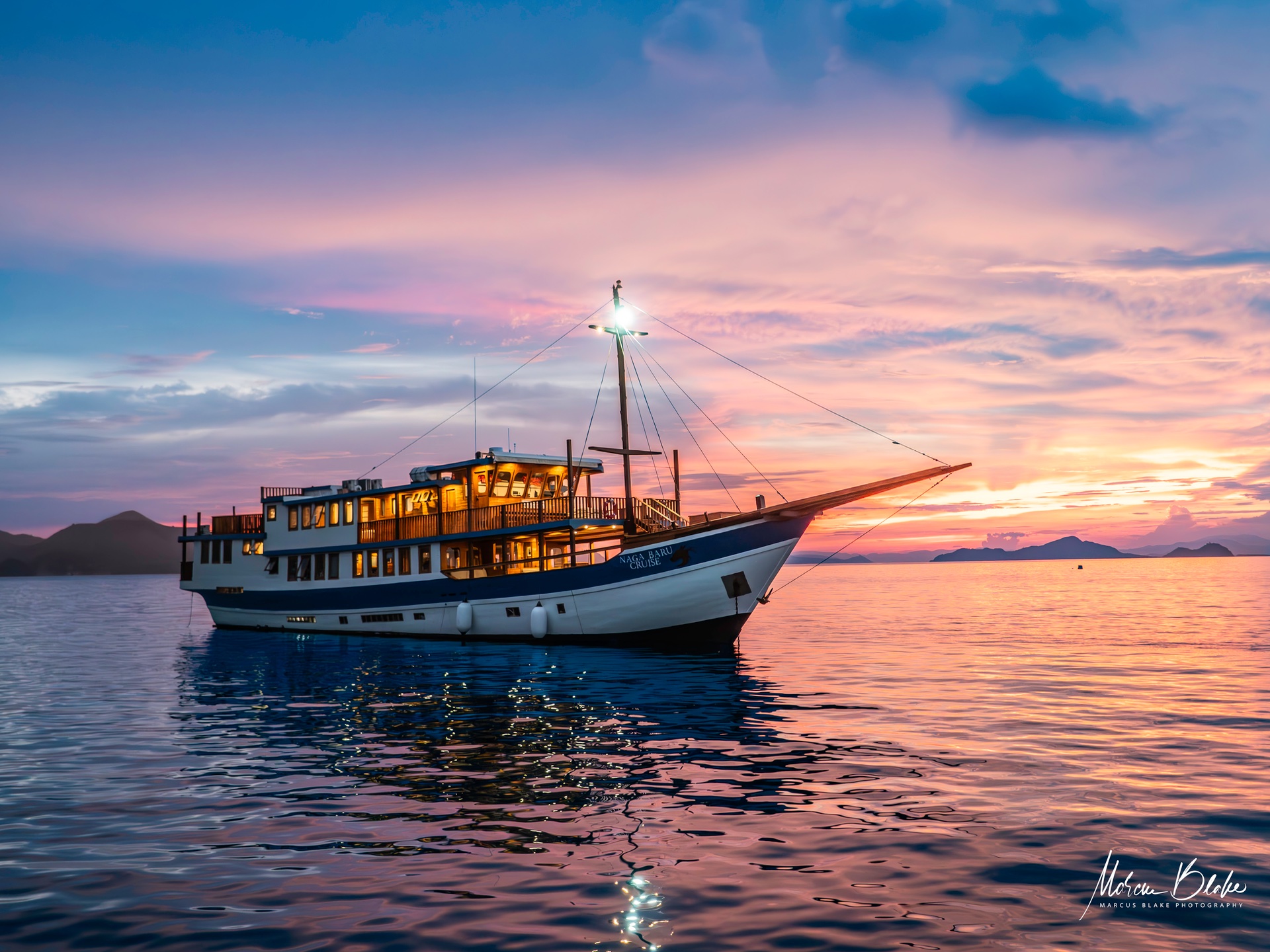
Naga Biru
Indonesia
12 guests40 m
$273/day
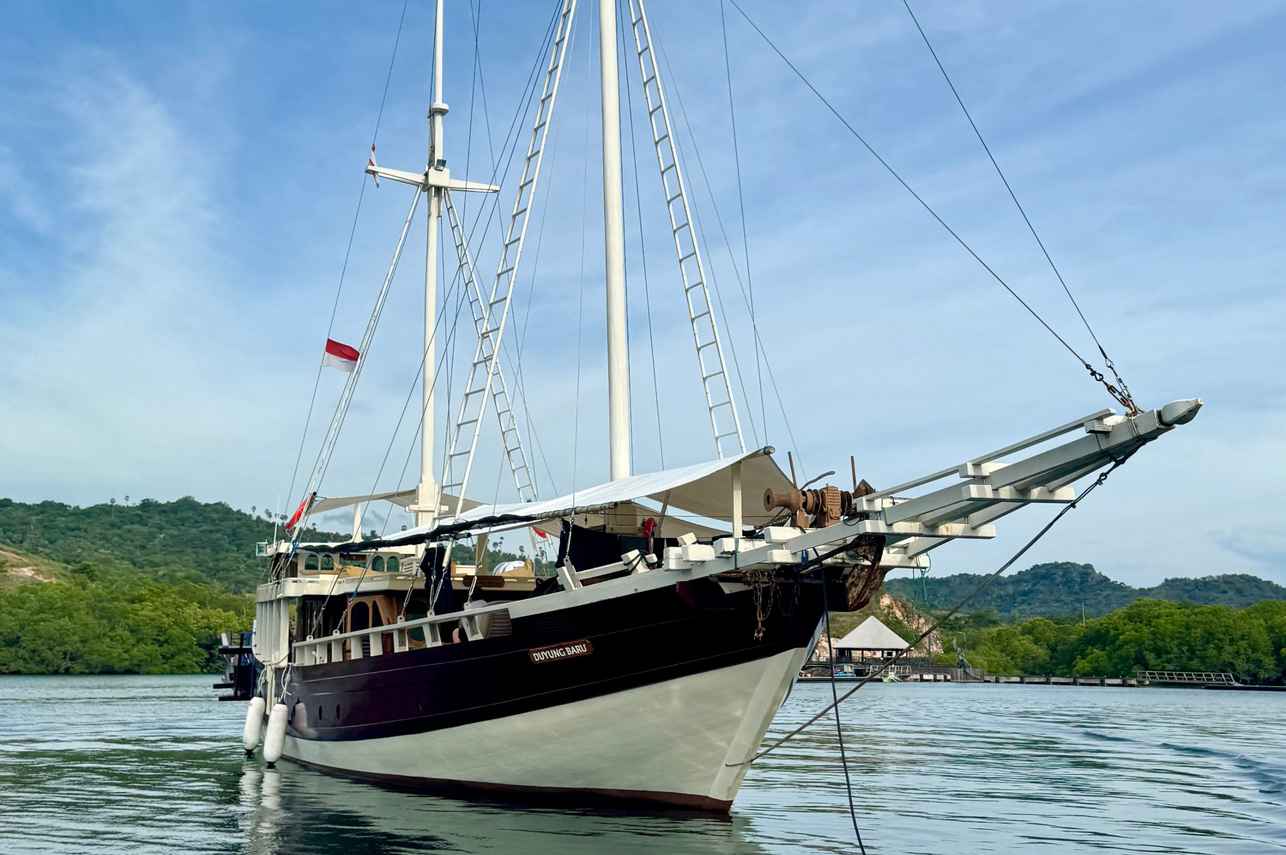
Ecopro Duyung Baru
Indonesia
6 guests27 m
$361/day
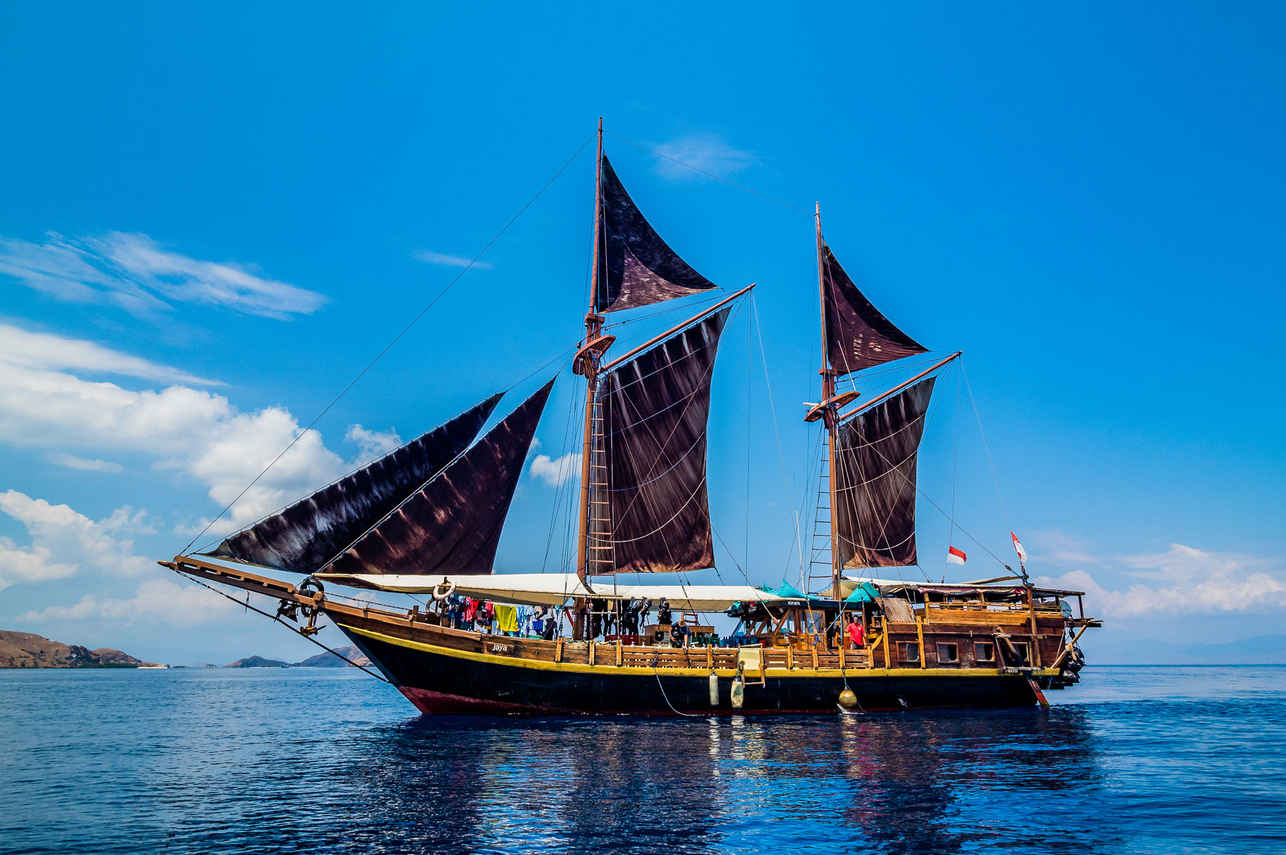
Jaya
Indonesia
14 guests23 m
$280/day
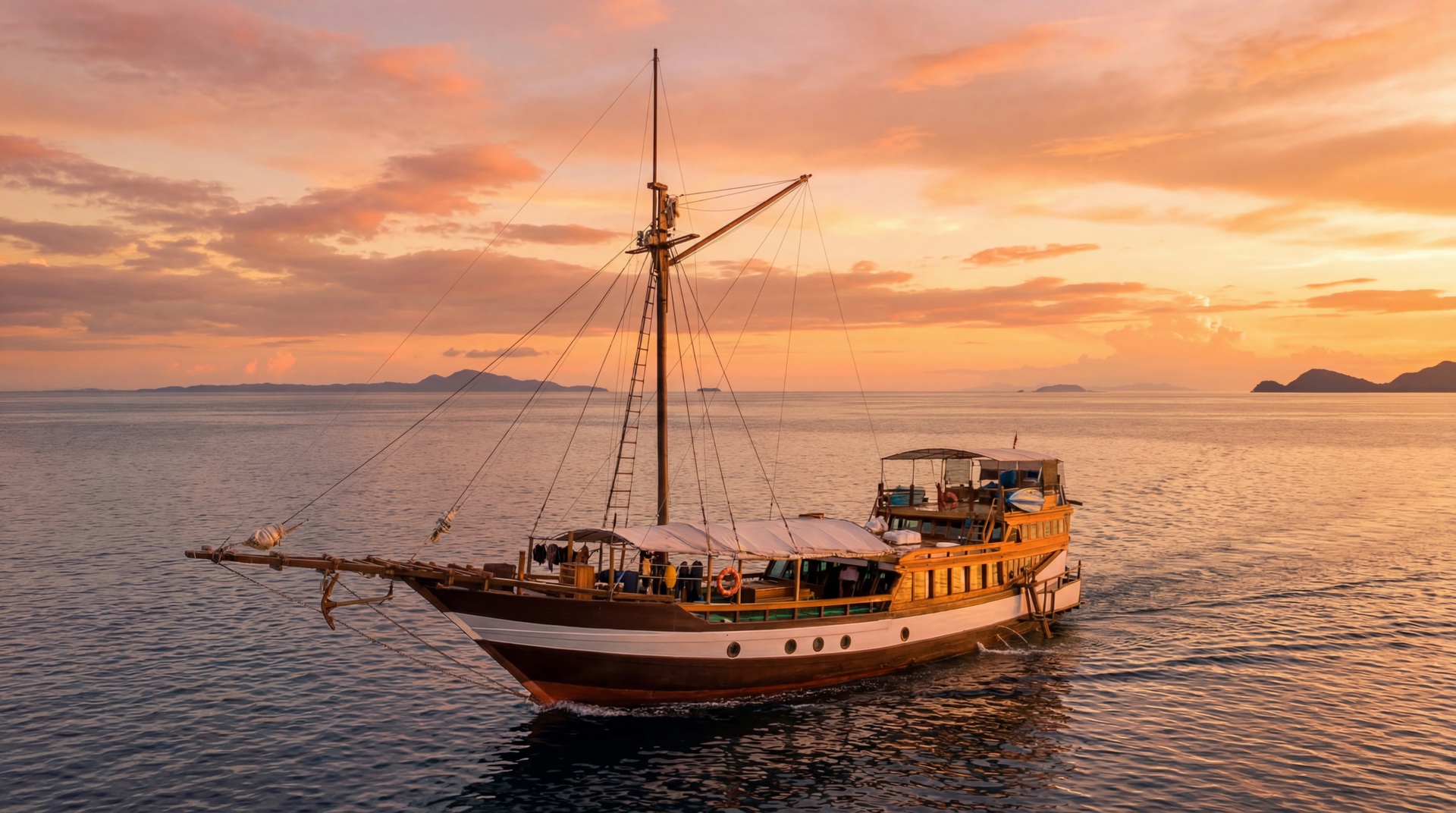
Wellenreng
Indonesia
9 guests25 m
$427/day
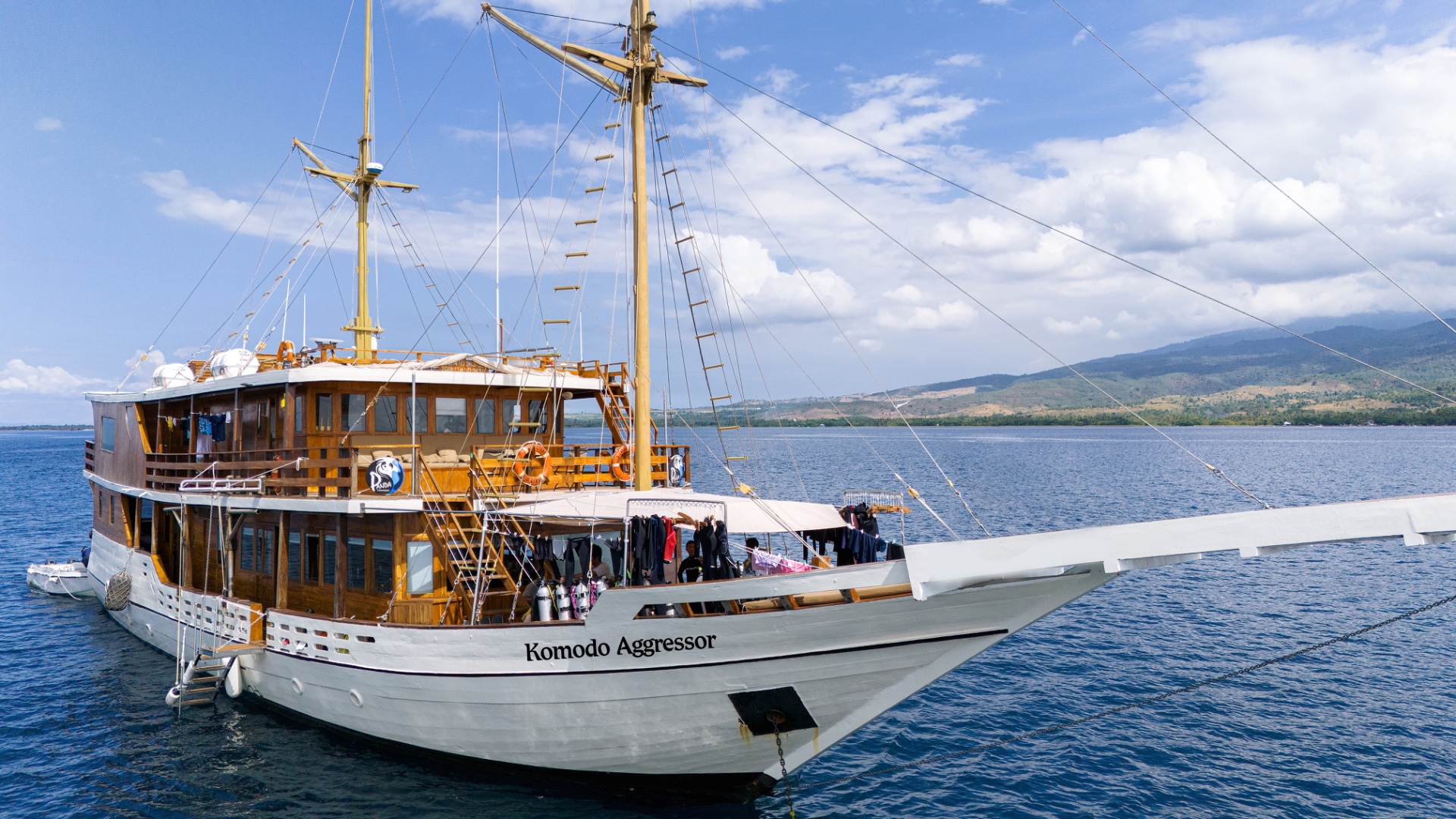
Komodo Aggressor
Komodo, Indonesia
16 guests29 m
$312/day
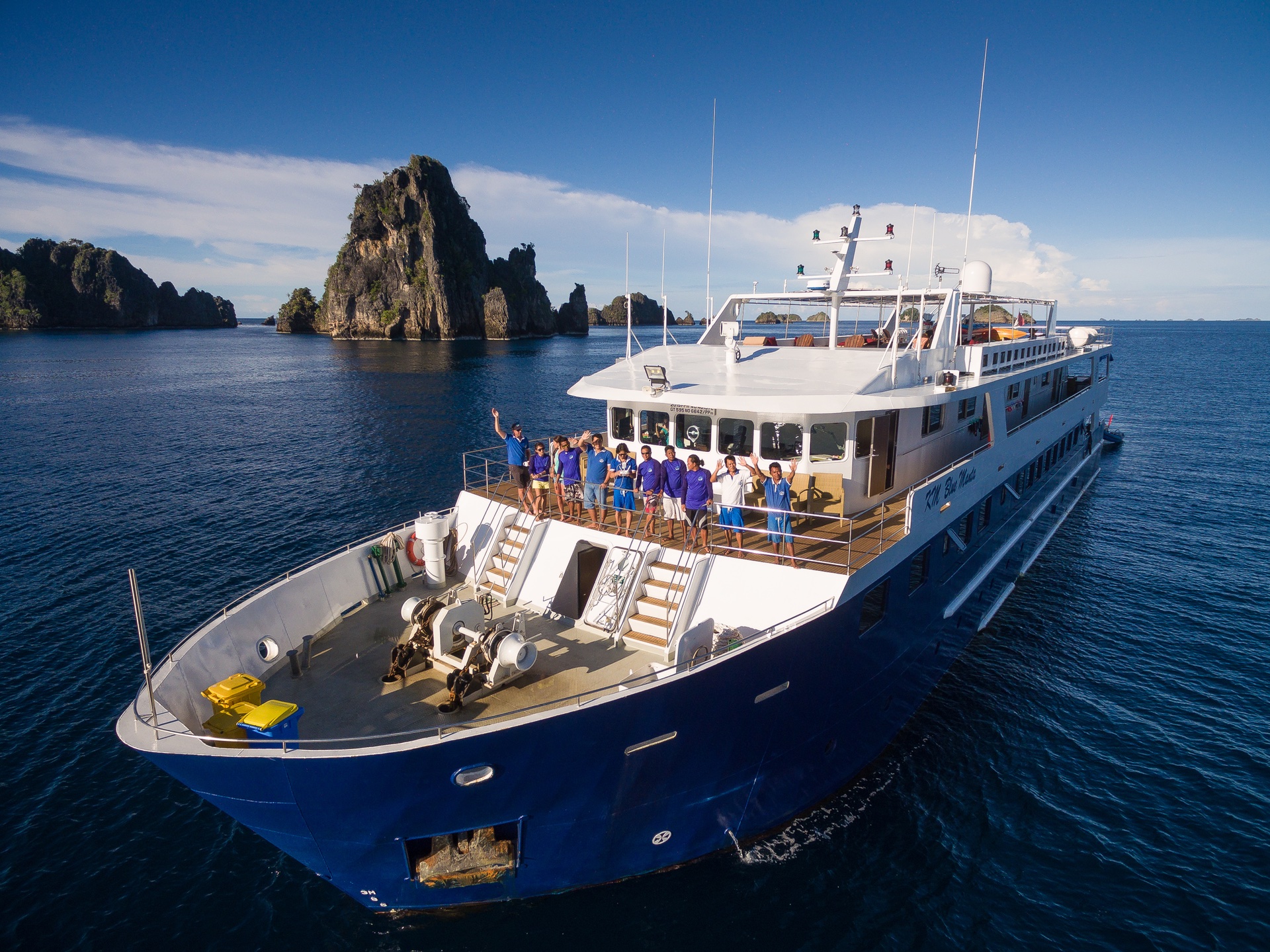
Blue Manta
Indonesia
20 guests45 m
$482/day
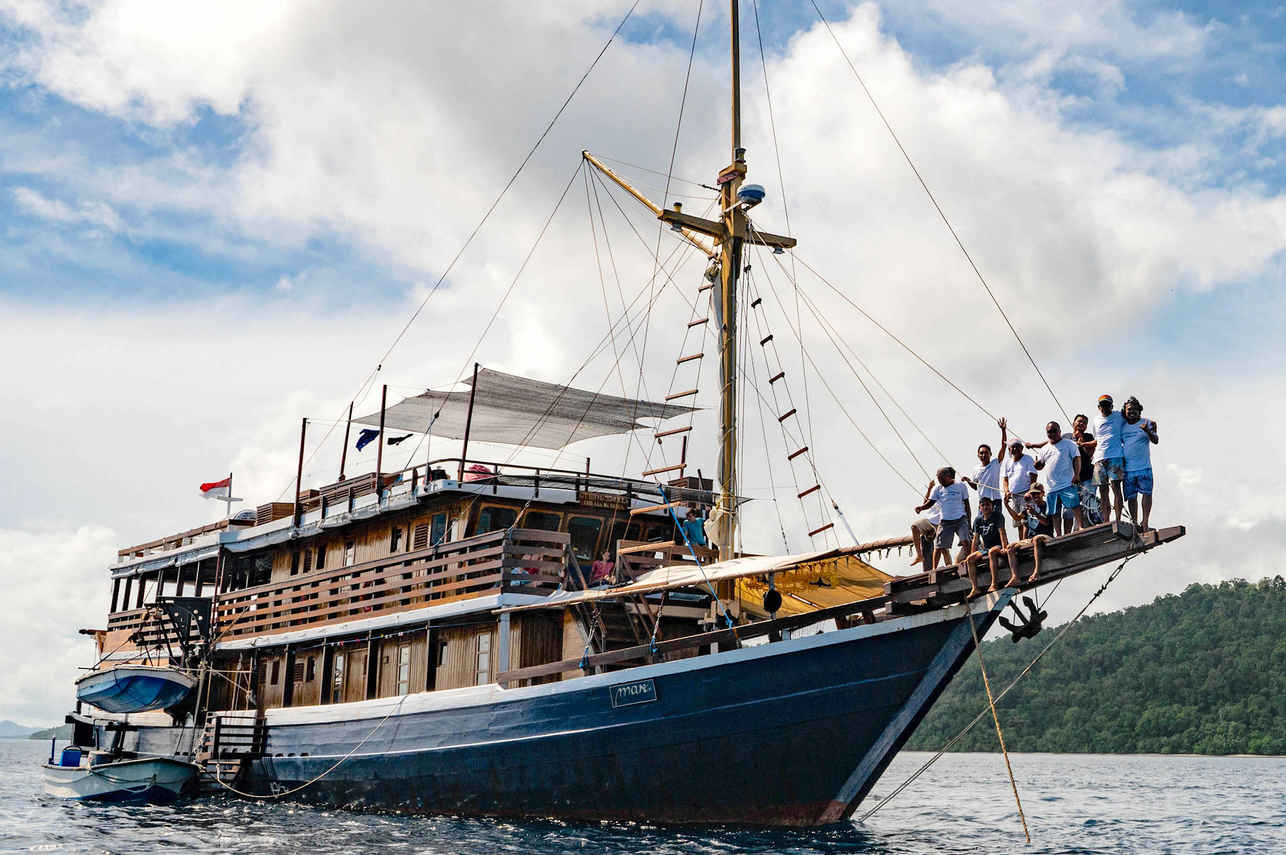
Mari
Indonesia
14 guests32.2 m
$328/day
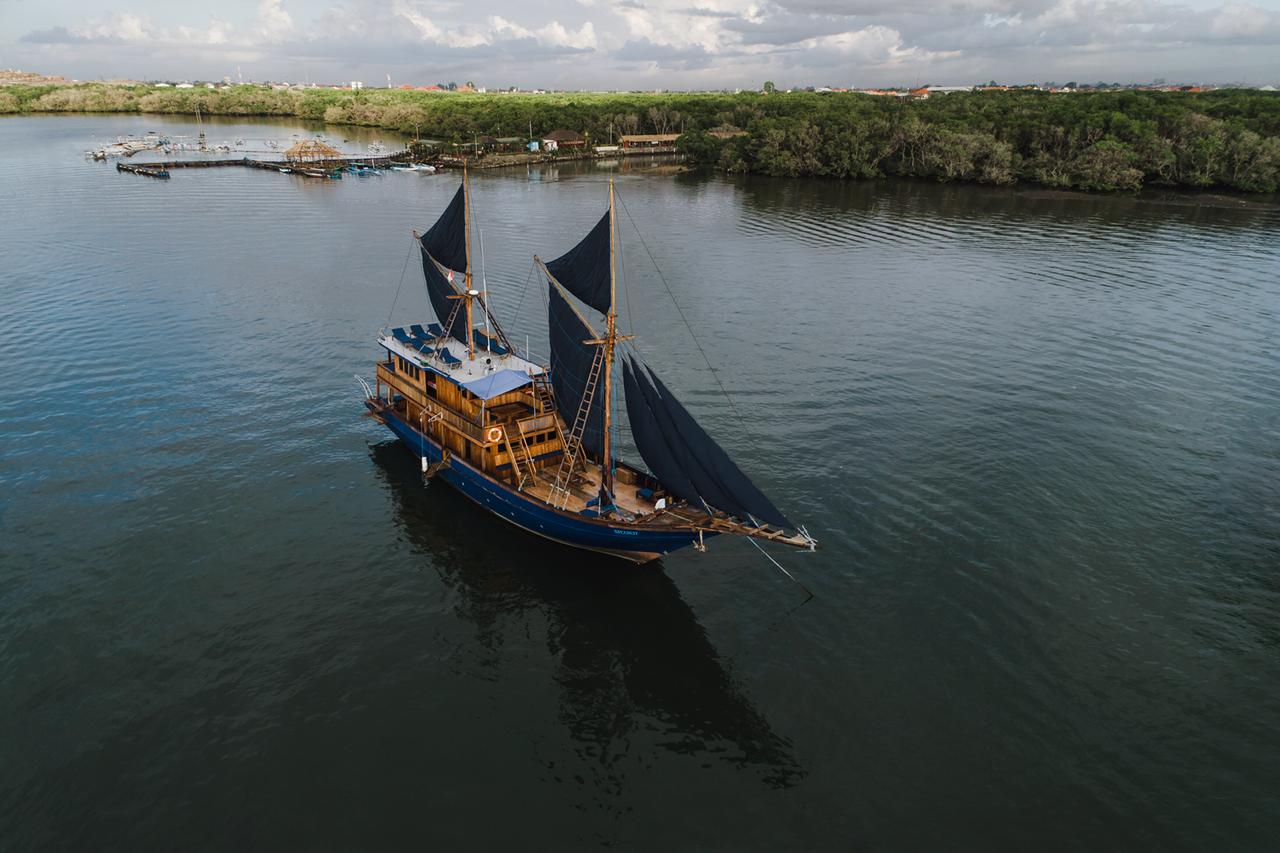
Situju7
Komodo, Indonesia
10 guests32.7 m
$362/day
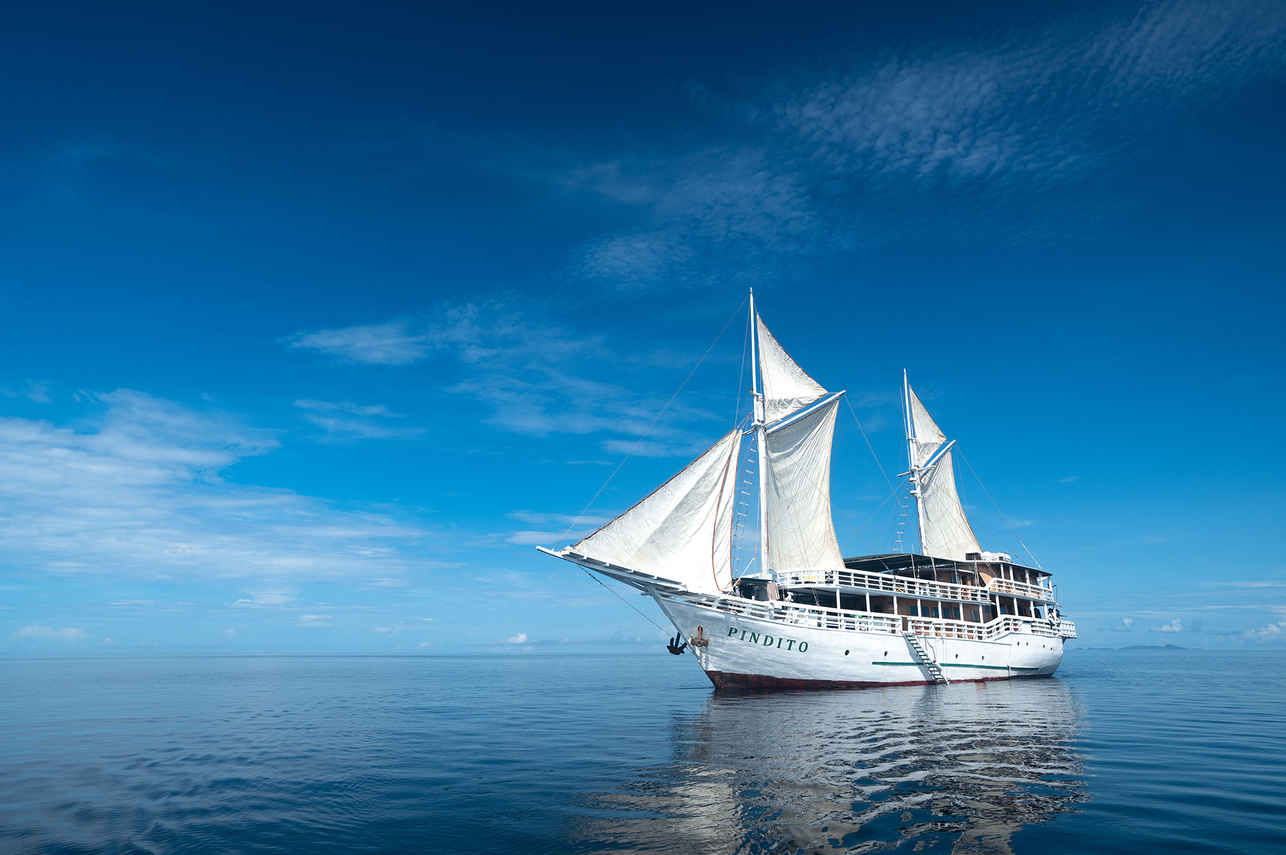
Pindito
Indonesia
16 guests37.79 m
$533/day
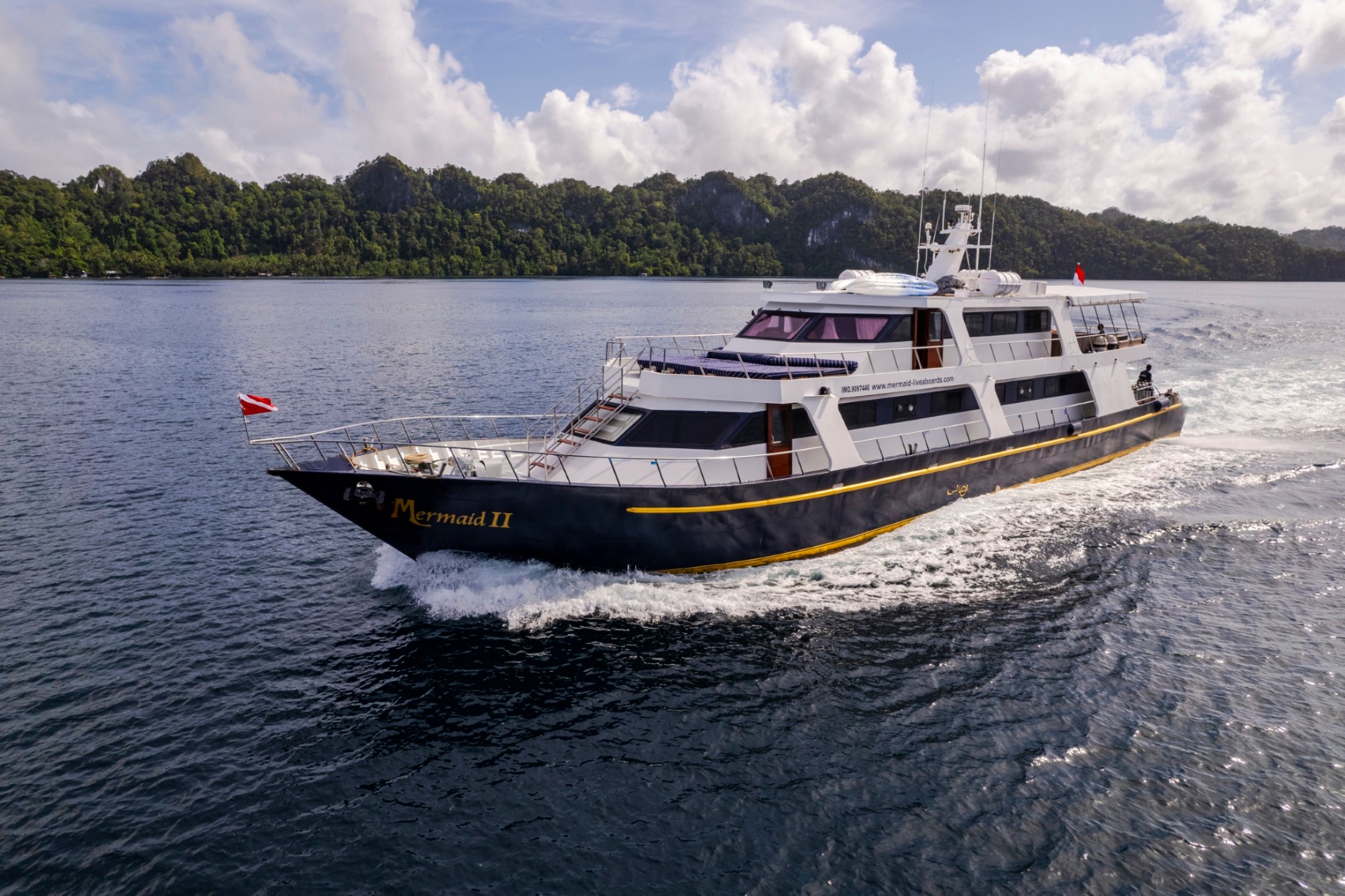
Mermaid II
Komodo, Indonesia
18 guests
$355/day
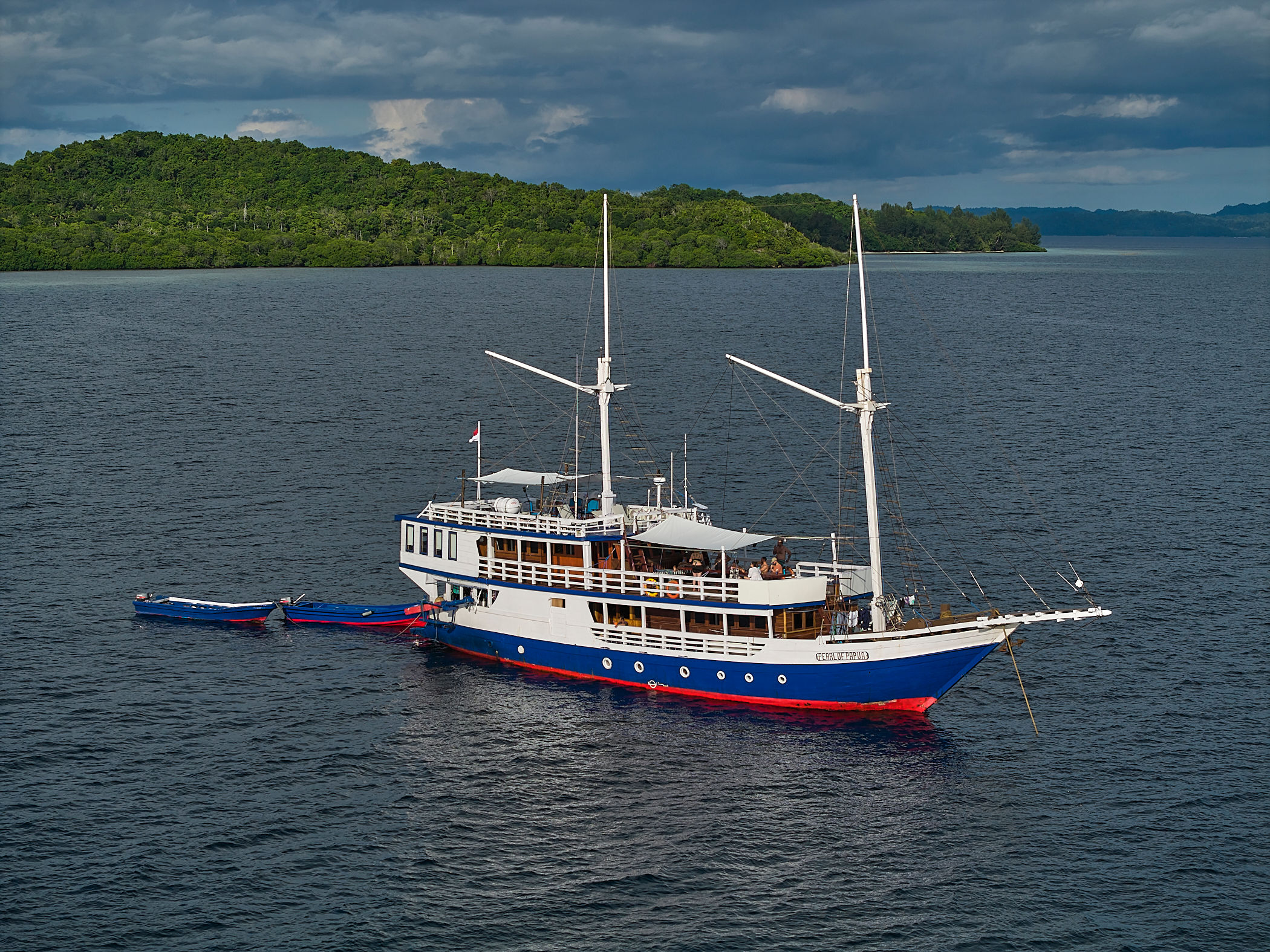
Pearl of Papua
Raja Ampat, Indonesia
14 guests30 m
$303/day
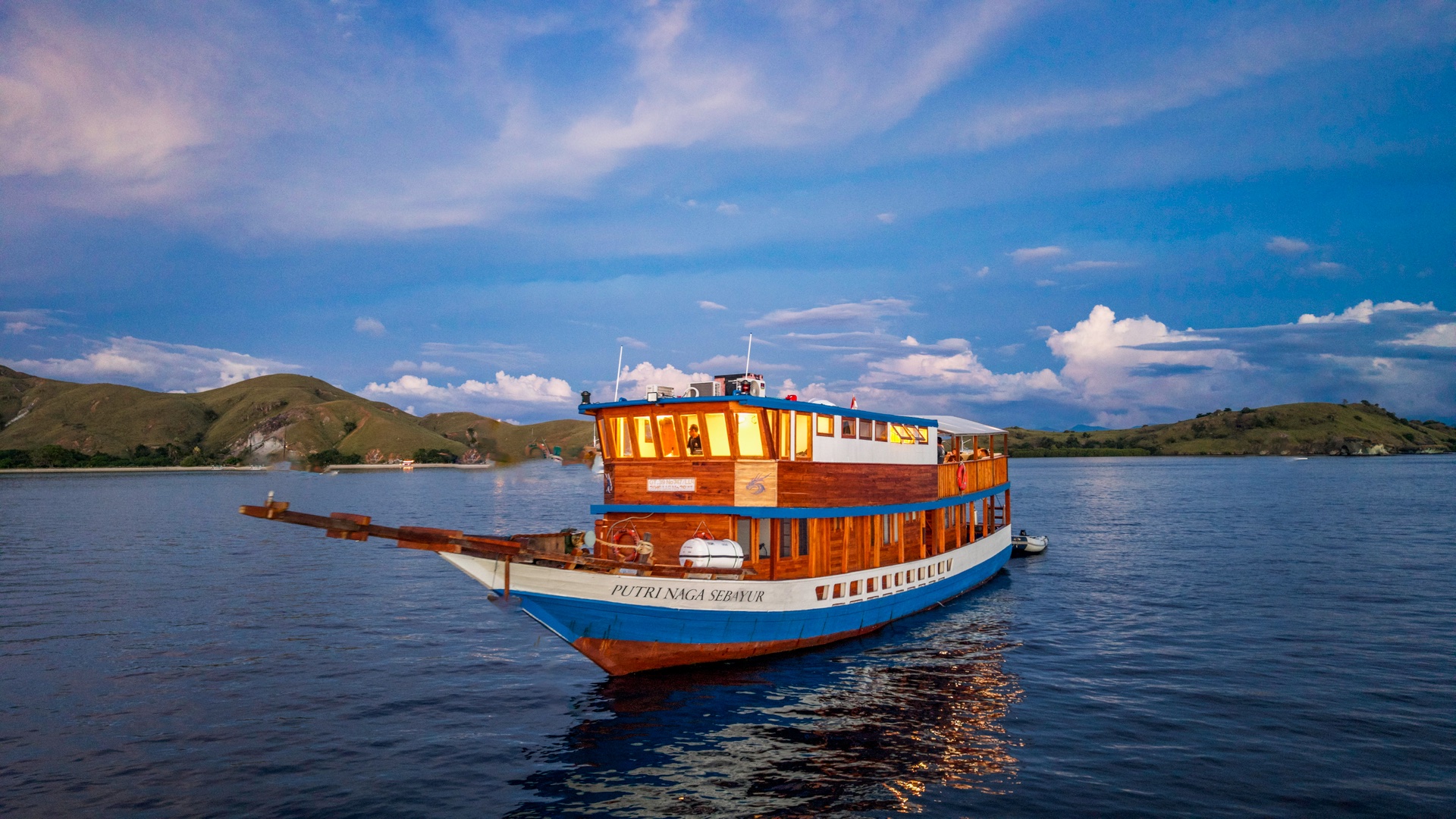
Putri Naga
Komodo, Indonesia
6 guests25 m
Dive sites similar to Shotgun
Same character, same waters — six more sites divers love for the exact same reasons.Compare seasons, access and liveaboard routes — then pick the site that fits your trip best.
© Esri — Maxar, Earthstar, GIS
Adonara Wall
Indonesia
Adonara is an Indonesian island dive site, renowned for its vibrant underwater topography characterized by submerged seamounts.
- Suitable for
- Intermediate
- Current
- Strong
- Access
- Liveaboard or dayboat
- Depth
- 5–35 m
- Theme
- Seamount / Wall
Babylon is a captivating dive site located in the Alor Sea, renowned for its exceptional visibility and vibrant marine ecosystem.
- Suitable for
- Intermediate
- Current
- Strong
- Access
- Liveaboard or dayboat
- Depth
- 3–20 m
- Theme
- Reef / Wall
© Esri — Maxar, Earthstar, GIS
Shark Close
Indonesia
Shark Close is an exhilarating dive site in the Indonesian portion of Borneo, renowned for its strong currents and abundant marine life.
- Suitable for
- Advanced
- Current
- Strong
- Access
- Liveaboard or dayboat
- Depth
- 5–25 m
- Theme
- Channel / Drift
Wakatobi, an acronym for the islands of Wangi-Wangi, Kaledupa, Tomia, and Binongko, lies in Southeast Sulawesi, Indonesia, at the heart of the Coral Triangle.
- Suitable for
- Beginner
- Current
- No current
- Access
- Liveaboard only
- Depth
- 5–30 m
- Theme
- Wall / Reef
© Esri — Maxar, Earthstar, GIS
Raymond’s Point
Indonesia
Raymond's Point is a distinguished dive site located south of Mike's Point within the Bunaken National Marine Park, renowned for its dramatic vertical wall.
- Suitable for
- Advanced
- Current
- Strong
- Access
- Dayboat
- Depth
- 5–35 m
- Theme
- Reef / Wall
© Esri — Maxar, Earthstar, GIS
Manado Tua
Indonesia
Manado Tua, or 'Old Manado,' is one of five islands that form the Bunaken Marine Park, a celebrated marine protected area in North Sulawesi, Indonesia.
- Suitable for
- Intermediate
- Current
- Moderate
- Access
- Dayboat
- Depth
- 5–80 m
- Theme
- Wall / Drift