About Wofoh
Wofoh is an exceptional dive destination located within the Raja Ampat archipelago, celebrated for its dramatic towering cliffs and lush tropical vegetation extending below the waterline. The Wofoh Islands feature two distinct and remarkable wall dives: Edi's Black Forest and Red Patch Wall. Edi's Black Forest, found at the southernmost point, is aptly named for its notable black coral formations swaying gently along the wall. This site then transitions to a gentle slope dotted with colorful soft coral bommies, creating a rich habitat. Red Patch Wall, situated on the opposite side of the island, is distinguished by its red-stained appearance, although it is abundantly covered in sponges and soft corals with vibrant hues. The dive here typically concludes over a soft slope adorned with numerous hard coral outcroppings, resembling an underwater garden. The topography offers a mix of vertical walls and gentle slopes, accommodating various diving styles and opportunities for macro and wide-angle photography. The area is known for supporting a rich diversity of marine life, including wobbegong sharks and delicate macro creatures. Diving at Wofoh is best experienced when the sun is out, as natural light enhances the vivid colors of the corals and sponges. This site forms a part of the broader Raja Ampat diving experience, predominantly accessed via liveaboard, offering a truly immersive encounter with one of the world's most biodiverse marine environments.
Highlights
Edi's Black Forest wallRed Patch WallBlack coral formationsSoft coral bommiesWobbegong sharksOrnate ghost pipefishPygmy seahorsesVibrant sponges and corals
Best Season
The optimal period for diving Wofoh, as part of Raja Ampat, is typically from October to May. During these months, winds are calmer and seas are settled, ensuring better accessibility and consistent conditions for exploring the diverse sites around the islands.
Dive site facts: Wofoh
- Depth
- 20 m
- Current
- Moderate
- Entry
- Liveaboard only
- Level
- Advanced recommended
- Dive type
- Wall, drift, macro, coral slope
- Region / port
- Raja Ampat, Indonesia
- Coordinates
- 4.6355° S, 123.7236° E
Conditions & Currents
As part of Raja Ampat, Wofoh's dive sites are often subject to moderate currents, which are a defining characteristic of the region and contribute to its rich biodiversity. These currents deliver essential nutrients, supporting the prolific coral and fish life encountered during dives. While not explicitly detailed for Wofoh, Raja Ampat's currents can vary, sometimes necessitating drift diving techniques. Divers should be prepared for potential variations in current strength and direction, especially when navigating walls and slopes. Good buoyancy control is advisable, as conditions can change. The prevailing currents in Raja Ampat generally support excellent marine life, though visibility might fluctuate with plankton blooms attracted by nutrient-rich waters.
Marine life & sighting chances
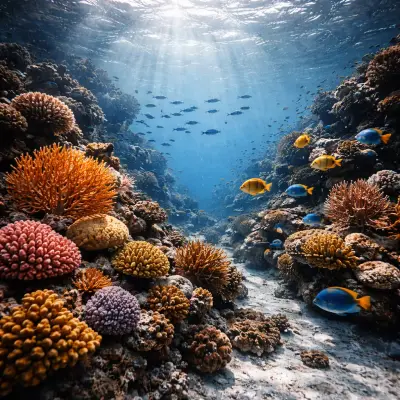
Black coral
common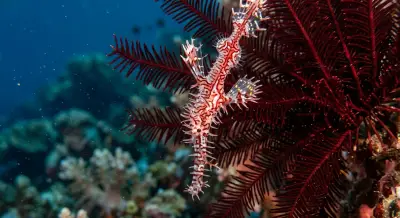
Ornate ghost pipefish
occasional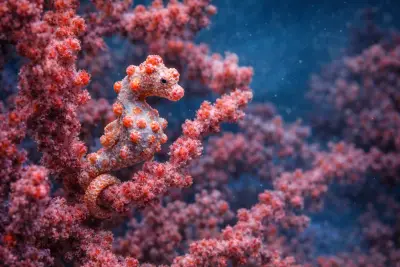
Pygmy seahorse
occasional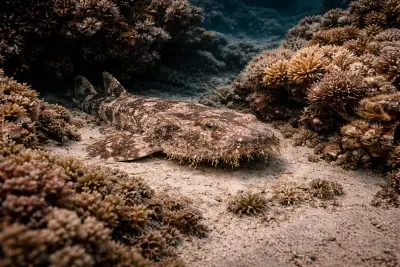
Wobbegong shark
occasional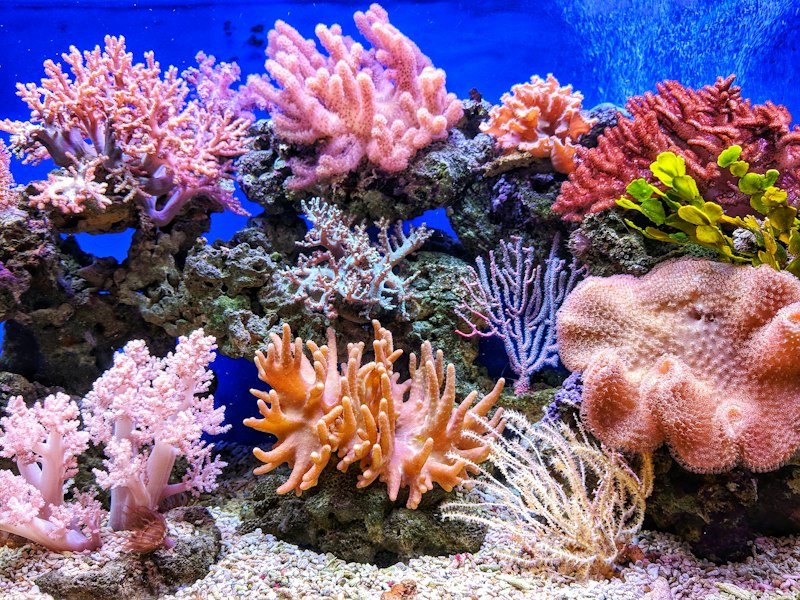
Soft coral
commonHard coral
common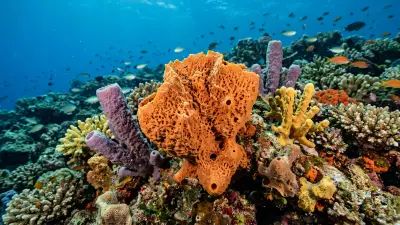
Sponge
commonDive profile & how the dive runs
A typical dive at Wofoh begins along one of its distinct walls, such as Edi's Black Forest or Red Patch Wall. Divers descend to explore the vertical faces, which are adorned with black coral, vibrant soft corals, and sponges. For Edi's Black Forest, the route often involves swimming along the wall, carefully observing the coral for macro life like ornate ghost pipefish and pygmy seahorses, before ascending gently over a soft coral slope filled with bommies. At Red Patch Wall, the dive progresses along the red-stained wall covered in sponges and soft corals, eventually leading to a gentle slope rich in hard coral outcroppings. Throughout the dive, divers should keep an eye out for wobbegong sharks hidden beneath coral formations. Safety stops are typically performed over these shallower coral gardens.
Underwater photography
Wofoh offers excellent opportunities for both wide-angle and macro photography, particularly when diving under sunny conditions that highlight the vibrant coral colors. For wide-angle shots, focus on the dramatic walls of Edi's Black Forest and Red Patch Wall, capturing the extensive soft coral coverage and formations. A wide-angle lens with external strobes will help bring out the true hues of the sponges and corals. Macro photographers should bring a dedicated macro lens to search for pygmy seahorses and ornate ghost pipefish within the soft corals and crevices. Patience and good buoyancy are essential to avoid disturbing delicate subjects and ensure clear shots.
Combine with nearby dive sites
Getting there & logistics
Access to Wofoh is primarily through liveaboard trips operating within the Raja Ampat region of Indonesia, located off the northwest tip of New Guinea's Bird's Head Peninsula. Liveaboards typically embark from Sorong, which is accessible via domestic flights from major Indonesian hubs like Jakarta or Makassar. Trips usually range from 7 to 14 days, providing comprehensive itineraries that cover remote and pristine sites like Wofoh. Divers are required to purchase a Raja Ampat Marine Park Entry Permit, valid for one calendar year, which costs approximately USD $100.
Safety & environment
Diving in Raja Ampat, including sites like Wofoh, generally requires good physical fitness and sound diving skills due to potentially moderate currents. Divers should always carry valid dive insurance that covers medical emergencies and recompression. The nearest recompression chamber is located in Sorong, which can be a significant distance depending on the liveaboard's location, making evacuation times potentially long. Always adhere to your dive guide's briefings, maintain good buoyancy control, and stay within your training limits. Be mindful of marine life, especially endemic species like wobbegong sharks, giving them space and avoiding disturbance.
Who it suits — and who it doesn't
Suited for
- Experienced divers comfortable with currents
- Underwater photographers seeking diverse subjects
- Divers interested in unique wall and coral slope topography
- Those looking for rare macro life sightings
- Liveaboard enthusiasts exploring remote areas
Less suited for
- Absolute beginner divers
- Divers with poor buoyancy control
- Those prone to seasickness on liveaboards
- Divers expecting only large pelagic encounters
FAQ
Wofoh FAQ
What kind of marine life can I expect to see at Wofoh?
Wofoh is known for its diverse marine inhabitants, with highlights including wobbegong sharks often found under coral overhangs. Macro enthusiasts can spot elusive ornate ghost pipefish and pygmy seahorses hidden within the vibrant soft corals. The walls themselves are rich with black coral, colorful sponges, and hard coral outcroppings, supporting a wide array of reef fish.
Are there strong currents at Wofoh?
As part of Raja Ampat, Wofoh's dive sites can experience moderate currents. These currents are beneficial, bringing nutrients that sustain the rich marine ecosystem. Divers should be prepared for varying conditions, and good buoyancy control is always recommended to safely navigate the walls and slopes.
Is Wofoh suitable for beginner divers?
Wofoh, like many sites in Raja Ampat, is generally recommended for more experienced divers. The presence of currents and the depth of the wall dives require good buoyancy control and comfort in dynamic conditions. Beginner divers might find the conditions challenging, making it less suitable for their first few dives.
What makes Edi's Black Forest and Red Patch Wall unique?
Edi's Black Forest is distinguished by its prominent black coral formations, giving the site its name, and a transition to a vibrant soft coral slope. Red Patch Wall is notable for its natural red staining, which contrasts beautifully with its dense covering of colorful sponges and soft corals. Both offer distinct visual experiences and diverse marine habitats.
How is Wofoh typically accessed?
Wofoh is located in a remote part of Raja Ampat, making liveaboard cruises the primary and most convenient way to access this dive site. Liveaboards provide the flexibility to visit distant and pristine locations, often including Wofoh as part of a broader Raja Ampat itinerary. Trips usually depart from Sorong.
Why dive Wofoh from a liveaboard?
Wofoh is one of Indonesia's signature dive sites. A liveaboard sleeps you on the water and puts you in the water for three to four guided dives per day, including dawn and night dives that day-boat operators rarely offer. You skip the daily commute back to port and reach quieter, less-crowded sites in the same region on a single trip.
Below are the liveaboards that include Wofoh on their Indonesia itineraries.
Liveaboards diving Wofoh
These liveaboards may visit Wofoh on selected itineraries — the exact dive sites depend on departure, weather and conditions.
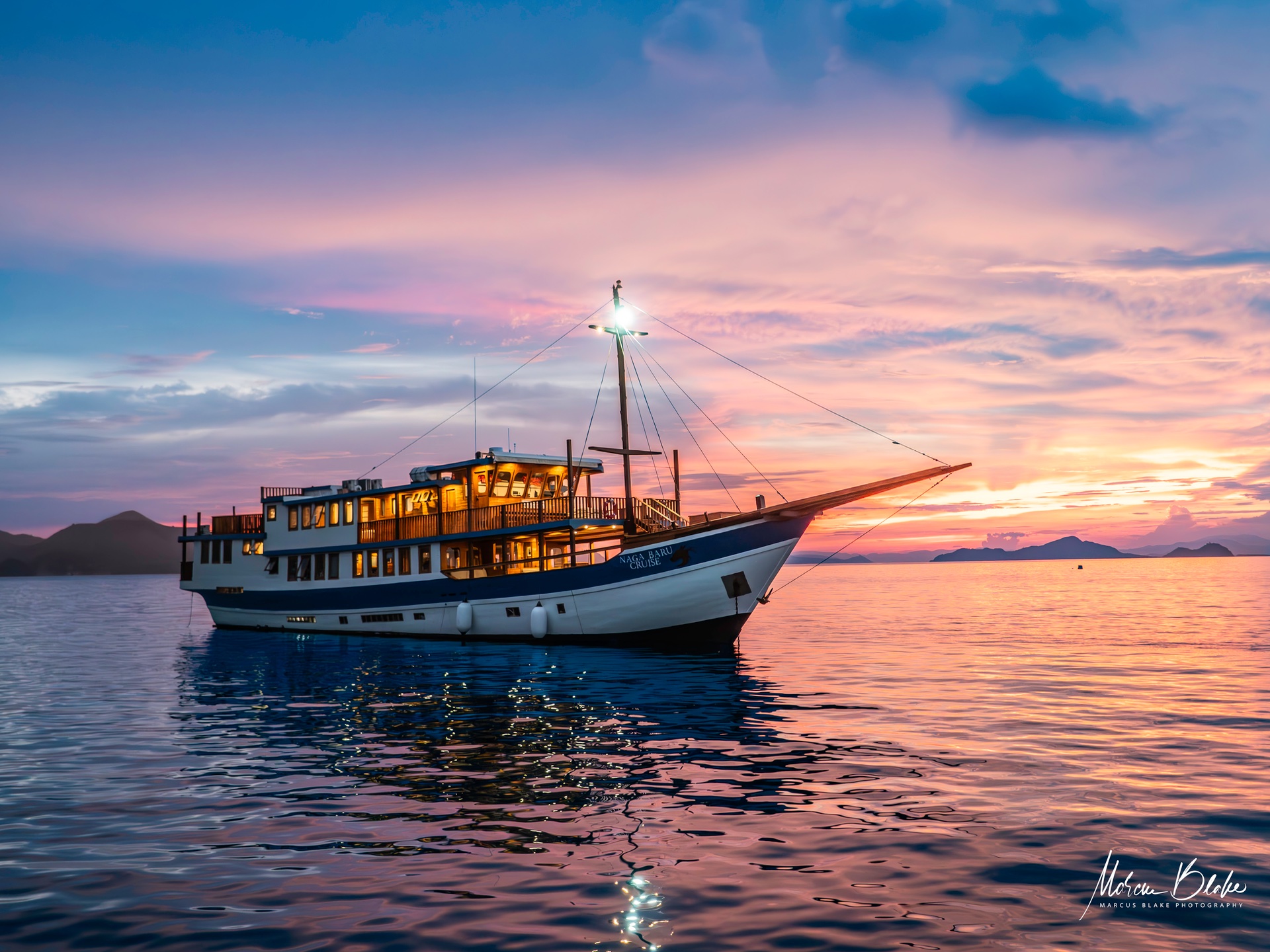
Naga Biru
Indonesia
12 guests40 m
$274/day
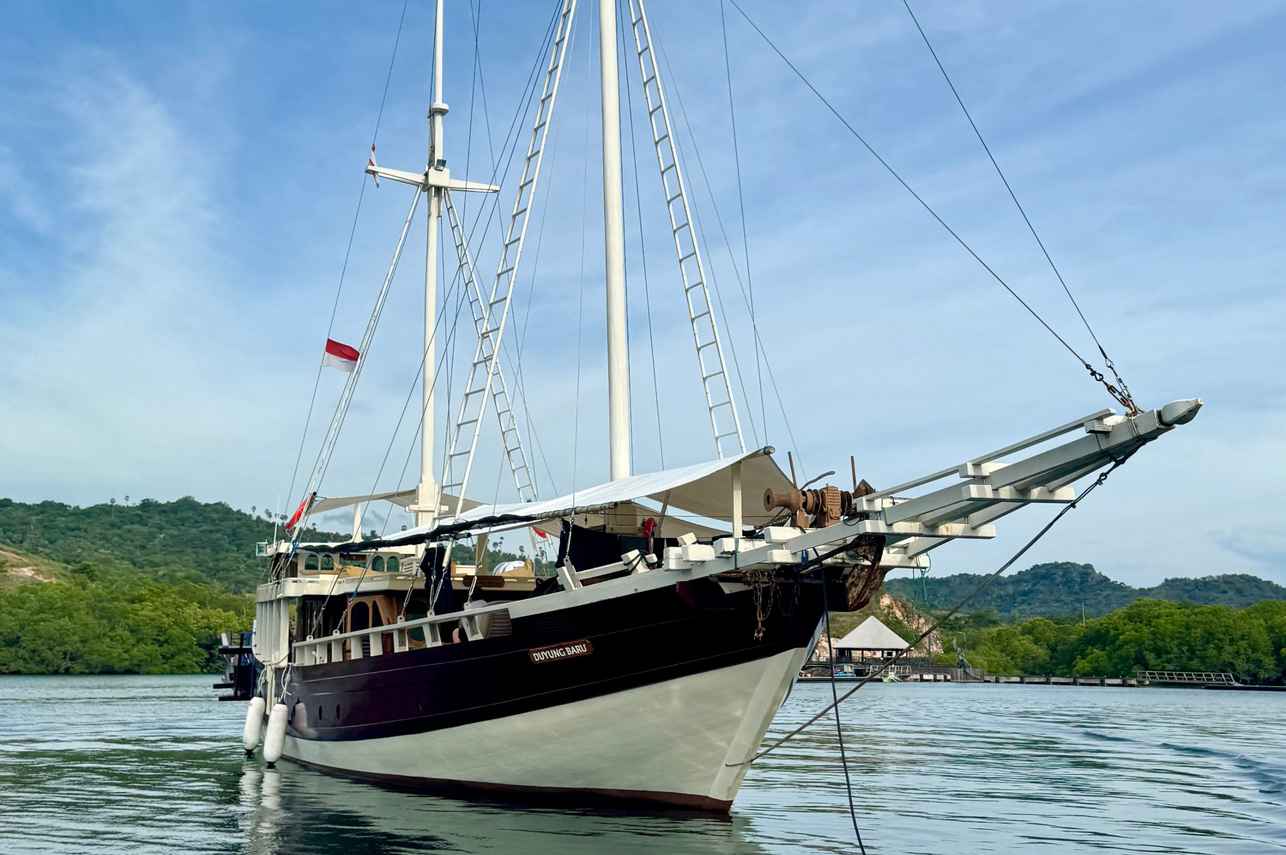
Ecopro Duyung Baru
Indonesia
6 guests27 m
$361/day
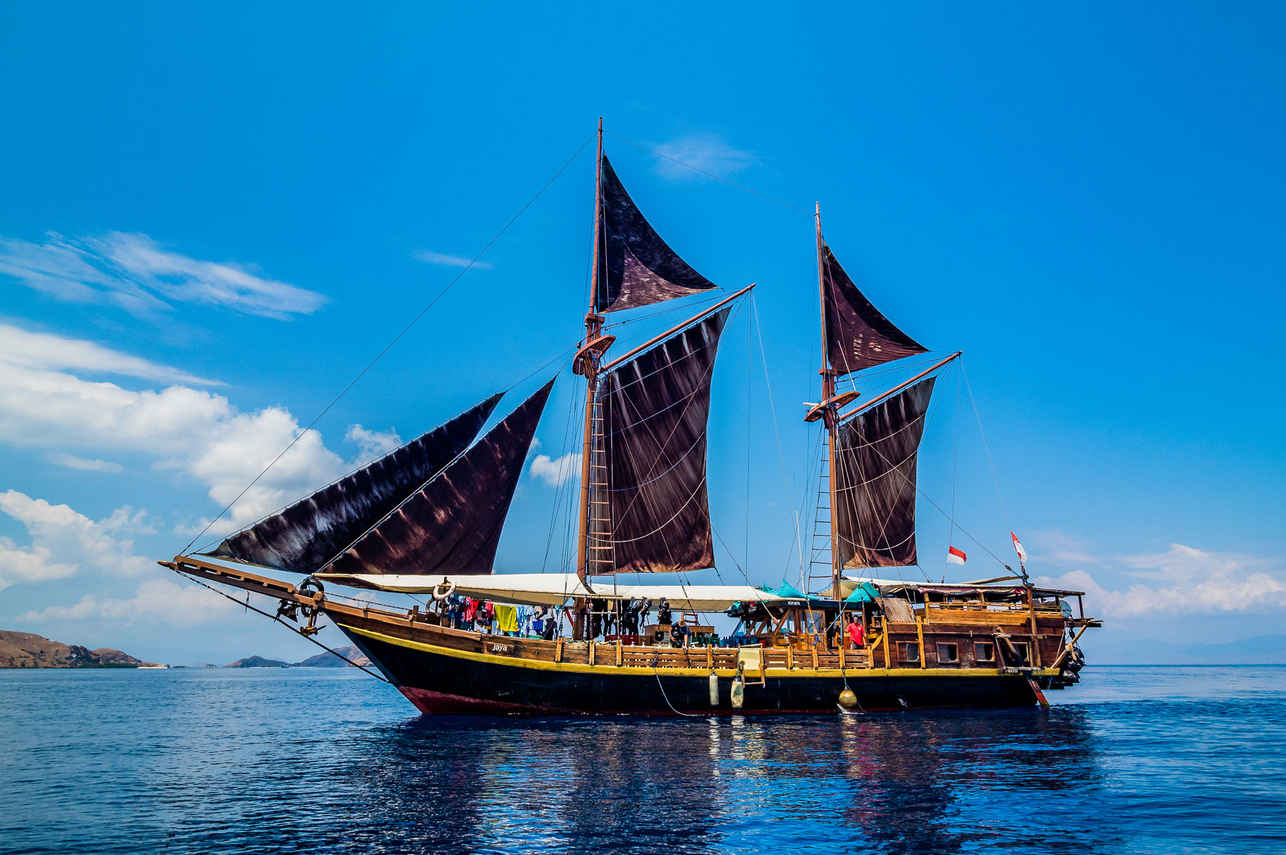
Jaya
Indonesia
14 guests23 m
$280/day
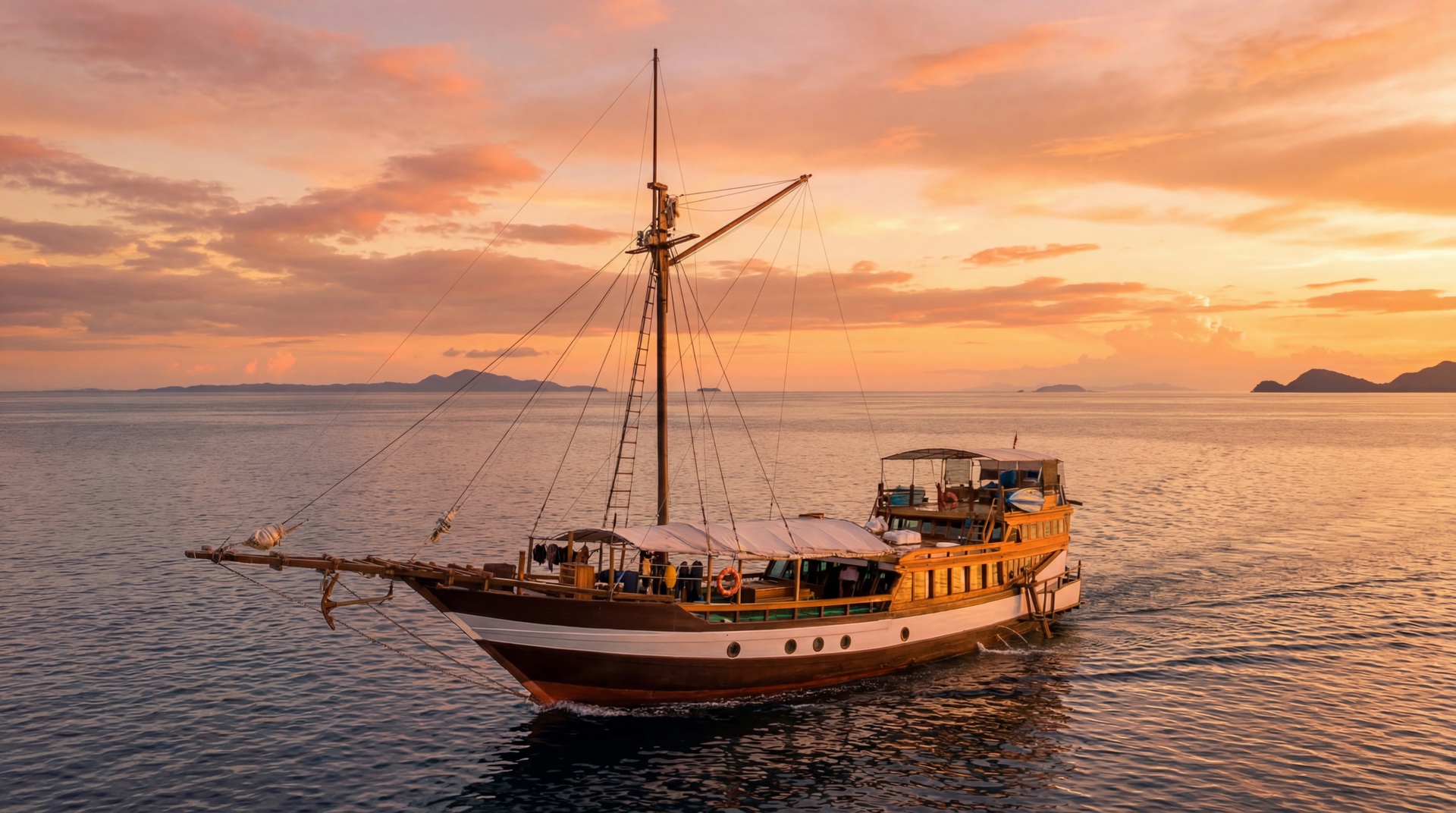
Wellenreng
Indonesia
9 guests25 m
$427/day
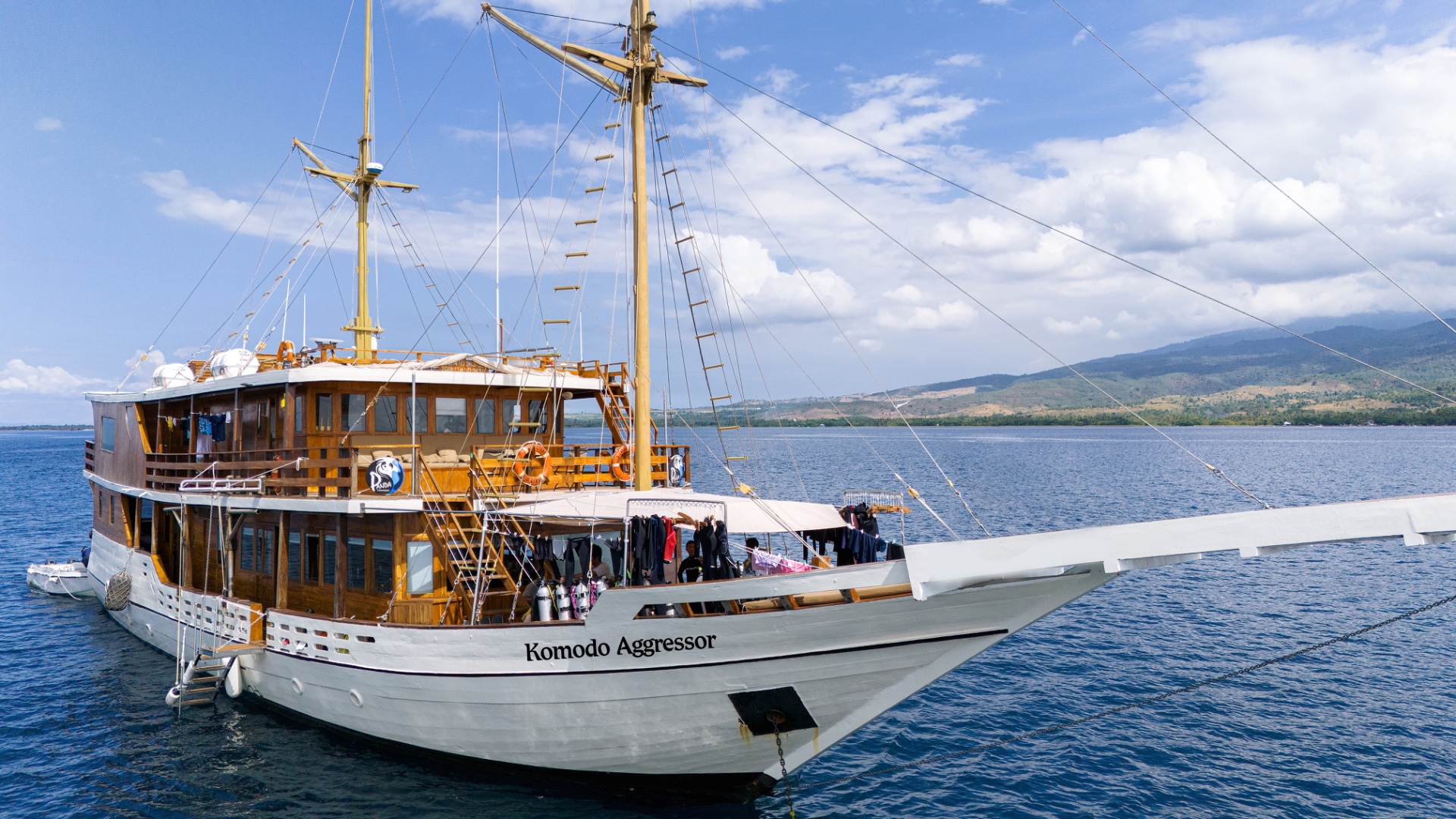
Komodo Aggressor
Komodo, Indonesia
16 guests29 m
$312/day
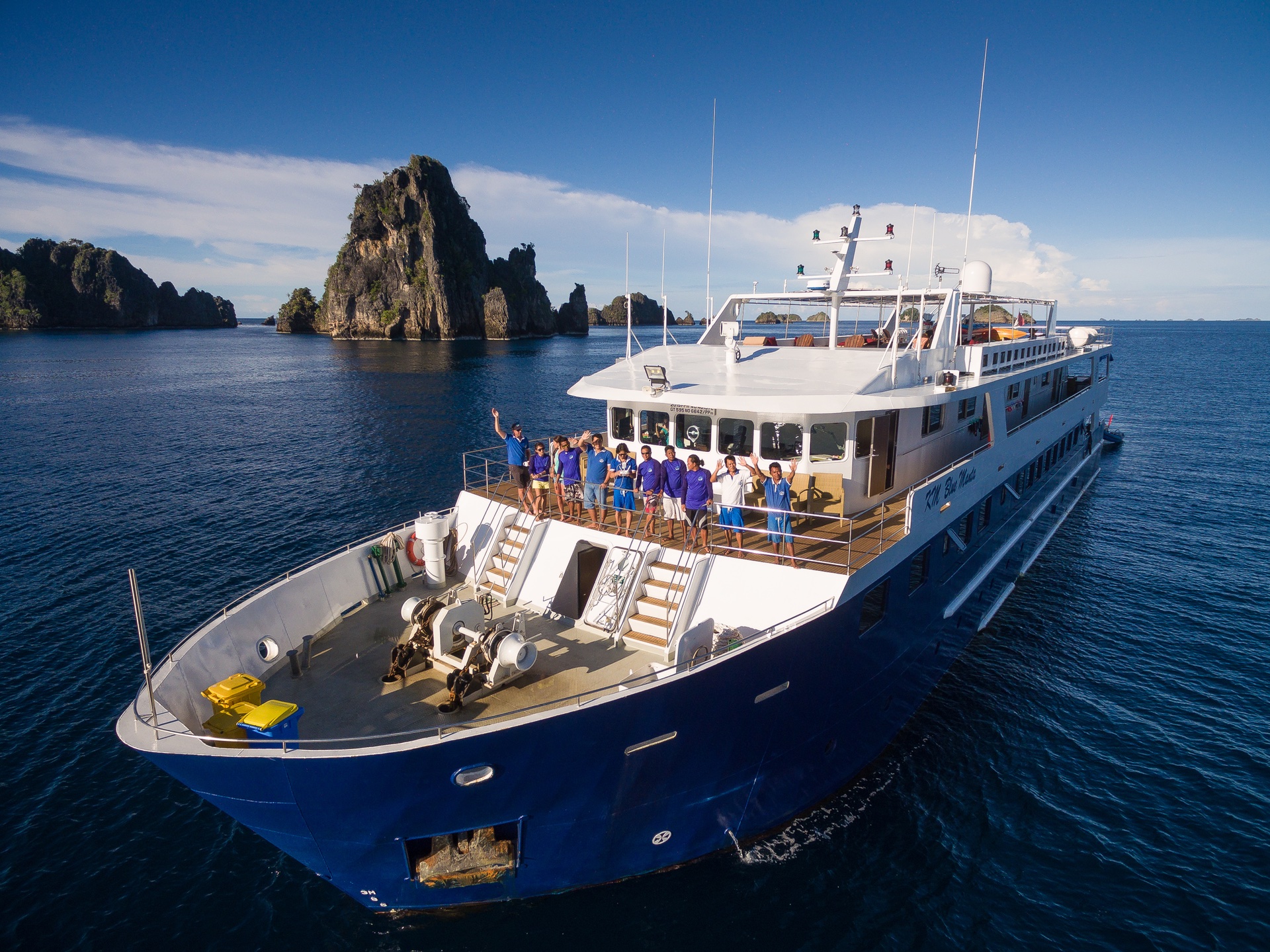
Blue Manta
Indonesia
20 guests45 m
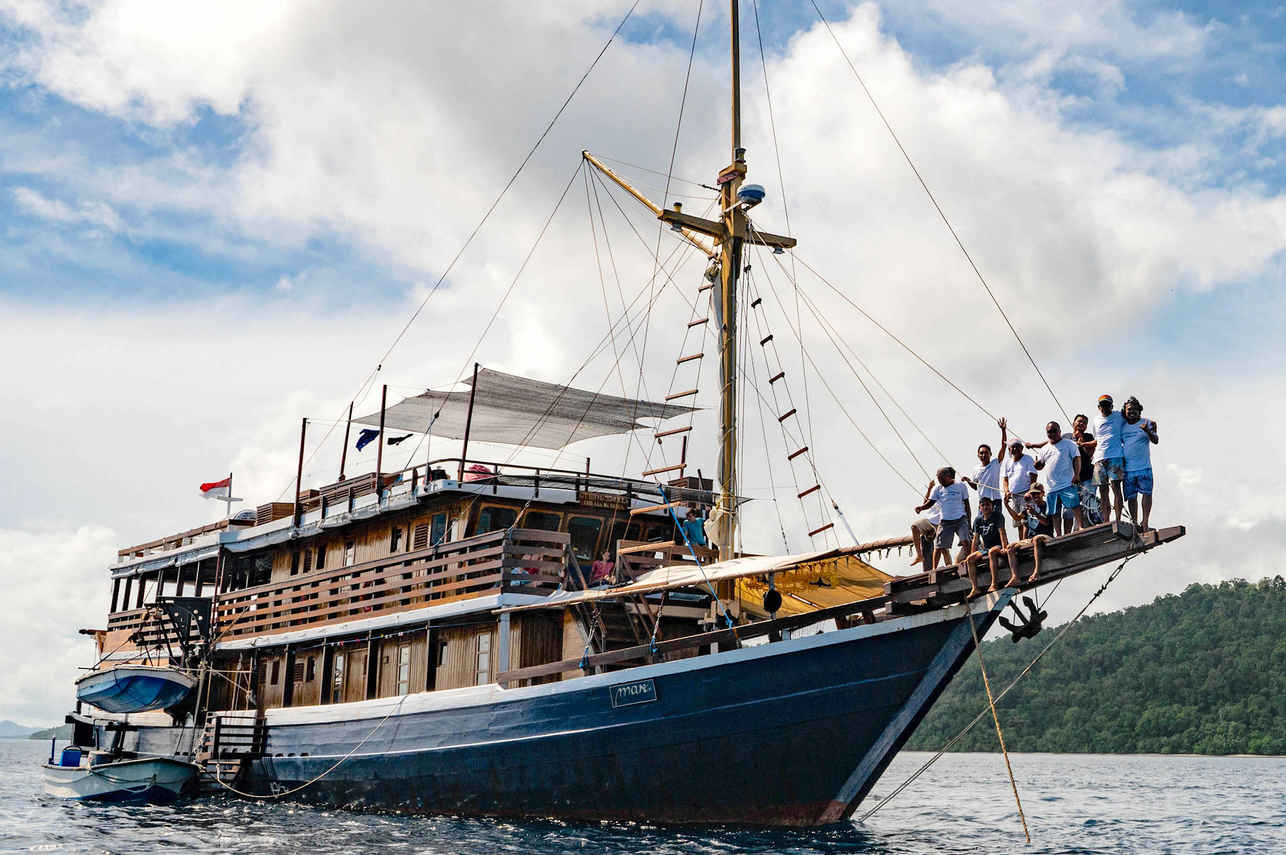
Mari
Indonesia
14 guests32.2 m
$328/day
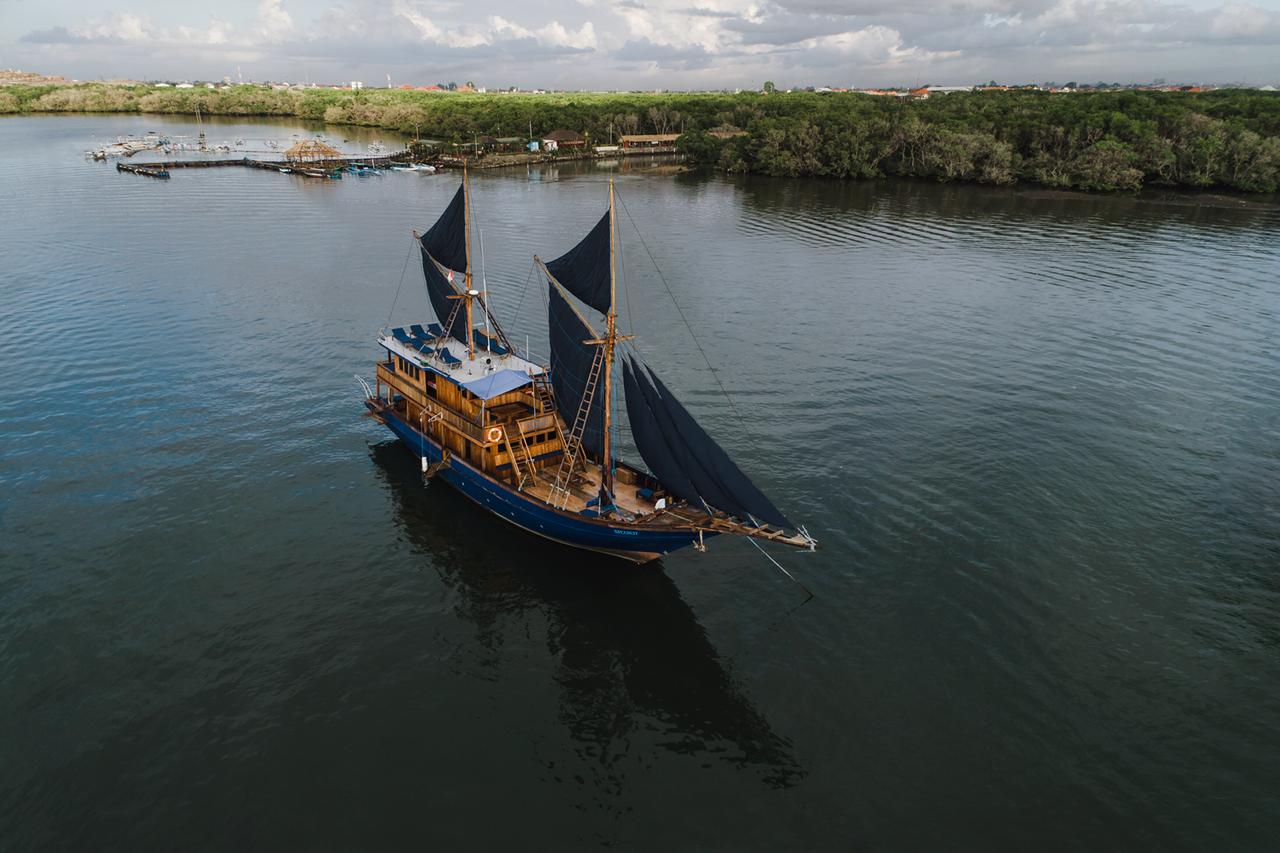
Situju7
Komodo, Indonesia
10 guests32.7 m
$362/day
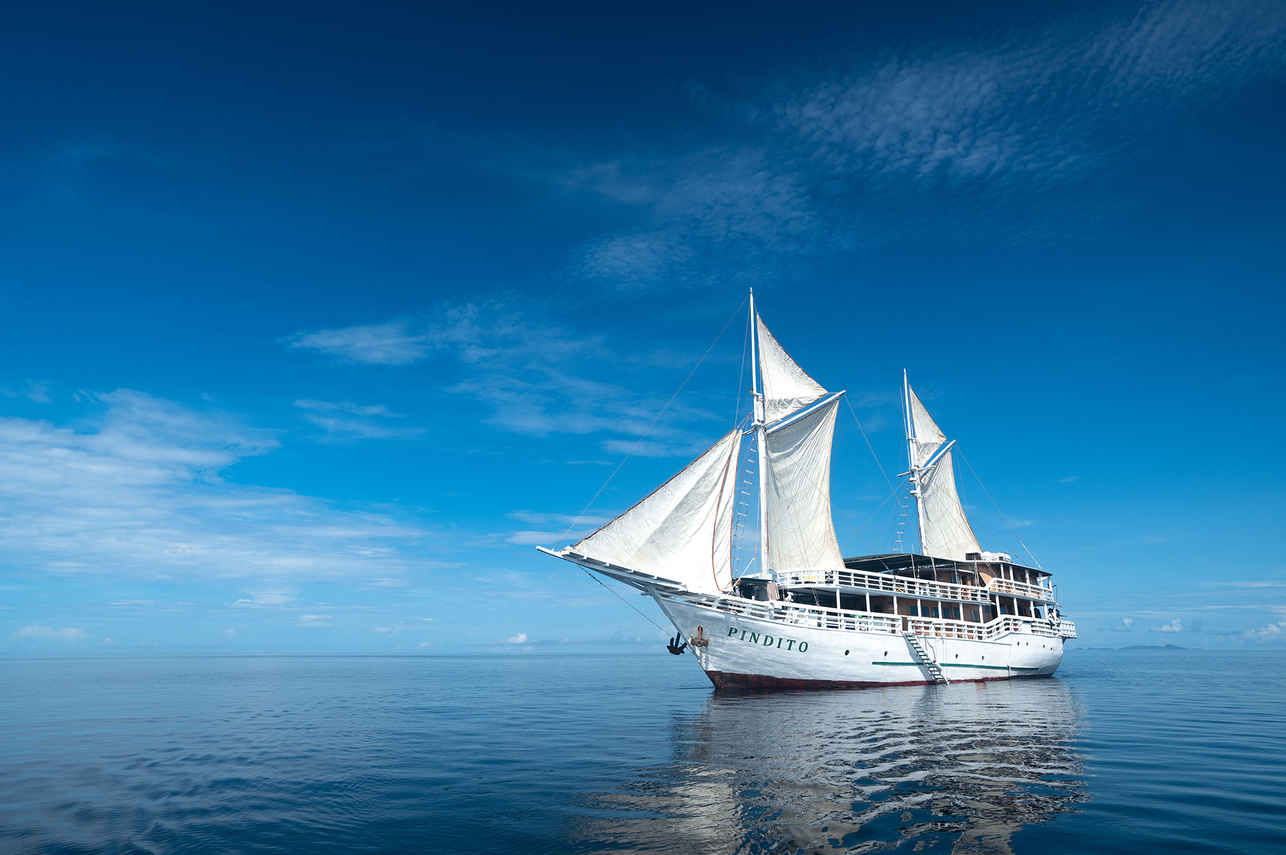
Pindito
Indonesia
16 guests37.79 m
$533/day
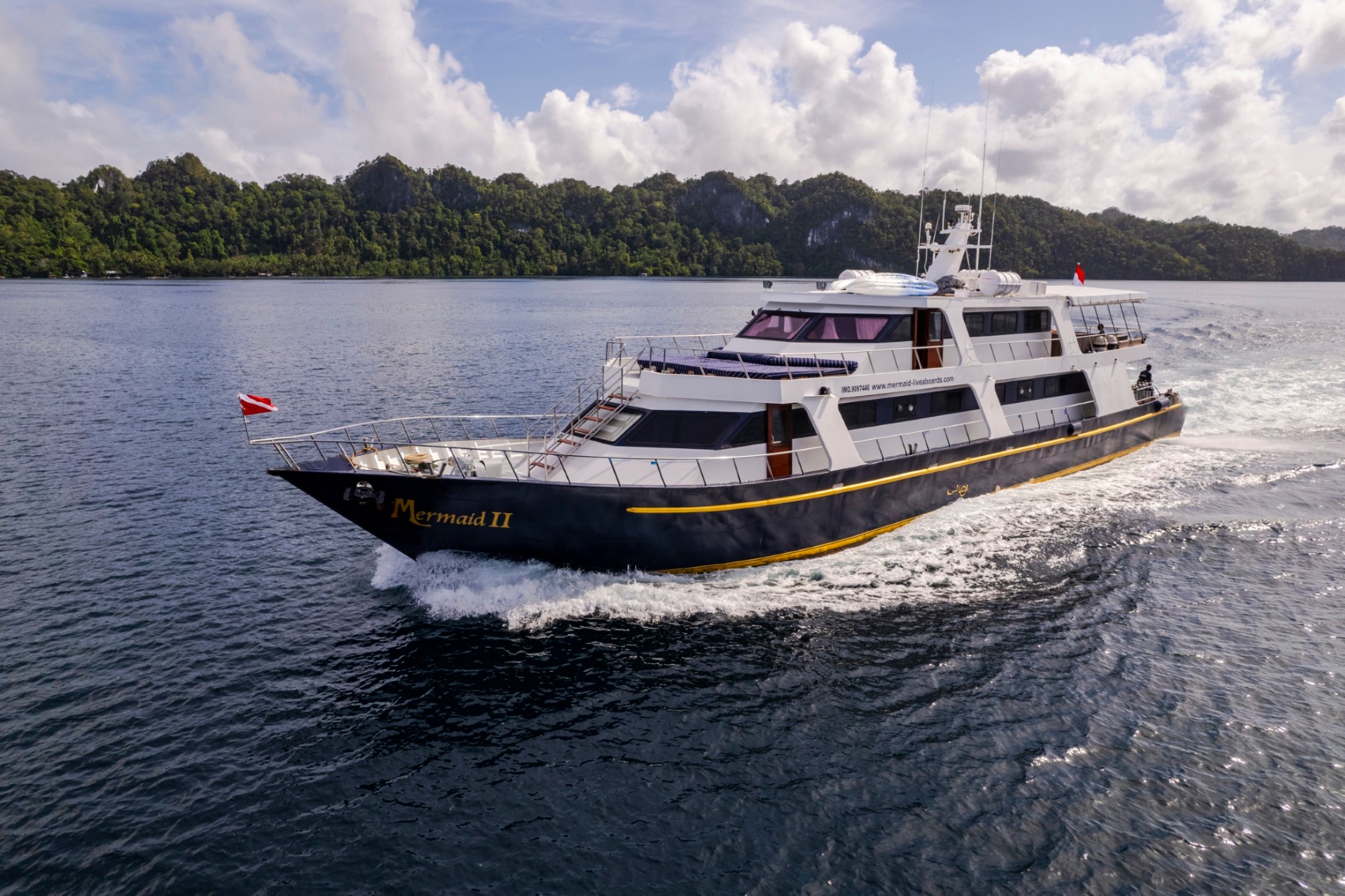
Mermaid II
Komodo, Indonesia
18 guests
$355/day
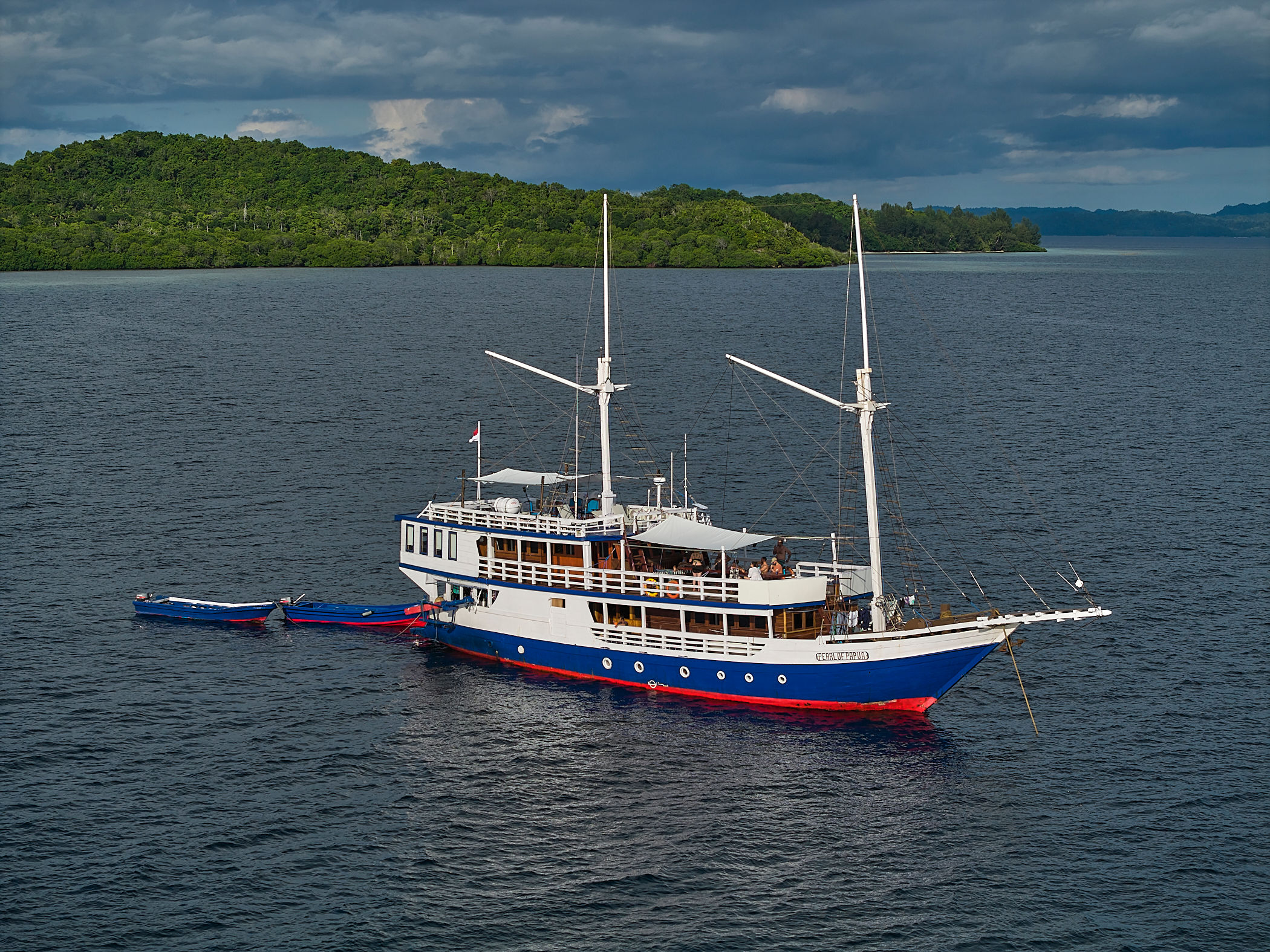
Pearl of Papua
Raja Ampat, Indonesia
14 guests30 m
$303/day
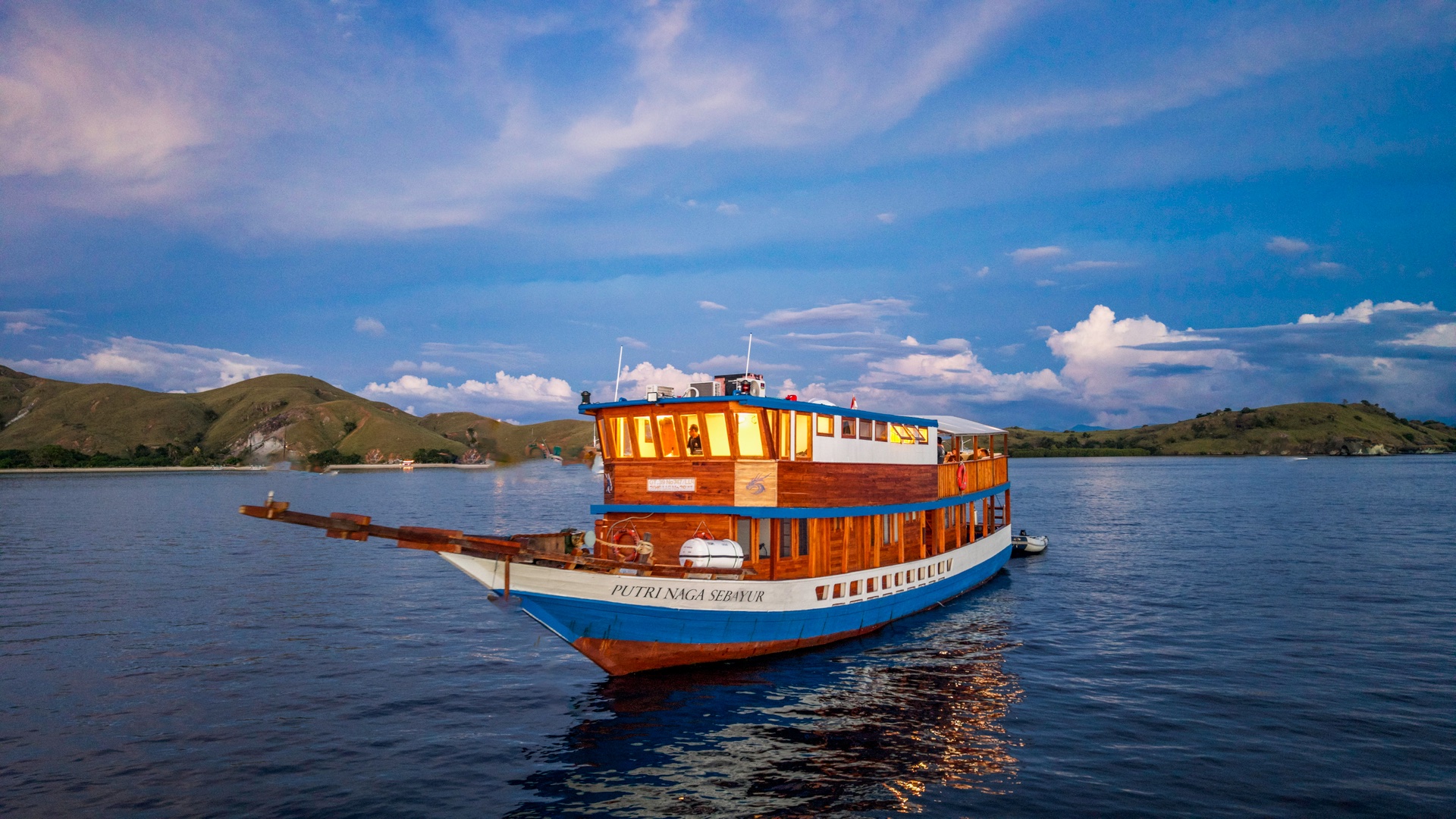
Putri Naga
Komodo, Indonesia
6 guests25 m
Dive sites similar to Wofoh
Same character, same waters — six more sites divers love for the exact same reasons.Compare seasons, access and liveaboard routes — then pick the site that fits your trip best.
© Esri — Maxar, Earthstar, GIS
Adonara Wall
Indonesia
Adonara is an Indonesian island dive site, renowned for its vibrant underwater topography characterized by submerged seamounts.
- Suitable for
- Intermediate
- Current
- Strong
- Access
- Liveaboard or dayboat
- Depth
- 5–35 m
- Theme
- Seamount / Wall
© Esri — Maxar, Earthstar, GIS
Shark Close
Indonesia
Shark Close is an exhilarating dive site in the Indonesian portion of Borneo, renowned for its strong currents and abundant marine life.
- Suitable for
- Advanced
- Current
- Strong
- Access
- Liveaboard or dayboat
- Depth
- 5–25 m
- Theme
- Channel / Drift
Wakatobi, an acronym for the islands of Wangi-Wangi, Kaledupa, Tomia, and Binongko, lies in Southeast Sulawesi, Indonesia, at the heart of the Coral Triangle.
- Suitable for
- Beginner
- Current
- No current
- Access
- Liveaboard only
- Depth
- 5–30 m
- Theme
- Wall / Reef
© Esri — Maxar, Earthstar, GIS
Raymond’s Point
Indonesia
Raymond's Point is a distinguished dive site located south of Mike's Point within the Bunaken National Marine Park, renowned for its dramatic vertical wall.
- Suitable for
- Advanced
- Current
- Strong
- Access
- Dayboat
- Depth
- 5–35 m
- Theme
- Reef / Wall
© Esri — Maxar, Earthstar, GIS
Manado Tua
Indonesia
Manado Tua, or 'Old Manado,' is one of five islands that form the Bunaken Marine Park, a celebrated marine protected area in North Sulawesi, Indonesia.
- Suitable for
- Intermediate
- Current
- Moderate
- Access
- Dayboat
- Depth
- 5–80 m
- Theme
- Wall / Drift
© Esri — Maxar, Earthstar, GIS
Kakaban Jellyfish Lake
Indonesia
Kakaban Jellyfish Lake is a unique marine lake located on Kakaban Island, part of the Derawan Archipelago in East Kalimantan, Indonesia.
- Suitable for
- Advanced
- Current
- Strong
- Access
- Dayboat
- Depth
- 5–30 m
- Theme
- Wall / Drift