About Yeben Shallows
Yeben Shallows is situated to the west of Waisai, surrounding Yeben Island in the Raja Ampat Regency of Southwest Papua, Indonesia. This site is renowned for its shallow reefs that connect smaller islands, creating a diverse underwater landscape suitable for both snorkeling and diving. The topography features colorful walls, gentle coral slopes, and sandy patches. Divers can explore lush coral gardens with varied formations and encounter unique inhabitants like garden eels swaying in the currents. The site's layout provides multiple routes and sections, making it ideal for spending an entire day exploring its rich biodiversity. While Raja Ampat's waters are diveable year-round with consistent conditions, marine life remains abundant throughout the seasons. The healthy coral structures and frequent marine encounters make Yeben Shallows a productive and reliable dive location. It caters to divers interested in macro life and vibrant reef ecosystems without venturing to more remote outer-island locations. Entry is typically via tender, allowing access to various parts of the expansive reef system. The site’s accessibility and rich marine habitat make it a popular choice for divers seeking a comprehensive Raja Ampat experience, often combined with nearby sites to showcase the region's full spectrum of underwater wonders.
Highlights
Shallow reef systemsWalls and gentle slopesLush, colorful coralsSandy patches with garden eelsFrequent marine encountersAccessible Raja Ampat diving
Season calendar
Best months to dive here
Jan
Feb
Mar
Apr
May
Jun
Jul
Aug
Sep
Oct
Nov
Dec
Excellent
Good
Apr – Nov (Apr–Nov)
The dry season brings calm seas, 25–30m+ visibility, and strong currents that attract mantas, sharks, and pelagics to Komodo. Alor offers pristine reef diving with 20–40m visibility. Bali's Nusa Penida delivers Mola Mola encounters from July to October. Water temperatures range from 24–28°C — a 3mm or 5mm wetsuit is recommended.
Dec – Mar (Oct–Apr)
Raja Ampat peaks during the wet season with calmer seas, plankton-rich waters attracting manta rays, and excellent biodiversity. Water is a warm 28–30°C with 15–25m visibility. The Banda Sea opens its rare expedition window from September to December, with hammerhead sharks and pristine seamounts. Lembeh Strait offers world-class muck diving year-round. A 3mm wetsuit is sufficient.
Dive site facts: Yeben Shallows
- Depth
- 5–30 m
- Current
- Mild to moderate
- Visibility
- 15–25 m
- Water temperature
- 26–29°C
- Entry
- Tender
- Level
- Beginner to intermediate
- Dive type
- Reef, macro, coral slope
- Night dive
- Possible
- Region / port
- Raja Ampat, Indonesia
- Coordinates
- -0.4917, 130.3343
Conditions & Currents
Currents at Yeben Shallows are generally manageable, making it suitable for a range of dive experiences. However, localized currents can occur, especially in channels between islands, influencing drift potential. Dive planning often considers tidal states to optimize exploration or for gentle drifts along the reef structures. Visibility typically averages around 20 meters, but can be influenced by weather patterns or plankton blooms. Water temperatures are consistently warm, ranging from 26 to 29°C. Divers should be aware of potential surge near the surface, especially closer to the island, and maintain good buoyancy control to protect the abundant coral formations.
Marine life & sighting chances

Garden Eels
common
Wobbegong Sharks
occasional
Pygmy Seahorses
occasional
Ornate Ghost Pipefish
occasional
Manta Rays
common
Butterflyfish
common
Reef Sharks
occasional
Nudibranchs
common
Shrimp
common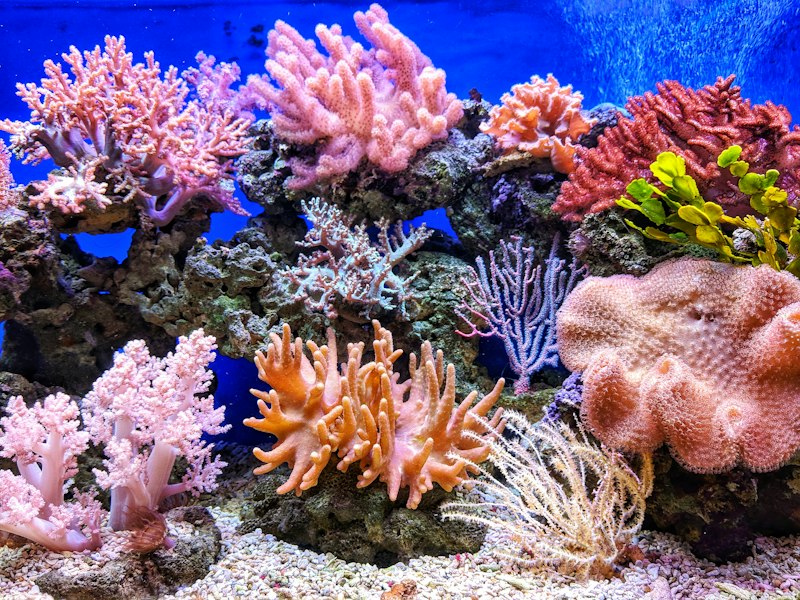
Soft Corals
common
Hard Corals
common
Sea Fans
commonDive profile & how the dive runs
Diving at Yeben Shallows typically begins with a tender drop, often allowing for a gentle entry onto the reef. The dive follows the contours of the island's shallow reefs, which extend from walls to gradual slopes. You will explore a variety of habitats, including vibrant coral gardens and sandy patches where garden eels are frequently observed. The route can be adapted to current conditions, sometimes allowing for a mild drift along the reef. Depths vary from the shallower sections ideal for exploring diverse coral formations to deeper sandy areas. The dive concludes with a gradual ascent, often incorporating a safety stop over the expansive, healthy reef top, allowing for extended exploration of the shallows before boarding the tender.
Underwater photography
Yeben Shallows offers excellent opportunities for both wide-angle and macro photography due to its diverse topography and rich marine life. For wide-angle shots, a fisheye or wide-angle rectilinear lens will capture the expansive coral formations, walls, and schooling butterflyfish. Utilize strobes to bring out the vibrant colors of the soft and hard corals. For macro subjects, including garden eels, nudibranchs, and pygmy seahorses, a 60mm or 100mm macro lens is ideal. Focus on maintaining excellent buoyancy to avoid damaging delicate corals and disturbing marine life, especially when photographing smaller critters. The clear, shallow water often allows for ambient light photography, particularly for reefscapes.
Combine with nearby dive sites
- Wofoh
Known for towering cliffs, black coral walls, and macro life like ornate ghost pipefish and pygmy seahorses.
- The Passage
A unique saltwater river dive between Gam and Waigeo islands, famous for drift diving, caverns, and unique macro life.
- Manta Alley
A known manta cleaning station, offering frequent sightings of manta rays.
Getting there & logistics
Access to Yeben Shallows is typically facilitated by liveaboard cruises operating in Raja Ampat. The main international gateway for Raja Ampat is Sorong (SOQ) airport, located approximately 115 km from the site. Divers typically fly into Sorong and then transfer to their liveaboard. Trips to Raja Ampat usually range from 7 to 14 nights, covering various sites across the region. Visitors must pay a Raja Ampat marine park entry fee, which supports conservation efforts. While Yeben Shallows is not within a marine protected area, adhering to local guidelines and responsible diving practices is crucial. Indonesia operates on Rupiah (IDR), and visitors from many countries can obtain a visa on arrival.
Safety & environment
For diving in Raja Ampat, including Yeben Shallows, comprehensive dive insurance, such as DAN, is strongly recommended. The nearest recompression chamber is located in Waisai, but medical evacuation from this remote region can be complex and time-consuming. Always dive within your training limits and be mindful of your air consumption, as emergency assistance may not be immediate. Water temperatures are warm, but a 3/2mm shorty or wetsuit is advisable. Reef-safe sunscreen is essential to protect both your skin and the delicate coral ecosystems. Be vigilant for boat traffic, especially when surfacing, and always deploy an SMB.
Who it suits, and who it doesn't
Suited for
- Beginner divers seeking accessible Raja Ampat sites
- Underwater photographers (macro and wide-angle)
- Divers interested in diverse coral formations
- Liveaboard guests looking for varied dive profiles
- Snorkelers due to shallow reef areas
Less suited for
- Divers expecting only large pelagic encounters
- Those who prefer strong currents exclusively
- Divers unwilling to travel to remote locations
- Individuals with poor buoyancy control (due to coral preservation)
FAQ
Yeben Shallows FAQ
What is the marine life like at Yeben Shallows?
Yeben Shallows is known for its diverse marine life, characteristic of Raja Ampat. You can expect to see numerous garden eels swaying in sandy patches, vibrant butterflyfish, and a variety of colorful soft and hard corals. Occasional sightings include wobbegong sharks, pygmy seahorses, and ornate ghost pipefish, making it a rich site for both macro and reef encounters.
Is Yeben Shallows suitable for beginner divers?
Yes, Yeben Shallows is often recommended for beginner divers due to its generally mild currents and accessible shallow reef systems. The site's varied topography, with gentle slopes and walls, allows for a comfortable and enjoyable introduction to Raja Ampat's underwater wonders. However, good buoyancy control is always beneficial to protect the delicate corals.
What kind of topography can I expect at Yeben Shallows?
The topography at Yeben Shallows is quite varied, featuring beautiful white sand beaches above water and unique underwater formations. Below the surface, you'll find sloping reefs, colorful walls, and sandy patches connecting smaller islands. This diverse structure supports a wide range of marine habitats and offers multiple routes for exploration.
How clear is the water and what is the temperature?
Visibility at Yeben Shallows typically ranges from 15 to 25 meters, providing clear views of the vibrant reefs. The water temperature is consistently warm, usually between 26 and 29°C, making for very comfortable diving conditions year-round. These conditions contribute to an enjoyable experience for divers exploring the site.
How do I get to Yeben Shallows?
Yeben Shallows is primarily accessed via liveaboard tours operating in the Raja Ampat region. Most itineraries will include this site as part of a broader exploration of the area. The typical travel route involves flying into Sorong (SOQ) airport, followed by a transfer to your liveaboard vessel.
Why dive Yeben Shallows from a liveaboard?
Yeben Shallows is one of Indonesia's signature dive sites. A liveaboard sleeps you on the water and puts you in the water for three to four guided dives per day, including dawn and night dives that day-boat operators rarely offer. You skip the daily commute back to port and reach quieter, less-crowded sites in the same region on a single trip.
Below are the liveaboards that include Yeben Shallows on their Indonesia itineraries.
Liveaboards diving Yeben Shallows
These liveaboards may visit Yeben Shallows on selected itineraries, the exact dive sites depend on departure, weather and conditions.
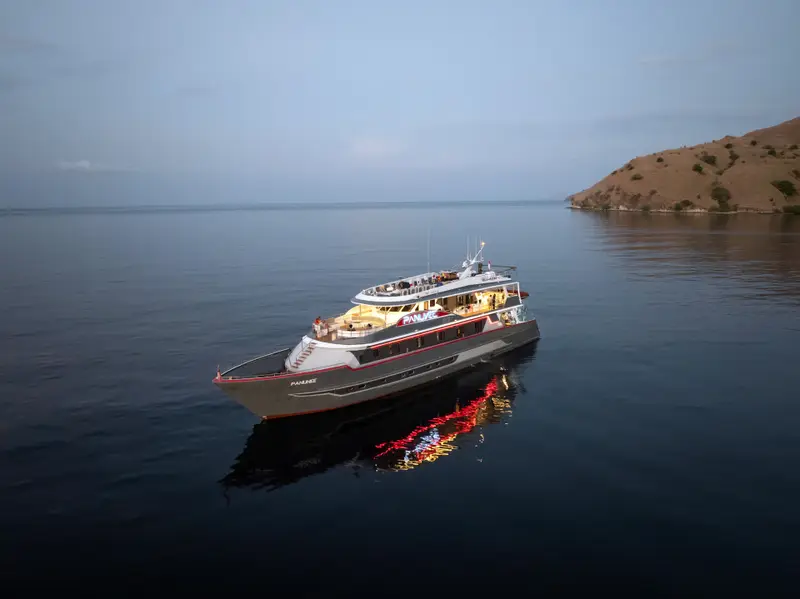
Panunee
Indonesia
18 guests38 m
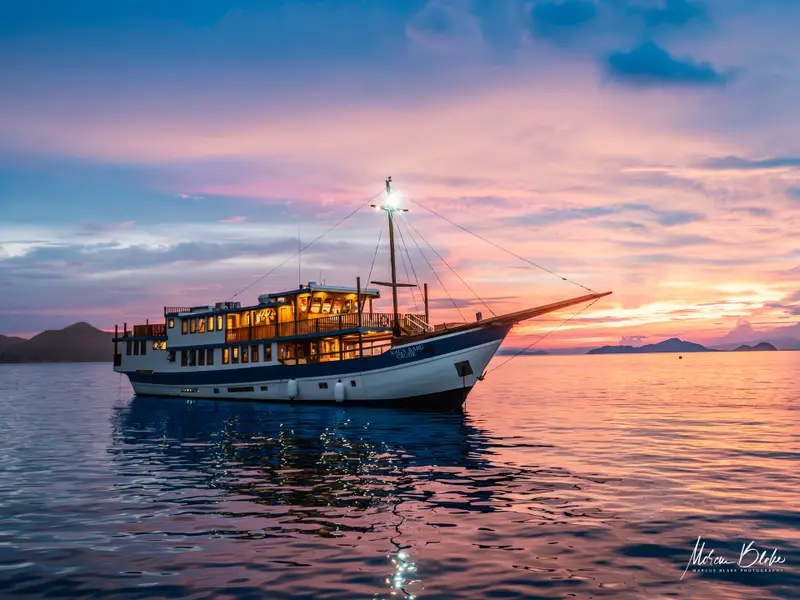
Naga Biru
Indonesia
12 guests40 m
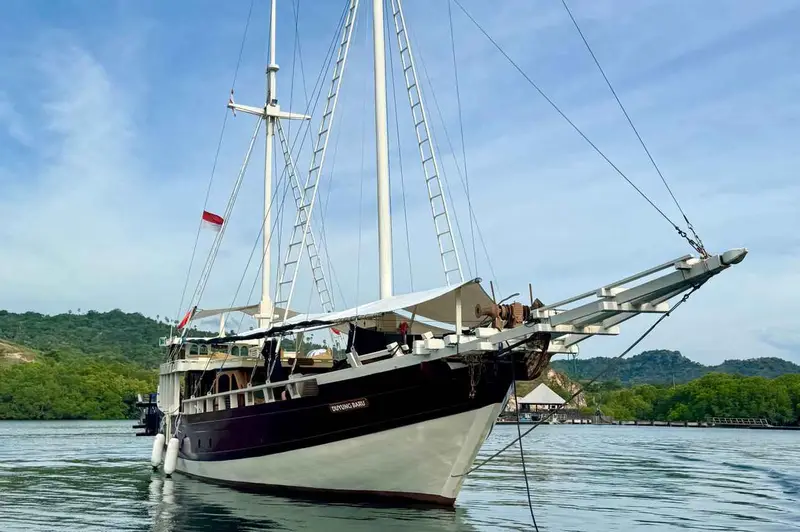
Ecopro Duyung Baru
Indonesia
6 guests27 m
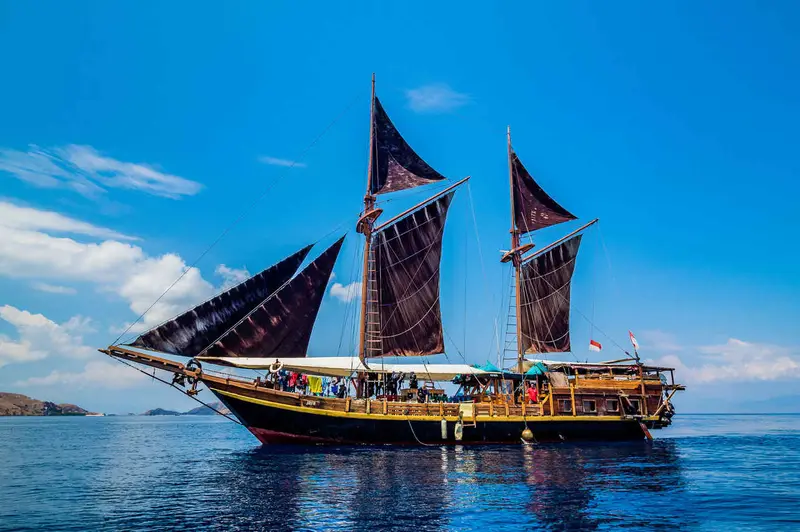
Jaya
Indonesia
14 guests23 m
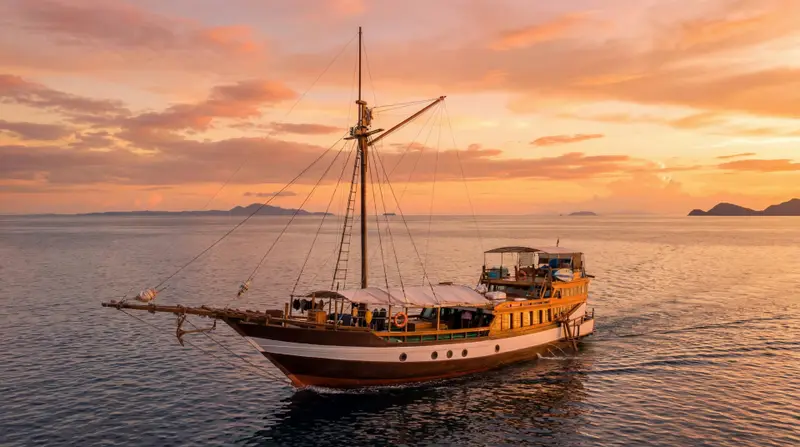
Wellenreng
Indonesia
9 guests25 m

Komodo Aggressor
Komodo, Indonesia
16 guests29 m
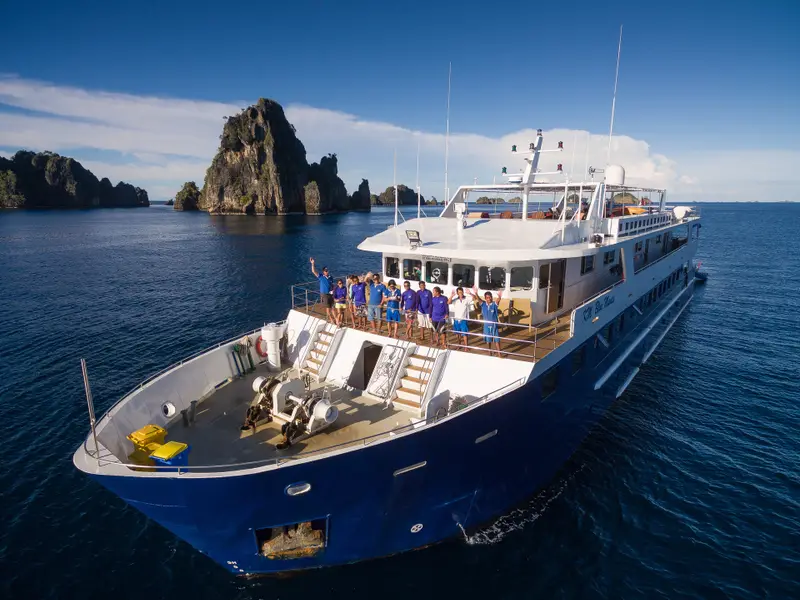
Blue Manta
Indonesia
20 guests45 m
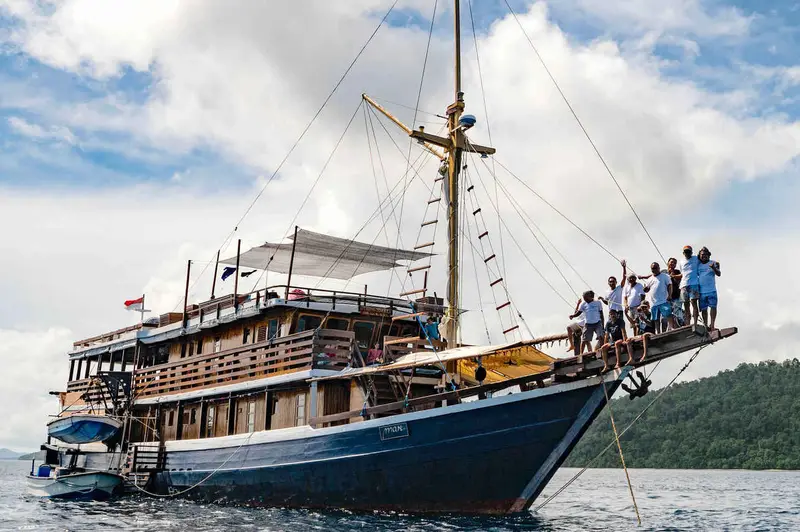
Mari
Indonesia
14 guests32 m
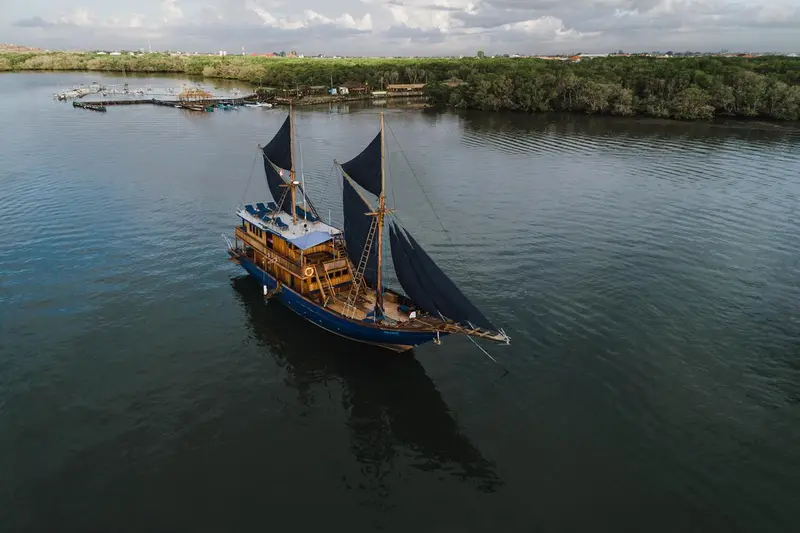
Situju7
Komodo, Indonesia
10 guests33 m
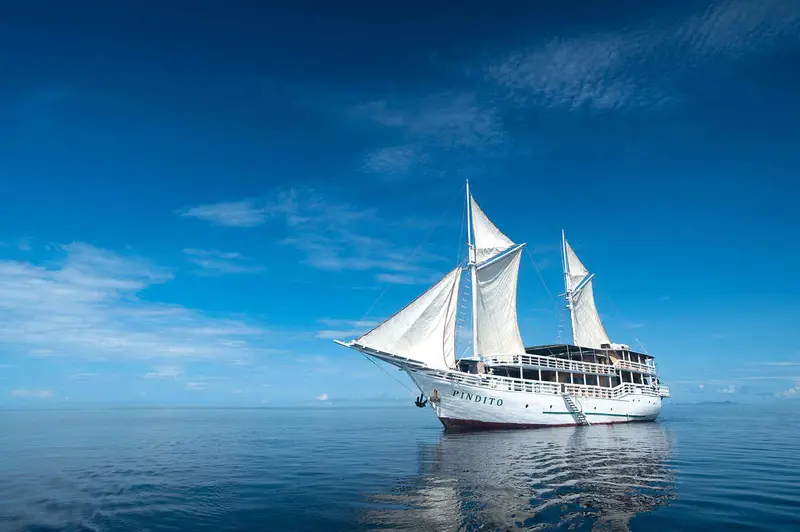
Pindito
Indonesia
16 guests38 m
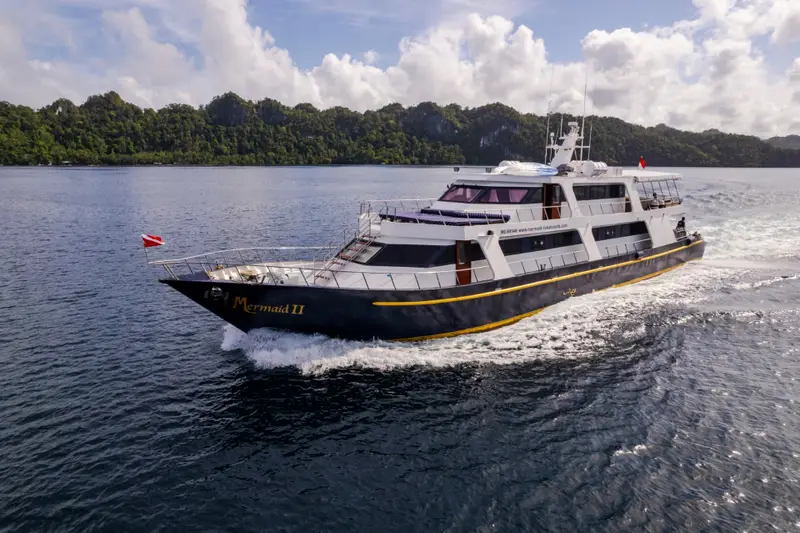
Mermaid II
Komodo, Indonesia
18 guests
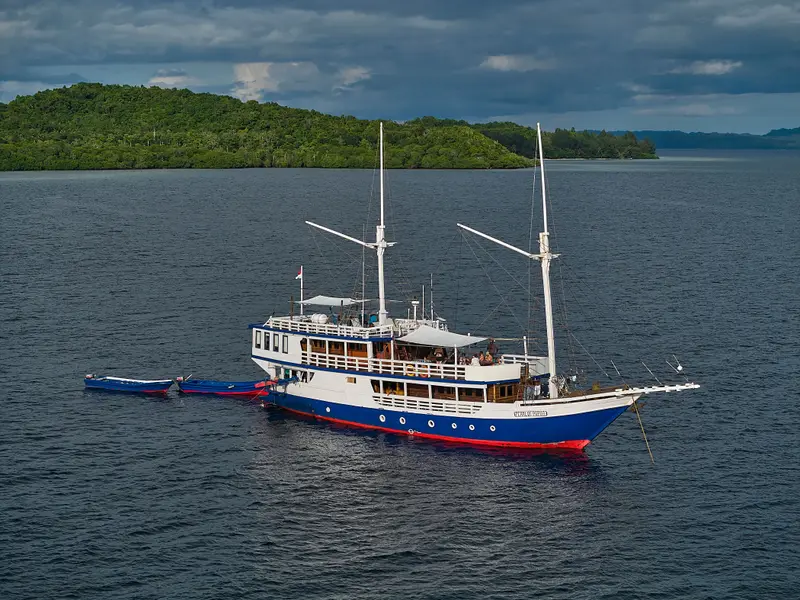
Pearl of Papua
Raja Ampat, Indonesia
14 guests30 m
Dive sites similar to Yeben Shallows
Same character, same waters, six more sites divers love for the exact same reasons.Compare seasons, access and liveaboard routes, then pick the site that fits your trip best.
Abila is a notable dive site located within the Alor Islands Marine Park, an area celebrated for its rich marine biodiversity due to its position in the Coral Triangle.
- Suitable for
- Beginner
- Current
- Mild
- Access
- Liveaboard only
- Depth
- —
- Theme
- Reef
© EsriMaxar, Earthstar, GIS
Adonara Channel
Alor
Adonara Channel stands as one of Alor's most iconic dive sites, celebrated for its dynamic currents and exceptionally rich biodiversity.
- Suitable for
- Advanced
- Current
- Strong
- Access
- Liveaboard or dayboat
- Depth
- 10–40 m
- Theme
- Drift / Wall
© EsriMaxar, Earthstar, GIS
Adonara Wall
Indonesia
Adonara is an Indonesian island dive site, renowned for its vibrant underwater topography characterized by submerged seamounts.
- Suitable for
- Intermediate
- Current
- Strong
- Access
- Liveaboard or dayboat
- Depth
- 5–35 m
- Theme
- Seamount / Wall
© EsriMaxar, Earthstar, GIS
Agnay Fish Sanctuary
Philippines
Agnay Fish Sanctuary is nestled in a sheltered bay near the village of Agnay in Romblon, a province celebrated for its rich marine biodiversity.
- Suitable for
- Beginner
- Current
- Mild
- Access
- Dayboat
- Depth
- 9–18 m
- Theme
- Reef
© EsriMaxar, Earthstar, GIS
Ai Island Reef
Banda Sea
Ai Island Reef, nestled within the Banda Sea, offers a remarkable diving experience characterized by its rich marine biodiversity and varied underwater topography.
- Suitable for
- Beginner
- Current
- Strong
- Access
- Liveaboard only
- Depth
- 3–30 m
- Theme
- Reef / Seamount
© EsriMaxar, Earthstar, GIS
Akitsushima
Philippines
The Akitsushima is a distinguished World War II Japanese seaplane tender, sunk in September 1944 during an American air raid in Coron Bay, Palawan.
- Suitable for
- Advanced
- Current
- Strong
- Access
- Dayboat
- Depth
- 22–38 m
- Theme
- Wreck