About Channel Maratua
Channel Maratua, also known as Big Fish Country, is a premier dive site located off Maratua Island within the Derawan Archipelago, East Kalimantan. This channel acts as a tidal passage, where strong currents flood into and drain out of the Maratua atoll lagoon, making it a dynamic environment for large marine life. The site is characterized by significant water movement, which attracts schooling barracuda, jacks, and various shark species, creating a thrilling pelagic encounter. Diving here primarily involves drift dives along the channel, with depths typically explored between 5 and 30 meters, though the site extends deeper. The topography features a reef edge and drop-offs where divers can observe schools of fish gathering. Visibility generally ranges from 10 to 25 meters or more, though plankton blooms can temporarily reduce clarity, sometimes enhancing opportunities for manta ray sightings. While challenging due to its currents, the site is accessible from nearby resorts, with Sienna Resort being just five minutes away. Divers often employ reef hooks to hold position and watch the abundant marine action before drifting along with the current. It is a signature site that defines the Derawan Archipelago's reputation for exciting, current-driven diving.
Highlights
Powerful tidal driftSchooling barracuda and jacksAbundant reef sharksProximity to Maratua IslandAdvanced drift diving experiencePelagic encounters
Season calendar
Best months to dive here
Jan
Feb
Mar
Apr
May
Jun
Jul
Aug
Sep
Oct
Nov
Dec
Good
Dive site facts: Channel Maratua
- Depth
- 5–40 m
- Typical dive
- 5–30 m, 50–60 min
- Current
- Strong to very strong, tide-dependent
- Visibility
- 10–25 m+
- Water temperature
- 26–30°C
- Entry
- Boat / negative entry
- Level
- Advanced, current experience
- Dive type
- Drift, wall, pelagic
- Night dive
- Possible
- Region / port
- East Kalimantan, Borneo
- Coordinates
- 4.5765° S, 123.8836° E
Conditions & Currents
Channel Maratua is defined by its powerful and highly variable currents, which can range from strong to very strong, making it a challenging dive. The currents are tide-dependent, dictated by the ebb and flow of water into and out of the Maratua atoll lagoon. Divers must plan their entry and exit meticulously, often with negative entries to quickly reach the desired depth and avoid being swept away. Divers should be proficient in drift diving techniques and comfortable using reef hooks to maintain position against the strong flow, particularly when observing schooling pelagics like barracuda and jacks. Surface marker buoys and whistles are essential safety equipment. Visibility typically ranges from 10 to 25 meters, but can fluctuate with plankton blooms, which, ironically, can sometimes attract more large marine life. Water temperatures are consistently warm, between 26-30°C, though the
Marine life & sighting chances
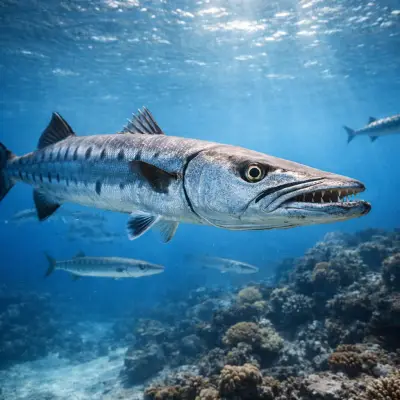
Barracuda
March to December · common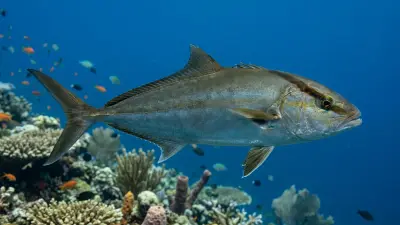
Jack
March to December · common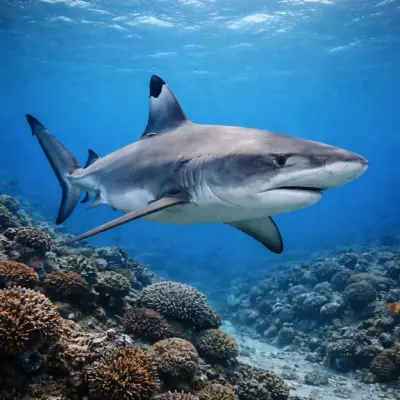
Reef shark
March to December · common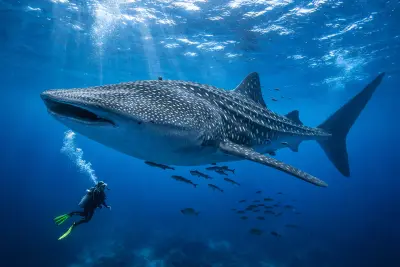
Whale shark
March to June and September to December · occasional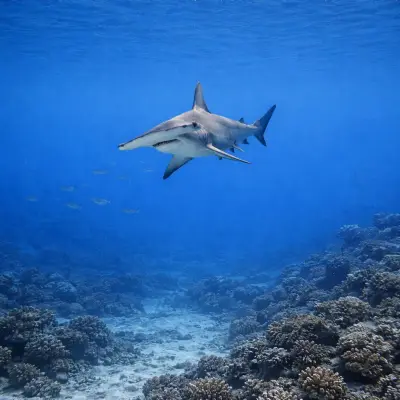
Hammerhead shark
occasional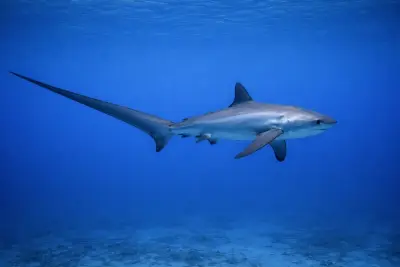
Thresher shark
occasional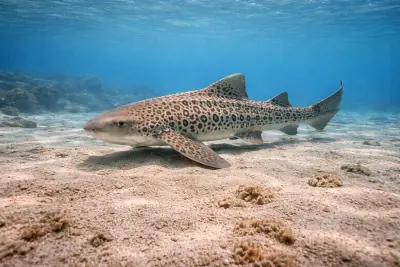
Leopard shark
March to December · occasional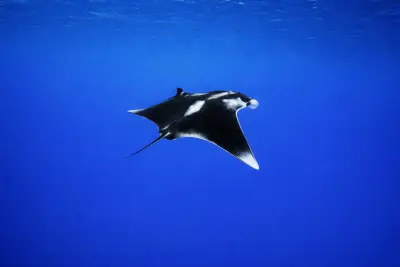
Oceanic manta ray
March to December · common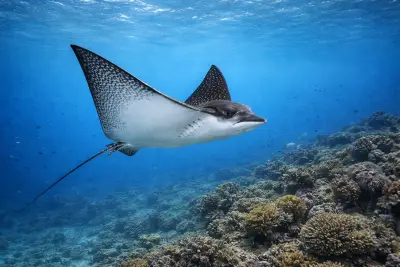
Eagle ray
occasional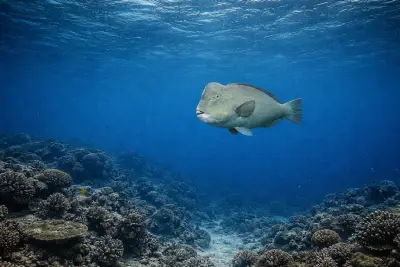
Bumphead parrotfish
March to December · common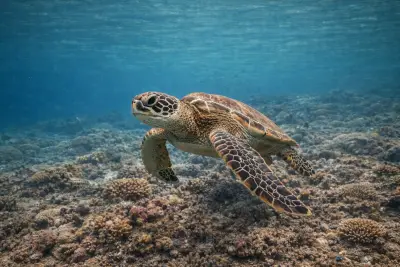
Green sea turtle
March to December · commonDive profile & how the dive runs
Diving Channel Maratua is a scheduled activity, heavily reliant on tidal tables to ensure optimal conditions. Typically, the dive begins with a boat entry, often a negative entry due to the strong currents. Divers quickly descend to depths around 30 meters along the reef edge or channel entrance. The main objective is to position oneself to observe schooling barracuda and jacks that gather in the strong flow, often utilizing reef hooks to hold stable positions against the current. This allows for prolonged observation of the pelagic action without expending excessive energy. The dive usually progresses as a drift, following the channel’s natural flow. Safety stops are conducted during the final drift phase, often at 5 meters for 3 minutes, before a surface marker buoy is deployed for boat pick-up, potentially a distance from the initial entry point due to the drift.
Underwater photography
Channel Maratua is ideal for wide-angle photography, focusing on the impressive schools of barracuda, jacks, and various shark species attracted by the strong currents. A fisheye or wide-angle rectilinear lens will capture the scale of these pelagic aggregations and the expansive blue water environment. External strobes are beneficial for adding color and definition, especially when shooting into the blue. Due to the powerful currents, excellent buoyancy control is paramount to maintain position and avoid stirring up sediment, which can reduce visibility for subsequent shots. Be mindful of ethical behavior around large animals, avoiding disruptive movements or close approaches. Patience is key, as the action can unfold quickly; be ready to capture dynamic feeding or schooling behaviors.
Combine with nearby dive sites
- Turtle Traffic
A wall dive off Maratua known for abundant green sea turtles.
- Big Fish Country
Another name for Channel Maratua itself, highlighting its pelagic focus.
- Kakaban Jellyfish Lake
A unique brackish lake on Kakaban Island with stingless jellyfish, primarily for snorkeling.
- Derawan Islands
The broader archipelago encompassing Channel Maratua and other sites.
- Sangalaki
Known for manta ray cleaning stations and turtle nesting.
Getting there & logistics
Access to Channel Maratua typically begins with arrival at Kalimarau Airport (BEJ) in Berau, East Kalimantan. From there, transfers are arranged, usually involving a combination of car and speedboat, to reach Maratua Island or nearby logistical hubs like Derawan Island. Liveaboards frequently include Maratua in their itineraries, offering comprehensive access to remote sites. Resorts, such as Sienna Resort, are located just five minutes from Channel Maratua, providing convenient day boat access. Dive trips to the Derawan Archipelago often range from 3-day/2-night to 4-day/3-night packages, running from April to November. Permits or park fees are generally included in liveaboard or resort packages. Combining this site with others like Sangalaki and Kakaban is standard for a full Derawan diving experience.
Safety & environment
Diving Channel Maratua requires a high level of dive experience and adherence to stringent safety protocols due to the very strong and unpredictable currents. All divers should be Advanced certified and proficient in drift diving, current management, and emergency procedures. Essential safety equipment includes a surface marker buoy (SMB), a whistle, and ideally a reef hook. Maintaining excellent buoyancy control and conservative no-decompression limits is crucial. In the event of an emergency, the nearest recompression chamber would likely be in a larger city like Balikpapan or Makassar, implying a significant evacuation time that underscores the importance of prevention. Dive insurance covering medical emergencies and evacuation is strongly recommended. Always follow your guide's instructions precisely, as site conditions can change rapidly based on tides.
Who it suits — and who it doesn't
Suited for
- Advanced divers comfortable with strong currents
- Experienced drift divers
- Divers seeking large pelagic encounters
- Underwater photographers focusing on wide-angle action
- Those looking for thrilling, adrenaline-fueled dives
Less suited for
- Beginner divers or those without current experience
- Divers with poor buoyancy control
- Photographers primarily interested in macro subjects
- Individuals prone to seasickness on choppy boat rides
- Divers who prefer calm, relaxed reef diving
FAQ
Channel Maratua FAQ
What kind of marine life can I expect at Channel Maratua?
Channel Maratua is renowned for its large pelagic inhabitants, drawn in by the strong currents. You can expect to see impressive schools of barracuda and jacks, along with various reef sharks. Occasional sightings of whale sharks, hammerhead sharks, and thresher sharks are also possible, making it a hotspot for big fish encounters.
How strong are the currents at Channel Maratua?
The currents at Channel Maratua are typically strong to very strong and are highly dependent on tidal movements. This site is known for its powerful tidal drifts as water floods into and drains from the Maratua atoll lagoon. Divers must be prepared for dynamic conditions and skilled in drift diving techniques.
Is Channel Maratua suitable for all diver levels?
No, Channel Maratua is primarily recommended for advanced divers with significant experience in strong currents and drift diving. The powerful water movement and need for precise buoyancy control make it unsuitable for beginners or those with limited experience in challenging conditions. Open Water divers are advised to gain more experience before attempting this site.
What special equipment should I bring for diving Channel Maratua?
For diving Channel Maratua, it is highly recommended to bring a surface marker buoy (SMB) and a whistle for safety in case of drifting. A reef hook is also a valuable tool to help you maintain position against strong currents without needing to fin constantly, allowing you to observe marine life more comfortably. Good quality dive gear and a reliable computer are also essential.
How is the visibility at Channel Maratua?
Visibility at Channel Maratua generally ranges from 10 to 25 meters or more, offering good clarity for viewing large marine life. However, it can occasionally be reduced by plankton blooms. These blooms, while sometimes impacting visibility, can also attract the large pelagic species that the site is famous for, adding to the excitement.
Why dive Channel Maratua from a liveaboard?
Channel Maratua is one of Indonesia's signature dive sites. A liveaboard sleeps you on the water and puts you in the water for three to four guided dives per day, including dawn and night dives that day-boat operators rarely offer. You skip the daily commute back to port and reach quieter, less-crowded sites in the same region on a single trip.
Below are the liveaboards that include Channel Maratua on their Indonesia itineraries.
Liveaboards diving Channel Maratua
These liveaboards may visit Channel Maratua on selected itineraries — the exact dive sites depend on departure, weather and conditions.
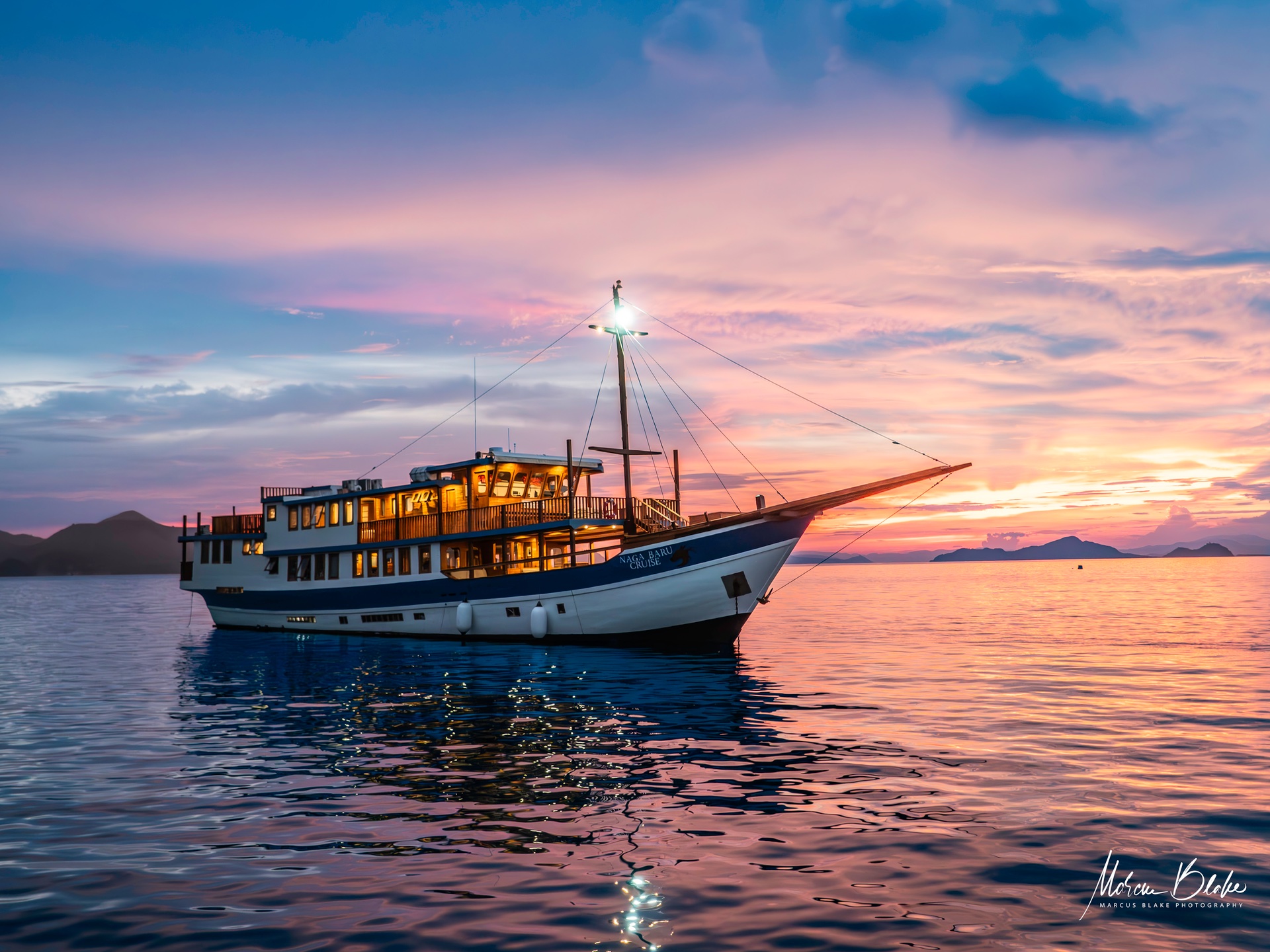
Naga Biru
Indonesia
12 guests40 m
$274/day
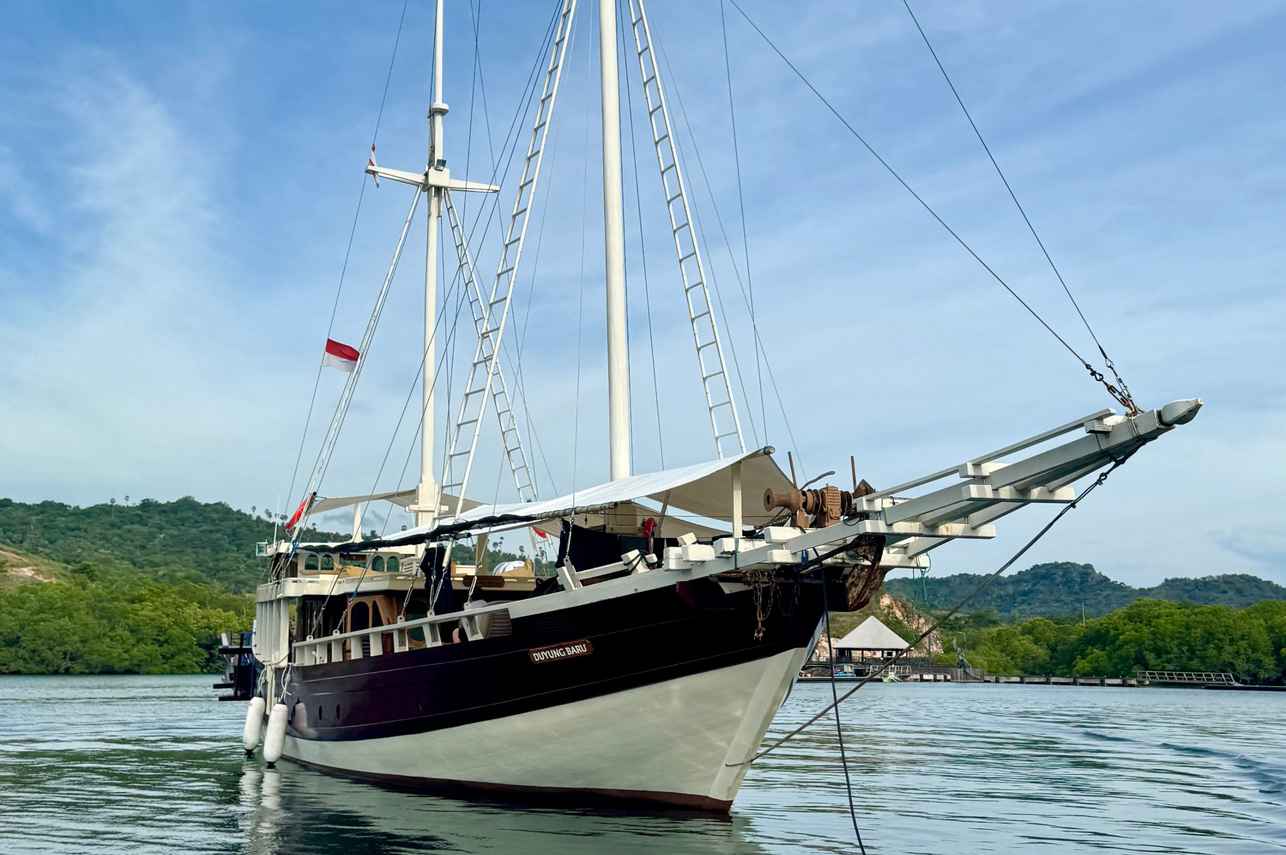
Ecopro Duyung Baru
Indonesia
6 guests27 m
$361/day
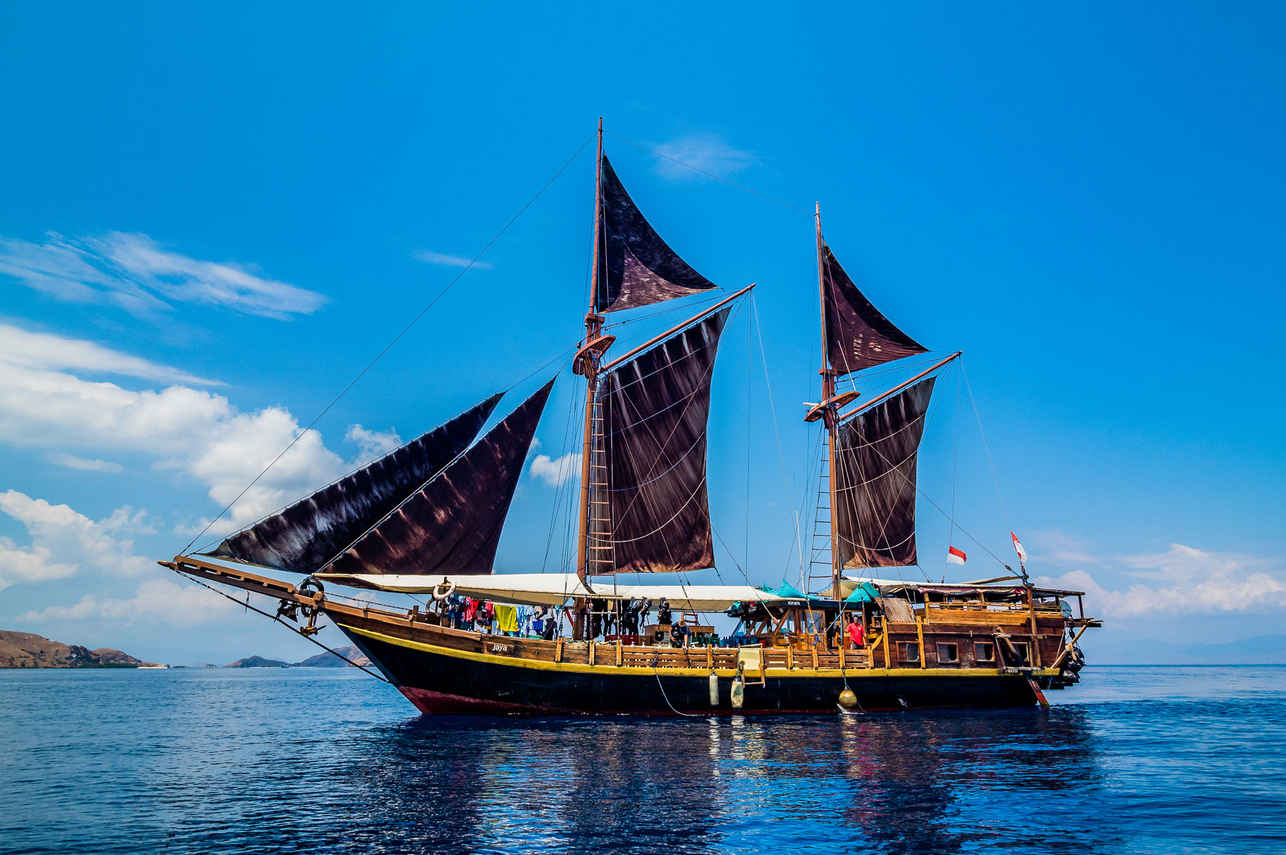
Jaya
Indonesia
14 guests23 m
$280/day
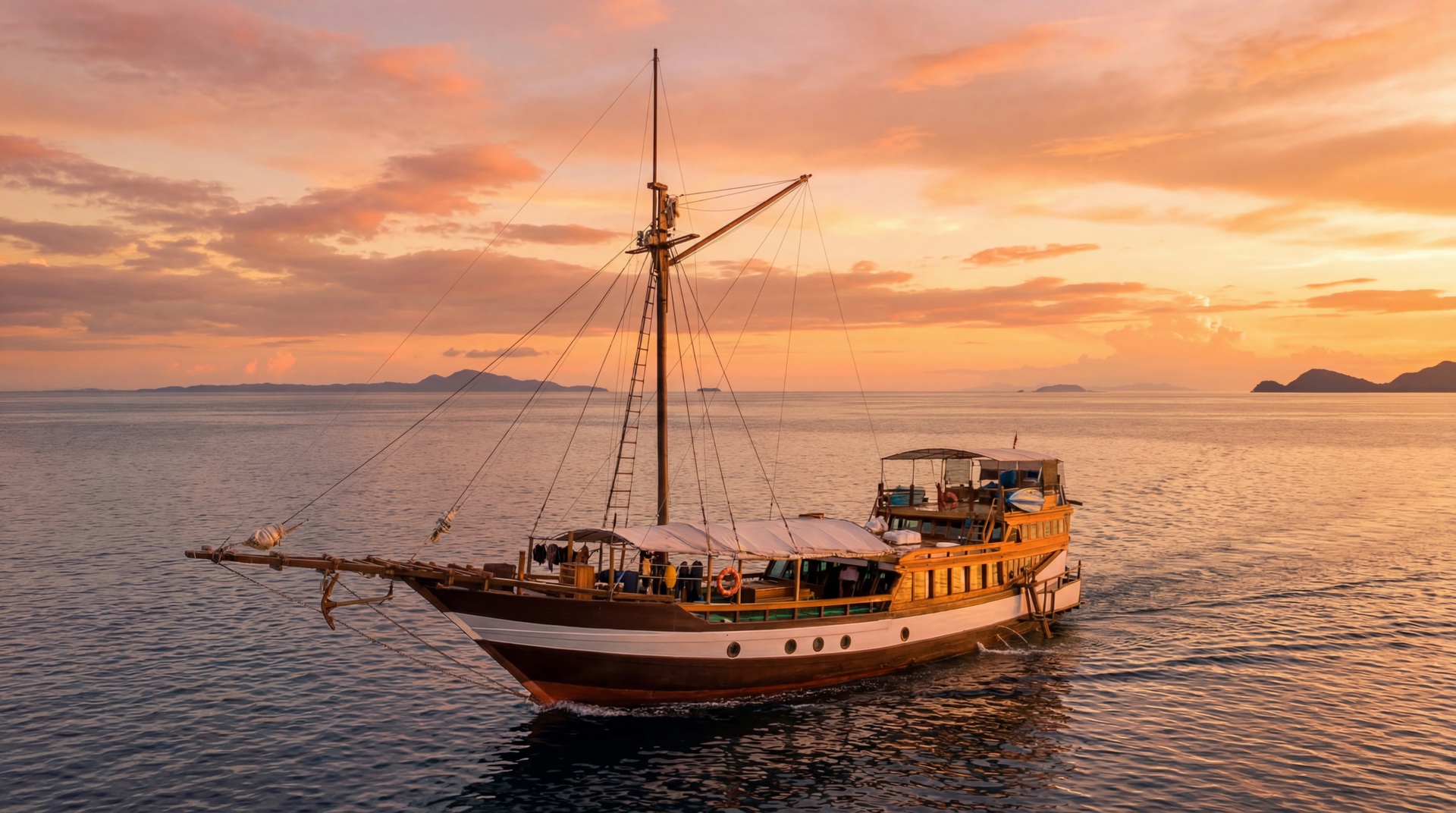
Wellenreng
Indonesia
9 guests25 m
$427/day
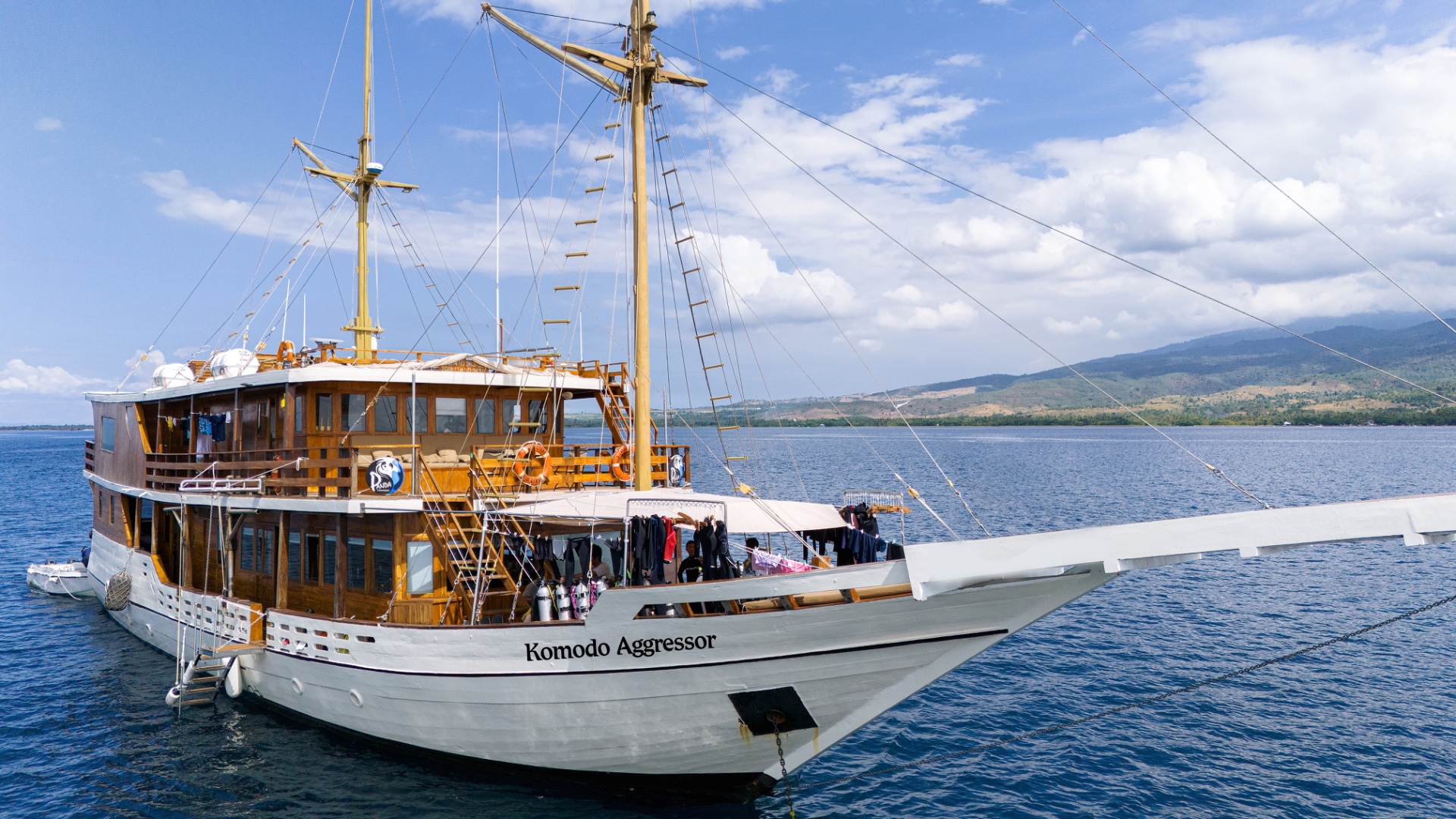
Komodo Aggressor
Komodo, Indonesia
16 guests29 m
$312/day
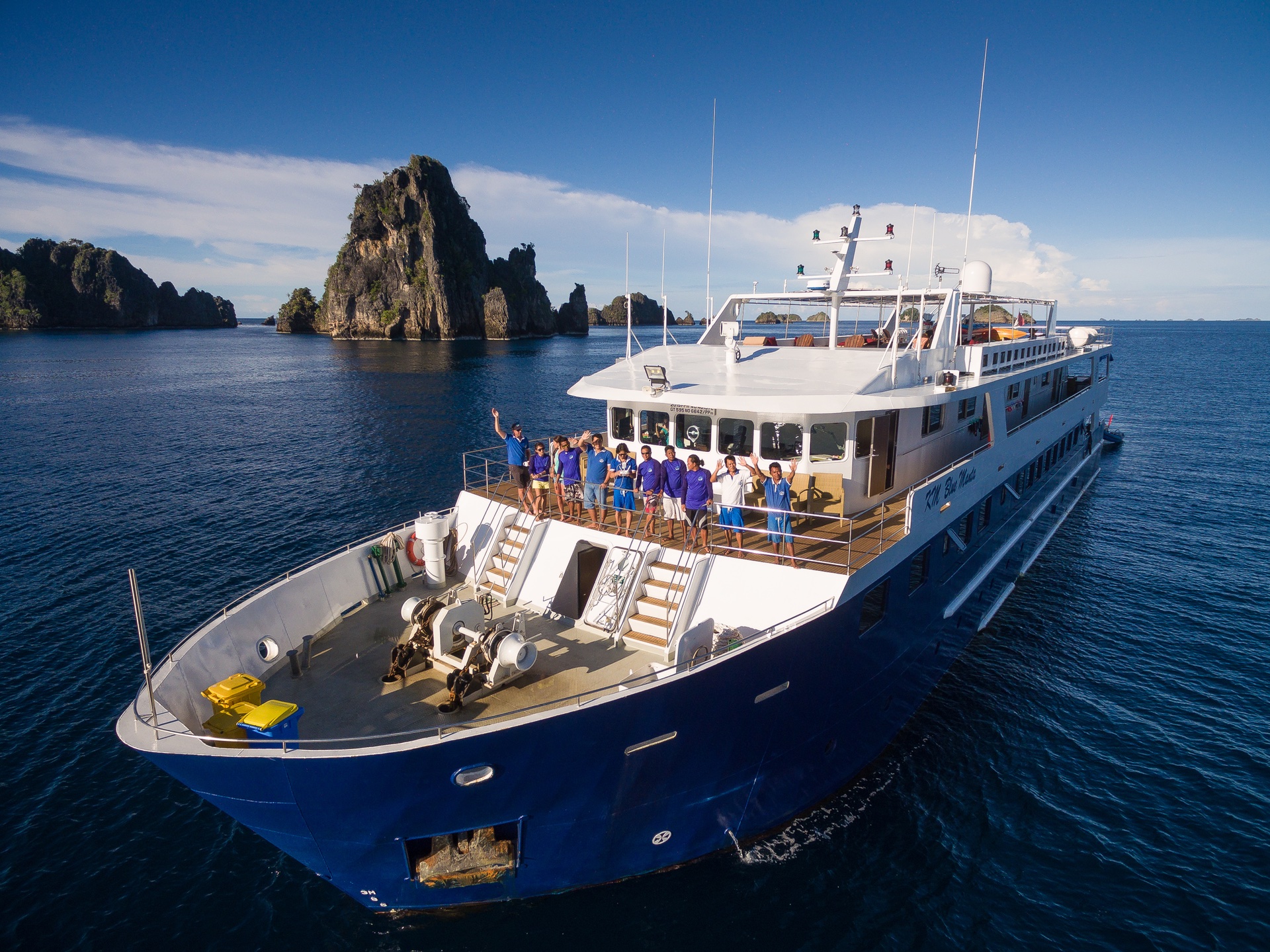
Blue Manta
Indonesia
20 guests45 m
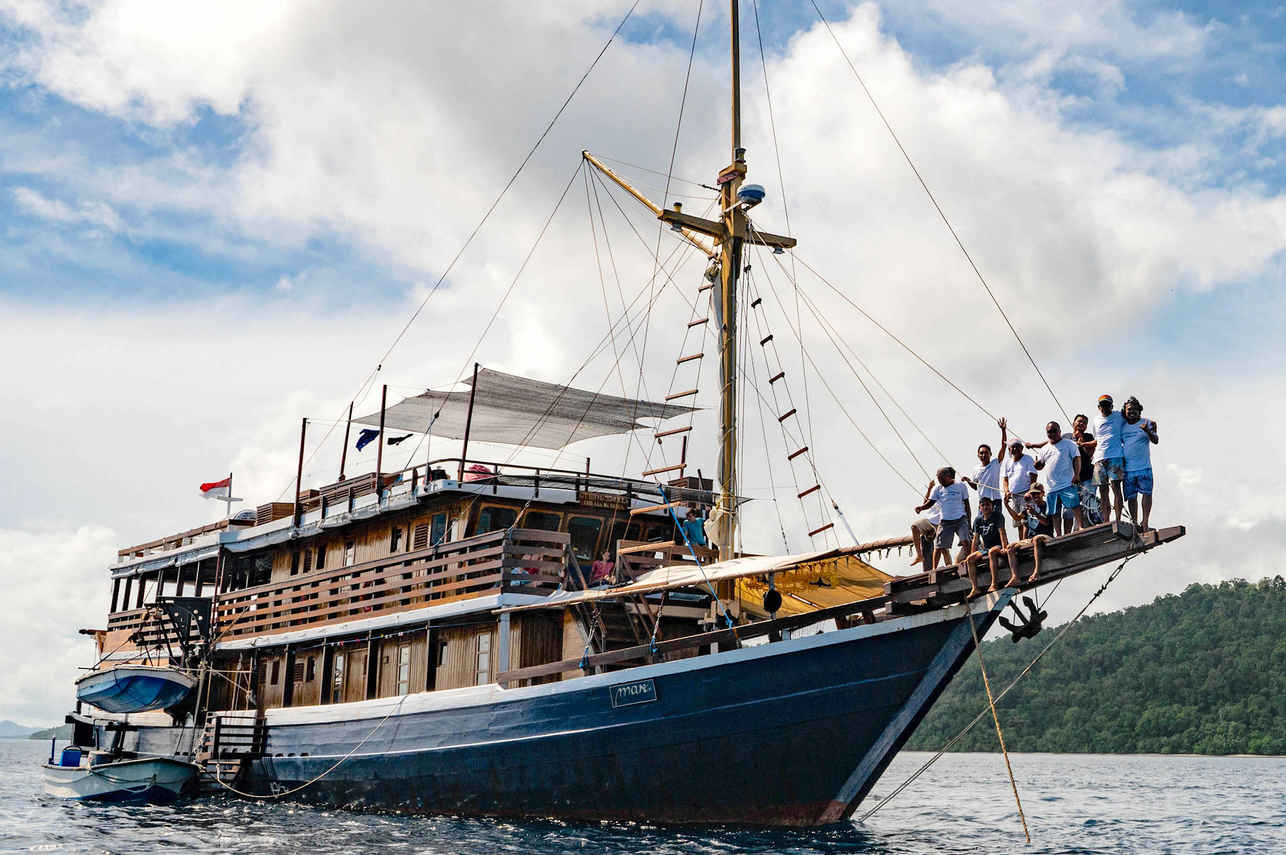
Mari
Indonesia
14 guests32.2 m
$328/day
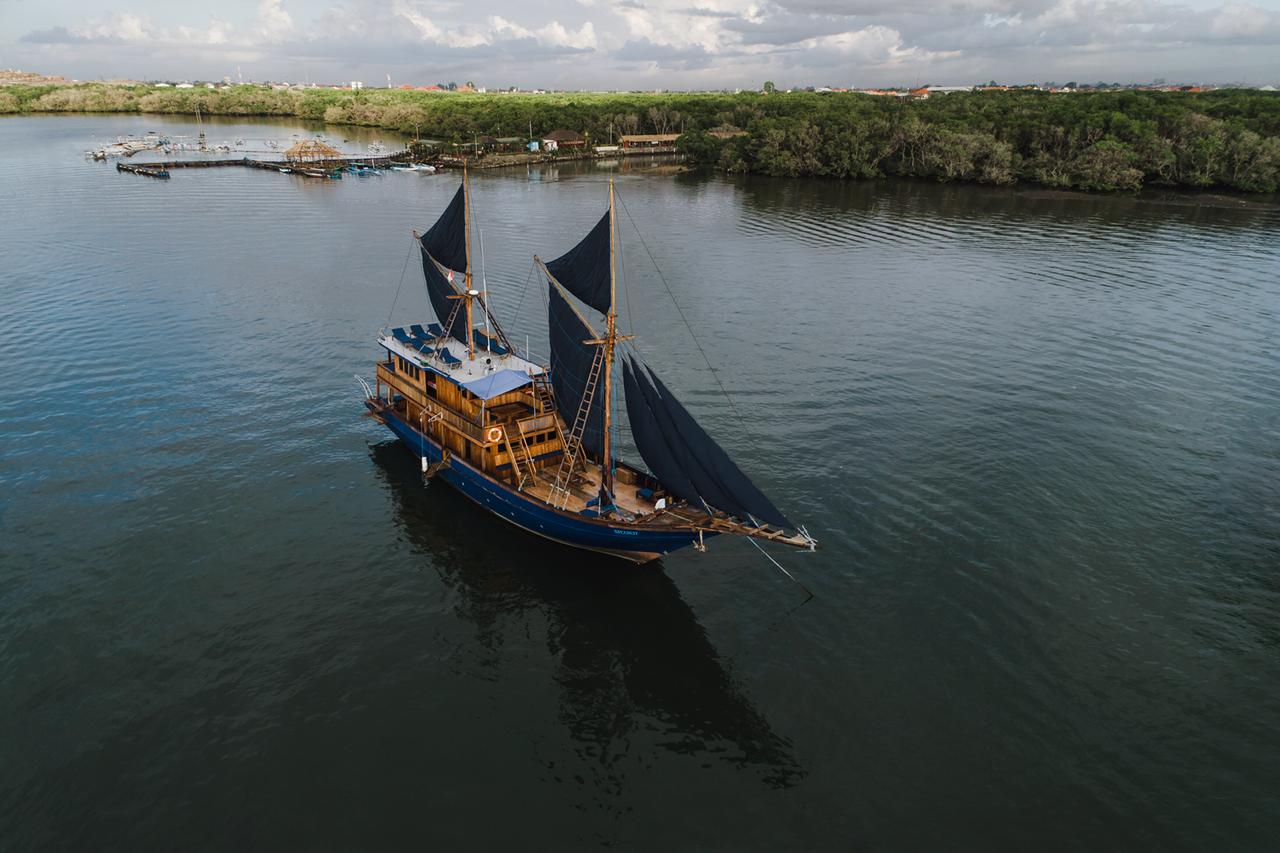
Situju7
Komodo, Indonesia
10 guests32.7 m
$362/day
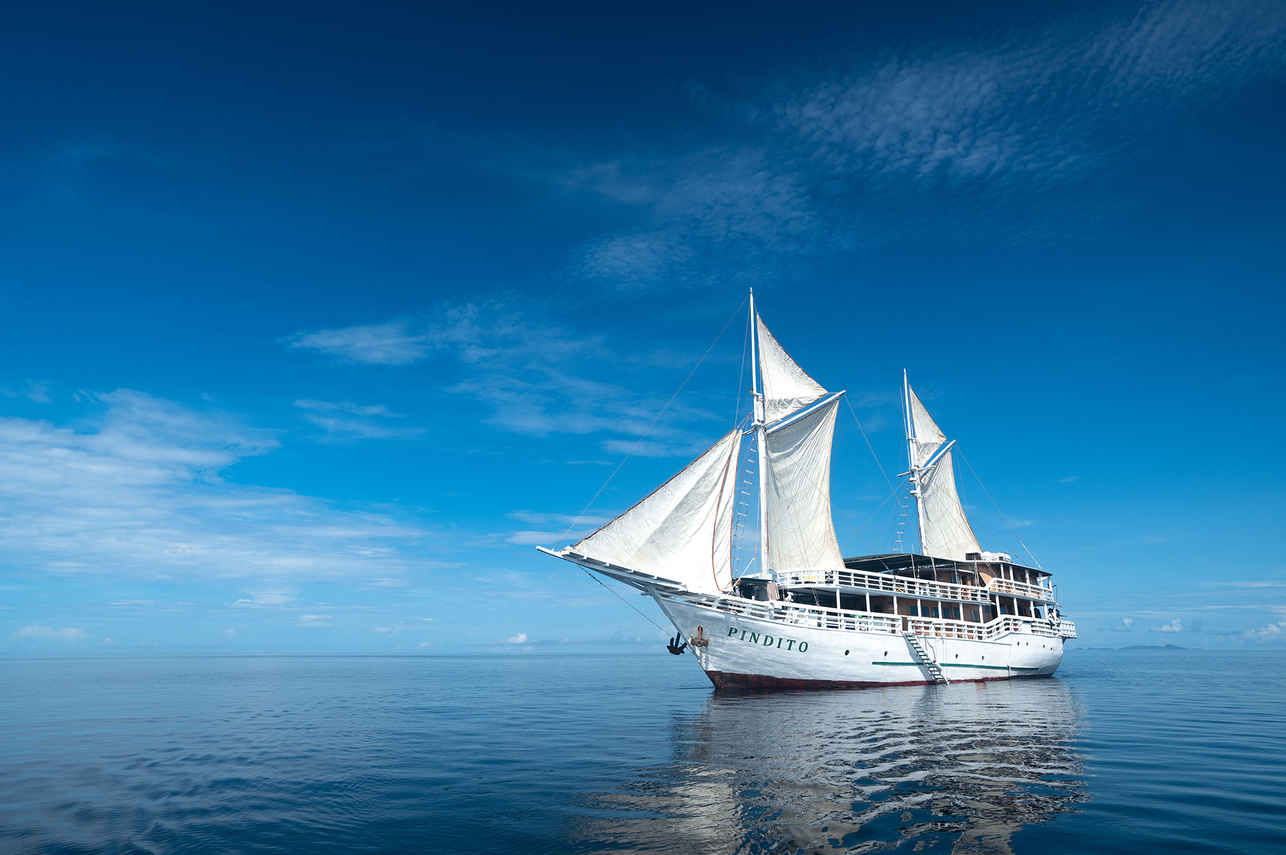
Pindito
Indonesia
16 guests37.79 m
$533/day
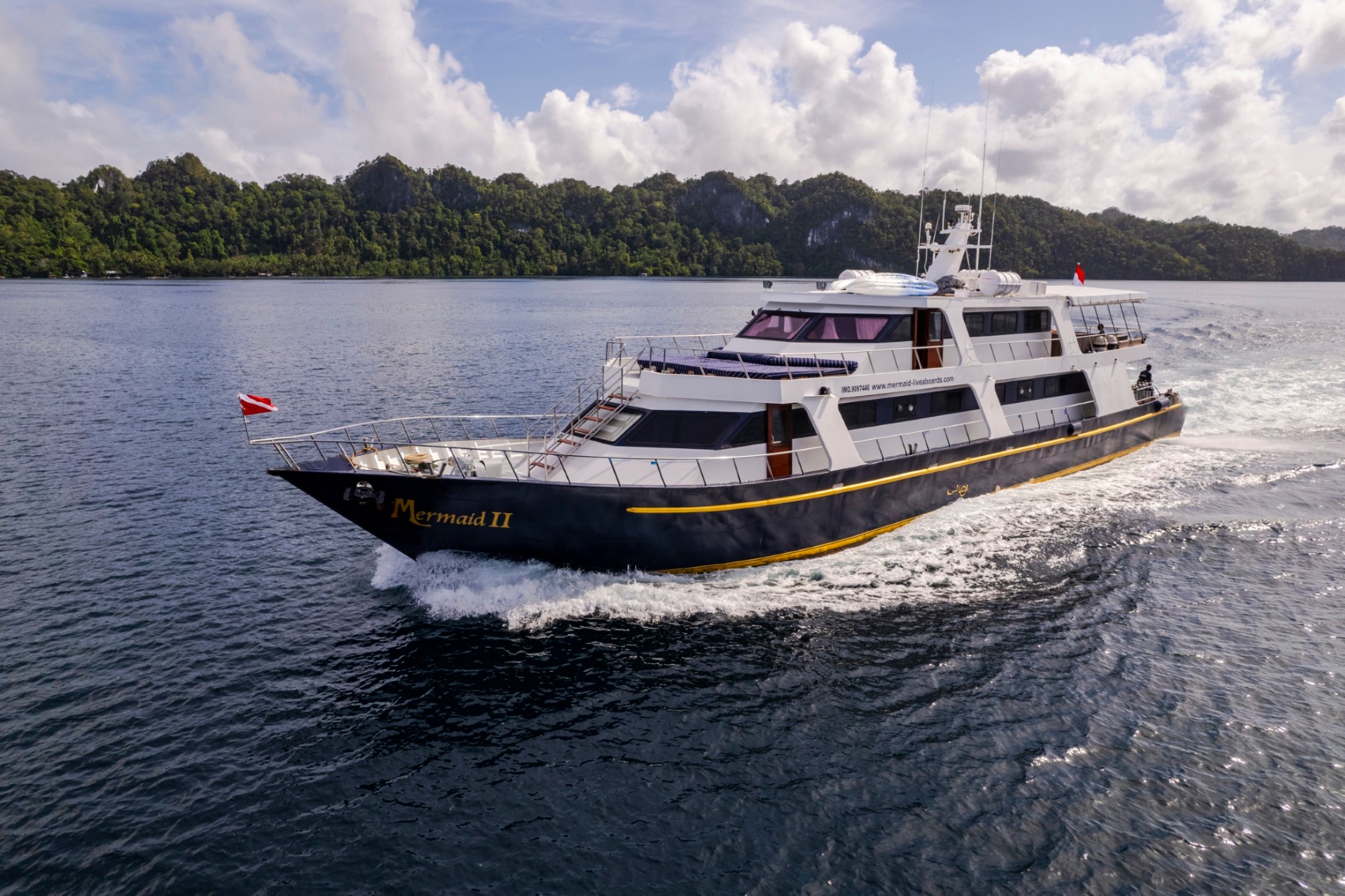
Mermaid II
Komodo, Indonesia
18 guests
$355/day
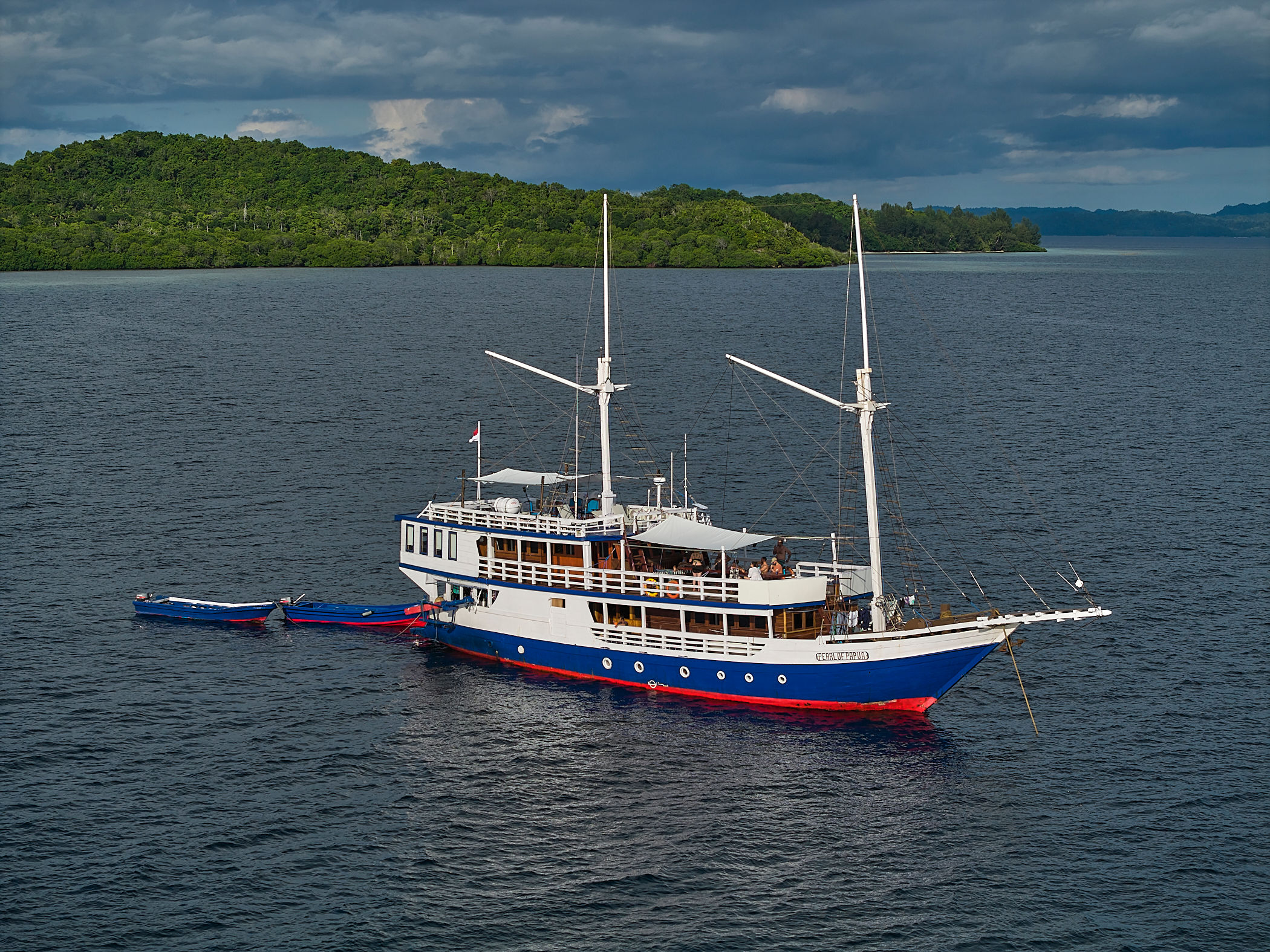
Pearl of Papua
Raja Ampat, Indonesia
14 guests30 m
$303/day
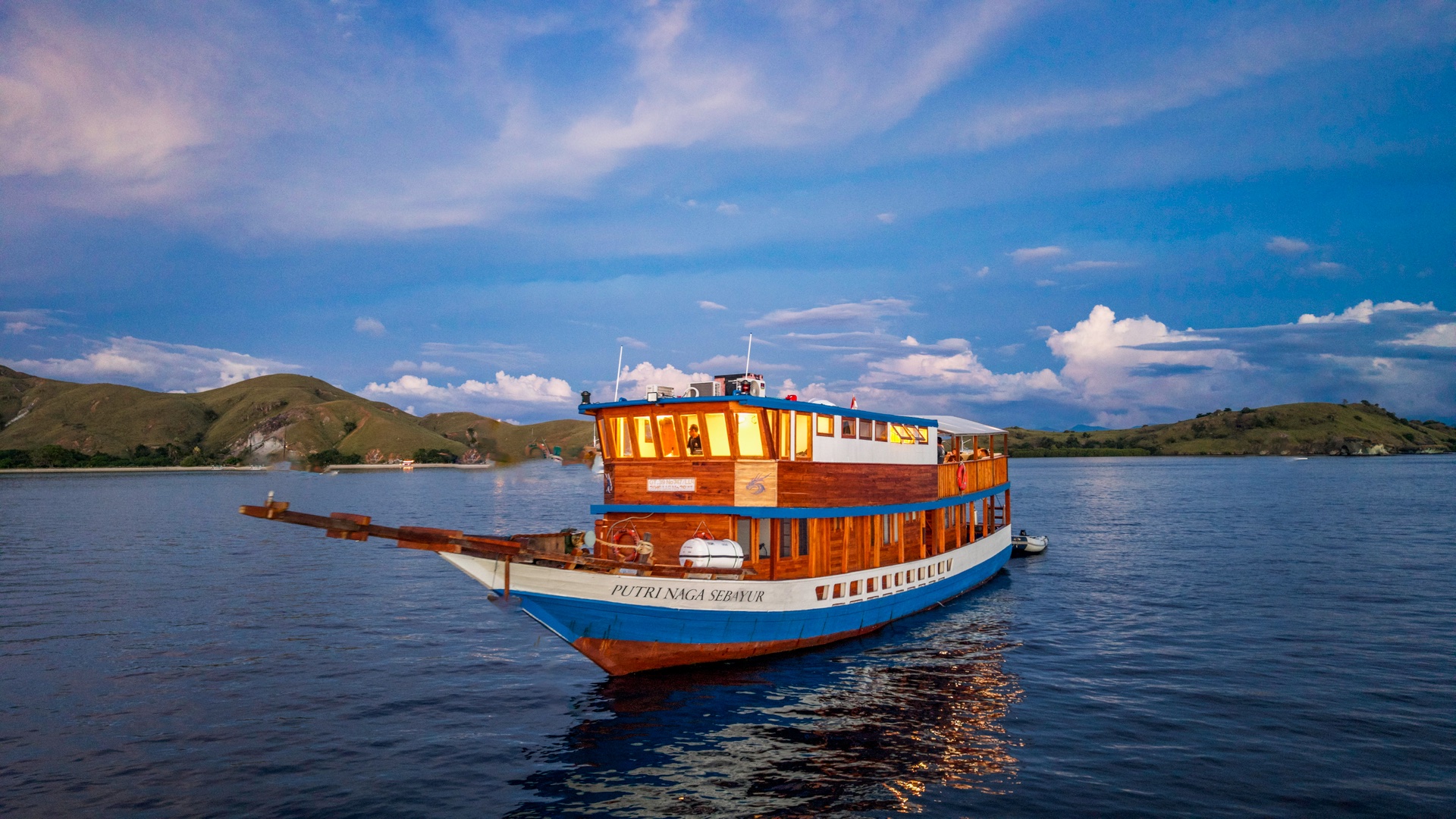
Putri Naga
Komodo, Indonesia
6 guests25 m
Dive sites similar to Channel Maratua
Same character, same waters — six more sites divers love for the exact same reasons.Compare seasons, access and liveaboard routes — then pick the site that fits your trip best.
© Esri — Maxar, Earthstar, GIS
Shark Close
Indonesia
Shark Close is an exhilarating dive site in the Indonesian portion of Borneo, renowned for its strong currents and abundant marine life.
- Suitable for
- Advanced
- Current
- Strong
- Access
- Liveaboard or dayboat
- Depth
- 5–25 m
- Theme
- Channel / Drift
© Esri — Maxar, Earthstar, GIS
Raymond’s Point
Indonesia
Raymond's Point is a distinguished dive site located south of Mike's Point within the Bunaken National Marine Park, renowned for its dramatic vertical wall.
- Suitable for
- Advanced
- Current
- Strong
- Access
- Dayboat
- Depth
- 5–35 m
- Theme
- Reef / Wall
© Esri — Maxar, Earthstar, GIS
Manado Tua
Indonesia
Manado Tua, or 'Old Manado,' is one of five islands that form the Bunaken Marine Park, a celebrated marine protected area in North Sulawesi, Indonesia.
- Suitable for
- Intermediate
- Current
- Moderate
- Access
- Dayboat
- Depth
- 5–80 m
- Theme
- Wall / Drift
© Esri — Maxar, Earthstar, GIS
Kakaban Jellyfish Lake
Indonesia
Kakaban Jellyfish Lake is a unique marine lake located on Kakaban Island, part of the Derawan Archipelago in East Kalimantan, Indonesia.
- Suitable for
- Advanced
- Current
- Strong
- Access
- Dayboat
- Depth
- 5–30 m
- Theme
- Wall / Drift
© Esri — Maxar, Earthstar, GIS
Melissa Garden
Indonesia
Melissa Garden stands out as one of Raja Ampat's most spectacular dive sites, celebrated for its expansive and pristine coral gardens.
- Suitable for
- Intermediate
- Current
- Moderate
- Access
- Liveaboard only
- Depth
- 5–25 m
- Theme
- Reef / Drift
© Esri — Maxar, Earthstar, GIS
Turtle Traffic
Indonesia
Turtle Traffic is a prominent reef dive site located off Maratua Island in Indonesia, celebrated for its high density of sea turtles.
- Suitable for
- Intermediate
- Current
- Moderate
- Access
- Dayboat
- Depth
- 5–18 m
- Theme
- Reef / Drift