About Kakaban Jellyfish Lake
Kakaban Jellyfish Lake is a unique marine lake located on Kakaban Island, part of the Derawan Archipelago in East Kalimantan, Indonesia. This island, an uplifted coral atoll, features a large brackish lake, approximately 5 hectares in size and up to 17 meters deep, that has been isolated from the open ocean for over 11,000 years. The lake's isolation has led to a remarkable evolutionary adaptation where its resident jellyfish have lost their sting, creating a safe and surreal swimming experience. The lake's waters are brackish, formed by a mix of trapped seawater, rainfall, and groundwater, and tend to be slightly warmer and murkier than the surrounding ocean. Four species of jellyfish, including the moon jellyfish, box jellyfish, spotted jellyfish, and upside-down jellyfish, thrive here, alongside sponges, sea cucumbers, gobies, and sea grasses, all bordered by lush mangrove trees. While the primary attraction is the lake, the waters surrounding Kakaban Island offer world-class diving with untouched coral structures, steep walls descending hundreds of meters, and diverse marine life. Divers can expect encounters with pelagic species like various sharks, including white-tips, black-tips, grey reefs, threshers, leopard sharks, whale sharks, and hammerheads, as well as eagle, devil, and manta rays. The overall experience combines a unique natural wonder with exhilarating open-water diving. Visitors typically access the lake during a surface interval between dives, enjoying a short walk through the jungle to reach the lake's jetty. While swimming with jellyfish is currently restricted, the island's marine environment continues to offer exceptional underwater exploration.
Highlights
Stingless jellyfish lakeUplifted coral atollFour unique jellyfish speciesBrackish water ecosystemMangrove-lined lakeBarracuda and jackfish schoolsDiverse shark encountersSteep walls and drift dives
Season calendar
Best months to dive here
Jan
Feb
Mar
Apr
May
Jun
Jul
Aug
Sep
Oct
Nov
Dec
Excellent
Good
Apr – Nov (Apr–Nov)
The dry season brings calm seas, 25–30m+ visibility, and strong currents that attract mantas, sharks, and pelagics to Komodo. Alor offers pristine reef diving with 20–40m visibility. Bali's Nusa Penida delivers Mola Mola encounters from July to October. Water temperatures range from 24–28°C — a 3mm or 5mm wetsuit is recommended.
Dec – Mar (Oct–Apr)
Raja Ampat peaks during the wet season with calmer seas, plankton-rich waters attracting manta rays, and excellent biodiversity. Water is a warm 28–30°C with 15–25m visibility. The Banda Sea opens its rare expedition window from September to December, with hammerhead sharks and pristine seamounts. Lembeh Strait offers world-class muck diving year-round. A 3mm wetsuit is sufficient.
Dive site facts: Kakaban Jellyfish Lake
- Depth
- 10-30 m (lake up to 17m)
- Current
- Strong (open ocean), None (lake)
- Visibility
- 10-30 m (open ocean)
- Water temperature
- 27-30°C
- Entry
- Boat (ocean) / Steps from jetty (lake)
- Level
- Advanced recommended
- Dive type
- Wall, drift, pelagic, unique lake
- Region / port
- Derawan Archipelago, East Kalimantan
- Coordinates
- 4.7065° S, 123.7776° E
Conditions & Currents
The open-water dive sites around Kakaban Island are known for strong currents, particularly at sites like Barracuda Point or Meditation Wall. These currents attract large pelagic species, making for exciting drift dives where divers passively observe the wall and schooling fish. Divers should be experienced with current diving, and reef hooks, SMBs, and whistles are recommended. The lake itself is a calm, protected environment, but currents are a defining feature of the surrounding marine dives, influencing dive profiles and requiring careful planning by guides based on daily conditions and diver certification levels. Visibility in the open ocean can range from 10 to 30 meters, while the lake water is murkier and green.
Marine life & sighting chances

Moon jellyfish
commonBox jellyfish
occasionalSpotted jellyfish
commonUpside-down jellyfish
common
Sponges
common
Sea cucumbers
common
Gobies
common
White-tip reef shark
occasional
Black-tip reef shark
occasional
Grey reef shark
occasional
Thresher shark
occasional
Hammerhead shark
occasional
Leopard shark
occasional
Barracuda schools
commonDive profile & how the dive runs
Diving at Kakaban typically involves boat entry to steep wall dives or drift dives, such as Meditation Wall. Divers descend along the wall, often letting the current carry them past schools of barracuda, jackfish, and various shark species. Depths can reach up to 30 meters, adhering to no-decompression limits for recreational diving. Macro sites like Kakabanana allow for slower, more detailed exploration of critters like pygmy seahorses and nudibranchs. The lake itself is accessed from a jetty with steps, offering easy entry for snorkeling or swimming (when permitted) at depths up to 17 meters. Safety stops are conducted as standard at 5 meters for 3 minutes in the open ocean.
Underwater photography
For capturing the unique stingless jellyfish in the lake, a wide-angle lens is ideal to convey the vastness of the jellyfish population. Due to the brackish, murkier water, natural light photography often works best, especially close to the surface. Avoid using fins in the lake to prevent stirring up the sandy bottom. For the open-ocean dives around Kakaban, both wide-angle lenses are suitable for pelagic encounters with sharks, barracuda schools, and expansive walls. Macro lenses are excellent for specific sites like Kakabanana, targeting pygmy seahorses, frogfish, and nudibranchs. Strong currents require good buoyancy control to maintain position and capture sharp images.
Combine with nearby dive sites
- Sangalaki
Known for manta rays at Manta Point and turtle hatching.
- Maratua
Features Big Fish Country with schooling barracuda and sharks, and Turtle Traffic with abundant green sea turtles.
- Derawan Islands
Main logistics hub with house reef diving for macro life and easy access.
Getting there & logistics
Access to Kakaban Island typically involves flying into Kalimarau Airport (BEJ) in Berau, East Kalimantan. From there, transfers by speedboat take visitors to the Derawan Archipelago, with Kakaban being about an hour's ride from Derawan Island, which serves as a common logistical base. Diving packages, often 3D2N or 4D3N, are available from local operators. While liveaboards visit the region, many resorts operate from Derawan or Maratua, with day trips to Kakaban. A small entry fee (approx. 100,000 IDR for non-Indonesians) may apply to access the lake area.
Safety & environment
The nearest recompression chamber is approximately 500 km away from the Derawan Archipelago, necessitating robust dive insurance with adequate coverage for remote evacuations. Site-specific hazards for ocean dives around Kakaban include strong currents, which require advanced diving skills, proper equipment such as reef hooks and surface marker buoys, and adherence to guide instructions. In the lake, the primary safety protocol involves avoiding fins to protect the delicate ecosystem and prevent disturbing the sediment. While swimming in the lake has historically been a major draw, recent closures for ecological recovery mean visitors must check current regulations regarding lake access. Always follow environmental protocols, including no touching of marine life and no sunscreen in the lake.
Who it suits — and who it doesn't
Suited for
- Advanced Open Water divers (due to strong currents)
- Divers seeking pelagic encounters (sharks, large schools)
- Macro photographers (at specific sites)
- Those interested in unique natural phenomena (jellyfish lake)
- Divers with experience in drift diving
Less suited for
- Beginner Open Water divers (especially for current dives)
- Divers without good buoyancy control (for cave/cavern exploration)
- Divers who prefer calm, current-free environments
- Those expecting guaranteed manta ray sightings daily
- Divers unwilling to adhere to strict environmental protocols
FAQ
Kakaban Jellyfish Lake FAQ
Can I swim with the stingless jellyfish in Kakaban Lake?
Historically, swimming and snorkeling with the stingless jellyfish was the main attraction. However, as of recent information, swimming in the lake is currently banned by the government while scientists monitor the jellyfish population for recovery. Visitors should check the most current local regulations before planning their trip, as rules can change.
How did the jellyfish in Kakaban Lake lose their sting?
The lake was formed when a coral atoll was uplifted, trapping seawater within its interior over 11,000 years ago. Isolated from predators like sea turtles, the jellyfish no longer needed to defend themselves and gradually evolved to lose their stinging capabilities. This makes the lake a rare and significant evolutionary experiment.
What kind of jellyfish are found in Kakaban Lake?
Kakaban Lake is home to four distinct species of stingless jellyfish. These include the large, transparent moon jellyfish (Aurelia aurita), the tiny box jellyfish (Tripedalia cystophora), the highly abundant spotted jellyfish (Mastigias papua), and the upside-down jellyfish (Cassiopea ornata) which rests on the lakebed.
Is Kakaban Jellyfish Lake the only one of its kind in Indonesia?
While Kakaban is the largest and most famous, Indonesia has a small cluster of these rare marine lakes. For instance, some stingless jellyfish lakes can also be found in Raja Ampat. However, Kakaban is particularly notable for its size and the diversity of its unique, isolated ecosystem.
What is the diving like around Kakaban Island, outside the lake?
The open ocean surrounding Kakaban Island offers world-class diving, known for strong currents and abundant pelagic life. Dive sites feature dramatic walls and drift opportunities where divers can encounter various shark species, large schools of barracuda and jackfish, and occasional rays. There are also macro sites with unique critters like pygmy seahorses and nudibranchs.
What are the environmental rules for visiting Kakaban Lake?
To protect the delicate ecosystem, visitors are typically asked to follow strict rules. These include no finning in the lake to avoid stirring up sediment, and no sunscreen or other chemicals to prevent water contamination. Always adhere to guidelines provided by local authorities and dive operators.
Why dive Kakaban Jellyfish Lake from a liveaboard?
Kakaban Jellyfish Lake is one of Indonesia's signature dive sites. A liveaboard sleeps you on the water and puts you in the water for three to four guided dives per day, including dawn and night dives that day-boat operators rarely offer. You skip the daily commute back to port and reach quieter, less-crowded sites in the same region on a single trip.
Below are the liveaboards that include Kakaban Jellyfish Lake on their Indonesia itineraries.
Liveaboards diving Kakaban Jellyfish Lake
These liveaboards may visit Kakaban Jellyfish Lake on selected itineraries — the exact dive sites depend on departure, weather and conditions.
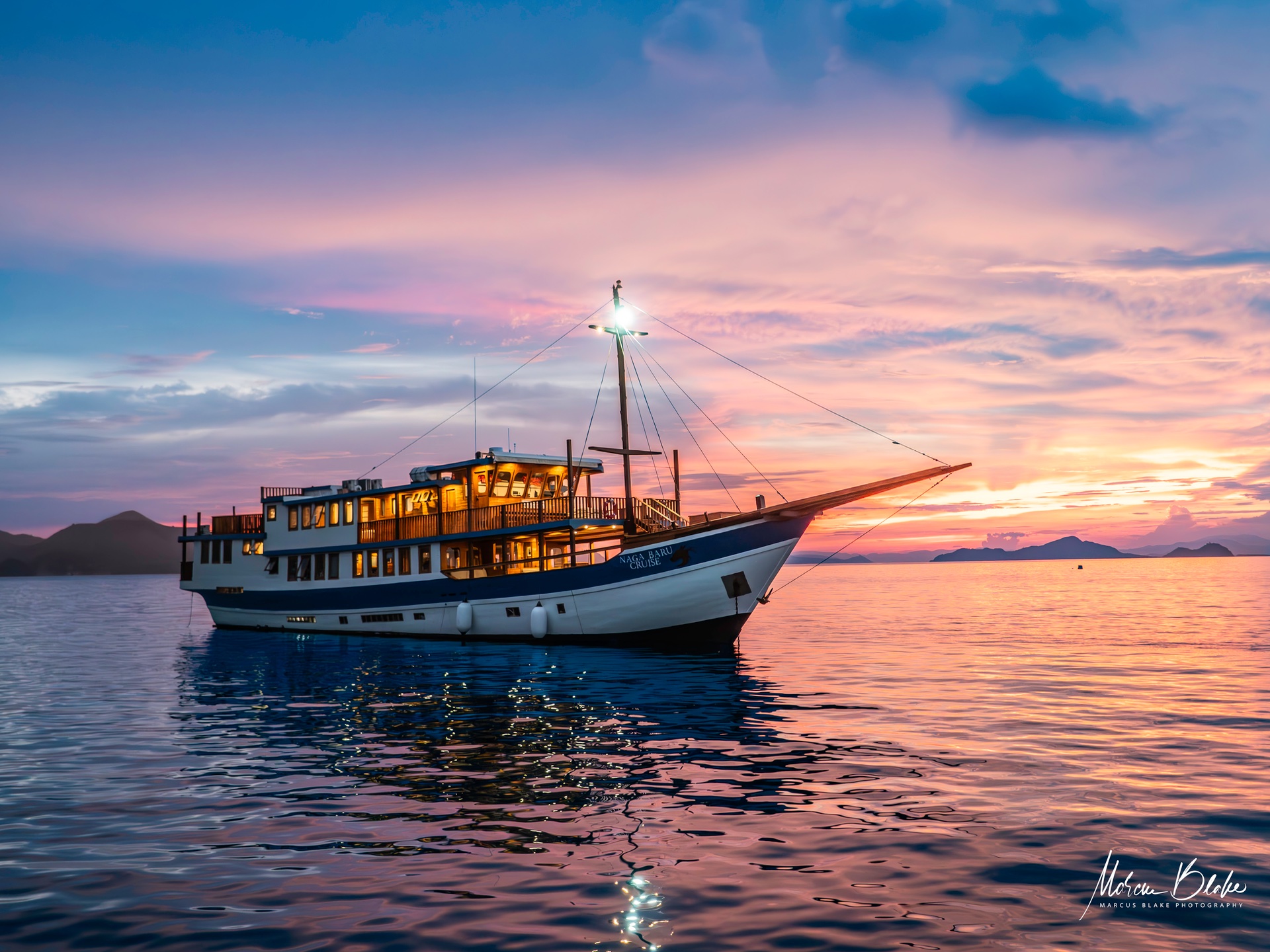
Naga Biru
Indonesia
12 guests40 m
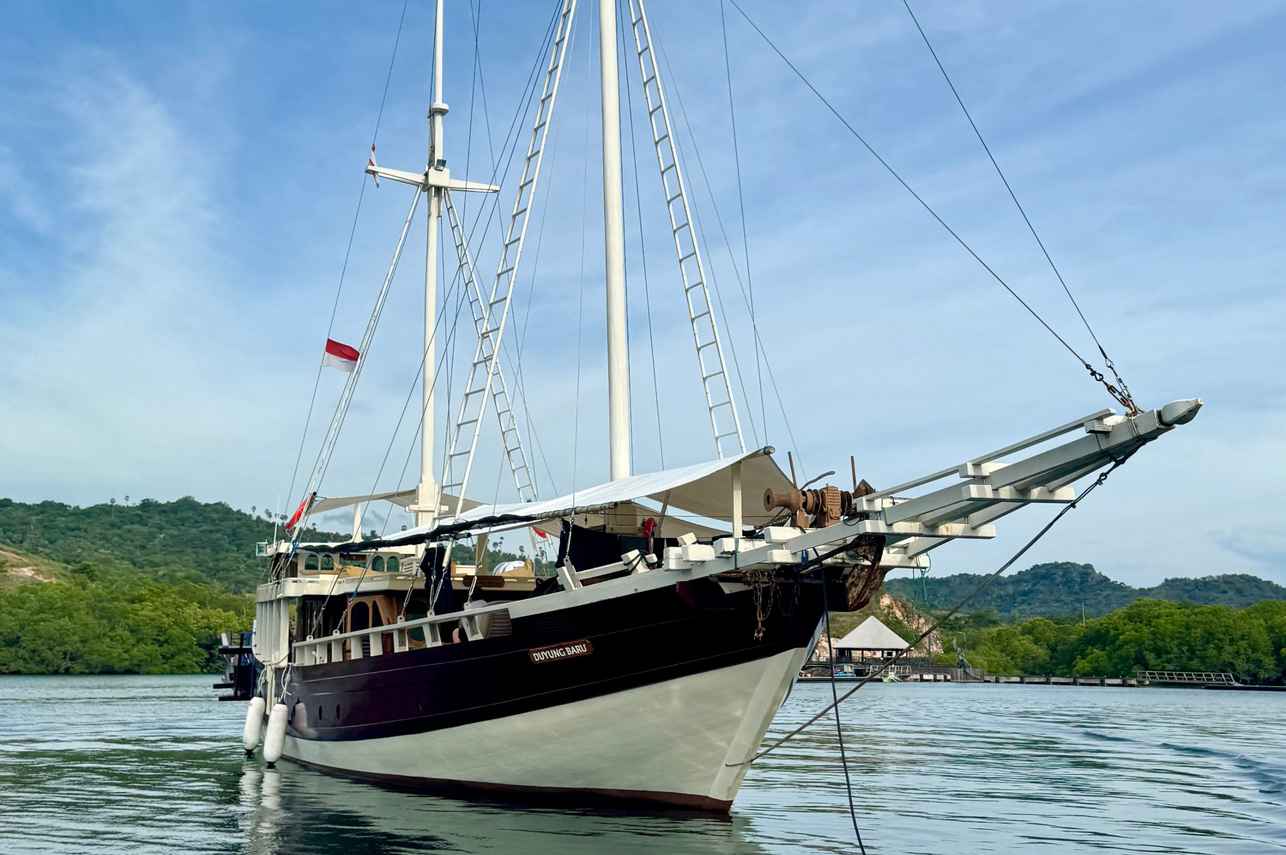
Ecopro Duyung Baru
Indonesia
6 guests27 m
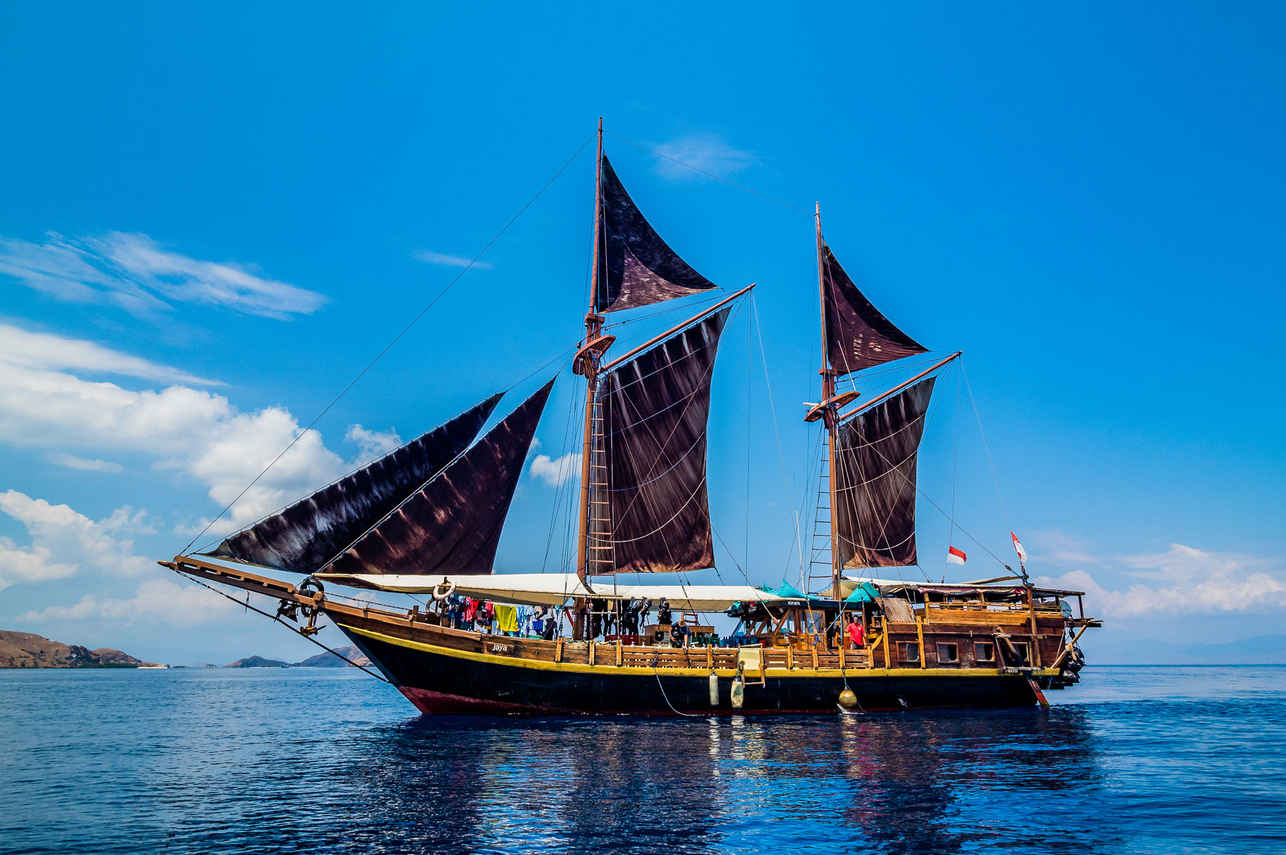
Jaya
Indonesia
14 guests23 m
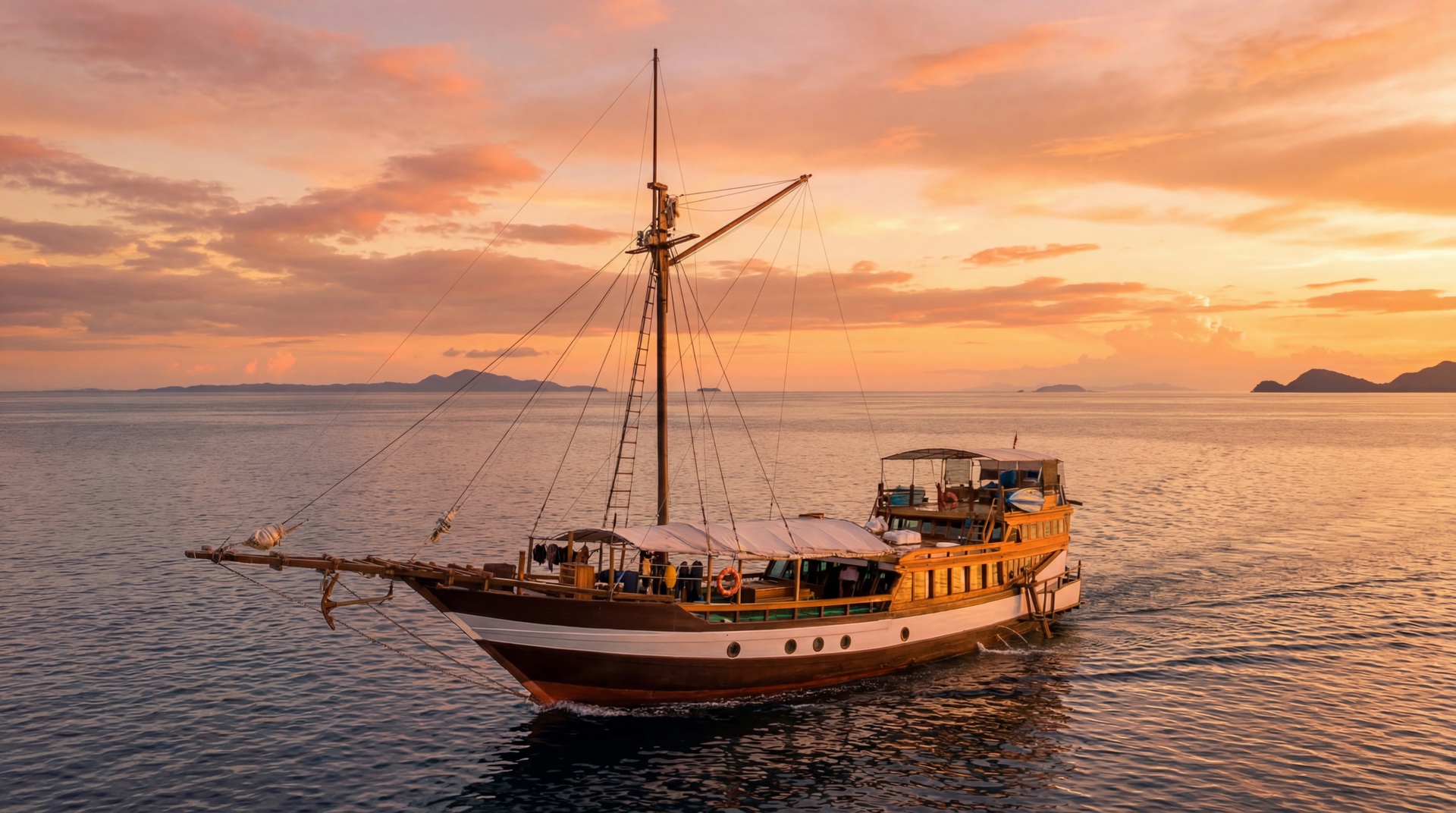
Wellenreng
Indonesia
9 guests25 m
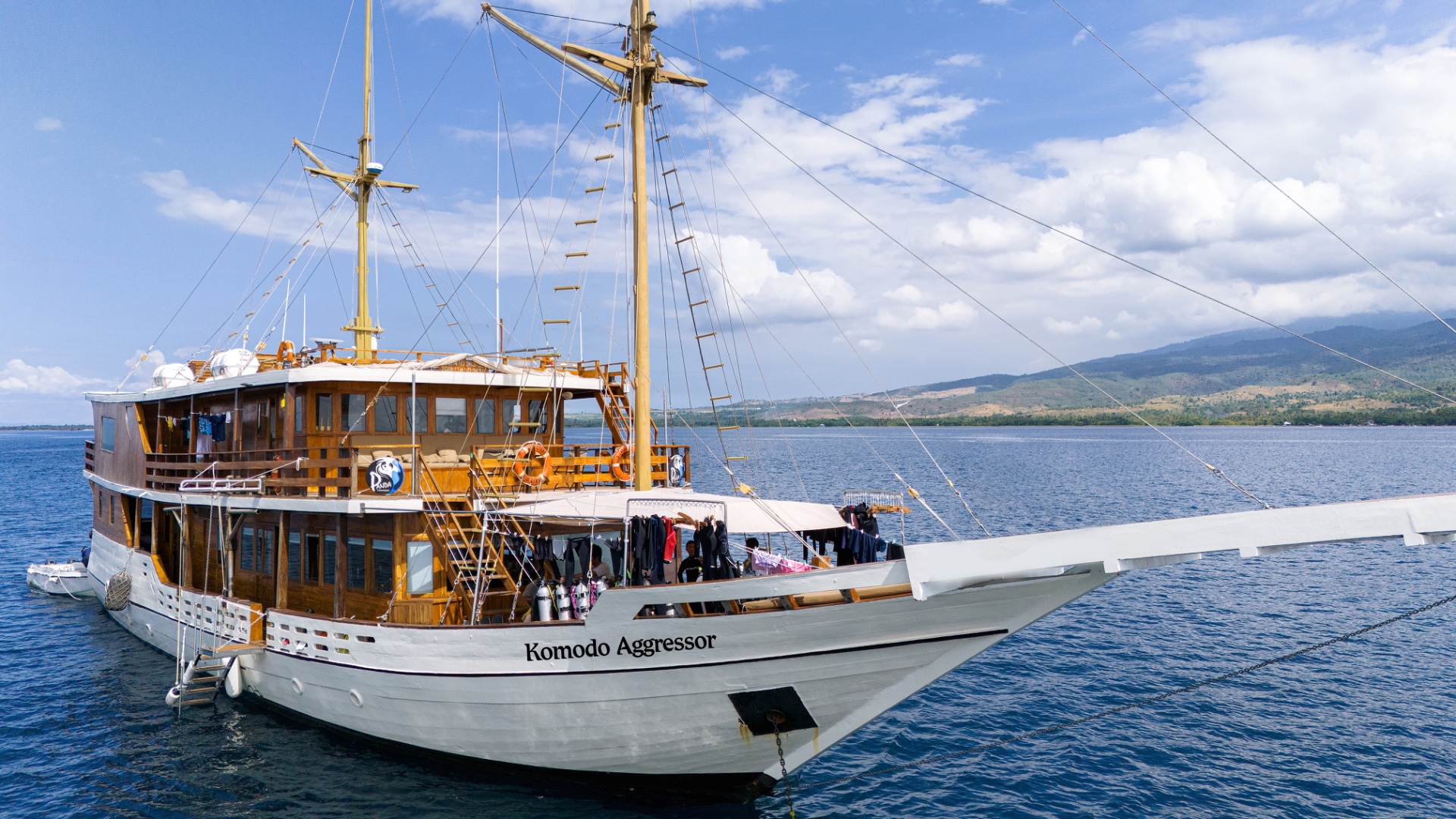
Komodo Aggressor
Komodo, Indonesia
16 guests29 m
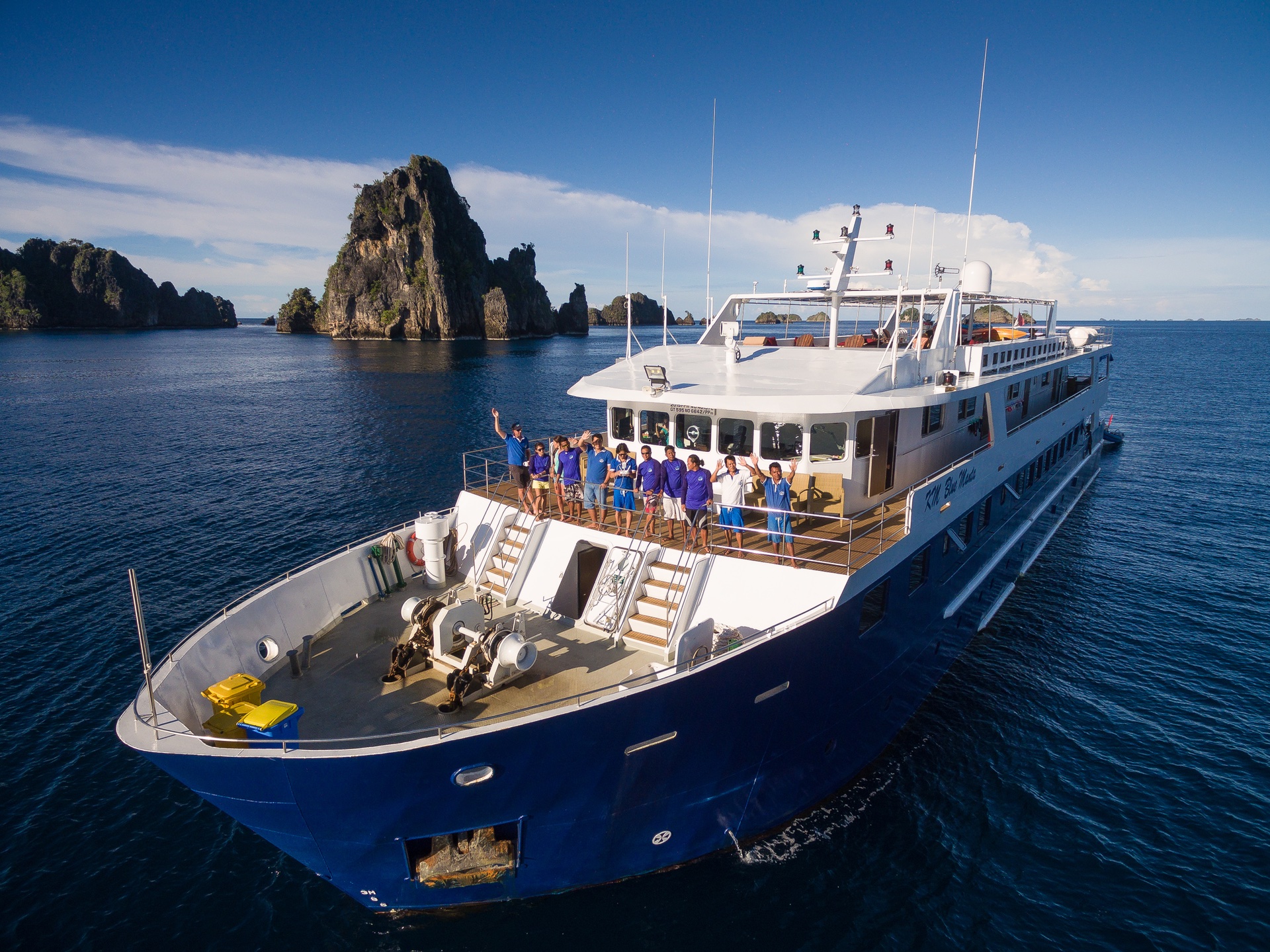
Blue Manta
Indonesia
20 guests45 m
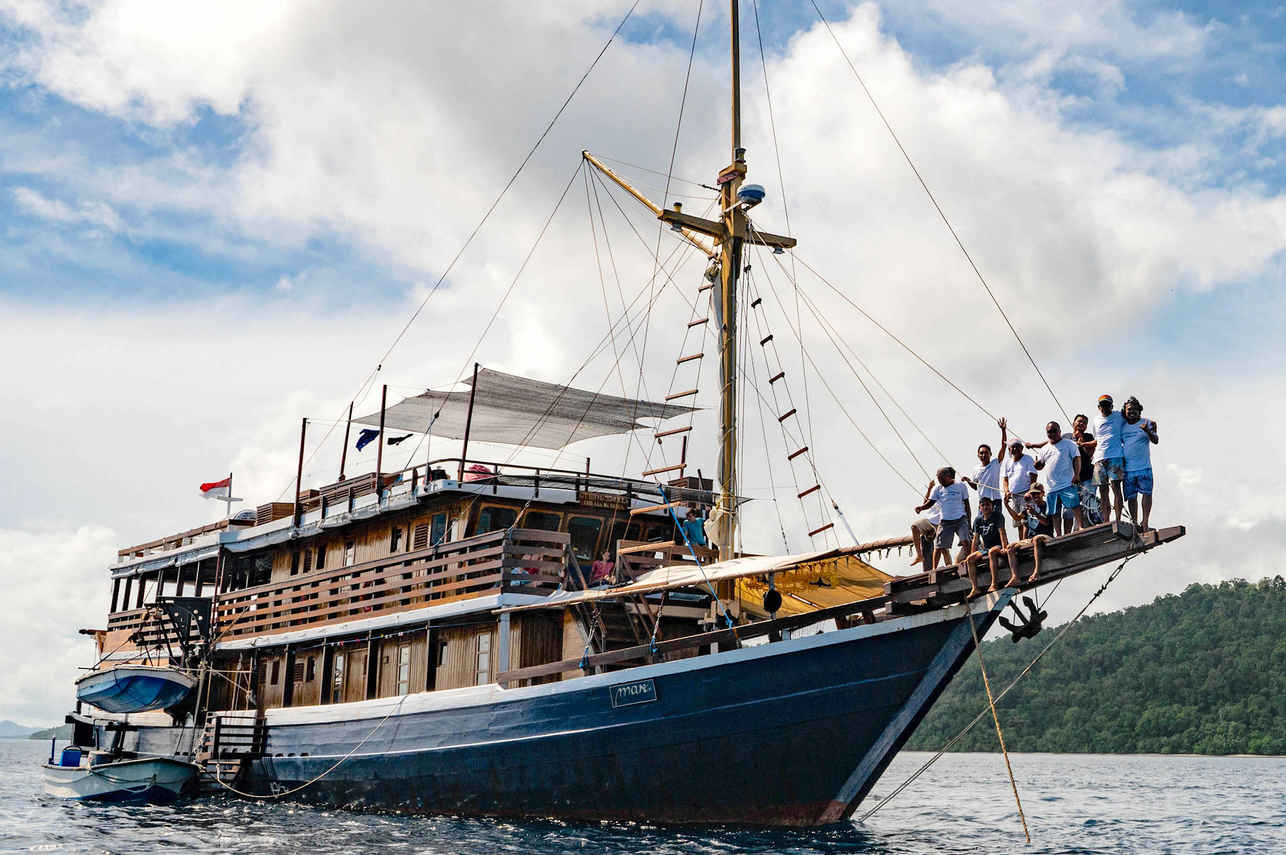
Mari
Indonesia
14 guests32.2 m
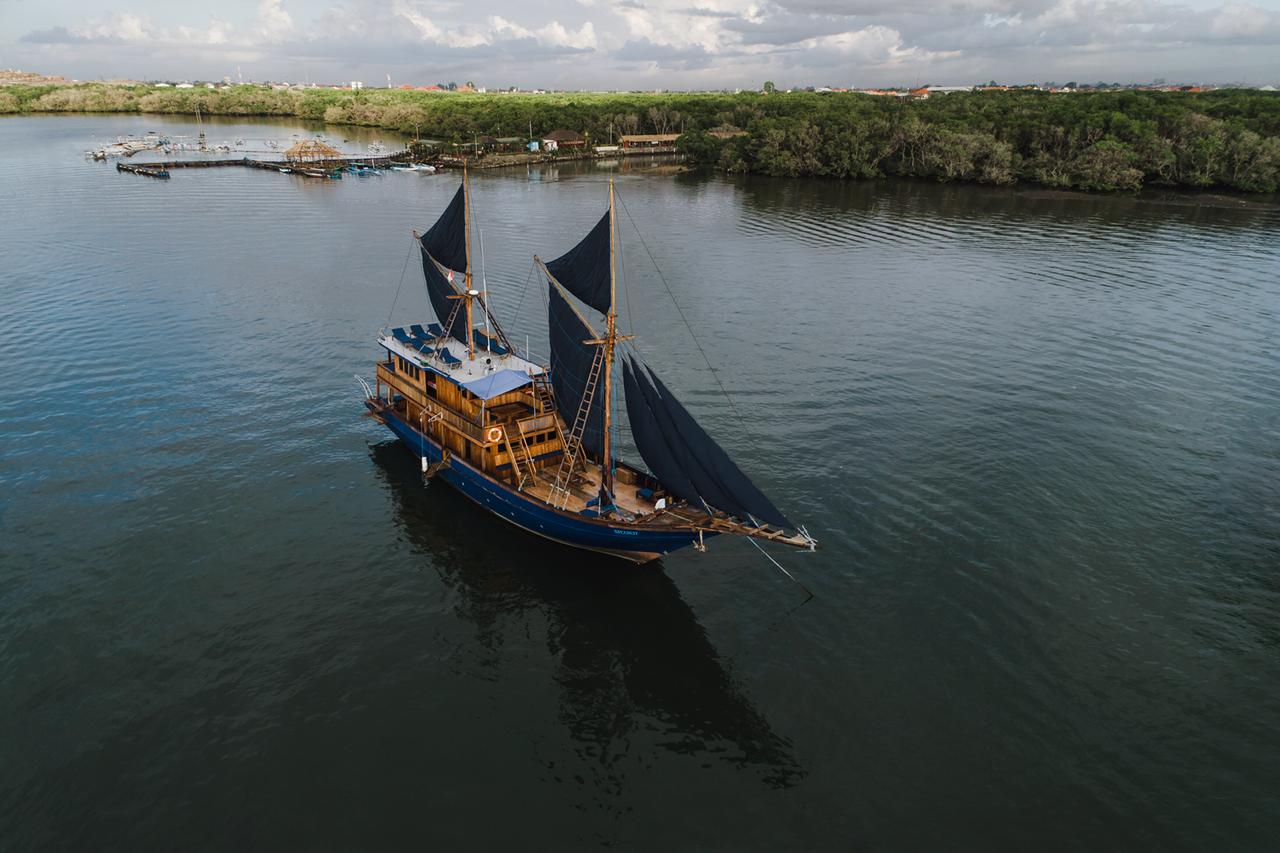
Situju7
Komodo, Indonesia
10 guests32.7 m
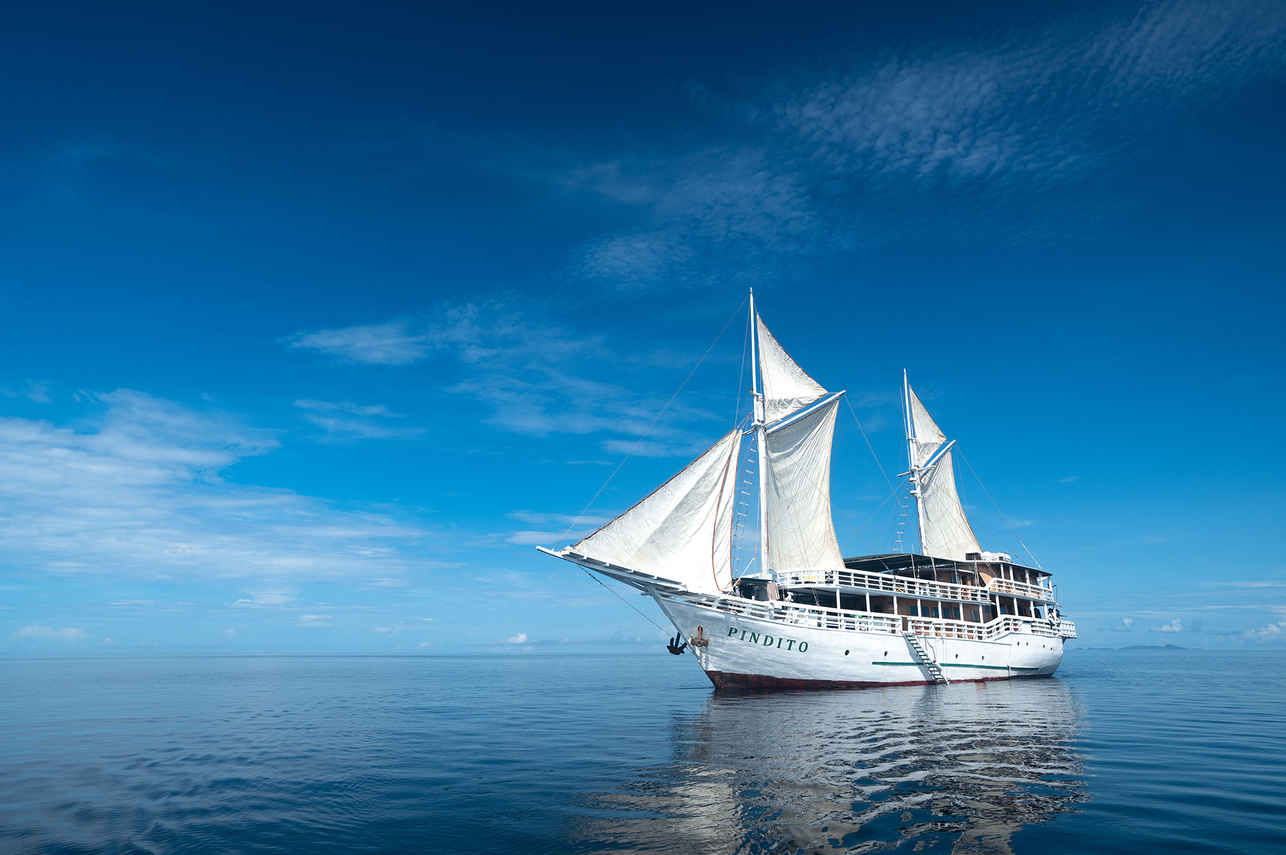
Pindito
Indonesia
16 guests37.79 m
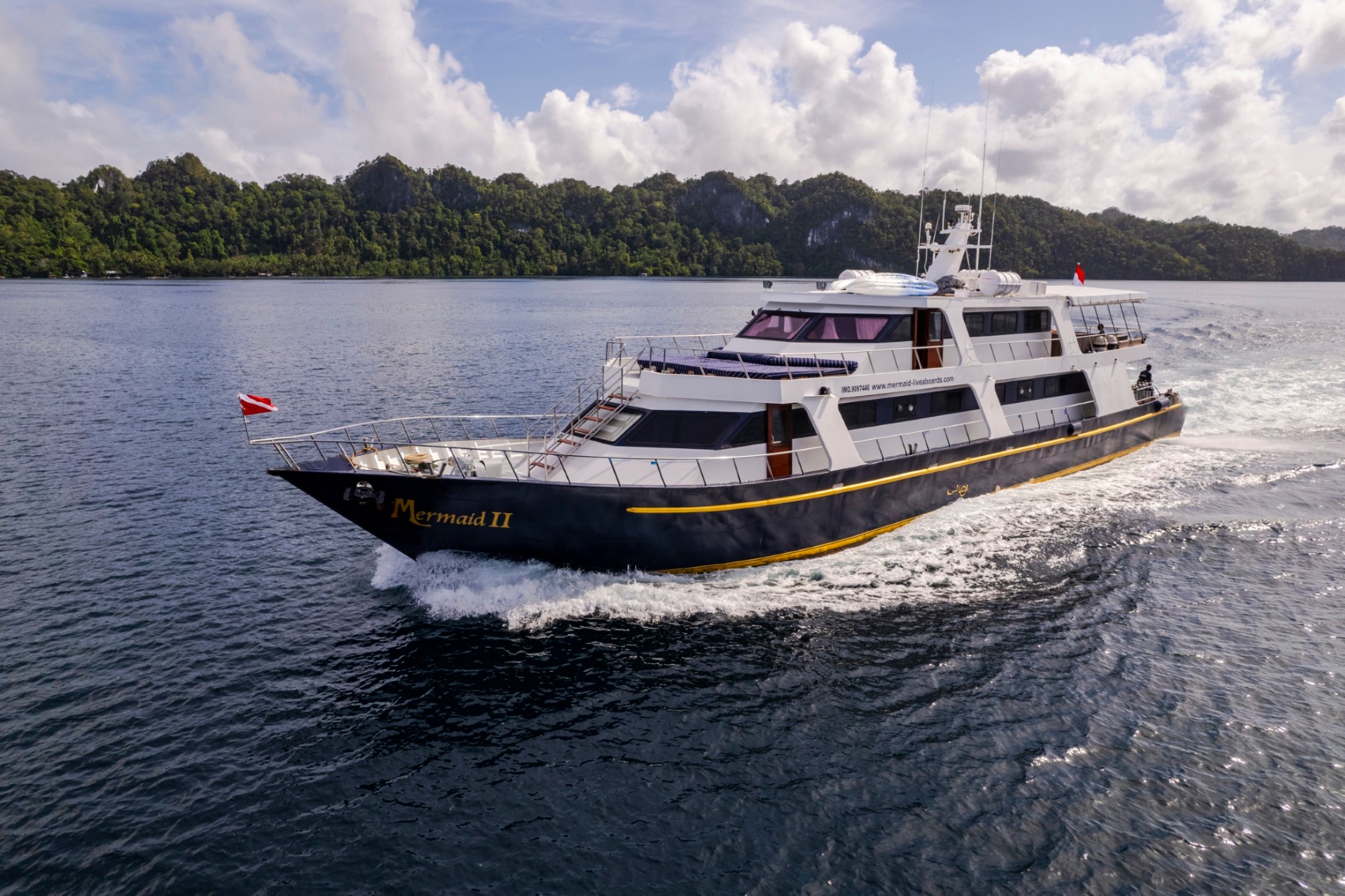
Mermaid II
Komodo, Indonesia
18 guests
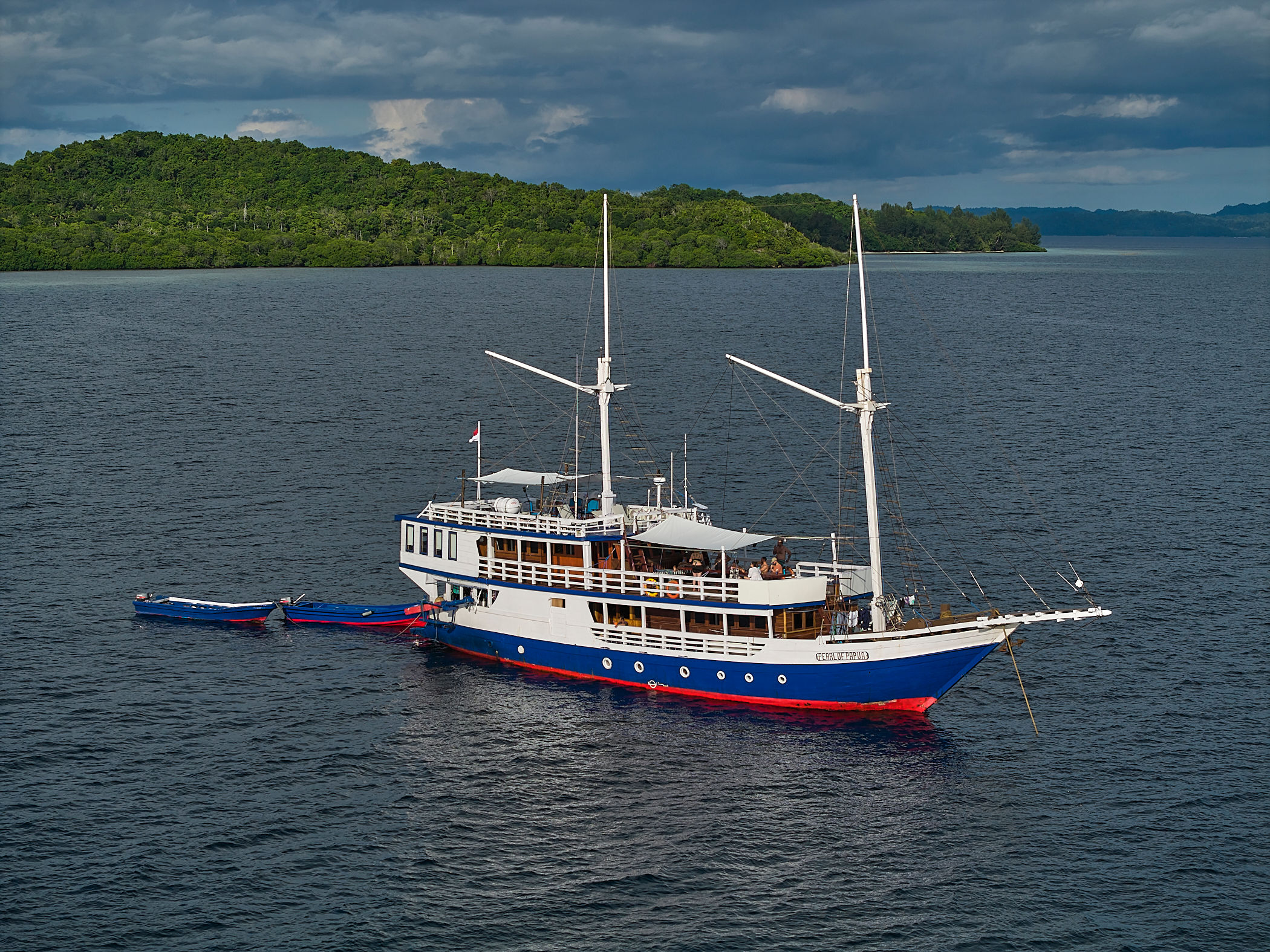
Pearl of Papua
Raja Ampat, Indonesia
14 guests30 m
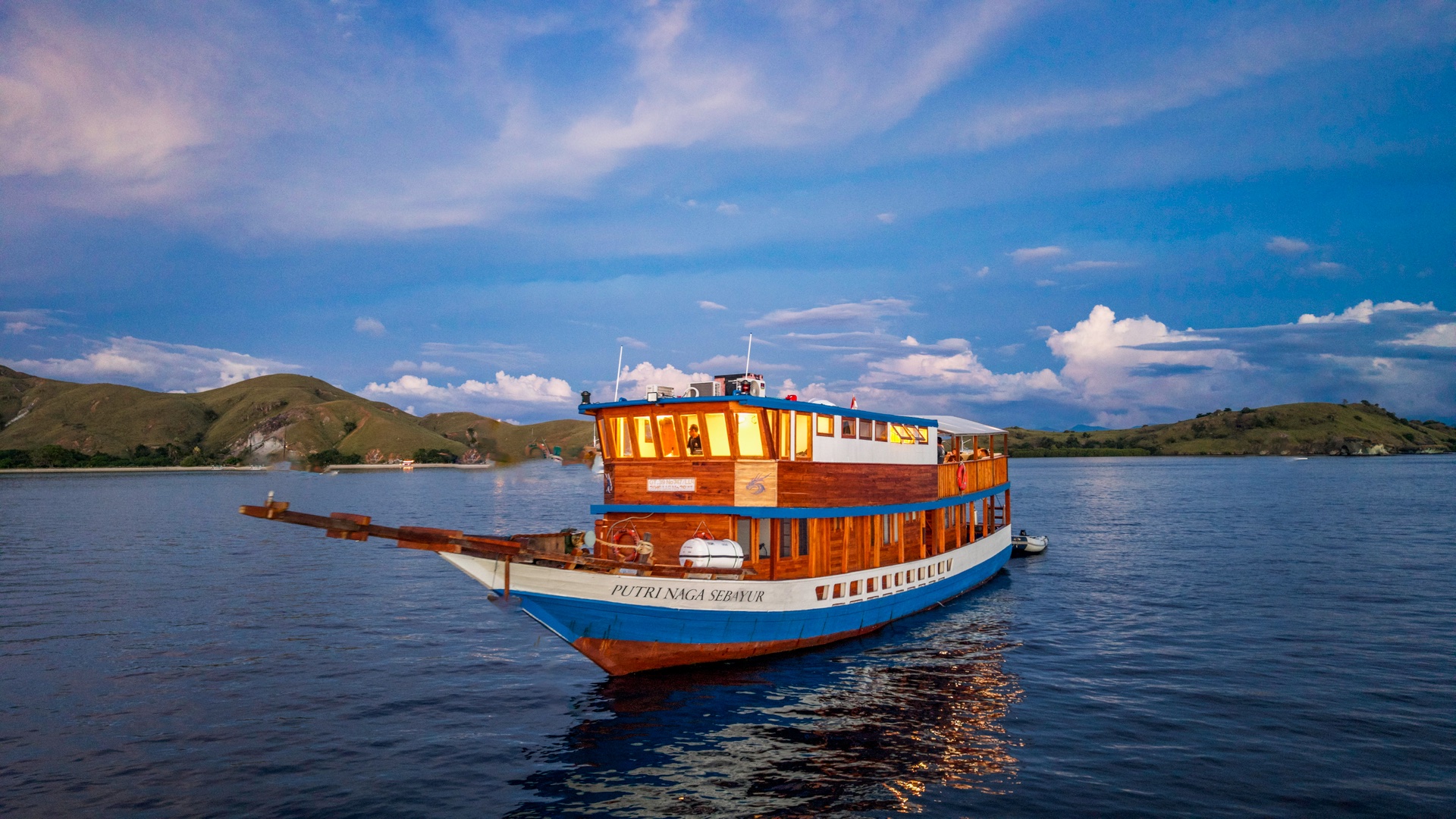
Putri Naga
Komodo, Indonesia
6 guests25 m
Dive sites similar to Kakaban Jellyfish Lake
Same character, same waters — six more sites divers love for the exact same reasons.Compare seasons, access and liveaboard routes — then pick the site that fits your trip best.
Abila is a notable dive site located within the Alor Islands Marine Park, an area celebrated for its rich marine biodiversity due to its position in the Coral Triangle.
- Suitable for
- Beginner
- Current
- Mild
- Access
- Liveaboard only
- Depth
- —
- Theme
- Reef
© Esri — Maxar, Earthstar, GIS
Adonara Channel
Alor
Adonara Channel stands as one of Alor's most iconic dive sites, celebrated for its dynamic currents and exceptionally rich biodiversity.
- Suitable for
- Advanced
- Current
- Strong
- Access
- Liveaboard or dayboat
- Depth
- 10–40 m
- Theme
- Drift / Wall
© Esri — Maxar, Earthstar, GIS
Adonara Wall
Indonesia
Adonara is an Indonesian island dive site, renowned for its vibrant underwater topography characterized by submerged seamounts.
- Suitable for
- Intermediate
- Current
- Strong
- Access
- Liveaboard or dayboat
- Depth
- 5–35 m
- Theme
- Seamount / Wall
© Esri — Maxar, Earthstar, GIS
Agnay Fish Sanctuary
Philippines
Agnay Fish Sanctuary is nestled in a sheltered bay near the village of Agnay in Romblon, a province celebrated for its rich marine biodiversity.
- Suitable for
- Beginner
- Current
- Mild
- Access
- Dayboat
- Depth
- 9–18 m
- Theme
- Reef
© Esri — Maxar, Earthstar, GIS
Ai Island Reef
Banda Sea
Ai Island Reef, nestled within the Banda Sea, offers a remarkable diving experience characterized by its rich marine biodiversity and varied underwater topography.
- Suitable for
- Beginner
- Current
- Strong
- Access
- Liveaboard only
- Depth
- 3–30 m
- Theme
- Reef / Seamount
© Esri — Maxar, Earthstar, GIS
Akitsushima
Philippines
The Akitsushima is a distinguished World War II Japanese seaplane tender, sunk in September 1944 during an American air raid in Coron Bay, Palawan.
- Suitable for
- Advanced
- Current
- Strong
- Access
- Dayboat
- Depth
- 22–38 m
- Theme
- Wreck