About Derawan Islands
The Derawan Archipelago, located in East Kalimantan off the coast of Borneo, encompasses over 30 islands and reefs, with the main dive destinations being Derawan, Sangalaki, Kakaban, and Maratua. This region is a world-class diving frontier, boasting an exceptional diversity of 507 coral species and 872 reef fish species, second only to Raja Ampat in Indonesia for hard coral diversity. Diving here spans a range of depths from 5 to 40 meters, catering to all certification levels. The topography includes shallow reefs, dramatic walls, strong current channels, and unique brackish lakes, offering diverse underwater experiences. While the main islands serve as logistical hubs, the signature dive sites are accessible via speedboat, often requiring careful planning of boat movements. Marine life encounters are a highlight, with the archipelago being a critical habitat for green sea turtles, featuring regular sightings on almost every dive. Manta rays congregate at cleaning stations, and large schools of barracuda, jacks, and various sharks are common, especially in current-swept areas. The unique stingless jellyfish lake at Kakaban offers an unparalleled snorkeling experience. Diving is primarily conducted from liveaboards or resorts with boat access, emphasizing guided experiences due to varying currents and site-specific conditions. Recreational diving generally stays within no-decompression limits, with Advanced certification recommended for challenging sites like Big Fish Country and Channel Maratua.
Highlights
Stingless jellyfish lakeAbundant green sea turtlesManta ray cleaning stationsSchools of barracuda and jacksThresher and hammerhead sharksPristine coral wallsWhale shark encounters
Season calendar
Best months to dive here
Jan
Feb
Mar
Apr
May
Jun
Jul
Aug
Sep
Oct
Nov
Dec
Good
Dive site facts: Derawan Islands
- Depth
- 5–40 m
- Typical dive
- 5–30 m, 50–60 min
- Current
- Mild to strong, tide-dependent
- Visibility
- 10–25 m+
- Water temperature
- 26–30°C
- Entry
- Boat / Shore
- Level
- All levels, Advanced for current dives
- Dive type
- Wall, drift, reef, muck, cavern
- Night dive
- Possible
- Region / port
- East Kalimantan, Borneo
- Coordinates
- 2.0940° N, 118.4000° E
Conditions & Currents
Currents in the Derawan Islands are highly variable and can range from mild to strong, particularly in areas like Big Fish Country and Channel Maratua. These sites are renowned for powerful tidal drifts that attract large pelagic schools, requiring advanced skills and experience with reef hooks and surface marker buoys. At Manta Parade, currents are generally mild to moderate but can change quickly, influencing manta ray activity and visibility. Wall dives such as Sea Wall often feature moderate currents, necessitating excellent buoyancy control due to rapid drop-offs. Visibility typically ranges from 10-15 meters near the main islands to 20-25 meters or more at outer reefs, but plankton blooms or runoff can temporarily reduce it. Water temperatures remain consistently warm, between 26-30°C, and thermoclines can be encountered around 20 meters.
Marine life & sighting chances

Green sea turtle
March to December · common
Hawksbill sea turtle
occasional
Oceanic manta ray
March to December · common
Stingless jellyfish
March to December · common
Bumphead parrotfish
March to December · common
Napoleon wrasse
occasional
Pygmy seahorse
occasional
Mandarin fish
occasional
Thresher shark
occasional
Hammerhead shark
occasional
Whale shark
March to June and September to December · occasional
Leopard shark
March to December · occasional
Barracuda
March to December · common
Reef shark
March to December · commonDive profile & how the dive runs
Dive profiles in Derawan vary significantly by site, often beginning with a boat entry. For sites like Sangalaki Manta Point, divers descend to around 15 meters to observe manta rays at cleaning stations, often drifting gently with mild currents. At Maratua's Big Fish Country, the dive targets 30 meters, positioning divers to observe schooling barracuda and jacks in strong currents, often requiring reef hooks to hold position before a drift exit. Wall dives such as Turtle Traffic at Maratua follow the reef face between 5 and 30 meters, allowing divers to explore ledges where green sea turtles rest. Cavern dives like Blue Light Cave at Kakaban maintain shallower depths, typically 10-15 meters, exploring the interior with good buoyancy. Safety stops are standard at 5 meters for 3 minutes, typically performed during the ascent or at the end of a drift.
Underwater photography
Derawan offers diverse photography opportunities. For wide-angle shots, a fisheye or wide lens is ideal to capture the large schools of barracuda, manta rays, and expansive wallscapes. The stingless jellyfish lake at Kakaban is a unique setting for ambient light wide-angle, focusing on the golden jellyfish. Macro enthusiasts will thrive on the Derawan house reef and coral gardens, which yield pygmy seahorses, nudibranchs, and other small critters, necessitating a macro lens and powerful strobes for detail. When photographing turtles or mantas, maintain a respectful distance to avoid disturbing their natural behavior. Buoyancy control is paramount, especially on wall dives and in caverns, to protect delicate coral and avoid silting, ensuring clear shots for all.
Combine with nearby dive sites
- Big Fish Country
Maratua wall known for schooling pelagics
- Sangalaki Manta Point
Cleaning station for oceanic manta rays
- Kakaban Jellyfish Lake
Unique landlocked lake with stingless jellyfish
- Turtle Traffic
Maratua wall with abundant green sea turtles
- Channel Maratua
Tidal drift with strong currents and large pelagics
- Sea Wall
Maratua wall dive with rich coral growth
Getting there & logistics
Access to the Derawan Islands typically involves flying into either Kalimarau Airport (BEJ) in Berau or Tarakan Airport (TRK) in East Kalimantan, Borneo. From Berau, a ground transfer connects to Tanjung Batu port, the primary departure point for boat transfers to the islands, taking approximately two hours to reach Derawan Island. Liveaboards may also depart directly from Tanjung Batu or Tarakan. Most itineraries offer 3-4 dives daily, with trip durations commonly ranging from 3 days/2 nights to 7-10 days for comprehensive exploration. A marine park fee of approximately $15 USD per diver is typically required. The region is often explored as a standalone destination due to its remote nature, though some longer Indonesian liveaboard routes might integrate it.
Safety & environment
Diving in the Derawan Islands requires adherence to safety protocols due to varying conditions. The nearest recompression chamber is approximately 500 kilometers away, underscoring the importance of conservative dive planning and excellent insurance coverage, including emergency evacuation. Divers engaging in current-intensive dives, such as Big Fish Country or Channel Maratua, should possess appropriate experience, use reef hooks, and carry surface marker buoys and whistles. For cavern dives like Blue Light Cave, maintaining good buoyancy is critical to prevent silting and ensure clear passage. Always follow your guide's instructions, especially regarding tides and current calls. Respect marine life by avoiding touching or disturbing animals, particularly the protected sea turtles.
Who it suits — and who it doesn't
Suited for
- Advanced divers comfortable with currents
- Underwater photographers seeking diverse subjects
- Marine life enthusiasts (turtles, mantas, sharks)
- Explorers seeking remote, uncrowded dive sites
- Divers interested in unique natural phenomena like jellyfish lakes
Less suited for
- Beginner divers without current experience (for advanced sites)
- Divers expecting short travel times to dive sites
- Those prone to seasickness on longer boat transfers
- Divers who prefer bustling, heavily developed tourist areas
- Individuals seeking purely shore-based diving experiences
FAQ
Derawan Islands FAQ
When is the best time to dive in Derawan?
The prime diving season for the Derawan Islands is from April to October. During these months, you can expect drier weather, calmer seas, and excellent visibility, typically ranging from 20 to 25 meters. This period also offers the best chances for encountering manta rays and observing green sea turtle nesting activity.
Can I see stingless jellyfish in Derawan?
Yes, visiting the Kakaban Jellyfish Lake is a highlight of Derawan. This unique landlocked saltwater lake is home to millions of stingless golden jellyfish, offering an extraordinary snorkeling experience. It's a short jungle trek from the jetty to reach the lake, and the experience is often described as otherworldly.
Are sea turtles guaranteed on Derawan dives?
While wildlife can never be absolutely guaranteed, the Derawan Archipelago is one of Indonesia's most significant green sea turtle habitats. Multiple turtle sightings are common on most dives, especially at sites like Turtle Traffic. The islands are also important nesting grounds, making encounters highly probable.
What is the water temperature like in Derawan?
The water temperature in the Derawan Islands remains consistently warm throughout the year. Divers can typically expect temperatures ranging between 26°C and 30°C. This comfortable warmth allows for longer dives and generally makes wetsuit choice flexible, with 3mm or even shorty suits often sufficient.
What kind of currents can I expect?
Currents in Derawan are quite varied. While some sites offer mild conditions suitable for all levels, advanced sites like Big Fish Country and Channel Maratua feature strong, tide-dependent currents. These powerful drifts are often where large pelagics gather, and require experience, proper training, and sometimes specialized equipment like reef hooks.
How do I get to the Derawan Islands?
To reach the Derawan Islands, you typically fly into Kalimarau Airport (BEJ) in Berau, East Kalimantan. From there, a land transfer takes you to Tanjung Batu port, which is the main gateway for boat transfers to the various islands. Liveaboards may also depart from this port or sometimes from Tarakan (TRK), depending on the operator.
Why dive Derawan Islands from a liveaboard?
Derawan Islands is one of Indonesia's signature dive sites. A liveaboard sleeps you on the water and puts you in the water for three to four guided dives per day, including dawn and night dives that day-boat operators rarely offer. You skip the daily commute back to port and reach quieter, less-crowded sites in the same region on a single trip.
Below are the liveaboards that include Derawan Islands on their Indonesia itineraries.
Liveaboards diving Derawan Islands
These liveaboards may visit Derawan Islands on selected itineraries — the exact dive sites depend on departure, weather and conditions.
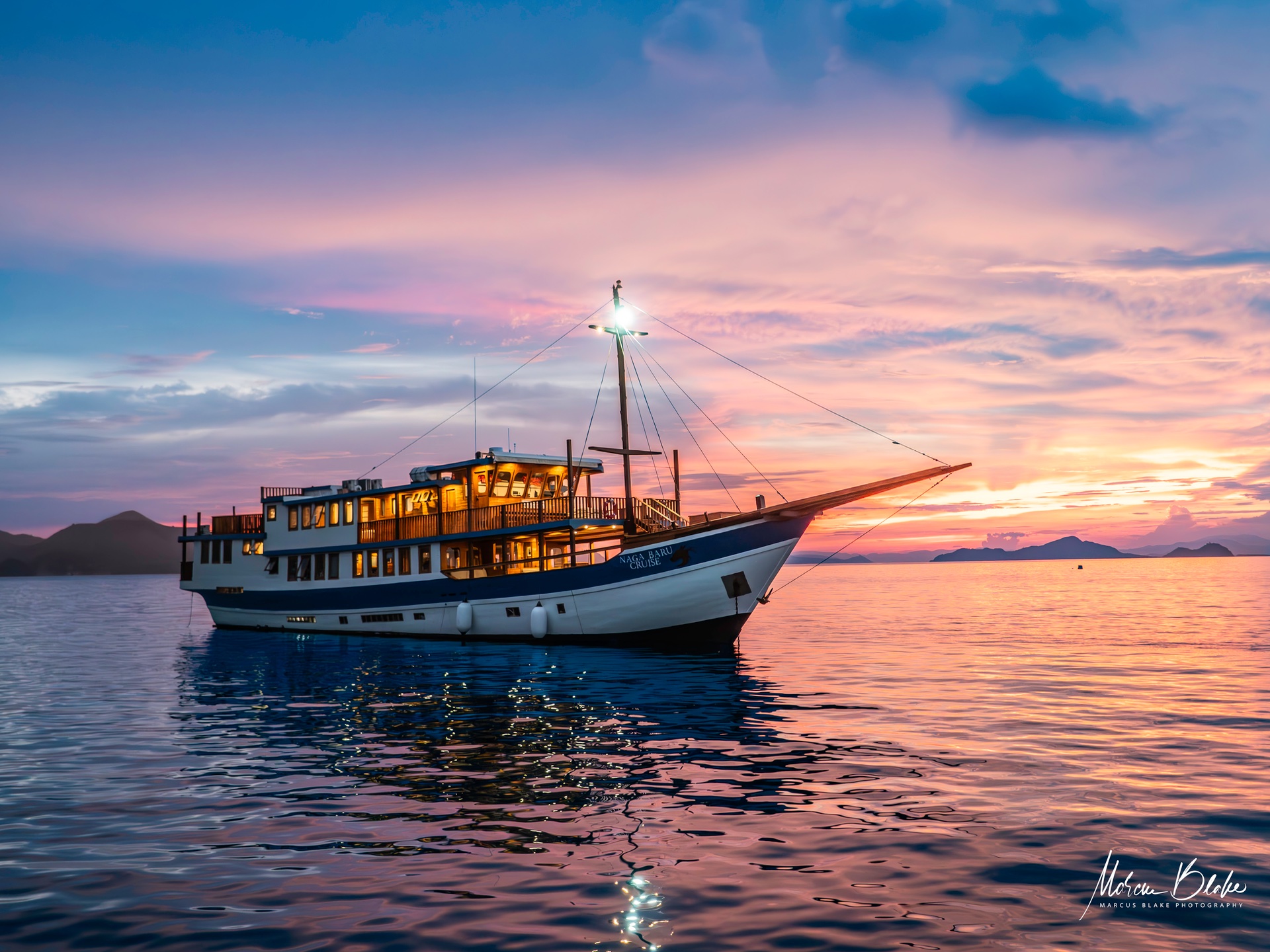
Naga Biru
Indonesia
12 guests40 m
$274/day
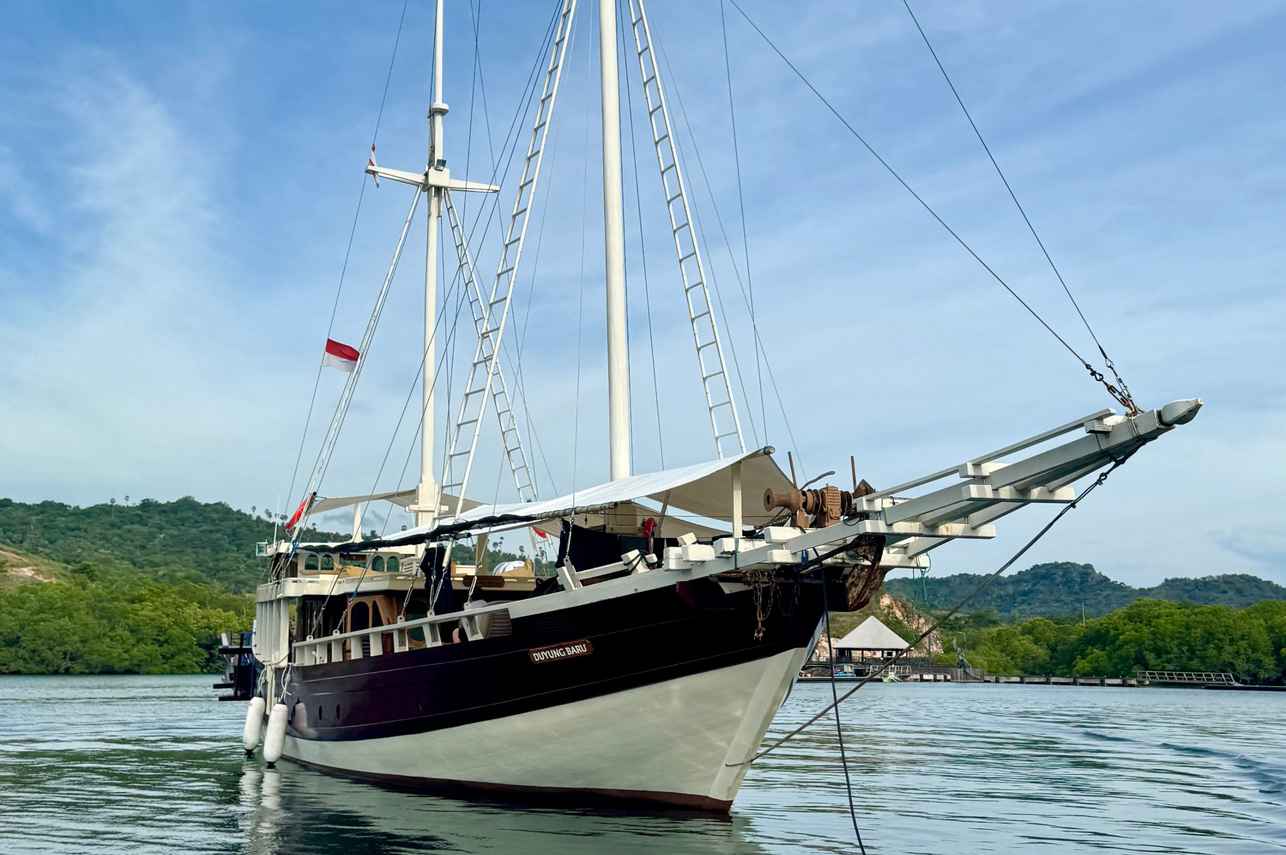
Ecopro Duyung Baru
Indonesia
6 guests27 m
$361/day
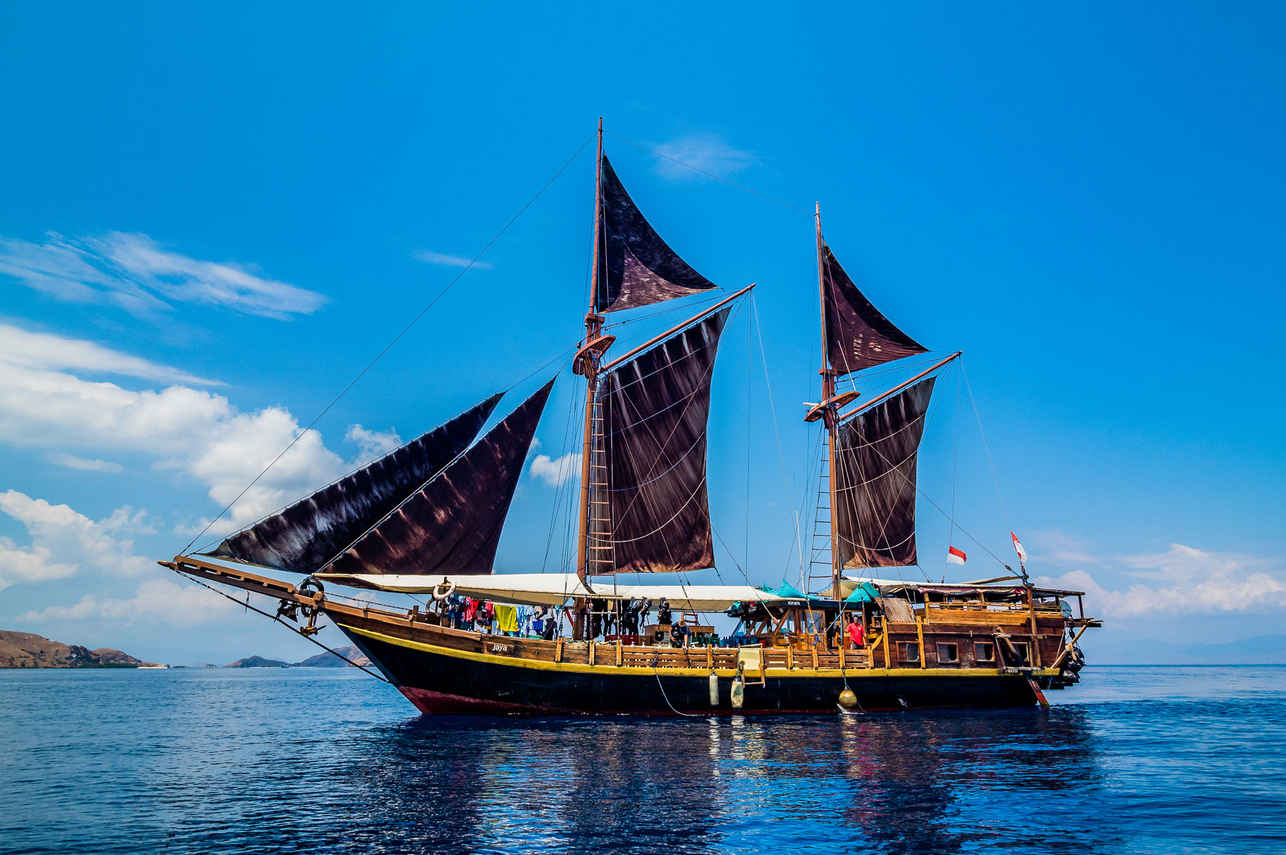
Jaya
Indonesia
14 guests23 m
$280/day
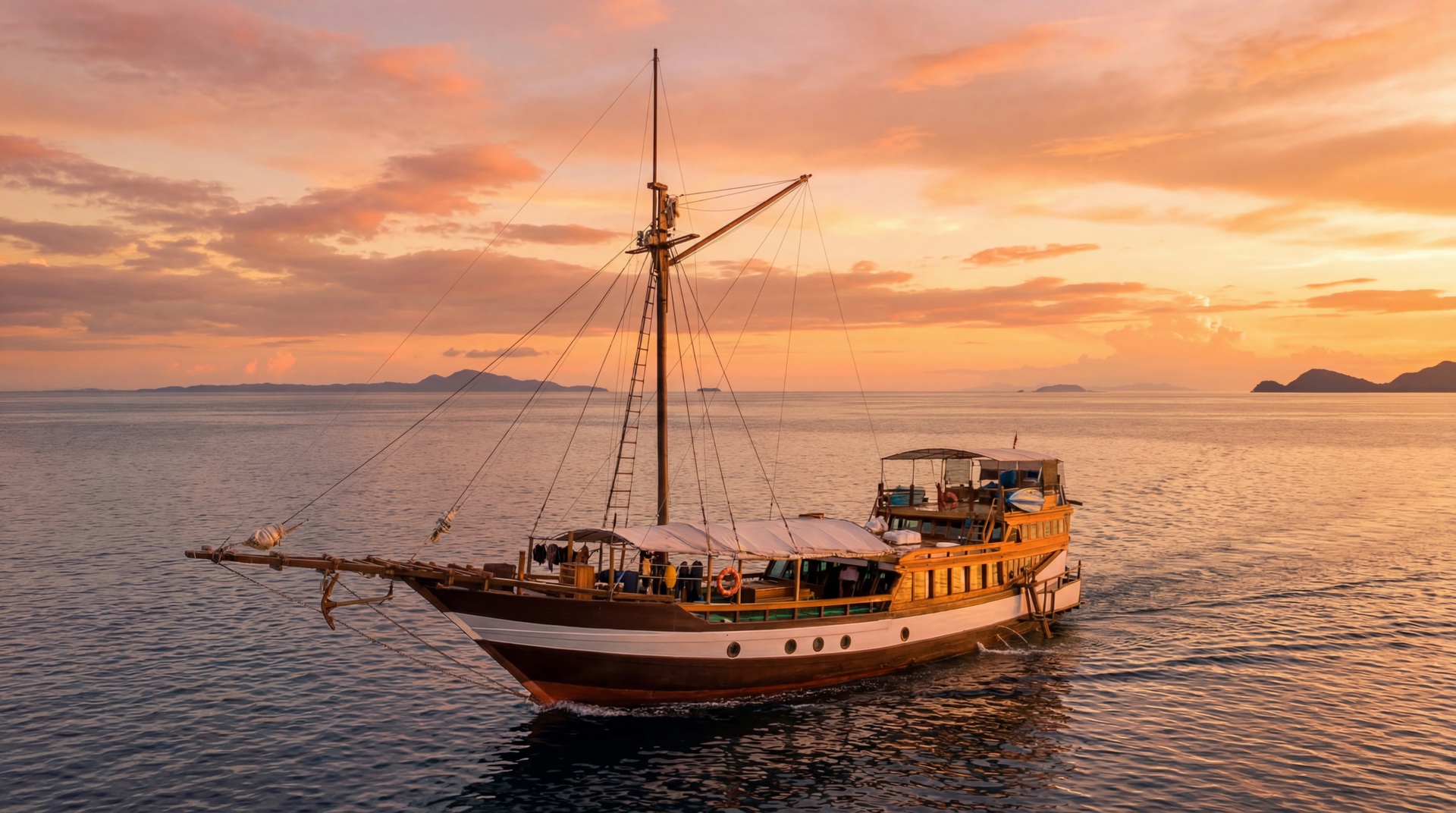
Wellenreng
Indonesia
9 guests25 m
$427/day
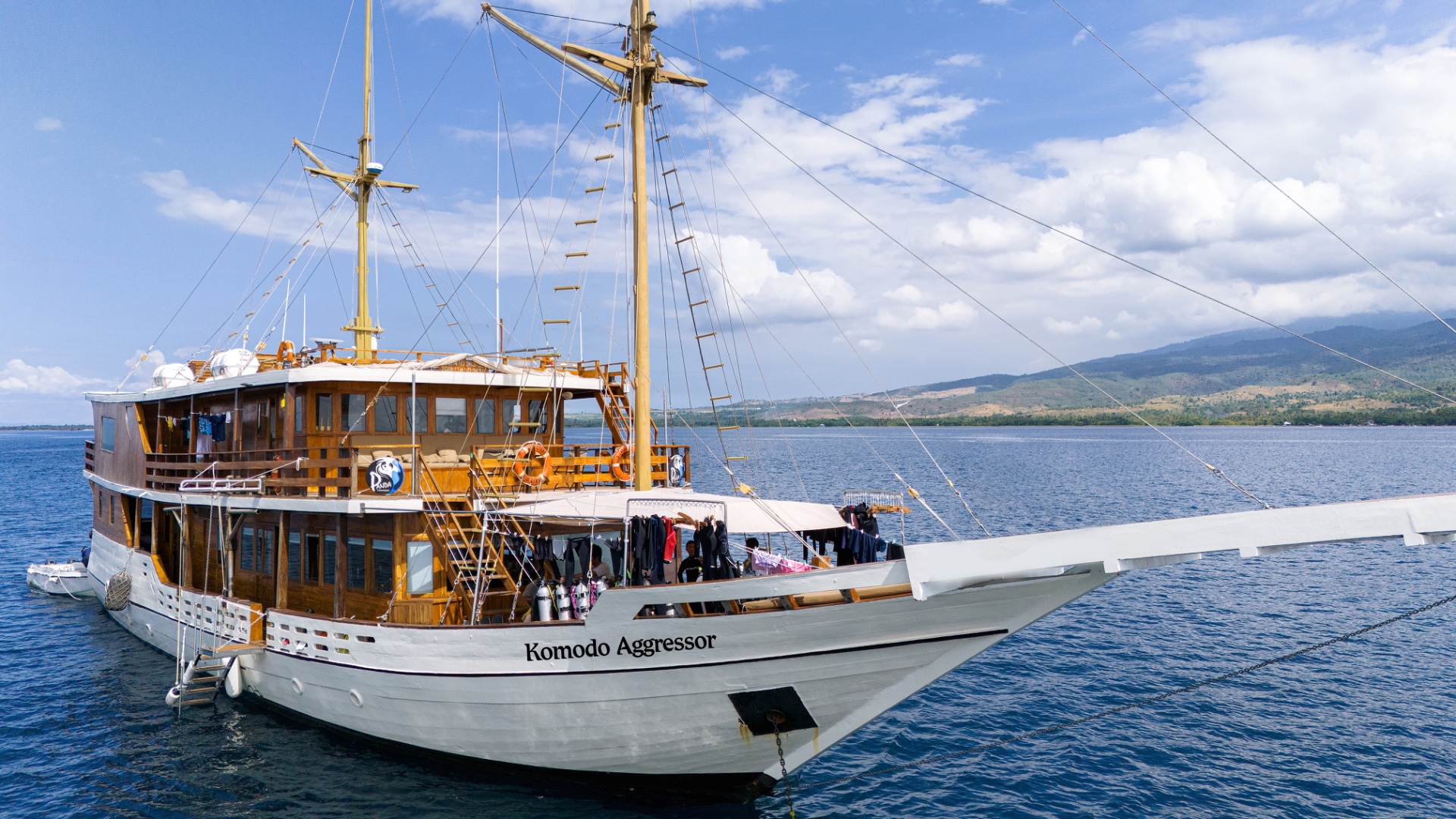
Komodo Aggressor
Komodo, Indonesia
16 guests29 m
$312/day
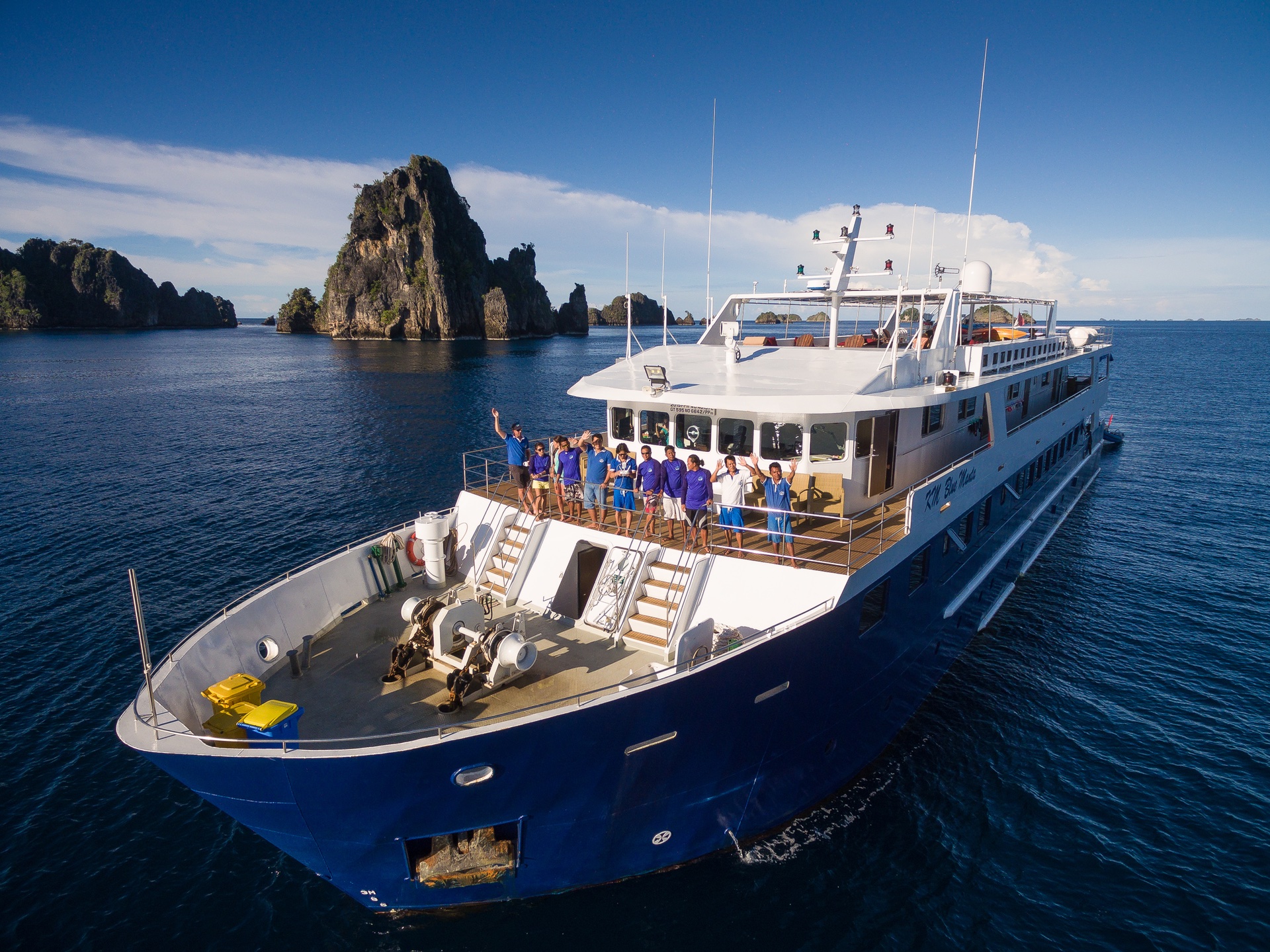
Blue Manta
Indonesia
20 guests45 m
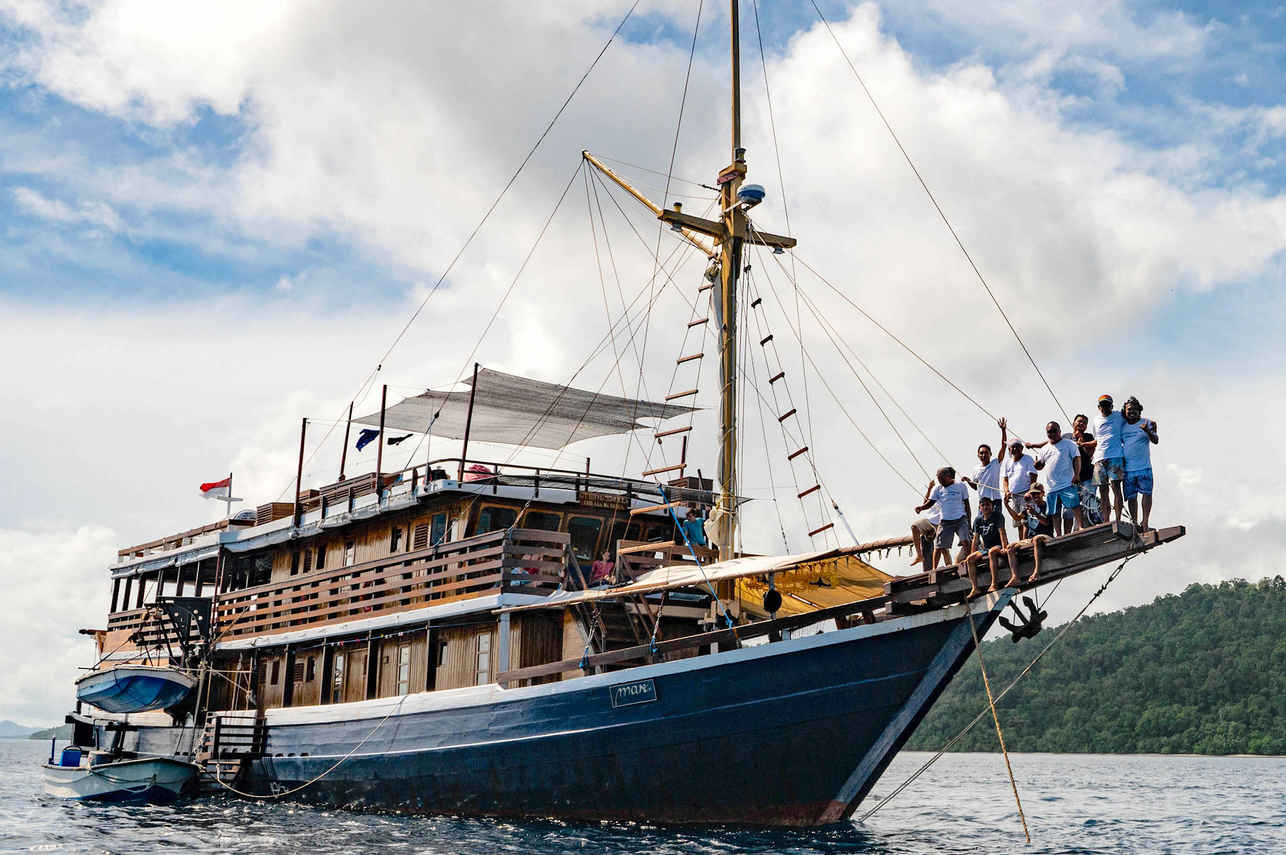
Mari
Indonesia
14 guests32.2 m
$328/day
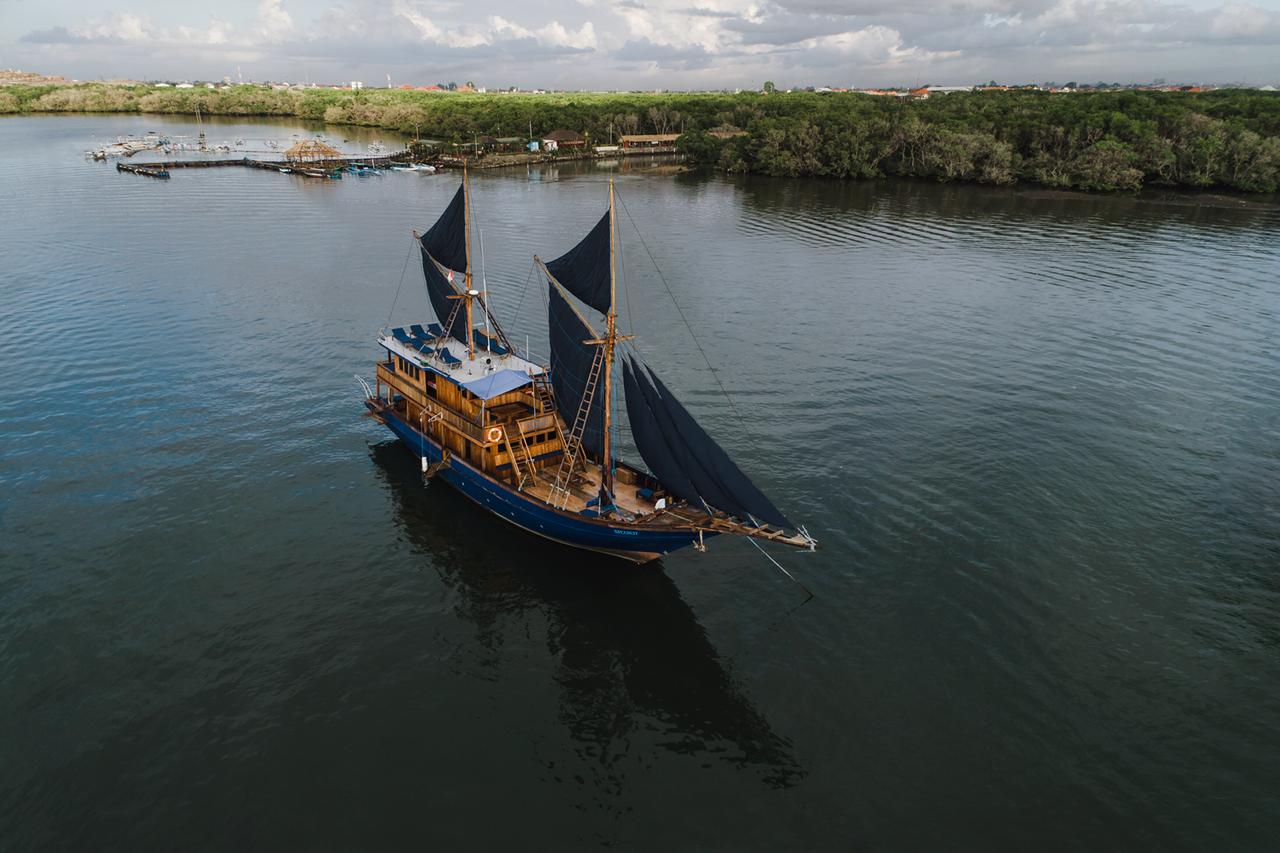
Situju7
Komodo, Indonesia
10 guests32.7 m
$362/day
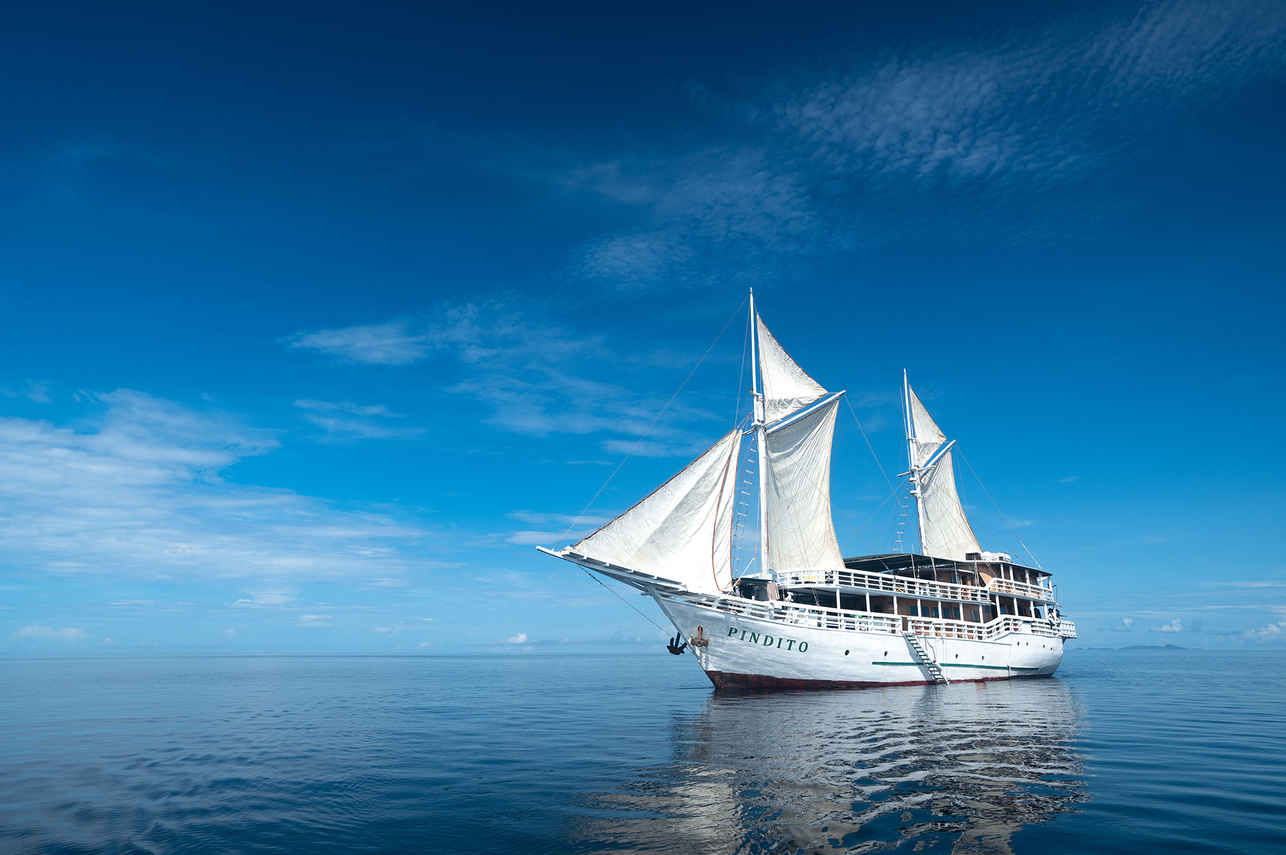
Pindito
Indonesia
16 guests37.79 m
$533/day
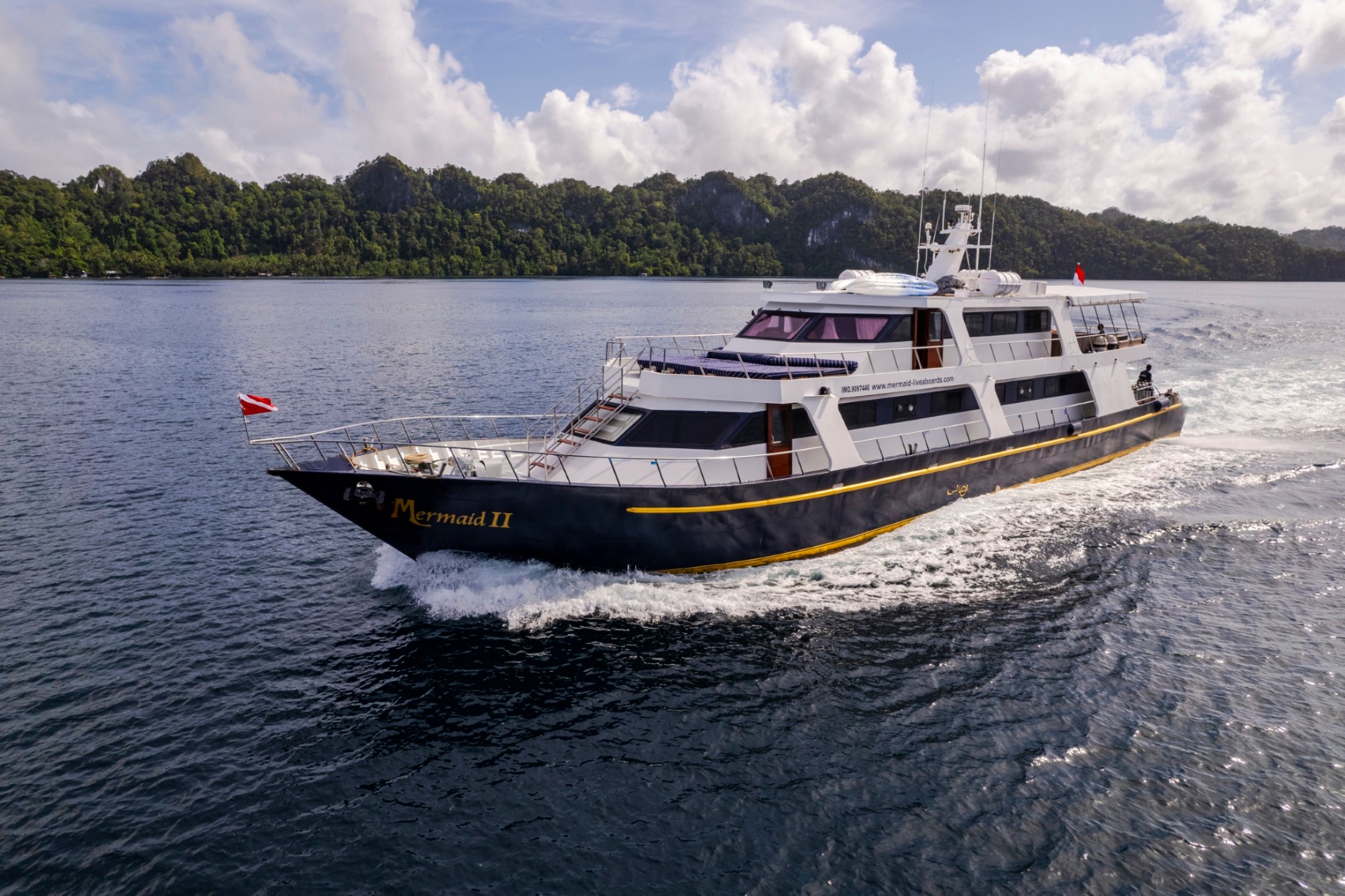
Mermaid II
Komodo, Indonesia
18 guests
$356/day
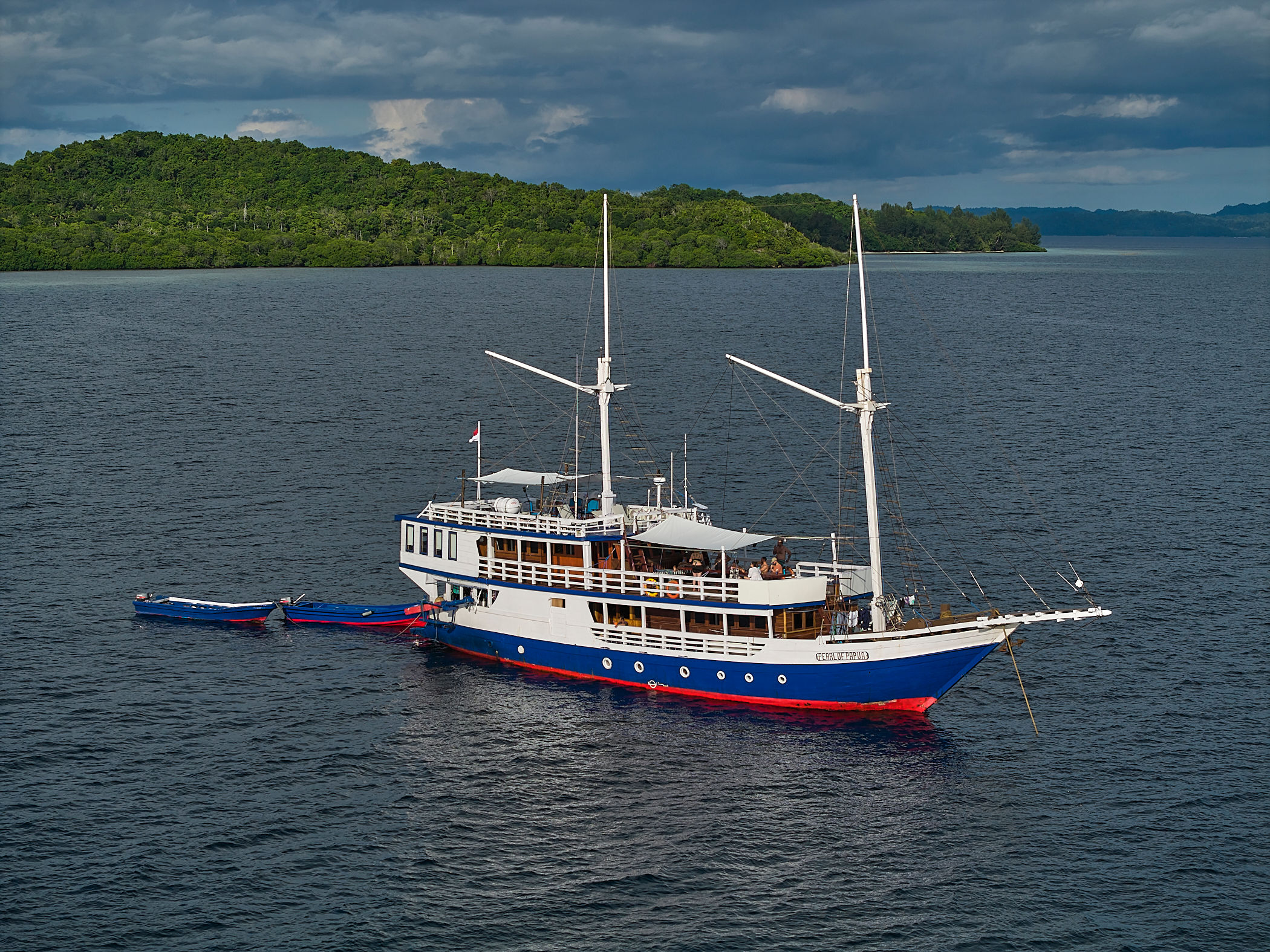
Pearl of Papua
Raja Ampat, Indonesia
14 guests30 m
$303/day
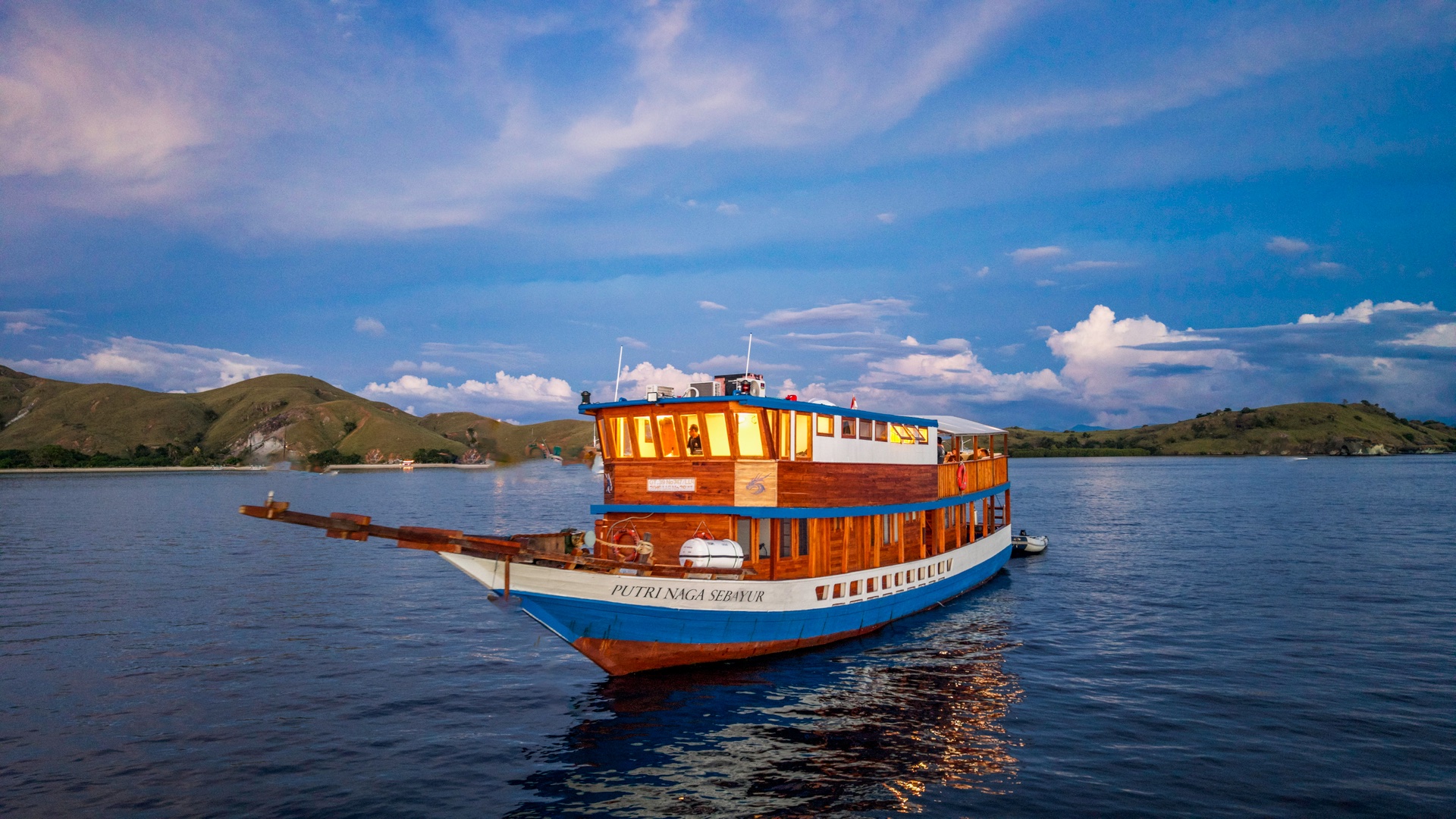
Putri Naga
Komodo, Indonesia
6 guests25 m
Dive sites similar to Derawan Islands
Same character, same waters — six more sites divers love for the exact same reasons.Compare seasons, access and liveaboard routes — then pick the site that fits your trip best.
© Esri — Maxar, Earthstar, GIS
Mawali Wreck
Indonesia
The Mawali Wreck, a Japanese cargo ship, rests on its side in the Lembeh Strait, off the northern coast of Sulawesi.
- Suitable for
- Advanced
- Current
- Mild
- Access
- Liveaboard only
- Depth
- 25–40 m
- Theme
- Wreck / Reef
Aljui Bay, located in Raja Ampat's remote northern reaches, was discovered as a premier snorkeling and diving destination by chance in 2011. This bay, situated within the broader…
- Suitable for
- Beginner
- Current
- Mild
- Access
- Liveaboard only
- Depth
- ≤ 20 m
- Theme
- Reef
Babylon is a captivating dive site located in the Alor Sea, renowned for its exceptional visibility and vibrant marine ecosystem.
- Suitable for
- Intermediate
- Current
- Strong
- Access
- Liveaboard or dayboat
- Depth
- 3–20 m
- Theme
- Reef / Wall
Wakatobi, an acronym for the islands of Wangi-Wangi, Kaledupa, Tomia, and Binongko, lies in Southeast Sulawesi, Indonesia, at the heart of the Coral Triangle.
- Suitable for
- Beginner
- Current
- No current
- Access
- Liveaboard only
- Depth
- 5–30 m
- Theme
- Wall / Reef
© Esri — Maxar, Earthstar, GIS
Cornucopia
Indonesia
Cornucopia, aptly named the 'horn of plenty,' is celebrated as Wakatobi's most spectacular wall dive, offering a diverse and nutrient-rich underwater environment.
- Suitable for
- Intermediate
- Current
- Mild
- Access
- Liveaboard only
- Depth
- 5–40 m
- Theme
- Reef
© Esri — Maxar, Earthstar, GIS
Raymond’s Point
Indonesia
Raymond's Point is a distinguished dive site located south of Mike's Point within the Bunaken National Marine Park, renowned for its dramatic vertical wall.
- Suitable for
- Advanced
- Current
- Strong
- Access
- Dayboat
- Depth
- 5–35 m
- Theme
- Reef / Wall