About Sea Wall
Sea Wall is a captivating boat-access coral wall situated in Indonesia's Maratua Atoll, nestled near Nabucco and Nunukan islands. This site is celebrated for its extraordinary coral growth, boasting a rich variety of hard and soft corals, including striking gorgonians, that adorn the reef face. The topography features a steep wall that begins at approximately 5 meters and descends rapidly to around 30 meters, where it transitions into a sandy slope. Divers navigate with their left shoulder to the reef, exploring a dynamic environment where buoyancy control and current awareness are key skills due to the quick drop-off. The waters here are typically warm and offer good visibility, enhancing the exploration of the diverse aquatic life. The site is particularly known for its small marine creatures, such as seahorses and various macro life, making it a rewarding experience for those who appreciate intricate reef ecosystems. Regarded as an intermediate dive, Sea Wall is best undertaken as a guided boat dive, as rapid currents can develop. The combination of healthy coral, varied marine inhabitants, and the challenge of a steep wall dive provides a memorable underwater adventure.
Highlights
Steep coral wallRich gorgonian growthSmall marine lifeBoat-access reefClear water wall divingModerate currents
Best Season
Sea Wall can be dived year-round, but conditions are most favorable during days with calmer currents for an optimal experience. The Maratua region generally offers good diving conditions from April to November, though the site is accessible continuously.
Dive site facts: Sea Wall
- Depth
- 5–30 m
- Typical dive
- 12–25 m, 50–60 min (estimated)
- Current
- Moderate, can be strong
- Visibility
- 22 m
- Water temperature
- Warm
- Entry
- Boat
- Level
- Intermediate
- Dive type
- Wall, coral reef, drift
- Region / port
- Maratua, Indonesia
- Coordinates
- 4.5685° S, 123.8906° E
Conditions & Currents
Currents at Sea Wall are typically moderate but can become strong, necessitating careful awareness and buoyancy control. The reef drops away quickly, so divers must maintain precise positioning along the wall. Operators generally recommend using a hook in areas with stronger currents to maintain observation points, such as those found at nearby Barracuda Point. The site is best dived as a drift, allowing the current to carry you along the reef line, or by positioning yourself to observe marine life in sheltered areas. Visibility is generally good, often around 22 meters, but can be influenced by tidal flow. Entry is typically by tender boat, with divers advised to follow the guide's instructions for optimal entry and exit techniques. The strong currents make it important for divers to be comfortable with active buoyancy management.
Marine life & sighting chances

Common Seahorse
occasionalSpiny Seahorse
occasional
Wrasse
common
Green Turtle
March, April, May, October · occasional
Hawksbill Turtle
February, September · occasional
Nudibranch
April, May, October · occasional
Cuttlefish
February, April, September · occasional
Shrimp
April, May, October · occasional
Crab
February, April, May · occasional
Frogfish
occasionalDive profile & how the dive runs
Diving at Sea Wall typically begins from a boat, positioned near the reef. Divers descend along the steep coral wall, following its contours with the left shoulder to the reef. The dive progresses along this richly decorated wall, which starts at about 5 meters and quickly drops to a depth of 30 meters before transforming into a sandy slope. The dive route focuses on exploring the vibrant coral growth, including numerous gorgonians, and searching for diverse small marine life nestled within the reef. Due to the potential for moderate to strong currents, divers must maintain excellent buoyancy control and stay aware of their position relative to the wall. The dive often concludes with a safety stop in shallower water, likely at the top of the reef, before ascending back to the boat.
Underwater photography
Sea Wall offers good opportunities for both wide-angle and macro photography, thanks to its vibrant coral walls and diverse small marine life. For wide-angle shots, a fisheye or wide-angle rectilinear lens will capture the impressive depth and vast coral formations. Ensure good lighting with external strobes to bring out the true colors of the corals and gorgonians, especially in deeper sections. Macro enthusiasts will find subjects like seahorses, nudibranchs, frogfish, and various crustaceans, requiring a dedicated macro lens and proper focus lights. Buoyancy control is paramount to avoid disturbing delicate corals and to maintain stable shots, particularly when currents are present. Be mindful of marine life, practicing responsible diving etiquette by observing without contact.
Combine with nearby dive sites
- Sea Wall Garden
A nearby wall dive with coral gardens.
- Midnight Snapper Run
A steep wall dive with sandy plateau and currents.
- Coral Mountain Bay
A colorful reef-current dive.
- East Wall
A steep, long wall to 30-35 meters then sandy slope.
- Kakaban Jellyfish Lake
A unique lake with four types of stingless jellyfish, a short distance from Barracuda Point.
- Wakatobi
Known for wall diving and excellent visibility, often combined in broader itineraries.
Getting there & logistics
Access to Sea Wall is exclusively via boat, typically from nearby resorts on Nabucco and Nunukan islands, or as part of a liveaboard itinerary exploring the Maratua Atoll. The closest major airport is likely Balikpapan (BPN) or Berau (BEJ) in East Kalimantan, Indonesia, requiring further domestic flights and boat transfers to reach Maratua. Trips often range from 5 to 10 days, combining various sites within the Derawan Islands archipelago. Dive operators like Extra Divers Nabucco Islands and Extra Divers Nunukan Island cater to this site. Divers should plan for a guided experience due to the site's characteristics and potential currents. No specific permits or fees are mentioned beyond standard dive package costs.
Safety & environment
Diving at Sea Wall requires careful adherence to safety protocols, primarily due to its steep wall topography and the potential for moderate to strong currents. Divers must maintain excellent buoyancy control to prevent rapid descents or contact with the reef. It is essential to stay aware of current direction and strength, particularly as conditions can change. Always dive with a certified guide who understands the local environment. Evacuation in this remote region would likely involve boat transfer to a mainland medical facility, and potentially air evacuation, underscoring the critical importance of comprehensive dive insurance that covers medical emergencies and evacuation. Divers should always follow their operator's dive plan and reef line instructions to minimize risks.
Who it suits — and who it doesn't
Suited for
- Intermediate to experienced divers
- Divers comfortable with wall diving
- Divers with strong buoyancy control
- Macro photography enthusiasts
- Divers seeking rich coral ecosystems
Less suited for
- Beginner divers without wall diving experience
- Divers uncomfortable with moderate to strong currents
- Divers with poor buoyancy control
- Those prone to seasickness on choppier days
- Divers seeking only large pelagic encounters
FAQ
Sea Wall FAQ
What is the typical depth range for diving at Sea Wall?
Sea Wall features a steep coral wall that begins at approximately 5 meters and quickly drops to around 30 meters. Most of the dive explores this depth range, with the reef eventually transitioning into a sandy slope deeper down. Divers should be comfortable with depths up to 30 meters for a full experience of the site.
What kind of marine life can I expect to see at Sea Wall?
Sea Wall is particularly rich in small marine life and diverse coral species. You can expect to encounter various types of wrasse, and with luck, species like Common and Spiny Seahorses. Occasional sightings also include Green and Hawksbill Turtles, Nudibranchs, Cuttlefish, Shrimp, Crabs, and Frogfish, making it a great spot for macro enthusiasts.
How strong are the currents at Sea Wall?
Currents at Sea Wall are generally moderate but can become strong, especially at certain tidal phases. Divers need to be proficient in buoyancy control and current management. It's often recommended as a drift dive, allowing the current to carry you along the wall, but always under the guidance of an experienced dive leader.
Is Sea Wall suitable for beginner divers?
Sea Wall is generally recommended for intermediate to experienced divers due to its steep wall, quick drop-off, and potentially strong currents. While the depth range is manageable for many, the conditions require good buoyancy control and comfort with current. Beginners without prior wall diving or current experience might find it challenging.
How do I access the Sea Wall dive site?
Sea Wall is a boat-access only dive site. Most divers reach it via dive boats from resorts located on nearby Nabucco and Nunukan islands within the Maratua Atoll. It is also a popular stop on liveaboard itineraries exploring the wider Derawan Islands region of Indonesia.
Why dive Sea Wall from a liveaboard?
Sea Wall is one of Indonesia's signature dive sites. A liveaboard sleeps you on the water and puts you in the water for three to four guided dives per day, including dawn and night dives that day-boat operators rarely offer. You skip the daily commute back to port and reach quieter, less-crowded sites in the same region on a single trip.
Below are the liveaboards that include Sea Wall on their Indonesia itineraries.
Liveaboards diving Sea Wall
These liveaboards may visit Sea Wall on selected itineraries — the exact dive sites depend on departure, weather and conditions.
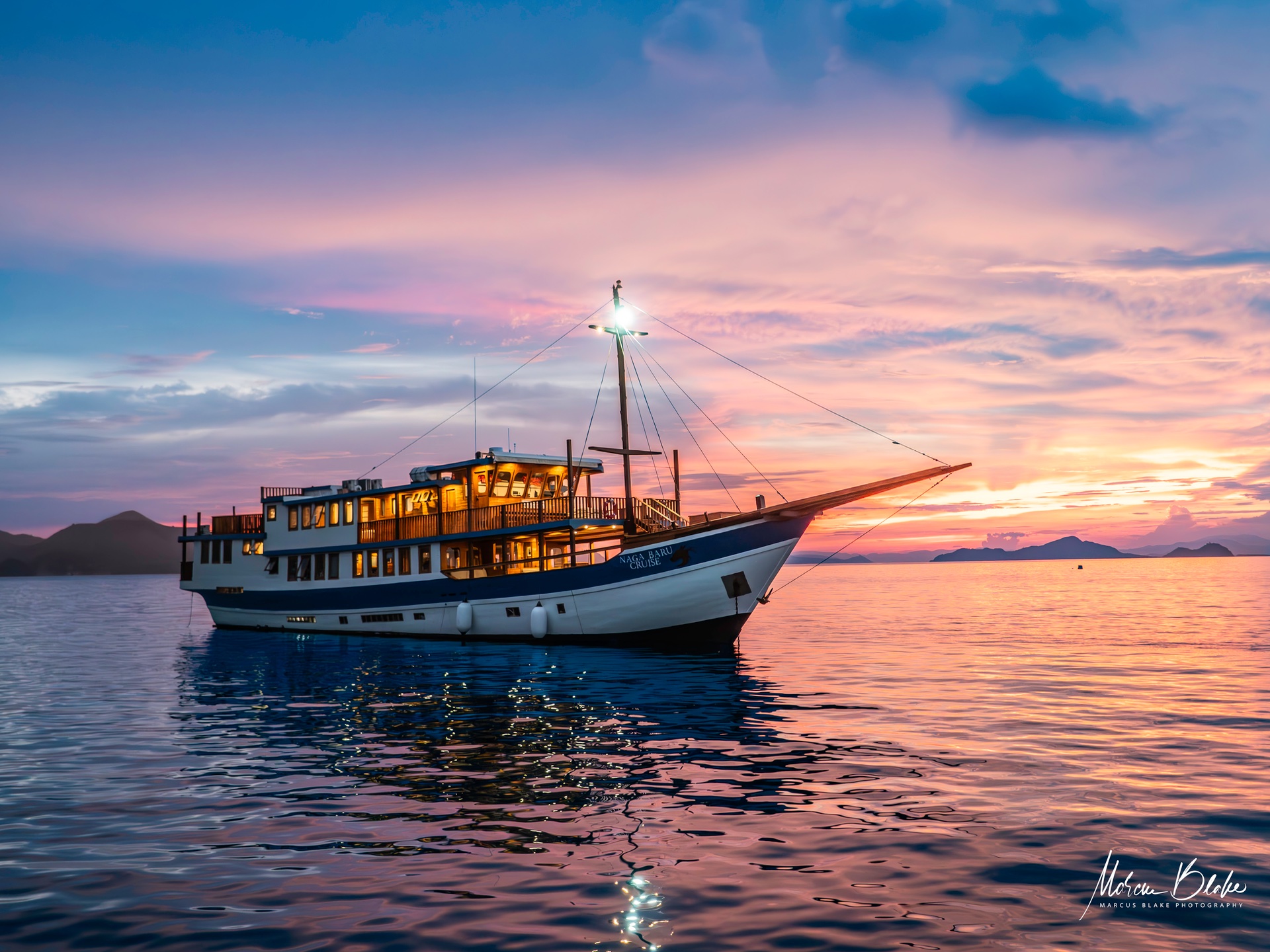
Naga Biru
Indonesia
12 guests40 m
$274/day
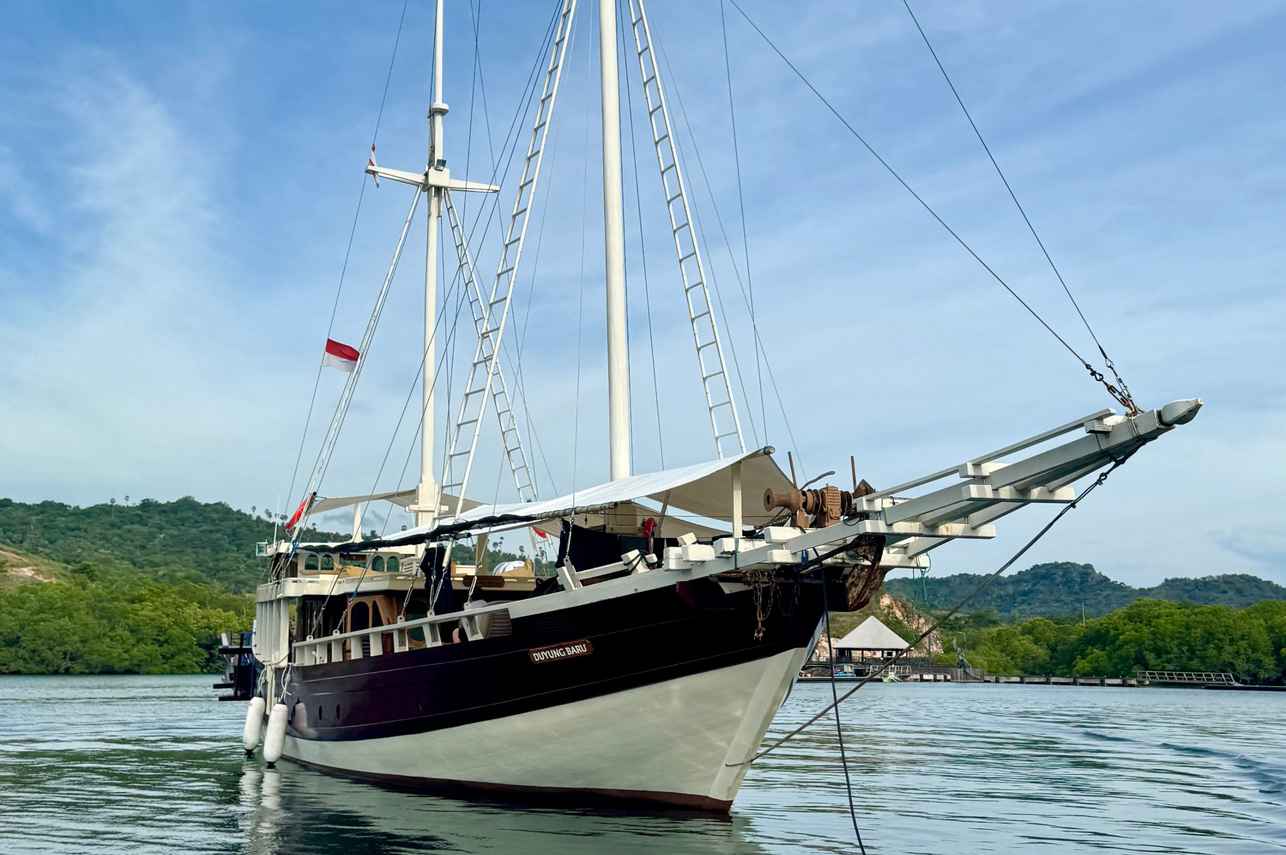
Ecopro Duyung Baru
Indonesia
6 guests27 m
$361/day
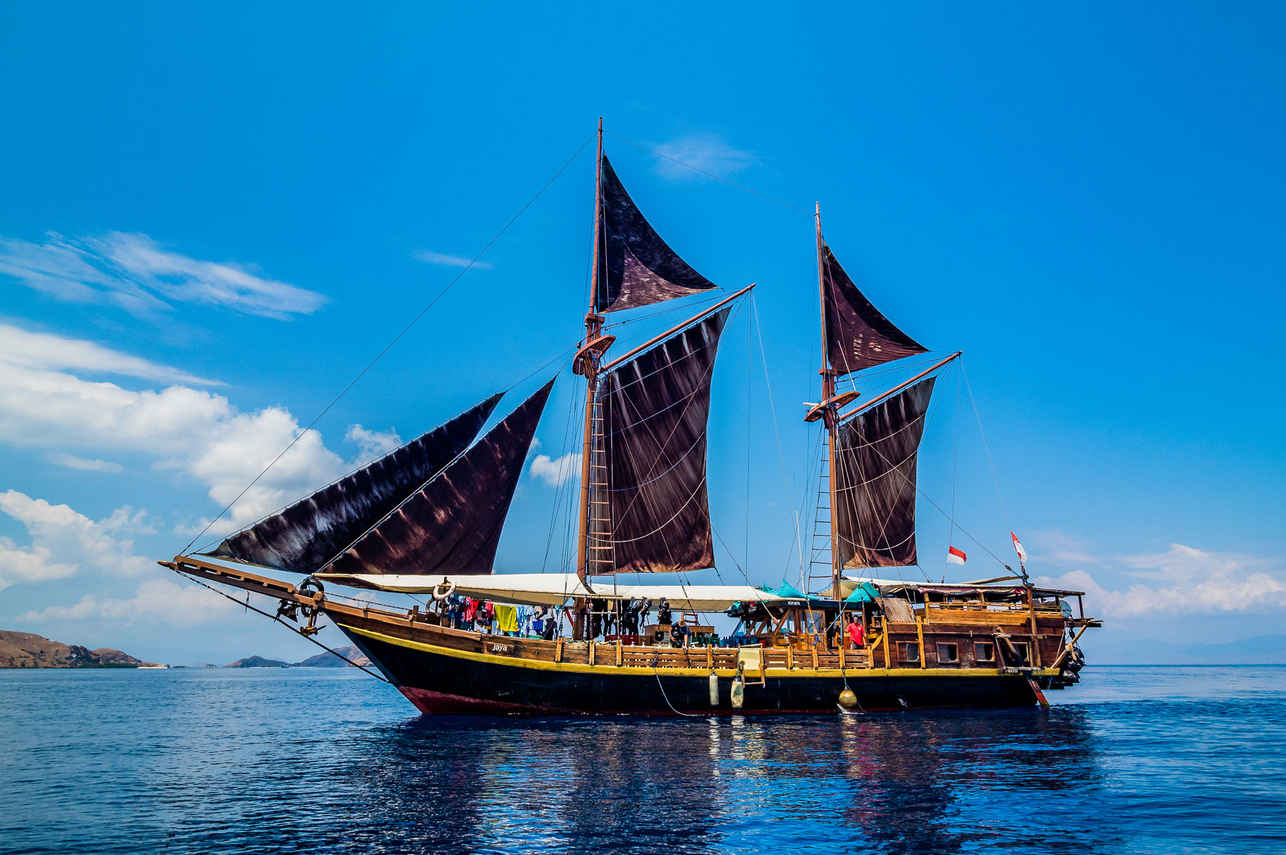
Jaya
Indonesia
14 guests23 m
$280/day
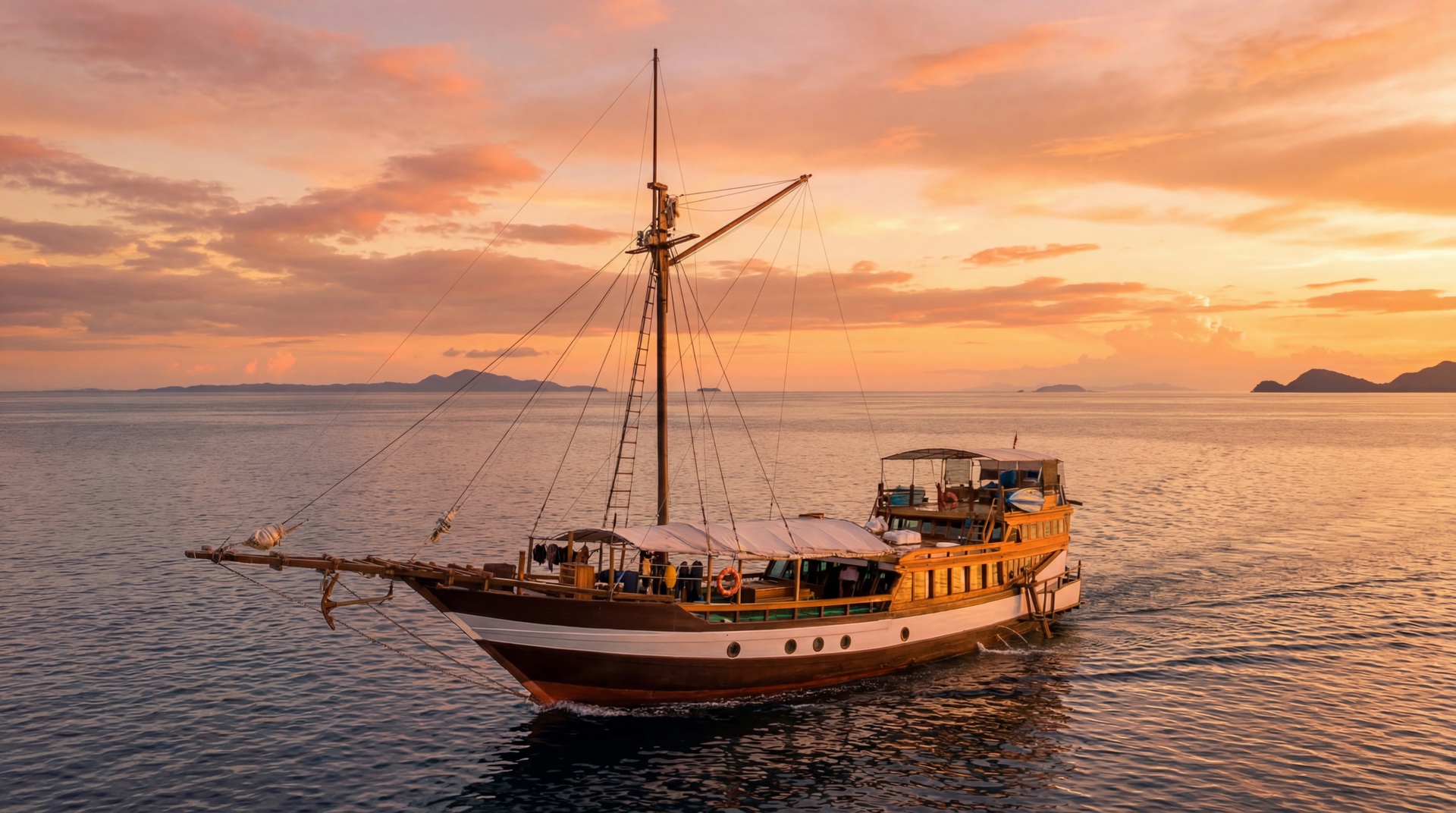
Wellenreng
Indonesia
9 guests25 m
$427/day
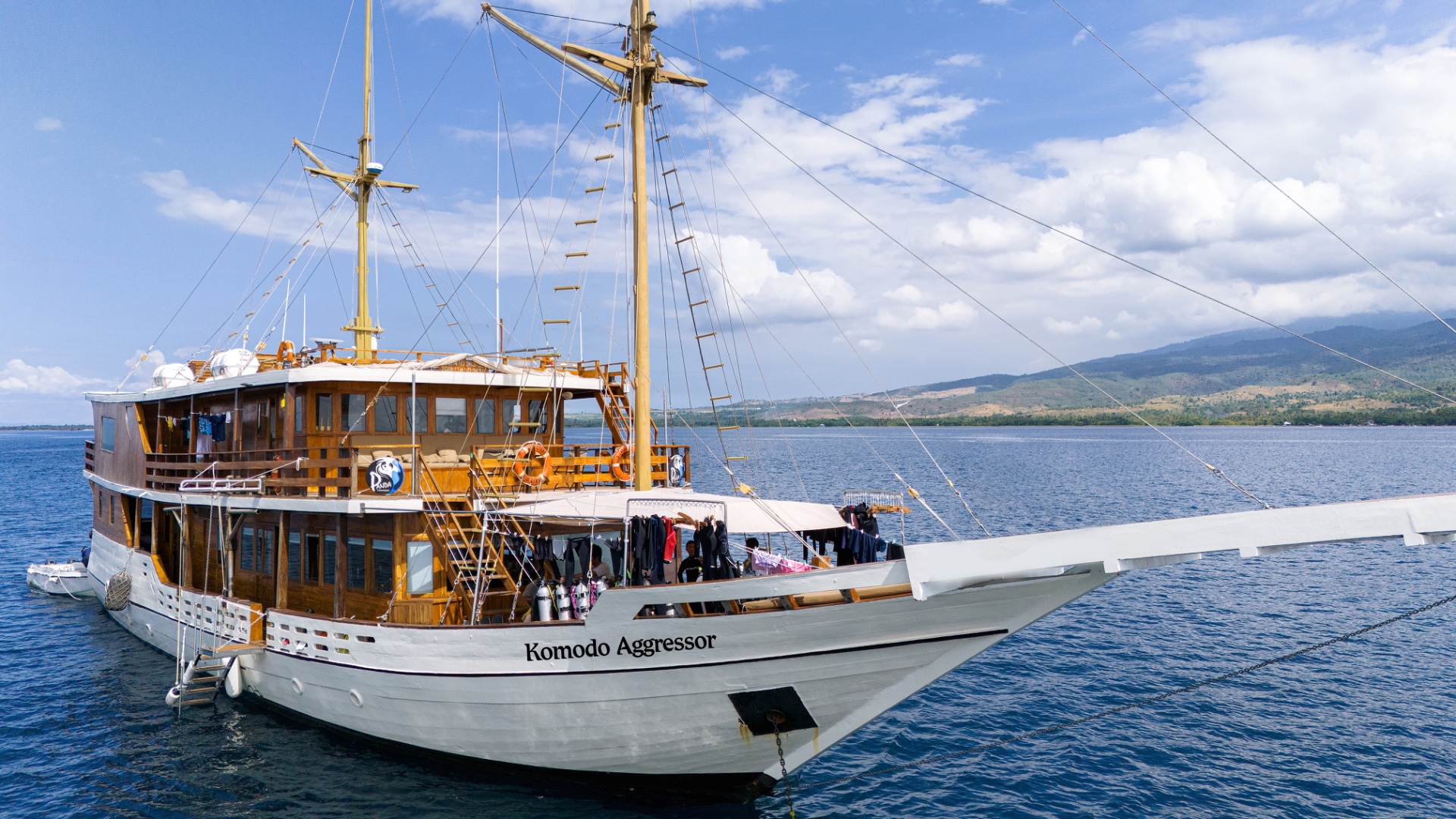
Komodo Aggressor
Komodo, Indonesia
16 guests29 m
$312/day
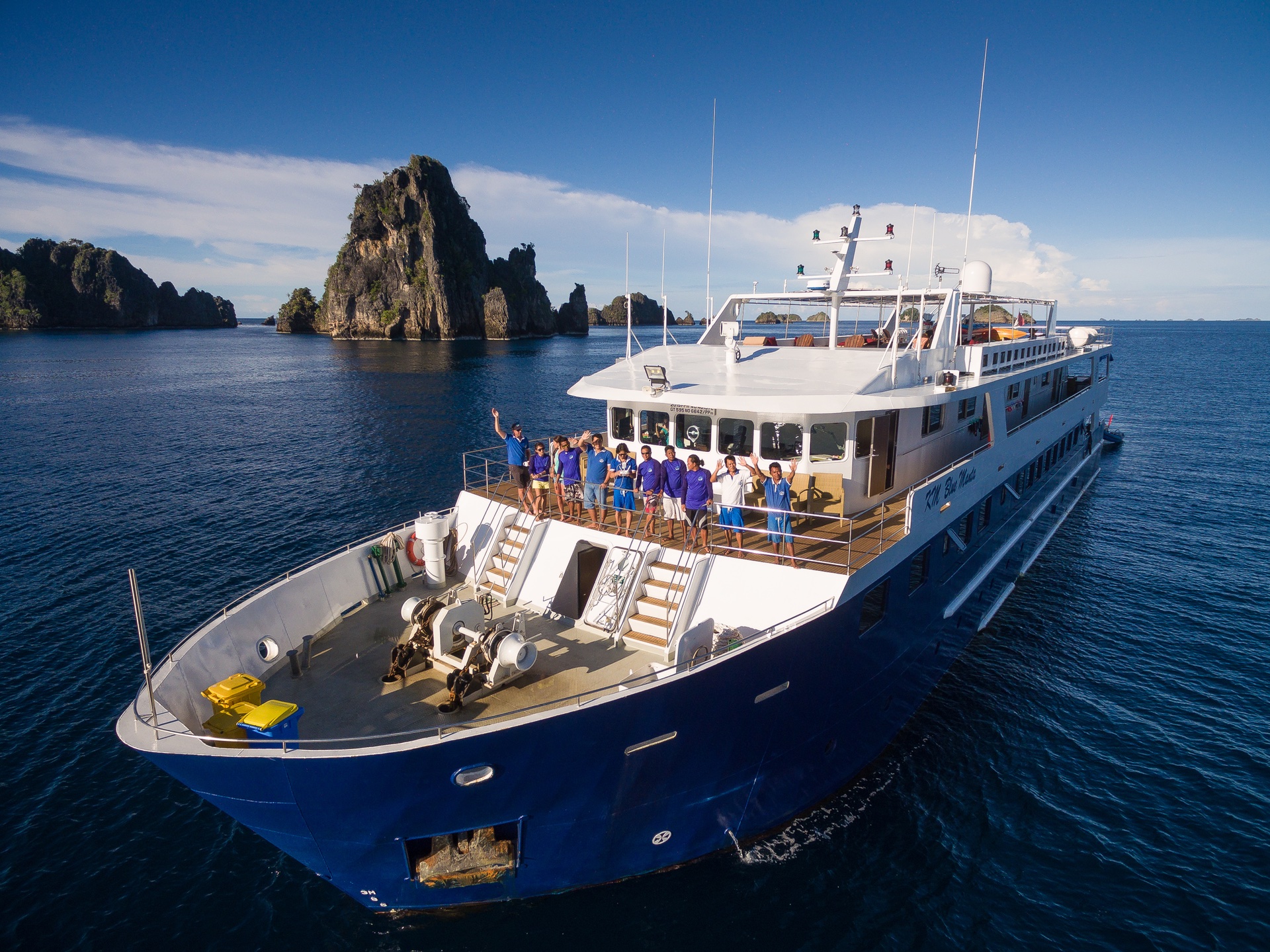
Blue Manta
Indonesia
20 guests45 m
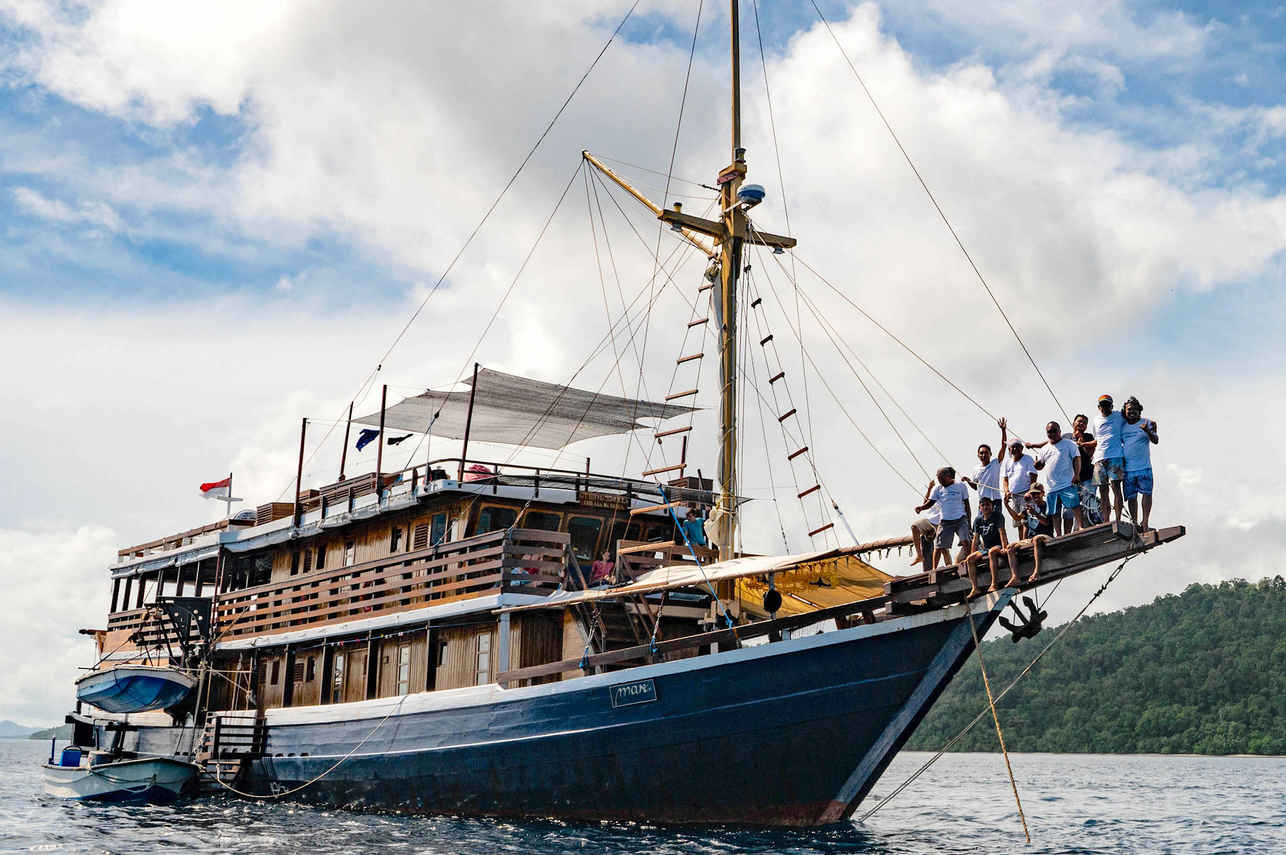
Mari
Indonesia
14 guests32.2 m
$328/day
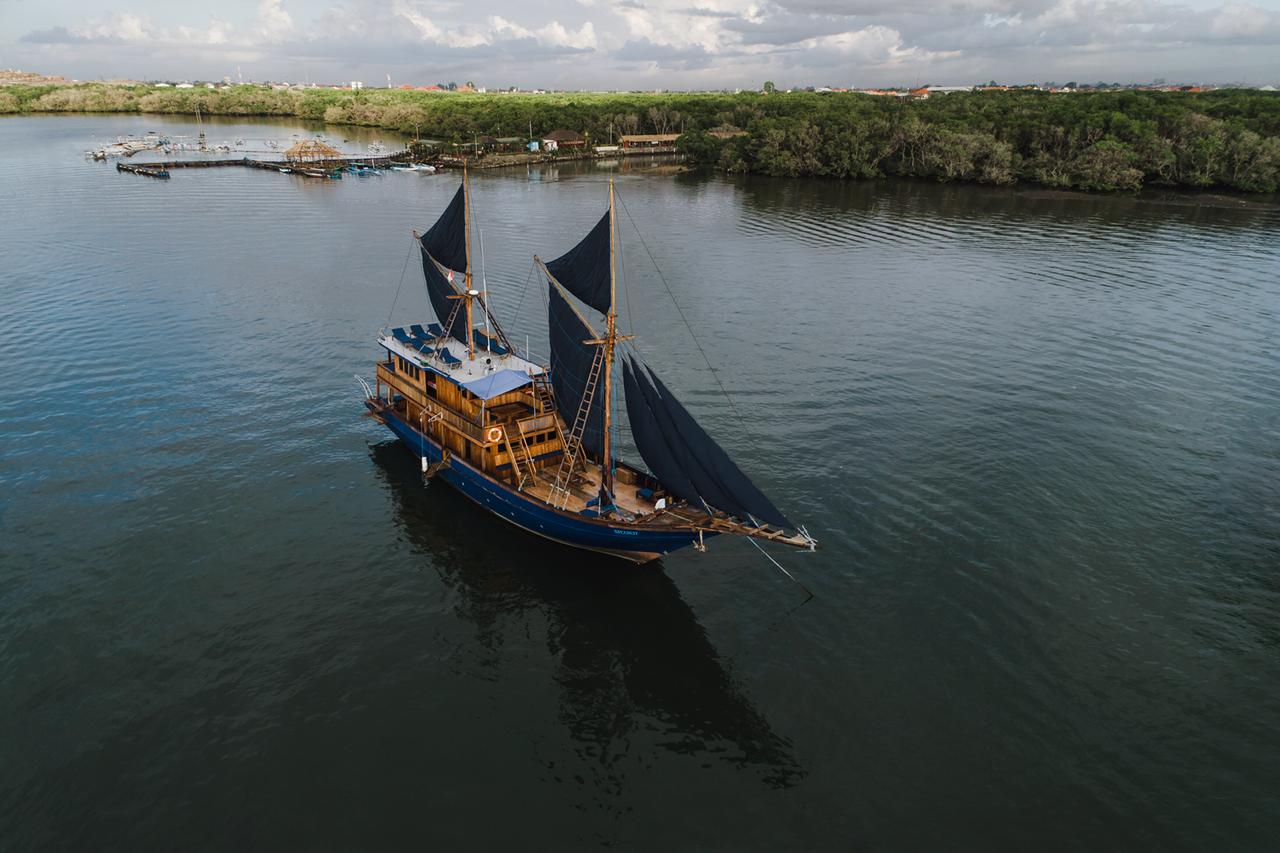
Situju7
Komodo, Indonesia
10 guests32.7 m
$362/day
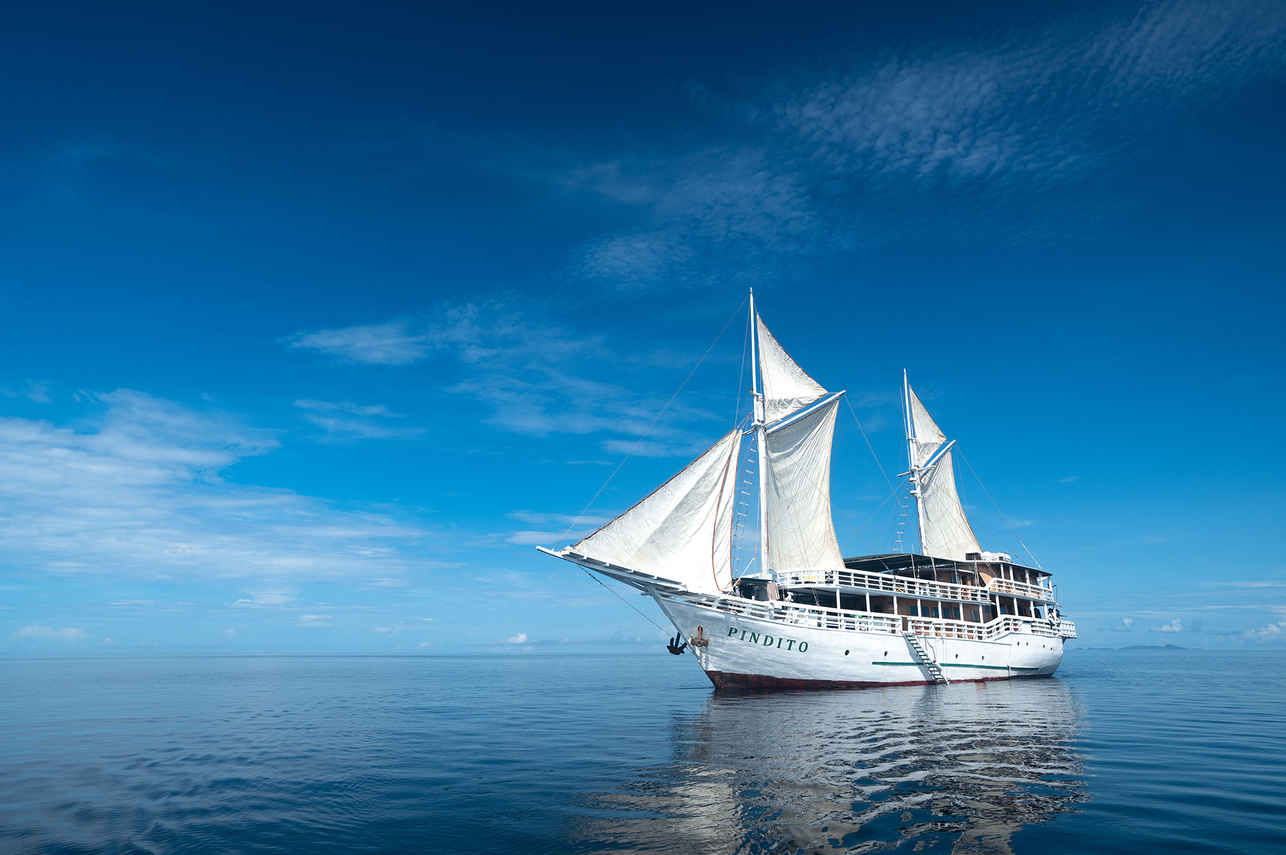
Pindito
Indonesia
16 guests37.79 m
$533/day
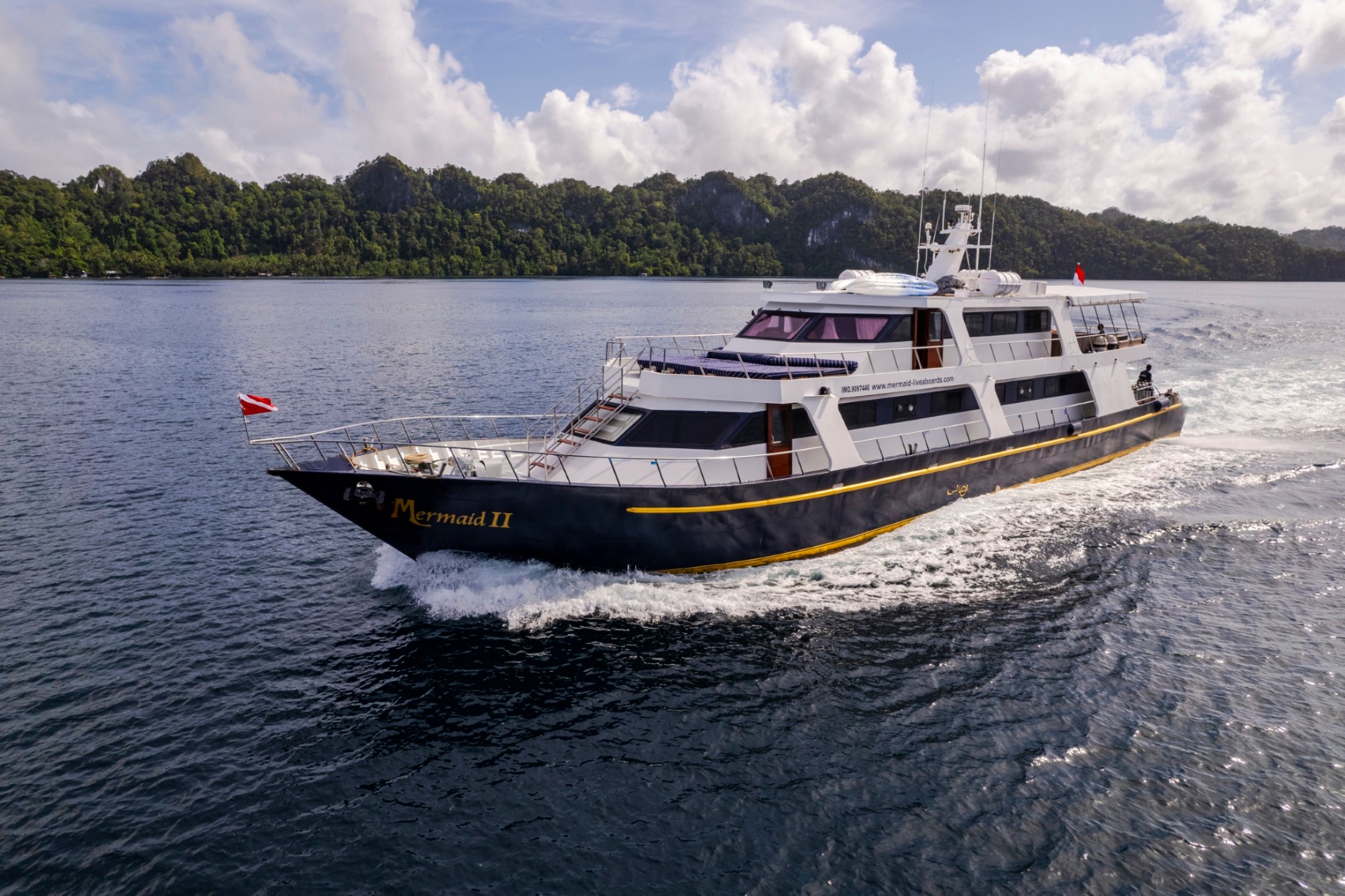
Mermaid II
Komodo, Indonesia
18 guests
$356/day
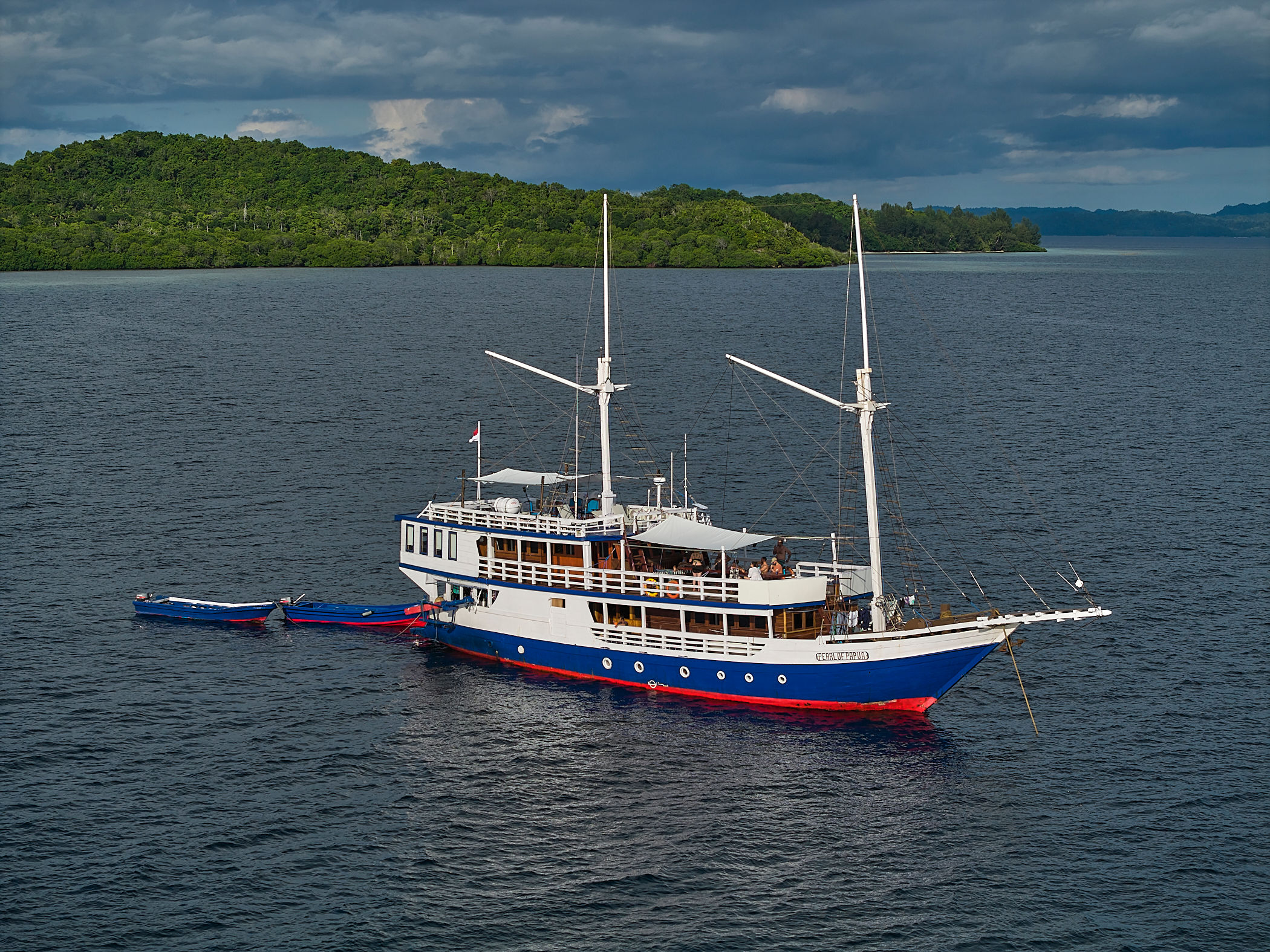
Pearl of Papua
Raja Ampat, Indonesia
14 guests30 m
$303/day
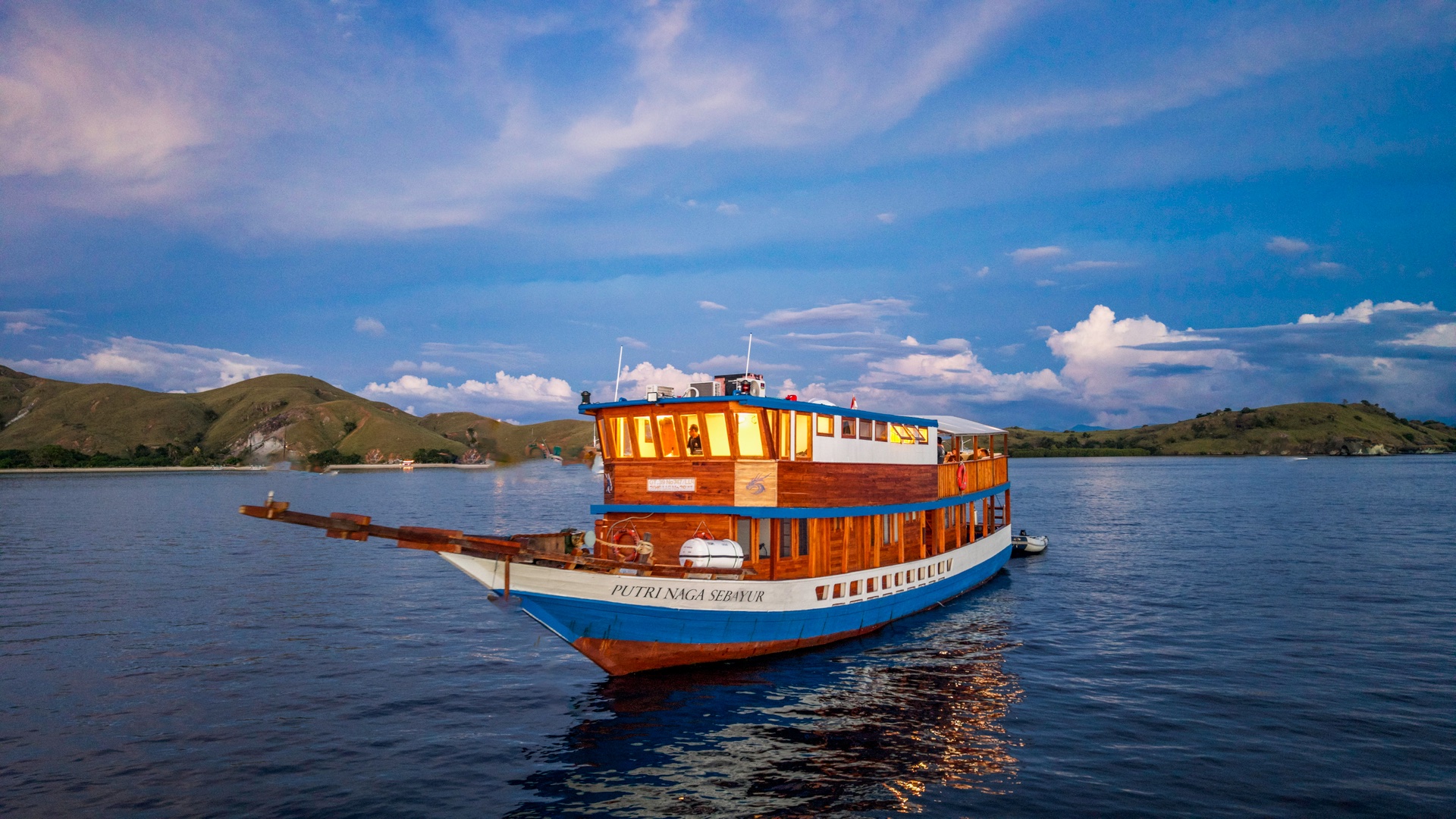
Putri Naga
Komodo, Indonesia
6 guests25 m
Dive sites similar to Sea Wall
Same character, same waters — six more sites divers love for the exact same reasons.Compare seasons, access and liveaboard routes — then pick the site that fits your trip best.
© Esri — Maxar, Earthstar, GIS
Adonara Wall
Indonesia
Adonara is an Indonesian island dive site, renowned for its vibrant underwater topography characterized by submerged seamounts.
- Suitable for
- Intermediate
- Current
- Strong
- Access
- Liveaboard or dayboat
- Depth
- 5–35 m
- Theme
- Seamount / Wall
© Esri — Maxar, Earthstar, GIS
Mawali Wreck
Indonesia
The Mawali Wreck, a Japanese cargo ship, rests on its side in the Lembeh Strait, off the northern coast of Sulawesi.
- Suitable for
- Advanced
- Current
- Mild
- Access
- Liveaboard only
- Depth
- 25–40 m
- Theme
- Wreck / Reef
Aljui Bay, located in Raja Ampat's remote northern reaches, was discovered as a premier snorkeling and diving destination by chance in 2011. This bay, situated within the broader…
- Suitable for
- Beginner
- Current
- Mild
- Access
- Liveaboard only
- Depth
- ≤ 20 m
- Theme
- Reef
Babylon is a captivating dive site located in the Alor Sea, renowned for its exceptional visibility and vibrant marine ecosystem.
- Suitable for
- Intermediate
- Current
- Strong
- Access
- Liveaboard or dayboat
- Depth
- 3–20 m
- Theme
- Reef / Wall
© Esri — Maxar, Earthstar, GIS
Shark Close
Indonesia
Shark Close is an exhilarating dive site in the Indonesian portion of Borneo, renowned for its strong currents and abundant marine life.
- Suitable for
- Advanced
- Current
- Strong
- Access
- Liveaboard or dayboat
- Depth
- 5–25 m
- Theme
- Channel / Drift