About Wakatobi
Wakatobi, an acronym for the islands of Wangi-Wangi, Kaledupa, Tomia, and Binongko, lies in Southeast Sulawesi, Indonesia, at the heart of the Coral Triangle. This region boasts the largest barrier reef system in Indonesia, spanning 600 kilometers, and has been a marine conservation area since 1996, receiving UNESCO Biosphere status in 2012. Its exceptionally healthy reefs are home to hundreds of coral species and over 940 reef fish species, supported by nearly three decades of community-led conservation and strict no-take policies within the park. Diving here offers a diverse topography, including fringing reefs, atolls, vertical walls, and pinnacle seamounts that rise close to the surface. Depths range from shallow critter gardens to walls plunging beyond 40 meters. The unique dry climate and lack of major rivers ensure consistently excellent visibility, often exceeding 30 meters. Water temperatures remain warm throughout the year, typically between 26°C and 30°C. While conditions are generally mild enough for open water divers, sites like Roma and Cornucopia offer varied experiences, from gentle drifts over vibrant reef tops to exhilarating wall dives with moderate to strong currents. The area is celebrated for its pristine conditions, abundant marine life, and the opportunity to experience quiet dive sites, often having them to yourself.
Highlights
Indonesia's largest barrier reefHeart of the Coral TriangleExceptional coral diversity940+ reef fish speciesUNESCO Biosphere ReserveVertical walls and seamountsPristine house reefCommunity-led conservation
Season calendar
Best months to dive here
Jan
Feb
Mar
Apr
May
Jun
Jul
Aug
Sep
Oct
Nov
Dec
Excellent
Good
Dive site facts: Wakatobi
- Depth
- 2–40 m
- Typical dive
- 12–25 m, 70+ min
- Current
- Mild to strong, site-dependent
- Visibility
- 20–50 m
- Water temperature
- 26–30 °C
- Entry
- Boat / Shore (taxi-boat)
- Level
- All levels, AOWD for some walls
- Dive type
- Coral reef, wall, muck, pinnacle, drift
- Night dive
- Possible, especially house reef
- Region / port
- Southeast Sulawesi, Indonesia
- Coordinates
- 5.4600° S, 123.9500° E
Conditions & Currents
Currents in Wakatobi are typically mild to medium strength, making many sites accessible for various skill levels. However, some pinnacle sites and wall dives, such as Magnifica, can experience moderate to strong currents, which often create thrilling drift dives and stimulate vibrant soft coral growth as plankton-rich water flows past. Local dive operators typically time dives to coincide with slack tide at sites known for stronger flows, ensuring optimal conditions, especially for photographers. The absence of major rivers minimizes sediment runoff, contributing to the consistently excellent visibility, which averages around 35 meters and can reach up to 50 meters on wall dives, regardless of rainfall. Entry and exit are primarily by boat, with specialized services like taxi-boats for shore dives, allowing divers to drift back to entry points. An SMB is highly advisable for boat pick-u
Marine life & sighting chances
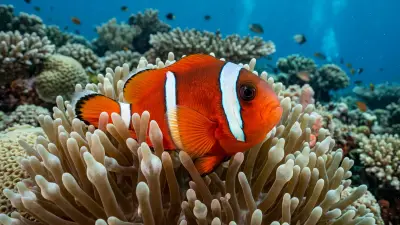
Anemonefish
common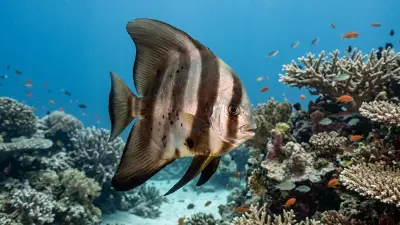
Batfish
occasional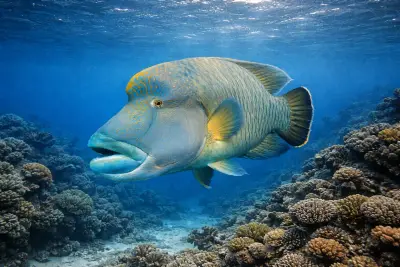
Napoleon Wrasse
occasional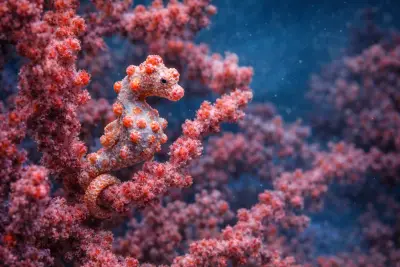
Pygmy Seahorse
occasional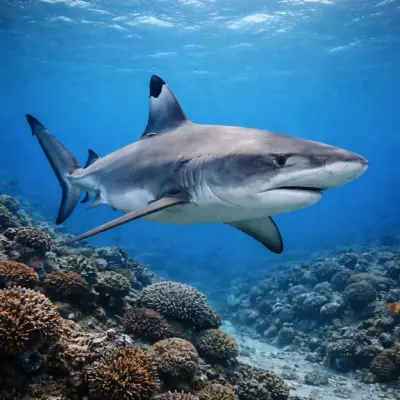
Reef Shark
occasional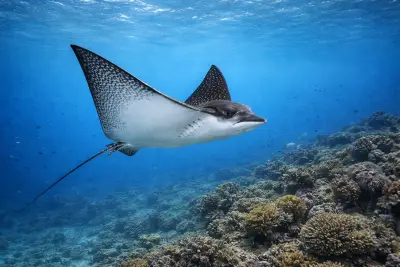
Eagle Ray
occasional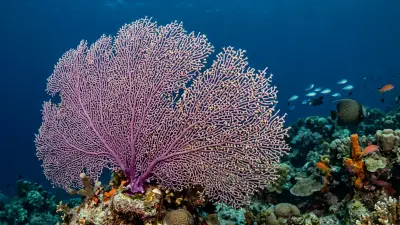
Giant Gorgonian
common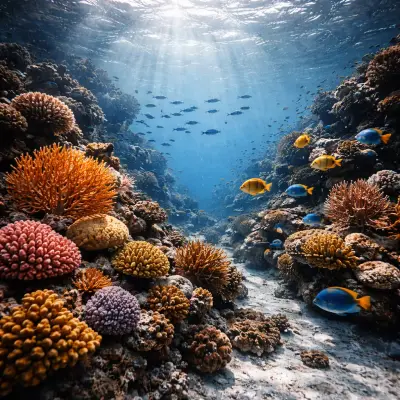
Black Coral
common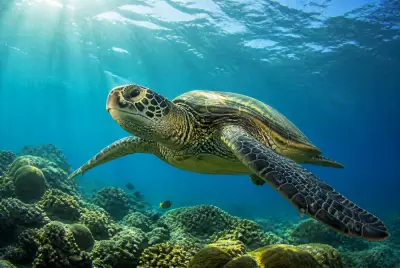
Sea Turtle
occasional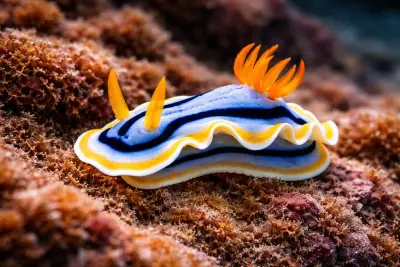
Nudibranch
common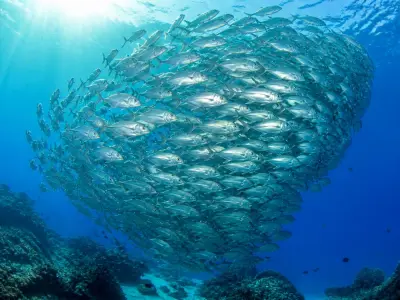
Jackfish
occasional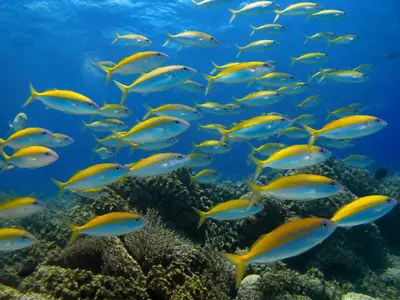
Fusilier
common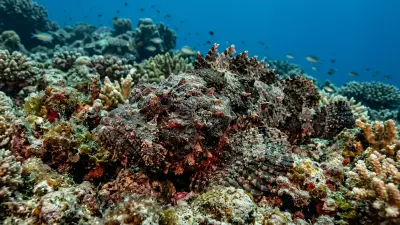
Stonefish
rare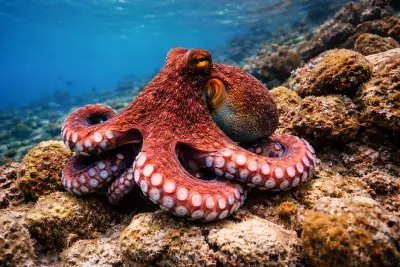
Octopus
occasionalDive profile & how the dive runs
A typical boat dive in Wakatobi often begins with a descent onto a sloping reef or along a vertical wall, depending on the site. At sites like Roma, divers start near the seamount's crest at approximately two meters, then explore upper slopes dense with anemones and clownfish before dropping over the edge to observe fans, sponges, and pelagics in deeper water down to 40 meters. Wall dives, such as Cornucopia, begin along a terraced slope before descending into sheer drop-offs featuring overhangs, large gorgonian fans, and barrel sponges. The dive progresses, following the reef contour or drifting with mild currents. Longer bottom times, often exceeding 70 minutes, are common, emphasizing multi-level diving. The final 30 minutes or so of each dive are typically spent in the shallows, around 5-7 meters, allowing for extended safety stops and enjoyment of the vibrant, sun-drenched reef crests, which are exceptionally rich in color and marine life.
Underwater photography
Wakatobi offers exceptional opportunities for both wide-angle and macro photography, with crystal-clear waters and vibrant reefscapes. For wide-angle shots, utilize a dome port and capture the extensive hard and soft coral gardens, bustling reef fish, and schooling pelagics. The famously flat seas often facilitate stunning over/under shots. Macro photographers will find endless subjects on the house reef and critter-rich areas, including pygmy seahorses on sea fans, various nudibranchs along ledges, and shy creatures in the anemones; a macro lens with a diopter can be highly effective here. Good buoyancy control is paramount to protect the pristine corals, especially when getting close to subjects. When photographing large soft corals, observe how they plump up during currents, offering dynamic composition. Be mindful of subject etiquette, especially with rare or shy macro life, ensuring minimal disturbance.
Combine with nearby dive sites
- Roma
Famous pinnacle seamount with extensive potato coral formations and diverse reef life.
- Cornucopia
A celebrated wall dive known for its deep overhangs, colorful soft corals, and macro subjects.
- Magnifica
A reef starting shallow, cascading into technical depths with dense soft coral growth and potential strong drifts.
- Table Coral City
A pinnacle seamount known for its extensive table coral formations.
- Hairball
A muck dive site accessible via Pelagian liveaboard, known for unique critter hunting.
- Babylon
Offers pristine reefs, stunning wall dives, and abundant marine life.
Getting there & logistics
Access to Wakatobi typically begins with a flight to Ngurah Rai International Airport (DPS) in Bali. From Bali, travelers can board Wakatobi Resort's private air charter, which offers direct flights to the resort's airstrip, a journey of approximately two and a half hours, with scheduled services on Mondays and Fridays. Alternatively, commercial flights connect Bali or Jakarta to Makassar, then on to Matahora Airport on Wangi-Wangi Island. If staying near Tomia Island, public boats or private charters are available from Wangi-Wangi. Liveaboards like the Pelagian also offer trips to the Wakatobi archipelago, providing access to more remote sites. Trip lengths vary, but typical stays at resorts or liveaboards range from one to two weeks. A national park fee is usually included in dive package costs. Wakatobi is often explored as a dedicated destination due to its remote location and the richness of its dive sites.
Safety & environment
While Wakatobi offers generally mild diving conditions, appropriate safety measures are crucial. The nearest recompression chamber facilities are not immediately on-site, making comprehensive dive insurance with emergency evacuation coverage essential. Divers should be proficient in buoyancy control to protect the pristine corals and adhere strictly to dive plans. Stronger currents can occur at some sites, so carrying an SMB (Surface Marker Buoy) for boat pick-up is highly recommended, and divers should be comfortable with drift diving. Maintain adequate surface intervals and hydration. Always dive within your certified limits, and consider additional training like Enriched Air Nitrox, which is often available, to extend bottom time safely. Site briefings will cover specific hazards for each location, including potential encounters with venomous marine life, emphasizing observation without contact.
Who it suits — and who it doesn't
Suited for
- New divers comfortable with boat entries
- Experienced divers seeking pristine reefs
- Underwater photographers (macro and wide-angle)
- Divers interested in marine biodiversity and conservation
- Those who appreciate uncrowded dive sites
Less suited for
- Divers uncomfortable with remote travel
- Those seeking strong current, pelagic-focused diving exclusively
- Budget-conscious travelers (typically a luxury destination)
- Divers who prefer extensive nightlife options ashore
- Individuals not comfortable with multi-level dive profiles
FAQ
Wakatobi FAQ
What makes Wakatobi's reefs so healthy?
Wakatobi's reefs benefit from nearly three decades of dedicated community-led conservation efforts and its status as a UNESCO Biosphere Reserve since 2012. Strict no-take zones within Wakatobi National Park, combined with the lack of agricultural runoff due to a dry climate and no major rivers, ensure minimal pollution and exceptional water quality. These factors contribute significantly to the vibrant coral growth and abundant marine life.
How do I get to Wakatobi?
The most common way to reach Wakatobi is by flying into Bali's Ngurah Rai International Airport (DPS). From Bali, the Wakatobi Resort operates a private charter flight directly to its airstrip, a journey lasting about two and a half hours. Alternatively, commercial flights are available to Matahora Airport on Wangi-Wangi Island, typically connecting via Makassar from Bali or Jakarta, followed by a boat transfer to your accommodation.
What is the visibility like in Wakatobi?
Wakatobi is renowned for its consistently excellent underwater visibility, often ranging between 20 to 50 meters, with an average of 35 meters. This exceptional clarity is maintained year-round because the region has a dry climate and no large rivers to carry sediment into the ocean. The calm waters also contribute to stable visibility conditions.
Are there strong currents in Wakatobi?
Currents in Wakatobi generally range from mild to moderate, suitable for all skill levels. However, some specific sites, particularly pinnacles and certain wall dives, can experience stronger currents. Dive operators typically plan dives around slack tides to optimize conditions, but an SMB is always recommended for safety and easy boat pickup.
What kind of marine life can I expect to see?
Wakatobi is a biodiversity hotspot within the Coral Triangle, home to over 940 reef fish species and hundreds of coral types. Divers can expect vibrant reef scenes with abundant anemonefish, fusiliers, and various reef sharks. Macro enthusiasts will find pygmy seahorses, nudibranchs, and diverse critter life, while pelagic sightings like eagle rays and Napoleon wrasse are also possible.
Is Wakatobi suitable for new divers?
Yes, Wakatobi is well-suited for new divers. Many sites feature mild currents and shallow, protected areas rich in marine life, such as the famous House Reef. The warm water, excellent visibility, and the option for multi-level diving with extended safety stops in shallow, colorful reefs provide a comfortable and rewarding experience for those new to diving.
Why dive Wakatobi from a liveaboard?
Wakatobi is one of Indonesia's signature dive sites. A liveaboard sleeps you on the water and puts you in the water for three to four guided dives per day, including dawn and night dives that day-boat operators rarely offer. You skip the daily commute back to port and reach quieter, less-crowded sites in the same region on a single trip.
Below are the liveaboards that include Wakatobi on their Indonesia itineraries.
Liveaboards diving Wakatobi
These liveaboards may visit Wakatobi on selected itineraries — the exact dive sites depend on departure, weather and conditions.
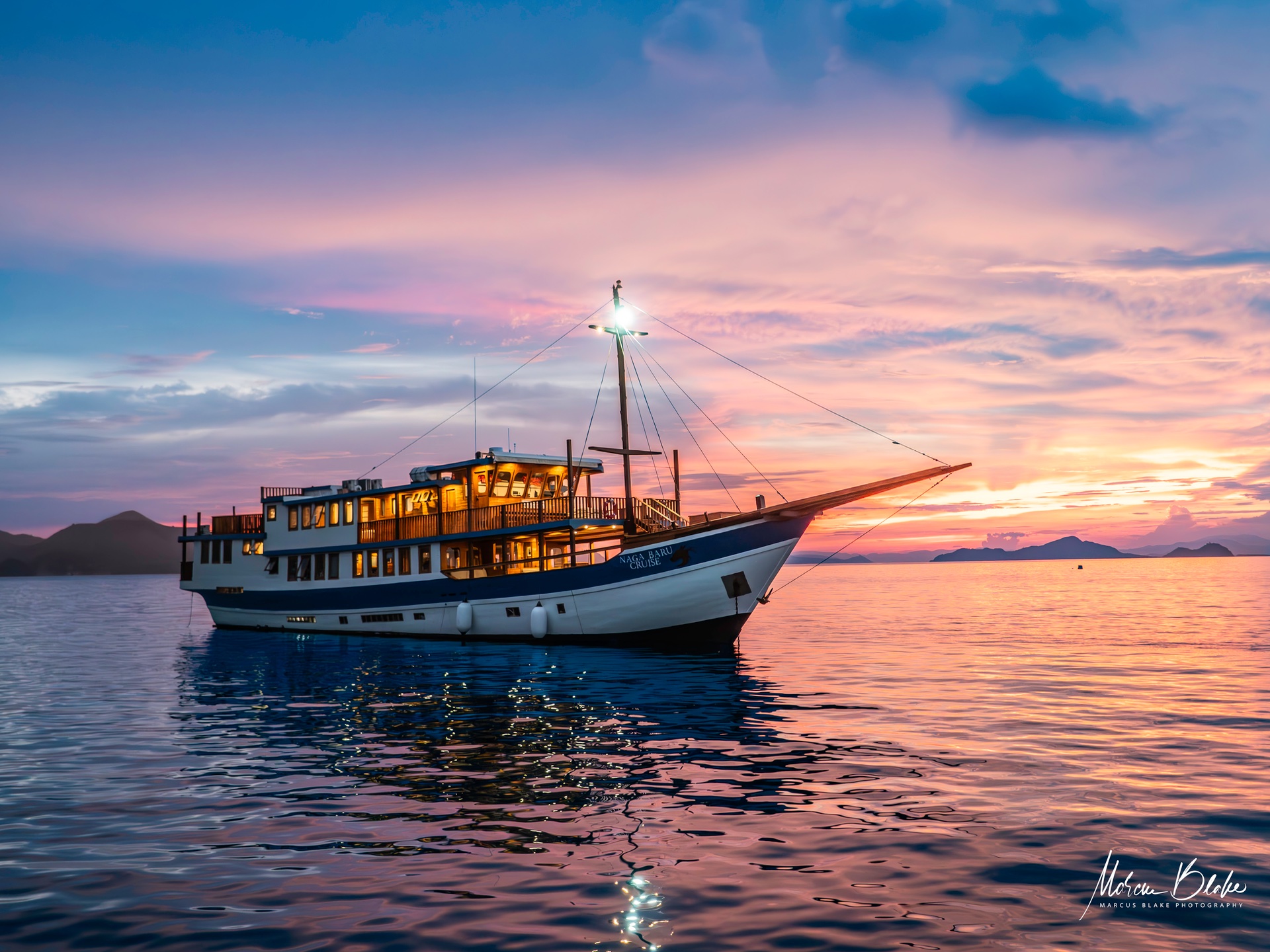
Naga Biru
Indonesia
12 guests40 m
$274/day
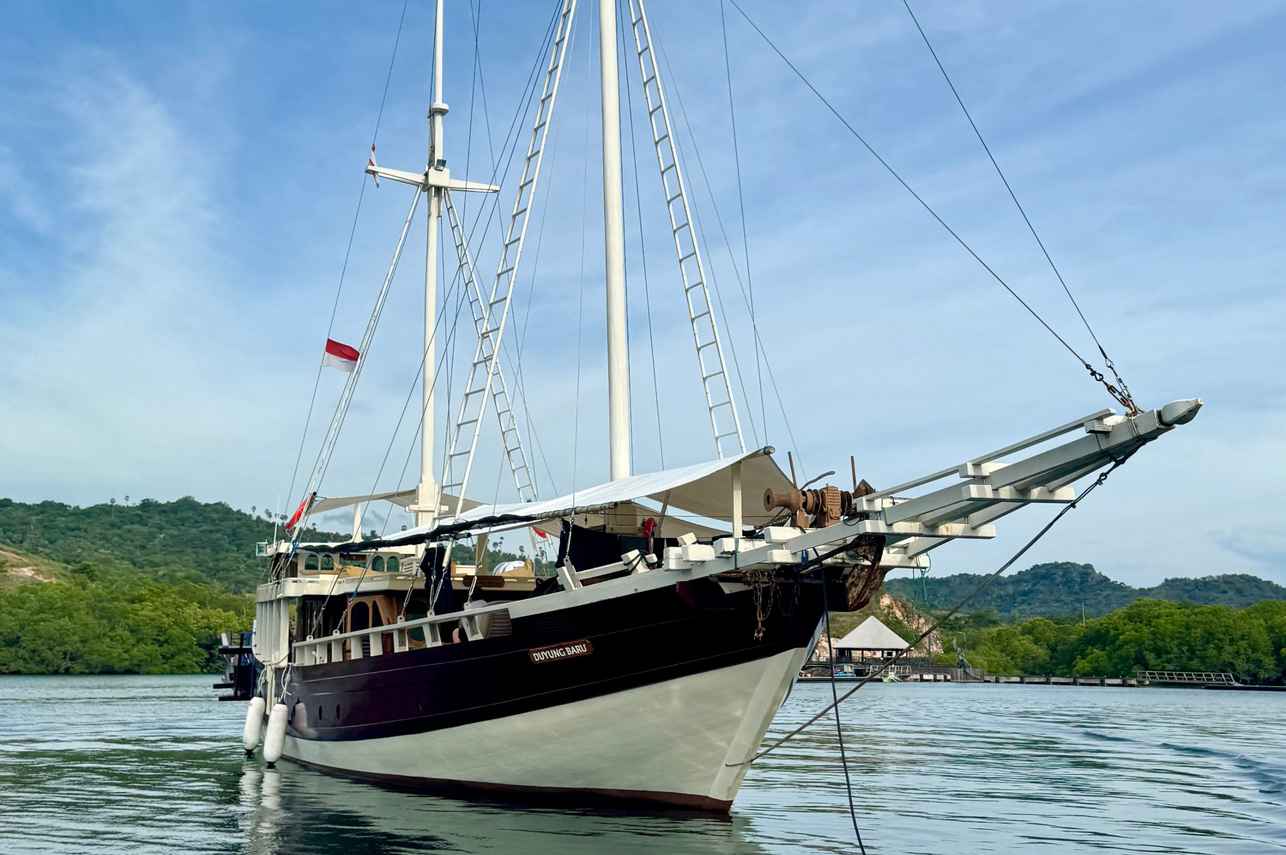
Ecopro Duyung Baru
Indonesia
6 guests27 m
$361/day
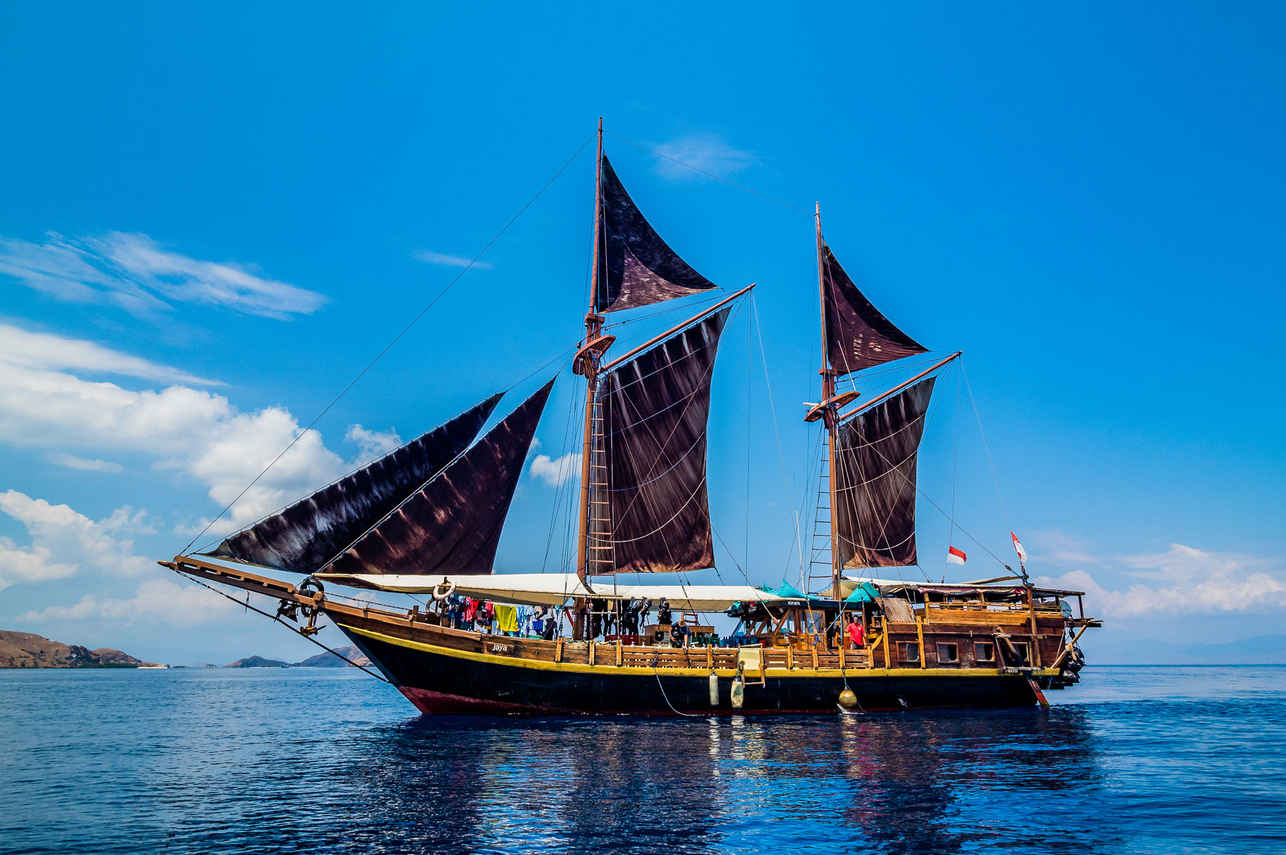
Jaya
Indonesia
14 guests23 m
$280/day
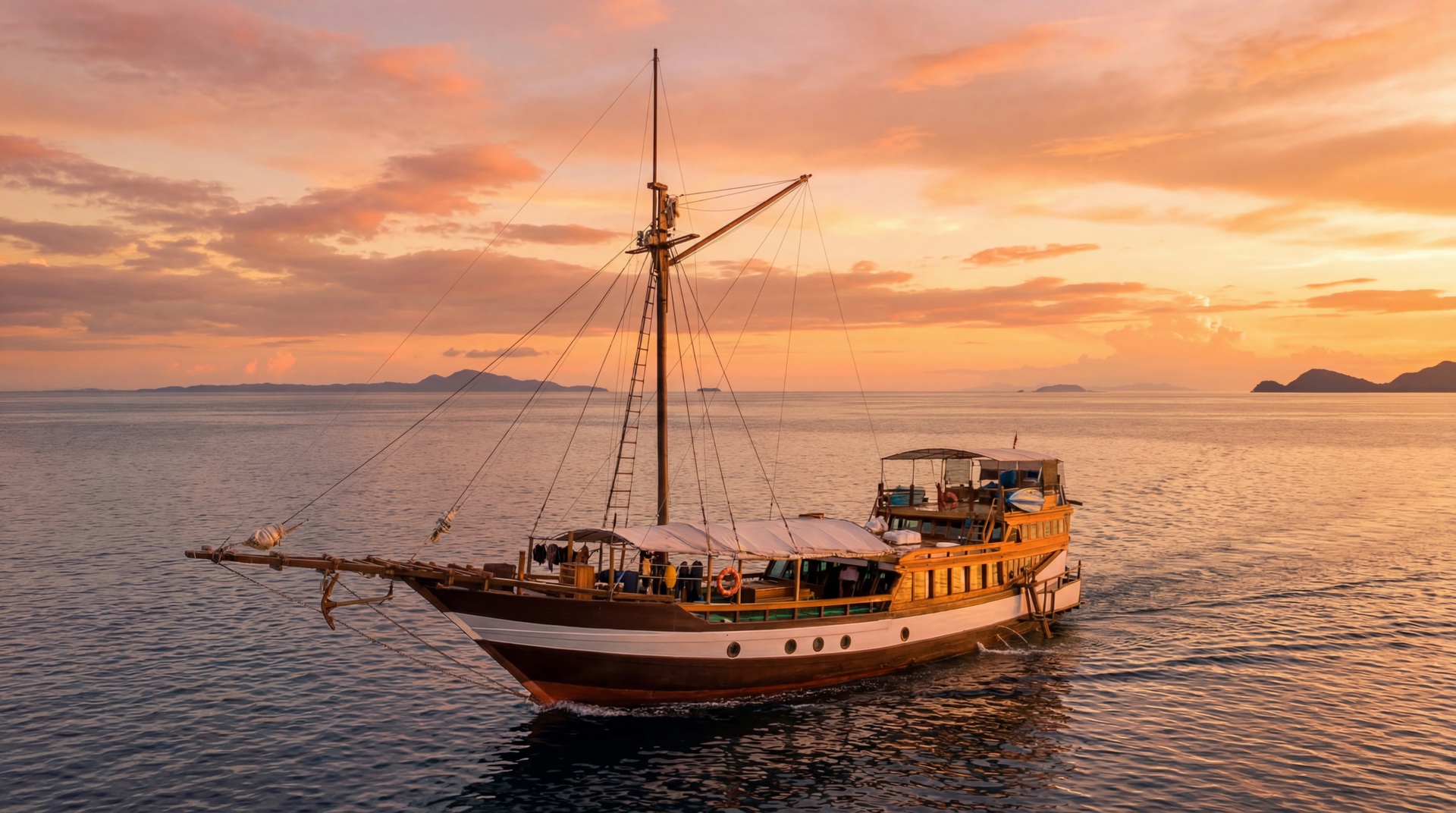
Wellenreng
Indonesia
9 guests25 m
$427/day
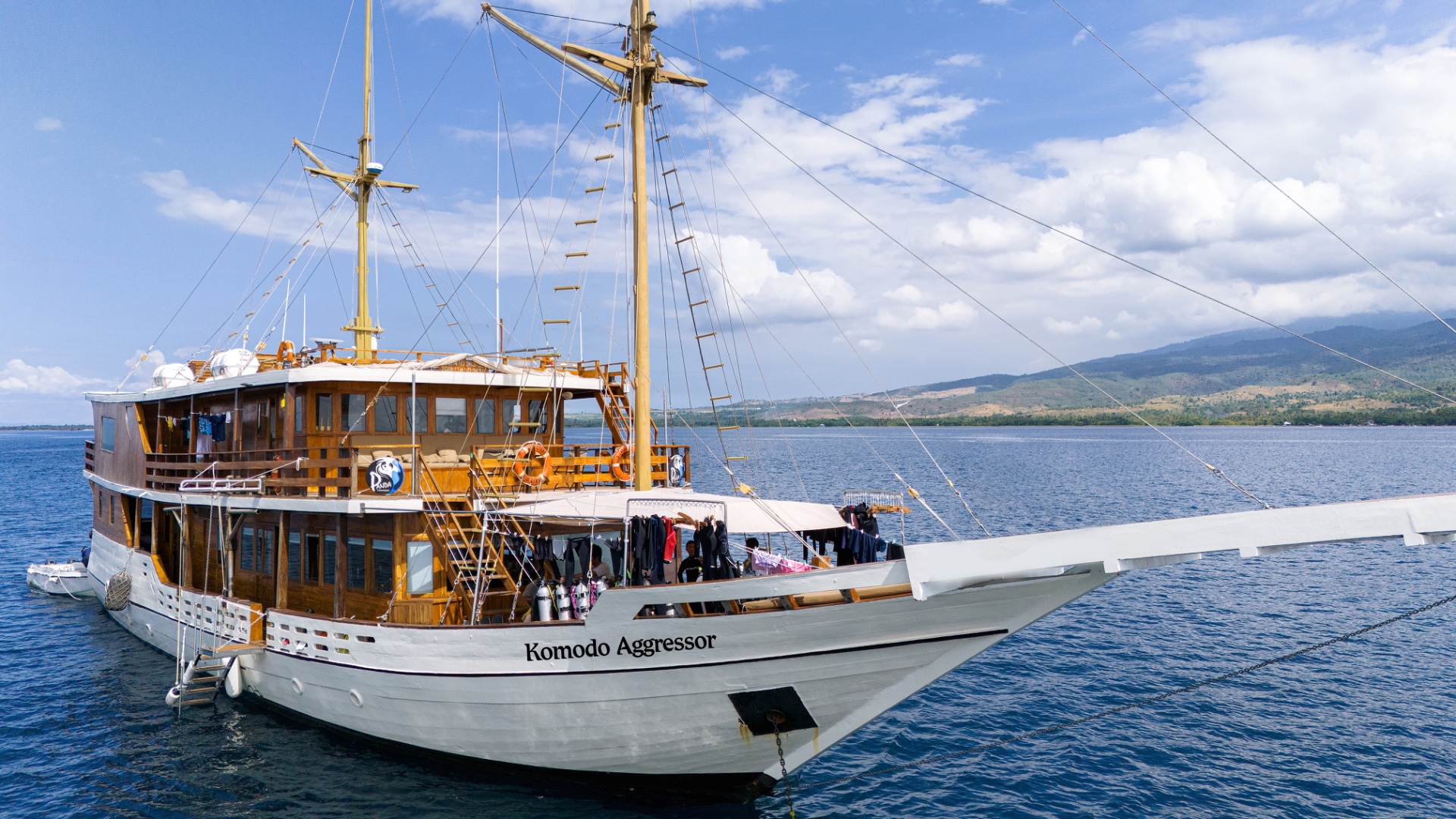
Komodo Aggressor
Komodo, Indonesia
16 guests29 m
$312/day
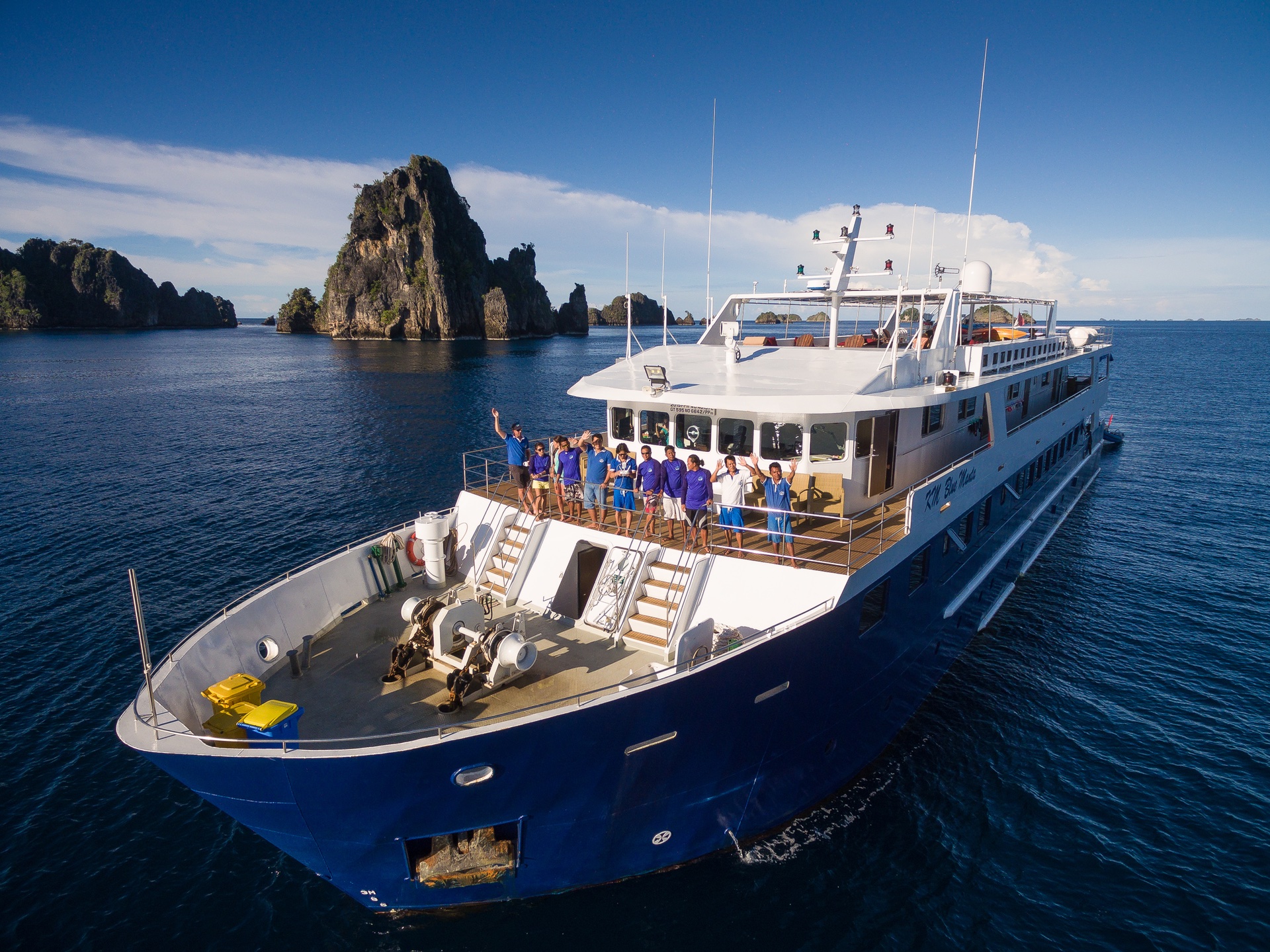
Blue Manta
Indonesia
20 guests45 m
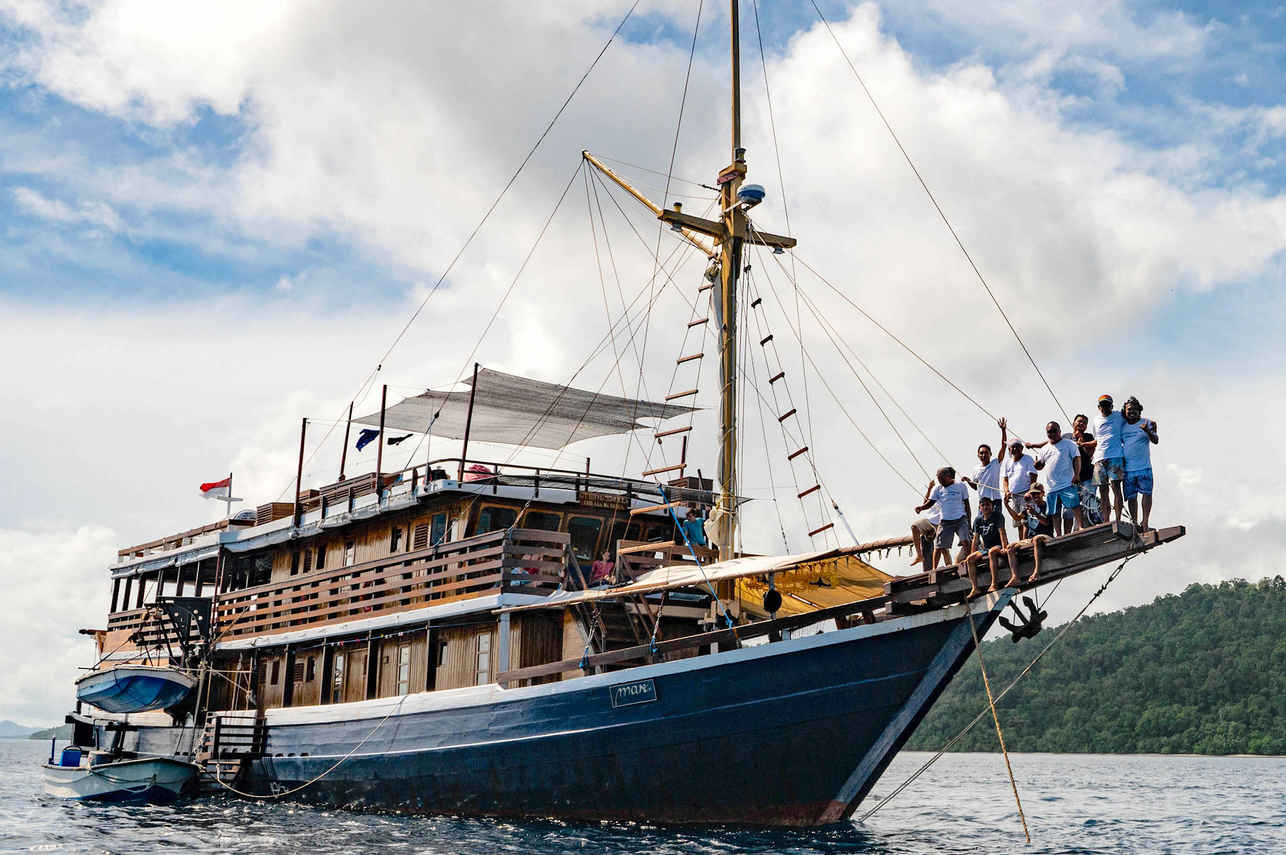
Mari
Indonesia
14 guests32.2 m
$328/day
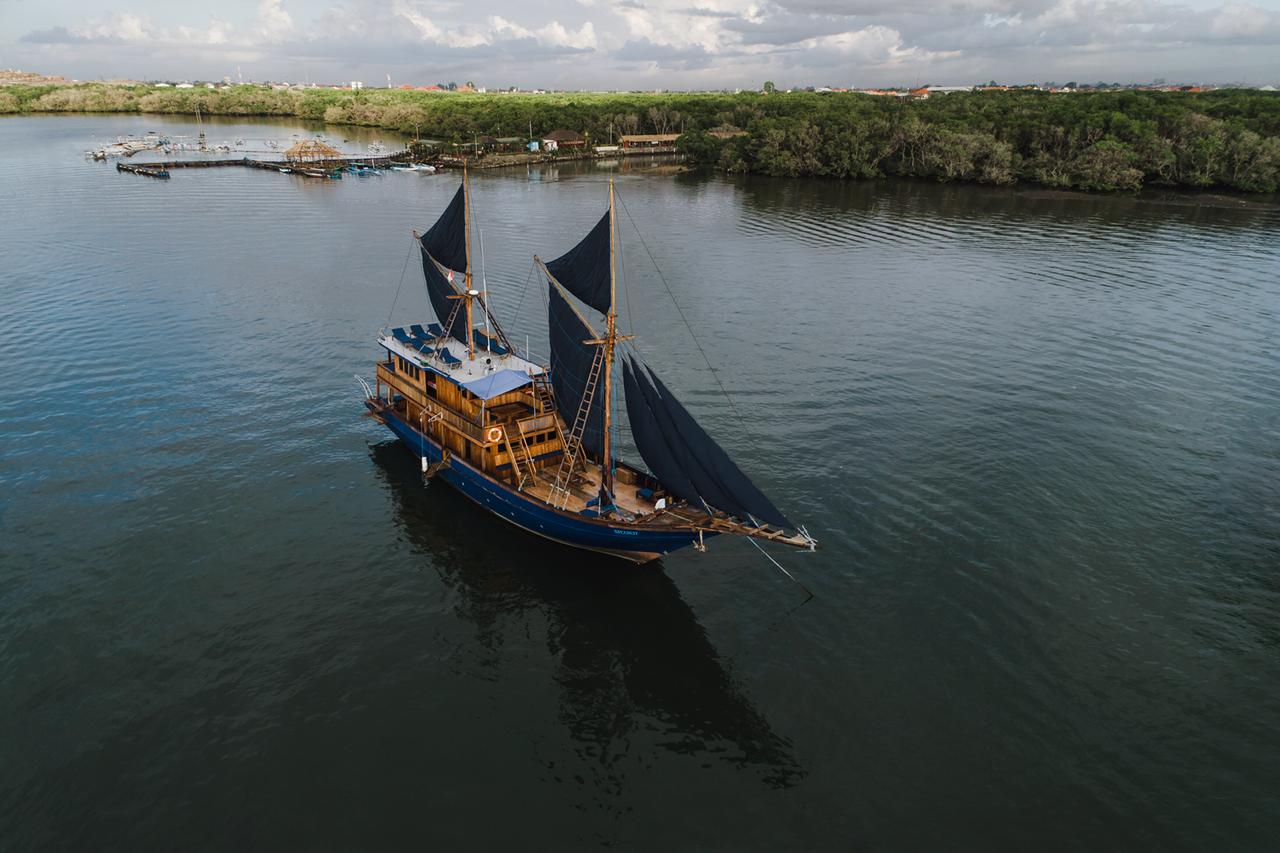
Situju7
Komodo, Indonesia
10 guests32.7 m
$362/day
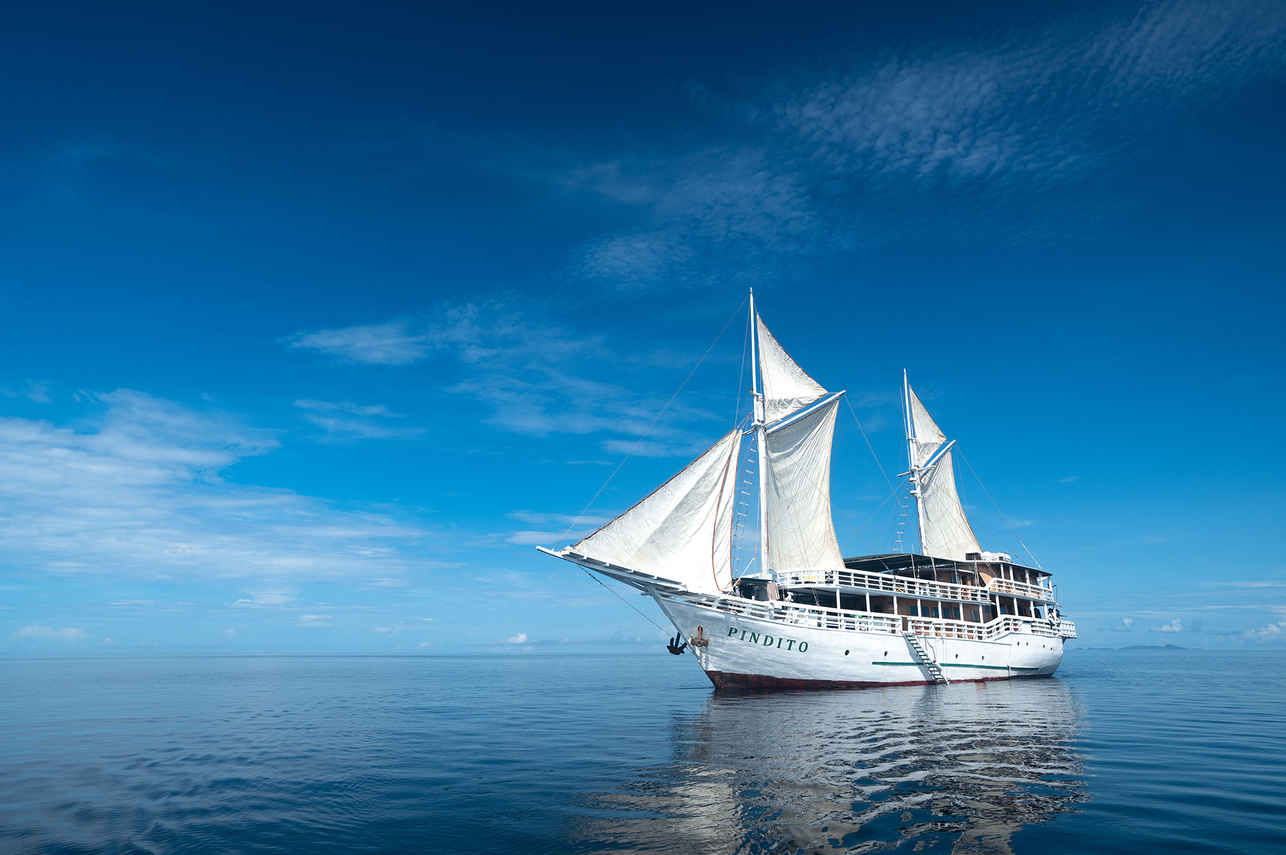
Pindito
Indonesia
16 guests37.79 m
$533/day
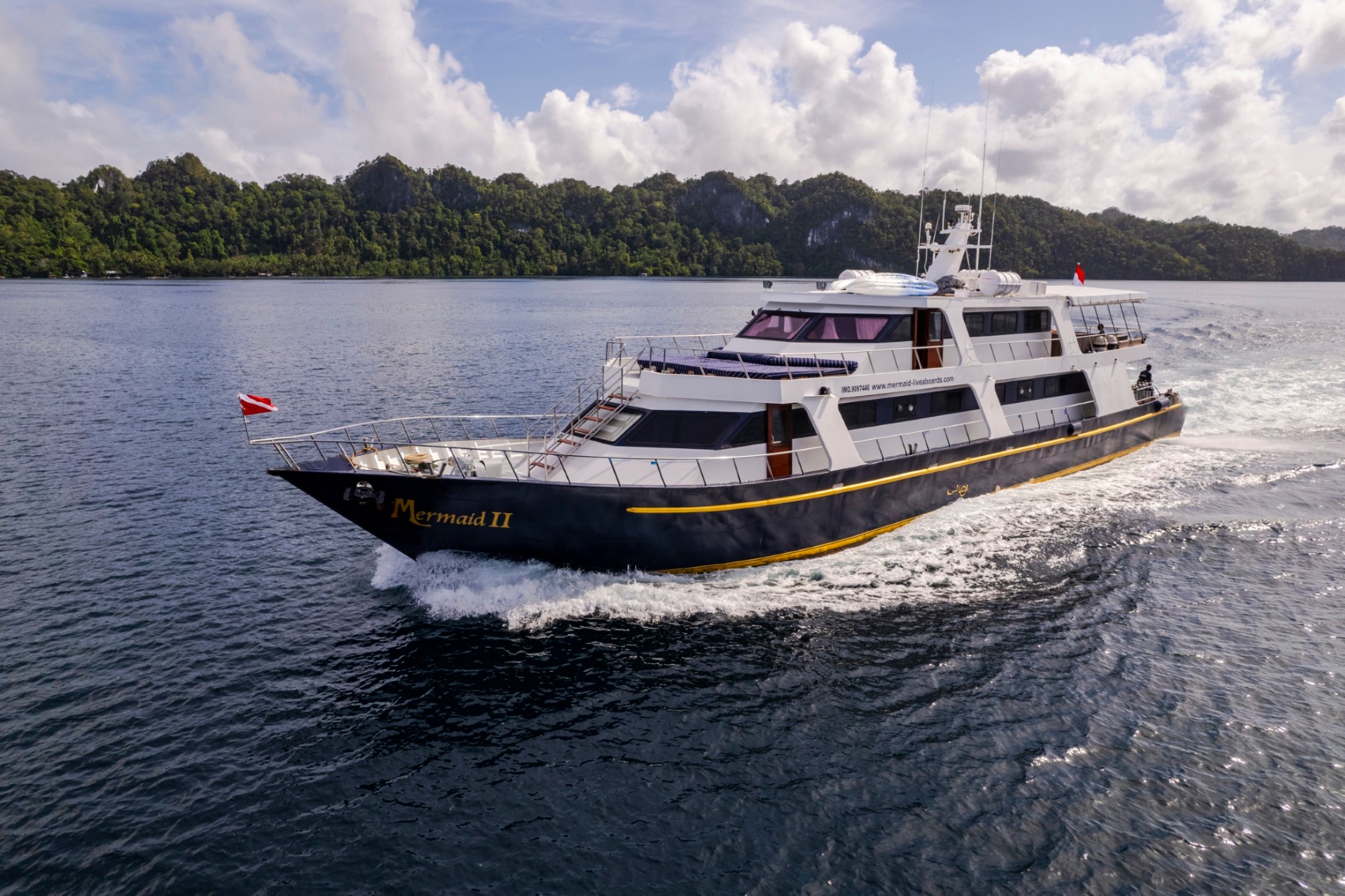
Mermaid II
Komodo, Indonesia
18 guests
$355/day
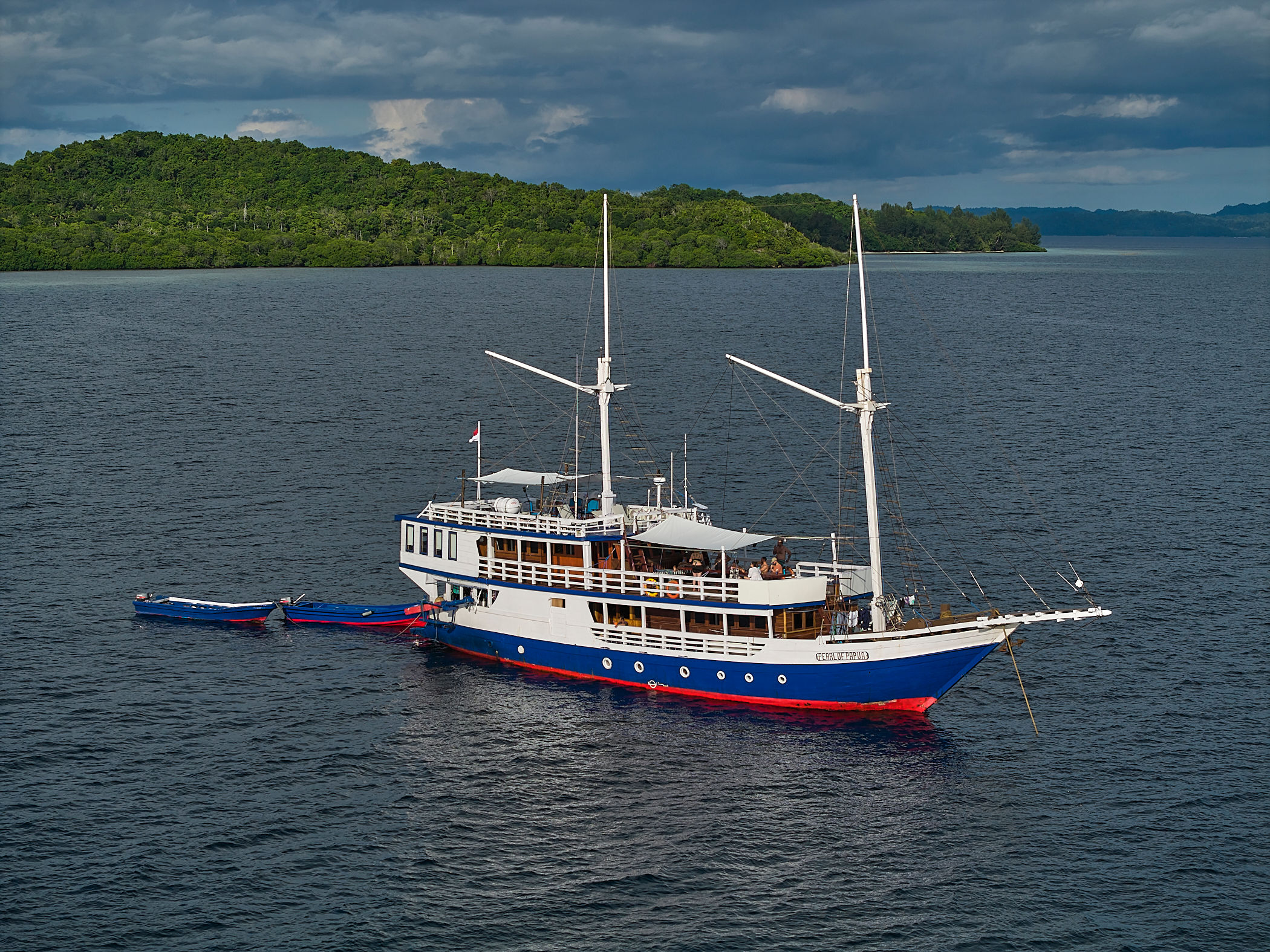
Pearl of Papua
Raja Ampat, Indonesia
14 guests30 m
$303/day
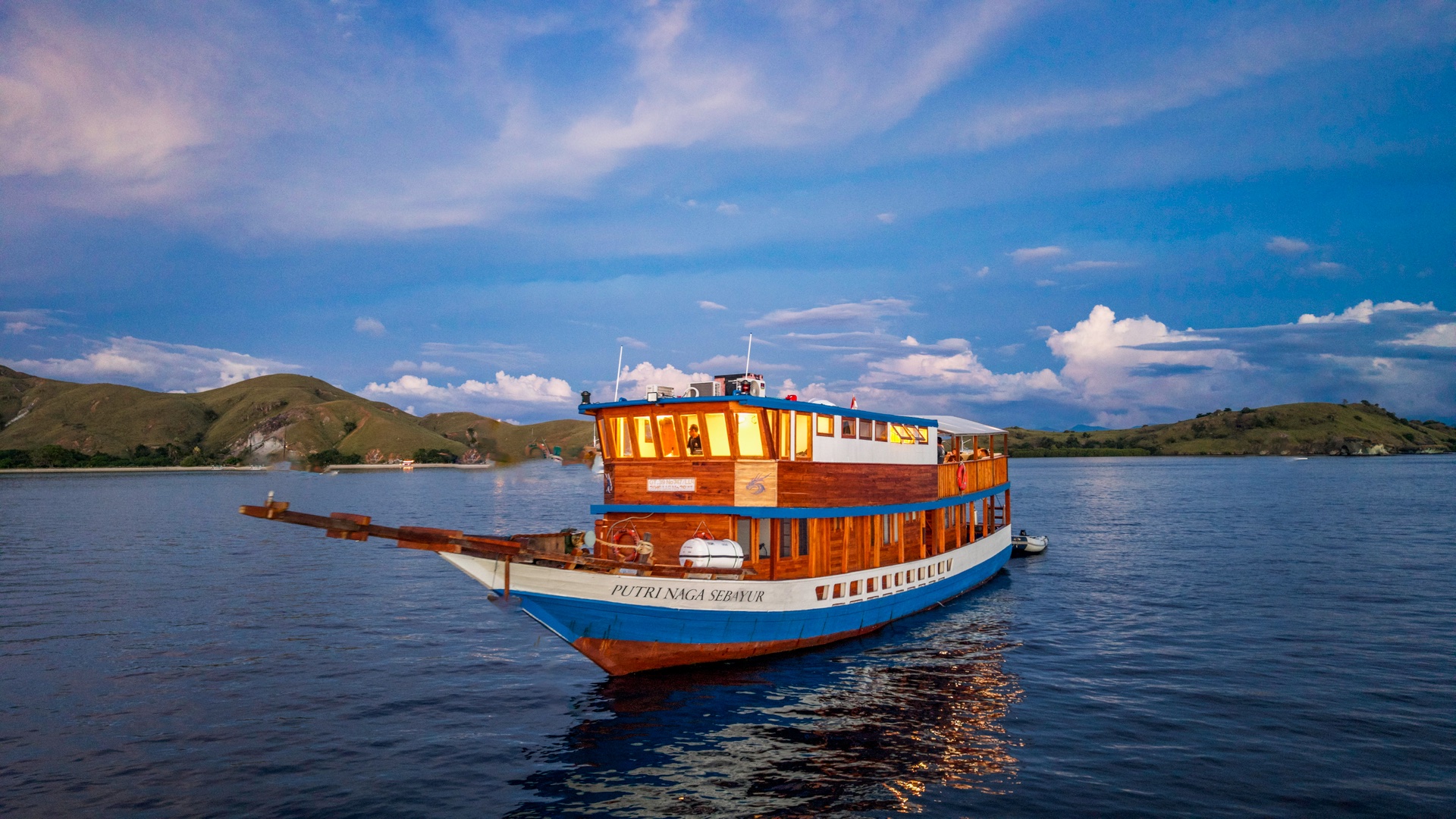
Putri Naga
Komodo, Indonesia
6 guests25 m
Dive sites similar to Wakatobi
Same character, same waters — six more sites divers love for the exact same reasons.Compare seasons, access and liveaboard routes — then pick the site that fits your trip best.
© Esri — Maxar, Earthstar, GIS
Adonara Wall
Indonesia
Adonara is an Indonesian island dive site, renowned for its vibrant underwater topography characterized by submerged seamounts.
- Suitable for
- Intermediate
- Current
- Strong
- Access
- Liveaboard or dayboat
- Depth
- 5–35 m
- Theme
- Seamount / Wall
© Esri — Maxar, Earthstar, GIS
Mawali Wreck
Indonesia
The Mawali Wreck, a Japanese cargo ship, rests on its side in the Lembeh Strait, off the northern coast of Sulawesi.
- Suitable for
- Advanced
- Current
- Mild
- Access
- Liveaboard only
- Depth
- 25–40 m
- Theme
- Wreck / Reef
Aljui Bay, located in Raja Ampat's remote northern reaches, was discovered as a premier snorkeling and diving destination by chance in 2011. This bay, situated within the broader…
- Suitable for
- Beginner
- Current
- Mild
- Access
- Liveaboard only
- Depth
- ≤ 20 m
- Theme
- Reef
Babylon is a captivating dive site located in the Alor Sea, renowned for its exceptional visibility and vibrant marine ecosystem.
- Suitable for
- Intermediate
- Current
- Strong
- Access
- Liveaboard or dayboat
- Depth
- 3–20 m
- Theme
- Reef / Wall
© Esri — Maxar, Earthstar, GIS
Shark Close
Indonesia
Shark Close is an exhilarating dive site in the Indonesian portion of Borneo, renowned for its strong currents and abundant marine life.
- Suitable for
- Advanced
- Current
- Strong
- Access
- Liveaboard or dayboat
- Depth
- 5–25 m
- Theme
- Channel / Drift
© Esri — Maxar, Earthstar, GIS
Cornucopia
Indonesia
Cornucopia, aptly named the 'horn of plenty,' is celebrated as Wakatobi's most spectacular wall dive, offering a diverse and nutrient-rich underwater environment.
- Suitable for
- Intermediate
- Current
- Mild
- Access
- Liveaboard only
- Depth
- 5–40 m
- Theme
- Reef