About Magnifica
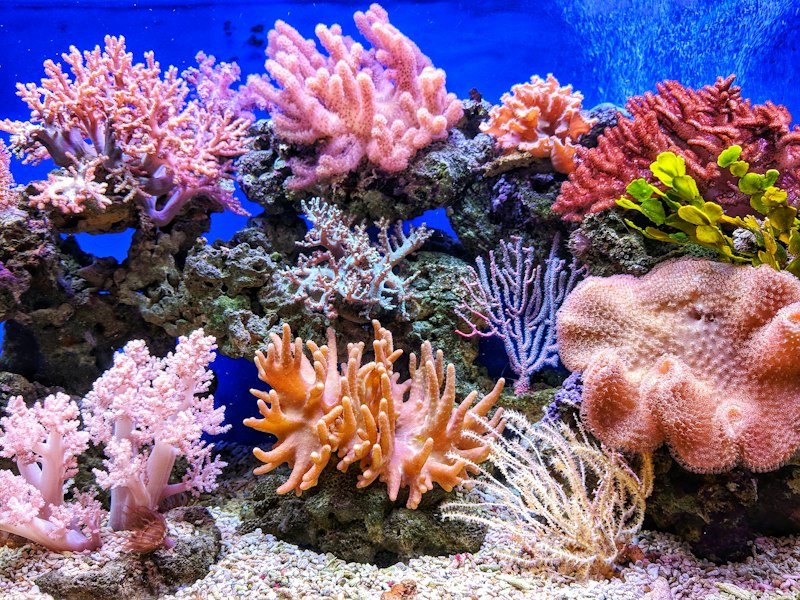
Magnifica is a spectacular dive site located within Indonesia's Wakatobi National Park, renowned for its extraordinary coral reefs and marine biodiversity. Situated on the largest barrier reef in Indonesia, the site begins in shallow waters and descends into a series of ridges and chutes, forming a vibrant wall that plunges into greater depths. The topography is characterized by a sloping reef top that transitions into a sheer drop-off, adorned with some of the park's densest soft coral concentrations. Beige leather corals carpet the shallower sections, while impressive fan corals are stacked along the deeper drop-offs. The site is a prime example of Wakatobi's exceptionally healthy reefs, benefiting from nearly three decades of community-led conservation efforts and its UNESCO Biosphere status. While Magnifica is celebrated for its lush coral gardens, it also provides habitat for a variety of fish species including anthias and fusiliers, as well as encounters with reef sharks and sea turtles. It's also a significant location for macro life, particularly pygmy seahorses, including the rare Pontoh's pygmy seahorse, which thrives here due to dedicated conservation protocols. Diving Magnifica often involves a classic drift when currents are active, allowing divers to effortlessly explore the expansive coral formations. The site is accessible by boat from nearby resorts, offering a rich and dynamic dive experience in consistently clear, warm waters.
Highlights
Dense soft coral growthSpectacular wall diveClassic drift divingPontoh's pygmy seahorsesAbundant reef sharksVaried hard coral formationsSheer drop-offs and chutes
Season calendar
Best months to dive here
Jan
Feb
Mar
Apr
May
Jun
Jul
Aug
Sep
Oct
Nov
Dec
Excellent
Good
Apr – Nov (Apr–Nov)
The dry season brings calm seas, 25–30m+ visibility, and strong currents that attract mantas, sharks, and pelagics to Komodo. Alor offers pristine reef diving with 20–40m visibility. Bali's Nusa Penida delivers Mola Mola encounters from July to October. Water temperatures range from 24–28°C — a 3mm or 5mm wetsuit is recommended.
Dec – Mar (Oct–Apr)
Raja Ampat peaks during the wet season with calmer seas, plankton-rich waters attracting manta rays, and excellent biodiversity. Water is a warm 28–30°C with 15–25m visibility. The Banda Sea opens its rare expedition window from September to December, with hammerhead sharks and pristine seamounts. Lembeh Strait offers world-class muck diving year-round. A 3mm wetsuit is sufficient.
Dive site facts: Magnifica
- Depth
- 5–40 m
- Current
- Moderate to strong
- Visibility
- 25–45 m
- Water temperature
- 26–30 °C
- Entry
- Boat
- Level
- Intermediate or above
- Dive type
- Wall, drift, macro, coral garden
- Region / port
- Wakatobi, Southeast Sulawesi
- Coordinates
- 4.5755° S, 123.7436° E
Conditions & Currents
Magnifica is known for its moderate to strong currents, which often create a classic drift dive experience along the wall. These currents are crucial as they deliver a steady supply of plankton, nourishing the vibrant soft corals and attracting diverse marine life. Divers should be comfortable with moving water and be prepared for potential changes in current strength throughout the dive. While visibility remains excellent, often 25 to 45 meters, the current dictates the pace and trajectory of the dive. Entry is typically by tender, and divers are often shuttled up-current for a relaxed drift back. Knowledgeable dive guides are essential to navigate the site safely and maximize viewing opportunities.
Marine life & sighting chances
Soft corals
common
Leather corals
common
Gorgonian fans
common
Anthias
common
Fusiliers
common
Reef sharks
occasional
Sea turtles
occasional
Pontoh's pygmy seahorse
occasional
Dive profile & how the dive runs
A dive at Magnifica typically begins with a boat entry near the reef crest, which starts in the shallows at around 5 meters. Divers will then follow the contours of the wall, which breaks into distinct ridges and chutes as it descends into technical depths. The dive usually proceeds as a drift, carried by moderate to strong currents along the extensive coral formations. Attention should be paid to the dense soft corals and fan corals that adorn the drop-off, particularly in the 5-20 meter range. Pygmy seahorses can be found clinging to specific hydroids and sea fans, often requiring keen observation. The dive plan will account for the current's direction, with the turnaround point determined by gas consumption and no-decompression limits, allowing for a gradual ascent. Safety stops are conducted in the shallower sections of the reef, often around 5 meters, where divers can continue to observe the vibrant reef life before surfacing.
Underwater photography
Magnifica is a dream for wide-angle and macro photographers alike, due to its stunning coral landscapes and elusive pygmy seahorses. For wide-angle shots, consider a fisheye or wide rectilinear lens to capture the sweeping soft coral gardens and the dramatic wall topography. The exceptional visibility, often exceeding 25 meters, and strong ambient light make strobes essential for color accuracy and contrast. Macro enthusiasts will want a 60mm or 100mm lens to focus on the various pygmy seahorse species, such as Pontoh's, Bargibant's, and Denise's, found clinging to specific corals and hydroids. Practicing excellent buoyancy is critical here, especially when photographing tiny subjects like pygmy seahorses, as large bubble exhalations can disturb them. Adhering to the resort's strict pygmy seahorse code of conduct is paramount: limit flashes to five, avoid focus lights on the subject, and never touch or manipulate the seahorses or their habitat.
Combine with nearby dive sites
Getting there & logistics
Access to Magnifica is primarily through liveaboards or the Wakatobi Dive Resort, which operates on Onemobaa Island in Southeast Sulawesi. The nearest major international airport is likely Makassar (UPG) or Bali (DPS), from where you would typically take a domestic flight to a closer hub, followed by a private charter flight directly to the resort's airstrip. Liveaboards often integrate Wakatobi into repositioning trips between Raja Ampat and Komodo, typically in April and October, offering longer itineraries. Dive trips to Wakatobi usually span 7 to 10 nights, often combining several of the park's renowned sites. A Raja Ampat Marine Park Entry Permit, valid for one calendar year, is required for divers in the region and costs approximately 100 USD.
Safety & environment
Diving Magnifica requires adherence to robust safety protocols due to potential strong currents and the site's depth. Divers should always carry a delayed surface marker buoy (DSMB) and an audible signaling device. Briefings from knowledgeable dive guides are critical for understanding current conditions and the planned dive profile. While the exact location of the nearest recompression chamber is not specified in the immediate vicinity, it's crucial for divers to have comprehensive dive insurance covering medical emergencies and evacuation, as remote locations like Wakatobi necessitate significant logistical support for any serious incident. Always dive within your training and comfort limits, especially given the site's 'Intermediate or above' rating.
Who it suits, and who it doesn't
Suited for
- Experienced drift divers
- Macro photographers
- Wide-angle photographers
- Advanced Open Water certified divers
- Divers seeking pristine coral reefs
Less suited for
- Entry-level Open Water divers
- Divers uncomfortable with strong currents
- Divers with poor buoyancy control
- Divers seeking only large pelagic encounters
- Divers who prefer calm, current-free environments
FAQ
Magnifica FAQ
What kind of marine life can I expect to see at Magnifica?
Magnifica is renowned for its extraordinarily dense soft coral growth, providing a habitat for a vibrant array of reef fish such as anthias and fusiliers. Divers frequently encounter reef sharks and sea turtles cruising along the wall. The site is also a prime location for spotting various pygmy seahorse species, including the elusive Pontoh's pygmy seahorse, making it a highlight for macro enthusiasts.
What are the typical diving conditions at Magnifica?
Magnifica offers excellent diving conditions with water temperatures ranging from 26 to 30 degrees Celsius and visibility often between 25 and 45 meters. However, the site is known for its moderate to strong currents, which can create a thrilling drift dive. Divers should be comfortable with currents and ensure they have the appropriate experience level for this site, which is recommended for intermediate divers or above.
Is Magnifica suitable for beginners?
Magnifica is generally not recommended for beginner divers. Its designation as 'Intermediate or above' reflects the presence of moderate to strong currents and depths up to 40 meters. Divers need to be comfortable with drift diving and managing buoyancy in variable conditions to fully enjoy and safely navigate this spectacular wall dive.
How can I access Magnifica for diving?
Magnifica is typically accessed via liveaboard or directly from the Wakatobi Dive Resort, which is located on Onemobaa Island. The resort offers boat trips to the site, allowing divers to experience its vibrant reef. Liveaboards operating in the wider Indonesia region, particularly those transiting between Raja Ampat and Komodo, also include Wakatobi in their itineraries during specific months.
What special considerations are there for underwater photography at Magnifica?
For photographers, Magnifica presents fantastic opportunities for both wide-angle reefscapes and intricate macro subjects, especially pygmy seahorses. It's crucial to maintain excellent buoyancy, particularly around delicate macro life, and to respect ethical guidelines, such as limiting strobe flashes and avoiding focus lights on sensitive creatures. The site's clear water and vibrant corals provide an ideal canvas for stunning underwater imagery.
Why dive Magnifica from a liveaboard?
Magnifica is one of Indonesia's signature dive sites. A liveaboard sleeps you on the water and puts you in the water for three to four guided dives per day, including dawn and night dives that day-boat operators rarely offer. You skip the daily commute back to port and reach quieter, less-crowded sites in the same region on a single trip.
Below are the liveaboards that include Magnifica on their Indonesia itineraries.
Liveaboards diving Magnifica
These liveaboards may visit Magnifica on selected itineraries, the exact dive sites depend on departure, weather and conditions.

Panunee
Indonesia
18 guests38 m

Naga Biru
Indonesia
12 guests40 m

Ecopro Duyung Baru
Indonesia
6 guests27 m

Jaya
Indonesia
14 guests23 m

Wellenreng
Indonesia
9 guests25 m

Komodo Aggressor
Komodo, Indonesia
16 guests29 m

Blue Manta
Indonesia
20 guests45 m

Mari
Indonesia
14 guests32 m

Situju7
Komodo, Indonesia
10 guests33 m

Pindito
Indonesia
16 guests38 m

Mermaid II
Komodo, Indonesia
18 guests

Pearl of Papua
Raja Ampat, Indonesia
14 guests30 m
Dive sites similar to Magnifica
Same character, same waters, six more sites divers love for the exact same reasons.Compare seasons, access and liveaboard routes, then pick the site that fits your trip best.
Abila is a notable dive site located within the Alor Islands Marine Park, an area celebrated for its rich marine biodiversity due to its position in the Coral Triangle.
- Suitable for
- Beginner
- Current
- Mild
- Access
- Liveaboard only
- Depth
- —
- Theme
- Reef
© EsriMaxar, Earthstar, GIS
Adonara Channel
Alor
Adonara Channel stands as one of Alor's most iconic dive sites, celebrated for its dynamic currents and exceptionally rich biodiversity.
- Suitable for
- Advanced
- Current
- Strong
- Access
- Liveaboard or dayboat
- Depth
- 10–40 m
- Theme
- Drift / Wall
© EsriMaxar, Earthstar, GIS
Adonara Wall
Indonesia
Adonara is an Indonesian island dive site, renowned for its vibrant underwater topography characterized by submerged seamounts.
- Suitable for
- Intermediate
- Current
- Strong
- Access
- Liveaboard or dayboat
- Depth
- 5–35 m
- Theme
- Seamount / Wall
© EsriMaxar, Earthstar, GIS
Agnay Fish Sanctuary
Philippines
Agnay Fish Sanctuary is nestled in a sheltered bay near the village of Agnay in Romblon, a province celebrated for its rich marine biodiversity.
- Suitable for
- Beginner
- Current
- Mild
- Access
- Dayboat
- Depth
- 9–18 m
- Theme
- Reef
© EsriMaxar, Earthstar, GIS
Ai Island Reef
Banda Sea
Ai Island Reef, nestled within the Banda Sea, offers a remarkable diving experience characterized by its rich marine biodiversity and varied underwater topography.
- Suitable for
- Beginner
- Current
- Strong
- Access
- Liveaboard only
- Depth
- 3–30 m
- Theme
- Reef / Seamount
© EsriMaxar, Earthstar, GIS
Akitsushima
Philippines
The Akitsushima is a distinguished World War II Japanese seaplane tender, sunk in September 1944 during an American air raid in Coron Bay, Palawan.
- Suitable for
- Advanced
- Current
- Strong
- Access
- Dayboat
- Depth
- 22–38 m
- Theme
- Wreck